


 购物车
购物车 个人中心
个人中心

The Boyfriend Project
¥55.33
Perfect for fans of Stephanie Perkins, Lauren Barnholdt, and Susane Colasanti, The Boyfriend Project is a romantic read about a girl who wishes her sweet boyfriend had a little more edge.Kendall and her boyfriend, Jeremy, have been together forever, and Kendall is starting to wonder if Jeremy is a little boring. . . . So she embarks on a boyfriend makeover. But as Jeremy learns to strut his stuff, other girls start to notice him and, what's worse, he's noticing them back. Then Jeremy breaks up with Kendall and she realizes her makeover project was the ultimate disaster. Is the sweet boyfriend she loved gone forever?A companion novel to Rachel Hawthorne's paperback original Trouble from the Start, this title is perfect for fans of summer beach reads and sweet treats.
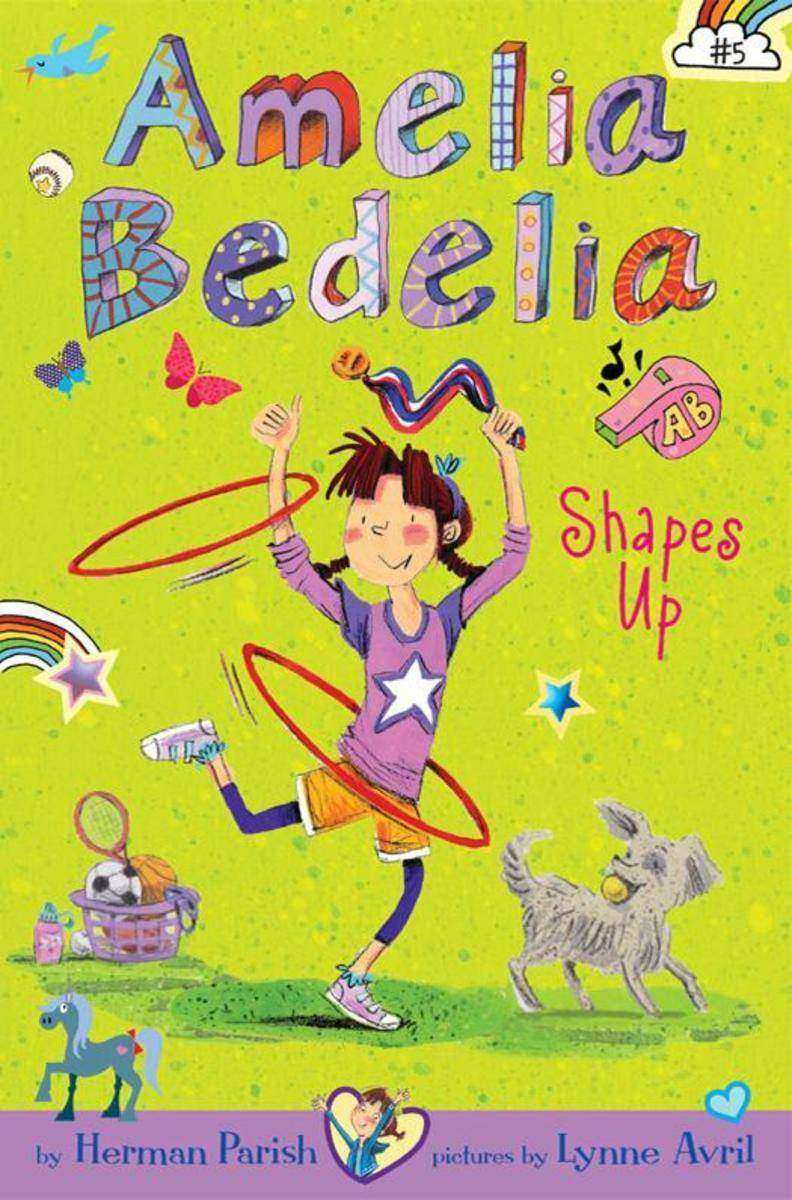
Amelia Bedelia Chapter Book #5: Amelia Bedelia Shapes Up
¥33.18
In the fifth book in the New York Times?best-selling chapter book series about the childhood of America's favorite housekeeper, Amelia Bedelia takes to the field, the yoga mat, and the track, with hilarious results. Includes a guide to the idioms used in the book and features black-and-white art throughout. The Amelia Bedelia books have sold more than 35 million copies.Amelia Bedelia's friends and classmates all have a particular sport that they love and are good at. Amelia Bedelia loves sports and games of all kinds, for different reasons. She has fun (and she loves to dribble and dunk and run home), but she is not the fastest or strongest or quickest at anything. Amelia Bedelia would love to have a sport to call her own—and so when her class at school studies the sports of ancient Greece, she goes on a mission to find one! With Amelia Bedelia, anything can happen—and it usually does. Short, fast-paced chapters, tons of friends and funny situations, and black-and-white illustrations by Lynne Avril on every page make the Amelia Bedelia chapter books an ideal choice for readers of the Ivy + Bean, Magic Tree House, and Judy Moody books.
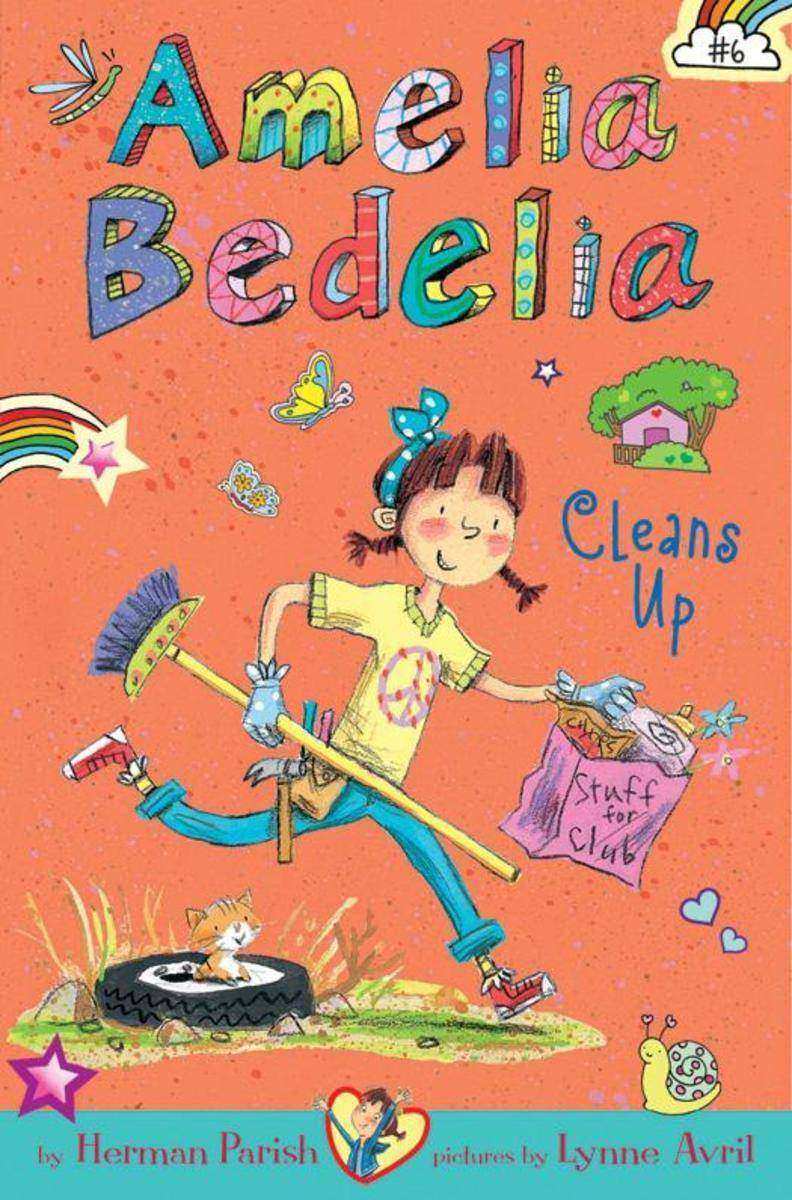
Amelia Bedelia Chapter Book #6: Amelia Bedelia Cleans Up
¥33.18
In the sixth book in the New York Times–bestselling chapter book series about the childhood of America's favorite housekeeper, Amelia Bedelia and her friends clean up a vacant lot in their neighborhood and build a clubhouse for explorers. Short, fast-paced chapters, tons of friends and funny situations, and black-and-white illustrations on every page make the Amelia Bedelia chapter books an ideal choice for readers of the Ivy + Bean, Magic Tree House, and Judy Moody books. Includes a guide to idioms used in the book. The Amelia Bedelia books have sold more than 35 million copies.
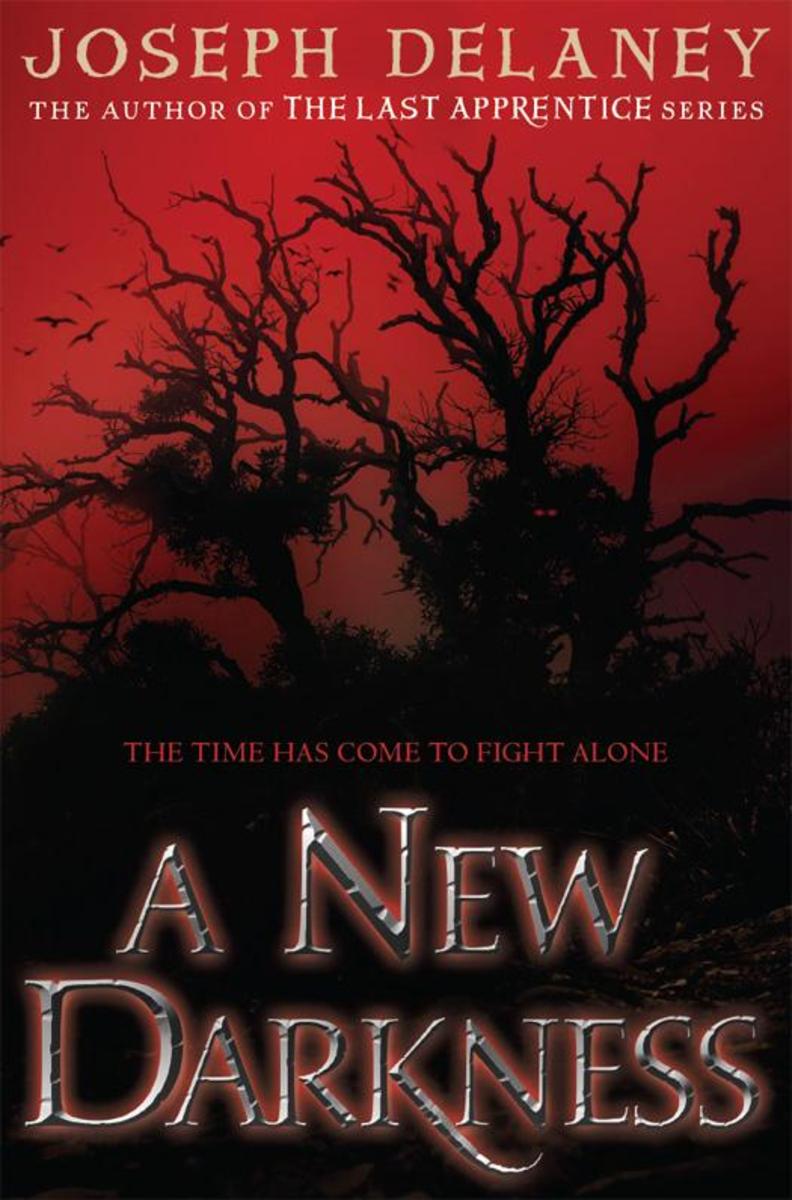
A New Darkness
¥55.93
The first book in a chilling new trilogy from the author of the internationally bestselling Last Apprentice series! Tom Ward is an apprentice no longer—he is a full-fledged spook battling boggarts, witches, and other creatures of the dark. A New Darkness is the first in a three-book arc that introduces brand-new readers to Joseph Delaney's haunting world.Tom Ward is the Spook, the one person who can defend the county from bloodthirsty creatures of the dark. But he's only seventeen, and his apprenticeship was cut short when his master died in battle. No one trusts Tom's skill, not until he's proven himself. And a fifteen-year-old girl named Jenny knows more about the three mysterious deaths in the county than Tom does. She is a seventh daughter of a seventh daughter, and she wants to be Tom's first apprentice—even though a female spook is unheard of. Together, Tom and Jenny will uncover the grave danger heading straight toward the county, and they'll team up with a witch assassin to confront it.A New Darkness begins a three-book arc that will introduce new readers to Joseph Delaney's deliciously scary imagination, and electrify his longtime fans. A New Darkness is perfect for every reader who loves thrills, chills, action, and adventure—no prior knowledge of The Last Apprentice series is necessary!The Last Apprentice series, the first internationally bestselling series about Tom Ward, is now a major motion picture, Seventh Son, starring Jeff Bridges, Ben Barnes, Alicia Vikander, Kit Harington, Olivia Williams, Antje Traue, Djimon Hounsou, and Julianne Moore as Mother Malkin.
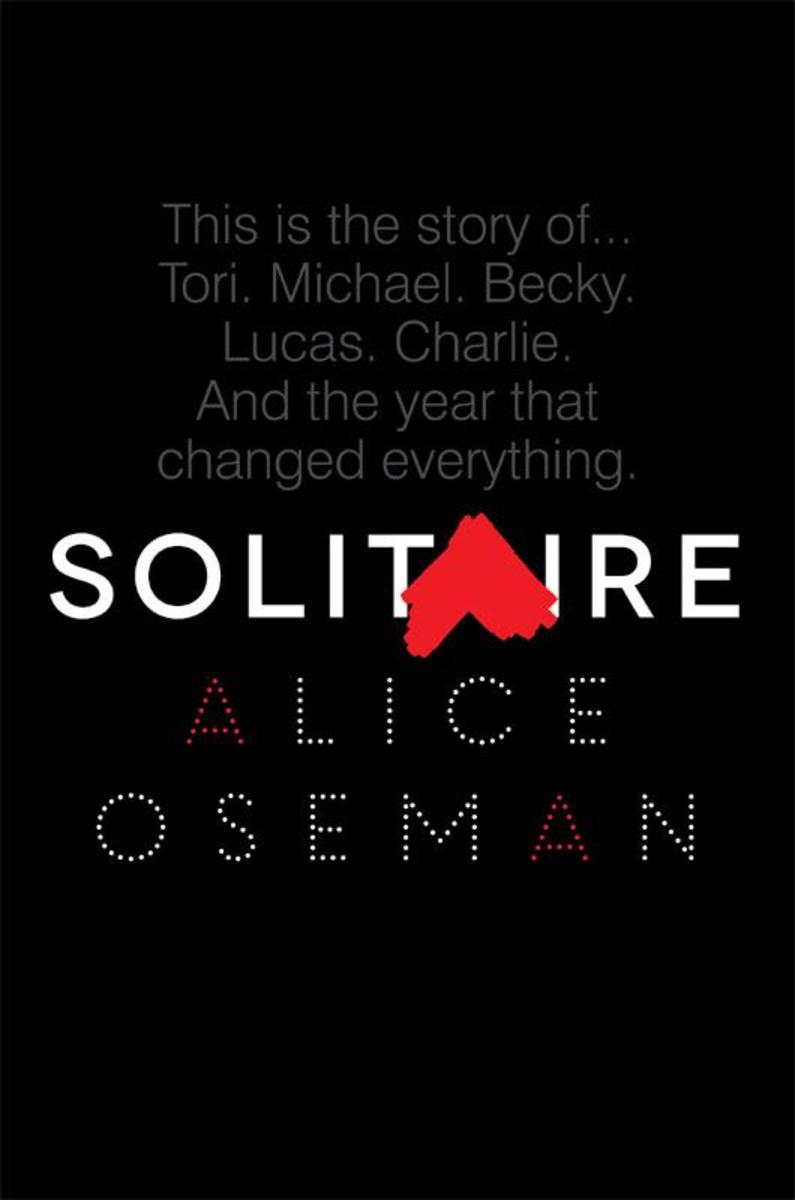
Solitaire
¥99.65
In Solitaire, Alice Oseman has brought to life a vivid, clever, and heartfelt portrayal of what it's like to be a teenager today. This stunning debut novel—which the Times (London) called "The Catcher in the Rye for the digital age"—is perfect for fans of Melina Marchetta, Stephen Chbosky, and Rainbow Rowell.My name is Tori Spring. I like to sleep and I like to blog. Last year—before all that stuff with Charlie and before I had to face the harsh realities of exams and university applications and the fact that one day I really will have to start talking to people—I had friends. Things were very different, I guess, but that's all over now.Now there's Solitaire. And Michael Holden. I don't know what Solitaire is trying to do, and I don't care about Michael Holden. I really don't.

The Fill-In Boyfriend
¥60.87
When Gia Montgomery's boyfriend, Bradley, dumps her in the parking lot of her high school prom, she decides to do the unthinkable…convince the cute guy waiting to pick up his sister to pretend to be her boyfriend for the night. The task is simple: two hours, zero commitment, a few white lies.The problem is that days after prom, she can't stop thinking about her fill-in boyfriend. But can Gia turn her fake boyfriend into a real one without exposing her lie and possibly destroying her friendships and her newfound relationship?Smartly observed and wonderfully romantic, Kasie West's talent shines in this tale of one girl's unexpected quest to find love…and possibly herself.

How to Win at High School
¥101.00
Adam Higgs is a loser, and he's not okay with it.But starting as a junior in a new high school seems like exactly the right time to change things. He brainstorms with his best friend, Brian: What will it take for him to take over Nixon CollegiateAdam searches for the A-listers' weak spot and strikes gold when he gets queen bee Sara Bryant to pay him for doing her physics homework. One part nerd, two parts badass, Adam ditches his legit job and turns to full-time cheating. His clientsAll the Nixon Collegiate gods and goddesses.But soon his homework business becomes a booze business, which becomes a fake ID business. Adam's popularity soars as he unlocks high school achievements left and right, from his first kiss to his first rebound hookup. But something else is haunting him—a dark memory from his past, driving him to keep climbing. What is itAnd will he go too far?How to Win at High School's honest picture of high school hierarchy combines with an over-the-top, adrenaline-charged story line, and Adam's rocket ride to the top of the social order (and his subsequent flameout) is by turns bawdy and sweetly emotional.
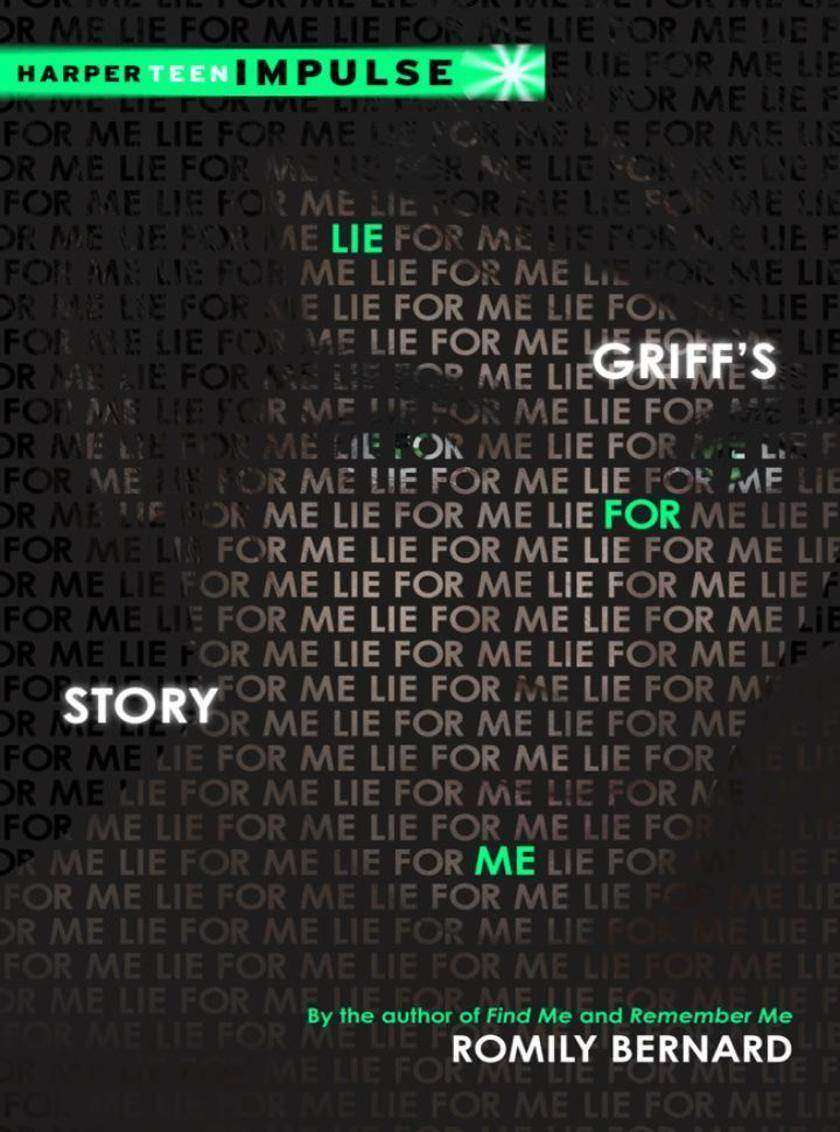
Lie for Me: Griff's Story
¥21.73
A digital-only prequel novella from Romily Bernard, author of the Find Me trilogy.Griff wasn't always the knight in shining armor Wick Tate thinks he is. He had a whole life before he met her, and even though it's grittier than Wick could have imagined, it also made him into the guy she loves.This prequel novella grants readers access to Griff's story from his point-of-view—and it includes some scenes from Find Me, which Jay Asher called "a thriller that keeps picking up speed" and Sophie Jordan hailed as "fast-paced and full of twists," and is told from Griff's alternate perspective!Epic Reads Impulse is a digital imprint with new releases each month.

Survivors: The Gathering Darkness #1: A Pack Divided
¥44.73
The first book in an epic new adventure for the Survivors dogs! From Erin Hunter, #1 nationally bestselling author of Warriors, Survivors is full of "wild and wonderful adventure" (Kirkus Reviews, starred review) that will thrill fans of action-packed animal fantasy.For the first time Storm can remember, she has a place in a Pack, and the world that was devastated by the Big Growl is finally at peace. But tensions are rising among the dogs of the Wild Pack—and the greatest danger they face may come from within.
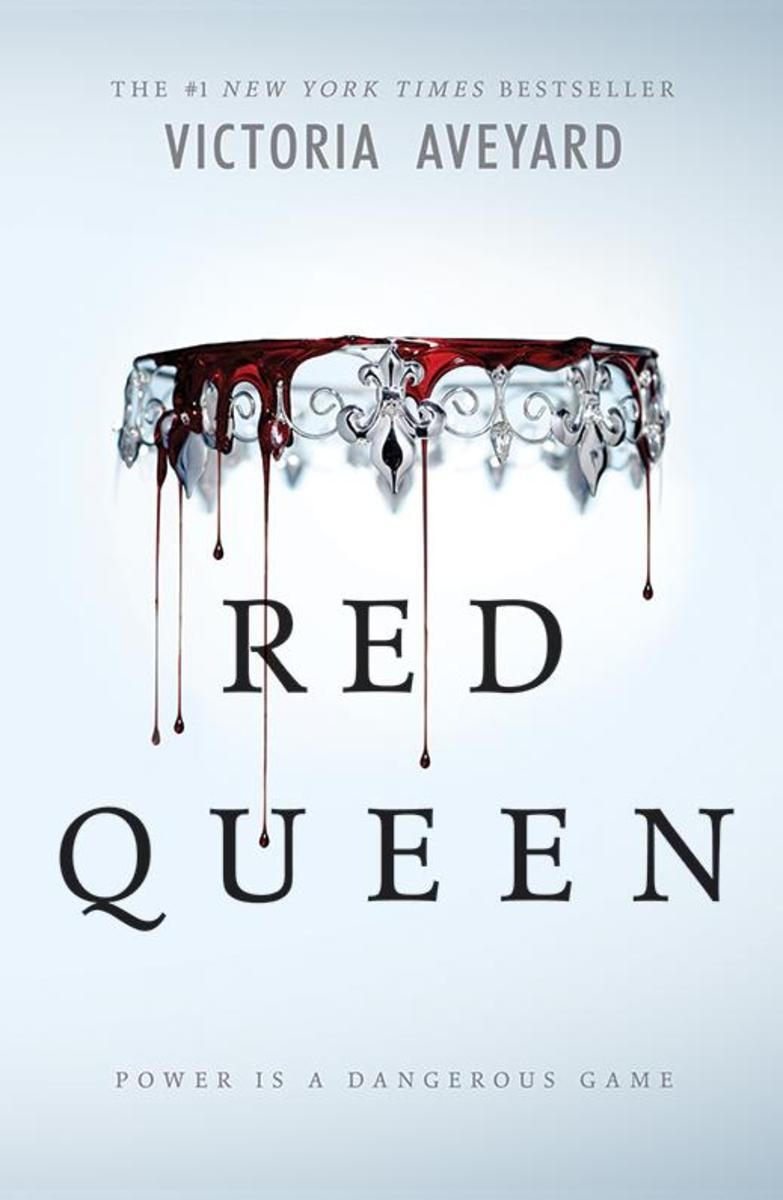
Red Queen
¥72.71
Graceling meets The Selection in debut novelist Victoria Aveyard's sweeping tale of seventeen-year-old Mare, a common girl whose once-latent magical power draws her into the dangerous intrigue of the king's palace. Will her power save her or condemn her?Mare Barrow's world is divided by blood—those with common, Red blood serve the Silver- blooded elite, who are gifted with superhuman abilities. Mare is a Red, scraping by as a thief in a poor, rural village, until a twist of fate throws her in front of the Silver court. Before the king, princes, and all the nobles, she discovers she has an ability of her own.To cover up this impossibility, the king forces her to play the role of a lost Silver princess and betroths her to one of his own sons. As Mare is drawn further into the Silver world, she risks everything and uses her new position to help the Scarlet Guard—a growing Red rebellion—even as her heart tugs her in an impossible direction. One wrong move can lead to her death, but in the dangerous game she plays, the only certainty is betrayal.
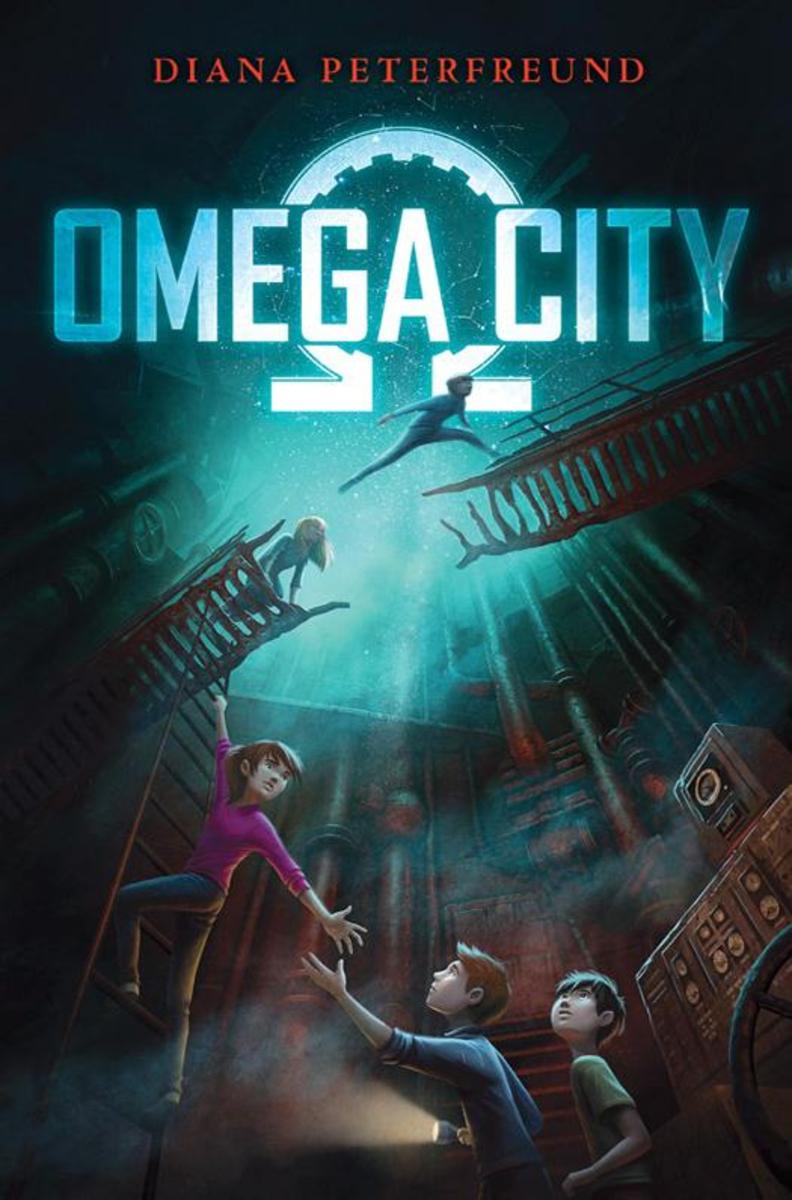
Omega City
¥38.72
The first middle grade novel in an exciting new series from acclaimed author Diana Peterfreund, perfect for fans of The Goonies and The City of Ember.Gillian Seagret doesn't listen to people who say her father's a crackpot. His conspiracy theories about the lost technology of Cold War–era rocket scientist Dr. Aloysius Underberg may have cost him his job and forced them to move to the middle of nowhere, but Gillian knows he's right and plans to prove it.When she discovers a missing page from Dr. Underberg's diary in her father's mess of an office, she thinks she's found a big piece of the puzzle—a space-themed riddle promising to lead to Dr. Underberg's greatest invention. Enlisting the help of her skeptical younger brother, Eric, her best friend, Savannah, and Howard, their NASA-obsessed schoolmate, Gillian sets off on a journey into the ruins of Omega City, a vast doomsday bunker deep inside the earth,.But they aren't alone inside its dark and flooded halls. For while Gillian wants to save her dad's reputation by bringing Dr. Underberg's secrets to light, there are others who will stop at nothing to make sure they stay buried . . . forever.

The Swap
¥44.25
This smart and funny twist on Freaky Friday is perfect for fans of Wendy Mass, Jerry Spinelli, and Jon Scieszka.With one random wish, Jack and Ellie are living life in each other's shoes. He's her. And she's him. ELLIE assumed popular guys didn't worry about body image, being perfect, or talking to girls, but acting like you're cool with everything is tougher than it looks.JACK thought girls had it easy—no fights with bullies, no demanding dads, no power plays—but facing mean girls at sleepovers and getting grilled about your period is way harder than taking a hit to the face at sports practice.Now they're dealing with each other's middle school dramas—locker room teasing, cliques, video game battles, bra shopping, and a slew of hilariously awkward moments—until they hopefully switch back! Told in both Jack's and Ellie's voices, The Swap offers a fresh and honest take on tween friendship, all while exploring more serious themes of family, loss, empathy, and what it really means to be yourself. And as Jon Scieszka says, it's "seriously, truly, fearlessly funny!"
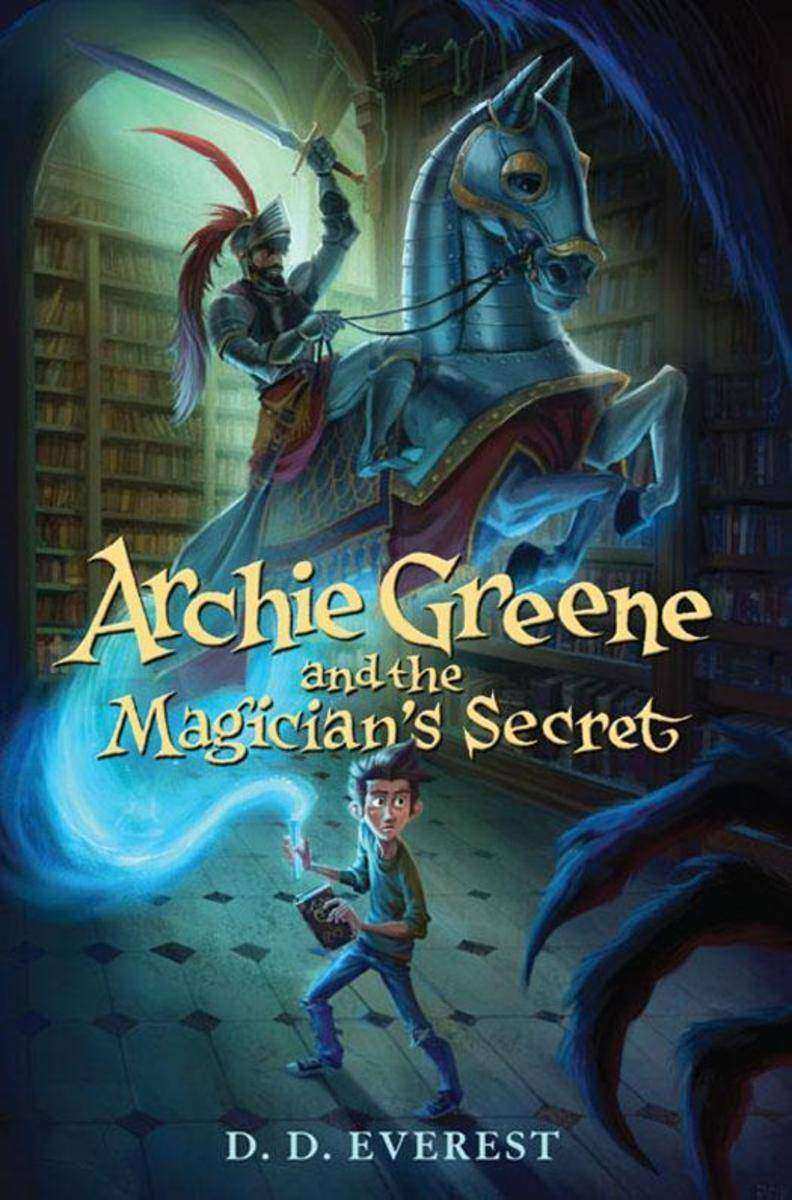
Archie Greene and the Magician's Secret
¥39.24
D. D. Everest's magical middle grade debut, filled with enchanted books and mysterious activity, is sure to captivate readers. Open this book . . . if you dare to face what awaits you inside!On his twelfth birthday, Archie Greene receives a mysterious package containing an ancient book in a language he doesn't recognize. The gift leads him to a family he didn't know he had and a world he never knew existed.With the help of his cousins, Bramble and Thistle, Archie tries to unravel the mystery behind his book, but he begins to realize that his gift is something more powerful than he could have imagined. And the only thing more perilous than its contents is being its owner. The book waited four hundred years for Archie Greene. Now Archie must discover why.
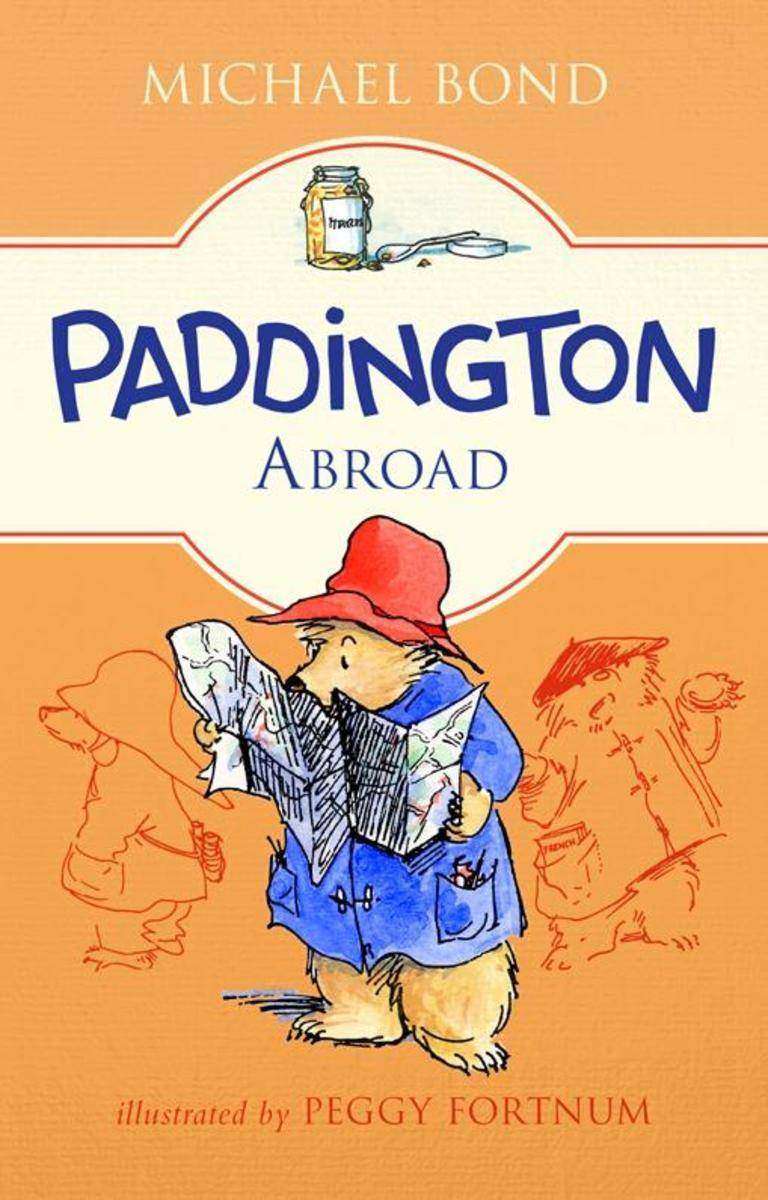
Paddington Abroad
¥33.18
When the Browns go on holiday to France, Paddington is put in charge of the "eyetinnery." But even with the whole trip planned down to the last marmalade sandwich, somehow Paddington takes the family off the beaten path on a voyage no one could forget. With Paddington in charge, one should always plan on a little bit of adventure!First published in 1961, Paddington Abroad is the fourth novel by Michael Bond chronicling the adventures of this classic character. Paddington has warmed the hearts of generations of readers with his earnest good intentions and humorous misadventures. This brand-new edition of the classic novel contains the original text by Michael Bond and illustrations by Peggy Fortnum.

Paddington Helps Out
¥33.63
Paddington Bear loves to lend a paw. From taking a saw to Mr. Curry's kitchen table to extinguishing a surprise flambé, each time Paddington helps out, things tend to get messier before they improve. But with his special tool kit, playful wits, and just a little bit of marmalade, Paddington can take any day and make it extraordinary!First published in 1960, Paddington Helps Out is the third novel by Michael Bond chronicling the adventures of this classic character. Paddington has warmed the hearts of generations of readers with his earnest good intentions and humorous misadventures. This brand-new paper-over-board edition of the classic novel contains the original text by Michael Bond and illustrations by Peggy Fortnum.
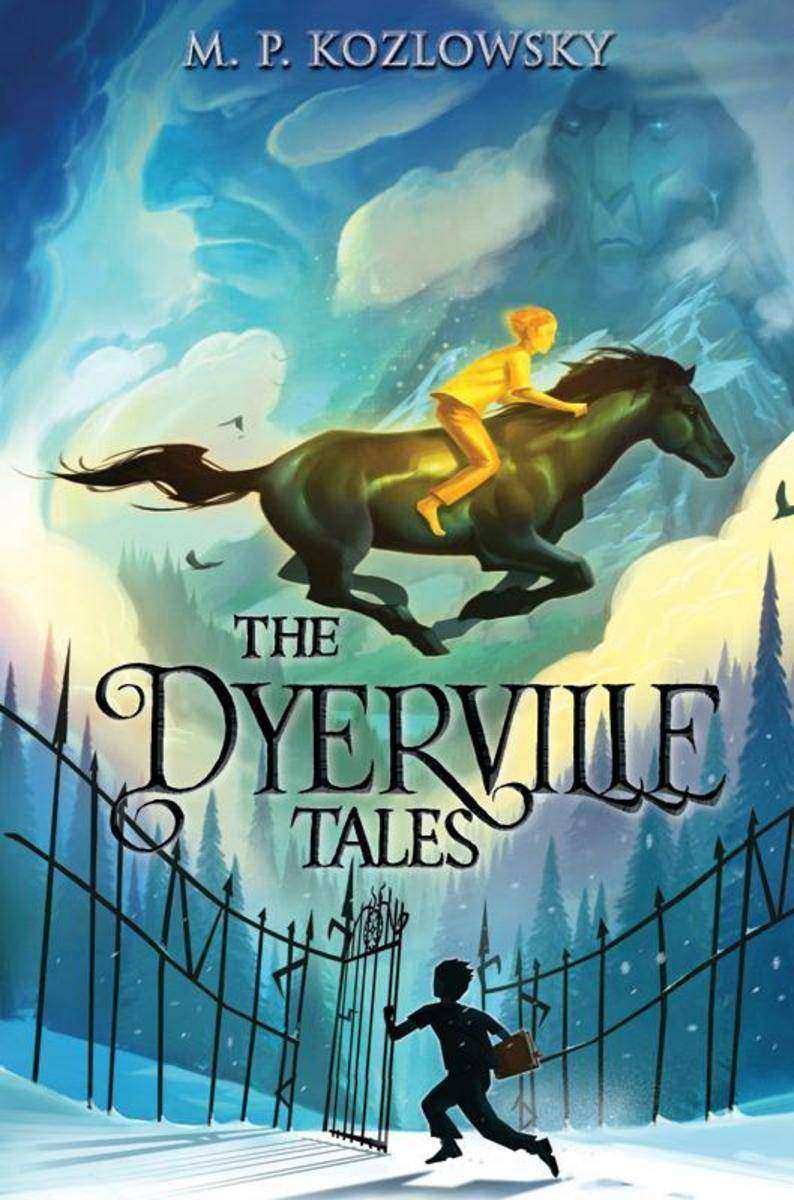
The Dyerville Tales
¥96.50
"Kozlowsky deftly intertwines imagination and adventure with sobering realities; while the story arc itself engrosses and the grandfather's fairy tale–like quest enchants, he underpins the novel with an unceasing melancholy that remembers the human heart, its pain, and its need for hope."—The Bulletin of the Center for Children's Books (starred review)M. P. Kozlowsky's The Dyerville Tales is a powerfully imaginative middle grade novel that blurs the line between fairy tale and reality. Vince Elgin is an orphan, having lost his mother and father in a fire when he was young. With only a senile grandfather he barely knows to call family, Vince was interned in a group home, dreaming that his father, whose body was never found, might one day return for him. When a letter arrives, telling Vince his grandfather has passed away, he is convinced that if his father is still alive, he'll find him at the funeral. He strikes out for the small town of Dyerville, carrying only one thing with him: his grandfather's journal. The journal tells a fantastical story of witches and giants and magic, one that can't be true. But as Vince reads on, he finds that his very real adventure may have more in common with his grandfather's than he ever could have known.

A Physicists Labour In War And Peace
¥24.44
This informative book covers the pre war period to the 1990s spanning the author s experience of the rise of Nazism on the continent, his research and his involvement in the planning of Science and Higher Education in Britain. He gives a wry commentary on education and science in Britain, and describes his role in pressing for adequate funding for science, especially during the Thatcher era. His research in Edinburgh with the future Nobel Laureate Max Born, one of the giants of Theoretical Physics, led to a breakthrough in solidstate physics. In Manchester he worked with Patrick Blackett, also a future Nobel Laureate, measuring Extensive Air Showers . These are sprays of particles, which fall on the earth generated by nuclear particles from the cosmos. Later in Leeds he was one of the initiators of the National British Air Shower Experiment. He writes about some of the famous scientists he has met, and also of his disappointments which are often the fate of a working scientist. This is not a rounded autobiography. Much of the book is concerned with Kellermann s research in solid state and cosmic ray physics and his interaction with outstanding physicists of the time, notably his work with Karl Przibram in Vienna and later with Max Born, Patrick Blackett and E C Stoner, and his meetings with C F Powell in Great Britain. There is also an account of his meeting with Max Planck, his discussions with the later atom spy Klaus Fuchs and other notable scientists of the period. It is concerned also with British science policy and Kellermann s commitment to promote support for science by British governments of the day. But a life in physics spanning the second half of the twentieth century is also likely to be a life deeply marked by warfare, antiSemitism, and disruption. These intelligently written memoirs (Professor Geoffrey Cantor, University of Leeds) offer perceptive assessments of contemporary events and of many of the scientists and politicians Kellermann encountered. The Leitmotiv during Kellermannss later years was his research on cosmic ray extensive air showers. The nonspecialist will find a clear account of how these showers, caused by enormously energetic particles from the cosmos are clues to its understanding, an account leading right up to the present state of the art.
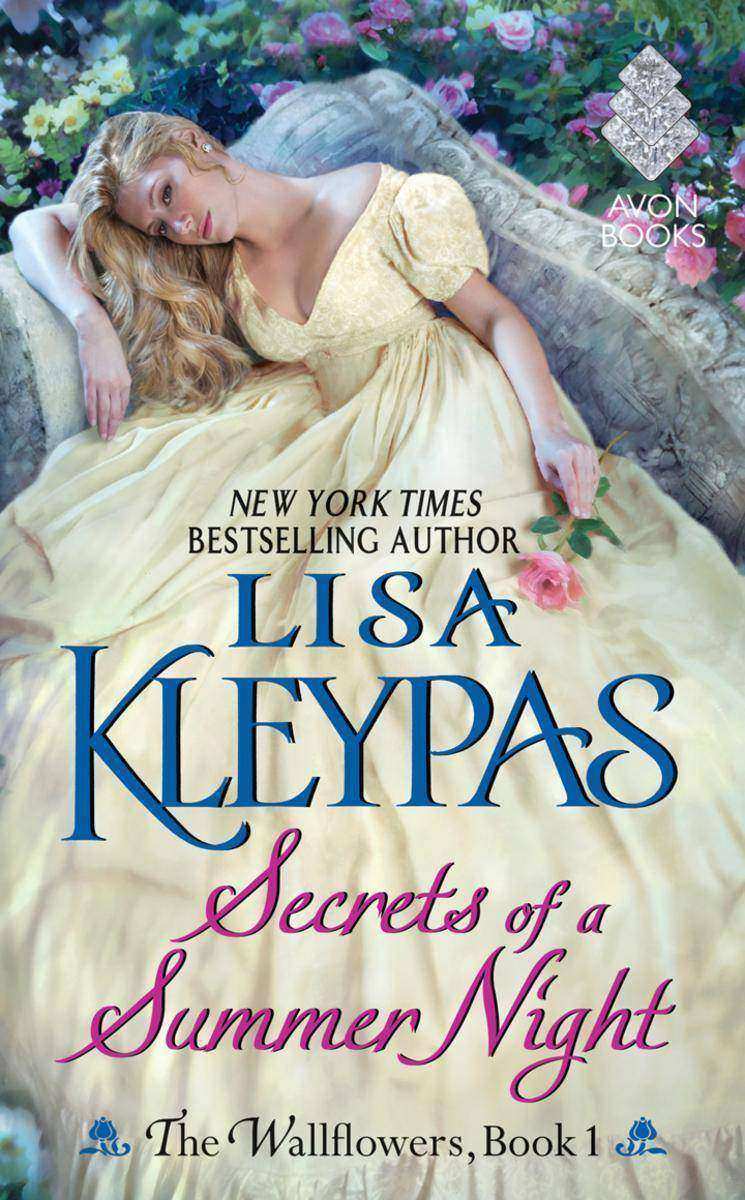
Secrets of a Summer Night
¥35.01
Four young ladies enter London society with one common goal: they must use their feminine wit and wiles to find a husband.So a daring husband-hunting scheme is born. Annabelle Peyton, determined to save her family from disaster, decides to use her beauty and wit to tempt a suitable nobleman into making an offer of marriage. But Annabelle's most intriguing and persistent admirer, wealthy, powerful Simon Hunt, has made it clear that while he will introduce her to irresistible pleasure he will not offer marriage. Annabelle is determined to resist his unthinkable proposition . . . but it is impossible in the face of such skillful seduction. Her friends, looking to help, conspire to entice a more suitable gentleman to offer for Annabelle, for only then will she be safe from Simon and her own longings. But on one summer night, Annabelle succumbs to Simon's passionate embrace and tempting kisses . . . and she discovers that love is the most dangerous game of all.

Scandal in Spring
¥42.03
"I want you to do everything you've ever imagined doing with me…" With those scandalous words, Daisy Bowman, the sole "Wallflower" yet to be married, seals her fate with the last man she ever expected to tempt her. After spending three London seasons searching for a husband, Daisy Bowman's father has told her in no uncertain terms that she must find a husband. Now. And if Daisy can't snare an appropriate suitor, she will marry the man he chooses the ruthless and aloof Matthew Swift. Daisy is horrified. A Bowman never admits defeat, and she decides to do whatever it takes to marry someone . . . anyone . . . other than Matthew. But she doesn't count on Matthew's unexpected charm . . . or the blazing sensuality that soon flares beyond both their control. And Daisy discovers that the man she has always hated just might turn out to be the man of her dreams. But right at the moment of sweet surrender, a scandalous secret is uncovered . . . one that could destroy both Matthew and a love more passionate and irresistible than Daisy's wildest fantasies.
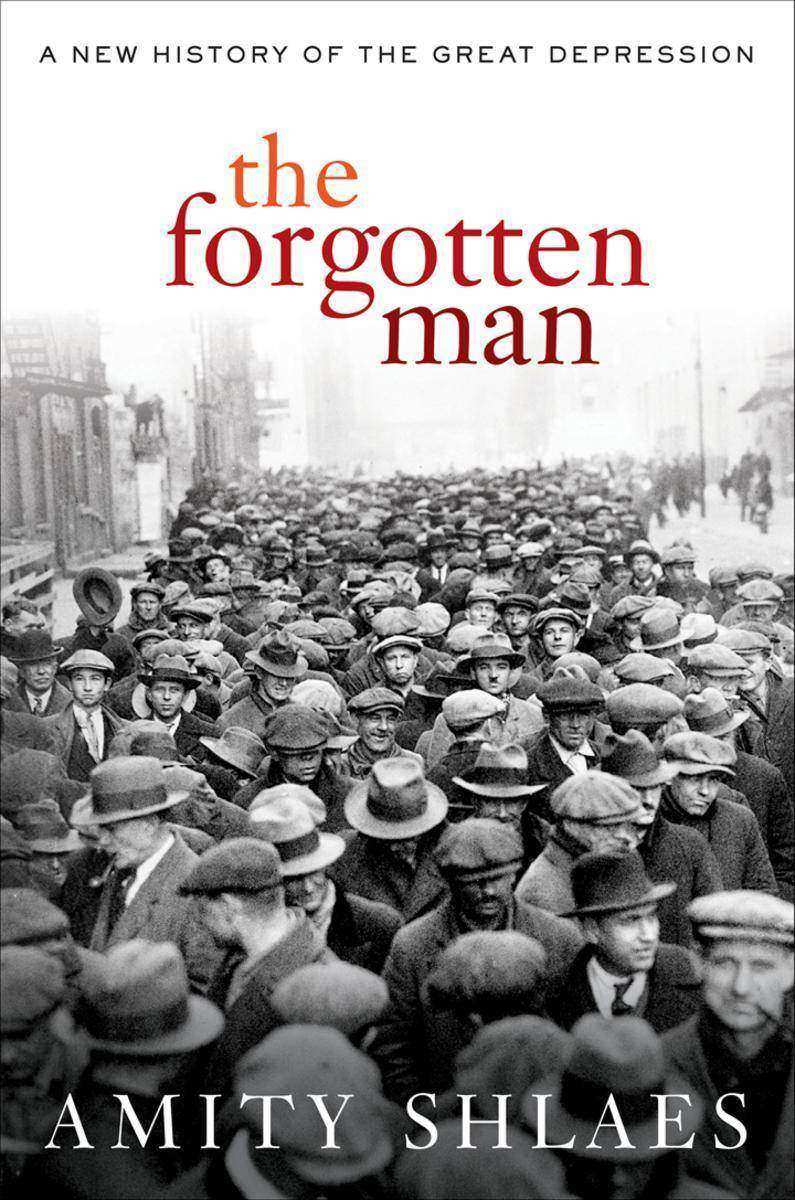
The Forgotten Man
¥106.31
In The Forgotten Man , Amity Shlaes, one of the nation's most-respected economic commentators, offers a striking reinterpretation of the Great Depression. She traces the mounting agony of the New Dealers and the moving stories of individual citizens who through their brave perseverance helped establish the steadfast character we recognize as American today.
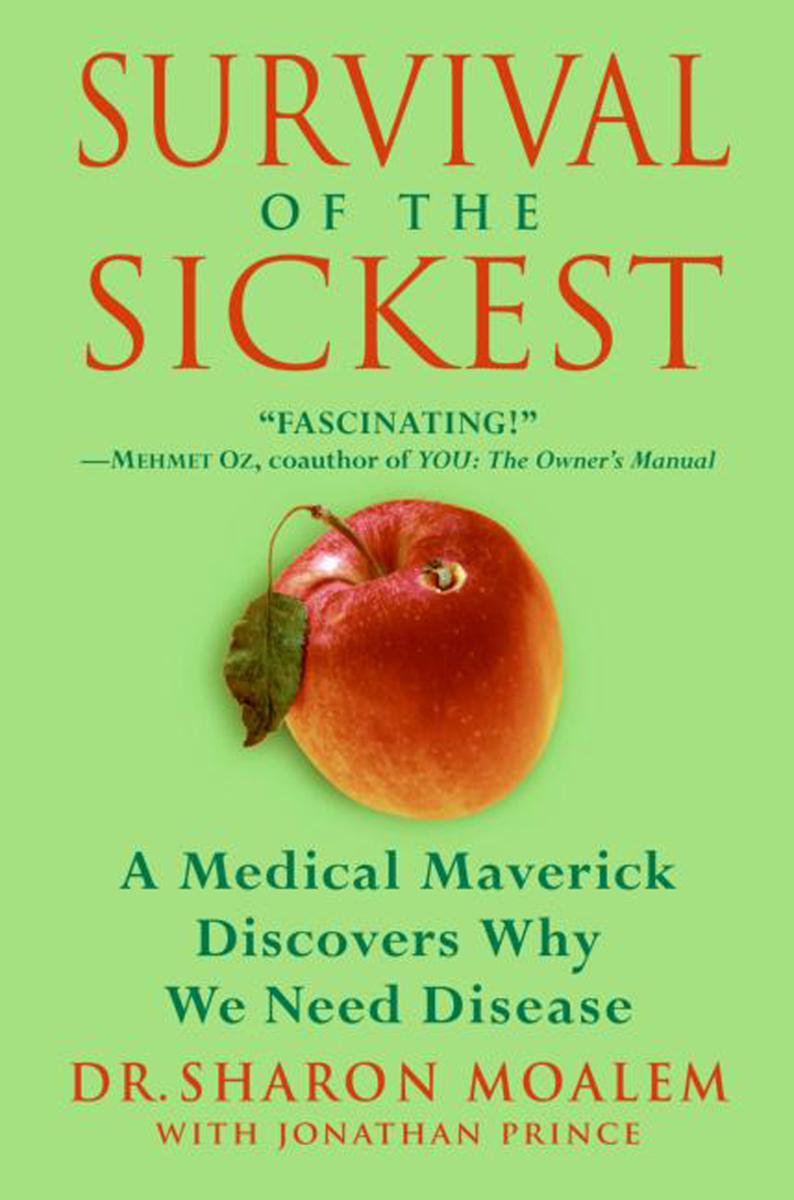
Survival of the Sickest
¥90.51
Read it. You're already living it. Was diabetes evolution's response to the last Ice AgeDid a deadly genetic disease help our ancestors survive the bubonic plagues of EuropeWill a visit to the tanning salon help lower your cholesterolWhy do we ageWhy are some people immune to HIVCan your genes be turned on -- or offJoining the ranks of modern myth busters, Dr. Sharon Moalem turns our current understanding of illness on its head and challenges us to fundamentally change the way we think about our bodies, our health, and our relationship to just about every other living thing on earth, from plants and animals to insects and bacteria. Through a fresh and engaging examination of our evolutionary history, Dr. Moalem reveals how many of the conditions that are diseases today actually gave our ancestors a leg up in the survival sweepstakes. When the option is a long life with a disease or a short one without it, evolution opts for disease almost every time. Everything from the climate our ancestors lived in to the crops they planted and ate to their beverage of choice can be seen in our genetic inheritance. But Survival of the Sickest doesn't stop there. It goes on to demonstrate just how little modern medicine really understands about human health, and offers a new way of thinking that can help all of us live longer, healthier lives. Survival of the Sickest is filled with fascinating insights and cutting-edge research, presented in a way that is both accessible and utterly absorbing. This is a book about the interconnectedness of all life on earth -- and, especially, what that means for us.


