


 购物车
购物车 个人中心
个人中心
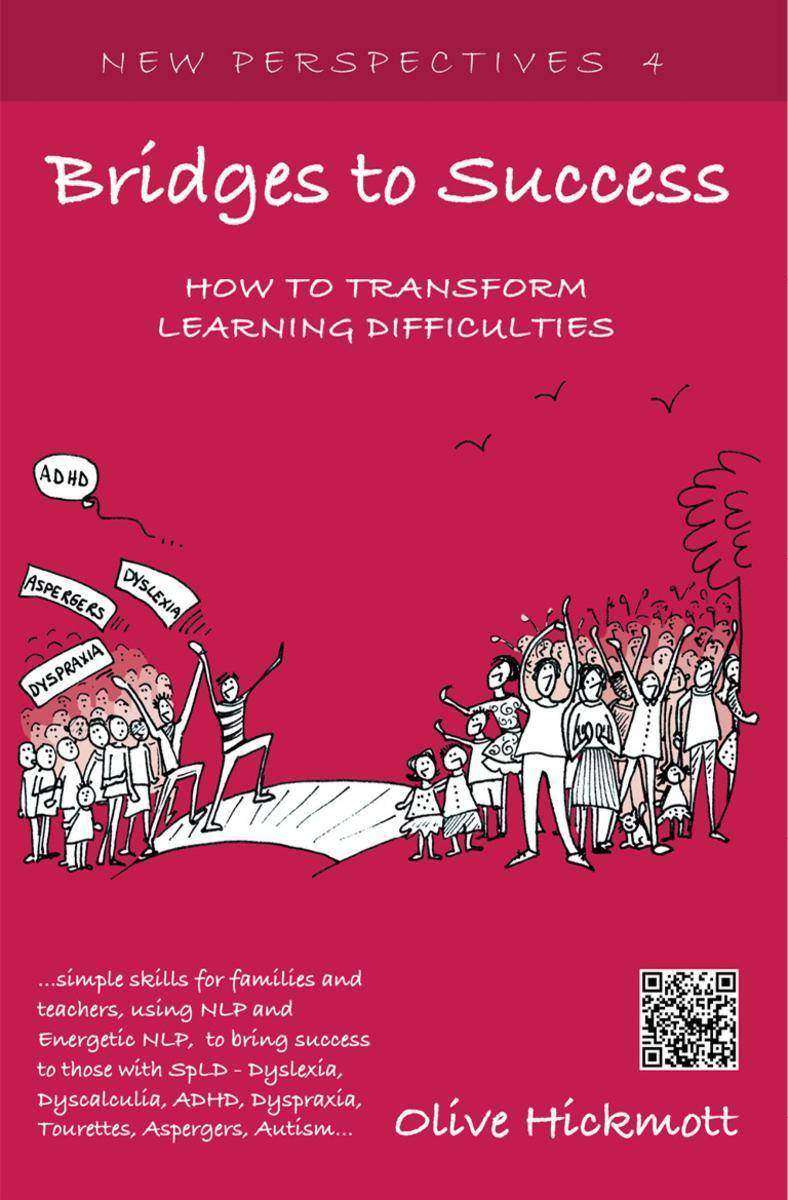
Bridges to Success
¥73.48
When you know something works you have to teach others. Learn how to transform learning difficulties into successful learning differences, enabling youngsters and adults alike to succeed. Bridges to Success offers visually talented yet challenged individuals a completely new perspective, empowering them to change themselves and the system around them. The focus is on positives and how people can be their very best. Threads of research, a wealth of experience and a variety of evidence have been pieced together to offer simple skills that anyone can learn to start making changes for the whole family and for any educational practice.
Last Orders
¥39.14
This is a hands-on guide to discover how long you will live, what you're worth and who gets what when you die. It takes you step by step through everything you need for a personal action plan, including your digital legacy, your will, your final years, your death, funeral, and all your last orders for after you've gone. Relax. Stop worrying. Here are the answers to sort out your online and real world affairs and solve all those life and death problems. LAST ORDERS covers everything clearly, simply and honestly. An essential read for everyone who is not immortal.
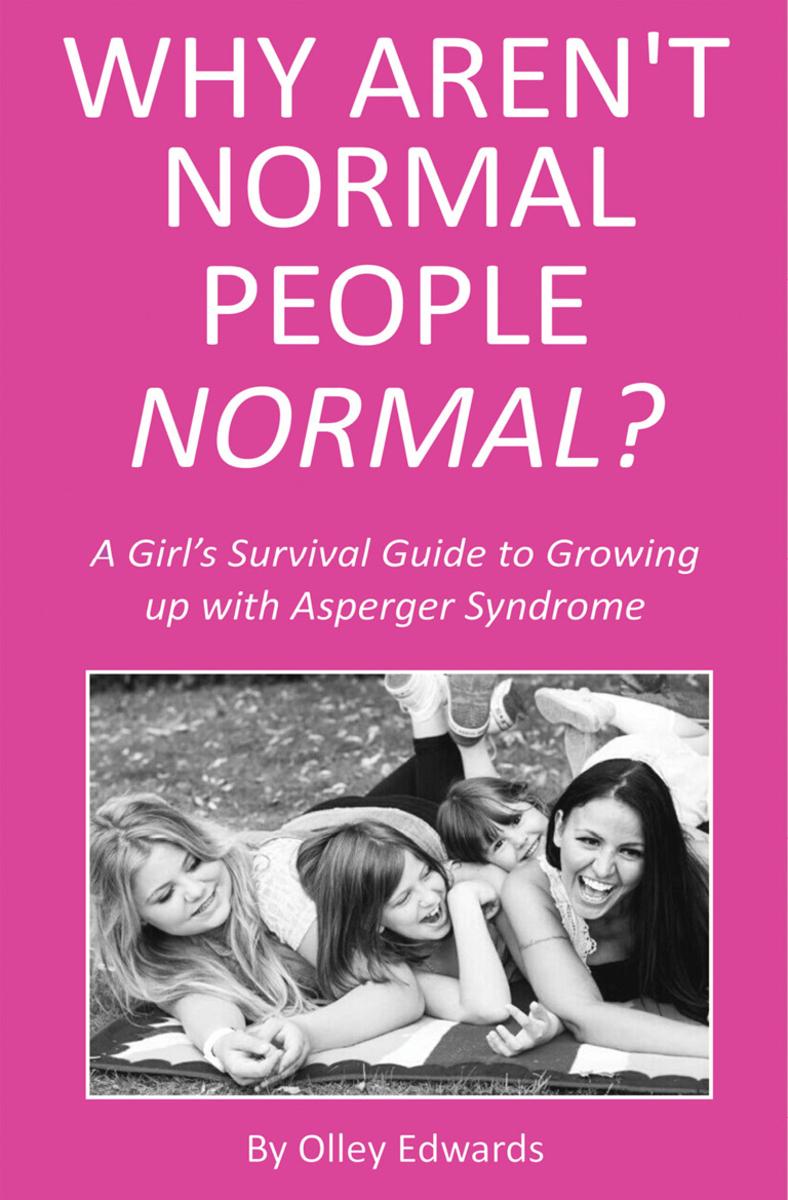
Why Aren't Normal People Normal?
¥29.33
Asperger syndrome is a form of autism affecting an individual's ability to understand, communicate and interact with other people. As it is often not obvious from their outward appearance that someone has Asperger syndrome, people do not always realise that they are different, leading to confusion on both sides.This new book by Olley Edwards, who has herself grown up with Asperger syndrome, aims to help Asperger girls gain a better understanding of their condition and take control of their lives to become more effective and happy individuals - without changing who they are.Why Aren't Normal People Normal? explains the difficulties that girls with Asperger syndrome may encounter and gives practical suggestions for coping with everyday situations. This is a much-needed, practical, self-help book written by someone who has first-hand experience of trying to co-exist with 'normal' people. This book is for anyone with Asperger syndrome and all the many as yet undiagnosed girls who are feeling socially isolated and misunderstood without understanding why.
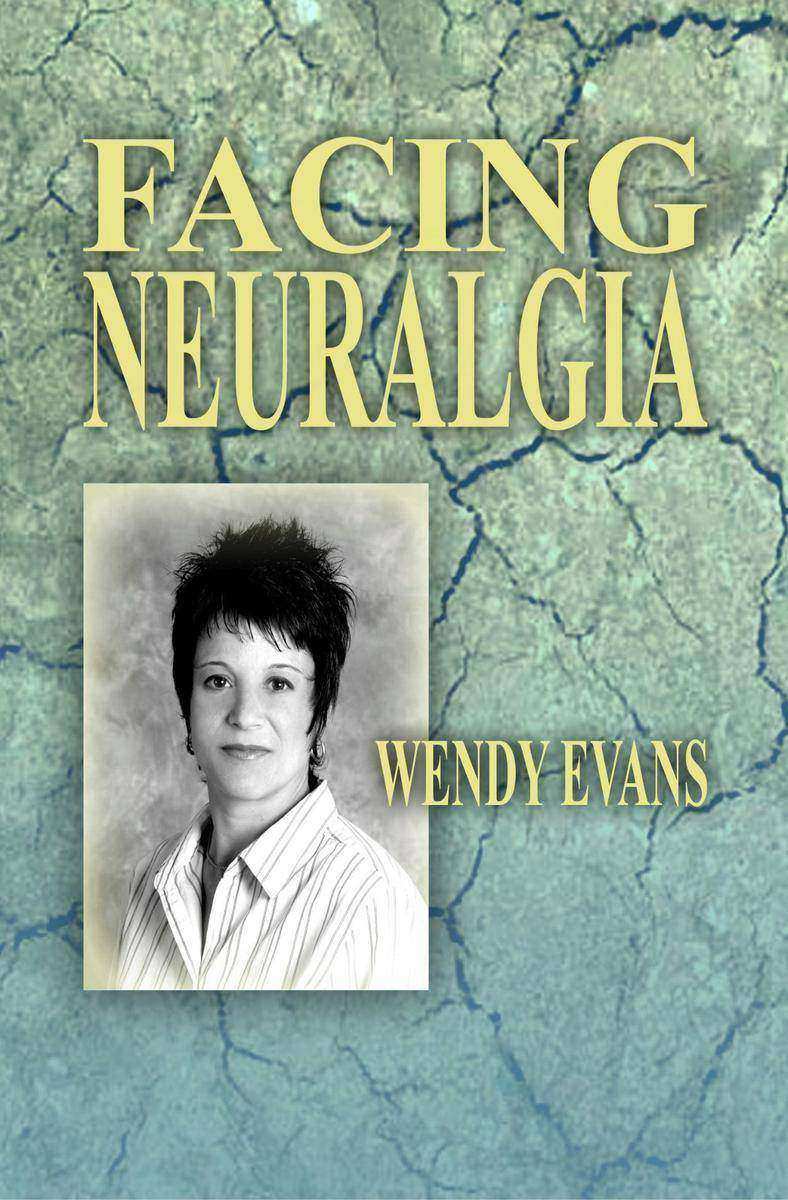
Facing Neuralgia
¥39.14
At the age of thirty Wendy Evans, a vivacious, versatile and devoted primary school teacher with singing and acting talents, was struck down by a devastating and very rare nerve disease with serious and debilitating symptoms including pain and foreign body sensations in her throat, shock-like pains in her ears and neck, and difficulty and pain when talking, swallowing, chewing, coughing and yawning. As a consequence, her teaching career and singing aspirations were tragically cut short. Frustratingly, despite numerous doctors' and consultants' appointments, and innumerable tests and scans, the medical profession seemed unable to diagnose her problem, to the point that it was viewed as purely psychosomatic and she was seen as a paranoid malingerer suffering from stress and depression and whose problems would be best served by a psychiatrist and a concoction of drugs. But Wendy knew different and was determined to obtain a definitive diagnosis for her condition, which was making her life increasingly unbearable. Wendy's book takes you on a journey from the onset of the illness, through the following 18 months of searching for the cause of her terrible disease and developing an understanding of her disorder, until she finally received a diagnosis of glossopharyngeal neuralgia and underwent brain surgery. When this did not prove to be the cure, she began to look at alternative therapies as a possible way of managing the disease and has finally mapped out a brighter future for herself, regaining control of her life through treatments such as the Bowen technique, craniosacral therapy, energy healing and remedial massage therapies.
Other Side of Truth
¥73.48
In The Other Side of Truth, filmmaker Paul Kimball crosses the Rubicon of the imagination to explore the idea that what we call the 'paranormal' is actually a form of artistic expression created by an advanced non-human intelligence to inspire us to think about who we are, where we have been, and where we are going. Using his own journey of discovery as the starting point, Kimball presents the 'other side of truth' - the world not as we have been told it is, but as we are being encouraged to imagine that it could become.
Amputated Souls
¥73.48
Amputated Souls explores the subject of psychiatry and psychiatric practices and the assault upon human rights and human freedom constituted by these practices, tracing the history of lobotomy, ECT and antipsychotic drugs, and their use, from 1935 to the present day.
Tell My Mother I'm Not Dead
¥63.67
This book divides into two parts. The first is a personal narrative of the impact of the death of the author's son Ralph on him and his family and his efforts to see if there was any evidence for his continued existence (generated largely through visits to mediums) that a thinking person could take seriously. The second is an attempt to evaluate that evidence objectively (based on an extensive survey of current and past scientific research in the UK and the USA). The title reflects the inevitable tension between emotion and intellect in such an enquiry.
Simple and Natural Herbal Living - An Earth Lodge Guide to Holistic Herbs for He
¥40.79
Herbal living is simple. It's natural. In this illustrated guide, you'll come to understand that an herbal life is a reward in itself. You will learn to appreciate the power held in one tiny leaf. You will be inspired to walk hand in hand with nature, accepting her gifts and respecting her in return. And you'll even learn to appreciate the immense potential you hold inside yourself. Detailing the medicinal uses for over 60 herbs and 23 essential oils, Herbal Living contains many useful recipes for health and home. Herbs for the kitchen, facial products, healing salves and tinctures are all covered in detail."Maya Cointreau will take you on a journey towards a new way of living life. She makes it easy to relate to the material and her words will leave you feeling confident and self-empowered." Kathy Lalonde, RPP
Bütünsel Bak??la Canl?l?k-I: "Madde ve Enerji, Beden ve Ruh ?li?kisi"
¥0.01
CANLILIK Nedir? Bilin? nedir? Zamanla ba?lant?l? olduklar?n? g?rebilir miyiz? Duygular?n ne oldu?unu s?yleyebilir miyiz? Beden ve Ruh ayr? m? yan?lg? m?d?r? Beden ve ruh, madde ve enerji gibi midir? Einstein'?n ünlü E=M.C2 formülüyle, madde ve enerjinin temelde ayn? ?eyler oldu?unu ve birbirlerine d?nü?ebildiklerini, maddenin yo?unla?m?? uzay-enerji alan? oldu?unu g?stermi?tir. Madde ile enerji aras?ndaki benzerlik ne i?e, beden ile ruh aras?ndaki benzerlikte ?yle midir? Beden madde ise Ruh enerji midir? Bilin?, duyulardan kayna??n? alan daha üst bir duyu mudur? Hücreler dokular?, dokular organlar?, organlar sistemleri olu?turur dü?üncesinde bilincimizi de g?rebilir miyiz? Haf?zam?zdaki bilgilere istedi?imiz her an neden ula?amay?z? Daha da ?nemlisi, tüm bilincimizi zaman?n ?ok k?sa an?na s??d?rabilir miyiz? Neden?

Ultima scapare
¥90.84
O colec?ie de peste patruzeci dintre eseurile preferate ale lui Tyson, Moartea ?ntr-o gaur? neagr? abordeaz? nenum?rate subiecte, de la firavele eforturi ale industriei filmului de a crea cerul ?nstelat, p?n? la ce-ar ?nsemna s? te afli ?n interiorul unei g?uri negre.?Cel mai cunoscut astrofizician al Americii, Tyson este un profesor ?nn?scut, care ?tie s? explice pe ?n?elesul tuturor teoriile complicate ale astrofizicii ?i ?n acela?i timp s? ne transmit? fascina?ia pe care o are fa?? de univers.?Este absolut obligatoriu s? g?sim oameni de ?tiin?? care s? ne poat? explica nu doar ceea ce descoperim, ci ?i modul ?n care facem acele descoperiri. Neil deGrasse Tyson este unul dintre ei." - Boston Sunday Globe?
Bucure?ti, mon amour
¥61.83
Semiologia este piatra fundamental? a diagnosticului. Informa?iile anamnestice orienteaz?, datele clinice fundamenteaz?, iar datele de laborator confirm? diagnosticul.Cursul de semiologie medical? ??i propune s? ?narmeze asistentul medical cu metode ?i tehnici de examinare a pacientului ?i, ?n acela?i timp, cu mijloace ?i c?i de a descoperi semnele ?i simptomele ?i a le interpreta ?n mod corespunz?tor cu scopul de a aprecia corect ?i rapid diagnosticul clinic pentru a interveni eficient ?n sprijinul redob?ndirii/amelior?rii s?n?t??ii pacientului. Este structurat ?n trei capitole: (1) Utilizarea terminologiei medicale ?n efectuarea anamnezei; (2) Modific?rile observate de asistenta medical? la inspec?ia general? ?i (3) Manifest?ri cauzate de diferite afec?iuni. La sf?r?it, exist? o sec?iune de teste pentru evaluarea cuno?tin?elor.Datorit? nevoii permanente de cunoa?tere ?i perfec?ionare a asistentului medical, ca ?i a tuturor profesioni?tilor din domeniul s?n?t??ii, aceast? carte este extrem de util? elevilor ?colilor sanitare postliceale.
Oath and Law
¥40.79
Medicine is of all the Arts the most noble; but, not withstanding, owing to the ignorance of those who practice it, and of those who, inconsiderately, form a judgment of them, it is at present far behind all the other arts. Their mistake appears to me to arise principally from this, that in the cities there is no punishment connected with the practice of medicine (and with it alone) except disgrace, and that does not hurt those who are familiar with it. Such persons are like the figures which are introduced in tragedies, for as they have the shape, and dress, and personal appearance of an actor, but are not actors, so also physicians are many in title but very few in reality.
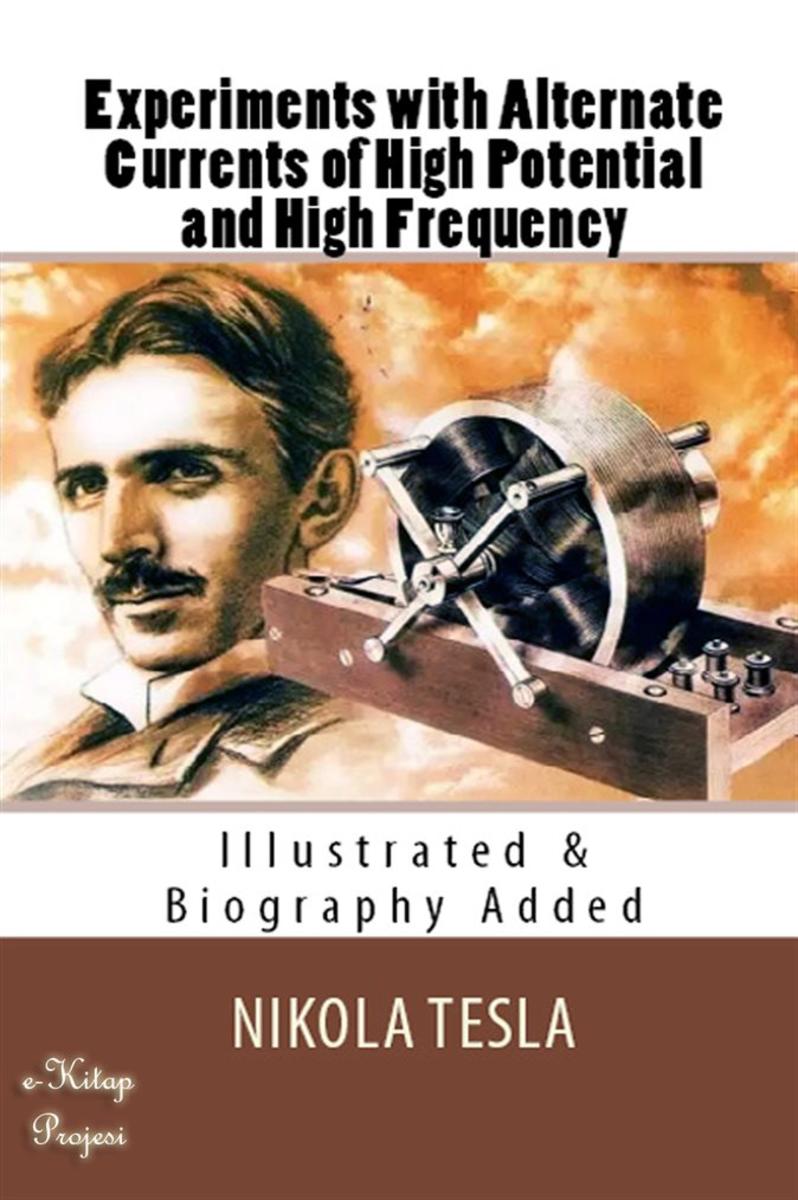
Experiments with Alternate Currents of High Potential and High Frequency
¥23.14
It was in this interesting border region, and from among these valiant Eastern folk, that Nikola Tesla was born in the year 1857, and the fact that he, today, finds himself in America and one of our foremost electricians, is striking evidence of the extraordinary attractiveness alike of electrical pursuits and of the country where electricity enjoys its widest application. Mr. Tesla's native place was Smiljan, Lika, where his father was an eloquent clergyman of the Greek Church, in which, by the way, his family is still prominently represented. His mother enjoyed great fame throughout the countryside for her skill and originality in needlework, and doubtless transmitted her ingenuity to Nikola; though it naturally took another and more masculine direction. The boy was early put to his books, and upon his father's removal to Gospic he spent four years in the public school, and later, three years in the Real School, as it is called. His escapades were such as most quick witted boys go through, although he varied the programme on one occasion by getting imprisoned in a remote mountain chapel rarely visited for service; and on another occasion by falling headlong into a huge kettle of boiling milk, just drawn from the paternal herds. A third curious episode was that connected with his efforts to fly when, attempting to navigate the air with the aid of an old umbrella, he had, as might be expected, a very bad fall, and was laid up for six weeks.. ABOUT AUTHOR: Nikola Tesla (1856 –1943) was a Serbian American inventor, electrical engineer, mechanical engineer, physicist, and futurist best known for his contributions to the design of the modern alternating current (AC) electricity supply system. Tesla gained experience in telephony and electrical engineering before emigrating to the United States in 1884 to work for Thomas Edison in New York City. He soon struck out on his own with financial backers, setting up laboratories and companies to develop a range of electrical devices. His patented AC induction motor and transformer were licensed by George Westinghouse, who also hired Tesla for a short time as a consultant. His work in the formative years of electric power development was involved in a corporate alternating current/direct current "War of Currents" as well as various patent battles. Tesla went on to pursue his ideas of wireless lighting and electricity distribution in his high-voltage, high-frequency power experiments in New York and Colorado Springs, and made early (1893) pronouncements on the possibility of wireless communication with his devices. He tried to put these ideas to practical use in an ill-fated attempt at intercontinental wireless transmission, his unfinished Wardenclyffe Tower project. In his lab he also conducted a range of experiments with mechanical oscillators/generators, electrical discharge tubes, and early X-ray imaging. He also built a wireless controlled boat, one of the first ever exhibited. Tesla was renowned for his achievements and showmanship, eventually earning him a reputation in popular culture as an archetypal "mad scientist". His patents earned him a considerable amount of money, much of which was used to finance his own projects with varying degrees of success. He lived most of his life in a series of New York hotels, through his retirement. Tesla died on 7 January 1943. His work fell into relative obscurity after his death, but in 1960 the General Conference on Weights and Measures named the SI unit of magnetic flux density the tesla in his honor. There has been a resurgence in popular interest in Tesla since the 1990s.
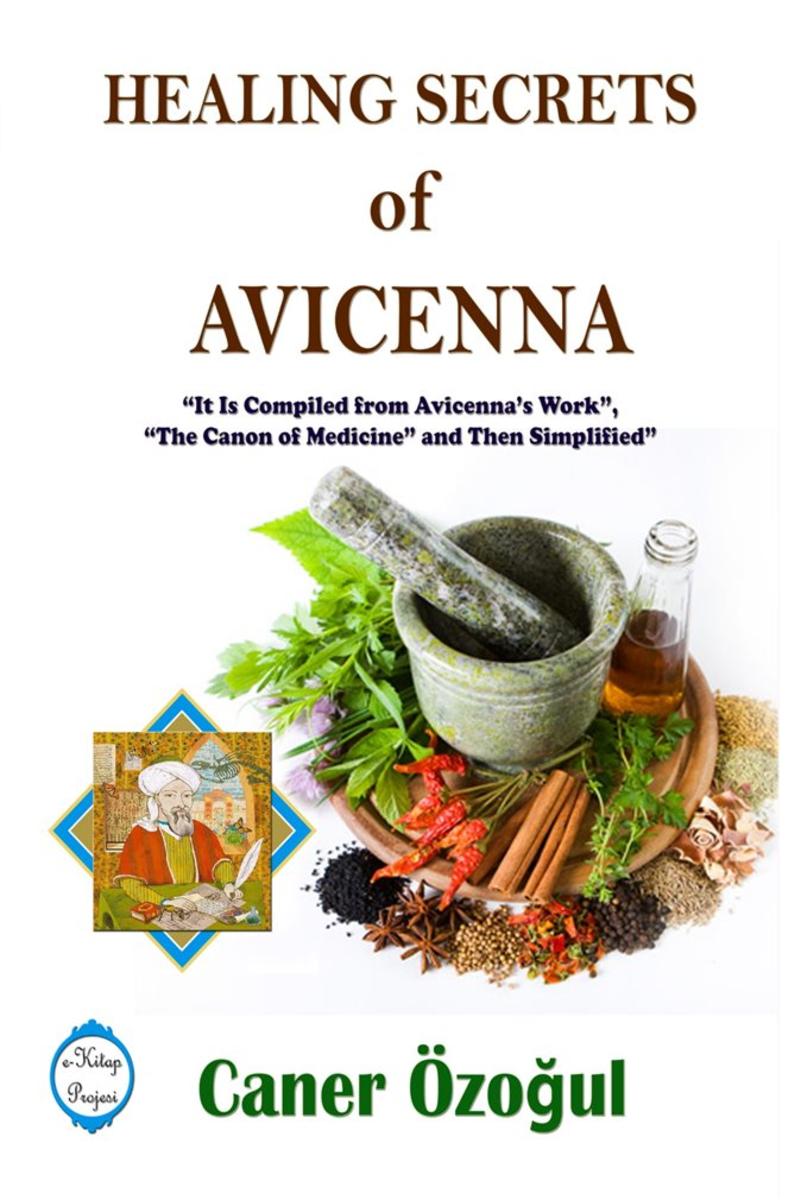
Healing Secrets of Avicenna: It Is Compiled from Avicenna’s Work
¥46.52
Ibn Sīnā (Avicenna) was born in 980 in Buhara, and died in 1037 in Hamadan, Persia (now Iran). He is a physician, physicist, writer, philosopher and scientist. He was known in the West as the founder of modern science in the medieval ages, the leader of physicians and dubbed as the “Doctors’ Doctor”. His fame rests on his book, Al-Qānūn fī al-?ibb (The Canon of Medicine) which was regarded as the principal medical work in the field of medicine for seven centuries and this book remained as a reference source for medical studies in the universities of Europe until the end of seventeenth century. ????????????? If now we examine his work “The Canon of Medicine”, we find that he has an extensive explanation of anatomy and in his work in which he gives a clear definition of some organs which can be visualised with today’s some special imaging devices, today, there are still many unresolved and unstudied methods. Ibn Sina’s curative recipes were used in the European medicine for many centuries even after his death. The famous astronomer Copernicus, also a nephrologist, has healed using the recipes of Ibn Sina who has lived before his birth over 500 year ago. ????????????? When i had first read the second volume of Ibn Sina’s study, “The Canon of Medicine”, telling about which plant is recuperative and the applications of these plants internally and externally, i came up with the idea of bringing this study down to a simpler level of understanding that everybody can comprehend, rather than letting it be understood just by the specialists. But I could bring this out after 1 year of work. Staying faithful to the context of the book, submitting this book on behalf of the community was my biggest wish. In order to bring?simplicity, I worked meticulously to compile an index of plant names together with their latinized forms which are sorted in alphabetical order and also an alphabetical index of diseases. I got opinion and also support from doctors and experts in Phytotherapists. I left the explanations as they are since i didn’t want to make any extra additions to the book. If a detailed survey of the plants is carried out, there is more detailed information in the literature about how they should be used. We can already see that the modern medicine finds out solutions to many diseases but nevertheless, there are still dozens of diseases which can not be healed. For instance, in this work, Ibn Sina explains the reason of why he has named a plant as “Swallow-wort” as follows: Sometimes the newborn nestlings of a swallow suffer from blindness. It was observed that the mother squeezes the extract of this plant onto their babies’eyelids and then their eyes were healed. All the same, if this kind of plants are examined throughly, it is quite possible to observe the same effect on humans as well. In this case, i call upon the expert scientist, to carry out these researches. At the end of this book, i added also some basic methods of practical home care medicine which are used in traditional medicine. I believe that these will be found useful and practical. I hope that this will be useful for humanity... ????????????? ????????????? ????????????? ????????????? ????????????? ????????????? ????????????? ????????????? ????????????? Caner OZOGUL ????????????? ????????????? ????????????? ????????????? ????????????? ????????????? ????????????? ????????????? ????????????? ??? (Herbalist)
El origen de las especies
¥8.82
El origen de las especies (The origin of species, en inglés) o más exactamente El origen de las especies mediante la selección natural o la conservación de las razas favorecidas en la lucha por la vida es un libro escrito por Charles Darwin (1809 -1882), publicado el 24 de noviembre de 1859 (John Murrap, Londres); agotó los 1.250 ejemplares impresos en el primer día. En él, expuso por primera vez sus ideas sobre la selección natural y la teoría de la evolución. Esta obra es un trabajo fundamental dentro de la historia de la ciencia y la biología. En él, Darwin argumenta largamente su teoría sobre cómo los organismos evolucionan gradualmente por medio de la selección natural, presentando evidencias de su teoría acumuladas en su viaje en el HMS Beagle en los a?os 1831-1836. Su teoría se oponía ampliamente a las teorías vigentes en su época, creacionismo y catastrofismo. El libro puede ser leído por no especialistas. Aunque las ideas presentadas constituyen la base de la biología moderna continúan siendo controvertidas para ciertos grupos religiosos quienes se apoyan en una interpretación literal de textos religiosos a favor de explicaciones creacionistas.
Dobro do?li u pustinju postsocijalizma
¥160.80
Reducerea efectelor adverse ale chimioterapiei i radioterapiei Creterea beneficiilor tratamentelor ntrirea sistemului imunitar Meninerea energiei i a vitalitii STIMULAI-V CAPACITATEA NATURAL DE A LUPTA MPOTRIVA CANCERULUI Dumneavoastr sau cineva apropiat ai fost diagnosticat cu cancer. Dei oncologul v va prescrie un tratament care poate include chimioterapie i radioterapie, trebuie s nelegei c aceste arme puternice au adesea consecine nedorite, chiar periculoase, pentru care, aa cum arat cele mai recente cercetri, avei nevoie de un puternic fundament nutriional ca s le facei fa. O alimentaie corect, cu proporii echilibrate de hran sntoas, vitamine i minerale i suplimente nutriionale, v va oferi, alturi de chimioterapie i radioterapie, o arm extraordinar de puternic n lupta mpotriva bolii. Autorul, medic american respectat i asistent universitar de neurochirurgie, v arat ct de uor v putei fortifica organismul n aceast perioad critic. Vei afla, printre altele: Care dintre alimentele pe care le consumai zilnic au proprieti redutabile de lupt mpotriva cancerului i cum s le pregtii cel mai bine. Ce suplimente v pot spori – sau scdea – ansele de nsntoire. Cum pot crete anumite grsimi i uleiuri capacitatea natural de aprare a organismului. Despre aciunea extraordinar a flavonoidelor, care sporesc eficacitatea chimioterapiei, adugnd un strat protector celulelor sntoase. Cum s facei fa problemelor specifice cu care se confrunt pacienii suferinzi de cancer – oboseala, cderea prului, scderea n greutate, afeciunile digestive i alte efecte secundare.

Scandaloasa poveste a lui Frankie Landau-Banks
¥65.32
Ar putea exista alte universuri? O c?l?torie de neuitat ?n lumea g?urilor negre ?i a ma?inilor timpului, a universurilor alternative ?i a spa?iului multidimensional, Lumi paralele ne ofer? un portret conving?tor al revolu?iei care a cuprins lumea cosmologiei.Ideea de universuri paralele ?i teoria corzilor, care le poate explica existen?a, au fost c?ndva privite cu suspiciune de oamenii de ?tiin??, fiind v?zute ca o provincie a misticilor, ?arlatanilor ?i excentricilor.Ast?zi, fizicienii teoreticieni sus?in ?ntr-o propor?ie cov?r?itoare teoria corzilor ?i ultima ei itera?ie, Teoria M. Aceasta, dac? se va dovedi corect?, va reconcilia cele patru for?e ale universului ?ntr o manier? simpl? ?i elegant?, r?spunz?nd totodat? la ?ntrebarea:?Ce s a ?nt?mplat ?nainte de Big Bang?“ ?Folosind cu abilitate analogia ?i umorul, Kaku prezint? varia?iunile la tema universurilor paralele, venind din mecanica cuantic?, cosmologie ?i Teoria M.“ -- Brian Green, autorul c?r?ii The Elegant Universe
Simfonia fr?nei
¥32.62
Volum coordonat de R?zvan Supuran Antologia de fa?? reune?te texte ap?rute ?n revista Me?eria?ii, publica?ie de circula?ie limitat?, fabricat? pe h?rtie me?te?ugit? ?i tip?rit? manual ?n cadrul Atelierului de Carte de la Muzeul ??ranului Rom?n.
Goriot apó
¥8.67
These Essays, or rather Lectures, contain the first-fruits of the earliest systematic attempt to apply the theory of Evolution to the products of human handiwork. In their original form they have long been difficult to obtain; and they are reprinted now to supply the needs of candidates for the Oxford Diploma in Anthropology, and of the numerous visitors to the Pitt-Rivers Museum in Oxford. But they will certainly appeal to a far wider public also, as a brief and authentic statement of their author’s discoveries. The four Essays are reprinted substantially as they were first delivered and published. But verbal errors and actual misquotations have been corrected; and allusions to specimens or diagrams exhibited during the original discourses, but not published, have been replaced so far as possible by references to similar objects figured in the Plates. The Plates are photographic reproductions of the original illustrations, with the exception of Plates V, XIII, XVII, XVIII. Of these, Plate XIII has simply been re-drawn, from a faded original; Plates XVII and XVIII have been translated, without loss of detail, from colours to monochrome shading; Plate V has been reconstituted from illustrations quoted in the text, with the permission of their publisher, Mr. Murray. Plate XXI is reproduced, by permission of Sir John Evans, from the paper which it illustrated originally. The footnotes demand a word of explanation. The author, as the original publications show, was not precise in indicating his sources: he frequently gave, as a quotation, the general sense rather than the exact words of his authority; and occasionally his memory played him false. In the reprint, the precise references have been identified, and are given in full, and obvious errors in the text have been either amended or corrected in a footnote. The editor desires to acknowledge much valuable help in the search for references from Miss C. M. Prior, of Headington.

You've Gotta Fight Back!:Winning with serious illness, injury, or disability
¥65.99
The heart of this book consists of thirteen, riveting, in-depth stories of people who fought back with courage, humor, and a positive attitude. In doing so, they have provided valuable guidance for you, the readers of this inspiring work. ·The seriously ill, their friends and family will gain priceless advice on coping, dealing with depression, how to partner with the medical profession, the tremendous value of self-help groups and the vital importance of attitude. ·Those with disabilities will learn how others have successfully played the hand they were dealt and managed to live successful, fulfilling lives. The disabled and those with serious illnesses can learn from each other. There are no silver bullets buried in these pages, just the sound, useable experience of others. ·Caregivers, be they family, friends, or health professionals will gain great insight from the in-depth stories of survivors, the bereaved, and those who died with grace and even style. "This book helps sufferers and caregivers alike to make sense of their situation, to avoid the mistakes while copying the successful strategies of these very real people."--Bob Rich, PhD, author of Cancer: A Personal Challenge"Far from a mere theoretical discourse and despite its potentially morbid topic, it brims with life: real cases, real people, real triumphs over a variety of illnesses and the distress they cause. A treasure trove of celebrated stories of survival and passages from the memoirs of those who made it." --Sam Vaknin, PhD, author of Malignant Self Love
Becoming Dead Right:A Hospice Volunteer in Urban Nursing Homes
¥65.99
All of us are entitled to the rewards of a peaceful, pain-free death. This book honors that with true stories about hospice patients and inspiring insights from the author. Becoming Dead Right guides us through the general and "how to" information maze that prepares us for dealing with death. Improving and expanding hospice services will require systemic changes in healthcare institutionss outreach to diverse populations, and funding. With the inclusion of hospice programs in nursing homes, dying with dignity becomes even more important. Millions of aging baby boomers heighten the urgency for better hospice care and conditions in nursing homes. Praise for Becoming Dead Right "A school principal and hospice volunteer, Frances Shani Parker relates her experiences with dying people in nursing homes. The second part of her book is about what we as individuals and as a society must do to improve things for those who are dying. I particularly enjoyed the guided tour, conducted from a wheelchair, of Baby Boomer Haven." -- Dr. Roger Woodruff, Director of Palliative Care, International Association for Hospice and Palliative Care, Austin Health, Melbourne, Australia "The writing is eloquent and powerful, and the stories are instructive and lasting. After finishing this book, I wanted to do more for other individuals who are dying, for as Ms. Parker so clearly imparts, the dying teach us so much about living well." -- Dr. Peter A. Lichtenberg, Director, Institute of Gerontology, Wayne State University, Detroit, Michigan "This book is filled with poetry, stories, wisdom and common sense that can help boomers, students, caregivers and policy makers understand their own aging and realize that our society can - and should - make important changes that can ensure safe, dignified, individualized care at the end of our lives." --Alice Hedt, Executive Director, National Citizens Coalition for Nursing Home Reform Learn more at www.BecomingDeadRight.com From Loving Healing Press (www.LovingHealing.com) MED042000 Medical : Terminal Care FAM017000 Family & Relationships : Eldercare SOC036000 Social Science : Death & Dying


