


 购物车
购物车 个人中心
个人中心

Ruled by Race
¥263.50
From the Civil War to Reconstruction, the Redeemer period, Jim Crow, and the modern civil rights era to the present, Ruled by Race describes the ways that race has been at the center of much of the state's formation and image since its founding. Grif Stockley uses the work of published and unpublished historians and exhaustive primary source materials along with stories from authors as diverse as Maya Angelou and E. Lynn Harris to bring to life the voices of those who have both studied and lived the racial experience in Arkansas.
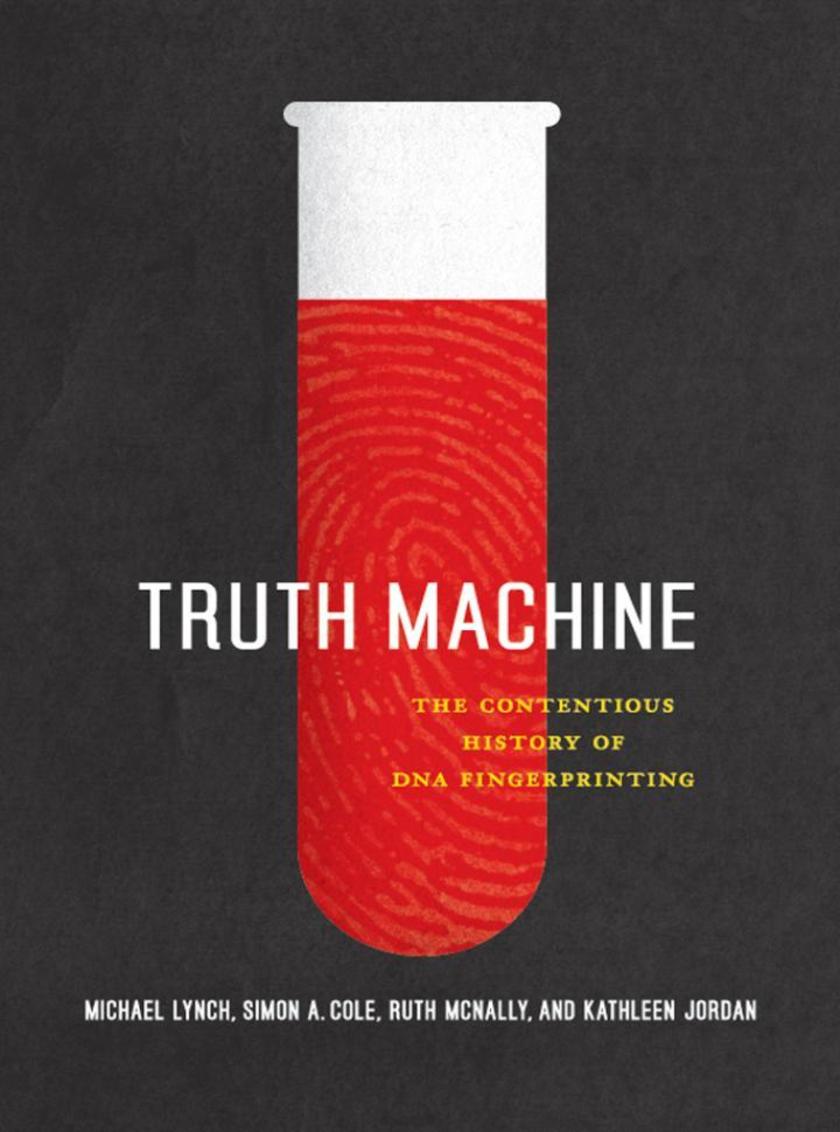
Truth Machine
¥229.55
DNA profiling-commonly known as DNA fingerprinting-is often heralded as unassailable criminal evidence, a veritable "e;truth machine"e; that can overturn convictions based on eyewitness testimony, confessions, and other forms of forensic evidence. But DNA evidence is far from infallible. Truth Machine traces the controversial history of DNA fingerprinting by looking at court cases in the United States and United Kingdom beginning in the mid-1980s, when the practice was invented, and continuing until the present. Ultimately, Truth Machine presents compelling evidence of the obstacles and opportunities at the intersection of science, technology, sociology, and law.

Cancer Companion
¥147.15
Cancer. It's the diagnosis no one wants to hear. Unfortunately though, these days most of us have known or will know someone who receives it. But what's nextWith the diagnosis comes not only fear and uncertainty, but numerous questions, and a lot of unsolicited advice. With A Cancer Companion, esteemed oncologist Ranjana Srivastava is here to help, bringing both experience and honesty to guide cancer patients and their families through this labyrinth of questions and treatments.With candor and compassion, Srivastava provides an approachable and authoritative reference. She begins with the big questions, like what cancer actually is, and she moves on to offer very practical advice on how to find an oncologist, what to expect during and after treatments, and how to manage pain, diet, and exercise. She discusses in detail the different therapies for cancers and why some cancers are inoperable, and she skillfully addresses the emotional toll of the disease. She speaks clearly and directly to cancer patients, caretakers, and their loved ones, offering straightforward information and insight, something that many oncologists can't always convey in the office.Equipping readers with the knowledge to make informed decisions at every step of the way, A Cancer Companion is an indispensable guide by a physician who cares to educate patients as much as she does to treat them.
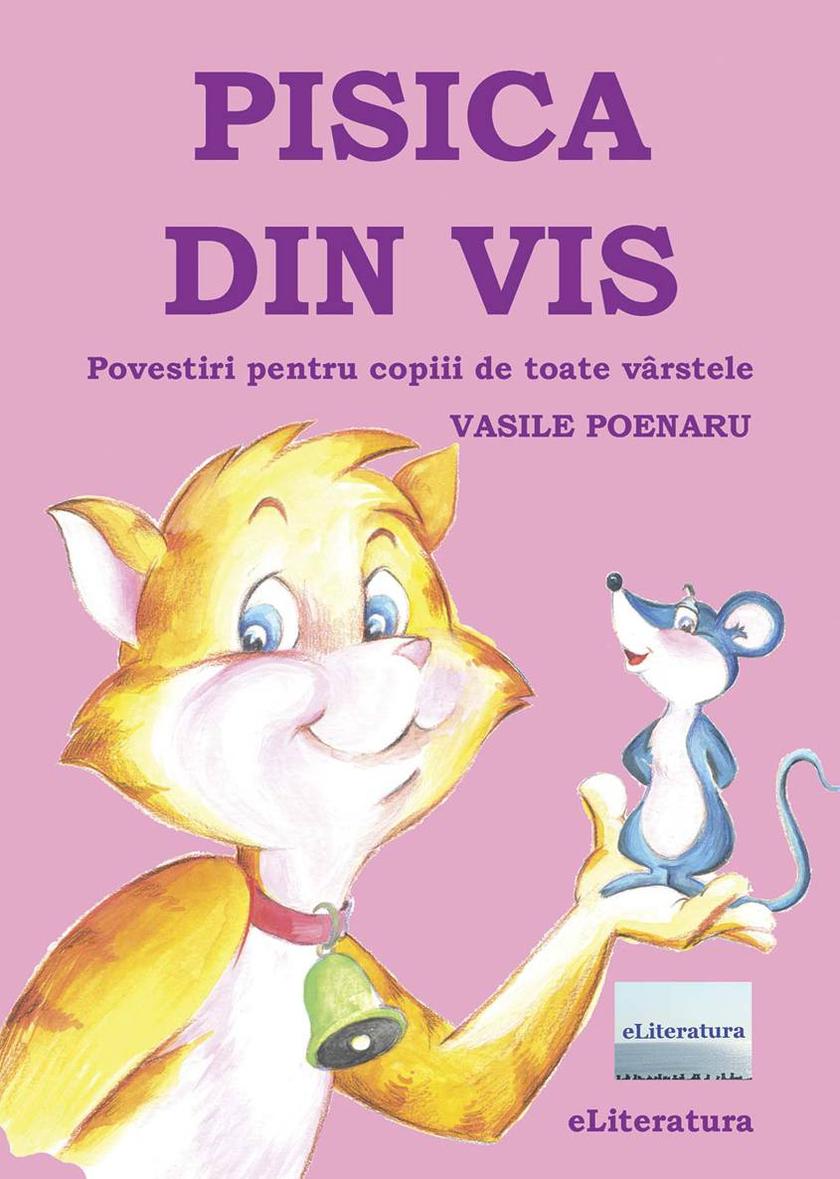
Pisica din vis. Povestiri pentru copiii de toate v?rstele
¥40.79
Av?nd ?n vedere c? o serie de concepte bazate pe teoria for?elor electrostatice (leg?turile chimice, cinetic? molecular?, mi?carea braunian? etc.) prezint? grave contradic?ii privind explicarea acestor fenomene ?i formularea unor r?spunsuri coerente la nivelul particulelor atomice, se impune o abordare nou? ?i o analiz? dintr-o alt? perspectiv? a fenomenelor amintite.Este edificator ?n acest sens s? lu?m cazul fluidelor care se pot disocia ?n molecule ?i chiar ?n atomi (chimie general?, C.D.Neni?escu) prin inc?lzire.Rezult? c? pe m?sur? ce cre?te temperatura (ex.a lichidelor) agita?ia termic? cresc?nd, deci cre?te ?i viteza de mi?care a particulelor atomice, scad for?ele de coeziune ?ntre aceste particule . La fel se ?nt?mpl? lucrurile cu metalele . La ?nc?lzirea peste o anumit? temperatur? metalele se ?nmoaie apoi se topesc deci oadat? cu cre?terea temperaturii (deci a vitezei de mi?care a particulelor) scad ca valoare for?ele de coeziune dintre moleculele substan?elor.A?adar avem o corela?ie direct? ?ntre viteza de mi?care a particulelor atomice ?i for?ele de coeziune dintre acestea. Acest lucru ne duce cu g?ndul la faptul c? aceste for?e ar putea fi de natur? electrodinamic?, fiind vorba numai ?i numai de influen?a vitezei de mi?care a particulelor ?i ?n nici un caz de for?e electrostatice care nu depind de viteza de mi?care a particulelor atomice (ci numai de m?rimea sarcinii ?i de distan?a dintre ele conform legii lui Couloumb).[...]
Manager contra curentului. Ce fac marii manageri altfel dec?t ceilal?i
¥73.49
Acest suport de curs este destinat elevilor ?colilor postliceale sanitare c?t ?i personalului mediu din sistemul sanitar., respect?nd programa de preg?tire. Este structurat ?n ?ase capitole: (1) Simptomatologia afec?iunilor ortopedico-traumatice; (2). Afec?iuni congenitale; (3) Infec?ii osoase; (4).Osteoporoza; (5) Tumori osoase; (6) Traumatologie.Pentru a detecta corect problemele reale ?i a decide care este cea mai bun? metod? de ?ngrijire, personalul medical cu preg?tire medie trebuie s? ?tie s? abordeze principalele afec?iuni ortopedico-traumatice. Cei care ??i ?nsu?esc principiile ?i normele expuse ?n acest volum vor fi capabili s? identifice ?i s? ?ncadreze corect semnele ?i simptomele, vor cunoa?te principalele investiga?ii recomandate, precum ?i m?surile de prevenire ?i tratamentul necesar pentru recuperarea bolnavilor care sufer? de aceste afec?iuni.
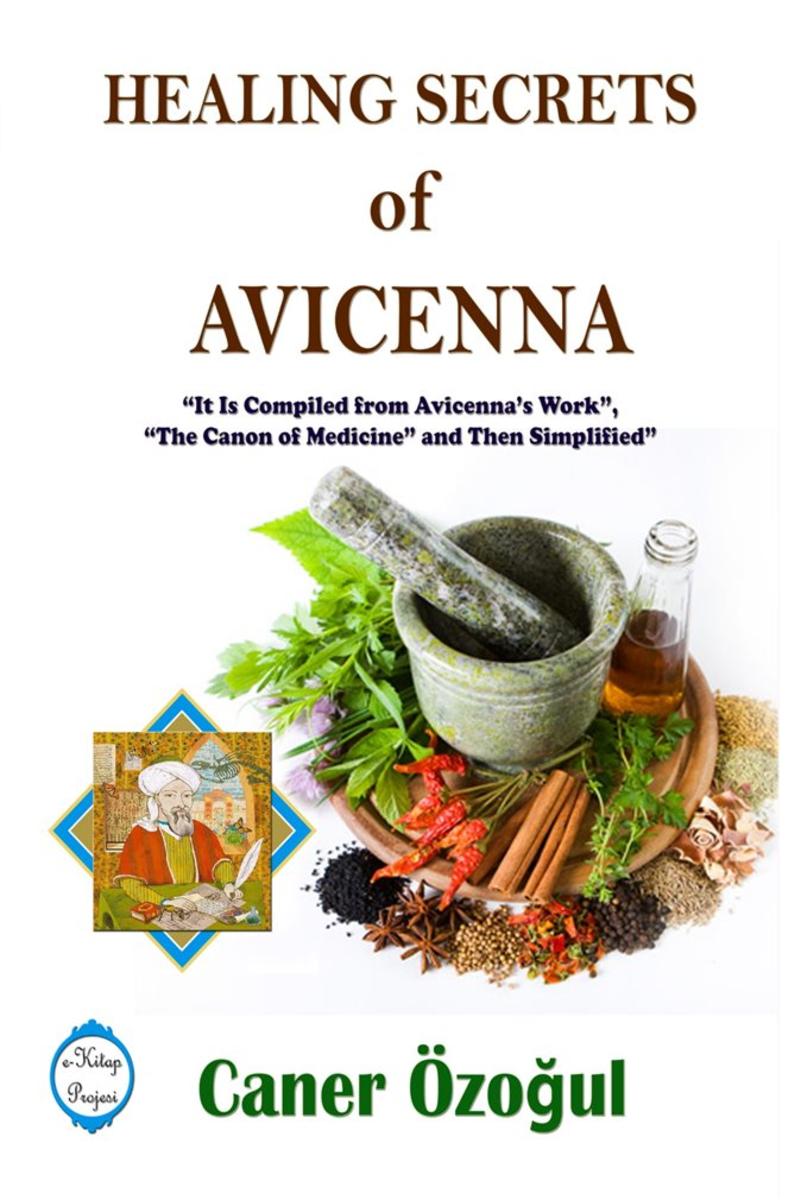
Healing Secrets of Avicenna: It Is Compiled from Avicenna’s Work
¥46.52
Ibn Sīnā (Avicenna) was born in 980 in Buhara, and died in 1037 in Hamadan, Persia (now Iran). He is a physician, physicist, writer, philosopher and scientist. He was known in the West as the founder of modern science in the medieval ages, the leader of physicians and dubbed as the “Doctors’ Doctor”. His fame rests on his book, Al-Qānūn fī al-?ibb (The Canon of Medicine) which was regarded as the principal medical work in the field of medicine for seven centuries and this book remained as a reference source for medical studies in the universities of Europe until the end of seventeenth century. ????????????? If now we examine his work “The Canon of Medicine”, we find that he has an extensive explanation of anatomy and in his work in which he gives a clear definition of some organs which can be visualised with today’s some special imaging devices, today, there are still many unresolved and unstudied methods. Ibn Sina’s curative recipes were used in the European medicine for many centuries even after his death. The famous astronomer Copernicus, also a nephrologist, has healed using the recipes of Ibn Sina who has lived before his birth over 500 year ago. ????????????? When i had first read the second volume of Ibn Sina’s study, “The Canon of Medicine”, telling about which plant is recuperative and the applications of these plants internally and externally, i came up with the idea of bringing this study down to a simpler level of understanding that everybody can comprehend, rather than letting it be understood just by the specialists. But I could bring this out after 1 year of work. Staying faithful to the context of the book, submitting this book on behalf of the community was my biggest wish. In order to bring?simplicity, I worked meticulously to compile an index of plant names together with their latinized forms which are sorted in alphabetical order and also an alphabetical index of diseases. I got opinion and also support from doctors and experts in Phytotherapists. I left the explanations as they are since i didn’t want to make any extra additions to the book. If a detailed survey of the plants is carried out, there is more detailed information in the literature about how they should be used. We can already see that the modern medicine finds out solutions to many diseases but nevertheless, there are still dozens of diseases which can not be healed. For instance, in this work, Ibn Sina explains the reason of why he has named a plant as “Swallow-wort” as follows: Sometimes the newborn nestlings of a swallow suffer from blindness. It was observed that the mother squeezes the extract of this plant onto their babies’eyelids and then their eyes were healed. All the same, if this kind of plants are examined throughly, it is quite possible to observe the same effect on humans as well. In this case, i call upon the expert scientist, to carry out these researches. At the end of this book, i added also some basic methods of practical home care medicine which are used in traditional medicine. I believe that these will be found useful and practical. I hope that this will be useful for humanity... ????????????? ????????????? ????????????? ????????????? ????????????? ????????????? ????????????? ????????????? ????????????? Caner OZOGUL ????????????? ????????????? ????????????? ????????????? ????????????? ????????????? ????????????? ????????????? ????????????? ??? (Herbalist)

Hullámok csapdája
¥44.15
"Most, hogy ismét ?sszegy?lt egy k?nyvnyi írásom, meg kellett nézni, mit vállalok ma is és mit nem. A nem politikai témájú írások kevésbé romlandóak, azokat nyugodtan vállalom most is, legfeljebb kisebb korrekciókkal. Politikai nézeteim azonban akarvaakaratlanul is változtak, így ezek az írások alapvet? újragondolást igényeltek. Bármennyire érdekesnek is találom mostanában a politikát, valójában azt szeretném, ha a k?zbeszédnek ugyanúgy legfeljebb a negyedét tenné ki ez a téma, mint ennek a k?nyvnek. Annyi minden van, ami ennél sokkal érdekesebb. A másik háromnegyed akármi lehet, kit mi érdekel – engem például mostanában els?sorban az élet egyszer? dolgai, emellett a gazdaság és persze továbbra is a pszichológia. ?gy alakultak ki e k?nyv t?bbi részei." A szerz? az ELTE Pszichológiai Intézetének egyetemi tanára, jelenleg f? kutatási területe a gazdaság-pszi?cho?lógia.

Kingpin - avagy hogyan vette át az uralmat egy hacker a milliárddolláros cyberal
¥57.14
Основные принципы лечебного питания и советы по подбору продуктов Рецепты вкусных блюд, эффективных в борьбе с болезнями Очень часто мы полагаемся на таблетки и лекарства, хотя действенные и полезные средства от недугов всегда под рукой! Рецепты блюд, приведенные в книге, позволят вам отказаться от большинства медикаментов. Блюда содержат множество целебных веществ и помогут не только поддержать здоровье, но и излечить подагру и диабет, болезни сердца и сосудов, суставов и позвоночника, печени, почек, щитовидной и поджелудочной железы. Вы сможете составить индивидуальное меню здорового питания. Здесь представлены рецепты супов, блюд из мяса, рыбы, грибов, овощей, круп, молочных продуктов и т. д. Используются только доступные ингредиенты. Готовьте с нашей книгой – и избавляйтесь от болезней! Osnovnye principy lechebnogo pitanija i sovety po podboru produktov Recepty vkusnyh bljud, jeffektivnyh v bor'be s boleznjami Ochen' chasto my polagaemsja na tabletki i lekarstva, hotja dejstvennye i poleznye sredstva ot nedugov vsegda pod rukoj! Recepty bljud, privedennye v knige, pozvoljat vam otkazat'sja ot bol'shinstva medikamentov. Bljuda soderzhat mnozhestvo celebnyh veshhestv i pomogut ne tol'ko podderzhat' zdorov'e, no i izlechit' podagru i diabet, bolezni serdca i sosudov, sustavov i pozvonochnika, pecheni, pochek, shhitovidnoj i podzheludochnoj zhelezy. Vy smozhete sostavit' individual'noe menju zdorovogo pitanija. Zdes' predstavleny recepty supov, bljud iz mjasa, ryby, gribov, ovoshhej, krup, molochnyh produktov i t. d. Ispol'zujutsja tol'ko dostupnye ingredienty. Gotov'te s nashej knigoj – i izbavljajtes' ot boleznej!

Az ?t tornacsuka a Pannon Csillagdában
¥13.16
Книга расскажет о причинах возникновения таких серьезных хронических недугов как радикулит и ревматизм, их формах и соответствующих народных методах и рецептах лечения, проверенных многими поколениями. И сейчас не утратили свою эффективность, став незаменимыми помощниками официальной медикаментозной медицины, оздоровительные банные процедуры, минеральные воды, отвары и настои лекарственных трав для внутреннего и наружного применения, разнообразные массажи и комплексы лечебных упражнений, рецепты лечения эфирными маслами, продуктами пчеловодства, солями и металлами. Их подробное описание для регулярного применения, а также рецепты блюд сбалансированной ежедневной диеты для лечебного питания помогут вернуть здоровье и силу вашему позвоночнику и суставам.Kniga rasskazhet o prichinah vozniknovenija takih ser'eznyh hronicheskih nedugov kak radikulit i revmatizm, ih formah i sootvetstvujushhih narodnyh metodah i receptah lechenija, proverennyh mnogimi pokolenijami. I sejchas ne utratili svoju jeffektivnost', stav nezamenimymi pomoshhnikami oficial'noj medikamentoznoj mediciny, ozdorovitel'nye bannye procedury, mineral'nye vody, otvary i nastoi lekarstvennyh trav dlja vnutrennego i naruzhnogo primenenija, raznoobraznye massazhi i kompleksy lechebnyh uprazhnenij, recepty lechenija jefirnymi maslami, produktami pchelovodstva, soljami i metallami. Ih podrobnoe opisanie dlja reguljarnogo primenenija, a takzhe recepty bljud sbalansirovannoj ezhednevnoj diety dlja lechebnogo pitanija pomogut vernut' zdorov'e i silu vashemu pozvonochniku i sustavam.

Goriot apó
¥8.67
These Essays, or rather Lectures, contain the first-fruits of the earliest systematic attempt to apply the theory of Evolution to the products of human handiwork. In their original form they have long been difficult to obtain; and they are reprinted now to supply the needs of candidates for the Oxford Diploma in Anthropology, and of the numerous visitors to the Pitt-Rivers Museum in Oxford. But they will certainly appeal to a far wider public also, as a brief and authentic statement of their author’s discoveries. The four Essays are reprinted substantially as they were first delivered and published. But verbal errors and actual misquotations have been corrected; and allusions to specimens or diagrams exhibited during the original discourses, but not published, have been replaced so far as possible by references to similar objects figured in the Plates. The Plates are photographic reproductions of the original illustrations, with the exception of Plates V, XIII, XVII, XVIII. Of these, Plate XIII has simply been re-drawn, from a faded original; Plates XVII and XVIII have been translated, without loss of detail, from colours to monochrome shading; Plate V has been reconstituted from illustrations quoted in the text, with the permission of their publisher, Mr. Murray. Plate XXI is reproduced, by permission of Sir John Evans, from the paper which it illustrated originally. The footnotes demand a word of explanation. The author, as the original publications show, was not precise in indicating his sources: he frequently gave, as a quotation, the general sense rather than the exact words of his authority; and occasionally his memory played him false. In the reprint, the precise references have been identified, and are given in full, and obvious errors in the text have been either amended or corrected in a footnote. The editor desires to acknowledge much valuable help in the search for references from Miss C. M. Prior, of Headington.
Pasiune ame?itoare
¥65.32
Controlul ?tiin?ific al traducerii: Andrei Dumbrav? De ce mitul ?b?rbatului-v?n?tor" e doar un mit? De ce femeia a fost cea care a jucat rolul esen?ial ?n dezvoltarea speciei noastre? Cum am dob?ndit capacitatea de a compune muzic? complex? sau de a citi? R?spunsul la ?ntreb?rile de baz? ale neurologiei se g?se?te ?n remarcabilele cercet?ri asupra creierului ?i asupra felului ?n care a evoluat acesta, prezentate ?n cartea de fa?? ?n care un neorolog prezint? viziunea sa asupra evolu?iei – modul ?n care a evoluat sistemul nostru nervos ?i cum aceast? evolu?ie a modelat specia, capacit??ile noastre, bolile pe care le avem ?i calea prin care am ajuns ceea ce suntem azi. Diferite aspecte ale acestei teme sunt ilustrate cu vignete clinice despre ni?te pacien?i interesan?i ?i uneori de-a dreptul stranii, selectate din experien?a clinic? a autorului.?

Problema evreiasc?
¥54.10
Aceast? carte con?ine informa?ii utile privind refacerea s?n?t??ii cu produse naturale ?i prin metode naturale, oferind o vedere de ansamblufundamental? pentru persoanele f?r? preg?tire medical? ?i o colec?ie de tehnici cu sfaturi utile ?n procesul de vindecare. ?n plus, aceast? lucrare ?i provoac? pe profesioni?tii din domeniul medical s? reinvestigheze impar?ial studiile din prezent ?i din trecut ?n acest domeniu, f?r? prejudec??i. Ve?i g?si date despre prevenirea ?i tratamentul: cancerului, anemiilor, artritei, SIDA, diabetului zaharat, cefaleei, bolii Alzheimer,hipertensiunii arteriale, obezit??ii, menopauzei, osteoporozei etc.
Simfonia fr?nei
¥32.62
Volum coordonat de R?zvan Supuran Antologia de fa?? reune?te texte ap?rute ?n revista Me?eria?ii, publica?ie de circula?ie limitat?, fabricat? pe h?rtie me?te?ugit? ?i tip?rit? manual ?n cadrul Atelierului de Carte de la Muzeul ??ranului Rom?n.
Prietenul andaluz
¥90.84
De ce unii oameni au o via?? fericit? ?i plin? de succes, ?n timp ce al?ii se confrunt? ?n mod repetat cu e?ecuri ?i triste?e? De ce unii ??i g?sesc perechea potrivit?, iar al?ii nu au parte dec?t de rela?ii care se sf?r?esc cu o ruptur?? Ce ?i face pe unii s? aib? cariere ?nfloritoare, ?n timp ce al?ii sunt prin?i ca ?ntr-o capcan? ?n joburi pe care le detest?? ?i, mai ales, pot ghinioni?tii s? fac? ceva pentru a-?i spori norocul ?i a-?i ?mbun?t??i via?a?Autorul a c?utat r?spunsul la aceste ?ntreb?ri prin intermediul unor cercet?ri care s au derulat pe o perioad? de mai mul?i ani ?i au cuprins interviuri ?i experimente cu sute de persoane extrem de norocoase sau ghinioniste. Rezultatele ob?inute, prezentate ?n aceast? carte, indic? un mod complet nou de a vedea norocul ?i rolul esen?ial pe care ?l joac? acesta ?n vie?ile noastre. Oamenii nu se nasc noroco?i. F?r? s? ??i dea seama, oamenii noroco?i folosesc patru principii de baz? pentru a aduce norocul ?n via?a lor. Dac? ?n?elege?i principiile, atunci ve?i ?n?elege ?i cum ac?ioneaz? norocul.

Ultima scapare
¥90.84
O colec?ie de peste patruzeci dintre eseurile preferate ale lui Tyson, Moartea ?ntr-o gaur? neagr? abordeaz? nenum?rate subiecte, de la firavele eforturi ale industriei filmului de a crea cerul ?nstelat, p?n? la ce-ar ?nsemna s? te afli ?n interiorul unei g?uri negre.?Cel mai cunoscut astrofizician al Americii, Tyson este un profesor ?nn?scut, care ?tie s? explice pe ?n?elesul tuturor teoriile complicate ale astrofizicii ?i ?n acela?i timp s? ne transmit? fascina?ia pe care o are fa?? de univers.?Este absolut obligatoriu s? g?sim oameni de ?tiin?? care s? ne poat? explica nu doar ceea ce descoperim, ci ?i modul ?n care facem acele descoperiri. Neil deGrasse Tyson este unul dintre ei." - Boston Sunday Globe?

Bucure?ti, mon amour
¥61.83
Semiologia este piatra fundamental? a diagnosticului. Informa?iile anamnestice orienteaz?, datele clinice fundamenteaz?, iar datele de laborator confirm? diagnosticul.Cursul de semiologie medical? ??i propune s? ?narmeze asistentul medical cu metode ?i tehnici de examinare a pacientului ?i, ?n acela?i timp, cu mijloace ?i c?i de a descoperi semnele ?i simptomele ?i a le interpreta ?n mod corespunz?tor cu scopul de a aprecia corect ?i rapid diagnosticul clinic pentru a interveni eficient ?n sprijinul redob?ndirii/amelior?rii s?n?t??ii pacientului. Este structurat ?n trei capitole: (1) Utilizarea terminologiei medicale ?n efectuarea anamnezei; (2) Modific?rile observate de asistenta medical? la inspec?ia general? ?i (3) Manifest?ri cauzate de diferite afec?iuni. La sf?r?it, exist? o sec?iune de teste pentru evaluarea cuno?tin?elor.Datorit? nevoii permanente de cunoa?tere ?i perfec?ionare a asistentului medical, ca ?i a tuturor profesioni?tilor din domeniul s?n?t??ii, aceast? carte este extrem de util? elevilor ?colilor sanitare postliceale.

Scandaloasa poveste a lui Frankie Landau-Banks
¥65.32
Ar putea exista alte universuri? O c?l?torie de neuitat ?n lumea g?urilor negre ?i a ma?inilor timpului, a universurilor alternative ?i a spa?iului multidimensional, Lumi paralele ne ofer? un portret conving?tor al revolu?iei care a cuprins lumea cosmologiei.Ideea de universuri paralele ?i teoria corzilor, care le poate explica existen?a, au fost c?ndva privite cu suspiciune de oamenii de ?tiin??, fiind v?zute ca o provincie a misticilor, ?arlatanilor ?i excentricilor.Ast?zi, fizicienii teoreticieni sus?in ?ntr-o propor?ie cov?r?itoare teoria corzilor ?i ultima ei itera?ie, Teoria M. Aceasta, dac? se va dovedi corect?, va reconcilia cele patru for?e ale universului ?ntr o manier? simpl? ?i elegant?, r?spunz?nd totodat? la ?ntrebarea:?Ce s a ?nt?mplat ?nainte de Big Bang?“ ?Folosind cu abilitate analogia ?i umorul, Kaku prezint? varia?iunile la tema universurilor paralele, venind din mecanica cuantic?, cosmologie ?i Teoria M.“ -- Brian Green, autorul c?r?ii The Elegant Universe

Дивись уперед: Над?йний шлях до омр?яного життя
¥30.25
Ez a k?nyv két év kutatómunkája alapján íródott. Fórumokon, internetes hozzászólásokban megnyilvánuló vélemények, és a velük kapcsolatban felmerült kérdések, illetve válaszok adják az írás gerincét. Nem orvos, nem tudós, nem kutató írta szaknyelven, hanem egy egyszer?, érz? ember, hétk?znapi nyelven, k?zérthet?en, azon igyekezve, hogy párhuzamot vonjon a szexuális irányultság két végletével és megértesse, hogy e szexuális orientációk egyenérték?ek. A kül?nleges szerelmi szálon futó t?rténet humorral, drámával f?szerezve bemutatja azokat a k?zponti problémákat, melyek a gy?l?letet táplálják a melegek felé és igyekszik utat mutatni az elfogadás irányába. Ma irtózol a homoszexuálisoktól. De mi lesz holnap, amikor a gyermeked, a legjobb barátod vagy a legkedvesebb rokonod megvallja, hogy ? úgy boldog? Az élet sorban osztja a pofonokat és nem tudhatjuk, mikor csattan a mi orcánkon... A k?nyv címét az alábbi idézet ihlette: ?Adj tüzedb?l lángot annak, aki kér!” /Marcus Tullius Cicero/ ?
The Dark House
¥7.93
Illiberális. Inkorrekt. Igaz. Oriana Fallaci a Harag - trilógia második k?tetében még tovább megy, ítéletet hoz Európa felett, amely véleménye szerint már nem is Európa, hanem Eurábia, az Iszlám egyik gyarmata.
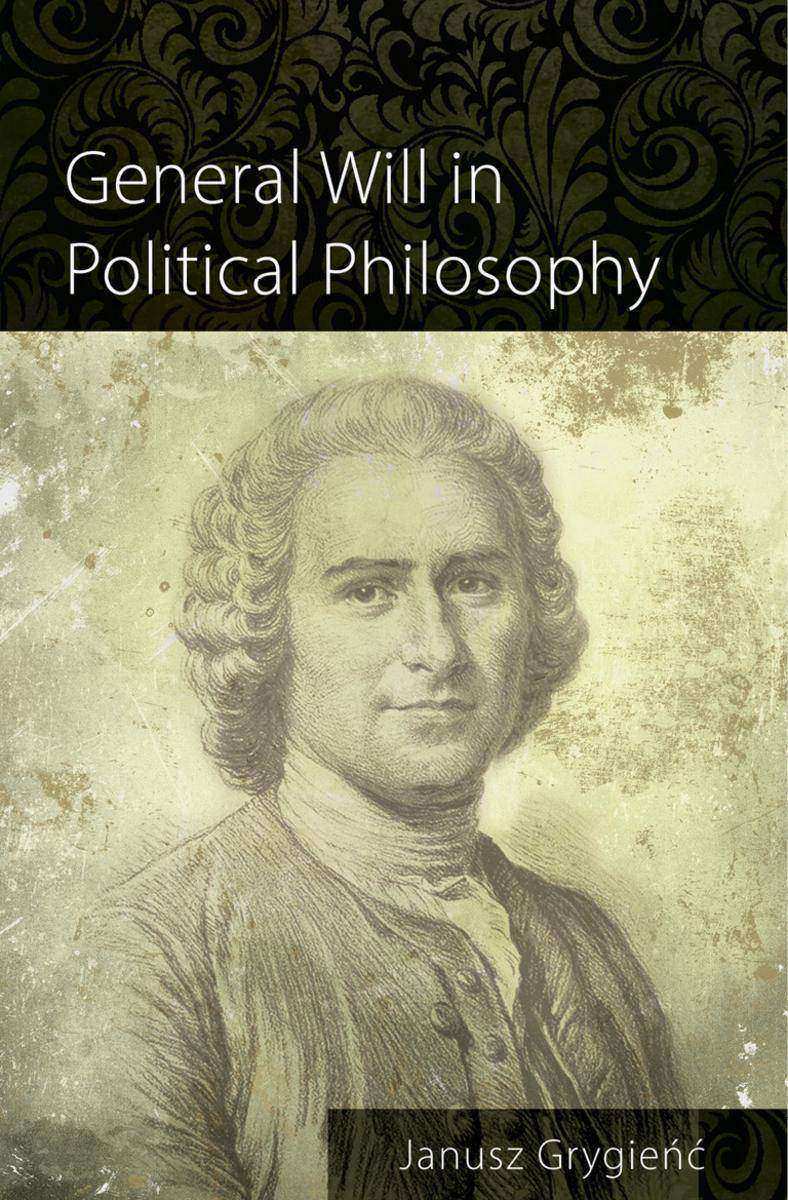
General Will in Political Philosophy
¥147.05
This book deals with the role and place of the general will in modern and contemporary political thought. This project is carried out at the crossroads of the history of ideas and political philosophy. It extensively develops historical and philosophical themes, showing modifications to the idea of the general will in the writings of thinkers who sometimes represent very distant epochs. The author tracks down the birth and the development of the idea of the general will in ancient, medieval, modern and contemporary times, devoting most of the book to the thoughts of Jean Jacques Rousseau and nineteenth and twentieth century British idealists.
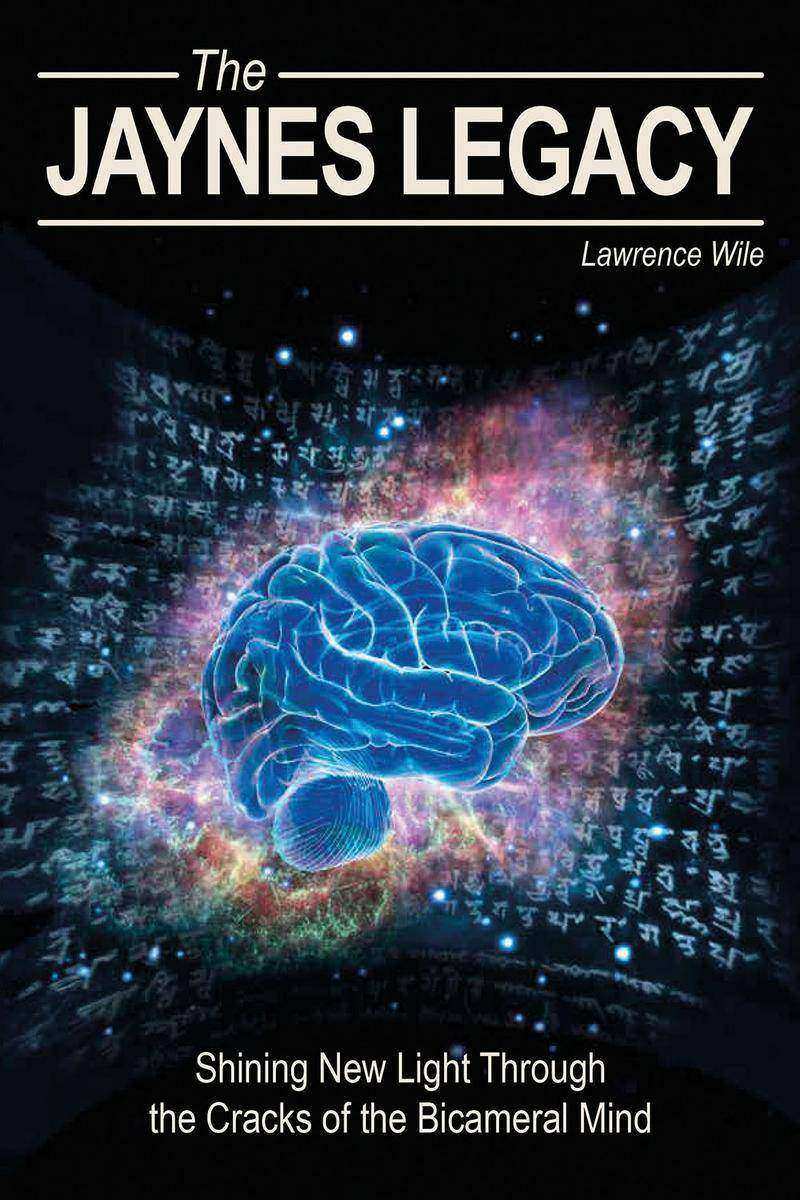
Jaynes Legacy
¥107.81
Julian Jaynes' 1976 book, The Origins of Consciousness in the Breakdown of the Bicameral Mind, continues to arouse an unsettling ambivalence. Richard Dawkins called it "e;either complete rubbish or a work of consummate genius, nothing in between"e;. The present book suggests that the bicameral mind is a phantasm; the dating of the origin of consciousness contradicts archeological and literary evidence; and the theory contributes nothing toward explaining why some physical states are conscious while others are not because the nonconscious bicameral brain is neurophysiologically equivalent to the conscious brain.However, the author pays tribute to Jaynes's work as a work of "e;consummate genius"e; because it compels us to re-evaluate the significance of humankind's earliest traditions and texts that might shine light on the "e;very suspicious totem of evolutionary mythology"e; that consciousness has evolved continuously and gradually from worms to man.The present book suggests that the evolution of the relationship between consciousnesses, mass, energy, and spacetime radically changed nearly 6,000 years ago during the epigenetic, evolutionary degeneration of a little-known, threadlike structure originating from the center of the central nervous system called Reissner's fiber. The earliest Egyptian, Hebrew, Indian and Chinese traditions, buried beneath the dust of fallen Babel and thousands of years of distortions and disguisings, describe this process during the origin of religion and mystical traditions.


