


 购物车
购物车 个人中心
个人中心
A kalózkirály
¥8.67
Euthyphro (Ancient Greek: Euthuphron) is one of Plato's early dialogues, dated to after 399 BC. Taking place during the weeks leading up to Socrates' trial, the dialogue features Socrates and Euthyphro, a religious expert also mentioned at Cratylus 396a and 396d, attempting to define piety or holiness. Background The dialogue is set near the king-archon's court, where the two men encounter each other. They are both there for preliminary hearings before possible trials (2a).Euthyphro has come to lay manslaughter charges against his father, as his father had allowed one of his workers to die exposed to the elements without proper care and attention (3e–4d). This worker had killed a slave belonging to the family estate on the island of Naxos; while Euthyphro's father waited to hear from the expounders of religious law (exegetes cf. Laws 759d) about how to proceed, the worker died bound and gagged in a ditch. Socrates expresses his astonishment at the confidence of a man able to take his own father to court on such a serious charge, even when Athenian Law allows only relatives of the deceased to sue for murder. Euthyphro misses the astonishment, and merely confirms his overconfidence in his own judgment of religious/ethical matters. In an example of "Socratic irony," Socrates states that Euthyphro obviously has a clear understanding of what is pious and impious. Since Socrates himself is facing a charge of impiety, he expresses the hope to learn from Euthyphro, all the better to defend himself in his own trial. Euthyphro claims that what lies behind the charge brought against Socrates by Meletus and the other accusers is Socrates' claim that he is subjected to a daimon or divine sign which warns him of various courses of action (3b). Even more suspicious from the viewpoint of many Athenians, Socrates expresses skeptical views on the main stories about the Greek gods, which the two men briefly discuss before plunging into the main argument. Socrates expresses reservations about such accounts which show up the gods' cruelty and inconsistency. He mentions the castration of the early sky god, Uranus, by his son Cronus, saying he finds such stories very difficult to accept (6a–6c). Euthyphro, after claiming to be able to tell even more amazing such stories, spends little time or effort defending the conventional view of the gods. Instead, he is led straight to the real task at hand, as Socrates forces him to confront his ignorance, ever pressing him for a definition of 'piety'. Yet, with every definition Euthyphro proposes, Socrates very quickly finds a fatal flaw (6d ff.). At the end of the dialogue, Euthyphro is forced to admit that each definition has been a failure, but rather than correct it, he makes the excuse that it is time for him to go, and Socrates ends the dialogue with a classic example of Socratic irony: since Euthyphro has been unable to come up with a definition that will stand on its own two feet, Euthyphro has failed to teach Socrates anything at all about piety, and so he has received no aid for his own defense at his own trial (15c ff.).

Noica. B?t?lia continu?
¥81.67
Ce este dragostea? Cum poate fi explicat ceva at?t de intim, de misterios, de minunat? Autorul nu ??i propune s? ne dezv?luie vreun mare adev?r filosofic, nici s? ne ofere sfaturi practice. Nu ne ?nva?? cum s? avem orgasm sau cum s? sc?p?m de gelozie. Nu ne spune c? femeile g?ndesc cu o alt? parte a creierului dec?t b?rba?ii, nici nu ne arat? cum s? ne salv?m rela?ia. ?n schimb, ne ajut? s? ?n?elegem comportamentul sexual ?i social, dar ?i mecanismele din spatele unor reac?ii pe care le consider?m normale ?i fire?ti.?n c?utarea r?spunsului la ?ntrebarea Ce este dragostea?, Richard David Precht exploreaz? discipline dintre cele mai diverse: biologia, psihologia, sociologia, filosofia, chiar ?i chimia. De la fiecare vom afla c?te ceva despre dragoste: c?t de egoiste sunt genele noastre ?i c?t de mult ne influen?eaz?; ce este tipic comportamentului sexual feminin ?i celui masculin; c?t de mare este aportul culturii la capacitatea noastr? de a ne ?n?elege pe noi ?n?ine ?i de a ?n?elege lumea, ca femeie sau ca b?rbat; ce se ?nt?mpl?, de fapt, ?n creierul nostru c?nd iubim; care este diferen?a dintre dragoste ?i sex; de ce a devenit at?t de important? pentru noi dragostea romantic?.?n final, afl?m c? dragostea nu are explica?ie. Ea nu poate fi dec?t tr?it?!

A Tale of Three Lions
¥8.01
"...az els? magyar regény, amely g?rbe tük?rben, de megért? szeretettel mutatja be a mai társadalom társkeres? igyekezetét." (Tímár Péter, filmrendez?) "Nem érdemes letenni!" (Schell Judit, színészn?)Hogyan fogjunk pasit negyven f?l?tt? Ahogy ennek a k?nyvnek a f?szerepl?i, talán te is úgy próbálod megtalálni az igazit újra és újra. Eltér? jellemek, eltér? sorsok. Egyben azonban megegyeznek: mindannyian várják még a ?nagy szerelmet”, mik?zben megmosolyogtatóan csetlenek-botlanak a párkeresés labirintusában. Nem akarják elhinni, hogy a mesebeli királyfi nem létezik, ezért kicsit pironkodva bár, de fejest ugranak az internetes társkeresés mélyvizébe, és tucatnyi ?bénázást” k?vet?en rátalálnak a boldogságukra. Vagy mégsem? Netán azt is megbánják, hogy belekezdtek? Létezik-e boldog párkapcsolat, ha már elmúltál negyven? Békésy Erika nem próbál elmélyült társadalomrajzot adni, mégis felvillant helyzeteket a mai magyar valóságból. Szatirikus hangvétel, perg? ritmus, komikus helyzetek, groteszkbe hajló figurák, és humor, humor, humor. Ezek jellemzik a felh?tlen szórakozást nyújtó regényt.
Nagyapó mesésk?nyve
¥22.73
...a knyvet ne tekintsük úgy, mint amelynek a fejldése már befejezdtt, és amin már nincs is mit tkéletesíteni... azzal mintha nem foglalkozna senki, hogy a knyvet miként lehetne az olvasó számára használhatóbbá tenni... nagyon is el tudnék képzelni ergonomikusabban megtervezett és knnyebben kézben tartható knyvet is (amelyet nem ejtek el, ha a mobilom után kezdek kotorászni a 6-os villamoson. Ha egyszer vehetünk jobban kézbe ill tollat, akkor talán ez sem képtelenség).”
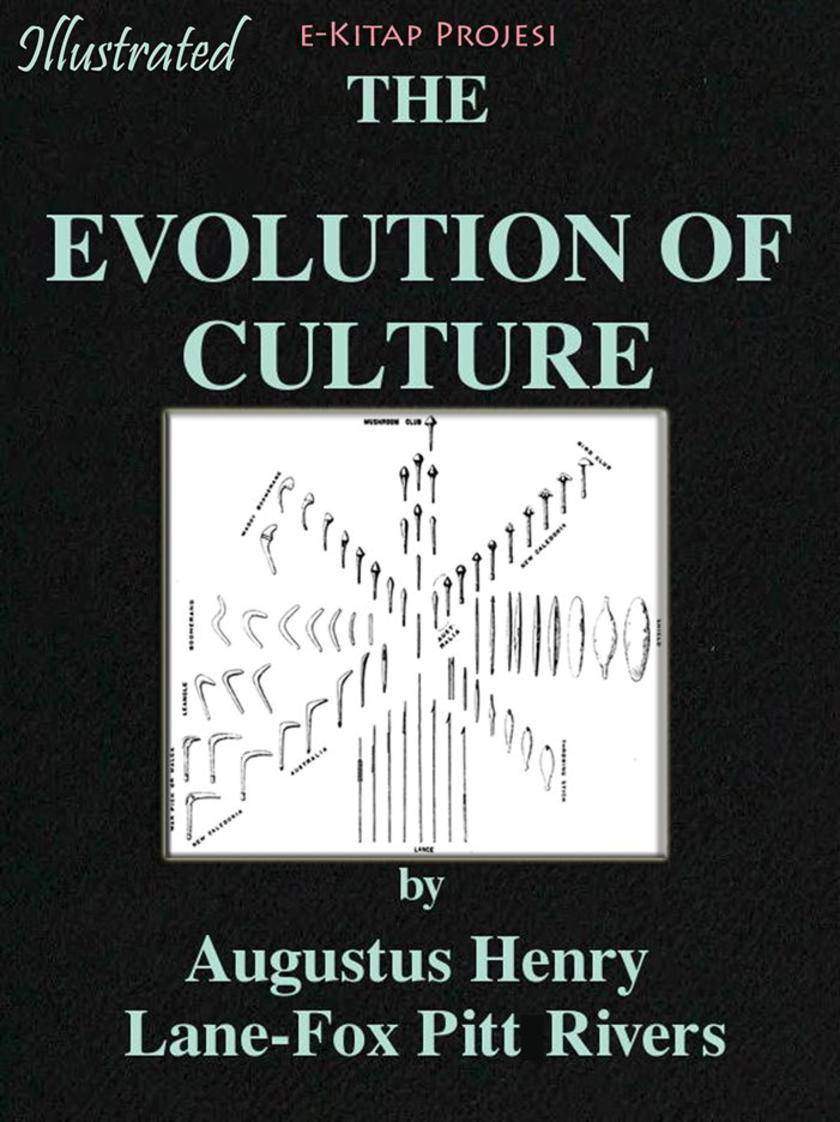
Evolution of the Culture
¥28.04
Paradise Lost is an epic poem in blank verse by the 17th-century English poet John Milton (1608–1674). The first version, published in 1667, consisted of ten books with over ten thousand lines of verse. A second edition followed in 1674, arranged into twelve books (in the manner of Virgil's Aeneid) with minor revisions throughout and a note on the versification. It is considered by critics to be Milton's "major work", and helped solidify his reputation as one of the greatest English poets of his time. The poem concerns the Biblical story of the Fall of Man: the temptation of Adam and Eve by the fallen angel Satan and their expulsion from the Garden of Eden. Milton's purpose, stated in Book I, is to "justify the ways of God to men" Short Summary:The poem is separated into twelve "books" or sections, the lengths of which vary greatly (the longest is Book IX, with 1,189 lines, and the shortest Book VII, with 640). The Arguments at the head of each book were added in subsequent imprints of the first edition. Originally published in ten books, a fully "Revised and Augmented" edition reorganized into twelve books was issued in 1674, and this is the edition generally used today. The poem follows the epic tradition of starting in medias res (Latin for in the midst of things), the background story being recounted later.Milton's story has two narrative arcs, one about Satan (Lucifer) and the other following Adam and Eve. It begins after Satan and the other rebel angels have been defeated and banished to Hell, or, as it is also called in the poem, Tartarus. In Pand?monium, Satan employs his rhetorical skill to organise his followers; he is aided by Mammon and Beelzebub. Belial and Moloch are also present. At the end of the debate, Satan volunteers to poison the newly created Earth and God's new and most favoured creation, Mankind. He braves the dangers of the Abyss alone in a manner reminiscent of Odysseus or Aeneas. After an arduous traversal of the Chaos outside Hell, he enters God's new material World, and later the Garden of Eden. At several points in the poem, an Angelic War over Heaven is recounted from different perspectives. Satan's rebellion follows the epic convention of large-scale warfare. The battles between the faithful angels and Satan's forces take place over three days. At the final battle, the Son of God single-handedly defeats the entire legion of angelic rebels and banishes them from Heaven. Following this purge, God creates the World, culminating in his creation of Adam and Eve. While God gave Adam and Eve total freedom and power to rule over all creation, He gave them one explicit command: not to eat from the Tree of the knowledge of good and evil on penalty of death.

Mindig is éjjel lesz
¥69.65
Sri Krsna számtalan univerzum vitathatatlan Ura, akit korlátlan er?, gazdagság, hírnév, tudás és lemondás jellemez, ám ezek az ?r?kké diadalmas energiák csupán részben tárják fel ?t. Végtelen dics?ségét csak az ismerheti meg, aki elb?v?l? szépségénél keres menedéket, ?sszes t?bbi fenséges tulajdonsága forrásánál, melynek páratlan transzcendentális teste ad otthont. Szépségének legf?bb jellemz?je az a mindenek f?l?tt álló édes íz, ami t?mény kivonata mindennek, ami édes. Minden édes dolgot túlszárnyal, és nem más, mint az édes íz megízlelésének képessége. Sri Krsna édes természete finom arany sugárzásként ragyog át transzcendentális testén. Govinda páratlanul gy?ny?r? testének legszebb és legédesebb része ragyogó arca. ?des hold-arcán rejtélyes mosolya a legédesebb, az az arcáról ragyogó ezüst holdsugár, ami nektárral árasztja el a világot. Mosolyának sugárzása nélkül keser? lenne a cukor, savanyú a méz, és a nektárnak sem lenne íze. Amikor mosolyának holdsugara elvegyül teste ragyogásával, a kett? együtt a kámfor aromájára emlékeztet. Ez a kámfor aztán ajkán keresztül a fuvolába kerül, ahonnan megfoghatatlan hangvibrációként t?r el?, és er?nek erejével rabul ejti azoknak az elméjét, akik hallják. Ahogy a szavak gondolatok mondanivalóját hordozzák, ahogy a gondolatok a szemben tükr?z?dnek, ahogy egy mosoly a szív érzelmeir?l árulkodik, úgy a fuvola hangja Sri Krsna szépségét viszi a fül?n keresztül a szív templomának oltárára.
Hotarul cu cet??i. Cum se distruge un neam!
¥24.44
Via?a marelui g?nditor german, supranumit sihastrul de la Sils Maria a fost plin? de str?lucire dar ?i de aspecte mai pu?in cunoscute publicului larg. ?ntre ace?tia se num?r? patima fa?? de muzic? a autorului ?tiin?ei vesele ?i A?a gr?ita Zarathustra dar ?i rela?ia de formare ?i de profund? iubire avut? cu Richard Wagner ?i so?ia sa, minunata Cosima – prezen?e vii ?n aceast? monografie eseistic?, ce con?ine fragmente din coresponden?a acestor mon?tri sacri ai culturii universale, coresponden?? ?n urma lecturii c?reia te alegi cu o imagine calda, expresiv?.

A Little Frog’s Heart: The Stellar Waltz of Life
¥50.93
Volumul analizeaz? con?inutului drepturilor minorit??ilor na?ionale ?i principalele pozi?ii ale comunit??ii interna?ionale ?n abordarea problemelor din acest domeniu. Sunt formulate solu?ii ce pot servi drept baz? pentru dezvoltarea ?i punerea ?n aplicare a programelor pe termen lung privind protec?ia drepturilor minorit??ilor na?ionale. Cartea are un caracter interdisciplinar ?i se adreseaz? studen?ilor facult??ilor de drept, sociologie, psihologie ?i ?tiin?e politice, dar ?i tuturor celor interesa?i s? ?n?eleag? profunzimile unor fenomene at?t de actuale.

Secolul Bacovia
¥40.06
Volumul abordeaz? teoretic ?i istoriografic cele mai importante categorii ale g?nditorului politic Antonio Gramsci. Analiza Ioanei Cristea Dr?gulin permite restituirea unit??ii ?i continuit??ii pe care tinde s? le ascund? natura fragmentar? a unei mari p?r?i din opera gramscian?, reconect?nd ?ntr?un cadru unitar apa?ratul conceptual complex pe care autorul ?l disemineaz? pe parcursul Caietelor sale, ?ntr-un context cultural at?t de ?ndep?rtat de cel originar, c?nd au fost scrise.

Hortensia Papadat-Bengescu ?i literatura european?
¥42.51
Dintre autorii italieni ai secolului XX, Antonio Gramsci este cel mai cunoscut pe plan interna?ional. Utilizarea pe scar? larg? a ideilor, conceptelor ?i categoriilor sale se datoreaz? at?t caracterului antidogmatic ?i eterodox, c?t ?i originalit??ii remarcabile prin care a inovat tradi?ia marxist?. Lucrarea sa principal?, intitulat? Caietele din ?nchisoare, ?n ciuda caracterului fragmentar, s-a remarcat prin bog??ia ?i amploarea subiectelor acoperite, atr?g?nd interesul unui larg spectru de speciali?ti din diverse discipline din ?ntreaga lume.
Káin
¥8.83
...amikor apaként elmegyek az óvodába, hogy elhozzam a kisfiamat, akkor milyen alapon választom ki, hogy kit viszek haza Talán megkérdezem az óvóntl, hogy melyik gyerek viselkedett a legjobban Vagy krülnézek, hogy melyik klyk a legszebb s ha az óvón azzal fogad, hogy az én gyerekem elpáholta t csoporttársát, és egy pohár kefirt nttt a takarító néni fejére, akkor ott hagyom, és választok egy normális gyereket Nem. Minden krülmények kzt a sajátomat viszem haza. Azért, mert az enyém! Ez a vele való kapcsolatom alapja. s ha ez az alap megvan, hazaviszem t, és otthon elbeszélgetek vele a pohár kefirrl, az ovistársakról, a takarító nénirl és a verekedésrl. Milyen egyszernek és természetesnek tnik mindez, ha a saját gyermekeinkrl van szó, de ha Jézus mondja ugyanezt az Atyáról, akkor zavarba jvünk, mert a szégyen és a félelem által belénk vésdtt kalmárszellem olyan mélyen járja át a lelkünket, hogy el sem tudjuk képzelni, hogy csak úgy, minden feltétel nélkül szeretni való emberek vagyunk...” BOLYKI LSZL 1973-ban született Budapesten. Zenész (Bolyki Brothers, Budapesti Fesztiválzenekar, Erkel Ferenc Kamarazenekar), spirituális szemlélet lelkigondozó, párkapcsolati és nismereti témákra szakosodott tréner, a Milyen zenét szeret Isten cím ktet szerzje. Bolyki László munkája azt tanítja nekünk, hogy a múlt si kultúrájának szimbolikus értékei a mai ember problémáiban is eleven lélektani, spirituális útmutatást tudnak nyújtani.” dr. SLE FERENC, a volt Országos Pszichiátriai és Neurológiai Intézet Valláslélektani Osztályának forvosa A Kegyelem és kalmárszellem nem csak egy knyv a sok kzül; fontos, hogy minél tbb olvasóhoz eljusson! Mindenkinek ajánlom szeretettel.” SZENCZY SNDOR a Baptista Szeretetszolgálat Alapítvány vezetje
Plasterca
¥40.79
Medierea este o alternativ? la procesul ?n instan??. La mediere, p?r?ile sper? ?ntr-o solu?ie amiabil?; la proces, dimpotriv?, fiecare parte sper? s-o ?nfr?ng? pe cealalt?. Lucrarea de fa?? prezint? o nou? metod? de rezolvare a conflictelor, mult mai rapid?, mai eficient? ?i aproape deloc traumatizant? pentru p?r?ile aflate ?n conflict: medierea.

Enders
¥65.32
Dialoguri cu Vasile Dem. Zamfirescu consemnate de Leonid DragomirLa Facultatea de Filosofie din Bucure?ti unde eram studen?i exista pe atunci mult? libertate ?n alegerea cursurilor pe care doream s? le urm?m. Se afi?a la ?nceputul anului universitar o list? a cursurilor obligatorii ?i op?ionale, acestea din urm? fiind majoritare. A?a am descoperit cursul de Psihanaliz? filosofic? al profesorului Vasile Dem. Zamfirescu, despre care ?tiam vag c? fusese unul dintre discipolii lui Constantin Noica. Atmosfera de libertate ?n care ne mi?cam se reg?sea ?n totalitate aici. Cursul ne interesa at?t prin con?inutul lui — care adolescent n-a fost fascinat de psihanaliz?! — c?t ?i prin rigoarea ?i claritatea expunerii. De?i nu mai predase p?n? atunci, Vasile Dem. Zamfirescu era cu adev?rat profesor. Seminariile erau ?ns? ale noastre. Aici se iscau polemici, se propuneau interpret?ri insolite, se scriau ?i se citeau eseuri inspirate de noile probleme ?i lecturi. De obicei dep??eam limitele temei propuse, astfel ?nc?t totul ar fi putut degenera ?ntr-un dialog al surzilor sau ?n divaga?ii sterile dac? n-ar fi existat polul magnetic: profesorul. Nu numai c? el aducea, cu mult tact, discu?ia pe f?ga?ul normal, la obiect, dar opiniile noastre, oric?t de ?ndr?zne?e, vizau direct sau indirect aprobarea lui. Aceasta uneori venea, alteori nu, dar ceea ce conta pentru noi era faptul de a ne ?ti asculta?i. Sim?eam c? el poate s? vad? ?n spusele noastre sau dincolo de ele personalitatea noastr? ?ntreag?. De aceea voiam s? d?m totul ?n acele seminarii care treceau at?t de repede, de?i discu?iile se prelungeau ?n pauze ?i dup? ?ncheierea lor.

Horda
¥72.27
Un mare vinovat f?r? vin?, sihastrul de la Sils-Maria a dinamitat g?ndirea secolului al XIX-lea, figur?nd – al?turi de Dostoievski – printre uria?ii profe?i ai omenirii, care au proorocit nenorocirile ce-au urmat, crimele ?n numele unei idei, rasismul, precum ?i devastatorul totalitarism ro?u. Dincolo de bine ?i de r?u e una dintre capodoperele g?nditorului de la na?terea c?ruia se va s?rb?tori ?n toamna anului 2014 (15 octombrie) 170 de ani.
Ruins of Ancient Cities: (Volume -II)
¥28.61
More’s “Utopia” was written in Latin, and is in two parts, of which the second, describing the place ([Greek text]—or Nusquama, as he called it sometimes in his letters—“Nowhere”), was probably written towards the close of 1515; the first part, introductory, early in 1516. The book was first printed at Louvain, late in 1516, under the editorship of Erasmus, Peter Giles, and other of More’s friends in Flanders. It was then revised by More, and printed by Frobenius at Basle in November, 1518. It was reprinted at Paris and Vienna, but was not printed in England during More’s lifetime. Its first publication in this country was in the English translation, made in Edward’s VI.’s reign (1551) by Ralph Robinson. It was translated with more literary skill by Gilbert Burnet, in 1684, soon after he had conducted the defence of his friend Lord William Russell, attended his execution, vindicated his memory, and been spitefully deprived by James II. of his lectureship at St. Clement’s. Burnet was drawn to the translation of “Utopia” by the same sense of unreason in high places that caused More to write the book. Burnet’s is the translation given in this volume. The name of the book has given an adjective to our language—we call an impracticable scheme Utopian. Yet, under the veil of a playful fiction, the talk is intensely earnest, and abounds in practical suggestion. It is the work of a scholarly and witty Englishman, who attacks in his own way the chief political and social evils of his time. Beginning with fact, More tells how he was sent into Flanders with Cuthbert Tunstal, “whom the king’s majesty of late, to the great rejoicing of all men, did prefer to the office of Master of the Rolls;” how the commissioners of Charles met them at Bruges, and presently returned to Brussels for instructions; and how More then went to Antwerp, where he found a pleasure in the society of Peter Giles which soothed his desire to see again his wife and children, from whom he had been four months away. Then fact slides into fiction with the finding of Raphael Hythloday (whose name, made of two Greek words [Greek text] and [Greek text], means “knowing in trifles”), a man who had been with Amerigo Vespucci in the three last of the voyages to the new world lately discovered, of which the account had been first printed in 1507, only nine years before Utopia was written. Designedly fantastic in suggestion of details, “Utopia” is the work of a scholar who had read Plato’s “Republic,” and had his fancy quickened after reading Plutarch’s account of Spartan life under Lycurgus. Beneath the veil of an ideal communism, into which there has been worked some witty extravagance, there lies a noble English argument. Sometimes More puts the case as of France when he means England. Sometimes there is ironical praise of the good faith of Christian kings, saving the book from censure as a political attack on the policy of Henry VIII. Erasmus wrote to a friend in 1517 that he should send for More’s “Utopia,” if he had not read it, and “wished to see the true source of all political evils.” And to More Erasmus wrote of his book, “A burgomaster of Antwerp is so pleased with it that he knows it all by heart.” Sir Thomas More, son of Sir John More, a justice of the King’s Bench, was born in 1478, in Milk Street, in the city of London. After his earlier education at St. Anthony’s School, in Threadneedle Street, he was placed, as a boy, in the household of Cardinal John Morton, Archbishop of Canterbury and Lord Chancellor. It was not unusual for persons of wealth or influence and sons of good families to be so established together in a relation of patron and client. The youth wore his patron’s livery, and added to his state. The patron used, afterwards, his wealth or influence in helping his young client forward in the world.

A leskel?d?
¥66.79
Within our Society (the International Society for Krishna Consciousness), guru has been taken to be synonymous with diksa-guru, but what about those great souls who have introduced us to Krsna consciousness? What relationship do we have with these Vaisnavas, and what are our obligations toward them, as well as toward parents, teachers, sannyasis, and other superiors who help guide us back to Godhead? Not much has been said by the Society on these topics, and hardly any appreciation is shown for those souls who labor to elevate us day by day.The scriptures, however, glorify as guru all Vaisnavas who guide a conditioned soul back to Godhead — be they instructors or initiators — advocating a culture of honor and respect. ISKCON needs to reflect upon these principles further, and the purpose of this book is to act as a catalyst toward such an end.
The History of Animals
¥40.79
Generally seen as a pioneering work of zoology, Aristotle frames his text by explaining that he is investigating the existing facts about animals. History of Animals is one of the major texts on biology.
The Alexandrian Wars
¥40.79
When the war broke out at Alexandria, Caesar sent to Rhodes, Syria, and Cilicia, for all his fleet; and summoned archers from Crete, and cavalry from Malchus, king of the Nabatheans. He likewise ordered military engines to be provided, corn to be brought, and forces dispatched to him. Meanwhile he daily strengthened his fortifications by new works; and such parts of the town as appeared less tenable were strengthened with testudos and mantelets. Openings were made in the walls, through which the battering-rams might play; and the fortifications were extended over whatever space was covered with ruins, or taken by force. For Alexandria is in a manner secure from fire, because the houses are all built without joists or wood, and are all vaulted, and roofed with tile or pavement.
The Civil Wars, Book 1
¥40.79
Caesar, although he was not as yet at open enmity with him, determined neither to aid him by his influence nor openly oppose him on this occasion. But the consuls Lentulus and Marcellus, who had previously been on unfriendly terms with Caesar, resolved to use all means in their power to prevent him from gaining his object. Marcellus in particular did not hesitate to offer Caesar other insults. Caesar had lately planned the colony of Novumcomum in Gaul: Marcellus, not content with taking from it the right of citizenship, ordered the principal man of the colony to be arrested and scourged at Rome, and sent him to make his complaints to Caesar: an insult of this description had never before been offered to a Roman citizen.
On Memory and Reminiscence
¥40.79
We have, in the next place, to treat of Memory and Remembering, considering its nature, its cause, and the part of the soul to which this experience, as well as that of Recollecting, belongs. For the persons who possess a retentive memory are not identical with those who excel in power of recollection; indeed, as a rule, slow people have a good memory, whereas those who are quick-witted and clever are better at recollecting.
Metaphysics
¥40.79
All men by nature desire to know. An indication of this is the delight we take in our senses; for even apart from their usefulness they are loved for themselves; and above all others the sense of sight. For not only with a view to action, but even when we are not going to do anything, we prefer seeing (one might say) to everything else. The reason is that this, most of all the senses, makes us know and brings to light many differences between things.


