


 购物车
购物车 个人中心
个人中心
The Best Girl
¥33.18
You Are Cordially Invited . . . to your brother's wedding where he will marry rich, famous Marni Shay, at the River Lodge, the most elite resort in Colorado, the state you chose to go to college in so you could escape your family, except they'll all be there. Enjoy ten fun-filled days of avoiding your mother, who still thinks you're not girly enough; planning your brother's bachelor party, because you are his best man, er, girl; and, oh yeah, trying not to drool all over Hot Connor, who happens to be in your English seminar and work at the River Lodge. Put your best foot forward, and . . . Don't miss the most joyous celebration of the year!Yeah, right.
Freefall
¥108.99
What would your life be like if military service was compulsory, not voluntary?Aggie is eighteen and getting ready to do her service for the Israeli Army. She could get a cushy assignment—maybe pushing paper somewhere—or she could just take her chances. Only, Aggie isn't like that. Despite her small size and the fact that she needs to gain weight to even make the grade, and despite the total disbelief of her entire family (except her grandmother, who is an old freedom fighter and don't you forget it), Aggie is trying out for an elite combat unit. Ben—Aggie's crush of the moment—isn't at all convinced that she's making the right choice. Shira, Aggie's best friend forever, is bewildered (and perhaps a bit too interested in Ben). Then there's Noah. And the serendipitous snow. And a good-bye kiss that turns into, well, a real kiss.Luckily for Aggie, her backbreaking, sand-in-mouth, completely-lost-in-the-desert training produces an unlikely dividend: friends. The kind she never imagined she could have. The kind you'd go to war with—and for.
Waiting for Normal
¥44.73
Addie is waiting for normal.But Addie's mom has an all-or-nothing approach to life: a food fiesta or an empty pantry, jubilation or gloom, her way or no way.All or nothing never adds up to normal. All or nothing can't bring you all to home, which is exactly where Addie longs to be, with her half sisters, every day.In spite of life's twists and turns, Addie remains optimistic. Someday, maybe, she'll find normal.Leslie Connor has created an inspiring novel about one girl's giant spirit. waiting for normal is a heartwarming gem.
Celeste Ascending
¥79.38
In this splendid novel, Celeste finds herself engaged to Alex, a wealthy man whose standards are as exacting as her own -- or so she thought. As she begins to question their relationship and herself, Celeste is haunted by painful memories: of her past in well-heeled, blue-blooded Connecticut; of the friends and family who seem to have disappeared from her life; and of Nathan, for whom Celeste still carries a lingering passion. At last coming to terms with the lies and illusions that have propelled her forward for years, Celeste must take responsibility for the choices she has made. She decides to be true to herself -- and so challenges her fiancé, her family, and the very society in which she's steeped.
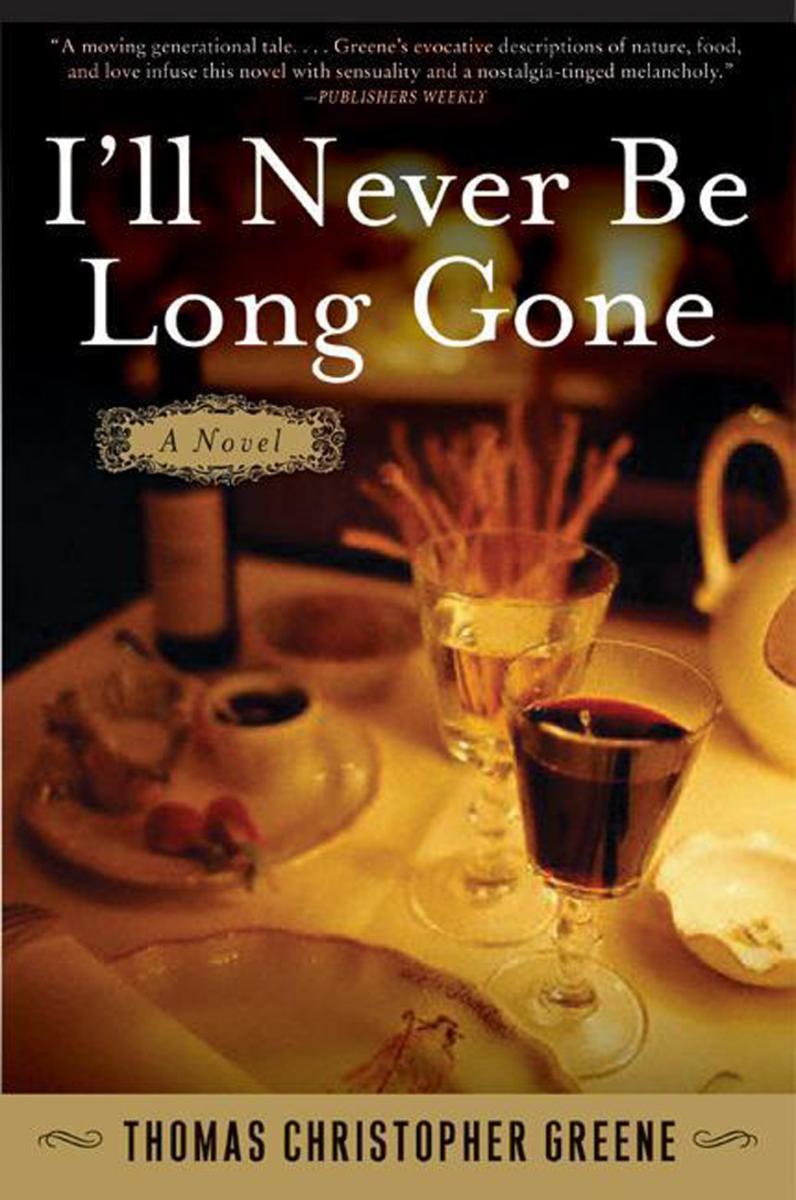
I'll Never Be Long Gone
¥90.77
The lives of brothers Charlie and Owen Bender are changed forever on the night their father walks into the Vermont woods with a death wish and a shotgun. The second shock comes when his suicide note bequeaths the family's restaurant to Charlie alone, while leaving Owen with instructions to follow his own path, wherever it may take him.Years later, the restaurant is a success. The void in Charlie's life, created by his beloved brother's absence, is finally filled when a passionate affair becomes a deeply satisfying marriage. And now prodigal son Owen is returning home, to be welcomed back into the family fold. But the cruel legacy that tore a brotherhood apart created wounds not easily healed . . . and there must be reckoning.
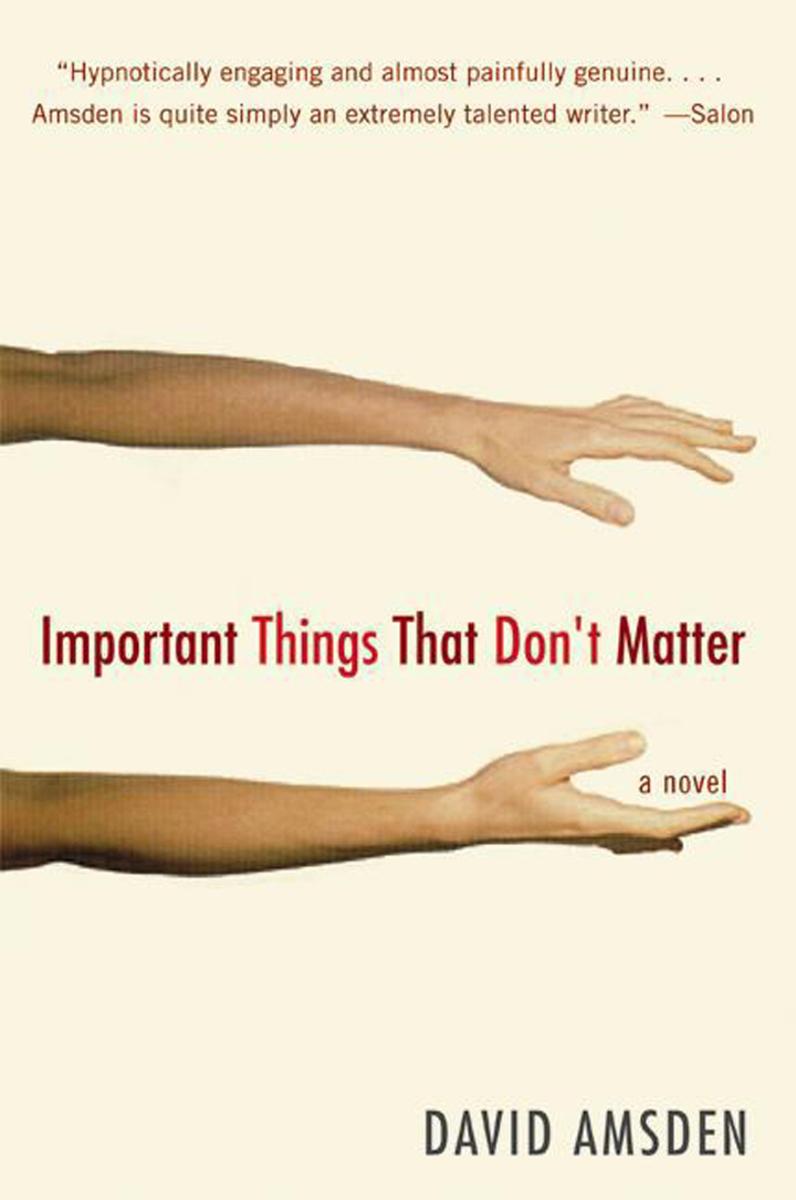
Important Things That Don't Matter
¥79.38
So Dad's around lately. That's it. And I want to tell you things, throw fragments your way that I barely understand. Because it's just funny, flat out, the way someone you don't even know can get up in your face, tweak things that should be so ordinary. Or I think it's funny. Maybe you will too. Hailed by The New Yorker as "a fictional report from the strip-mall front lines of Generation Y," Important Things That Don't Matter is a provocative, moving, darkly funny portrait of family and divorce, a boy and his father, the eighties and nineties, and sex and intimacy that raises vital questions about a generation just now reaching adulthood.
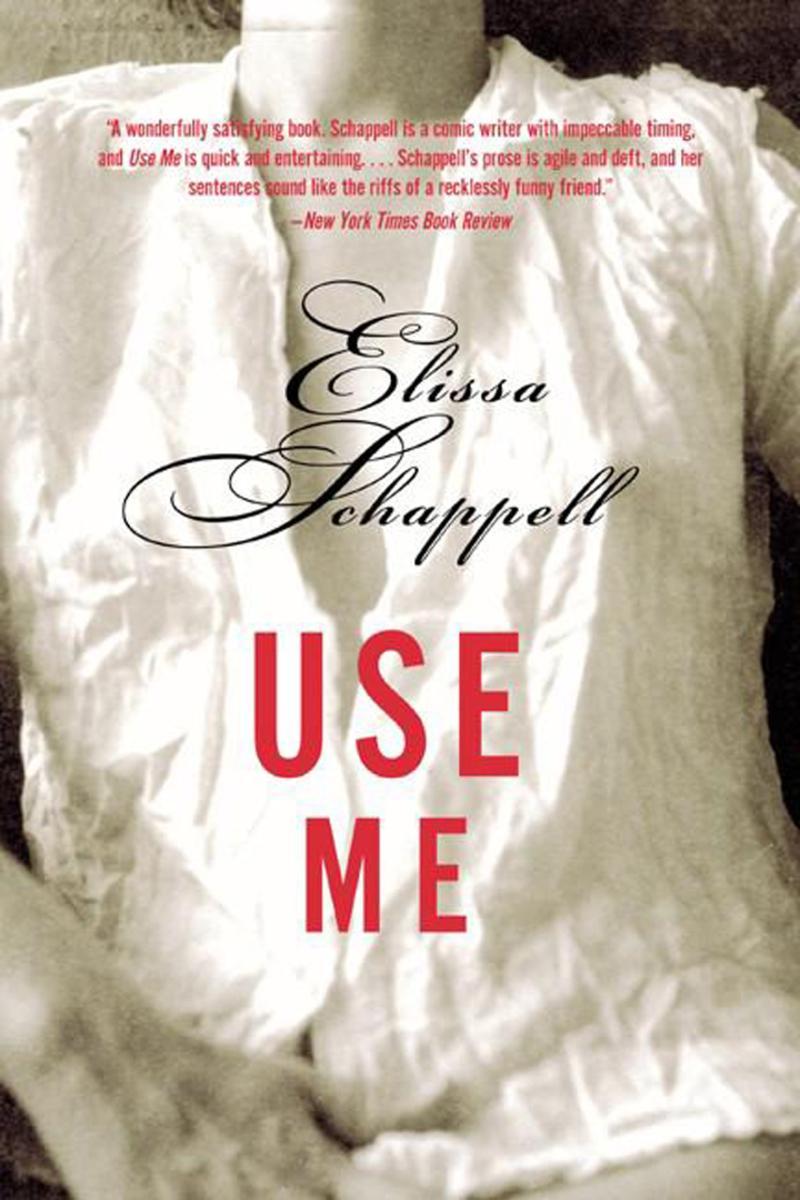
Use Me
¥83.92
The exquisitely artful fiction debut of Vanity Fair columnist Elissa Schappell is a novel told in ten stories that resonate with the most profound experiences in the life of a young woman -- friendship and rivalry, the love for a man, the birth of a child, and the death of a father.
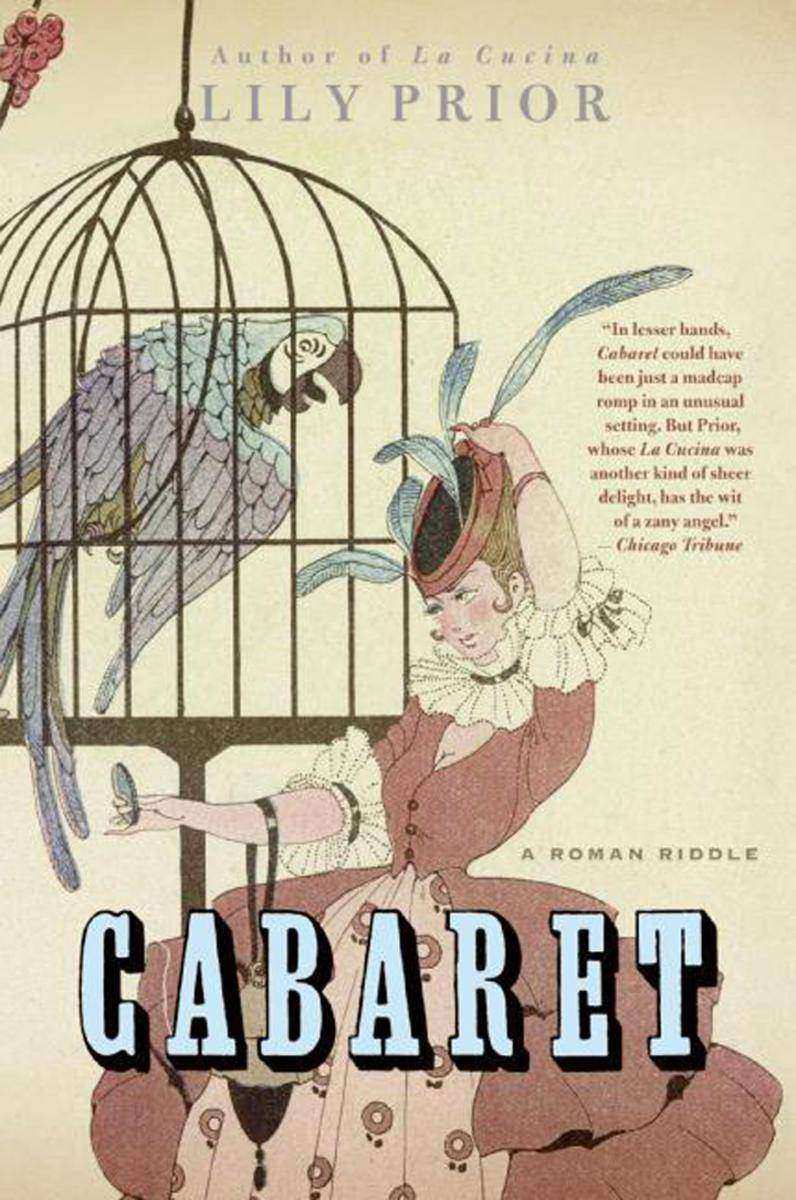
Cabaret
¥90.73
struggling mortician in working-class Rome, Freda only married her repulsive ventriloquist husband, Alberto, because it was prophesied that she'd do so. Now that he's vanished mysteriously along with his equally abhorrent dummy (who Freda suspects is actually a midget), she'd like them both to stay missing -- though she's devastated by the simultaneous disappearance of her soul mate, Pierino, her beloved talking parrot. While the police investigate this series of possible crimes, Freda will continue embalming by day, unleashing her caged passions at night in a seedy cabaret (until a tragic fire leaves the proprietor with a tuba stuck on his head), trying to make do with a talking hamster in lieu of dear Pierino . . . and recalling the vagaries of life that led her to this unfortunate juncture.
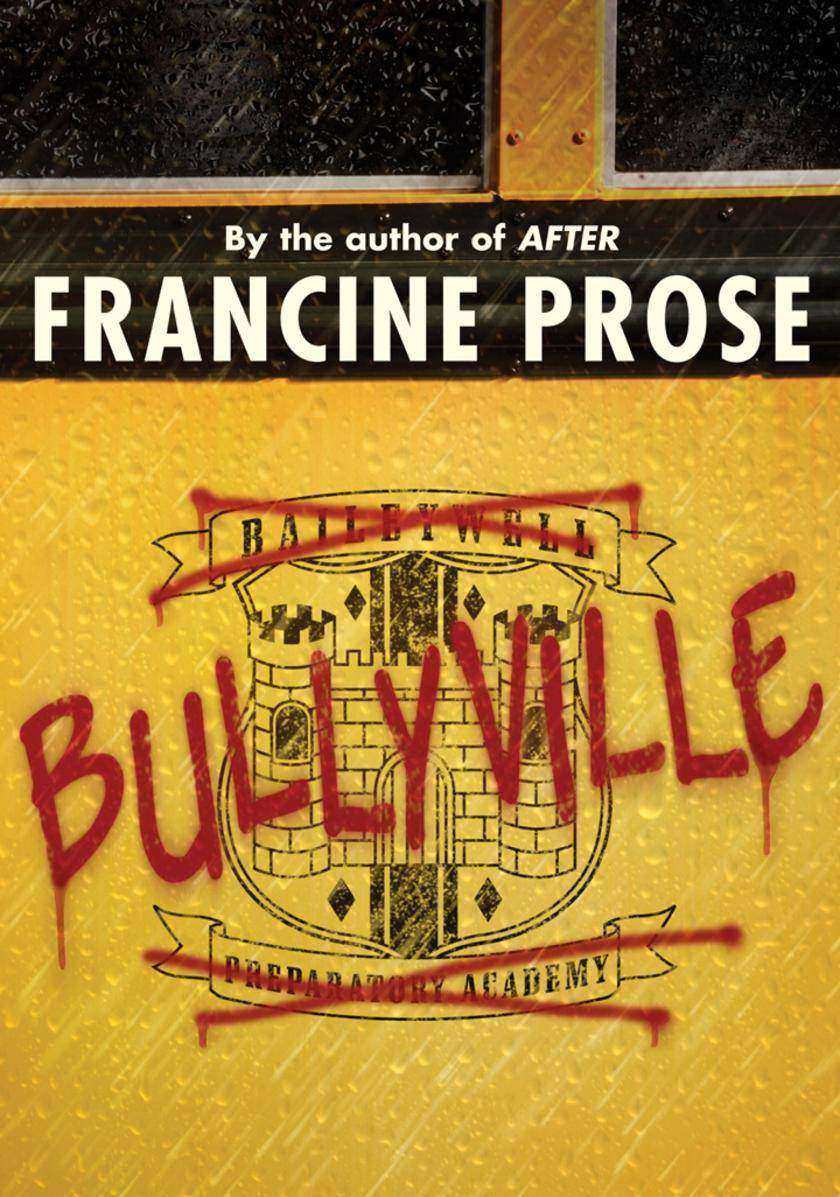
Bullyville
¥56.08
My father was killed on 9/11.When eighth grader Bart Rangely is granted a "mercy" scholarship to an elite private school after his father is killed in the North Tower, doors should have opened. Instead, he is terrorized and bullied by his own mentor. So begins the worst year of his life.
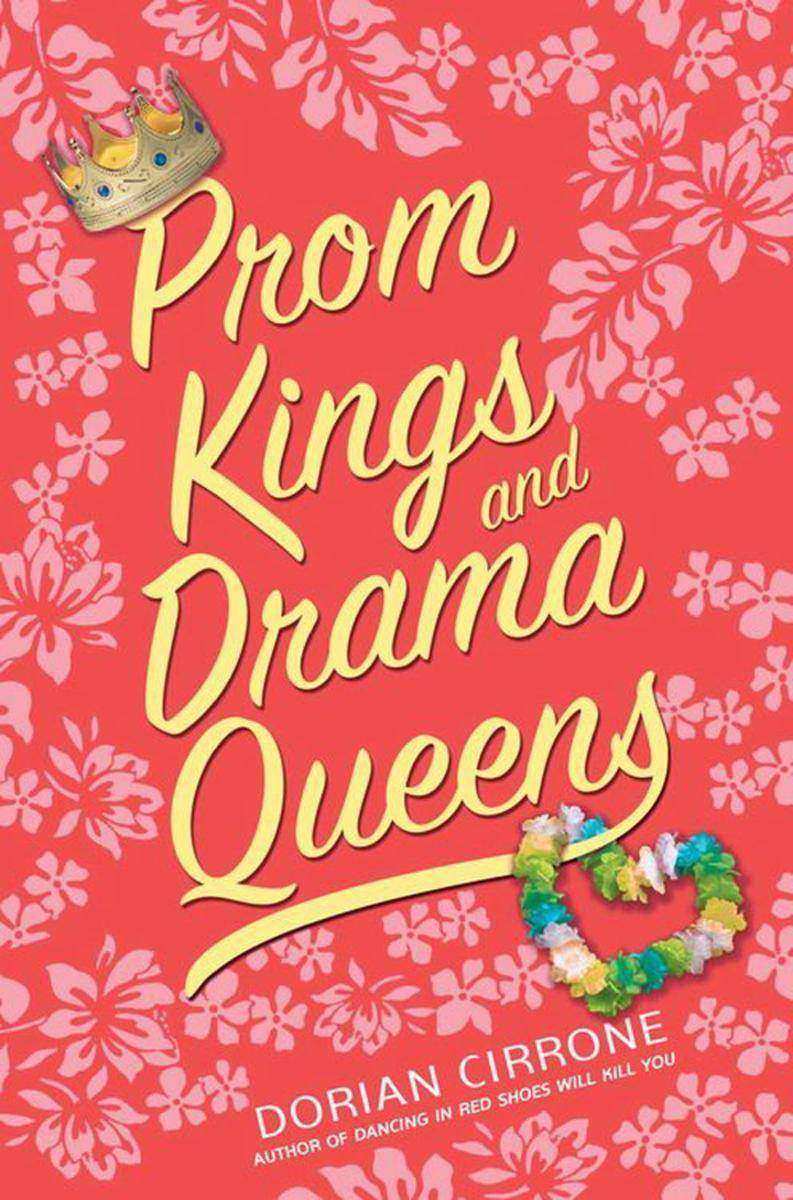
Prom Kings and Drama Queens
¥43.55
That summer, Hurricane Emily was in the news. The headlines shouted things like: "Emily Rocks South Florida." I wanted to be like that Emily in the headlines. I wanted to take the world by storm.Not that I wanted to knock over mango trees or whip power lines across the sky like spaghetti. But I wanted to rock in my own way.Emily Bennet has some impossible projects on her "To Do" list, like landing her longtime crush, Brian Harrington, and winning the job of editor in chief of the school newspaper over her arch nemesis, Daniel Cummings. And, on top of that, she's determined to do something special. Something important. Something good.Suddenly, Emily's checking things off her list left and right. She's kissing Brian on a semiregular basis and she's raising money for a good cause by planning an Alternative Prom (but she would secretly rather go to the real one). The only item that remains is knocking Daniel Cummings off his pedestal. But when did he start to look, well, cute?Emily's finding it harder and harder to stick to her list. And she still needs to conquer the most important item of all. Can she find her inner prom queen and figure out how to rock?
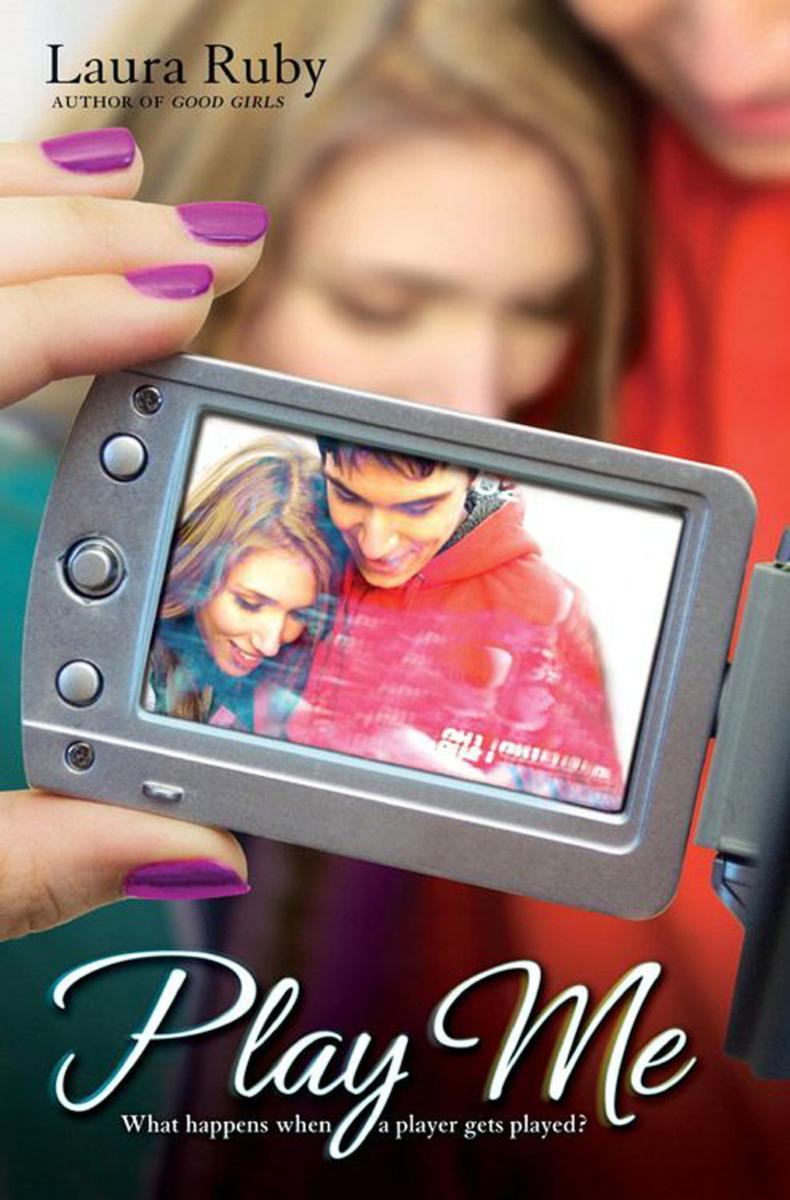
Play Me
¥55.93
Eddy knows how to play the game. He is, after all, the writer, director, and cameraman—the mastermind, really—behind the hit online TV show Riot Grrl 16. When it wins a contest to be aired on MTV (and it obviously will—have you seen the competition?), he'll be famous. Then there's the game of love. Eddy knows all the tricks, and his favorite girls are the ones with the fishnets and cherry lipstick and legs up to there. The ones who know he doesn't make any promises. The ones who are cool with it.But as graduation looms, everything and everyone starts deviating from Eddy's master *. Never in a million years did he expect to be facing off again with the unapproachable, perfect Lucinda Dulko. For once in his life, he's not in control—and to be with Lucinda, he's willing to get swept up in the game. But what happens to a player when the rules suddenly change?Can Eddy find a way to win it all?Or will he get played?
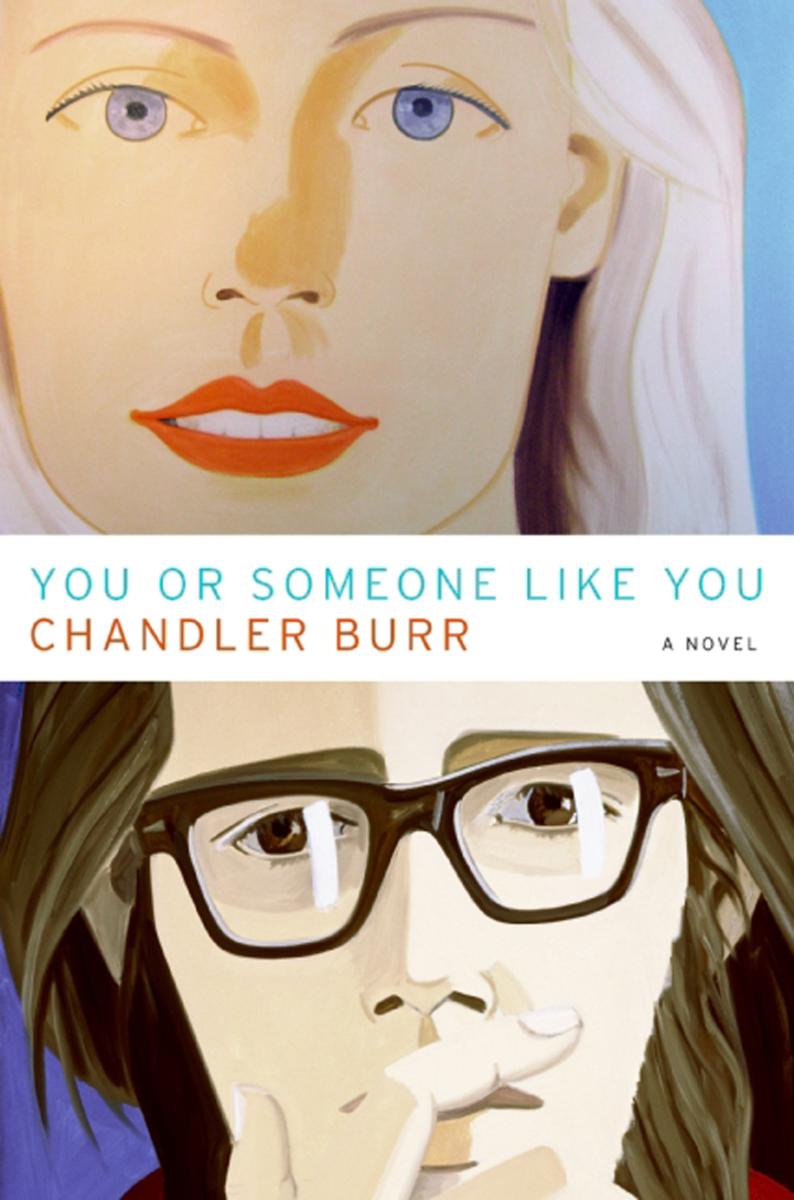
You or Someone Like You
¥84.16
Anne Rosenbaum leads a life of quiet Los Angeles privilege, the wife of Hollywood executive Howard Rosenbaum and mother of their seventeen-year-old son, Sam. Years ago Anne and Howard met studying litera-ture at Columbia—she, the daughter of a British diplo-mat from London, he a boy from an Orthodox Jewish neighborhood in Brooklyn. Now on sleek blue California evenings, Anne attends halogen-lit movie premieres on the arm of her powerful husband. But her private life is lived in the world of her garden, reading books.When one of Howard's friends, the head of a studio, asks Anne to make a reading list, she casually agrees—though, as a director reminds her, "no one reads in Hollywood." To her surprise, they begin calling: screen-writers; producers, from their bungalows; and agents, from their plush offices on Wilshire and Beverly. Soon Anne finds herself leading an exclusive book club for the industry elite. Emerging gradually from her seclu-sion, she guides her readers into the ideas and beauties of Donne, Yeats, Auden, and Mamet, with her brilliant and increasingly bold opinions. But when a crisis of identity unexpectedly turns an anguished Howard back toward the Orthodoxy he left behind as a young man, Anne must set out to save what she values above all else: her husband's love. At once fiercely intelligent and emotionally grip-ping, You or Someone Like You confronts the fault lines between inherited faith and personal creed, and, through the surprising transformation of one exceptional, unfor-gettable woman, illuminates literature's power to change our lives.
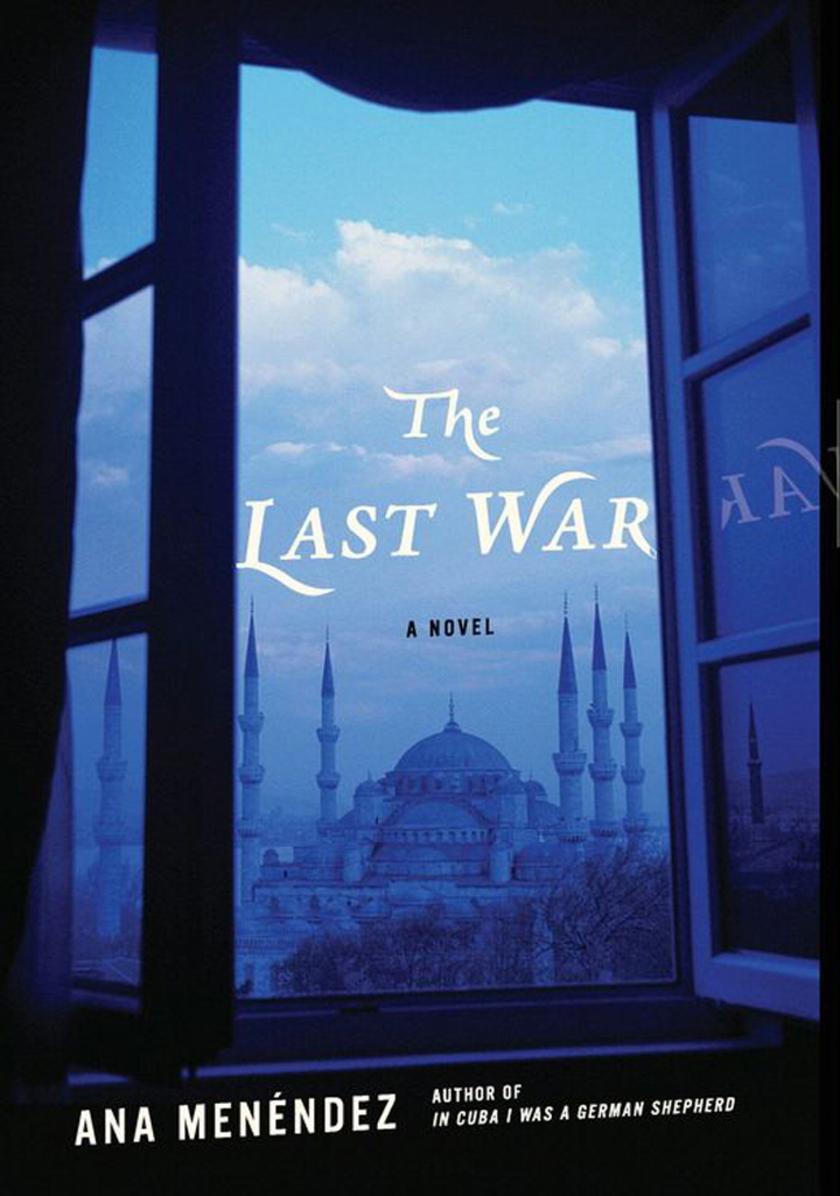
The Last War
¥85.05
A breathtaking novel of love, war, and betrayalFlash, a photojournalist, chases conflicts around the globe with her war correspondent husband, Brando. Now Brando is in Iraq, awaiting her arrival. Yet instead of racing to join him, Flash idles in Istanbul, vaguely aware that her marriage is faltering.Losing herself in a fog of memory and recrimination, Flash ponders her life with the ambitious and handsome husband she calls "Wonderboy." Her malaise is compounded by the arrival of a mysterious letter informing her that Brando has been unfaithful to her in Baghdad. Devastated and unwilling to confront him over the phone, Flash spirals deeper into regret, anger, and indecision. Were she and Brando ever happy?Wandering the strange, shimmering streets of Istanbul, Flash is followed by a woman in a black abaya—Alexandra, a fierce and captivating colleague who shared dangerous days with the couple in Afghanistan. Their meeting rekindles long-buried secrets and forces Flash to face hard truths about her marriage, her husband, and herself. The Last War is a haunting and intense novel that reveals the personal costs of combat journalism while probing crucial questions of cruelty and violence, love and identity.

Black Magic Sanction
¥55.91
In New York Times bestselling author Kim Harrison's most complex and nuanced adventure yet, bounty hunter and witch Rachel Morgan fights a deadly battle—mind, body, and soul Black Magic SanctionRachel Morgan has fought and hunted vampires, werewolves, banshees, demons, and other supernatural dangers as both witch and bounty hunter—and lived to tell the tale. But she's never faced off against her own kind . . . until now. Denounced and shunned for dealing with demons and black magic, her best hope is life imprisonment—at worst, a forced lobotomy and genetic slavery. Only her enemies are strong enough to help her win her freedom, but trust comes hard when it hinges on the unscrupulous tycoon Trent Kalamack, the demon Algaliarept, and an ex-boyfriend turned thief. It takes a witch to catch a witch, but survival bears a heavy price.
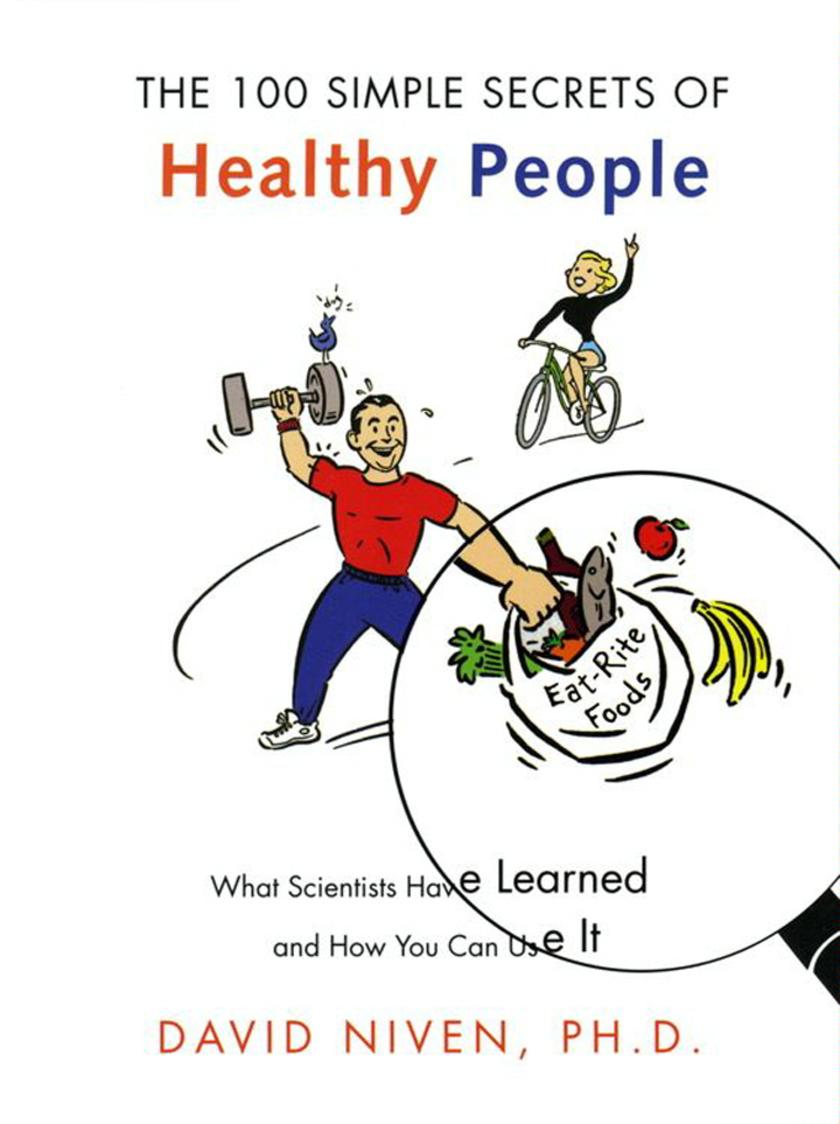
100 Simple Secrets of Healthy People
¥66.18
The Simple Science of a Healthy Life From fitness to diets to emotional health and longevity, what do people who feel and look healthy do differently than those who are overtired, depressed, or out of shapeEvery day we face an avalanche of studies and statistics that tell us what we should or shouldn't eat, how long we need to exercise, or how to protect ourselves from secondhand smoke and the harmful rays from the sun. Not only are these studies often contradictory, but the actual scientific information is usually inaccessible. Moving beyond the myths and misinformation, the advice in these pages is not based on one person's opinions or one expert's study. For the first time the research available on the health of average Americans has been distilled into one hundred essential ways that we can become healthier and happier. Each of the core findings is accompanied by a real life example showing these results in action. ?Eat more often. Oxford University researchers found that people who ate five or six times a day had a 5 percent lower total cholesterol than average and were 45 percent more likely to be able to sustain their target weight than people who ate once or twice a day. ?Who says caffeine is bad for youThe majority of scientific evidence shows that, for a healthy adult, moderate quantities of caffeine (about three cups of coffee per day) pose no significant health risks. ?Home sweet home. People who described their home lives as satisfying were 24 percent more likely to live beyond normal life expectancy, according to a UCLA study.
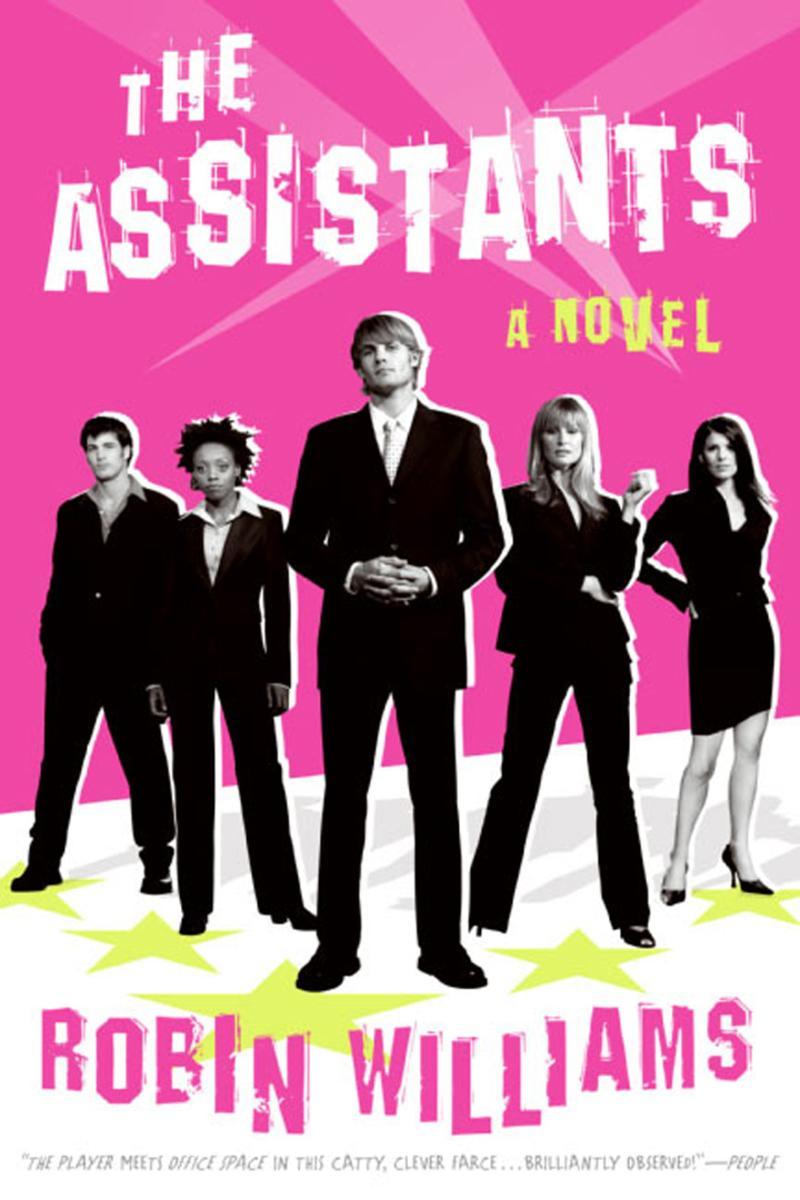
The Assistants
¥83.93
In this wicked, laugh-out-loud debut novel, five miserable souls struggle to make their mark on Hollywood, the city of the soulless. Rachel Burt, starry-eyed and clueless, has left behind tiny Sugarland, Texas, and her position as Starbucks employee of the month, to pursue her dreams of becoming a screenwriter. The madness begins when she eagerly accepts a position as assistant to Victoria Rush, an aging television diva with "a little pill-popping problem that two tours of duty at Betty Ford couldn't remedy." Rachel learns the ropes from Michaela Marsh, a never-say-die, plastic-surgery perfect "midget Tai-Bo Barbie." Michaela has spent years (and years and years: she is -- gasp -- over thirty!) trying to break into Hollywood, which has given her a healthy respect for the casting couch; but even sleeping with her slimy agent hasn't landed her a meaty role, and the last pilot she almost got, some ten years ago, went to that little nobody, Lisa Kudrow. Jeb, who operates on pure rage, has been fired from more assistant jobs than he cares to count, and he currently teeters on the edge of insanity under Randall Blume, one of the sleaziest agents in Hollywood. Kecia Christy, a no-nonsense Pisces pining for love and addicted to Krispy Kremes, works for Travis Trask, the hottest teen heartthrob since "that other white boy, Leo." More interested in smoking prizewinning pot with his bonehead buddies than in his next movie, Travis is always looking for the next good party -- until his ex-con brother shows up at the front door. Griffin's intelligence and ambition fail to shield him from endless humiliation at the hands of Johnny Treadway, a crass A-list manager with pec and cheek implants and a perpetual tan, courtesy of the Tropical Rays tanning bed he keeps in his office. Johnny takes all the credit while Griffin does all the real work, and Griffin has begun to suspect that selling his soul might not be worth that overdue promotion after all. Once a week, Rachel, Michaela, Jeb, Griffin, and Kecia meet at a dark, unhip watering hole to commiserate. Soon enough, however, the system spits them out, and they must learn to survive through sheer determination, hard-won industry savvy, and luck. At turns hilarious, poignant, and sinfully gossipy, The Assistants will keep you glued to your seat until the final page is turned.
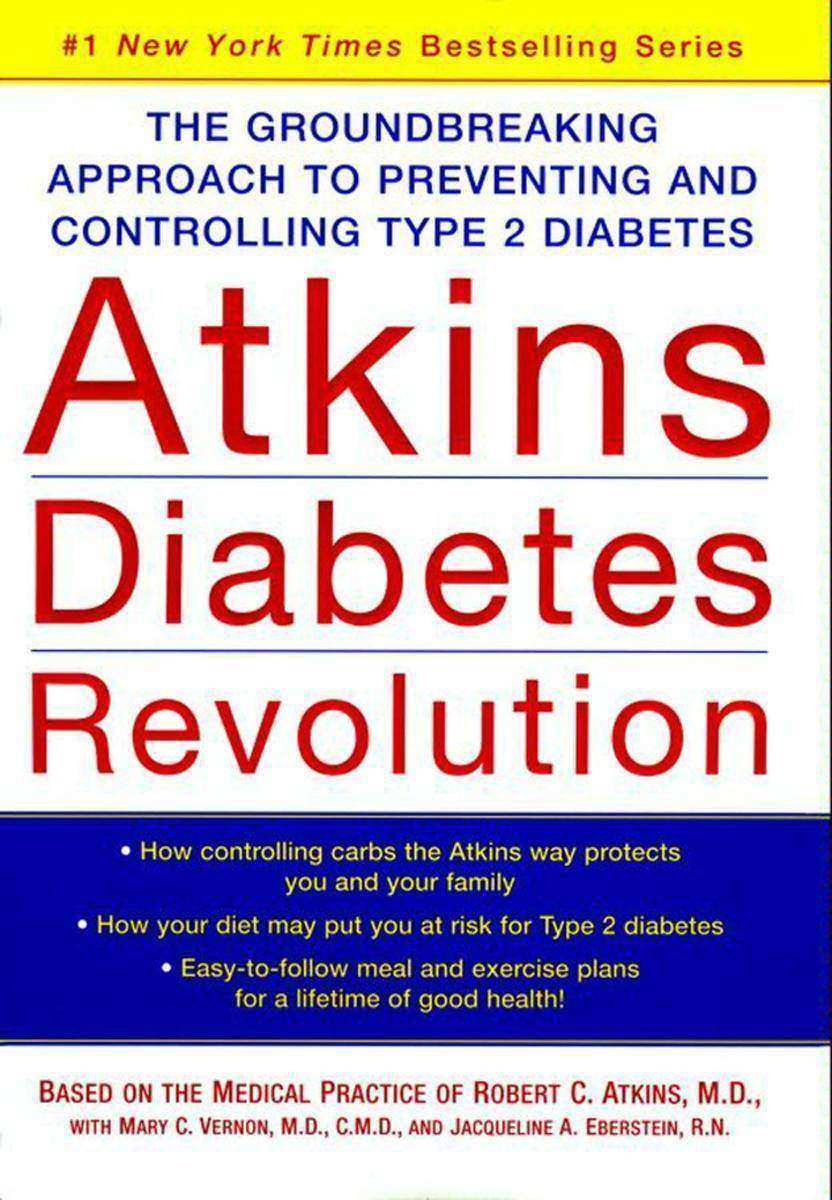
Atkins Diabetes Revolution
¥143.73
The statistics are staggering. Thirteen million Americanshave been diagnosed with Type 2 diabetes; another 5.2 million don't know that they have it. During the past thirty years the diabetes rate has tripled, and each year about 200,000 people die from complications of the disease. The Centers for Disease Control project that one out of every three children born in the year 2000 will develop the disease. But Type 2 diabetes is largely preventable. Find out how you can avoid becoming a statistic. As a respected physician and pioneer in the field of complementary medicine, Dr. Robert C. Atkins recognized early on that diabetes and obesity are twin epidemics, and that the way to reverse both is to permanently change the way people eat. Yet much of the mainstream medical establishment continues to advocate the treatment of diabetes with insulin and other drugs, while recommending a diet high in carbohydrates including sugar which raises your blood sugar. What you'll learn from reading Atkins Diabetes Revolution is that rather than correcting your metabolism, such a diet can actually increase your risk of developing diabetes -- and heart disease. The Atkins Blood Sugar Control Program (ABSCP) helps you identify the metabolic signposts that indicate trouble long before the onset of Type 2 diabetes so you can stop it in its tracks. If you already have the disease, the ABSCP offers you and your physician a strategy for weight management and blood-sugar control, while minimizing your exposure to drugs. Atkins Diabetes Revolution presents a comprehensive lifestyle program, including diet, exercise, and nutrient supplementation. The book also contains meal plans, recipes, a fitness routine, and case studies. This groundbreaking book, a fitting tribute to Dr. Atkins, tackles one of the greatest health challenges you and your family may ever face.
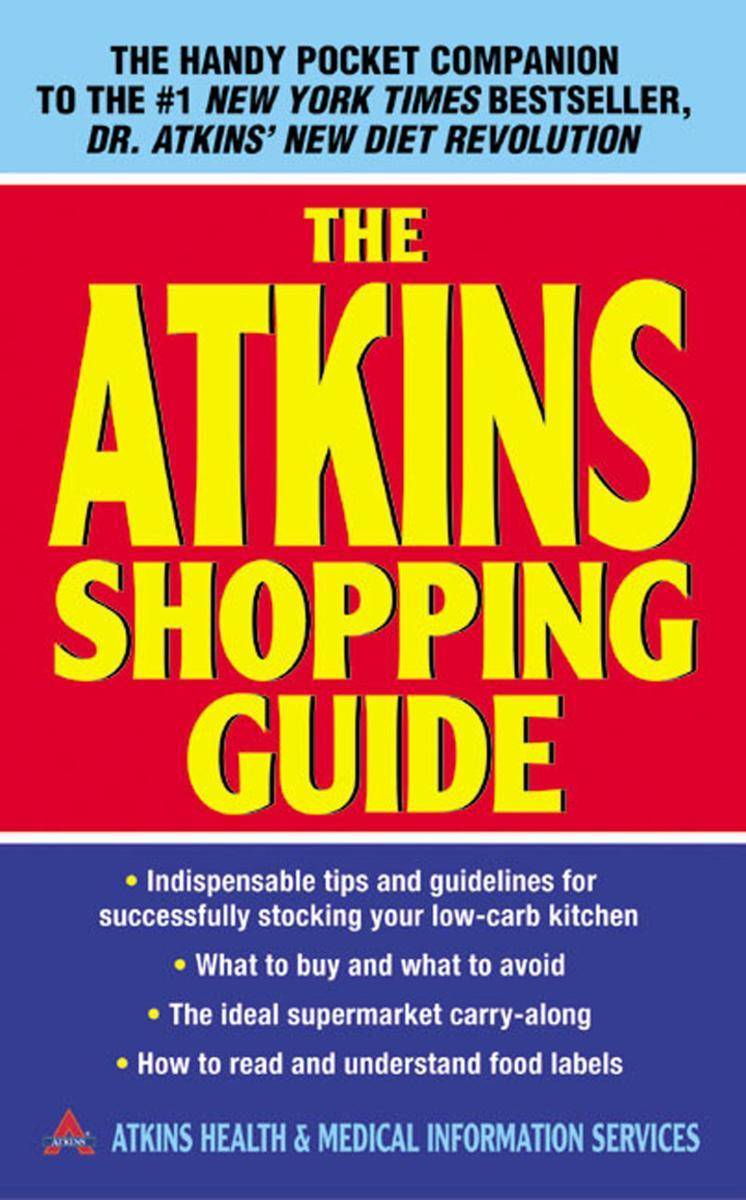
The Atkins Shopping Guide
¥56.07
What should I eat, and where can I find itWhich products are the most Atkins-friendlyAre there hidden dangers in seemingly "acceptable" foodsNow Food Shopping the Atkins Way is Easier Than Ever! Whether you're one of the millions already losing weight and feeling great thanks to the remarkable Atkins Nutritional Approachor you are just discovering the healthy benefits of a low-carb lifestyle, shopping for food need no longer be a daunting process. The Atkins Shopping Guide contains everything you must know to stock your pantry with the right foods, while avoiding products devoid of nutrients and full of sugar and white flour. With foods clearly arranged by category, this indispensable handbook takes you aisle-by-aisle through the supermarket, putting helpful information at your fingertips. It also provides useful pointers for shopping at "superstores" and natural foods retailers, all in a handy format portable enough to carry in your pocket or purse. So throw away that misguided food pyramid chart and stop counting fat grams and calories. With The Atkins Shopping Guide, confusion about the right way to eat will be a thing of the past, as you follow the proven Atkins path to healthy living!
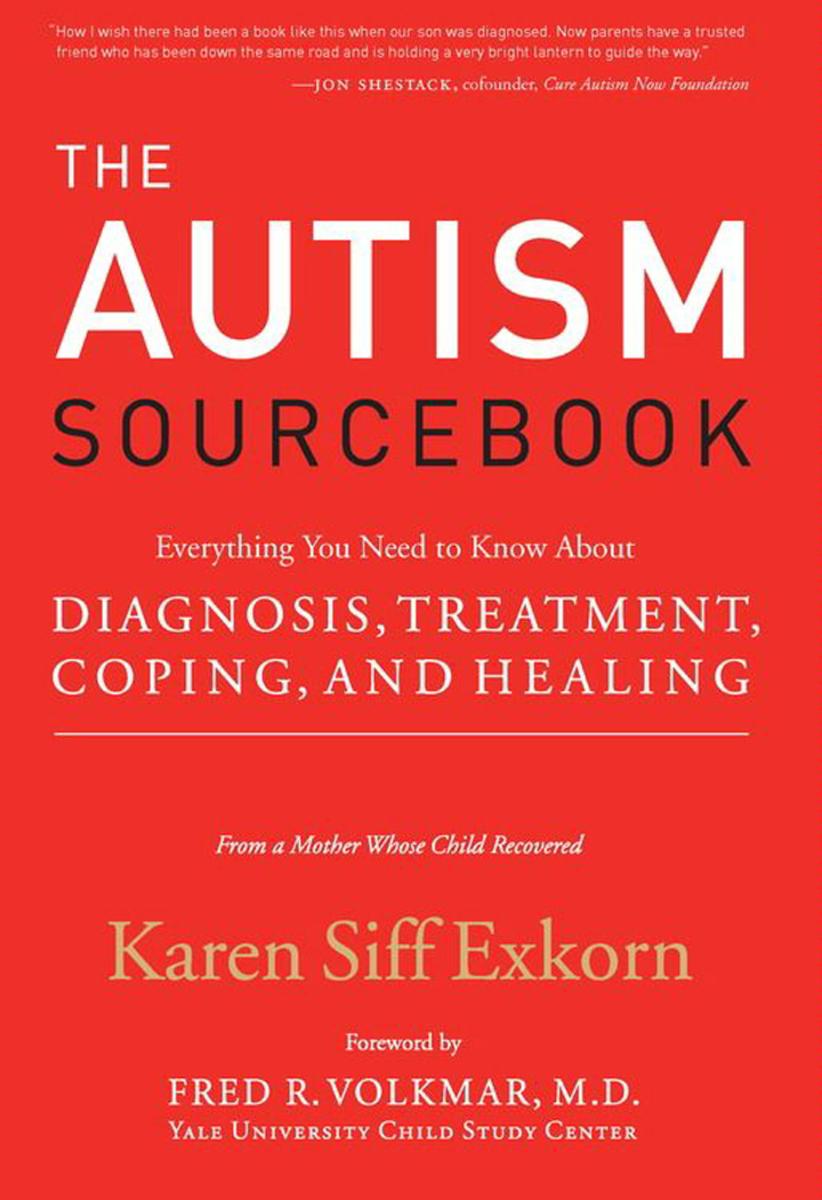
The Autism Sourcebook
¥112.23
Practical advice and information from the world's foremost experts on autism -- and a mother's own hard-won lessons from helping her son recover from the disorder When Karen Siff Exkorn's son, Jake, was diagnosed with autism, she struggled to pull together comprehensive information about the disorder. Fortunately, she was able to educate herself quickly, and her extensive at-home treatment of her son led to his amazing full recovery. But the journey wasn't easy, and now, in The Autism Sourcebook, Siff Exkorn offers parents the wisdom she wishes she'd had at the beginning. Recent studies show that there is a worldwide epidemic of autism. More than 1.5 million people are affected in the United States alone, with one in every 166 children diagnosed. Early detection and early intervention are two of the key factors in improving prognosis -- but too often, writes Siff Exkorn, parents get bogged down in denial or confusion about the still mysterious disorder, and are unable to take the necessary steps. Providing accessible medical information gleaned from the world's foremost experts, Siff Exkorn offers an inside look at families with children who have autism, and ties in her own firsthand experience as a parent. The author shares valuable knowledge about the following: ?What the diagnosis really means ?Understanding and accessing treatment options ?Knowing your child's rights in the school system ?Coping with common marital and familial stress ?Making the stigma of autism a thing of the past With extensive appendices, including the Modified Checklist for Autism in Toddlers, Diagnostic Criteria for the Five Pervasive Developmental Disorders, and carefully selected lists of Internet resources, recommended readings, and top autism organizations worldwide, The Autism Sourcebook is the single most comprehensive, practical resource available to parents and loved ones of children with autism.
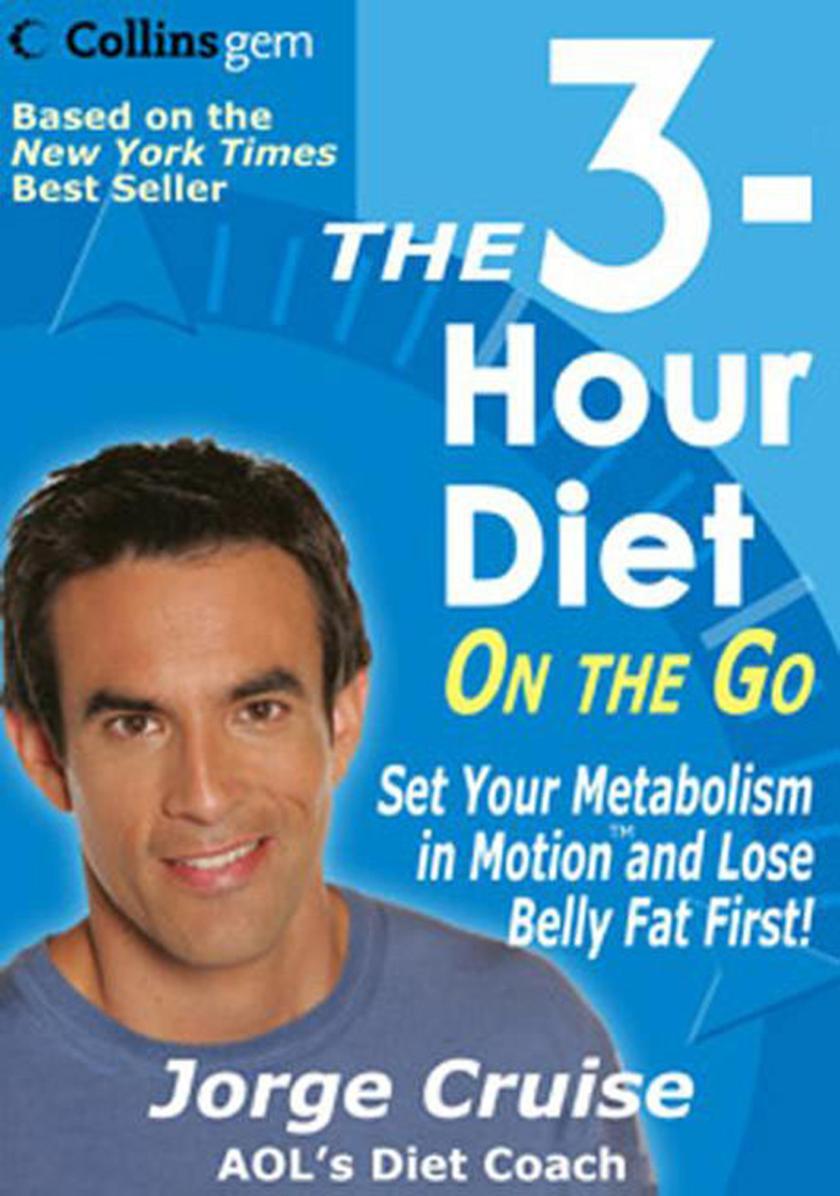
The 3-Hour Diet (TM) On the Go
¥49.79
More Than 600 New Options! Imagine eating your favorite foods every 3 hours to finally get the results you've been searching for. NO calorie-counting, NO carb deprivation, and NO skipping sweets. Based on the revolutionary principles of Time-Based Nutrition?, this pocket guidebook will give you the slimming secrets you need to enjoy fast food, restaurant meals, gas station gourmet, and much more! Visit www.3hourdiet.net for your free personalized weight-loss profile.

The Average American Male
¥77.49
An offensive, in-your-face, brutally honest and completely hilarious look at male inner life and sexual fantasy. In the course of this hilariously honest book, our narrator suffers through a relationship with his vapid wannabe-actress girlfriend until he finds the perfect girl. But when he moves into the new relationship, he slowly learns that all women are pretty much the same, that man's true desires will never be fulfilled, and the decision between living life alone or biting the marriage bullet must be made.Includes an excerpt from the forthcoming sequel The Average American Marriage.


