


 购物车
购物车 个人中心
个人中心
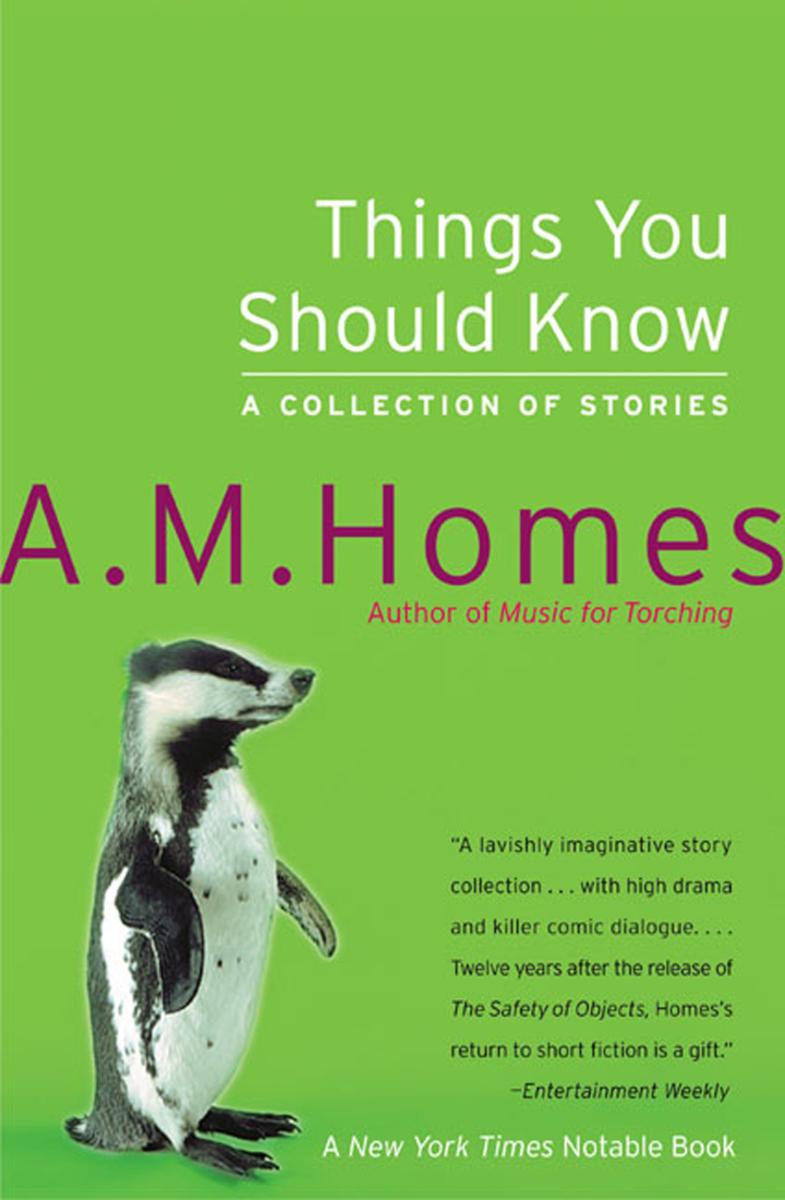
Things You Should Know
¥90.51
In this stunningly original collection, A. M. Homes writes with terrifying compassion about the things that matter most. Homes's distinctive narrative illuminates our dreams and desires, our memories and losses, and demonstrates how extraordinary the ordinary can be. With uncanny emotional accuracy, wit, and empathy, Homes takes us places we recognize but would rather not go alone.
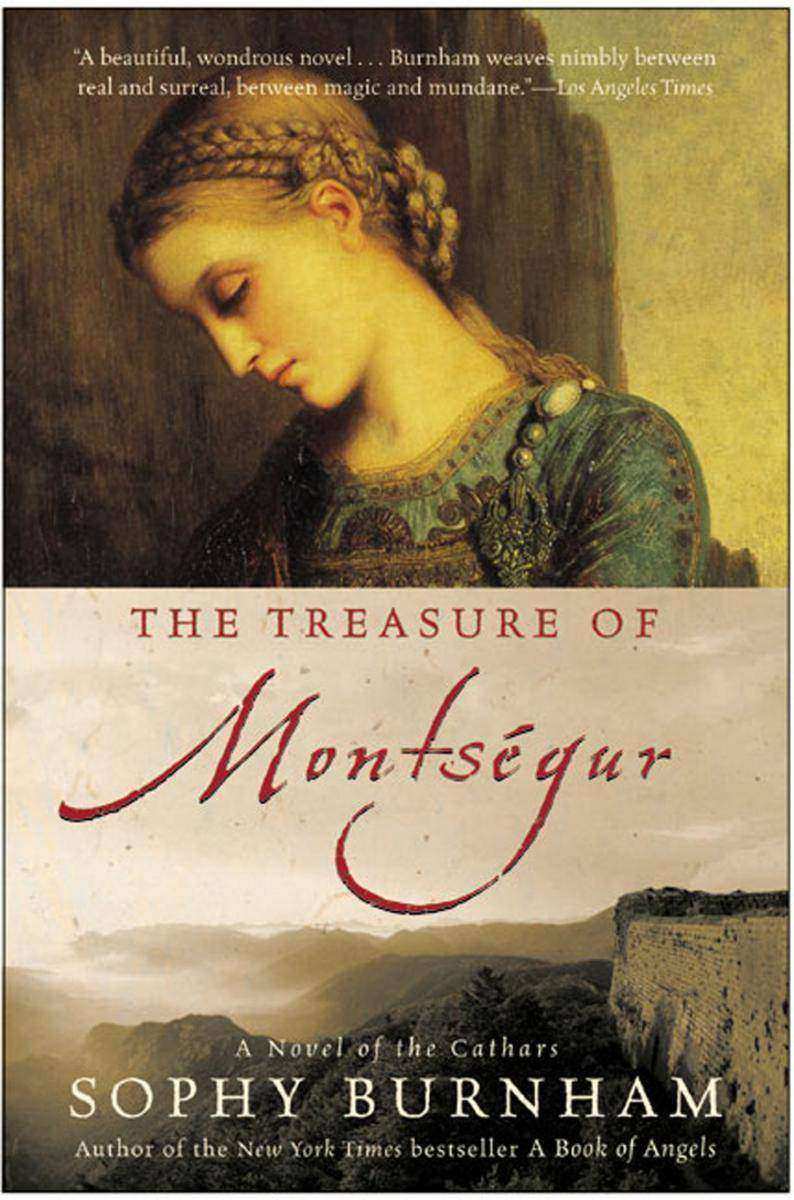
The Treasure of Montsegur
¥83.03
One woman's unforgettable quest for freedom, love, and god.
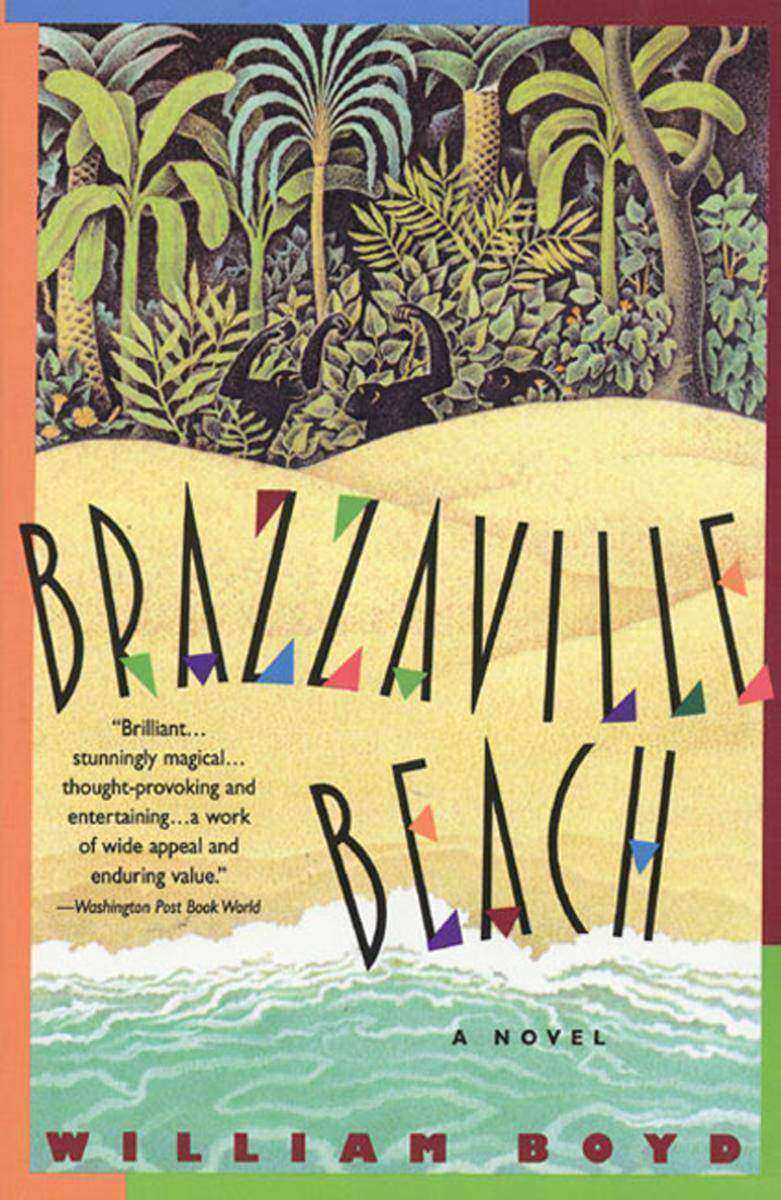
Brazzaville Beach
¥83.03
In the heart of a civil war-torn African nation, primate researcher Hope Clearwater made a shocking discovery about apes and man . . . Young, alone, and far from her family in Britain, Hope Clearwater contemplates the extraordinary events that left her washed up like driftwood on Brazzaville Beach. It is here, on the distant, lonely outskirts of Africa, where she must come to terms with the perplexing and troubling circumstances of her recent past. For Hope is a survivor of the devastating cruelities of apes and humans alike. And to move forward, she must first grasp some hard and elusive truths: about marriage and madness, about the greed and savagery of charlatan science . . . and about what compels seemingly benign creatures to kill for pleasure alone.
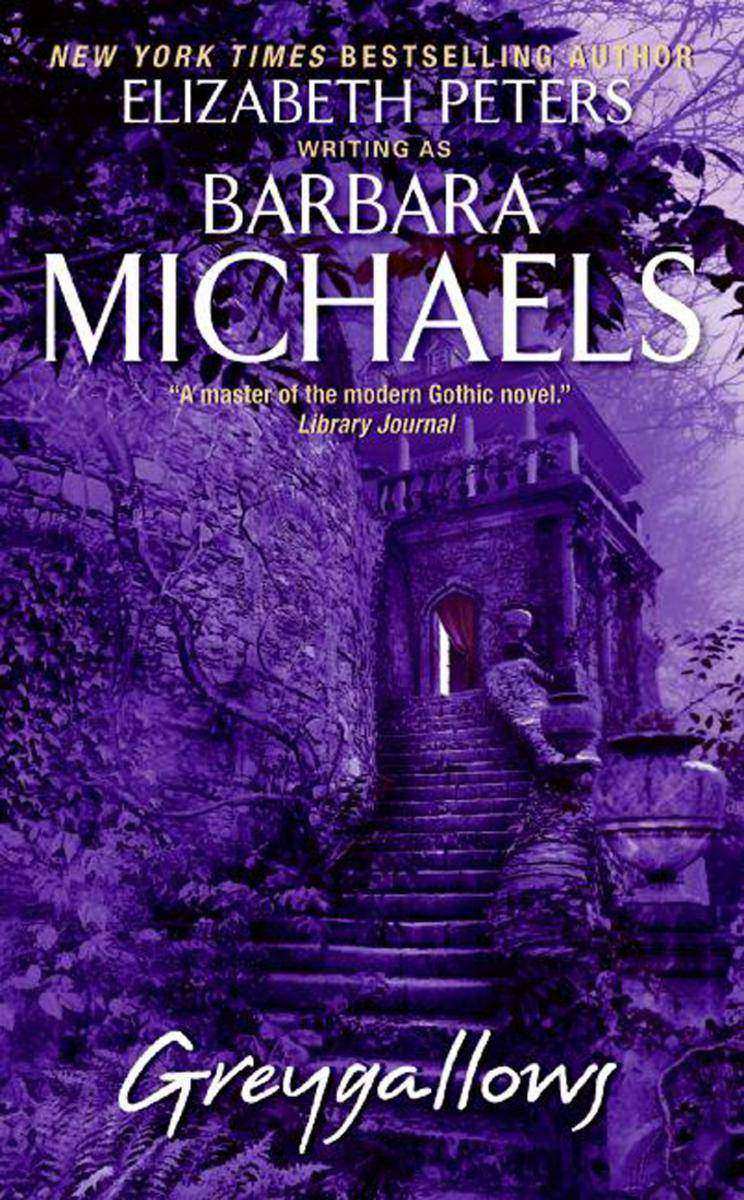
Greygallows
¥55.91
Lucy Cartwright placed her life and future into the hands of the dashing Baron Clare, despite the rumors of his dark, unsavory past. Trusting his kind words and gentle manner, she agreed to be his wife and followed the enigmatic lord to Greygallows, his sprawling country estate. But mystery, deception, betrayal, and danger surround the magnificent manor—a ghostly secret charges the atmosphere and terror reigns in its shadowed hallways. Lucy entered Greygallows willingly . . . and now she may never leave.

Beet
¥79.38
Why is Professor Peace Porterfield trying to save Beet CollegeHis own wife, Livi, hates the place. The Board of Trustees, led by developer Joel Bollovate, has squandered the endowment. Debutante-cum-self-styled-poet Matha Polite, an indis-criminate radical with a four-student following, wants to bring the institution down. Akim Ben Ladin (né Arthur Horowitz), a sweet-tempered terrorist hopeful and the college’s only Homeland Security major (who lives in an off-campus cave), wants to blow up the school. Faculty members, when not concocting useless, trendy courses, fly at one another’s throats. Not to mention that American higher education is already going down the tubes. So why is Porterfield trying to save BeetBeats us.
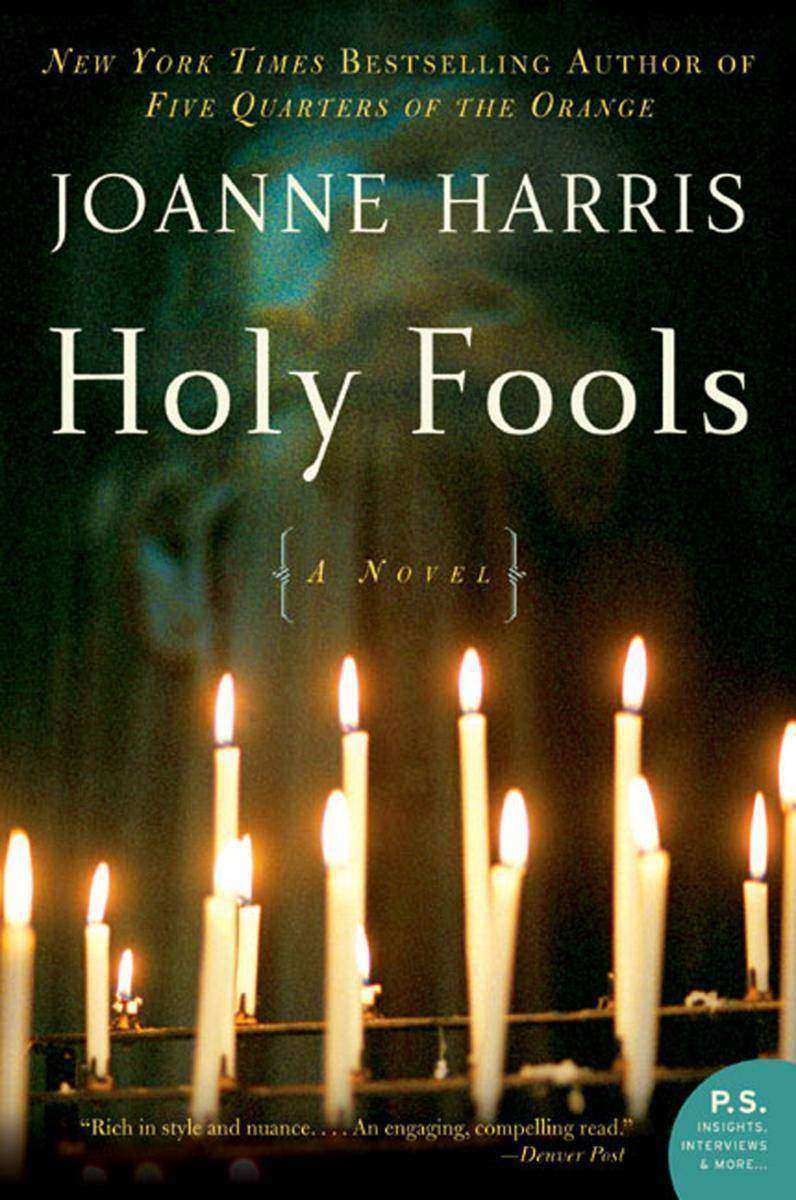
Holy Fools
¥77.49
Joanne Harris, bestselling author of Chocolat, presents her most accomplished novel yet -- an intoxicating concoction that blends theology and reason, deception and masquerade, with a dash of whimsical humor and a soup?on of sensuality.Britanny, 1610. Juliette, a one-time actress and rope dancer, is forced to seek refuge among the sisters of the abbey of Sainte Marie-de-la-mer. Reinventing herself as Soeur Auguste, Juliette makes a new life for herself and her young daughter, Fleur.But when the kindly abbess dies, Juliette's comfortable existence begins to unravel. The abbey's new leader is the daughter of a corrupt noble family, and she arrives with a ghost from Juliette's past -- Guy LeMerle, a man she has every reason to fear and hate.This P.S. edition features an extra 16 pages of insights into the book, including author interviews, recommended reading, and more.
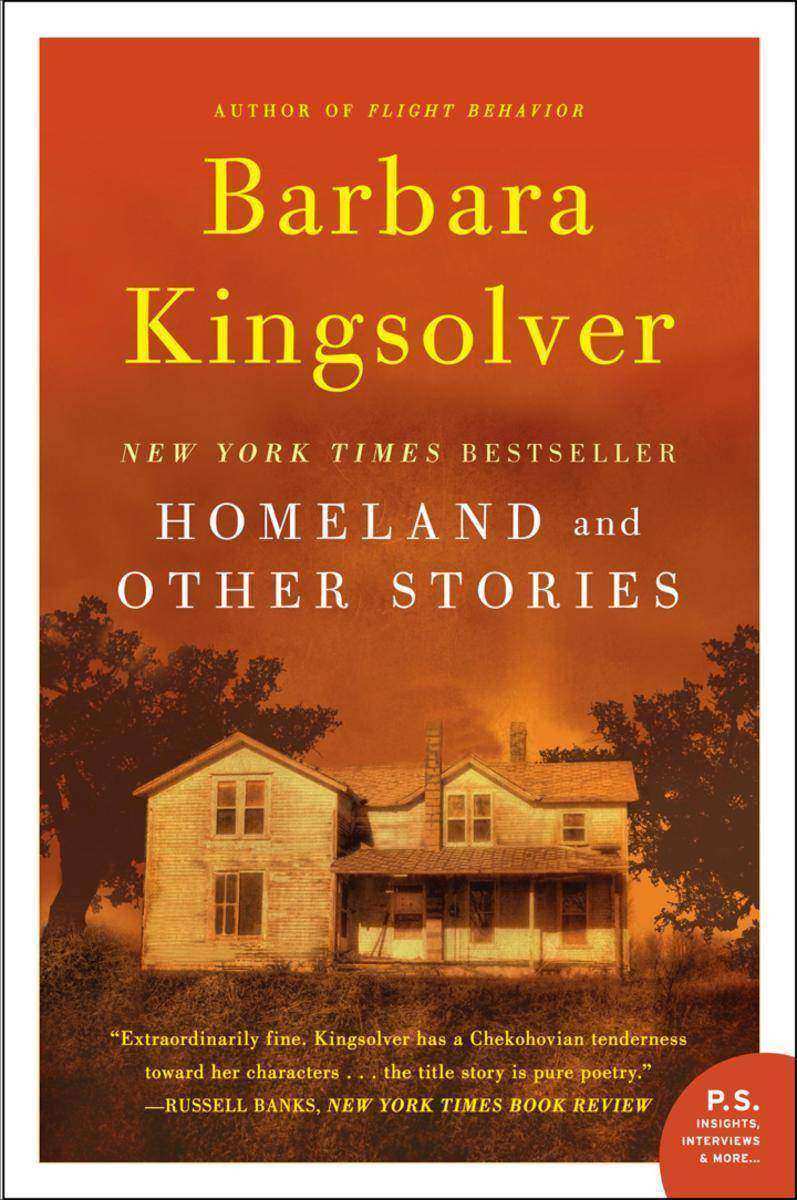
Homeland and Other Stories
¥77.49
With the same wit and sensitivity that have come to characterize her highly praised and beloved novels Animal Dreams and The Bean Trees, Barbara Kingsolver gives us a rich and emotionally resonant collection of twelve stories. Spreading her memorable characters over landscapes ranging from northern-California to the hills of eastern Kentucky and the Caribbean island of St. Lucia, Kingsolver tells stories of hope, momentary joy, and powerful endurance. In every setting, Kingsolver's distinctive voice -- at times comic, but often heartrending -- rings true as she explores the twin themes of family ties and the life choices one must ultimately make alone. Homeland and Other Stories creates a world of love and possibility that readers will want to take as their own.
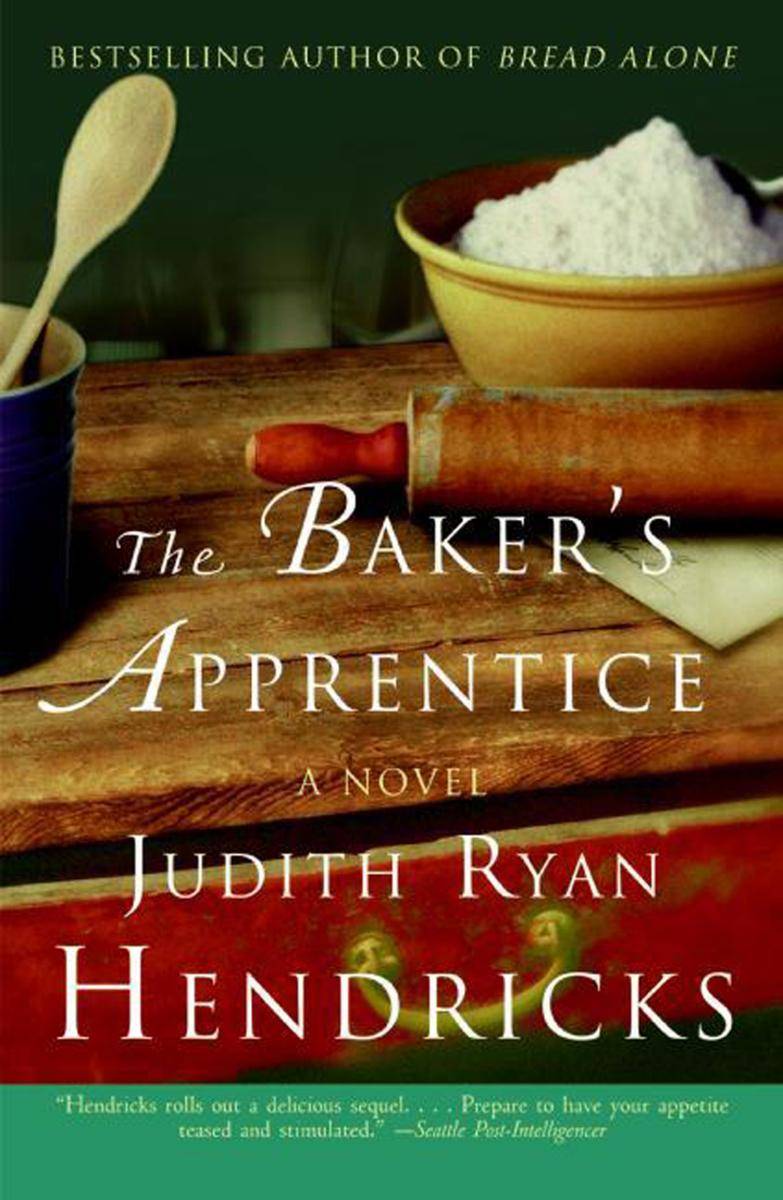
The Baker's Apprentice
¥77.49
The sequel to Judith Ryan Hendricks' absorbing debut novel, Bread AloneHaving found her calling, Wynter Morrison is blissful about her new career in Seattle as a baker -- cherishing the long days spent making bread and the comforting rhythms of the Queen Street Bakery. Still, she struggles with the legacy of her failed marriage and with her new boyfriend Mac's reluctance to share his mysterious past. When Mac abruptly leaves Seattle, Wyn again feels abandoned and betrayed, at least until intimate letters arrive in which Mac at last reveals his deepest secrets. But the more she learns about her absent lover, the more Wyn discovers about herself -- and when tragedy threatens, she will have to decide if there is a place for Mac in this new life she has made.

Living Well with Anxiety
¥90.77
A Comprehensive, Holistic Guide to the Conventional Medical and Self-Care Treatments for Anxiety DisordersIn a world that values excess, the pressure to succeed never ends. As a result of our fast-paced and high-stakes society, anxiety can take over our lives.For approximately 20 million American adults a year, anxiety symptoms such as dizziness, stammering, heart palpitations, trembling, and shaking can be extremely debilitating. Unlike other books on anxiety, this book offers a holistic program that includes not only conventional psychiatric and psychological treatments, but also provides nutrition, fitness, environmental, herbal, stress reduction/healing, and relationship self-care approaches.Living Well with Anxiety contains helpful advice for a wide range of anxiety disorders: social anxiety disorder, panic disorder, obsessive compulsive disorder, and various phobias. With a comprehensive resource section that contains relevant websites and e-mail addresses, audiocassettes and CDs for relaxation, and de*ions of related books, this book provides vital help for anyone experiencing anxiety.

The Crying Child
¥55.31
Joanne McMullen's fears for her sister's sanity have brought her to remote King's Island, Maine. Mary's grief over the loss of her child is threatening to send her over the edge—and her insistence that she has heard an eerie, childlike wailing in the woods fuels Joanne's anxiety. And now Mary's taken to disappearing at midnight in search of the source of the heartrending moans. But it's not just her sister's encroaching madness that is chilling Joanne's blood—it's her own. Because suddenly, impossibly, she also hears the crying child.

Fatally Flaky
¥55.31
Colorado caterer Goldy Schulz encounters bridezilla—and murder—in another delectable novel by the New York Times bestselling author of Sweet Revenge, Dark Tort, and Double ShotCynics say getting married is a death wish. . . .It's been a long, rainy summer for Goldy Schulz, who is engaged in planning wedding receptions for what seems to be all of Aspen Meadow. It's bad enough that Billie Attenborough, the bride from hell, has changed her menu six times and the event date twice. Now she wants to move the location to the Gold Gulch Spa just a scant two days before tying the knot to her doctor fiancé. Then Doc Finn, beloved local physician and the best friend of Goldy's godfather, Jack, is killed when his car tumbles into a ravine. At least that's what appears to have happened. But Jack thinks Doc was murdered because of the research he was doing at the spa—allegations that are confirmed when Jack himself is attacked. So Goldy dons chef's whites and goes undercover at the spa, where coffee is outlawed in favor of calming smoothies, and the fruit cocktail doesn't include fresh fruit. Add in the obstreperous owner, who years ago tried to sabotage Goldy's fledgling business, and she's got her hands full. Above all, there seems to be a clever killer on the spa grounds, watching her every move. After what befell Jack, Goldy knows that she might be next. Catering weddings, and cooking low-fat food, could be killing her—literally.
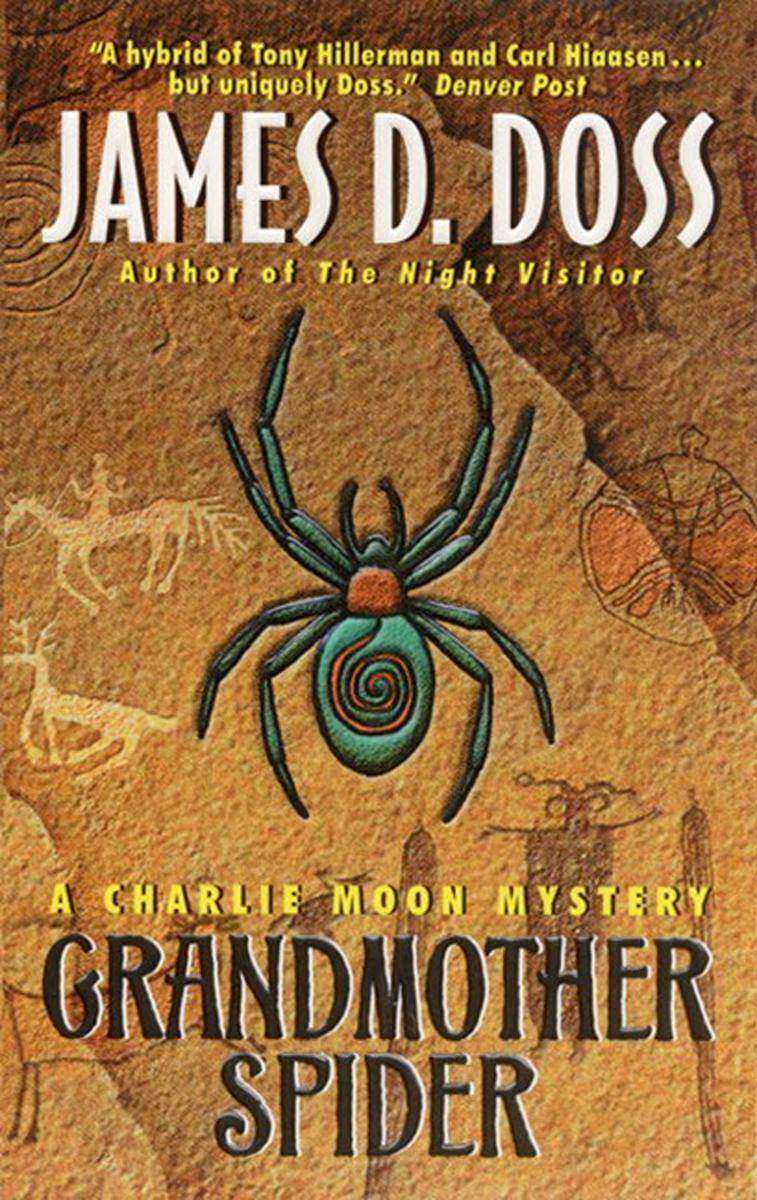
Grandmother Spider
¥55.91
A lawman with a hardy appetite for life and an unshakable faith in the explicable, Southern Ute Acting Chief of Police Charlie Moon is not prepared to accept a purely supernatural explanation for the recent strange events of April 1. Nevertheless, something carried off Tommy Tonompicket and his unlikely drinking companion, research scientist William Pizinski, in the black chill of the Colorado night. And something ripped the head off a man outside a lonely cabin in the mountains...and left two large, fanglike punctures in his chest. And though Charlie's eccentric old aunt, the shaman Daisy Perika, claims the gargantuan avenging arachnid Grandmother Spider has risen up from the depths of Navajo Lake, the hulking, good-natured tribal policeman feels in his gut that this is murder, pure if not simple, and most probably by human hands.

In The Garden Of The North American Martyrs
¥77.26
Among the characters you'll find in this collection of twelve stories by Tobias Wolff are a teenage boy who tells morbid lies about his home life, a timid professor who, in the first genuine outburst of her life, pours out her opinions in spite of a protesting audience, a prudish loner who gives an obnoxious hitchhiker a ride, and an elderly couple on a golden anniversary cruise who endure the offensive conviviality of the ship's social director.Fondly yet sharply drawn, Wolff's characters stumble over each other in their baffled yet resolute search for the "right path."
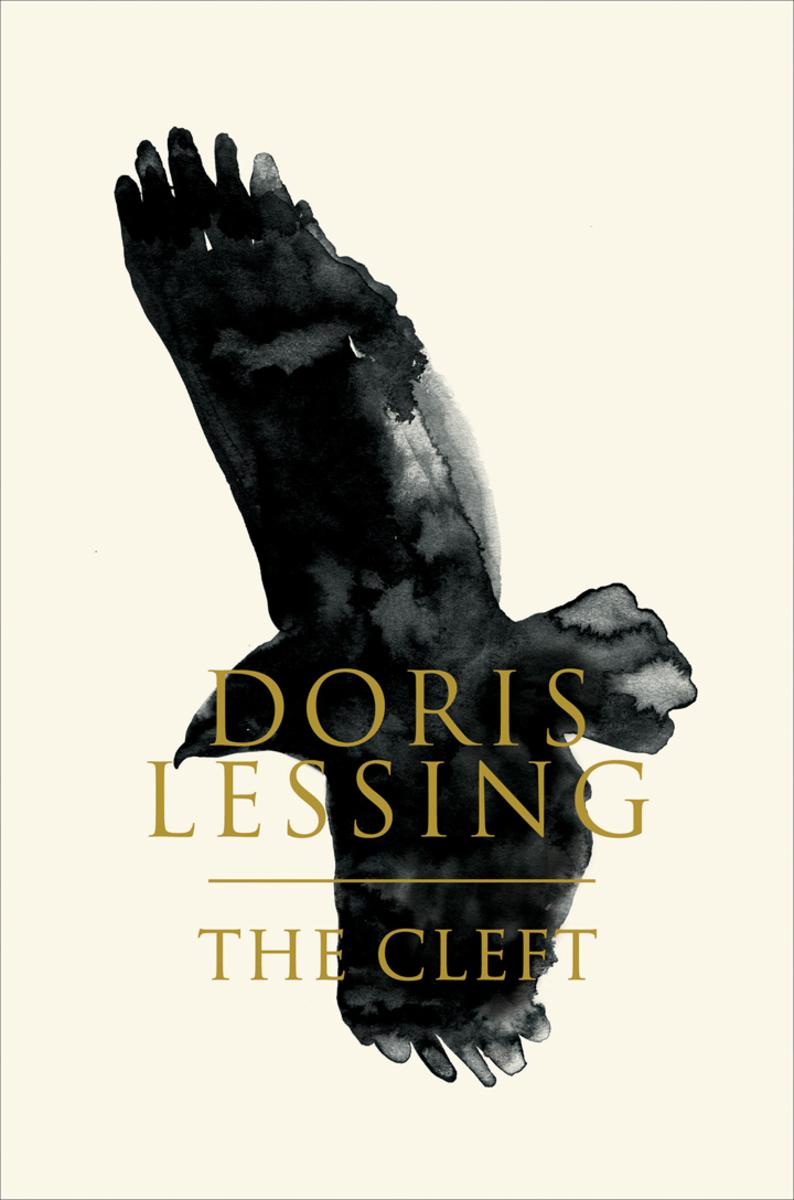
The Cleft
¥83.03
From Doris Lessing, "one of the most important writers of the past hundred years" (Times of London), comes a brilliant, darkly provocative alternative history of humankind’s beginnings.In the last years of his life, a Roman senator embarks on one final epic endeavor, a retelling of the history of human creation. The story he relates is the little-known saga of the Clefts, an ancient community of women with no knowledge of nor need for men. Childbirth was controlled through the cycles of the moon, and only female offspring were born—until the unanticipated event that jeopardized the harmony of their close-knit society: the strange, unheralded birth of a boy.
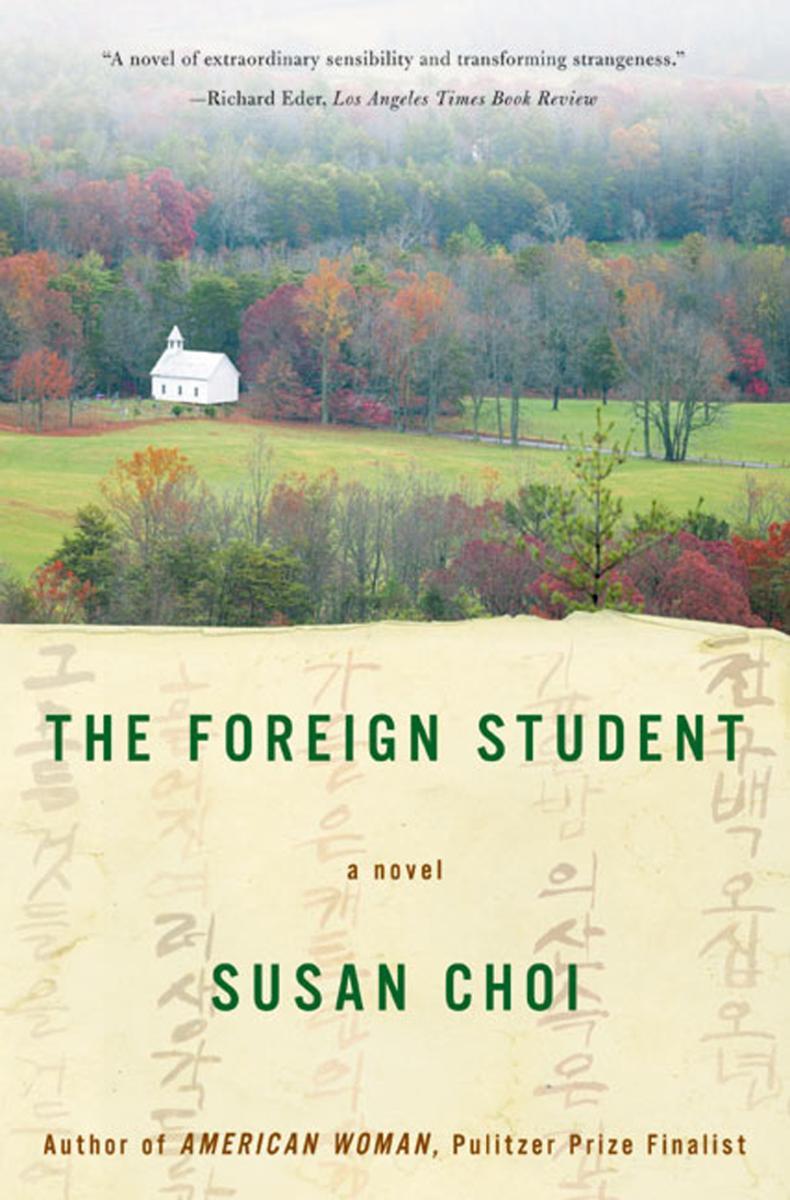
The Foreign Student
¥83.03
Highly acclaimed by critics, The Foreign Student is the story of a young Korean man, scarred by war, and the deeply troubled daughter of a wealthy Southern American family. In 1955, a new student arrives at a small college in the Tennessee mountains. Chuck is shy, speaks English haltingly, and on the subject of his earlier life in Korea he will not speak at all. Then he meets Katherine, a beautiful and solitary young woman who, like Chuck, is haunted by some dark episode in her past. Without quite knowing why, these two outsiders are drawn together, each sensing in the other the possibility of salvation. Moving between the American South and South Korea, between an adolescent girl's sexual awakening and a young man's nightmarish memories of war, The Foreign Student is a powerful and emotionally gripping work of fiction.
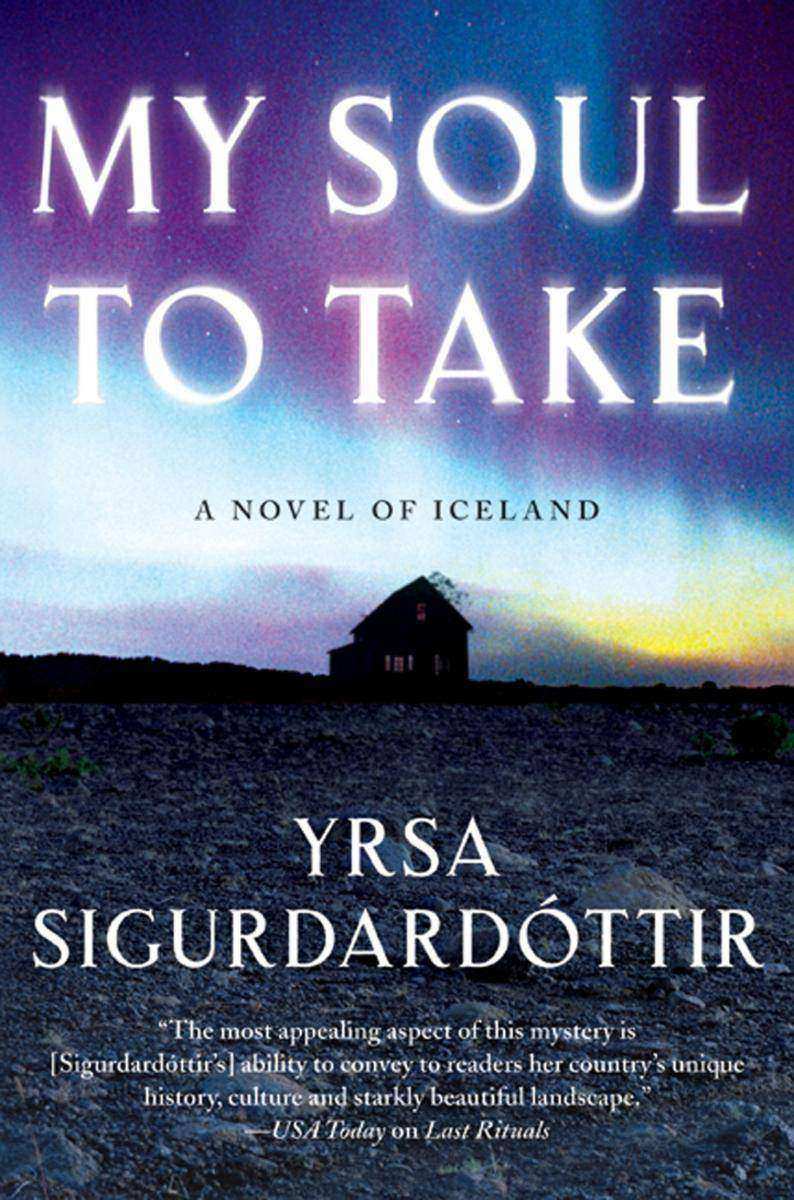
My Soul to Take
¥84.16
Long-buried secrets go hand in hand with modern-day murder in this second thriller featuring attorney Thóra Gudmundsdóttir from Iceland's queen of crime fictionWhen the body of a young woman—badly beaten and with pins inserted into her feet—is found at a New Age health resort in a renovated farmhouse, lawyer and single mother of two Thóra Gudmundsdóttir is called upon to represent the chief suspect, the resort's owner. But upon her arrival she encounters more than a fresh corpse—local legend has it that the resort, located in the mystical region of Sn?fellsnes on Iceland's west coast, is haunted. At first Thóra dismisses the claims as nothing more than myth and superstition, but even she can't explain the bizarre occurrences she witnesses in her search for answers. As Thóra digs deeper into the farm's past, she discovers long-buried information on the property's disturbing history, and her once-solid view of reality begins to waver. Are the hauntings real, or just a case of folklore gone wildAnd, more important, does the farm's eerie past have something to do with the murderWhen another body is discovered—looking very much like the first—Thóra is forced to put aside her doubts and confront the horrors of the present before a twisted killer strikes again.With its confident plotting, chilling atmosphere, and smart, compelling heroine, My Soul to Take confirms Yrsa Sigurdardóttir as a new maven of mysteries.
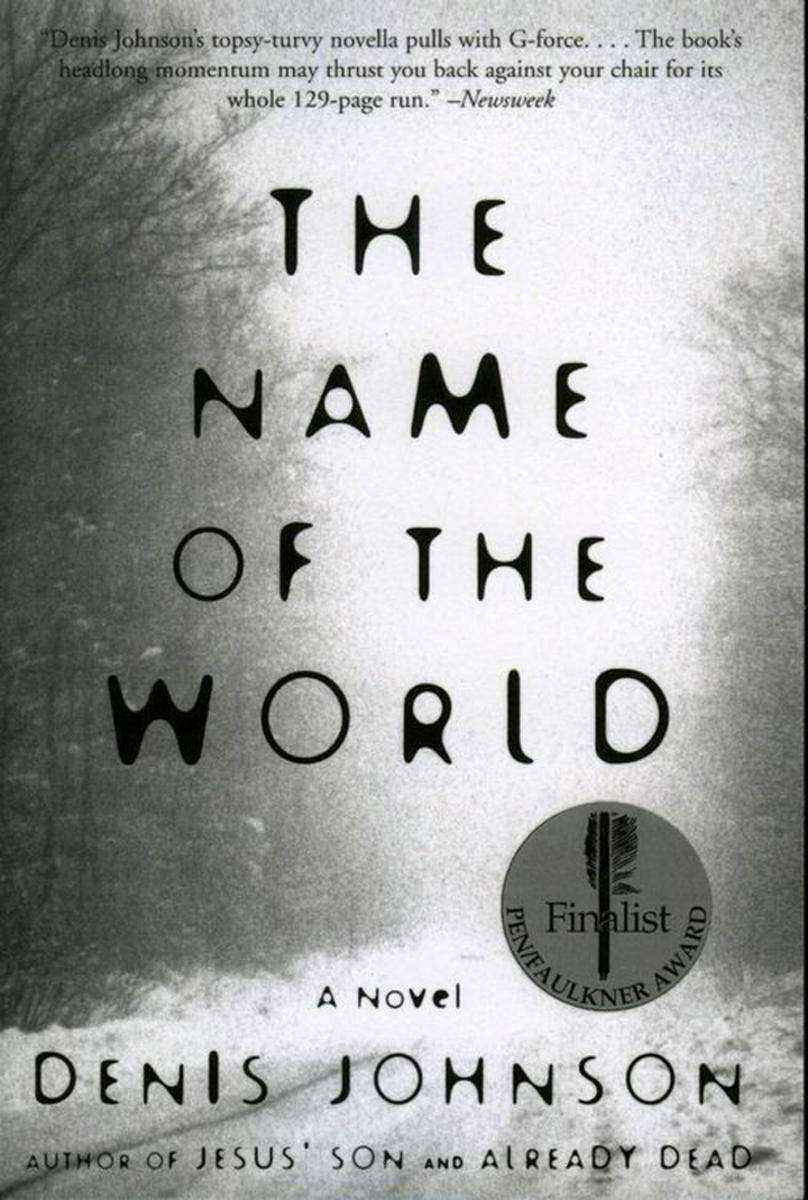
The Name of the World
¥83.03
The acclaimed author of Jesus' Son and Already Dead returns with a beautiful, haunting, and darkly comic novel. The Name of the World is a mesmerizing portrait of a professor at a Midwestern university who has been patient in his grief after an accident takes the lives of his wife and child and has permitted that grief to enlarge him.Michael Reed is living a posthumous life. In spite of outward appearances -- he holds a respectable university teaching position; he is an articulate and attractive addition to local social life -- he's a dead man walking.Nothing can touch Reed, nothing can move him, although he observes with a mordant clarity the lives whirling vigorously around him. Of his recent bereavement, nearly four years earlier, he observes, "I'm speaking as I'd speak of a change in the earth's climate, or the recent war."Facing the unwelcome end of his temporary stint at the university, Reed finds himself forced "to act like somebody who cares what happens to him. " Tentatively he begins to let himself make contact with a host of characters in this small academic town, souls who seem to have in common a tentativeness of their own. In this atmosphere characterized, as he says, "by cynicism, occasional brilliance, and small, polite terror," he manages, against all his expectations, to find people to light his way through his private labyrinth.Elegant and incisively observed, The Name of the World is Johnson at his best: poignant yet unsentimental, replete with the visionary imaginative detail for which his work is known. Here is a tour de force by one of the most astonishing writers at work today.
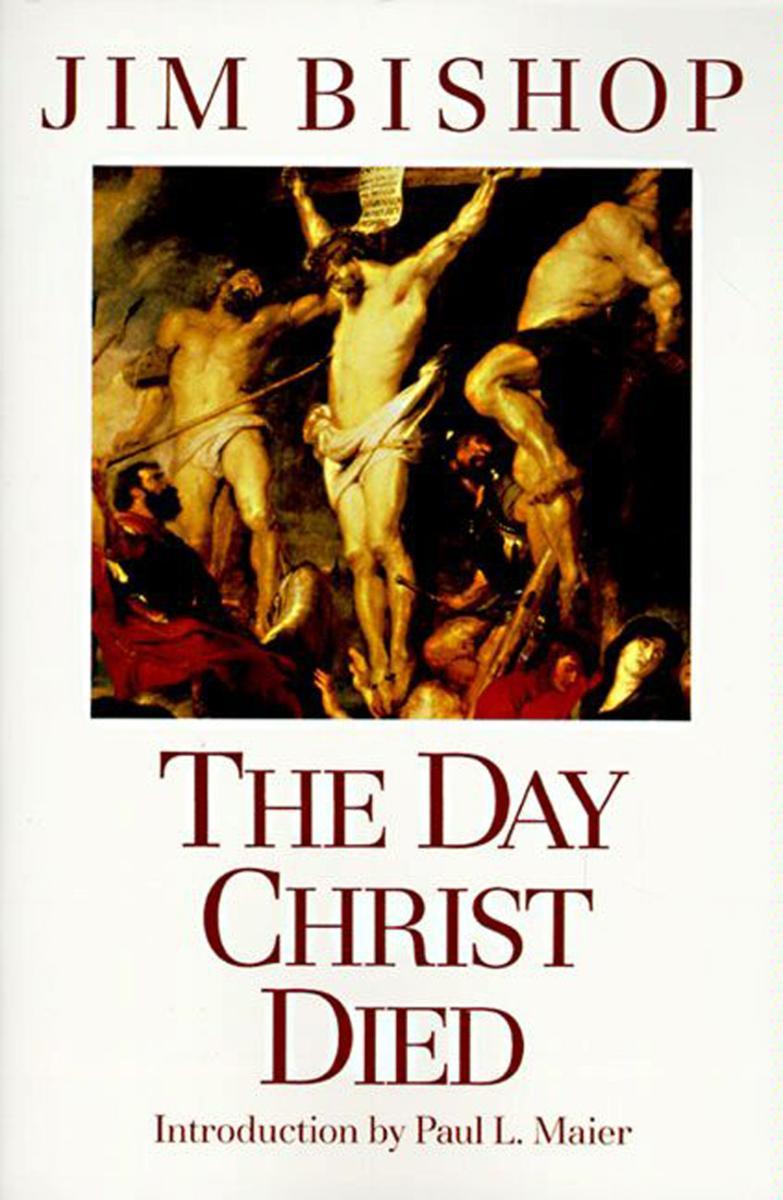
The Day Christ Died
¥77.49
"This is a book about the most dramatic day in the history of the world, the day on which Jesus of Nazareth died. It opens at 6 P.M.—the beginning of the Hebrew day—with Jesus and ten of the apostles coming through the pass between the Mount of Olives and the Mount of Offense en route to Jerusalem and the Last Supper. It closes at 4 P.M. the following afternoon, when Jesus was taken down from the cross. . . . The fundamental research was done a long time ago by four fine journalists: Matthew, Mark, Luke, and John. The rest has been added in bits and pieces from many men whose names span the centuries."—from the Foreword
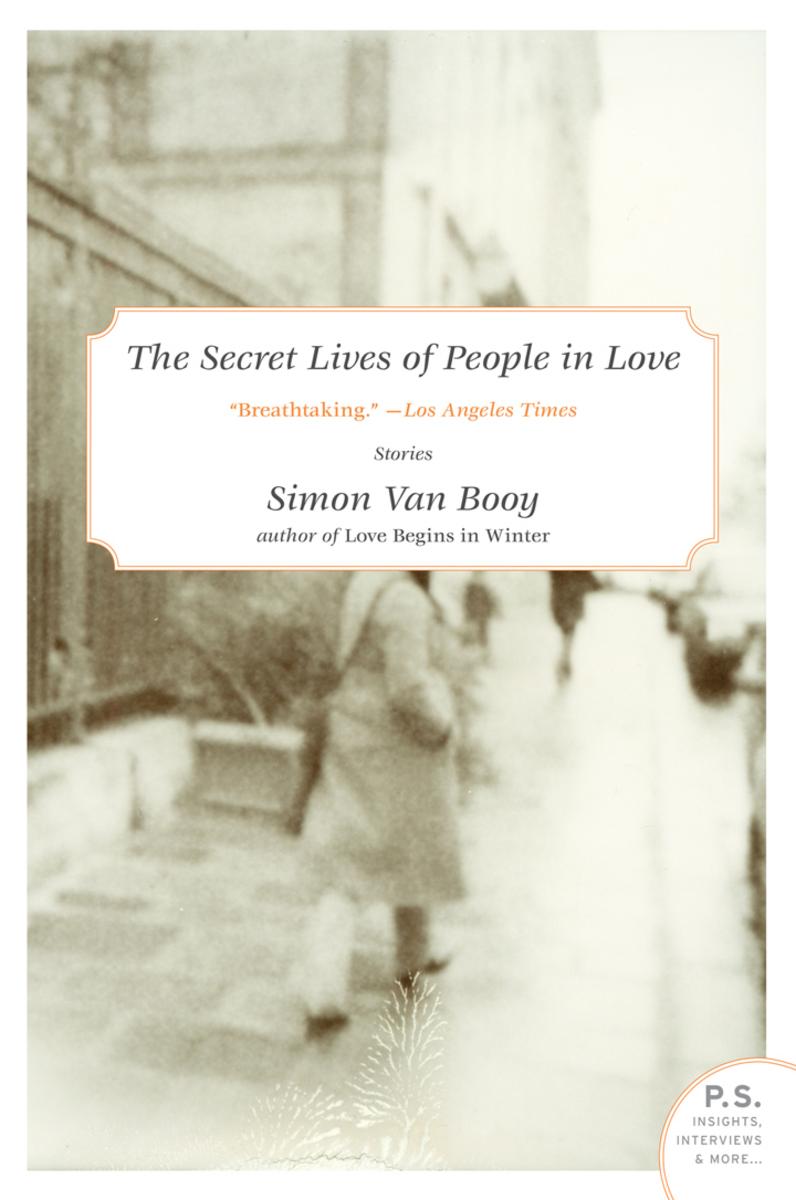
Conception
¥22.03
The Secret Lives of People in Love is the first short story collection by award-winning writer Simon Van Booy. These stories, set in Kentucky, New York, Paris, Rome, and Greece, are a perfect synthesis of intensity and atmosphere. Love, loss, human contact, and isolation are Van Booy's themes. In radiant prose he writes about the difficult choices we make in order to retain our humanity and about the redemptive power of love in a violent world. Included in this updated P.S. edition is the new story "The Mute Ventriloquist."
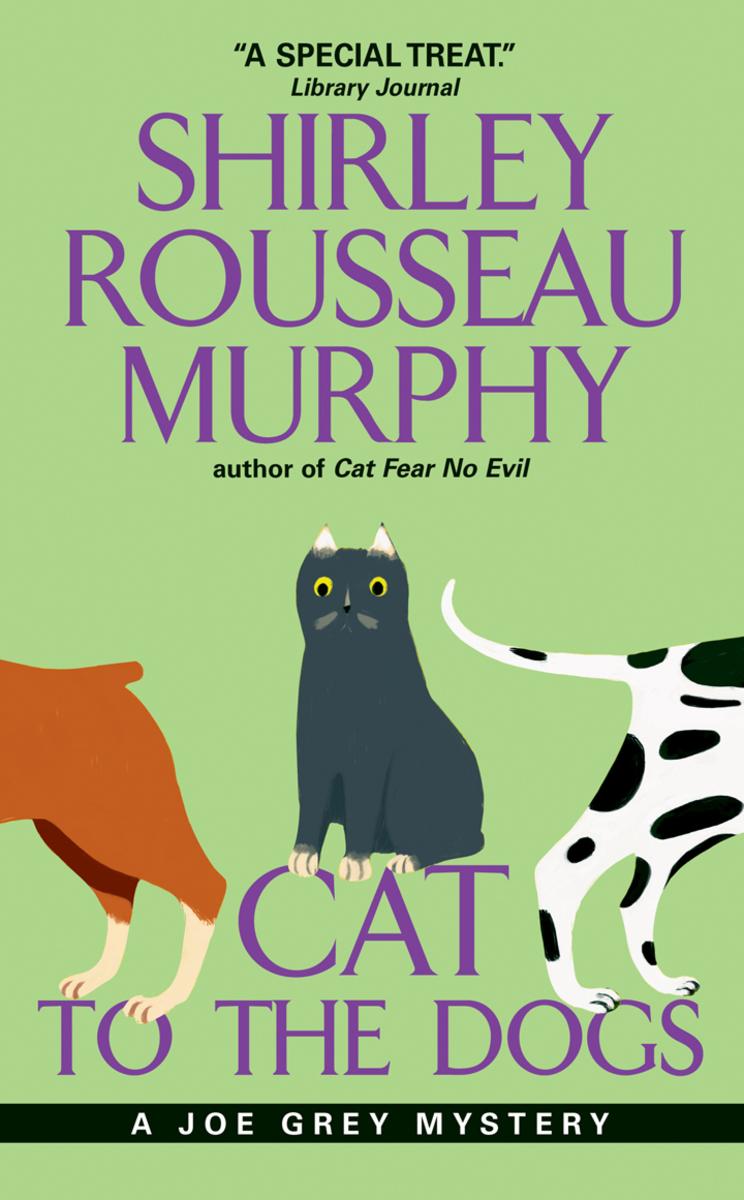
Cat to the Dogs
¥56.07
A recent earthquake was only the beginning of the big trouble that plagues Molena Point, California. Joe Grey may be merely a cat, but he's already solved more murders than your average human detective, and he knows the "accident" on Hellhag Hill was anything but. Unfortunately Joe's somewhat erratic, if lovable, owner Clyde thinks cats should keep their paws out of police work, and locks Joe and his feline lady friend Dulcie out of the house when Officer Max Harper pays a social call.But Joe can be a very stubborn tomcat when he sets his mind to it. And he's not about to give up the hunt. A killer needs to be apprehended, and Joe Grey's just the cat for the job -- especially since the humans who should be on the case don't seem to have a clue.
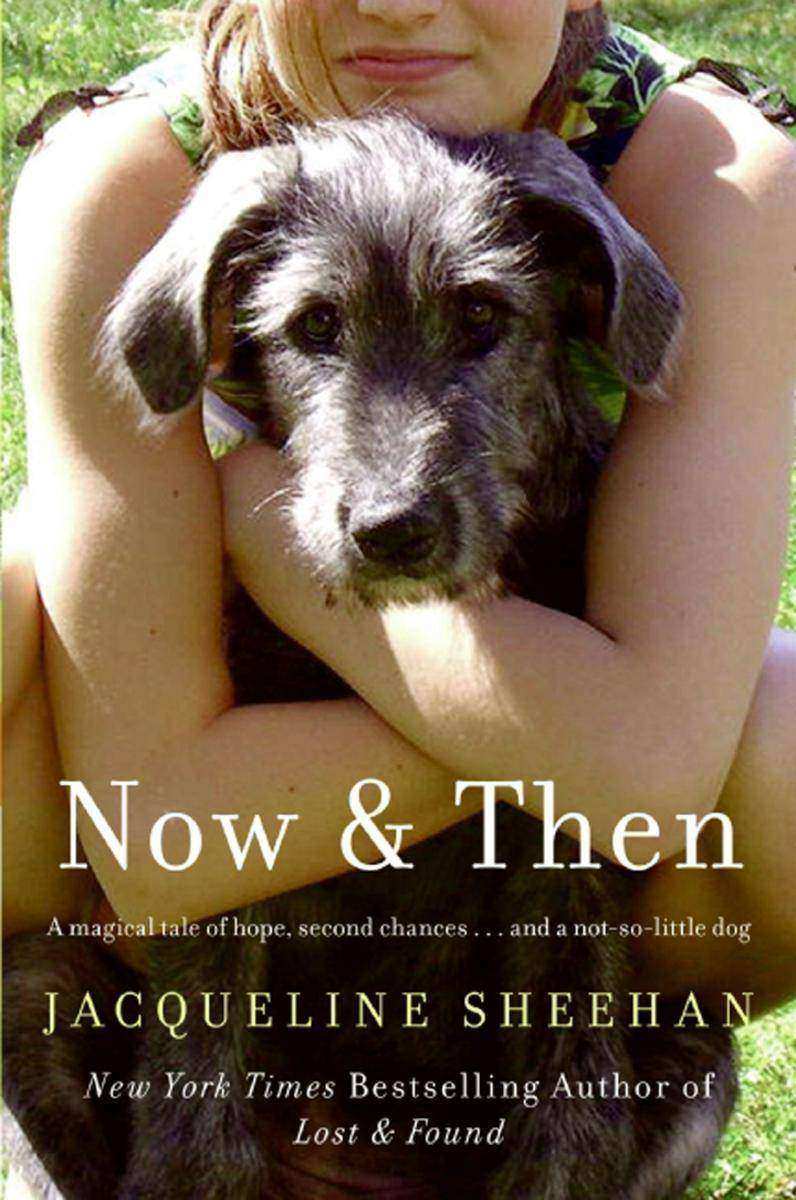
Now & Then
¥88.56
Living a dog's life...now and thenAnna O'Shea has failed at marriage, shed her job at a law firm, and she's trying to re-create herself when she and her recalcitrant nephew are summoned to the past in a manner that nearly destroys them. Her twenty-first-century skills pale as she struggles to find her nephew in nineteenth-century Ireland. For one of them, the past is brutally difficult, filled with hunger and struggle. For the other, the past is filled with privilege, status, and a reprieve from the crushing pain of present-day life. For both Anna and her nephew, the past offers them a chance at love. Will every choice they make reverberate down through timeAnd do Irish Wolfhounds carry the soul of the ancient celtsThe past and present wrap around finely wrought characters who reveal the road home. Mystical, charming, and fantastic, New York Times bestselling author Jacqueline Sheehan's Now & Then is a poignant and beautiful tale of a remarkable journey. It is a miraculous evocation of a breathtaking place in a volatile age filled with rich, unforgettable, deeply human characters and one unforgettable dog named Madigan.


