


 购物车
购物车 个人中心
个人中心
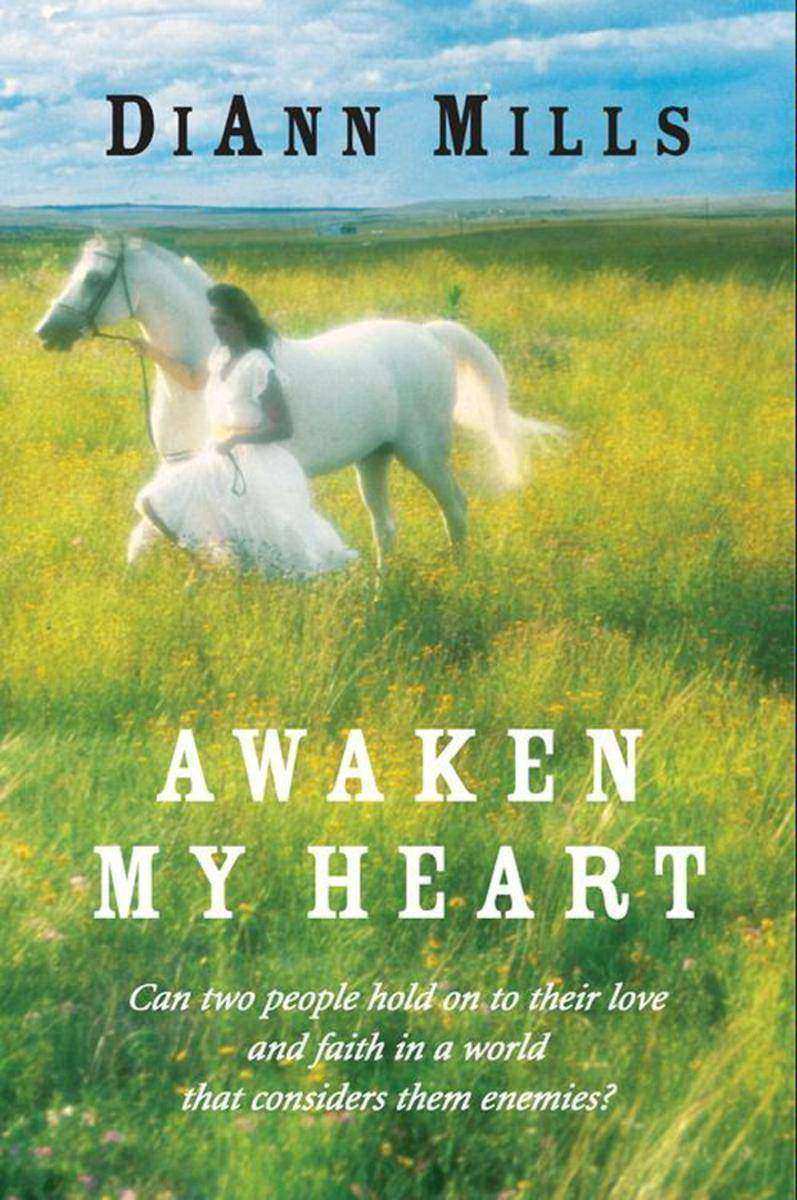
Awaken My Heart
¥61.70
1803, the colony of Texas Marianne Phillips, the daughter of a wealthy rancher, has never agreed with her father's harsh treatment of the poor mestizos who first inhabited the colony of Texas. When rebels kidnap Marianne, in hopes her father will trade back their land for her freedom, she realizes her loyalty lies with her abductors, not her father, who plans to marry her off to the don of a nearby estate. Armando Garcia is the locals' reluctant leader, but his people revere and depend on him. Knowing that without his leadership they'd be forced from their land, Armando accepts his role, but does not approve of the latest attempt to manipulate their enemy. When he learns that Marianne actually speaks his language, of her loyalty to his people, and of the faith that keeps her strong, Armando is faced with a difficult decision. Will his newfound love keep him from letting her goOr will he set her free and risk losing their land forever?
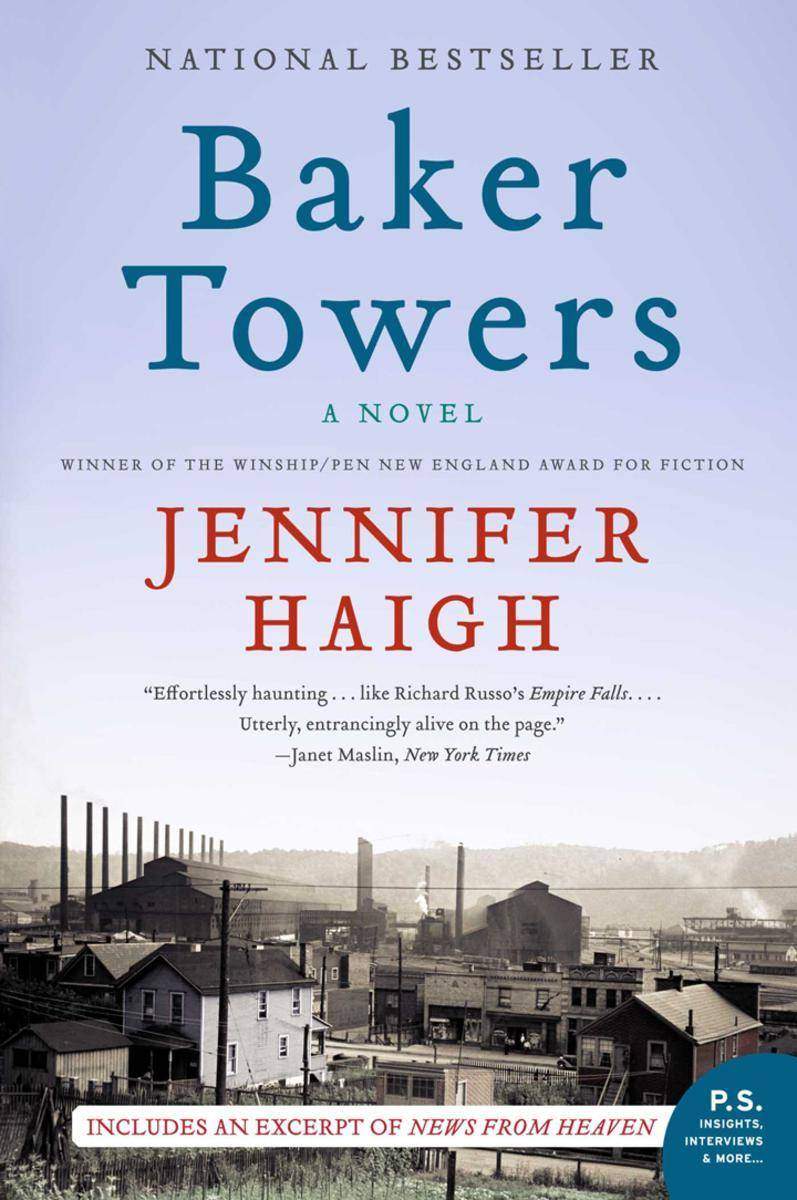
Baker Towers
¥83.03
Bakerton is a community of company houses and church festivals, of union squabbles and firemen's parades. Its neighborhoods include Little Italy, Swedetown, and Polish Hill. For its tight-knit citizens -- and the five children of the Novak family -- the 1940s will be a decade of excitement, tragedy, and stunning change. Baker Towers is a family saga and a love story, a hymn to a time and place long gone, to America's industrial past, and to the men and women we now call the Greatest Generation. It is a feat of imagination from an extraordinary voice in American fiction, a writer of enormous power and skill.

The Beauty Buyble
¥78.32
This attractive box includes The Beauty Buyble book and dozens of amazing product samples you won't be able to wait to get your hands on! Indulge yourself--and find out what products work best for your hair, skin, and face! Going to the cosmetic counter can be one of the most abusive experiences in a woman's daily routing. Where else do you pay for the privilege of being told, You need a new look The salesperson, who has no clue about what's right for you, sells you $150 worth of makeup and skin care products you may not need or that may irritate your skin. How do you know which mascara truly lengthens, curls, or offers the blackest blackWhich lipstick really does stay on all day without drying your lipsThe Beauty Buyble is a one-step reference to the year's best beauty buys and products. It takes out the guesswork, making it easier for you to find the best hair care, makeup, skin care, and beauty tools available on the market. This helpful, accessible book lists product in the low-, middle-, and high-end price range so you can find the item that's right for you and that will truly enhance your beauty. The clean, concise format helps you find just what you need -- and the authors offer advice from celebrity hair stylists, makeup artists, and real women to help you get the best out of your beauty purchases!Includes tips and secrets from the top names in beauty!Sally Hershberger, celebrity stylist and spokesperson for John Frieda Oscar Blandi, celebrity stylist Rebecca Restrepo, New York-based makeup artist Mark Garrison, celebrity stylist Katherine Hickland, owner and founder of Cat Cosmetics Orlando Pita, celebrity stylist Lorri Goddard-Clark, celebrity colorist Dr. Dennis Gross, dermatologist in New York City Carla Kay, Cloutier celebrity manicurist
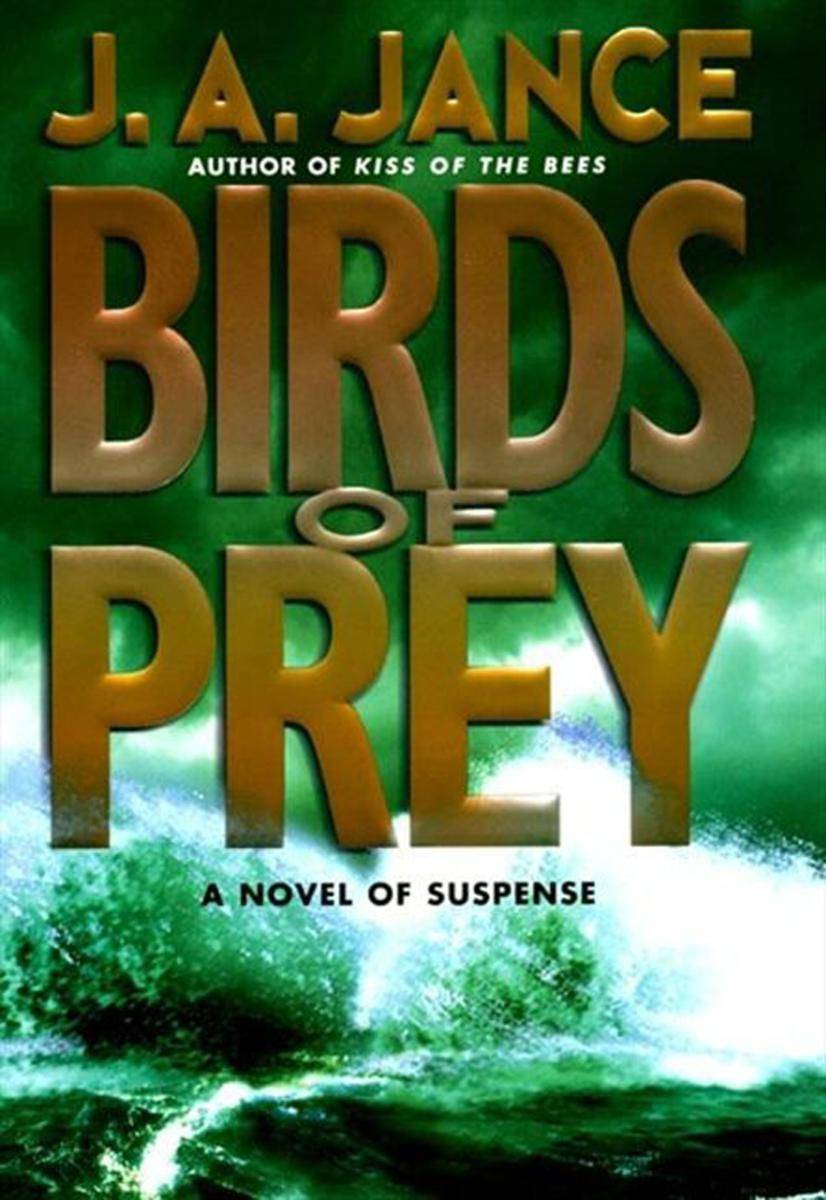
Birds of Prey
¥69.16
The Starfire Breeze steams its way north toward the Gulf of Alaska, buffeted by crisp sea winds blowing down from the Arctic. Those on board are seeking peace, relaxation, adventure, escape. But there is no escape in this place of unspoiled natural majesty. Because terror strolls the decks even in the brilliant light of day . . . and death is a conspicuous, unwelcome passenger. Former Seattle policeman J.P. Beaumont a damaged homicide detective who has come here to heal from fresh, stinging wounds will find that the grim ghosts pursuing him were not left behind . . . as a pleasure cruise gone horribly wrong carries him into lethal, ever-darkening waters.
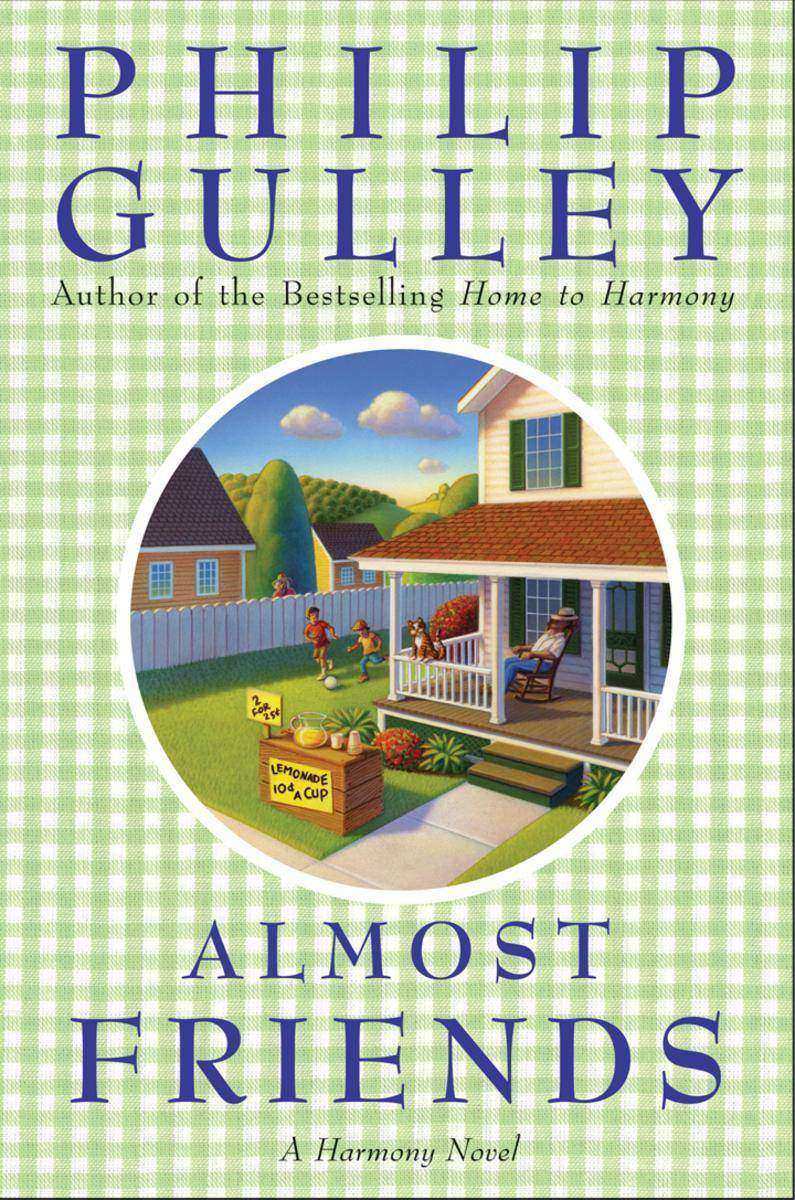
Almost Friends
¥83.92
It's summer in Harmony, but not everything is as sunny as the weather. The good citizens of Harmony are back and stirring up trouble as usual, sometimes with disastrous results. Pastor Sam Gardner must take a leave of absence from his post at Harmony Friends Meeting to take care of his ailing father.But when spunky pastor Krista Riley comes to fill his position, the quirky Quakers seem to fall in love with her, and it begins to look like Sam's sabbatical may be permanent. Krista's resilience is put to the test when Dale Hinshaw and Fern Hampton begin to question whether a woman can faithfully lead their flock, and it looks like the resulting tiff might just be the undoing of Harmony Friends Meeting. Will Sam come to the rescueFinding the answer to this question makes the trip back to Harmony worth turning every page.
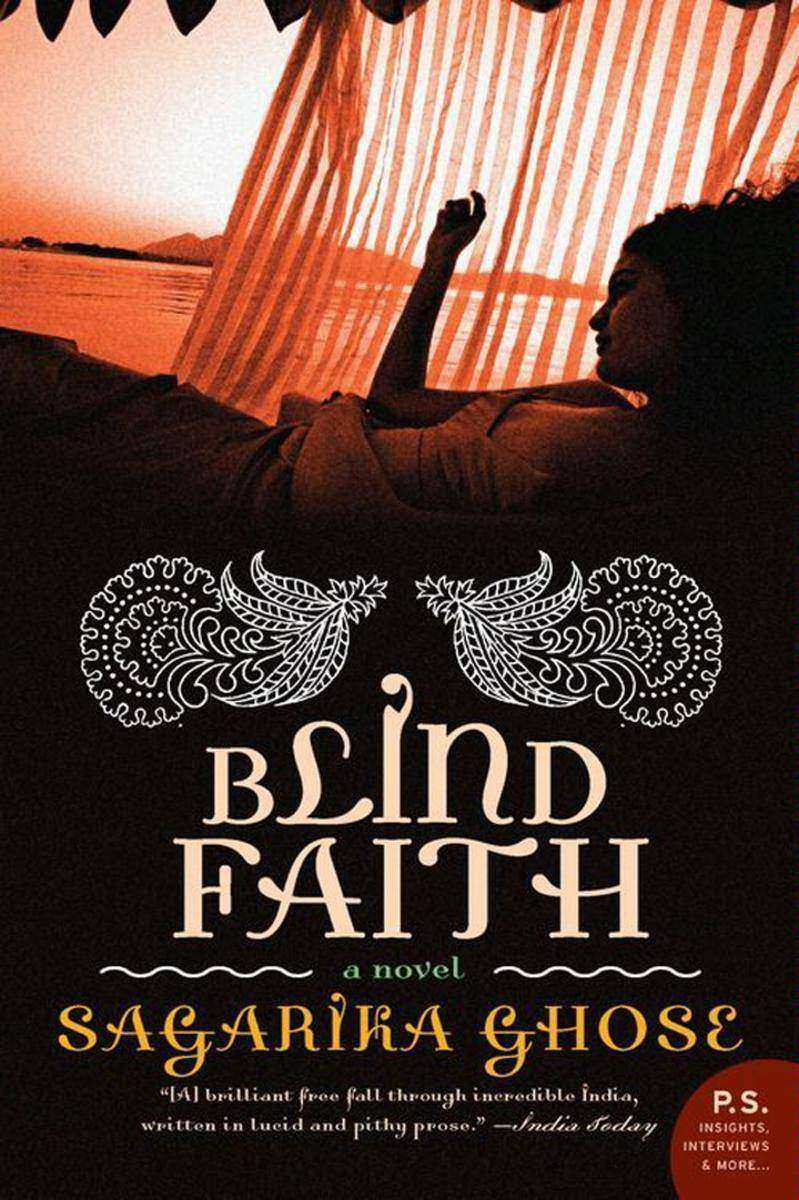
Blind Faith
¥73.62
The distraught daughter of an artist who committed suicide, Mia first meets Karna in London.Mesmerized by the charismatic young guru, she resolves to follow him to India, even if she must marry Vik, a suave corporate businessman, to do so.Once in India, Mia is drawn to Vik's mother, Indi, an accomplished, inordinately attractive woman who rages unceasingly against her blindness, her beauty, and her clinging son. Troubled by Indi's anguish, and by her own strange journey into duplicitous love, Mia realizes she must travel even further to the Kumb Mela religious pilgrimage for a different perspective on her clouded and confused life.Brilliant, bold, heartfelt, and transcendent, Blind Faith is a provocative reexamination of the human condition, of reason that binds, hate that liberates, and love that strangles.
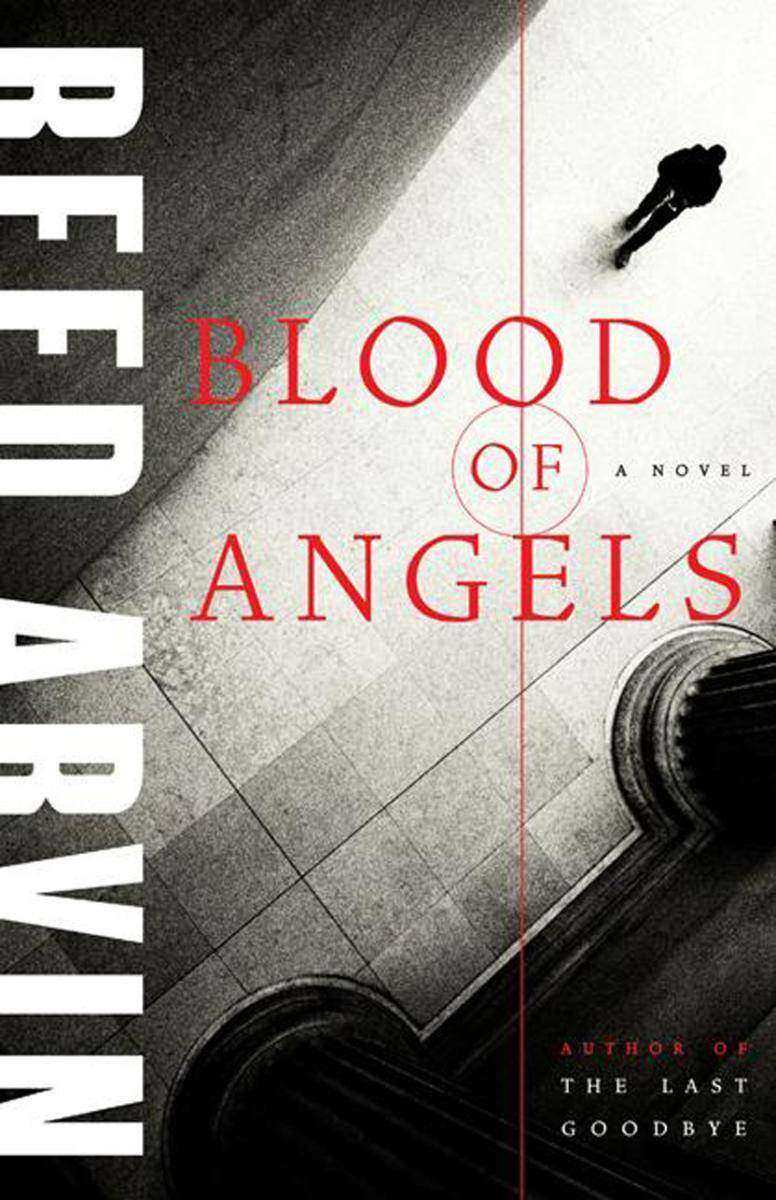
Blood of Angels
¥56.07
Reed Arvin's previous novel, The Last Goodbye, was "the best thing a thriller can be: suspenseful, intelligent, and well written" (Harlan Coben), and had the critics raving: People magazine stated, "You'll be hooked," and the New York Times declared it "sultry, devious, adrenaline-boosting suspense." Now comes a vivid and haunting tale of one man's search for the truth -- no matter what the consequences.Thomas Dennehy, senior prosecutor in Davidson County, Tennessee, doesn't recognize Nashville anymore: a decade of relentless immigration means cops are learning Spanish, and the DA' s office is looking for Vietnamese translators. Thomas's latest case is prosecuting Moses Bol, a Sudanese refugee who faces the death penalty for killing a white woman in the Nations, a notorious, racially charged part of town. Bol's conviction seems certain, until a university professor claims Thomas sent the wrong man to the death chamber in a previous case. The DA' s office is rocked to its core, but within days another blow falls: a beautiful and brilliant anti-death penalty activist mysteriously surfaces as Bol's alibi, claiming she was with him at the time of the crime. Bol's case becomes a lightning rod as protesters on all sides converge on Nashville and tensions threaten to explode.Meanwhile, Bol's alibi has her own secrets -- and is terrified of someone working behind the scenes to get what he wants -- even if it means murder.Will Dennehy be able to piece things together before everything he believes about the law, and about justice, is torn apart?Vivid with the emotional complexity that has become the hallmark of Reed Arvin's work, Blood of Angels is filled with nonstop action, impeccable detail, and unforgettable characters, making this a novel that is impossible to resist.
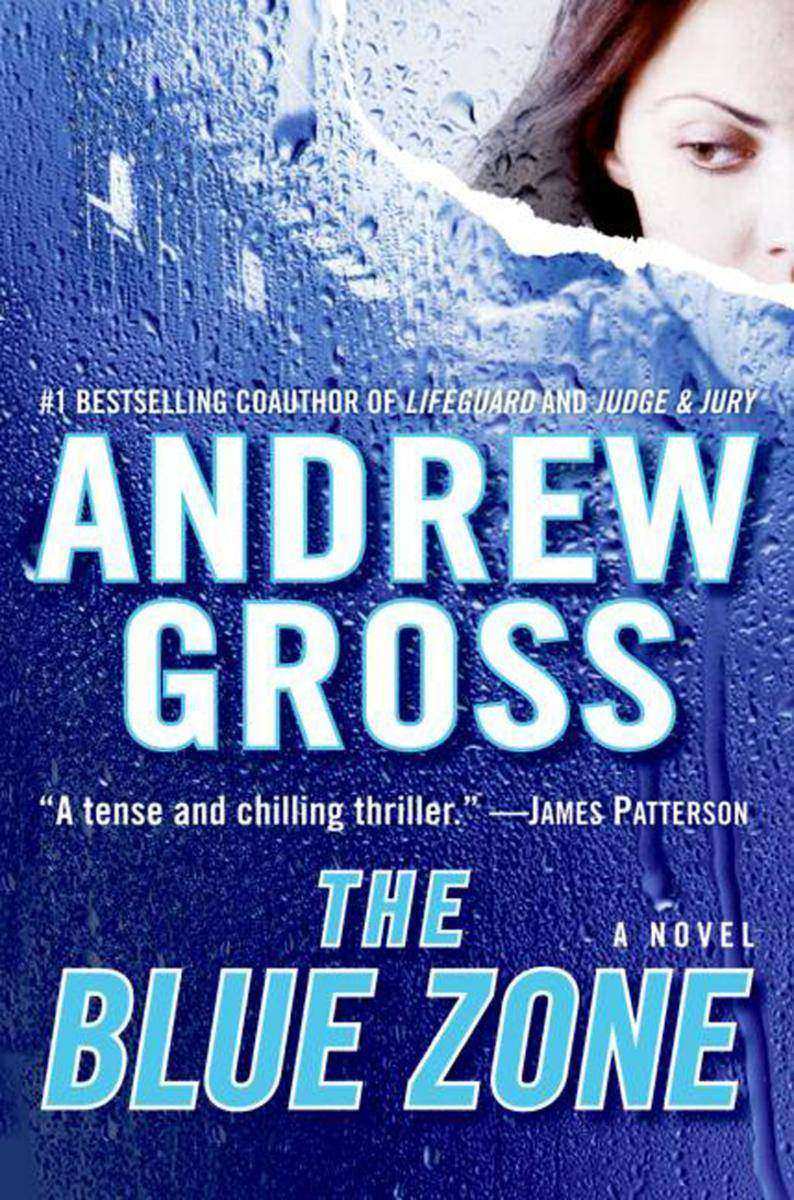
The Blue Zone
¥69.16
From the number one New York Times bestselling coauthor of Judge Jury and Lifeguard comes this electrifying solo debut, The Blue Zone. Kate Raab's life seems almost perfect: her boyfriend, her job, her family . . . until her father runs into trouble with the law. His only recourse is to testify against his former accomplices in exchange for his family's placement in the Witness Protection Program. But one of them gets cold feet. In a flash, everything Kate can count on is gone. Now, a year later, her worst fears have happened: Her father has disappeared into what the WITSEC agency calls "the blue zone" and someone close to him is found brutally murdered. With her family under surveillance, the FBI untrustworthy, and her father's menacing "friends" circling with increasing intensity, Kate sets off to find her father and uncover the secrets someone will kill to keep buried.
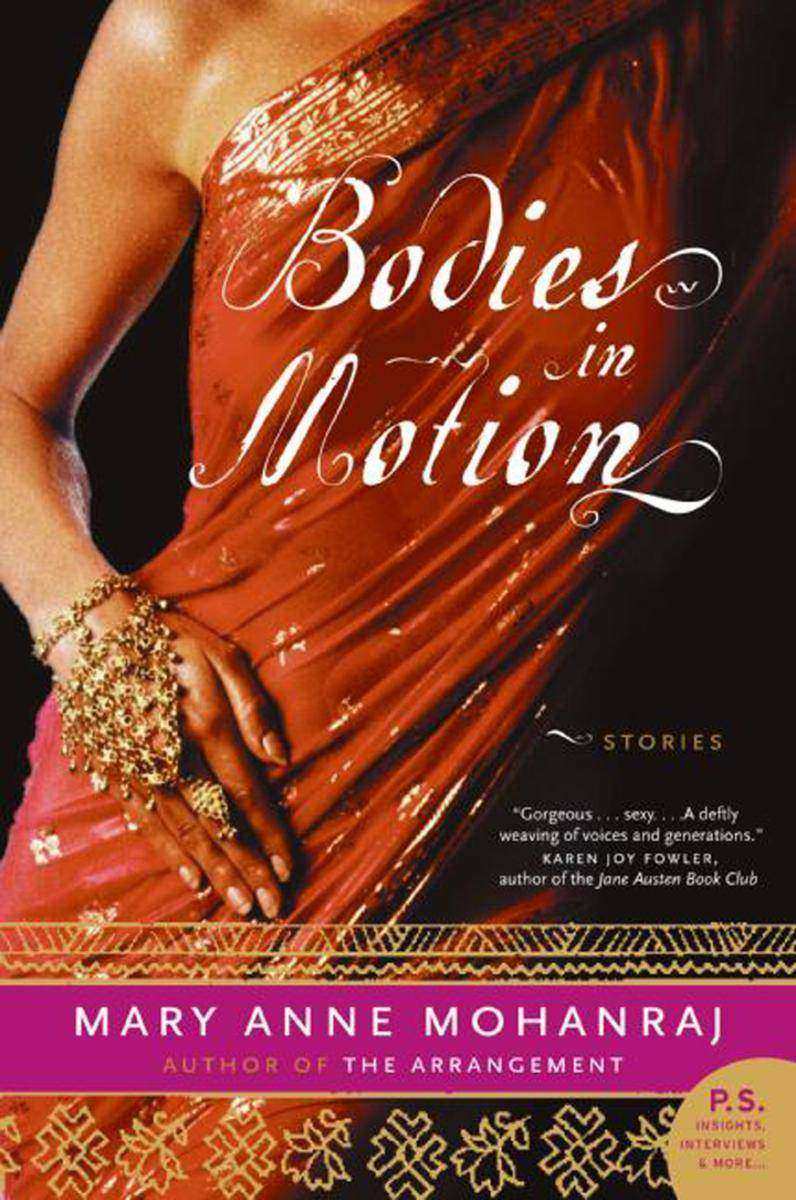
Bodies in Motion
¥84.16
Like the sweet heat of a palate-pleasing curry or the brilliant radiance of bougainvillea, the short stories in Mary Anne Mohanraj's Bodies in Motion will delight the senses and sensibilities. Her tales follow two generations of two families living on the cusp of disparate worlds, America and Sri Lanka -- their lives and ties shaped, strengthened, devastated, and altered by the emigrant-immigrant ebb and flow. Through stunning, effervescent prose, intimate moments are beautifully distilled, revealing the tug-of-war between generations and gender in stories sensual and honest, chronicling love, ambition, and the spiritual and sexual quests of mothers and daughters, fathers and sons.
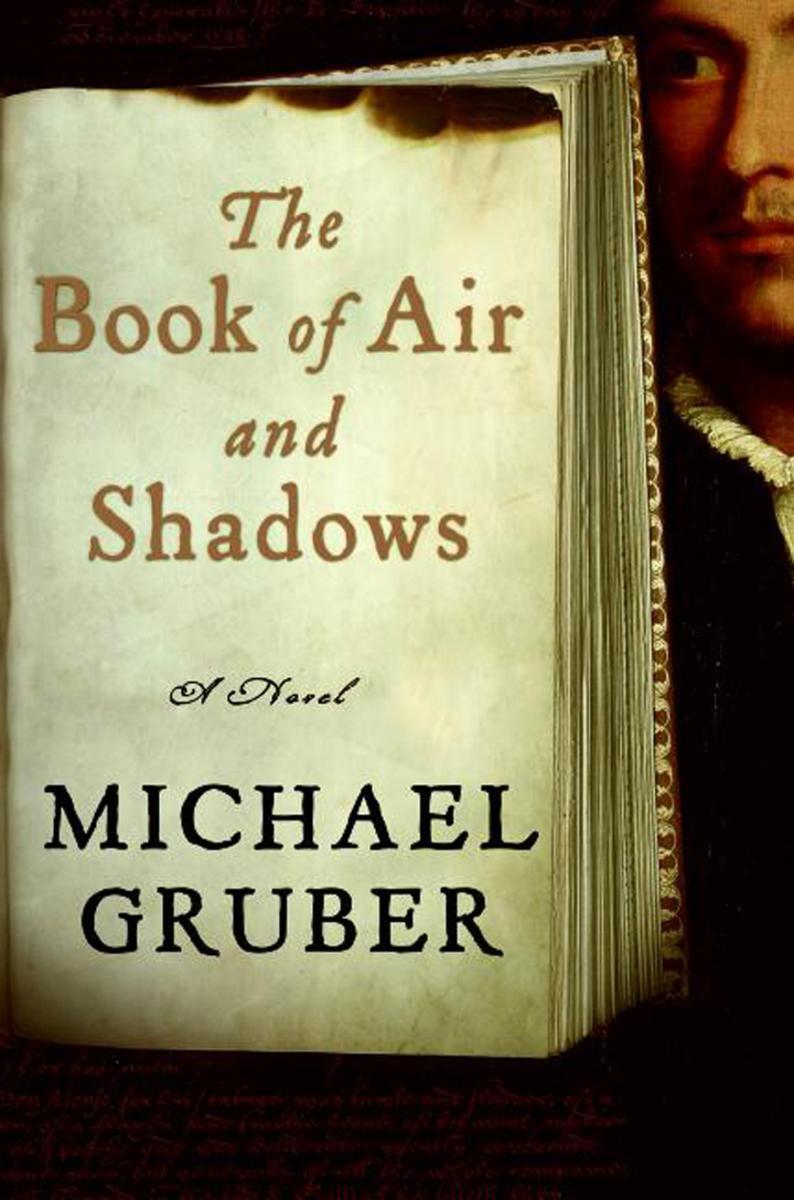
The Book of Air and Shadows
¥84.16
A fire destroys a New York City rare bookstore and reveals clues to a treasure worth killing for. . . . A disgraced scholar is found tortured to death. . . . And those pursuing the most valuable literary find in history are about to cross from the harmless mundane into inescapable nightmare.From the acclaimed, bestselling author of Tropic of Night comes a breathtaking thriller that twists, shocks, and surprises at every turn as it crisscrosses centuries, from the glaring violence of today into the dark shadows of truth and lies surrounding the greatest writer the world has ever known.
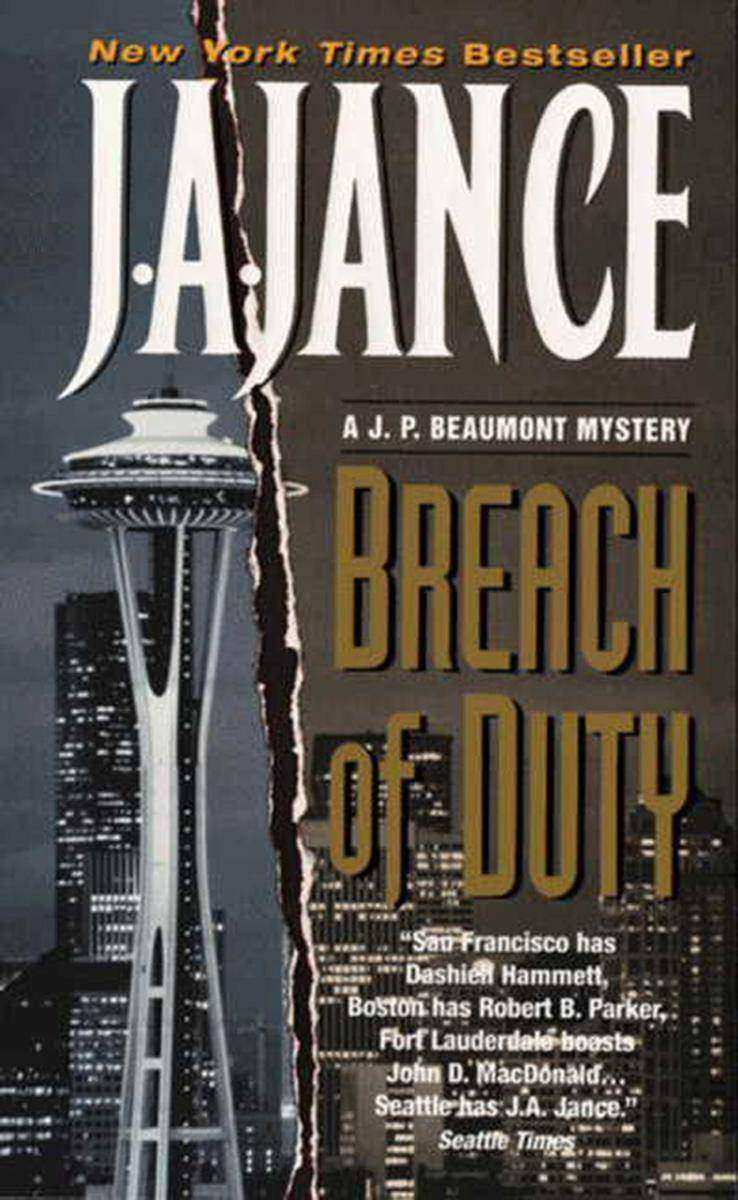
Breach of Duty
¥70.10
The Seattle that Beau knew as a young policeman is disappearing. The city is awash in the aromas emanating from a glut of coffee bars, the neighborhood outside his condo building has sprouted gallery upon gallery, and even his long cherished diner has evolved into a trendy eatery for local hipsters. But the glam is strictly surface, for the grit under the city's fingernails is caked with blood. Beau and his new partner Sue Danielson, a struggling single parent, are assigned the murder of an elderly woman torched to death in her bed. As their investigation proceeds, Beau and Sue become embroiled in a perilous series of events that will leave them and their case shattered -- and for Beau nothing will ever be the same again.
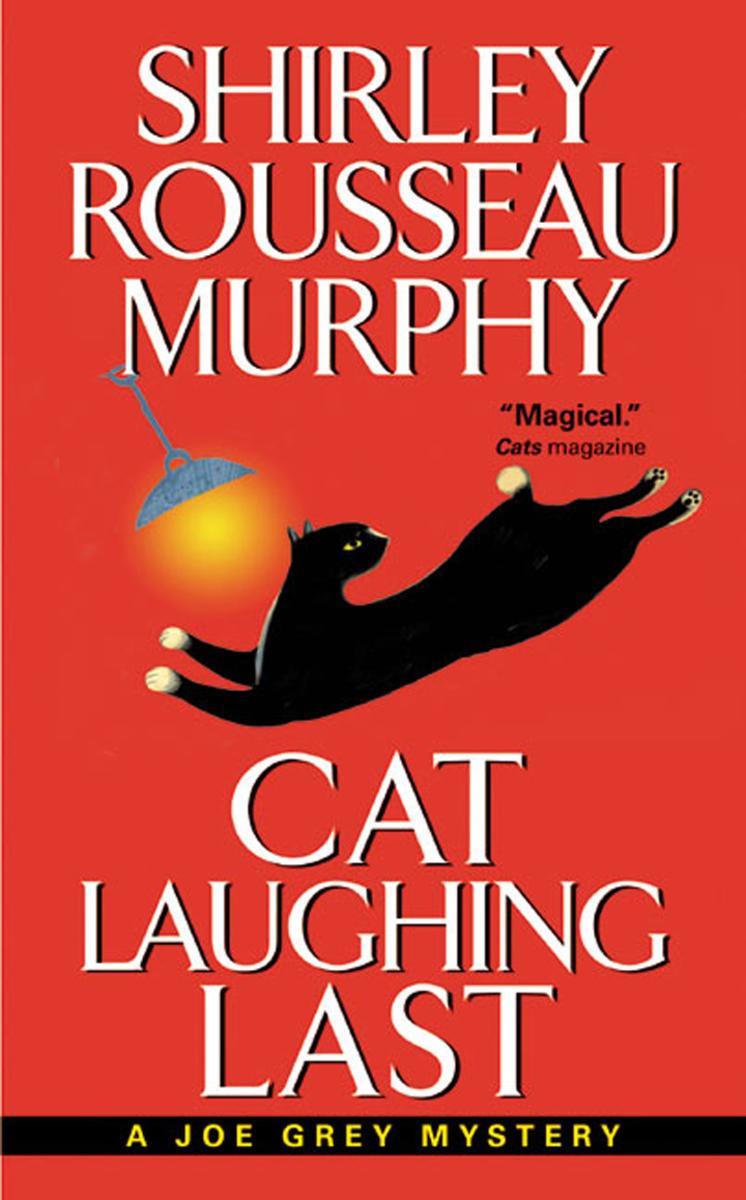
Cat Laughing Last
¥56.07
When the local village yard sales invite theft and murder, feline sleuths Joe Grey and Dulcie are into the case with their claws sharp. And when the two sleek detectives investigate the prime suspect's house, where the police have no cause to enter, and pass the information across the continent to the New York PD --Joe Grey's tomcat instincts nail the killer before the cops have a clue. Cat Laughing Last Violence and theft at a yard saleMurder because of an eBay auctionThe body on Susan Brittain's breakfast room floor and all her treasured purchases flung about and broken are not a good start to Susan's day. However, the criminal involvement is wider than she imagines, and may disrupt the lives of many others as well.Joe Grey and Dulcie suspect as much. With their unique ability to break and enter where the cops can't, the two cats begin gathering evidence. Meanwhile the cats' human friends deal with a famous author and his ill-tempered wife as they try to produce his play without coming to blows. And several senior ladies seek an innovative solution to retirement security, using their revenue from eBay and yard sales. But as Joe Grey and Oulcie dig into California history, they discover that certain artifacts, appearing at those same sales, hold the key to the puzzle. The crudely carved antique casks -- the legacy of a Spanish bride two hundred years dead-are the link the cats have been searching for. Yet it is the young tortoiseshell, Kit, fascinated by the delights of theater production, who nearly gives away the cats' greatest secret. Kit, with her own surprising venture, almost alerts the entire village that these cats can speak and are more perceptive and sharper of wit than most humans could ever imagine.
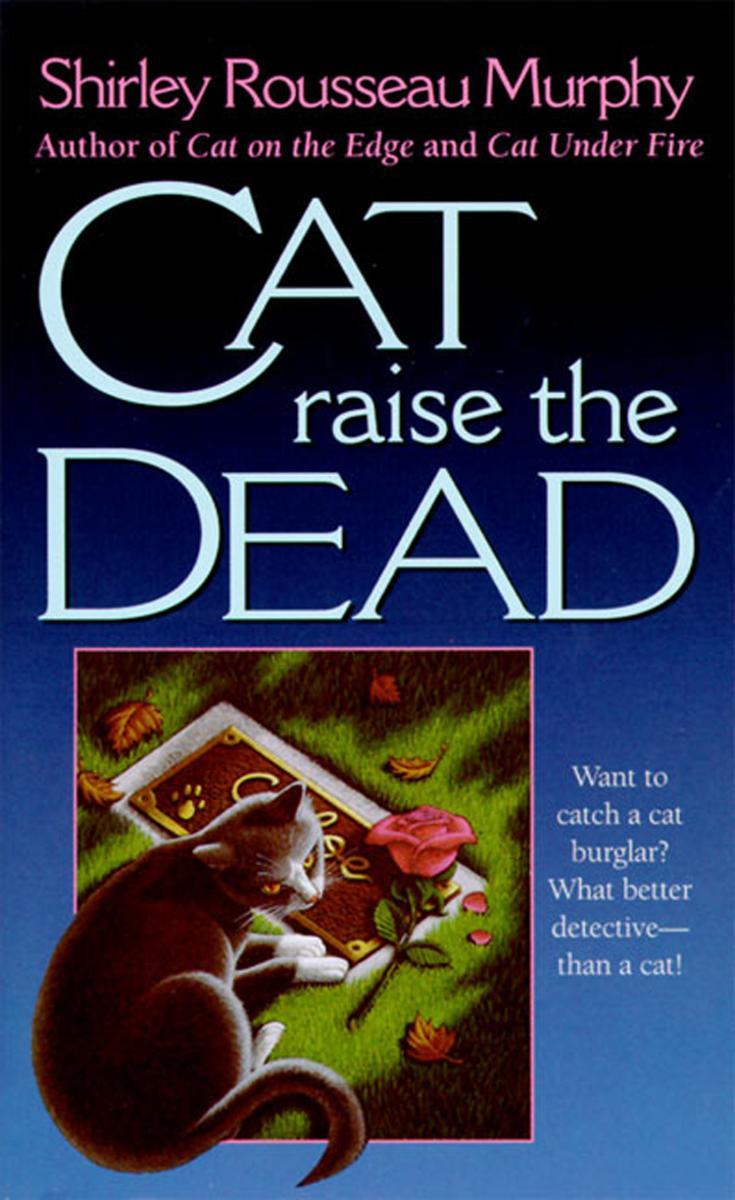
Cat Raise the Dead
¥56.07
Joe Grey can't believe his human housemate Clyde would even consider volunteering him for the Animal Therapy program at the local nursing home, just when Joe was on the verge of solving the string of burglaries that has Molena Point residents shaking in their collective boots. But it turns out it's Dulcie, Joe's pretty little cat-friend, who came up with the idea of subjecting Joe to the cooing attentions of a bunch of doddering old coots. Dulcie believes there's more going on at the old folks' home than the care and feeding of lonely seniors. And she needs Joe's help in getting to the bottom of a conspiracy ... and a very suspicious set of deaths.
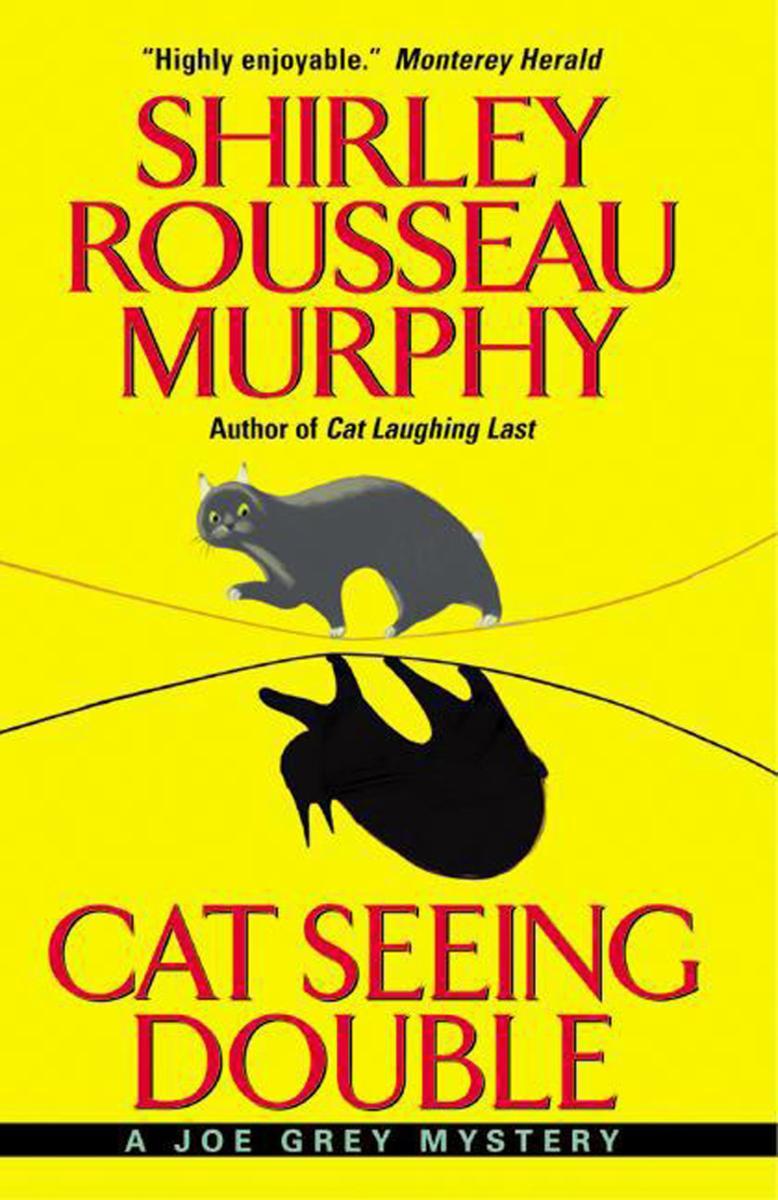
Cat Seeing Double
¥63.09
Multiple-award-winning author Shirley Rousseau Murphy once again brings us Joe Grey and Dulcie, the most cunning set of feline sleuths ever to stick their paws into crime solving. Always a loner, Charlie Getz never expected to fall in love with anyone, let alone the chief of police of Molena Point, California. So her wedding on a perfect, sunny day is all the more joyous -- especially when two of the honored guests are four-footed pals, feline detectives Joe Grey and Dulcie. However, two unexpected visitors -- a young boy and an old man hidden in the shadows -- are preparing to bomb the soon-to-be-filled lied church. The lone witness, a small tattercoat kit crouched beneath the oak branches, warns Joe's owner, Clyde; then, with claws and teeth, she stops the two would-be murderers. But the shock of the near disaster that might have killed half the village is only the beginning. The next morning Charlie's good friend, building contractor Ryan Flannery, awakens to find her estranged, philandering husband dead in her garage ... and her own gun is missing. With suspicion falling squarely on Ryan's shoulders, Joe Grey, Dulcie, and Kit use their skills of break-and-enter to prove her innocence. But a stranger's sinister push into her life is as unexpected as the arrival, on the morning of the murder, of a handsome purebred hunting dog, a homeless stray who seems determined to move in with Ryan. Whatever hateful force has descended on the small seaside village, the three cats are soon paw-deep in a tangle of jealousy, greed, and carefully planned retribution. So they work the case as only cats can, passing information anonymously to the cops, making a heroic feline effort to nail the killer and catch the wedding bomber, and hoping to see the silver hunting dog settled safely into his new home.
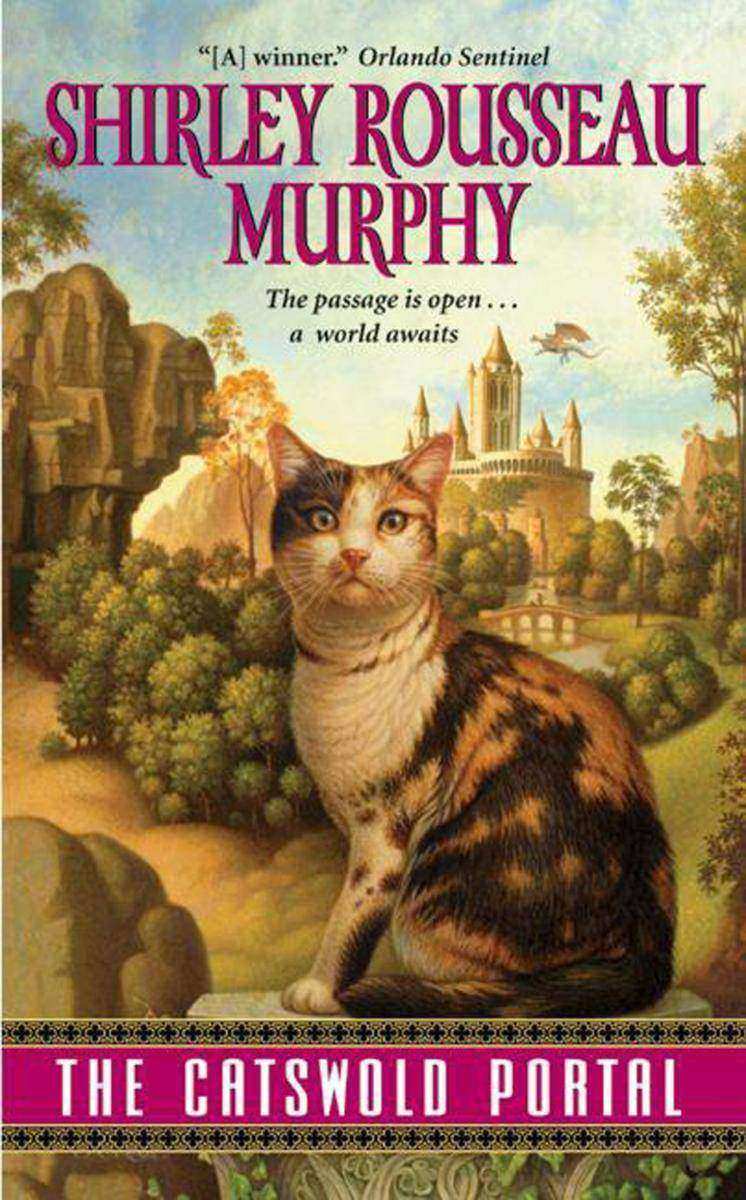
The Catswold Portal
¥55.31
A striking new reissue of an epic fantasy by popular Harper author Shirley Rousseau Murphy, featuring a princess's dangerous quest to reclaim her throne...and, of course, cats! There is a door in an artist's garden: an elaborate carved passageway into a realm ruled by a dark sorceress queen. There entities strange and wondrous roam the Netherworld––yet none as astonishing as the shape–shifting Catswold... Raised by the oldwitch Mag, Melissa discovers a perilous secret. She has more than one form––human girl and magical cat––and once inhabited two worlds. And it is her destiny to return to a mystic realm of wonder and terror, to do battle for her people's liberation and the crown that is rightfully hers. A man beset by tragedy, painter Braden West is intrigued by the calico cat who has charmed her way into his studio. But his "guest" is more than she seems, and Braden's very existence will be radically altered as he follows Melissa from the Hell Pit into the dread perils of an evil ruling court, thrust into the heart of a magical conflict with more at stake than he could possibly have imagined.
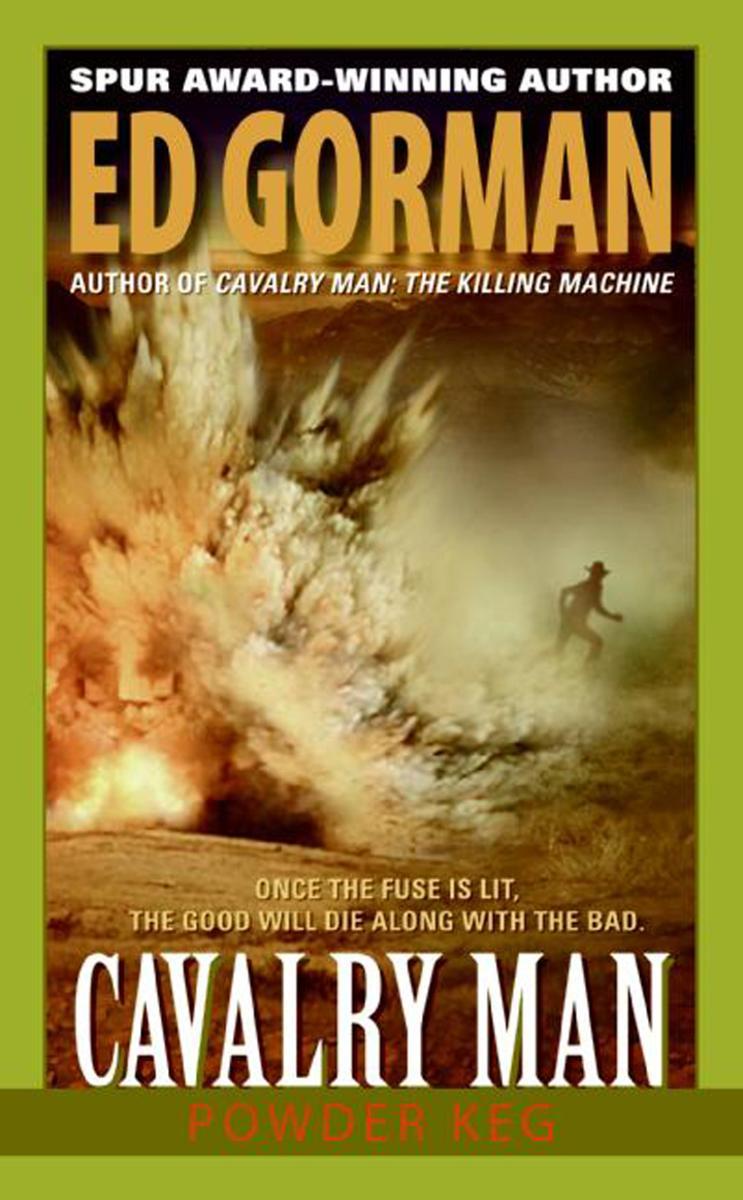
Cavalry Man: Powder Keg
¥42.03
It only takes one spark . . . A new "Robin Hood" is riding the range -- a hero bank robber who's handing over the spoils to poor farmers and needy townsfolk. But the bandit's using powerful explosives in his endeavors -- and military investigator Noah Ford has to put a stop to the altruistic outlaw's destructive ways. But Ford's not investigating alone. Two other federal agents have been assigned to work with him -- shady government men with their feet planted firmly on the wrong side of the law. Suddenly a volatile situation in the town of Willow Bend is in danger of catching fire -- with Ford trapped in the middle of the blaze, torn between what's lawful and what's right. One wrong move and everything could blow up in his face -- because the man Noah Ford is hunting is someone he may not want to catch . . . and the most ruthless and deadly men in the Colorado Territories are the ones on his side.
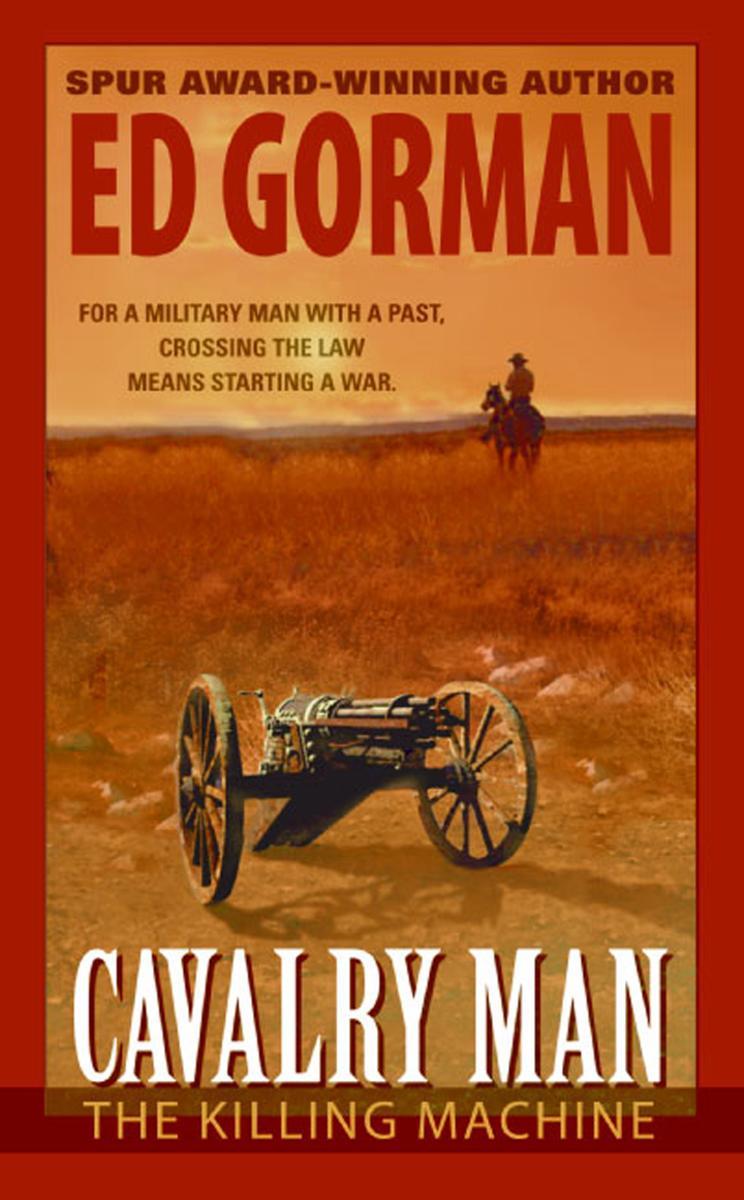
Cavalry Man: The Killing Machine
¥42.03
The first book in the new Noah Ford Western series by Spur Award winner Ed Gorman. A blend of the classic television series The Wild, Wild West and the USA show Peacemakers. Noah Ford made a serious mistake in the eyes of his family when he joined the Union forces—and his Rebel brother David took it the worst of all. And to make matters worse, now that the war was over, Noah had taken up as a federal agent, working for the very government that his southern family fought tooth and nail. Now a powerful new weapon, a souped-up Gatling gun—a prototype being developed by the U.S. Army—is missing, and all signs point to David Ford, a notorious black market weapons dealer. And even with the bad blood between them, the last thing Noah wants is for his brother to be killed by federal agents, so he volunteers to track him down and return the weapon to its rightful owner, and let his brother live to die another day. But when Noah attempts to ambush his brother and reclaim the gun, things quickly spiral out of control. Bullets fly and now his partners AND his brother end up dead, and Noah narrowly escapes with a near-fatal gunshot wound. It turns out the gun means more to someone else than it did even to his brother, and when new bodies turn up around every corner, Noah must think fast and act even faster if he wants to come back from this assignment alive.
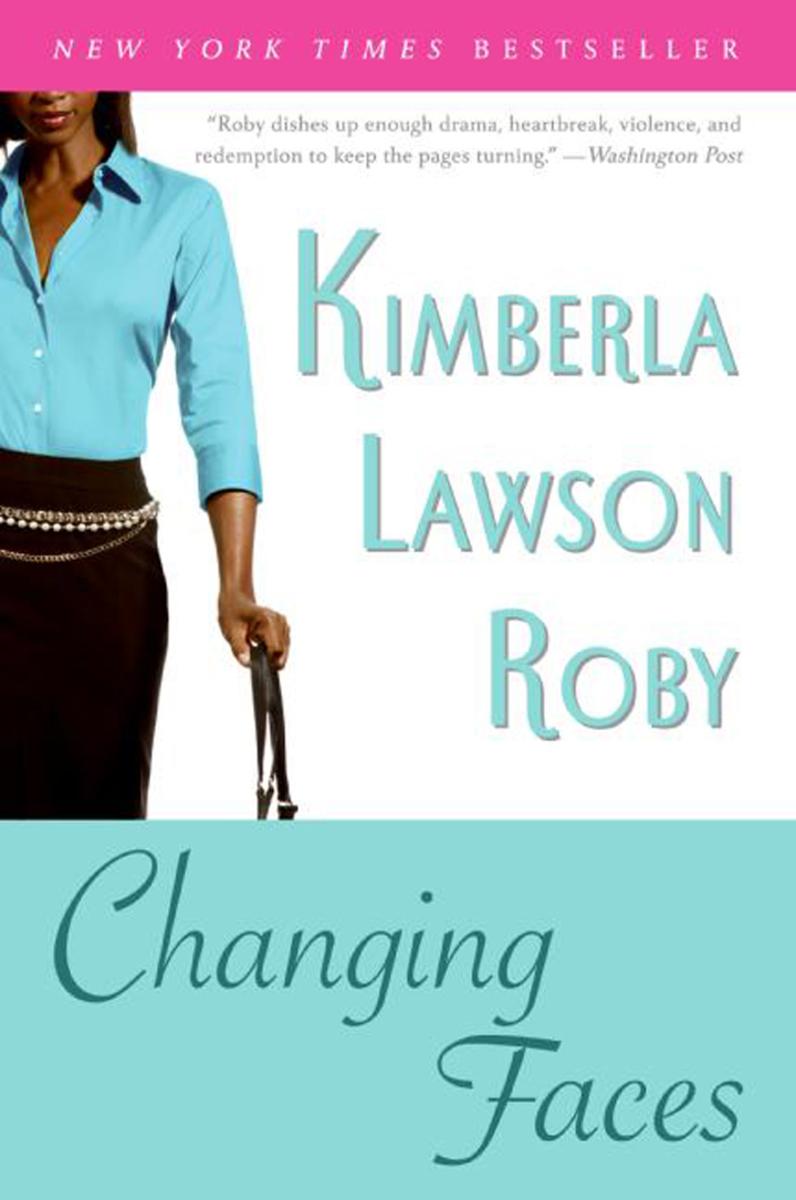
Changing Faces
¥77.26
Meet Whitney, Taylor, and Charisse, three women who have been best friends since high school. However, this devoted troika is about to discover a wave of unexpected troubles. Whitney is a plus-size woman who just can't turn down a box of Krispy Kremes or find a man who will stay put. Taylor is in a long-term relationship with a boyfriend who's allergic to commitment. Charisse is married, with two adorable children, but somehow doesn't have what she really wants—or needs. Then suddenly Charisse spins out of control. Her doormat husband manages to stand up to her and even threatens to go public with a very shady secret Charisse had hoped to keep hidden, especially from her interfering mother. Desperate, she decides that only a very risky scheme will save her. One constant for these women has been the support they've offered one another. But this time, how far can friendship goIn this witty, rollicking, deeply poignant story, Kimberla Lawson Roby demonstrates the storytelling magic that has won her legions of adoring fans and made her novels bestsellers.
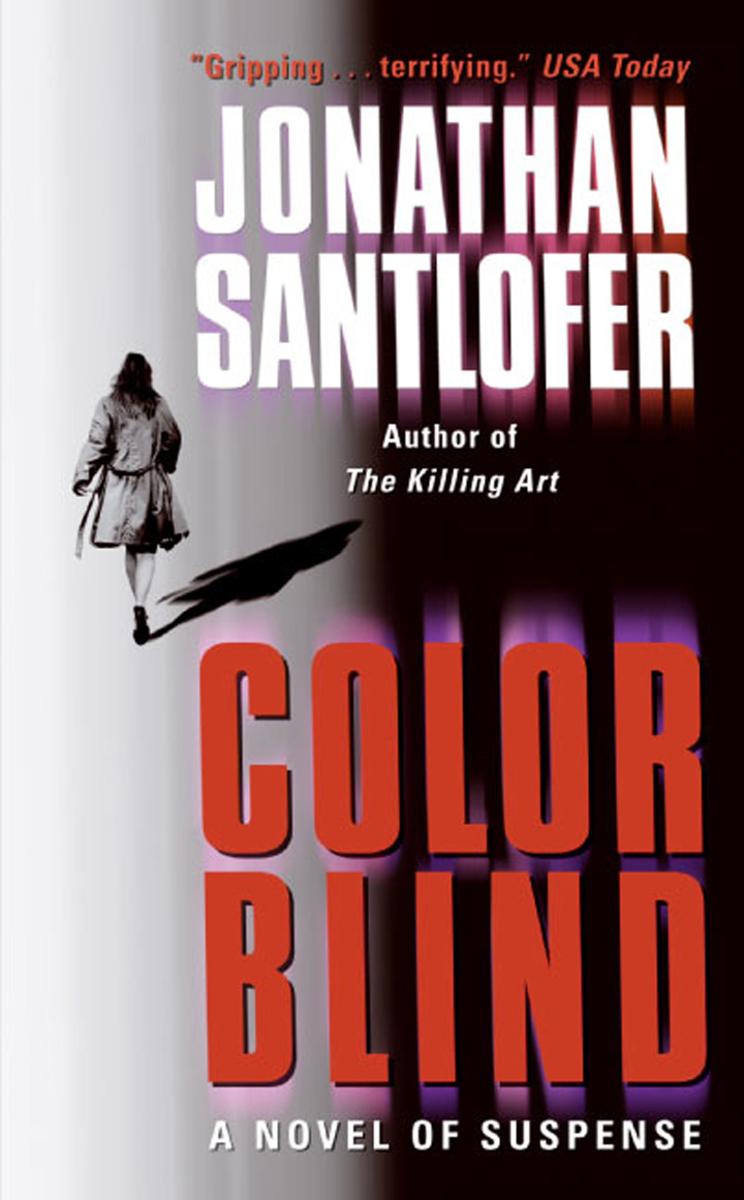
Color Blind
¥56.07
Kate McKinnon is back -- and this time it's personal. When two hideously eviscerated bodies are discovered and the only link between them is a bizarre painting left at each crime scene, the NYPD turns to former cop Kate McKinnon, the woman who brought the serial killer the Death Artist to justice. Having settled back into her satisfying life as art historian, published author, host of a weekly PBS television series, and wife of one of New York's top lawyers, Kate wants no part of it. But Kate's sense of tranquillity is shattered when this new sequence of murders strikes too close to home. With grief and fury to fuel her, she rejoins her former partner, detective Floyd Brown, and his elite homicide squad on the hunt for a vicious psychopath known as the Color-Blind Killer. In her rage and desperation, Kate allows herself to be drawn into a deadly game of cat and mouse. She abandons her glamorous life for the gritty streets of Manhattan, immersing herself in a world where brutality and madness appear to be the norm, where those closest to her may have betrayed her -- and where, in the end, nothing is what it seems.

The Checklist
¥140.08
In the tradition of YOU The Owner's Manual, The Checklist is organized as a guide to help individuals and families take the right precautions, at the right time in their lives, to avoid the most common health pitfalls and illnesses, and put them on the path to a vigorous and sound lifestyle. Each decade in a person's life introduces new risks not seen in their previous ten years. A health plan must be tailor-made to fit a body as it matures decade to decade. Dr. Manny's friendly, easy explanations and simple maintenance breakdowns show people how to act preventively and proactively, without unnecessary fears or reliance on the abundance of outdated, counterproductive health myths. Dr. Manny's mission is to aid readers in their pursuit of living a healthy and long life, and to help close the door on future life-threatening illnesses using proven, sound medical knowledge.
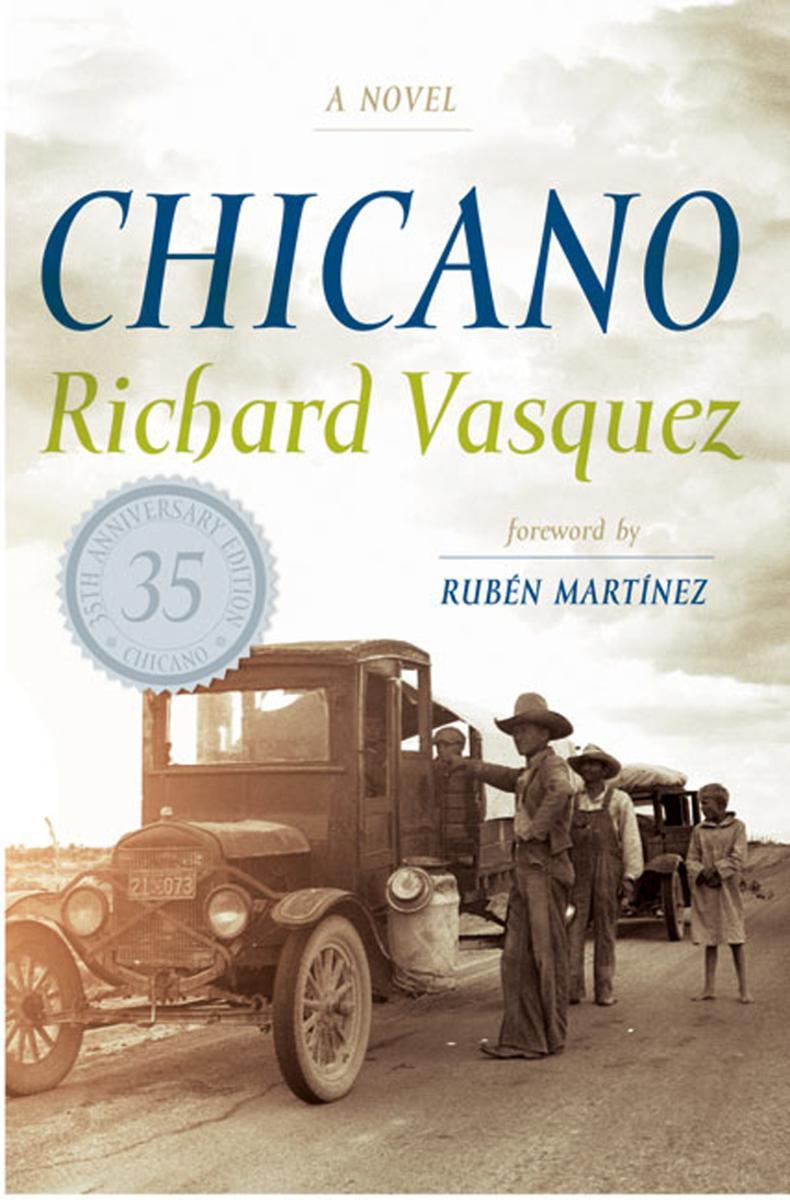
Chicano
¥95.11
A bestseller when it was published in 1970 at the height of the Mexican-American civil rights movement, Chicano unfolds the fates and fortunes of the Sandoval family, who flee the chaos and poverty of the Mexican Revolution and begin life anew in the United States.Patriarch Hector Sandoval works the fields and struggles to provide for his family even as he faces discrimination and injustice. Of his children, only Pete Sandoval is able to create a brighter existence, at least for a time. But when Pete's daughter Mariana falls in love with David, an Anglo student, it sets in motion a clash of cultures. David refuses to marry Mariana, fearing the reaction of his family and friends. Mariana, pregnant with David's child, is trapped between two worlds and shunned by both because of the man she loves. The complications of their relationship speak volumes -- even today -- about the shifting sands of racial politics in America.In his foreword, award-winning author Rubn Martnez reflects on the historical significance of Chicano's initial publication and explores how cultural perceptions have changed since the story of the Sandoval family first appeared in print.


