


 购物车
 个人中心


TBH #5: TBH, I Feel the Same
¥72.93
这是一部完全用短信、颜文字、表情符、笔记、邮件写出的小说,幽默易读,走进真实的美国中学生活。 Three BFFs try to make new friends but keep the old in the fifth book in Lisa Greenwald’s hilarious series told entirely in text messages, emojis, and notes. Perfect for fans of Invisible Emmie and the Dork Diaries books.Making new friends is a good thing, right? Not when you barely see your besties! Between swim team, the school play, and poetry club, BFFs Cece, Gabby, and Prianka are meeting different people and trying different things. But besties clash when Gabby’s new friends rank the other girls in their grade in categories like looks, smarts, and popularity.The question is: How can you be your best self if your BFFs don’t have your back?
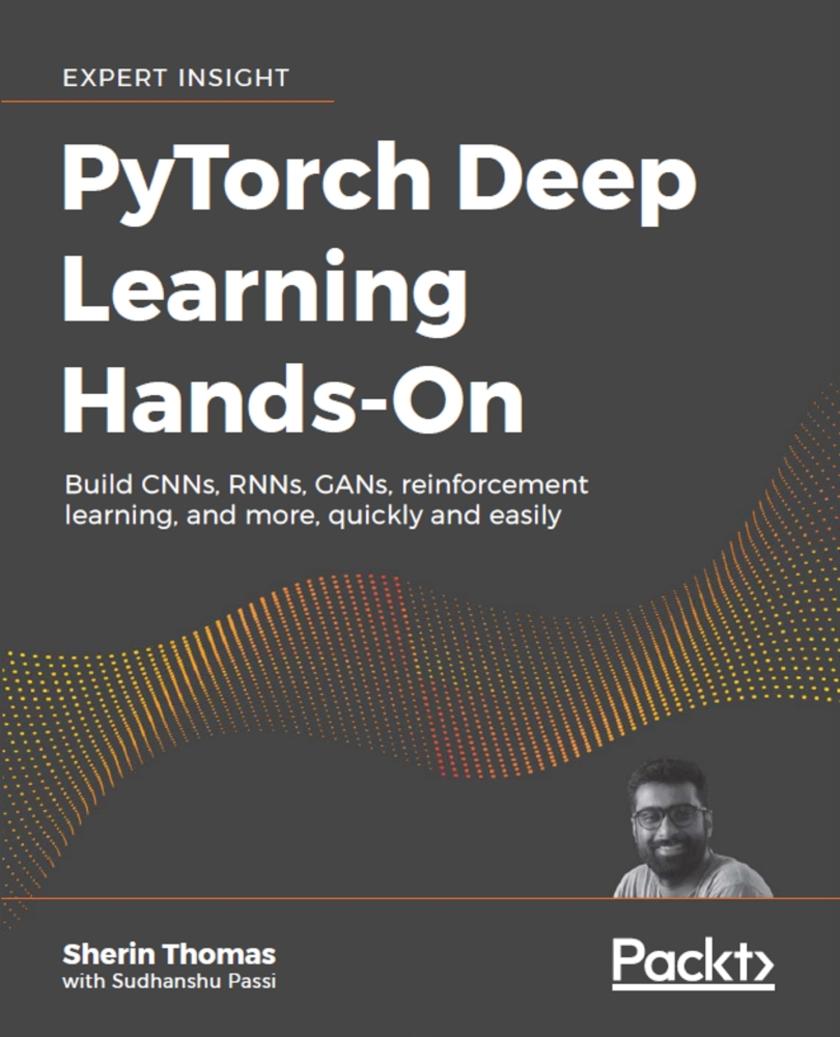
PyTorch Deep Learning Hands-On
¥70.84
All the key deep learning methods built step-by-step in PyTorch Key Features * Understand the internals and principles of PyTorch * Implement key deep learning methods in PyTorch: CNNs, GANs, RNNs, reinforcement learning, and more * Build deep learning workflows and take deep learning models from prototyping to production Book Description PyTorch is a new, lightweight, and Python-first tool for deep learning. Built by Facebook to offer flexibility and speed, it has quickly become the preferred tool for deep learning experts. PyTorch helps you release deep learning models faster than ever before. PyTorch Deep Learning Hands-On shows how to implement every major deep learning architecture in PyTorch. Starting with simple neural networks, it covers PyTorch for computer vision (CNN), natural language processing (RNN), GANs, and reinforcement learning. You will also build deep learning workflows with the PyTorch framework, migrate models built in Python to highly efficient TorchScript, and deploy to production using the most sophisticated available tools. Each chapter focuses on a different area of deep learning. Chapters start with a refresher on the core principles, before sharing the code you need to implement them in PyTorch. If you want to become a deep learning expert this book is for you. What you will learn Use PyTorch to build: * Simple Neural Networks – build neural networks the PyTorch way, with high-level functions, optimizers, and more * Convolutional Neural Networks – create advanced computer vision systems * Recurrent Neural Networks – work with sequential data such as natural language and audio * Generative Adversarial Networks – create new content with models including SimpleGAN and CycleGAN * Reinforcement Learning – develop systems that can solve complex problems such as driving or game playing * Deep Learning workflows – move effectively from ideation to production with proper deep learning workflow using PyTorch and its utility packages * Production-ready models – package your models for high-performance production environments Who this book is for Machine learning professionals and enthusiasts who know Python and want to build efficient and powerful deep learning systems in PyTorch.
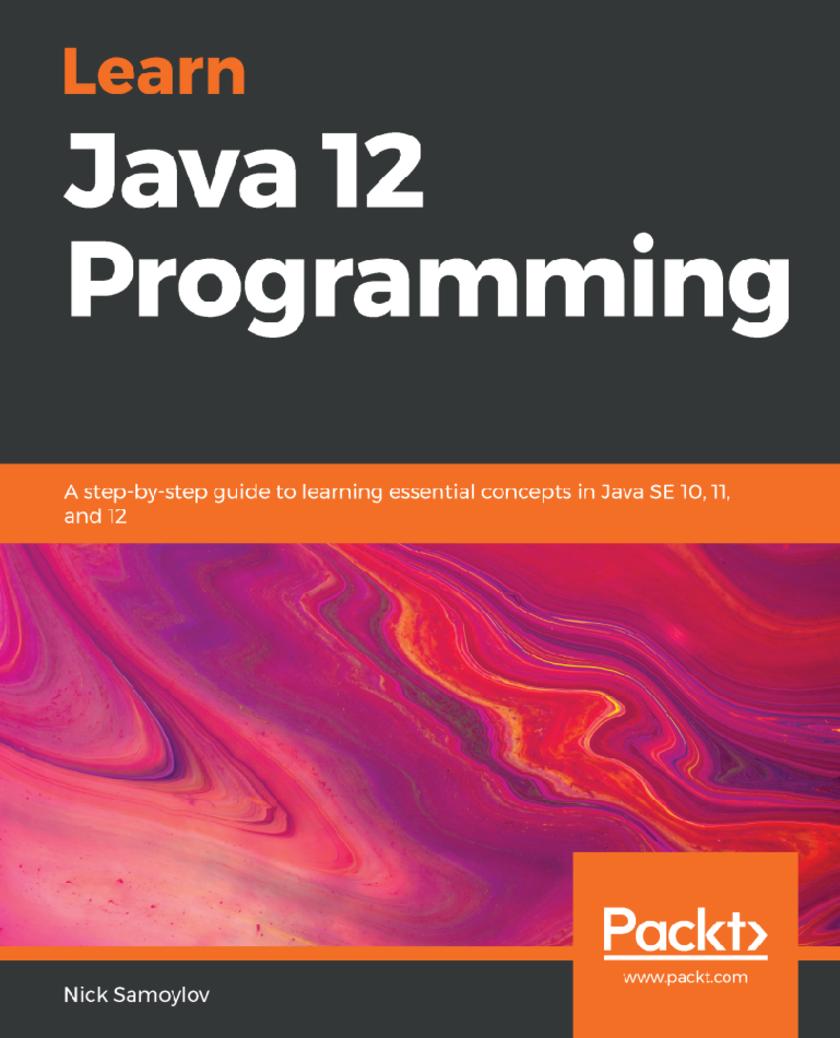
Learn Java 12 Programming
¥62.12
A comprehensive guide to get started with Java and gain insights into major concepts such as object-oriented, functional, and reactive programming Key Features * Strengthen your knowledge of important programming concepts and the latest features in Java * Explore core programming topics including GUI programming, concurrency, and error handling * Learn the idioms and best practices for writing high-quality Java code Book Description Java is one of the preferred languages among developers, used in everything right from smartphones, and game consoles to even supercomputers, and its new features simply add to the richness of the language. This book on Java programming begins by helping you learn how to install the Java Development Kit. You will then focus on understanding object-oriented programming (OOP), with exclusive insights into concepts like abstraction, encapsulation, inheritance, and polymorphism, which will help you when programming for real-world apps. Next, you’ll cover fundamental programming structures of Java such as data structures and algorithms that will serve as the building blocks for your apps. You will also delve into core programming topics that will assist you with error handling, debugging, and testing your apps. As you progress, you’ll move on to advanced topics such as Java libraries, database management, and network programming, which will hone your skills in building professional-grade apps. Further on, you’ll understand how to create a graphic user interface using JavaFX and learn to build scalable apps by taking advantage of reactive and functional programming. By the end of this book, you’ll not only be well versed with Java 10, 11, and 12, but also gain a perspective into the future of this language and software development in general. What you will learn * Learn and apply object-oriented principles * Gain insights into data structures and understand how they are used in Java * Explore multithreaded, asynchronous, functional, and reactive programming * Add a user-friendly graphic interface to your application * Find out what streams are and how they can help in data processing * Discover the importance of microservices and use them to make your apps robust and scalable * Explore Java design patterns and best practices to solve everyday problems * Learn techniques and idioms for writing high-quality Java code Who this book is for Students, software developers, or anyone looking to learn new skills or even a language will find this book useful. Although this book is for beginners, professional programmers can benefit from it too. Previous knowledge of Java or any programming language is not required.

The Crims #2: Down with the Crims!
¥39.24
The crime-loving Crims are back in the second installment of this hilarious trilogy, perfect for fans of Lemony Snicket and Pseudonymous Bosch!Imogen Crim has moved back home with her family and resumed her commitment to crime. But coming back to Blandington isn’t quite so easy.Between Big Nana’s crime theory assignments, regular schoolwork, and keeping up with her new archenemy Ava Gud, Imogen can’t find a spare moment to participate in the family’s new Crime Directive. And the Crims have even been bumped from the top spot on Blandington’s Most Wanted list! Oh, the injustice!Then various Crims start disappearing without a trace, and Big Nana is convinced that the Kruk family is behind the kidnappings. Imogen will need to use all her shadiest and shiftiest skills if she’s ever to see her family again…

The Secret of Zoone
¥95.39
Welcome to Zoone: crossroads of the multiverse. In this inventive fantasy, fans of Diana Wynne Jones and Lisa McMann will step through an enchanted doorway and into a world filled with infinite portals to new—and sometimes perilous—lands. When a bright blue winged tiger appears on his aunt’s sofa, Ozzie can tell he’s in for an adventure. He’s thrilled to follow Tug—a skyger—through a secret door in the basement and into Zoone, the bustling Grand Central Station of the universe, where a thousand doors act as portals to strange and wonderful worlds.But some doors also hide dangers—and when the portal back to Earth explodes behind him, Ozzie gets more adventure than he bargained for. In a station full of wizards, creepy-crawlies, and the occasional cursed princess, Ozzie has to find a way to repair his door… and possibly save the multiverse in the process. Brimming with colorful characters, magical mayhem, and endless adventure, this new tween series has a doorway for every reader—just be sure to close the door behind you!
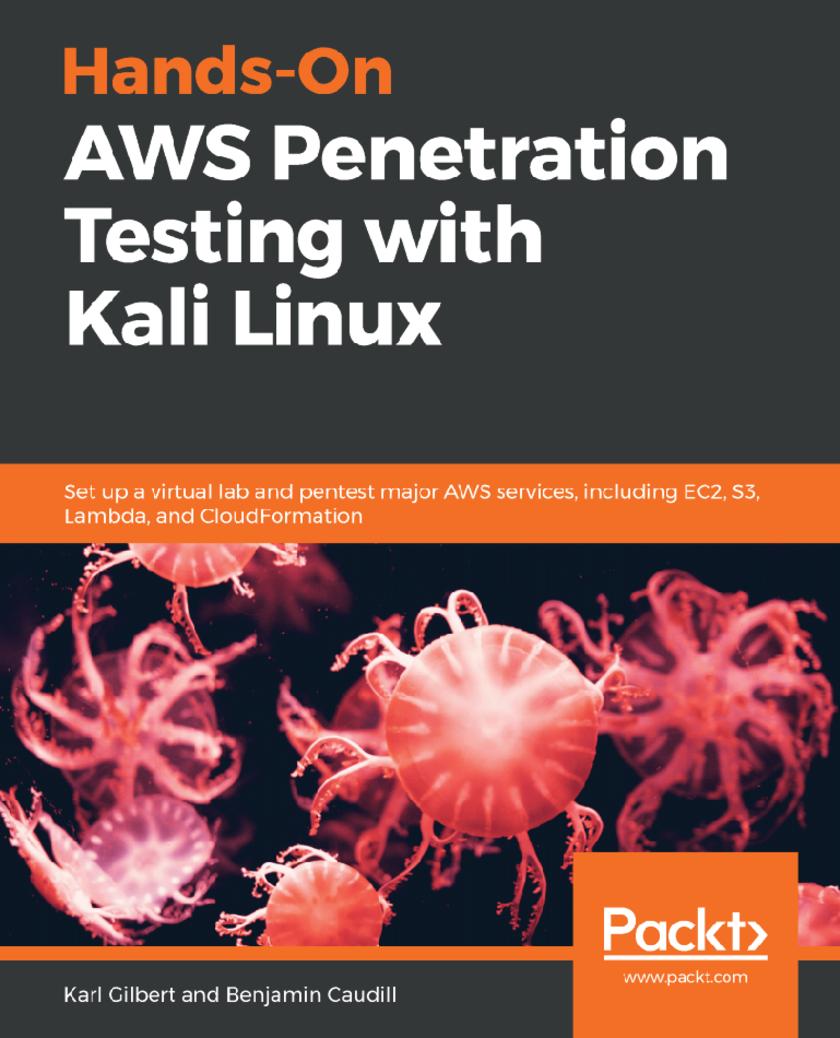
Hands-On AWS Penetration Testing with Kali Linux
¥79.56
Identify tools and techniques to secure and perform a penetration test on an AWS infrastructure using Kali Linux Key Features * Efficiently perform penetration testing techniques on your public cloud instances * Learn not only to cover loopholes but also to automate security monitoring and alerting within your cloud-based deployment pipelines * A step-by-step guide that will help you leverage the most widely used security platform to secure your AWS Cloud environment Book Description The cloud is taking over the IT industry. Any organization housing a large amount of data or a large infrastructure has started moving cloud-ward — and AWS rules the roost when it comes to cloud service providers, with its closest competitor having less than half of its market share. This highlights the importance of security on the cloud, especially on AWS. While a lot has been said (and written) about how cloud environments can be secured, performing external security assessments in the form of pentests on AWS is still seen as a dark art. This book aims to help pentesters as well as seasoned system administrators with a hands-on approach to pentesting the various cloud services provided by Amazon through AWS using Kali Linux. To make things easier for novice pentesters, the book focuses on building a practice lab and refining penetration testing with Kali Linux on the cloud. This is helpful not only for beginners but also for pentesters who want to set up a pentesting environment in their private cloud, using Kali Linux to perform a white-box assessment of their own cloud resources. Besides this, there is a lot of in-depth coverage of the large variety of AWS services that are often overlooked during a pentest — from serverless infrastructure to automated deployment pipelines. By the end of this book, you will be able to identify possible vulnerable areas efficiently and secure your AWS cloud environment. What you will learn * Familiarize yourself with and pentest the most common external-facing AWS services * Audit your own infrastructure and identify flaws, weaknesses, and loopholes * Demonstrate the process of lateral and vertical movement through a partially compromised AWS account * Maintain stealth and persistence within a compromised AWS account * Master a hands-on approach to pentesting * Discover a number of automated tools to ease the process of continuously assessing and improving the security stance of an AWS infrastructure Who this book is for If you are a security analyst or a penetration tester and are interested in exploiting Cloud environments to reveal vulnerable areas and secure them, then this book is for you. A basic understanding of penetration testing, cloud computing, and its security concepts is mandatory.
Mastering Python for Finance
¥70.84
Take your financial skills to the next level by mastering cutting-edge mathematical and statistical financial applications Key Features * Explore advanced financial models used by the industry and ways of solving them using Python * Build state-of-the-art infrastructure for modeling, visualization, trading, and more * Empower your financial applications by applying machine learning and deep learning Book Description The second edition of Mastering Python for Finance will guide you through carrying out complex financial calculations practiced in the industry of finance by using next-generation methodologies. You will master the Python ecosystem by leveraging publicly available tools to successfully perform research studies and modeling, and learn to manage risks with the help of advanced examples. You will start by setting up your Jupyter notebook to implement the tasks throughout the book. You will learn to make efficient and powerful data-driven financial decisions using popular libraries such as TensorFlow, Keras, Numpy, SciPy, and sklearn. You will also learn how to build financial applications by mastering concepts such as stocks, options, interest rates and their derivatives, and risk analytics using computational methods. With these foundations, you will learn to apply statistical analysis to time series data, and understand how time series data is useful for implementing an event-driven backtesting system and for working with high-frequency data in building an algorithmic trading platform. Finally, you will explore machine learning and deep learning techniques that are applied in finance. By the end of this book, you will be able to apply Python to different paradigms in the financial industry and perform efficient data analysis. What you will learn * Solve linear and nonlinear models representing various financial problems * Perform principal component analysis on the DOW index and its components * Analyze, predict, and forecast stationary and non-stationary time series processes * Create an event-driven backtesting tool and measure your strategies * Build a high-frequency algorithmic trading platform with Python * Replicate the CBOT VIX index with SPX options for studying VIX-based strategies * Perform regression-based and classification-based machine learning tasks for prediction * Use TensorFlow and Keras in deep learning neural network architecture Who this book is for If you are a financial or data analyst or a software developer in the financial industry who is interested in using advanced Python techniques for quantitative methods in finance, this is the book you need! You will also find this book useful if you want to extend the functionalities of your existing financial applications by using smart machine learning techniques. Prior experience in Python is required.
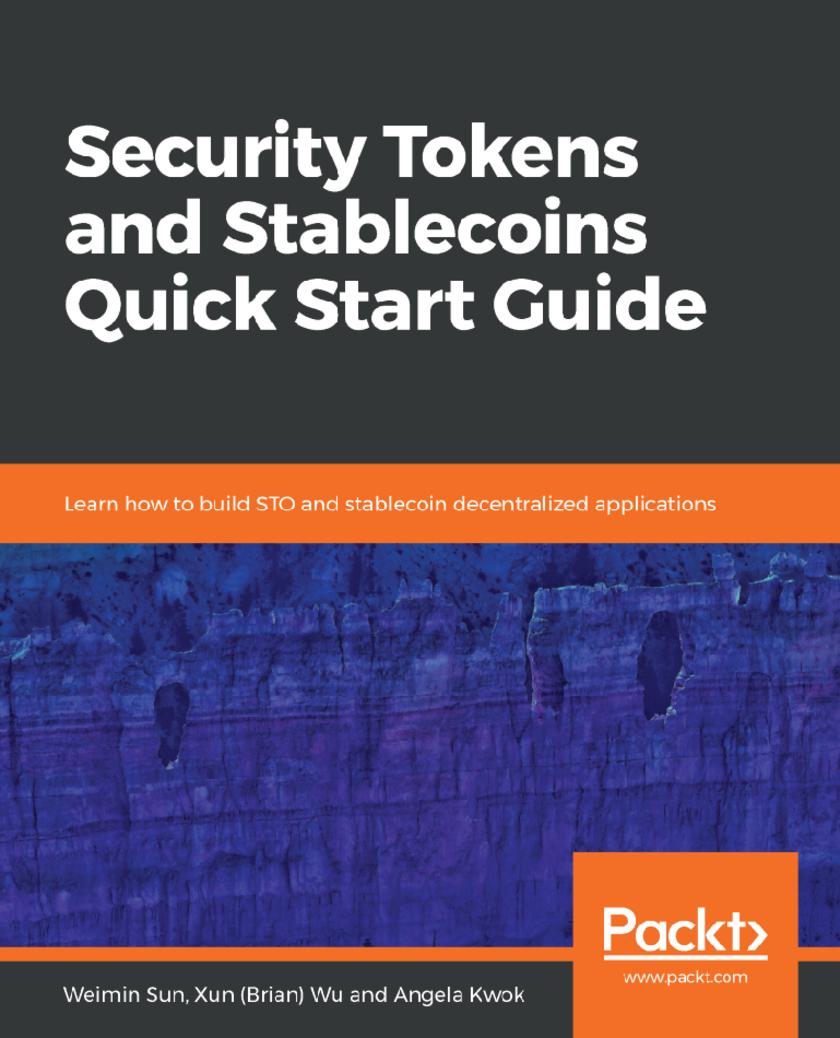
Security Tokens and Stablecoins Quick Start Guide
¥53.40
A complete guide to understanding, developing, and testing popular security-token smart contracts Key Features * Understand key Blockchain and Ethereum platforms concepts * Step-by-step guide to developing STO smart contracts on Ethereum * Monetize digital tokens under various U.S. securities laws Book Description The failure of initial coin offerings (ICOs) is no accident, as most ICOs do not link to a real asset and are not regulated. Realizing the shortcomings of ICOs, the blockchain community and potential investors embraced security token offerings (STOs) and stablecoins enthusiastically. In this book, we start with an overview of the blockchain technology along with its basic concepts. We introduce the concept behind STO, and cover the basic requirements for launching a STO and the relevant regulations governing its issuance. We discuss U.S. securities laws development in launching security digital tokens using blockchain technology and show some real use cases. We also explore the process of STO launches and legal considerations. We introduce popular security tokens in the current blockchain space and talk about how to develop a security token DApp, including smart contract development for ERC1404 tokens. Later, you'll learn to build frontend side functionalities to interact with smart contracts. Finally, we discuss stablecoin technical design functionalities for issuing and operating STO tokens by interacting with Ethereum smart contracts. By the end of this book, you will have learned more about STOs and gained a detailed knowledge of building relevant applications—all with the help of practical examples. What you will learn * Understand the basic requirements for launching a security token offering * Explore various US securities laws governing the offering of security digital tokens * Get to grips with the stablecoin concept with the help of use cases * Learn how to develop security token decentralized applications * Understand the difference between ERC-20 and ERC-721 tokens * Learn how to set up a development environment and build security tokens * Explore the technical design of stablecoins Who this book is for This book is ideal for blockchain beginners and business user developers who want to quickly master popular Security Token Offerings and stablecoins. Readers will learn how to develop blockchain/digital cryptos, guided by U.S. securities laws and utilizing some real use cases. Prior exposure to an Object-Oriented Programming language such as JavaScript would be an advantage, but is not mandatory.
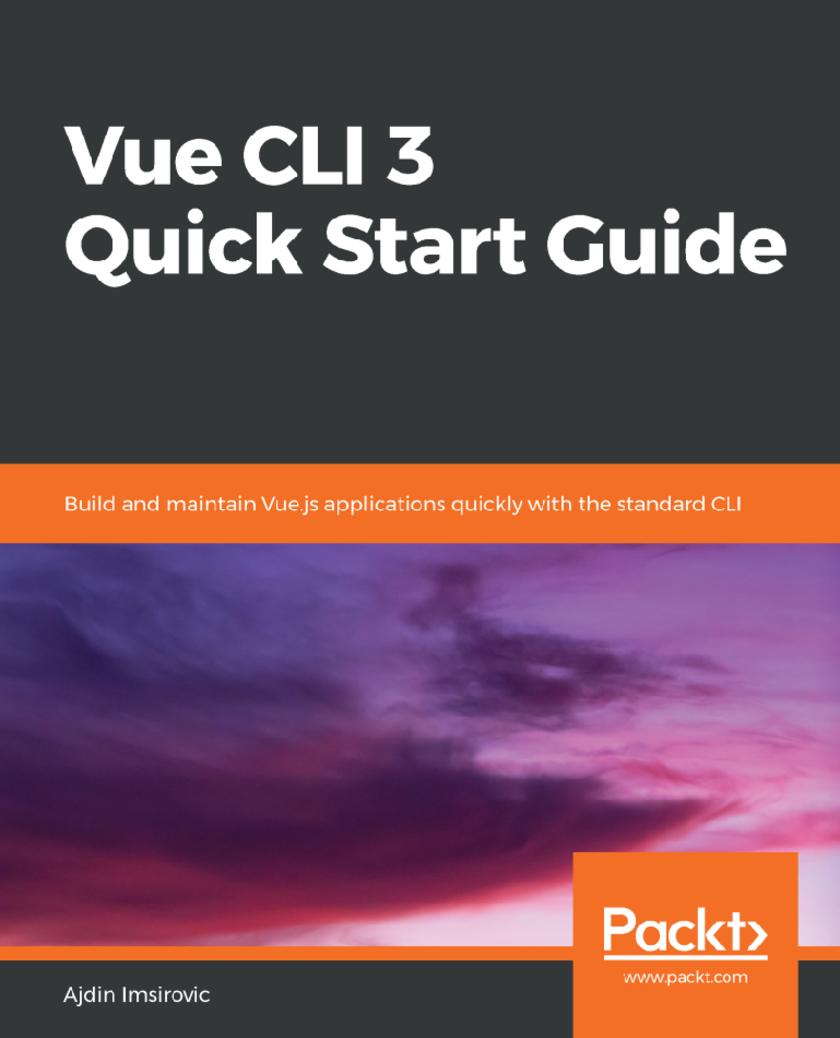
Vue CLI 3 Quick Start Guide
¥53.40
Build Vue apps the right way using Vue CLI 3. Understand how the building blocks of Vue CLI 3 work including npm, webpack, babel, eslint, plugins, GUI, testing, and SCSS. Import third-party libraries and maintain your project. Key Features * Learn to work with Vue CLI 3 both on the command line and with a GUI * Manage VueJS apps, settings, Vue plugins, and third-party libraries * Learn how to build Vue apps from scratch using webpack, babel, ES6, vue-router, Jest, Cypress, SCSS, and Git Book Description The sprawling landscape of various tools in JavaScript web development is becoming overwhelming. This book will show you how Vue CLI 3 can help you take back control of the tool chain. To that end, we'll begin by configuring webpack, utilizing HMR, and using single-file .vue components. We'll also use SCSS, ECMAScript, and TypeScript. We'll unit test with Jest and perform E2E testing with Cypress. This book will show you how to configure Vue CLI as your default way of building Vue projects. You'll discover the reasons behind using webpack, babel, eslint, and other modern JavaScript toolchain technologies. You'll learn about the inner workings of each through the lens of Vue CLI 3. We'll explore the extendibility of Vue CLI with the built-in settings, and various core and third-party plugins. Vue CLI helps you work with Vue components, routers, directives, and services in the Vue ecosystem. While learning these concepts, you'll examine the evolution of JavaScript. You'll learn about use of npm, IIFEs, modules in JavaScript, Common.js modules, task runners, npm scripts, module bundlers, and webpack. You'll get familiar with the reasons why Vue CLI 3 is set up the way it is. You'll also learn to perform linting with ESLint and Prettier. Towards the end, we'll introduce you to working with styles and SCSS. Finally, we'll show you how to deploy your very own Vue project on Github Pages. What you will learn * Work with nvm, install Node.js and npm, use Vue CLI 3 with no configuration, via the command line and the graphical user interface * Build a Vue project from scratch using npm and webpack, and learn about hot module replacement * Work with Babel settings, configurations, and presets * Work with Vue plugins, including testing plugins such as Jest and Cypress * Write, run, and watch unit and E2E tests using TDD assertions in the red-green-refactor cycle * Work with Vue router and use, nested, lazy-loading, and dynamic routes * Add SCSS to your projects and work with third-party Vue plugins * Deploy your Vue apps to Github Pages Who this book is for This book is for existing web developers and developers who are new to web development. You must be familiar with HTML, CSS, and JavaScript programming. Basic knowledge of the command line will be helpful but is not necessary.
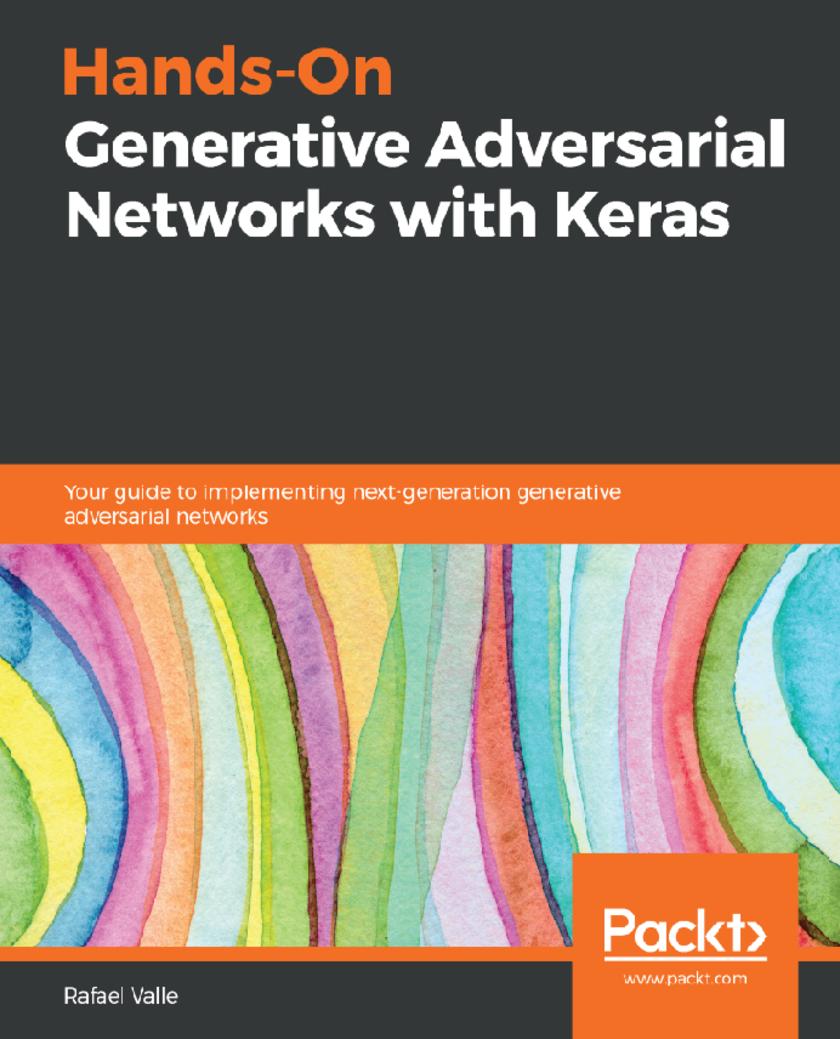
Hands-On Generative Adversarial Networks with Keras
¥70.84
Develop generative models for a variety of real-world use-cases and deploy them to production Key Features * Discover various GAN architectures using Python and Keras library * Understand how GAN models function with the help of theoretical and practical examples * Apply your learnings to become an active contributor to open source GAN applications Book Description Generative Adversarial Networks (GANs) have revolutionized the fields of machine learning and deep learning. This book will be your first step towards understanding GAN architectures and tackling the challenges involved in training them. This book opens with an introduction to deep learning and generative models, and their applications in artificial intelligence (AI). You will then learn how to build, evaluate, and improve your first GAN with the help of easy-to-follow examples. The next few chapters will guide you through training a GAN model to produce and improve high-resolution images. You will also learn how to implement conditional GANs that give you the ability to control characteristics of GAN outputs. You will build on your knowledge further by exploring a new training methodology for progressive growing of GANs. Moving on, you'll gain insights into state-of-the-art models in image synthesis, speech enhancement, and natural language generation using GANs. In addition to this, you'll be able to identify GAN samples with TequilaGAN. By the end of this book, you will be well-versed with the latest advancements in the GAN framework using various examples and datasets, and you will have the skills you need to implement GAN architectures for several tasks and domains, including computer vision, natural language processing (NLP), and audio processing. Foreword by Ting-Chun Wang, Senior Research Scientist, NVIDIA What you will learn * Learn how GANs work and the advantages and challenges of working with them * Control the output of GANs with the help of conditional GANs, using embedding and space manipulation * Apply GANs to computer vision, NLP, and audio processing * Understand how to implement progressive growing of GANs * Use GANs for image synthesis and speech enhancement * Explore the future of GANs in visual and sonic arts * Implement pix2pixHD to turn semantic label maps into photorealistic images Who this book is for This book is for machine learning practitioners, deep learning researchers, and AI enthusiasts who are looking for a perfect mix of theory and hands-on content in order to implement GANs using Keras. Working knowledge of Python is expected.
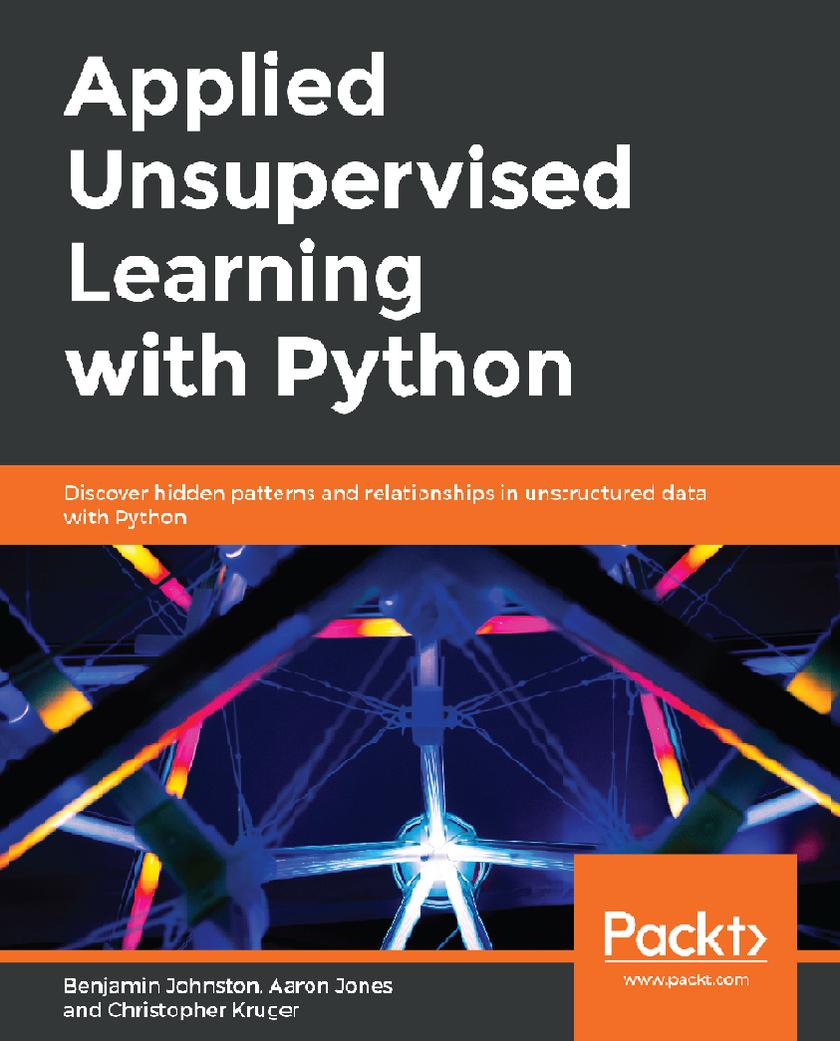
Applied Unsupervised Learning with Python
¥79.56
Design clever algorithms that can uncover interesting structures and hidden relationships in unstructured, unlabeled data Key Features * Learn how to select the most suitable Python library to solve your problem * Compare k-Nearest Neighbor (k-NN) and non-parametric methods and decide when to use them * Delve into the applications of neural networks using real-world datasets Book Description Unsupervised learning is a useful and practical solution in situations where labeled data is not available. Applied Unsupervised Learning with Python guides you on the best practices for using unsupervised learning techniques in tandem with Python libraries and extracting meaningful information from unstructured data. The course begins by explaining how basic clustering works to find similar data points in a set. Once you are well versed with the k-means algorithm and how it operates, you’ll learn what dimensionality reduction is and where to apply it. As you progress, you’ll learn various neural network techniques and how they can improve your model. While studying the applications of unsupervised learning, you will also understand how to mine topics that are trending on Twitter and Facebook and build a news recommendation engine for users. You will complete the course by challenging yourself through various interesting activities such as performing a Market Basket Analysis and identifying relationships between different merchandises. By the end of this course, you will have the skills you need to confidently build your own models using Python. What you will learn * Understand the basics and importance of clustering * Build k-means, hierarchical, and DBSCAN clustering algorithms from scratch with built-in packages * Explore dimensionality reduction and its applications * Use scikit-learn (sklearn) to implement and analyse principal component analysis (PCA)on the Iris dataset * Employ Keras to build autoencoder models for the CIFAR-10 dataset * Apply the Apriori algorithm with machine learning extensions (Mlxtend) to study transaction data Who this book is for This course is designed for developers, data scientists, and machine learning enthusiasts who are interested in unsupervised learning. Some familiarity with Python programming along with basic knowledge of mathematical concepts including exponents, square roots, means, and medians will be beneficial.
Microsoft Azure Administrator – Exam Guide AZ-103
¥70.84
Manage Microsoft Azure cloud services that span storage, security, networking, and compute cloud capabilities and ace the AZ-103 Exam Key Features * Master features and concepts pertaining to Azure's Administration services * Gain a deep understanding of various Azure services related to infrastructure, applications, and environments * Gauge yourself by giving mock tests with up-to-date exam questions Book Description Microsoft Azure Administrator – Exam Guide AZ-103 will cover all the exam objectives that will help you earn Microsoft Azure Administrator certification. Whether you want to clear AZ-103 exam or want hands-on experience in administering Azure, this study guide will help you achieve your objective. It covers the latest features and capabilities around configuring, managing, and securing Azure resources. Following Microsoft's AZ-103 exam syllabus, this guide is divided into five modules. The first module talks about how to manage Azure subscriptions and resources. You will be able to configure Azure subscription policies at Azure subscription level and learn how to use Azure policies for resource groups. Later, the book covers techniques related to implementing and managing storage in Azure. You will be able to create and configure backup policies and perform restore operations. The next module will guide you to create, configure, and deploy virtual machines for Windows and Linux. In the last two modules, you will learn about configuring and managing virtual networks and managing identities. The book concludes with effective mock tests along with answers so that you can confidently crack this exam. By the end of this book, you will acquire the skills needed to pass Exam AZ-103. What you will learn * Configure Azure subscription policies and manage resource groups * Monitor activity log by using Log Analytics * Modify and deploy Azure Resource Manager (ARM) templates * Protect your data with Azure Site Recovery * Learn how to manage identities in Azure * Monitor and troubleshoot virtual network connectivity * Manage Azure Active Directory Connect, password sync, and password writeback Who this book is for This book is for Azure administrators, systems administrators or anyone preparing for AZ 103 exam and wants to master Azure's various administration features. Readers should have proficiency in working with PowerShell, CLI and other day-to-day Azure administration tasks.
Flutter for Beginners
¥63.21
A step-by-step guide to learning Flutter and Dart 2 for creating Android and iOS mobile applications Key Features * Get up to speed with the basics of Dart programming and delve into Flutter development * Understand native SDK and third-party libraries for building Android and iOS applications using Flutter * Package and deploy your Flutter apps to achieve native-like performance Book Description Google Flutter is a cross-platform mobile platform that makes it easier to write secure and high-performance native apps for iOS and Android. This book begins by introducing you to the Flutter framework and basics of Dart. You’ll learn to set up the development environment to get started with your Flutter project. The book will guide you through designing the user interface and user input functions for your app. As you progress, you’ll explore the navigator widget to manage your app routes and understand how to add transitions between screens. You’ll then get to grips with developing your own plugin and discover how to structure good plugin code. The book will help you display a map from the Flutter app, add markers and interactions to it, and use the Google Places API. You’ll build on your knowledge by not only adding tests to create a bug-free app, but also preparing it for deployment on Apple's App Store and Google Play. In later chapters, you’ll learn to improve the user experience with advanced features such as map integrations, platform-specific code with native programming languages, and personalized animation options for designing intuitive UIs. By the end of this book, you’ll be well-versed with Dart programming and have the skills to develop your own mobile apps or build a career as a Dart and Flutter app developer. What you will learn * Understand the fundamentals of the Dart programming language * Explore the core concepts of the Flutter UI and how it compiles for multiple platforms * Develop Flutter plugins and widgets and understand how to structure good plugin code * Style your apps with widgets and learn the difference between stateful and stateless widgets * Add animation to your UI using Flutter's AnimatedBuilder component * Integrate your native code into your Flutter codebase for native app performance Who this book is for This book is for developers looking to learn Google's revolutionary framework, Flutter from scratch. No knowledge of Flutter or Dart is required. However, basic programming language knowledge will be helpful.
Expert Python Programming
¥70.84
Refine your Python programming skills and build professional grade applications with this comprehensive guide Key Features * Create manageable code that can run in various environments with different sets of dependencies * Implement effective Python data structures and algorithms to write optimized code * Discover the exciting new features of Python 3.7 Book Description Python is a dynamic programming language that's used in a wide range of domains thanks to its simple yet powerful nature. Although writing Python code is easy, making it readable, reusable, and easy to maintain is challenging. Complete with best practices, useful tools, and standards implemented by professional Python developers, the third edition of Expert Python Programming will help you overcome this challenge. The book will start by taking you through the new features in Python 3.7. You'll then learn the advanced components of Python syntax, in addition to understanding how to apply concepts of various programming paradigms, including object-oriented programming, functional programming, and event-driven programming. This book will also guide you through learning the best naming practices, writing your own distributable Python packages, and getting up to speed with automated ways of deploying your software on remote servers. You’ll discover how to create useful Python extensions with C, C++, Cython, and CFFI. Furthermore, studying about code management tools, writing clear documentation, and exploring test-driven development will help you write clean code. By the end of the book, you will have become an expert in writing efficient and maintainable Python code. What you will learn * Explore modern ways of setting up repeatable and consistent development environments * Package Python code effectively for community and production use * Learn modern syntax elements of Python programming such as f-strings, enums, and lambda functions * Demystify metaprogramming in Python with metaclasses * Write concurrent code in Python * Extend Python with code written in different languages * Integrate Python with code written in different languages Who this book is for This book will appeal to you if you’re a programmer looking to take your Python knowledge to the next level by writing efficient code and learning the latest features of version 3.7 and above.
The Art of CRM
¥70.84
This CRM masterclass gives you a proven approach to modern customer relationship management Key Features * Proven techniques to architect CRM systems that perform well, that are built on time and on budget, and that deliver value for many years * Combines technical knowledge and business experience to provide a powerful guide to CRM implementation * Covers modern CRM opportunities and challenges including machine learning, cloud hosting, and GDPR compliance Book Description CRM systems have delivered huge value to organizations. This book shares proven and cutting-edge techniques to increase the power of CRM even further. In The Art of CRM, Max Fatouretchi shares his decades of experience building successful CRM systems that make a real difference to business performance. Through clear processes, actionable advice, and informative case studies, The Art of CRM teaches you to design successful CRM systems for your clients. Fatouretchi, founder of Academy4CRM institute, draws on his experience over 20 years and 200 CRM implementations worldwide. Bringing CRM bang up to date, The Art of CRM shows how to add AI and machine learning, ensure compliance with GDPR, and choose between on-premise, cloud, and hybrid hosting solutions. If you’re looking for an expert guide to real-world CRM implementations, this book is for you. What you will learn * Deliver CRM systems that are on time, on budget, and bring lasting value to organizations * Build CRM that excels at operations, analytics, and collaboration * Gather requirements effectively: identify key pain points, objectives, and functional requirements * Develop customer insight through 360-degree client view and client profiling * Turn customer requirements into a CRM design spec * Architect your CRM platform * Bring machine learning and artificial intelligence into your CRM system * Ensure compliance with GDPR and other critical regulations * Choose between on-premise, cloud, and hybrid hosting solutions Who this book is for CRM practitioners who want to update their work with new, proven techniques and approaches
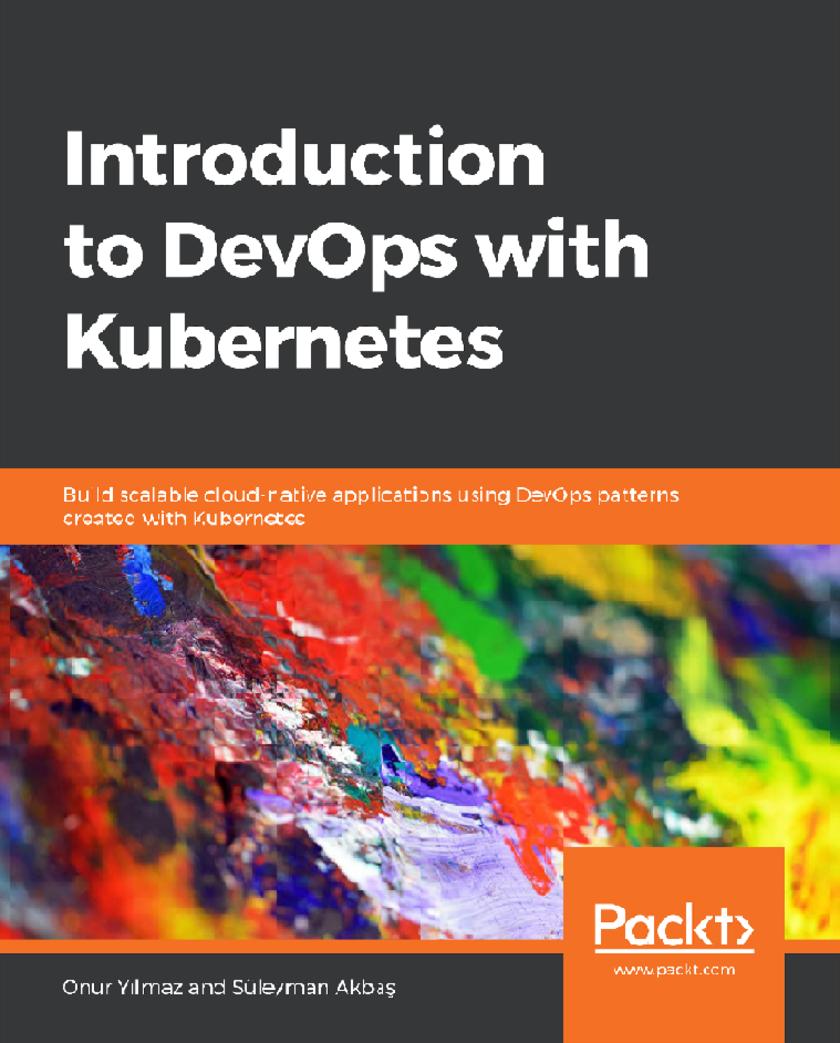
Introduction to DevOps with Kubernetes
¥70.84
Become familiar with Kubernetes and explore techniques to manage your containerized workloads and services Key Features * Learn everything from creating a cluster to monitoring applications in Kubernetes * Understand and develop DevOps primitives using Kubernetes * Use Kubernetes to solve challenging real-life DevOps problems Book Description Kubernetes and DevOps are the two pillars that can keep your business at the top by ensuring high performance of your IT infrastructure. Introduction to DevOps with Kubernetes will help you develop the skills you need to improve your DevOps with the power of Kubernetes. The book begins with an overview of Kubernetes primitives and DevOps concepts. You'll understand how Kubernetes can assist you with overcoming a wide range of real-world operation challenges. You will get to grips with creating and upgrading a cluster, and then learn how to deploy, update, and scale an application on Kubernetes. As you advance through the chapters, you’ll be able to monitor an application by setting up a pod failure alert on Prometheus. The book will also guide you in configuring Alertmanager to send alerts to the Slack channel and trace down a problem on the application using kubectl commands. By the end of this book, you’ll be able to manage the lifecycle of simple to complex applications on Kubernetes with confidence. What you will learn * Create and manage Kubernetes clusters in on-premise systems and cloud * Exercise various DevOps practices using Kubernetes * Explore configuration, secret, and storage management, and exercise these on Kubernetes * Perform different update techniques and apply them on Kubernetes * Use the built-in scaling feature in Kubernetes to scale your applications up and down * Use various troubleshooting techniques and have a monitoring system installed on Kubernetes Who this book is for If you are a developer who wants to learn how to apply DevOps patterns using Kubernetes, then this book is for you. Familiarity with Kubernetes will be useful, but not essential.
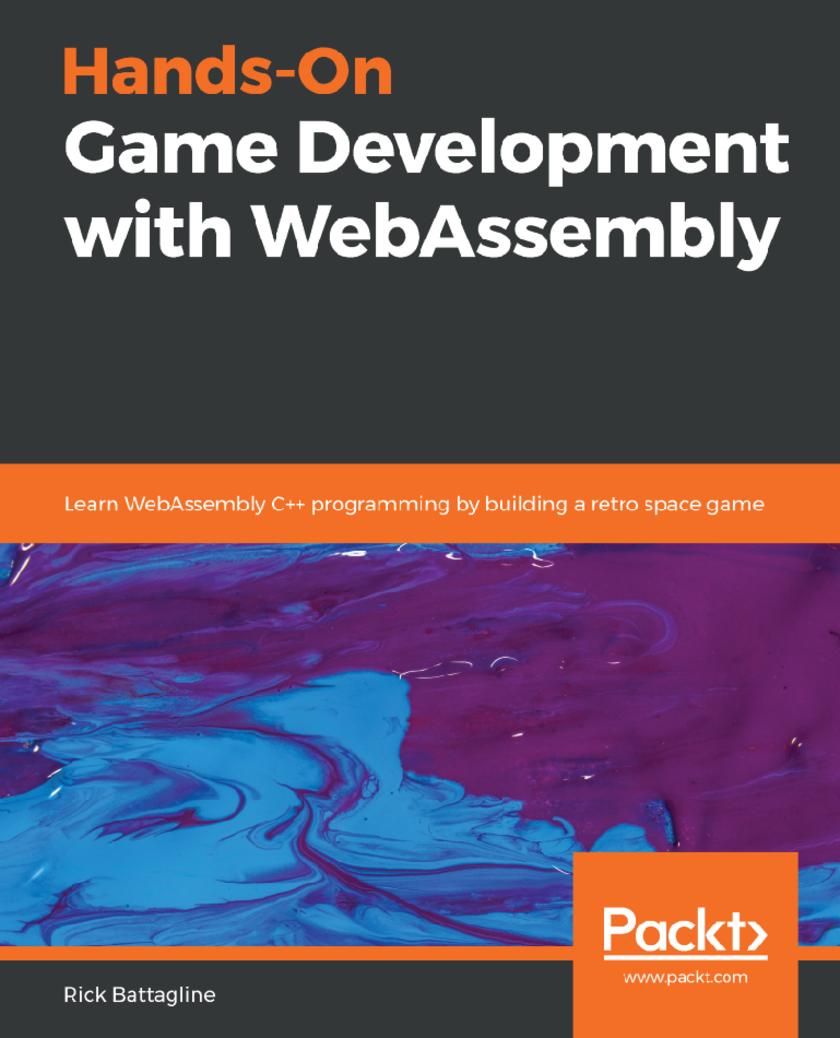
Hands-On Game Development with WebAssembly
¥70.84
Make your WebAssembly journey fun while making a game with it Key Features * Create a WebAssembly game that implements sprites, animations, physics, particle systems, and other game development fundamentals * Get to grips with advanced game mechanics in WebAssembly * Learn to use WebAssembly and WebGL to render to the HTML5 canvas element Book Description Within the next few years, WebAssembly will change the web as we know it. It promises a world where you can write an application for the web in any language, and compile it for native platforms as well as the web. This book is designed to introduce web developers and game developers to the world of WebAssembly by walking through the development of a retro arcade game. You will learn how to build a WebAssembly application using C++, Emscripten, JavaScript, WebGL, SDL, and HTML5. This book covers a lot of ground in both game development and web application development. When creating a game or application that targets WebAssembly, developers need to learn a plethora of skills and tools. This book is a sample platter of those tools and skills. It covers topics including Emscripten, C/C++, WebGL, OpenGL, JavaScript, HTML5, and CSS. The reader will also learn basic techniques for game development, including 2D sprite animation, particle systems, 2D camera design, sound effects, 2D game physics, user interface design, shaders, debugging, and optimization. By the end of the book, you will be able to create simple web games and web applications targeting WebAssembly. What you will learn * Build web applications with near-native performance using WebAssembly * Become familiar with how web applications can be used to create games using HTML5 Canvas, WebGL, and SDL * Become well versed with game development concepts such as sprites, animation, particle systems, AI, physics, camera design, sound effects, and shaders * Deploy C/C++ applications to the browser using WebAssembly and Emscripten * Understand how Emscripten HTML shell templates, JavaScript glue code, and a WebAssembly module interact * Debug and performance tune your WebAssembly application Who this book is for Web developers and game developers interested in creating applications for the web using WebAssembly. Game developers interested in deploying their games to the web Web developers interested in creating applications that are potentially orders of magnitude faster than their existing JavaScript web apps C/C++ developers interested in using their existing skills to deploy applications to the web
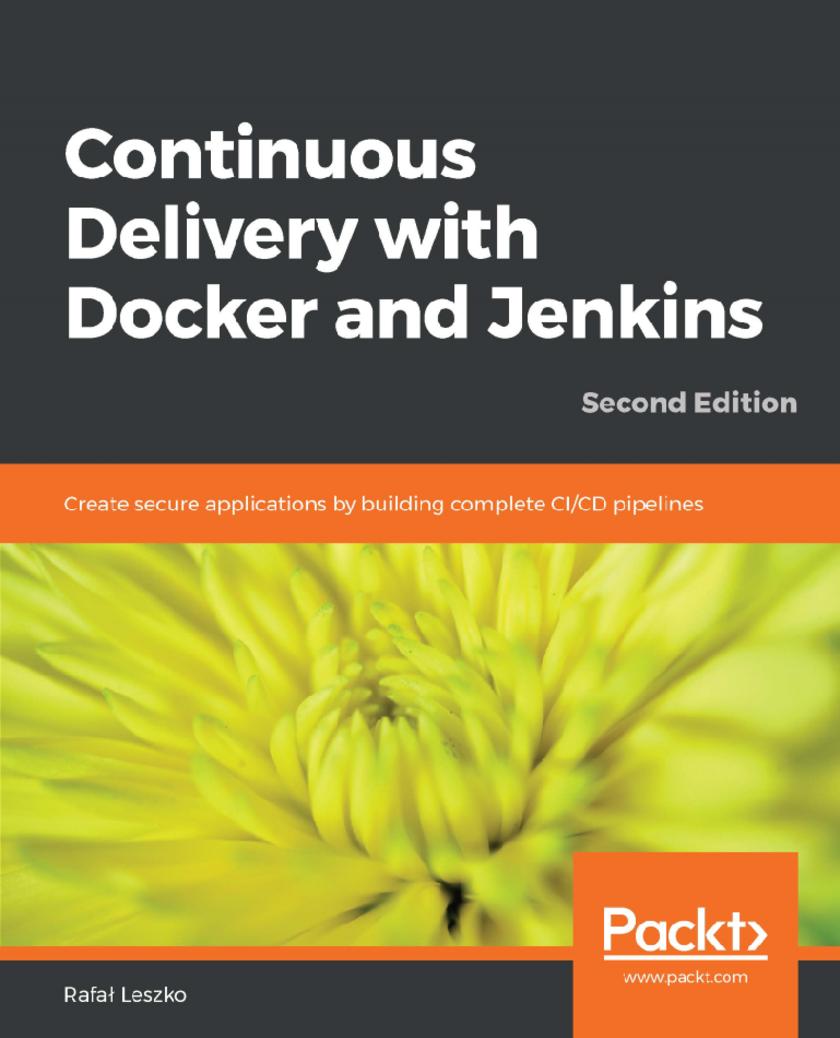
Continuous Delivery with Docker and Jenkins
¥79.56
Create a complete Continuous Delivery process using modern DevOps tools such as Docker, Kubernetes, Jenkins, Docker Hub, Ansible, GitHub and many more. Key Features * Build reliable and secure applications using Docker containers. * Create a highly available environment to scale a Docker servers using Kubernetes * Implement advance continuous delivery process by parallelizing the pipeline tasks Book Description Continuous Delivery with Docker and Jenkins, Second Edition will explain the advantages of combining Jenkins and Docker to improve the continuous integration and delivery process of an app development. It will start with setting up a Docker server and configuring Jenkins on it. It will then provide steps to build applications on Docker files and integrate them with Jenkins using continuous delivery processes such as continuous integration, automated acceptance testing, and configuration management. Moving on, you will learn how to ensure quick application deployment with Docker containers along with scaling Jenkins using Kubernetes. Next, you will get to know how to deploy applications using Docker images and testing them with Jenkins. Towards the end, the book will touch base with missing parts of the CD pipeline, which are the environments and infrastructure, application versioning, and nonfunctional testing. By the end of the book, you will be enhancing the DevOps workflow by integrating the functionalities of Docker and Jenkins. What you will learn * Get to grips with docker fundamentals and how to dockerize an application for the CD process * Learn how to use Jenkins on the Cloud environments * Scale a pool of Docker servers using Kubernetes * Create multi-container applications using Docker Compose * Write acceptance tests using Cucumber and run them in the Docker ecosystem using Jenkins * Publish a built Docker image to a Docker Registry and deploy cycles of Jenkins pipelines using community best practices Who this book is for The book targets DevOps engineers, system administrators, docker professionals or any stakeholders who would like to explore the power of working with Docker and Jenkins together. No prior knowledge of DevOps is required for this book.
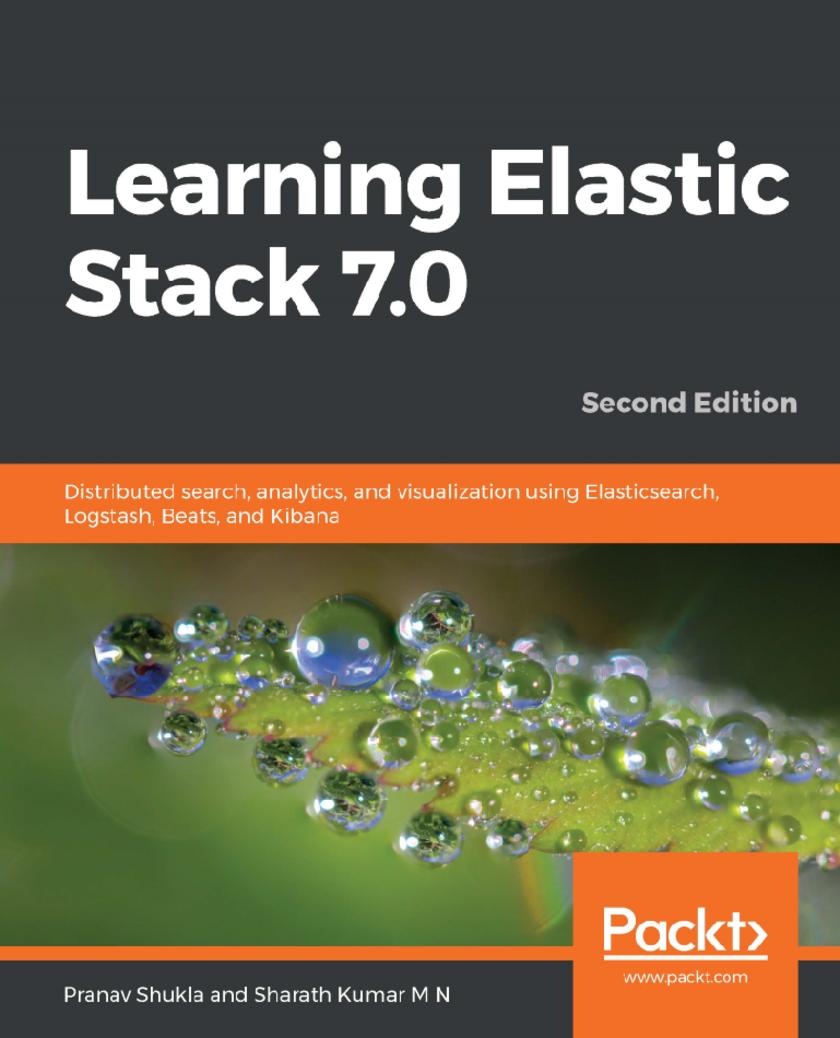
Learning Elastic Stack 7.0
¥62.12
A beginner's guide to storing, managing, and analyzing data with the updated features of Elastic 7.0 Key Features * Gain access to new features and updates introduced in Elastic Stack 7.0 * Grasp the fundamentals of Elastic Stack including Elasticsearch, Logstash, and Kibana * Explore useful tips for using Elastic Cloud and deploying Elastic Stack in production environments Book Description The Elastic Stack is a powerful combination of tools for techniques such as distributed search, analytics, logging, and visualization of data. Elastic Stack 7.0 encompasses new features and capabilities that will enable you to find unique insights into analytics using these techniques. This book will give you a fundamental understanding of what the stack is all about, and help you use it efficiently to build powerful real-time data processing applications. The first few sections of the book will help you understand how to set up the stack by installing tools, and exploring their basic configurations. You’ll then get up to speed with using Elasticsearch for distributed searching and analytics, Logstash for logging, and Kibana for data visualization. As you work through the book, you will discover the technique of creating custom plugins using Kibana and Beats. This is followed by coverage of the Elastic X-Pack, a useful extension for effective security and monitoring. You’ll also find helpful tips on how to use Elastic Cloud and deploy Elastic Stack in production environments. By the end of this book, you’ll be well versed with the fundamental Elastic Stack functionalities and the role of each component in the stack to solve different data processing problems. What you will learn * Install and configure an Elasticsearch architecture * Solve the full-text search problem with Elasticsearch * Discover powerful analytics capabilities through aggregations using Elasticsearch * Build a data pipeline to transfer data from a variety of sources into Elasticsearch for analysis * Create interactive dashboards for effective storytelling with your data using Kibana * Learn how to secure, monitor and use Elastic Stack’s alerting and reporting capabilities * Take applications to an on-premise or cloud-based production environment with Elastic Stack Who this book is for This book is for entry-level data professionals, software engineers, e-commerce developers, and full-stack developers who want to learn about Elastic Stack and how the real-time processing and search engine works for business analytics and enterprise search applications. Previous experience with Elastic Stack is not required, however knowledge of data warehousing and database concepts will be helpful.
Geospatial Data Science Quick Start Guide
¥53.40
Discover the power of location data to build effective, intelligent data models with Geospatial ecosystems Key Features * Manipulate location-based data and create intelligent geospatial data models * Build effective location recommendation systems used by popular companies such as Uber * A hands-on guide to help you consume spatial data and parallelize GIS operations effectively Book Description Data scientists, who have access to vast data streams, are a bit myopic when it comes to intrinsic and extrinsic location-based data and are missing out on the intelligence it can provide to their models. This book demonstrates effective techniques for using the power of data science and geospatial intelligence to build effective, intelligent data models that make use of location-based data to give useful predictions and analyses. This book begins with a quick overview of the fundamentals of location-based data and how techniques such as Exploratory Data Analysis can be applied to it. We then delve into spatial operations such as computing distances, areas, extents, centroids, buffer polygons, intersecting geometries, geocoding, and more, which adds additional context to location data. Moving ahead, you will learn how to quickly build and deploy a geo-fencing system using Python. Lastly, you will learn how to leverage geospatial analysis techniques in popular recommendation systems such as collaborative filtering and location-based recommendations, and more. By the end of the book, you will be a rockstar when it comes to performing geospatial analysis with ease. What you will learn * Learn how companies now use location data * Set up your Python environment and install Python geospatial packages * Visualize spatial data as graphs * Extract geometry from spatial data * Perform spatial regression from scratch * Build web applications which dynamically references geospatial data Who this book is for Data Scientists who would like to leverage location-based data and want to use location-based intelligence in their data models will find this book useful. This book is also for GIS developers who wish to incorporate data analysis in their projects. Knowledge of Python programming and some basic understanding of data analysis are all you need to get the most out of this book.
Hands-On System Programming with Go
¥70.84
Explore the fundamentals of systems programming starting from kernel API and filesystem to network programming and process communications Key Features * Learn how to write Unix and Linux system code in Golang v1.12 * Perform inter-process communication using pipes, message queues, shared memory, and semaphores * Explore modern Go features such as goroutines and channels that facilitate systems programming Book Description System software and applications were largely created using low-level languages such as C or C++. Go is a modern language that combines simplicity, concurrency, and performance, making it a good alternative for building system applications for Linux and macOS. This Go book introduces Unix and systems programming to help you understand the components the OS has to offer, ranging from the kernel API to the filesystem, and familiarize yourself with Go and its specifications. You'll also learn how to optimize input and output operations with files and streams of data, which are useful tools in building pseudo terminal applications. You'll gain insights into how processes communicate with each other, and learn about processes and daemon control using signals, pipes, and exit codes. This book will also enable you to understand how to use network communication using various protocols, including TCP and HTTP. As you advance, you'll focus on Go's best feature-concurrency helping you handle communication with channels and goroutines, other concurrency tools to synchronize shared resources, and the context package to write elegant applications. By the end of this book, you will have learned how to build concurrent system applications using Go What you will learn * Explore concepts of system programming using Go and concurrency * Gain insights into Golang's internals, memory models and allocation * Familiarize yourself with the filesystem and IO streams in general * Handle and control processes and daemons' lifetime via signals and pipes * Communicate with other applications effectively using a network * Use various encoding formats to serialize complex data structures * Become well-versed in concurrency with channels, goroutines, and sync * Use concurrency patterns to build robust and performant system applications Who this book is for If you are a developer who wants to learn system programming with Go, this book is for you. Although no knowledge of Unix and Linux system programming is necessary, intermediate knowledge of Go will help you understand the concepts covered in the book


