


 购物车
 个人中心

14
¥51.58
BOW-WOW AND MEW-MEW is one of the few books for beginners in reading that may be classed as literature. Written in words of mostly one syllable, it has a story to tell, which is related in so attractive a manner as to immediately win the favor of young children. It teaches English and English literature to the child in the natural way: through a love for the reading matter. It is the character of story that will, in the not distant future, replace the ordinary primer or reader with detached sentences, and which seldom possesses any relation to literature.The ultimate objects of any story can only be effected through the love for a story. The prominent point in this story is development of good character, which may well be regarded as the highest purpose of education. The transformation from bad to good traits in the dog and cat cannot but have a desirable effect on every child that reads the story. Bow-Wow and Mew-Mew become dissatisfied with their home and their surroundings, and ungrateful toward their benefactress. As the story tells, "They did not find good in any thing." But after running away and suffering hunger, neglect, and bad treatment, their characters begin to change. They naturally come to reflect their mistress's goodness. They learn the value of companionship and friendship, and the appreciation of a home. However, the ethical thoughts in the story are presented without a moral. The child really lives the scenes described. He has the emotions of the characters and feels their convictions. And this determines the worth of a story as an agent in character development.The narrative furnishes, further, the proper kind of exercise for the imagination. It affords abundant opportunity for the play of the dramatic instinct in the child, and effects a happy union of the "home world" and the "school world." The illustrations, drawn by Miss Hodge, have been planned and executed with considerable care.
Antigoné
¥8.67
FIRE MOUNTAIN IS "A THRILLING SEA STORY BY "NORMAN SPRINGER", AUTHOR OF "THE BLOOD SHIP" Years. Bright, aslant eyes, and a suave and ever-ready smile that broke immediately Martin met his gaze. "You will be so good as to inform the honorable that Dr. Ichi is here?" he asked in precise and stilted voice. Ever the same—the noiseless entry, the quietly spoken request for the lawyer. Martin repressed a flash of irritation; the little Japanese, with his uncanny soft-footedness and stereotyped address, got upon his nerves. However, his orders were explicit; Mr. Smatt would see Dr. Ichi without delay or preliminary, whenever Dr. Ichi favored the office with a visit. It was already the third visit that day, but orders were orders. So, Martin inclined his head toward the door of Smatt's private office. The Japanese crossed the room. He bowed to Martin, as stately a bow as if Martin were also an "honorable," instead of a poor devil of a law clerk; then, noiselessly as he had entered the outer office, Dr. Ichi disappeared within Smatt's sanctum. Martin turned to his window again. But his bright day dream was fled, and he could not conjure it back again. The view was without charm. His thoughts, despite himself, persisted in centering upon the dapper little figure now closeted with his employer. The dandified Jap aroused Martin's interest. What manner of client was this Dr. Ichi? Martin had not seen a single scrap of paper, nor had Smatt dropped a single hint, concerning the case. It was mysterious! Martin was not an overly curious chap, but he was human. It was another of Smatt's secret cases, thought Martin. Another token of those hidden activities of the old vulture, which he sensed, but did not know about. For, though Martin attended to the routine work, though his duties were responsible—Smatt specialized and was prominent in maritime law—still Martin knew he did not enjoy his employer's complete confidence. Much of Smatt's time was taken up with cases Martin knew nothing about, with clients who appeared to shun the daylight of the courts. The Nippon Trading Company, for instance! Martin knew Smatt was interested in a company of that name—a strange company, that apparently conducted business without using the mails. And there was business between Ichi and Smatt—money, or Smatt would have nothing to do with it. The mystery aroused Martin's dormant curiosity. But all his speculation was pointless. Martin bethought himself of the marine affidavit lying uncompleted upon his desk. He turned from the window with the intention of applying himself to that task—and he discovered the office to have a second visitor. Another unusual figure who possessed the penchant for surreptitious entry. He observed the fellow in the very act of closing the office door.

Bu Kalp Buna Dayan?r m??: Sonsuz Ya?am
¥18.56
Bu kitap ile ?nsanlar?n kafalar?ndaki ya?amsal konulardaki soru i?aretleri ile Genel ?lke ve Dünya sorunlar?na evrensel bir bak?? a??s?yla yakla??mda bulunarak na?izane ??züm ?nerilerinde bulunmaya ?al??t?m. Umar?m okuduklar?n?z ya?am?n?za katk? sa?lar. Unutulmamal?d?r ki hayat bizimle ya da bize ra?men akmaya devam edecektir. ?nsan, kendisini, toplumu ve dünyas?n? güzelle?tirecek ?ekilde ya?ayabilendir. ??? Ya?am?m i?inde ald???m e?itim ve olu?turdu?um tecrübelerimde bana yard?mc? olan tüm insanlara, hayat?mda bana katt?klar? de?er i?in tüm dostlar?ma ve bana g?sterdikleri sevgi, sayg? ve anlay?? i?in e?ime ve ?ocuklar?ma te?ekkür ederim. Bana kitab?m? bas?l? hale getirerek, ?bu ?ns?züme de katk? ?yapan Emek yay?nevi ve yetkilisi ?zkan Günal’a da ayr?ca te?ekkür ediyorum. Bu kitab? okuyan siz de?erli okuyuculara te?ekkür ediyorum. Bir kitab? de?erli ve güzel k?lan okuyucusudur. ? ?yi ki vars?n?z.. ????????????????????????????????????????????????????????????????????????????????????? ?lhan KORKMAZ ??Yazar hakk?nda? ???Yazar. ?stanbul 1962 do?umlu olup ?stanbul ?ehremini Anadolu Lisesi 1979 y?l? mezunu ?ve 1987 y?l?nda ??stanbul ?niversitesi ?stanbul T?p Fakültesini bitirdi. ?Mecburi hizmetini Van ili ?zalp il?esinde 1990 y?l?nda tamamlad?, ard?ndan askerli?ini Diyarbak?r Ergani’de Jandarma Komando Te?men olarak 1992 y?l?nda bitirdi. S?ras?yla Yalova, Fatih, G. O. Pa?a, Beyo?lu / ?stanbul il?elerinde g?rev yaparak, 2007 y?l?nda Bursa iline yerle?erek Y?ld?r?m ve Nilüfer il?elerinde g?rev ald?. ???En son, Nilüfer il?esi Ataevler Aile Sa?l??? Merkezi Aile Hekimli?inden emekli oldu ve halen i? yerlerinde k?smi zamanl? olarak ?? Yeri Hekimli?i yapmaktad?r. ?Dilek Korkmaz ile evli olup, Serhan ve Nazl?han isimli iki ?ocuk babas?.
Despre locuri ?i locuire
¥48.97
Jeffrey Kluger a crescut ?ntr-o familie al?turi de al?i trei fra?i b?ie?i. De asemenea, mai are doi fra?i vitregi gemeni, dintr-o a doua c?snicie a tat?lui s?u – o fat? ?i un b?iat.Plec?nd de la experien?a personal?, autorul exploreaz?, cu ?n?elegere ?i umor, lumea complex? a fra?ilor din mai multe puncte de vedere: ?tiin?ific, psihologic, sociologic ?i memorialistic. El este de p?rere c? nimeni nu ne afecteaz? la fel de profund ca fra?ii ?i surorile noastre – nici p?rin?ii, nici copiii, nici prietenii no?tri. Din momentul ?n care ne na?tem, fra?ii sunt colaboratorii no?tri ?i cei cu care conspir?m, modelele noastre ?i cei de la care avem cele mai multe lucruri de ?nv??at. Ei ne ?nva?? cum s? ne rezolv?m conflictele, cum s? ne facem prieteni ?i cum s? st?m departe de necazuri. Fra?ii no?tri sunt singurele persoane pe care le cunoa?tem care se calific? ?ntr-adev?r ca parteneri de via??.Printre subiectele pe care autorul le examineaz? ?n aceast? carte se num?r?: conflictele ?ntre fra?i ?i rezolvarea lor; ordinea na?terii ?i influen?a acesteia asupra evolu?iei ulterioare a fra?ilor; consecin?ele pe care faptul de a fi favoritul unuia dintre p?rin?i le are asupra celorlal?i fra?i; urm?rile pe care divor?ul p?rin?ilor le are asupra copiilor, care fie trebuie s? locuiasc? cu un singur p?rinte, fie sunt nevoi?i s? tr?iasc? ?n cadrul unei familii noi, l?rgite; conceptul de alloparenting (ajutorul dat de fra?ii mai mari la cre?terea fra?ilor mai mici); drogurile, consumul de alcool ?i sarcina la adolescen??; studiile care au ca subiect gemenii ?i copiii unici (d?nd ca exemplu politica na?ional? a copilului unic din China); codificarea genetic? a tr?s?turilor comportamentale; tulbur?rile emo?ionale ?i efectele lor asupra rela?iilor fraterne; evolu?ia ?n timp a leg?turilor fraterne ?i multe altele.

Egy ?rállomás-takarító naplója
¥16.27
Az Uralom Koronája egy ?si, egyedülálló varázser?vel rendelkez? elveszett ereklye. A civilizációtól távol, az elhagyatott Felejtés-sivataggal k?rülvett, misztikus Piramisf?ld?n nyugszik titkos rejtekhelyén. A legendák szerint megszerz?je Erabon világának urává válhat. A tolvajfiú Antor, tanítványa Morghan, a varázslón? Kyranda, a szerencsevadász Monteris és az íjászn? Elvana kapják azt az életveszélyes kényszerfeladatot, hogy megszerezzék ezt a fenséges varázstárgyat a rettegett Birodalom császárának. A k?z?s cél a viszontagságokkal teli utazás során elszánt és lelkes csapattá kovácsolja ?ket ?ssze. Egy ármányos és velejéig romlott rosszakaró, valamint a fondorlatos alvilág jelenléte miatt azonban a folytonos kihívások mellett ellenségekb?l sincs hiány. A konfliktusok során szerepet kap a hagyományos küzdelem, a kül?nféle harcm?vészetek, a mágia szinte minden iskolája és formája, továbbá a pusztán beavatottak által használt titokzatos kozmikus er?. A megpróbáltatások folyamán el?térbe kerülnek birodalmak, népek, kultúrák, vallások, világi és titkos rendek, szokások és kivételes világcsodák; mindek?zben változatos helyszíneken igaz barátságok és szenvedélyes szerelmek születnek. Az igazi meglepetéseket mégis az ismert világ peremvidékén túli, lakatlannak vélt vidék tartogatja. Vajon képes lesz-e a csapat megküzdeni minden nehézséggel? A k?nyvben ?tv?z?dik a páratlan részletességgel kidolgozott háttérvilág a rendkívül precíz ?sszefonódású, egymásra utaló eseményekkel, és mindezt életh?en színes leírások, filmszer? jelenetek, valamint hangulatos párbeszédek tarkítják. Nem mindennapi terjedelmét, színvonalas tartalmát és kimagasló mélységét tekintve e m? egyike a valaha megírt legnagyobb eredeti alkotásoknak. www.aholdsarlofenye.hu
Mitul felinelor
¥57.14
Nu n latura caracterologic st ns meritul romanului lui Cezar Petrescu. n datele lor interne, personajele au ceva predictibil. Ascensiunile le sunt sincrone. Cderea unuia duce la prbuirea celorlali. i, de obicei, ntocmai ca n jocul de domino, toi au n preajm pe cte cineva. Momentele de singurtate sunt rare n Calea Victoriei. Admirabil, n schimb, e invenia epic, dei nu din ea, ci din lirismul difuz i s-a tras romancierului succesul. Fiecare capitol ncepe printr-un soi de avertisment metaforic, fr nicio legtur explicit cu coninutul ulterior. Unele dintre aceste puneri n tem (mai degrab dect n abis) au ntr-adevr structur de anecdote, dar att de generale, nct propriu-zis nu putem vorbi despre narativitate autentic. Cel mult, despre infuzie de stri de spirit. Procedeul ine de alegorie, i substratul vag moralizator se ghicete permanent ndrtul lui. nsi Calea Victoriei reprezint, au artat-o mai toi comentatorii, un alt nume pentru melanjul de opulen, viciu, civilitate, elegan, conspiraie i tragedie care freamt n marele ora. De altminteri, prea puine lucruri se petrec spaial pe fostul Pod al Mogooaiei.“ – Cosmin Ciotlo

Aviatoarea
¥36.79
Discursul poetic preios i limpede, lipsit de dramatism nvluie tragismul existenial, sugernd, peste fragmentarismul unei existene, viziunea izbvitoare, ascensional, pur, emanat de raza logosului integrator. Poezia fr evenimente pe care o scrie Liviu Antonesei aspir spre perfeciune formal...“ – Cezar IvnescuDac n-ar fi existat teroarea cenzurii, dac n-ar fi existat ceaushima, dac n-ar fi existat teama redactorilor de carte, dac n-ar fi existat delatorii, aa ar fi artat cartea aprut n 1989 la Cartea Romneasc, sub titlul Pharmakon. Dar, dac toate acestea n-ar fi existat, ar mai fi fost ea oare scris Imposibil de rspuns. Nu-mi rmne, deci, dect s m bucur c toate cele care au existat – i nc multe altele – nu mai exist i, pn la urm, cartea (bun sau rea, asta vor decide cititorii i criticii) apare aa cum am gndit-o, aa cum s-a scris de-a lungul a zece sau cincisprezece ani. Nici eu nu tiu de cnd dateaz cel mai vechi poem din volum. mi amintesc numai c o prim versiune a acestui manuscris a fost depus prima dat la o editur n 1979-1980. De-atunci, manuscrisul a tot fost modificat pn a ajuns la aceast form definitivat n primvara anului 1988, depus la editur i aprut n anul urmtor mai mult dect njumtit. Aa a fi vrut s apar atunci. Aa o voi lsa, deci, s fie tiprit acum, indiferent de imperfeciunile ce le voi fi observat ntre timp. Este limpede c, din acest moment, volumul de debut n poezie Pharmakon nu mai exist.“ – Liviu Antonesei
Dactilografa de noapte
¥8.09
Pentru c? unii se nasc prea buni ?i prea multi-talenta?i, avem ?ansa unor c?r?i cum este Pisica rupt?.Mircea Daneliuc pune la b?taie o poveste spumoas? despre via?a (p?n? acum) secret? a cinea?tilor din vremurile rom?ne?ti c?nd pelicula de film se d?dea la ra?ie, exact la fel ca p?inea ?i salamul de soia. Personaje de ?legend?“ ca Albani, Dinu Seralu ?i Vasilica Cur-de-Fier, ?ntr-o doz? incredibil? de umor, creativitate ?i sarcasm.
Japanese Fairy Tales: Illustrated
¥18.74
THE ARABIAN NIGHTS “THE ORIENT MAGIC” The Talking Bird, The Singing Tree, and the Golden WaterThe Story of the Fisherman and the GenieThe History of the Young King of the Black IslesThe Story of Gulnare of the SeaThe Story of Aladdin; Or, the Wonderful LampThe Story of Prince AgibThe Story of the City of BrassThe Story of Ali Baba and the Forty ThievesThe History of Codadad and His BrothersThe Story of Sinbad the Voyager The Talking Bird:It will be sufficient to break off a branch and carry it to plant in your gardenThe Fisherman and the GenieThe smoke ascended to the clouds, and extending itself along the sea and upon the shore formed a great mist The Young King of the Black IslesWhen he came to this part of his narrative the young king could not restrain his tearsGulnare of the SeaAnd she proceeded to burn perfume and repeat spells until the sea foamed and was agitatedAladdinAt the same time the earth, trembling, opened just before the magician, and uncovered a stone, laid horizontally, with a brass ring fixed into the middlePrince AgibAnd when the boat came to me I found in it a man of brass, with a tablet of lead upon his breast, engraven with names and talismans Prince AgibAt the approach of evening I opened the first closet and, entering it, found a mansion like paradiseThe City of BrassAnd when they had ascended that mountain they saw a city than which eyes had not beheld any greaterThe Story of Ali Baba and the Forty ThievesCassim ... was so alarmed at the danger he was in that the more he endeavoured to remember the word Sesame the more his memory was confoundedThe History of Codadad and His BrothersAs it drew near we saw ten or twelve armed pirates appear on the deckSecond Voyage of SinbadThe spot where she left me was encompassed on all sides by mountains that seemed to reach above the clouds, and so steep that there was no possibility of getting out of the valleyThird Voyage of SinbadHaving finished his repast, he returned to his porch, where he lay and fell asleep, snoring louder than thunder.. Little excuse is needed, perhaps, for any fresh selection from the famous "Tales of a Thousand and One Nights," provided it be representative enough, and worthy enough, to enlist a new army of youthful readers. Of the two hundred and sixty-four bewildering, unparalleled stories, the true lover can hardly spare one, yet there must always be favourites, even among these. We have chosen some of the most delightful, in our opinion; some, too, that chanced to appeal particularly to the genius of the artist. If, enticed by our choice and the beauty of the pictures, we manage to attract a few thousand more true lovers to the fountain-book, we shall have served our humble turn. The only real danger lies in neglecting it, in rearing a child who does not know it and has never fallen under its spell. You remember Maimoune, in the story of Prince Camaralzaman, and what she said to Danhasch, the genie who had just arrived from the farthest limits of China? "Be sure thou tellest me nothing but what is true or I shall clip thy wings!" This is what the modern child sometimes says to the genies of literature, and his own wings are too often clipped in consequence."The Empire of the Fairies is no more. Reason has banished them from ev'ry shore;Steam has outstripped their dragons and their cars,Gas has eclipsed their glow-worms and their stars."?douard Laboulaye says in his introduction to Nouveaux Contes Bleus: "Mothers who love your children, do not set them too soon to the study of history; let them dream while they are young.

Little Women
¥18.74
In offering this study to a public accustomed only to the unquestioning acceptance of the home as something perfect, holy, quite above discussion, a word of explanation is needed. First, let it be clearly and definitely stated, the purpose of this book is to maintain and improve the home. Criticism there is, deep and thorough; but not with the intention of robbing us of one essential element of home life—rather of saving us from conditions not only unessential, but gravely detrimental to home life. Every human being should have a home; the single person his or her home; and the family their home. The home should offer to the individual rest, peace, quiet, comfort, health, and that degree of personal expression requisite; and these conditions should be maintained by the best methods of the time. The home should be to the child a place of happiness and true development; to the adult a place of happiness and that beautiful reinforcement of the spirit needed by the world's workers. We are here to perform our best service to society, and to find our best individual growth and expression; a right home is essential to both these uses. The place of childhood's glowing memories, of youth's ideals, of the calm satisfaction of mature life, of peaceful shelter for the aged; this is not attacked, this we shall not lose, but gain more universally. What is here asserted is that our real home life is clogged and injured by a number of conditions which are not necessary, which are directly inimical to the home; and that we shall do well to lay these aside. As to the element of sanctity—that which is really sacred can bear examination, no darkened room is needed for real miracles; mystery and shadow belong to jugglers, not to the truth. The home is a human institution. All human institutions are open to improvement. This specially dear and ancient one, however, we have successfully kept shut, and so it has not improved as have some others.
Lords of the Stratosphere
¥9.24
It is a cumulative tale that does not tell the story of Jack's house, or even of Jack who built the house, but instead shows how the house is indirectly linked to other things and people, and through this method tells the story of "The man all tattered and torn", and the "Maiden all forlorn", as well as other smaller events, showing how these are interlinked. Origins: It has been argued that the rhyme is derived from an Aramaic hymn Chad Gadya (lit., "One Young Goat") in Sepher Haggadah, first printed in 1590; but although this is an early cumulative tale that may have inspired the form, the lyrics bear little relationship. It was suggested by James Orchard Halliwell that the reference to the "priest all shaven and shorn" indicates that the English version is probably very old, presumably as far back as the mid-sixteenth century. There is a possible reference to the song in The Boston New Letter of 12 April 1739 and the line: "This is the man all forlorn, &c". However, it did not appear in print until it was included in Nurse Truelove's New-Year's-Gift, or the Book of Books for Children, printed in London in 1755. It was printed in numerous collections in the late eighteenth and early nineteenth centuries. Randolph Caldecott produced an illustrated version in 1878. Cherrington Manor, a handsome timber-framed house in North East Shropshire, England, is reputed to be the actual house that Jack built. There is a former malt house in the grounds. Syntactic structure: Each sentence in the story is an example of an increasingly deeply nested relative clause. The last version, "This is the horse...", would be quite difficult to untangle if the previous ones were not present. See the Noun Phrase for more details about postmodification of the noun phrase in this manner. References in popular culture: The rhyme continues to be a popular choice for illustrated children's books, with recent examples by Simms Taback and Quentin Blake showing how illustrators can introduce a fresh angle and humour into a familiar tale. The popularity of the rhyme can be seen in its use in a variety of other cultural contexts..
Myths & Dreams
¥18.74
In writing upon any matter of experience, such as art, the possibilities of misunderstanding are enormous, and one shudders to think of the things that may be put down to one's credit, owing to such misunderstandings. It is like writing about the taste of sugar, you are only likely to be understood by those who have already experienced the flavour; by those who have not, the wildest interpretation will be put upon your words. The written word is necessarily confined to the things of the understanding because only the understanding has written language; whereas art deals with ideas of a different mental texture, which words can only vaguely suggest. However, there are a large number of people who, although they cannot viibe said to have experienced in a full sense any works of art, have undoubtedly the impelling desire which a little direction may lead on to a fuller appreciation. And it is to such that books on art are useful. So that although this book is primarily addressed to working students, it is hoped that it may be of interest to that increasing number of people who, tired with the rush and struggle of modern existence, seek refreshment in artistic things. To many such in this country modern art is still a closed book; its point of view is so different from that of the art they have been brought up with, that they refuse to have anything to do with it. Whereas, if they only took the trouble to find out something of the point of view of the modern artist, they would discover new beauties they little suspected. If anybody looks at a picture by Claude Monet from the point of view of a Raphael, he will see nothing but a meaningless jargon of wild paint-strokes. And if anybody looks at a Raphael from the point of view of a Claude Monet, he will, no doubt, only see hard, tinny figures in a setting devoid of any of the lovely atmosphere that always envelops form seen in nature. So wide apart are some of the points of view in painting. In the treatment of form these differences in point of view make for enormous variety in the work. Works showing much ingenuity and ability, but no artistic brains; pictures that are little more than school studies, exercises in the representation of carefully or carelessly arranged objects, but cold to any artistic intention. At this time particularly some principles, and a clear intellectual understanding of what it is you are trying to do, are needed. We have no set traditions to guide us. The times when the student accepted the style and traditions of his master and blindly followed them until he found himself, are gone. Such conditions belonged to an age when intercommunication was difficult, and when the artistic horizon was restricted to a single town or province. Science has altered all that, and we may regret the loss of local colour and singleness of aim this growth of art in separate compartments produced; but it is unlikely that such conditions will occur again. Quick means of transit and cheap methods of reproduction have brought the art of the whole world to our doors. Where formerly the artistic food at the disposal of the student was restricted to the few pictures in his vicinity and some prints of others, now there is scarcely a picture of note in the world that is not known to the average student, either from personal inspection at our museums and loan exhibitions, or from excellent photographic reproductions. Not only European art, but the art of the East, China and Japan, is part of the formative influence by which he is surrounded; not to mention the modern science of light and colour that has had such an influence on technique. It is no wonder that a period of artistic indigestion is upon us. Hence the student has need ixof sound principles and a clear understanding of the science of his art, if he would select from this mass of material those things which answer to his own inner need for artistic expression.
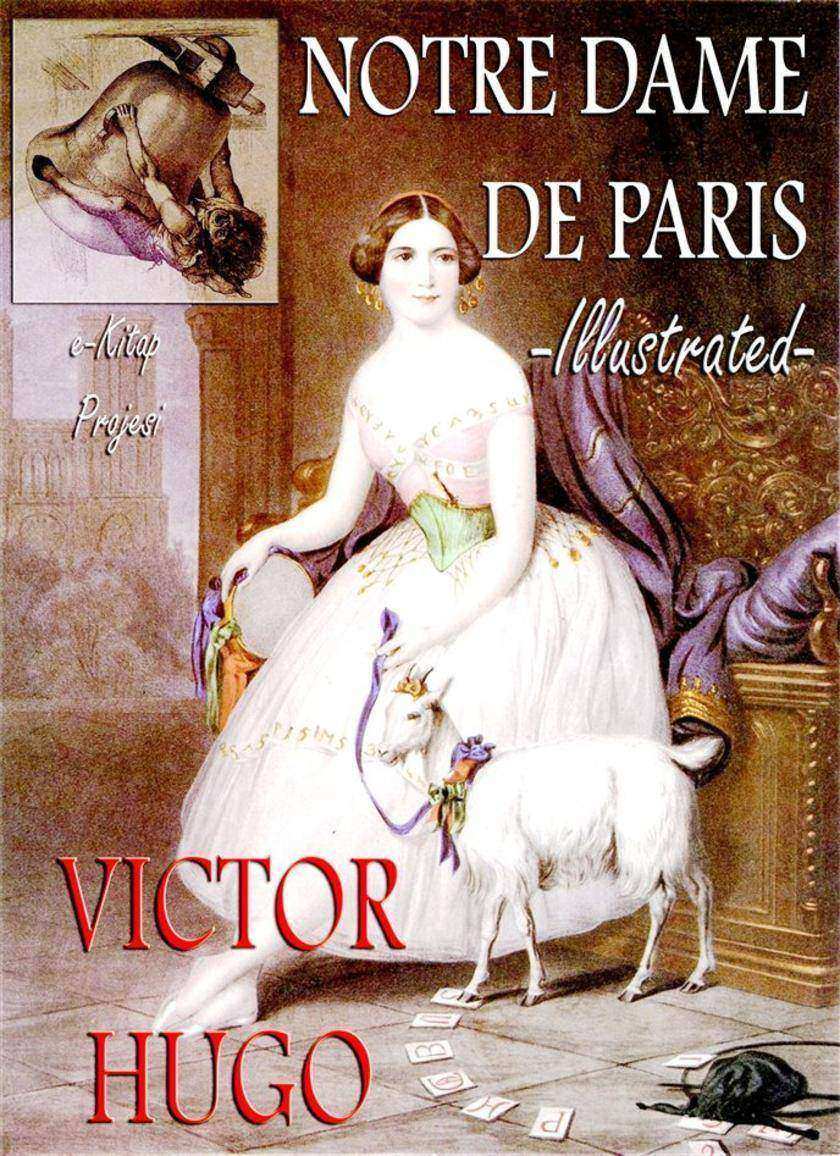
Notre-Dame de Paris
¥28.04
An afternoon of a cold winter’s day, when the sun shone forth with chilly brightness, after a long storm, two children asked leave of their mother to run out and play in the new-fallen snow. The elder child was a little girl, whom, because she was of a tender and modest disposition, and was thought to be very beautiful, her parents, and other people who were familiar with her, used to call Violet. But her brother was known by the style and title of Peony, on account of the ruddiness of his broad and round little phiz, which made everybody think of sunshine and great scarlet flowers. The father of these two children, a certain Mr. Lindsey, it is important to say, was an excellent, but exceedingly matter-of-fact sort of man, a dealer in hardware, and was sturdily accustomed to take what is called the common-sense view of all matters that came under his consideration. With a heart about as tender as other people’s, he had a head as hard and impenetrable, and therefore, perhaps, as empty, as one of the iron pots which it was a part of his business to sell. The mother’s character, on the other hand, had a strain of poetry in it, a trait of unworldly beauty—a delicate and dewy flower, as it were, that had survived out of her imaginative youth, and still kept itself alive amid the dusty realities of matrimony and motherhood. So, Violet and Peony, as I began with saying, besought their mother to let them run out and play in the new snow; for, though it had looked so dreary and dismal, drifting downward out of the gray sky, it had a very cheerful aspect, now that the sun was shining on it. The children dwelt in a city, and had no wider play-place than a little garden before the house, divided by a white fence from the street, and with a pear-tree and two or three plum-trees overshadowing it, and some rose-bushes just in front of the parlor windows. The trees and shrubs, however, were now leafless, and their twigs were enveloped in the light snow, which thus made a kind of wintry foliage, with here and there a pendent icicle for the fruit. “Yes, Violet,—yes, my little Peony,” said their kind mother; “you may go out and play in the new snow.”
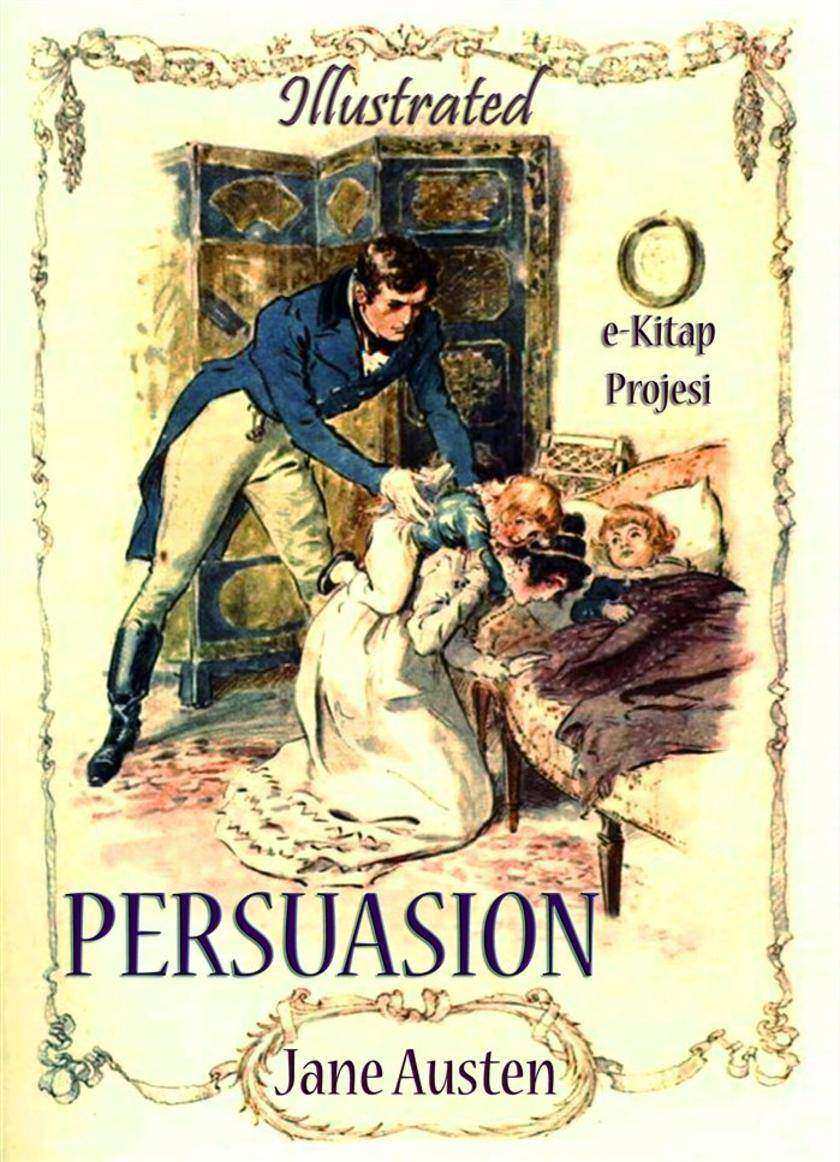
Persuasion
¥18.74
Holmes decodes a warning from Porlock, an informant against arch-criminal Moriarty, for "Douglas" resident five years at "Birlstone". Scotland Yard's MacDonald asks them to investigate a corpse with the same look and circle-in-triangle brand on the forearm as Birlstone owner Douglas. The head was blown off by an American-style sawed-off shotgun. Apparently, an intruder dropped a card with VV341, and left across a shallow moat. Watson observes the bereaved English wife and best male friend in unusually good spirits. When Holmes pretends the moat will be drained, the conspirators retrieve a missing dumb-bell weighting down the visitor's clothes beneath the water. Douglas comes from hiding, to explain he killed the assassin Baldwin in self-defence; the plan was to save him from more attacks by criminal survivors of Vermissa Valley. He hands Dr. Watson the following account. Young McMurdo gains reputation as tough counterfeiter, Freemen Lodge member fleeing murder charges in Chicago. In the Vermissa coal mine area, McGinty rules Scowrers branded by a circle in square, the local Lodge 341 who extort, murder, and exchange vicious deeds with nearby Lodges. Pretty Ettie prefers McMurdo to nasty Baldwin, and wants to flee, but will wait some months. When word comes that Pinkerton sent Edwards, McMurdo gathers ringleaders in one room, and springs his trap on them, surrounded by the law. Although the worst were hanged, after ten years, villains were freed, and chased McMurdo-Edwards-Douglas, despite changes of name, location, and wife. He married Ettie, then she died in California, where he made a fortune. The Valley of Fear, notable for Professor Moriarty's involvement, is set before "The Final Problem", the short story in which Moriarty was introduced. This introduces a logical difficulty, as in "The Final Problem" Dr. Watson has never heard of Moriarty, whereas by the end of The Valley Of Fear he is, or should be, familiar with his name and character. The "Moriarty" element in the story is tied into the fate of the informer in the story. It ties the Molly Maguire background to another event of that period: the murder of James Carey, an informer who was shot on board a ship off the coast of Natal, South Africa in 1883 by Patrick O'Donnell, an Irish republican who had relatives in the Mollies and briefly visited the Pennsylvania coal mining district, supposedly looking for the suspected informer among them.
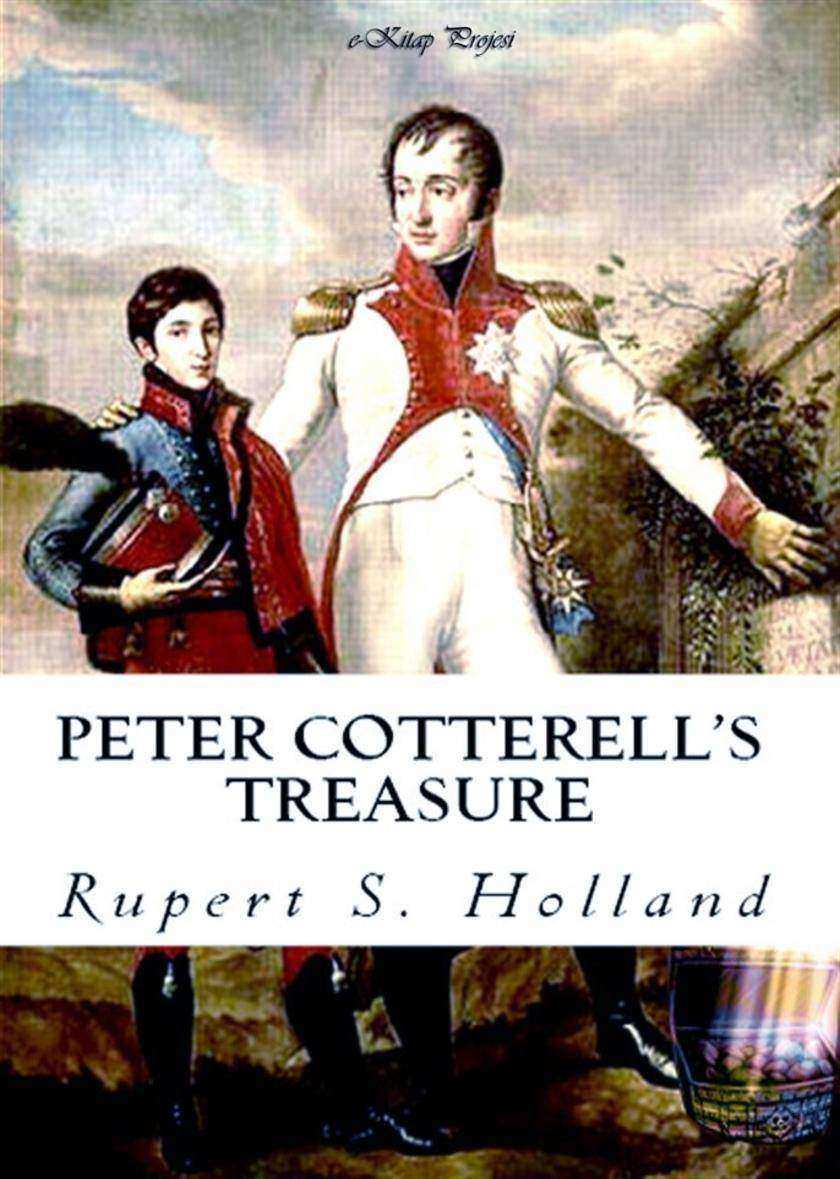
Peter Cotterell's Treasure
¥13.98
The Mole had been working very hard all the morning, spring-cleaning his little home. First with brooms, then with dusters; then on ladders and steps and chairs, with a brush and a pail of whitewash; till he had dust in his throat and eyes, and splashes of whitewash all over his black fur, and an aching back and weary arms. Spring was moving in the air above and in the earth below and around him, penetrating even his dark and lowly little house with its spirit of divine discontent and longing. It was small wonder, then, that he suddenly flung down his brush on the floor, said 'Bother!' and 'O blow!' and also 'Hang spring-cleaning!' and bolted out of the house without even waiting to put on his coat. Something up above was calling him imperiously, and he made for the steep little tunnel which answered in his case to the gavelled carriage-drive owned by animals whose residences are nearer to the sun and air. So he scraped and scratched and scrabbled and scrooged and then he scrooged again and scrabbled and scratched and scraped, working busily with his little paws and muttering to himself, 'Up we go! Up we go!' till at last, pop! his snout came out into the sunlight, and he found himself rolling in the warm grass of a great meadow. 'This is fine!' he said to himself. 'This is better than whitewashing!' The sunshine struck hot on his fur, soft breezes caressed his heated brow, and after the seclusion of the cellarage he had lived in so long the carol of happy birds fell on his dulled hearing almost like a shout. Jumping off all his four legs at once, in the joy of living and the delight of spring without its cleaning, he pursued his way across the meadow till he reached the hedge on the further side. 'Hold up!' said an elderly rabbit at the gap. 'Sixpence for the privilege of passing by the private road!' He was bowled over in an instant by the impatient and contemptuous Mole, who trotted along the side of the hedge chaffing the other rabbits as they peeped hurriedly from their holes to see what the row was about. 'Onion-sauce! Onion-sauce!' he remarked jeeringly, and was gone before they could think of a thoroughly satisfactory reply. Then they all started grumbling at each other. 'How STUPID you are! Why didn't you tell him——' 'Well, why didn't YOU say——' 'You might have reminded him——' and so on, in the usual way; but, of course, it was then much too late, as is always the case. It all seemed too good to be true. Hither and thither through the meadows he rambled busily, along the hedgerows, across the copses, finding everywhere birds building, flowers budding, leaves thrusting—everything happy, and progressive, and occupied. And instead of having an uneasy conscience pricking him and whispering 'whitewash!' he somehow could only feel how jolly it was to be the only idle dog among all these busy citizens. After all, the best part of a holiday is perhaps not so much to be resting yourself, as to see all the other fellows busy working.

Укра?нська легко! (Ukra?ns'ka legko!)
¥26.65
Н?л Фер?юсон зауважу?: ?Ще на початку XV стол?ття сама лише думка про те, що наступн? п’ять стол?ть Зах?д буде дом?нувати над рештою св?ту, здалася б дуже дивною. А вт?м, це сталося?. ? нин? могутн?сть Заходу вража? нав?ть найбагатшу уяву... То чому ж так трапилося? Чому ?вропа, що на 1500-й р?к поступалася Сходу за багатьма показниками — економ?чними, технолог?чними, демограф?чними, — зум?ла р?зко рвонути уперед ? досягти безперечного св?тового панування? Як? складов? усп?ху зах?дно? цив?л?зац??? Саме ц? дражлив? питання украй см?ливо, часом нав?ть зухвало, а проте надзвичайно захопливо висв?тлю? Н?л Фер?юсон.

Посевной календарь садовода-огородника на 10 лет
¥17.74
Що робити, якщо ваша дитина надто активна, емоц?йна, вразлива, чутлива... словом, надзвичайна???У ц?й книжц? талановитий педагог ? дбайлива мама Мер? Ш?д? Курс?нка д?литься з батьками ун?кальним досв?дом, ?нформац??ю ? стратег?ями виховання, набутими за багато рок?в роботи в дитячому центр?. Вона допоможе вам зрозум?ти причини дивно? повед?нки дитини, знайти ?? сильн? та слабк? сторони, гасити конфл?кти й емоц?йн? атаки, обрати школу, вир?шити проблеми ?з засинанням ? прокиданням тощо. Кредо авторки — ?Розвиток, а не досконал?сть!? — вже стало базовим принципом виховання у м?льйонах с?мей по всьому св?т?.??
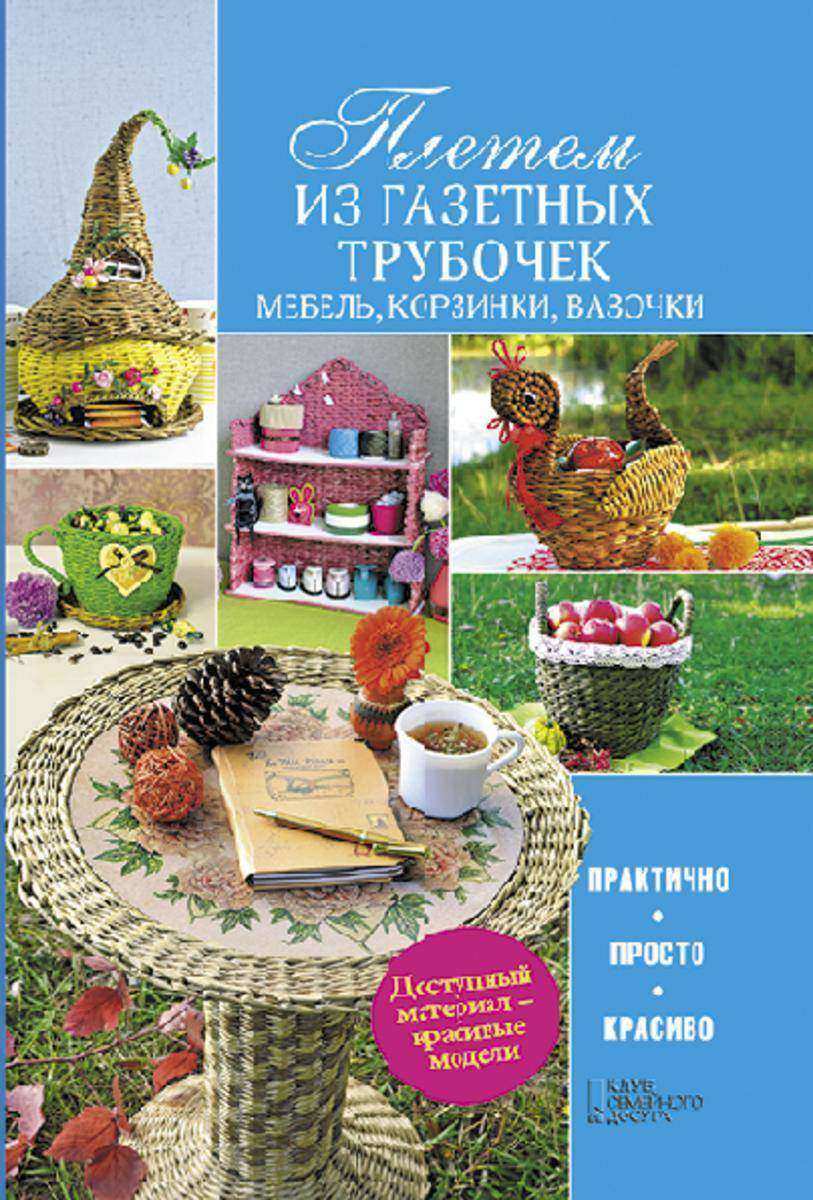
Плетем из газетных трубочек. Мебель
¥17.74
Andersena pasakas: ?Lakstīgala”, ?Sliktais princis”, ?Rū?ītis”. Trīs brīni??īgas, visiem zināmas un lasītāju iecienītas pasakas vienā grāmati?ā. ?Lakstīgala” - tā ir skaista pasaka par necilu putni?u, kas dzīvoja kāda ?īnas ?eizara dārzā. Lakstīgalas burvīgās dziesmas spēja sagādāt ne tikai prieku, bet arī dziedināja slimo ?eizaru. ?? ?Sliktais princis” – ?ī pasaka vēstī par cietsirdīgu un ne?ēlīgu valdnieku, kur? nolēma gūt varu pār visu pasauli, pastāvīgi karojot. ?Rū?ītis” – tas ir stāsts par elfu, kur? pārticībā dzīvoja bagāta tirgotāja mājā un kuru sajūsmināja nabadzīga studenta, grāmatu un dzejas cienītāja, pasaule. ? Andersena pasakas ir burvju stāsti, kuros apslēptas svarīgas patiesības un morāles vērtības. Tās iepriecina mūsdienu bērnus tāpat kā pirms gadiem vi?u vecākus un vecvecākus.? Katra pasaka ir veidota ar skaistām un krāsainām ilustrācijām.

Атлант розправив плеч?. Частина друга. Або – або
¥26.16
O que poderá talvez deixar mais intrigado o leitor que pela primeira vez se depare com o título Travessias pela Literatura Portuguesa: estudos críticos de Saramago a Vieira é a aparente anomalia na disposi??o dos nomes que aparecem em subtítulo: de Saramago a Vieira. N?o faria mais lógica de Vieira a Saramago? No entanto, quando percorremos o conjunto de oito artigos que comp?em este volume, compreendemos que eles n?o est?o dispostos por ordem cronológica.

Звичайна вдячн?сть
¥20.44
Osnovu svake pri?e ove zbirke ?ini istra?ivanje emotivnog i erotskog u odnosu dve ?ene, ali ovo ?tivo nije samo to; Ana Kala se poigrava sa ?anrovima, pa je njena osnovna tema nekada obra?ena kao romansa, nekada kao triler, a nekad kao nau?na fantastika.Knjiga sadr?i veoma eksplicitne opise erotskih scena i nije namenjena maloletnicima, kao ni onima koji su neskloni kvir literaturi.

Економ?ка. ?нструкц?я з використання
¥33.03
Il libro della giungla di Rudyard Kipling è tra i romanzi per ragazzi più amati. Si presenta come una raccolta di racconti a cui ha fatto seguito Il secondo libro della giungla nel 1895. Le storie del libro della giungla narrano del piccolo Mowgli, "il cucciolo d’uomo" rapito da una tigre, Shere Khan, e poi adottato dai lupi che lo educano insegnandogli come riuscire a sopravvivere nella giungla.


