


 购物车
购物车 个人中心
个人中心

Faith
¥83.92
It is the spring of 2002 and a perfect storm has hit Boston. Across the city's archdiocese, trusted priests have been accused of the worst possible betrayal of the souls in their care. In Faith, Jennifer Haigh explores the fallout for one devout family, the McGanns.Estranged for years from her difficult and demanding relatives, Sheila McGann has remained close to her older brother Art, the popular, dynamic pastor of a large suburban parish. When Art finds himself at the center of the maelstrom, Sheila returns to Boston, ready to fight for him and his reputation. What she discovers is more complicated than she imagined. Her strict, lace-curtain-Irish mother is living in a state of angry denial. Sheila's younger brother Mike, to her horror, has already convicted his brother in his heart. But most disturbing of all is Art himself, who persistently dodges Sheila's questions and refuses to defend himself.As the scandal forces long-buried secrets to surface, Faith explores the corrosive consequences of one family's history of silence—and the resilience its members ultimately find in forgiveness. Throughout, Haigh demonstrates how the truth can shatter our deepest beliefs—and restore them. A gripping, suspenseful tale of one woman's quest for the truth, Faith is a haunting meditation on loyalty and family, doubt and belief. Elegantly crafted, sharply observed, this is Jennifer Haigh's most ambitious novel to date.

Everything Beautiful Began After
¥88.56
Rebecca is young, lost, and beautiful. A gifted artist, she seeks solace and inspiration in the Mediterranean heat of Athens—trying to understand who she is and how she can love without fear. George has come to Athens to learn ancient languages after growing up in New England boarding schools and Ivy League colleges. He has no close relationships with anyone and spends his days hunched over books or wandering the city in a drunken stupor.Henry is in Athens to dig. An accomplished young archaeologist, he devotedly uncovers the city’s past as a way to escape his own, which holds a secret that not even his doting parents can talk about....And then, with a series of chance meetings, Rebecca, George, and Henry are suddenly in flight, their lives brighter and clearer than ever, as they fall headlong into a summer that will forever define them in the decades to come.
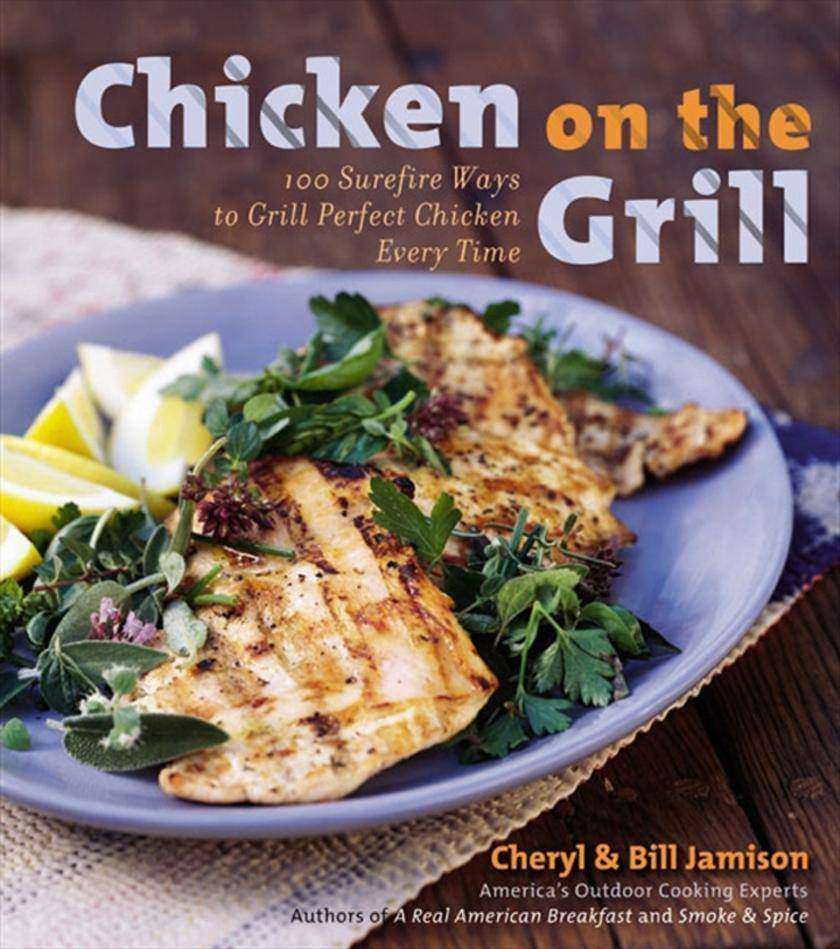
Chicken on the Grill
¥140.08
The aroma should be irresistible. The outside should be crisp, the inside juicy. We're talking about one of America's most popular foods -- grilled chicken. But how many times does the outside look perfect while the inside is perfectly rawOr you're simply left with a smoldering, charred mess?Award-winning cookbook authors and America's outdoor grilling experts, Cheryl and Bill Jamison come to the rescue in Chicken on the Grill. The Jamisons identify the most common mistakes in grilling chicken and, most important, teach you how to correct them. Learn how to tend to the fire, how to time the grilling process, and how to check for doneness. Their advice and expertise make it easy to enjoy perfectly tender, juicy chicken that is bursting with true flavor only grilling over a fire can impart.With more than 50 color photographs throughout, Chicken on the Grill is as much a feast for the eyes as it is for the table. The 100-plus recipes include everything from classic Grill-Roasted Chicken and Grilled Chicken Caesar on a Skewer to exotic new dishes like Tequila-Lime Chicken Tacos with Charred Limes and Curried Chicken Roti. There are 50 inspiring ideas for boneless, skinless breasts, plus recipes for wings, sandwiches, and satays. Since man can't really live by chicken alone, there are recipes for sides and sweets such as Rockin' Guac, Grilled Asparagus with Orange Zest, and Frozen Margarita Pie.Chicken is economical, rich in protein and nutrients, and can be prepared in a wide variety of ways to suit a wide variety of tastes. From everyday family meals to entertaining a crowd, you can't beat a great grilled chicken. And you can't beat Chicken on the Grill for showing you just how to do it.

In the Hands of A Chef
¥196.21
How do great chefs make their food taste betterIs it the ingredients they useTheir cooking techniques and equipmentThat's part of the answer. But the real secret is that truly great chefs follow their instincts -- the kitchens in their heads. Now, in her first cookbook, Jody Adams, the award-winning chef/co-owner of Boston's Rialto, teaches you how to follow your own instincts and make the transition from passionate eater to passionate cook.In the Hands of a Chef shares Jody's favorite dishes, those she prepares for family and friends in her home kitchen. By teaching the basics of artisanal cooking, or making good food from scratch, she gives cooks a solid foundation for cooking like a chef. She tells readers what to look for when buying ingredients, what equipment is essential, and how a dish should look and taste while being prepared.Above all, Jody encourages readers to trust their instincts and follow them to create a cooking style that feels right, using recipes as the building blocks for their own creations.From starters, seasonal soups, salads, and main courses to desserts, Jody reinvents Mediterranean foods using unconventional ingredients, many from New England. For a boost of summer flavor, grilled tomatoes add depth to gazpacho. To vary the flavor of simple salads -- from a Minted Romaine Salad with Grapes, Ricotta Salata, and Toasted Almonds to Arugula and Portobella Mushroom Salad-one or two seasonal ingredients are added to the usual recipes. Drawing inspiration from Italian tradition, Jody offers up innovative pasta and grains dishes. Ravioli, pappardelle, gnocchi, and linguine are served up with Mediterranean flavors and ingredients -- tomatoes, olives, figs, chestnuts, fresh greens, wild mushrooms, Parmesan cheese -- for home-style meals any time of the year. Yet much of Jody's cooking is pure American in flavor. Dessert classics are reinvented with new twists, such as Super-Creamy Rice Pudding with Passion Fruit Sauce and Heather's Cranberry Chocolate Pecan Tart. Here, too, are Jody's signature dishes, including Roasted Marinated Long Island Duck with Green Olive and Balsamic Vinegar Sauce and Soupe de Poisson, which Jacques Pépin calls the best version outside of France.Intended to make you wish you had more time to spend in the kitchen, In the Hands of a Chef is an inspiration as well as an essential resource for every cook. Why be just a good cook when you can be a great onePut yourself in the hands of Jody Adams with In the Hands of a Chef.

Fallen Angel
¥50.33
Heaven-sent?Ellie was never particularly good at talking to boys—oranyone other than her best friend and fellow outcast, Ruth.Then she met Michael.Michael is handsome, charming, sweet. And totallyinto Ellie. It’s no wonder she is instantly drawn to him.But Michael has a secret. And he knows Ellie is hidingsomething, too. They’ve both discovered they have powersbeyond their imagining. Powers that are otherworldly.Ellie and Michael are determined to uncover what theyare, and how they got this way . . . together. But the truth hasrepercussions neither could have imagined. Soon they findthemselves center stage in an ancient conflict that threatensto destroy everything they love. And it is no longer clearwhether Ellie and Michael will choose the same side.In this electrifying novel, Heather Terrell spins agripping supernatural tale about true love, destiny, and thebattle of good versus evil.
Once in a Full Moon
¥55.33
Beware of a kiss under the full moon. It will change your life forever.Celeste Parker is used to hearing scary stories about werewolves—Legend's Run is famous for them. She's used to everything in the small town until Brandon Maddox moves to Legend's Run and Celeste finds herself immediately drawn to the handsome new student. But when, after an unnerving visit with a psychic, she encounters a pack of wolves and gorgeous, enigmatic Brandon, she must discover whether his transformation is more than legend or just a trick of the shadows in the moonlight. Her best friends may never forgive her if she gives up her perfect boyfriend, Nash, for Brandon, who's from the wrong side of town. But she can't deny her attraction or the strong pull he has on her. Brandon may be Celeste's hero, or he may be the most dangerous creature she could encounter in the woods of Legend's Run. Psychic predictions, generations-old secrets, a town divided, and the possibility of falling in love with a hot and heroic werewolf are the perfect formula for what happens . . . once in a full moon.
Irish Eyes
¥95.39
Ex-cop Callahan Garrity was more than happy to leave the Atlanta P.D. behind her to start her own business -- the House Mouse cleaning service -- and to indulge in a bit of freelance private investigation on the side. However, she owes too much to her former partner, Bucky Deavers, to refuse his request that she accompany him to the department's annual St. Patrick's Day bash. But the celebrating ends abruptly -- and badly -- when Bucky is shot during an apparent liquor store robbery while they're on the way home.Callahan is devastated -- and the talk that perhaps Bucky was "dirty" only intensifies her pain. Now, with the help of her feisty "Mice," she's determined to find the culprit and clear her friend's name, even if it means piercing the veil of secrecy surrounding an Irish fraternal police organization that might be brewing up something far more lethally potent than green beer.
See What I See
¥43.55
Kate Tapert sees her life in paintings. She makes sense of the world around her by relating it to what she adores—art. Armed with a suitcase, some canvases, and a scholarship to art school in Detroit, Kate is ready to leave home and fully immerse herself in painting. Sounds like heaven. All Kate needs is a place to stay.That place is the home of her father, famous and reclusive artist Dalton Quinn, a father she hasn't seen or heard from in nearly ten years. When Kate knocks on his door out of the blue, little does she realize what a life-altering move that will turn out to be. But Kate has a dream, and she will work her way into Dalton's life, into his mind, into his heart . . . whether he likes it or not.
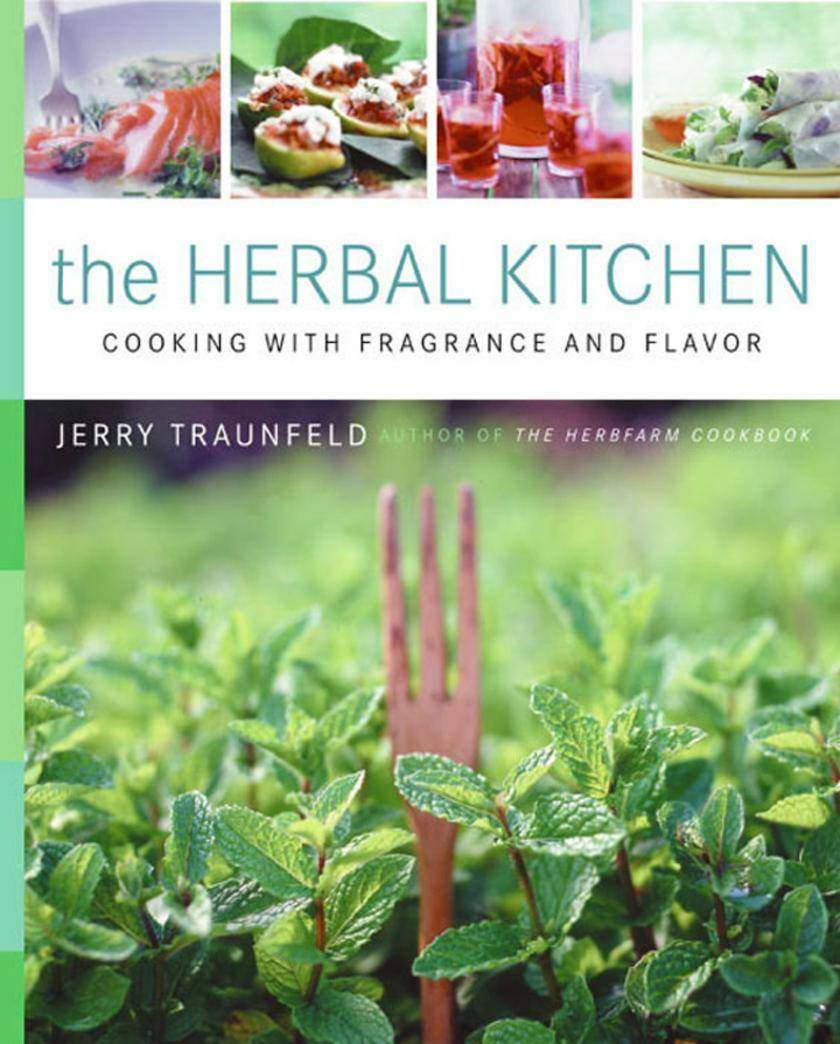
The Herbal Kitchen
¥193.57
The secret to transforming easy dishes into extraordinary mealsFresh herbs. In The Herbal Kitchen, IACP award-winning cookbook author and acclaimed Herbfarm Restaurant chef Jerry Traunfeld presents simple dishes using herbs straight from the market, windowsill, or garden.Until recently, the fresh herbs available in supermarkets were limited to parsley and maybe dill. Today, thyme, rosemary, basil, cilantro, mint, and sage are among the many fresh herbs as close as the produce section or the farmer's market. Not to mention marjoram, lovage, tarragon, lavender, shiso, and so many others.Jerry shows you how to incorporate these fresh herbs into your everyday home meals. So whether preparing a workday supper for the family, a special dinner for two or four, or a feast for a table of guests, using fresh herbs in your cooking will result in fresh and vibrant food.The Herbal Kitchen includes some recipes that are home variations of the innovative dishes Jerry prepares at the Herbfarm, while others are fresh takes on familiar classics such as Herb Garden Lasagna or Shrimp in Garlic-Sage Butter. All are uncomplicated and prep time is minimal -- with the emphasis on spontaneity and the unmistakable flavors of fresh herbs.Start off with Asparagus and Lemon Thyme Soup, Spicy Verbena Meatballs, or Rye-Thyme Cheese Straws before moving on to Cinnamon Basil Chicken, Side of Salmon Slow-Roasted in Dill, and Root Ribbons with Sage. Delectable desserts include Warm Lavender Almond Cakes, Rhubarb Mint Cobbler, and a sinful Chocolate Peppermint Tart.Once you're hooked on cooking with fresh herbs, you'll want to grow them yourself. The Herbal Kitchen is filled with important tips for growing, harvesting, and handling each of the herbs used in the recipes. Valuable information on the varieties of each herb is also highlighted, such as how to tell the difference between Greek oregano and Italian oregano, why you always want to choose bay laurel over California bay, and what type of lavender is best for cooking.Filled with stunning photos of the herbs, the techniques for handling them, and the finished dishes, Jerry's definitive guide is sure to be a classic, reached for again and again.
King of the City
¥83.93
More than a decade ago, Michael Moorcock's extraordinary Mother London gave stunning new breath and style to contemporary literature. With Bruce Chatwin's Utz and Salman Rushdie's The Satanic Verses, the novel was short-listed for Britain's prestigious Whitbread Prize. Now, with scathing wit and enthralling vision, the author whom the Washington Post has praised as "one of the most exciting discoveries in the contemporary English novel [in] 40 or so years" returns to a city transformed and transforming, and in peril of its life.These are the times and trials of Dennis Dover, former rock guitarist, photojournalist, and paparazzo. Denny inhabits a world of vibrant color, smell, and sound, where novel experience and unpredictability are anchored by steadfast tradition and history. Mother London's many vagaries give Denny Dover joy and succor, always seducing him home from the Earth's terrible places, where the face of death is as common as the blood that stains the local dirt. And London is where Rosie Beck is, when she isn't off elsewhere combating the planet's great ills.Denny's brilliant, beautiful, socially conscious cousin has always been an indispensable part of his being -- his soul mate and his soul. Since childhood they have been inseparable, delighting in the daily discoveries of a life with no limits. But now the metropolis that nurtured them is threatened by a powerful, unstoppable force that consumes the past indiscriminately and leaves nothing of substance in its wake.The terminator is named John Barbican Begg. A hanger-on from Denny and Rosie's youth, he has become the morally corrupt center of their London and the richest, most rapacious creature in the Western Hemisphere. Now, as their cherished landmarks tumble, conspiracy, secrets, lies, and betrayal become the centerpieces of Rosie and Dennis's days. For Barbican has but one goal: to devour the entire world. And the only choice left is to join in, drop out ... or plot to destroy.A sprawling work of incomparable invention, King of the City is eccentric and remarkable, a unique urban love story with a pit-bull bite that confirms the unparalleled literary genius of the amazing Michael Moorcock.
More Than Words Can Say
¥84.16
From the author of If Wishes Were Horses comes a novel of long-buried secrets and self-discovery, showing us that sometimes what goes unsaid is more powerful than words. . . .Chelsea Enright never expected to inherit her grandmother's lakeside cottage deep in the Adirondacks—a serene getaway that had been mysteriously closed up decades ago. This is no simple bequest, however, because when Chelsea finds her grandmother's WWII diaries, she's stunned to discover that they hold secrets she never suspected . . . and they have the power to turn her own life upside down.Even more surprising is the compelling presence of local doctor Brandon "Yale, and Chelsea soon finds her "short stay" has stretched into the entire summer. She cannot put this cottage and her family's past behind her easily—and the more she learns about the woman her grandmother truly was, the more Chelsea's own life begins to change . . . and nothing will ever be the same again.
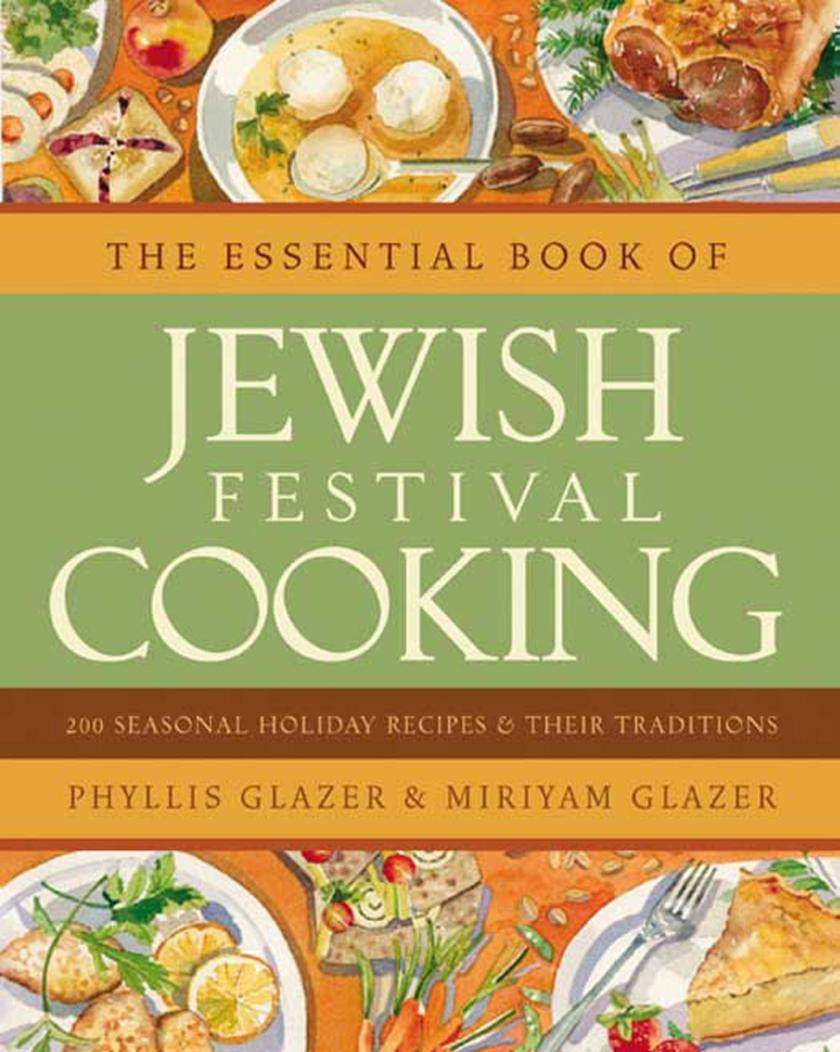
The Essential Book of Jewish Festival Cooking
¥185.21
Deeply rooted in ancient rituals, the seasonal rhythms of the land of Israel, and biblical commandments, the Jewish holidays mark a time for Jews around the world to reconnect with their spiritual lives, celebrate their history, and enjoy tasty foods laden with symbolic meaning. With Phyllis and Miriyam Glazer's The Essential Book of Jewish Festival Cooking as your guide, you will gain a rich understanding of the Jewish calendar year and its profound link to the signs of nature and the produce of the earth in each season. This landmark volume addresses a central question often left unanswered: Why do we eat what we eat on these important days?Organized by season, the ten chapters cover the major holidays and feast days of the Jewish year, providing more than two hundred tempting recipes, plus menus and tips for creative and meaningful holiday entertaining. In-depth essays opening each chapter illuminate the origins, traditions, and seasonal and biblical significance of each holiday and its foods, making the book a valuable resource for Jewish festival observance. Inspired recipes add a fresh, contemporary twist as they capture the flavors of the seasonal foods enjoyed by our ancestors. For Passover, prepare such springtime delights as Roasted Salmon with Marinated Fennel and Thyme, alongside Braised "Bitter Herbs" with Pistachios. On Shavuot, characterized by the season's traditional bounty of milk and the wheat harvest, try fresh homemade cheeses; creamy, comforting Blintzes; or luscious Hot and Bubbling Semolina and Sage Gnocchi. At Purim, create a Persian feast fit for a king and learn new ideas for mishloah manot, the traditional gifts of food. The Essential Book of Jewish Festival Cooking offers accessible, healthful, and intensely flavorful recipes with a unique and tangible connection to the rhythms of the Jewish year. The Glazer sisters will deepen your understanding of time-honored traditions as they guide you toward more profound, and delicious, holiday experiences.
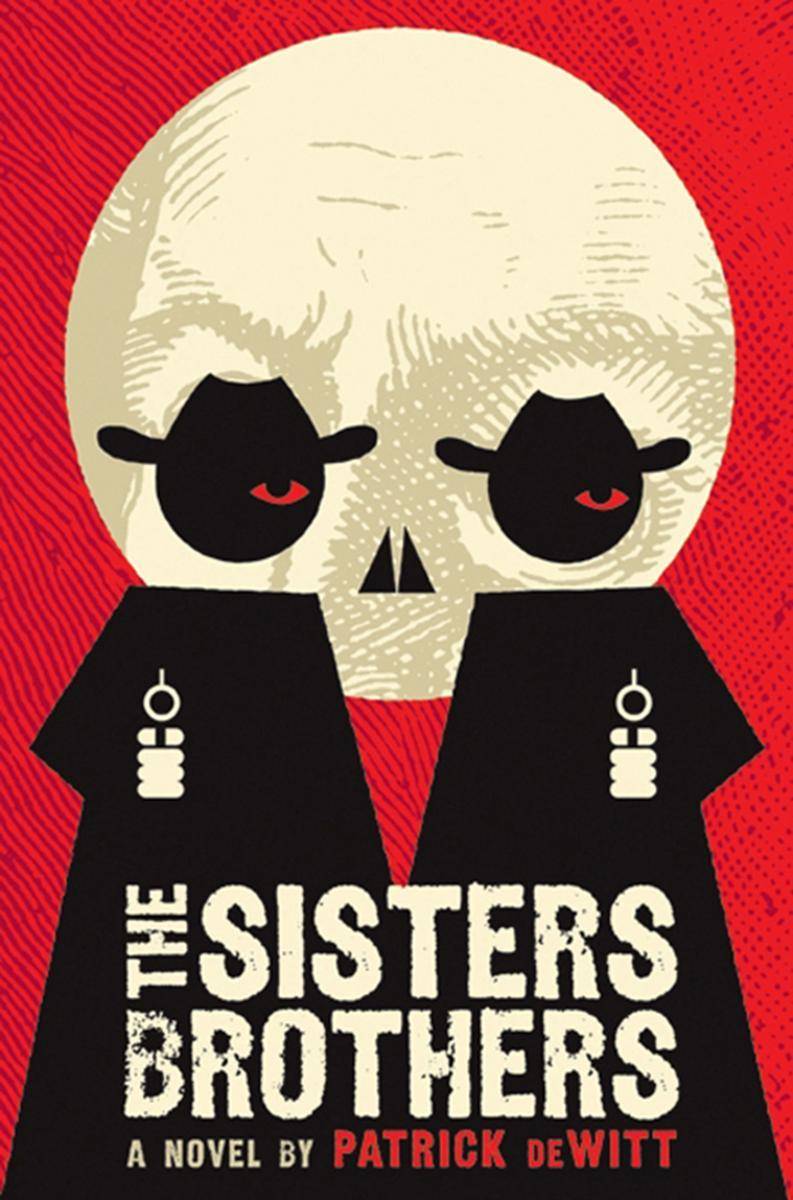
The Sisters Brothers
¥95.11
Shortlisted for the Booker PrizeHermann Kermit Warm is going to die. The enigmatic and powerful man known only as the Commodore has ordered it, and his henchmen, Eli and Charlie Sisters, will make sure of it. Though Eli doesn't share his brother's appetite for whiskey and killing, he's never known anything else. But their prey isn't an easy mark, and on the road from Oregon City to Warm's gold-mining claim outside Sacramento, Eli begins to question what he does for a living–and whom he does it for.With The Sisters Brothers, Patrick deWitt pays homage to the classic Western, transforming it into an unforgettable comic tour de force. Filled with a remarkable cast of characters–losers, cheaters, and ne'er-do-wells from all stripes of life–and told by a complex and compelling narrator, it is a violent, lustful odyssey through the underworld of the 1850s frontier that beautifully captures the humor, melancholy, and grit of the Old West and two brothers bound by blood, violence, and love.
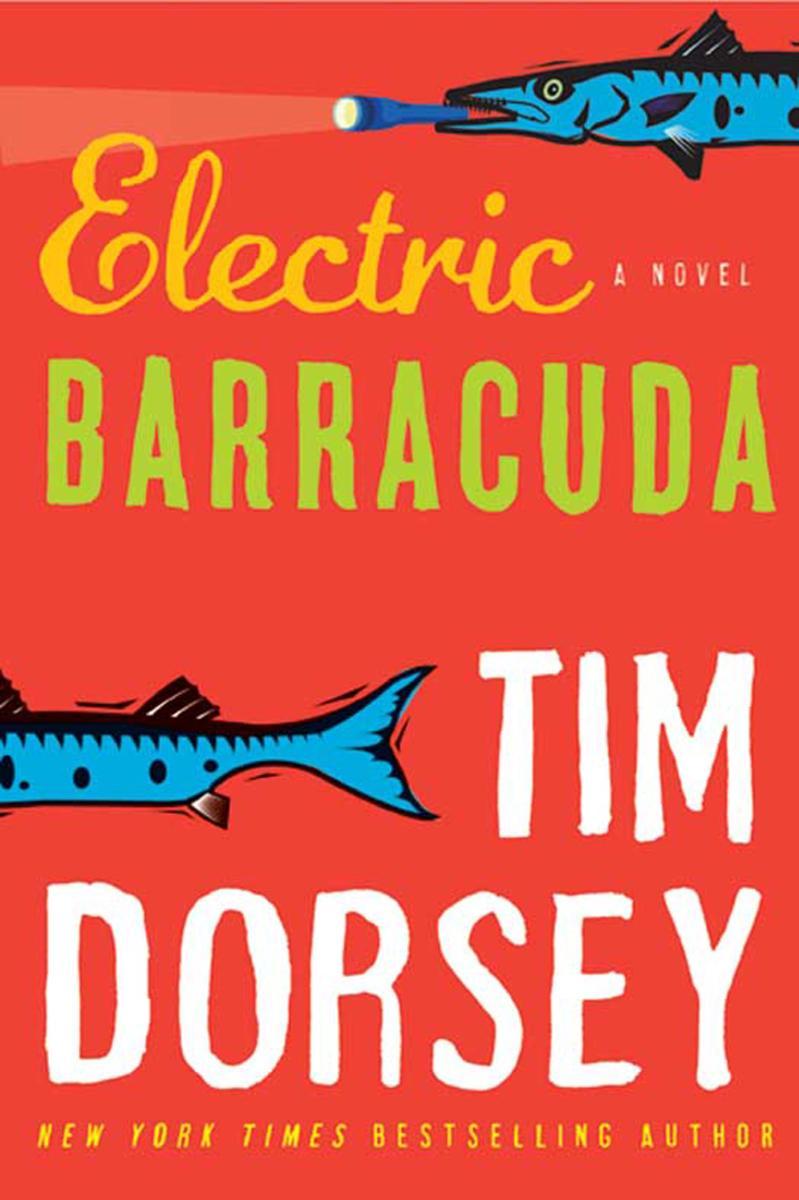
Electric Barracuda
¥88.56
Serge Storms, that loveable thermonuclear vigilante and one-stop-Florida-trivia-shop, has been leaving corpses strewn across the Sunshine State for more than a decade. The authorities—especially one tenacious state agent—have begun to notice the exponential body count, and send a police task force to track down Serge. Could his luck finally have run out?Meanwhile, armed with his perpetually baked sidekick, Coleman, Serge decides to blitz the state and resurrect his Internet travel-advice website—which, of course, must be the finest and the final word on trekking the Sunshine State. To up the ante, Serge concocts a theme vacation for his cyberspace audience. And that themeYou, too, can experience Florida through the eyes of a fugitive.Off they go blogging along a getaway route through the state's most remote bayous, back roads, and bars, where the number of cadavers begin stacking up like Serge's website hits. And in the middle of all his make-believe close brushes, Serge finally wises up to his pursuers and realizes that the manic gumball rally is genuinely on "in the tradition of the great American chase movie."Clues and questions mount:Who are all the women being photographed naked in the swamp?What made Coleman draw on his face with magic markers?Where is the cruise-to-nowhere taking its drunk prisoners?When was the last time a Civil War reenactment involved a sports car?But Serge also has some personal business to tidy up. His grandfather's old Miami Beach gang suddenly had their life savings wiped out, and there's a good bet it was no accident. Too much action for Serge to juggleNot when it all dovetails nicely into his Secret Master Plan. And especially if it involves Serge's favorite new obsession: tracking Al Capone's little-known escapades in the Everglades.So gas up the car, say good-bye to the relatives, and join Serge on the lam as he drives straight for the deepest bowels of Florida to unravel the final mysteries of Electric Barracuda.

Separate Kingdoms
¥84.16
From Valerie Laken, the Pushcart Prize–winning author of Dream House, comes a powerful collection of short stories charting the divisions and collisions between cultures and nations, families and outsiders, and partners and misfits searching for love. Set in Russia and the United States, these are boldly innovative stories—tales of fractured, misplaced characters moving beyond the borders of their isolation and reaching for the connections that will make them whole.A family, shaken by an industrial accident, is divided, its members isolated in their home and only able to understand one another from their separate rooms. A young gay couple travels to Russia to meet the child they're desperately trying to adopt, but the experience reveals an emotional divide between the parents-to-be. A recent amputee removes herself from her body to keep her husband at bay. And the idyllic village life of a blind Russian boy is disrupted by an American dentist and the wonders of racy Western magazines. Separate Kingdoms is a rich and satisfying collection that traverses the distances between people and places in each marvelously rendered story.

The Headhunter's Daughter
¥78.55
From Tamar Myers, author of The Witch Doctor's Wife, comes a spellbinding tale of equatorial Africa and a child torn dangerously between two worlds.In 1945, an infant left inadvertently to die in the jungles of the Belgian Congo is discovered by a young Bashilele tribesman on a mission to claim the head of an enemy. Recognized as human—despite her pale white skin and strange blue eyes—the baby is brought into the tribe and raised as its own. Thirteen years later, the girl—now called "Ugly Eyes"—will find herself at the center of a controversy that will rock two separate societies.Young missionary Amanda Brown hears the incredible stories of a white girl living among the Bashilele headhunters. In the company of the local police chief, Captain Pierre Jardin, and with the witch doctor's wife, the quick-witted Cripple, along as translator, Amanda heads into the wild hoping to bring the lost girl back to "civilization." But Ugly Eyes no longer belongs in their world—and the secrets surrounding her birth and disappearance are placing them all in far graver peril than anyone ever imagined.
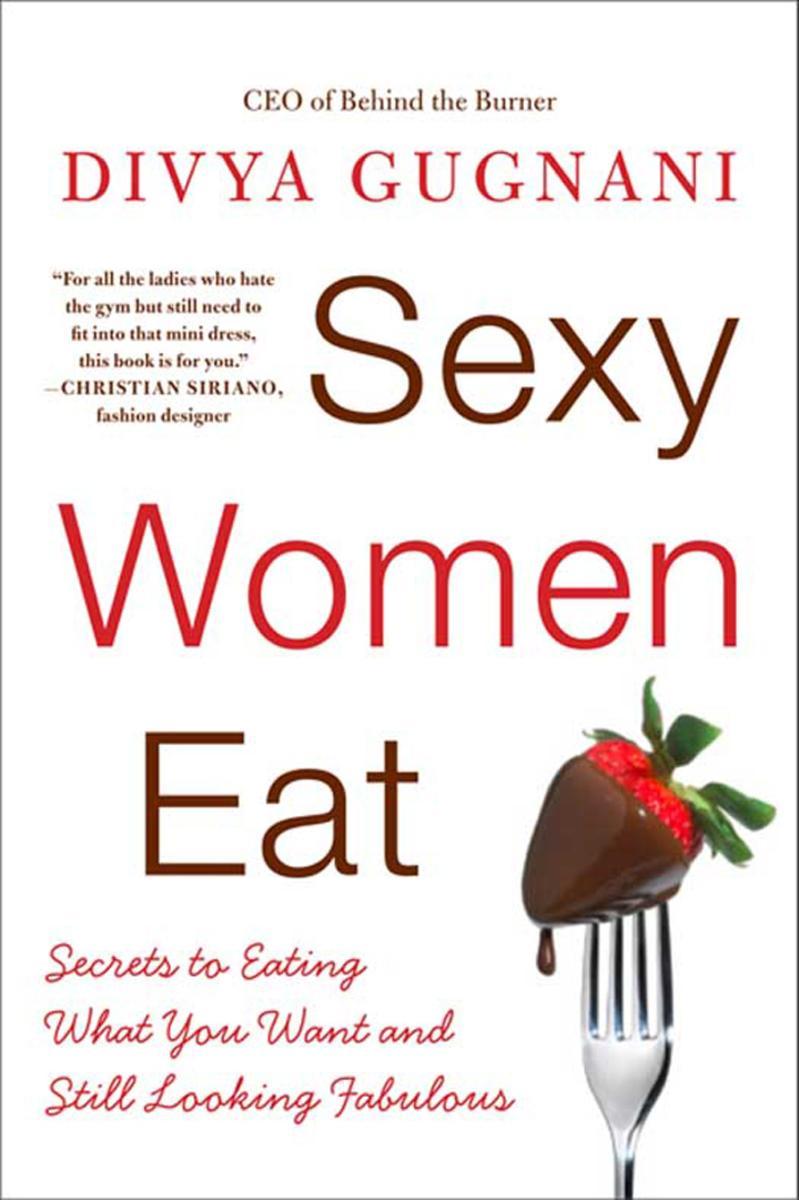
Sexy Women Eat
¥78.55
You don't have to be French to not get fat, and you sure don't have to be a bitch to be skinny . . . Screw diets, forget about fasting, and start putting your monthly gym dues toward next month's dinner party. Just eat! Entrepreneur and fashionista Divya Gugnani is living proof that you can work fourteen-hour days, stay fit, and satisfy your everyday food cravings. In Sexy Women Eat, Divya shows you how to make small changes in your daily routine that add up to big savings on the scale and higher energy levels to help power you through your busy life. Divya dispels dieting myths, gives you the 411 on energy bars, green tea, and protein shakes, and offers unconventional tips that only the busiest women will understand (yes, you can actually break a sweat at the office without anyone noticing!). Sexy Women Eat will empower you to stop the yo-yo dieting and start eating well, because sexy women always have an appetite for life.
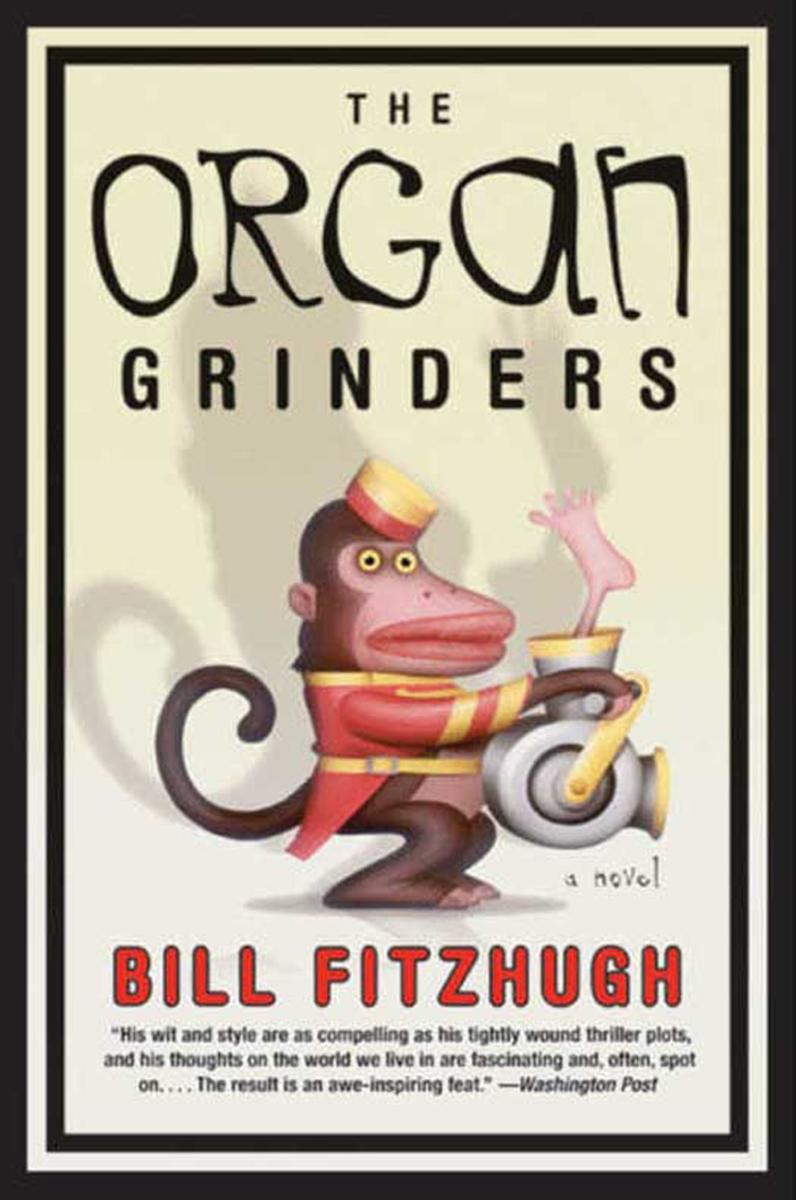
The Organ Grinders
¥84.97
Bill Fitzhugh strikes again! Following his widely acclaimed debut novel, Pest Control (The [London] Times called it "one of the funniest, most off-beat thrillers in years"), Fitzhugh turns his satirical eye to the merging of medical science and big business -- with hilarious and outrageous results.Paul Symon is an environmentalist who's out to make the world a better place, but he faces too much disjointed information, public apathy, and self-serving talk. Not to mention greedy despoiler Jerry Landis, a venture capitalist dying of a rare disease that accelerates the aging process.Landis cares only about making more money and finding a way to arrest his medical condition. That brings him and his fortune to the wild frontier of biotechnology, where his people are illegally experimenting with cross-species organ transplantation in California while breeding genetically altered primates at a secret site in the piney woods of south-central Mississippi.There's also an eco-terrorist on the loose, bent on teaching hard lessons to people who think the Earth and its creatures are theirs to destroy. These forces, together with fifty thousand extra-large chacma baboons, collide in an explosion of laughter and wonder that Bill Fitzhugh's growing league of admirers is coming to recognize as his very own.
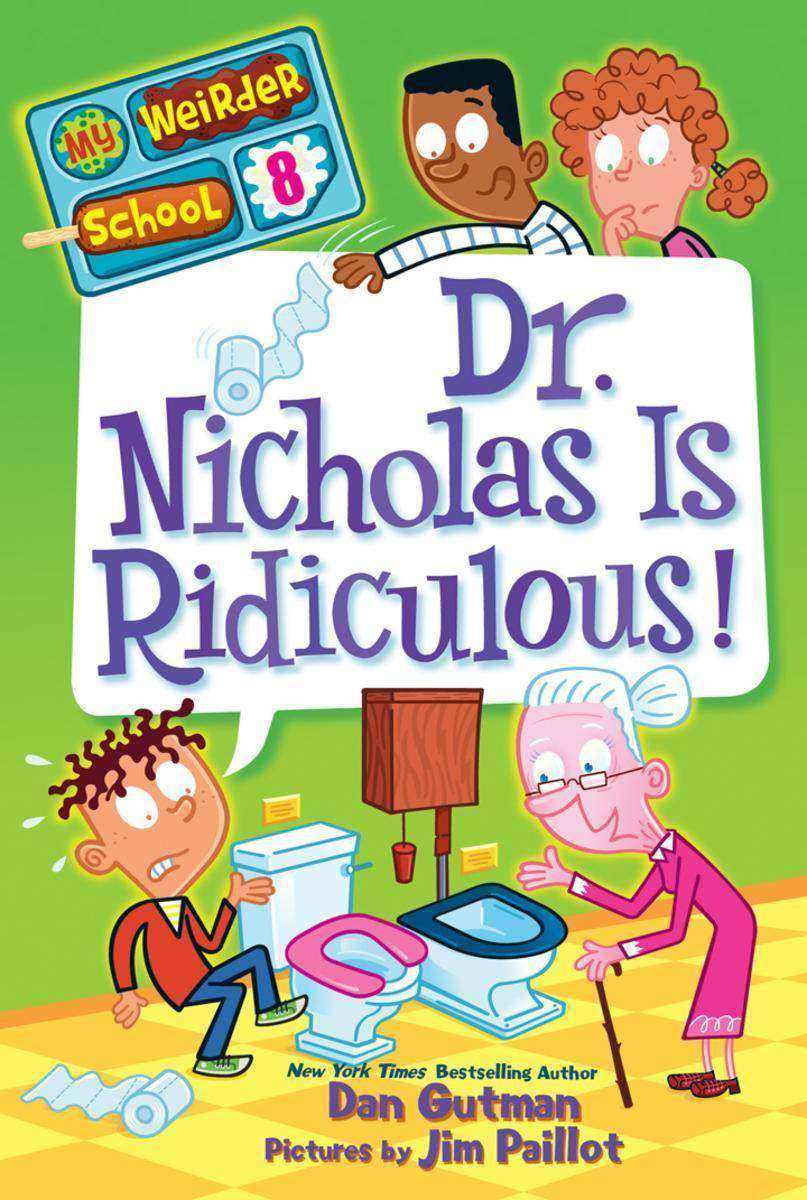
My Weirder School #8: Dr. Nicholas Is Ridiculous!
¥27.94
A.J. and his friends are now third graders at Ella Mentry school in Dan Gutman’s outrageously funny chapter book series My Weirder School.?In this eighth book, Dr. Nicholas Is Ridiculous!, college professor Dr. Nicholas visits A.J.’s class to help the students improve their standardized test scores in history. The weird thing is, Dr. Nicholas doesn’t care about the date Christopher Columbus came to America, who wrote the Declaration of Independence, or other important historical facts. She’s more interested in weird information like the history of the toilet bowl!?Dr. Nicholas has even built a time machine to take the class on a field trip to the past and future. Who will get stuck in timeYou’ll have to read to find out!?Goofy illustrations by Jim Paillot make this adventure with Dr. Nicholas even more hilarious.
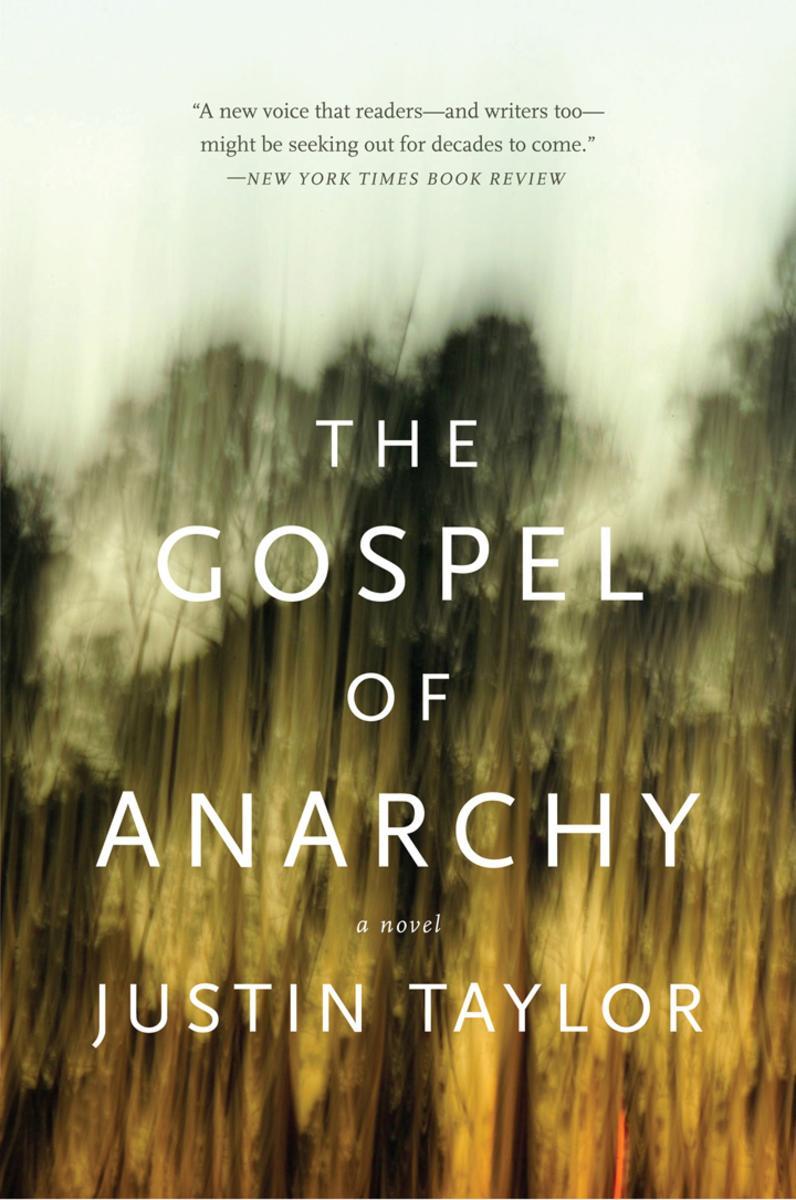
The Gospel of Anarchy
¥78.55
In landlocked Gainesville, Florida, in the hot, fraught summer of 1999, a college dropout named David sleepwalks through his life—a dull haze of office work and Internet porn—until a run-in with a lost friend jolts him from his torpor. He is drawn into the vibrant but grimy world of Fishgut, a rundown house where a loose collective of anarchists, burnouts, and libertines practice utopia outside society and the law. Some even see their lifestyle as a spiritual calling. They watch for the return of a mysterious hobo who will—they hope—transform their punk oasis into the Bethlehem of a zealous, strange new creed.In his dark and mesmerizing debut novel, Justin Taylor ("a master of the modern snapshot"—Los Angeles Times) explores the borders between religion and politics, faith and fanaticism, desire and need—and what happens when those borders are breached.
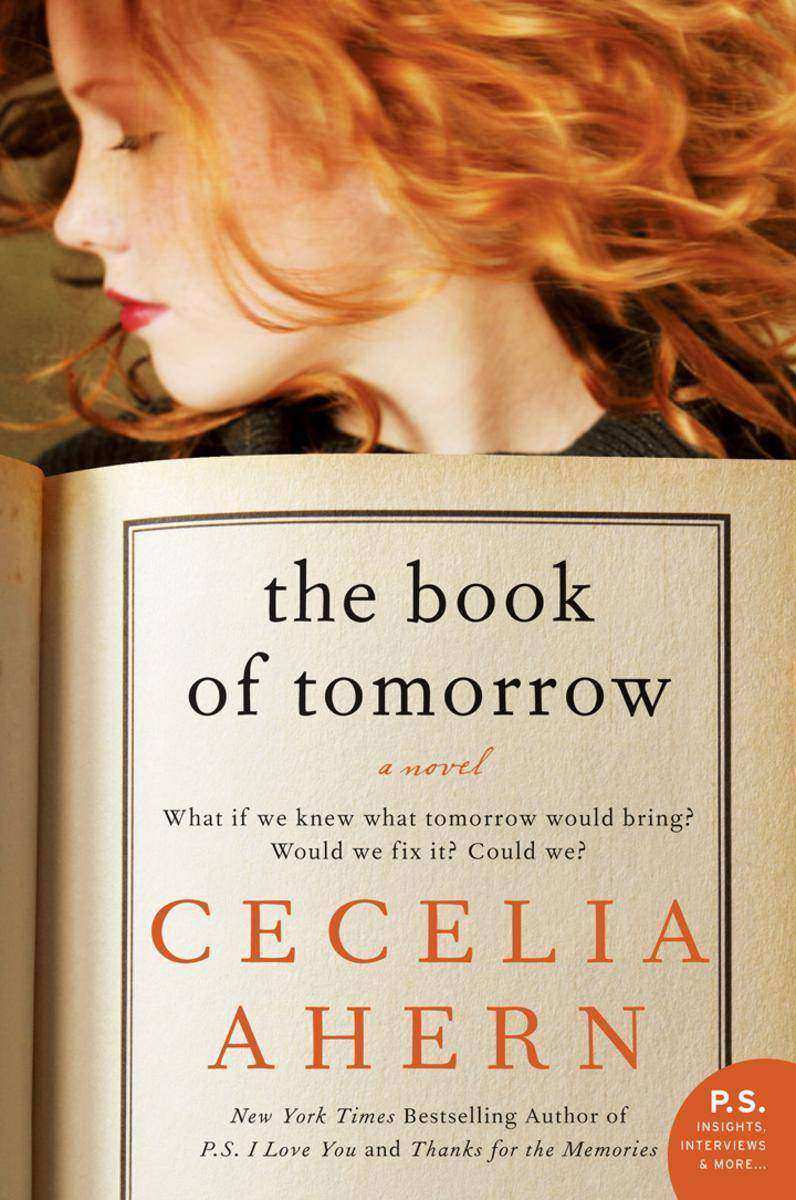
The Book of Tomorrow
¥88.56
From the author of the New York Times bestseller P.S. I Love You comes an "engrossing new novel . . . filled with family secrets, intrigue, and magic aplenty" (Booklist).Born into the lap of luxury and comfortable in the here and now, spoiled, tempestuous Tamara Goodwin has never had to look to the future—until the abrupt death of her father leaves her and her mother a mountain of debt and forces them to move in with Tamara's peculiar aunt and uncle in a tiny countryside village.Tamara is lonely and bored, with a traveling library as her only diversion. There she finds a large leather-bound book with a gold clasp and padlock, but no author name or title. Intrigued, she pries open the lock, and what she finds inside takes her breath away.Tamara sees entries written in her own handwriting, and dated for the following day. When the next day unfolds exactly as recorded, Tamara realizes she may have found a solution to her problems. But in her quest to find answers, Tamara soon learns that some pages are better left unturned and that, try as she may, she mustn't interfere with fate.


