


 购物车
购物车 个人中心
个人中心

Hungry for Change
¥88.56
Pioneers in the field of nutrition and internationally renowned filmmakers, James Colquhoun and Laurentine ten Bosch join with leading experts to offer proven strategies to lose weight, prevent and reverse disease, and optimize health.With Hungry for Change you'll discover:Amazingly delicious, nutritious recipes for breakfast, lunch, dinner, snacks, and dessertsHow to navigate your supermarket: what to buy and what to avoidThe real truth behind DIET, SUGAR-FREE, and FAT-FREEproductsHow to overcome food addictions and cravingsWhy fad diets don't workHow to read labels and what food additives to avoidThe most effective detox and cleansing strategiesHow to eat for clear eyes, glowing skin, and healthy hairProviding practical solutions, Hungry for Change shows that your health is in your hands and that you can escape the diet trap forever. Experts from the fi eld of medicine and nutrition plus transformational stories from those who know what it's like to be sick and overweight give us the tools and inspiration we need to begin our journey toward health today.Hungry for Change will help boost your energy levels, strengthen your body, and make you look and feel better every day for the rest of your life.

Don't Touch
¥100.71
Step on a crack, break your mother's back,Touch another person's skin, and Dad's gone for good . . .Caddie has a history of magical thinking—of playing games in her head to cope with her surroundings—but it's never been this bad before.When her parents split up, Don't touch becomes Caddie's mantra. Maybe if she keeps from touching another person's skin, Dad will come home. She knows it doesn't make sense, but her games have never been logical. Soon, despite Alabama's humidity, she's covering every inch of her skin and wearing evening gloves to school.And that's where things get tricky. Even though Caddie's the new girl, it's hard to pass off her compulsions as artistic quirks. Friends notice things. Her drama class is all about interacting with her scene partners, especially Peter, who's auditioning for the role of Hamlet. Caddie desperately wants to play Ophelia, but if she does, she'll have to touch Peter . . . and kiss him. Part of Caddie would love nothing more than to kiss Peter—but the other part isn't sure she's brave enough to let herself fall.From rising star Rachel M. Wilson comes a powerful, moving debut novel of the friendship and love that are there for us, if only we'll let them in.
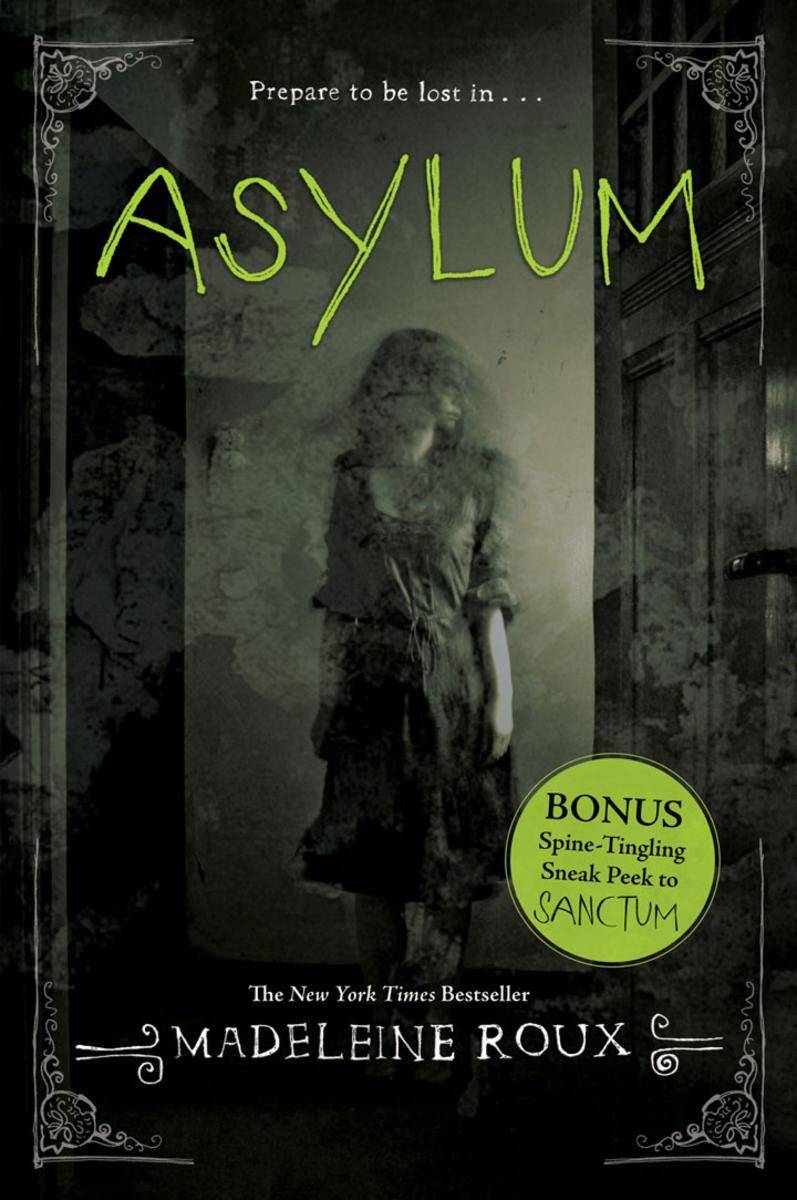
Asylum
¥61.52
Madeleine Roux's New York Times bestselling Asylum is a thrilling and creepy photo-illustrated novel that Publishers Weekly called "a strong YA debut that reveals the enduring impact of buried trauma on a place." Featuring found photographs from real asylums and filled with chilling mystery and page-turning suspense, Asylum is a horror story that treads the line between genius and insanity, perfect for fans of Miss Peregrine's Home for Peculiar Children.For sixteen-year-old Dan Crawford, the New Hampshire College Prep program is the chance of a lifetime. Except that when Dan arrives, he finds that the usual summer housing has been closed, forcing students to stay in the crumbling Brookline Dorm—formerly a psychiatric hospital. As Dan and his new friends Abby and Jordan start exploring Brookline's twisty halls and hidden basement, they uncover disturbing secrets about what really went on here . . . secrets that link Dan and his friends to the asylum's dark past. Because Brookline was no ordinary mental hospital, and there are some secrets that refuse to stay buried.
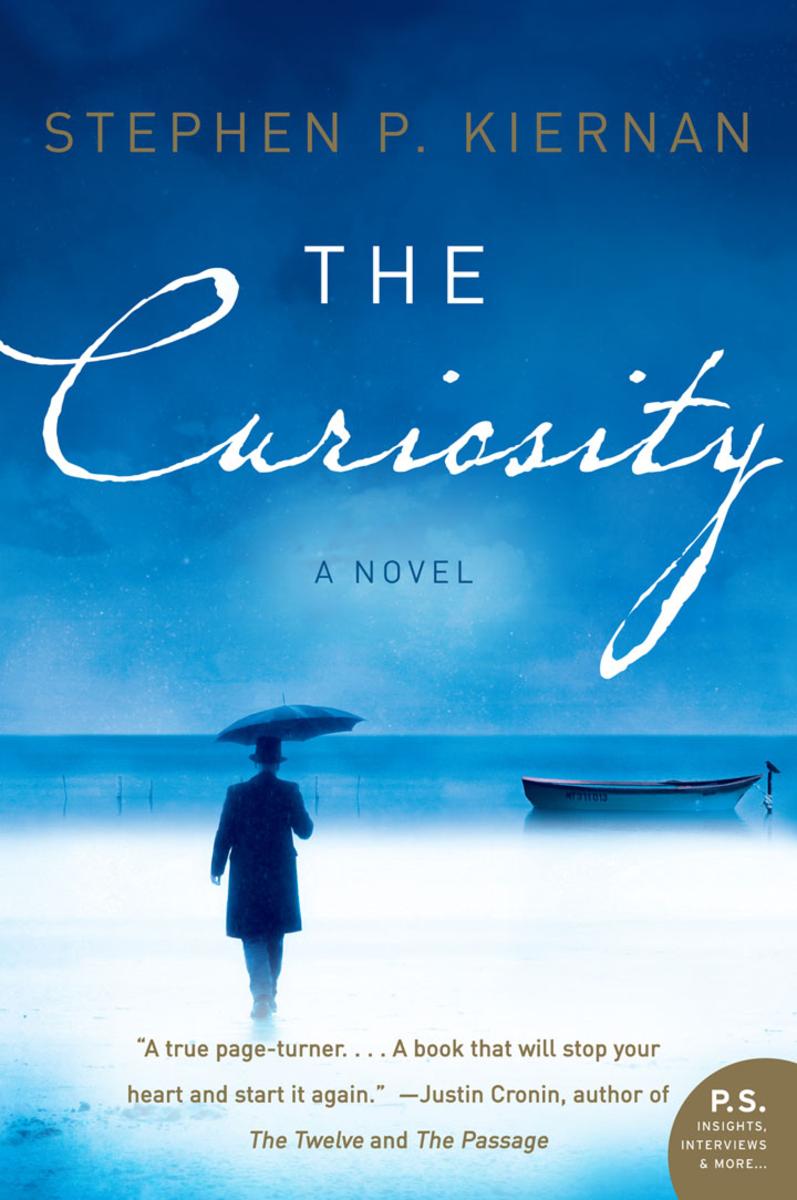
The Curiosity
¥83.03
A powerful debut novel in which a man, frozen in the Arctic ice for more than a century, awakens in the present day and finds the greatest discovery is love . . .The Curiosity Dr. Kate Philo and her scientific exploration team make a breathtaking discovery in the Arctic: the body of a man buried deep in the ice. As a scientist in a groundbreaking project run by the egocentric and paranoid Erastus Carthage, Kate has brought small creatures—plankton, krill, shrimp—back to life for short periods of time. But the team's methods have never been attempted on larger life-forms.Heedless of the potential consequences, Carthage orders that the frozen man be brought back to the lab in Boston and reanimated. The endeavor is named "The Lazarus Project." As the man begins to regain his memories, the team learns that he was—is—a judge, Jeremiah Rice, and the last thing he remembers is falling overboard into the Arctic Ocean in 1906. When news of the project and Jeremiah Rice breaks, it ignites a media firestorm and protests by religious fundamentalists.Thrown together by fate, Kate and Jeremiah grow closer. But the clock is ticking and Jeremiah's new life is slipping away. With Carthage planning to exploit Jeremiah while he can, Kate must decide how far she is willing to go to protect the man she has come to love.A gripping, poignant, and thoroughly original thriller, Stephen P. Kiernan's provocative debut novel raises disturbing questions about the very nature of life and humanity—man as a scientific subject, as a tabloid novelty, as a living being: a curiosity.

The Good Sister
¥55.91
In New York Times bestselling authorWendy Corsi Staub's electrifying new thriller,a mother races to save her daughter beforeher darkest nightmare comes true. Sacred Sisters Catholic girls' school has hardly changed since Jen Archer was a student. Jen hoped her older daughter would thrive here. Instead, shy, studious Carley becomes the target of vicious bullies. But the real danger at Sacred Sisters goes much deeper.The only person Carley can talk to is "Angel," a kindred spirit she met online. Carley tells Angel everything—about her younger sister, about school, about the sudden death of her former best friend. Angel is her lifeline. And Angel is closer than she knows.When another schoolgirl is found dead, Jen's unease grows. There are too many coincidences, too many links to her past. Every instinct tells her that Carley is the next target. For someone is intent on punishing the guilty, teaching the ultimate lesson in how to fear . . . and how to die.
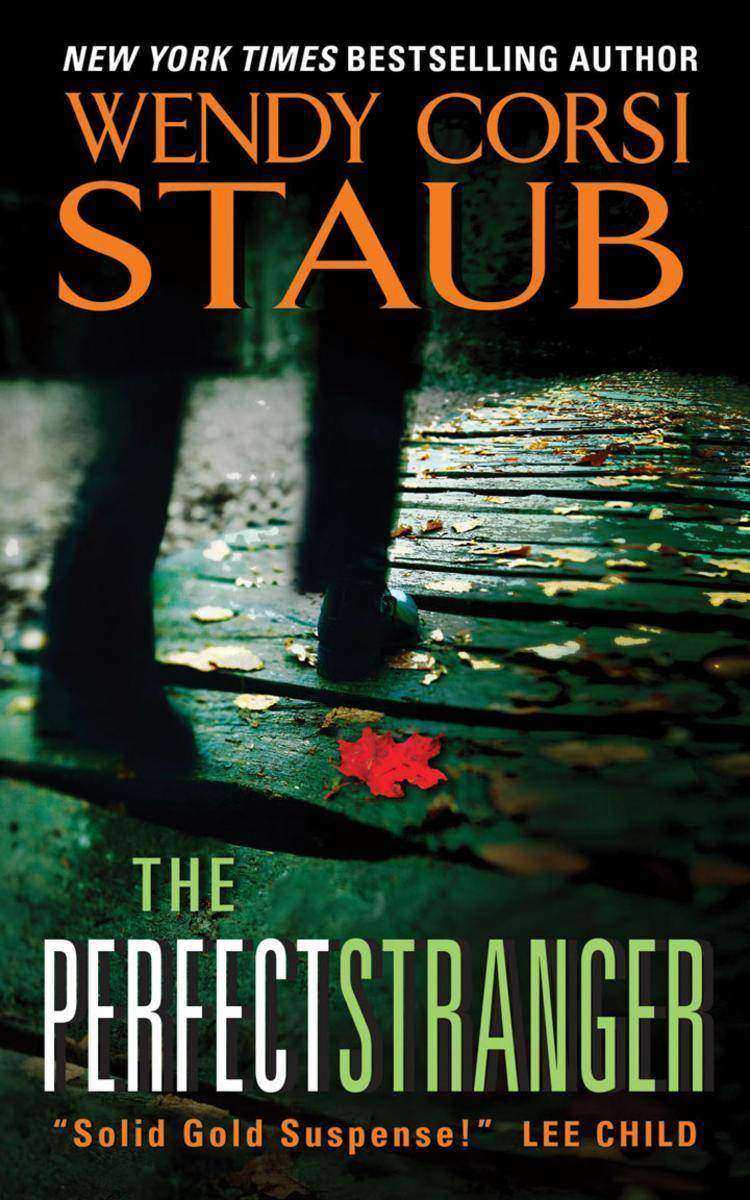
The Perfect Stranger
¥55.31
In New York Times bestselling author Wendy Corsi Staub's new thriller, one woman finds herself in the crosshairs of a twisted predator who might just be masked behind a familiar screen name . . .During the darkest period of her life, Landry Wells found solace in a group of bloggers who had been in her shoes and lived to tell the tale. She's shared things with her online friends that even her husband and children didn't know. Things that now, looking back, make her uneasy.One of the bloggers is dead, victim of a random crime—or was itDid she trust too easily; reveal too muchAt the funeral a thousand miles from home, Landry is about to come face to face at last with the others. These women are her closest confidantes in the world: they understand her; they know everything about her—and one of them might be a cold-blooded killer . . .

The Pioneer Woman Cooks: Dinnertime
¥167.88
There's no time like dinnertime!Oh, don't get me wrong. I adore breakfast. I love lunch! But dinnertime definitely tops them all. It's the time of day when we reunite with our sweeties, our kids, our friends, our parents . . . and catch up on the events of the day over something mouthwatering and delicious. Dinnertime anchors us, nourishes us, and reassures us. It's the greatest meal of the day!The Pioneer Woman Cooks: Dinnertime is a beloved collection of all the scrumptious supper recipes that make their way through my kitchen in regular rotation, from main dish salads to satisfying soups to hearty casseroles to comfort food classics . . . and everything in between. I lay out all the different ways I tackle dinner in my house, from super-quick 16-Minute Meals to make-ahead Freezer Food to irresistible pastas and a bundle of brand-new favorites of my crew.You'll want to immediately dive into surefire hits like Tomato Soup with Parmesan Croutons, Buffalo Chicken Salad, Baked Ziti, and Shrimp Scampi. But just wait till you try the Cashew Chicken, French Dip Sandwiches, Chicken Marsala, and Beef Stroganoff. And don't even get me started on the Tomato Tart, Chicken with Mustard Cream Sauce, and Pan-Fried Pork Chops. You'll have a very tough time deciding on a favorite!To take away the guesswork, I made sure to include all the step-by-step recipe photos I love to share, and I packed as much deliciousness into each chapter as possible. My hope is that you will turn to this book regularly to solve your dinnertime dilemmas, and that you will use these recipes to feed your family time and time again. The more stains, smudges, and smears on the pages, the better!Enjoy dinnertime in your household, friends!
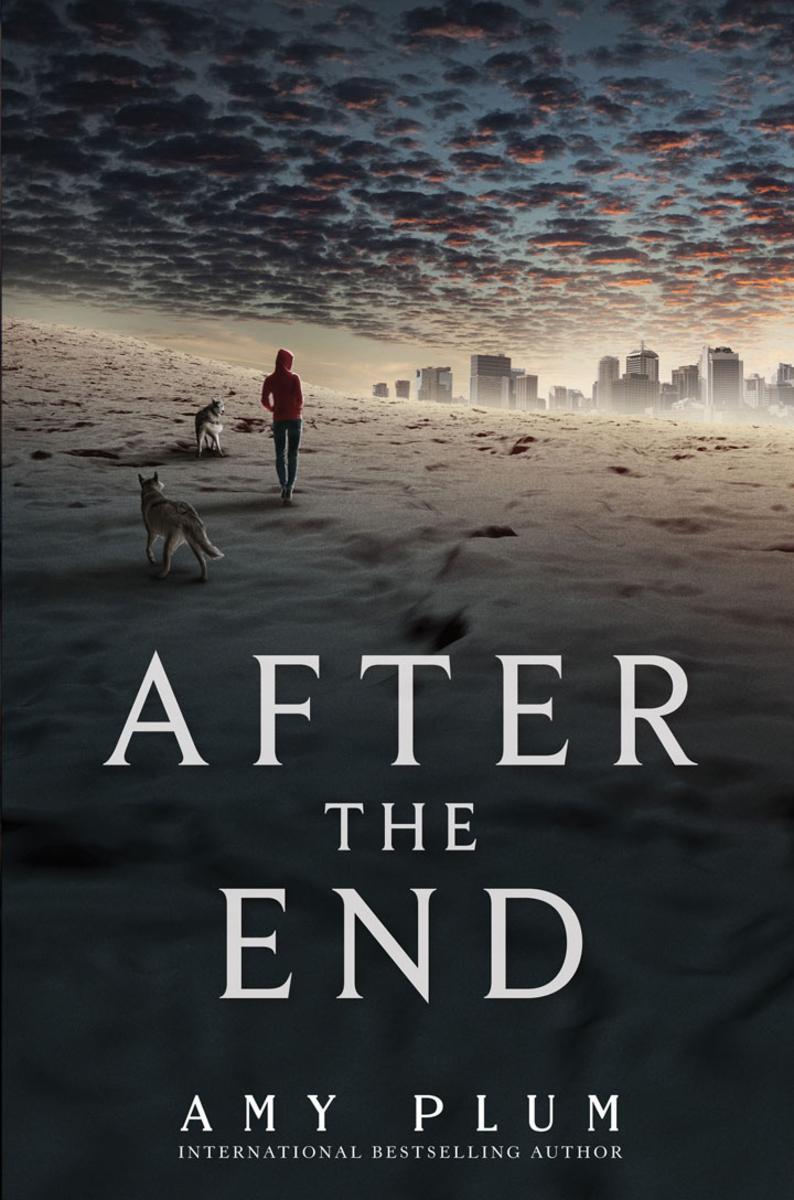
After the End
¥56.08
Michael Grant's Gone series meets M. Night Shyamalan's The Village in this riveting story of one girl's journey to save the very people who have lied to her for her entire life. Amy Plum, international bestselling author of the Die for Me series, delivers a fast-paced adventure perfect for fans of Marie Lu, Veronica Rossi, and Robison Wells.Juneau grew up fearing the outside world. The elders told her that beyond the borders of their land in the Alaskan wilderness, nuclear war had destroyed everything. But when Juneau returns from a hunting trip one day and discovers her people have been abducted, she sets off to find them. And leaving the boundaries for the very first time, she learns the horrifying truth: World War III never happened. Nothing was destroyed. Everything she'd ever been taught was a lie.As Juneau comes to terms with an unfathomable deception, she is forced to survive in a completely foreign world, using only the skills and abilities she developed in the wild. But while she's struggling to rescue her friends and family, someone else is after her. Someone who knows the extraordinary truth about her secret past.
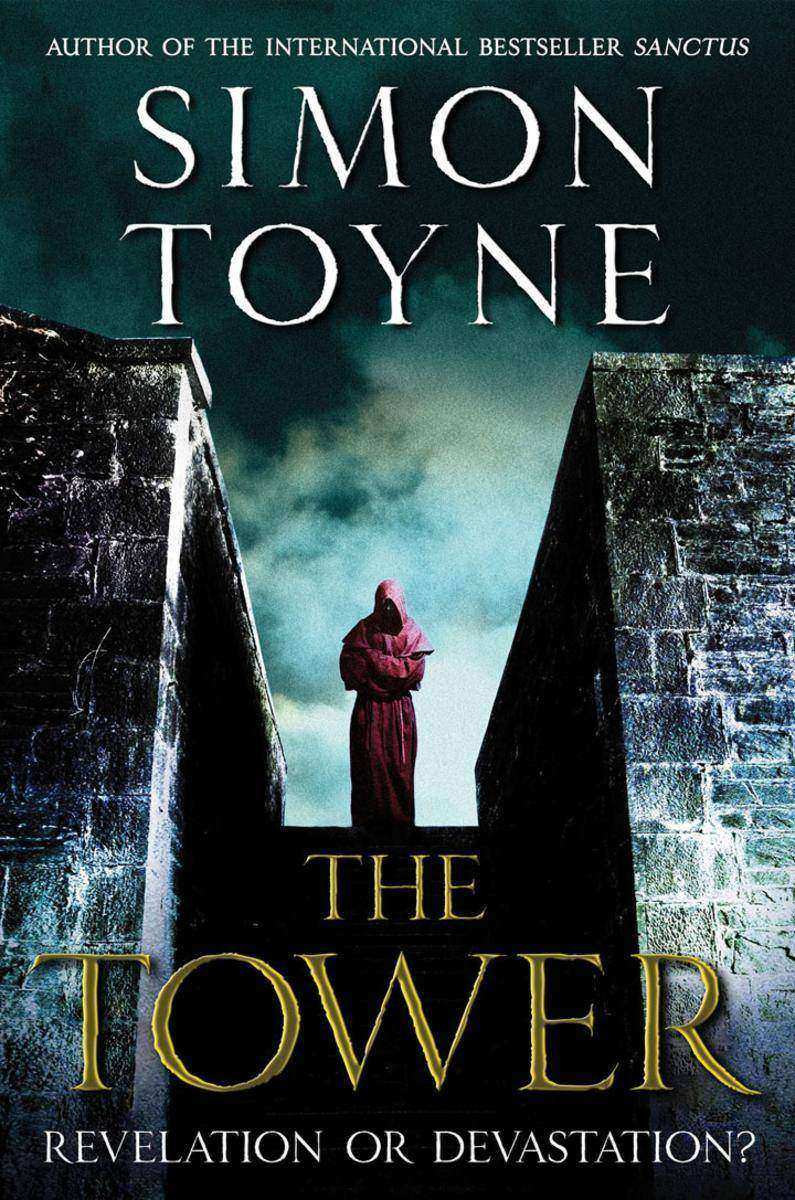
The Tower
¥70.10
After the risecomes the fallWhen a cyber-attack at NASA's Goddard Space Flight Center in Maryland disables the Hubble telescope and the Nobel Prize–winning scientist in charge disappears, the only clues left behind are a cryptic countdown clock and a chilling message displayed on the missing man's computer: Mankind Must Look No Further. Newly appointed FBI agent Joe Shepherd, a former academic star with degrees in astrophysics and computer science, is uniquely qualified to handle the investigation, but he is also hiding some secrets of his own. He discovers a note in the missing scientist's handwriting that reads "end of days" and further evidence linking the cyber-attack to a series of strange events from eight months earlier—an explosion at the Citadel, an ancient monastery in Turkey; the deadly viral outbreak that occurred in its wake; and the disappearance of an American journalist named Liv Adamsen and ex–special forces operative Gabriel Mann.Liv has been trapped in the Syrian Desert, a prisoner of the prophecy that drove her there and now whispers of terrible things to come. Gabriel, infected and tormented by the deadly virus he carried out of the Citadel, is desperate to return before it spreads.Shepherd's investigation takes him on a journey to the secrets at the very edge of the universe and also deep into his own past as the countdown clock continues and extraordinary events begin to manifest around the globe—animals migrating out of season, extreme weather battering the planet, people deserting the cities as they answer a growing urge to return to their original homes. In this exhilarating conclusion to the internationally bestselling Ruin trilogy, one woman's destiny weaves the past and present together in a way that will change the future for us all. But what is the "end of days" and what does it really mean for humankind—will it be revelation or devastation?

Plan D
¥83.03
"Diabetes could have killed me. Instead, it saved my life."—Sherri ShepherdThe day that actress, comedian, and cohost of The View Sherri Shepherd was diagnosed with the Big D—type 2 diabetes—she didn't see it coming. But she should have. Sherri had spent years battling excess weight, ignoring the warning that she was prediabetic, avoiding doctors, and denying some very clear signs that a diabetes diagnosis was imminent. Even watching the disease take her mother's life at the age of forty-one didn't sound the alarm for Sherri. But when D Day came, she had a diagnosis in hand and a child of her own. Sherri knew she needed to take a cold, hard look at the way she was living and make a choice: she could completely overhaul her life and reevaluate her relationship to food and exercise, or continue on a path that could leave her son growing up without his mother. The choice was easy. Putting the choice into action was a little more difficult.If you're one of the 100 million Americans diagnosed with prediabetes or diabetes each year, or one of the 130 million people who are overweight and at risk but don't know where to start, Plan D can provide life- changing results. Here, Sherri Shepherd breaks down the basics of the science of diabetes, explains how reversing your insulin resistance (the cause of type 2 diabetes) is the key, and offers support, humor, and the action plan you need to get results. With this medically supported plan, Sherri was able to lose forty pounds and keep it off. Through three key simple but effective strategies centered on diet, exercise, and taking control of the emotions that lead to poor food choices, Sherri offers readers a way to lose weight and control diabetes without feeling deprived, or chained to a strict, lifeless way of living. Plan D is flexible, sensible, and straight-forward, and it works wherever you are on the spectrum—whether you're struggling to lose weight, are in the danger zone of prediabetes and looking to turn things around, or have already been diagnosed with diabetes.Plan D will give you the facts you need to start changing your habits and your health now. With the help of her doctor, a leading endocrinologist, and a support group of family and close friends, Sherri changed her life. With Plan D, you can too.
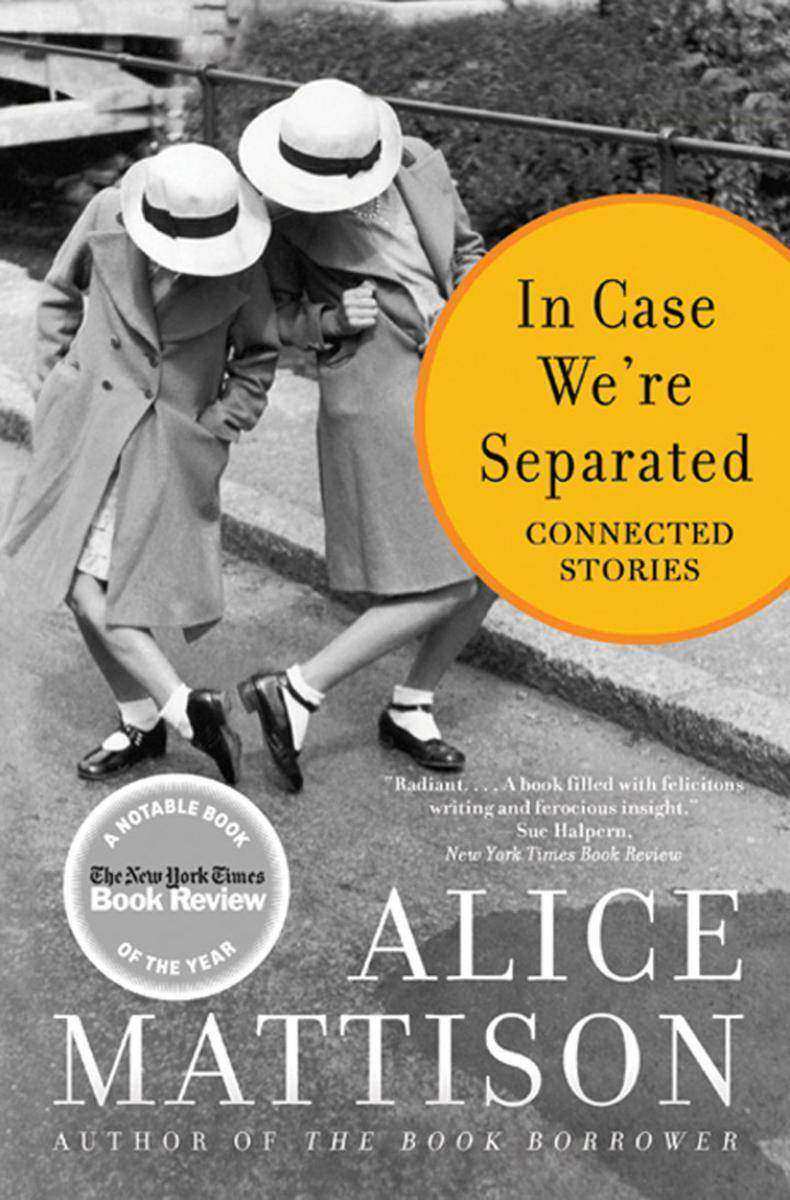
In Case We're Separated
¥78.32
Spanning the length and breadth of the twentieth century, Alice Mattison's masterful In Case We're Separated looks at a family of Jewish immigrants in the 1920s and 1930s and follows the urban, emotionally turbulent lives of their children, grandchildren, and great-grandchildren against a backdrop of political assassination, the Vietnam War, and the AIDS epidemic. Beginning with the title story, which introduces Bobbie Kaplowitz—a single mother in 1954 Brooklyn whose lover is married and whose understanding of life is changed by a broken kitchen appliance—Mattison displays her unparalleled gift for storytelling and for creating rich, multidimensional characters, a gift that has led the Los Angeles Times to praise her as "a writer's writer."

The Eighth Day
¥105.17
This new edition of Thornton Wilder's renowned 1967 National Book Award–winning novel features a new foreword by John Updike and an afterword by Tappan Wilder, who draws on such unique sources as Wilder's unpublished letters, handwritten annotations in the margins of the book, and other illuminating documentary material.In 1962 and 1963, Thornton Wilder spent twenty months in hibernation, away from family and friends, in the Rio Grande border town of Douglas, Arizona. While there, he launched The Eighth Day, a tale set in a mining town in southern Illinois about two families blasted apart by the apparent murder of one father by the other. The miraculous escape of the accused killer, John Ashley, on the eve of his execution and his flight to freedom triggers a powerful story tracing the fate of his and the victim's wife and children. At once a murder mystery and a philosophical story, The Eighth Day is a "suspenseful and deeply moving" (New York Times) work of classic stature that has been hailed as a great American epic.

Further Confessions of a Slightly Neurotic Hitwoman
¥48.91
Take three wacky aunts,two talking animals,one nervous bride,and an upcoming hit,and you've got the follow-upto JB Lynn's wickedly funnyConfessions of a Slightly Neurotic HitwomanKnocking off a drug kingpin was the last thing on Maggie Lee's to-do list, but when a tragic accident leaves her beloved niece orphaned and in the hospital, Maggie will go to desperate lengths to land the money needed for her care. But the drug kingpin is the least of her worries. Maggie's aunts are driving her crazy, her best friend's turned into a bridezilla…and a knock on the head has given Maggie Dr. Dolittle abilities—she can talk to animals. Unfortunately, they talk back.It's just another day in the life of this neurotic hitwoman…
Buzzers
¥10.83
In a story from Kevin Moffett's dazzling new collection, Further Interpretations of Real-Life Events, a young man en route to study in Italy sits on the plane as it prepares for take-off and receives a text message that his ailing father has finally passed away. Overwhelmed and grief-stricken, he finds himself immobile. As Andrew faces a choice between leaving to tend to his mother and continuing to the escape of Italy, pretending the message was too late, Moffett delivers penetrating and brutally honest insight into a moment of paralyzing indecision.
First Marriage
¥10.83
In this story from Kevin Moffett's dazzling new collection, Further Interpretations of Real-Life Events, a honeymooning couple in Arizona faces the vast future ahead of them—and the immediate problem of a dead animal stinking up their rental car. This meditation on marriage, commitment, and all that we give to and keep from those we love comes with equal parts heartbreak and bone-dry humor.
In the Pines
¥10.83
"In the Pines," from Kevin Moffett's dazzling new collection, Further Interpretations of Real-Life Events, is the story of a thrice-widowed, seventy-something woman living in a retirement home on an old Civil War battlefield. When a soldier wanders in from the backyard and befriends her, she believes she's found herself a new man.
One Dog Year
¥10.83
In this story from Kevin Moffett's dazzling new collection, Further Interpretations of Real-Life Events, an elderly, declining John D. Rockfeller waits in his wheelchair for an airshow to begin, pondering the tension between eking out every last moment of life and experiencing, for the first time in a long time, a moment of genuine adventure.
Blackout
¥56.08
Homeland meets Marie Lu's Legend in Blackout, which #1 New York Times bestselling author Ally Condie called "a thrilling combination of Wells's trademark twists and terror. Fantastic!"Laura and Alec are highly trained teenage terrorists. Jack and Aubrey are small-town high school students. There was no reason for their paths ever to cross. But now a mysterious virus is spreading throughout America, infecting teenagers with impossible superpowers—and all teens are being rounded up, dragged to government testing facilities, and drafted into the army to fight terrorism. Suddenly, Jack, Laura, Aubrey, and Alec find their lives intertwined in a complex web of deception, loyalty, and catastrophic danger—where one wrong choice could trigger an explosion that ends it all.
Uninvited
¥55.33
From New York Times bestselling author Sophie Jordan, Uninvited is a chilling and suspenseful story about a girl whose DNA brands her a killer, perfect for fans of The Unbecoming of Mara Dyer and Confessions of a Murder Suspect.Davy had everything—a terrific boyfriend, the homecoming crown, a bright future at Juilliard—but when her genetic tests come back positive for Homicidal Tendency Syndrome, she loses it all. Uninvited from her prestigious school, avoided by her friends and family, she is placed in a special class with other "carriers" who are treated like the murderers they someday might become.Only Sean, a fellow HTS carrier, can relate to her new life and tells her that she alone controls her actions—not the code embedded into her DNA. But even if she can learn to trust him, can Davy trust herself?
Tracker: A Short Story Exclusive
¥10.86
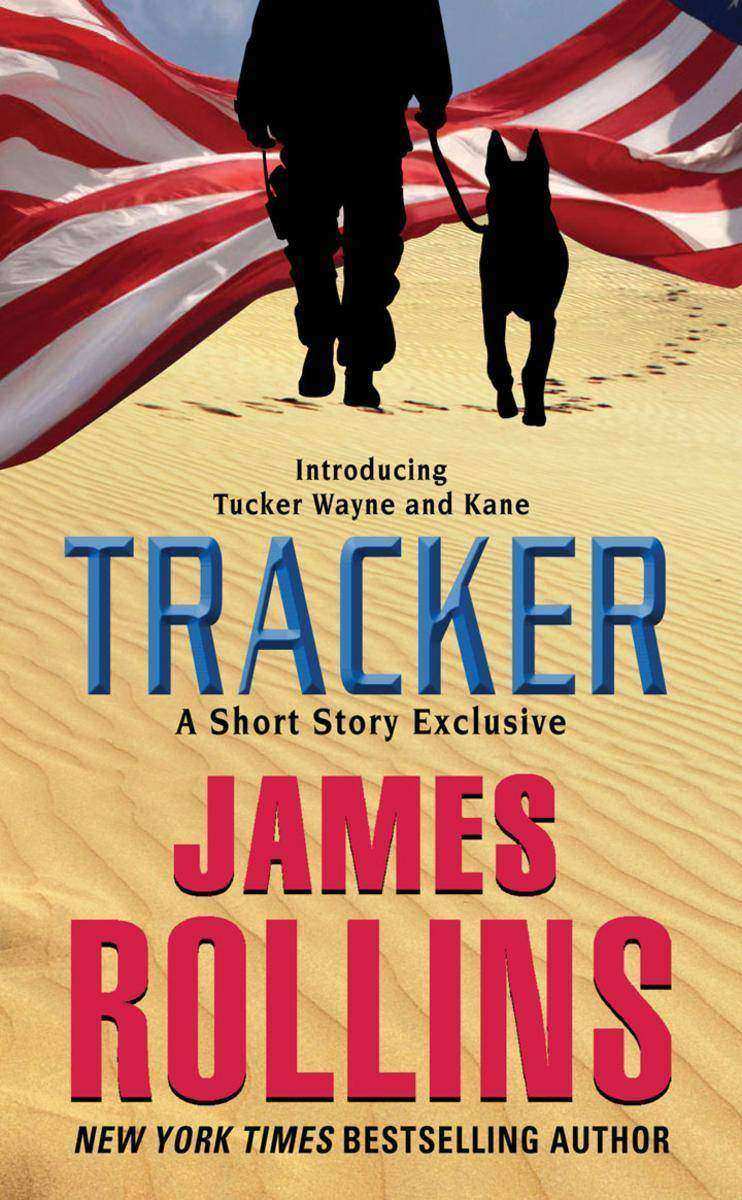
From New York Times bestselling author James Rollins comes a stirring story of a soldier and his military war dog who are drawn into a dark mystery tracing back to World War II and a lost treasure tied to the bones of the dead.Off the blustery streets in the medieval heart of Budapest, Captain Tucker Wayne and his war dog, Kane, rescue a mysterious woman fleeing three armed men. The secret she holds will unlock a terrible treasure, one steeped in blood and treachery, tied to a crime going back to the fall of Nazi Germany and a heritage of suffering and pain that reaches out from the past to wreak havoc today. In a final showdown in the depths of a lost cemetery, truths will be unearthed, treasures exposed, and the fate of all will rest upon the shoulders of one man and a dog whose courage is beyond measure. Included within this thrilling story is a sneak peek at the opening chapters of Bloodline, in which the further exploits of Tucker and Kane will be revealed.

Elvis and the Underdogs: Secrets, Secret Service, and Room Service
¥39.24
Perfect for fans of R. J. Palacio and Gordon Korman, this is the hilarious and heartwarming sequel to Elvis and the Underdogs from author Jenny Lee, former writer on the popular Disney Channel show Shake It Up.It's been months since Benji's former safety dog, Elvis, was whisked away by the Secret Service, but Benji still misses him terribly. Luckily, because Elvis is now the president's dog, there are plenty of pictures and videos of him online. While watching the footage of the president's speech on the White House lawn, Benji and his friends Alexander and Taisy see Elvis thumping his tail repeatedly. Is he trying to tell Benji somethingThe kids realize it's actually a code! And Elvis needs their help.And so begins another madcap adventure in which these underdog best friends will have to find a way to travel to DC, find out the truth behind Elvis's distress signals, and uncover state secrets without getting caught . . . or they may have to say good-bye to Elvis for good.


