


 购物车
购物车 个人中心
个人中心
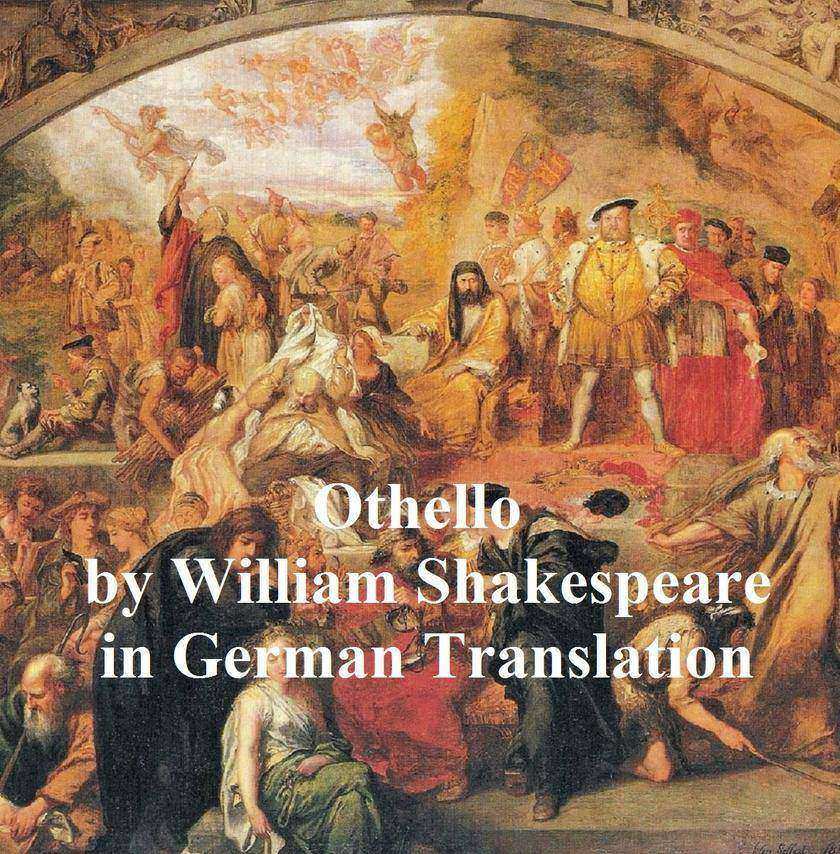
Othello der Mohr von Venedig
¥8.09
Die Shakespeare-Trag?die, übersetzt von Christoph Martin Wieland. Laut Wikipedia: "Die Trag?die von Othello, der Mohr von Venedig ist eine Trag?die von William Shakespeare, vermutlich um 1603 geschrieben, und basiert auf der italienischen Kurzgeschichte Un Capitano Moro (" Ein maurischer Kapit?n ") von Cinthio, ein Schüler von Boccaccio, der erstmals 1565 ver?ffentlicht wurde. Das Werk dreht sich um vier Hauptfiguren: Othello, ein maurischer General in der venezianischen Armee, seine Frau Desdemona, sein Leutnant Cassio und seine vertraute F?hnrich Jago.

The Scouts of the Valley
¥8.09
Historical novel from the Young Trailers series. According to Wikipedia: "Joseph Alexander Altsheler (1862 - 1919), was an American author of popular juvenile historical fiction. Altsheler was born in Three Springs, Kentucky to Joseph and Louise Altsheler. In 1885, he took a job at the Louisville Courier-Journal as a reporter and later, an editor. He started working for the New York World in 1892, first as the paper's Hawaiian correspondent and then as the editor of the World's tri-weekly magazine. Due to a lack of suitable stories, he began writing children's stories for the magazine."

Through the Fray, A Tale of the Luddite Riots
¥8.09
Historical novel set at the beginning of the 19th century, during violent worker protests against the mechanization of the Industrial Revolution. The Preface begins: "The beginning of the present century, glorious as it was for British arms abroad, was a dark time to those who lived by their daily labor at home. The heavy taxation entailed by the war, the injury to trade, and the enormous prices of food, all pressed heavily upon the working classes. The invention of improved machinery, vast as has been the increase of trade which it has brought about, at first pressed heavily upon the hand workers, who assigned all their distress to the new inventions. Hence a movement arose, which did much damage and for a time threatened to be extremely formidable." According to Wikipedia: "George Alfred Henty (8 December 1832 - 16 November 1902), referred to as G. A. Henty, was a prolific English novelist, special correspondent, and Imperialist born in Trumpington, Cambridgeshire, England. He is best known for his historical adventure stories that were popular in the late 19th century. His works include Out on the Pampas (1871), The Young Buglers (1880), With Clive in India (1884) and Wulf the Saxon (1895)."
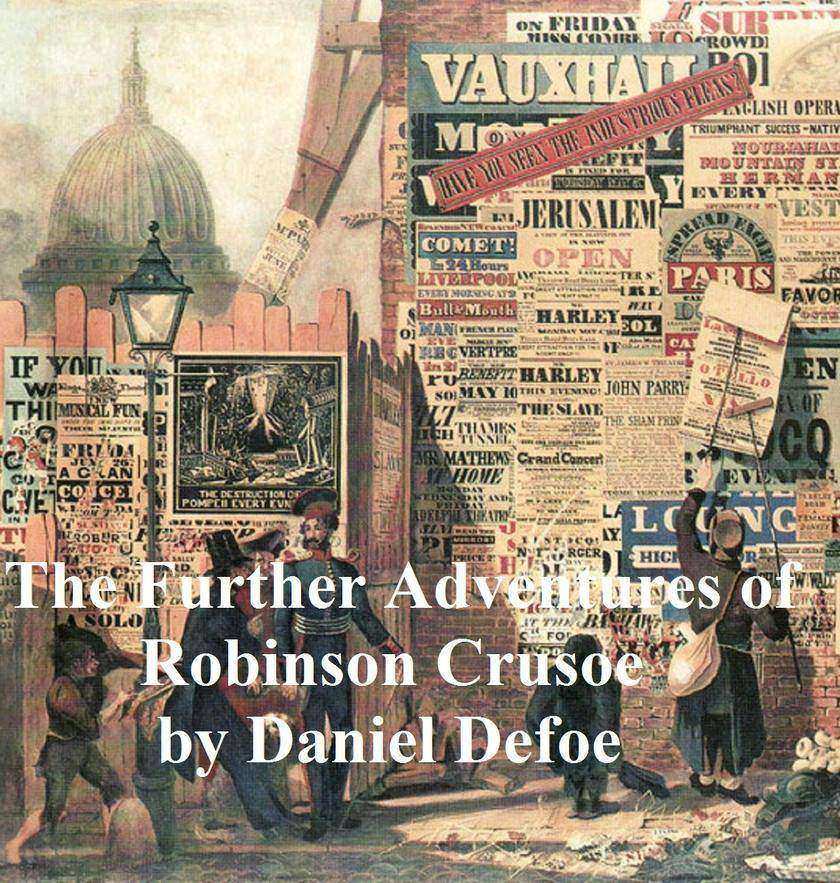
The Further Adventures of Robinson Crusoe
¥8.09
Sequel to the well-known classic. The story begins: "THAT homely proverb, used on so many occasions in England, viz. "That what is bred in the bone will not go out of the flesh," was never more verified than in the story of my Life. Any one would think that after thirty-five years' affliction, and a variety of unhappy circumstances, which few men, if any, ever went through before, and after near seven years of peace and enjoyment in the fulness of all things; grown old, and when, if ever, it might be allowed me to have had experience of every state of middle life, and to know which was most adapted to make a man completely happy; I say, after all this, any one would have thought that the native propensity to rambling which I gave an account of in my first setting out in the world to have been so predominant in my thoughts, should be worn out, and I might, at sixty one years of age, have been a little inclined to stay at home, and have done venturing life and fortune any more." According to Wikipedia: Daniel Defoe (1659/1661 [?] — 1731), born Daniel Foe, was an English writer, journalist, and pamphleteer, who gained enduring fame for his novel Robinson Crusoe. Defoe is notable for being one of the earliest practitioners of the novel, as he helped to popularise the form in Britain, and is even referred to by some as one of the founders of the English novel. A prolific and versatile writer, he wrote more than five hundred books, pamphlets, and journals on various topics (including politics, crime, religion, marriage, psychology and the supernatural). He was also a pioneer of economic journalism."
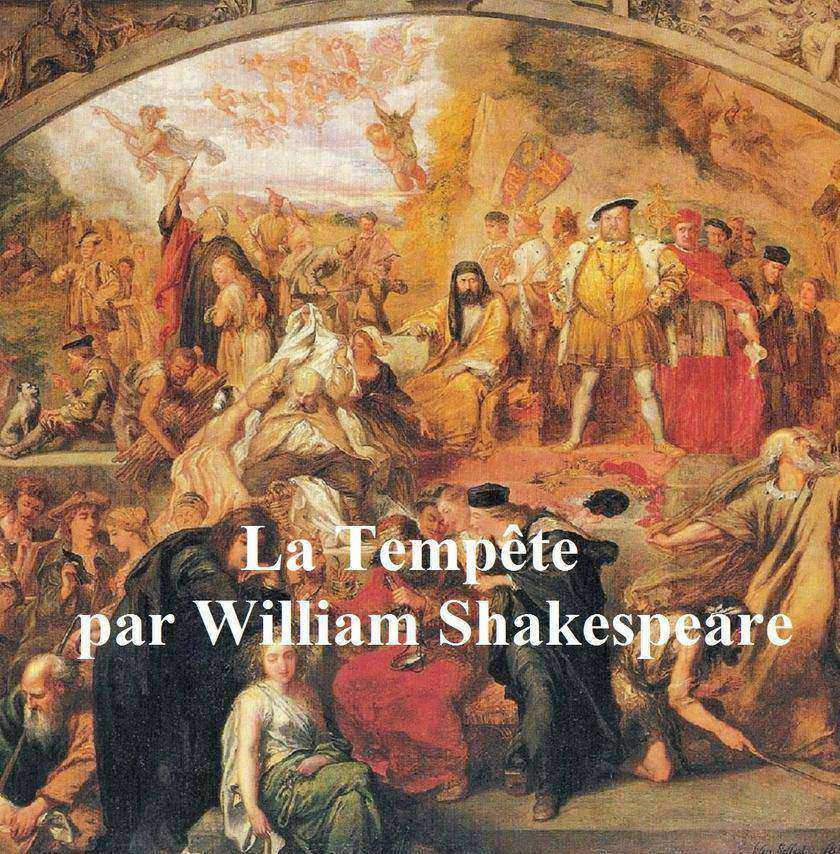
Shakespeare's Tempest in French
¥8.09
Romance Shakespearienne classique en traduction fran?aise. Selon Wikipedia: "The Tempest est une pièce écrite par William Shakespeare.Beaucoup de chercheurs croient qu'il a été écrit en 1610-11, bien que certains chercheurs ont plaidé pour une date plus t?t. Folio de 1623, de nombreux éditeurs modernes ont depuis ré-étiqueté le jeu. Il n'a pas attiré beaucoup d'attention avant la fermeture des thé?tres en 1642 et après la Restauration, il n'a atteint la popularité que dans des versions adaptées. rétablir le texte shakespearien original au milieu du XIXe siècle, et au XXe siècle, les critiques et les spécialistes ont entrepris une réévaluation significative de la valeur de la pièce, dans la mesure où elle est maintenant considérée comme l'une des plus grandes ?uvres de Shakespeare.

Der Sturm
¥8.09
Klassische Shakespeare-Romantik in deutscher ?bersetzung. Nach Wikipedia: "The Tempest ist ein Stück von William Shakespeare geschrieben. Viele Forscher glauben, dass es in 1610-11 geschrieben wurde, obwohl einige Wissenschaftler für ein früheres Datum argumentiert haben." Folio 1623, haben viele moderne Redakteure Seit dem Umbau der Theater im Jahr 1642 und nach der Restauration, wurde es nur in angepassten Versionen beliebt.Restore den ursprünglichen Shakespeare-Text in der Mitte der Im neunzehnten Jahrhundert und im zwanzigsten Jahrhundert unternahmen Kritiker und Gelehrte eine bedeutende Neubewertung des Wertes des Stückes, da es jetzt als eines der gr??ten Werke Shakespeares gilt."

The Tempest/ Der Sturm: Bilingual edition
¥8.09
Klassische Shakespeare-Romantik auf Englisch mit Zeilennummern und in deutscher ?bersetzung. Laut Wikipedia: "The Tempest ist ein Stück von William Shakespeare geschrieben. Viele Gelehrte glauben, dass es in 1610-11 geschrieben wurde, obwohl einige Forscher für eine frühere Datierung argumentiert haben. W?hrend als Kom?die aufgelistet, als es ursprünglich in der ersten ver?ffentlicht wurde Folio von 1623, viele moderne Redakteure haben seitdem das Spiel als eine Romanze bezeichnet, die vor der Schlie?ung der Theater im Jahre 1642 keine nennenswerte Aufmerksamkeit auf sich zog und nach der Restauration nur in adaptierten Versionen Popularit?t erlangte den originalen Shakespeare-Text in der Mitte des 19. Jahrhunderts wieder einzuführen, und im 20. Jahrhundert haben Kritiker und Gelehrte eine signifikante Neubewertung des Spielwerts vorgenommen, in dem Ma?e, als es jetzt als eines von Shakespeares gr??ten Werken gilt. "
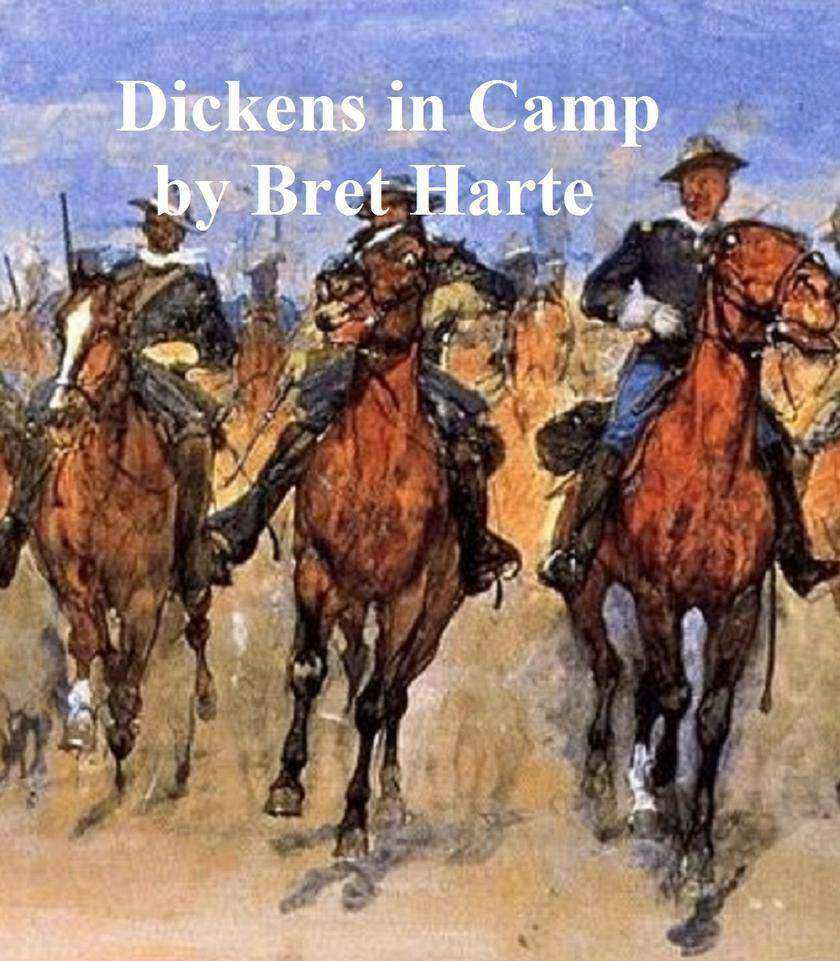
Dickens in Camp
¥8.09
Short poem, considered Harte's verse masterpiece. According to Wikipedia: "Bret Harte (August 25, 1836[2] – May 6, 1902) was an American author and poet, best remembered for his accounts of pioneering life in California. He was born in Albany, New York. ... He moved to California in 1853, later working there in a number of capacities, including miner, teacher, messenger, and journalist. He spent part of his life in the northern California coast town now known as Arcata, then just a mining camp on Humboldt Bay. His first literary efforts, including poetry and prose, appeared in The Californian, an early literary journal edited by Charles Henry Webb. In 1868 he became editor of The Overland Monthly, another new literary magazine, but this one more in tune with the pioneering spirit of excitement in California. His story, "The Luck of Roaring Camp," appeared in the magazine's second edition, propelling Harte to nationwide fame... Determined to pursue his literary career, in 1871 he and his family traveled back East, to New York and eventually to Boston, where he contracted with the publisher of The Atlantic Monthly for an annual salary of $10,000, "an unprecedented sum at the time." His popularity waned, however, and by the end of 1872 he was without a publishing contract and increasingly desperate. He spent the next few years struggling to publish new work (or republish old), delivering lectures about the gold rush, and even selling an advertising jingle to a soap company. In 1878 Harte was appointed to the position of United States Consul in the town of Krefeld, Germany and then to Glasgow in 1880. In 1885 he settled in London. During the thirty years he spent in Europe, he never abandoned writing, and maintained a prodigious output of stories that retained the freshness of his earlier work. He died in England in 1902 of throat cancer and is buried at Frimley."
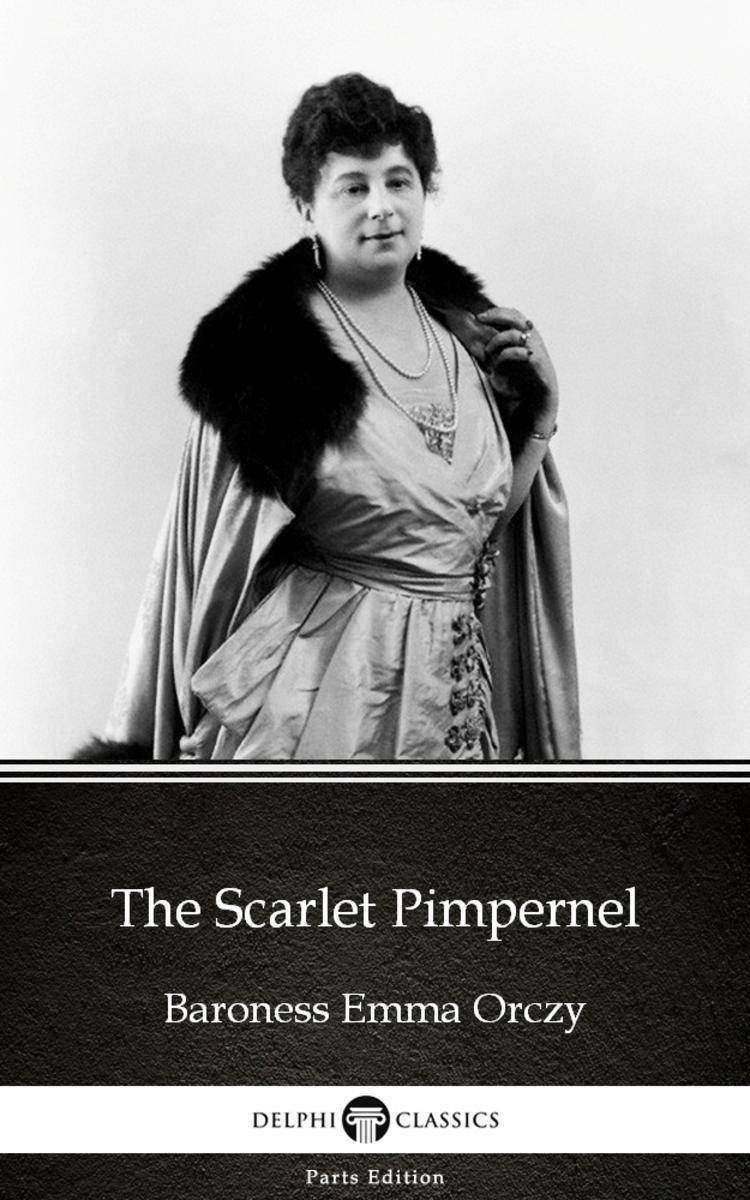
The Scarlet Pimpernel by Baroness Emma Orczy - Delphi Classics (Illustrated)
¥8.09
This eBook features the unabridged text of ‘The Scarlet Pimpernel by Baroness Emma Orczy - Delphi Classics (Illustrated)’ from the bestselling edition of ‘The Collected Works of Baroness Emma Orczy’. Having established their name as the leading publisher of classic literature and art, Delphi Classics produce publications that are individually crafted with superior formatting, while introducing many rare texts for the first time in digital print. The Delphi Classics edition of Orczy includes original annotations and illustrations relating to the life and works of the author, as well as individual tables of contents, allowing you to navigate eBooks quickly and easily. eBook features: * The complete unabridged text of ‘The Scarlet Pimpernel by Baroness Emma Orczy - Delphi Classics (Illustrated)’ * Beautifully illustrated with images related to Orczy’s works * Individual contents table, allowing easy navigation around the eBook * Excellent formatting of the textPlease visit www.delphiclassics.com to learn more about our wide range of titles

Adventures of the Scarlet Pimpernel by Baroness Emma Orczy - Delphi Classics (Il
¥8.09
This eBook features the unabridged text of ‘Adventures of the Scarlet Pimpernel by Baroness Emma Orczy - Delphi Classics (Illustrated)’ from the bestselling edition of ‘The Collected Works of Baroness Emma Orczy’. Having established their name as the leading publisher of classic literature and art, Delphi Classics produce publications that are individually crafted with superior formatting, while introducing many rare texts for the first time in digital print. The Delphi Classics edition of Orczy includes original annotations and illustrations relating to the life and works of the author, as well as individual tables of contents, allowing you to navigate eBooks quickly and easily. eBook features: * The complete unabridged text of ‘Adventures of the Scarlet Pimpernel by Baroness Emma Orczy - Delphi Classics (Illustrated)’ * Beautifully illustrated with images related to Orczy’s works * Individual contents table, allowing easy navigation around the eBook * Excellent formatting of the textPlease visit www.delphiclassics.com to learn more about our wide range of titles
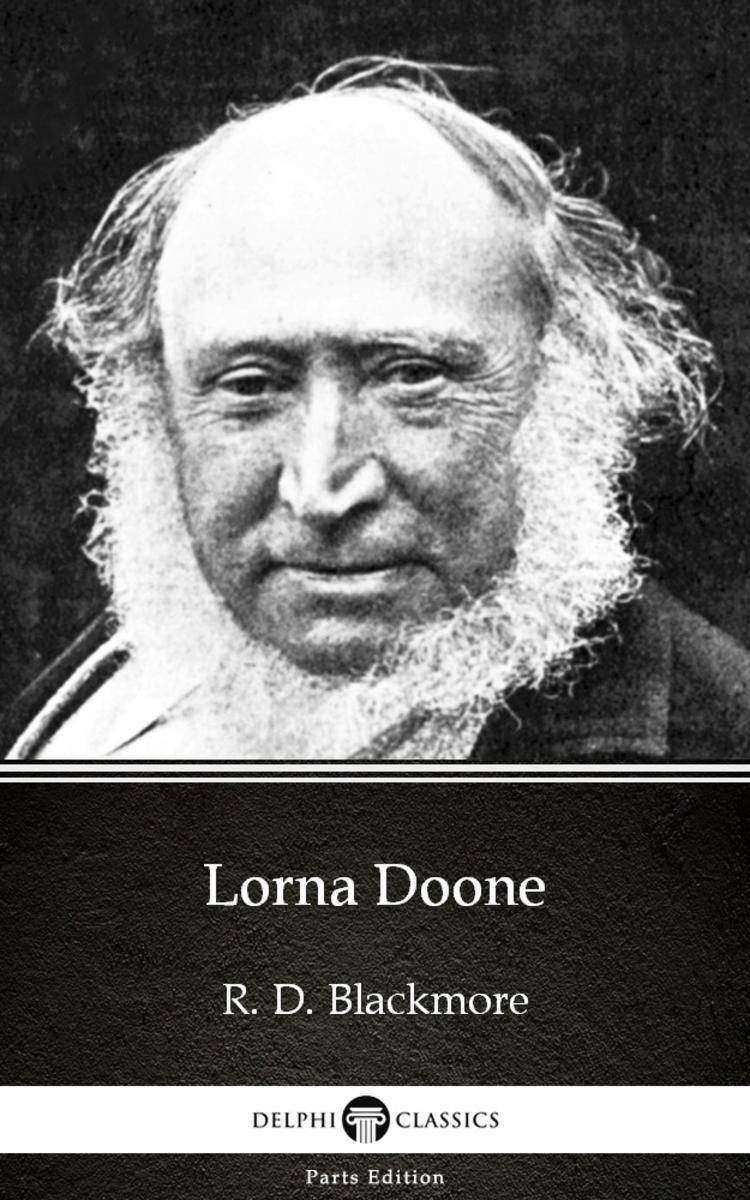
Lorna Doone by R. D. Blackmore - Delphi Classics (Illustrated)
¥8.09
This eBook features the unabridged text of ‘Lorna Doone by R. D. Blackmore - Delphi Classics (Illustrated)’ from the bestselling edition of ‘The Complete Works of R. D. Blackmore’. Having established their name as the leading publisher of classic literature and art, Delphi Classics produce publications that are individually crafted with superior formatting, while introducing many rare texts for the first time in digital print. The Delphi Classics edition of Blackmore includes original annotations and illustrations relating to the life and works of the author, as well as individual tables of contents, allowing you to navigate eBooks quickly and easily. eBook features: * The complete unabridged text of ‘Lorna Doone by R. D. Blackmore - Delphi Classics (Illustrated)’ * Beautifully illustrated with images related to Blackmore’s works * Individual contents table, allowing easy navigation around the eBook * Excellent formatting of the text Please visit www.delphiclassics.com to learn more about our wide range of titles
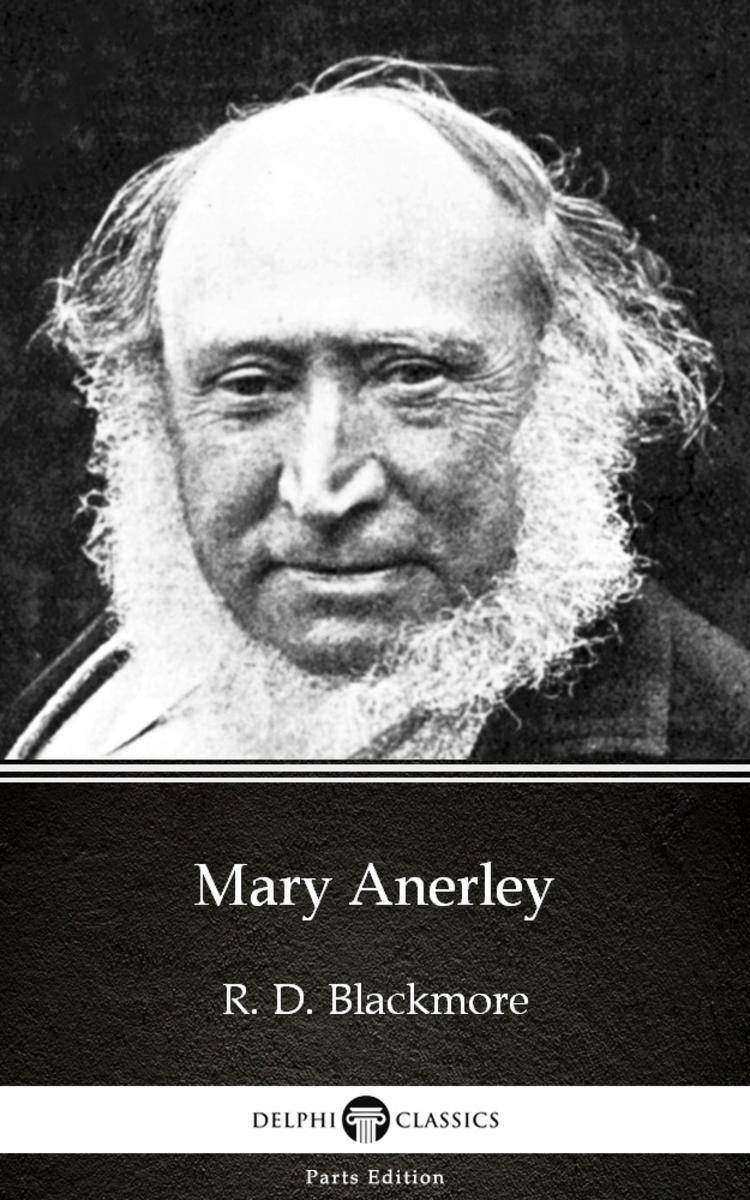
Mary Anerley by R. D. Blackmore - Delphi Classics (Illustrated)
¥8.09
This eBook features the unabridged text of ‘Mary Anerley by R. D. Blackmore - Delphi Classics (Illustrated)’ from the bestselling edition of ‘The Complete Works of R. D. Blackmore’. Having established their name as the leading publisher of classic literature and art, Delphi Classics produce publications that are individually crafted with superior formatting, while introducing many rare texts for the first time in digital print. The Delphi Classics edition of Blackmore includes original annotations and illustrations relating to the life and works of the author, as well as individual tables of contents, allowing you to navigate eBooks quickly and easily. eBook features: * The complete unabridged text of ‘Mary Anerley by R. D. Blackmore - Delphi Classics (Illustrated)’ * Beautifully illustrated with images related to Blackmore’s works * Individual contents table, allowing easy navigation around the eBook * Excellent formatting of the text Please visit www.delphiclassics.com to learn more about our wide range of titles
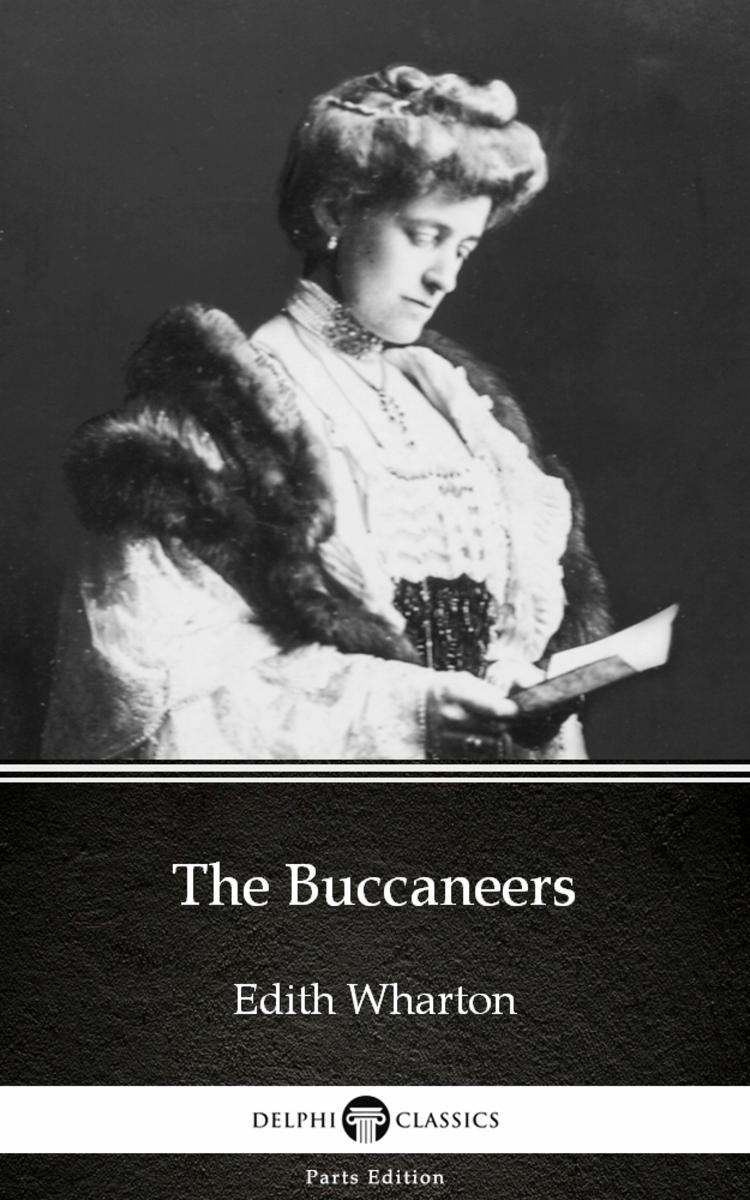
The Buccaneers by Edith Wharton - Delphi Classics (Illustrated)
¥8.09
This eBook features the unabridged text of ‘The Buccaneers by Edith Wharton - Delphi Classics (Illustrated)’ from the bestselling edition of ‘The Complete Works of Edith Wharton’. Having established their name as the leading publisher of classic literature and art, Delphi Classics produce publications that are individually crafted with superior formatting, while introducing many rare texts for the first time in digital print. The Delphi Classics edition of Wharton includes original annotations and illustrations relating to the life and works of the author, as well as individual tables of contents, allowing you to navigate eBooks quickly and easily. eBook features: * The complete unabridged text of ‘The Buccaneers by Edith Wharton - Delphi Classics (Illustrated)’ * Beautifully illustrated with images related to Wharton’s works * Individual contents table, allowing easy navigation around the eBook * Excellent formatting of the text Please visit www.delphiclassics.com to learn more about our wide range of titles

The Storm by Max Brand - Delphi Classics (Illustrated)
¥8.09
This eBook features the unabridged text of ‘The Storm by Max Brand - Delphi Classics (Illustrated)’ from the bestselling edition of ‘The Collected Works of Max Brand’. Having established their name as the leading publisher of classic literature and art, Delphi Classics produce publications that are individually crafted with superior formatting, while introducing many rare texts for the first time in digital print. The Delphi Classics edition of Brand includes original annotations and illustrations relating to the life and works of the author, as well as individual tables of contents, allowing you to navigate eBooks quickly and easily. eBook features: * The complete unabridged text of ‘The Storm by Max Brand - Delphi Classics (Illustrated)’ * Beautifully illustrated with images related to Brand’s works * Individual contents table, allowing easy navigation around the eBook * Excellent formatting of the textPlease visit www.delphiclassics.com to learn more about our wide range of titles
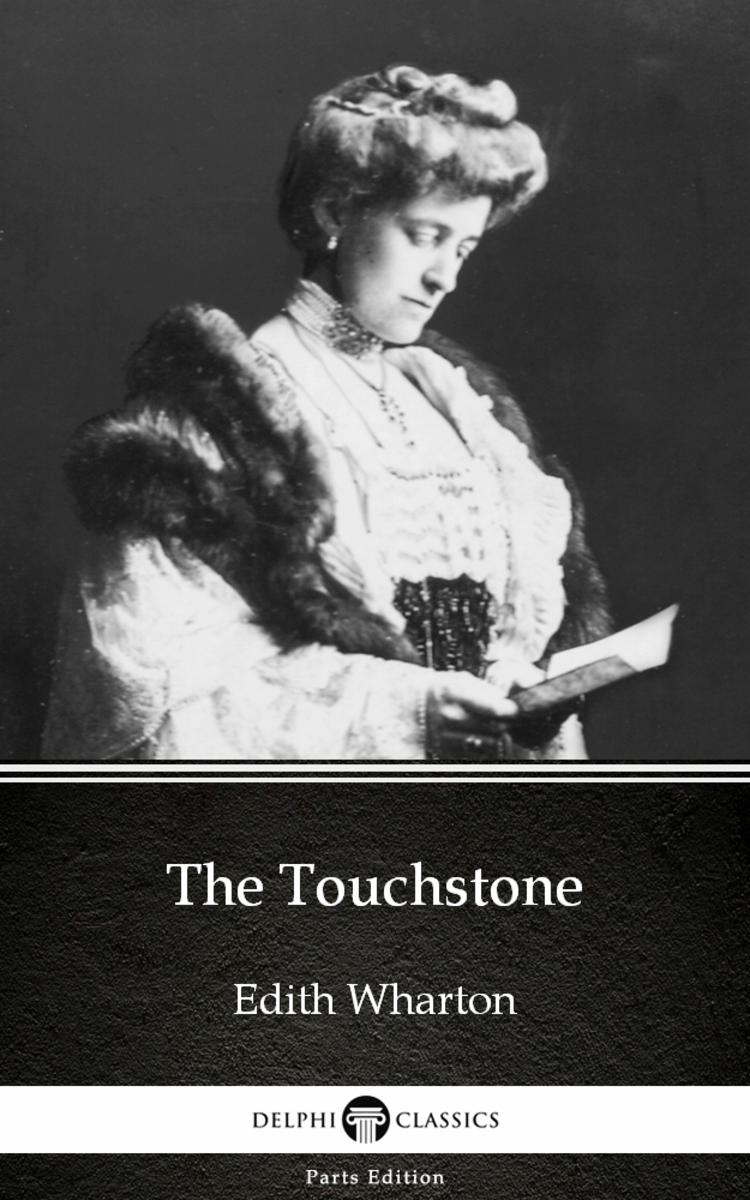
The Touchstone by Edith Wharton - Delphi Classics (Illustrated)
¥8.09
This eBook features the unabridged text of ‘The Touchstone by Edith Wharton - Delphi Classics (Illustrated)’ from the bestselling edition of ‘The Complete Works of Edith Wharton’. Having established their name as the leading publisher of classic literature and art, Delphi Classics produce publications that are individually crafted with superior formatting, while introducing many rare texts for the first time in digital print. The Delphi Classics edition of Wharton includes original annotations and illustrations relating to the life and works of the author, as well as individual tables of contents, allowing you to navigate eBooks quickly and easily. eBook features: * The complete unabridged text of ‘The Touchstone by Edith Wharton - Delphi Classics (Illustrated)’ * Beautifully illustrated with images related to Wharton’s works * Individual contents table, allowing easy navigation around the eBook * Excellent formatting of the text Please visit www.delphiclassics.com to learn more about our wide range of titles
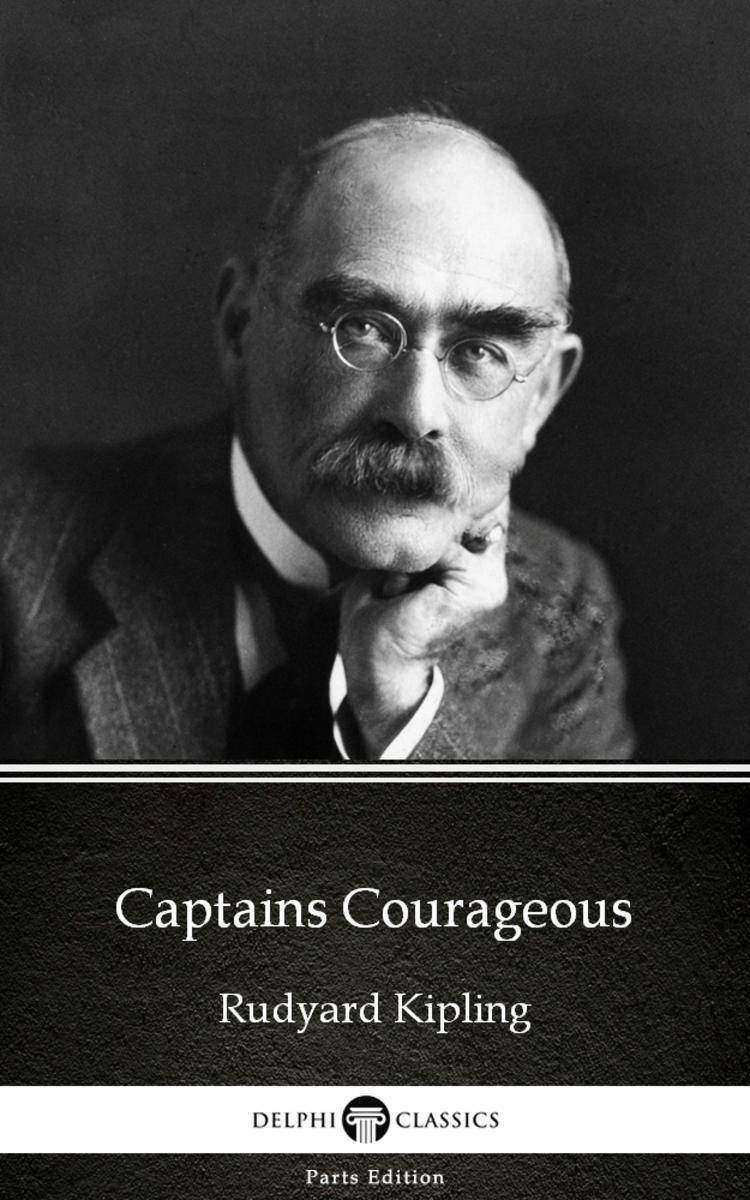
Captains Courageous by Rudyard Kipling - Delphi Classics (Illustrated)
¥8.09
This eBook features the unabridged text of ‘Captains Courageous by Rudyard Kipling - Delphi Classics (Illustrated)’ from the bestselling edition of ‘The Complete Works of Rudyard Kipling’. Having established their name as the leading publisher of classic literature and art, Delphi Classics produce publications that are individually crafted with superior formatting, while introducing many rare texts for the first time in digital print. The Delphi Classics edition of Kipling includes original annotations and illustrations relating to the life and works of the author, as well as individual tables of contents, allowing you to navigate eBooks quickly and easily. eBook features: * The complete unabridged text of ‘Captains Courageous by Rudyard Kipling - Delphi Classics (Illustrated)’ * Beautifully illustrated with images related to Kipling’s works * Individual contents table, allowing easy navigation around the eBook * Excellent formatting of the text Please visit www.delphiclassics.com to learn more about our wide range of titles

The Captive by Marcel Proust - Delphi Classics (Illustrated)
¥8.09
This eBook features the unabridged text of ‘The Captive by Marcel Proust - Delphi Classics (Illustrated)’ from the bestselling edition of ‘The Complete Works of Marcel Proust’. Having established their name as the leading publisher of classic literature and art, Delphi Classics produce publications that are individually crafted with superior formatting, while introducing many rare texts for the first time in digital print. The Delphi Classics edition of Proust includes original annotations and illustrations relating to the life and works of the author, as well as individual tables of contents, allowing you to navigate eBooks quickly and easily. eBook features: * The complete unabridged text of ‘The Captive by Marcel Proust - Delphi Classics (Illustrated)’ * Beautifully illustrated with images related to Proust’s works * Individual contents table, allowing easy navigation around the eBook * Excellent formatting of the text Please visit www.delphiclassics.com to learn more about our wide range of titles
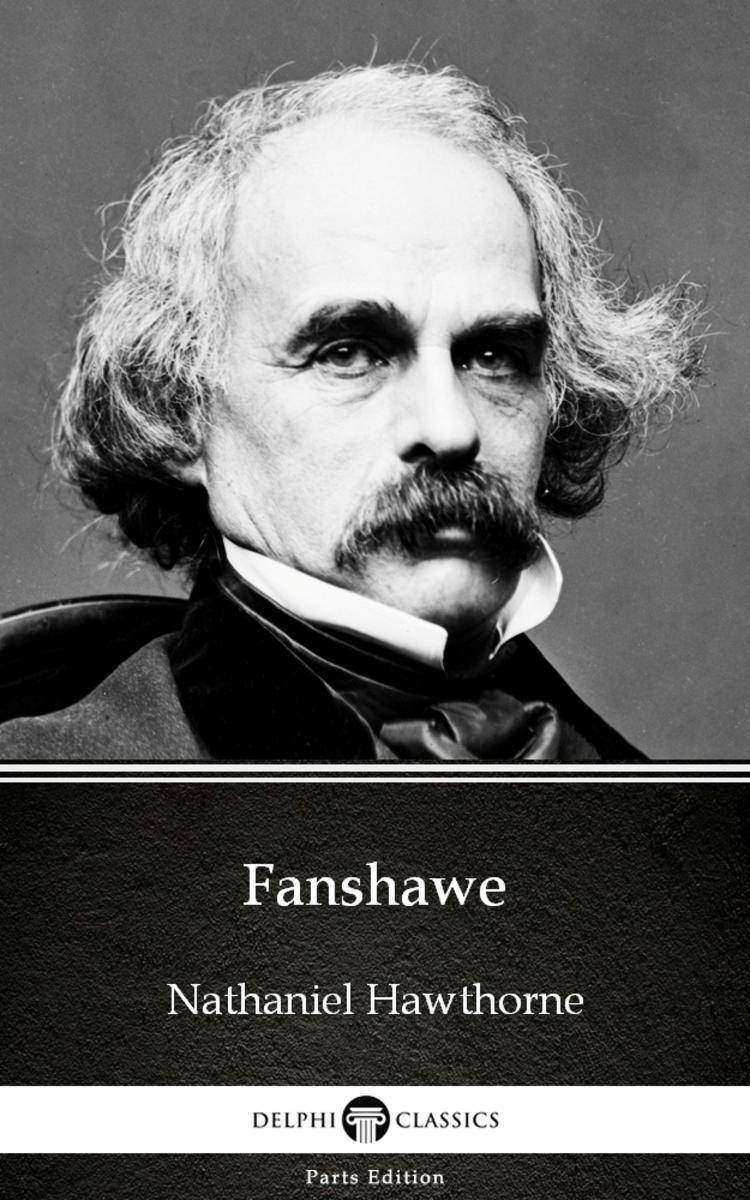
Fanshawe by Nathaniel Hawthorne - Delphi Classics (Illustrated)
¥8.09
This eBook features the unabridged text of ‘Fanshawe by Nathaniel Hawthorne - Delphi Classics (Illustrated)’ from the bestselling edition of ‘The Complete Works of Nathaniel Hawthorne’. Having established their name as the leading publisher of classic literature and art, Delphi Classics produce publications that are individually crafted with superior formatting, while introducing many rare texts for the first time in digital print. The Delphi Classics edition of Hawthorne includes original annotations and illustrations relating to the life and works of the author, as well as individual tables of contents, allowing you to navigate eBooks quickly and easily. eBook features: * The complete unabridged text of ‘Fanshawe by Nathaniel Hawthorne - Delphi Classics (Illustrated)’ * Beautifully illustrated with images related to Hawthorne’s works * Individual contents table, allowing easy navigation around the eBook * Excellent formatting of the text Please visit www.delphiclassics.com to learn more about our wide range of titles
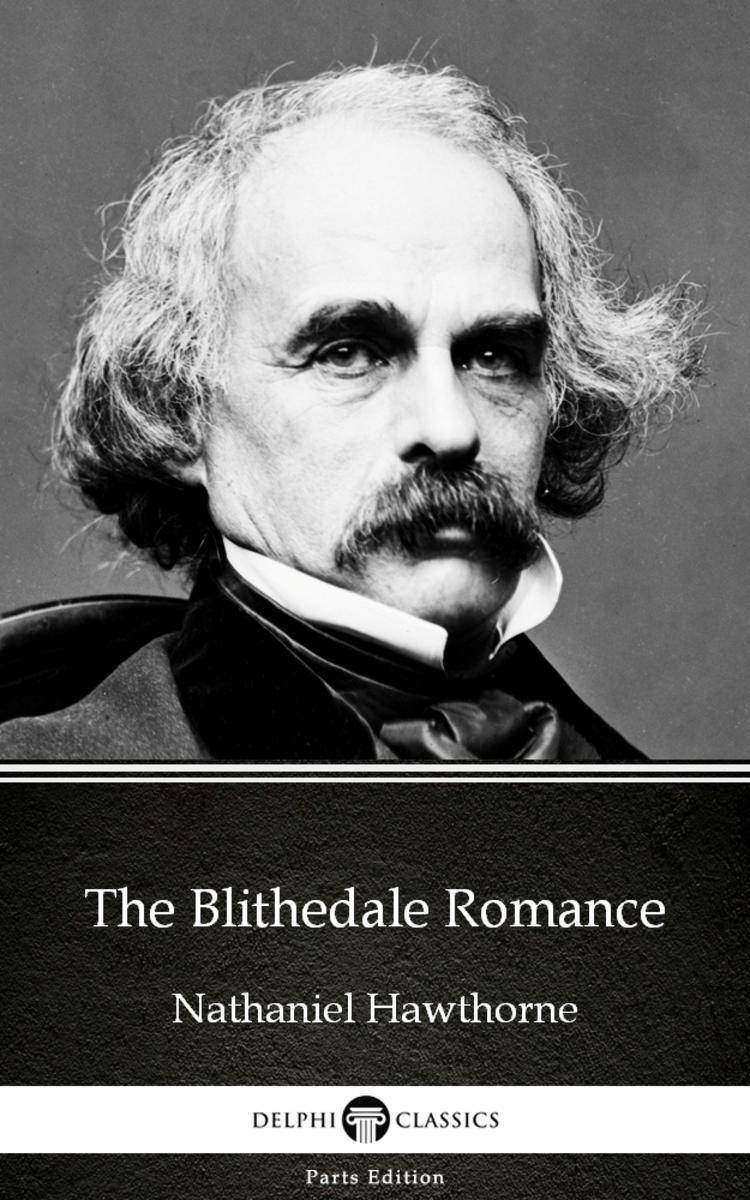
The Blithedale Romance by Nathaniel Hawthorne - Delphi Classics (Illustrated)
¥8.09
This eBook features the unabridged text of ‘The Blithedale Romance by Nathaniel Hawthorne - Delphi Classics (Illustrated)’ from the bestselling edition of ‘The Complete Works of Nathaniel Hawthorne’. Having established their name as the leading publisher of classic literature and art, Delphi Classics produce publications that are individually crafted with superior formatting, while introducing many rare texts for the first time in digital print. The Delphi Classics edition of Hawthorne includes original annotations and illustrations relating to the life and works of the author, as well as individual tables of contents, allowing you to navigate eBooks quickly and easily. eBook features: * The complete unabridged text of ‘The Blithedale Romance by Nathaniel Hawthorne - Delphi Classics (Illustrated)’ * Beautifully illustrated with images related to Hawthorne’s works * Individual contents table, allowing easy navigation around the eBook * Excellent formatting of the text Please visit www.delphiclassics.com to learn more about our wide range of titles
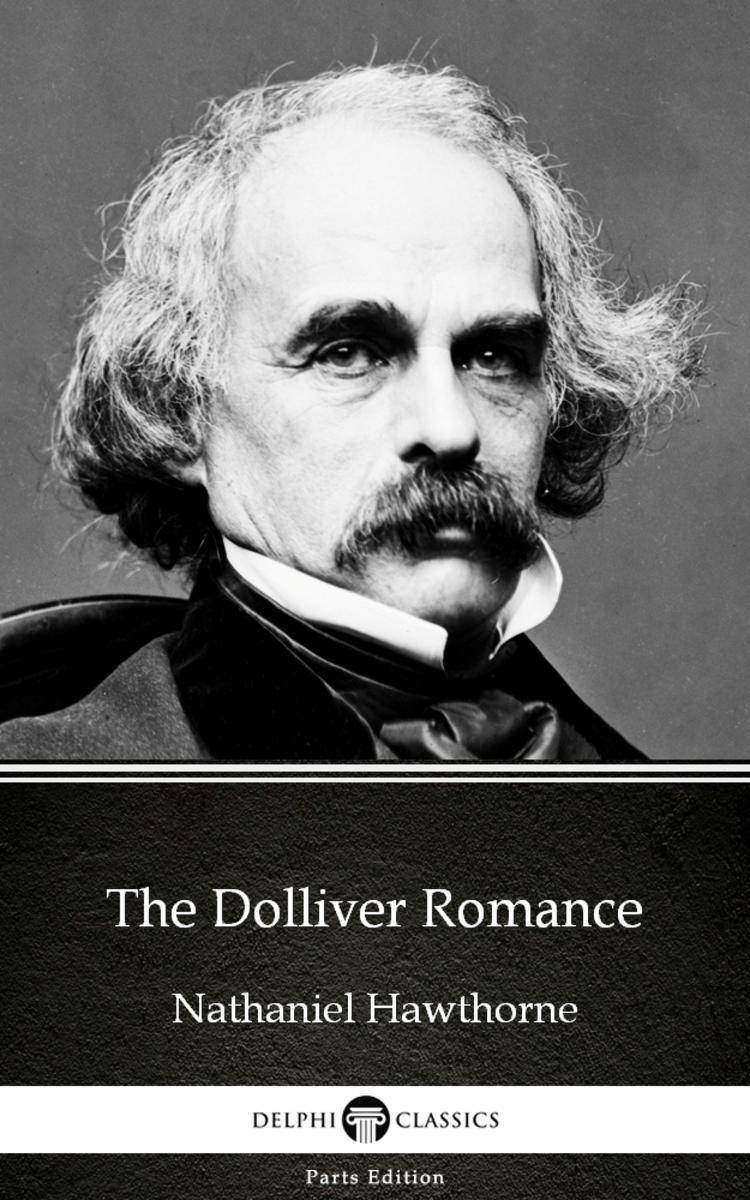
The Dolliver Romance by Nathaniel Hawthorne - Delphi Classics (Illustrated)
¥8.09
This eBook features the unabridged text of ‘The Dolliver Romance by Nathaniel Hawthorne - Delphi Classics (Illustrated)’ from the bestselling edition of ‘The Complete Works of Nathaniel Hawthorne’. Having established their name as the leading publisher of classic literature and art, Delphi Classics produce publications that are individually crafted with superior formatting, while introducing many rare texts for the first time in digital print. The Delphi Classics edition of Hawthorne includes original annotations and illustrations relating to the life and works of the author, as well as individual tables of contents, allowing you to navigate eBooks quickly and easily. eBook features: * The complete unabridged text of ‘The Dolliver Romance by Nathaniel Hawthorne - Delphi Classics (Illustrated)’ * Beautifully illustrated with images related to Hawthorne’s works * Individual contents table, allowing easy navigation around the eBook * Excellent formatting of the text Please visit www.delphiclassics.com to learn more about our wide range of titles
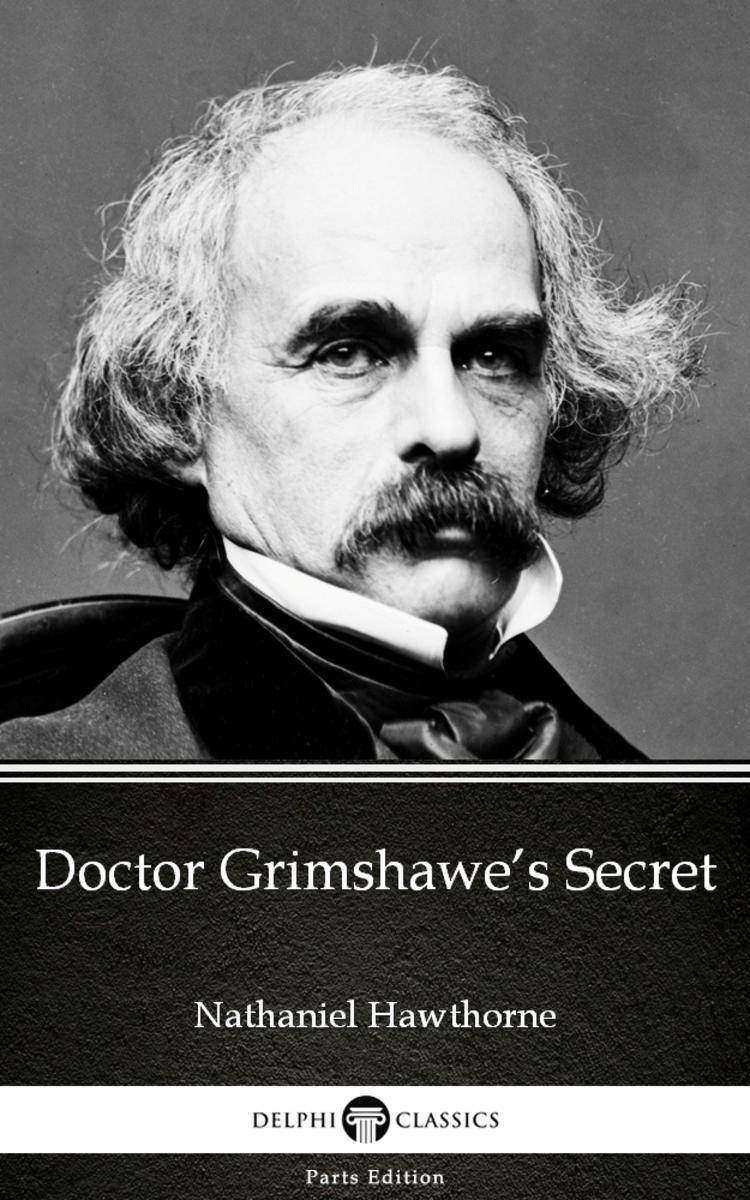
Doctor Grimshawe’s Secret by Nathaniel Hawthorne - Delphi Classics (Illustrated)
¥8.09
This eBook features the unabridged text of ‘Doctor Grimshawe’s Secret by Nathaniel Hawthorne - Delphi Classics (Illustrated)’ from the bestselling edition of ‘The Complete Works of Nathaniel Hawthorne’. Having established their name as the leading publisher of classic literature and art, Delphi Classics produce publications that are individually crafted with superior formatting, while introducing many rare texts for the first time in digital print. The Delphi Classics edition of Hawthorne includes original annotations and illustrations relating to the life and works of the author, as well as individual tables of contents, allowing you to navigate eBooks quickly and easily. eBook features: * The complete unabridged text of ‘Doctor Grimshawe’s Secret by Nathaniel Hawthorne - Delphi Classics (Illustrated)’ * Beautifully illustrated with images related to Hawthorne’s works * Individual contents table, allowing easy navigation around the eBook * Excellent formatting of the text Please visit www.delphiclassics.com to learn more about our wide range of titles


