


 购物车
购物车 个人中心
个人中心

A to Z Essential Oil Remedies for Total Beginners
¥32.62
I want to thank and congratulate you for downloading this book ? Healthy Essential Oils Guide For Skin Care, Hair Growth, Allergies, Weight Loss, Natural Cleaning: 47 NEW Essential Oils Recipes To Heal, Build And Improve Your Health For Beginner?. If you're looking for balance, for beauty products based on plants and essential oils, if you long for a more serene and pure lifestyle, without turning your present habits and ways upside down, this little guide is for you. Circulatory problems, cellulite, flabby stomach, constipation, toxin elimination, stimulants or draining products, beauty masks... This straightforward and practical guide contains my little recipes, all tested by me. . All my friends agree: these recipes are effective, pleasant and economical. Why spend a fortune, when generous Nature is there, ready to provide all that you need? In short, here is a gentle solution for your body-care, which you can prepare and use within your own four walls. The little recipes below will bring you second-to-none bodily comfort and well-being. Adopt bio products for a healthy body. Learn to love yourself – take some time just for you. It's really important. The Definition of Essential Oils Essential oils contain the true essence of the plant they are derived from. The liquid essential oil is usually distilled by a steam or water process, from the flowers, leaves, stems, bark, roots, or other elements of a plant. You might be surprised to discover essential oils don't actually feel oily. Most essential oils are clear, except for a few oils like lemongrass, patchouli, or orange, which are yellow or amber in color. Don't confuse therapeutic essential oils and fragrance oils, which aren't the same. Fragrance oils are perfume oils, containing synthetic chemicals, and they have absolutely no therapeutic value. In the United States, there are no aromatherapy regulations, or regulations on how the term aromatherapy is used. When buying commercial products, remember they could contain ingredients that use fragrance oil or synthetic chemicals. Carefully read all the ingredients. Even when a manufacturer claims a product contains natural ingredients, or that they are made from essential oils, you must be careful. Even when the product says it is made only from natural ingredients it can still contain fragrance oils or other synthetic products. Only a couple of drops of essential oil are needed to be able to claim a product is made with essential oils. The best way to be sure that you have a high quality therapeutic product is to make your own products, and we will provide you with some great recipes to get you started and help you to develop your skills. Before long, you will be a master at creating these recipes.

Prester John
¥40.79
Prester John tells the story of a young Scotsman named David Crawfurd and his adventures in South Africa, where a Zulu uprising is tied to the medieval legend of Prester John. Crawfurd is similar in many ways to Buchan's later character, Richard Hannay.
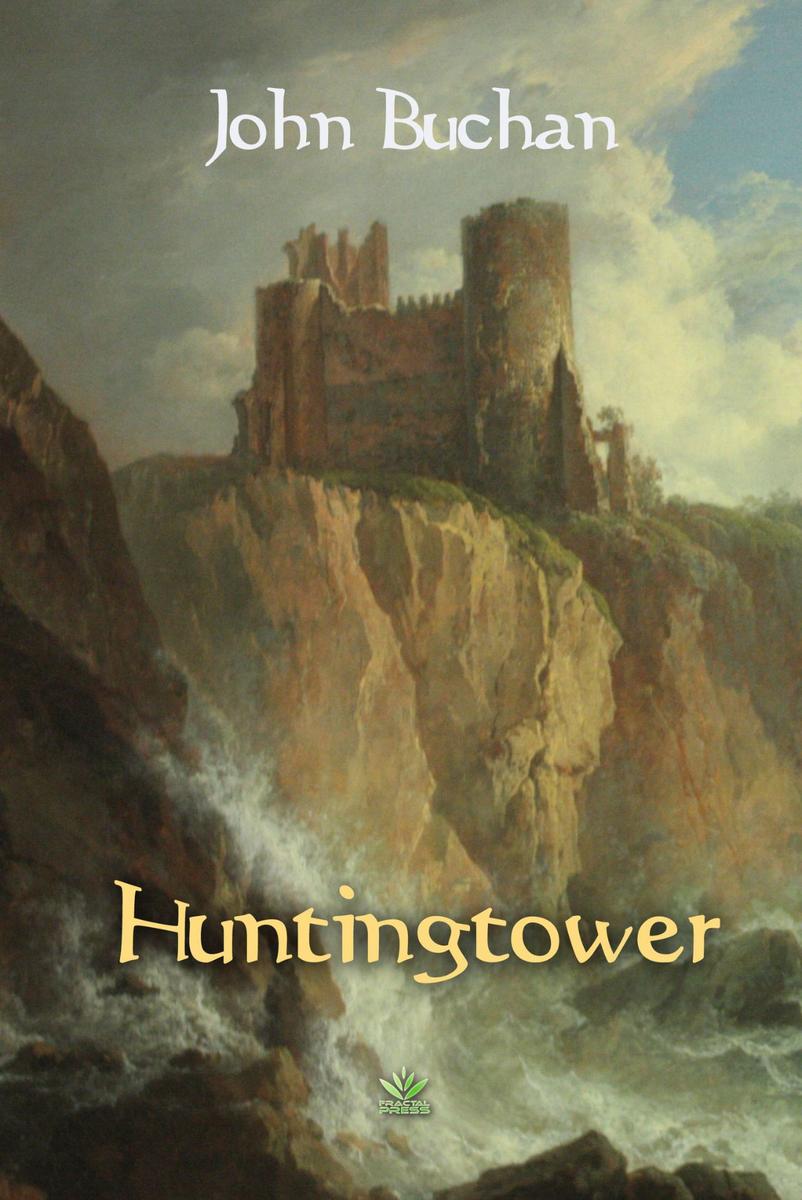
Huntingtower
¥40.79
The Scottish local community mobilises to uncover and thwart the conspiracy against a Russian woman, and to defend the neutrality of Scotland against the Russian Bolshevik agents.
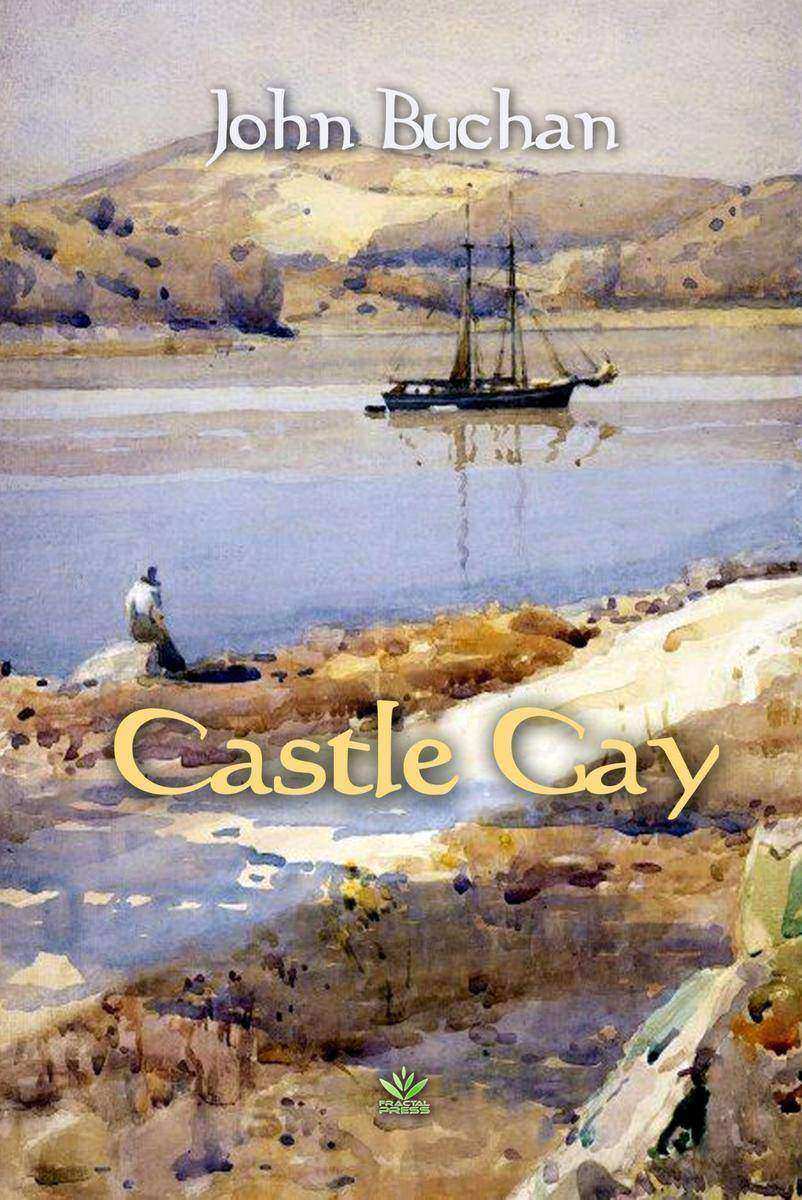
Castle Gay
¥40.79
Dougal and Jaikie set off travelling the world, but first they must visit Mr Craw and his Castle Gay fully of mysterious characters.

The House of the Four Winds
¥40.79
Set in the fictional Central European country of Evallonia the novel follows Scottish visitors in the overthrow of a corrupt republic and the restoration of the monarchy. It is a sequel to Castle Gay, in which some Evallonians visited Scotland on a secret mission two years before the start of this novel.

Priceless! Paying for Pleasure
¥32.62
Hi there, I'm Olivia Hampshire. I write hot, steamy Swirl Romance novels, and this one, “Priceless! Paying for Pleasure,” kept me hot through the entire writing process, knowing that one of the main characters would end up in her dream room at the Swirl Resort, “The Mandingo Room.” This swirl, romantic adventure takes place at the Swirl Resort, located on the ocean in the wonderful city of Puerto Vallarta, Mexico. The Swirl Resort is owned by Christine, one of the most beautiful, curvy, well endowed blonds on the planet, and her partner of business and love, Jerome. Jerome is a big, handsome hunk of black man that has made hundreds of thousands of dollars getting paid by the most wealthy white women from all over the world to give them pleasure. Christine and Jerome opened the Swirl Resort providing people access to great interracial pleasure. They have hired the most beautiful, kind, well endowed, black men and women, all well traveled and educated to provide conversation, companionship and yes sexual pleasure to world travelers that lust for this experience. In this stand alone book, 4 single, somewhat wealthy white women decide to vacation at the luxurious Swirl Resort. One has decided that she is going to pay for sex until she can't take anymore. She is a professional with an ok job, that pays great money. A friend of hers is in the situation where her husband has just died and she is just along to see the beach and get away from her Sacramento home for a while. The third, a sexy, wonderful real estate attorney, is looking for love, she has only made bad decisions with men in the past, so she goes along for the ride with great caution. The fourth one, she needs money. This is a love and lust adventure. Enjoy the ride.

A Dream of Red Hands
¥40.79
A collection of gothic stories from Bram Stoker, the author of Dracula featuring: A Dream of Rend Hands, Crooken Sands, Old Hoggen, The Dualitists, The Man from Shorrox.
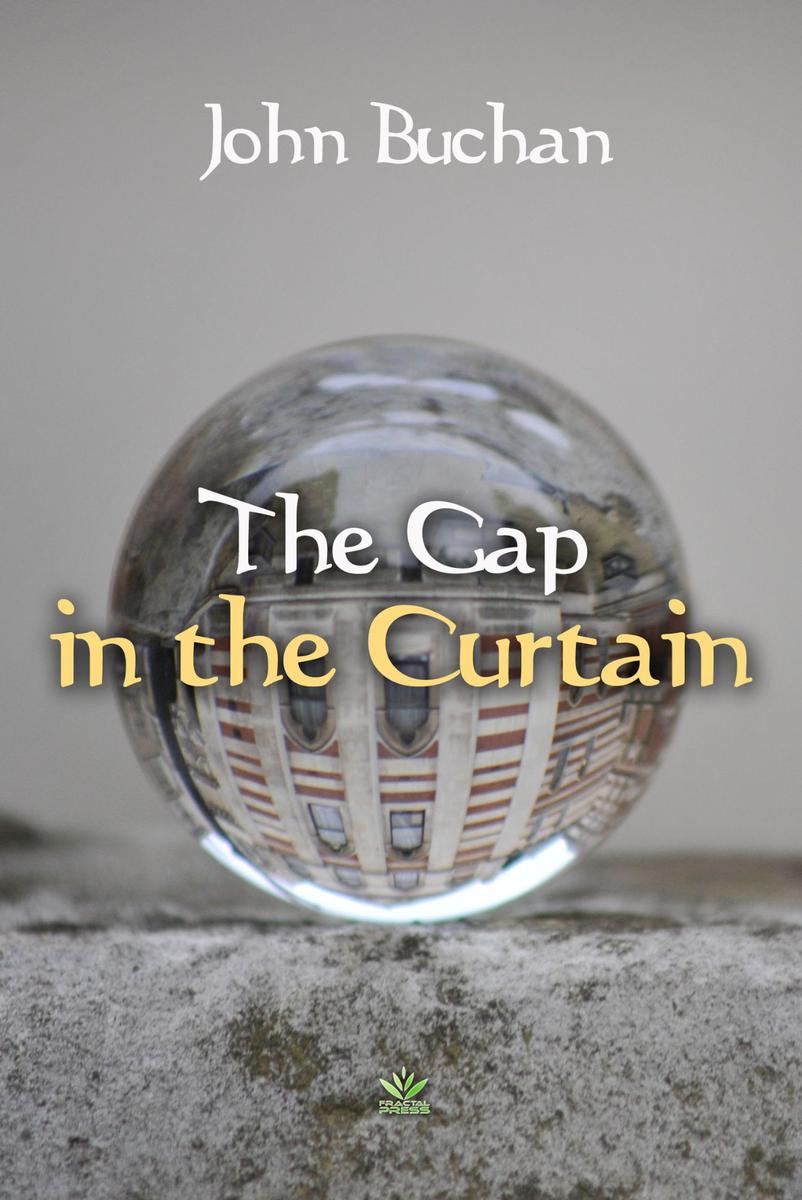
The Gap in the Curtain
¥40.79
At a country house, five guests gather and are chosen by a brilliant scientist to take part in a shocking experiment which will let them glimpse one year into the future. However, when the experiment takes place, two of the guests see their own obituaries in The Times one year after. Will they be able to change their destinies?

A to Z Backyard Chickens for Total Beginners
¥32.62
What came first, the chicken or the egg? It is obviously the chicken, right? I mean, where would an egg come from if it were not laid by a chicken? So the chicken had to have come first. Now I hear your anger, there is no need to shout. You are asking me where the chicken came from and I will answer your question in the very next sentence. The chicken came from an egg. I hear you breathe a sigh of relief as if you have won the argument. I can see the slight smile on your face as you believe yourself to have won the argument but this is not so, for you see, the egg which you are so happy about had to have come from a chicken. So, obviously, the chicken came first. Now that we have established that, we can get on to the content of this book. You are here to learn everything you need to know about raising backyard chickens. The question which will no doubt be on your mind is, why would I want to raise backyard chickens? The answer to this question is, why not? The most obvious benefit of raising chickens in your own backyard is the eggs. Most laying hens will lay an egg every day or two. If you were to have three chickens in your backyard then you could expect to have up to three eggs every day. These humble little eggs will be the best eggs which you have ever tasted. They will be more flavorful than the eggs you would buy in the store and more colorful than the rising sun. If you are raising backyard chickens then there is a good chance that you are composting in your backyard too. If you are not then these little-feathered beasts will take care of your table scraps and turn it into some of the best compost known to man (and woman). The chickens will also take care of the bugs and other small animals which may roam into your yard. When they have processed these scraps or bugs, they will poop all over your lawn (or wherever else you have put them. This compost poop will help your plants and flowers grow like nothing else. We all love the smell of freshly cut grass but the time saved by not having to mow your lawn will more than make up for that. Let them roam free on your lawn and they will trim it for you. As an added bonus, you do not even need to pay them.

The Blanket of the Dark
¥40.79
Set during the early part of Henry VIII's reign, the story revolves around a young clerk Peter Pentecost, who proves to be a descendent of Henry of Buckingham and, thus, has a claim to the throne.
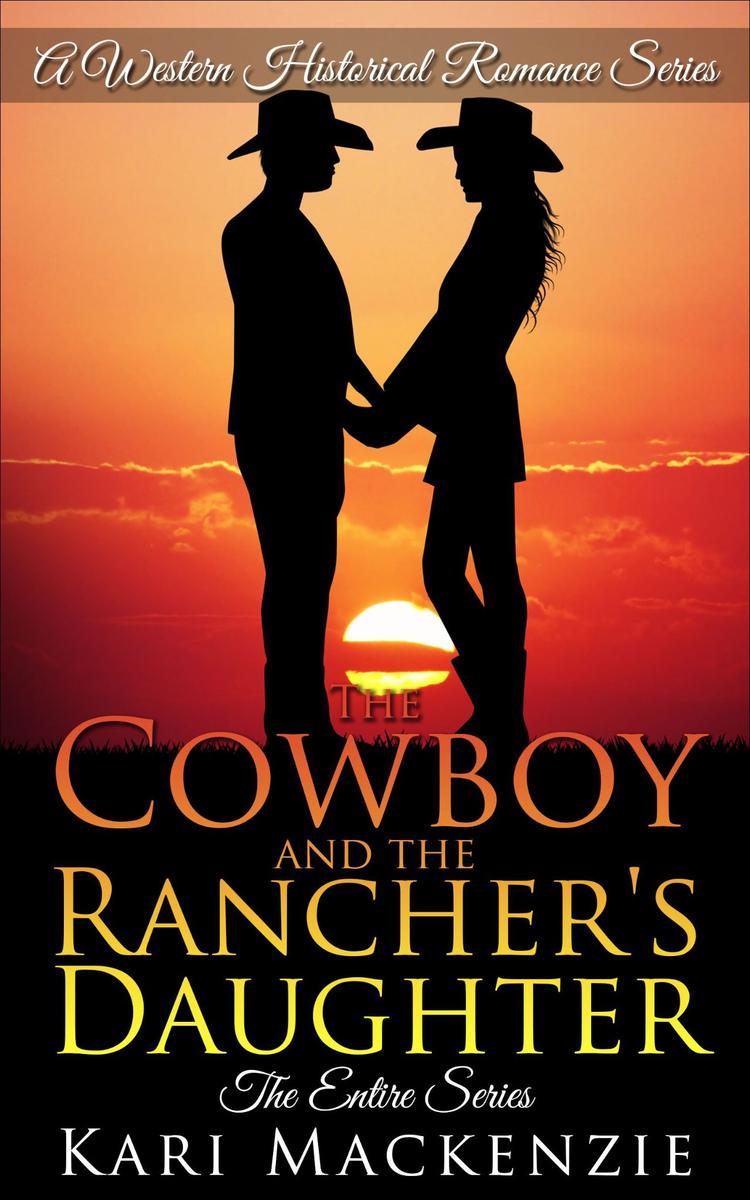
The Cowboy and the Rancher's Daughter:The Complete Boxed Set
¥81.67
This book is the complete series of The Cowboy and the Rancher's Daughter?including:? Book One - A new beginning for a budding female ranch owner and her father's foreman. What happens when the neighboring ranch owner puts prevents all other livestock from the local watering hole?? Book Two - Clara Fuller has her hands full trying to keep her father’s ranch running. When cattle rustlers hit the county, they seem to be focused on her livestock. Her foreman, Jake Talley, and the sheriff think they have things under control when someone is shot.? Jake is suspicious when a man is seriously injured while guarding the ranch. His curiosity leads him to clues and possibly a premature grave. As Jake’s feelings grow for the rancher’s daughter, he vows to do all he can to keep her safe.? Book Three - While in town, Jake Talley stumbles onto a secret that could expose the man responsible for causing the rancher’s daughter so much grief. Determined to put an end to the bad luck plaguing the Fuller Ranch, he sets out to find answers. Will taking time away from his duties to investigate the issue endanger the very woman he vows to protect?? Alone on the ranch, Clara Fuller must face her greatest nightmare and come to grips with the past. When a new crisis darkens her door, she learns who she can really trust. When truths too dark to believe come to light, they will both have to work together to learn what it is they value most.? Book Four - The long awaited cattle drive is finally here, and Clara is ready to finish her first year as the sole owner of the Fuller Ranch. A lot is riding on getting the herd to market, but she and her men are prepared for just about anything.? The drive is going well, and Jake couldn’t be prouder of all the rancher’s daughter has accomplished. She’s all woman but tough as any cowhand. When unexpected trouble strikes, Jake learns what happens when you’re too trusting. If the enemy has his way, they stand to lose it all. Can Jake and the woman he loves overcome the heartache ahead?? Book Five - With their problems behind them, Jake Talley and Clara Fuller can finally start planning for the future. Or so it seems. From behind the bars of his jail cell, their adversary still plots to destroy them and all they hold dear. A newcomer who appears to be above suspicion joins the team. Soon the love birds learn the hard way that when greed secretly corrupts innocence, no one wins. Edward Sinclair plays his last trump card to put an end to the rivalry once and for all. Will his plan work or will true love win once and for all?? Catch the entire Western Historical Romance Series to read the whole story about the budding romance of Clara Fuller and Jake Talley, the hardships the Fuller Ranch endures and if Edward Sinclair dominates the entire ranching area.
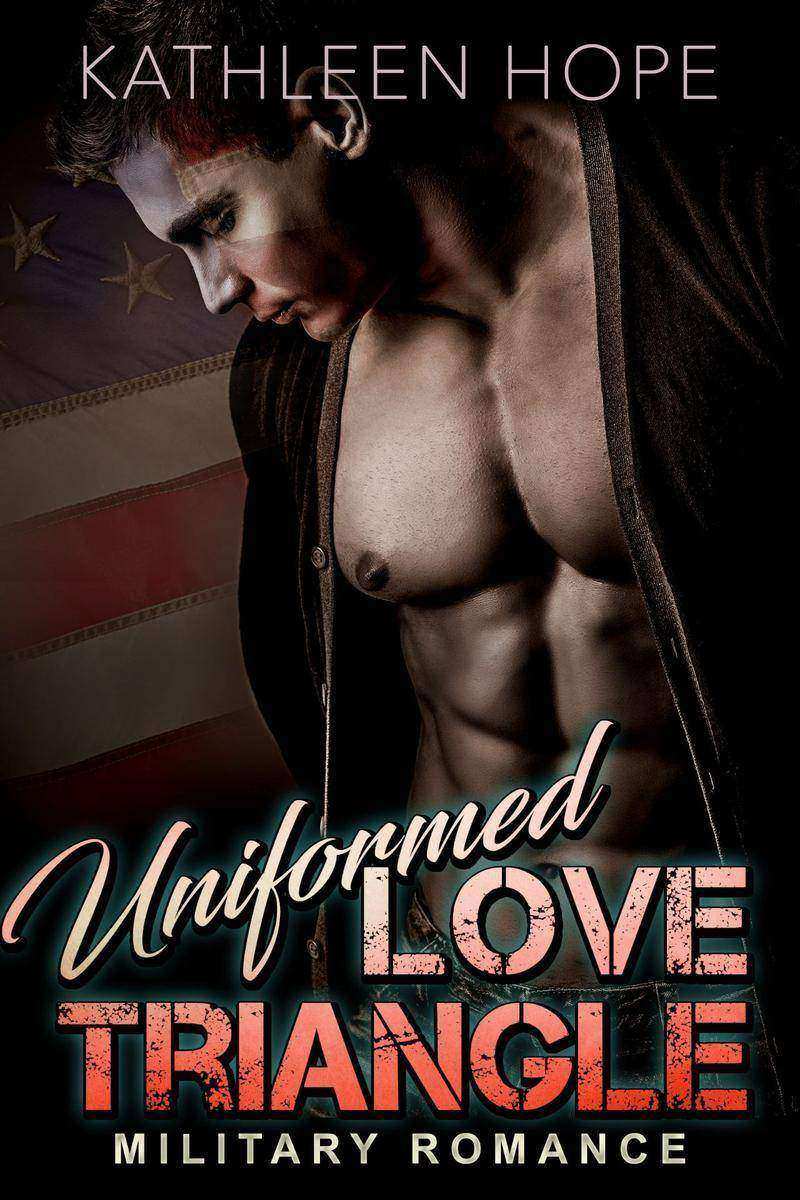
Uniformed Love Triangle
¥24.44
The kiss lasted for a second, and she was struggling with all she had to not melt into it. She pushed him gently away, reminding him that he had Ashley. "She's just there for the sex. I can't make you be with an empty wreck like me. I respect you too much to allow that to happen. You being with me is the worst thing you could do, and so just one kiss and you being here like this with me is more than I can ask for. I respect you too much to do anything else," he uttered. "That's the worst thing you could have said," she stood up, moving toward the fence rapidly. "And so disrespectful! You don't respect me! You're toying with me!" she said, sobbing, clumsily climbing over the fence, and falling gracelessly onto the other side. She straightened up quickly and, without looking back, she ran toward Ashley's house...
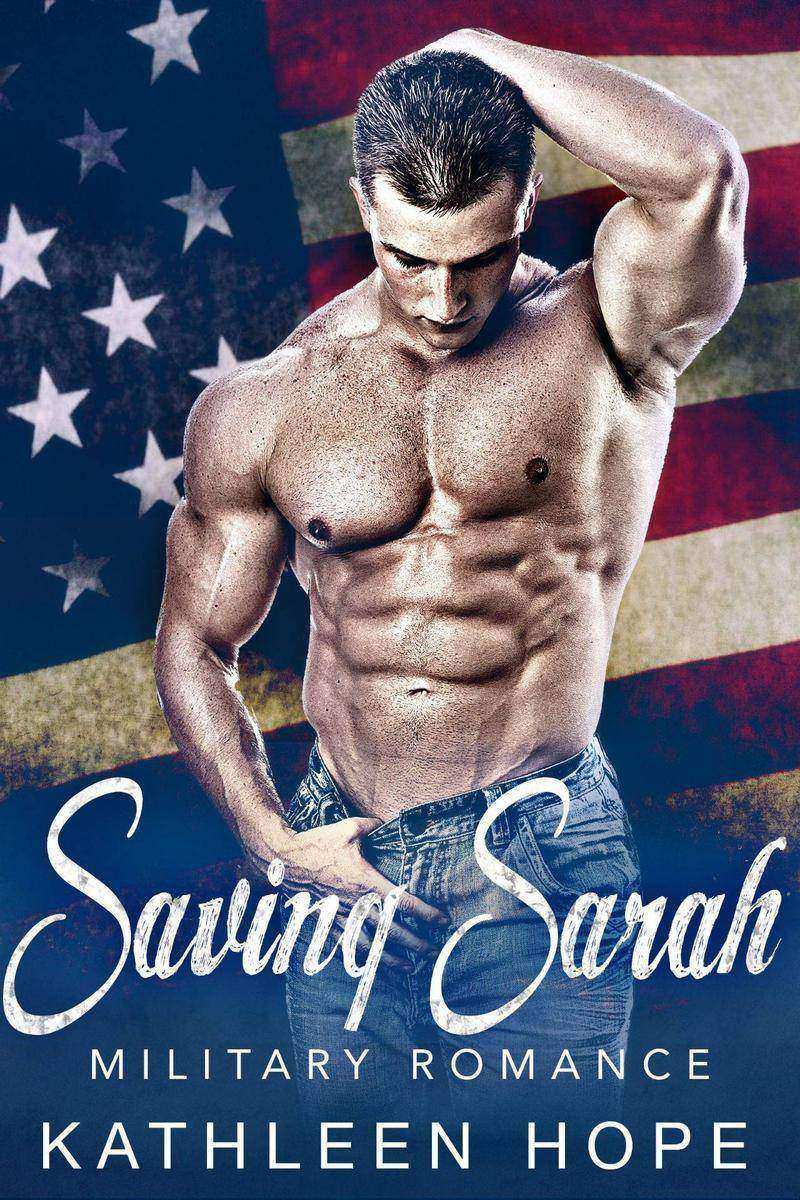
Saving Sarah
¥24.44
Sarah wandered from bed to bed, checking on the few patients at the Hedley Clinic. It was such a welcome contrast from when she'd arrived and established the makeshift hospital off the Rio Negro. The treatment area had overflowed with patients from the first day, all in desperate need of care. Malaria, Yellow Fever, Cholera, Typhoid fever, and uncontrolled diabetes had run rampant throughout the area. But thanks to antimalarial drugs, vaccinations, antibiotics, and rehydration solutions, the number of patients had dwindled dramatically. Most days brought patients with ear infections, high blood pressure, asthma attacks, and even the occasional prenatal checkup. Still, there was a relatively regular flow of emergency patients suffering injuries from farming accidents and even alligator bites. The enormous black caimans were especially troublesome, particularly during the wet seasons when they ventured into the flooded savannas of the Amazon basin. Though there was so much more she wished she could do, never a day went by when she didn't feel she made an...

The Cowboy and the Rancher's Daughter:4
¥24.44
A Western Historical Romance Book 4 in a Series of 5 The long awaited cattle drive is finally here and Clara is ready to finish her first year as the sole owner of the Fuller Ranch. A lot is riding on getting the herd to market, but she and her men are prepared for just about anything. The drive is going well and Jake couldn’t be prouder of all the rancher’s daughter has accomplished. She’s all woman but tough as any cowhand. When unexpected trouble strikes, Jake learns what happens when you’re too trusting. If the enemy has his way, they stand to lose it all. Can Jake and the woman he loves overcome the heartache ahead? "I love a good western and this book did not disappoint! Short and sweet it kept me on the edge of my seat."? -Romance Reader, online reviewer In The Cowboy and the Rancher's Daughter Series, Clara Fuller inherits her father’s ranch and quickly learns being in charge is not going to be all that easy. Raised around cattle, she knows the business inside and out, but few men are willing to work for a lady rancher. Once a drifter, Jake Talley has finally found a place to call home. As the foreman of the Fuller Ranch, he doesn’t mind taking orders from a woman. He’s willing to do whatever it takes to help Clara Fuller succeed. Edward Sinclair is a successful ranch owner who wants more. He’s used to getting what he wants, and few have dared to try and stand in his way. One piece of property is all he needs to have complete control of the county. There’s only one problem; the land belongs to Clara Fuller. That’s all right; he’s never met a problem yet he couldn’t erase. Praise for Kari Mackenzie: “Once I started reading this book, I just couldn't stop!” -vp09, online reviewer “I had fun in the wild west and I really do admit that for me, this was a real page turner, I couldn't put it down at all!” -Stephanie Lynn, online reviewer “What will Clara do? Will her and Jake become a couple? Will Sinclair obtain the Fuller ranch? These are all questions I hope will be answered in the next installment of this story.” -Samantha Adams, online reviewer?
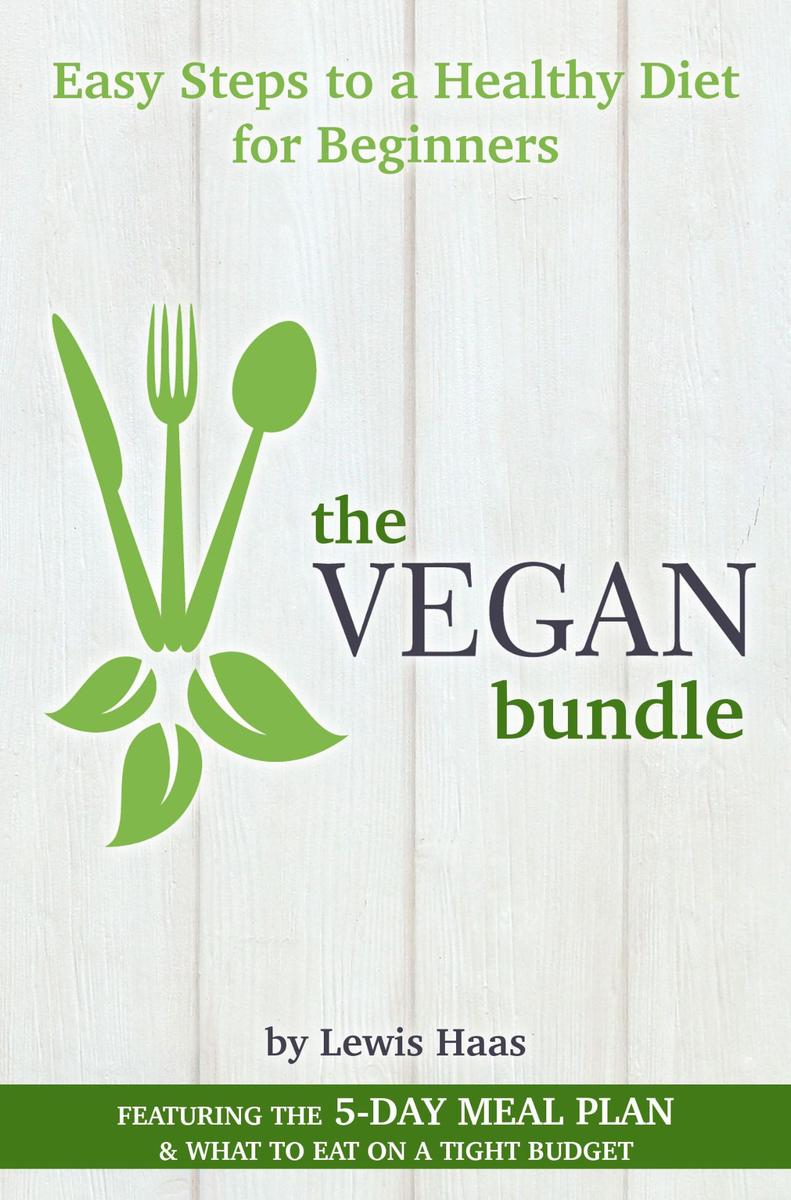
The Vegan Bundle:Easy Steps to a Healthy Diet for Beginners
¥48.97
Feel?the Difference of a Plant-Based Vegan Diet! Whether you want to improve health, lose weight, show compassion for animals, or help the environment, The Vegan Bundle?shows you the way. This 3-part series of vegan books will guide?you every step of the way, giving you the tools, resources, and recipes you need to make the vegan transition - healthfully, joyfully, and deliciously. In The Vegan Bundle: Easy Steps to a Healthy Diet for Beginners,?you will find practical advice for: ·Evidence of why going vegan is the best?option·How to stay fully nourished and healthy·Common nutrition myths and explains the best sources of nutrients·How to choose healthy options while staying animal-friendly·How to adapt gradually to a vegan lifestyle·Practical strategies for eating out, traveling, and attending social occasions·How to become a savvy shopper, eat healthfully affordably, restock your kitchen, read labels, and prepare nutrient-rich meals without feeling overwhelmed·Over 50 delicious yet practical recipes sure to suit the most discriminating taste·A 5-Day & 7-Day Sample Meal Plan·And so much more Scroll to the top of the page and click the buy button to start your healthy vegan lifestyle TODAY!

The 10 Best Vegan Dishes:Quick, Easy & Cheap Recipes
¥8.09
Grab the Ten Best Vegan Recipes That Are Cheap, Quick and Easy to Make Have you struggled with finding GOOD vegan recipes that are easy to Do you need to find recipes that are tasty AND cheap? With 10 vegan recipes and a number of options and alternatives to some of the dishes, you will have plenty of vibrant, flavorful meals that will fill you up, keep you healthy and looking forward to your next meal. The 10 Best Vegan Dishes has just what you need to satisfy your appetite, to spare your money and to save you time: ·3 Awesome Varieties of Breakfast·4 Different Delicious Lunches·3 Distinct Dinner Dishes·Many tips and notes to get the most out of every dish·Options and alternatives for some recipes Scroll to the top of the page and click the buy button to experience these tasty dishes today!
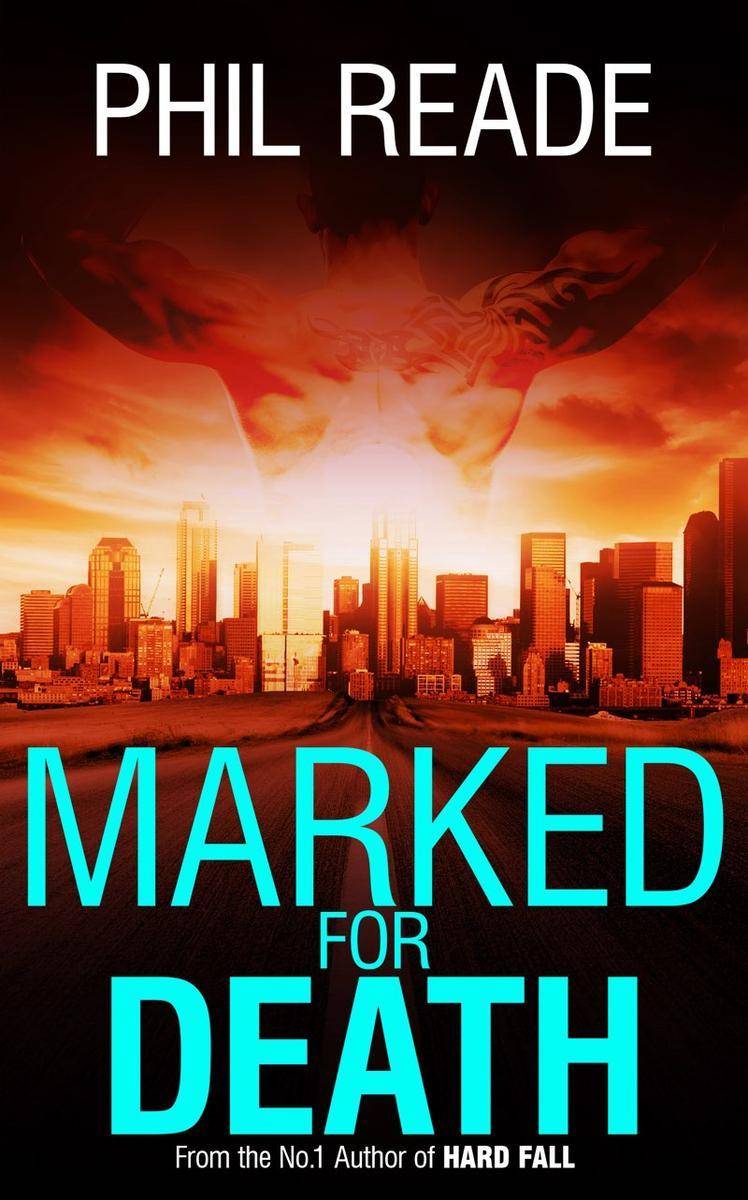
Marked for Death
¥16.27
An ex-FBI agent with a past. A celebrity murdered. 24 hours to find a killer. When a shocking murder rocks Los Angeles, former FBI agent Keira Summers is called in to find the killer. But, when the identity of the victim is revealed, Keira is pulled deep into an investigation that takes her across the city and into the dark underbelly of Hollywood. Now, in a race against time, Keira must find the killer and discover why anyone would execute one of the most famous men alive. If you like gripping mysteries, thrilling action and suspense, you’ll love the next installment in PT Reade’s BOOK HITS. Click and get your copy of MARKED FOR DEATH now! Tags: Book hits, book shots, crime, hard boiled mysteries, mystery, mysteries, noir, private investigators, hard boiled thriller, hard boiled detective fiction, hard boiled private investigator mystery series, thriller.

Delphi Complete Works of Sir Thomas Malory (Illustrated)
¥16.27
First published in 1485, Sir Thomas Malory’s ‘Le Morte Darthur’ remains the most definitive work of Arthurian literature in English. This comprehensive eBook presents both the original Winchester and Caxton texts, with numerous illustrations, rare texts appearing in digital print for the first time and the usual Delphi bonus material. (Version 1) * Beautifully illustrated with images relating to Malory’s life and works * Concise introduction to LE MORTE DARTHUR * The Winchester Manuscript, with the original Middle English spellings – first time in digital print * Caxton’s text with modernised spellings and a glossary * Excellent formatting of the texts * Special contents tables for LE MORTE DARTHUR * Easily locate the sections you want to read * Features a bonus biography - discover Malory’s literary life Please visit www.delphiclassics.com to browse through our range of exciting titles CONTENTS: Le Morte Darthur LE MORTE DARTHUR – WINCHESTER MANUSCRIPT LE MORTE DARTHUR – CAXTON MODERNISED VERSION The Biography MALORY AND LE MORTE DARTHUR by A. W. Pollard Please visit www.delphiclassics.com to browse through our range of exciting titles

Delphi Complete Poetical Works of Charlotte Smith (Illustrated)
¥16.27
The English Romantic poet Charlotte Smith initiated a revival of the sonnet, whilst also helping to establish the conventions of Gothic fiction with her novels. The Delphi Poets Series offers readers the works of literature's finest poets, with superior formatting. This volume presents Smith’s complete poetical works for the first time in digital publishing, with beautiful illustrations, a selection of novels and the usual Delphi bonus material. (Version 1) * Beautifully illustrated with images relating to Smith's life and works * Concise introductions to the poetry and other works * Images of how the poetry books were first printed, giving your eReader a taste of the original texts * Excellent formatting of the poems * Special chronological and alphabetical contents tables for the poetry * Easily locate the poems you want to read * Includes a selection of Smith's novels - spend hours exploring the poet's celebrated prose works * Features a bonus memoir by Sir Walter Scott - discover Smith's literary life * Scholarly ordering of texts into chronological order and literary genres Please visit www.delphiclassics.com to browse through our range of exciting titles CONTENTS: The Poetry Collections ELEGIAC SONNETS THE EMIGRANTS CONVERSATIONS INTRODUCING POETRY BEACHY HEAD AND OTHER POEMS MISCELLANEOUSLY PUBLISHED VERSES The Poems LIST OF POEMS IN CHRONOLOGICAL ORDER LIST OF POEMS IN ALPHABETICAL ORDER Selected Novels EMMELINE THE OLD MANOR HOUSE THE BANISHED MAN MONTALBERT The Biography CHARLOTTE SMITH: A MEMOIR by Sir Walter Scott Please visit www.delphiclassics.com to browse through our range of exciting titles
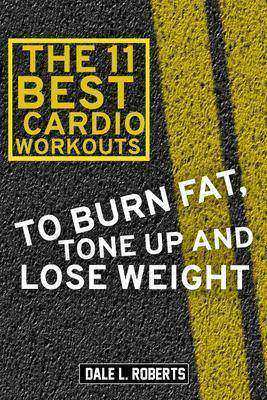
The 11 Best Cardio Workouts:To Burn Fat, Tone Up, and Lose Weight
¥23.14
Annihilate Unwanted Body Fat Without Having to Overwork & Feel Rundown What if a few tweaks to your current exercise routine could dramatically increase your weight loss by even five to ten times? What if I told you that you no longer have to toil away exercising hours at a time just to lose little to no weight? What if you could get more time in your day to read, spend time with your family or relax? World-traveled fitness author & personal trainer, Dale L. Roberts, presents his 11 best fat burning workouts specifically for the treadmill, elliptical, and recumbent bike. Based on nearly a decade of developing quality workouts that maximize the most from limited time—Roberts answers the question: what are the secrets to losing more weight in less time with FUN exercise? In this book, you'll learn: -How to incinerate fat by a simple tweak that the pros use -Why staying at a consistent pace in your cardio is not working -Four smooth treadmill routines that don't require ANY running -Four simple elliptical programs that are a fun challenge -Three recumbent bike plans that will have you smashing it to bits while laughing your way to a smaller pants size -A variety of other tips to get the most from ANY workout or exercise plan -How to keep your cardio workouts, so you enjoy the finer things in life -Additional tips & techniques to use for your cardio outside of the three pieces of cardio equipment offered in this book -And, much more! Buy this book NOW to kill stubborn fat dead and stop overworking in your exercise routines!?
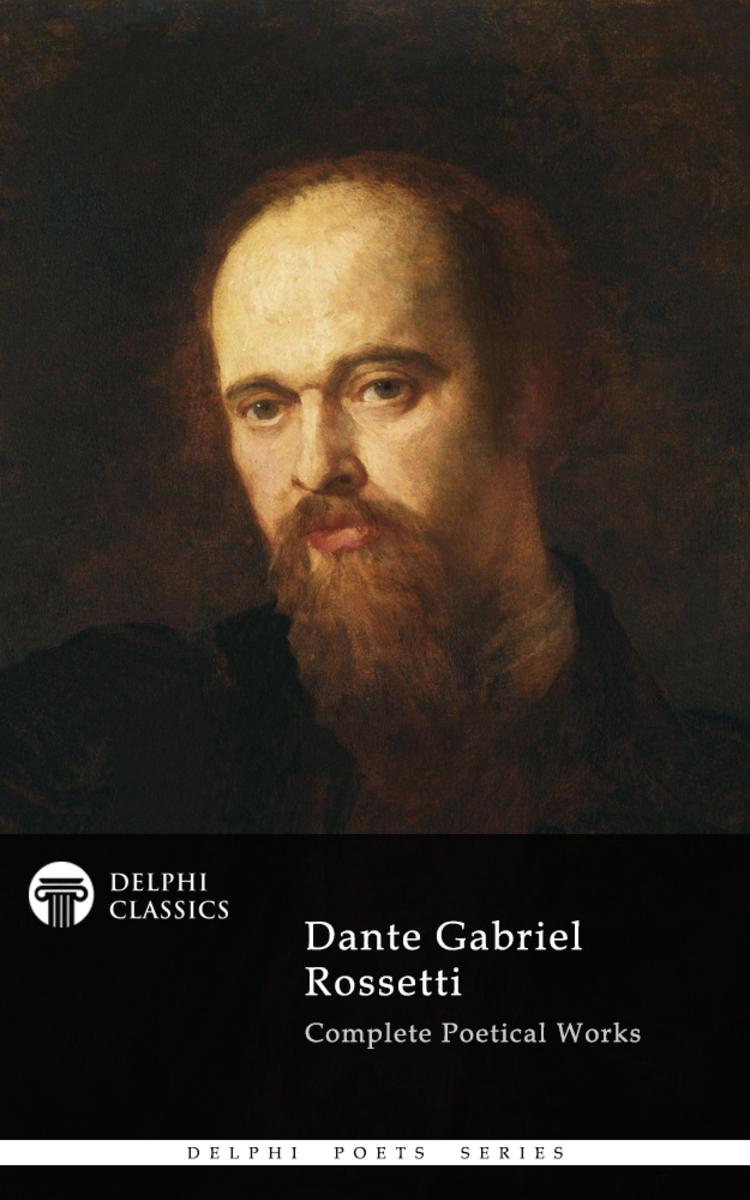
Dante Gabriel Rossetti - Delphi Poets Series
¥16.27
The famous Pre-Raphaelite artist Dante Gabriel Rossetti was also a celebrated poet, scholar and translator, whose works influenced the European Symbolists, serving as a precursor of the Aesthetic movement. His early poetry was influenced by John Keats, whilst his later verses were characterised by the complex interlinking of thought and feeling, as demonstrated by his masterpiece, the sonnet sequence, ‘The House of Life’. This volume of the bestselling Delphi Poets Series presents the complete written works of Dante Gabriel Rossetti, with beautiful illustrations, rare works and the usual Delphi bonus material. (Version 1) * Beautifully illustrated with images relating to Rossetti's life and works * Brief introduction to the poet and his work * Excellent formatting of the poems * Special chronological and alphabetical contents tables for the poetry * The rare translations of Italian poets, including the complete translation of Dante Alighieri's LA VITA NUOVA * Easily locate the poems you want to read * Includes Rossetti's rare prose works, including the scarce short story – first time in digital print * Features three biographies - discover Rossetti's literary life * Scholarly ordering of texts into chronological order and literary genres Please visit www.delphiclassics.com to browse through our range of exciting titles CONTENTS: The Poetry of Dante Gabriel Rossetti BRIEF INTRODUCTION: DANTE GABRIEL ROSSETTI The Poems LIST OF POEMS IN CHRONOLOGICAL ORDER LIST OF POEMS IN ALPHABETICAL ORDER The Prose HAND AND SOUL THE STEALTHY SCHOOL OF CRITICISM The Biographies ROSSETTI by Lucien Pissarro RECOLLECTIONS OF DANTE GABRIEL ROSSETTI by T. Hall Caine Extract from ‘FIGURES OF SEVERAL CENTURIES’ by Arthur Symons Please visit www.delphiclassics.com to browse through our range of exciting titles


