


 购物车
购物车 个人中心
个人中心

The Thought Readers
¥24.44
A new series about mind readers from a?New York Times?and?USA Today?bestselling author ? Everyone thinks I’m a genius. ? Everyone is wrong.? ? Sure, I finished Harvard at eighteen and now make crazy money at a hedge fund. But that’s not because I’m unusually smart or hard-working. ? It’s because I cheat. ? You see, I have a unique ability. I can go outside time into my own personal version of reality—the place I call “the Quiet”—where I can explore my surroundings while the rest of the world stands still. ? I thought I was the only one who could do this—until I met?her. ? My name is Darren, and this is how I became entangled with all the Russians and learned that I’m a Reader.

The Red Thumb Mark
¥8.09
Fingerprints. A single print, being unique - not even identical twins have the same fingerprints - that single print found in the right place at the right time is sufficient to disclose the perpetrator of a crime. ? Actually, there are those who claim that identifying and matching fingerprints is not sufficiently scientific and so the fingerprint doesn't carry the weight in court that it did only a decade ago. DNA is now the sexy evidence. ? In The Red Thumbmark by R Austin Freeman, published in 1907, a single fingerprint is found at the scene of a crime. When the police are able to identify that fingerprint, the case seems closed. ? But Dr Thorndyke, the detective/barrister/medical doctor who takes on defense of this suspect, thinks he can disprove the prosecution's case, based on that same fingerprint. ? It does not take Dr Thorndyke to figure out who the criminal is. The mystery in this wonderful detective tale is who the lovely heroine is in love with. The answer may surprise you.

Mom Boss:Balancing Entrepreneurship, Kids & Success
¥77.31
Mom Boss — Super Mom, Great Business Woman Entrepreneurial Mom: Learn how to be a super mom and a great business woman in a step-by-step guide to developing, incubating, and marketing your business without taking the joy out of family life with kids—being an active parent while being an active business entrepreneur. Badass Business Woman: Where Sophia Amoruso’s #GirlBoss left off for young millennials breaking into the business world, Mom Boss picks up and continues the mission for all the entrepreneurial moms out there. Mom Boss proves that being successful isn’t about degrees or sacrifices, it’s about balance and power. It’s where instinct meets intelligence. Every mom has it in her to be a badass business woman. Nicole Feliciano charts the course for building a successful career without sacrificing being a great mom. Mom Boss: The first book by Nicole Feliciano the Founder & CEO of Momtrends Media. Momtrends Media provides busy women with a daily dose of style. Each day Nicole and her team of editors, interpret trends for moms, keeping in mind that modern women want to look and feel great, but they are working with less time and less energy than they had before the kids came along. Nicole and her team are there to help and inspire women to look and feel their best. Social media is her playground, and she's built a loyal following by making fashion fun and accessible. Successful Business Woman: Before launching Momtrends Media, Nicole graduated from Vanderbilt University with a degree in English Literature, and spent a decade working in fashion -- most notably as an executive with Polo Ralph Lauren. When she became a mom in 2005, the business woman and fashion maven embarked on her social media career and began contributing to Babble.com, Time Out New York Kids, and many more online publications. Seeing a void in the blogosphere, she launched Momtrends.com in 2007. Momtrends continues to be the cornerstone of her media empire. Mom Boss includes: ·tips on how to develop, incubate, and market your business without taking the joy out of family life ·valuable self assessment exercises ·step by step advise, inspiration, and tried and true business and personal tips ·insights into how to be a successful and happy business woman and mom
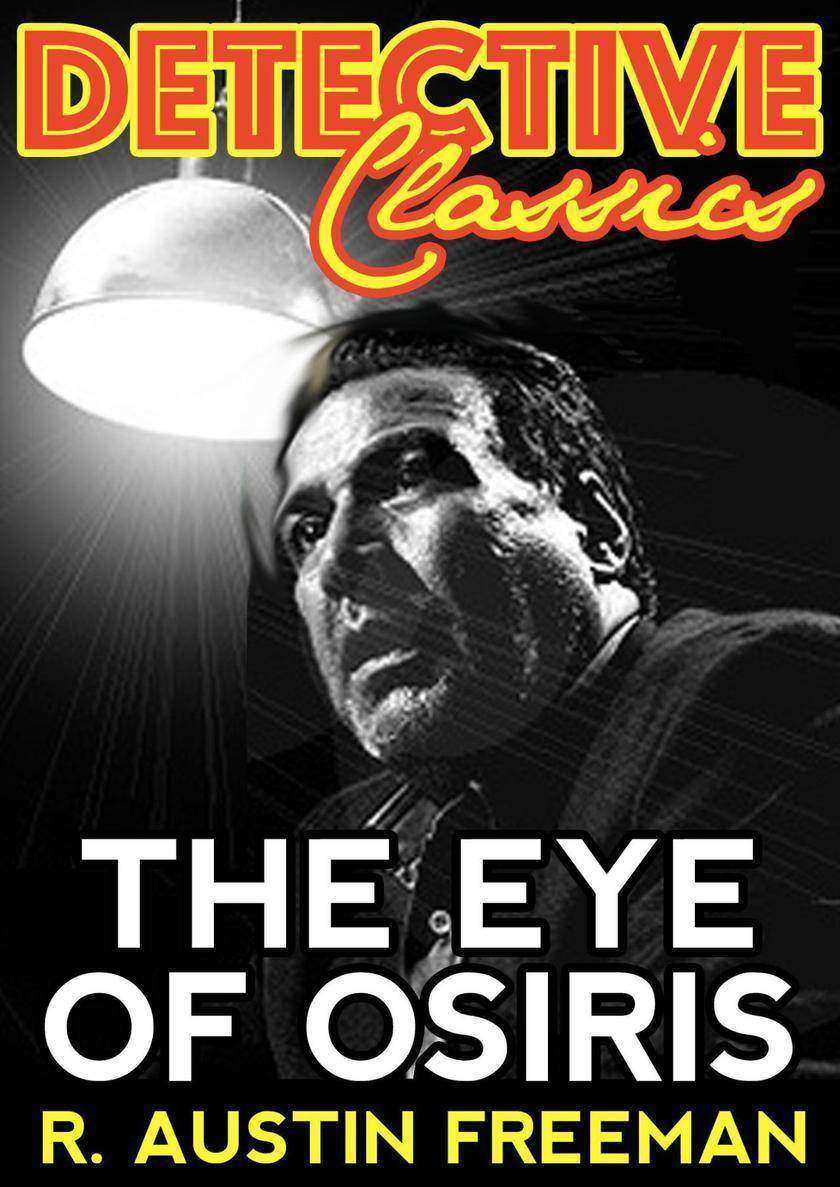
The Eye Of Osiris
¥8.09
Detective Classics presents you The Eye of Osiris in a fantastic ebook edition. ? John Bellingham is a world-renowned archaeologist who goes missing mysteriously after returning from a voyage to Egypt where fabulous treasures have been uncovered. Bellingham seems to have disappeared leaving clues, which lead all those hunting down blind alleys. But when the piercing perception of the brilliant Dr Thorndyke is brought to bear on the mystery, the search begins for a man tattooed with the Eye of Osiris in this strange, tantalisingly enigmatic tale. ? R. Austin Freeman is the doyen of the scientific division of detective writing, is best known for his character Dr John Thorndyke. A close and careful investigator and the outstanding medical authority in the field of detective fiction, R. Austin Freeman not only tested the wits of the reader but also inspired many modern detective forensic methods. Much of his long life was spent as a physician and surgeon at the Middlesex Hospital, London. He also held posts in West Africa and later was a medical officer at Holloway Prison. The most famous of the Edwardian detective writers, he rescued the detective story from "thrillerdom" and made it acceptable to a more discerning class of reader.

The Brooch:A Short Story
¥8.09
Michael Lim has a secret, one that he cannot tell anyone, even his wife. But how long can he keep it, and how will his wife react when she finds out? Grace Lim cares about expensive things and outdoing her neighbours. Her husband's secret can destroy her perfect world. Will she find out his secret, and will their marriage survive?

Síla v kordech rodu Wellnsburg?:Kapitán?v dárek
¥85.05
To, aby se vrátil ?ivot na hrabství Wellnsburgov?ch do těch normálních kolejí, to by zde nesměl b?t dárek v?podobě t?í map ?elvích ostrov?, které dostali od samotného kapitána Geweryho, jen? jim je věnoval p?i odchodu z?jeho lodě, kterou mu v?ichni, v?etně ctihodn?ch sester Josephiny, Augustiny a Rosalindy pomohly opět získat z?rukou loupe?n?ch pirát?. Touha plavit se na ostrovy bude vyburcována samotn?m p?íchodem Kapitána Geweryho, kter? byl pozván na jejich svatby a o kterém si myslí, ?e jejich pozvání k?němu snad ani nedorazilo, kdy? se najednou z??ista jasna objeví v?kostele, aby jim osobně p?edal svou gratulaci. Jak to ale udělat, aby dostali svolení a mohli pou?ít jednu z?honosn?ch lodí hraběte Richarda Wellnsburga, kter? ji? nechce sly?et o ?ádném dobrodru?ství? Budou lhát a vyplují pod záminkou, ?e budou doprovázet svého hosta. Le? bude ale odhalena záhy poté co hrabě Richard, jeho dcera Katarine a Martrek dostanou zprávu od rychlého posla, ze které se dozvídá ?e ?lenové hraběcí rodiny jsou na ?elvích ostrovech, kde jim byla uloupená jejich honosná lo?. Kdo to udělal? Jak se s?tím vypo?ádají a jak?ch trik? pou?ijí ctihodné sestry – jejich sudi?ky, pro to aby pomohly?

The Pickwick Papers
¥40.79
This is a Sovereign Classic bicentennial edition of Dickens’ novel which revolutionised fiction writing of the time through its potent narrative depicting contemporary London life. The story is a sequence of adventures. The novel's main character, Samuel Pickwick, Esquire, is a kind and wealthy old gentleman, and the founder and perpetual president of the Pickwick Club. To extend his researches into the quaint and curious phenomena of life, he suggests that he and three other Pickwickians should make journeys to remote places from London and report on their findings to the other members of the club.

Headlong Hall
¥40.79
A group of eccentrics is gathered, each with a single monomaniacal obsession, and derives humour and social satire from their various interactions and conversations.
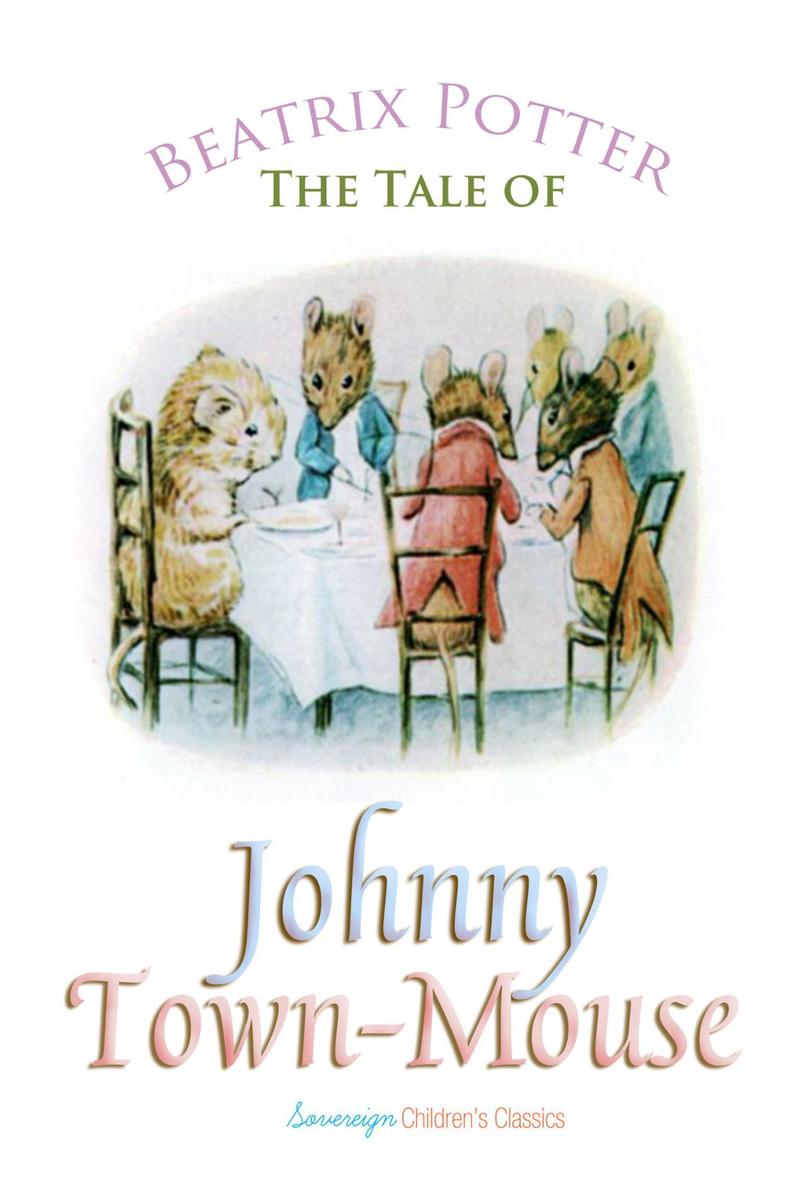
The Tale of Johnny Town-Mouse
¥40.79
Johnny Town-mouse was born in a cupboard. Timmy Willie was born in a garden. Timmy Willie was a little country mouse who went to town by mistake in a hamper. The gardener sent vegetables to town once a week by carrier; he packed them in a big hamper.

Delphi Complete Works of Ovid (Illustrated)
¥16.27
Shakespeare's favourite poet, deserves a place in the digital library of all lovers of classic literature. The Ancient Classics series provides eReaders with the wisdom of the Classical world, with both English translations and the original Latin and Greek texts. This comprehensive eBook presents the complete works of Ovid, with beautiful illustrations, informative introductions and the usual Delphi bonus material. (6MB Version 1) * Beautifully illustrated with images relating to Ovid's life and works * Features the complete works of Ovid, in both English translation and the original Latin texts * Concise introductions to the poetry and other works * Provides both verse and prose translations of the METAMORPOHOSES and the AMOURS * Includes translations previously appearing in Loeb Classical Library editions of Ovid’s works * Images of famous paintings that have been inspired by Ovid’s works * Excellent formatting of the texts * Easily locate the poems or works you want to read with individual contents tables * Includes Ovid's rare works IBIS, TRISTIA and EX PONTO, first time in digital print * Features a bonus biography - discover Ovid's ancient world * Scholarly ordering of texts into chronological order and literary genres CONTENTS: The Translations AMOURS (VERSE) AMOURS (PROSE) HEROIDES WOMEN’S COSMETICS TO ART OF LOVE LOVE’S CURE METAMORPHOSES (VERSE) METAMORPHOSES (PROSE) FASTI IBIS TRISTIA EPISTULAE EX PONTO The Latin Texts LIST OF LATIN TEXTS The Biography THE LIFE AND WORKS OF OVID by Arthur Leslie Wheeler

The Buccaneers by Edith Wharton - Delphi Classics (Illustrated)
¥8.09
This eBook features the unabridged text of ‘The Buccaneers by Edith Wharton - Delphi Classics (Illustrated)’ from the bestselling edition of ‘The Complete Works of Edith Wharton’. Having established their name as the leading publisher of classic literature and art, Delphi Classics produce publications that are individually crafted with superior formatting, while introducing many rare texts for the first time in digital print. The Delphi Classics edition of Wharton includes original annotations and illustrations relating to the life and works of the author, as well as individual tables of contents, allowing you to navigate eBooks quickly and easily. eBook features: * The complete unabridged text of ‘The Buccaneers by Edith Wharton - Delphi Classics (Illustrated)’ * Beautifully illustrated with images related to Wharton’s works * Individual contents table, allowing easy navigation around the eBook * Excellent formatting of the text Please visit www.delphiclassics.com to learn more about our wide range of titles

The Storm by Max Brand - Delphi Classics (Illustrated)
¥8.09
This eBook features the unabridged text of ‘The Storm by Max Brand - Delphi Classics (Illustrated)’ from the bestselling edition of ‘The Collected Works of Max Brand’. Having established their name as the leading publisher of classic literature and art, Delphi Classics produce publications that are individually crafted with superior formatting, while introducing many rare texts for the first time in digital print. The Delphi Classics edition of Brand includes original annotations and illustrations relating to the life and works of the author, as well as individual tables of contents, allowing you to navigate eBooks quickly and easily. eBook features: * The complete unabridged text of ‘The Storm by Max Brand - Delphi Classics (Illustrated)’ * Beautifully illustrated with images related to Brand’s works * Individual contents table, allowing easy navigation around the eBook * Excellent formatting of the textPlease visit www.delphiclassics.com to learn more about our wide range of titles

The Touchstone by Edith Wharton - Delphi Classics (Illustrated)
¥8.09
This eBook features the unabridged text of ‘The Touchstone by Edith Wharton - Delphi Classics (Illustrated)’ from the bestselling edition of ‘The Complete Works of Edith Wharton’. Having established their name as the leading publisher of classic literature and art, Delphi Classics produce publications that are individually crafted with superior formatting, while introducing many rare texts for the first time in digital print. The Delphi Classics edition of Wharton includes original annotations and illustrations relating to the life and works of the author, as well as individual tables of contents, allowing you to navigate eBooks quickly and easily. eBook features: * The complete unabridged text of ‘The Touchstone by Edith Wharton - Delphi Classics (Illustrated)’ * Beautifully illustrated with images related to Wharton’s works * Individual contents table, allowing easy navigation around the eBook * Excellent formatting of the text Please visit www.delphiclassics.com to learn more about our wide range of titles

Captains Courageous by Rudyard Kipling - Delphi Classics (Illustrated)
¥8.09
This eBook features the unabridged text of ‘Captains Courageous by Rudyard Kipling - Delphi Classics (Illustrated)’ from the bestselling edition of ‘The Complete Works of Rudyard Kipling’. Having established their name as the leading publisher of classic literature and art, Delphi Classics produce publications that are individually crafted with superior formatting, while introducing many rare texts for the first time in digital print. The Delphi Classics edition of Kipling includes original annotations and illustrations relating to the life and works of the author, as well as individual tables of contents, allowing you to navigate eBooks quickly and easily. eBook features: * The complete unabridged text of ‘Captains Courageous by Rudyard Kipling - Delphi Classics (Illustrated)’ * Beautifully illustrated with images related to Kipling’s works * Individual contents table, allowing easy navigation around the eBook * Excellent formatting of the text Please visit www.delphiclassics.com to learn more about our wide range of titles

An Endless Exile: The story of Hereward the Wake and Torfreda
¥40.79
Torfrida is thirty-two years old, cynical, secretive, confident of her own wisdom and learning. Yet even she is taken by surprise when Hereward is brutally killed by his Norman guests. Lonely and embittered, it is with reluctance that she remembers the past, from her first childhood meeting with the tumultuous Hereward, through their stormy courtship and Hereward's military adventures as mercenary and as patriot - which she shared - up to the unforgivable betrayal which parted them. Even more reluctantly does Torfrida begin to question Hereward's murder, eventually seeking the elusive truth with a desperation that mirrors her own unacknowledged need to believe in him and the value of their marriage. But the truth only leads her into greater danger, threatening her unexpected new happiness in the very moment of its discovery. An Endless Exile is the story of the eleventh century hero, Hereward "the Wake", the only Englishman to have defied and defeated William the Conqueror. ------------- "The story is fascinating, thrilling, brilliant, weaving between Torfrida's life upon Hereward's death and the flashbacks to their stormy love. Simply, Lancaster is a talent to behold, the tale amazing."?Deborah Macgillivray, Author (from a review on Amazon)

The Captive by Marcel Proust - Delphi Classics (Illustrated)
¥8.09
This eBook features the unabridged text of ‘The Captive by Marcel Proust - Delphi Classics (Illustrated)’ from the bestselling edition of ‘The Complete Works of Marcel Proust’. Having established their name as the leading publisher of classic literature and art, Delphi Classics produce publications that are individually crafted with superior formatting, while introducing many rare texts for the first time in digital print. The Delphi Classics edition of Proust includes original annotations and illustrations relating to the life and works of the author, as well as individual tables of contents, allowing you to navigate eBooks quickly and easily. eBook features: * The complete unabridged text of ‘The Captive by Marcel Proust - Delphi Classics (Illustrated)’ * Beautifully illustrated with images related to Proust’s works * Individual contents table, allowing easy navigation around the eBook * Excellent formatting of the text Please visit www.delphiclassics.com to learn more about our wide range of titles
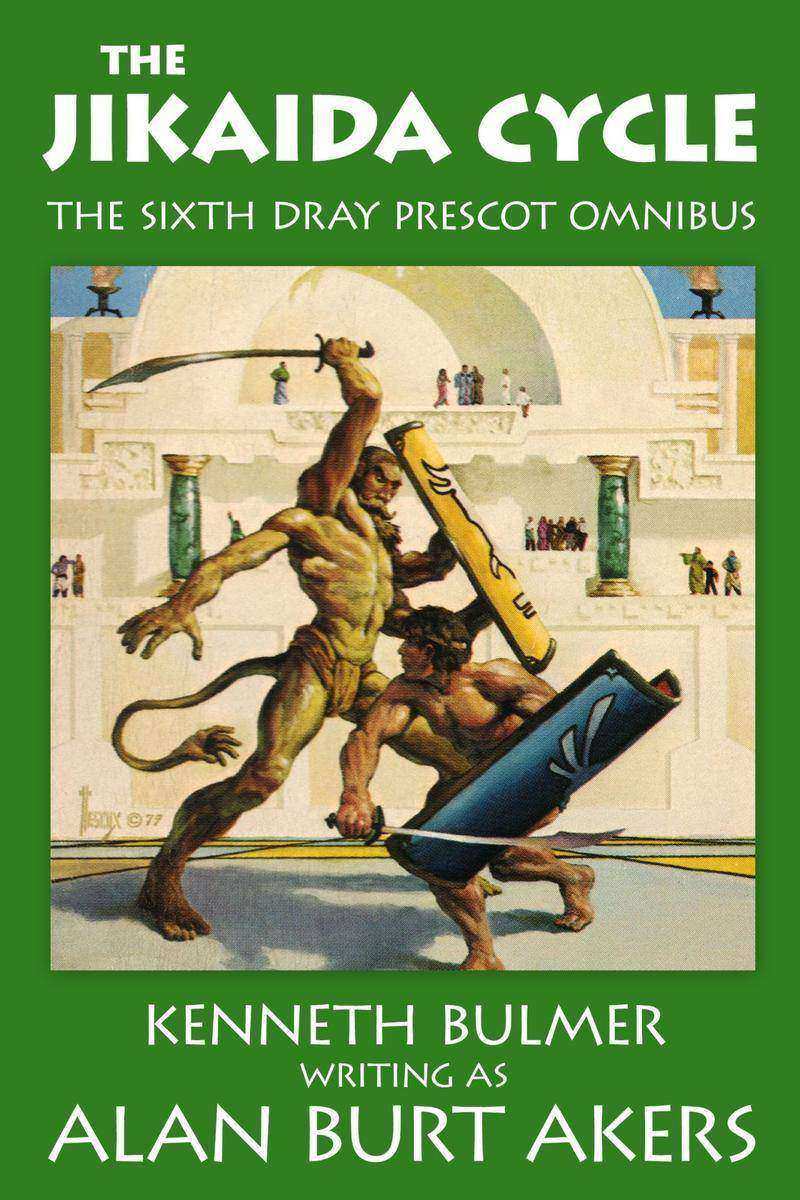
The Jikaida Cycle: The sixth Dray Prescot omnibus
¥81.67
Four hundred light years from Earth, Kregen is a marvelous world, peopled by wonderful beings, filled with light and clamor and furor of life lived to the hilt. But Kregen has its darker side, where horror and terror bind innocent people, where sorceries rend reason, where injustice denies light. Here, in the unforgiving yet rewarding world of Kregen, struggling through disaster and triumph, Dray Prescot has made his home. He has acquired a number of titles and estates but now the people of the island empire of Vallia, which has been ripped to shreds by ambitious and mercenary invaders, have called on him to lead them to freedom as their emperor. Reluctant to accept the imperium, he shoulders the burden because, rightly or wrongly, he sees this as the lesser evil... Containing four novels: A Life for Kregen A Sword for Kregen A Fortune for Kregen A Victory for Kregen This edition contains a glossary to the Jikaida cycle.
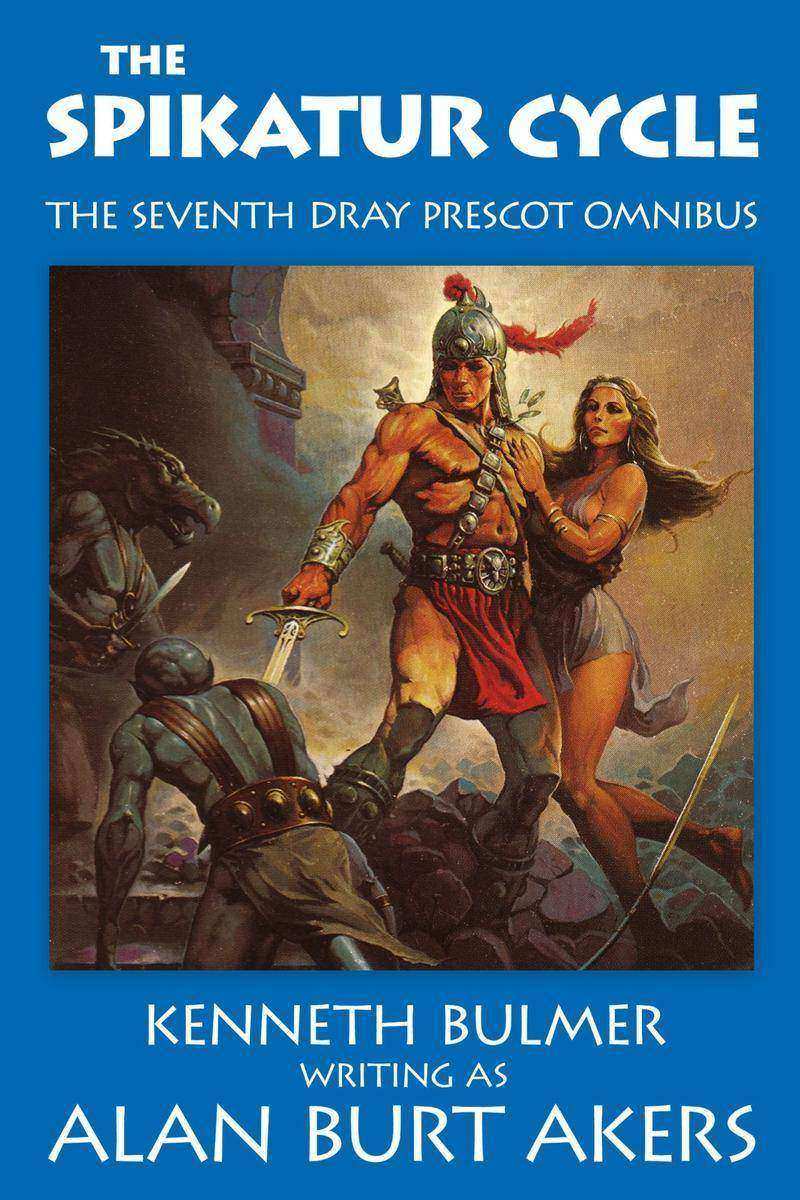
The Spikatur Cycle: The seventh Dray Prescot omnibus
¥81.67
Four hundred light years from Earth, Kregen is a marvelous world, peopled by wonderful beings, filled with light and clamor and furor of life lived to the hilt. But Kregen has its darker side, where horror and terror bind innocent people, where sorceries rend reason, where injustice denies light. The Spikatur Cycle brings Prescot closer to the realization of many of his dreams. He is determined to do what he feels is laid upon him; but he finds it is not so easy, particularly when the Empress Delia and his comrades are determined to keep him out of trouble. But, he is Dray Prescot, Lord of Strombor and Krozair of Zy, and that canny old leem hunter will not be prevented from buckling up the brave old scarlet breechclout and hurtling off beneath the Moons of Kregen into fresh headlong adventure with a sword in his fist... Containing the four novels: Beasts of Antares Rebel of Antares Legions of Antares Allies of Antares This book contains a glossary of the Spikatur cycle.

Fanshawe by Nathaniel Hawthorne - Delphi Classics (Illustrated)
¥8.09
This eBook features the unabridged text of ‘Fanshawe by Nathaniel Hawthorne - Delphi Classics (Illustrated)’ from the bestselling edition of ‘The Complete Works of Nathaniel Hawthorne’. Having established their name as the leading publisher of classic literature and art, Delphi Classics produce publications that are individually crafted with superior formatting, while introducing many rare texts for the first time in digital print. The Delphi Classics edition of Hawthorne includes original annotations and illustrations relating to the life and works of the author, as well as individual tables of contents, allowing you to navigate eBooks quickly and easily. eBook features: * The complete unabridged text of ‘Fanshawe by Nathaniel Hawthorne - Delphi Classics (Illustrated)’ * Beautifully illustrated with images related to Hawthorne’s works * Individual contents table, allowing easy navigation around the eBook * Excellent formatting of the text Please visit www.delphiclassics.com to learn more about our wide range of titles

The Blithedale Romance by Nathaniel Hawthorne - Delphi Classics (Illustrated)
¥8.09
This eBook features the unabridged text of ‘The Blithedale Romance by Nathaniel Hawthorne - Delphi Classics (Illustrated)’ from the bestselling edition of ‘The Complete Works of Nathaniel Hawthorne’. Having established their name as the leading publisher of classic literature and art, Delphi Classics produce publications that are individually crafted with superior formatting, while introducing many rare texts for the first time in digital print. The Delphi Classics edition of Hawthorne includes original annotations and illustrations relating to the life and works of the author, as well as individual tables of contents, allowing you to navigate eBooks quickly and easily. eBook features: * The complete unabridged text of ‘The Blithedale Romance by Nathaniel Hawthorne - Delphi Classics (Illustrated)’ * Beautifully illustrated with images related to Hawthorne’s works * Individual contents table, allowing easy navigation around the eBook * Excellent formatting of the text Please visit www.delphiclassics.com to learn more about our wide range of titles
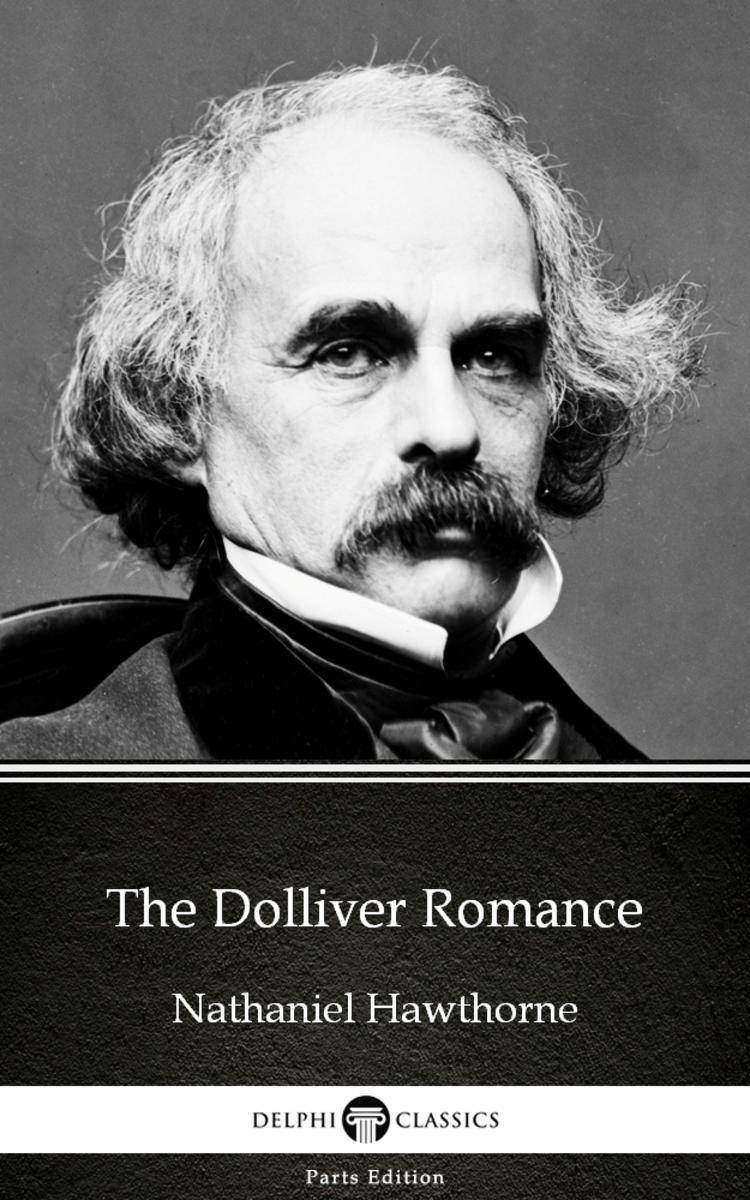
The Dolliver Romance by Nathaniel Hawthorne - Delphi Classics (Illustrated)
¥8.09
This eBook features the unabridged text of ‘The Dolliver Romance by Nathaniel Hawthorne - Delphi Classics (Illustrated)’ from the bestselling edition of ‘The Complete Works of Nathaniel Hawthorne’. Having established their name as the leading publisher of classic literature and art, Delphi Classics produce publications that are individually crafted with superior formatting, while introducing many rare texts for the first time in digital print. The Delphi Classics edition of Hawthorne includes original annotations and illustrations relating to the life and works of the author, as well as individual tables of contents, allowing you to navigate eBooks quickly and easily. eBook features: * The complete unabridged text of ‘The Dolliver Romance by Nathaniel Hawthorne - Delphi Classics (Illustrated)’ * Beautifully illustrated with images related to Hawthorne’s works * Individual contents table, allowing easy navigation around the eBook * Excellent formatting of the text Please visit www.delphiclassics.com to learn more about our wide range of titles


