


 购物车
购物车 个人中心
个人中心
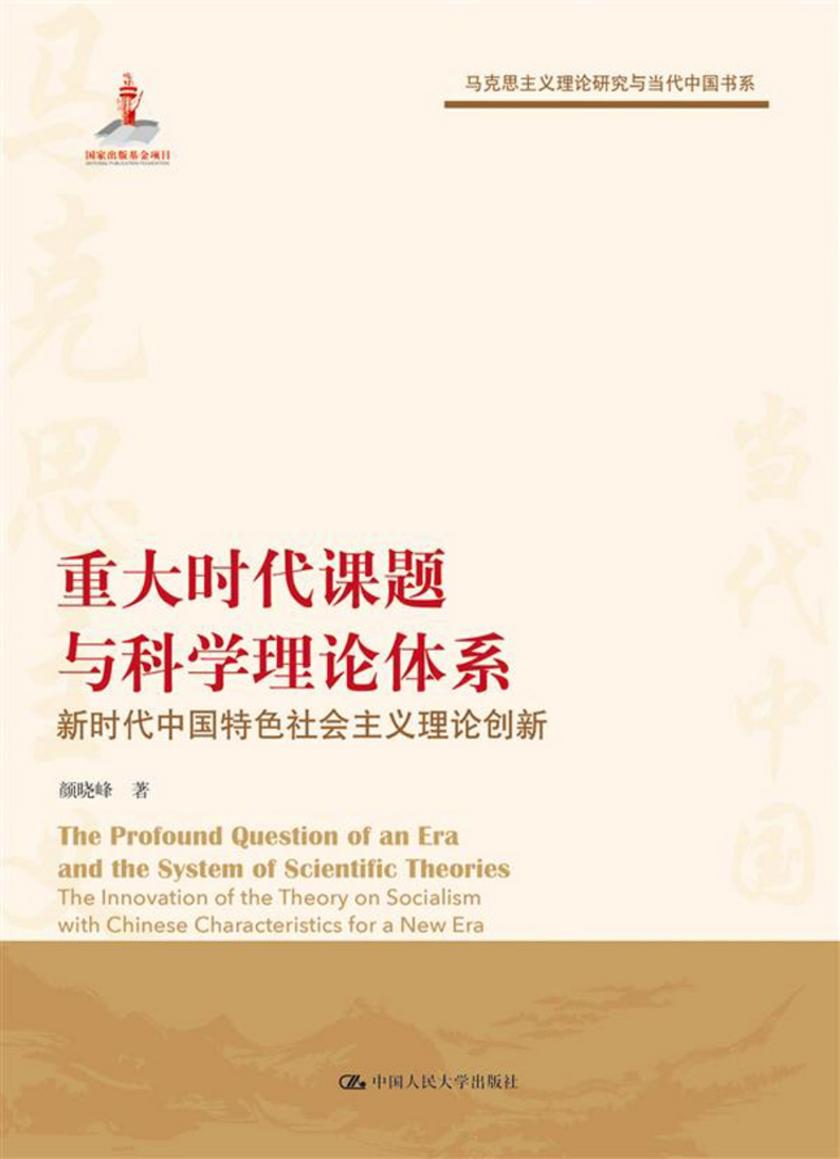
重大时代课题与科学理论体系(马克思主义理论研究与当代中国书系)
¥34.00
本书是作者研究党的十八大以来*新时代中国特色社会主义思想的相关成果,从新时代中国特色社会主义的基本支柱、实践基础、根本原则、历史使命、总体布局、安全保证、领导力量、领导方法等方面,系统回答了“新时代坚持和发展什么样的中国特色社会主义、怎样坚持和发展中国特色社会主义”这一重大时代课题,阐述了重大时代课题是科学理论体系的基石。 本书有两大特:*,以新时代中国特色社会主义的重要问题和*新时代中国特色社会主义思想的重要内容为研究对象,具有现实性。第二,研究内容既内含实践逻辑,又内生出理论逻辑,具有思辨性。
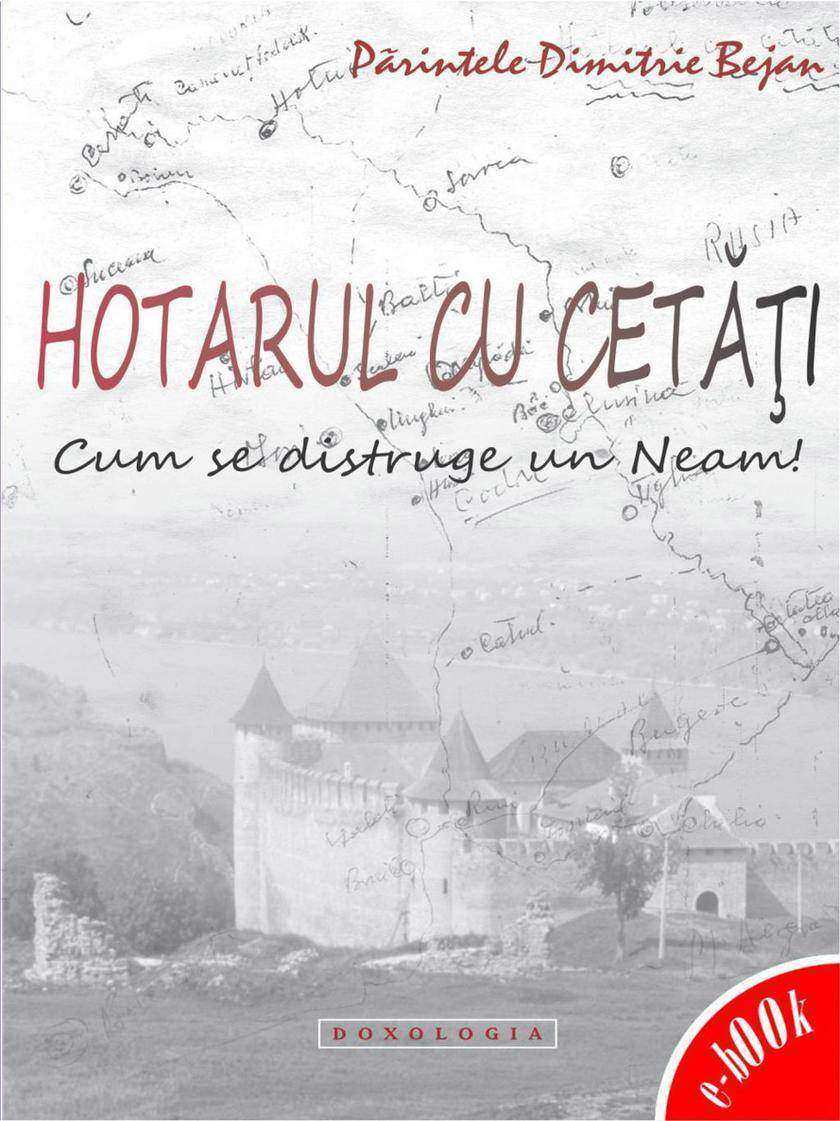
Hotarul cu cet??i. Cum se distruge un neam!
¥24.44
Via?a marelui g?nditor german, supranumit sihastrul de la Sils Maria a fost plin? de str?lucire dar ?i de aspecte mai pu?in cunoscute publicului larg. ?ntre ace?tia se num?r? patima fa?? de muzic? a autorului ?tiin?ei vesele ?i A?a gr?ita Zarathustra dar ?i rela?ia de formare ?i de profund? iubire avut? cu Richard Wagner ?i so?ia sa, minunata Cosima – prezen?e vii ?n aceast? monografie eseistic?, ce con?ine fragmente din coresponden?a acestor mon?tri sacri ai culturii universale, coresponden?? ?n urma lecturii c?reia te alegi cu o imagine calda, expresiv?.
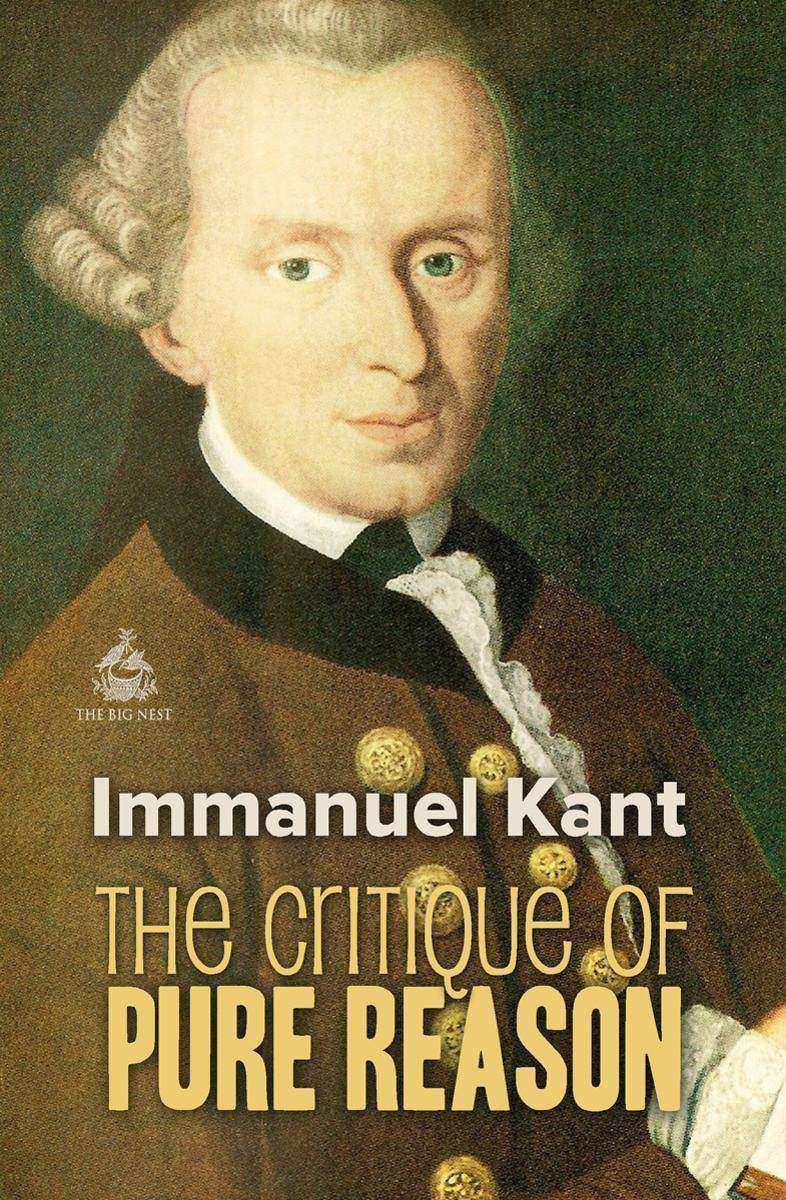
The Critique of Pure Reason
¥40.79
One of the most influential works in the history of philosophy. Known as Kant's First Critique, dealing with questions concerning the foundations and extent of human knowledge, Kant builds on the work of empiricist philosophers such as John Locke and David Hume, as well as taking into account the theories of rationalist philosophers such as Gottfried Wilhelm Leibniz and Christian Wolff.
Meno
¥40.79
This Dialogue begins abruptly with a question of Meno, who asks, 'whether virtue can be taught.' Socrates replies that he does not as yet know what virtue is, and has never known anyone who did. 'Then he cannot have met Gorgias when he was at Athens.' Yes, Socrates had met him, but he has a bad memory, and has forgotten what Gorgias said. Will Meno tell him his own notion, which is probably not very different from that of Gorgias? 'O yes—nothing easier: there is the virtue of a man, of a woman, of an old man, and of a child; there is a virtue of every age and state of life, all of which may be easily described.'
Crito
¥40.79
The Crito seems intended to exhibit the character of Socrates in one light only, not as the philosopher, fulfilling a divine mission and trusting in the will of heaven, but simply as the good citizen, who having been unjustly condemned is willing to give up his life in obedience to the laws of the state . . .
Categories
¥40.79
Categories is a text from Aristotle's Organon that enumerates all the possible kinds of things that can be the subject or the predicate of a proposition. They are considered the single most heavily discussed of all Aristotelian notions.
Be? Kavram, Be? Deneme: (inan?, ?zgür irade, ya?am?n anlam?, ahlak, mutluluk)
¥9.40
Bu alma ilk olarak ekim 2007`de bir internet sitesinde (exlibrary.com) e-kitap formunda yaymland; daha sonra birinci kitabmn ikinci blümünde yer ald. Bu almay tekrar gzden geirip küük baz düzeltmeler yaptm. Bu kitapn ilham kayna Thomas Nagel’in “Her ey Ne Anlama Geliyor” balkl eseridir. 70 sayfalk bu küük ama youn kitab okuduumda hayran olmutum. Nagel almasnn giri blümünde unlar yazm: “Günümüzün ve gemiin büyük filozoflarndan seilmi metinler ieren birok harika giri el kitab vardr. Elinizdeki bu küük kitap onlarn yerine geecek türden bir kitap deildir. Onun, yalnzca, konuya olabildii kadar ak ve dorudan bir ilk deerlendirme sunmasn umuyorum.” Ben de aynsn umarak bu almaya ykündüm ve ortaya bu be deneme kt. Daha nce yaymlanm bu denemelerin yeniden yaymlanmasnn anlam hakl olarak sorulabilir. Ben de derim ki belki yeni baz okurlarn ilgisini ekebilir belki de yeniden okunabilir. Bu sefer de neden yeniden okunsun ki diyenler kabilir; ben de Borges’in bir szünü aktarmakla yetinirim: “Okumak nemli deildir, nemli olan yeniden okumaktr.” Yazar Hakknda Prof. Dr., 1955 doumlu. 1976 da Ankara niversitesi Fen Fakültesi kimya mühendislii blümünden mezun oldu. Eskiehir Anadolu ve Eskiehir Osmangazi niversitesinde retim üyesi olarak alt. 2002 de emekli oldu. Akademik yaynlar haricinde felsefe konusunda sobil yaynclk tarafndan yaymlanm ü kitab vardr: 1.“Düünmek zerine Düünmek” (2009), 2. “Zorunluluk ve Sorumluluk” (2012), 3.“Nietzsche ve Schopenhauer ile küük bir sylei” (2018).
Avu?ia na?iunilor
¥24.44
Scriitorul francez Xavier de Maistre (1763-1852) este fratele mai mic ?i mai pu?in celebru al g?nditorului Joseph de Maistre. Ironist fin ?i amator de filosofie, el ??i invit? cititorul ?ntr-o c?l?torie prin propria camer?, prilejuit? de cele ?ase s?pt?m?ni de arest cu care a fost pedepsit pentru participarea la un duel. Umorul ?i ingeniozitatea fac din acest text aparent banal o critic? spumoas? ?i fascinant? a viciilor umane ?i sociale bogat ?i expresiv ilustrate de contemporanii autorului ?i ai cititorului deopotriv?. Leprosul din Cetatea Aosta, un text prea pu?in semnificativ ca dimensiuni, constituie ?i el una dintre cele mai mi?c?toare incursiuni ?n arcanele condi?iei umane.
C?l?torie ?n jurul camerei mele
¥24.44
Thomas Hobbes (1588-1679) este unul dintre p?rin?ii liberalismului ?n g?ndirea politic?. Textele de fa?? reprezint? cel mai important segment din Leviathan - cea mai important? lucrare a lui Hobbes, scris? ?n 1651, care poate fi considerat pe bun? dreptate punctul de pornire al trecerii de la sabie la cuv?nt ca principal? arm? ?n politic?. Cititorul poate descoperi ?n aceste pagini un filosof care s-a aplecat asupra temei societ??ii cum pu?ini au f?cut-o ?nainte de secolul XX, ?ntruc?t acesta este ?miezul fierbinte“ al g?ndirii hobbesiene, pe care arhicunoscutele sintagme ?starea de natur?“ ?i bellum omnium contra omnes nu au reu?it niciodat? s?-l scoat? la iveal?.

Limba Rom?n?. Admiterea la drept. 1200 de ?ntreb?ri ?i r?spunsuri
¥48.97
Numele lui Comenius s-a ?nscris ?n istoria literaturii cehe ?i universale prin cea mai important? lucrare a sa de beletristic?, romanul alegoric Labirintul lumii ?i raiul inimii. Cartea cuprinde dou? p?r?i. ?n prima, Labirintul lumii, este ?nf??i?at? alegoric lumea sub forma unui ora? medieval, amintind de un labirint pe care ?l parcurge c?l?torul-povestitor. ?n cea de-a doua parte, Raiul inimii, c?l?torul se retrage dezam?git ?n l?ca?ul inimii sale, unde ?l ?nt?lne?te pe Dumnezeu, iar credin?a ?i aduce pacea ?i alinarea. C?l?torul este de fapt reprezentarea alegoric? a curiozit??ii omene?ti; el str?bate ora?ul-lume c?ut?ndu-?i o ?ndeletnicire pl?cut? sufletului ?i trupului.Labirintul lumii ?i raiul inimii face parte din a?a-numita serie de scrieri de consolare, prin care Comenius ?ncerca s? arate c? destinul oamenilor este condus prin dreapta decizie a lui Dumnezeu. Romanul este considerat de critica literar? ceh? ca fiind cea mai reu?it? lucrare a literaturii vechi, cel mai frecvent tip?rit? p?n? ?n zilele noastre.
On the Duty of Civil Disobedience
¥40.79
In Civil Disobedience Thoreau argues that individuals should not permit governments to overrule or atrophy their consciences, and that they have a duty to avoid allowing such acquiescence to enable the government to make them the agents of injustice.
The African Wars: English and Latin Language
¥40.79
Caesar, advancing by moderate journeys, and continuing his march without intermission, arrived at Lilybaeum, on the 14th day before the calends of January. Designing to embark immediately, though he had only one legion of new levies, and not quite six hundred horse, he ordered his tent to be pitched so near the sea-side that the waves lashed the very foot of it. This he did with a view that none should think he had time to delay, and that his men might be kept in readiness at a day or an hour's warning. Though the wind at that time was contrary, he nevertheless detained the soldiers and mariners on board, that he might lose no opportunity of sailing; the rather, because the forces of the enemy were announced by the inhabitants of the province, to consist of innumberable cavalry not to be numbered; four legions headed by Juba, together with a great body of light-armed troops; ten legions under the command of Scipio; a hundred and twenty elephants, and fleets in abundance. Yet he was not alarmed, nor lost his confident hopes and spirits. Meantime the number of galleys and transports increased daily; the new-levied legions flocked in to him from all parts; among the rest the fifth, a veteran legion, and about two thousand horse.
The Alexandrian Wars
¥40.79
When the war broke out at Alexandria, Caesar sent to Rhodes, Syria, and Cilicia, for all his fleet; and summoned archers from Crete, and cavalry from Malchus, king of the Nabatheans. He likewise ordered military engines to be provided, corn to be brought, and forces dispatched to him. Meanwhile he daily strengthened his fortifications by new works; and such parts of the town as appeared less tenable were strengthened with testudos and mantelets. Openings were made in the walls, through which the battering-rams might play; and the fortifications were extended over whatever space was covered with ruins, or taken by force. For Alexandria is in a manner secure from fire, because the houses are all built without joists or wood, and are all vaulted, and roofed with tile or pavement.
The Civil Wars, Book 1
¥40.79
Caesar, although he was not as yet at open enmity with him, determined neither to aid him by his influence nor openly oppose him on this occasion. But the consuls Lentulus and Marcellus, who had previously been on unfriendly terms with Caesar, resolved to use all means in their power to prevent him from gaining his object. Marcellus in particular did not hesitate to offer Caesar other insults. Caesar had lately planned the colony of Novumcomum in Gaul: Marcellus, not content with taking from it the right of citizenship, ordered the principal man of the colony to be arrested and scourged at Rome, and sent him to make his complaints to Caesar: an insult of this description had never before been offered to a Roman citizen.

Παιδι? τη? Μεσογε?ου
¥63.19
Ν?ο-ιστορικ?, ρεαλιστικ?, κοινωνικ?-πολιτικ? μυθιστ?ρημα, ιδια?τερα επ?καιρο, μια δυνατ? αναφορ? στην προσφυγικ? κρ?ση, που χτυπ? κυρ?ω? τα παιδι?, τα ασυν?δευτα προσφυγ?πουλα.Το φθιν?πωρο του 2014, η Λητ?, φιλ?λογο?, τοποθετε?ται ω? αναπληρ?τρια καθηγ?τρια σε Γυμν?σιο του νησιο? τη? Κω. Εκε?, συναντ? πρ?σφυγε? που καταφθ?νουν με σαπιοκ?ραβα απ? τι? τουρκικ?? ακτ??. Αποφασ?ζει συνειδητ? να βοηθ?σει του? πρ?σφυγε?, ω? εθελ?ντρια, στο ?Ιπποκρ?τειο? νοσοκομε?ο τη? Κω. Στο θ?λαμο του νοσοκομε?ου συναντ? τρει? Σ?ριου? πρ?σφυγε?, βαρι? τραυματισμ?νου?, τον Ασλ?ν, παλι? γν?ριμο, απ? τι? κοιν?? του? μεταπτυχιακ?? σπουδ?? στη Σκωτ?α, μαζ? με ?λλου? δυο Σ?ριου? φ?λου? του, τον Τζαμ?λ και τον Οσ?μα, που συνοδε?ουν ενν?α μικρ? παιδι?, προσφυγ?πουλα, ορφαν? πολ?μου. Η Λητ? εμπλ?κεται στη ζω? των τρι?ν ανδρ?ν και των ενν?α παιδι?ν. Το προσφυγικ? ζ?τημα γ?νεται δικ? τη? θ?μα, κομμ?τι του ψυχισμο? τη?, πρ?γμα που εκφρ?ζεται ?ντονα στα τραγο?δια που πα?ζει στην κιθ?ρα τη?, στου? μαθητ?? τη? στο σχολε?ο τη? Κω, στη ζω? τη?, στον τρ?πο που αναζητ? τι? θ?σει? τη? Ευρωπα?κ?? ?νωση?, τη? ?πατη? Αρμοστε?α? του ΟΗΕ, των εμπλεκ?μενων κρατ?ν. Στηρ?ζει με ιδια?τερη ευαισθησ?α τα ασυν?δευτα παιδι? - προσφυγ?πουλα, που π?φτουν θ?ματα επικ?νδυνων εγκληματι?ν και χ?νονται κατ? τη δι?ρκεια τη? πορε?α? του? προ? την κεντρικ? και β?ρεια Ευρ?πη, σε βρ?μικα κυκλ?ματα εκμετ?λλευση?, πορνε?α?, παιδεραστ?ν, εμπορ?ου ανθρωπ?νων οργ?νων, ναρκωτικ?ν, κ.?. Ο δυνατ?? ?ρωτ?? τη? για τον Ασλ?ν και η αγ?πη τη? για τα παιδι? την οδηγε? μαζ? του?, στην κεντρικ? Ευρ?πη και στην ενεργ? συμμετοχ? τη? στο προσφυγικ? ζ?τημα καθ?? και στην τοποθ?τησ? τη? με πρακτικ? τρ?πο, σε ?να θ?μα που αφορ? ?λη την Ευρ?πη, την παγκ?σμια κοιν?τητα, τον ΟΗΕ, καθ?? χτυπ?ει β?ναυσα, εδ? και χρ?νια, του? λαο?? τη? Μεσογε?ου και υποθ?λπει κρυφ?, ?νομα, αλλ? και φανερ? συμφ?ροντα.Ε?ναι ?να βιβλ?ο που χτυπ? τον ρατσισμ?, την ξενοφοβ?α, τι? θρησκευτικ?? προκαταλ?ψει?, στηρ?ζει τον ?νθρωπο και τι? πανανθρ?πινε? αξ?ε?, που κουρελι?ζονται απ? πολ?μου?, εμφυλ?ου?, μ?ση, φανατισμο?? και ζητ? αλληλεγγ?η και πιστ? εφαρμογ? των ν?μων και καν?νων του ΟΗΕ, που ?χουν να κ?νουν με τα ανθρ?πινα δικαι?ματα.
Children of the Mediterranean: The odyssey of the Unescorted Refugee Children
¥63.19
A new-historical, realistic, social-political novel. A current, strong reference to the refugee crisis, which strikes the unescorted innocent refugee children.At the beginning of the autumn of 2014, Leto, a teacher of Greek literature is assigned in a secondary school of Kos, as a contract teacher. There, she meets a lot of refugees from Syria, who arrive on the island, with old and rusty boats, from the Turkish shores. After a big wreck, she consciously decides to help them as a volunteer in “Hippokratio” hospital of Kos. There, she is responsible for three heavily injured men from Syria. One of them is Aslan, a friend from their common post graduate studies in Aberdeen University, Scotland. In the same room, there are two other friends of him, Jamal and Ossama. They all accompany nine refugee children, orphans of the war. Leto is involved in the life of the three injured men and the nine refugee children. The refugee issue becomes her own issue, a part of her, which she wholeheartedly expresses through playing her guitar to her students of Kos throughout her whole life. She challenges the attitudes of European Union and the United Nations High Commissioner for Refugees, as well as all the involved nations. She stands by the unescorted refugee children, sensitively, who become victims of dangerous criminals and they get lost in den of vices of prostitution, pederasty, trafficking in human organs, drugs and so on, on their way to the Central and North Europe. Leto’s strong love for Aslan and her love for children leads her to the Central Europe where she participates energetically to the refugee matter, and she takes position practically, to an item which overconcerns all Europe, the whole world, the United Nations, as it brutally beats all the nations of Mediterranean Sea, pandering hidden and illegal interests, but obvious too.A book which challenges racism, xenophobia and religious prejudice, stands by the human and supports the universal values that are torn up by the war, the civil war, the total hatreds, and fanatics. It is asking for solidarity and faithful implementation of laws and rules of the U.N., which are closely linked to the human rights.
Nagyapó mesésk?nyve
¥22.73
...a knyvet ne tekintsük úgy, mint amelynek a fejldése már befejezdtt, és amin már nincs is mit tkéletesíteni... azzal mintha nem foglalkozna senki, hogy a knyvet miként lehetne az olvasó számára használhatóbbá tenni... nagyon is el tudnék képzelni ergonomikusabban megtervezett és knnyebben kézben tartható knyvet is (amelyet nem ejtek el, ha a mobilom után kezdek kotorászni a 6-os villamoson. Ha egyszer vehetünk jobban kézbe ill tollat, akkor talán ez sem képtelenség).”
Suprema?ia experien?ei. Conservatorismul anglo-saxon
¥57.14
Via?a fiec?ruia dintre noi se desf??oar? pe fundalul unor nara?iuni?sau teorii filosofice discrete ?i insesizabile, care ne ofer? sens ?i ne ?ndrum? ?n momentele de cump?n?.Au o istorie fascinant? ?i uneori extrem de agitat?, care st? m?rturie?pentru str?daniile noastre de a ?n?elege lumea ?i de a o transforma ?ntr-un mediu familiar.Cartea de fa?? ne prezint? istoriile a trei dintre aceste nara?iuni,?cunoscute mai mult filosofilor, cu toate c? ele ?ncearc? s? ofere r?spuns?la ?ntreb?ri tulbur?toare ?i de?o importan?? cov?r?itoare pentru?noi to?i: de ce exist? lumea, ?n ce const? identitatea persoanei, ce?este realitatea.
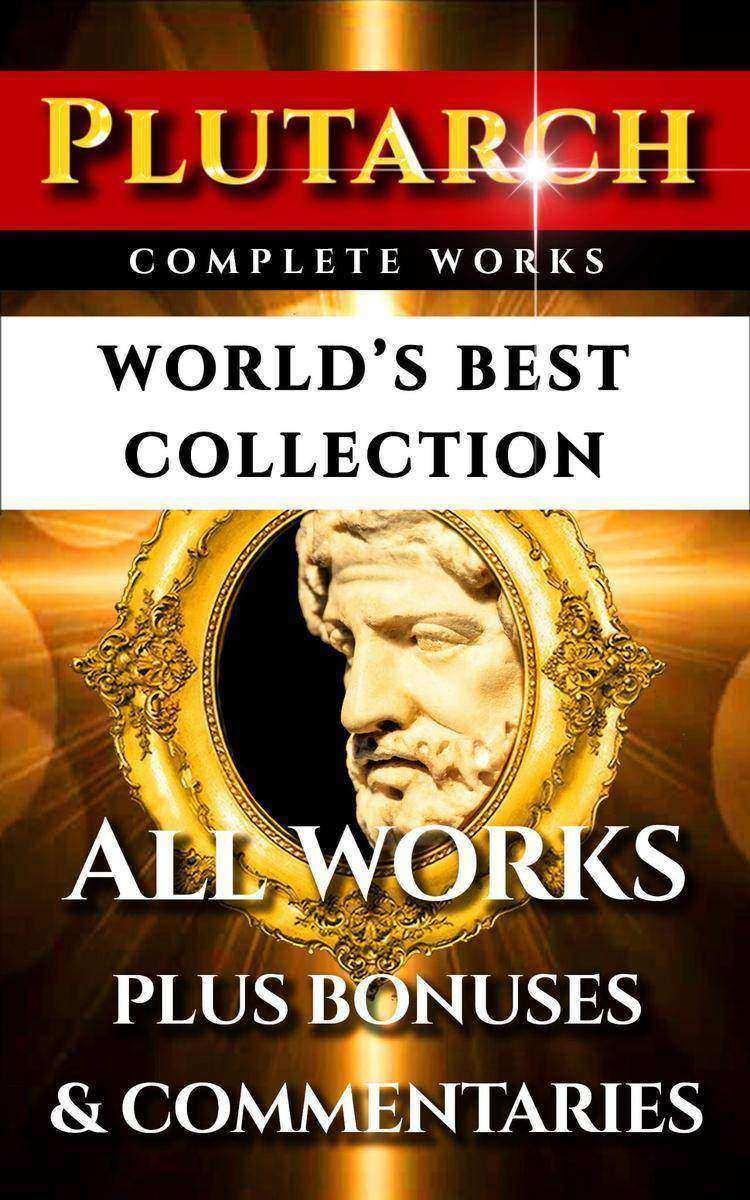
Plutarch Complete Works – World’s Best Collection
¥8.09
Plutarch Complete Works World's Best Collection This is the world’s best Plutarch collection, including the most complete set of Plutarch’s works available plus many free bonus materials. Plutarch Plutarch is known as the pre-eminent Greek historian, biographer, and essayist, known primarily for his Parallel Lives and Moralia. His works have helped us understand a great deal of ancient history, and his writings contain valuable insights still applicable in today’s political and modern world The ‘Must-Have’ Complete Collection In this irresistible collection you get all Plutarch’s intriguing and fascinating work, with more than 400 works, All his majors works, All his minor works, All his questions, discourses, dialogues and musings, and All his biographies and comparisons. Plus we include a bonus biography so you can experience the life of the man behind the words. Works Included: Life Of Plutarch Plutarch’s Parallel Lives -?Plutarch’s detailed and unputdownable account of the lives of the greatest Greeks and Romans of the ancient period. For even more interesting reading, Plutarch also compares these great men against each other, citing a Roman and Greek life and comparing their relative lives, including among many others: Alexander The Great Julius Caesar, Cato The Younger Demetrius And Antony Dion And Marcus Brutus Nicias And Crassus Agesilaus And Pompey Plutarch’s Morals (Moralia) -?A collection of writings of Plutarch’s on many differing subjects, including among many others: Concerning The Cure Of Anger Concerning Music Concerning The Virtues Of Women How To Know A Flatterer From A Friend Plutarch’s Natural Questions Concerning Such Whom God Is Slow To Punish Get This Collection Right Now This is the best Plutarch collection you can get, so get it now and start delving into his works and writings like never before!

Enders
¥65.32
Dialoguri cu Vasile Dem. Zamfirescu consemnate de Leonid DragomirLa Facultatea de Filosofie din Bucure?ti unde eram studen?i exista pe atunci mult? libertate ?n alegerea cursurilor pe care doream s? le urm?m. Se afi?a la ?nceputul anului universitar o list? a cursurilor obligatorii ?i op?ionale, acestea din urm? fiind majoritare. A?a am descoperit cursul de Psihanaliz? filosofic? al profesorului Vasile Dem. Zamfirescu, despre care ?tiam vag c? fusese unul dintre discipolii lui Constantin Noica. Atmosfera de libertate ?n care ne mi?cam se reg?sea ?n totalitate aici. Cursul ne interesa at?t prin con?inutul lui — care adolescent n-a fost fascinat de psihanaliz?! — c?t ?i prin rigoarea ?i claritatea expunerii. De?i nu mai predase p?n? atunci, Vasile Dem. Zamfirescu era cu adev?rat profesor. Seminariile erau ?ns? ale noastre. Aici se iscau polemici, se propuneau interpret?ri insolite, se scriau ?i se citeau eseuri inspirate de noile probleme ?i lecturi. De obicei dep??eam limitele temei propuse, astfel ?nc?t totul ar fi putut degenera ?ntr-un dialog al surzilor sau ?n divaga?ii sterile dac? n-ar fi existat polul magnetic: profesorul. Nu numai c? el aducea, cu mult tact, discu?ia pe f?ga?ul normal, la obiect, dar opiniile noastre, oric?t de ?ndr?zne?e, vizau direct sau indirect aprobarea lui. Aceasta uneori venea, alteori nu, dar ceea ce conta pentru noi era faptul de a ne ?ti asculta?i. Sim?eam c? el poate s? vad? ?n spusele noastre sau dincolo de ele personalitatea noastr? ?ntreag?. De aceea voiam s? d?m totul ?n acele seminarii care treceau at?t de repede, de?i discu?iile se prelungeau ?n pauze ?i dup? ?ncheierea lor.
Ruins of Ancient Cities: (Volume -II)
¥28.61
More’s “Utopia” was written in Latin, and is in two parts, of which the second, describing the place ([Greek text]—or Nusquama, as he called it sometimes in his letters—“Nowhere”), was probably written towards the close of 1515; the first part, introductory, early in 1516. The book was first printed at Louvain, late in 1516, under the editorship of Erasmus, Peter Giles, and other of More’s friends in Flanders. It was then revised by More, and printed by Frobenius at Basle in November, 1518. It was reprinted at Paris and Vienna, but was not printed in England during More’s lifetime. Its first publication in this country was in the English translation, made in Edward’s VI.’s reign (1551) by Ralph Robinson. It was translated with more literary skill by Gilbert Burnet, in 1684, soon after he had conducted the defence of his friend Lord William Russell, attended his execution, vindicated his memory, and been spitefully deprived by James II. of his lectureship at St. Clement’s. Burnet was drawn to the translation of “Utopia” by the same sense of unreason in high places that caused More to write the book. Burnet’s is the translation given in this volume. The name of the book has given an adjective to our language—we call an impracticable scheme Utopian. Yet, under the veil of a playful fiction, the talk is intensely earnest, and abounds in practical suggestion. It is the work of a scholarly and witty Englishman, who attacks in his own way the chief political and social evils of his time. Beginning with fact, More tells how he was sent into Flanders with Cuthbert Tunstal, “whom the king’s majesty of late, to the great rejoicing of all men, did prefer to the office of Master of the Rolls;” how the commissioners of Charles met them at Bruges, and presently returned to Brussels for instructions; and how More then went to Antwerp, where he found a pleasure in the society of Peter Giles which soothed his desire to see again his wife and children, from whom he had been four months away. Then fact slides into fiction with the finding of Raphael Hythloday (whose name, made of two Greek words [Greek text] and [Greek text], means “knowing in trifles”), a man who had been with Amerigo Vespucci in the three last of the voyages to the new world lately discovered, of which the account had been first printed in 1507, only nine years before Utopia was written. Designedly fantastic in suggestion of details, “Utopia” is the work of a scholar who had read Plato’s “Republic,” and had his fancy quickened after reading Plutarch’s account of Spartan life under Lycurgus. Beneath the veil of an ideal communism, into which there has been worked some witty extravagance, there lies a noble English argument. Sometimes More puts the case as of France when he means England. Sometimes there is ironical praise of the good faith of Christian kings, saving the book from censure as a political attack on the policy of Henry VIII. Erasmus wrote to a friend in 1517 that he should send for More’s “Utopia,” if he had not read it, and “wished to see the true source of all political evils.” And to More Erasmus wrote of his book, “A burgomaster of Antwerp is so pleased with it that he knows it all by heart.” Sir Thomas More, son of Sir John More, a justice of the King’s Bench, was born in 1478, in Milk Street, in the city of London. After his earlier education at St. Anthony’s School, in Threadneedle Street, he was placed, as a boy, in the household of Cardinal John Morton, Archbishop of Canterbury and Lord Chancellor. It was not unusual for persons of wealth or influence and sons of good families to be so established together in a relation of patron and client. The youth wore his patron’s livery, and added to his state. The patron used, afterwards, his wealth or influence in helping his young client forward in the world.


