


 购物车
购物车 个人中心
个人中心
Evolution of the Culture
¥28.04
Paradise Lost is an epic poem in blank verse by the 17th-century English poet John Milton (1608–1674). The first version, published in 1667, consisted of ten books with over ten thousand lines of verse. A second edition followed in 1674, arranged into twelve books (in the manner of Virgil's Aeneid) with minor revisions throughout and a note on the versification. It is considered by critics to be Milton's "major work", and helped solidify his reputation as one of the greatest English poets of his time. The poem concerns the Biblical story of the Fall of Man: the temptation of Adam and Eve by the fallen angel Satan and their expulsion from the Garden of Eden. Milton's purpose, stated in Book I, is to "justify the ways of God to men" Short Summary:The poem is separated into twelve "books" or sections, the lengths of which vary greatly (the longest is Book IX, with 1,189 lines, and the shortest Book VII, with 640). The Arguments at the head of each book were added in subsequent imprints of the first edition. Originally published in ten books, a fully "Revised and Augmented" edition reorganized into twelve books was issued in 1674, and this is the edition generally used today. The poem follows the epic tradition of starting in medias res (Latin for in the midst of things), the background story being recounted later.Milton's story has two narrative arcs, one about Satan (Lucifer) and the other following Adam and Eve. It begins after Satan and the other rebel angels have been defeated and banished to Hell, or, as it is also called in the poem, Tartarus. In Pand?monium, Satan employs his rhetorical skill to organise his followers; he is aided by Mammon and Beelzebub. Belial and Moloch are also present. At the end of the debate, Satan volunteers to poison the newly created Earth and God's new and most favoured creation, Mankind. He braves the dangers of the Abyss alone in a manner reminiscent of Odysseus or Aeneas. After an arduous traversal of the Chaos outside Hell, he enters God's new material World, and later the Garden of Eden. At several points in the poem, an Angelic War over Heaven is recounted from different perspectives. Satan's rebellion follows the epic convention of large-scale warfare. The battles between the faithful angels and Satan's forces take place over three days. At the final battle, the Son of God single-handedly defeats the entire legion of angelic rebels and banishes them from Heaven. Following this purge, God creates the World, culminating in his creation of Adam and Eve. While God gave Adam and Eve total freedom and power to rule over all creation, He gave them one explicit command: not to eat from the Tree of the knowledge of good and evil on penalty of death.
Heart of Darkness
¥9.07
The Republic (Greek: Politeia) is a Socratic dialogue, written by Plato around 380 BC, concerning the definition of (justice), the order and character of the just city-state and the just man, reason by which ancient readers used the name On Justice as an alternative title (not to be confused with the spurious dialogue also titled On Justice). The dramatic date of the dialogue has been much debated and though it must take place some time during the Peloponnesian War, "there would be jarring anachronisms if any of the candidate specific dates between 432 and 404 were assigned". It is Plato's best-known work and has proven to be one of the most intellectually and historically influential works of philosophy and political theory. In it, Socrates along with various Athenians and foreigners discuss the meaning of justice and examine whether or not the just man is happier than the unjust man by considering a series of different cities coming into existence "in speech", culminating in a city (Kallipolis) ruled by philosopher-kings; and by examining the nature of existing regimes. The participants also discuss the theory of forms, the immortality of the soul, and the roles of the philosopher and of poetry in society. Short Summary (Epilogue):X.1—X.8. 595a—608b. Rejection of Mimetic ArtX.9—X.11. 608c—612a. Immortality of the SoulX.12. 612a—613e. Rewards of Justice in LifeX.13—X.16. 613e—621d. Judgment of the Dead The paradigm of the city — the idea of the Good, the Agathon — has manifold historical embodiments, undertaken by those who have seen the Agathon, and are ordered via the vision. The centre piece of the Republic, Part II, nos. 2–3, discusses the rule of the philosopher, and the vision of the Agathon with the allegory of the cave, which is clarified in the theory of forms. The centre piece is preceded and followed by the discussion of the means that will secure a well-ordered polis (City). Part II, no. 1, concerns marriage, the community of people and goods for the Guardians, and the restraints on warfare among the Hellenes. It describes a partially communistic polis. Part II, no. 4, deals with the philosophical education of the rulers who will preserve the order and character of the city-state.In Part II, the Embodiment of the Idea, is preceded by the establishment of the economic and social orders of a polis (Part I), followed by an analysis (Part III) of the decline the order must traverse. The three parts compose the main body of the dialogues, with their discussions of the “paradigm”, its embodiment, its genesis, and its decline.The Introduction and the Conclusion are the frame for the body of the Republic. The discussion of right order is occasioned by the questions: “Is Justice better than Injustice?” and “Will an Unjust man fare better than a Just man?” The introductory question is balanced by the concluding answer: “Justice is preferable to Injustice”. In turn, the foregoing are framed with the Prologue (Book I) and the Epilogue (Book X). The prologue is a short dialogue about the common public doxai (opinions) about “Justice”. Based upon faith, and not reason, the Epilogue describes the new arts and the immortality of the soul. ? About Author: Plato (Greek: Platon, " 428/427 or 424/423 BC – 348/347 BC) was a philosopher in Classical Greece. He was also a mathematician, student of Socrates, writer of philosophical dialogues, and founder of the Academy in Athens, the first institution of higher learning in the Western world. Along with his mentor, Socrates, and his most-famous student, Aristotle, Plato helped to lay the foundations of Western philosophy and science. Alfred North Whitehead once noted: "the safest general characterization of the European philosophical tradition is that it consists of a series of footnotes to Plato." Plato's sophistication as a writer is evident in his Socratic dialogues; thirty-six dialogues and thirteen letters have been ascribed to him, although 15–18 of them have been contested. Plato's writings have been published in several fashions; this has led to several conventions regarding the naming and referencing of Plato's texts. Plato's dialogues have been used to teach a range of subjects, including philosophy, logic, ethics, rhetoric, religion and mathematics. Plato is one of the most important founding figures in Western philosophy. His writings related to the Theory of Forms, or Platonic ideals, are basis for Platonism. ? Early lifeThe exact time and place of Plato's birth are not known, but it is certain that he belonged to an aristocratic and influential family. Based on ancient sources, most modern scholars believe that he was born in Athens or Aegina between 429 and 423 BC. His father was Ariston. According to a disputed tradition, reported by Diogenes Laertius, Ariston traced his descent from the king of Athens, Codrus, and the king of Messenia, Melanthus. Plato's mother was Perictione, whose family boasted of a relationship with the famous Athenian lawmaker an

文化文本(第二辑)
¥69.30
《文化文本》为国家社科基金项目的论文辑刊,由叶舒宪、李继凯主编。本辑主题是文学人类学视野中的中国大传统与大历史,以及与之相关的理论探索、田野调查、实例分析、深度书评。本书收录的文章多为手资料,观鲜明,论证严谨,从当下中外相关的学术新潮之双向视角,通过知识结构上的对照与反观,达到一种追求知己知彼的权衡。

敏感与自我
¥22.90
我们比以往任何时候都更忙于调整合理的限度。可以说的边界在哪里?什么时候触摸变得让人厌恶?本书作者后退一步,揭示了冲突的核心:自我和社会的日益敏感化。 聚焦敏感,围绕身体、心理、道德、审美四个维度,本书介绍了从中世纪早期到现代的敏感发展史,以辩证的角度,结合不同时代哲学家、心理学家、文学家对敏感的讨论,涉及诺贝特·埃利亚斯的文明史、尼采和列维纳斯的哲学观、卢梭和塞缪尔·理查森的小说、弗洛伊德的创伤分析、巴特勒的语言行事观、托克维尔和罗尔斯的平等观等,分析当下的创伤、语言伤害、性别问题、同情的限度以及高敏感性人群,引导我们思考人与人之间的边界、分裂社会的身份政治,走出 “囊泡化”的傲慢。
可能世界视域下的名称和同一性理论研究(国家社科基金后期资助项目)
¥46.80
《命名与 然性》是美国 的逻辑学家、哲学家克里普克的代表作,主要阐述了克里普克的名称的指称理论和名称的同一性理论。本课题主要从可能世界的视角和本质主义的研究纲领出发,抓住 然性这一重要路线,把握理论的历史和现实逻辑,分析和考察克里普克的名称理论和同一性理论,澄清以往对克里普克理论观的误解和讹传,还克里普克思想以本来面目,系统地诠释《命名与 然性》一书的主要思想观。
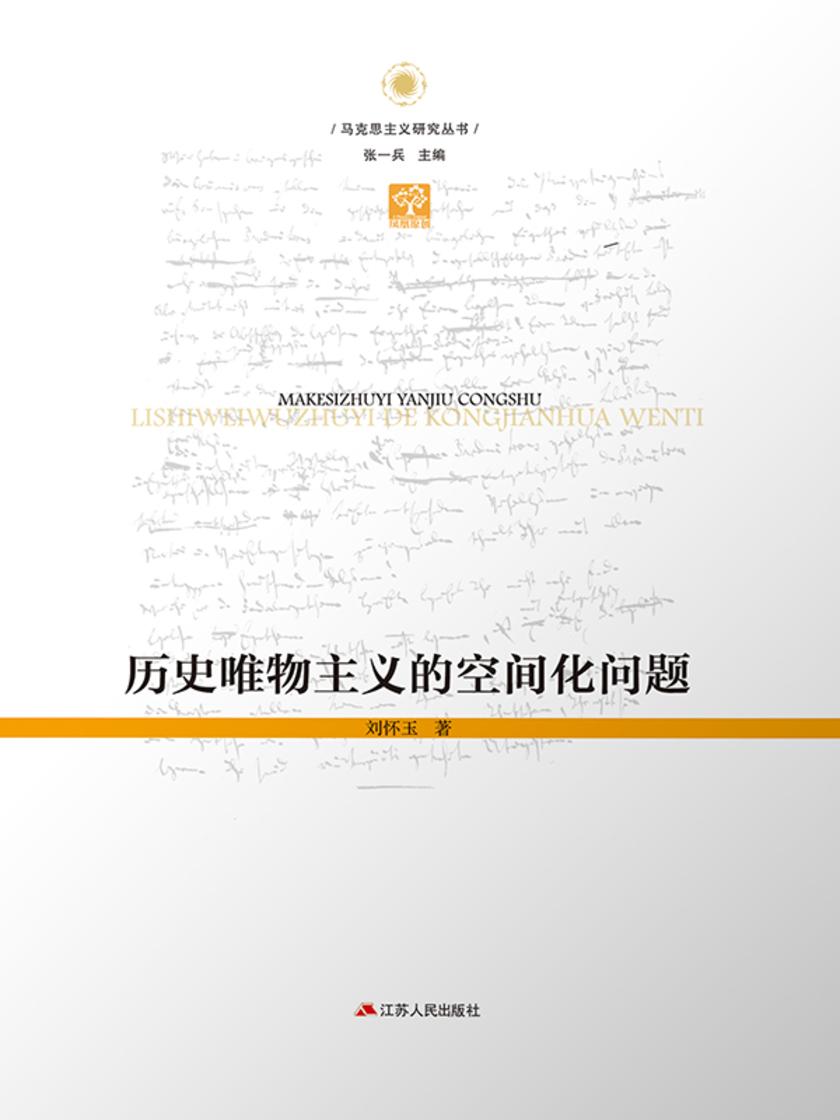
历史唯物主义的空间化问题
¥22.66
本书是一部用历史唯物主义观专题研究20世纪下半叶以来西方社会及思想文化界“空间化转向”现象的哲学论著。在相当一段时间内,历史唯物主义与空间是互不相干的:当人们讨论空间问题时,社会历史是在视野之外的;而在人们思考历史问题时,空间又消失了。这就需要我们首先从空间观与历史观彻底统一的角度,把空间问题提升为“空间化”问题。一方面把空间动态化地理解为历史发生的前提与结果,另一方面把历史具体化地理解为具有持存性、共存性形态的社会空间关系存在。其次,把空间化问题从一个哲学范畴与社会理论问题提升为历史唯物主义的当代特征与核心课题。 本书首先从讨论历史唯物主义视野中的空间化概念问题手,而从空间化视野把握当代人类社会特别是资本主义全球化、城市化与国家的“再区域化”发展的趋势与特征等问题。着重探讨历史唯物主义的空间化理论来源与基础问题,并专题性与个案性地研究西方马克思主义的空间化理论。后集中讨论空间化视野中的现实哲学问题,包括城市哲学问题与中国道路的空间化历史与逻辑等问题。

道德情感现象学———透过儒学哲学的阐明
¥26.00
以马克斯·舍勒与儒家尤其是心学的相关描述为中心,本研究澄清了我们个人与人格间的体验,旨在促对情感、价值与德性深而全面的理解。本书细致地分析了关键道德情感(如同情-爱、羞恶、恭敬、信任)以及它们与儒家核心价值德性(如仁、义、礼、信)的关联。心的秩序被展示为情感秩序,而非逻辑或理性秩序。基于对“心有其理”之具体内容的阐发,本书希望推道德认知与道德实践,并推动现象学、中国哲学、跨文化诠释学、心理学等领域的研究与发展。
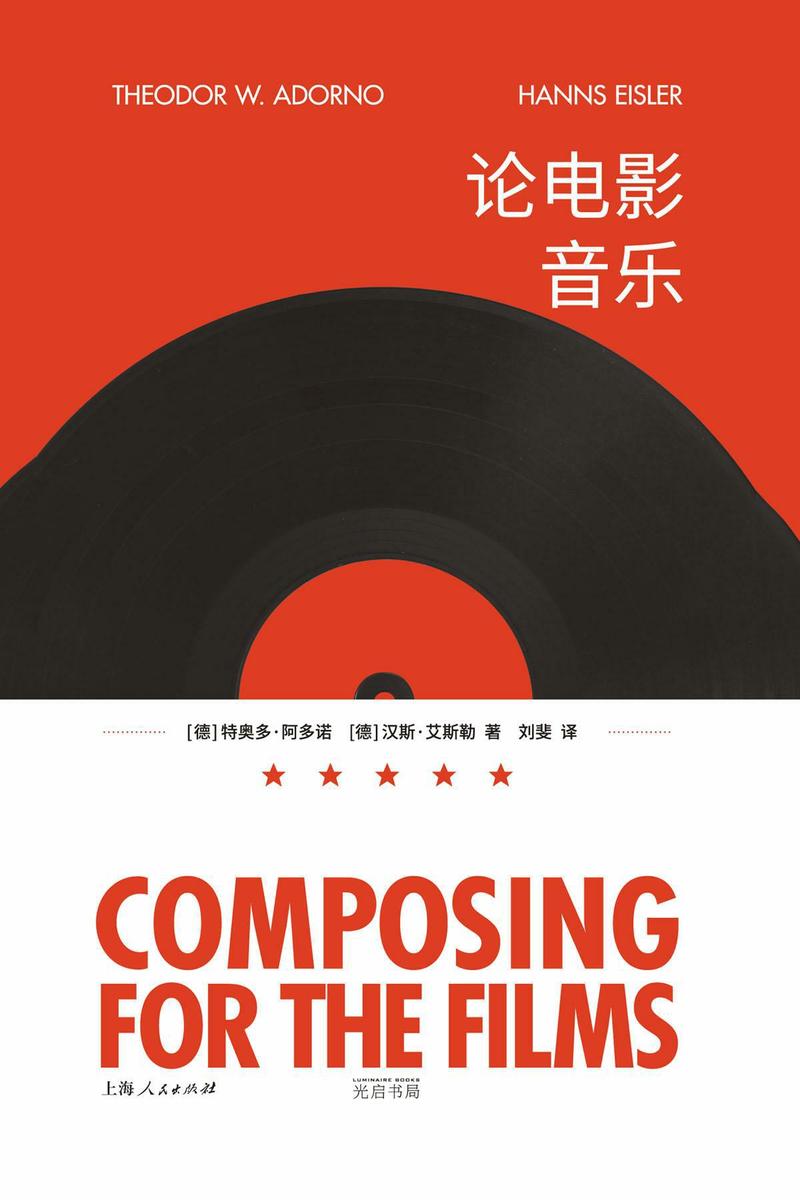
论电影音乐
¥29.99
本书是关于电影音乐美学本质的经典论述,也是对20世纪文化工业批判的理论经典,从电影配乐实践的具体问题,到社会学和美学分析,都深而透彻。阿多诺考察了电影和音乐、自然音响和人工合成声音之间的关系,同时探究了新的文化政治可能性。
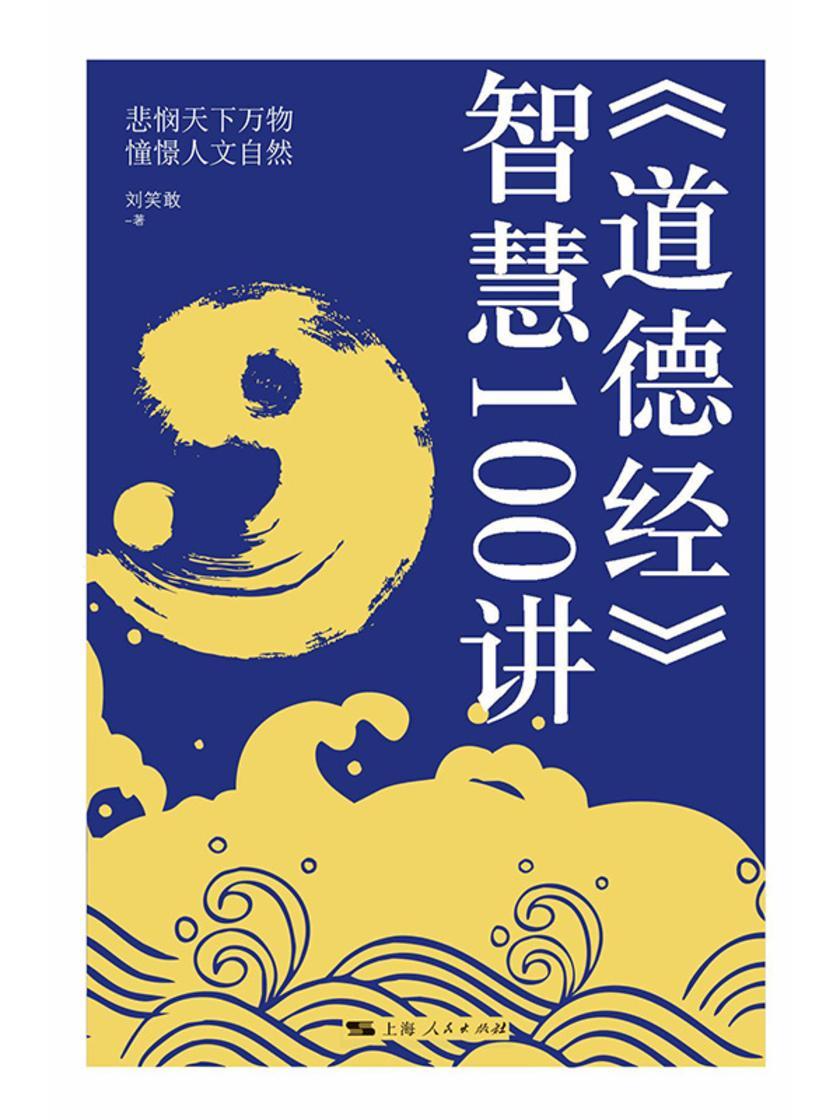
《道德经》智慧100讲
¥59.99
什么是道? “无为”就是躺平吗? 老子是不是主张“愚民政策”? …… 寥寥五千余字的《道德经》蕴含着无穷的生命智慧,但也因它的简洁,引发了后世读者的诸多迷思。 《道德经》究竟说了什么?今天我们又该如何理解它呢? 针对于此,刘笑敢教授在本书中通过八大主题,将《道德经》八十一章妙语整合为融贯的道家思想体系,详解《道德经》的核心关键词:道、自然、无为、正反……更有老子治国理政的独特命题和以及现代社会的重要启示。 68项专题解读,32篇答疑解惑, 为读者扫清《道德经》的阅读迷障,深浅出地传授老子的独特智慧。
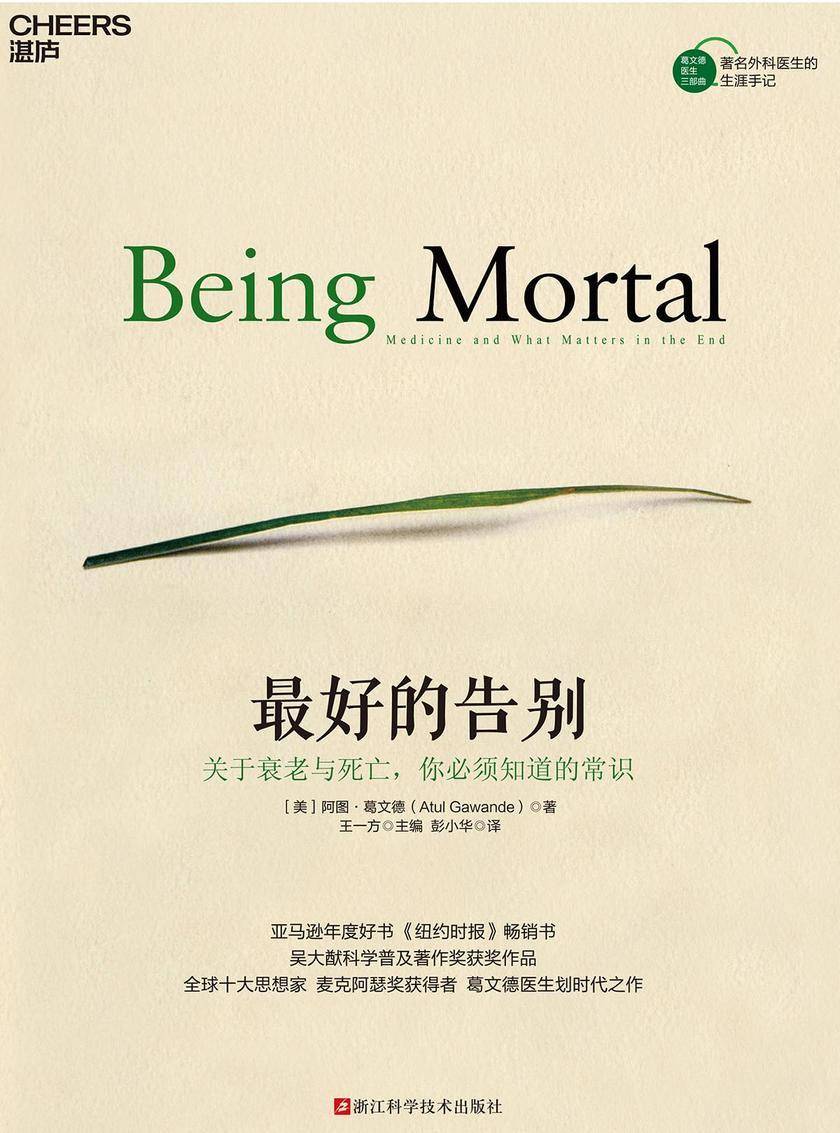
最好的告别:关于衰老与死亡,你必须知道的常识
¥36.00
当独立、自助的生活不能再维持时,我们该怎么办?在生命临近终的时刻,我们该和医生谈些什么?应该如何优雅地跨越生命的终?对于这些问题,大多数人缺少清晰的观念,而只是把命运交由医学、技术和陌生人来掌控。影响世界的医生阿图·葛文德结合其多年的外科医生经验与流畅的文笔,讲述了一个个伤感而发人深省的故事,对在21世纪变老意味着什么行了清醒、深的探索。本书富有洞见、感人至深,并为我们提供了实用的路线图,告诉我们为了使生命晚年的岁月有意义,我们可以做什么、应该做什么。 作者选择了常人往往不愿面对的话题——衰老与死亡,梳理了美国社会养老的方方面面和发展历程,以及医学界对末期病人的不当处置。书中不只讲述了死亡和医药的局限,也揭示了如何自主、快乐、拥有尊严地活到生命的终。书中对“善终服务”“辅助生活”“生前预嘱”等一系列作者推崇的理念,都穿插在故事中作出了详尽的说明,相信会给老龄化日益加剧的中国社会以启迪。 众多专家、媒体推荐。创新工场CEO李复:作为一名医生,阿图·葛文德关注的是医疗的局限以及人的尊严。作为凡人,我们都将面对人生的终,《好的告别》给我们重要的启示。刘瑜:原《新知》杂志主编苗炜:希望大家有机会能看看阿图·葛文德医生的著作,他能帮助我们更好地理解医学,知道医学的局限和可能。畅销书作家马尔科姆·格拉德威尔:阿图·葛文德令人难忘的精湛之作!。《自然》杂志:难得读到这样一本发人深省的书。
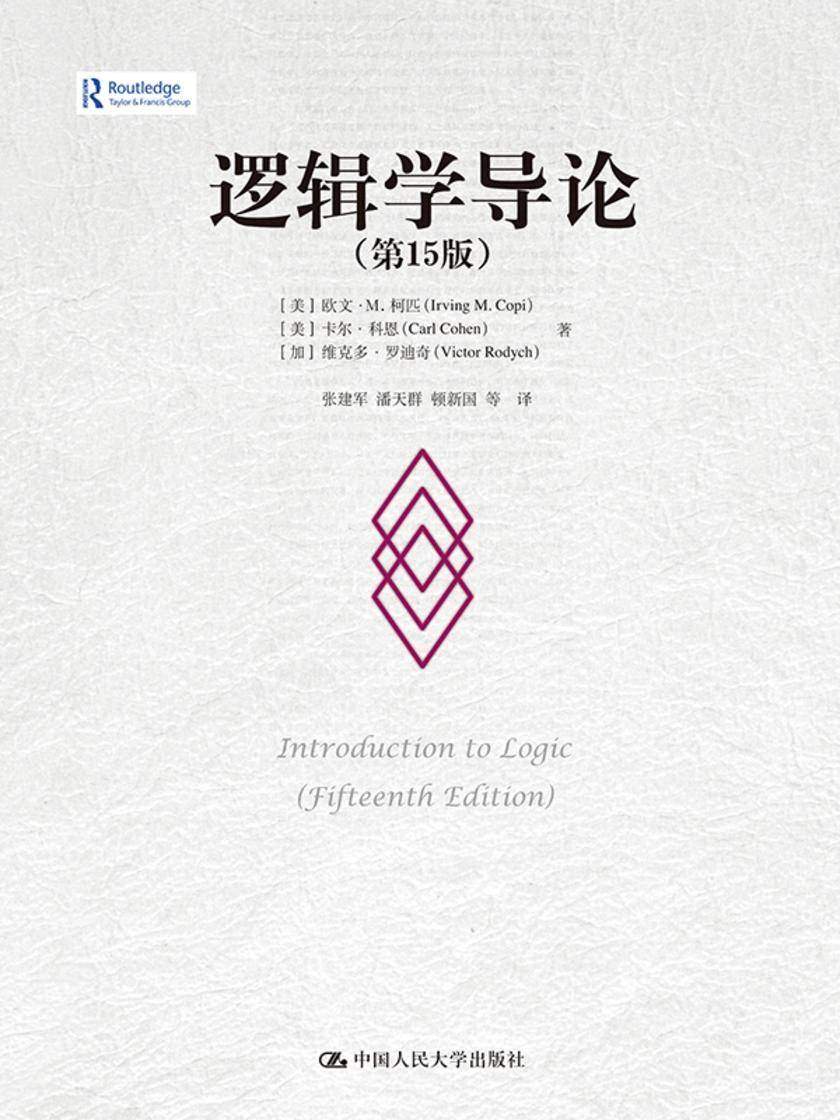
逻辑学导论(第15版)
¥83.40
本书是当今逻辑教科书的标准范本,是清晰性与准确性的典范,它能够使学生理解、把握并应用古典三段论逻辑和更为强有力的现代符号逻辑技术。书中所选用的有关政治、哲学、科学及多领域当代论争的鲜活的论证实例,展示了许多严肃的学者和思想家在解决实际问题的过程中对逻辑原理的应用,使逻辑学习既内容充盈又富有生活气息。

新青年·人的一生应当怎样度过
¥18.99
《人的一生应当怎样度过》 是一本谈理想、志气和艰苦奋斗的经典著作,作者从青少年所处面对的现实问题出发,在人生规划、性格塑造、学习方法、个人与社会的关系、对传统文化的热爱与继承,以及心理健康等方面,给出了成熟的经历总结与深刻的思考。图书倡导青少年独立成长,自主学习,充分发挥潜力,一步步脚踏实地地近梦想。本书更像一位长者与青年的谈心,是一位曾经的年轻人,如今93岁的老人对年对一代的寄语,对当下青年人的嘱托。
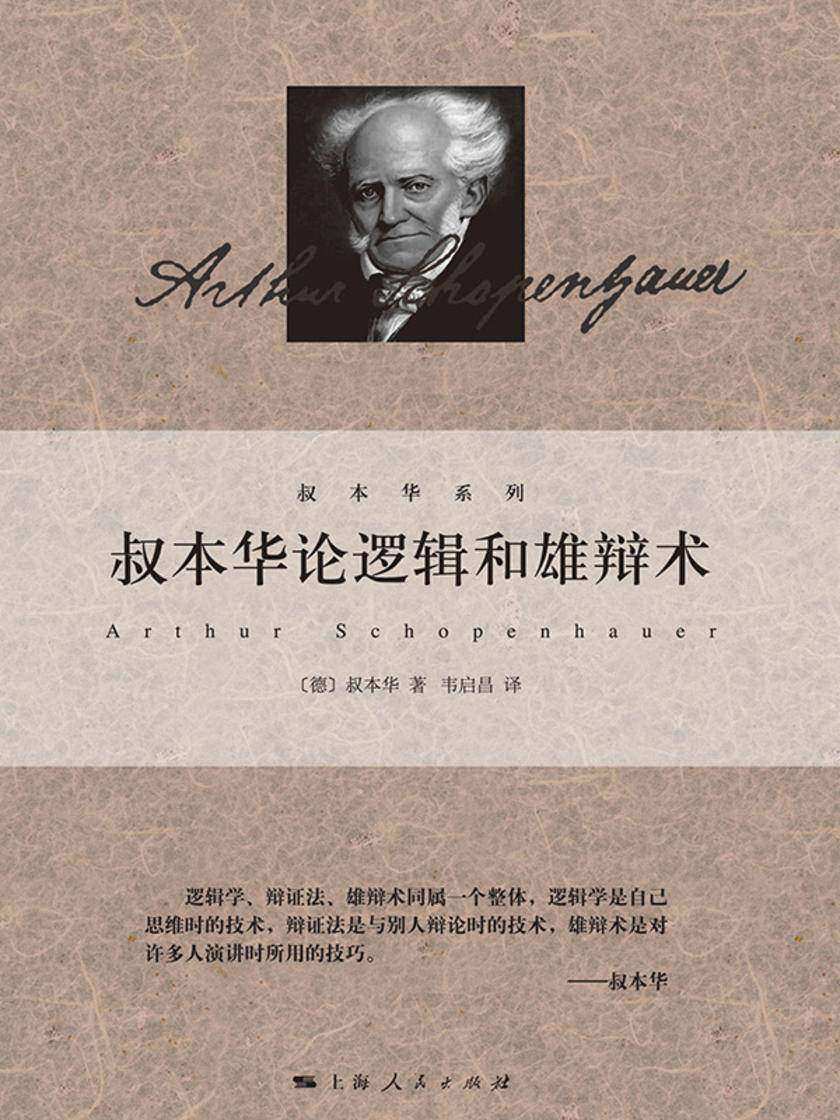
叔本华论逻辑和雄辩术
¥35.00
主要内容包括:论逻辑和辩证法、论逻辑学、论三段论、论雄辩术、对智力及其相关东西的思考、论直观知识与抽象知识的关系、论联想、论智力的本质性缺陷、对智力的看法、论人对形而上学的需求。

如何证明你不是僵尸
¥37.80
两千多年来,哲学家们一直在设计思想实验来挑战心灵。历史上一些伟大的思想家都在努力解决诸如自由意志、个人身份和其他棘手的思想问题。这些问题的解决方式将我们看待世界的方式全部呈现了出来。 从经典悖论(小而快活*好吗?)到关于个人身份和群体行为的理论(你该对无法避免的事情负责吗?),再到思维实验(应该撞死胖子吗?),本书呈现的困境和逻辑谜题旨在还原你的思考方式,同时让你深入了解哲学、心理学里的关键性思考,有效拓宽思维边界。
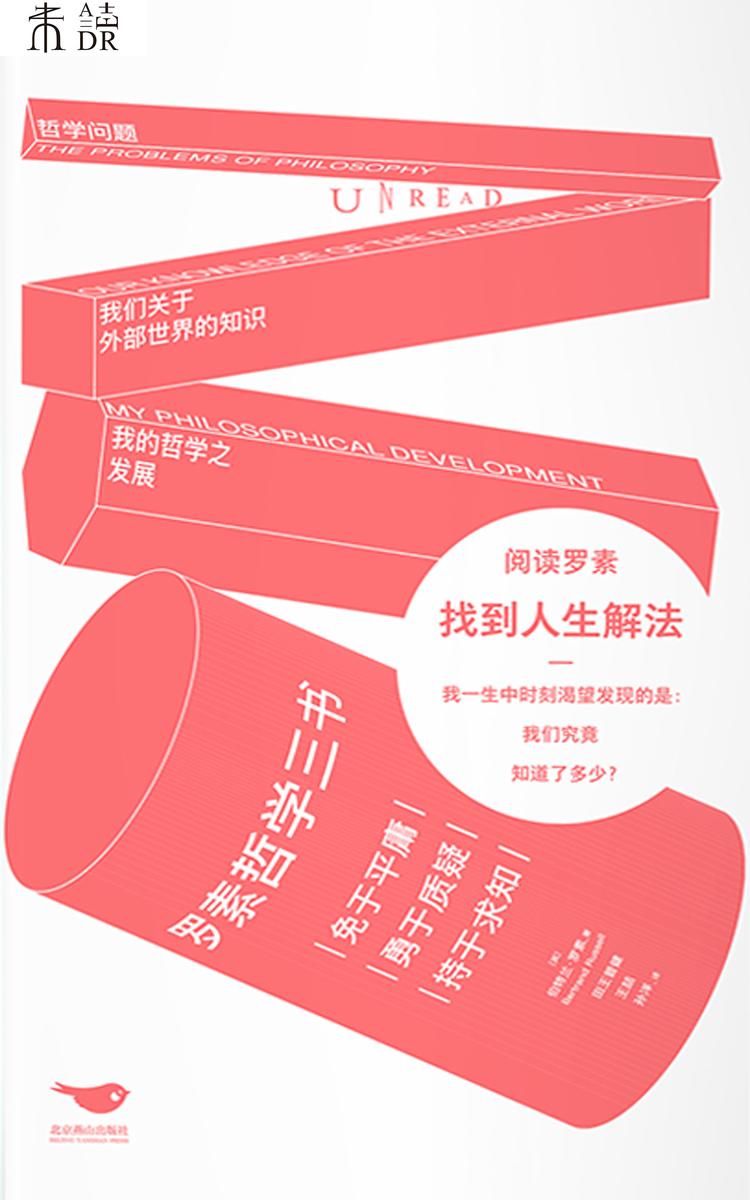
罗素哲学三书
¥44.80
生活中有不少问题,我们会很自然地从经验出发给出答案。从某种意义上说,知识无疑由此而来。但是,日常生活中的许多事情如果仔细地推敲一番,就会发现矛盾比比皆是。如果感观可靠,那为什么同一张桌子在不同的光线下会有不同的光影颜色?如果经验可靠,那鸡会不会困惑:为什么每天都来喂食的人*后却把自己送进屠宰场? 我们的知识可靠吗?我们应如何从外界获得知识?哲学思考的意义是什么?本书中,罗素一一给出了回答。 本书是罗素的知识论作品集,首次汇编《哲学问题》《我们关于外部世界的知识》《我的哲学之发展》三部作品,形成了代表著作、课程讲稿、毕生回忆录参照阅读的文本结构。阅读本书,可以了解知识获取的方法,欣赏逻辑推演的魅力,获得免于平庸、勇于质疑、持于求知的精神力量。
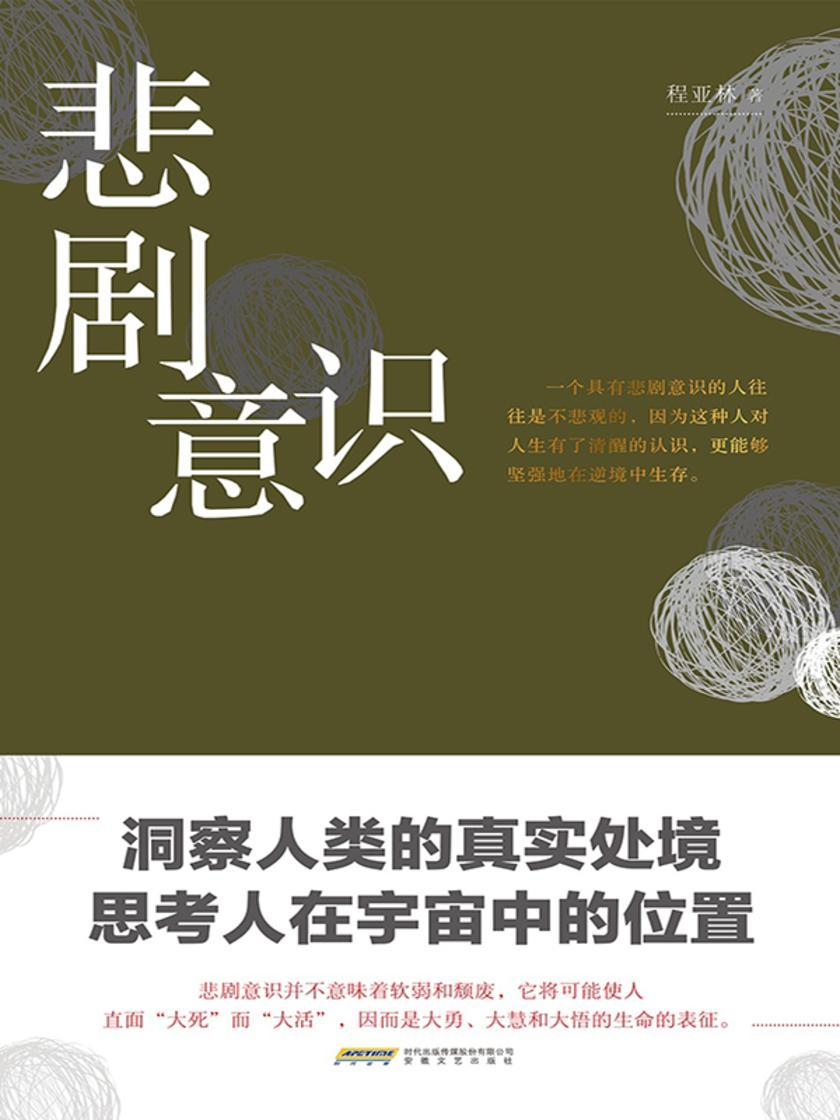
悲剧意识
¥39.99
悲剧意识是对人类生命在世生存的悲壮性的意识。生命悲壮性是由人类既有生存发展的强烈欲望又没有达到目的的可靠能力,只能依凭追求生存发展的意志和有局限性的能力冒险在世这一生存处境决定的。悲剧意识是人类生命的根基性意识,它与生命同在,尽管因为复杂的原因常被种种妄念所遮蔽。本书从悲剧意识的共时性、历时性两向维度行思索,引经据典,逻辑严谨地梳理中国国民悲剧意识的来龙去脉,并结合向西学的启示以期正视生命的悲剧意识,实现人的自由。
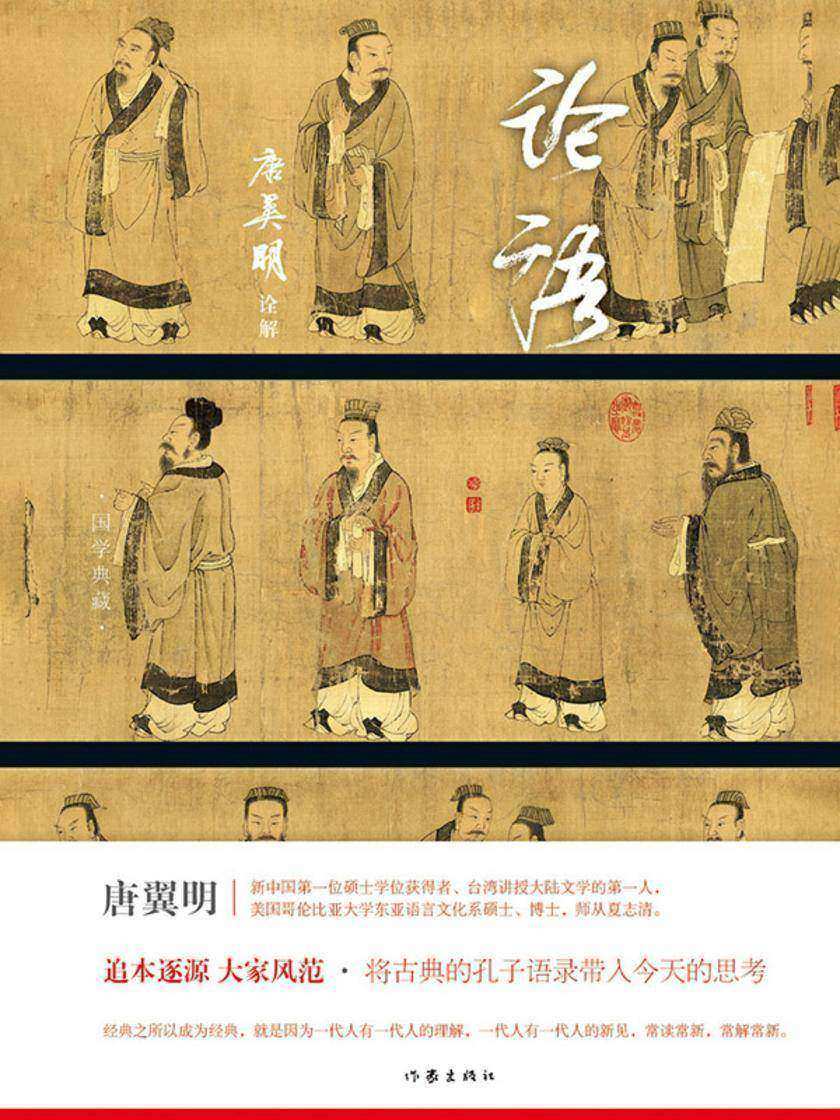
论语
¥39.99
本书是唐翼明先生《论语新诠》全本注解。 与其他版本《论语》的不同: 《论语》对每段的解读氛围三个部分,分别是解释、大意、导读。 【解释】这一部分是对字、词、句的疏解,需要时也做一些背景交代。为了帮助一般读者真正读懂《论语》,不采用只对重字词单独解释的方式,而改采逐句串讲的办法,尽可能让解释清楚、明白而又好读,避免繁琐炫博的考证。同时考虑到今天大部分读者都缺乏古文基础,所以会连带讲一文言语法。在读《论语》的同时,也就提高了自己的古文修养。 【大意】的目的是用流畅的白话文把本段的意思传达出来,使读者在读完解释之后对全段有一个完整的印象。不追求严格的直译,只注重意思的表达。 【导读】的目的在于引导读者更全面、更深一层理解本段的内涵,所以注重此段跟孔子整体思想的关联,以及它跟其他中外文化思潮的比较。尤其注重经典和现代的对,希望借此彰显孔子思想的现实意义。
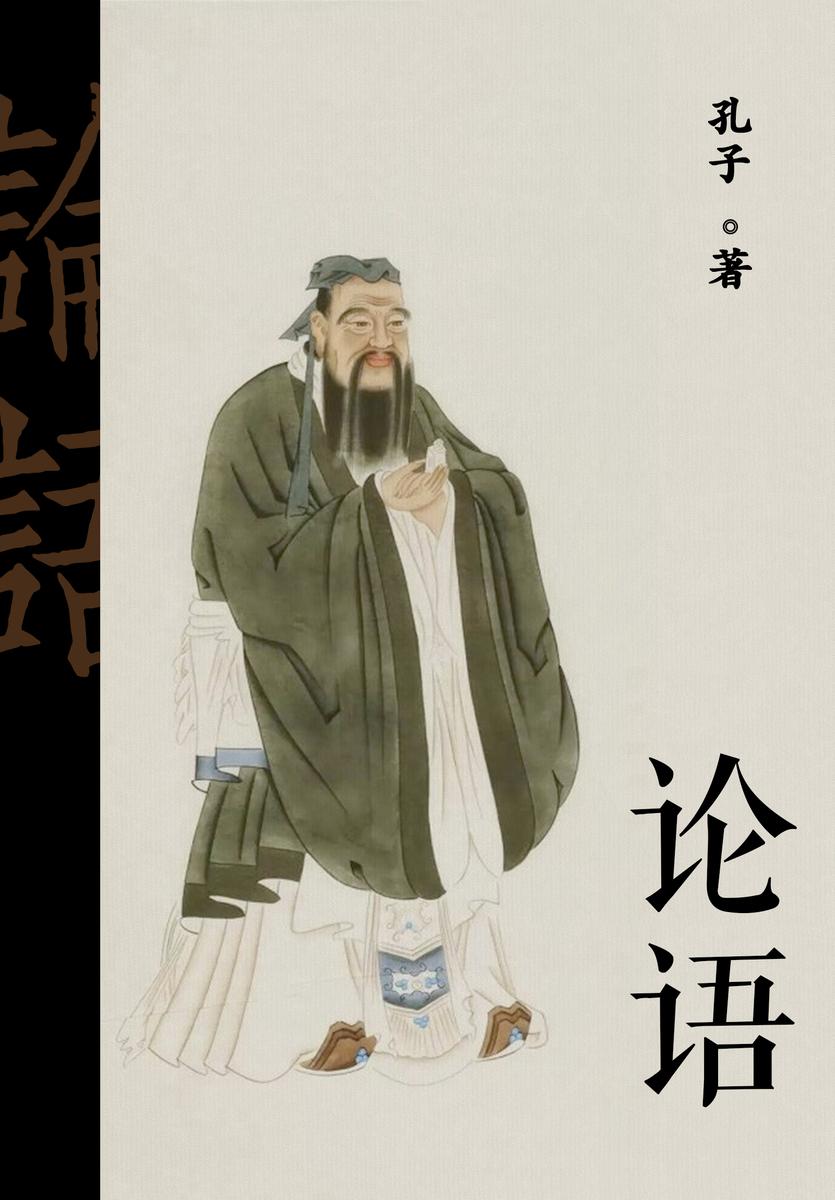
论语
¥19.99
《论语》是中国春秋时期一部语录体散文集,主要记录孔子及其弟子的言行。它较为集中地反映了孔子的思想。由孔子弟子及再传弟子编纂而成。全书共20篇、492章,首创“语录体”。是中国重要的儒家典籍,对中国文化影响至深。
第二卷 古代希腊与罗马哲学(上下册)
¥185.00
本书是叶秀山、王树人总主编的《西方哲学史》(学术版)之分卷,分上、中、下三篇。上篇“早期希腊哲学”介绍了米利都学派、赫拉克利特、毕达哥拉斯及其前期学派、爱利亚学派、恩培多克勒、阿那克萨戈拉和复兴伊奥尼亚哲学的思潮、留基伯和德谟克利特;中篇“希腊古典哲学”介绍了智者运动、苏格拉底、小苏格拉底学派、柏拉图、亚里士多德;下篇“晚期希腊与罗马哲学”介绍了伊壁鸠鲁学派、斯多亚学派、怀疑论学派、新柏拉图主义。
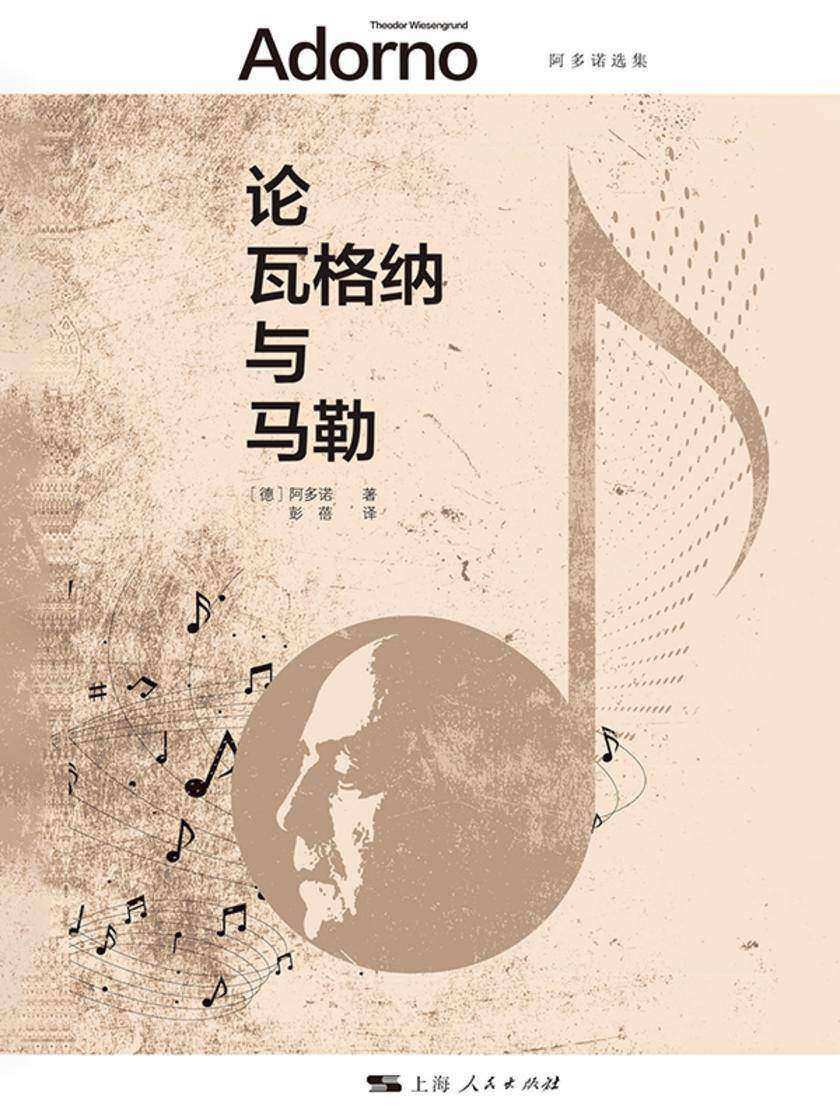
论瓦格纳与马勒
¥45.00
本书收录了20世纪中期世界蕞具影响力的哲学家、社会学家和音乐学家阿多诺的两篇重要的音乐美学专著:《试论瓦格纳》与《马勒——一种音乐的面相》。前者是阿多诺写作的部音乐美学专著,而后者则属于他的晚期作品。《试论瓦格纳》作为一部极具争议和启发性的美学批评,也是欣赏理解瓦格纳作品的书目。它以犀利的笔触突破了音乐与社会、人性与文化的界限。在阿多诺的笔下,这位19世纪伟大的作曲家不是圣贤也不是天才,而是一个艺术“案例”:一个革命者、逃亡者、浑身腐朽习气的市民阶级艺术家,“在命运面前卑躬屈膝”。阿多诺借此既要揭露瓦格纳,又想救赎瓦格纳。他通过瓦格纳直指19世纪德国社会的种种弊端,又试图在其中寻觅现代文化产业的种子。而在《马勒》中,阿多诺则对他个人推崇的音乐大师马勒给予了极高评价。他把复杂庞大的马勒交响曲用敏锐的听觉细细掰碎,一讲述给他的读者。而正是这本小册子,使当时在作曲界尚未扬名的马勒在去世五十年后,重新赢回了人们的兴趣,终被承认为世*级的大师。 阿多诺以其百科全书式的才华、对人性敏锐的洞察力和充满理性的音乐鉴赏力,为读者描绘出一幅德国浪漫主义音乐的肖像画。希望亲爱的读者们在赏析这本书时,能随手播放起瓦格纳和马勒的音乐,让阿多诺的优美语句牵引您的思绪,去畅游音乐的奇妙世界。
哲学和哲学史散论
¥39.99
本书包括五篇论文,即哲学史散论、观念论和实在论简史、论大学的哲学论、论哲学及其方法、论哲学和自然科学,选自《附录和补遗》,基本涵盖了叔本华关于哲学和哲学史的论述。


