道德经说什么2
¥23.97
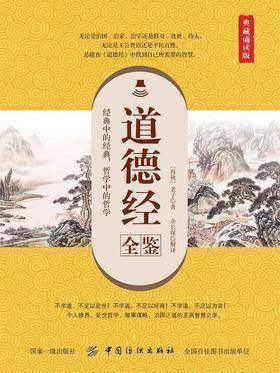
《道德经说什么》是一本人人看得懂、用得上的《道德经》经典解读本。罗大伦博士把其中的智慧总结提炼成通俗易懂的语言,结合其中流传千年的智慧,助您解决生活中常见的各种实际问题。罗博士在书中告诉我们,每个人的人生不过是在“有”和“无”之间寻找平衡,不要因为自己暂时处于一个不好的状态而觉得焦虑,只要好好遵循天道去做,把自己的位置放低,把心放空,把名利看轻,把事做成,把身体照顾好,这样的人才能得道。
《存在与时间》释义
¥198.00
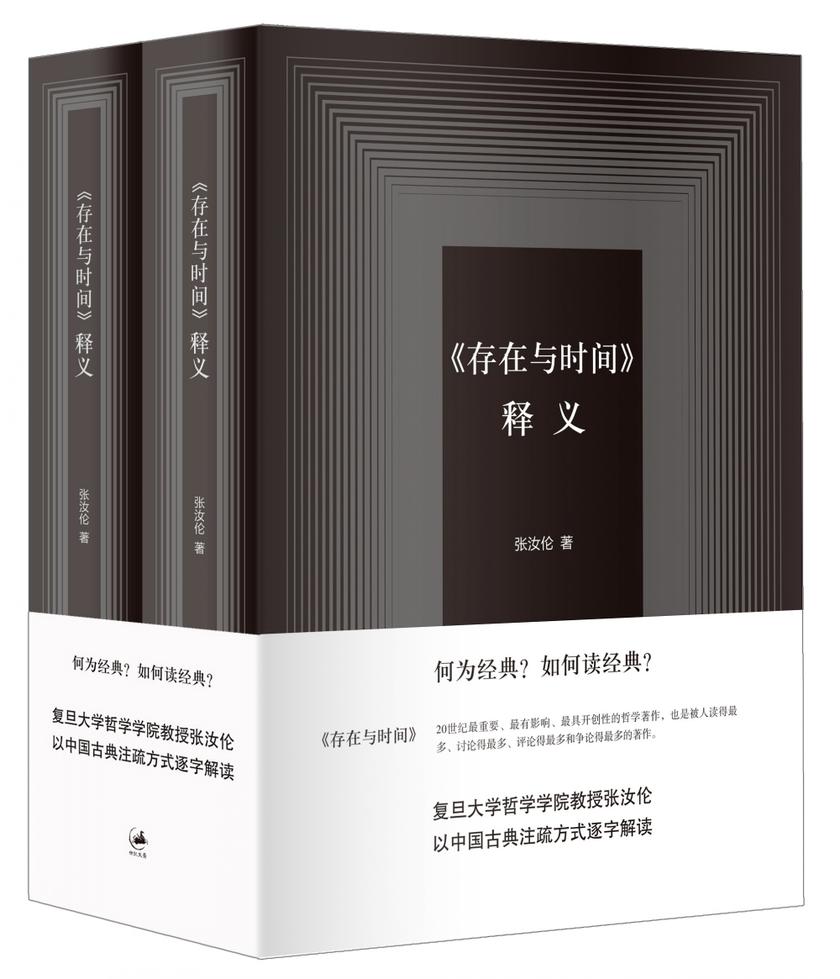
作者张汝伦先生在广泛阅读西方大家、名家解读《存在与时间》的诸多文本和专著基础上,用中国古人注疏经典的办法,逐节逐段解读,力图将这样一部晦涩、复杂的作品的文本意义和背后复杂的深意都揭示出来。
Distracted by Disaster: How to Turn Obstacles Into Opportunities
¥16.27
Bogged down by an endless onslaught of stumbling blocks and disasters that keep pushing you farther away from fulfilling your purpose and achieving your goals? ? This book could radically change all that. ? This simple, clear, and highly practical step-by-step guide will show you: ? How to manage all the problems and disasters that come your way while still making progress on all your goals—short-term and long-term—without sacrificing the important things in life. How to turn obstacles into an advantage that will propel you along the path to fulfilling your goals and achieving your purpose. How to shift your thinking so that all you see are opportunities that will open doors to great possibilities you may have never imagined before.
贺麟全集:黑格尔 黑格尔学述
¥45.00
《黑格尔黑格尔学述》收贺麟于1930年代编译的近代西方新黑格尔主义者的经典黑格尔研究——尔德的《黑格尔》与鲁一士的《黑格尔学述》,二书均能将黑格尔学说体会融化并以清晰流利的文字叙述出来,可谓姊妹关系,互相发明,互相弥补,而又各有所长。尔德注重叙述黑格尔的生活、性格、时代风气、文化背景,特别是政治和宗教背景,以及黑格尔的逻辑学说;鲁一士则着重阐述黑格尔之精神现象学。本书是将黑格尔及其学说译介至中国的人——贺麟对“黑格尔学”发生兴趣之始,贺麟以朱熹太极观会通黑格尔的“*理念”,对于中西比较哲学研究居功甚伟。作为贺麟重要译著收“全集”的《黑格尔》及《黑格尔学述》均为建国后首度整理出版,对于了解哲学家和翻译家贺麟意义非凡。
贺麟全集:黑格尔早期神学著作
¥58.00
《黑格尔早期神学著作》(“贺麟全集”第八卷)是著名哲学家、翻译家贺麟的重要译著之一,以八十岁高龄自诺尔编黑格尔著《早期神学著作》的德文原版翻译而成,并参考诺克斯与克朗纳的英译本。本书也是身为译介黑格尔至中国人的贺麟先生,生前后一部黑格尔相关译著。其中收黑格尔著《民众宗教和基督教》《耶稣传》《基督教的权威性》《基督教的精神及其命运》及《1800年体系残篇》等五篇论文,是了解和研究黑格尔早期神学思想的手资料。
贺麟全集:精神现象学(上、下卷)
¥75.00
《精神现象学》为德国古典哲学大师黑格尔阐述其哲学观和方法论原则的部纲领性巨著。黑格尔自认此书为其哲学体系的导言。马克思誉《精神现象学》为“黑格尔哲学的真正起源和秘密”和“黑格尔哲学的圣经”。黑格尔通过此书提出,精神现象学是关于意识到达“*知识”或“科学”(即哲学)的道路的科学,它为个体提供了一把攀登*知识的“梯子”。中译本由贺麟、王玖兴合译,分上、下卷先后于1962年和1979年由商务印书馆出版。上卷1979年再版时曾修订译文,以与下卷译名统一,本次整理出版“贺麟全集”版,对勘再版所作修改,择其重要者,以编注形式留存上卷初版原貌。
施米特文集:论断与概念
¥88.00
施米特称,“德国问题”乃为“20世纪重大问题”之样板 立足新兴民族国家的政治处境,自编政论集,为现代性问题展思想斗争 ??? 《论断与概念》是施米特生前自编过的两部政论集之一,包含讲演、书评、法庭陈词等,涉及范围广泛,如公法、政治思想史、国际和国内政治,立足于德国作为新兴民族国家的政治处境。施米特从作为现代性问题的“德国问题”出发,纵横捭阖,针对国内政治思想的混乱,尤其针对帝国主义对德国的压迫,展了思想上的政治斗争。施米特称“德国问题”为“20世纪重大问题”的样板,此书对于中国学人思考“中国问题”应有诸多启发。
康德政治哲学讲稿
¥59.00
系统思考人类的精神活动,是汉娜·阿伦特晚年收官大作《心智生活》的旨意,遗憾的是,终篇“《判断》”未及展,阿伦特便辞别人世。本书汇编了阿伦特关于判断问题的核心文献,并对她在这一问题上的思考方向作出了解读。 如何摆脱生命的平庸和自由的虚无? 以重建康德的政治哲学为口,阿伦特认为:只有作出判断,只有对公共世界里上演的事件运用我们独立的判断能力,世界对我们来说才具有意义。 政治地思索本身就是一种政治行动。
迟到民族与激进思想(曹卫东学术文集)
¥25.00
在《迟到民族与激思想》中,作者以《德国思想的他者视角》篇,从著名学者卡尔·曼海姆、马丁·格莱芬哈根、库尔特·伦克的研究成果出发,考察了有关保守主义的不同定义,揭示了德国保守主义思想的发生语境,分析了德国保守主义的思想结构,发掘其背后隐藏的思想关联、社会关联,特别是政治关联,揭示出德国作为后发现代化国家的激思想;从宏观上勾画出德国保守主义的发展脉络。
新教伦理与资本主义精神(新版)
¥48.30
《新教伦理与资本主义精神》是马克斯•韦伯的代表作之一。 近代以来在世界范围具有支配性力量的资本主义,何以独独从西方文明中孕生出来?韦伯从文化宗教对社会经济发展的制约这一角度提出,近代资本主义以其理性化的持续经营和组织劳动为特征,而资本主义精神中的核心要素,即“天职”思想、为职业劳动献身的工作伦理,与基督新教的禁欲性格具有天然的内在亲和性。新教,尤其是加尔文教派将工作奉为天职,有系统且理性地追求合法利得的人生观,正是资本主义发展*适合的精神动力。新教的人生观促了基于职业理念上的理性化的生活倾向,如今,这已成为现代市民普遍的生活样式。虽然禁欲精神助长了近代经济秩序的诞生,但资本主义在建立起决定一切的秩序后,将自己的根基盘踞在机械文明之上,新教的世禁欲精神,则解体为纯粹的功利主义。褪除了宗教伦理意涵的资本主义,*终走向“无灵魂的专家,无心的享乐人,这空无者竟自负已登上人类前所未达的境界”。
重来也不会好过现在
¥22.00
成年人的词典里,没有容易二字。 无论你现在是20岁还是70岁,你都可能觉得已经过去的人生里出了一些岔子,其中有的部分无法修补,有的令人懊悔。 你觉得自己选错了专业,跳槽过于频繁,也有可能你正为要不要生孩子而纠结,或正在出轨边缘徘徊。 当你选择了一个方向、一份职业、一种生活方式甚至一个人,也意味着你放弃了其他的可能性。 那些可能性让人着迷,甚至勾引你放弃现有的生活重新来过。 重启毕竟是一个高成本的选择,人生不是一场随时存档读档的游戏,在这之前你需要充分模拟、推演、检查,做好准备再上路。 这本书就是为这样的顾虑而准备的,它写给所有与不可逆的时间搏斗的人。 你能在这里快速学习哲学家如何给不同的事物赋分,表彰它们给予人生的不同价值,看到哲学家如何从自己的中年危机里突围,他们甚至写过多篇论文探讨是不是应该放弃上面提到的其他可能性。 即使你不算改写人生,或者觉得人生过于乏味,这本书也能帮你换种思路,继续生活。
国学大书院27:小窗幽记
¥8.67
立德修身的恒言警句为学立业的至理名言《小窗幽记》为陈眉公所著的修身处世格言,条条都是人生的回味和处世的领悟,体现了儒家修身、齐家、治国、平天下的积极人生态度,又兼容了佛家超凡脱俗和道家清静无为的智慧,历来被称为修身养性、提升自我修养的佳作。
规范性:思想和意义之基(当代中国社会道德理论与实践研究丛书)
¥34.80
规范性是当代规范伦理学的一个核心观念。本书深探究了人类理性层面的规范性与某种植根于自然化的深层规范性之间的关系,考察了作为元概念/范畴的规范性对一系列相关理论概念、题旨的某种奠基性作用,以展示其解释力及整合力。
Reverie cu flori de cire
¥40.79
A fi rom?n? ?E o ru?ine!“, exclama Cioran. ?n ce m?sur? filosoful de la Paris avea dreptate? Ce ?nseamn? ?a fi rom?n“ ?ntr-o fals? tranzi?ie care aparent nu se mai termin?? La aceste ?i multe alte ?ntreb?ri ?ncearc? s? r?spund? scriitorul Ionel Necula ?n opus-ul de fa??, care ?nsumeaz? analize ale r?sturn?rilor sociale evidente, ?nregistrate ?n ultimii ?aptesprezece ani. Nu ?ntotdeauna comod, spiritul coroziv al autorului ??i spune cuv?ntul, av?nd uneori accente incendiare.
洞山指月(南怀瑾独家授权定本种子书)
¥29.99
《指月录》是明心见性、参禅悟道的典籍。2009年下半年,南怀瑾先生开始带领学人参研《指月录》,并对曹洞宗的特点、学术、修持和传承等方面作了重点研讨,本书即整理自当时的课堂实录,采用对话体。除了原文诵读和白话释义,课堂上以自由发言为主,听讲的学人或提出问题,或表达观点,先生则随时指点、点评。一路讲下来,先生不仅将禅宗的发展、演变脉络讲得非常详尽清晰,对话中更是常常暗藏禅机,如同古时禅师接引学人、对机说法,圣哲言、钵盂语兼而有之。
中国文明起源初探
¥25.99
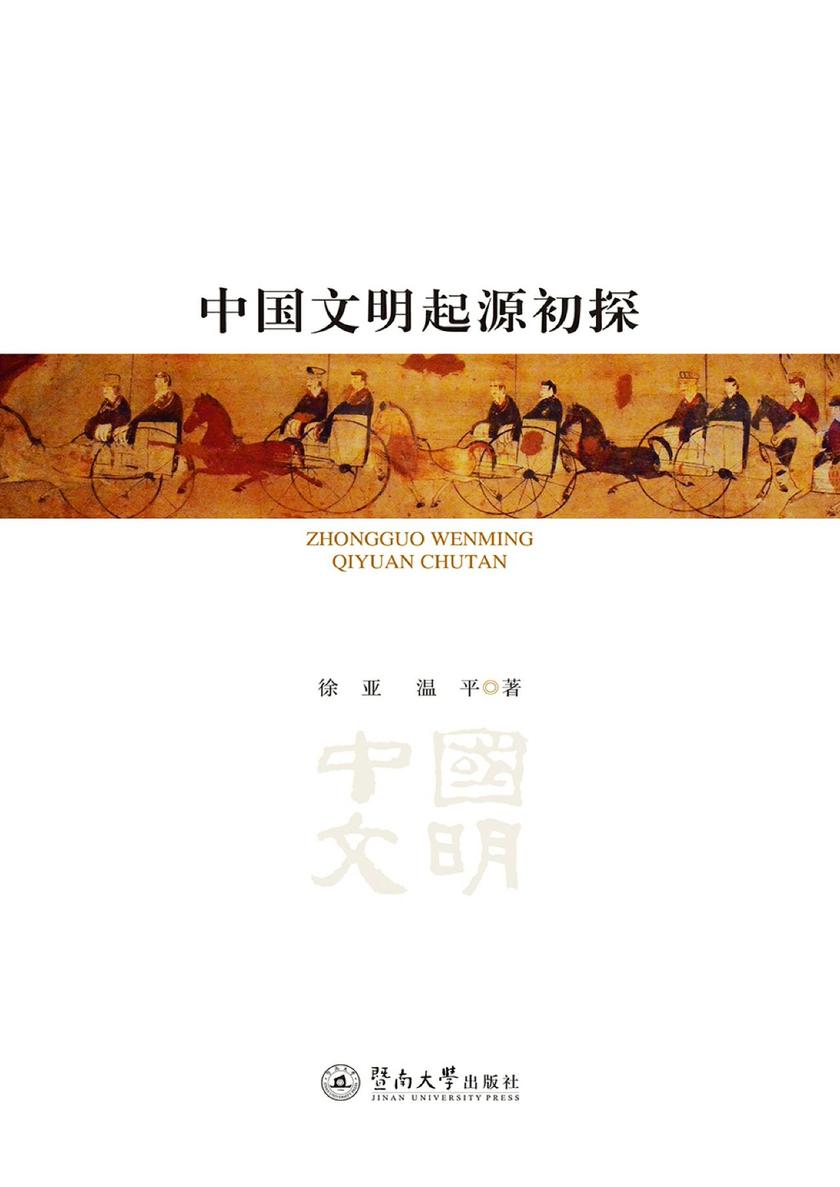
本书是一部探讨中国文明起源的著作,作者潜心研究中国历史、哲学和文化多年,力求洞悉中国文明的内在脉络。作者聚焦于中国文明起源过程中的理性要素,通过追溯这个时期理性要素的形态,试图还原中国文明*初的萌发过程。本书沿着中国古代思想观念发展的路,回溯发端,探究这个时期决定历史走向的观念是怎样的,历史是怎样被这种观念所决定的,以及这种观念的来源和后续发展,以此来逐渐揭中国文明起源发展的印记和规律。
Ayk?r? Dü?ünceler
¥18.80
Diderot, tanr?sal, dinsel inanc?n yerine akl? ge?iren adamd?r, onun sava??m? buydu ve bütün k?r inan?lar? silip süpüren bu ak?l, g?rünen dünyay?, do?ay?, felsefenin, sanat?n, sa? t?renin temel ilkesi durumuna getirdi. Diderot’un yayg?n ?al??ma alan?n? olu?turan ilkedir bu. Maddeci ve gerekirci bir filozoftu. tanr?ya inanan ki?inin filozof olmayaca??n? s?yledi. 'K?rler üstüne mektup'taki k?r, kendini tanr?ya inand?rmaya ?al??an misyonere "bunun i?in tanr?ya parma??mla dokunmam gerekir" der. Diderot, bu yüzden hapse girdi. 'D'alembert'in dü?ü'nde, madde tanr?n?n yerini alm??t?r art?k. Madde devinim ve duyarl?l?kla donat?lm??t?r. Bilim gerekircili?in kan?t?d?r. Bütün varl?klar ?z?e birdir ve bir ge?i?, de?i?im, olu?um süreci i?inde bulunurlar. ?yle ise sa? t?renin temeli do?a olacakt?r. Do?as? gere?i insan iyidir, hristiyan sagtoresinin sand??? gibi do?u?tan günahkar de?il ve iyilikler de, k?tülükler de, düzenin, ko?ullar?n, e?itimin ürünüdür. ?nsan, bu gerekircilik anlay??? i?inde, ?zgür olamayaca?? i?in, su?lu da bulunamaz. bu üslama sonucu olarak sanat, do?ay? ?rnek almal?d?r. roman, resim, oyun ger?ek?i olmal?d?r. Diderot, bunlar? s?ylemekle kalmam??, romanlar? ve oyunlar? ile ?rneklendirmi?tir de ve ?a??n?n sanat??lar?n? bu a??dan de?erlendirmi?tir. Diderot, büyük sava??m? ve e?siz ?abas? ile insanl???n ba?tac?d?r bugün de ve onu b?ylesine unutulmaz k?lan i?lerinin ba??nda ise elbet 'ansiklopedi' gelir. 'Ansiklopedi', yunanca enkyklios paidela'dan yap?lm??t?r ve bütün bilimleri i?ine alan ??retim anlam?na gelir. s?zcü?ü bulan rabelais'dir (1532). Diderot ile d'alembert'in ansiklopedisine temel olan yap?t, ?ng?l?z chambers’?n cyelopaedia’s? idi; fakat diderot'nun etkisi ile ansiklopedi, bir ?eviri yap?t olmaktan ??k?p, gizemcili?e kar?? bilimin sava? alan? durumunu ald?. Bu yüzden de gerici ?evrelerin kar?? koymas?n? sonu?lad?. diderot, ya?am? boyunca ?al??t? 'ansiklopedi' i?in, bir?ok maddeyi kendisi yazd?. bu u?urda yepyeni ara?t?rmalara giri?ti, teknik de?i?mekte oldu?u i?in ortaya yeni ara?-gere?ler ??kmakta idi, bunlar? tan?d?, adland?rd?, tan?tt? ve fransa'y? ayd?nlanma ?a??'n?n avrupa'da g?zbebe?i durumuna getirdi. Ancak unutmamal? ki, bir ansiklopedi ortaya ??karan her ülkeyi ayd?nlanma ?a??'n? alg?lam?? sayamay?z. ?o?u ülkede bu tür yap?tlar, geni?letilmi? s?zlükler olmaktan ileri gidememi?tir. diderot’nun ansiklopedisi, toplu bilgi vermekten ?ok, dinsel inan?lara kar?? bilimlerin ??retimini üstlenmi?ti, demek yans?z de?ildi, metafizikle ve skolastikle ?arp???yordu..
Liberty Girl
¥19.05
Human reason, in one sphere of its cognition, is called upon to consider questions, which it cannot decline, as they are presented by its own nature, but which it cannot answer, as they transcend every faculty of the mind. It falls into this difficulty without any fault of its own. It begins with principles, which cannot be dispensed with in the field of experience, and the truth and sufficiency of which are, at the same time, insured by experience. With these principles it rises, in obedience to the laws of its own nature, to ever higher and more remote conditions. But it quickly discovers that, in this way, its labours must remain ever incomplete, because new questions never cease to present themselves; and thus it finds itself compelled to have recourse to principles which transcend the region of experience, while they are regarded by common sense without distrust. It thus falls into confusion and contradictions, from which it conjectures the presence of latent errors, which, however, it is unable to discover, because the principles it employs, transcending the limits of experience, cannot be tested by that criterion. The arena of these endless contests is called Metaphysic.Time was, when she was the queen of all the sciences; and, if we take the will for the deed, she certainly deserves, so far as regards the high importance of her object-matter, this title of honour. Now, it is the fashion of the time to heap contempt and scorn upon her; and the matron mourns, forlorn and forsaken, like Hecuba: At first, her gover Modo maxima rerum, Tot generis, natisque potens... Nunc trahor exul, inops. —Ovid, Metamorphoses. xiii under the administration of the dogmatists, was an absolute despotism. But, as the legislative continued to show traces of the ancient barbaric rule, her empire gradually broke up, and intestine wars introduced the reign of anarchy; while the sceptics, like nomadic tribes, who hate a permanent habitation and settled mode of living, attacked from time to time those who had organized themselves into civil communities. But their number was, very happily, small; and thus they could not entirely put a stop to the exertions of those who persisted in raising new edifices, although on no settled or uniform plan. In recent times the hope dawned upon us of seeing those disputes settled, and the legitimacy of her claims established by a kind of physiology of the human understanding—that of the celebrated Locke. But it was found that—although it was affirmed that this so-called queen could not refer her descent to any higher source than that of common experience, a circumstance which necessarily brought suspicion on her claims—as this genealogy was incorrect, she persisted in the advancement of her claims to sovereignty. Thus metaphysics necessarily fell back into the antiquated and rotten constitution of dogmatism, and again became obnoxious to the contempt from which efforts had been made to save it. At present, as all methods, according to the general persuasion, have been tried in vain, there reigns nought but weariness and complete indifferentism—the mother of chaos and night in the scientific world, but at the same time the source of, or at least the prelude to, the re-creation and reinstallation of a science, when it has fallen into confusion, obscurity, and disuse from ill directed effort. I do not mean by this a criticism of books and systems, but a critical inquiry into the faculty of reason, with reference to the cognitions to which it strives to attain without the aid of experience; in other words, the solution of the question regarding the possibility or impossibility of metaphysics, and the determination of the origin, as well as of the extent and limits of this science. All this must be done on the basis of principles. ABOUT AUTHOR: That all our knowledge begins with experience there can be no doubt. For how is it possible that the faculty of cognition should be awakened into exercise otherwise than by means of objects which affect our senses, and partly of themselves produce representations, partly rouse our powers of understanding into activity, to compare to connect, or to separate these, and so to convert the raw material of our sensuous impressions into a knowledge of objects, which is called experience? In respect of time, therefore, no knowledge of ours is antecedent to experience, but begins with it. But, though all our knowledge begins with experience, it by no means follows that all arises out of experience. For, on the contrary, it is quite possible that our empirical knowledge is a compound of that which we receive through impressions, and that which the faculty of cognition supplies from itself (sensuous impressions giving merely the occasion), an addition which we cannot distinguish from the original element given by sense, till long practice has made us attentive to, and skilful in separating it. It is, therefore, a question which requires close investigation, and not to b
A fekete vér
¥8.67
The present publication is intended to supply a recognised deficiency in our literature—a library edition of the Essays of Montaigne. This great French writer deserves to be regarded as a classic, not only in the land of his birth, but in all countries and in all literatures. His Essays, which are at once the most celebrated and the most permanent of his productions, form a magazine out of which such minds as those of Bacon and Shakespeare did not disdain to help themselves; and, indeed, as Hallam observes, the Frenchman's literary importance largely results from the share which his mind had in influencing other minds, coeval and subsequent. But, at the same time, estimating the value and rank of the essayist, we are not to leave out of the account the drawbacks and the circumstances of the period: the imperfect state of education, the comparative scarcity of books, and the limited opportunities of intellectual intercourse. Montaigne freely borrowed of others, and he has found men willing to borrow of him as freely. We need not wonder at the reputation which he with seeming facility achieved. He was, without being aware of it, the leader of a new school in letters and morals. His book was different from all others which were at that date in the world. It diverted the ancient currents of thought into new channels. It told its readers, with unexampled frankness, what its writer's opinion was about men and things, and threw what must have been a strange kind of new light on many matters but darkly understood. Above all, the essayist uncased himself, and made his intellectual and physical organism public property. He took the world into his confidence on all subjects. His essays were a sort of literary anatomy, where we get a diagnosis of the writer's mind, made by himself at different levels and under a large variety of operating influences. Of all egotists, Montaigne, if not the greatest, was the most fascinating, because, perhaps, he was the least affected and most truthful. What he did, and what he had professed to do, was to dissect his mind, and show us, as best he could, how it was made, and what relation it bore to external objects. He investigated his mental structure as a schoolboy pulls his watch to pieces, to examine the mechanism of the works; and the result, accompanied by illustrations abounding with originality and force, he delivered to his fellow-men in a book. W. C. H. KENSINGTON, November 1877. THE LIFE OF MONTAIGNE The author of the Essays was born, as he informs us himself, between eleven and twelve o'clock in the day, the last of February 1533, at the chateau of St. Michel de Montaigne. His father, Pierre Eyquem, esquire, was successively first Jurat of the town of Bordeaux (1530), Under-Mayor 1536, Jurat for the second time in 1540, Procureur in 1546, and at length Mayor from 1553 to 1556. He was a man of austere probity, who had "a particular regard for honour and for propriety in his person and attire . . . a mighty good faith in his speech, and a conscience and a religious feeling inclining to superstition, rather than to the other extreme. Between 1556 and 1563 an important incident occurred in the life of Montaigne, in the commencement of his romantic friendship with Etienne de la Boetie, whom he had met, as he tells us, by pure chance at some festive celebration in the town. From their very first interview the two found themselves drawn irresistibly close to one another, and during six years this alliance was foremost in the heart of Montaigne, as it was afterwards in his memory, when death had severed it.
Also sprach Zarathustra
¥8.82
Das Buch besteht aus vier Teilen. Der erste Teil erschien 1883, der zweite und dritte 1884, der vierte 1885 als Privatdruck. 1886 ver?ffentlichte Nietzsche die drei ersten Teile als ?Also sprach Zarathustra. Ein Buch für Alle und Keinen. In drei Teilen.“ Im Gegensatz zu den frühen Werken Nietzsches handelt es sich beim Zarathustra nicht um ein Sachbuch. In hymnischer Prosa berichtet ein personaler Erz?hler vom Wirken eines fiktiven Denkers, der den Namen des Persischen Religionsstifters Zarathustra tr?gt. Nietzsche selbst nennt den Stil, in dem Also sprach Zarathustra geschrieben ist, halkyonisch und wünscht sich Leser, die eines ?gleichen Pathos f?hig und würdig sind“: ?Man muss vor Allem den Ton, der aus diesem Munde kommt, diesen halkyonischen Ton richtig h?ren, um dem Sinn seiner Weisheit nicht erbarmungswürdig Unrecht zu tun“. Dass Nietzsche diese Leserschaft in seiner Gegenwart nicht gesehen hat, legt der Untertitel des Werkes nahe: ?Ein Buch für Alle und Keinen“.
Exploratorii. Cartea a IV-a - Ultimul pas ?n s?lb?ticie
¥73.49
Nietzsche este, poate, cea mai ilustr? victim? a aventurii socratice a cunoa?terii de sine. Via?a nu posed? fenomene originale, ci numai unele repetitive, care prin reluarea lor ve?nic identic? ??i tocesc conturul lor original. Cadrul repeti?iei nu este via?a, c?ci via?a ?ns??i este un fenomen de repeti?ie. Omul este condamnat s? tr?iasc? ?ntr-un plictisitor ?ir de repeti?ii ?i relu?ri din care nu poate evada. Nu exist? fenomene absolut unice, care s? nu fie repetitive ?i, probabil, la fel este ?i cu oamenii. To?i au mai fost nu o dat?, ci de nenum?rate ori ?n trecut ?i vor mai fi de nenum?rate ori ?n viitor. Tot ce trebuia ?i putea s? se produc? s-a produs deja. Restul este doar monoton? repeti?ie: ve?nic? revenire a aceluia?i. Eterna ?ntoarcere exprim? nu devenirea heraclitean? f?r? repaos, ci marile linii de stabilitate din cadrul existen?ei. Prin ea, Nietzsche vrea s? eternizeze trec?torul, socotind timpul ca etern, etern? ?ntoarcere, adic? schimbare ?i stabilitate. Ecce homo este ?i exerci?iul acestui impas al g?ndirii lui Nietzsche. Prin aceasta ?ns? Nietzsche ?i-a adus contribu?ia la instaurarea unui nou ?idol“ al lumii moderne dup? ce aceasta a denun?at prezen?a ?idolilor“ de tot felul ?n spa?iul ei de con?tiin??. (Vasile Musc?)??ntruc?t, ?n scurt timp, va trebui s? m? adresez omenirii cu cea mai grea solicitare care i-a fost prezentat? vreodat?, mi se pare imperios necesar s? spun cine sunt. ?n principiu, ar trebui s? se ?tie: c?ci nu m-am l?sat ?neatestat?. Dar discrepan?a dintre m?re?ia misiunii mele ?i micimea contemporanilor mei ?i-a g?sit expresia ?n faptul c? nici nu am fost auzit, nici nu am fost v?zut. Tr?iesc pe propriul meu credit, s? fie poate o simpl? prejudecat? faptul c? tr?iesc?... Este de ajuns s? stau de vorb? cu vreun ?om cultivat?, care vine vara ?n Engadina de Sus, ca s? m? conving c? nu tr?iesc... ?n aceste ?mprejur?ri, este o ?ndatorire ?mpotriva c?reia obi?nuin?a mea ?i, mai mult chiar dec?t aceasta, m?ndria instinctelor mele, se revolt?, anume aceea de a spune: Auzi?i-m?! c?ci eu sunt cutare ?i cutare. ?nainte de toate, nu cumva s? m? confunda?i!“ (Friedrich Nietzsche)

购物车
个人中心