道德经
¥19.99
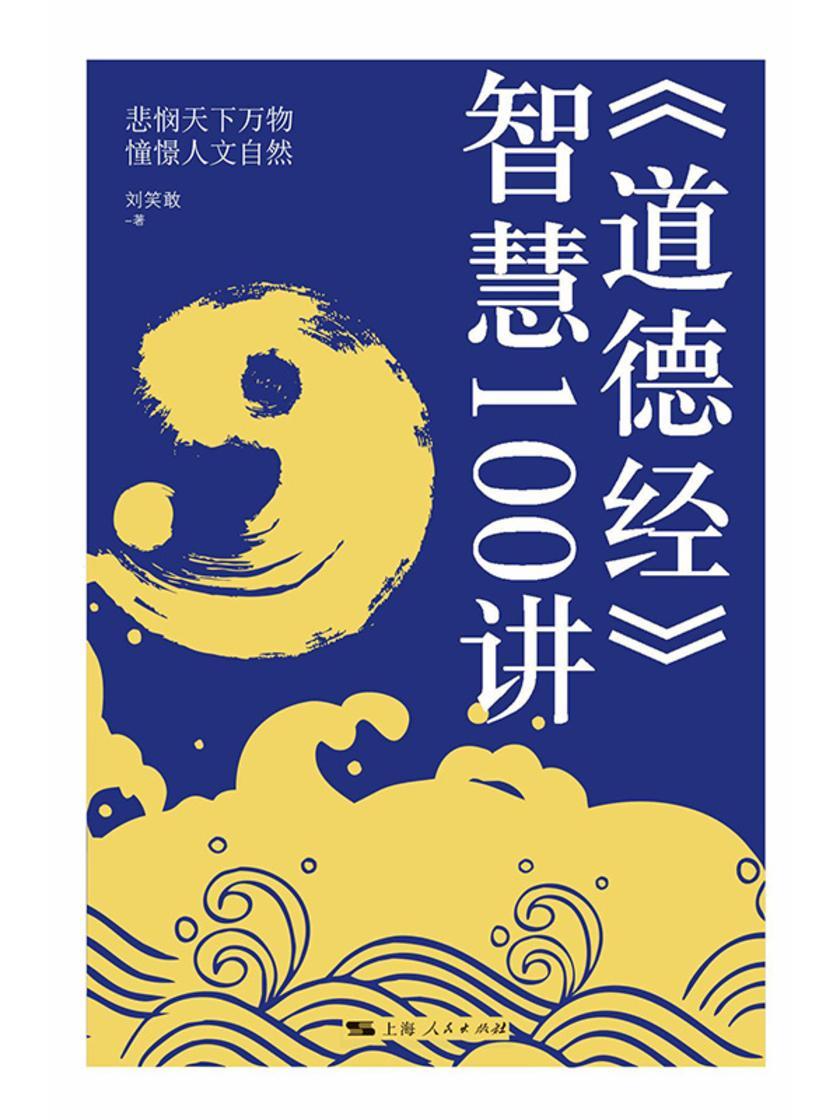
《道德经》又称《道德真经》、《老子》、《五千言》、《老子五千文》,为春秋时期老子所撰,仅五千余言,但文约意丰、博大精深,涵盖哲学、伦理学、政治学、军事学等诸多学科,不仅对中国古老的哲学、科学、政治、宗教等产生了深刻的影响,而且对中华民族的性格铸成、政治的统一与稳定,都起着不可估量的作用。
法律哲学概论
¥34.50
《法律哲学概论》全书分为两部分,前半部分,作者比较和批评了德国近代两位法学家——柯勒和施塔姆勒的学说,后半部分阐述了自己的法律哲学。霍金并非法学家,在本书中,他以哲学家的思维探讨了非法学者所不敢尝试的法学问题。本书不仅能使不学习法学的人知道怎样去思考法学问题;也能鼓励学习法学的人充分运用自己的思维。
真理与自由——康德哲学的存在论阐释
¥49.00
本书通过对康德哲学的重新阐释,不仅探讨了希腊精神与希伯来精神如何在西方古典哲学中得到融通与统一,而且在存在论层面深讨论了真理与自由这两个最核心的哲学问题的本质关联,从而为理解近现代社会的合法性根据提供了一个具有普适性的解释框架。
西方哲学经典十五讲
¥26.00
本书为赵敦华教授关于当代英美哲学研究的原创学术专著。全书分三篇共十五讲。“语言分析哲学篇”分别讲述了逻辑分析哲学的诞生,弗雷格、罗素、维特根斯坦的生平和语言逻辑思想,逻辑经验主义。”科学哲学篇”分别讲述了科学哲学的兴起,波普尔的科学哲学思想及其推广,科学世界观学说。”政治哲学篇”分别讲述了自由主义的哲学传统,罗尔斯的政治哲学,罗尔斯的道德哲学,自由主义政治哲学批判,政治自由主义与哈贝马斯—罗尔斯之争。

国学*读(全二册)
¥30.00
本书在上个世纪二十年代75作为教科书印行出版,分上下两册,上册为“文学通论”,凡收录三十七家文章四十四篇,杂记七十五则,目的是使“读之而古今文章之利病,可以析焉”;下册为“国故概论”,凡收录二十家文章三十六篇,杂记三则,目的亦是使“读之而古今学术之源流于是备焉”。今天读来,仍有很大启发。
不抱怨的世界
¥29.80
本书从抱怨的危害出发,以励志而暖心的有关人生经历的故事给你勇气和力量,让你改变自己,改变世界,与更好的生活相遇,教会人们摒弃抱怨,努力改变,在漫漫黑夜中努力坚持,在艰难的日子里恬静安然,感受到快乐和幸福。
太平经(精)全三册--中华经典名著全本全注全译丛书
¥118.80
《太平经》十部一百七十卷,据《后汉书》等史料记载为东汉末期道士干吉等人所传,是我国道教早期的主要经典之一。此经假托神人(又称天师)与六方真人问答,演说原始道教教义和方术,卷帙浩繁,内容庞杂。大抵以奉天法道,顺应阴阳五行为宗旨,广述治世之道、伦理准则,以及长寿成仙、治病养生、通神占验之术。其说虽受汉代谶纬神学影响,宣扬灾异祥瑞,善恶报应观念,“多巫觋杂语”。但亦自成体系,以顺天地之法,治政修身,达于天下太平为主旨。有代表下层民众反对统治者恃强凌弱,主张自食其力,周穷救急的思想。故为张角等早期民间道教领袖所利用,组织发动农民起义。后世道教各派教义,亦受此书影响。堪称了解中国道教的名典。本次译注作者杨寄林教授积数十年研究《太平经》之功力精心注译全本,注释详尽征引丰富,译文清晰流畅而不乏生动有趣之处,题解中对各篇思想内容和篇目流传情况做了详细说明,是帮助广大读者阅读理解这部名著的*读本之一。
未读小经典:建议与箴言
¥21.99
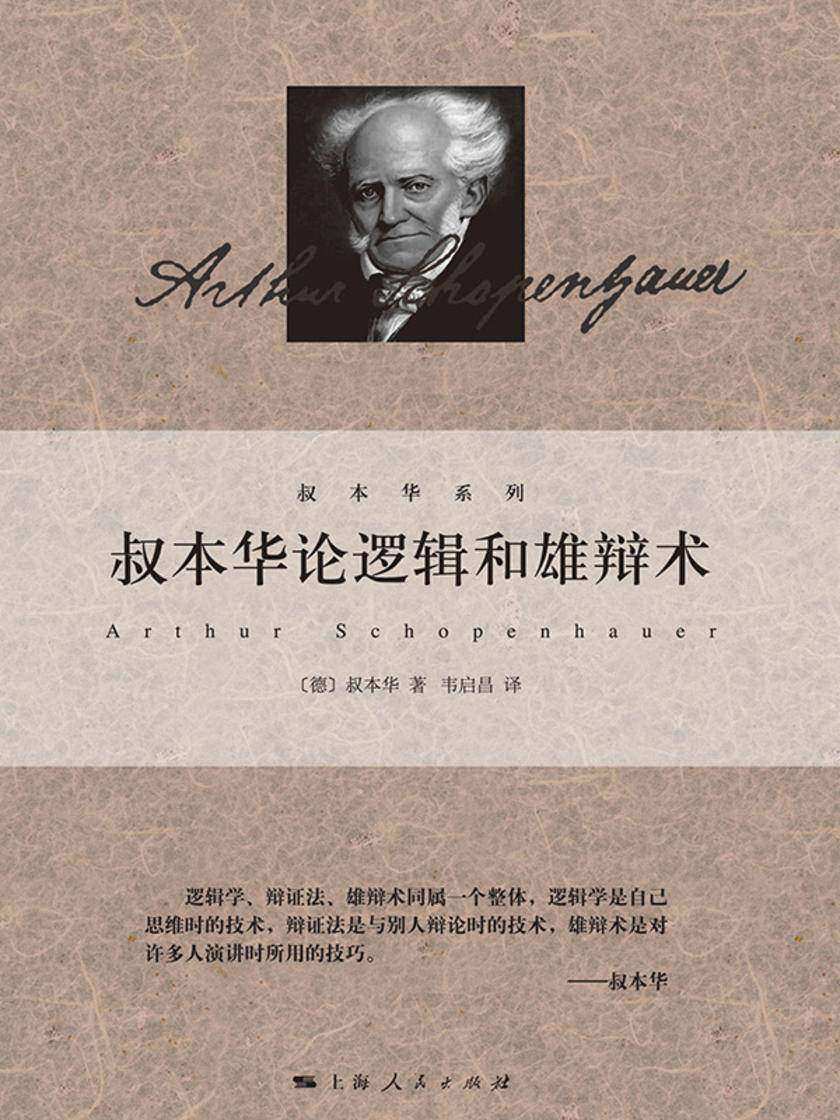
叔本华(Arthur Schopenhauer,1788—1860),德国哲学家,哲学史上个公开反对理性主义哲学的人,开创了非理性主义哲学的先河,创立了唯意志论哲学,他认为生命意志是主宰世界运作的力量。他毕生致力思考人类幸福的问题,深刻影响了尼采和萨特等20世纪哲学家,也为现代心理疗法提供了哲学依据。代表著作有《作为意志和表象的世界》《建议与箴言》等。
《道德经》诗译
¥15.20
《道德经》问世已两千多年。本书是以逻辑关系重新展开全书81章的,在直译梳通文义后用现代诗揭示出各章的深刻含义,使老子的思想得以神形兼备地展示出来。使读者既可以从整体上认识老子的思想体系,又可以从各章传神达韵的诗译中倾听老子这位世界公认的圣人的心声,净化心灵、鼓舞壮志,获得修身养性、立身处世、安邦治国的知识、哲理与智慧。本书具有较高的学术价值与应用价值,同时兼具可读性。
庄子诵读本(插图版) 中华书局出品
¥7.00
《庄子》是继《老子》之后体现道家学说的重要作品。现今通行的《庄子》一书分为内篇、外篇、杂篇三部分,共33篇。它既是一部哲学著作,又散发着浓厚的浪漫主义色彩,更深刻地影响了后世的文学创作。鲁迅曾评价说:“其文汪洋辟阖、仪态万方,晚周诸子之作,莫能先也。”《庄子诵读本》(插图版)是“中华经典诵读工程配套读本”之一,专为4—12岁的少年儿童编写,我们依据权威版本选录《庄子》,并附有拼音,对难字、难词、难句做了精炼、准确、易懂的注释,同时,配有大量与文字密切关联的图片,让读者在愉悦的审美中品味经典的魅力。
Hotarul cu cet??i. Cum se distruge un neam!
¥24.44
Via?a marelui g?nditor german, supranumit sihastrul de la Sils Maria a fost plin? de str?lucire dar ?i de aspecte mai pu?in cunoscute publicului larg. ?ntre ace?tia se num?r? patima fa?? de muzic? a autorului ?tiin?ei vesele ?i A?a gr?ita Zarathustra dar ?i rela?ia de formare ?i de profund? iubire avut? cu Richard Wagner ?i so?ia sa, minunata Cosima – prezen?e vii ?n aceast? monografie eseistic?, ce con?ine fragmente din coresponden?a acestor mon?tri sacri ai culturii universale, coresponden?? ?n urma lecturii c?reia te alegi cu o imagine calda, expresiv?.
Horda
¥72.27
Un mare vinovat f?r? vin?, sihastrul de la Sils-Maria a dinamitat g?ndirea secolului al XIX-lea, figur?nd – al?turi de Dostoievski – printre uria?ii profe?i ai omenirii, care au proorocit nenorocirile ce-au urmat, crimele ?n numele unei idei, rasismul, precum ?i devastatorul totalitarism ro?u. Dincolo de bine ?i de r?u e una dintre capodoperele g?nditorului de la na?terea c?ruia se va s?rb?tori ?n toamna anului 2014 (15 octombrie) 170 de ani.
Be? Kavram, Be? Deneme: (inan?, ?zgür irade, ya?am?n anlam?, ahlak, mutluluk)
¥9.40
Bu alma ilk olarak ekim 2007`de bir internet sitesinde (exlibrary.com) e-kitap formunda yaymland; daha sonra birinci kitabmn ikinci blümünde yer ald. Bu almay tekrar gzden geirip küük baz düzeltmeler yaptm. Bu kitapn ilham kayna Thomas Nagel’in “Her ey Ne Anlama Geliyor” balkl eseridir. 70 sayfalk bu küük ama youn kitab okuduumda hayran olmutum. Nagel almasnn giri blümünde unlar yazm: “Günümüzün ve gemiin büyük filozoflarndan seilmi metinler ieren birok harika giri el kitab vardr. Elinizdeki bu küük kitap onlarn yerine geecek türden bir kitap deildir. Onun, yalnzca, konuya olabildii kadar ak ve dorudan bir ilk deerlendirme sunmasn umuyorum.” Ben de aynsn umarak bu almaya ykündüm ve ortaya bu be deneme kt. Daha nce yaymlanm bu denemelerin yeniden yaymlanmasnn anlam hakl olarak sorulabilir. Ben de derim ki belki yeni baz okurlarn ilgisini ekebilir belki de yeniden okunabilir. Bu sefer de neden yeniden okunsun ki diyenler kabilir; ben de Borges’in bir szünü aktarmakla yetinirim: “Okumak nemli deildir, nemli olan yeniden okumaktr.” Yazar Hakknda Prof. Dr., 1955 doumlu. 1976 da Ankara niversitesi Fen Fakültesi kimya mühendislii blümünden mezun oldu. Eskiehir Anadolu ve Eskiehir Osmangazi niversitesinde retim üyesi olarak alt. 2002 de emekli oldu. Akademik yaynlar haricinde felsefe konusunda sobil yaynclk tarafndan yaymlanm ü kitab vardr: 1.“Düünmek zerine Düünmek” (2009), 2. “Zorunluluk ve Sorumluluk” (2012), 3.“Nietzsche ve Schopenhauer ile küük bir sylei” (2018).
Evolution of the Culture
¥28.04
Paradise Lost is an epic poem in blank verse by the 17th-century English poet John Milton (1608–1674). The first version, published in 1667, consisted of ten books with over ten thousand lines of verse. A second edition followed in 1674, arranged into twelve books (in the manner of Virgil's Aeneid) with minor revisions throughout and a note on the versification. It is considered by critics to be Milton's "major work", and helped solidify his reputation as one of the greatest English poets of his time. The poem concerns the Biblical story of the Fall of Man: the temptation of Adam and Eve by the fallen angel Satan and their expulsion from the Garden of Eden. Milton's purpose, stated in Book I, is to "justify the ways of God to men" Short Summary:The poem is separated into twelve "books" or sections, the lengths of which vary greatly (the longest is Book IX, with 1,189 lines, and the shortest Book VII, with 640). The Arguments at the head of each book were added in subsequent imprints of the first edition. Originally published in ten books, a fully "Revised and Augmented" edition reorganized into twelve books was issued in 1674, and this is the edition generally used today. The poem follows the epic tradition of starting in medias res (Latin for in the midst of things), the background story being recounted later.Milton's story has two narrative arcs, one about Satan (Lucifer) and the other following Adam and Eve. It begins after Satan and the other rebel angels have been defeated and banished to Hell, or, as it is also called in the poem, Tartarus. In Pand?monium, Satan employs his rhetorical skill to organise his followers; he is aided by Mammon and Beelzebub. Belial and Moloch are also present. At the end of the debate, Satan volunteers to poison the newly created Earth and God's new and most favoured creation, Mankind. He braves the dangers of the Abyss alone in a manner reminiscent of Odysseus or Aeneas. After an arduous traversal of the Chaos outside Hell, he enters God's new material World, and later the Garden of Eden. At several points in the poem, an Angelic War over Heaven is recounted from different perspectives. Satan's rebellion follows the epic convention of large-scale warfare. The battles between the faithful angels and Satan's forces take place over three days. At the final battle, the Son of God single-handedly defeats the entire legion of angelic rebels and banishes them from Heaven. Following this purge, God creates the World, culminating in his creation of Adam and Eve. While God gave Adam and Eve total freedom and power to rule over all creation, He gave them one explicit command: not to eat from the Tree of the knowledge of good and evil on penalty of death.
Heart of Darkness
¥9.07
The Republic (Greek: Politeia) is a Socratic dialogue, written by Plato around 380 BC, concerning the definition of (justice), the order and character of the just city-state and the just man, reason by which ancient readers used the name On Justice as an alternative title (not to be confused with the spurious dialogue also titled On Justice). The dramatic date of the dialogue has been much debated and though it must take place some time during the Peloponnesian War, "there would be jarring anachronisms if any of the candidate specific dates between 432 and 404 were assigned". It is Plato's best-known work and has proven to be one of the most intellectually and historically influential works of philosophy and political theory. In it, Socrates along with various Athenians and foreigners discuss the meaning of justice and examine whether or not the just man is happier than the unjust man by considering a series of different cities coming into existence "in speech", culminating in a city (Kallipolis) ruled by philosopher-kings; and by examining the nature of existing regimes. The participants also discuss the theory of forms, the immortality of the soul, and the roles of the philosopher and of poetry in society. Short Summary (Epilogue):X.1—X.8. 595a—608b. Rejection of Mimetic ArtX.9—X.11. 608c—612a. Immortality of the SoulX.12. 612a—613e. Rewards of Justice in LifeX.13—X.16. 613e—621d. Judgment of the Dead The paradigm of the city — the idea of the Good, the Agathon — has manifold historical embodiments, undertaken by those who have seen the Agathon, and are ordered via the vision. The centre piece of the Republic, Part II, nos. 2–3, discusses the rule of the philosopher, and the vision of the Agathon with the allegory of the cave, which is clarified in the theory of forms. The centre piece is preceded and followed by the discussion of the means that will secure a well-ordered polis (City). Part II, no. 1, concerns marriage, the community of people and goods for the Guardians, and the restraints on warfare among the Hellenes. It describes a partially communistic polis. Part II, no. 4, deals with the philosophical education of the rulers who will preserve the order and character of the city-state.In Part II, the Embodiment of the Idea, is preceded by the establishment of the economic and social orders of a polis (Part I), followed by an analysis (Part III) of the decline the order must traverse. The three parts compose the main body of the dialogues, with their discussions of the “paradigm”, its embodiment, its genesis, and its decline.The Introduction and the Conclusion are the frame for the body of the Republic. The discussion of right order is occasioned by the questions: “Is Justice better than Injustice?” and “Will an Unjust man fare better than a Just man?” The introductory question is balanced by the concluding answer: “Justice is preferable to Injustice”. In turn, the foregoing are framed with the Prologue (Book I) and the Epilogue (Book X). The prologue is a short dialogue about the common public doxai (opinions) about “Justice”. Based upon faith, and not reason, the Epilogue describes the new arts and the immortality of the soul. ? About Author: Plato (Greek: Platon, " 428/427 or 424/423 BC – 348/347 BC) was a philosopher in Classical Greece. He was also a mathematician, student of Socrates, writer of philosophical dialogues, and founder of the Academy in Athens, the first institution of higher learning in the Western world. Along with his mentor, Socrates, and his most-famous student, Aristotle, Plato helped to lay the foundations of Western philosophy and science. Alfred North Whitehead once noted: "the safest general characterization of the European philosophical tradition is that it consists of a series of footnotes to Plato." Plato's sophistication as a writer is evident in his Socratic dialogues; thirty-six dialogues and thirteen letters have been ascribed to him, although 15–18 of them have been contested. Plato's writings have been published in several fashions; this has led to several conventions regarding the naming and referencing of Plato's texts. Plato's dialogues have been used to teach a range of subjects, including philosophy, logic, ethics, rhetoric, religion and mathematics. Plato is one of the most important founding figures in Western philosophy. His writings related to the Theory of Forms, or Platonic ideals, are basis for Platonism. ? Early lifeThe exact time and place of Plato's birth are not known, but it is certain that he belonged to an aristocratic and influential family. Based on ancient sources, most modern scholars believe that he was born in Athens or Aegina between 429 and 423 BC. His father was Ariston. According to a disputed tradition, reported by Diogenes Laertius, Ariston traced his descent from the king of Athens, Codrus, and the king of Messenia, Melanthus. Plato's mother was Perictione, whose family boasted of a relationship with the famous Athenian lawmaker an
哲学是很好玩儿的(套装共15册)
¥229.99
《哲学是很好玩儿的》(套装共15册)包括生命哲学、心灵哲学等多种哲学思想结晶,读者可以从入门开始,通过通俗易懂的方式学会如何用哲学思维思考,感受哲学里的自我和世界,帮读者重新审视自我和我们栖居的世界,以及和这个世界的关系,捕捉心中迸发的迷惑与感悟,进而把它们锤炼为人生的智慧。
Скоропадський. Спогади 1917-1918
¥22.74
Potere, cortigianeria, dispotismo, libertà, uguaglianza... attuali o inattuali la satira d'Holbach e La Boétie? Cambiano i tempi e i nomi, ma la natura umana nel suo fondo negli ultimi secoli non è mutata. Com'è virtù di tutti i classici, le loro voci continuano a farci sorridere, indignare e riflettere non solo sul passato ma ugualmente sul presente e sul futuro, su quanto in esso ci possa essere di desiderabile o indesiderabile. In Appendice, i testi si possono leggere anche nella loro originaria edizione in francese. SOMMARIO?- Fabrizio Pinna, Una introduzione (in due tempi) e qualche digressione: I. Barone d'Holbach, "Quest'arte sublime dello strisciare"...; II. ?tienne de La Boétie, "Siate determinati di non voler più servire ed eccovi liberi"... . LIBERT? & POTERE: Paul Henri Thiry d'Holbach, Saggio sull'arte di strisciare ad uso dei cortigiani; Paul Henri Thiry d'Holbach, I Cortigiani; Jean le Rond d'Alembert, Cortigiano; ?tienne de La Boétie, La servitù volontaria. APPENDICE I: Libertà Uguaglianza (1799)- Il Cittadino Editore. APPENDICE II: Essai sur l’art de ramper, à l’usage des courtisans (1764) - Paul Henri Thiry d'Holbach; Des Courtisans (1773) - Paul Henri Thiry d'Holbach; Courtisan (1752) / Courtisane (1754) - Jean le Rond d'Alembert; Discours de la servitude volontaire o Contr'un (1549) - ?tienne de La Boétie.?LE COLLANE IN/DEFINIZIONI & CON(TRO)TESTI
南怀瑾国学八经典(套装共12册)(南怀瑾独家授权定本种子书)
¥218.00
南怀瑾先生的著述涉及儒、释、道等中国传统文化经典,他常以经史合参的讲述方式、生动幽默语言,结合古今中外历史人文典故,结合当下的日常生活,引领新世代的人们直入文化的核心智慧,让读者更乐于了解历史人文的博大精深。本套装收录东方出版社已出版的南怀瑾作品。
A leskel?d?
¥66.79
Within our Society (the International Society for Krishna Consciousness), guru has been taken to be synonymous with diksa-guru, but what about those great souls who have introduced us to Krsna consciousness? What relationship do we have with these Vaisnavas, and what are our obligations toward them, as well as toward parents, teachers, sannyasis, and other superiors who help guide us back to Godhead? Not much has been said by the Society on these topics, and hardly any appreciation is shown for those souls who labor to elevate us day by day.The scriptures, however, glorify as guru all Vaisnavas who guide a conditioned soul back to Godhead — be they instructors or initiators — advocating a culture of honor and respect. ISKCON needs to reflect upon these principles further, and the purpose of this book is to act as a catalyst toward such an end.
Nagyapó mesésk?nyve
¥22.73
...a knyvet ne tekintsük úgy, mint amelynek a fejldése már befejezdtt, és amin már nincs is mit tkéletesíteni... azzal mintha nem foglalkozna senki, hogy a knyvet miként lehetne az olvasó számára használhatóbbá tenni... nagyon is el tudnék képzelni ergonomikusabban megtervezett és knnyebben kézben tartható knyvet is (amelyet nem ejtek el, ha a mobilom után kezdek kotorászni a 6-os villamoson. Ha egyszer vehetünk jobban kézbe ill tollat, akkor talán ez sem képtelenség).”
Avu?ia na?iunilor
¥24.44
Scriitorul francez Xavier de Maistre (1763-1852) este fratele mai mic ?i mai pu?in celebru al g?nditorului Joseph de Maistre. Ironist fin ?i amator de filosofie, el ??i invit? cititorul ?ntr-o c?l?torie prin propria camer?, prilejuit? de cele ?ase s?pt?m?ni de arest cu care a fost pedepsit pentru participarea la un duel. Umorul ?i ingeniozitatea fac din acest text aparent banal o critic? spumoas? ?i fascinant? a viciilor umane ?i sociale bogat ?i expresiv ilustrate de contemporanii autorului ?i ai cititorului deopotriv?. Leprosul din Cetatea Aosta, un text prea pu?in semnificativ ca dimensiuni, constituie ?i el una dintre cele mai mi?c?toare incursiuni ?n arcanele condi?iei umane.

购物车
个人中心