


 购物车
购物车 个人中心
个人中心


品读经典:读禅阅世(三)
¥10.99
《读禅阅世》收集苏曼殊主要佛教文章,小说,以及部分回忆、纪念他的诗文。苏曼殊作品行文清新流畅,文辞婉丽,情节动人,对后来的“鸳鸯蝴蝶派小说”产生了较大影响。他一生多才多艺,能诗擅画,通晓多种语言,尤通佛理。周作人评价他说:“曼殊是一个很有天分的人,看他的绝句与小品文可以知道,又生就一副浪漫的性情,颇足以代表革命前后的文艺界的风气。”

中国哲学与世界哲学(成中英文集·第七卷)
¥49.00
《中国哲学与世界哲学》以分析的重建的方法阐述了中国哲学的主要传统和思想的综合特征,通过分析当代英美哲学的发展阐释西方哲学的特色,以中西哲学家为例比较中西哲学同异,并对中西融合之道、会通之前景、中国哲学与世界哲学的发展等内容行了论述,既体现出中国化特质,又体现出世界化的眼光。

《朱子家训 朱子家礼》读本 附录:朱柏庐治家格言(大众儒学经典)
¥15.00
家训,是古人对家人以及子孙后代的告诫、约束形式。历代家训往往以简明扼要又朗朗上口的方式, 讲明劝善戒恶的处世之道。《朱子家训》全文仅三百余字,却堪称字字珠玑。 《朱子家礼》之所以称为“家礼”,并不是说这些礼仪规范的内容与使用范围,仅仅限于朱氏家人 以及子孙后代,朱子的本意是为宋代当时的人提供一个家庭基本礼仪范本。《朱子家礼》影响极 为深远,由南宋经过元明清与*时期,至今在汉文化地区的各地风俗习惯里面都还能辨识出 《朱子家礼》所产生的影响。“家礼”的“家”,主要有三层意思:**是这些礼仪的内容主要 限于家事;第二是这些礼仪的主要适用对象为家族人众;第三层意思则与国相对,意思说这些礼仪 并非由国家(或朝廷)所确立或认可的国家礼制,而十分接近现代所说的“民间”。 《朱子家训 朱子家礼》读本分为原文、注释、译文、解读等部分,对《朱子家训》、《朱子家礼》 做了全新解读。 本书附录收入明末清初著名理学家、教育家朱用纯(号柏庐)的《治家格言》。

《弟子规》读本(大众儒学经典)
¥14.46
《弟子规》是清朝以来有广泛影响的蒙学读物,与《三字经》、《千字文》等相配合,在推动民间礼义文明和儿童德育事业中发挥了重要作用。《弟子规》的内容来源于《论语》中的“弟子入则孝,出则弟,谨而信,泛爱众,而亲仁,行有余力,则以学文”,这段话可以视为孔子的教学大纲。《弟子规》包括了孝悌、忠信、仁爱、恭谨等儒家修身功夫,内容具体详尽,紧扣人伦日用,为现今国民教育中*为紧缺的儿童礼仪修养教材。 《〈弟子规〉读本》包括原文、注释、译文、解读等部分,准确阐发了《弟子规》的义理,以及它对于当代青少年教育的现实意义,对儿童修身做人具有重要参考价值。
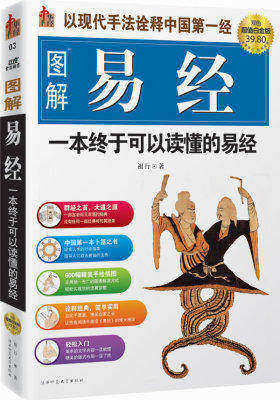
图解易经:一本终于可以读懂的易经(试读本)
免费
《易经》是我国古老的一部占筮书,同时也是一部凝结着远古先民睿智卓识的哲学著作,自古以来,有关它的注释和研究版本不在少数,但是却因为时代的变迁,人们理解上的差异,很多版已不符合现代读者的阅读口味。本书在忠实于原著的基础上,博采众家之长,去粗取精,一改过去版本或深奥难懂,各执一词;或形式古板,不知所云的弊病,运用令人耳目一新的图解形式,给读者一个新鲜生动的完整《易经》版本: 忠实于原著,博彩众家之长,用通俗的语言化艰涩为简易,适合现代读者阅读。 从《易经》卦爻辞手揭示其特征事理,深窥《易经》思想堂奥,让读者达到启悟生活的目的。 600幅精美手绘插图,生动的图解表现形式,为读者带来视觉上的震撼和惊喜。 首创的六十四卦系统图解诠释,对易的内涵描述起到只可意会不可言传的效果。

MI6. Adev?ruri ?ocante despre istoria serviciilor secrete britanice
¥82.81
Volumul cuprinde dou? din cele mai reprezentative lucr?ri ?n care filosoful german ??i expune concep?ia moral?: ?ntemeierea metafizicii moravurilor (1785) ?i Critica ra?iunii practice (1788). ?n ?ntemeierea metafizicii moravurilor Immanuel Kant expune principiile moralit??ii, iar ?n Critica ra?iunii practice ??i construie?te propriul s?u sistem etic, ceea ce face ca aceasta s? fie considerat?, dup? Critica ra?iunii pure, a doua sa oper? fundamental?.?ntre cele dou? lucr?ri este o at?t de str?ns? leg?tur?, ?nc?t cunoa?terea numai a uneia din ele ne-ar oferi o imagine incomplet? asupra concep?iei sale morale.Immanuel Kant a avansat idei etice ?i ?n alte opere ulterioare (Religia ?n limitele ra?iunii – 1793 sau Metafizica moravurilor – 1797), dar numai ?n cele reunite ?n acest volum se ocup? de problemele teoretice ale moralit??ii.Traducerea a fost f?cut? dup? edi?ia german? din 1956 (Leipzig, Hrsg. Von Raymund Schimidt).

洞山指月(南怀瑾独家授权定本种子书)
¥29.99
《指月录》是明心见性、参禅悟道的典籍。2009年下半年,南怀瑾先生开始带领学人参研《指月录》,并对曹洞宗的特点、学术、修持和传承等方面作了重点研讨,本书即整理自当时的课堂实录,采用对话体。除了原文诵读和白话释义,课堂上以自由发言为主,听讲的学人或提出问题,或表达观点,先生则随时指点、点评。一路讲下来,先生不仅将禅宗的发展、演变脉络讲得非常详尽清晰,对话中更是常常暗藏禅机,如同古时禅师接引学人、对机说法,圣哲言、钵盂语兼而有之。
规范性:思想和意义之基(当代中国社会道德理论与实践研究丛书)
¥34.80
规范性是当代规范伦理学的一个核心观念。本书深探究了人类理性层面的规范性与某种植根于自然化的深层规范性之间的关系,考察了作为元概念/范畴的规范性对一系列相关理论概念、题旨的某种奠基性作用,以展示其解释力及整合力。
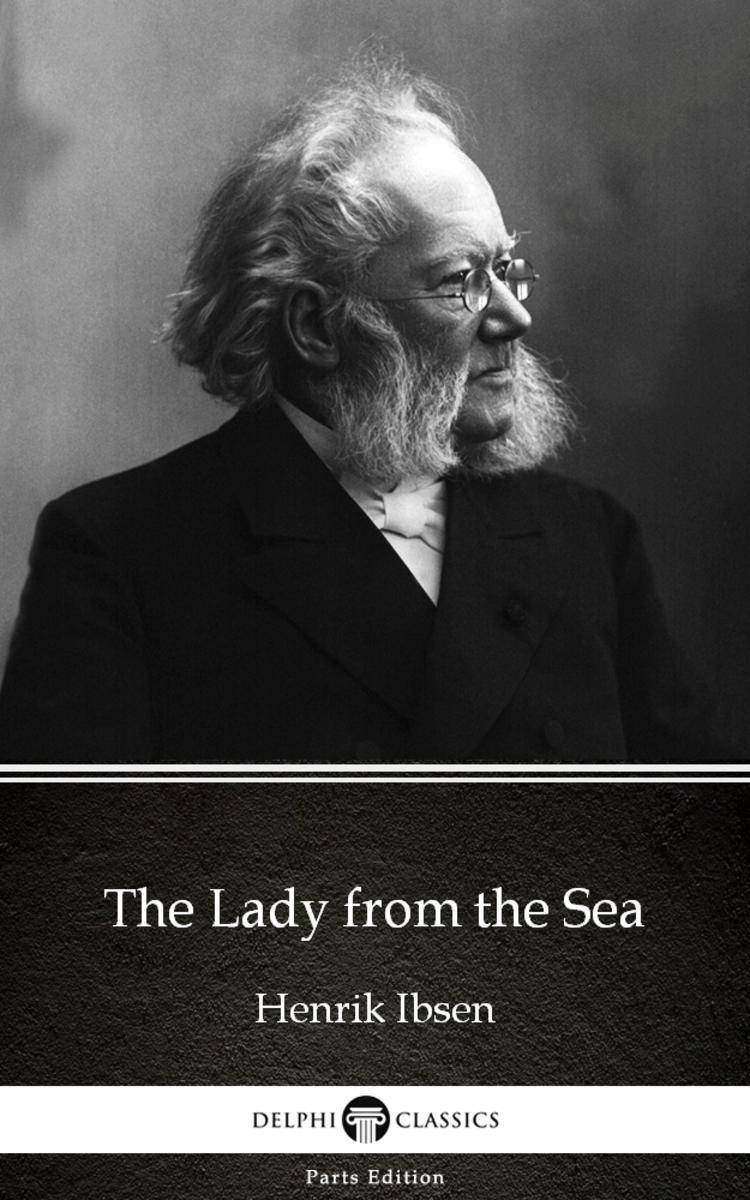
The Lady from the Sea by Henrik Ibsen - Delphi Classics (Illustrated)
¥8.09
This eBook features the unabridged text of ‘The Lady from the Sea by Henrik Ibsen - Delphi Classics (Illustrated)’ from the bestselling edition of ‘The Complete Works of Henrik Ibsen’. Having established their name as the leading publisher of classic literature and art, Delphi Classics produce publications that are individually crafted with superior formatting, while introducing many rare texts for the first time in digital print. The Delphi Classics edition of Ibsen includes original annotations and illustrations relating to the life and works of the author, as well as individual tables of contents, allowing you to navigate eBooks quickly and easily. eBook features: * The complete unabridged text of ‘The Lady from the Sea by Henrik Ibsen - Delphi Classics (Illustrated)’ * Beautifully illustrated with images related to Ibsen’s works * Individual contents table, allowing easy navigation around the eBook * Excellent formatting of the text Please visit www.delphiclassics.com to learn more about our wide range of titles
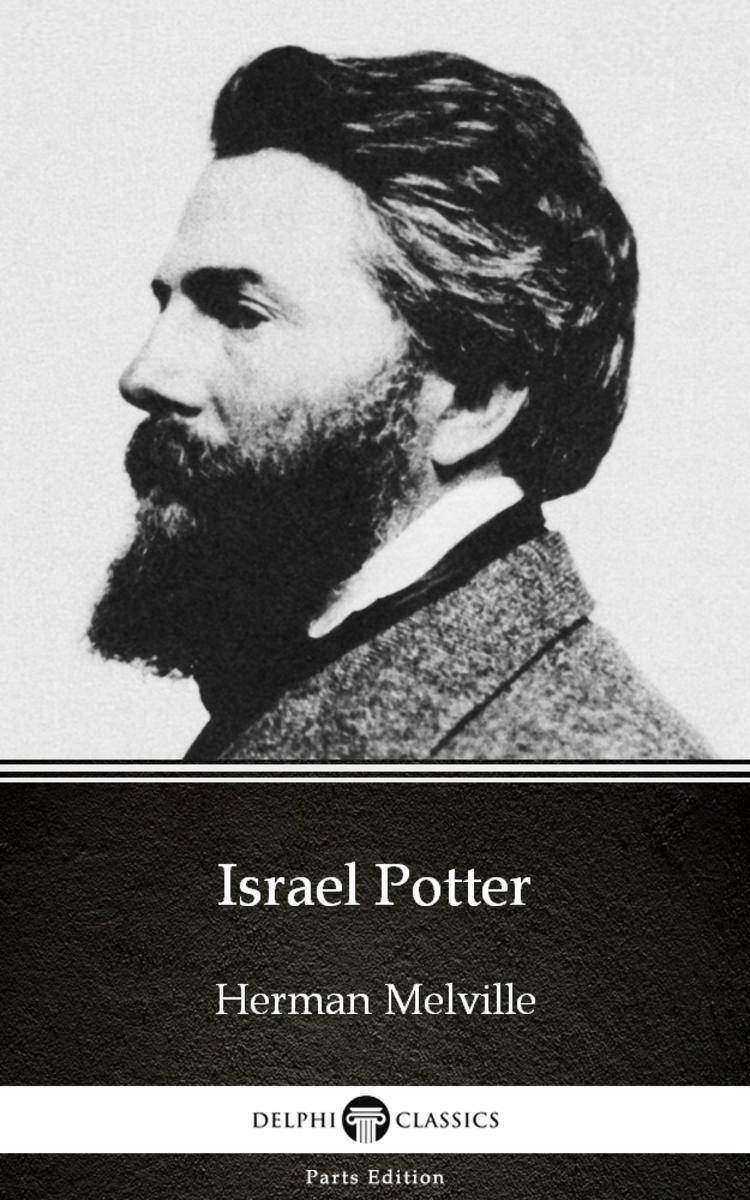
Israel Potter by Herman Melville - Delphi Classics (Illustrated)
¥8.09
This eBook features the unabridged text of ‘Israel Potter by Herman Melville - Delphi Classics (Illustrated)’ from the bestselling edition of ‘The Complete Works of Herman Melville’. Having established their name as the leading publisher of classic literature and art, Delphi Classics produce publications that are individually crafted with superior formatting, while introducing many rare texts for the first time in digital print. The Delphi Classics edition of Melville includes original annotations and illustrations relating to the life and works of the author, as well as individual tables of contents, allowing you to navigate eBooks quickly and easily. eBook features: * The complete unabridged text of ‘Israel Potter by Herman Melville - Delphi Classics (Illustrated)’ * Beautifully illustrated with images related to Melville’s works * Individual contents table, allowing easy navigation around the eBook * Excellent formatting of the text Please visit www.delphiclassics.com to learn more about our wide range of titles
Billy Budd, Sailor by Herman Melville - Delphi Classics (Illustrated)
¥8.09
This eBook features the unabridged text of ‘Billy Budd, Sailor by Herman Melville - Delphi Classics (Illustrated)’ from the bestselling edition of ‘The Complete Works of Herman Melville’. Having established their name as the leading publisher of classic literature and art, Delphi Classics produce publications that are individually crafted with superior formatting, while introducing many rare texts for the first time in digital print. The Delphi Classics edition of Melville includes original annotations and illustrations relating to the life and works of the author, as well as individual tables of contents, allowing you to navigate eBooks quickly and easily. eBook features: * The complete unabridged text of ‘Billy Budd, Sailor by Herman Melville - Delphi Classics (Illustrated)’ * Beautifully illustrated with images related to Melville’s works * Individual contents table, allowing easy navigation around the eBook * Excellent formatting of the text Please visit www.delphiclassics.com to learn more about our wide range of titles
Phantoms by Ivan Turgenev - Delphi Classics (Illustrated)
¥8.09
This eBook features the unabridged text of ‘Phantoms by Ivan Turgenev - Delphi Classics (Illustrated)’ from the bestselling edition of ‘The Collected Works of Ivan Turgenev’. Having established their name as the leading publisher of classic literature and art, Delphi Classics produce publications that are individually crafted with superior formatting, while introducing many rare texts for the first time in digital print. The Delphi Classics edition of Turgenev includes original annotations and illustrations relating to the life and works of the author, as well as individual tables of contents, allowing you to navigate eBooks quickly and easily. eBook features: * The complete unabridged text of ‘Phantoms by Ivan Turgenev - Delphi Classics (Illustrated)’ * Beautifully illustrated with images related to Turgenev’s works * Individual contents table, allowing easy navigation around the eBook * Excellent formatting of the text Please visit www.delphiclassics.com to learn more about our wide range of titles
Sky Island by L. Frank Baum - Delphi Classics (Illustrated)
¥8.09
This eBook features the unabridged text of ‘Sky Island by L. Frank Baum - Delphi Classics (Illustrated)’ from the bestselling edition of ‘The Complete Works of L. Frank Baum’. Having established their name as the leading publisher of classic literature and art, Delphi Classics produce publications that are individually crafted with superior formatting, while introducing many rare texts for the first time in digital print. The Delphi Classics edition of Baum includes original annotations and illustrations relating to the life and works of the author, as well as individual tables of contents, allowing you to navigate eBooks quickly and easily. eBook features: * The complete unabridged text of ‘Sky Island by L. Frank Baum - Delphi Classics (Illustrated)’ * Beautifully illustrated with images related to Baum’s works * Individual contents table, allowing easy navigation around the eBook * Excellent formatting of the text Please visit www.delphiclassics.com to learn more about our wide range of titles
ROS Robotics By Example - Second Edition
¥371.39
Learning how to build and program your own robots with the most popular open source robotics programming framework About This Book Get to know the fundamentals of ROS and apply its concepts to real examples Learn how to write robotics applications without getting bogged down in hardware problems Learn to implement best practices in ROS development Who This Book Is For This book is for robotic enthusiasts, researchers and professional robotics engineers who would like to build robot applications using ROS. It gives the robotics beginner and the ROS newbie an immensely practical introduction to robot building and robotics application coding. Basic knowledge of GNU/Linux and the ability to write simple applications is assumed, but no robotics knowledge, practical or theoretical, is needed. What You Will Learn Control a robot without requiring a PhD in robotics Simulate and control a robot arm Control a flying robot Send your robot on an independent mission Learning how to control your own robots with external devices Program applications running on your robot Extend ROS itself Extend ROS with the MATLAB Robotics System Toolbox In Detail ROS is a robust robotics framework that works regardless of hardware architecture or hardware origin. It standardizes most layers of robotics functionality from device drivers to process control and message passing to software package management. But apart from just plain functionality, ROS is a great platform to learn about robotics itself and to simulate, as well as actually build, your first robots. This does not mean that ROS is a platform for students and other beginners; on the contrary, ROS is used all over the robotics industry to implement flying, walking and diving robots, yet implementation is always straightforward, and never dependent on the hardware itself. ROS Robotics has been the standard introduction to ROS for potential professionals and hobbyists alike since the original edition came out; the second edition adds a gradual introduction to all the goodness available with the Kinetic Kame release. By providing you with step-by-step examples including manipulator arms and flying robots, the authors introduce you to the new features. The book is intensely practical, with space given to theory only when absolutely necessary. By the end of this book, you will have hands-on experience on controlling robots with the best possible framework. Style and approach ROS Robotics By Example, Second Edition gives the robotics beginner as well as the ROS newbie an immensely practical introduction to robot building and robotics application coding. ROS translates as "robot operating system"; you will learn how to control a robot via devices and configuration files, but you will also learn how to write robot applications on the foundation of this operating system.
On the Eve by Ivan Turgenev - Delphi Classics (Illustrated)
¥8.09
This eBook features the unabridged text of ‘On the Eve by Ivan Turgenev - Delphi Classics (Illustrated)’ from the bestselling edition of ‘The Collected Works of Ivan Turgenev’. Having established their name as the leading publisher of classic literature and art, Delphi Classics produce publications that are individually crafted with superior formatting, while introducing many rare texts for the first time in digital print. The Delphi Classics edition of Turgenev includes original annotations and illustrations relating to the life and works of the author, as well as individual tables of contents, allowing you to navigate eBooks quickly and easily. eBook features: * The complete unabridged text of ‘On the Eve by Ivan Turgenev - Delphi Classics (Illustrated)’ * Beautifully illustrated with images related to Turgenev’s works * Individual contents table, allowing easy navigation around the eBook * Excellent formatting of the text Please visit www.delphiclassics.com to learn more about our wide range of titles
First Love by Ivan Turgenev - Delphi Classics (Illustrated)
¥8.09
This eBook features the unabridged text of ‘First Love by Ivan Turgenev - Delphi Classics (Illustrated)’ from the bestselling edition of ‘The Collected Works of Ivan Turgenev’. Having established their name as the leading publisher of classic literature and art, Delphi Classics produce publications that are individually crafted with superior formatting, while introducing many rare texts for the first time in digital print. The Delphi Classics edition of Turgenev includes original annotations and illustrations relating to the life and works of the author, as well as individual tables of contents, allowing you to navigate eBooks quickly and easily. eBook features: * The complete unabridged text of ‘First Love by Ivan Turgenev - Delphi Classics (Illustrated)’ * Beautifully illustrated with images related to Turgenev’s works * Individual contents table, allowing easy navigation around the eBook * Excellent formatting of the text Please visit www.delphiclassics.com to learn more about our wide range of titles

The Witch’s Head by H. Rider Haggard - Delphi Classics (Illustrated)
¥8.09
This eBook features the unabridged text of ‘The Witch’s Head by H. Rider Haggard - Delphi Classics (Illustrated)’ from the bestselling edition of ‘The Complete Works of H. Rider Haggard’. Having established their name as the leading publisher of classic literature and art, Delphi Classics produce publications that are individually crafted with superior formatting, while introducing many rare texts for the first time in digital print. The Delphi Classics edition of Haggard includes original annotations and illustrations relating to the life and works of the author, as well as individual tables of contents, allowing you to navigate eBooks quickly and easily. eBook features: * The complete unabridged text of ‘The Witch’s Head by H. Rider Haggard - Delphi Classics (Illustrated)’ * Beautifully illustrated with images related to Haggard’s works * Individual contents table, allowing easy navigation around the eBook * Excellent formatting of the text Please visit www.delphiclassics.com to learn more about our wide range of titles
The Athenian Constitution
¥40.79
The Constitution of the Athenians describes the political system of ancient Athens. The treatise was composed between 330 and 322 BC.
On Interpretation
¥40.79
On Interpretation is among the earliest surviving philosophical works in the Western tradition to deal with the relationship between language and logic in a comprehensive, explicit, and formal way.
On Longevity and Shortness of Life
¥40.79
The reasons for some animals being long-lived and others short-lived, and, in a word, causes of the length and brevity of life.
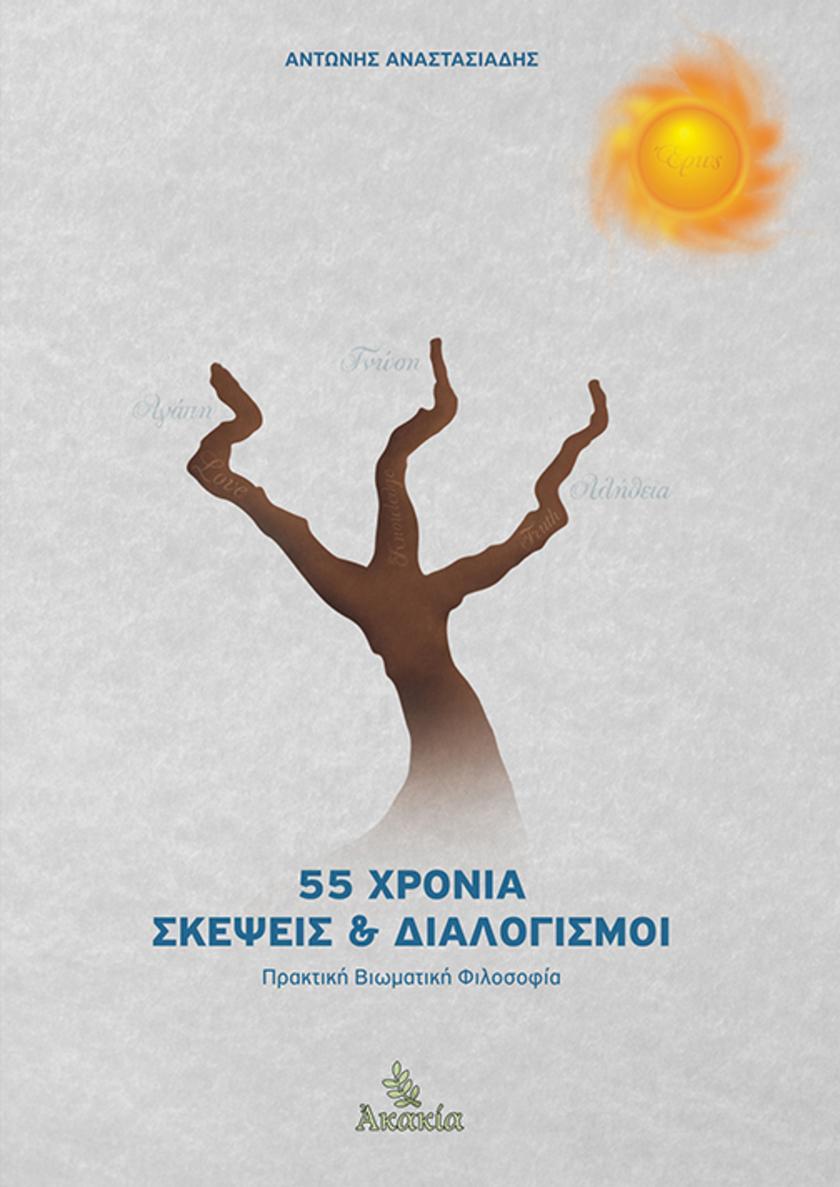
55 Χρ?νια Σκ?ψει? & Διαλογισμο?
¥84.20
Το παρ?ν βιβλ?ο ?55 Χρ?νια Σκ?ψει? & Διαλογισμο?? ε?ναι το απ?σταγμα συνεχο?? προσπ?θεια?, αναζητ?σεων, προβληματισμ?ν, σκ?ψεων και διαλογισμ?ν εν?? ανθρ?που. Με πολυπο?κιλο και ποικιλ?μορφο θεματικ? περιεχ?μενο σε πεζ? κυρ?ω? μα και ποιητικ? λ?γο, τα θ?ματα ε?ναι ?λα απ? την καθημεριν?τητα: Κοινωνικ?, πολιτικ?, φιλοσοφικ?, ερωτικ?, γενικ?τερη? αναζ?τηση? κ.τ.λ.Πολλ? τα ερωτ?ματα που ξεπροβ?λλουν εμπρ?? σε κ?θε σκεπτ?μενο ?νθρωπο που βαδ?ζει το προσωπικ? του μονοπ?τι π?νω στην γη και ο οπο?ο? αναζητε? απαντ?σει? και λ?σει? των προβλημ?των τη? ζω??. Γιατ? αντιμ?χονται οι λαο?; Γιατ? μαλ?νουν οι ?νθρωποι; Τι δυσκολε?ει την ανθρ?πινη επικοινων?α την καθημεριν?; Τι ε?ναι η τ?χνη και η ομορφι?; Τι ε?ναι οι επιστ?με? οι πολλ?? και ποια ε?ναι τα ?ρια του? τα αληθιν?; Πρ?πει να τι? εμπιστευ?μαστε λοιπ?ν; Τι ε?ναι η ?σοφ?α? και η ?ομορφι?? και ποιε? οι γν?σει? που αξ?ζουν τελικ?; Ποια ε?ναι η αλ?θεια η μοναδικ?. Υπ?ρχει γν?ση αντικειμενικ?; Υπ?ρχει το καλ? και το κακ?; Ε?ναι λοιπ?ν τα τρ?α ιδανικ?, η ?Αγ?πη?, η ?Γν?ση? και η ?Αλ?θεια? τελικ?;?τσι λοιπ?ν ξεκ?νησα ?να πρω?, τι? σκ?ρπιε? σκ?ψει? μου αυτ??, το κατακ?θι μια? ολ?κληρη? ζω?? ?λων εκε?νων για τα οπο?α τ?σο πολ? ?χω προβληματιστε? και ?λα τα ερωτ?ματ? μου που ?χουν καταγραφε?, να τα μαζ?ψω ?να πρω?, ?λα αυτ? που ε?χα καταγεγραμμ?να εδ? και εκε?, σε ?να βιβλ?ο προσωπικ? σκ?ψεων και διαλογισμ?ν. Ε?ναι ?να βιβλ?ο τη? ζω?? λοιπ?ν το βιβλ?ο αυτ?, βγαλμ?νο απευθε?α? μ?σα απ? την ζω? που με συγκ?νηση το καταγρ?φω και με περ?σσια περισυλλογ?.Ε?ναι βιβλ?ο τη? ζω?? και απευθ?νεται σε κ?θε σκεπτ?μενο καλοπροα?ρετο και ?ντιμο αναγν?στη αλλ? και σε ηλικ?ε? νεαρ??, που με την καθαρ?τητα που ?χουν στη ψυχ?, πιο ε?κολα κι αντιλαμβ?νονται το ?μορφο, το δ?κιο και το σωστ?. Πεν?ντα π?ντε χρ?νια σκ?ψεων και διαλογισμ?ν ε?ναι το βιβλ?ο αυτ?. Ε?ναι μια αναζ?τηση τη? ?Αγ?πη??, τη? ?Γν?ση?? και τη? ?Αλ?θεια?


