


 购物车
购物车 个人中心
个人中心
中国儒教史(上)
¥50.00
“儒教是宗教”的判断是中华人民共和国成立以后在宗教和传统文化研究领域*重要的创新学说之一,它否定了近百年来学术界一致认为中国古代是“非宗教国”的定论,以丰富的资料,严密的论证、深刻的分析,流畅的语言叙述了儒教从产生到衰亡的历史,揭示了儒教的神祇系统、祭祀制度、教义教理等从创造到被取消的过程,阐明了儒者如何为实现上帝、神祇的意志而治国、修身,并从事相关的理论探讨。内容包括儒教和佛教、道教、中国伊斯兰教、中国基督教等相关关系,涉及宗教、哲学、科学、史学、文学诸文化领域。
中国儒教史(下)
¥50.00
“儒教是宗教”的判断是中华人民共和国成立以后在宗教和传统文化研究领域*重要的创新学说之一,它否定了近百年来学术界一致认为中国古代是“非宗教国”的定论,以丰富的资料,严密的论证、深刻的分析,流畅的语言叙述了儒教从产生到衰亡的历史,揭示了儒教的神祇系统、祭祀制度、教义教理等从创造到被取消的过程,阐明了儒者如何为实现上帝、神祇的意志而治国、修身,并从事相关的理论探讨。内容包括儒教和佛教、道教、中国伊斯兰教、中国基督教等相关关系,涉及宗教、哲学、科学、史学、文学诸文化领域。

西方哲学3000年
¥50.00
从托马斯·阿奎那到笛卡尔、斯宾诺莎,再到康德、黑格尔、叔本华……详细叙述了西方哲学史上具有代表性的16位哲学家的哲学思想和生平故事。 用生动的语言讲述深奥的哲学思想!通过哲学家的生活来探究哲学理念,深浅出地将艰深的哲学知识通俗化,展示一个个鲜活而生动的故事,希望读者都能因此爱上哲学。

Analiza conflictelor internationale
¥50.30
Istoriile excentricit??ii din Logica elefan?ilor adopt? tonul comentariului pe dou? voci, simul?nd (?i stimul?nd) un canon care dubleaz?, prin reluare, recuperarea detaliului ca fiind princip(i)al. Fiziologiile devin ilustre, consecven?a ??i expune abera?ia, apetitul pentru trecut este inevitabil patologic, iar neao?ismele curente rezoneaz?, fire?te, cu globalizarea. ?ntr-o logic? elefantin?, inteligen?a are a se v?di, chiar gigantesc, ?n nimicnicia ?faptului divers“. Supraabunden?a concentr?rii miniaturale exacerbeaz? efectele ?ngurgit?rii unei mu?te ori ale studierii timpului liber al felinelor de cas?. Lenjeria intim? necesit? un tratament aristocratic, iar ?njur?tura ?i b?taia se sacralizeaz? ?ntr-un univers ?n care guvernarea p?r?se?te modelul pastoral pentru recursul la structuri galinacee. Textele lui Ciprian V?lcan ?i ale Danei Percec (sur)prind acest nesa? cu care lumea ?ns??i pare a-?i exprimenta limitele, n?ucit? parc? de proliferarea propriilor excese.
分析哲学与人类生活
¥50.40
这本书收集了托马斯·内格尔近年来对一些基本话题的哲学思考:伦理学、道德心理学、科学与宗教、死亡、大屠杀和心灵的形而上学。书中讨论的哲学家包括彼得·辛格、阿尔文·普兰廷加、克里斯汀·科斯加德、托尼·朱特、伊丽莎白·安斯科姆、菲利帕·富特、艾里斯·默多克、T. M. 斯坎伦、罗纳德·德沃金、塞缪尔·舍夫勒、丹尼尔·卡尼曼、乔纳森·海特、约书亚·格林和丹尼尔·丹尼特。 内格尔始终捍卫道德真理的现实主义解释,并抵制将伦理学纳心理学和化理论的简化尝试。他还捍卫道德内容的多元概念与功利主义相对立,其中包括义务论的要素,如权利和特殊责任。现实主义的观也反映了他对形而上学和认识论问题的讨论。 这本书以内格尔对在职业生涯中认识的哲学家的敬意结束。本书的文章都是写给普通读者的,吸引所有试图理解当下人类生活、人类价值观以及对我们如何融世界感兴趣的人。
用得上的哲学
¥50.70
复杂问题如何化繁就简? 先听好消息,还是坏消息? 已经付出这么多,该不该放弃? 为什么压力越大,对于一件事的把握就越低? 领导说话太含糊,该咋办?...... 不用教科书般的传统讲法,区别于笼统的辩证思维、繁重的哲学史和唯理性的批判思维,以哲学为线索,聚焦日常问题,掌握哲学思考工具,让抽象的哲学实用起来。 哲学是在人类各门学科下行思想沟通的一门事业,是思想界的商人。人类的学科发展越丰富,知识体系越庞大,在不同的知识分支之间,行这种交流的必要性也就越高。诸位现在的这本书,将讨论更为一般的哲学问题。而我们的主旨,就是用哲学理论对标具体的话题,教会你思考问题的方法,以便让哲学有用武之地。
《理想国》与古典正义论
¥51.00
柏拉图的《理想国》是西方思想的基石。本书是一部从政治哲学的角度*研究柏拉图《理想国》的著作。历代关于柏拉图的注疏和研究堪称汗牛充栋,却并不意味着我们就已经充分掌握了他的思想。比如说,《理想国》究竟是政治学著作还是伦理学著作?本书认为,《理想国》本来的副标题“论正义”就是古典政治哲学*基本的范畴。本书研究柏拉图《理想国》的核心问题:正义。古希腊的“正义”(主要)不是“论”,而是“法”和“行”。其余诸如德性、法律(如惩罚)、政治(如权利、敌友)、技艺、利他、幸福等范畴,都可以在正义的框架下讨论。这些都寓于柏拉图的《理想国》之中。在此基础上,本书详细论述了古典正义论与现代正义论的根本区别。
中国的宗教:儒教与道教
¥51.00
《中国的宗教:儒教与道教》是韦伯在宗教社会学上的第二本主要著作,与《新教伦理与资本主义精神》同属于三大卷本的《宗教社会学论文集》首卷。在本书中,韦伯专注于探索中国社会里那些与西欧不同的地方,以此突显西方基督教文明的特色,并且提出了一个问题:为什么资本主义没有在中国发展呢?韦伯所着手探讨的对象,特别是中国与印度,都是既庞大复杂又源远流长的文化体。身为西欧近代文明之子的韦伯遂以“理性化”作为其研究世界各大文化的“利器”。他的着眼在于:宗教与社会其他层面、理念与利益在人类文明的整体发展上究竟有着什么样的互动关系,在种种互动关系下呈现出怎样的理性内涵。韦伯在本书中分析了中国的国家、法律、城市、行会、士人阶层、正统礼教、异端信仰等,无非是想借此构筑出:中国人想的是什么、做出来的又是什么,以及所想与所做之间的关系。而儒教官绅知识阶层,在韦伯所构筑的传统中国历史舞台上,展现出使中国整体文明与西方文明大相径庭的坚实活力。
Hegel. Filozofia social-politic?
¥51.50
Hegel este cel mai sistematic filozof, a c?rui oper? este coerent articulat? ?i sus?inut? de o dens? ?es?tur? conceptual? ?i o teleologie cu un pronun?at caracter axiologic. Hegel a vrut ?i ?n parte a reu?it s? construiasc? o concep?ie articulat? ?i cuprinz?toare despre om, societate, natur? ?i divinitate. Fiecare component? a sistemului s?u filozofic, structurile logice, societatea, arta, politica sau istoria nu pot fi ?n?elese f?r? ?ntregul care le cuprinde, le determin? d?ndu-le transparen?? ?i sens. G?ndirea politic? hegelian? nu e o simpl? medita?ie asupra statului ?i a institu?iilor sale determinat? de conjunctur? sau de vreo implica?ie practic? a filozofului ?n politica din timpul s?u. Medita?ia hegelian? asupra politicului este consecin?a necesar? a g?ndirii speculative cuprins? ?n masiva sa oper? filozofic?. Politicul este o component? important? a structurii ontologice a lumii, un moment esen?ial al realiz?rii ?i func?ion?rii Libert??ii. Ra?iunea ?n act, cristalizat? ?ntr-o diversitate de conduite, structuri ?i institu?ii configureaz? universul practic, concretiz?nd spiritul teoretic ?i organiz?nd a nou? regiune ontic?.

Ultimii martori
¥51.50
Lucrarea aceasta se bazeaz? pe teza de doctorat a autorului, sus?inut? ?n iunie 2008, Problema drept??ii ?i restituirea propriet??ilor ?n Rom?nia post-decembrist?, fiind ?ns? o versiune modificat? a tezei. Dup? cum m?rturise?te autorul, unele pasaje tehnice au fost adaptate, pentru a putea fi u?or inteligibile pentru publicul larg. Cartea de fa?? este rezultatul unor ample cercet?ri, ?ncepute ?n 2002. ?Nu mai cred c? principala datorie a filosofului moral este de a produce ?solu?ii? (sentin?e) la problemele etice percepute ca atare ?ntr-un univers social. […] La fel ca ?ntr-un tribunal, pledoariile sunt utile, ?i e bine s? se foloseasc? de argumente c?t mai puternice ?i mai rafinate. Dar, la fel cum cercetarea ?n materie de drept nu-?i poate propune ca obiectiv principal producerea de pledoarii specific avoca?ilor (cu toate c? examinarea fundamentelor legii poate conferi o greutate suplimentar? unei pledoarii particulare sau alteia), tot a?a cercetarea de ordin etic nu-?i poate propune ca obiectiv ceva similar pledoariilor.“ Con?inutul este organizat ?n 7 capitole, concluzii ?i o bibliografie, util? f?r? ?ndoial? pentru oricine ar dori s? aprofundeze chestiunile abordate de autor. Introducerea este urmat? de o discu?ie conceptual? ?i metodologic? despre repara?ie (capitolul 2), rectificare, restitu?ie, drepturile de proprietate ?i evaluarea moral? a restitu?iei. Celelalte capitole se ocup? de urm?toarele teme: nedreptatea na?ionaliz?rii (capitolul 3), restitu?ia post-comunist? (capitolul 4), argumentul coasian (capitolul 5), restitu?ia ?i dreptatea transgenera?ional? (capitolul 6), principiul nozickian al rectific?rii nedrept??ilor (capitolul 7). ?Am ?ncercat apoi s? analizez ce anume presupune c?utarea unui r?spuns la o ?ntrebare de tipul ?Este restitu?ia justificat? ?? (?n 2.3.) Rezultatul important, cred, a fost acela c? nu exist? un r?spuns simplu, ?i c? o astfel de ?ntrebare este prost formulat?. Am propus ?n loc alte cinci ?ntreb?ri, mai precise : dac? actul na?ionaliz?rii a fost unul nedrept, dac? o politic? restitutiv? risc? sau nu s? ?ndrepte o nedreptate trecut? ?nf?ptuind o alta, dac? putem identifica cu precizie obiectele restitu?iei ?i dac? orizontul temporal introduce elemente importante ?n cadrul de evaluare moral? (at?t ca atare, c?t ?i ?n dimensiunea sa intergenera?ional?). ?n primul r?nd, putem afirma c? politica aleas? imediat dup? 1989 (cea a men?inerii status-quo-ului, ?n speran?a c? lucrurile se vor rezolva cumva de la sine sau ca o solu?ie ideal? se va prezenta ?n mod miraculos) a fost at?t lipsit? de vreo justificare moral?, c?t ?i neinspirat? din punct de vedere pragmatic.“

哲学的殿堂——哲学元理与思维变革
¥51.60
“哲学本身就是一座宏伟壮丽的殿堂,在这座殿堂里有很多恒久而常新的话题,与时代深沉的思绪相应和,给人以精神的启迪。”十五位哲学名家(张立文、刘大椿、段忠桥、刘晓力、龚群、郭湛、张志伟、李秋零、焦国成、宋志明、冯俊、李德顺、庞元正、周桂钿、廖申白)在《哲学的殿堂:哲学元理与思维变革》中深浅出地讲解了复杂而深刻的哲学问题,勾勒了哲学学科发展脉络,带领读者一起领略“哲学的殿堂”引人胜之处。本书既显示了他们深厚的学术功底,又反映了他们对时代问题的深切关怀;既有对哲学某一学科、某一问题的整体审视,又有对哲学巨擘思想的细致把握;既有对过往思想的深刻反思,又有对时代前沿问题的敏锐思索。哲学名家们讲述问题细致,如数家珍,旁征博引,所涉内容广泛,沟通中西,贯穿古今,展现了哲学的独特魅力与时代价值,读者可以从中获得启迪。

项目管理实操
¥51.80
本书从项目部组建、施工准备、现场施工到交竣工结算、客户深维与市场开发、项目总结的全生命周期,以项目管理和房屋建筑施工技术两个纬度,分要素逐一做了详细阐述,并借鉴了现阶段我国大型央企项目管理的先进做法。全书紧密结合我国现行的项目管理法律法规,管理理念先进,实现了一书在手,从容实操。
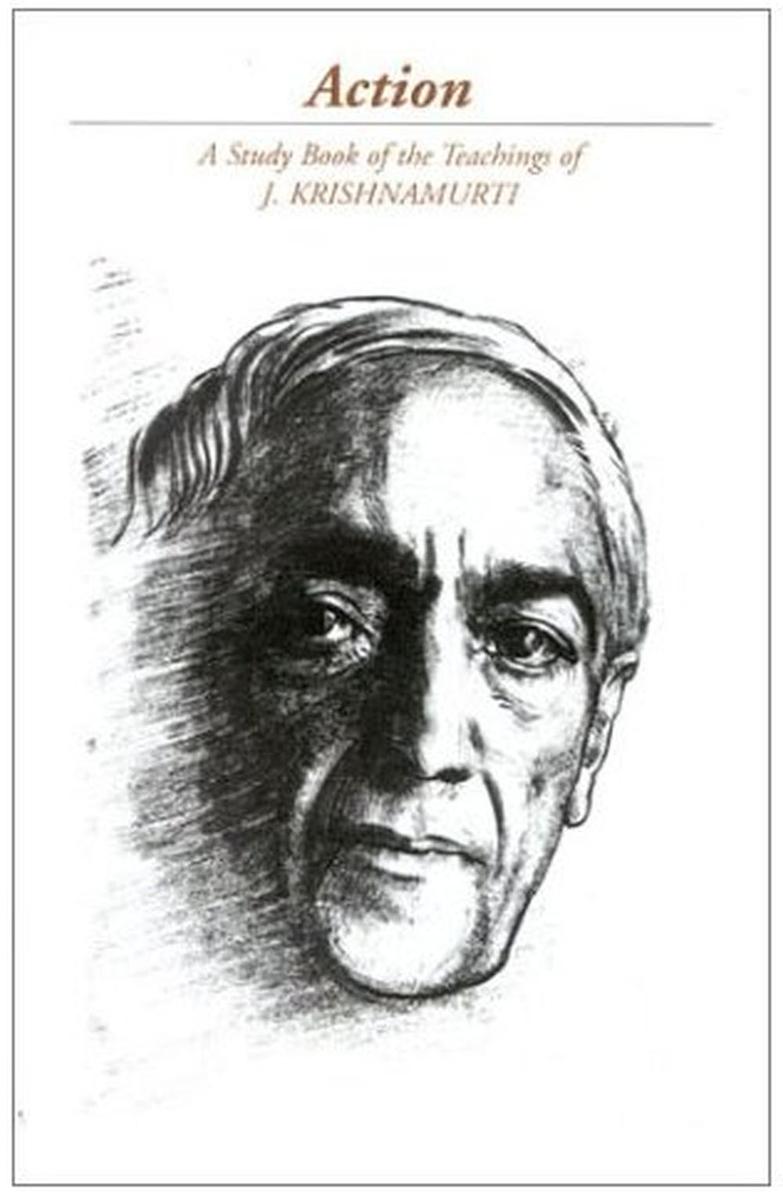
Action
¥51.91
The passages in this Study Book have been taken directly from Krishnamurti’s talks and books from 1933 through 1967. The compil- ers began by reading all the passages from this period which contained the word action—the theme of this book. This would not have been possible without the use of a full text computer database, produced by the Krishnamurti Foundation Trust of England. Over 750 passages were studied in all, and the aspects of “action” most frequently addressed by Krishnamurti were noted. These aspects then formed the outline for the contents of this book.The material selected has not been altered from the way it was originally printed except for limited correction of spelling, punctua- tion, and missing words. Words or phrases that appear in brackets are not Krishnamurti’s, but have been added by the compilers for the sake of clarity. Ellipses introducing a passage, or ending it, indicate that the passage begins or ends in mid-sentence. Ellipses in the course of a passage indicate words or sentences omitted. A series of asterisks between paragraphs shows that there are paragraphs from that talk which have been omitted. Captions, set off from the body of the text, have been used with many passages. Most captions are statements taken directly from the text, with some being a combination of phrases from the passage.Krishnamurti spoke from such a large perspective that his entire vision was implied in any extended passage. If one wishes to see how a statement flows out of his whole discourse, one can find the full context from the references at the foot of each passage. These refer primarily to talks which have been published in The Collected Works of J. Krishnamurti. This seventeen-volume set covers the entire period from which this study book has been drawn. A complete bibliography is included at the end of this book. Students and scholars may also be interested in additional passages on action not used in the book, available for study upon written request, in the archives of the Krishna- murti Foundation of America.This Study Book aims to give the reader as comprehensive a view as possible, in 140 pages, of the question of action as explored by Krishnamurti during the period covered. Most of the material presented has not been previously published, except in the Verbatim Reports which were produced privately, in limited numbers, primarily for those who attended Krishnamurti’s talks.
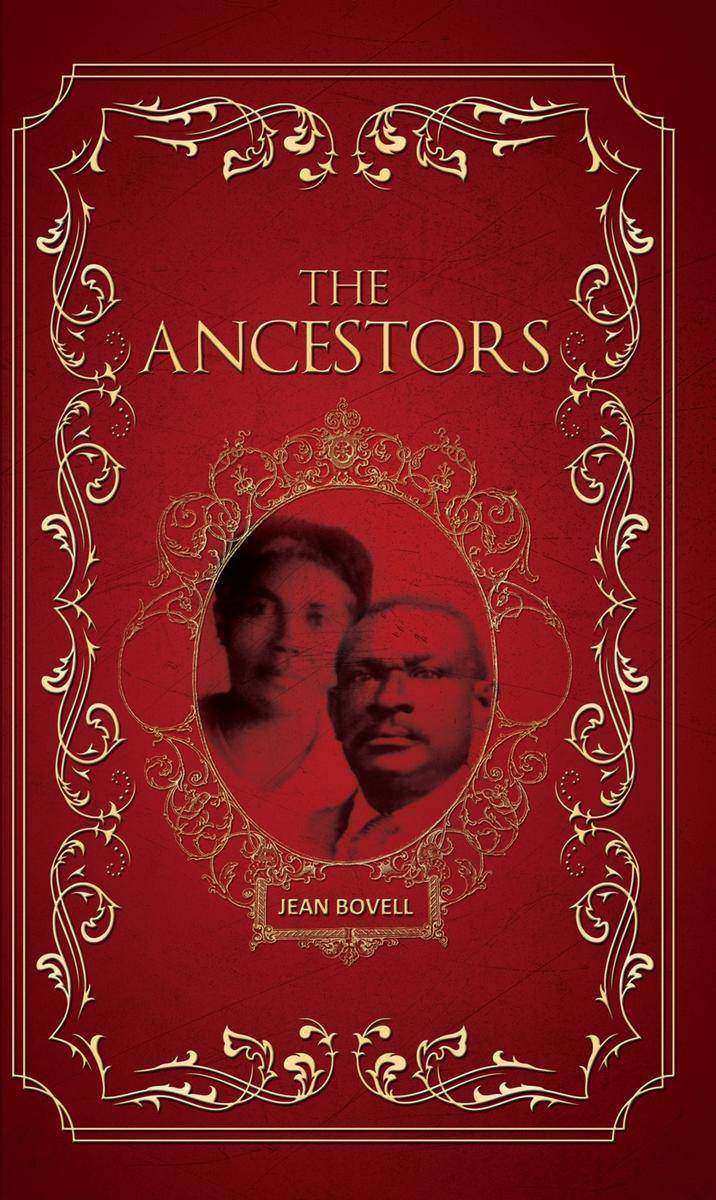
The Ancestors
¥51.91
The Ancestors is the story of three generations of first daughters who were born after the abolition of slavery and possessed egos that were not compliant with the expected and largely accepted subservient role of women within the humble but chauvinistic environment in which they lived. The spirit of the era is captured as the biopic depicts simple sub-cultural lifestyles with fixed superstitions, parallel belief in God and the occult and unique language. Life experiences are stmpathetically and humorously echoed during separate journeys of survival and eventual triumph.

叶秀山全集·第十二卷
¥52.00
【内容简介】 本丛书分类结集叶秀山先生全部已经出版的专著,在学术期刊上发表的所有论文,以及部分笔记、札记、书信和讲演录,共12卷,代表了当代中国哲学的高度,是哲学专业学习者和研究者的重要学习和参考用书。第十二卷是对作者散文随笔的补遗。
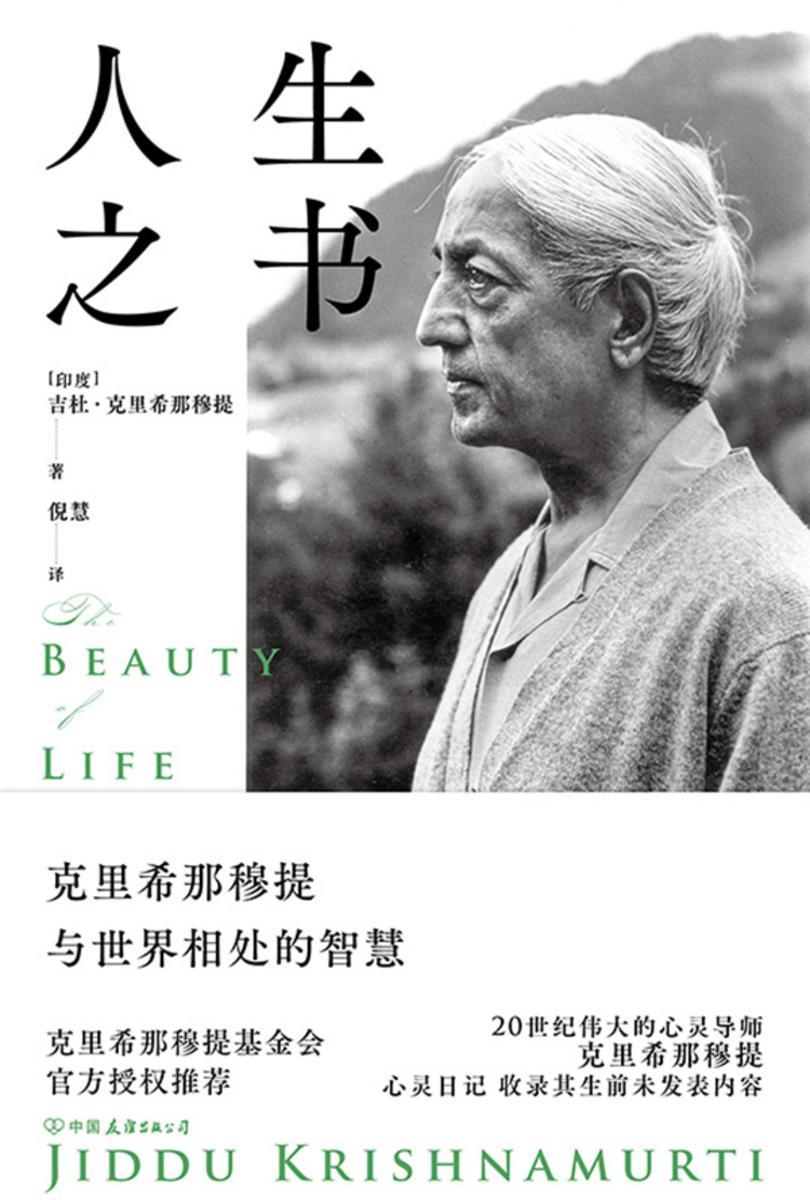
人生之书
¥52.00
这是一本心灵之书,也是一本生命之书。本书是印度著名精神导师吉杜·克里希那穆提的珍贵遗作。克里希那穆提被誉为“历史上旅行zui多、晤面人数zui多的世界导师”。不同于以往其出版的演讲集,这本书首次收录了其1973年至1981年间未发表过的个人随笔,在这八年间,已是耄耋之年的克氏仍奔走于世界各地,相较于早年,他更专注于对生命与自我的深度探索。这本书正是他那段时期游历世界所写下的随笔日记,凝聚了克氏晚年对人生与生活的透彻思考。每篇随笔从群山、流水、丛林甚至日常建筑出发,以真诚而平实的笔触,引导读者回归自然、回归内心,开启一场与自我深刻对话的心灵旅程。 克氏始终反对说教,鼓励人们从感受事物本质出发,直面生活困惑。这些文字没有生硬理论,也没有空洞激励,而是如清泉般流淌,在喧嚣日常中为读者辟出一片宁静自省的空间。跟随克氏的笔触,你将学会重新审视自我与周围世界,逐渐放下焦虑、摆脱无谓烦恼,真正学会感受生活、感知自然,并在与自己的对话中找到内在的安定与力量。

黑噪音、白噪音与幽灵之声
¥52.00
《黑噪音、白噪音与幽灵之声》是姜宇辉老师多年声音研究的哲学文选。包含了“绘画与声音”“声音与意义”“节奏”“想象理性”等多个主题的讨论,为当代国内的声音哲学研究发出了一个强有力的号召。声音是按捺不住的,它如实表达,而声音对于周遭并未言明的东西,将由学者对声音事实的谨慎表达作为值得依凭的补充。
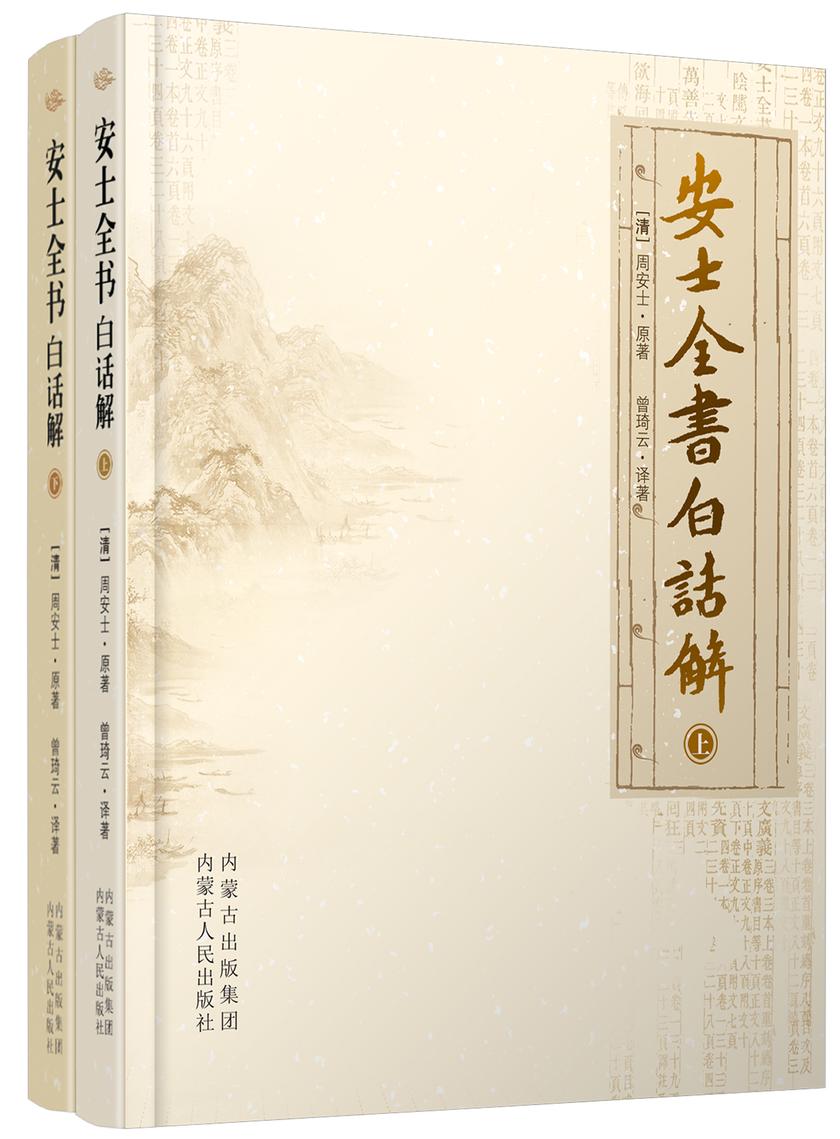
安士全书白话解(上下)
¥52.00
《安士全书》为清朝周安士先生所著,包括“文昌帝君阴骘文广义节录”、“万圣先资”、“欲海回狂”、“西归直指”四部,在佛教界被认为准佛经。被誉为中国佛教净土宗十三祖的民国高僧印光法师称之为“善世奇书”并将其列他在苏州弘化社常备流通书籍。 本书以佛教思想为主线,汇集了许多历史故事,深刻地诠释了中圈儒释道三教文化,融知识性、趣味性、哲理性为一体,雅俗共赏,启迪智慧,有益于劝人为善、济世救人、净化心灵、消除烦恼、大彻大悟。 原书全部为古文,已不便今人阅读。经曾琦云先生今译并注释,本书得以出版,得到了当代佛教界权威人士的关心和支持。中国佛教协会会长传印法师曾亲为本书作序;中国佛教文化研究所已故所长吴立民教授为本书题写书名;全国政协委员、中国佛教协会已故副会长周绍良先生为本书题词。
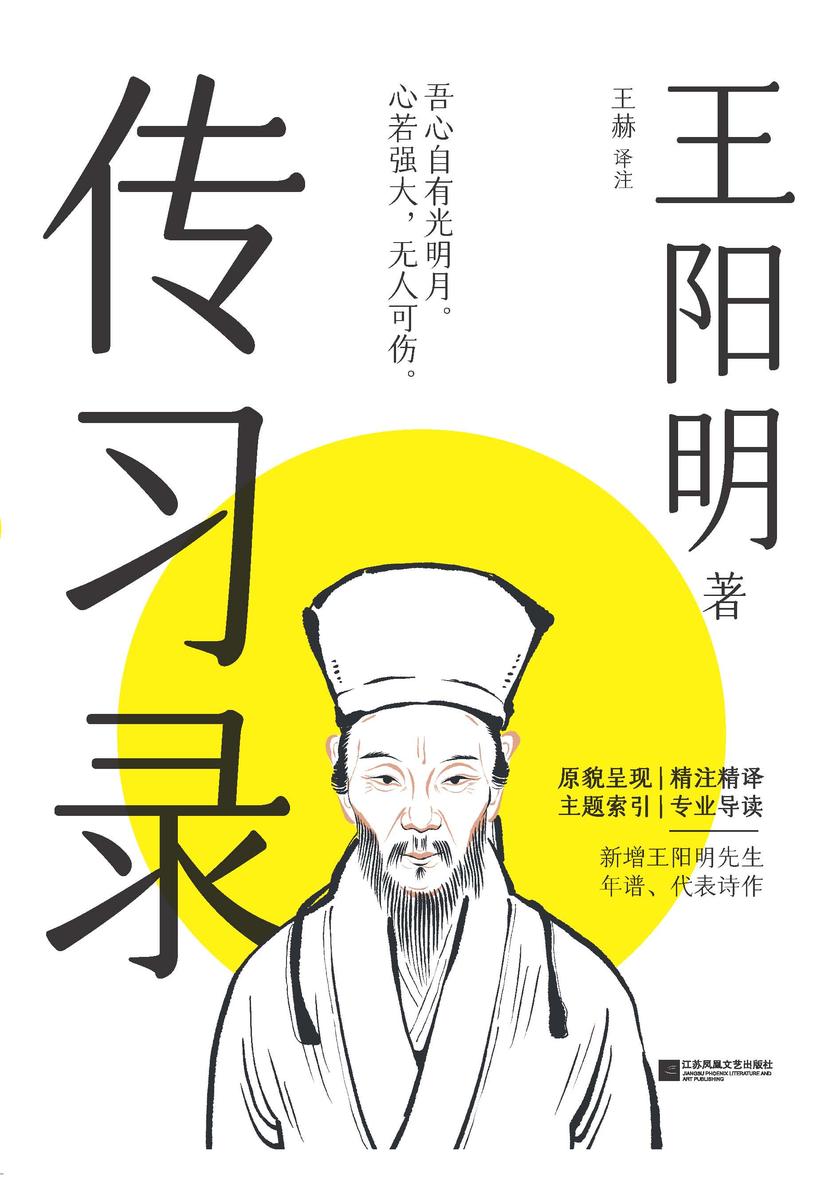
传习录(2024)
¥52.00
《传习录》是王阳明的论学语录和书信集,通俗且集中体现了阳明心学的核心观,是了解阳明心学的门bd书。本书以明代最精良的权威版本为底本,在此基础上由专业学者精心制作了白话翻译和字词典故注释,译文简明通俗、准确深刻,符合当代读者的阅读口味和习惯。与市面版本相比,此本新增王阳明思想主题阅读索引、王阳明心学核心诗词、王阳明年谱,以及长达万字的导言。全方面展现王阳明的核心思想:心即理、知行合一、致良知、万物一体。经典之作,底本权威,注释精当,简明通俗,是王阳明粉丝和国学爱好者的优质读本。
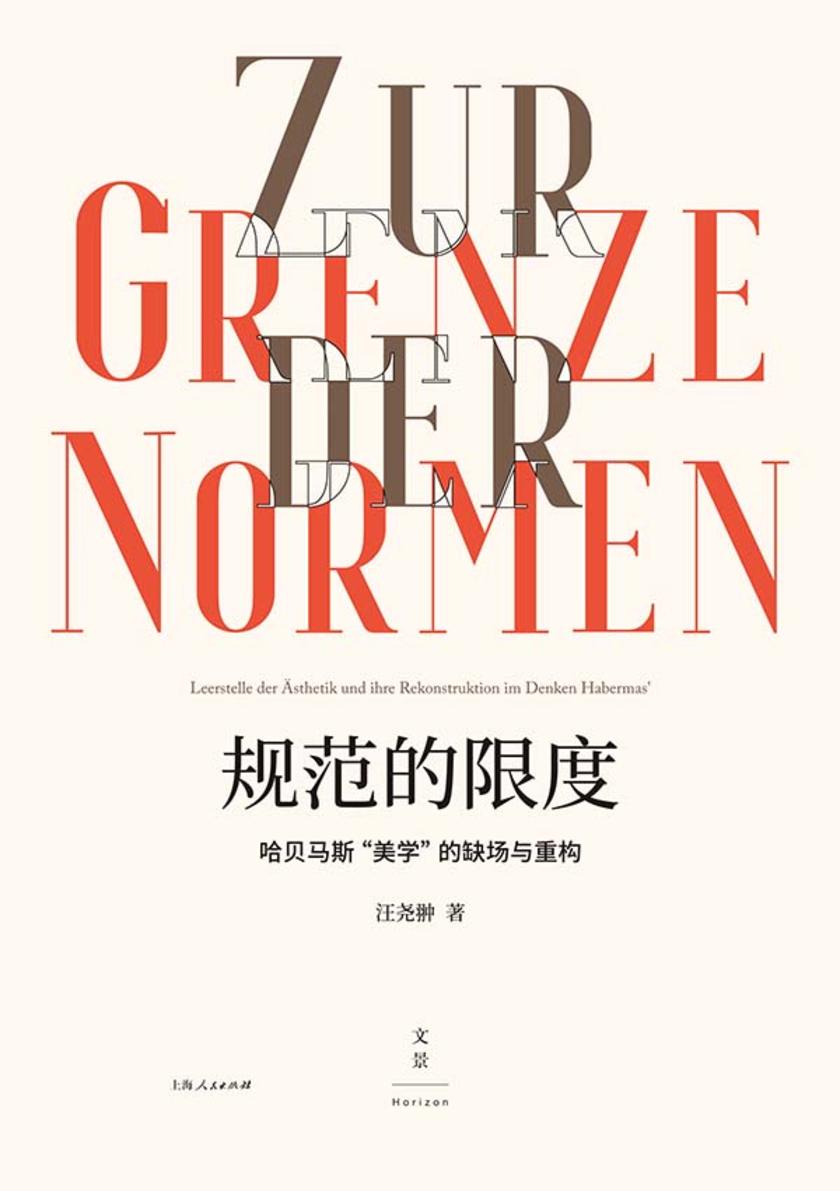
规范的限度:哈贝马斯“美学”的缺场与重构(增订版)
¥52.00
《规范的限度》旨在探讨哈贝马斯思想体系中“美学”缺场的原因。哈贝马斯倡导“范式转型”,认为社会规范的基础不再依赖于主体对内在意识活动的设定,而取决于社会层面上以交往为取向的符号互动,从而决定了批判理论的哲学基础从意识哲学转向语言分析哲学。哈贝马斯旨在从符号互动的主体间性视野重新阐明认知及道德领域的知识根据,审美领域由此不再占据主导地位,但作为现代性分化不可或缺的维度之一,其规范问题仍亟待解决。“美学”问题涉及“范式转型”的合理性,尤其涉及批判理论当代发展与观念论传统的亲缘性与当代论争。除此之外,本书还综合上述思想史视野,试图将哈贝马斯关于“美学”的思想重构为一门旨在处理艺术现象诸维度之规范的“艺术理论”,部分地回应了批判理论当代发展中美学/艺术理论的日渐式微。
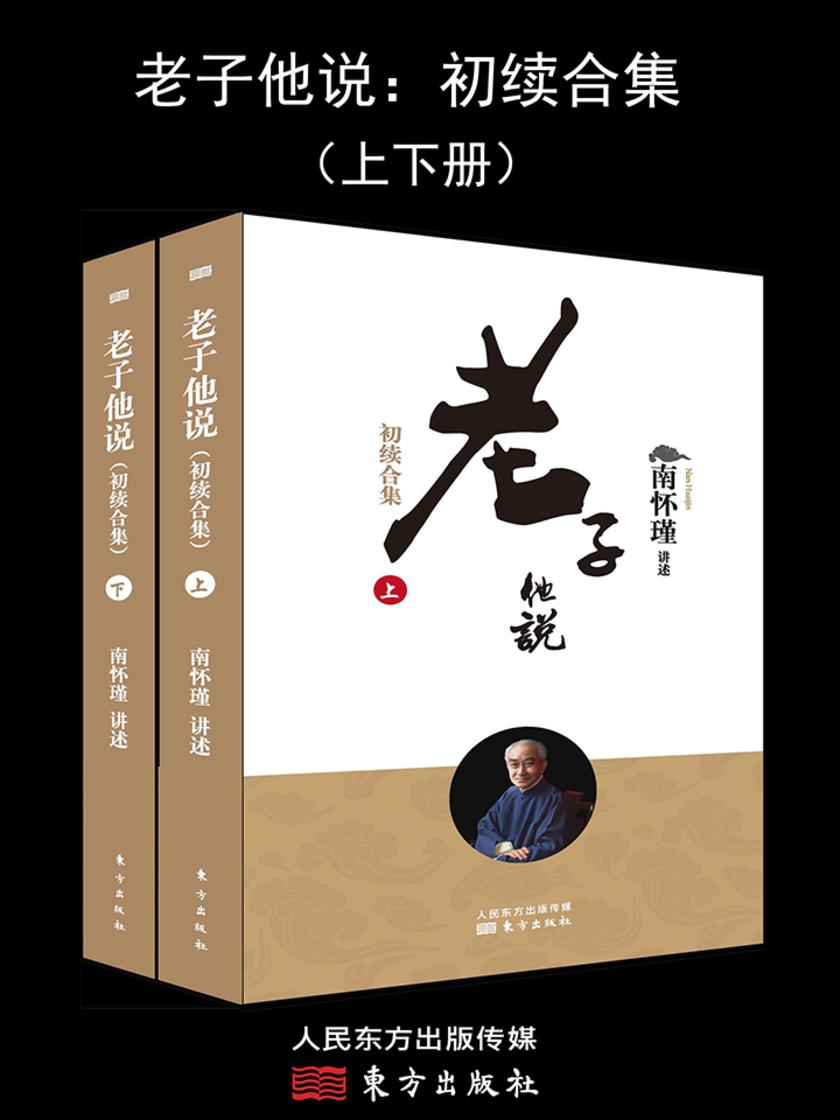
老子他说初续合集
¥52.32
《老子》又名《道德经》,由前三十七章《道经》和后四十四章《德经》组成,共五千余言,相传是先秦时期老子所著,是道家的主要经典。它率先提出了“道”这一的哲学概念,且含有丰富的辩证法思想,是中国古代思想的重要遗产,对中国的哲学、政治、文化等均产生了深远影响。 两千多年来,古今中外的众多学者或尊重原意,或借题发挥,对《老子》作了七百余种解说。本书续《老子他说》,对《老子》二十七章到八十一章行了南怀瑾式的独特解读和评说,经史相参,以经注经,将《老子》上、下经的篇章相互对照,以“知人论世”的思想为指导,融汇儒、释、道三家之学,旁征博引,深浅出,指出《老子》并非仅是权术谋略之书,而是包含深刻的政治道德、政治哲学、军事哲学和历史哲学,其中所论人情事理皆在阐发因果律;以《老子》为基础的道家文化是影响中国历史和中国文化的首要因素;等等,揭示出老子思想的真正内涵,为读者展示了一个别样的老子——一个真实生动、满怀忧国忧民之念的老人和智者。


