


 购物车
购物车 个人中心
个人中心

Nyolcvan nap alatt a F?ld k?rül
¥8.67
Emlékezetes nyaralásnak indult. De szerepelt a tervek k?z?tt alkalmi románc is? May, Lara és Clare a legjobb barátn?k, akik elkeseredetten vágynak egy kis kikapcsolódásra. A k?zelmúltban mindhárman nehéz id?szakon mentek keresztül, és igazán nagy szükségük van a leveg?változásra. Tíz napra foglalnak szállást egy luxusszállóban, ám amikor megérkeznek, rád?bbennek, hogy egészen máshol k?t?ttek ki, mint gondolták. Rossz faluba tévedtek... Ren Dullemben semmi sem az, aminek látszik. A bájos macskak? és a képeslapra ill? házikók k?zt rejtélyes titok lappang, melyet a falusiak hosszú évek óta ?riznek. Miért olyan barátságtalan és gyanakvó mindenki? Miért viselkedik olyan gorombán a nyaralóház tulajdonosa? ?s miért él olyan kevés n? a faluban? A kül?n?s légk?r ellenére a három barátn? úgy d?nt, hogy kihozza a helyzetb?l a lehet? legt?bbet. De valóban ilyen pihenésre volt szükségük? Vagy ez a furcsa kis falu és a sok titok életre szóló d?ntésekre kényszeríti ?ket?
Jeanne d'Arc
¥8.67
Tudod, mi az a klottgatya? Múlt századi tornanadrág. ?s tudod, ki az a Klott Gatya? Nagydarab, sz?r?s szív? tesitanár, a Békés Utcai ?ltalános Iskolában. ?rülhetsz, ha még nem volt hozzá szerencséd! Vagyis inkább szerencsétlenséged. Bezzeg szegény ?t?dik dések! Nekik szeptemberben pont Klott tanár úr lett az osztályf?n?kük. Szerinted sikerült ?t kiutálniuk a Békésb?l, vagy inkább békét k?tnek az ország legfélelmetesebb pedagógusával? ?Bosnyák Viktória megint egy olyan igazi beleél?s, szórakoztató regényt írt...” – Nógrádi Gábor
A gavallérok
¥8.67
Paprika Jancsi és Vitéz László azon mesterkedik, hogy fül?n csípje Torzonborzot, aki ellopta Nagymama kül?nleges kávédarálóját. ?m szerencsétlenségükre ?k maguk kerülnek a hétt?r?s rabló és varázsló barátja, a gonosz Petróniusz Pókuszhókusz karmai k?zé... A világhír? német gyerekk?nyvszerz?, Otfried Preu?ler t?rténete generációk kedvence. T?bb mint harminc nyelven olvasható – most végre magyarul is. A Kolibri Klasszikusok sorozat els? darabját Torzonborz további kalandjai és a szerz? kiváló meseregényei k?vetik.
A Noszty fiú esete Tóth Marival
¥8.67
Megsz?k?tt a dutyiból Torzonborz, a rabló! Ráadásul Nagymamát is elrabolta! Ez a fordulat ?szintén megd?bbenti Paprika Jancsit, Vitéz Lászlót és ?st?llési f?t?rzs?rmestert is. De vajon mihez kezdjenek? Azt remélik, hogy Háy asszonyság, a városka jósn?je segít nekik, hogy újra együtt lehessenek Nagymamával...
Pride and Prejudice
¥8.67
Meddig él velünk a kommunista diktatúra emléke? ?s mit kezdjünk vele, ha már nem tudjuk elfelejteni? – így fogalmazhatók meg r?viden Kukorelly Endre Rom cím? k?nyvének alapkérdései. Pontosabb volna egyes szám els? személyben kérdezni, hiszen a k?nyv mindvégig így és innen beszél k?z?s t?rténetünkr?l: már ezzel elhárítva a hamis k?z?sségiség mítoszait és nyomasztó beszédmódjait. Ironikusan, ?nironikusan rákérdez arra, amit ma a térség legszívesebben elfelejtene, illetve amir?l kínzóan ostoba ?nigazoló t?rténeteket gyárt. Kukorelly Endre kikezdi ezt a fárasztó, ?nigazoló retorikát, ám a k?nyv beszél?je nem áltatja az olvasót, hogy ? kívülálló lenne, aki már akkor is átlátott a szitán. Nem, csak éppen meg?rizte ízlését és humorát, ami talán elég ahhoz, hogy hitelesen beszélhessen az ízléstelenség és kedélytelenség világáról. Ami nem csak a múlt.?

Vízkereszt vagy amit akartok
¥8.67
A n?i szexualitás és a n?k saját testéhez való viszonyában kulcselem a bizonytalanság. Sosem tudhatom igazán, hogy éppen mi t?rténik bennem. A bizonytalanságból pedig egyfajta szorongás fakad: ha nem hiszek magamban, nem hiszek a testemben, akkor máshol kell keresnem a biztonságérzetet. De nincs is abban semmi meglep?, hogy nem tanulunk meg ??nállóan” viszonyulni a testünkh?z, hiszen a mindennapi élet szintjén születésünk pillanatától kezdve kül?nb?z? társadalmi intézmények gyakorolják a kontrollt a testünk felett. El?sz?r el kell sajátítanunk, mi mindent kezdhetünk a testünkkel, ha megsz?nnek az azt uraló autoritások. Azonban ez meglehet?sen bonyolult. Hiszen nem tudjuk magunkat egy csapásra függetleníteni a társadalomtól és annak intézményeit?l – az orvoslástól, a pszichológiától, a pedagógiától, a médiától – a világtól, amelyben élünk. Nem beszélve arról, hogy a szex testi vonatkozásai mellett jogos igényként merül fel bennünk az intimitás, a szerelem vagy épp az elfogadás vágya. A menstruáció, az orgazmus, a várandósság, a szülés, a gyermekágy, a szoptatás vagy a menopauza látszólag biológiai t?rténései éppúgy hatással vannak az ?nértékelésünkre, párkapcsolatunkra, mint a családi életünkre. Ráadásul a fejünkben mítoszok élnek arról, hogy mi a normális. Ahelyett, hogy a saját vágyainkat, ?r?münket, intimitásunkat élnék meg, vélt vagy valós elvárásoknak próbálunk megfelelni. Pedig a szexben nincs jó vagy rossz. Ez a k?nyv is ebben a szellemben íródott, n?k ezerféle arcát szeretné megmutatni. Mester Dóra Djamila N?, anya, szeret?, amat?r fotós, k?zgazdász, hobbikertész, társadalomkutató és szexedukátor. Egy ?szex-pozitív” misszió aktivistája. K?zépiskolákban, diákotthonokban kamaszokkal beszélget szexr?l, szerelemr?l; személyes konzultációkat tart, rádióm?sort vezet, ír és beszélget, ahol csak lehet. Ahogy magáról állítja, ?hangosan gondolkodik a szexr?l”, és minden lehetséges fórumon kísérletezik egy nyitott, el?ítélet-mentes és alapvet?en pozitív szexbeszéd megteremtésével.
Robinson Crusoe
¥8.67
Azt mondják, egy zuhanó gépen nincs ateista. Azt hiszem, k?rül?ttem is mindenki a maga istenét szólongatta. Már a bal szárnyból is sivító hang hallatszott. Lehet, hogy ezek életem utolsó percei? A bosnyák asszony megragadta a karomat. – Nem akarok meghalni – suttogta. – Még én sem – mondtam neki, és mosolyt er?ltettem az arcomra. – ?gy terveztem, hogy nyolcvannyolc évig élek. Hátrad?ltem az ülésen, és nagy leveg?t vettem. Az élettel nem voltam valami nagy virtuóz, nézzük, mit tudok kezdeni a halállal! Figyeltem a saját félelmemet, ahogy j?tt és ment, ha beszívtam és kifújtam a leveg?t, úgy, ahogy a guru tanította. Talán abnormálisan hangzik, de kezdtem magam jól érezni. Mindig kíváncsi voltam, milyen lesz, hát tessék. Most megtudom. Pedig eszemben sem volt Indiába menni, eszemben sem volt megint a megfoghatatlannal kerget?zni, nem kerestem misztikus kalandot. Az utóbbi id?ben folyton úton voltam – pihenni akartam kicsit. A városnév csak egy cím volt a naptáramban, nem készültem bel?le. Arepül?útra tartogattam az útik?nyvet, de elaludtam. Halvány fogalmam sem volt, hogy ahová tartok, a világ egyik leghíresebb spirituális helye, ahová a f?ldgolyó minden pontjáról zarándokolnak emberek, és sokan haza sem mennek t?bbé. Fogva tartja ?ket egy ismeretlen er?, amelyszétdúl mindent, mint a rossz gyerek a homokvárat, ?sszet?r és porrá morzsol, hogy aztán a masszából gyúrjon valami újat, ami sokkal er?sebb lesz, mint amilyen el?tte volt.

Amerika
¥8.67
Az Egy t?r?tt orr balladája arról szól, hogy üssünk és hogy ne üssünk. ?s hogy mi a helyzet akkor, ha az ember csak úgy tud énekelni, amikor senki más nem hallja. De leginkább mégiscsak Bartról szól, aki szerint az élet attól egy cseppet sem lesz jobb, ha negatívak vagyunk. Megismerjük a titoktartásra képtelen Adával és Geirrel, aki mindig olyan furcsán áll. Az olyan fontos napok históriája ez a k?nyv, amelyeken egyszerre t?rténik minden, és semmi sem t?bbé lesz olyan, mint azel?tt volt. Amelyeken egyszerre érezzük magunkat boldognak és egy kissé szomorúnak. Ahogy ez a k?nyv is megnevetett, mik?zben néha elszorítja a torkodat. A szerz?r?l: 1967-ben szuletett Norvégiában, Oslóban. ?jságíró, író. Gyermek- és ifjúsági irodalom kategóriában Norvégia egyik legolvasottabb szerz?je. Kul?nb?z? m?fajokkal kísérletezik. ?r riportk?nyvet, regényt és filmforgatók?nyveket is. T?bb írását megfilmesítették. Járja Norvégia iskoláit, rendhagyó irodalomórákon saját m?vei mellett a világirodalmat is népszer?síti. Célja, hogy ne csak a lányok olvassanak, hanem a fiúk is. Mégpedig értékes irodalmi m?veket. Egy sor irodalmi elismerés tulajdonosa. 2012-ben jel?lték a Brage-díjra, amit 2005-ben egyszer már megkapott.

日语达人秀·留学口语
¥8.72
怎样才能使日语学习变得简单而又轻松呢?《日语达人秀》系列图书的出版恰逢其时,它能让你梦想成真!快和“杯具”日语说拜拜吧,去书中看看,魔法日语书让你快速变身“日语达人”!
Complete Works Of Edgar Allan Poe: The New Raven Edition
¥8.75
This volume collects the complete works of Edgar Allan Poe (Wikipedia). It started out as a restructuring and reformatting of the 1903 “Raven Edition” of his works—and then it grew.I have rearranged the texts according to genres in the order of first publications (though still using the later revised versions). I added all the stories, poems, essays, and some miscellanea that were missing in the “Raven Edition”. Thus, you’ll find in this collection: THE TALESMetzengerstein, The Duc de L’Omelette, A Tale of Jerusalem, Loss of Breath, Bon-Bon, Ms. Found in a Bottle, The Assignation, Berenice, Morella, Lionizing, The Unparalleled Adventures of One Hans Pfaal, King Pest, Shadow—A Parable, Four Beasts in One—The Homo-Cameleopard, Mystification, Silence—A Fable, Ligeia, How to Write a Blackwood Article, A Predicament, The Devil in the Belfry, The Man that Was Used Up, The Fall of the House of Usher, William Wilson, The Conversation of Eiros and Charmion, Why the Little Frenchman Wears his Hand in a Sling, The Business Man, The Man of the Crowd, The Murders in the Rue Morgue, A Descent into the Maelstr?m, The Island of the Fay, The Colloquy of Monos and Una, Never Bet the Devil Your Head, Eleonora, Three Sundays in a Week, The Oval Portrait, The Masque of the Red Death, The Landscape Garden, The Mystery of Marie Rogêt, The Pit and the Pendulum, The Tell-Tale Heart, The Gold-Bug, The Black Cat, Diddling, The Spectacles, A Tale of the Ragged Mountains, The Premature Burial, Mesmeric Revelation, The Oblong Box, The Angel of the Odd, Thou Art the Man, The Literary Life of Thingum Bob, Esq, The Purloined Letter, The Thousand-and-Second Tale of Scheherazade, Some Words with a Mummy, The Power of Words, The Imp of the Perverse, The System of Doctor Tarr and Professor Fether, The Facts in the Case of M. Valdemar, The Sphinx, The Cask of Amontillado, The Domain of Arnheim, Mellonta Tauta, Hop-Frog, Von Kempelen and his Discovery, X-ing a Paragrab, Landor’s Cottage.THE POEMSPoetry, O, Tempora! O, Mores!, Tamerlane, Song, Dreams, Spirits of the Dead, Evening Star, Imitation, Stanzas, A Dream, The Happiest Day, The Lake —— to ——, To Margaret, Alone, Sonnet—to Science, Al Aaraaf, Romance, To ——, To the River——, To M——, Fairy-Land, To Isaac Lea, An Acrostic, Elizabeth, To Helen, Israfel, The City in the Sea, The Sleeper, A P?an, The Valley of Unrest, Enigma, Fanny, The Coliseum, Serenade, To One in Paradise, Hymn, May Queen Ode, Spiritual Song, Latin Hymn, Bridal Ballad, To Zante, The Haunted Palace, Silence, Lines On Joe Locke, The Conqueror Worm, Lenore, A Campaign Song, Dream-Land, Impromptu. To Kate Carol, To F——, Eulalie, Epigram for Wall Street, The Raven, The Divine Right of Kings, To Frances S. Osgood, A Valentine, Beloved Physician, Deep in Earth, To Marie Louise (Shew), Ulalume, Lines on Ale, To Marie Louise (Shew), An Enigma, To Helen, A Dream within a Dream, Eldorado, For Annie, To My Mother, Annabel Lee, The Bells.THE NOVELSNarrative of A. Gordon Pym, The Journal of Julius Rodman.THE ESSAYSPal?stine, Maelzel’s Chess-Player, Letter to B——, American Novel-Writing, The Capitol at Washington, Instinct vs Reason—A Black Cat, The Philosophy of Furniture, Morning on the Wissahiccon, Some Account of Stonehenge, The Giant’s Dance, A Druidical Ruin in England, A Few Words on Secret Writing, Exordium, Harper’s Ferry, The Balloon-Hoax, Byron and Miss Chaworth, Pay of American Authors, Some Secrets of the Magazine Prison-House, Anastatic Printing, Street-Paving, American Poetry, The Philosophy of Composition, A Few Words on Etiquette, Eureka: A Prose Poem, The Rationale of Verse, The Poetic Principle.THE MISCELLANEAAutography, Pinakidia, Literary Small Talk, Intemperance, A Chapter on Science and Art, Cabs, Omniana, Prospectus of The Penn Magazine, Autobiographical Note, A Chapter on Autography, Prospectus of The Stylus, Souvenirs of Youth, The Head of St. John The Baptist, Doings of Gotham, A Moving Chapter, Desultory Notes on Cats, A Chapter of Suggestions, Marginalia, The Literati, Mr. Poe’s Reply to Mr. English and Others, Fifty Suggestions, Preface to “Tamerlane And Minor Poems,” Prologue to “The Folio Club”, Prefaces and Introduction to “The Conchologist’s First Book,” Preface to “Tales of the Grotesque and Arabesque,” Preface to “The Raven and Other Poems.”THE PLAYPolitian.THE CRITICISMThe Complete Works of Edgar Allan Poe, vols. 8-13, ed. by James A. Harrison, Thomas Y. Crowell & Company 1902.THE LETTERSThe Letters of Edgar Allan Poe, 2nd edition, 2 vols., ed. by J. W. Ostrom, The Gordian Press 1966.
Think And Grow Rich
¥8.75
Think and Grow Rich' is the world's most widely acclaimed motivational book on success ever published. It became the must-have bible of prosperity and success for millions of readers since its initial publication in 1937. Napoleon Hill, America's most beloved motivational author, devoted 25 years to finding out how the wealthy became that way. After interviewing over 500 of the most affluent men and women of his time, he uncovered the secret to great wealth. By understanding and applying the thirteen simple steps that constitute Hill's formula, you can achieve your goals, change your life and join the ranks of the rich and successful. This book has changed countless lives and it can change yours!
The Great Gatsby
¥8.75
In 1922, F. Scott Fitzgerald announced his decision to write "something new--something extraordinary and beautiful and simple + intricately patterned." That extraordinary, beautiful, intricately patterned, and above all, simple novel became The Great Gatsby, arguably Fitzgerald's finest work and certainly the book for which he is best known. A portrait of the Jazz Age in all of its decadence and excess, Gatsby captured the spirit of the author's generation and earned itself a permanent place in American mythology. Self-made, self-invented millionaire Jay Gatsby embodies some of Fitzgerald's--and his country's--most abiding obsessions: money, ambition, greed, and the promise of new beginnings. "Gatsby believed in the green light, the orgiastic future that year by year recedes before us. It eluded us then, but that's no matter--tomorrow we will run faster, stretch out our arms farther.... And one fine morning--" Gatsby's rise to glory and eventual fall from grace becomes a kind of cautionary tale about the American Dream. It's also a love story, of sorts, the narrative of Gatsby's quixotic passion for Daisy Buchanan. The pair meet five years before the novel begins, when Daisy is a legendary young Louisville beauty and Gatsby an impoverished officer. They fall in love, but while Gatsby serves overseas, Daisy marries the brutal, bullying, but extremely rich Tom Buchanan. After the war, Gatsby devotes himself blindly to the pursuit of wealth by whatever means--and to the pursuit of Daisy, which amounts to the same thing. "Her voice is full of money," Gatsby says admiringly, in one of the novel's more famous descriptions. His millions made, Gatsby buys a mansion across Long Island Sound from Daisy's patrician East Egg address, throws lavish parties, and waits for her to appear. When she does, events unfold with all the tragic inevitability of a Greek drama, with detached, cynical neighbor Nick Carraway acting as chorus throughout. Spare, elegantly plotted, and written in crystalline prose, The Great Gatsby is as perfectly satisfying as the best kind of poem.
To the Lighthouse
¥8.75
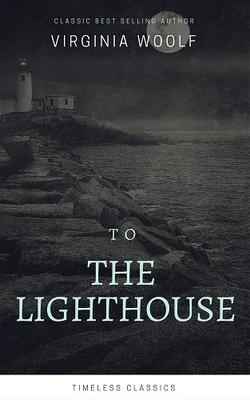
To the Lighthouse (5 May 1927) is a novel by Virginia Woolf. A landmark novel of high modernism, the text, centering on the Ramsay family and their visits to the Isle of Skye in Scotland between 1910 and 1920, skillfully manipulates temporality and psychological exploration. To the Lighthouse follows and extends the tradition of modernist novelists like Marcel Proust and James Joyce, where the plot is secondary to philosophical introspection, and the prose can be winding and hard to follow. The novel includes little dialogue and almost no action; most of it is written as thoughts and observations. The novel recalls the power of childhood emotions and highlights the impermanence of adult relationships. One of the book's several themes is the ubiquity of transience.
从零开始学西班牙语,“袋”着走
¥8.79
《从零开始学西班牙语,“袋”着走》不仅封面大方美观,内容更是丰富多彩。从基础的西班牙语字母和发音规则入门,到日常生活、交流表达、当地生活、求学职场、文化概况等,几乎涵盖了所有你能想到的,以及你若是有机会去西班牙语国家旅游生活或是工作能够用到的各个方面。衷心希望本书不仅能使初学者对西班牙语有一定的了解及掌握,更是今后继续学习深造的良好基础。学习地道西班牙语,就可以随时随地看这本书——《从零开始学西班牙语,“袋”着走》。
Man-Size in Marble
¥8.82
When a young pair of newlyweds settle down into a small cottage in a quiet village, they look forward to a pleasant, pastoral life of domestic bliss. The husband, a practical man, dismisses the superstitious maid's tale of an ancient curse about the local church's marble statues who come to life each year on All Saint's Eve to wreak revenge. But then, on the fateful night, he discovers that the stone slabs on which the knights rest are empty. Is his young bride in peril?
John Charrington’s Wedding
¥8.82
The story's title character is a man who somehow always seems to get what he wants. John makes up his mind to marry May Forster, the prettiest young woman in the village. After John asks her to marry him several times, May finally agrees. John says that his love for May is so great that he would come back from the dead if that was what she wanted him to do. Two days before his wedding, John leaves to visit his seriously ill godfather. May begs him not to go because she has a feeling that something bad will happen. John reassures her that nothing will prevent him from arriving at his wedding on time
Don Quijote
¥8.82
"Don Quijote de la Mancha" es una novela escrita por el espa?ol Miguel de Cervantes Saavedra. Publicada su primera parte con el título de "El ingenioso hidalgo don Quijote de la Mancha" a comienzos de 1605, es la obra más destacada de la literatura espa?ola y universal, además de ser la más publicada y traducida de la historia después de la Biblia. Su segunda parte apareció en 1615 con el título de "El ingenioso caballero don Quijote de la Mancha". Es la primera obra genuinamente desmitificadora de la tradición caballeresca y cortés por su tratamiento burlesco. Representa la primera novela moderna y la primera polifónica; como tal, ejerció un enorme influjo en toda la narrativa europea. Miguel de Cervantes Saavedra (Alcalá de Henares, 29 de septiembre de 1547 - Madrid, 22 de abril de 1616) fue un soldado, novelista, poeta y dramaturgo espa?ol. Es considerado la máxima figura de la literatura espa?ola y es universalmente conocido por haber escrito "Don Quijote de la Mancha".
El saludo de las brujas
¥8.82
Un amor apasionado que se vuelve imposible. La historia de un príncipe que no amaba a su esposa la cual termina yéndose con un plebeyo. Las calles de París están en esta novela invadidas de intrigas, conspiraciones e ambiciones...
Wildfire: Special Edition
¥8.82
Horse hunter Lin Sloan never wanted anything more than the wild stallion he called Wildfire. Lucy Bostil found the horse and the unconscious man who had roped him. She saved both their lives and took Sloan's heart in the process. Now another man wants Lucy and the horse--and will stop at nothing short of killing to get them.
The Young Pitcher
¥8.82
High school senior Ken Ward is on top of the world--he's popular, a somebody. But as a freshman at Wayne University, Ken quickly discovers he's a nobody who's treated like dirt by upperclassmen. When Ken can't stand the harassment anymore, he bursts out of his gloom by slugging a sophomore bully--who turns out to be captain of the varsity baseball team. It looks as if Ken's dream of making that team has gone down the drain... until in a moment of wild excitement he proves himself with, of all things, a potato! And Ken keeps on proving himself until the last out of a heart-pounding league championship game.
The Young Forester
¥8.82
Think the Old West was nothing but outlaws and cowboys? Think again. Follow the death-defying adventures of a forest fireman, one of the many brave souls who laid his own safety on the line to make the wild terrain of the region safe and inhabitable.


