


 购物车
购物车 个人中心
个人中心
The Quest of Iranon
¥9.00
"The Quest of Iranon" is a short story by H. P. Lovecraft. It was written on February 28, 1921, and was first published in the July/August 1935 issue of the magazine Galleon. The story is about a golden-haired youth who wanders into the city of Teloth, telling tales of the great city of Aira, where he was prince. While Iranon enjoys singing and telling his tales of wonder, few appreciate it. When a disenfranchised boy named Romnod suggests leaving Teloth to go to the famed city of Oonai (which he thinks may be Aira, now under a different name), Iranon takes him up on his offer.
Pickman's Model
¥9.00
"Pickman's Model" is a short story by H. P. Lovecraft, written in September 1926 and first published in the October 1927 issue of Weird Tales. The story revolves around a Bostonian painter named Richard Upton Pickman who creates horrifying images. His works are brilliantly executed, but so graphic that they result in his membership in the Boston Art Club being revoked and himself shunned by his fellow artists.
Henry IV (Complete Plays)
¥9.00
Henry IV, Part 1 is a history play by William Shakespeare, believed to have been written no later than 1597. It is the second of Shakespeare's tetralogy that deals with the successive reigns of Richard II, Henry IV (2 plays), and Henry V. Henry IV, Part 1 depicts a span of history that begins with Hotspur's battle at Homildon against the Douglas late in 1402 and ends with the defeat of the rebels at Shrewsbury in the middle of 1403. From the start it has been an extremely popular play both with the public and the critics. Henry IV, Part 2 is a history play by William Shakespeare, believed written between 1596 and 1599. It is the third part of a tetralogy, preceded by Richard II and Henry IV, Part 1 and succeeded by Henry V.
Antony and Cleopatra
¥9.00
Antony and Cleopatra is a tragedy by William Shakespeare. It was first printed in the First Folio of 1623. The plot is based on Thomas North's translation of Plutarch's Life of Markus Antonius and follows the relationship between Cleopatra and Mark Antony from the time of the Parthian War to Cleopatra's suicide. The major antagonist is Octavius Caesar, one of Antony's fellow triumvirs and the future first emperor of Rome. The tragedy is a Roman play characterized by swift, panoramic shifts in geographical locations and in registers, alternating between sensual, imaginative Alexandria and the more pragmatic, austere Rome. Many consider the role of Cleopatra in this play one of the most complex female roles in Shakespeare's work. She is frequently vain and histrionic, provoking an audience almost to scorn; at the same time, Shakespeare's efforts invest both her and Antony with tragic grandeur. These contradictory features have led to famously divided critical responses.
Henry VI, Part 1
¥9.00
The First Part of King Henry the Sixth is history play by William Shakespeare, believed written in approximately 1588–1590. It is the first in the cycle of four plays often referred to as "The First Tetralogy".
Richard II
¥9.00
King Richard the Second is a history play by William Shakespeare believed to be written in approximately 1595. It is based on the life of King Richard II of England and is the first part of a tetralogy, referred to by scholars as the Henriad, followed by three plays concerning Richard's successors: Henry IV, part 1, Henry IV, part 2, and Henry V. It may not have been written as a stand-alone work.
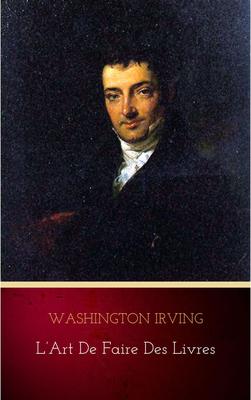
L’Art de faire des livres
¥9.00
Extrait du Livre d'esquisses (The Sketch Book of Geoffrey Crayon, 1819-1820)
Measure for Measure
¥9.00
Measure for Measure is a play by William Shakespeare, believed to have been written in 1603 or 1604. It was originally classified as a comedy, but is now also classified as one of Shakespeare's problem plays. The play deals with the issues of mercy, justice, truth and their relationship to pride and humility: "Some rise by sin, and some by virtue fall"
Winnetou 4
¥9.00
Der Schriftsteller Karl May erh?lt in Radebeul Post aus Amerika und bricht daraufhin mit seiner Frau, dem Herzle, zu seiner letzten Reise dorthin auf. Seinem Blutsbruder Winnetou soll ein Denkmal gesetzt werden. Karl May / Old Shatterhand trifft alte Bekannte, deren Nachwuchs und zahlreiche symbolreiche Handlungstr?ger und kann den Bau des Monumentaldenkmals gerade noch abwenden. Der Band kommt in Gestalt der alten Reiseberichte daher, aber doch ist vieles anders geworden. Die Gewehre hat Old Shatterhand zwar immer noch (oder wieder) dabei, sie werden aber nicht mehr gebraucht und sind auch deshalb fast die ganze Zeit im Gep?ck. Nicht mehr mit der "Schmetterhand" werden die "Feinde" besiegt, sondern h?chstens noch durch List und die Gewalt des Wortes. Ganz im Friedensgedanken seiner Sp?twerke werden am Ende alle "Feindschaften" mit den alten Widersachern des Westens in Freundschaft aufgel?st. Sogar die zum Hauptschurken Santer stellvertretend mit dessen S?hnen.
Twelfth Night, Or What You Will
¥9.00
Twelfth Night, Or What You Will is a comedy by William Shakespeare, based on the short story "Of Apolonius and Silla" by Barnabe Rich. It is named after the Twelfth Night holiday of the Christmas season. It was written around 1601 and first published in the First Folio in 1623. The main title is believed to be an afterthought, created after John Marston premiered a play titled What You Will during the course of the writing.
Venus and Adonis
¥9.00
Venus and Adonis is a poem by William Shakespeare, written in 1592-93, with a plot based on passages from Ovid's Metamorphoses. It is a complex, kaleidoscopic work, using constantly shifting tone and perspective to present contrasting views of the nature of love.
Coriolanus
¥9.00
Coriolanus is a tragedy by William Shakespeare, based on the life of the legendary Roman leader, Gaius Martius Coriolanus.
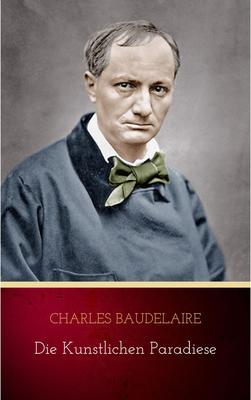
Die künstlichen Paradiese
¥9.00
Die Werke des franz?sischen Dichters Charles Baudelaire (1821-1867) inspirieren bis heute Künstler auf der ganzen Welt. Sein Essay Die künstlichen Paradiese von 1860 ist ein leidenschaftliches Pl?doyer für den Rausch, die F?higkeit und Bereitschaft zum Ausnahmezustand des Geistes und der Sinne.
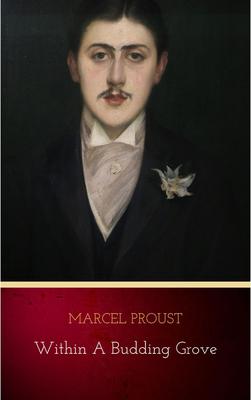
Within a Budding Grove: In Search of Lost Time, Vol. II
¥9.00
First published in 1919, Within a Budding Grove was awarded the Prix Goncourt, bringing the author immediate fame. In this second volume of In Search of Lost Time, the narrator turns from the childhood reminiscences of Swann’s Way to memories of his adolescence. Having gradually become indifferent to Swann’s daughter Gilberte, the narrator visits the seaside resort of Balbec with his grandmother and meets a new object of attention—Albertine, “a girl with brilliant, laughing eyes and plump, matt cheeks.” For this authoritative English-language edition, D. J. Enright has revised the late Terence Kilmartin’s acclaimed reworking of C. K. Scott Moncrieff’s translation to take into account the new definitive French editions of ? la recherché du temps perdu (the final volume of these new editions was published by the Bibliothèque de la Pléiade in 1989).

The Two Vanrevels
¥9.00
One of the most popular novels of the early twentieth century, Booth Tarkington's The Two Vanrevels is a gripping and entertaining romp that effortlessly weaves together many of the elements that define the author's oeuvre, including a passionate love triangle, a case of mistaken identity, and a look at how political and social events can often intrude on the personal sphere.
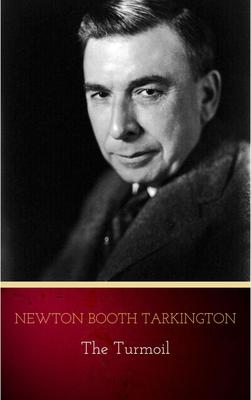
The Turmoil
¥9.00
A familiar midwestern novel in the tradition of Sherwood Anderson and Sinclair Lewis, The Turmoil was the best-selling novel of 1915. It is set in a small, quiet city--never named but closely resembling the author's hometown of Indianapolis--that is quickly being transformed into a bustling, money-making nest of competitors more or less overrun by "the worshippers of Bigness." "There is a midland city in the heart of fair, open country, a dirty and wonderful city nesting dingily in the fog of its own smoke, " begins The Turmoil, the first volume of Pulitzer Prize-winner Booth Tarkington's "Growth" trilogy. A narrative of loss and change, a love story, and a warning about the potential evils of materialism, the book chronicles two midwestern families trying to cope with the onset of industrialization. Tarkington believed that culture could flourish even as the country was increasingly fueled by material progress. The Turmoil, the first great success of his career, tells the intertwined stories of two families: the Sheridans, whose integrity wanes as their wealth increases, and the Vertrees, who remain noble but impoverished. Linked by the romance between a Sheridan son and a Vertrees daughter, the story of the two families provides a dramatic view of what America was like on the verge of a new order. An introduction by Lawrence R. Rodgers places the novel squarely in the social and cultural context of the Progressive Era.
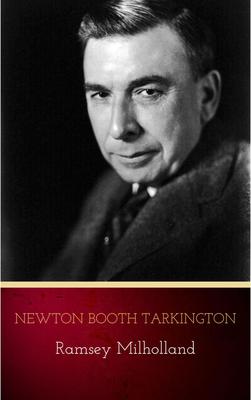
Ramsey Milholland
¥9.00
Newton Booth Tarkington (July 29, 1869 – May 19, 1946) was an American novelist and dramatist best known for his novels The Magnificent Ambersons and Alice Adams. He is one of only three novelists to win the Pulitzer Prize for Fiction more than once, along with William Faulkner and John Updike.
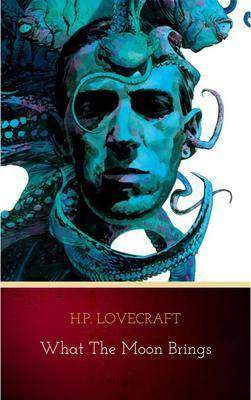
What the Moon Brings
¥9.00
What the Moon Brings is a short story by H.P. Lovecraft, written on June 5, 1922. This story was first published in the National Amateur in May 1923, and based upon a dream. This story is told in the first person; the narrator is never named. The story describes a surreal dreamscape. The narrator wanders through his garden one night and in the moonlight sees strange and bizarre things
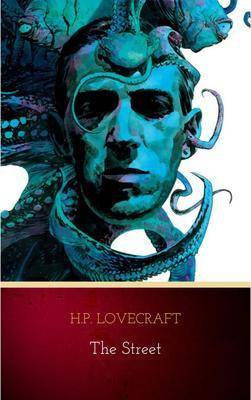
The Street
¥9.00
"The Street" is a short story by American horror fiction writer H. P. Lovecraft, written in late 1919 and first published in the December 1920 issue of the Wolverine amateur journal. The story traces the history of the eponymous street in a New England city, presumably Boston, from its first beginnings as a path in colonial times to a quasi-supernatural occurrence in the years immediately following World War I.
The Flirt
¥9.00
Newton Booth Tarkington (July 29, 1869 – May 19, 1946) was an American novelist and dramatist best known for his novels The Magnificent Ambersons and Alice Adams. He is one of only three novelists to win the Pulitzer Prize for Fiction more than once, along with William Faulkner and John Updike.
Penrod and Sam
¥9.00
Penrod and Sam is a novel by Booth Tarkington that was first published in 1916. The book is the sequel to his 1914 work, Penrod, and focuses more on the relationship between the main character of the previous book, Penrod Schofield, and his best friend, Sam Williams. More of Penrod's adventures appear in the final book of the series Penrod Jashber (1929). The three books were published together in one volume, Penrod: His Complete Story, in 1931.


