


 购物车
 个人中心


The Time Of Women
¥90.03
Life is not easy in the Soviet Union at mid-20 th century, especially for a factory worker who becomes an unwed mother. But Antonina is lucky to get a room in a communal apartment that she and her little girl share with three elderly women. Glikeria is a daughter of former serfs. Ariadna comes from a wealthy family and speaks French. Yevdokia is illiterate and bitter. All have lost their families, all are deeply traditional, and all become “grannies” to little Suzanna. Only they secretly name her Sofia. And just as secretly they impart to her the history of her country as they experienced it: the Revolution, the early days of the Soviet Union, the blockade and starvation of World War II. The little girl responds by drawing beautiful pictures, but she is mute. If the authorities find out she will be taken from her home and sent to an institution. When Antonina falls desperately ill, the grannies are faced with the reality of losing the little girl they love – a stepfather can be found before it is too late. And for that, they need a miracle.

The Gift of The Magi
¥40.79
The magi, as you know, were wise men – wonderfully wise men – who brought gifts to the new-born King of the Jews in the manger. They invented the art of giving Christmas presents. Being wise, their gifts were no doubt wise ones, possibly bearing the privilege of exchange in case of duplication. And here I have lamely related to you the uneventful chronicle of two foolish children in a flat who most unwisely sacrificed for each other the greatest treasures of their house.


批判性思维、逻辑论证:有理有据地说服他人(套装3册)
¥49.99
《论证是一门学问》是一本清晰、简洁、实用、有趣的论证规则手册。本手册能够使你的文章、谈话、辩论及论文写作更有理有据,更有说服力,更容易被读者、听众和对手欣然接受。 作者运用大量易于理解、趣味性十足、生活化的例证,归纳了 50 条论证规则,涵盖各学科、各种类型的论证。 本书首先告诉你构建简论的通则:如何从可靠的前提出发,如何理顺思路,如何使自己的论证简明、具体;其次,介绍了举例论证、因果论证和演绎论证,讨论了详论、口头陈述以及议论文写作和公共辩论所应遵循的规则;后,作者又揭开了论证过程中常见的谬误及陷阱。 《思维的模式》是20世纪伟大的思想家怀特海的代表著作之一,书中收录了他的九篇演讲,在这些演讲中,他阐述了自己综合性的思维模式。 现代科学给我们建立了一种思维模式,即在有限前提下作出假定。怀特海反对这种固有的思考模式。 他认为,我们不应该将自己的视野局限于此,而不思索世界和生活的整体。他认为哲学产生于好奇,如果缺乏兴趣,我们对任何问题的探讨都会是机械的。 怀特海所说的兴趣不是建立在对一般环境条件反射的基础之上,不是对琐碎细节的兴趣,他认为高级思维应该在世间万物中间建立联系,每一个事实都包含无限的细节,无限的细节会生发无数的结果。 这种综合的思维模式能够带给我们新颖的思考角度,开拓我们的视野,激发我们的创造力和创新性思维。它能够使我们打破固有的思考方式,建立灵活、多变的思维模式,实现学习、职场和生活的进阶。 《我们如何思维》是著名哲学家、教育学家约翰?杜威的代表作之一,详述了思维的过程和本质,并通过大量实例帮助我们提高思维能力。指出思维的本质并非记忆、听来的故事或偏见,而是经过批判、推理、论证结论之后的信念;提出了反省思维的必要性,表明只有正确思维才能提高规划与谋略能力,获取避免不良后果的措施;提供了进行思维训练的一系列步骤,包括加入逻辑推理要素,进行系统性的推论和试证,引入实例验证思维结果的正确性,等等。有助于我们对思维有一个全新而正确的认识,突破本能的禁锢,跳出思维舒适区,掌握科学有效的思维方法,并终提升实践活动中的效能。

O slobodi
¥37.20
Iako je napisao veoma zna?ajne radove iz drugih podru?ja filozofije?(npr. Sistem logike, gde izla?e na?ela induktivnog zaklju?ivanja, ili Utilitarizam, gde izla?e shvatanje da svako treba da dela tako da proizvede najve?u sre?u za najve?i broj ljudi), Mil je najtrajniji utjecaj ostavio svojim radovima iz politi?ke filozofije i etike. Njegovo delo O slobodi smatra se jednim od temeljnih tekstova savremenog liberalizma. U njemu Mil zagovara na?elo da je ljudsku slobodu dozvoljeno ograni?avati samo ukoliko ?teti drugima. Na?elo ?tete, kako se to na?elo ?esto naziva, u svojoj primeni na ure?enje dru?tvenih odnosa isklju?uje sve despotske i autoritarne oblike vlasti koji gu?e slobodu pojedinaca i njihovu individualnost. Od posebne va?nosti za sre?u pojedinca i dru?tva u celini jeste sloboda govora, koja ni?im ne sme biti ograni?ena. Na Milovoj raspravi O slobodi njen prevodilac, kralj Petar I Kara?or?evi?, tvorac dr?ave Srba, Hrvata i Slovenaca, zasnovao je svoj politi?ki program.
Wild Apples
¥40.79
It is remarkable how closely the history of the Apple-tree is connected with that of man. The geologist tells us that the order of the Rosaceae, which includes the Apple, also the true Grasses, and the Labiatae, or Mints, were introduced only a short time previous to the appearance of man on the globe.

Canoeing in the wilderness
¥40.79
At the time Thoreau made this wilderness canoe trip he was forty years old. The record of the journey is the latter half of his The Maine Woods, which is perhaps the finest idyl of the forest ever written. It is particularly charming in its blending of meditative and poetic fancies with the minute description of the voyager’s experiences.

Gorgias
¥40.79
In several of the dialogues of Plato, doubts have arisen among his interpreters as to which of the various subjects discussed in them is the main thesis. The speakers have the freedom of conversation; no severe rules of art restrict them, and sometimes we are inclined to think, with one of the dramatis personae in the Theaetetus, that the digressions have the greater interest. Yet in the most irregular of the dialogues there is also a certain natural growth or unity; the beginning is not forgotten at the end, and numerous allusions and references are interspersed, which form the loose connecting links of the whole.
Phaedrus
¥40.79
The Phaedrus is closely connected with the Symposium, and may be regarded either as introducing or following it. The two Dialogues together contain the whole philosophy of Plato on the nature of love, which in the Republic and in the later writings of Plato is only introduced playfully or as a figure of speech. But in the Phaedrus and Symposium love and philosophy join hands, and one is an aspect of the other. The spiritual and emotional part is elevated into the ideal, to which in the Symposium mankind are described as looking forward, and which in the Phaedrus, as well as in the Phaedo, they are seeking to recover from a former state of existence.

Protagoras
¥40.79
The Protagoras, like several of the Dialogues of Plato, is put into the mouth of Socrates, who describes a conversation which had taken place between himself and the great Sophist at the house of Callias—'the man who had spent more upon the Sophists than all the rest of the world'—and in which the learned Hippias and the grammarian Prodicus had also shared, as well as Alcibiades and Critias, both of whom said a few words—in the presence of a distinguished company consisting of disciples of Protagoras and of leading Athenians belonging to the Socratic circle.
On Generation and Corruption
¥40.79
Our next task is to study coming-to-be and passing-away. We are to distinguish the causes, and to state the definitions, of these processes considered in general-as changes predicable uniformly of all the things that come-to-be and pass-away by nature. Further, we are to study growth and 'alteration'. We must inquire what each of them is; and whether 'alteration' is to be identified with coming-to-be, or whether to these different names there correspond two separate processes with distinct natures.
The Critique of Practical Reason
¥40.79
The Critique of Practical Reason follows on from Kant's Critique of Pure Reason and deals with his moral philosophy. The second Critique exercised a decisive influence over the subsequent development of the field of ethics and moral philosophy, beginning with Johann Gottlieb Fichte's Doctrine of Science and becoming, during the 20th century, the principal reference point for deontological moral philosophy.
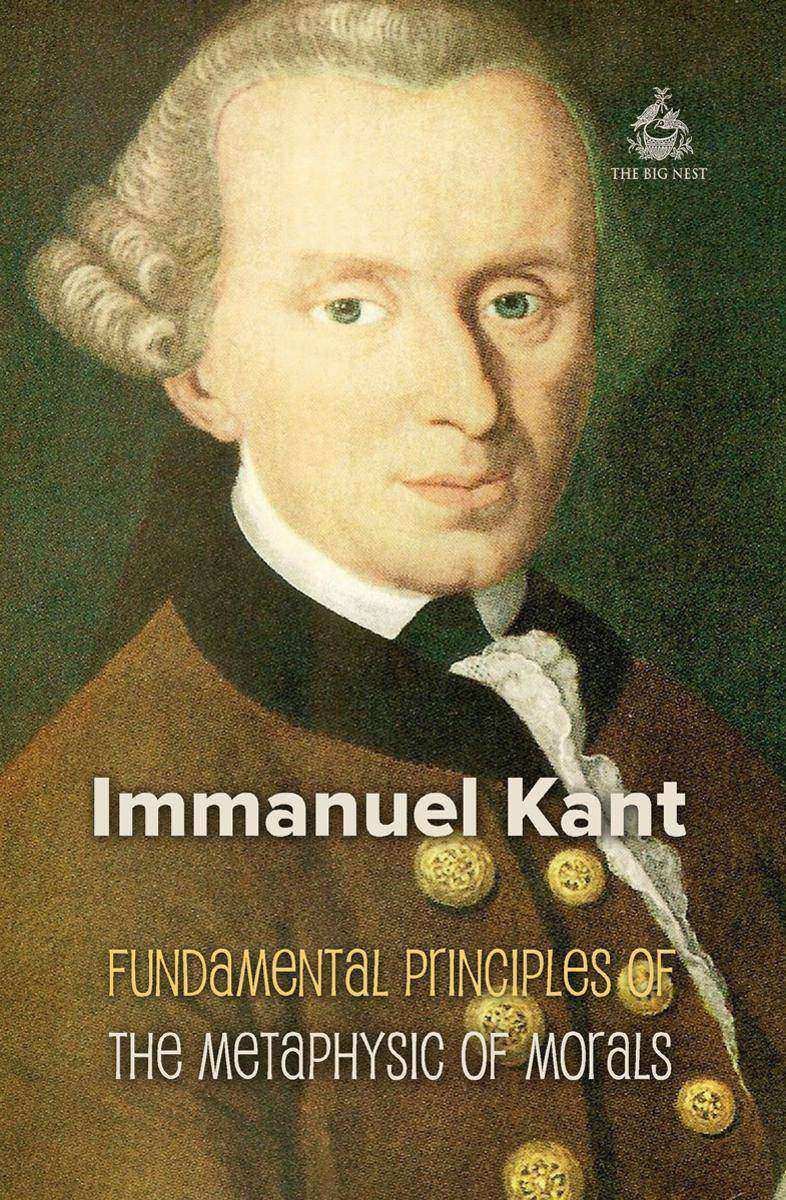
Fundamental Principles of the Metaphysic of Morals
¥40.79
The first of Immanuel Kant's mature works on moral philosophy and remains one of the most influential in the field. Kant conceives his investigation as a work of foundational ethics, one that clears the ground for future research by explaining the core concepts and principles of moral theory and showing that they are normative for rational agents. Kant aspires to nothing less than this: to lay bare the fundamental principle of morality and show that it applies to us.

The Great Learning
¥40.79
What the great learning teaches, is to illustrate illustrious virtue; to renovate the people; and to rest in the highest excellence. The point where to rest being known, the object of pursuit is then determined; and, that being determined, a calm unperturbedness may be attained to. To that calmness there will succeed a tranquil repose. In that repose there may be careful deliberation, and that deliberation will be followed by the attainment of the desired end.
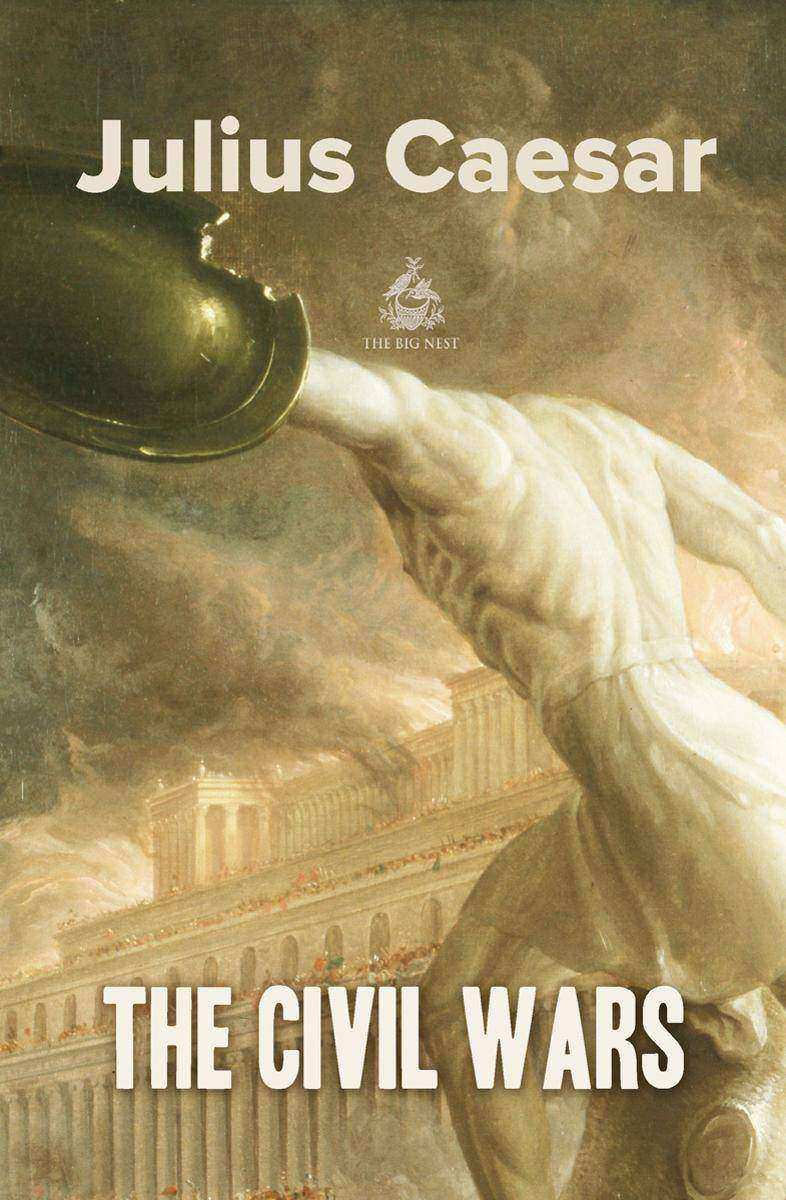
The Civil Wars, Book 3
¥40.79
Julius Caesar, holding the election as dictator, was himself appointed consul with Publius Servilius; for this was the year in which it was permitted by the laws that he should be chosen consul. This business being ended, as credit was beginning to fail in Italy, and the debts could not be paid, he determined that arbitrators should be appointed: and that they should make an estimate of the possessions and properties of the debtors, how much they were worth before the war, and that they should be handed over in payment to the creditors. This he thought the most likely method to remove and abate the apprehension of an abolition of debt, the usual consequence of civil wars and dissensions, and to support the credit of the debtors.
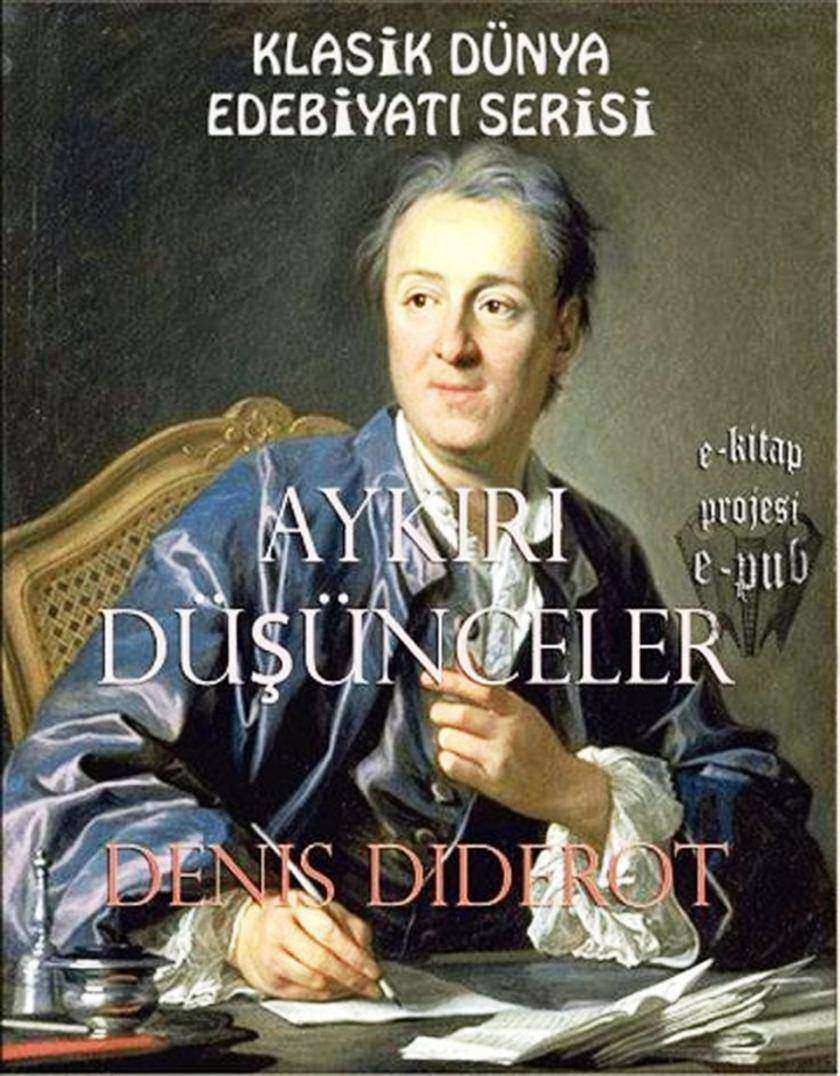
Ayk?r? Dü?ünceler
¥18.80
Diderot, tanr?sal, dinsel inanc?n yerine akl? ge?iren adamd?r, onun sava??m? buydu ve bütün k?r inan?lar? silip süpüren bu ak?l, g?rünen dünyay?, do?ay?, felsefenin, sanat?n, sa? t?renin temel ilkesi durumuna getirdi. Diderot’un yayg?n ?al??ma alan?n? olu?turan ilkedir bu. Maddeci ve gerekirci bir filozoftu. tanr?ya inanan ki?inin filozof olmayaca??n? s?yledi. 'K?rler üstüne mektup'taki k?r, kendini tanr?ya inand?rmaya ?al??an misyonere "bunun i?in tanr?ya parma??mla dokunmam gerekir" der. Diderot, bu yüzden hapse girdi. 'D'alembert'in dü?ü'nde, madde tanr?n?n yerini alm??t?r art?k. Madde devinim ve duyarl?l?kla donat?lm??t?r. Bilim gerekircili?in kan?t?d?r. Bütün varl?klar ?z?e birdir ve bir ge?i?, de?i?im, olu?um süreci i?inde bulunurlar. ?yle ise sa? t?renin temeli do?a olacakt?r. Do?as? gere?i insan iyidir, hristiyan sagtoresinin sand??? gibi do?u?tan günahkar de?il ve iyilikler de, k?tülükler de, düzenin, ko?ullar?n, e?itimin ürünüdür. ?nsan, bu gerekircilik anlay??? i?inde, ?zgür olamayaca?? i?in, su?lu da bulunamaz. bu üslama sonucu olarak sanat, do?ay? ?rnek almal?d?r. roman, resim, oyun ger?ek?i olmal?d?r. Diderot, bunlar? s?ylemekle kalmam??, romanlar? ve oyunlar? ile ?rneklendirmi?tir de ve ?a??n?n sanat??lar?n? bu a??dan de?erlendirmi?tir. Diderot, büyük sava??m? ve e?siz ?abas? ile insanl???n ba?tac?d?r bugün de ve onu b?ylesine unutulmaz k?lan i?lerinin ba??nda ise elbet 'ansiklopedi' gelir. 'Ansiklopedi', yunanca enkyklios paidela'dan yap?lm??t?r ve bütün bilimleri i?ine alan ??retim anlam?na gelir. s?zcü?ü bulan rabelais'dir (1532). Diderot ile d'alembert'in ansiklopedisine temel olan yap?t, ?ng?l?z chambers’?n cyelopaedia’s? idi; fakat diderot'nun etkisi ile ansiklopedi, bir ?eviri yap?t olmaktan ??k?p, gizemcili?e kar?? bilimin sava? alan? durumunu ald?. Bu yüzden de gerici ?evrelerin kar?? koymas?n? sonu?lad?. diderot, ya?am? boyunca ?al??t? 'ansiklopedi' i?in, bir?ok maddeyi kendisi yazd?. bu u?urda yepyeni ara?t?rmalara giri?ti, teknik de?i?mekte oldu?u i?in ortaya yeni ara?-gere?ler ??kmakta idi, bunlar? tan?d?, adland?rd?, tan?tt? ve fransa'y? ayd?nlanma ?a??'n?n avrupa'da g?zbebe?i durumuna getirdi. Ancak unutmamal? ki, bir ansiklopedi ortaya ??karan her ülkeyi ayd?nlanma ?a??'n? alg?lam?? sayamay?z. ?o?u ülkede bu tür yap?tlar, geni?letilmi? s?zlükler olmaktan ileri gidememi?tir. diderot’nun ansiklopedisi, toplu bilgi vermekten ?ok, dinsel inan?lara kar?? bilimlerin ??retimini üstlenmi?ti, demek yans?z de?ildi, metafizikle ve skolastikle ?arp???yordu..
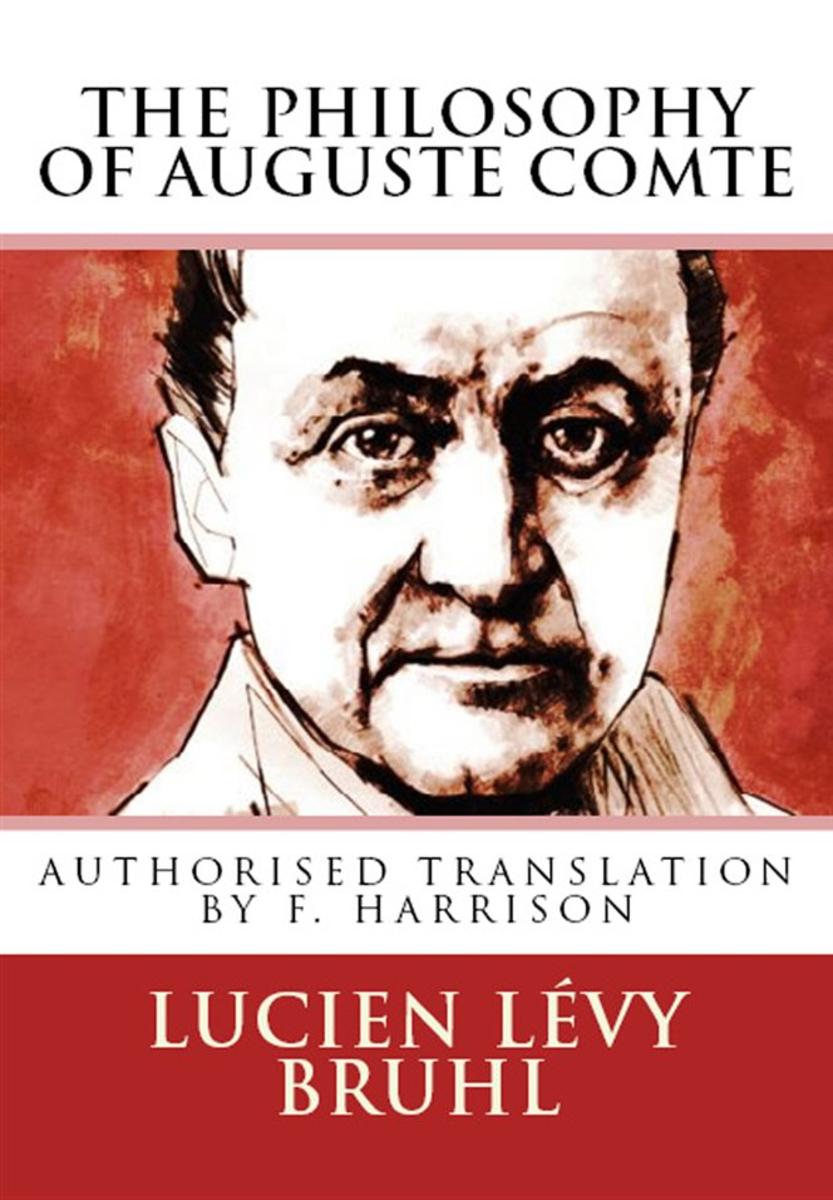
The Philosophy of Auguste Comte
¥33.11
M. Lévy-Bruhl then explains that, whilst recognising the entire coherence of Comte’s collective labours, he proposes to confine his present study to the earlier and principal work, the Philosophy, which in M. Lévy-Bruhl’s opinion is the dominant and more fruitful composition.??This he regards as the representative work of the nineteenth century, as shown by the intellectual history of the period. He points to its influence on thought in England, in Europe, and in America. It will surprise many persons to learn that in M. Lévy-Bruhl’s opinion two eminent French writers, who assuredly neither were, nor were supposed to be, Positivists, “have done more for the diffusion of the ideas and method of Comte than Littré and all the other Positivists together.” ??These two are Taine and Renan, much as they differed from Comte’s actual scheme and doctrines. Renan indeed spoke of Comte as destined to prove one of the typical names of the century. The present writer remembers Renan saying to him with a most genial welcome, “I too am a believer in the religion of humanity.” ??Professor Lévy-Bruhl followed up his History of Modern Philosophy in France by a substantial work on the philosophy of Auguste Comte. It forms a volume of the Bibliothèque de Philosophie Contemporaine, which has already devoted four other works to the Positive Philosophy. It is as well to premise that this treatise dealt solely with the philosophy, not with the polity, or any part of the religious scheme of Comte. Professor Lévy-Bruhl writes as a student, but not as an adherent of Auguste Comte. His entire work is rather an exposition, not a refutation, or a criticism, or an advocacy of Comte’s philosophical system. But it may be said at once that no one abroad or at home, certainly neither Mill, nor Lewes, nor Spencer, nor Caird, has so truly grasped and assimilated Comte’s ideas as M. Lévy-Bruhl has done.??In his Introduction M. Lévy-Bruhl very clearly states the scope of his work, and his own general attitude. He traces the origin of Comte’s philosophy in the mental effervescence of the first generation of the present century towards a reorganisation of society, after the upheaval left by the Revolution and its consequences. He correctly states the relation of St. Simon to Comte as being that of an initial stimulus. ??The cardinal difference between Comte and all the socialists and founders of social and religious Utopias consisted in this, that Comte saw the necessity of a new system of philosophy as the indispensable preliminary to any reorganisation of society.
C?inele din Baskerville
¥33.03
O analiz? aplicat? a operei unuia dintre cei mai controversa?i g?nditori germani, supranumit monahul de la Sils-Maria; o lectur? ?n filigran a modului nietzschean de abordare a c?torva concepte dificile, interpretate la modul catastrofic: supraomul, ve?nica ?ntoarcere a aceluia?i, anti-Christul. Lucrarea se situeaz? ?n buna ?i prestigioas? tradi?ie a marilor creatori care comenteaz? textele fundamentale ale omenirii dintr-un unghi specific.
The Philosophy of Mathematics: "A True Definition of Mathematics"
¥37.11
In The philosophy of mathematics, mathematics employee classification efforts to understand the philosophy is the branch.?The main question is related to the source of the object that is the subject of mathematics and mathematics. In particular examine the characteris-tics of a true proposition:??? What are the sources of mathematical subject matter??? What is about the meaning of a mathematical object??? What is the nature of a mathematical proposition??? What is the relationship between logic and mathematics??? What is the role of mathematics hermeneutic??? Mathematics played a role in the investigation which type?? What is the subject of mathematical investigations??? What is the human traits behind mathematics??? What is mathematical beauty??? What is the nature and source of mathematical truth???What is the relationship between mathematics and abstract material universe with the world???Another important issue is the reality of a mathematical the-ory. Mathematics (from the Natural Sciences as different) experimentally is sought reasons to find real specific mathematical theory can not be tested (see. Epistemology). Luitz that Brouwer 's laid the foundation for intuitionist mathematics of the representatives knew of this view. The logical mathematics is the approach of Bertrand Russell and Gottlob Frege was defended by David Hilbert, formalism is considered the repre-sentative of the current. Traditionalism logician the empiricist's (Rudolf Carnap, A. J. Ayer, Carl Hempel) were represented by one of the key issues in the philosophy of mathematics is also important to regard the certainty problem. Austrian logician Kurt G?del's also work Mathema-tics and mathematics.

Exploratorii. Cartea a IV-a - Ultimul pas ?n s?lb?ticie
¥73.49
Nietzsche este, poate, cea mai ilustr? victim? a aventurii socratice a cunoa?terii de sine. Via?a nu posed? fenomene originale, ci numai unele repetitive, care prin reluarea lor ve?nic identic? ??i tocesc conturul lor original. Cadrul repeti?iei nu este via?a, c?ci via?a ?ns??i este un fenomen de repeti?ie. Omul este condamnat s? tr?iasc? ?ntr-un plictisitor ?ir de repeti?ii ?i relu?ri din care nu poate evada. Nu exist? fenomene absolut unice, care s? nu fie repetitive ?i, probabil, la fel este ?i cu oamenii. To?i au mai fost nu o dat?, ci de nenum?rate ori ?n trecut ?i vor mai fi de nenum?rate ori ?n viitor. Tot ce trebuia ?i putea s? se produc? s-a produs deja. Restul este doar monoton? repeti?ie: ve?nic? revenire a aceluia?i. Eterna ?ntoarcere exprim? nu devenirea heraclitean? f?r? repaos, ci marile linii de stabilitate din cadrul existen?ei. Prin ea, Nietzsche vrea s? eternizeze trec?torul, socotind timpul ca etern, etern? ?ntoarcere, adic? schimbare ?i stabilitate. Ecce homo este ?i exerci?iul acestui impas al g?ndirii lui Nietzsche. Prin aceasta ?ns? Nietzsche ?i-a adus contribu?ia la instaurarea unui nou ?idol“ al lumii moderne dup? ce aceasta a denun?at prezen?a ?idolilor“ de tot felul ?n spa?iul ei de con?tiin??. (Vasile Musc?)??ntruc?t, ?n scurt timp, va trebui s? m? adresez omenirii cu cea mai grea solicitare care i-a fost prezentat? vreodat?, mi se pare imperios necesar s? spun cine sunt. ?n principiu, ar trebui s? se ?tie: c?ci nu m-am l?sat ?neatestat?. Dar discrepan?a dintre m?re?ia misiunii mele ?i micimea contemporanilor mei ?i-a g?sit expresia ?n faptul c? nici nu am fost auzit, nici nu am fost v?zut. Tr?iesc pe propriul meu credit, s? fie poate o simpl? prejudecat? faptul c? tr?iesc?... Este de ajuns s? stau de vorb? cu vreun ?om cultivat?, care vine vara ?n Engadina de Sus, ca s? m? conving c? nu tr?iesc... ?n aceste ?mprejur?ri, este o ?ndatorire ?mpotriva c?reia obi?nuin?a mea ?i, mai mult chiar dec?t aceasta, m?ndria instinctelor mele, se revolt?, anume aceea de a spune: Auzi?i-m?! c?ci eu sunt cutare ?i cutare. ?nainte de toate, nu cumva s? m? confunda?i!“ (Friedrich Nietzsche)
Also sprach Zarathustra
¥8.82
Das Buch besteht aus vier Teilen. Der erste Teil erschien 1883, der zweite und dritte 1884, der vierte 1885 als Privatdruck. 1886 ver?ffentlichte Nietzsche die drei ersten Teile als ?Also sprach Zarathustra. Ein Buch für Alle und Keinen. In drei Teilen.“ Im Gegensatz zu den frühen Werken Nietzsches handelt es sich beim Zarathustra nicht um ein Sachbuch. In hymnischer Prosa berichtet ein personaler Erz?hler vom Wirken eines fiktiven Denkers, der den Namen des Persischen Religionsstifters Zarathustra tr?gt. Nietzsche selbst nennt den Stil, in dem Also sprach Zarathustra geschrieben ist, halkyonisch und wünscht sich Leser, die eines ?gleichen Pathos f?hig und würdig sind“: ?Man muss vor Allem den Ton, der aus diesem Munde kommt, diesen halkyonischen Ton richtig h?ren, um dem Sinn seiner Weisheit nicht erbarmungswürdig Unrecht zu tun“. Dass Nietzsche diese Leserschaft in seiner Gegenwart nicht gesehen hat, legt der Untertitel des Werkes nahe: ?Ein Buch für Alle und Keinen“.
Din registrul ideilor ginga?e
¥24.44
Immanuel Kant (1724-1804) este o figur? legendar? a filosofiei germane, opera sa fiind baza ? revolu?iei copernicane“ petrecute ?n istoria g?ndirii ?n plin? er? de av?nt al romantismului. ?n volumul de fa?? sunt cuprinse dou? eseuri foarte pu?in cunoscute publicului amator de filosofie, ?n care vom reg?si g?ndurile filosofului privitoare la ?nceputuri (ale istoriei omenirii) ?i sf?r?ituri (ale lumii ?n general). Scrise dup? celebra triad? a ? Criticilor“, textele poart? amprenta sistemului kantian de g?ndire, dar constituie totodat? ?ncerc?ri remarcabile de abordare a unor subiecte de larg interes, analizate din perspectiva ve?nicei clauze a ? condi?iilor de posibilitate“. Orice minte uman? care va ?ncerca s? cuprind? ?nceputul ?i sf?r?itul se va vedea constr?ns? ?ntr-un fel sau ?n altul de limitele pe care Kant ?ncearc? s? le expun? aici ?n idei c?t mai simple.? Istoria naturii ?ncepe a?adar cu binele, c?ci este lucrarea lui Dumnezeu, iar istoria libert??ii cu r?ul, c?ci este lucrarea oamenilor. Pentru individ, care, ?n exerci?iul libert??ii prive?te doar c?tre sine, o astfel de schimbare a fost o pierdere pentru natur?, ale c?rei scopuri sunt orientate spre oameni ca specie, a fost un c??tig.“


