


 购物车
购物车 个人中心
个人中心
Autoportret la 28 de ani
¥54.10
Avangardismul rom?nesc r?m?ne a fi unul dintre curentele literare cele mai controversate ?i, ?n ultima instanta – ne demonstreaza aceasta monografie – cele mai putin cunoscute. Monografia abunda ?n informa?ii, aspecte, ?nt?mpl?ri, evenimente, mai pu?in sau deloc cunoscute. Cartea se adreseaz? elevilor, studen?ilor, precum ?i publicului larg de cititori.

Универсальный календарь садовода-огородника
¥17.74
Читанка для учн?в старших клас?в середньо? школи в ус?х ?вропейських кра?нах. Книжку створено в рамках сп?льного проекту орган?зац?й та установ, що працюють разом у Платформ? ?вропейсько? пам'ят? та сумл?ння. Зб?рка м?стить 30 дивовижних ?стор?й людей з 16 ?вропейських кра?н, що зазнали тотал?таризму. Це розпов?д? про см?ливц?в, як? протистояли тотал?таризмов? та загинули, а також про тих, кому пощастило вижити. Ц? розпов?д? сповнен? надзвичайного суму через незм?рн? страждання, що ?х завдали фанатичн? орудар?, поборники та п?дсобники тотал?таризму таким же людям, як ? вони. Але водночас вони осп?вують любов до свободи, людську г?дн?сть, несхитн?сть, см?лив?сть, в?ру та в?ддан?сть головним людським ц?нностям.
Life of the Moselle
¥28.04
["The Elements of Drawing" was written during the winter of 1856. The First Edition was published in 1857; the Second followed in the same year, with some additions and slight alterations. The Third Edition consisted of sixth thousand, 1859; seventh thousand, 1860; and eighth thousand, 1861.The work was partly reproduced in "Our Sketching Club," by the Rev. R. St. John Tyrwhitt, M.A., 1874; with new editions in 1875, 1882, and 1886.Mr. Ruskin meant, during his tenure of the Slade Professorship at Oxford, to recast his teaching, and to write a systematic manual for the use of his Drawing School, under the title of "The Laws of Fésole." Of this only vol. i. was completed, 1879; second edition, 1882. As, therefore, "The Elements of Drawing" has never been completely superseded, and as many readers of Mr. Ruskin's works have expressed a desire to possess the book in its old form, it is now reprinted as it stood in 1859.] ? THE SECOND EDITION.As one or two questions, asked of me since the publication of this work, have indicated points requiring elucidation, I have added a few short notes in the first Appendix. It is not, I think, desirable otherwise to modify the form or add to the matter of a book as it passes through successive editions; I have, therefore, only mended the wording of some obscure sentences; with which exception the text remains, and will remain, in its original form, which I had carefully considered. Should the public find the book useful, and call for further editions of it, such additional notes as may be necessary will be always placed in the first Appendix, where they can be at once referred to, in any library, by the possessors of the earlier editions; and I will take care they shall not be numerous.August 3, 1857. ? PREFACE? i. It may perhaps be thought, that in prefacing a manual of drawing, I ought to expatiate on the reasons why drawing should be learned; but those reasons appear to me so many and so weighty, that I cannot quickly state or enforce them. With the reader's permission, as this volume is too large already, I will waive all discussion respecting the importance of the subject, and touch only on those points which may appear questionable in the method of its treatment. ? ii. In the first place, the book is not calculated for the use of children under the age of twelve or fourteen. I do not think it advisable to engage a child in any but the most voluntary practice of art. If it has talent for drawing, it will be continually scrawling on what paper it can get; and should be allowed to scrawl at its own free will, due praise being given for every appearance of care, or truth, in its efforts. It should be allowed to amuse itself with cheap colors almost as soon as it has sense enough to wish for them. If it merely daubs the paper with shapeless stains, the color-box may be taken away till it knows better: but as soon as it begins painting red coats on soldiers, striped flags to ships, etc., it should have colors at command; and, without restraining its choice of subject in that imaginative and historical art, of a military tendency, which children delight in, (generally quite as valuable, by the way, as any historical art delighted in by their elders,) it should be gently led by the parents to try to draw, in such childish fashion as may be, the things it can see and likes,—birds, or butterflies, or flowers, or fruit. ? iii. In later years, the indulgence of using the color should only be granted as a reward, after it has shown care and progress in its drawings with pencil. A limited number of good and amusing prints should always be within a boy's reach: in these days of cheap illustration he can hardly possess a volume of nursery tales without good wood-cuts in it, and should be encouraged to copy what he likes best of this kind; but should be firmly restricted to a few prints and to a few books.
Энда. Земля легенд (Jenda. Zemlja legend)
¥26.65
Брошура в стисл?й та популярн?й форм? розпов?да? про под?? Укра?нсько? революц?? 1917–1921 рок?в – процеси державного буд?вництва, творення укра?нсько? пол?тично? нац??, в?дродження укра?нсько? науки, осв?ти, культури та духовност?. Багато уваги прид?ля?ться л?дерам Укра?нсько? революц?? – Михайлу Грушевському, Володимиру Винниченку, Симону Петлюр?, Павлу Скоропадському, ?вгену Петрушевичу, Номану Челеб?дж?хану та ?н., як? розробляли ?? ?деолог?ю, формували порядок денний, вели за собою народ. Розкрива?ться ?нституц?йне буд?вництво, творення законодавчо?, виконавчо?, судово? г?лок влади, розбудова в?йська, дипломат??, ф?нансово? системи тощо. Фотокартки ? св?дчення сучасник?в в?дтворюють атмосферу того часу, проливають св?тло на життя ? побут звичайно? людини в умовах революц?йних потряс?нь.??Брошура п?дготовлена на основ? матер?ал?в ?нформац?йно-просв?тницько? кампан??, яку Укра?нський ?нститут нац?онально? пам’ят? проводить до 100-р?ччя Укра?нсько? революц?? 1917-1921 рок?в, в ход? яко? п?дготовлено низку фотодокументальних виставок, комплект?в лист?вок та ?нформац?йних матер?ал?в, дитячу наст?льну гру, спец?ал?зовану веб-стор?нку, присвячену под?ям Укра?нсько? революц?? 1917–1921 рок?в (www.UNR.memory.gov.ua).??
Eccentricities of the Animal Creation: Illustrated
¥13.98
Vasari says, and rightly, in his Life of Leonardo, "that he laboured much more by his word than in fact or by deed", and the biographer evidently had in his mind the numerous works in Manuscript which have been preserved to this day. To us, now, it seems almost inexplicable that these valuable and interesting original texts should have remained so long unpublished, and indeed forgotten. It is certain that during the XVIth and XVIIth centuries their exceptional value was highly appreciated. This is proved not merely by the prices which they commanded, but also by the exceptional interest which has been attached to the change of ownership of merely a few pages of Manuscript. That, notwithstanding this eagerness to possess the Manuscripts, their contents remained a mystery, can only be accounted for by the many and great difficulties attending the task of deciphering them. The handwriting is so peculiar that it requires considerable practice to read even a few detached phrases, much more to solve with any certainty the numerous difficulties of alternative readings, and to master the sense as a connected whole. Vasari observes with reference to Leonardos writing: "he wrote backwards, in rude characters, and with the left hand, so that any one who is not practised in reading them, cannot understand them". The aid of a mirror in reading reversed handwriting appears to me available only for a first experimental reading. Speaking from my own experience, the persistent use of it is too fatiguing and inconvenient to be practically advisable, considering the enormous mass of Manuscripts to be deciphered. And as, after all, Leonardo's handwriting runs backwards just as all Oriental character runs backwards—that is to say from right to left—the difficulty of reading direct from the writing is not insuperable. This obvious peculiarity in the writing is not, however, by any means the only obstacle in the way of mastering the text. Leonardo made use of an orthography peculiar to himself; he had a fashion of amalgamating several short words into one long one, or, again, he would quite arbitrarily divide a long word into two separate halves; added to this there is no punctuation whatever to regulate the division and construction of the sentences, nor are there any accents—and the reader may imagine that such difficulties were almost sufficient to make the task seem a desperate one to a beginner. It is therefore not surprising that the good intentions of some of Leonardo s most reverent admirers should have failed. Leonardo's literary labours in various departments both of Art and of Science were those essentially of an enquirer, hence the analytical method is that which he employs in arguing out his investigations and dissertations. The vast structure of his scientific theories is consequently built up of numerous separate researches, and it is much to be lamented that he should never have collated and arranged them. His love for detailed research—as it seems to me—was the reason that in almost all the Manuscripts, the different paragraphs appear to us to be in utter confusion; on one and the same page, observations on the most dissimilar subjects follow each other without any connection. A page, for instance, will begin with some principles of astronomy, or the motion of the earth; then come the laws of sound, and finally some precepts as to colour. Another page will begin with his investigations on the structure of the intestines, and end with philosophical remarks as to the relations of poetry to painting; and so forth. Leonardo himself lamented this confusion, and for that reason I do not think that the publication of the texts in the order in which they occur in the originals would at all fulfil his intentions. No reader could find his way through such a labyrinth; Leonardo himself could not have done it. ABOUT AUTHOR: Leonardo Da Vinci, Born on April 15, 1452, in Vinci, Italy, Leonardo da Vinci was concerned with the laws of science and nature, which greatly informed his work as a painter, sculptor, inventor and draftsmen. His ideas and body of work—which includes "Virgin of the Rocks," "The Last Supper," "Leda and the Swan" and "Mona Lisa"—have influenced countless artists and made da Vinci a leading light of the Italian Renaissance.Quotes"Iron rusts from disuse, stagnant water loses its purity and in cold weather becomes frozen; even so does inaction sap the vigor of the mind."? ? ? ? ? – Leonardo da Vinci Humble Beginnings:Leonardo da Vinci was born on April 15, 1452, in Vinci, Italy. Born out of wedlock, the love child of a respected notary and a young peasant woman, he was raised by his father, and his stepmothers. 'The Last Supper'In 1482, Lorenzo de' Medici, a man from a prominent Italian family, commissioned da Vinci to create a silver lyre and bring it to Ludovico il Moro, the Duke of Milan, as a gesture of peace. Da Vinci did so and then wrote Ludovico a letter describing how his engineering and artistic tal
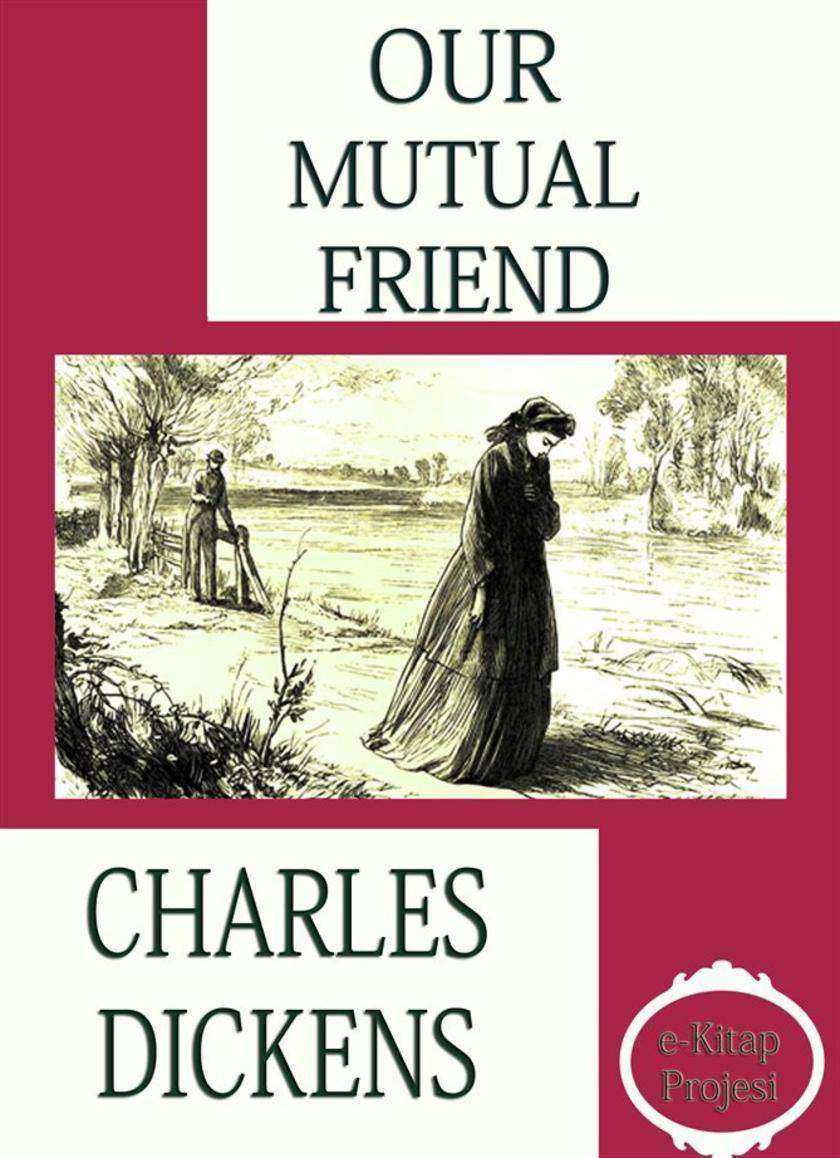
Our Mutual Friend
¥28.04
IT is much easier to understand and remember a thing when a reason is given for it, than when we are merely shown how to do it without being told why it is so done; for in the latter case, instead of being assisted by reason, our real help in all study, we have to rely upon memory or our power of imitation, and to do simply as we are told without thinking about it. The consequence is that at the very first difficulty we are left to flounder about in the dark, or to remain inactive till the master comes to our assistance.? Now in this book it is proposed to enlist the reasoning faculty from the very first: to let one problem grow out of another and to be dependent on the foregoing, as in geometry, and so to explain each thing we do that there shall be no doubt in the mind as to the correctness of the proceeding. The student will thus gain the power of finding out any new problem for himself, and will therefore acquire a true knowledge of perspective.?? George Adolphus Storey??Book First?The Necessity of the Study of Perspective to Painters, Sculptors, and Architects?LEONARDO DA VINCI tells us in his celebrated Treatise on Painting that the young artist should first of all learn perspective, that is to say, he should first of all learn that he has to depict on a flat surface objects which are in relief or distant one from the other; for this is the simple art of painting. Objects appear smaller at a distance than near to us, so by drawing them thus we give depth to our canvas. The outline of a ball is a mere flat circle, but with proper shading we make it appear round, and this is the perspective of light and shade.? ‘The next thing to be considered is the effect of the atmosphere and light. If two figures are in the same coloured dress, and are standing one behind the other, then they should be of slightly different tone, so as to separate them. And in like manner, according to the distance of the mountains in a landscape and the greater or less density of the air, so do we depict space between them, not only making them smaller in outline, but less distinct.’?Sir Edwin Landseer used to say that in looking at a figure in a picture he liked to feel that he could walk round it, and this exactly expresses the impression that the true art of painting should make upon the spectator.??There is another observation of Leonardo’s that it is well I should here transcribe; he says: ‘Many are desirous of learning to draw, and are very fond of it, who are notwithstanding void of a proper disposition for it. This may be known by their want of perseverance; like boys who draw everything in a hurry, never finishing or shadowing.’ This shows they do not care for their work, and all instruction is thrown away upon them. At the present time there is too much of this ‘everything in a hurry’, and beginning in this way leads only to failure and disappointment. These observations apply equally to perspective as to drawing and painting.? Unfortunately, this study is too often neglected by our painters, some of them even complacently confessing their ignorance of it; while the ordinary student either turns from it with distaste, or only endures going through it with a view to passing an examination, little thinking of what value it will be to him in working out his pictures. Whether the manner of teaching perspective is the cause of this dislike for it, I cannot say; but certainly most of our English books on the subject are anything but attractive.??All the great masters of painting have also been masters of perspective, for they knew that without it, it would be impossible to carry out their grand compositions. In many cases they were even inspired by it in choosing their subjects. When one looks at those sunny interiors, those corridors and courtyards by De Hooghe, with their figures far off and near, one feels that their charm consists greatly in their perspective, as well as in their light and tone and colour... ?
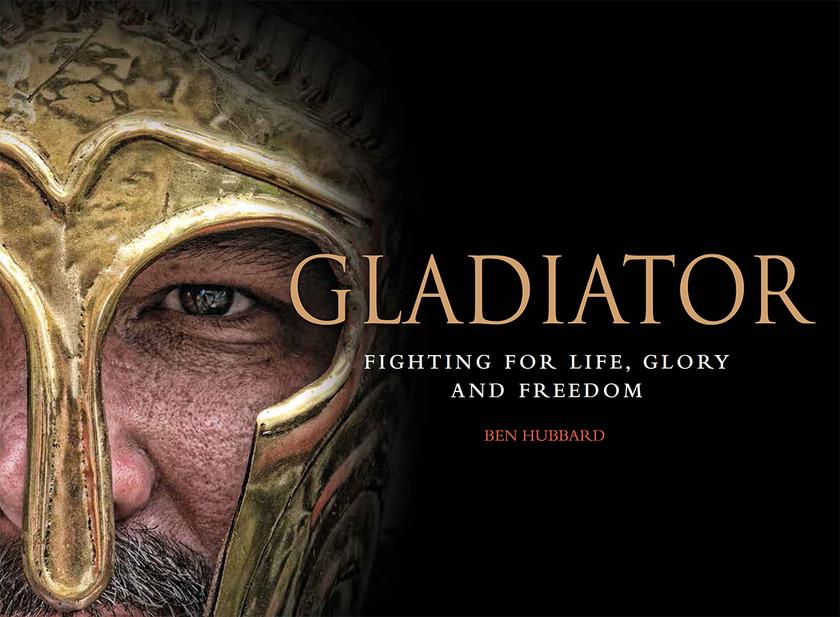
Gladiator: Fighting for Life, Glory and Freedom
¥81.67
“When everyone had had plenty to eat and drink they called for the gladiators. The moment anyone’s throat was cut, they clapped their hands in pleasure. And it sometimes even turned out that someone had specified in their will that the most beautiful women he had purchased were to fight each other….” – Athenaeus, The Learned Banqueters With their origins as blood rites staged at the funerals of rich aristocrats, gladiatorial combat is one of the defining images of ancient Rome. For more than 600 years, people flocked to arenas to watch these highly trained warriors participate in a blood-soaked spectacle that was part sport, part theatre and part cold-blooded murder. Gladiatorial contests were a spectacular dramatization of the Roman emperor’s formidable power. Gladiator looks at life and service in the Roman arenas from the origins of the games in the third century BCE through to the demise of the games in the fifth century CE. It explores the lives of the prisoners of war, criminals, slaves and volunteers who became gladiators, their training, and the more than 20 types of gladiator they could become, fighting with different types of weapons. From Spartacus’s slave revolt to the real Emperor Commodius who liked to play at being a gladiator, from female gladiators to the great combats involving hundreds of exotic animals, Gladiator is a colourful, accessible study of the ancient world’s famous warrior entertainers.
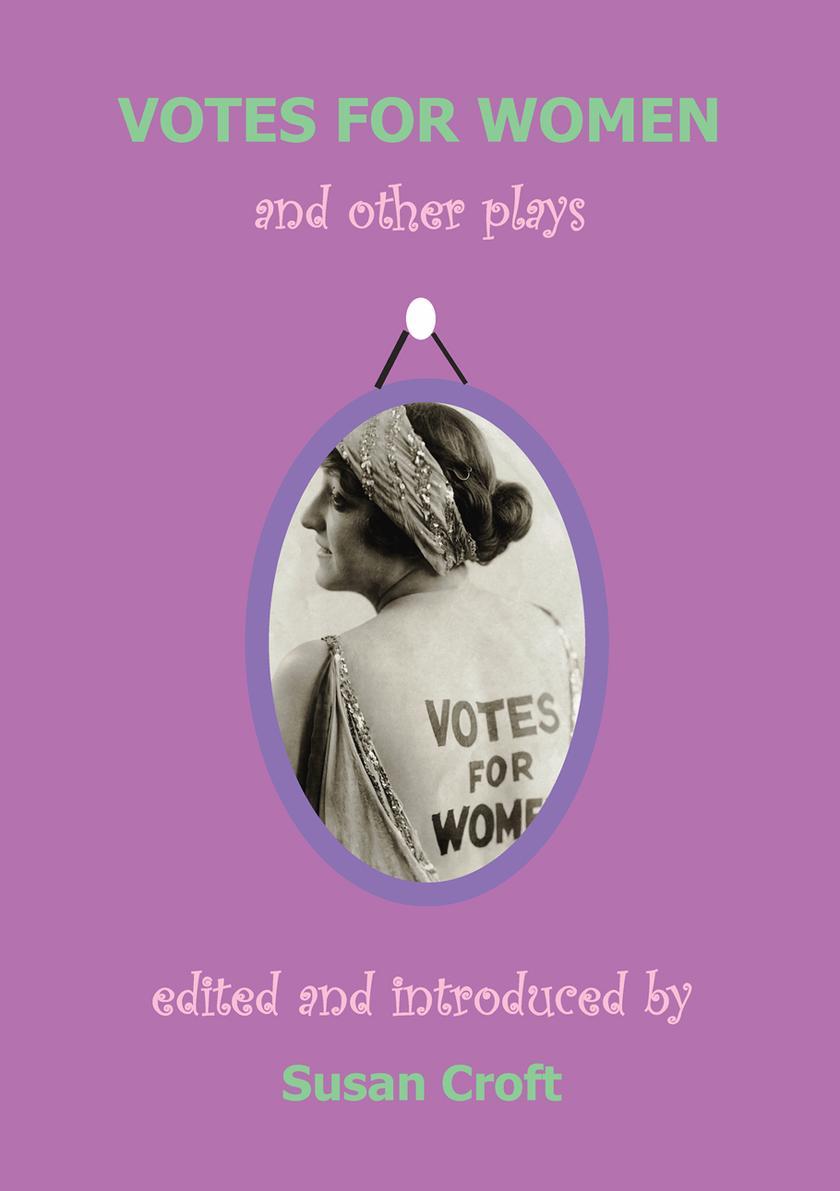
Votes for Women: and Other Plays
¥40.79
The best collection of suffrage plays on offer. Introduced and set in historical context by Dr Susan Croft, formerly Curator at the Theatre Museum in London, with a chronology of suffrage drama from 1907-1914.? The astonishing women involved in the Actresses Franchise League set up their own theatre companies and engaged with the battle for the vote by writing and performing campaigning plays all over the country. They launched themselves onto the political stage with their satirical plays, sketches and monologues whilst at the same time challenging the staid conventions of the Edwardian Theatre of the day. The legacy of their inspiring work to change both theatre and society has survived in the political theatre, agit-prop and verbatim theatre we know today.? Full playtexts from the following: ’How the Vote was Won’ by Cicely Hamilton and Chris St. John ’The Apple’ by Inez Bensusan ’Jim s Leg’ by L.S. Phibbs ’Votes for Women’ by Elizabeth Robins ’At the Gates’ by Alice Chapin ’In the Workhouse’ by Margaret Wynne Nevinson ’A Change of Tenant’ by Helen Margaret Nightingale.
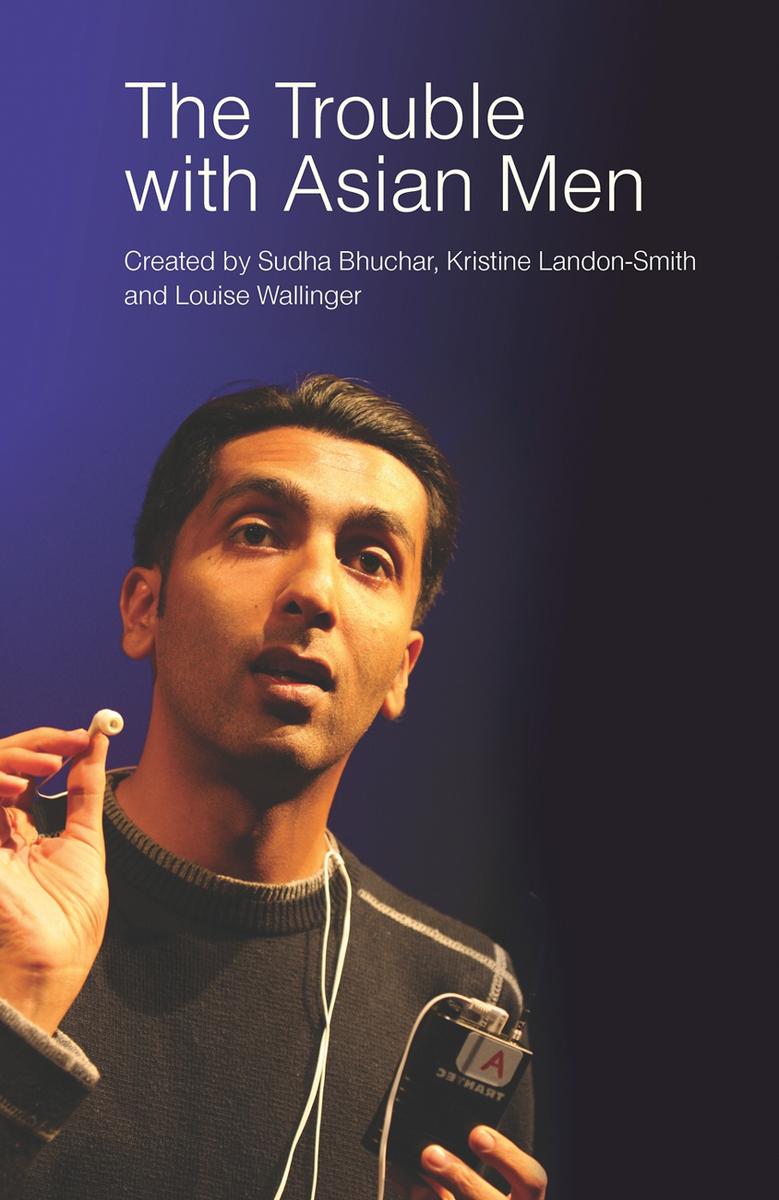
The Trouble with Asian Men
¥40.79
Macho men or metrosexual guys? Mummy’s boys or blokes under their missus’ thumbs? Self-made entrepreneurs, pukka professionals and successful executives with their Mercedes Benz lives and designer-clad wives; husbands, sons, uncles, brothers and fathers – these successful, soulful and spirited Asian men have come a long way from their origins but they’ve all got roots! The Trouble with Asian Men is a vital, tender and hilarious insight into lives that surround us every day. From the award-winning theatre company that brought us East is East, a revealing verbatim comedy that has played to sell-out houses internationally.
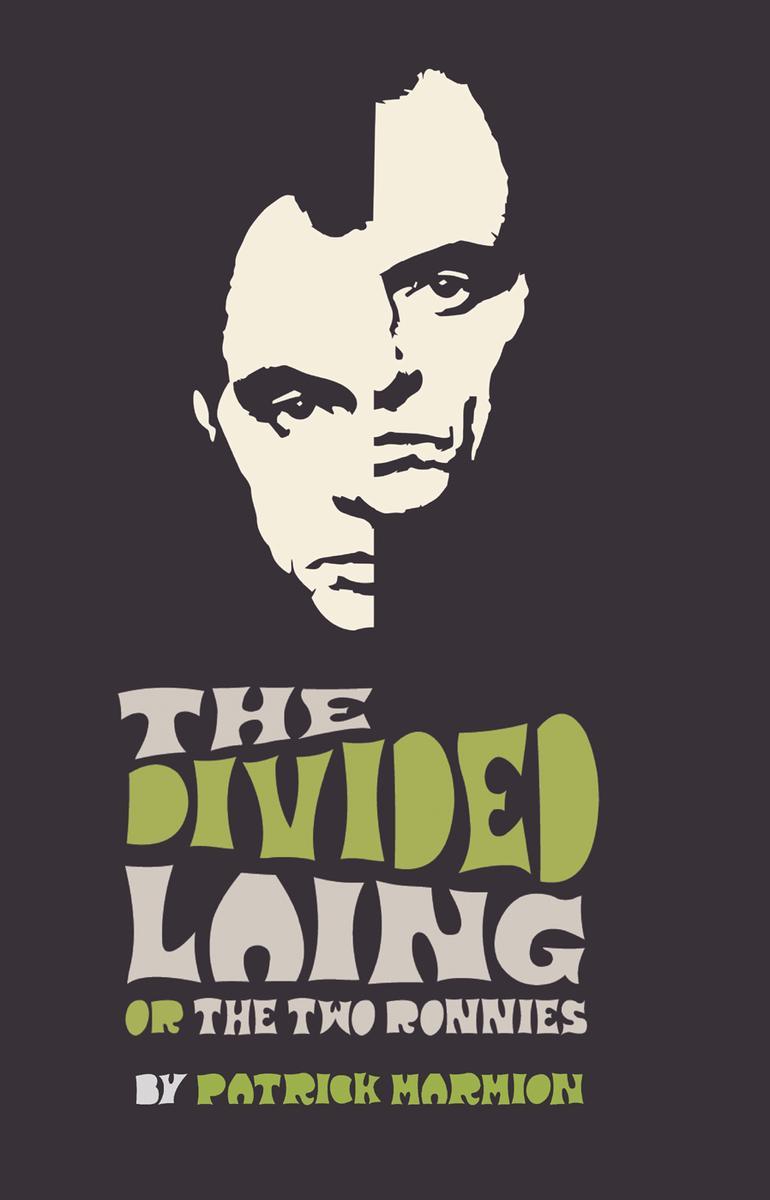
The Divided Laing: Or The Two Ronnies
¥40.79
London 1970: Experimental psychiatrist R.D. Laing is facing eviction from his pioneering asylum in the East End’s Kingsley Hall. Local residents are up in arms – and to make matters worse, Ronnie’s revolutionary colleague David Cooper is flipping out on the roof… With his personal life going down the pan and his mental state heading the same way, Ronnie takes an acid trip to the future. His mission is to save his therapeutic collective The Philadelphia Association and secure his professional legacy. Will it be a one-way ticket to madness – or can breakdown sometimes mean breakthrough?
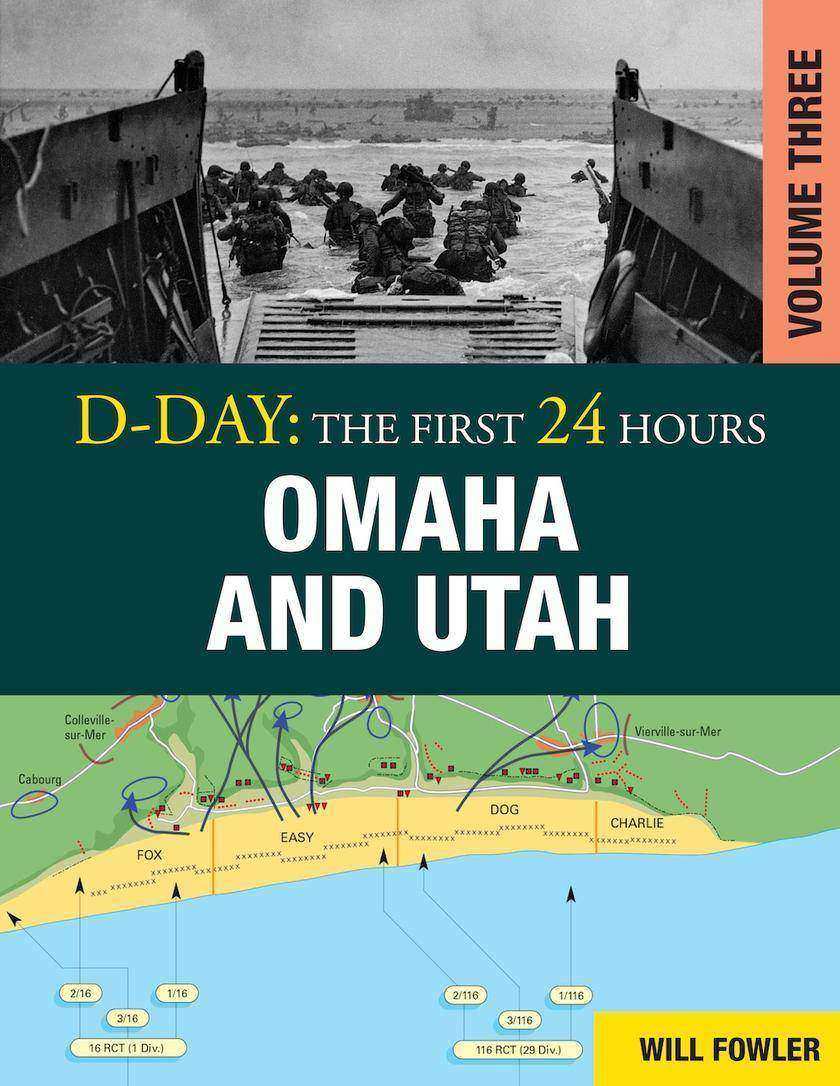
D-Day: Omaha and Utah
¥40.79
In any military operation throughout history, few 24-hour periods have been as crucial as that of 6th June 1944. With the aid of specially commissioned maps, D-Day: The First 24 Hours series gives the dramatic history of the first 24 hours of the Normandy landings, and explains in detail the events that occurred in each landing zone. In this third volume of the series, the book describes the American landings on Omaha and Utah beaches. The fighting on Omaha was some of the most desperate fighting took place, but the beach was eventually secured. The book also includes the famous operation by the US Rangers to capture the gun position at Pointe du Hoc, successfully scaling a sheer cliff face in the teeth of the defenders' fire. With colour and black & white photographs, the book is a guide to key events in the first 24 hours of the D-Day landings that saw the Allies successfully achieve a foothold in Northern Europe.
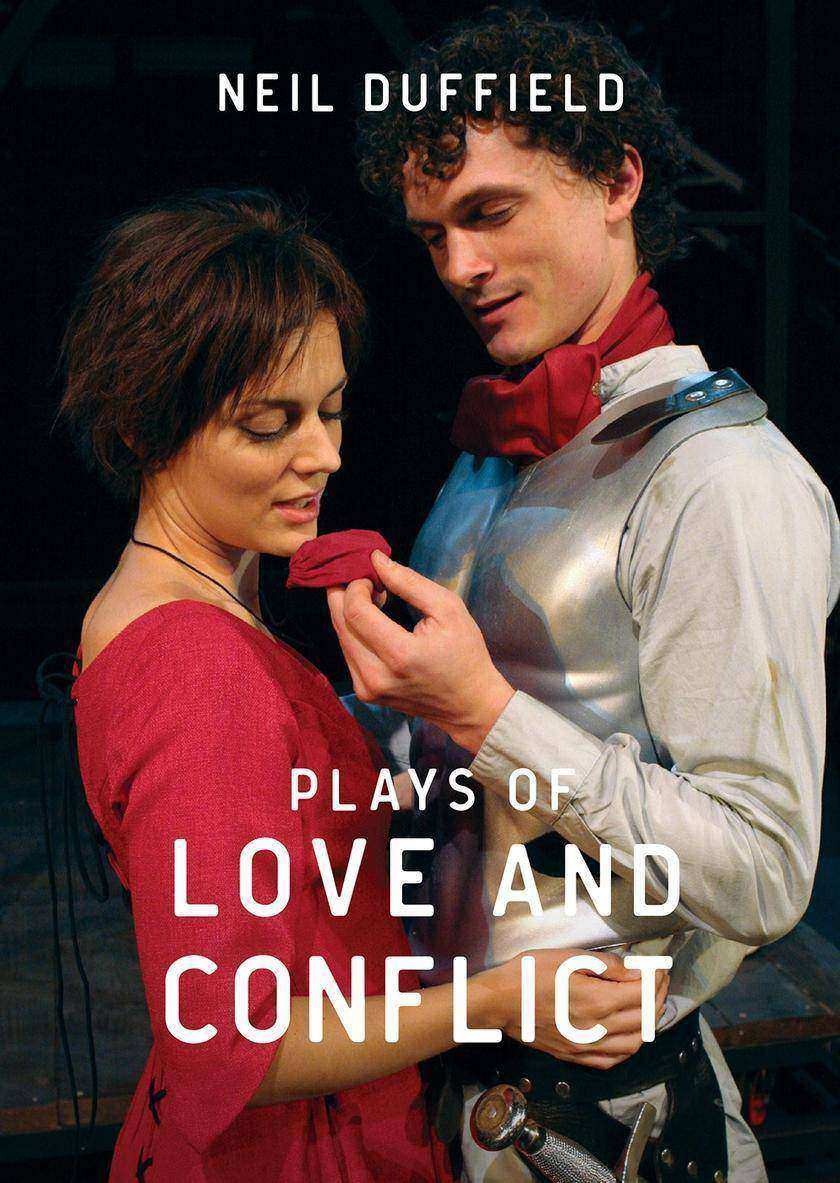
Plays of Love and Conflict
¥40.79
From beautiful adaptations of classics to exciting new writing, Duffield is a master of storytelling. Commissioned by theatres and community groups in the UK, these plays offer strong roles for both men and women, as well as the opportunity for song and dance. They will appeal to schools and youth theatres as well as both amateur and professional performers. Using a mixture of storytelling, theatre and song, BROTHERS IN ARMS draws on the true story of two brothers from a Yorkshire pit village – one of whom steadfastly refused to fight in World War I, while the other volunteered and served on the front line in France. Cast 8 minimum. Adapted from Hugo’s novel, THE HUNCHBACK OF NOTRE DAME is ‘remarkably faithful to the author’s original intention… a faultless production.’ – THE MORNING STAR Cast 8 minimum. WITH ALL MY LOVE is a tale of conspiracy and betrayal, of family feuds and deep-held secrets, of a woman’s struggle to keep faith with a husband transported to the other side of the world. Suitable for large cast productions, aimed at a general audience.
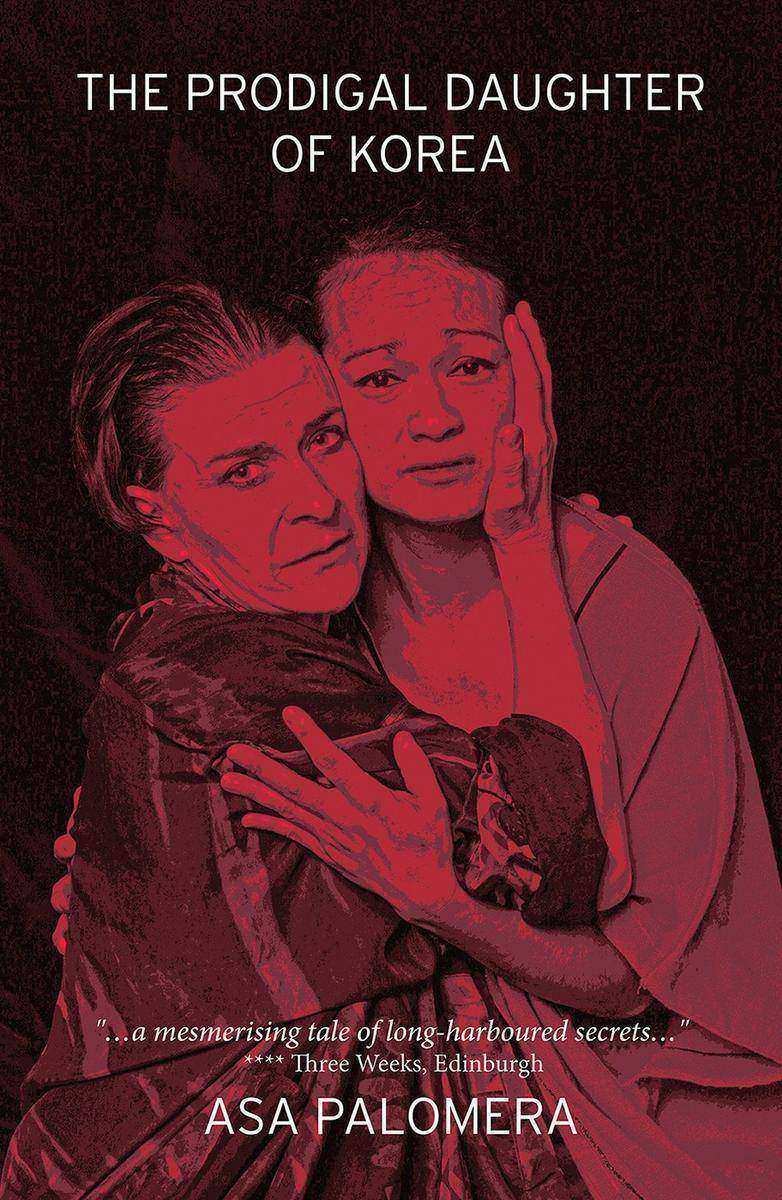
The Prodigal Daughter of Korea
¥40.79
When Mina’s father dies, she returns to Korea to visit a family she barely knows, desperately looking for some answers. But her mother is reluctant to discuss the past, especially the war, or the reasons that Mina was sent so far away as a child, to America. Her younger sister seems unable to grow up and it doesn’t help that their nosy neighbour is always on their doorstep. Secrets and lies divide them all irrevocably. When the truth is finally revealed, it is both shocking and redemptive, allowing Mina and those around her to see themselves anew and break free from years of pain and guilt.
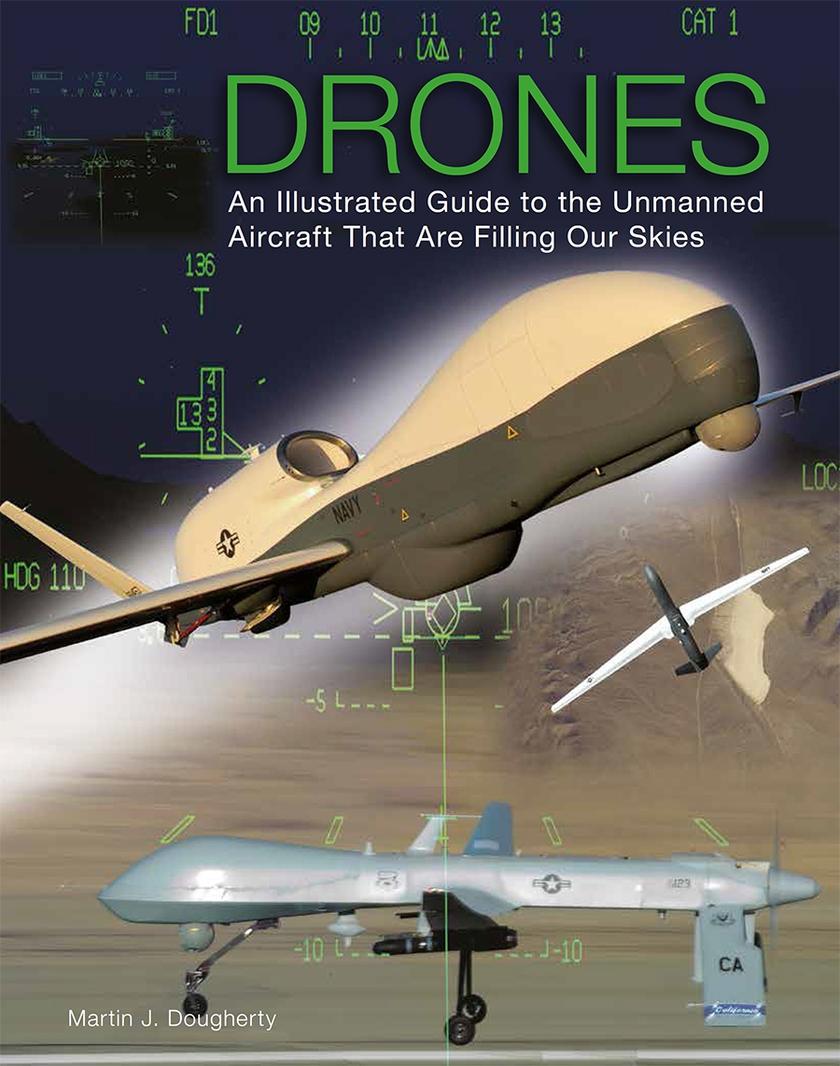
Drones
¥81.67
Little more than ten years ago drones were barely used, but now more than 50 countries have them in service and they are not only changing how wars are fought but how crops are sprayed, how underwater pipelines are monitored and even how sports events are filmed. If it’s too risky to send a manned aircraft to survey the intensity of a hurricane or a combat zone, or too costly for conservation wardens to chart the movement of wildlife, drones can be used. Used for reconnaissance work and mapping as well as launching missiles, drones can fly autonomously or be controlled by remote control. Peering into a volcano about to erupt, checking how fast a forest fire is spreading, exploring the wreck of a sunken ship, charting your enemy’s position and taking out a military target—these are just some of the uses of drones today. From drones the size of a fingertip to drones that can carry soldiers, from single rotorcraft to multi-rotorcraft to propeller craft drones, Drones expertly examines these complex vehicles, which are not only very different from manned aircraft, but also very different from each other. Illustrated with more than 220 colour photographs and artworks, Drones is an exciting, accessibly written work about the latest in military and civilian aviation technology.
The Mysterious Island
¥8.67
Hard Times – For These Times (commonly known as "Hard Times") is the tenth novel by Charles Dickens, first published in 1854. The book appraises English society and highlights the social and economic pressures of the times. Hard Times is unusual in several respects. It is by far the shortest of Dickens' novels, barely a quarter of the length of those written immediately before and after it. Also, unlike all but one of his other novels, Hard Times has neither a preface nor illustrations. Moreover, it is his only novel not to have scenes set in London. Instead the story is set in the fictitious Victorian industrial Coketown, a generic Northern English mill-town, in some ways similar to Manchester, though smaller. Coketown may be partially based on 19th-century Preston. One of Dickens's reasons for writing Hard Times was that sales of his weekly periodical, Household Words, were low, and it was hoped the novel's publication in instalments would boost circulation – as indeed proved to be the case. Since publication it has received a mixed response from critics. Critics such as George Bernard Shaw and Thomas Macaulay have mainly focused on Dickens's treatment of trade unions and his post–Industrial Revolution pessimism regarding the divide between capitalist mill owners and undervalued workers during the Victorian era. F. R. Leavis, a great admirer of the book, included it—but not Dickens' work as a whole—as part of his Great Tradition of English novels. ***‘Now, what I want is, Facts. Teach these boys and girls nothing but Facts. Facts alone are wanted in life. Plant nothing else, and root out everything else. You can only form the minds of reasoning animals upon Facts: nothing else will ever be of any service to them. This is the principle on which I bring up my own children, and this is the principle on which I bring up these children. Stick to Facts, sir!’ ? ?The scene was a plain, bare, monotonous vault of a school-room, and the speaker’s square forefinger emphasized his observations by underscoring every sentence with a line on the schoolmaster’s sleeve. The emphasis was helped by the speaker’s square wall of a forehead, which had his eyebrows for its base, while his eyes found commodious cellarage in two dark caves, overshadowed by the wall. The emphasis was helped by the speaker’s mouth, which was wide, thin, and hard set. The emphasis was helped by the speaker’s voice, which was inflexible, dry, and dictatorial. The emphasis was helped by the speaker’s hair, which bristled on the skirts of his bald head, a plantation of firs to keep the wind from its shining surface, all covered with knobs, like the crust of a plum pie, as if the head had scarcely warehouse-room for the hard facts stored inside. The speaker’s obstinate carriage, square coat, square legs, square shoulders,—nay, his very neckcloth, trained to take him by the throat with an unaccommodating grasp, like a stubborn fact, as it was,—all helped the emphasis. ‘In this life, we want nothing but Facts, sir; nothing but Facts!’The speaker, and the schoolmaster, and the third grown person present, all backed a little, and swept with their eyes the inclined plane of little vessels then and there arranged in order, ready to have imperial gallons of facts poured into them until they were full to the brim.
Cseresznyés ábránd
¥56.98
RUINS OF ANCIENT CITIES, WITH GENERAL AND PARTICULAR ACCOUNTS OF THEIR RISE, FALL, AND PRESENT CONDITION. - BY CHARLES BUCKE This Volume contain these cities;Messene, Mycen?, Miletus, Nauplia, Nemea, Nineveh, The Destruction of Sennacherib, Numantia, Olympia, Puteoli, Palmyra (Tadmor), Patr?, Pella, Pergamus, Persepolis, Petra (Wady Mousa), Phigalia, Plat?a, P?stum, Pompeii, Rama, Rome, Saguntum, Hannibal’s Speech to His Soldiers, Sais, Samaria, Sapphura, Sardis, Seleucia, Selinus, Or Selinuntum, Sicyon, Sidon, Smyrna, Spalatro, Stratonice, Susa, Sybaris, Syene, Syracuse, Thebes, Troja, And Other Cities of the Troas, Tyre, Veii Fallen, fallen, a silent heap; their heroes allSunk in their urns:—Behold the pride of pomp,The throne of nations fallen; obscured in dustEven yet majestical.—The solemn sceneElates the soul! ? ?{DYER} The reader is requested to observe, that, though the plan of this work is entirely his own, the compiler of it does not put it forth as in any way original in respect to language or description. It is, in fact, a much better book, than if it had been what is strictly called original, (which, indeed, must have involved an utter impossibility:) for it is a selection of some of the best materials the British Museum could furnish; sometimes worked up in his own language; and sometimes—and, indeed, very frequently—in that of others: the compiler having, at an humble distance and with unequal steps, followed the plan which M. Rollin proposed to himself, when he composed his celebrated history of ancient times.—"To adorn and enrich my own," says that celebrated writer, "I will be so ingenuous as to confess, that I do not scruple, nor am ashamed, to rifle whereever I come; and that I often do not cite the authors from whom I transcribe, because of the liberty I take to make some slight alterations. I have made the best use in my power of the solid reflections that occur in the Bishop of Meaux's Universal History, which is one of the most beautiful and most useful books in our language. I have also received great assistance from the learned Dean Prideaux's 'Connexion of the Old and New Testament,' in which he has traced and cleared up, in an admirable manner, the particulars relating to ancient history. I shall take the same liberty with whatever comes in my way, that may suit my design, and contribute to its perfection. I am very sensible, that it is not so much for a person's reputation to make use of other men's labours, and that it is in a manner renouncing the name and quality of author. But I am not over-fond of that title, and shall be extremely well pleased, and think myself very happy, if I can but deserve the name of a good compiler; and supply my readers with a tolerable history, who will not be over-solicitous to inquire what hand it comes from, provided they are but pleased with it."Having followed this example,—the compiler wishes he could say with equal effect,—he will be fully satisfied, should judicious readers feel inclined to concede, that he has shown some judgment in selecting his materials, and some taste in binding "the beads of the chain," that connects them together. He disclaims, in fact, (as, in the present instance, he is bound to do), all the "divine honours" of authorship; satisfied with those of a selecter, adapter, and compiler; and happy in the hope that he has here, by means of the superior writers, whose labours he has used, furnished his readers with an useful, accurate, and amusing work.? ? ? ? ? C. B.
Mansfield Park
¥28.04
It is believed that the scene of this tale, and most of the information necessary to understand its allusions, are rendered sufficiently obvious to the reader in the text itself, or in the accompanying notes. Still there is so much obscurity in the Indian traditions, and so much confusion in the Indian names, as to render some explanation useful. Few men exhibit greater diversity, or, if we may so express it, greater antithesis of character, than the native warrior of North America. In war, he is daring, boastful, cunning, ruthless, self-denying, and self-devoted; in peace, just, generous, hospitable, revengeful, superstitious, modest, and commonly chaste. These are qualities, it is true, which do not distinguish all alike; but they are so far the predominating traits of these remarkable people as to be characteristic. It is generally believed that the Aborigines of the American continent have an Asiatic origin. There are many physical as well as moral facts which corroborate this opinion, and some few that would seem to weigh against it. The color of the Indian, the writer believes, is peculiar to himself, and while his cheek-bones have a very striking indication of a Tartar origin, his eyes have not. Climate may have had great influence on the former, but it is difficult to see how it can have produced the substantial difference which exists in the latter. The imagery of the Indian, both in his poetry and in his oratory, is oriental; chastened, and perhaps improved, by the limited range of his practical knowledge. He draws his metaphors from the clouds, the seasons, the birds, the beasts, and the vegetable world. In this, perhaps, he does no more than any other energetic and imaginative race would do, being compelled to set bounds to fancy by experience; but the North American Indian clothes his ideas in a dress which is different from that of the African, and is oriental in itself. His language has the richness and sententious fullness of the Chinese. Philologists have said that there are but two or three languages, among all the numerous tribes which formerly occupied the country that now composes the United States. They ascribe the known difficulty one people have to understand another to corruptions and dialects. The writer remembers to have been present at an interview between two chiefs of the Great Prairies west of the Mississippi, and when an interpreter was in attendance who spoke both their languages. The warriors appeared to be on the most friendly terms, and seemingly conversed much together; yet, according to the account of the interpreter, each was absolutely ignorant of what the other said. They were of hostile tribes, brought together by the influence of the American government; and it is worthy of remark, that a common policy led them both to adopt the same subject. They mutually exhorted each other to be of use in the event of the chances of war throwing either of the parties into the hands of his enemies. Whatever may be the truth, as respects the root and the genius of the Indian tongues, it is quite certain they are now so distinct in their words as to possess most of the disadvantages of strange languages; hence much of the embarrassment that has arisen in learning their histories, and most of the uncertainty which exists in their traditions. Like nations of higher pretensions, the American Indian gives a very different account of his own tribe or race from that which is given by other people. He is much addicted to overestimating his own perfections, and to undervaluing those of his rival or his enemy; a trait which may possibly be thought corroborative of the Mosaic account of the creation. The whites have assisted greatly in rendering the traditions of the Aborigines more obscure by their own manner of corrupting names. Thus, the term used in the title of this book has undergone the changes of Mahicanni, Mohicans, and Mohegans; the latter being the word commonly used by the whites.
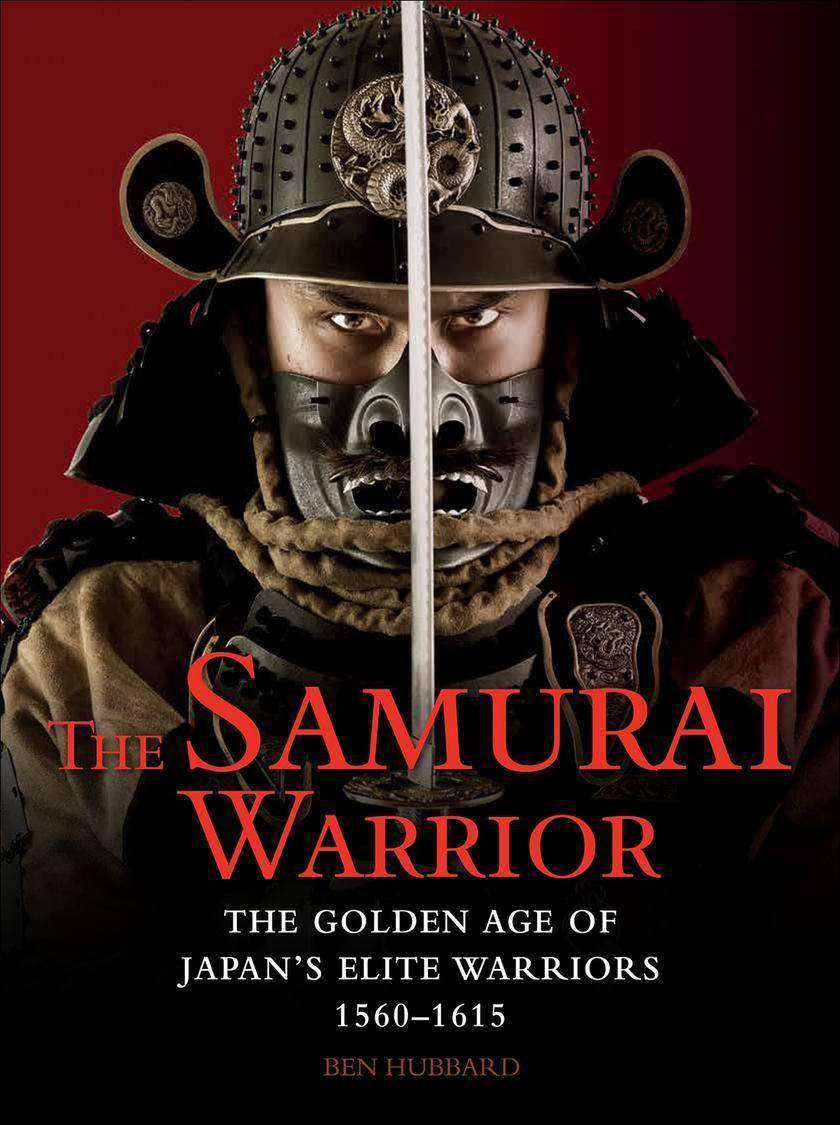
The Samurai Warrior: The Golden Age of Japan’s Elite Warriors 1560–1615
¥81.67
During Japan’s Warring States period, centuries of strife had left the country divided and leaderless. Those who filled the power vacuum were the daimyo, warlords who ruled over the clans and provinces of Japan. Serving their daimyo, the samurai were the ultimate warriors at a time when military prowess won out over hereditary power and position. The nature of warfare itself changed—romantic ideas of mounted duels and battlefield decorum became as rare as aristocratic samurai leaders. Marching in to replace them were the common foot soldiers, the ashigaru , armed with pikes and matchlock rifles. The Samurai Warrior examines the fighting men of this key period in Japanese history. Divided into six chapters, the book describes the unification under the Tokugawa bakufu , the major battles of the era, the weapons and armour used, the social structure of Japanese society, myths about the samurai, and finally the decline of the samurai amidst the modernization of the Meiji period. Including more than 200 photographs, illustrations, paintings, and maps, The Samurai Warrior is a colourful, accessible study of Japan’s famous but often misunderstood warrior elite.
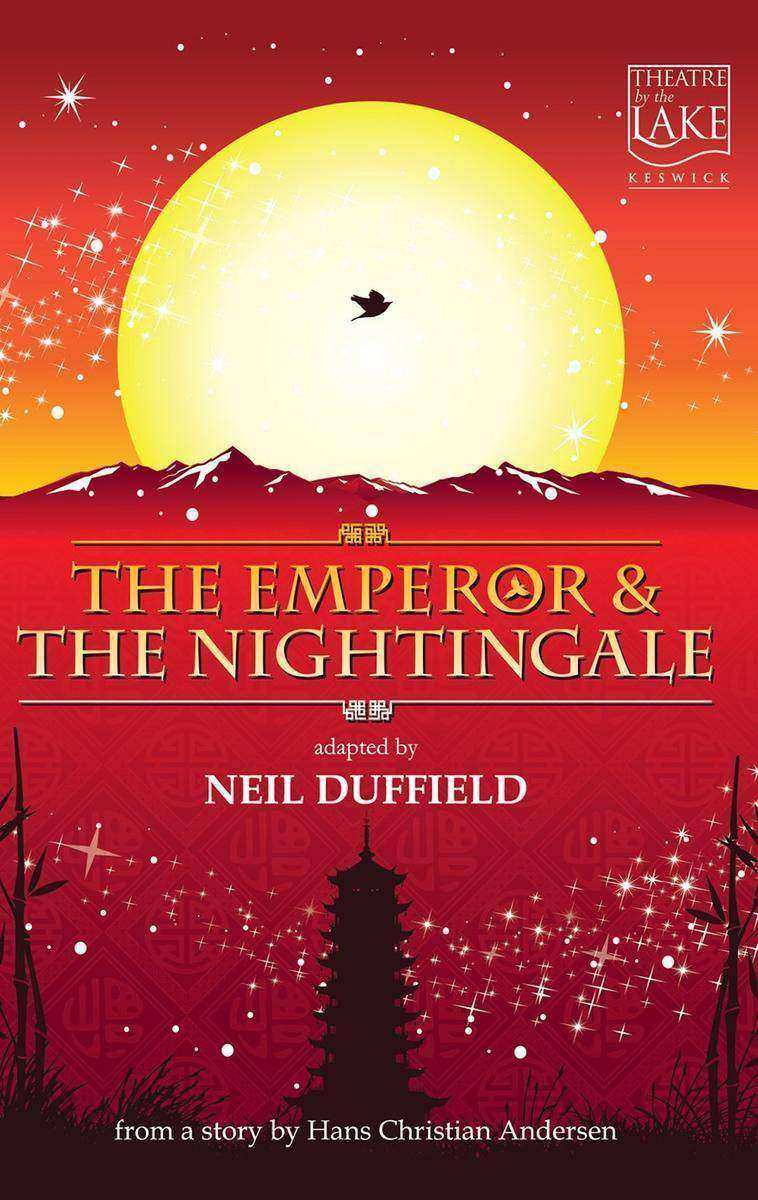
The Emperor and the Nightingale
¥40.79
From a story by Hans Christian Andersen In ancient China, young emperor Wu is kept a virtual prisoner in his palace by his devious guardian, Li Si. Wu believes the world outside the Forbidden City is an evil and dangerous place. But when Xiao, a young servant girl, tells him of the most beautiful sound on earth – the song of the nightingale – it’s too much to resist. The two embark on an adventure that will take them across mountain tops and waterfalls, past chattering monkeys and magical dragons to the far reaches of his kingdom. When Wu returns with the nightingale, and starts to overturn the old palace customs, Li Si plots to restore things to the way they were before. Featuring puppetry, music and all the colour, movement and spectacle of Chinese theatre, this joyful adaptation of Hans Christian Andersen’s fairy tale is a feast for the senses that will delight the whole family. Suitable for ages 6+

The Diary of a Hounslow Girl
¥40.79
The story of a modern Asian young woman trying to straddle Western attitudes and traditional beliefs. You've heard of an Essex Girl or even a Chelsea Girl but what is a Hounslow Girl? The term has become a byword for confident, young Muslim women who are grappling with traditional values, city life and fashion. From the joys of Pakistani weddings to fights on the night bus, Ambreen Razia's? The Diary of a Hounslow Girl ?is a funny, bold, provocative play highlighting the challenges of being a teenage girl in a traditional Muslim family, alongside the temptations and influences of growing up in and around London. “Ambreen’s writing is poetic in its structure and intensity, funny, moving, chilling, and delivered in a style that takes inspiration from spoken word and physical theatre. She has created a rhythm that draws the audience in, as compelling as a thriller, complete with gathering ominousness, shocks and comic relief.” Deborah Bestwick, Director, Ovalhouse “Ambreen Razia’s terrific play is exactly the kind of new work we wish to support in the new home of multi-cultural theatre in London. Hounslow Girl is a wonderfully funny take on a London phenomenon and one audiences will enjoy.” Jatinder Verma, Artistic Director, Tara Arts” "a powerful piece of theatre... Ambreen Razia's performance is astonishing."?BritishTheatre.com "This is a sophisticated, moving and often very funny piece of writing, particularly nuanced in its depiction of Shaheeda's relationship with her mother ... astute in tackling the breakdown of the loving bonds between parent and child that can occur when a child becomes a teenager – and also how this experience can be magnified for the children of first-generation immigrants, whose parents feel distant from their children’s British lives... Razia's script touches on everything from first love to cultural expectations to student-teacher relationships; it’s a bit like an inner-city version of An Education."?The Stage Ambreen Razia is an actress and writer from South London.? The Diary of a Hounslow Girl is Ambreen's debut show which premiered at Ovalhouse in 2015. Passionate about re-establishing British Asian comedy within the UK, she continues to write her comedy sketch show involving two British Asian girls exploring the?clash between traditional Indian/Pakistani culture and modern British life. She is also currently writing her next play POT primarily focusing on the recent comeback of gang culture within the UK.?Performance credits include: On the Middle Day (Old Vic Theatre);? Words and Women (Edinburgh Fringe); Random Acts (Channel 4);? Fair Exchange (Hen and Chickens Theatre);? Variations on a Theme (Camden People's Theatre);? Mind the Gap (National Theatre ); No Guts, No Heart, No Glory? (BBC4/Perth Festival Australia) and Murdered by my Father? (BBC3).
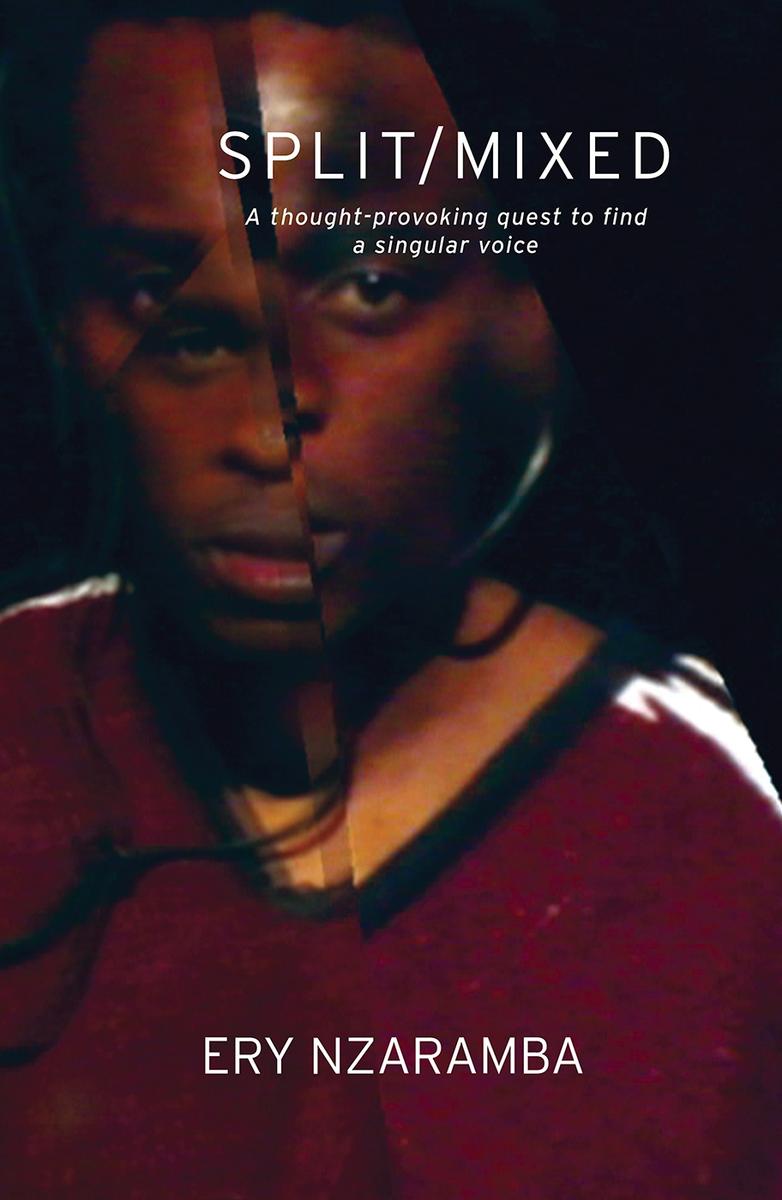
Split/Mixed
¥40.79
A dual language edition in English and French. The genocide in Rwanda shocked the world. Back then, Ery Nzaramba was only a teenager and his family’s escape to Europe turned him into a “survivor”. How should he now respond to questions about who he is and where he comes from? In this autobiographical one-man play, performed to acclaim on the Edinburgh Festival Fringe, the author journeys back to his Rwandan childhood. With the help of a cassette player, he brings to life nearly a dozen characters, exploring memories of kinship, cultural attitudes and personal identity. Both funny and poignant, the play highlights not only the intolerance that can breed violence and war but also the importance of power and privilege in the struggle for survival. Le génocide au Rwanda a choqué le monde. ? l'époque, Ery Nzaramba était un adolescent. Après que sa famille se fut échappé en Europe, il est devenu un ?survivant?. Désormais, que doit-il répondre à des questions sur qui il est et d'où il vient? Dans ce one-man show autobiographique, salué par la critique lors de sa présentation au Festival d'?dimbourg, l'auteur retourne vers son enfance au Rwanda. Accompagné d'un lecteur cassette, il donne vie à une bonne douzaine de personnages, explorant souvenirs de famille et d'affinités, attitudes culturelles et identité. ? la fois poignante et pleine d'humour, la pièce met en lumière non seulement l'intolérance qui peut engendrer violence et guerre, mais aussi l'importance du privilège dans la lutte pour la survie.


