


 购物车
购物车 个人中心
个人中心
Dexter Quiz Book Season 3
¥19.52
Following the events of Dexter and the Ice Truck Killer in the first season Dexter finds himself tailed by one of his colleagues and having not killed anybody for a month. He finds out information about Harry that he is shocked by and that shakes Dexter's belief in Harry's code. Dexter's sister Debra finds herself struggling with her experience with the Ice Truck Killer in the events of last season too putting stress on her relationships with those around her. With the FBI closing in on Dexter too with the discovery of his victims bodies in the ocean this season put Dexter in some of the most uncomfortable situations so far leaving him struggling to stay in control of his dark passenger. Test yourself with over 100 questions inside from the second season of this compelling show.

101 Amazing Benedict Cumberbatch Facts
¥19.52
101 Amazing Benedict Cumberbatch Facts
101 Amazing Sherlock Holmes Facts
¥19.52
Are you a fan of Sherlock Holmes? Do you want to know some incredible trivia about the world's greatest detective? Whether it is Benedict Cumberbatch in the BBC's Sherlock that you enjoy, or Robert Downey Junior's portrayal in the film series that piques your interest, this fantastic book of facts from Jack Goldstein and Jimmy Russell is sure to be an excellent addition to your bookshelf. With sections covering adaptations of the stories, Sir Arthur Conan Doyle and of course the most amazing and unbelievable facts, this is the perfect way to find out more about the best-selling hero.
Media Labs: what you need to know
¥40.79
SHORTLISTED FOR PEOPLE'S BOOK PRIZE This is an essential guide to the evolving and dynamic world of digital media. Explains how the media lab as a place (actual or virtual) encourages, nurtures and provides tangible support for creative talents and their projects. While the focus of the book is on filmmaking and gaming, the author also delves into the ‘brave new worlds’ of Virtual Reality and Augmented Reality. Providing an overview of the range of media labs on offer in both academia and festivals, the book is enriched by interviews with contemporary practitioners working in digital media culture around the world. Reviews “... an inspirational and timely new resource, packed with contacts, leading edge initiatives, tips from seasoned media practitioners …. It can’t fail to help you get new creative content made, and seen, around the world.”– Nic Millington, CEO Rural Media “With digital technologies and the blurring of creative boundaries changing the way that content is made and seen, this book proves an invaluable guide for those looking to successfully navigate this constantly evolving landscape.” – Nikki Baughan, Film Industry Journalist About the author James Clarke?has written for the magazines?3D Artist, 3DWorld, Moviescope?and?Empire. His work has also featured in?The Guardian, on BBC Radio 3 and for the BFI. As an educator he is a Fellow of the Higher Education Academy and has taught at the University of Gloucestershire, Hereford College of Arts and the University of Warwick. James is currently a Visiting Lecturer at the London Film School. ?James’s books include the recently published?Through Her Lens: The Stories Behind the Photography of Eva Sereny?(ACC Books),?The Year of the Geek?(Aurum Press) and?Bodies in Heroic Motion: The Cinema of James Cameron?(Columbia University Press). James also writes A Level Film Studies resources for Edusites and has been a consultant to the British Council, writing and producing content on the subject of various literary icons.
Blackbirds
¥40.79
Mayflower Street runs between Jamaica Road and the Thames in Bermondsey, South London. In 1939, 34 houses and 121 residents occupied the street. Between 1940 and 1941 bombs fell on 7 of these houses and at the end of war, the street – with its corner shop, was demolished. Using personal testimony, physical theatre and the combined skills of a cast of contemporary Londoners the project aims to share some of the experiences and events that made our city into the place we know today. Blackbirds is the play that emerged from the London Bubble Theatre's research and interviews of South Londoners who lived through the Blitz between 1940 and 1941.

Classic Plays by Women: From 1600 to 2000
¥40.79
Classic Plays by Women: an anthology of the best plays by female dramatists from 1600-2000 Staged in theatres by successive generations and proving relevant to contemporary audiences, the plays demonstrate the wit, theatrical skill and innovation of their creators in exploring timeless topics from marriage, morality and money to class conflict, rage and sexual desire. An essential resource for students, playwrights, colleges, universities and libraries, this collection also provides theatres with the opportunity to programme a range of theatrical classics by women. Plays from: Hroswitha’s Paphnutius (extract); Elizabeth Cary’s The Tragedy of Mariam(extract); Aphra Behn’s The Rover; Susanna Centlivre’s A Bold Stroke For A Wife; Joanna Baillie’s De Montfort; Githa Sowerby’s Rutherford and Son; Enid Bagnold’s The Chalk Garden; Caryl Churchill’s Top Girls (extract); Marie Jones’ Stones in his Pockets. ?

50 Quick Doctor Who Facts
¥9.71
Do you love Dr Who? Are you a new fan of the show? This 50 Quick facts guide is ideal for both new and young fans who want an introduction to the show!

101 Amazing Facts about 5 Seconds of Summer
¥19.52
Are you a longstanding member of the 5SOS Family? Or do you want to know everything there is to know about Luke, Michael, Calum and Ashton? If so, then this is the book for you! Contained within are 101 amazing facts about everything, from how the boys got started in the music business to some funny random facts, their favourite things and much, much more. The book is easily organised into sections so you can find the information you want fast and is perfect for all ages!

101 Amazing Facts about Nicole Richie
¥19.52
Are you the world's biggest Nicole Richie fan? Or do you want to know everything there is to know about the fashion designer, author and reality TV star? If so, then this is the book for you! Contained within are over one hundred facts about everything, from her unusual upbringing to her on/off friendship with Paris Hilton, her relationships, fashion lines and much, much more. The book is easily organised into sections so you can find the information you want fast and is perfect for all ages!
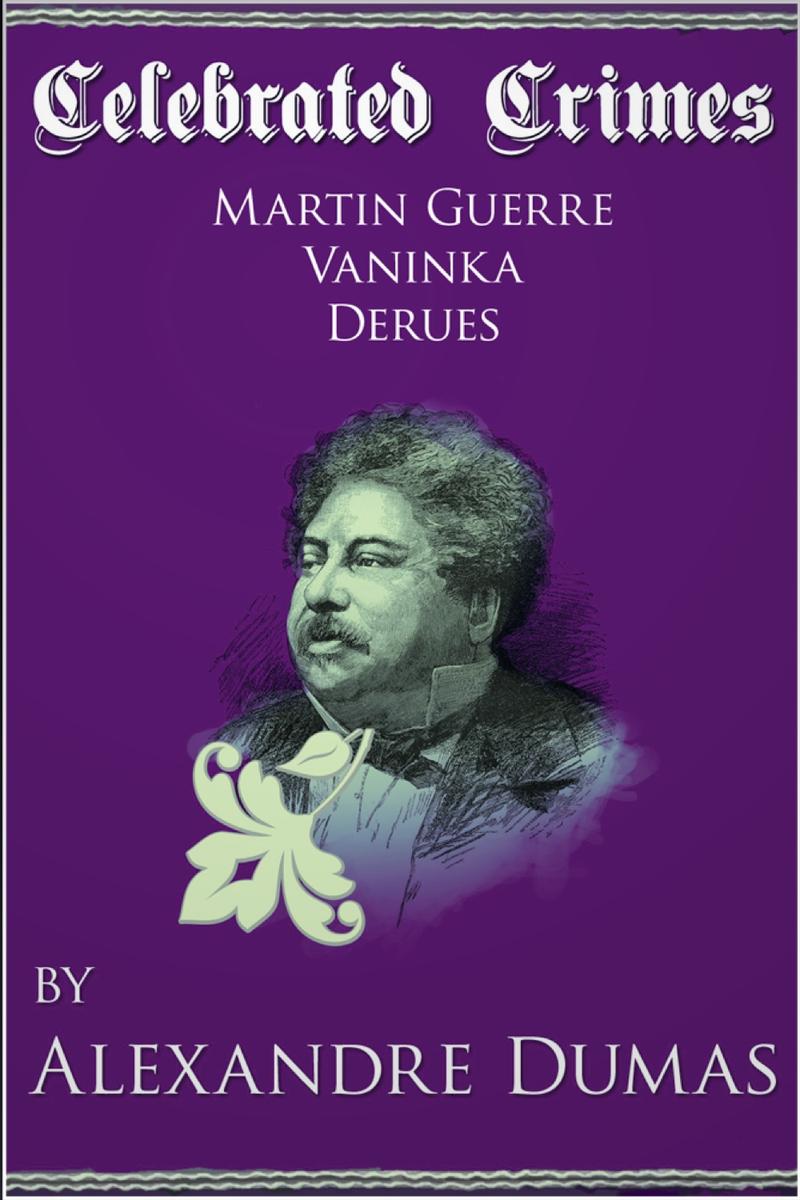
Celebrated Crimes 'Martin Guerre', 'Vaninka' and 'Derues'
¥19.52
Three writings taken from 'Celebrated Crimes', a series of essays on famous criminals and crimes by the author of 'The Count of Monte Cristo' and 'The Three Musketeers', Alexandre Dumas.
101 Amazing Kim Kardashian Facts
¥19.52
Are you the world's biggest Kim Kardashian Fan? Do you know everything there is to know about today's greatest style icon and reality TV star? Then this is the book for you! In this easy-to-digest eBook are 101 facts about your favourite celebrity - do you know all of them?Test yourself and your friends with these handily-packaged facts easily organised into categories for maximum enjoyment. Sections include Kim's TV work, her fashion, and some crazy facts about her life. Show everyone that you are the master of Kardashian Knowledge!
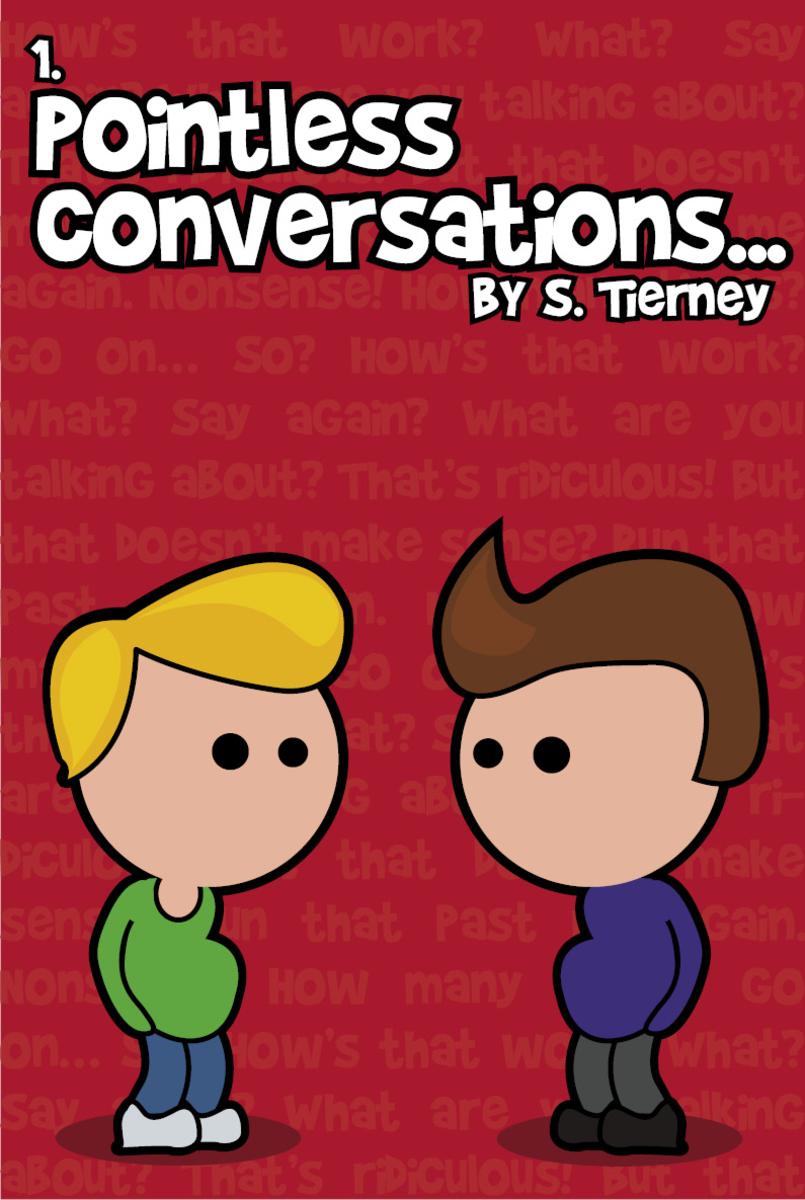
Pointless Conversations
¥19.52
Pointless conversations: a selection of daft, ridiculous and utterly pointless meanderings from the mind of Scott Tierney. If you've ever wanted to know the answers to why Superman is a coward; why Spiderman should technically be deformed; and if Superdog caused the death of Krypton, then these bite-sized comics will reveal all. The discussions may be inane, and most of what is said is rambling, but despite this, you may find yourself agreeing with most of what is said. It's a fair point: where does Spiderman store all that web?
Pointless Conversations
¥19.52
Pointless conversations: a selection of daft, ridiculous and utterly pointless meanderings from the mind of Scott Tierney. If you've ever wanted to know the answers to why Superman is a coward; why Spiderman should technically be deformed; and if Superdog caused the death of Krypton, then these bite-sized comics will reveal all. The discussions may be insane, and most of what is said is rambling, but despite this, you may find yourself agreeing with most of what is said. It's a fair point: where does Spiderman store all that web?
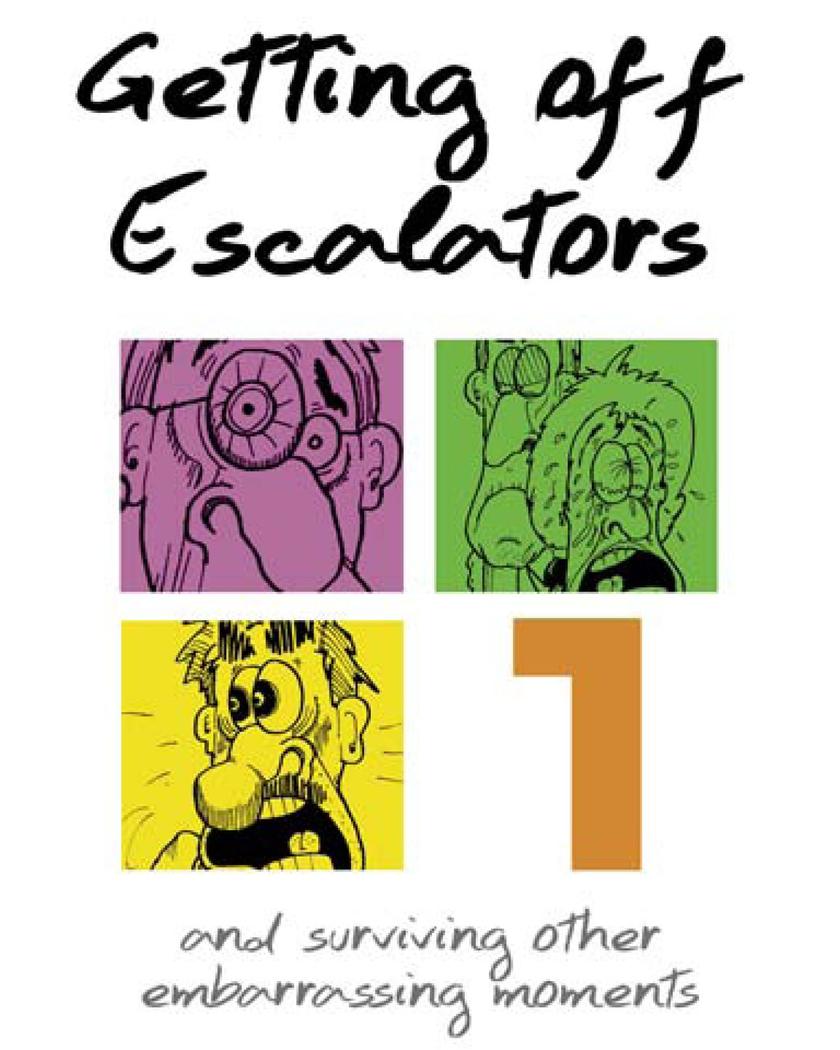
Getting Off Escalators - Volume 1
¥29.33
Getting Off Escalators and surviving other embarrassing moments: Do you struggle to find the confidence to talk in public, without melting into a puddle of pathetic hopelessness? Are you having panic attacks when riding an escalator, or you don't feel manly enough to hold a pint with any authority of pride? Then you, sir, need this guide... or medical help... yes, medical help is probably a safer bet. But comics are funnier, so choose this. About the author: Scott Tierney is a nervous, awkward, confidence-lacking and stress-ridden writer, who produces self-help comics that provide very little guidance for those who read them. Luckily, these comics are extremely funny, so when the reader does loss their reason to live, they go out with a smile.
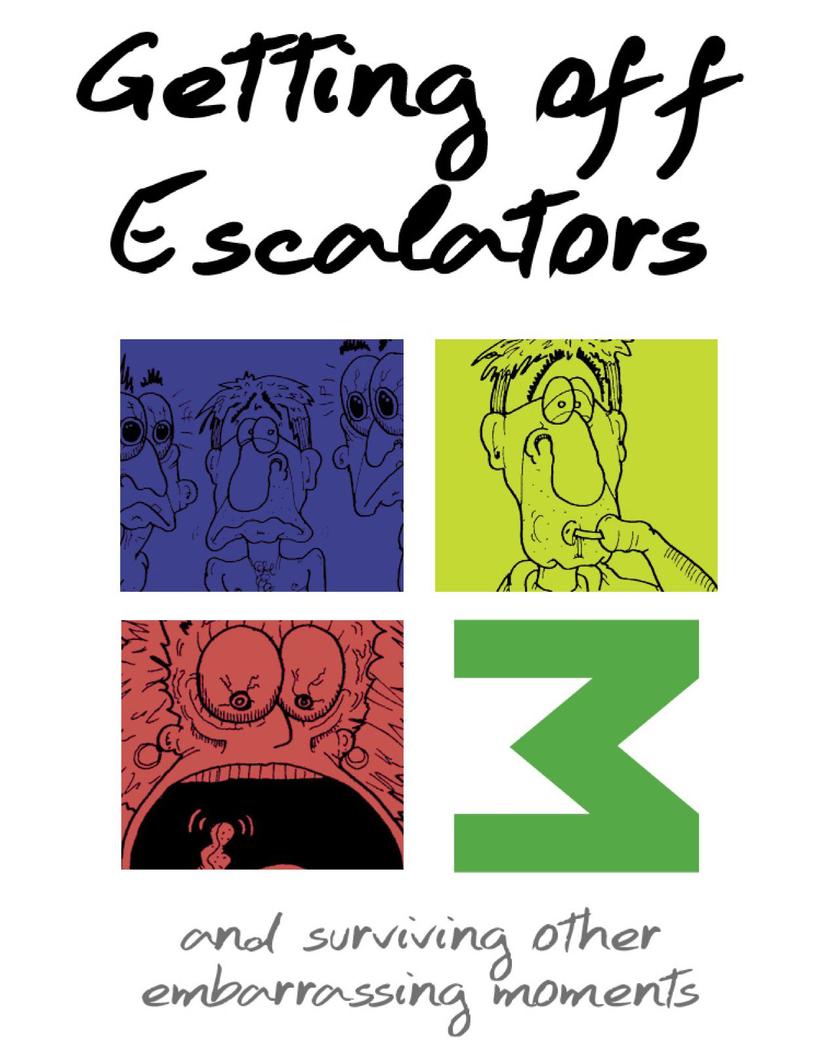
Getting Off Escalators - Volume 3
¥29.33
Getting Off Escalators and surviving other embarrassing moments: Do you struggle to find the confidence to talk in public, without melting into a puddle of pathetic hopelessness? Are you having panic attacks when riding an escalator, or you don't feel manly enough to hold a pint with any authority of pride? Then you, sir, need this guide... or medical help... yes, medical help is probably a safer bet. But comics are funnier, so choose this. About the author: Scott Tierney is a nervous, awkward, confidence-lacking and stress-ridden writer, who produces self-help comics that provide very little guidance for those who read them. Luckily, these comics are extremely funny, so when the reader does loss their reason to live, they go out with a smile.
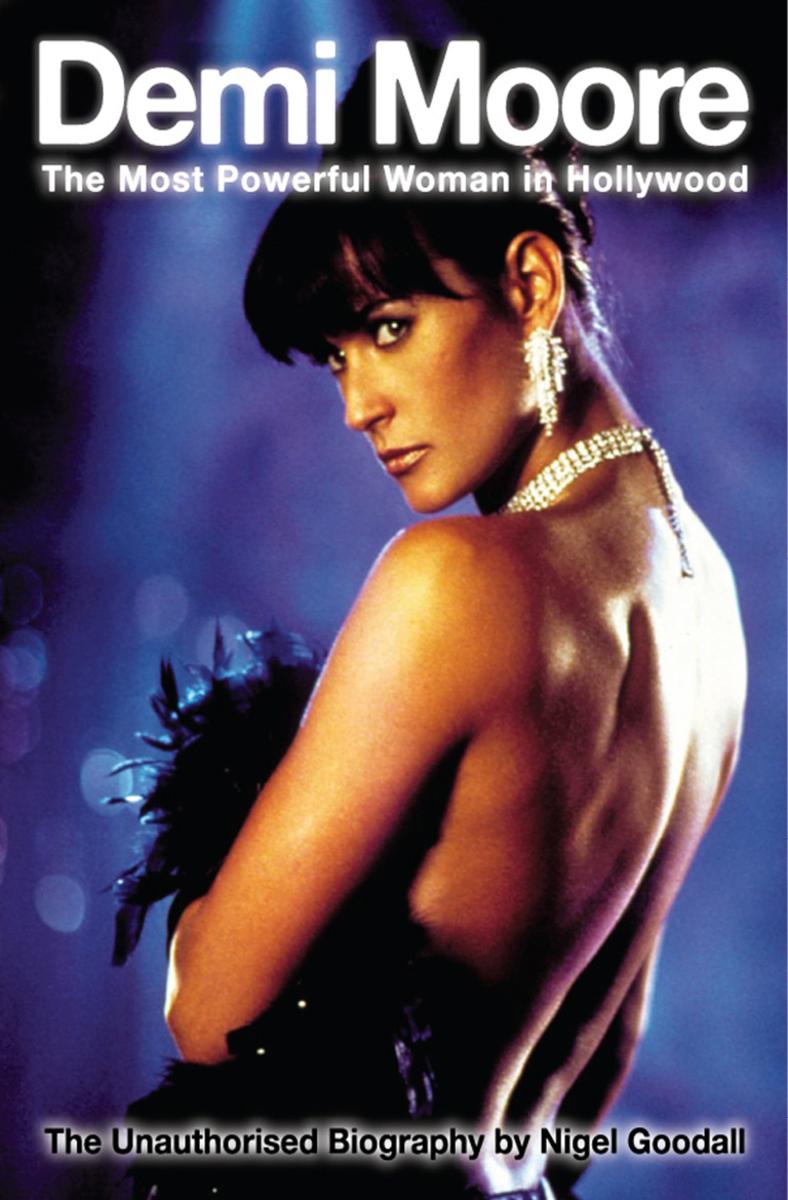
Demi Moore - The Most Powerful Woman in Hollywood
¥39.14
From her Hollywood debut at the age of 19 to her latest venture, this biography traces the events and circumstances that have shaped Demi Moore's extraordinary character and propelled her from aspiring model to movie superstar. The book describes Demi's troubled childhood and her crusade to quit high school to find a career in modelling, as well as the trauma of her stepfather's suicide two years later. It reveals the truth behind her relationship with actor Emilio Estevez and why she broke off their engagement, her up-and-down relationship with husband Bruce Willis and her alleged affair with Leornardo DiCaprio. It also: relates how Demi's drug and alcohol addiction almost led to her departure from the set of "e;St Elmo's Fire"e;; looks at the history behind her nude appearances both on and off screen; and details behind-the-scenes information from the sets of her movies past and present, including her roles in "e;Indecent Proposal"e;, "e;Striptease"e; and Woody Allen's "e;Deconstructing Harry"e;.
101 Amazing Facts about Sam Smith
¥19.52
Are you the world's biggest Sam Smith fan? Or do you want to find out everything there is to know about one of the world's greatest singer-songwriters of modern times? If so, then this is the book for you! Contained within are over one hundred facts about Sam, from his life before making it big in the music industry to his relationships, likes, dislikes plus much, much more. The book is easily organised into sections so you can find the information you want fast and is an unmissable addition to any fan's bookshelf.
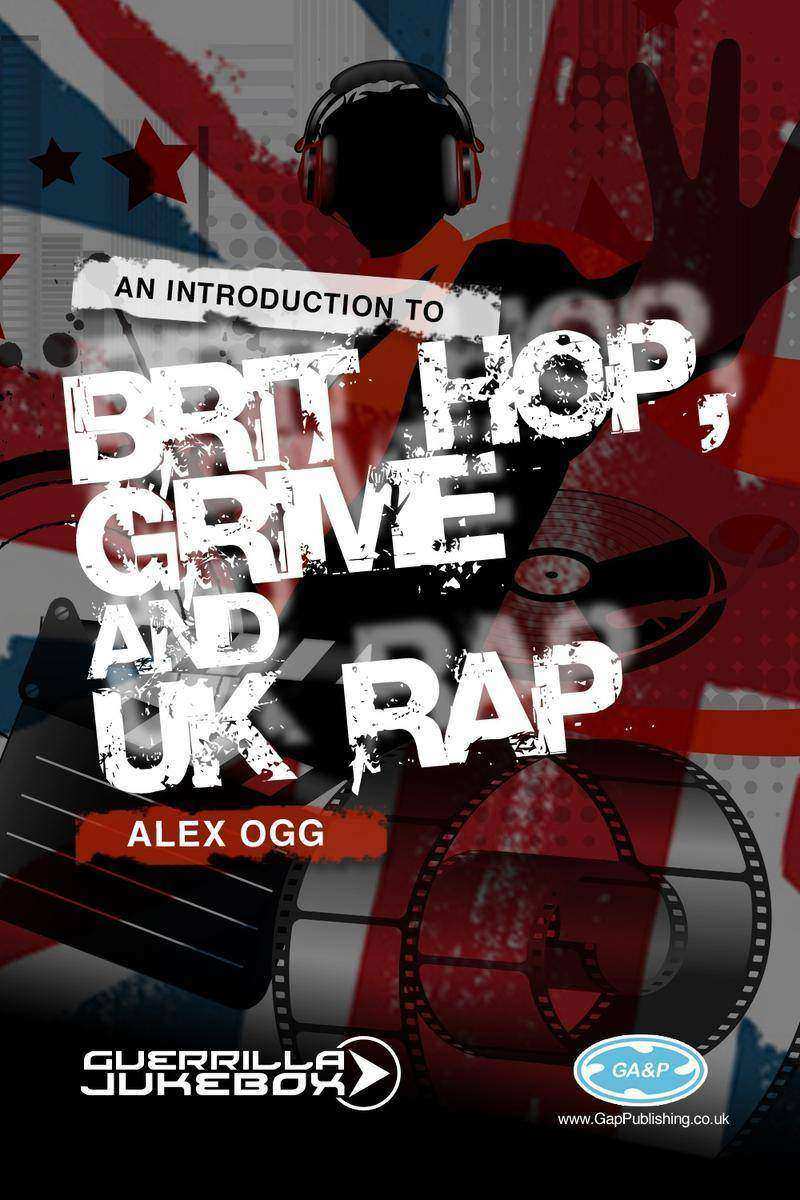
Paid In Full?
¥29.33
An introduction to the history of British hip-hop as it finally escapes its reputation as the poor cousin of the American variant with a succession of hugely successful releases by the new stars of 'grime'. Alex Ogg, a notable author in this field having previously written The Hip Hop Years (and been a consultant on the accompanying BAFTA nominated documentary strand), The Men Behind Def Jam and Rap Lyrics: From The Sugarhill Gang to Eminem, is a long-term commentator on the global breakout of hip-hop. His latest book explores the unique factors at play in the development of this subculture, tracing it right back to the first key releases in the early 80s, to the false dawn of the early 90s, and finally the spectacular success of grime in the last two years. Key landmarks are addressed along that timeline, and important recordings and incidents appraised, including many first-hand quotes. The ill-defined and much misunderstood 'grime' genre is placed in a specific historical context, as well as sections on trip-hop and other contributory/parallel British musics. As well as offering a comprehensive foundation for those who wish to investigate this phenomenon, Ogg provides a recommended listening list as well as snapshots of the new heroes of grime, from Dizzee Rascal and Tinchy Snyder to Tinie Tempah.
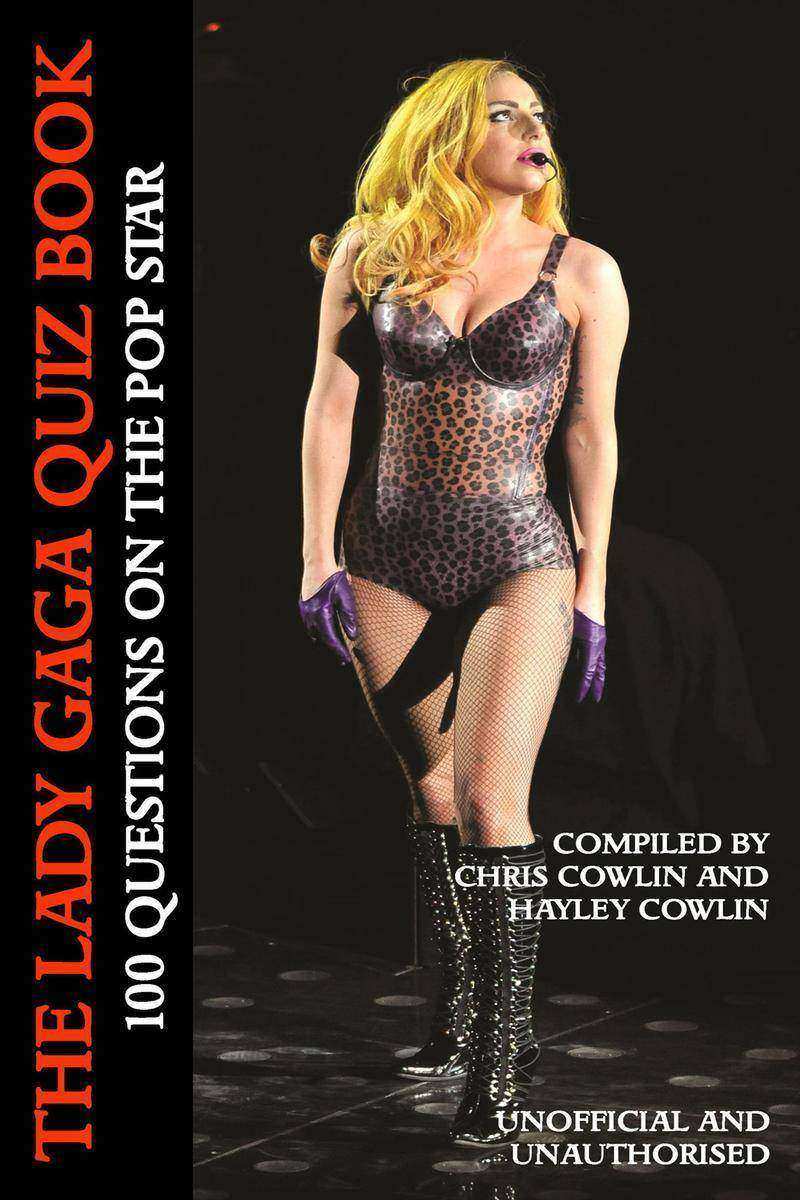
Lady Gaga Quiz Book
¥24.43
So you think you know all about Lady Gaga from her early successes through to her current domination of the world music scene? But do you know her real name or how she got started in the music business? What about the lyrics to her songs or the influences behind her distinctive fashion choices? Find out how much you really know about the unique Ms Gaga with the 100 challenging questions in this brilliant quiz book. This book is packed with fascinating facts that cover all aspects of the singer-songwriter's life from chart topping hits, memorable lyrics, awards and accolades to less well known personal details, so you are sure to learn something new about your favourite pop star. The Lady Gaga Quiz Book is a fitting tribute to the woman who has taken the music industry by storm and in 2010 was dubbed by Forbes as one of the most powerful celebrities in the world today. There is only one Lady Gaga and this is the must-have reference guide for all of her fans.
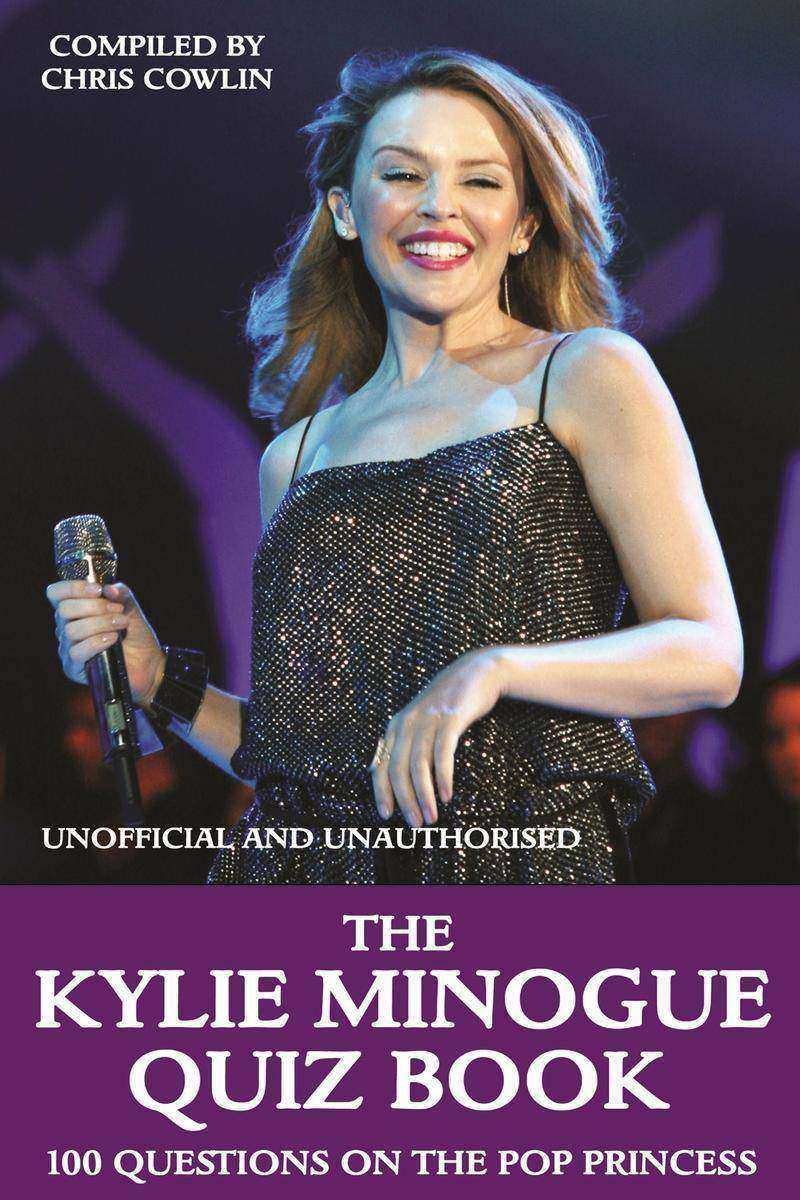
Kylie Minogue Quiz Book
¥24.43
Are you a Kylie Minogue fan? Have you followed the pint size pop princess's long and successful career from Neighbours actress to chart topping singing sensation? Can you name all of her albums? Were you aware that Kylie had written a children's book and can you reel off the title of her autobiography? Do you know exactly how tall she is? If so then this quiz book is just what you need to find out how much you really know about Kylie. This fun tribute contains 100 thought provoking questions about the multi award winning superstar and covers all aspects of Kylie's life, including TV and film appearances, world tours, chart positions, accolades and personal details. You are certain to find out something new about your favourite songster so be prepared for one or two surprises. Packed with fascinating facts, The Kylie Minogue Quiz Book is as informative as it is entertaining and is a must have for all music fans. If you like Kylie you will love this book.
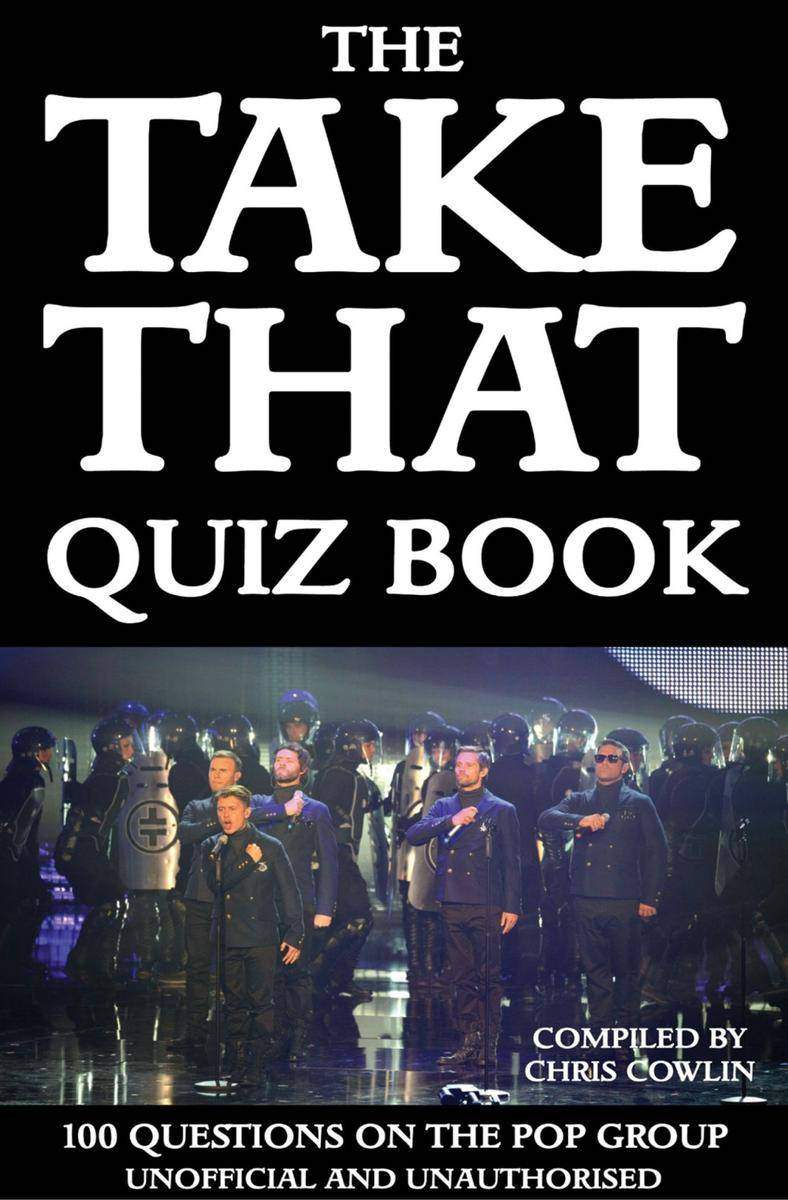
Take That Quiz Book
¥24.43
Are you an expert on Take That? Have you followed every twist and turn in the amazing Take That story? Do you know all there is to know about the multi award winning, chart topping band? Then what better way to put your knowledge to the test than with the 100 questions in this quiz book, each one designed to challenge your memory of the events that have shaped the most popular UK boyband of all time. This book covers the phenomenal success of the early years to the band's break up and subsequent reunion as a four piece right through to Robbie Williams rejoining in 2010 to complete the original Take That line-up. The Take That Quiz Book is packed with information about your favourite group, including career highlights and low points, the many unforgettable hits, awards and accolades along with personal details of all the band members. This handy reference guide is must-have for all Take That fans and anyone interested in finding out more about one of the biggest success stories in recent music history.


