


 购物车
购物车 个人中心
个人中心
Saviour of the Nation
¥103.82
Saviour of the Nation

Screenplay for "Kingdom of little angels, Story 1
¥1635.00
Screenplay for "Kingdom of little angels, Story 1
The Gill People of Outerborough Queens: A Radio Play
¥32.29
The Gill People of Outerborough Queens: A Radio Play

The Arbor: A Play in Seven Scenes
¥32.29
The Arbor: A Play in Seven Scenes

Peter Lely: 55 Drawings & Studies
¥9.48
Peter Lely: 55 Drawings & Studies
Joshua Reynolds: 55 Drawings & Studies
¥9.48
Reynolds: 55 Drawings & Studies

Mother of All Machines
¥16.27
Mother of All Machines
The Clash of Images
¥57.14
The Clash of Images is a sweet, Borgesian mix of bildungsroman memoir, family history, short-story collection, fable, and literary criticism. Written in a graceful and charming style, Kilito’s story takes place in an unnamed coastal city of memories where a child experiences first-hand the cultural clash of text and image in a changing, modern society. It is a time when the old Arabic world of texts and oral traditions is making way for something new: the era of the image, the comic book, photo IDs, and the cinema. The stories form a kaleidoscopic memoir of growing up in two worlds, a brilliant mixture of cultural and family history. Here are tales of first kisses and first reads, Tintin and the Prophet Muhammad, fantasies of the Wild West, the inferno of the bathhouse, and the lost paradises of childhood. The Clash of Images is a celebration of the pleasures of storytelling, a magic lantern that delicately reveals how the world of books intimately connects with the world outside their pages.

From Docks to Desktops
¥40.79
London's recent history captured in dramatic form. Created from dozens of personal testimonies, this is the story of the changing face of work today. Surrey Docks in South-East London was once a thriving commercial hub, hosting some of the UK’s leading commercial brands, including Crosse & Blackwell, Sarson’s, Peek Freans and Lipton’s. These huge organisations created a myriad of jobs for local people, and the community prospered. But, with the decline of the docks in the 1970s, factories closed down or relocated, work patterns changed and redevelopment began. ‘From Docks to Desktops’ explores the fascinating story of how one community has survived the 21st-century challenges of urban change and renewal.

Publish Your Way to More Clients
¥54.10
This book explains how to plan, write and publish a book so that you are seen as 'the one' in the eyes of your potential clients. One of the best ways to show off your expertise, is to write a book - you can then use this as a fantastic marketing tool to get people into your sales funnel and attract higher paying clients. This book takes you through the entire process, from getting your plan into place, to writing and publishing your book. It may seem like a complicated process, but when you know how, it's actually quite simple. With a step by step plan, plus handy resources to help you along the way, you'll have your book written in no time.

The Western Front 1914–1916: From the Schlieffen Plan to Verdun and the Somme
¥81.67
The Western Front, running from the Belgian coast in the north to the Swiss border in the south, was to prove the decisive battlefront of World War I. It was where the great powers of Germany, France and the British Empire concentrated the bulk of their military might, and it was where many believed the war would be settled before Christmas 1914. The German General Staff realised the dangers of fighting a two-front war against both France and Russia simultaneously. They sought to knock the French out of the war quickly, making a rapid advance on Paris through neutral Belgium – the infamous 'Schlieffen Plan'. After desperate delaying actions fought by the French and British armies, the German hope for swift victory in the West was thwarted by their defeat at the First Battle of the Marne. Following a 'Race to the Sea' – where each side sought to outflank the other, culminating in the battles of First Ypres and the Yser – the Western Front settled down into a pattern of trench warfare that would remain little changed until 1917. The year 1915 proved one of frustration for the Allies as attack after attack – in Champagne, at Neuve Chapelle, Festubert and Loos – all failed to pierce the German defensive lines. To break the deadlock, a joint Allied offensive was planned for 1916 with simultaneous attacks against the Central Powers to take place in all the European theatres. This planned major effort was pre-empted by the German assault on the fortress city of Verdun, intended to bleed the French Army dry. The joint Somme offensive thus became a largely British and Imperial affair to relieve the pressure on their French allies. The blooding of Kitchener's volunteer New Army on the first day of the Somme has become a byword for the slaughter on the Western Front. By the year's end, it was clear there would be no easy victory for either side. With the aid of over 300 photographs, complemented by full-colour maps, The Western Front 1914–1916 provides a detailed guide to the background and conduct of the conflict on the Western Front in the first half of the war, up to and including the Battles of the Somme and Verdun.
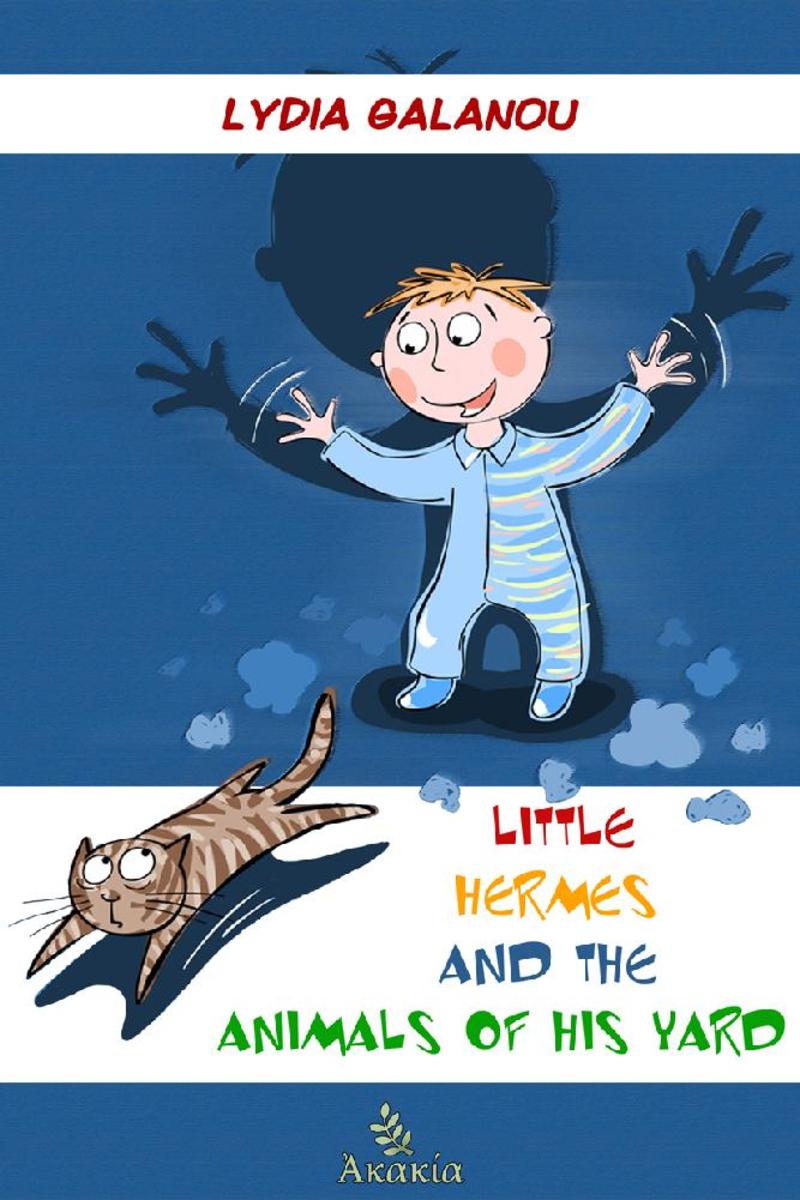
Little Hermes and the Animals of his Yard
¥31.56
Lydia Galanou offers the world of children's literature, an amazing little story which talks about children's mischief and how one can impart to them important advice about their future in a beautiful and vivid way!
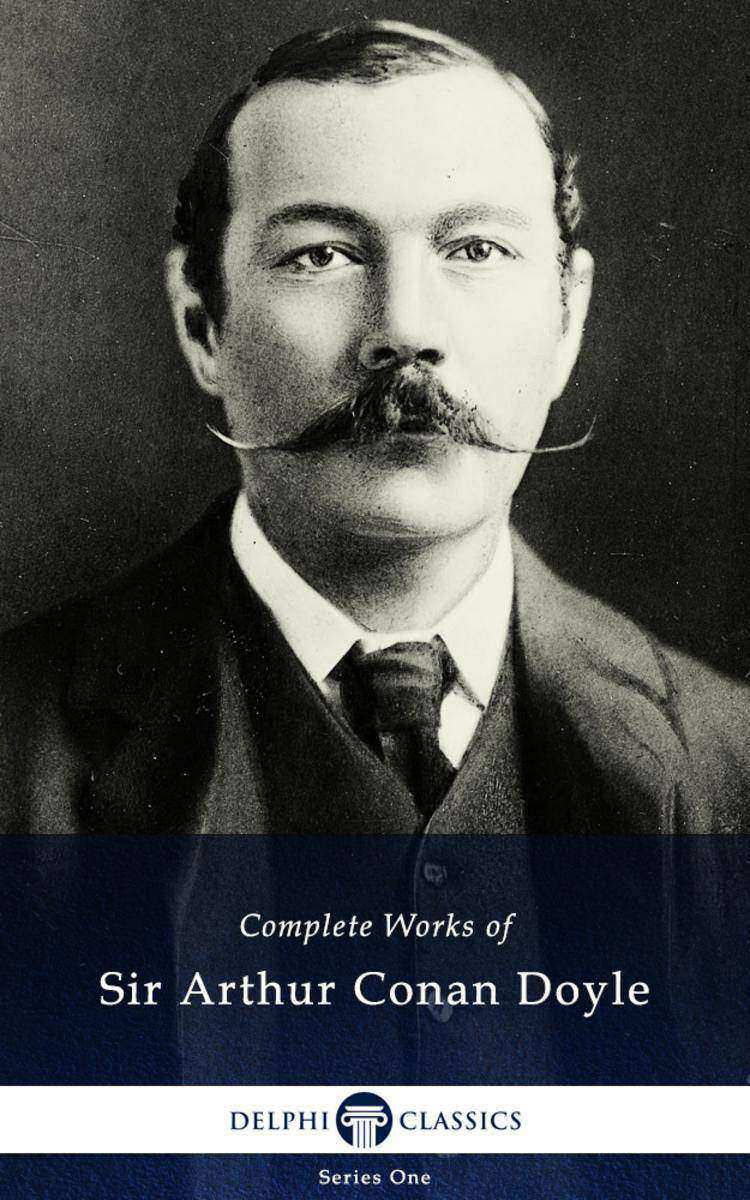
Delphi Complete Works of Sir Arthur Conan Doyle (Illustrated)
¥24.44
Not only the creator of the immortal Sherlock Holmes, Sir Arthur Conan Doyle produced a diverse and entertaining oeuvre of works, which you can now enjoy with ease on your eReader. This comprehensive eBooks offers the complete works of Conan Doyle, with beautiful illustrations and bonus texts. (Version 5) * annotated with concise introductions to the novels and other texts * illustrated with the original Sherlock Holmes images * images of how the books first appeared, giving your eReader a taste of the Victorian texts * ALL of the Sherlock Holmes stories – even the rare and unfinished “THE ADVENTURE OF THE TALL MAN” * ALL of the Challenger and Gerard stories * the rare comic opera Conan Doyle collaborated on with Peter Pan author J.M. Barrie * ALL of the short stories and short story collections have their own unique contents tables – choose from a vast range of amazing and rare short stories * ALL of the ‘lost’ tales only found in recent years * many images relating to Conan Doyle, his life and works * rare spiritualist non-fiction texts * Conan Doyle’s historic war treatises with maps * scholarly ordering of texts into chronological order and literary genres * BONUS text – Conan Doyle’s rare autobiography MEMORIES AND ADVENTURES – first time in digital print * includes rare plays by Conan Doyle, including SHERLOCK HOLMES – explore the Great Man’s theatrical talents * scarce non-fiction works, appearing for the first time in digital print Please visit www.delphiclassics.com to browse through our range of exciting titles CONTENTS: The Sherlock Holmes Works A STUDY IN SCARLET THE SIGN OF THE FOUR THE ADVENTURES OF SHERLOCK HOLMES THE MEMOIRS OF SHERLOCK HOLMES THE HOUND OF THE BASKERVILLES THE RETURN OF SHERLOCK HOLMES THE VALLEY OF FEAR HIS LAST BOW THE FIELD BAZAAR HOW WATSON LEARNT THE TRICK THE ADVENTURE OF THE TALL MAN THE CASE-BOOK OF SHERLOCK HOLMES LIST OF THE SHERLOCK HOLMES SHORT STORIES The Challenger Stories THE LOST WORLD THE POISON BELT THE LAND OF MIST WHEN THE WORLD SCREAMED THE DISINTEGRATION MACHINE The Complete Novels - too many to list The Short Story Collections THE CAPTAIN OF THE POLESTAR AND OTHER TALES. THE GREAT KEINPLATZ EXPERIMENT AND OTHER TALES OF TWILIGHT AND THE UNSEEN MY FRIEND THE MURDERER AND OTHER MYSTERIES AND ADVENTURES ROUND THE RED LAMP THE GREEN FLAG AND OTHER STORIES THE EXPLOITS OF BRIGADIER GERARD THE ADVENTURES OF GERARD ROUND THE FIRE STORIES THE LAST GALLEY DANGER! AND OTHER STORIES TALES OF TERROR AND MYSTERY THE DEALINGS OF CAPTAIN SHARKEY AND OTHER TALES OF PIRATES THE MAN FROM ARCHANGEL AND OTHER TALES OF ADVENTURE The Short Stories LIST OF SHORT STORIES IN CHRONOLOGICAL ORDER LIST OF SHORT STORIES IN ALPHABETICAL ORDER The Opera JANE ANNIE, OR THE GOOD CONDUCT PRIZE The Plays WATERLOO SHERLOCK HOLMES THE SPECKLED BAND THE CROWN DIAMOND THE JOURNEY The Poetry SONGS OF ACTION SONGS OF THE ROAD THE GUARDS CAME THROUGH Non Fiction Works THE GREAT BOER WAR THE WAR IN SOUTH AFRICA THROUGH THE MAGIC DOOR THE CRIME OF THE CONGO THE BRITISH CAMPAIGN IN FRANCE AND FLANDERS VOLUME I-IV THE CASE OF MR. GEORGE EDALJI THE CASE OF MR. OSCAR SLATER THE NEW REVELATION THE VITAL MESSAGE THE WANDERINGS OF A SPIRITUALIST THE COMING OF THE FAIRIES THE HISTORY OF SPIRITUALISM THE EDGE OF THE UNKNOWN The Biography MEMORIES AND ADVENTURES Please visit www.delphiclassics.com to browse through our range of exciting titles
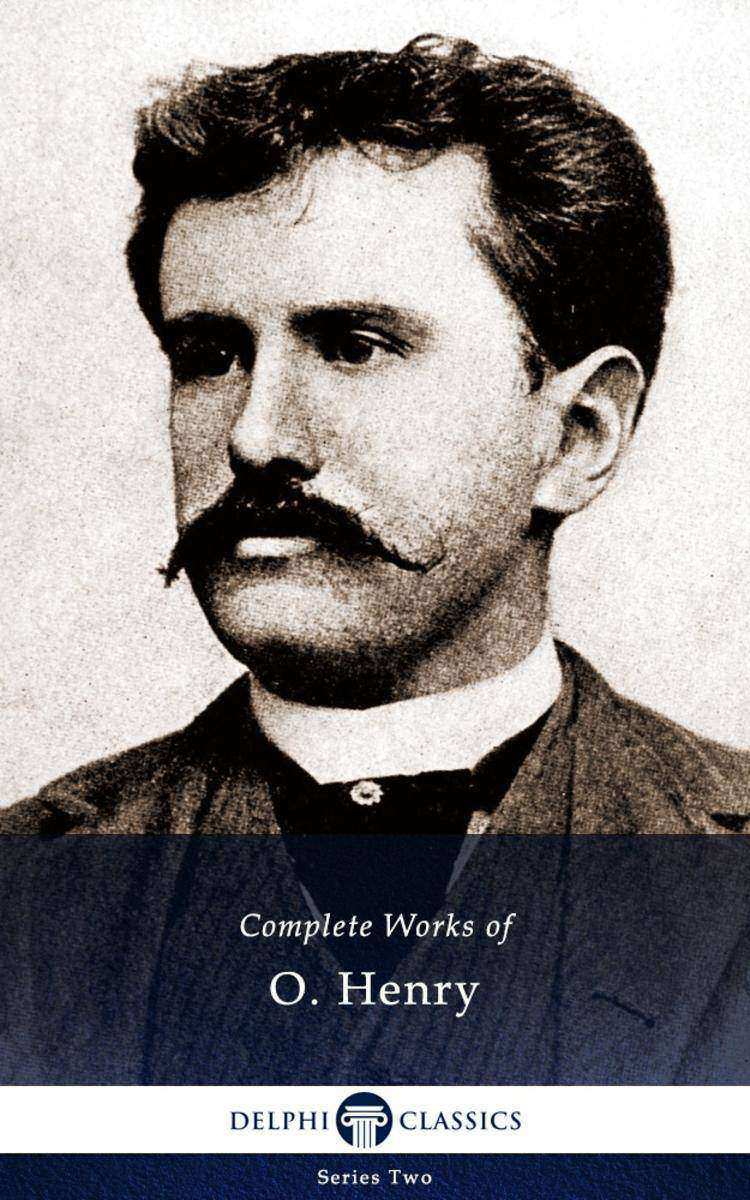
Delphi Complete Works of O. Henry (Illustrated)
¥24.44
America’s master of the short story has entertained readers for over a hundred years. This eBook offers you the unique opportunity of exploring O. Henry’s work in a manner never before possible in digital print. The edition includes every O. Henry short story collection, with poems and letters and other bonus texts. * ALL the short story collections and each with their own contents table * overall contents tables for the short stories – both alphabetical and chronological – find that special story quickly and easily! * rare short story collections like O HENRYANA and THE TWO WOMEN – often missed out of collections * includes O. Henry’s poetry and letters * EVEN includes the enigmatic LETTERS TO LITHOPOLIS FROM O. HENRY TO MABEL WAGNALLS, available in no other collection * includes the BONUS text of C. Alphonso Smith’s famous biography – explore O. Henry’s interesting life! * ALSO includes the story collection MY TUSSLE WITH THE DEVIL by O. Henry’s Ghost for your enjoyment * images relating to O. Henry’s life, works, places and film adaptations * scholarly ordering of texts into chronological order and literary genres, allowing easy navigation around O. Henry’s works Please visit www.delphiclassics.com to browse through our range of exciting titles CONTENTS: The Short Story Collections CABBAGES AND KINGS THE FOUR MILLION THE TRIMMED LAMP HEART OF THE WEST THE VOICE OF THE CITY ROADS OF DESTINY OPTIONS STRICTLY BUSINESS WHIRLIGIGS THE TWO WOMEN SIXES AND SEVENS THE GENTLE GRAFTER ROLLING STONES WAIFS AND STRAYS O HENRYANA MY TUSSLE WITH THE DEVIL BY O. HENRY’S GHOST The Short Stories CHRONOLOGICAL LIST OF SHORT STORIES ALPHABETICAL LIST OF SHORT STORIES The Poetry LIST OF POEMS The Letters LIST OF LETTERS LETTERS TO LITHOPOLIS FROM O. HENRY TO MABEL WAGNALLS The Biography O. HENRY BIOGRAPHY BY C. ALPHONSO SMITH Please visit www.delphiclassics.com to browse through our range of exciting titles
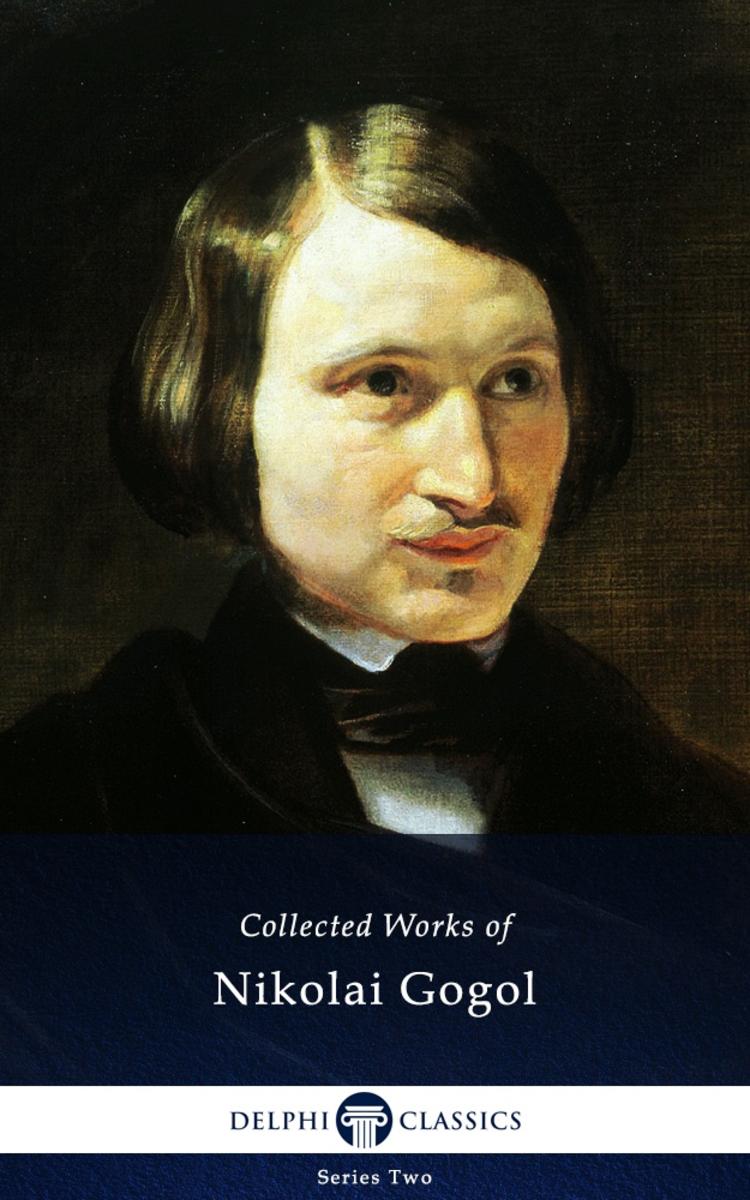
Delphi Complete Works of Nikolai Gogol (Illustrated)
¥16.27
This unique eBook presents the complete FICTIONAL works of Nikolai Gogol, with beautiful illustrations, informative introductions and the usual Delphi bonus material. (4MB Version 1) * Beautifully illustrated with images relating to Gogol's life and works * Concise introductions to the novels and other works * The complete novels, stories and plays, with contents tables * Features many of Constance Garnett's original translations * Images of how the books were first printed, giving your eReader a taste of the original texts * Excellent formatting of the texts * Special chronological and alphabetical contents tables for the short stories * Easily locate the short stories you want to read * Special criticism section, with two essays evaluating Gogol's contribution to literature * Scholarly ordering of texts into chronological order and literary genres CONTENTS: The Novels TARAS BULBA DEAD SOULS The Short Story Collections EVENINGS ON A FARM NEAR DIKANKA ARABESQUES MIRGOROD UNCOLLECTED SHORT STORIES The Short Stories LIST OF SHORT STORIES IN CHRONOLOGICAL ORDER LIST OF SHORT STORIES IN ALPHABETICAL ORDER The Plays MARRIAGE THE GAMBLERS THE GOVERNMENT INSPECTOR The Criticism GOGOL BY IVAN PANIN EXTRACT FROM ‘ESSAYS ON RUSSIAN NOVELISTS’ BY WILLIAM LYON PHELPS
My Art Pieces And Thoughts
¥43.74
My Art Pieces And Thoughts

First International Alphabet Music Book for Children
¥85.65
First International Alphabet Music Book for Children

Kézfejek magánya: ?sszegy?jt?tt versek 2012-2016.
¥82.08
Kézfejek magánya: ?sszegy?jt?tt versek 2012-2016.
Poems
¥24.44
Poems

De la Homer la Joyce
¥76.03
Dincolo de miza succesului ?colar (examenul de Evaluare Na?ional? fiind un prag important pentru fiecare elev), studiul limbii ?i al literaturii rom?ne trebuie s? r?m?n?, ?n gimnaziu, o experien?? cultural? pertinent? ?i interesant?, care s? implice imagina?ia, gustul estetic, nevoia de autointerogare ?i de comunicare. Respect?nd programa specific?, structura oficial? a subiectelor ?i maniera de formulare a sarcinilor de lucru stabilite de Ministerul Educa?iei, volumul ??i propune s? nuan?eze preg?tirea continu? ?i sistematic? pentru Evaluarea Na?ional?, intervenind cu fi?e teoretice esen?ializate, teme de portofoliu, modele ?i sugestii de rezolvare, r?spunsuri selective ?i o cons istent? baterie de teste de antrenament. De asemenea, cartea are ?n vedere, prin selec?ia textelor (clasice sau contemporane, din autori celebri sau mai pu?in cunoscu?i ?n anii de gimnaziu), redescoperirea ?n adolescentul de 14?15 ani a cititorului pasionat sau m?car avizat, dornic s???i sus?in? punctele de vedere, s???i l?rgeasc? orizontul cultural ?i s? descopere, dincolo de informa?ii, reguli, canoane, adev?ratele provoc?ri, ierarhii, idoli, ca form? de acomodare cu specificul ?i noile problematici ale orelor de limba ?i literatura rom?n? din clasa a IX?a de liceu.
Poems
¥8.09
Poems


