


 购物车
购物车 个人中心
个人中心
Great German Composers
¥8.09
First published in 1878. Chapters cover: Bach, Handel, Gluck, Haydn, Mozart, Beethoven, Schubert, Schumann, Chopin, Web, Mendelssohn, and Wagner.
Great Italian and French Composers
¥8.09
Chapters cover: Palestrixa, Puccini, Paisiello, Cimarosa, Rossini, Donizetti, Bellini, Verdi, Cherubini, Meiuel, Spontini, Halevy, Boieldieu, Auber, Meyerbeer, Founod, Thomas, and Berlioz. First published in 1878
Hernani
¥8.09
1411/5000 Le drame classique a d'abord joué et publié en 1830. La pièce elle-même est en fran?ais, mais l'introduction est en anglais. Selon Wikipedia: ? Hernani est un drame du poète fran?ais Victor Hugo Le jeu est ouvert à Paris le 25 Février, 1830 Aujourd'hui est le drame pour les manifestations qui ont accompagné la première, et pour l'opéra de Verdi Ernani l'inspiration que pour son .. mérites est ... Victor-Marie Hugo (26 Février 1802-1822 mai 1885) était un poète fran?ais, auteur dramatique, romancier, essayiste, artiste plasticien, homme d'?tat, des militants des droits de l'homme et des représentants du mouvement romantique en France en France, Hugo est littéraire renommée principalement de ses poèmes, mais aussi de ses romans et ses Leistungen.Von dramatique de nombreux livres de poésie sont Contemplations et la Légende des particulièrement élevé en siècle le prestige et Hugo parfois, il est considéré comme le plus grand poète fran?ais, ses ?uvres les plus célèbres hors de France les romans Les Misérables et Notre-Dame de Paris (aussi connu comme le bossu de Notre-Dame) royal quand il était jeune, Hugo est devenu plus libéral que les décennies passées; il est devenu un partisan passionné de républicanisme, et son travail touche les questions les plus politiques et sociales et les tendances artistiques de son époque. Il est enterré au Panthéon. "
Le Roi S'Amuse
¥8.09
Drame classique dans le texte original, publié en 1832. Selon Wikipedia: "Victor-Marie Hugo (26 février 1802 - 22 mai 1885) était un poète, dramaturge, romancier, essayiste, artiste visuel, homme d'?tat, militant des droits de l'homme et En France, la renommée littéraire de Hugo vient en premier lieu de sa poésie, mais repose aussi sur ses romans et ses réalisations dramatiques Parmi les nombreux volumes de poésie, Les Contemplations et La Légende des siècles tiennent particulièrement haut dans l'estime critique, et Hugo est parfois identifié comme le plus grand poète fran?ais.A l'extérieur de la France, ses ?uvres les plus connues sont les romans Les Misérables et Notre-Dame de Paris (connu aussi en anglais sous le nom de Le Bossu de Notre Dame). était jeune, Hugo devint plus libéral au fil des décennies, il devint un partisan passionné du républicanisme et son travail touche à la plupart des questions politiques et sociales et aux tendances artistiques de son temps. Il est enterré au Panthéon. "
Die Mitschuldigen, Ein Lustspiel in drei Aufzugen
¥8.09
Klassisches Spiel im originalen Deutsch. Laut Wikipedia: "Johann Wolfgang von Goethe (28. August 1749 - 22. M?rz 1832) war ein deutscher Schriftsteller. George Eliot nannte ihn" Deutschlands gr??ten Literaten ... und der letzte wahre Universalgelehrte auf der Erde. "Goethes Werke die Gebiete der Poesie, des Dramas, der Literatur, der Theologie, des Humanismus und der Wissenschaft, Goethes Hauptwerk, das als einer der H?hepunkte der Weltliteratur gepriesen wird, ist das zweiteilige Drama Faust. Goethes andere bekannte literarische Werke sind seine zahlreichen Gedichte, der Bildungsroman Wilhelm Meister und der Briefroman Die Leiden des jungen Werther. "

Plimb?ndu-l pe Fun
¥24.44
Drag? cititorule,Dac? te-ai uitat ieri mai mult de dou? ore la televizor ?i nu po?i f?r? asta, las? cartea asta jos.Dac? vrei s? fii de acord cu cineva, cu oricine, nu e?ti omul meu.Dac? m? ?tii din tinere?e ?i crezi c? sunt b?iatul care se b?lb?ia la prompter, dai banii degeaba.Dac? vrei s? dai cadou cartea asta unui prieten, nu mai bine ?i iei o sticl? de vin? Eu nu ?tiu s? ame?esc a?a bine.?n general, recomand cartea doar c?torva oameni.Cei care vor s? afle cum am ajuns s? tr?im, iubim, alegem ?n social media.Dar mai ales celor care cred c? a scrie poate schimba ceva.P.S. Poate.Doar c? trebuie s? scriem cu to?ii ?n acela?i timp.Despre asta e Share! Despre for?a social media, cel mai bun amplificator de idei pe care ?l ?tiu.?ntr-un fel, dac? stai s? te g?nde?ti, ?i tu ai scris-o.
G?lceava sonetelor
¥16.27
Comandorul Sablin are ca subiect principal activitatea fostului ofi?er al Marinei Ruse Imperiale reflectat? ?n dosarele Siguran?ei ?i ale Securit??ii. Documentele publicate sub egida Institutului de Istorie ?George Bari?iu“ al Academiei Rom?ne acoper? perioada interbelic? ?i cea postbelic?. Nikolai Vasilievici Sablin a activat pe vasul ?arului Nikolai al II-lea al Rusiei, ??tandart“, iar dup? 1918 – ca ?ef al Cifrului Statului Major al Flotei Militare din Marea Baltic?. ?n Rom?nia a fost reprezentant al Marelui Duce Kiril Vladimirovici, pre?edinte al filialei Uniunii Militare Navale Ruse, vicepre?edinte al Societ??ii de Ajutor a Fo?tilor Combatan?i Ru?i de pe Frontul Rom?n, director al ziarului Golos Buharesta, a participat la r?zboiul antisovietic.Din nota agentului Securit??ii ?Alexandru Popescu“, casa ?Paula“, 19 octombrie 1956:?Urmare notelor anterioare referitoare la emigrantul rus, fost reprezentant pentru Rom?nia al organiza?iei emigran?ilor ru?i Mi?carea Monarhist? Rus?, ?inut ?n observa?ie, comunic:Despre leg?tura lui Sablin N. cu organele informative militare rom?ne ?nainte de 23 august 1944 am auzit din timpul vechiului meu serviciu, ?ns? nu am avut preciziuni. ?n prezent semnalez urm?toarele:Dup? cum s-a comunicat prin nota din 10 octombrie a.c., ?n ziua de 4 octombrie a.c., Sablin Nikolai a f?cut o vizit? lui Baikov Andrei (str. Sl?ve?ti 3), c?nd s-a discutat cu acesta chestiunea cu pensia lui Sablin N., sistat?.?n timpul convorbirii (am asistat ?n camer? ?i eu) Sablin N. a povestit c? el s-a ?nt?lnit cu un fost colonel rom?n (numele n-am putut re?ine) pe care Sablin N. l-a cunoscut ?nainte de 23 august 1944 ?i cu care a avut ni?te leg?turi.Sablin N. a spus c? el sper? c? la cererea lui acest colonel va ajuta lui ?n chestia pensiei sale, deoarece el ?n trecut a colaborat cu acesta ?n domeniul informativ, privitor la URSS. Sablin Nikolai a specificat c? acest material el c?p?ta de la fratele s?u Sablin Eugen, din Londra (Sablin Eugen ?n ultimul an al regimului ?arist a fost ministrul Rusiei ?n Anglia, iar apoi a fost conduc?torul emigra?iei ruse din Londra ?i unul din activi?tii principali din Mi?carea Monarhist? Rus?).“
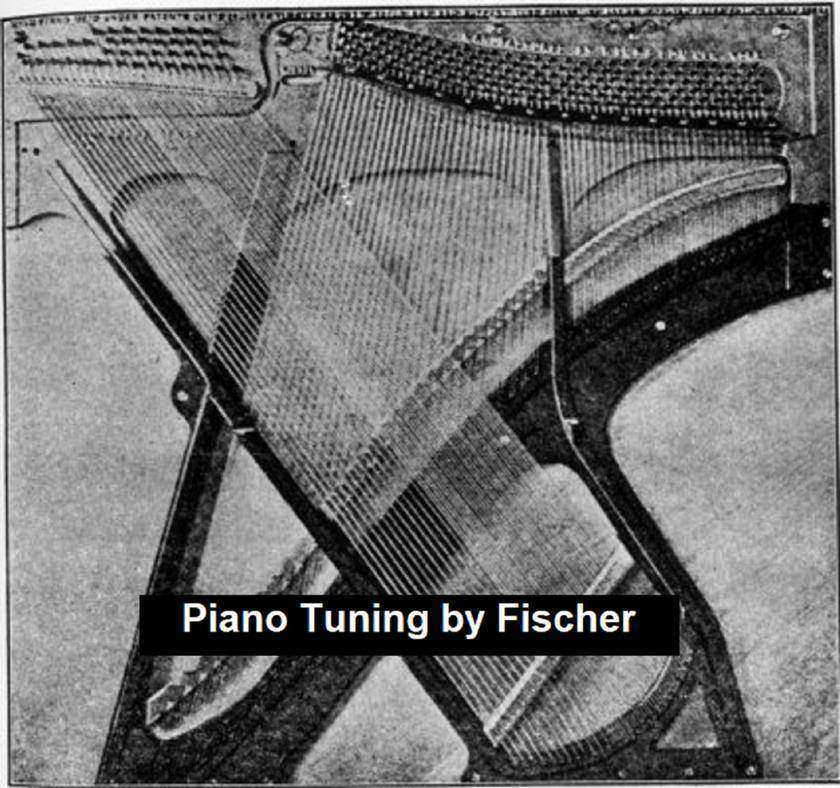
Piano Tuning
¥8.09
Piano Tuning
Chapters of Opera
¥8.09
Chapters of Opera
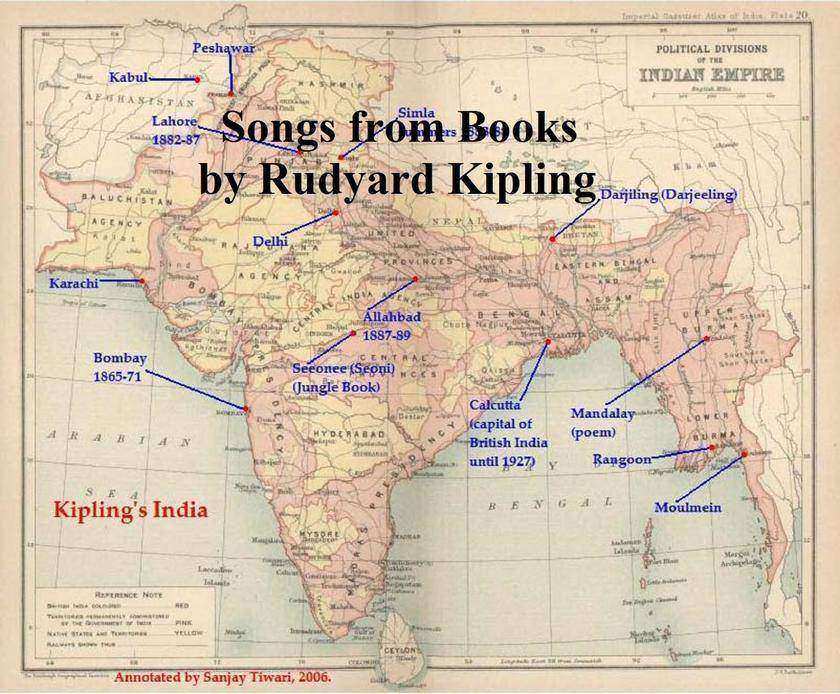
Songs from Books
¥8.09
Songs from Books
The Alchemist
¥8.09
The Alchemist

The Sot-Weed Factor
¥8.09
The Sot-Weed Factor
Life of Chopin
¥8.09
Life of Chopin
A Woman of No Importance
¥8.09
Classic play. According to Wikipedia: "Oscar Fingal O'Flahertie Wills Wilde (1854 - 1900) was an Irish playwright, novelist, poet, and author of short stories. Known for his barbed wit, he was one of the most successful playwrights of late Victorian London, and one of the greatest celebrities of his day. As the result of a famous trial, he suffered a dramatic downfall and was imprisoned for two years of hard labour after being convicted of the offence of 'gross indecency.'"
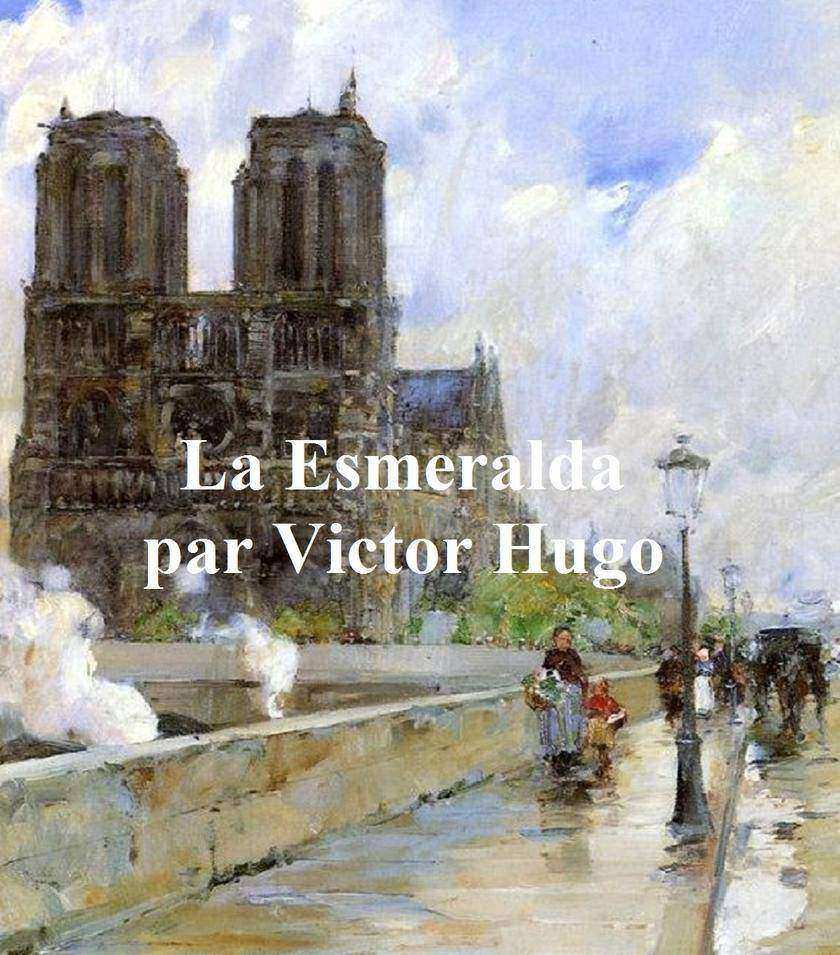
La Esmeralda
¥8.09
Pièce classique / livret de Hugo, basé sur une scène de son roman Notre Dame de Paris (Le Bossu de Notre Dame), en fran?ais original. Selon Wikipedia: "Victor-Marie Hugo (26 février 1802 - 22 mai 1885) était un poète, dramaturge, romancier, essayiste, artiste visuel, homme d'?tat, militant des droits de l'homme et représentant du mouvement romantique en France. La renommée littéraire vient d'abord de sa poésie, mais repose aussi sur ses romans et ses réalisations dramatiques Parmi les nombreux volumes de poésie, Les Contemplations et La Légende des siècles sont particulièrement estimés et Hugo est parfois identifié comme le plus grand poète fran?ais. La France, ses ?uvres les plus connues sont les romans Les Misérables et Notre-Dame de Paris (connu aussi en anglais sous le titre de Le Bossu de Notre-Dame), bien que conservateur conservateur dans sa jeunesse, Hugo devint plus libéral au fil des décennies. il est devenu un partisan passionné du républicanisme et son travail touche à la plupart des questions politiques et sociales et aux tendances artistiques de son temps: il est enterré au Panthéon.
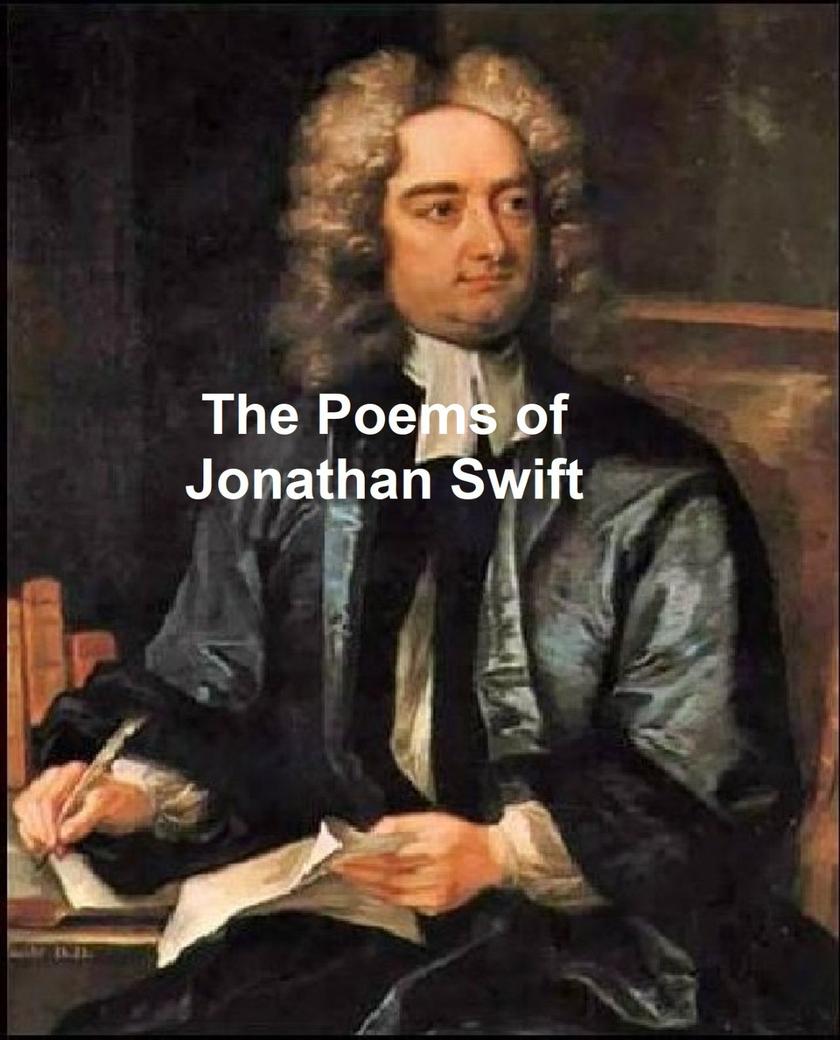
The Poems of Jonathan Swift
¥8.09
According to Wikipedia: "Jonathan Swift (30 November 1667 – 19 October 1745) was an Anglo-Irish satirist, essayist, political pamphleteer (first for the Whigs, then for the Tories), poet and cleric who became Dean of St. Patrick's Cathedral, Dublin. He is remembered for works such as Gulliver's Travels, A Modest Proposal, A Journal to Stella, Drapier's Letters, The Battle of the Books, An Argument Against Abolishing Christianity, and A Tale of a Tub. Swift is probably the foremost prose satirist in the English language, and is less well known for his poetry. Swift originally published all of his works under pseudonyms—such as Lemuel Gulliver, Isaac Bickerstaff, M.B. Drapier—or anonymously. He is also known for being a master of two styles of satire: the Horatian and Juvenalian styles."

First International Alphabet Music Book for Children
¥85.65
First International Alphabet Music Book for Children

Kézfejek magánya: ?sszegy?jt?tt versek 2012-2016.
¥82.08
Kézfejek magánya: ?sszegy?jt?tt versek 2012-2016.
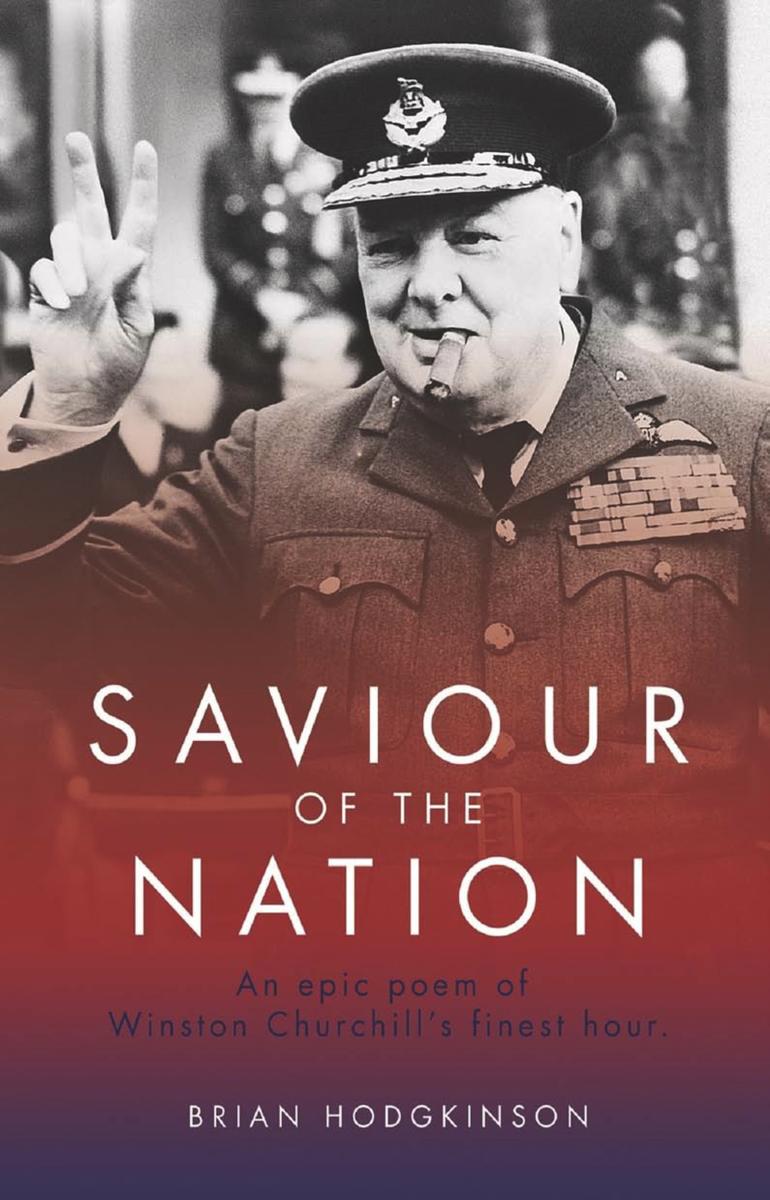
Saviour of the Nation
¥103.82
Saviour of the Nation

Poems
¥24.44
Poems
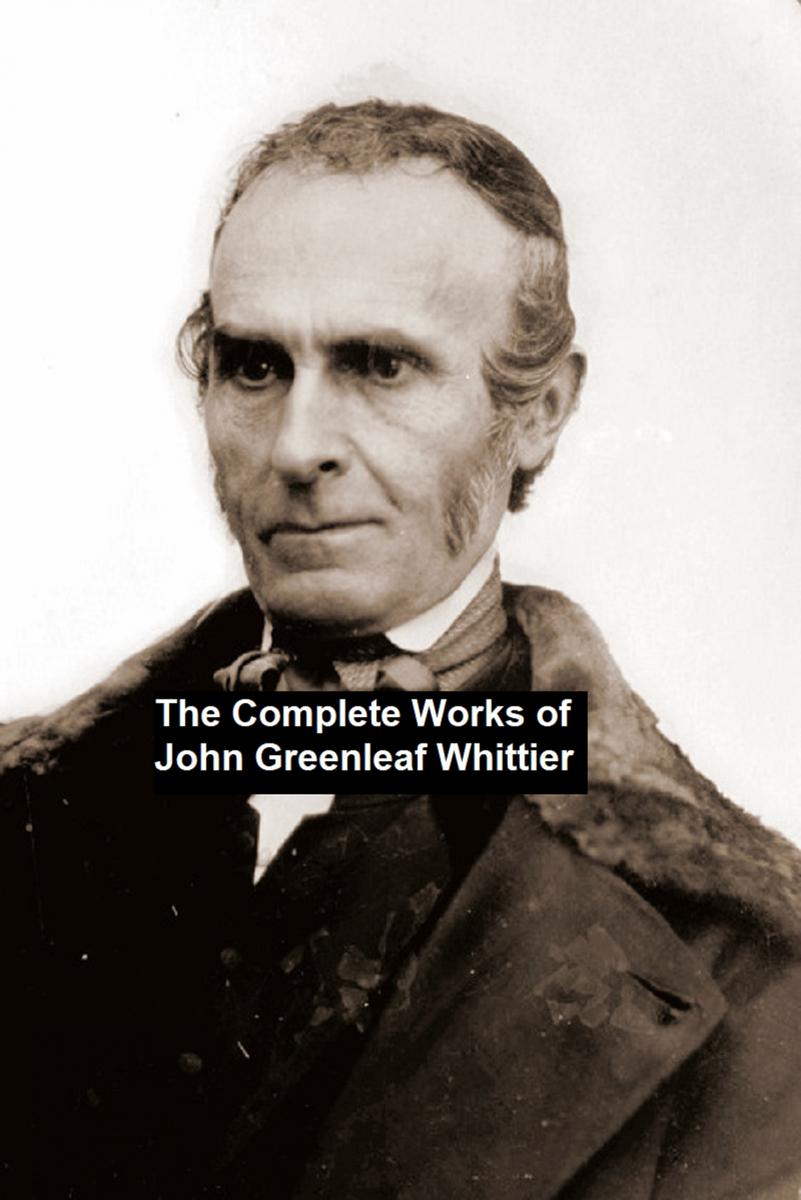
The Complete Works of John Greenleaf Whittier
¥8.09
The Complete Works of John Greenleaf Whittier


