


 购物车
购物车 个人中心
个人中心

Manualul ?mbl?nzitorului de Cafele (psalm turcesc)
¥48.97
C eti un artist dramatic care se zbate s supravieuiasc sau c eti un om care nu se identific cu sexul cu care a fost nzestrat i ncearc disperat s remedieze aceast problem, c eti un geniu ajuns n zdrene, care cerete ansa de a-i spune povestea, c eti un ndrgostit iremediabil, care ncaseaz doar indiferen, c eti un nimeni urmrit venic de autoriti, de probleme i eecuri, c eti captiv n lumea ta, singurul loc n care nu eti perceput ca fiind nebun tocmai fiindc sfideaz noiunea unanim acceptat de normalitate, c eti un scriitor care i aterne realitatea bidimensional, pe foaie, n replici, n didascalii, n uniti de msur a emoiei – numite cuvinte –, i ridic n alii realiti tridimensionale, c eti o ntmplare care citete aceste rnduri, tii foarte bine c orice fapt consumat d singur startul la o continuare i c exist mereu o a doua ans, la fel cum Moartea tie cnd trebuie s lase ceva s continue, cnd s-i spun stop sau cnd s nchid ochii, fiindc intervenia ar descalifica-o. Totul poart eticheta cu va urma i depinde doar de noi s lsm eticheta acolo i s urmm indicaia.Teatrul prelungete viaa fiindc este o prelungire a vieii. Nu e att parte a ei, ct o extensie, ca o pereche de aripi cu care plonjm ntr-un bar supraaglomerat, ntr-un dormitor n care ncap fix dou persoane, ntr-un vis policrom cu iz de psihotrope, sau ntr-o scen care ne va marca fiindc urmeaz s se petreac n acel interval de timp pe care niciodat nu suntem n stare s-l dibuim, dar tim atunci cnd se ntmpl c nu putea fi altcndva.Trei piese care ne zguduie, ne las simurile bulversate, creierii bruscai, inima n aritmie, dar sufletul cumva ridicat. Trei piese de prelungit viaa, chiar i a celor care cred c aceasta urmeaz abia dup ce vor muri. Moartea strig: Bis!“ cnd se vede aplaudnd de una singur, fiindc nu are de ales dect s lase spectacolul s continue n momentul n care tocmai se dezintegreaz.ndrznete i citete!“ – Andrei Vornicu

Mackó úr utazásai
¥8.83
Maszumé hétk?znapi kamaszlány a 60-as évek Iránjában. Iskolába menet meglát egy fiatalembert, akivel egymásba szeretnek. Maszumé bátyjai megtalálják ártatlan levelezésüket, húgukat megverik, majd máshoz kényszerítik feleségül. A lánynak fel kell adnia álmait, és el kell indulnia egy g?r?ngy?s úton, melyet a sors rendelt neki. Az ?tven évet fel?lel? regény a hazáját jól ismer? szerz? szemével k?veti végig Irán viharos t?rténelmét: a 60-as évek a sah elnyomó uralma alatt, majd az iszlám forradalom, mely visszahozta Iránba a k?zépkort, az iraki–iráni háború. A regényt, mely az utóbbi évtized legnagyobb bestsellere lett Iránban, kétszer is betiltották, azonban nem politikai tartalma miatt, hanem mert egy olyan független és er?s n? sorsát állítja példaképül, aki a sorscsapások és nehézségek ellenére sosem adja fel a reményt, s bár csendesen, mégis határozottan tiltakozik társadalmának elnyomó hagyományai ellen. Parinoush Saniee szociológus és pszichológus, t?bb regény szerz?je. A sors k?nyve els? regénye, melyet t?bb nyelvre fordítottak le, Olaszországban elnyerte a Boccaccio-díjat, Németországban bestseller lett. Az iráni írón? 1949-ben született, férjnél van, két fia külf?ld?n él.
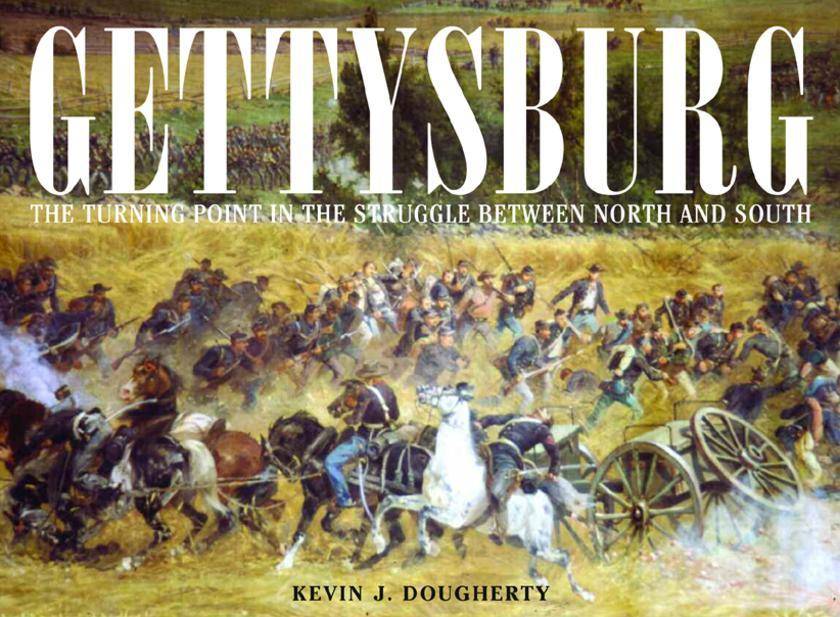
Gettysburg: The Turning Point in the Struggle between North and South
¥65.32
In June 1863, General Robert E. Lee and the 75,000-strong Army of Northern Virginia launched a second invasion of the North, crossing into Maryland and Pennsylvania to try to win a decisive victory over Federal forces. On July 1, Lee’s army encountered Major General Meade’s 90,000 strong Army of the Potamac at the small town of Gettysburg. After some initial success in dispersing the Federal advance guard, Lee launched attack after attack against the main army, but everywhere the Union line held. On July 3, Lee ordered a final assault of 12,500 Confederates at the center of the Union line on Cemetery Ridge, known as Pickett’s Charge. The charge was repulsed with huge loss of life, bringing the battle to an end. Today, Gettysburg is recognized as the turning point in the Civil War and one of the iconic battles of the great struggle between North and South. Lee’s gamble didn’t pay off, leaving the Army of Northern Virginia fatally weakened and unable to continue its invasion of the North. Gettysburg is divided into five chapters, outlining the campaign, the fighting on July 1, July 2, and July 3, as well as a chapter dealing with the aftermath; an extended appendices provides biographical background of the main Federal and Confederate leaders who fought in the battle. Through letters, journal entries, and official reports, the book includes numerous first-hand accounts from those who survived. Color maps show the battle as it unfolded over three days of fighting in places that have a place in Civil War legend: Seminary Ridge, Little Round Top, Cemetery Hill, Devil’s Den, the Wheat Field, Culp’s Hill, the Peach Orchard. Including more than 200 archival photographs, illustrations, paintings, and maps, Gettysburg is a colorful, accessible guide to the great battle that marked the turning point in the Civil War.

POW Escape And Evasion: Essential Military Skills To Avoid Being Caught By the E
¥65.32
POW Escape and Evasion covers everything you need to know about making a successful return to friendly territory. Beginning from the point where a combatant finds himself or herself trapped in enemy territory, the book offers useful tips and solid advice on how to evade capture and, if that fails, how to escape. Key topics include the will to survive; handling stress in captivity; escape techniques; survival in a variety of environments, including urban, rural, jungle and desert; how to forage for food; tracking and how to cover your tracks; navigation, with or without a map; and seeking recovery by friendly forces. The book also includes a number of real life accounts of POW escape from World War II (including The Great Escape story and Colditz), the Vietnam War (Dieter Dengler, with others, escaping from Laos), the Balkans, Iraq (Thomas Hamill in 2004) and Afghanistan. With more than 120 black-&-white artworks and with easy-to-follow text, POW Escape and Evasion is for anyone who wants to know how to survive in the most stressful of circumstances and emerge a winner. Presented in a handy, pocket-size format, this is a book you could take with you into the field. And it could save your life.
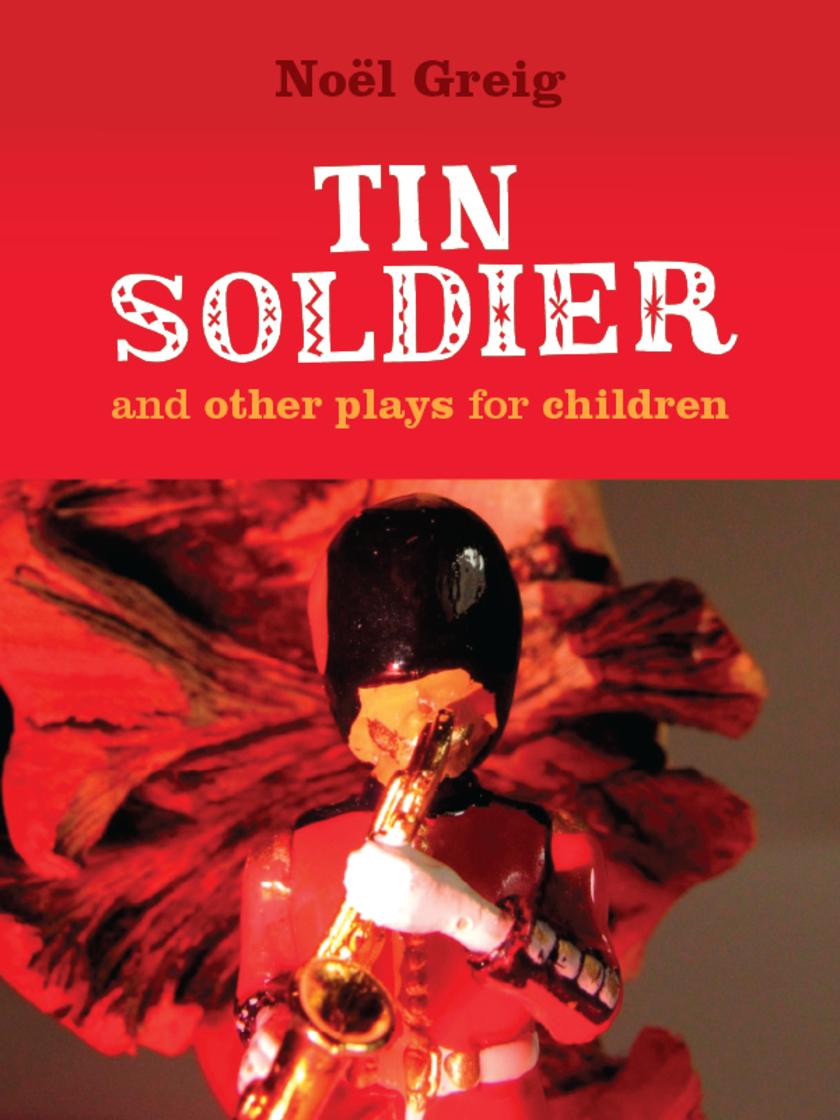
Tin Soldier and Other Plays for Children
¥40.79
A collection of three enchanting plays adapted from popular fairy tales and suitable for family audiences:?Tin Soldier (adapted from The Steadfast Tin Soldier by Hans Christian Andersen), A Tasty Tale (Hansel and Gretel), Hood in the Wood (Little Red Riding Hood). Acclaimed playwright Noel Greig, has recreated these well-known tales for the stage with wit and imagination. All three plays have been performed throughout the UK by Tangere Arts, winning a? Time Out Critics' Choice Award . Teachers, youth theatres and amateur groups working with young performers will use this collection time and again for productions, drama classes and workshops - whether for one performer or many. Suitable for children aged 7+ The simple form and language of the plays belie their theatrical and psychological sophistication. Tin Soldier ' a powerful poetic drama, an epic fable for our times.' **** ?Independent A Tasty Tale (Hansel and Gretel) ' Delicious moments... fashioned into a rhyming feast.' ****?Time Out Hood in the Wood (Little Red Riding Hood) ' a first-rate piece of storytelling that will make children squeal with terrified delight and parents shiver with recognition. ' **** ?Guardian

Maga itt a tánctanár?
¥52.40
A magyar k?nyvkiadás legnagyobb adósságainak egyike ez a k?nyv. A világ t?bb országában a holokausztirodalom egyik legjelent?sebb remekm?veként tartják számon, Magyarországon 1982-ben jelent meg utoljára.Zsolt Béla, nagyváradi író, újságíró, a zsidót?rvények után nem folytathatta a pályáját. Munkaszolgálatra Ukrajnába került, az út onnan haza, majd a váradi gettóba, kés?bb Bergen-Belsenbe vezetett, egészen a szabadulásig.Zsolt Béla regénye nem artisztikus memoár. Vad, olykor az elviselhet?ség határáig kegyetlen és ?szinte visszaemlékezés, felzaklató olvasmány.Az olykor egymás kínjának is ?rül? társairól. Az elmebajig kegyetlen, egyszersmind a megtorlástól retteg? csend?r?kr?l. ?rulásról, kétségbeesésr?l, az újra és újra feltámadó hamis reményr?l, és mindennek okáról és céljáról: a zsidók kifosztásáról.Aki elolvassa a Kilenc koffert, megérti, miért nem tud a rémálomból eszmélni sok európai ország azóta sem.Zsolt Béla feleségének egész családja odaveszett, k?ztük az a Heyman ?va, akinek gettónaplója megjelent már t?bb nyelven, magyarul Piros bicikli címen.
Kenoma
¥16.27
Documentele publicate sub egida Institutului de Istorie ?George Bari?iu“ al Academiei Rom?ne au fost structurate ?n dou? p?r?i: Emigra?ia albgardist? ?i Biserica Rus? din Bucure?ti. Prima parte cuprinde r?spunsul direc?iilor regionale la Ordinul Direc?iei Generale a Securit??ii Statului nr. 354/81558 privind albgardi?tii din raza acestora de competen??, iar cea de a doua – materiale ale Direc?iei Regionale a Securit??ii Bucure?ti despre personalul, emigran?ii ?i refugia?ii care frecventeaz? Biserica Rus?. Sursele relev? destinul, starea de spirit ?i material? a fo?tilor membri ai armatelor ruse ?i ucrainene stabili?i ?n Rom?nia, supravie?uitori ai celor dou? r?zboaie mondiale, liderii fiind deja aresta?i.Din sinteza informativ? a Direc?iei Regionale a Securit??ii Bac?u din 27 octombrie 1951:??n urma ac?iunilor contrarevolu?ionare desf??urate ?n t?n?rul Stat Sovietic de c?tre bandele conduse de Denikin, Kerenski ?i Vranghel, bande ce au fost distruse de c?tre t?n?ra Armat? Ro?ie Sovietic? ?i alungate peste grani?ele Statului Sovietic, ?i ?n ?ar? la noi au venit o serie de elemente ce au f?cut parte din aceste armate, care ?i-au stabilit domiciliul ?n diferite ora?e ale ??rii noastre, unde sub regimul burghezo-mo?ieresc ce se afla ?n acel timp la c?rma ??rii noastre au g?sit azil ?i ocrotire.Astfel ?i ?n regiunea Bac?u din aceste elemente identificate p?n? ?n prezent sunt ?n num?r de 6 persoane, ?i anume: Mateevski Konstantin, ?n prezent domiciliat ?n Piatra-Neam?, de profesie electrician ?i mecanic, angajat ?n aceast? func?ie la Sovromlemn Piatra-Neam?; Petrovski Vasile, fost colonel de artilerie ?i avia?ie ?n armata alb? a lui Vranghel, ?n prezent domiciliat ?n Piatra-Neam?, fiind angajat ca magazioner la fabrica Bistri?a din Piatra-Neam?; Galini?cenko Alexandru, domiciliat ?n Piatra-Neam?, f?r? ocupa?ie, ?n prezent fiind b?tr?n; Kazimirov Mark, de profesie ?ofer angajat ?n aceast? calitate la fabrica ?Reconstruc?ia“ Piatra-Neam?, fost ofi?er ?n Armata Alb? ucrainean?, ?n prezent lucreaz? ca t?mplar, ?i Babici Ifrim, fost ofi?er ?n armata lui Vranghel, actualmente domiciliat ?n comuna Tarc?u, raionul Piatra-Neam?, cu serviciul la Sovromlemn.?n leg?tur? cu susnumi?ii trebuie s? ar?t?m c? dac? ?n trecut existau unele rela?ii de prietenie ?ntre d?n?ii, ?nt?lniri ?n care ??i reaminteau cu pl?cere de trecutul lor, ast?zi, fiind elemente b?tr?ne, nu se mai observ? aceste leg?turi, mai ales c? majoritatea sunt c?s?tori?i cu cet??ence rom?ne ?i parte dintre d?n?ii au chiar ?i copii.De asemeni, din cele cunoscute de noi rezult? c? ace?tia nu ?ntre?in leg?turi prin coresponden?? cu str?in?tatea ?i nici cu elementele dubioase ?i du?m?noase din locurile unde tr?iesc ei. S-a putut constata c? aceste elemente sunt extrem de fricoase ca nu cumva s? vin? o dispozi?ie care s?-i pun? ?n situa?ia s? se ?ntoarc? ?n URSS, obliga?i. Comentarii ?n acest gen au fost extrem de multe ?n r?ndurile lor, ?n special ?ntre anii 1945-1946, c?nd ei credeau sigur c? vor fi evacua?i din ?ara noastr? ?i trimi?i ?n Uniunea Sovietic?. Totu?i ?i ?n prezent, de?i b?tr?ni, exist? ?i ?n r?ndurile lor unele comentarii ?i nemul?umiri, pe care ?ns? ?i le arat? ?n anturajul restr?ns pe care eventual ?l au.“

Hajnali beszélgetések Lukits Milossal
¥27.71
T?rténik Olivér házában, Frigyes herceg udvarában, valamint az Ardeni-erd?ben – vélhet?leg Franciaországban. Egy nagy erej? vitéz, miként nálunk majd Toldi, legy?z egy bajnokot. Bár testvére ármánya miatt meg kellett volna halnia a párviadalban, mégis az ? homlokára kerül a gy?ztesnek kijáró koszorú. ?s ezzel kezdetét veszi vessz?futása. El?bb csak bátyja, majd uralkodója haragja el?l, utóbb egyenest a szám?zetésbe. Vigaszul csupán egy mosoly, egy fehér lánykézb?l kapott amulett és ?reg szolgája sírig h? ragaszkodása szolgál. ?m az ardeni erd? mélyén további barátokra, igaz szerelemre, és el?z?tt hercegének birodalmára talál.
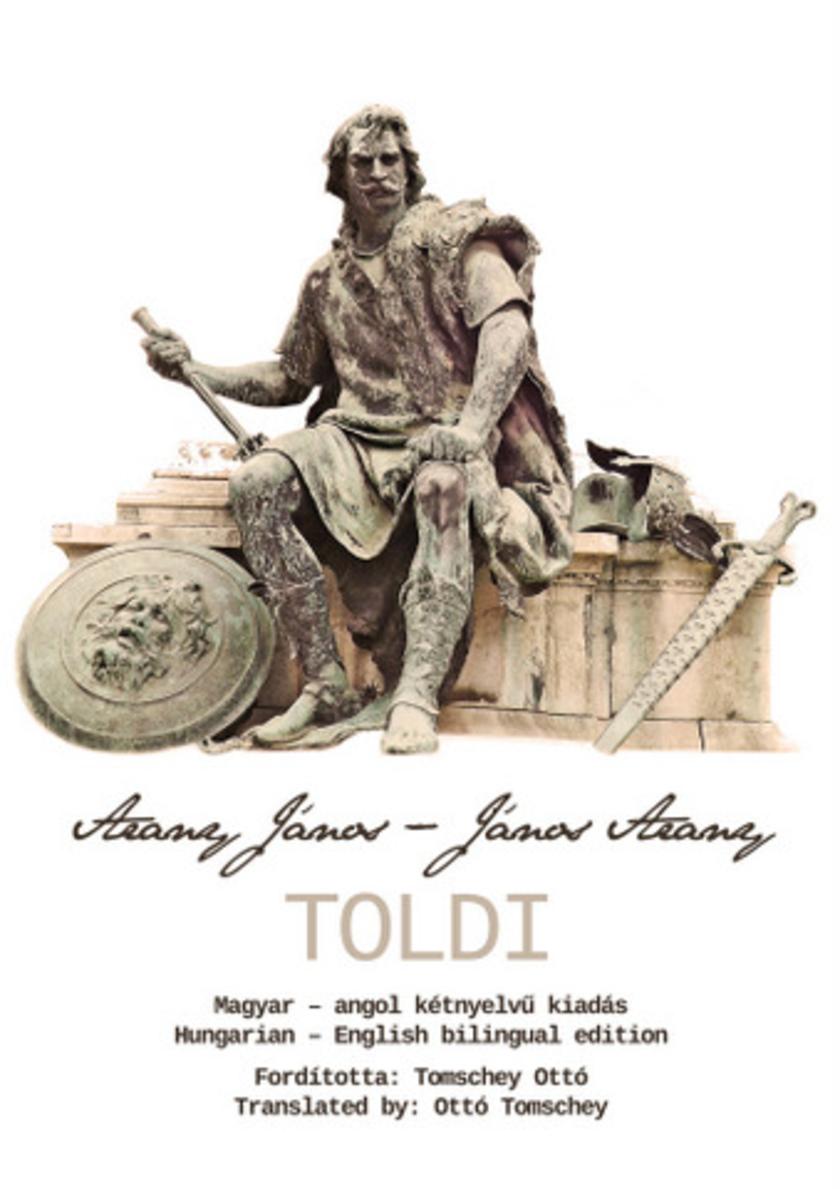
Arany János – TOLDI
¥90.42
"Reportajele din aceast? carte vorbesc despre aspecte din istoria recent?, cum ar fi migra?ia, corup?ia, via?a ?n penitenciare sau problemele minorit??ilor, ?nchiderea spitalelor sau stresul care schimb? vie?i, crizele din s?n?tate, pove?ti ale unor oameni obi?nui?i, care fac lucruri speciale. Reg?sim, ?ns?, ?i pove?ti de demult, cum e cazul reportajelor despre lupt?torii anticomuni?ti din mun?i, despre tezaurul de la Pietroasele sau istoriile din satele s?se?ti. Reportajele surprind realit??i dintr-o Rom?nie aflat? ?n continu? schimbare, cu enorme discrepan?e. Sunt ca o fotografie a realit??ii. Cine le cite?te afl? cum se tr?ia sau cum se tr?ie?te ?n anumite locuri. Cum se schimb? sau de ce nu se schimb? lucrurile ?i mentalit??ile. Cartea cuprinde 30 de reportaje publicate ?n revista Dilema veche, dar ?i adapt?ri dup? reportaje sau documentare radio difuzate la Europa FM ?i Radio Rom?nia Actualit??i. Reportajul e un gen mai rar ?nt?lnit ast?zi ?n presa din Rom?nia. Dar asta nu se ?nt?mpl? din cauza lipsei de interes a publicului, ci din pricina lipsei de bani ?i de investi?ii ?ntr-o pres? de calitate. De fiecare dat? c?nd totu?i apar reportaje bine f?cute, se constat? c? publicul le urm?re?te cu interes, tot a?a cum urm?re?te reportajele ?i documentarele oferite de televiziunile str?ine. Asta fiindc? oamenii au nevoie de pove?ti. Un reportaj bine f?cut este de fapt o poveste adev?rat?. P?n? la urm?, ?i aceast? carte este o carte cu pove?ti adev?rate." (Liliana Nicolae)
Az ellopott futár
¥14.39
Mit jelent az, hogy széls?jobboldal? Kikkel szimpatizálnak és mit képviselnek az újhungaristák? Mit jelképez a 88-as szám? Miféle ideológia áll a széls?jobboldali irányzatok hátterében? Mikor és miért válnak sikeressé a radikálisok? K?tetünk ezeken a kérdéseken kívül arra is választ ad, hogy melyek voltak a magyar széls?jobboldali mozgalmak megszületésének hazai el?zményei, külf?ldi szellemi el?képei és testvérmozgalmai. Mindemellett rávilágít a széls?jobboldaliság kritériumaira az irányzat 1919-es születését?l napjainkig, és feltárja a széls?jobboldali szubkultúrák változatos, markáns ismertet?jegyeit. A Jobbik és a Magyar Gárda tevékenységéig ível? áttekintés azt is megmutatja, milyen sokszín? jelenség a magyarországi széls?jobboldal, pontosabban az a radikális politikai mozgalmakat t?m?rít? gy?jt?fogalom, amelyet ma így szokás nevezni. A szerz?, PAKSA RUDOLF 1981-ben született Ajkán, az ELTE-n doktorált t?rténelemb?l és 2009 októberét?l az MTA T?rténettudományi Intézetének a munkatársa. ?rdekl?dési területe a modern kori magyar t?rténelem; kutatásai súlypontja a 19–20. századi historiográfia, a régi E?tv?s Collegium, valamint a Horthy-kori széls?jobboldali irányzatok.
Сила звички
¥36.13
UNGV?RY KRISZTI?N és TABAJDI G?BOR rendhagyó útikalauza a 20. század politikai diktatúrái és legmegrázóbb t?rténelmi eseményei mentén veszi lajstromba Budapest emlékeit. A szerz?páros olyan f?városi helyszíneket mutat be olvasóinak, amelyek jobbára ismeretlenek a turisták el?tt, a városlakók számára pedig már a félmúlt homályába vesznek. A fiatal kutatók budapesti sétáin feltárulnak az 1919-es Tanácsk?ztársaság és az azt k?vet? fehérterror, a német megszállás, a nyilas rémuralom és a zsidóüld?zés, a világháborús f?város, a szovjet megszállás és a Rákosi-diktatúra, az 1956-os forradalom és szabadságharc, végül a Kádár-korszak elfeledett vagy épp szándékosan titokban tartott t?rténeti helyszínei és emlékhelyei. Az egyes t?rténelmi eseményekhez k?thet? szobrok és m?emlékek kapcsán a szerz?k múlt és jelen emlékezetpolitikai t?rekvéseit is áttekintik. A t?rténészpáros kíméletlen és fájdalmas ?szinteséggel mutat rá: a múlt századi véres diktatúrák emlékei jel?letlenül bár, de ma is ott kísértenek a f?város utcáin – ideje lenne hát mindenkinek megismerni ?ket. UNGV?RY KRISZTI?N 1969-ben született Budapesten. Tanulmányait az ELTE BTK t?rténelem-német szakán végezte. Budapest ostromát feldolgozó doktori disszertációja k?nyv formájában is megjelent, és számos hazai, illetve külf?ldi kiadást megélt. 2001-t?l az 1956-os Intézet tudományos munkatársa, t?bb nemzetk?zi tudományos testület tagja. Kutatási területe a 20. század politika- és hadt?rténete, a széls?jobb mozgalmak, valamint az állambiztonság t?rténete. TABAJDI G?BOR 1980-ban született Budapesten. Az ELTE B?lcsészettudományi Karán t?rténelmet, politikaelméletet és filozófiát tanult. Jelenleg az Országos Széchényi K?nyvtár 1956-os Intézetének munkatársa. Eddig f?ként a 20. századi Magyarország politikat?rténetével kapcsolatos publikációi jelentek meg. F? kutatási területei: a magyar állambiztonsági szervek, illetve a pártállami rendszer m?k?désének t?rténete. A fiatal kutatókat t?m?rít? ?Fehér Hollók” munkacsoport koordinátora.
Elogiul minciunii
¥32.62
National Book Critics Circle Award 2005 pentru carte de nonfic?iune. Premiul pentru Pace Erich-Maria-Remarque, 2001 Carte interzis? ?n Bielorusia ?Explozia reactorului num?rul 4 va deveni cel mai mare dezastru nuclear civil din istoria omenirii. Zona este o realitate ?n toat? monstruozitatea ei. La fel ca ?n cartea SF a fra?ilor Struga?ki, Picnic la marginea drumului, Zona este un infern pe p?m?nt, guvernat de propriile legi. Aici danseaz? lumini deasupra c?mpului, praful ridicat de v?nt are culori ciudate, se nasc copii cu muta?ii genetice, popula?ia a fost evacuat?, regiunea, interzis? ?i p?zit? de patrule militare, dar oameni stranii ?i-au f?cut din Zon? locul ?n care tr?iesc. Ei sunt C?l?uzele reale ?n Zona reactorului de la Cernob?l.“ – Ion M. Ioni?? C?nd fra?ii Arkadi ?i Boris Struga?ki publicau ?n 1972 celebrul lor roman SF Picnic la marginea drumului, nu ?i-ar fi putut imagina, nici ?n cele mai negre vise, c? Zona descris? ?n roman va deveni realitate paisprezece ani mai t?rziu, ?n ?ara lor, URSS. Conform ideologiei oficiale, Zona nu avea cum s? apar? ?n patria sovietelor. Doar URSS construia cele mai sigure reactoare nucleare din lume care ?ar fi putut fi instalate chiar ?n Pia?a Ro?ie, at?t de fiabile erau“. Nu a fost a?a. Pe 26 aprilie 1986, lumea avea s? intre ?n epoca Cernob?l. Explozia reactorului num?rul patru va deveni cel mai mare dezastru nuclear civil din istoria omenirii. Zona este o realitate ?n toat? monstruozitatea ei. La fel ca ?n cartea SF a fra?ilor Struga?ki, Zona este un infern pe p?m?nt, guvernat de propriile legi. Aici lumini danseaz? deasupra c?mpului, praful ridicat de v?nt are culori ciudate, se nasc copii cu muta?ii genetice, popula?ia a fost evacuat?, regiunea, interzis? ?i p?zit? de patrule militare, dar oameni stranii ?i-au f?cut din Zon? locul ?n care tr?iesc. ?O istorie oral? mi?c?toare a catastrofei din 1986 de la reactorul nuclear de la Cernob?l, ?n care curajul fatalist ?i stoic este dublat de un umor incredibil de negru. Jurnalista rus? Svetlana Aleksievici a ?nregistrat o serie de m?rturii pe care le-a prezentat sub forma unor ?monologuri?, ?n stil romanesc, care zugr?vesc imaginea vie a atmosferei generale de nemul?umire de la sf?r?itul perioadei comuniste, ?n care liderilor de partid agresivi, propagandei paranoice ?i mobiliz?rilor haotice li se opun sarcasmul deprimant, g?ndurile amare ?i abuzul de votc?. Rezultatul este o radiografie de neuitat a sufletului rus.“ – Publishers Weekly
Tales Of Humour, Gallantry and Romance: New from the Italian Tales (Illustrated)
¥9.24
THE history, the features, and the most famous examples of European architecture, during a period extending from the rise of the Gothic, or pointed, style in the twelfth century to the general depression which overtook the Renaissance style at the close of the eighteenth, form the subject of this little volume. I have endeavoured to adopt as free and simple a mode of treatment as is compatible with the accurate statement of at least the outlines of so very technical a subject. Though it is to be hoped that many professional students of architecture will find this hand-book serviceable to them in their elementary studies, it has been my principal endeavour to adapt it to the requirements of those who are preparing for the professional pursuit of the sister arts, and of that large and happily increasing number of students who pursue the fine arts as a necessary part of a complete liberal education, and who know that a solid and comprehensive acquaintance with art, especially if joined to some skill in the use of the pencil, the brush, the modelling tool, or the etching needle, will open sources of pleasure and interest of the most refined description. The broad facts of all art history; the principles which underlie each of the fine arts; and the most precious or most noteworthy examples of each, ought to be familiar to every art student, whatever special branch he may follow. Beyond these limits I have not attempted to carry this account of Gothic and Renaissance architecture; within them I have endeavoured to make the work as complete as the space at my disposal permitted. THE architecture generally known as Gothic, but often described as Christian Pointed, prevailed throughout Europe to the exclusion of every rival for upwards of three centuries; and it is to be met with, more or less, during two others. Speaking broadly, it may be said that its origin took place in the twelfth century, that the thirteenth was the period of its development, the fourteenth that of its perfection, and the fifteenth that of its decline; while many examples of its employment occur in the sixteenth. In the following chapters the principal changes in the features of buildings which occurred during the progress of the style in England will be described. Subsequently, the manner in which the different stages of development were reached in different countries will be given; for architecture passed through very nearly the same phases in all European nations, though not quite simultaneously. It must be understood that through the whole Gothic period, growth or at least change was going on; the transitions from one stage to another were only periods of more rapid change than usual. The whole process may be illustrated by the progress of a language. If, for instance, we compare round-arched architecture in the eleventh century to the Anglo-Saxon form of speech of the time of Alfred the Great, and the architecture of the twelfth century to the English of Chaucer, that of the thirteenth will correspond to the richer language of Shakespeare, that of the fourteenth to the highly polished language of Addison and Pope, and that of the fifteenth to the English of our own day. We can thus obtain an apt parallel to the gradual change and growth which went on in architecture; and we shall find that the oneness of the language in the former case, and of the architecture in the latter, was maintained throughout. For an account of the Christian round-arched architecture which preceded Gothic, the reader is referred to the companion volume in this series. Here it will be only necessary briefly to review the circumstances which went before the appearance of the pointed styles.
The Aeneid: "Illustrated"
¥18.74
"Where ocean bathes earth's footstool these sea-bowersBedeck its solid wavelets: wise was heWho blended shore with deep, with seaweed flowers,And Naiads' rivulets with Nereids' sea." Strictly speaking the peninsula on which the city stands is of the form of a trapezium. It juts out into the sea, beating back as it were the fierce waves of the Bosphorus, and forcing them to turn aside from their straight course and widen into the Sea of Marmora, which the ancients called the Propontis, narrowing again as it forces its way between the near banks of the Hellespont, which rise abrupt and arid from the European side, and slope gently away in Asia to the foot of Mount Ida. Northwards there is the little bay of the Golden Horn, an arm as it were of the Bosphorus, into which run the streams which the Turks call the Sweet Waters of Europe. The mouth of the harbour is no more than five hundred yards across. The Greeks of the Empire spanned it by a chain, supported here and there on wooden piles, fragments of which still remain in the Armoury that was once the church of S. Irene. Within is safe anchorage in one of the finest harbours of the world. South of the Golden Horn, on the narrow tongue of land—narrow it seems as seen from the hills of the northern shore—is the city of Constantine and his successors in empire, seated, like the old Rome, on seven hills, and surrounded on three sides by sea, on the fourth by the still splendid, though shattered, medi?val walls. Northwards are the two towns, now linked together, of Pera and Galata, that look back only to the trading settlements of the Middle Ages.The single spot united, as Gibbon puts it, the prospects of beauty, of safety, and of wealth: and in a masterly description that great historian has collected the features which made the position, "formed by Nature for the centre and capital of a great monarchy," attractive to the first colonists, and evident to Constantine as the centre where he could best combine and command the power of the Eastern half of his mighty Empire. Byzantium Before Constantine.It is impossible to approach Constantinople without seeing the beauty and the wonder of its site. Whether you pass rapidly down the Bosphorus, between banks crowned with towers and houses and mosques, that stretch away hither and thither to distant hills, now bleak, now crowned with dark cypress groves; or up from the Sea of Marmora, watching the dome of S. Sophia that glitters above the closely packed houses, till you turn the point which brings you to the Golden Horn, crowded with shipping and bright with the flags of many nations; or even if you come overland by the sandy wastes along the shore, looking across the deep blue of the sea to the islands and the snow-crowned mountains of Asia, till you break through the crumbling wall within sight of the Golden Gate, and find yourself at a step deep in the relics of the middle ages; you cannot fail to wonder at the splendour of the view which meets your eyes. Sea, sunlight, the quaint houses that stand close upon the water's edge, the white palaces, the crowded quays, and the crowning glory of the Eastern domes and the medi?val walls—these are the elements that combine to impress, and the impression is never lost. Often as you may see again the approach to the imperial city, its splendour and dignity and the exquisite beauty of colour and light will exert their old charm, and as you put foot in the New Rome you will feel all the glamour of the days that are gone by.
The Lost World
¥18.74
Leonardo's views of aesthetic are all important in his philosophy of life and art. The worker's thoughts on his craft are always of interest. They are doubly so when there is in them no trace of literary self-consciousness to blemish their expression. He recorded these thoughts at the instant of their birth, for a constant habit of observation and analysis had early developed with him into a second nature. His ideas were penned in the same fragmentary way as they presented themselves to his mind, perhaps with no intention of publishing them to the world. But his ideal of art depended intimately, none the less, on the system he had thrown out seemingly in so haphazard a manner. The long obscurity of the Dark Ages lifted over Italy, awakening to a national though a divided consciousness. Already two distinct tendencies were apparent. The practical and rational, on the one hand, was soon to be outwardly reflected in the burgher-life of Florence and the Lombard cities, while at Rome it had even then created the civil organization of the curia. The novella was its literary triumph. In art it expressed itself simply, directly and with vigour. Opposed to this was the other great undercurrent in Italian life, mystical, religious and speculative, which had run through the nation from the earliest times, and received fresh volume from mediaeval Christianity, encouraging ecstatic mysticism to drive to frenzy the population of its mountain cities. Umbrian painting is inspired by it, and the glowing words of Jacopone da Todi expressed in poetry the same religious fervour which the life of Florence and Perugia bore witness to in action. Italy developed out of the relation and conflict of these two forces the rational with the mystical. Their later union in the greater men was to form the art temperament of the Renaissance. The practical side gave it the firm foundation of rationalism and reality on which it rested; the mystical guided its endeavour to picture the unreal in terms of ideal beauty.The first offspring of this union was Leonardo. Since the decay of ancient art no painter had been able to fully express the human form, for imperfect mastery of technique still proved the barrier. Leonardo was the first completely to disengage his personality from its constraint, and make line express thought as none before him could do. Nor was this his only triumph, but rather the foundation on which further achievement rested. Remarkable as a thinker alone, he preferred to enlist thought in the service of art, and make art the handmaid of beauty. Leonardo saw the world not as it is, but as he himself was. He viewed it through the atmosphere of beauty which filled his mind, and tinged its shadows with the mystery of his nature. From his earliest years, the elements of greatness were present in Leonardo. But the maturity of his genius came unaffected from without. He barely noticed the great forces of the age which in life he encountered. After the first promise of his boyhood in the Tuscan hills, his youth at Florence had been spent under Verrocchio as a master, in company with those whose names were later to brighten the pages of Italian art. At one time he contemplated entering the service of an Oriental prince. Instead, he entered that of Caesar Borgia, as military engineer, and the greatest painter of the age became inspector of a despot's strongholds. But his restless nature did not leave him long at this. Returning to Florence he competed with Michelangelo; yet the service of even his native city could not retain him. His fame had attracted the attention of a new patron of the arts, prince of the state which had conquered his first master. In this his last venture, he forsook Italy, only to die three years later at Amboise, in the castle of the French king.

The Prince (Hackett Classics)
¥8.82
Il Principe (The Prince) is a political treatise by the Florentine public servant and political theorist Niccolò Machiavelli. Originally called De Principatibus (About Principalities), it was written in 1513, but not published until 1532, five years after Machiavelli's death. The treatise is not representative of the work published during his lifetime, but it is the most remembered, and the work responsible for bringing "Machiavellian" into wide usage as a pejorative term. It has also been suggested by some critics that the piece is, in fact, a satire.

On Liberty
¥8.82
On Liberty is a philosophical work by 19th century English philosopher John Stuart Mill, first published in 1859. To the Victorian readers of the time it was a radical work, advocating moral and economic freedom of individuals from the state.
Niciodat? ?nduplecate. Al doilea volum al trilogiei Min?i primejdioase
¥106.19
Fascinant – cea mai bun lucrare de istorie militar din ultimii ani i o analiz edificatoare a disputelor care continu s mocneasc amenintor i azi. O carte extraordinar sub toate aspectele." – The New York Times O relatare palpitant i revelatoare a uneia dintre cele mai zbuciumate i legendare perioade din istoria secolului al XX-lea – Revolta Arab i marele joc" secret de a controla Orientul Mijlociu. CARTE INCLUS PE LISTA CELOR MAI BUNE TITLURI ALE ANULUI DE New York Times Christian Science Monitor NPR Seattle Times St. Louis Dispatch Chicago Tribune American Library Association Bazat pe cercetri extinse i intense, munc asidu n arhive, Lawrence n Arabia aduce o nou perspectiv asupra modului n care s-a configurat lumea Orientului Mijlociu. Cu o aciune de proporii epice, portretizri expresive, accente critice n condamnarea distrugerilor provocate de comploturile coloniale europene, volumul surprinde strlucit felul n care nesbuina trecutului declaneaz suferina prezentului. Printre numeroasele istorii individuale din Primul Rzboi Mondial care vor fi povestite i repovestite n cadrul centenarelor commemorate ntre 2014 i 2018, cea a lui T.E. Lawrence iese n eviden… Cartea lui Anderson nu putea fi mai oportun. Acum, cnd atenia ntregii lumi se concentreaz asupra Siriei i Egiptului, este uluitor s priveti n urm cu o sut de ani i s vezi un tablou asemntor…. Apelnd la o distribuie bogat, Anderson reuete s exploreze haosul din Orientul Mijlociu de la nceputul secolului al XX-lea dintr-o varietate de perspective distincte i revelatoare totodat. O mrturie captivant, de o mare complexitate i profunzime. – The New York Times Book Review Vast, hipnotic i – s ndrznim s o spunem – cinematografic n detaliu, Lawrence n Arabia ilustreaz modul n care biografia i istoria se poteneaz reciproc. – The Wall Street Journal Absorbii de mcelul ce avea loc n traneele Europei n Primul Rzboi Mondial, combatanii occidentali acordau prea puin importan teatrului de lupt din Orientul Mijlociu. Ca urmare, conflictul de aici a fost influenat surprinztor de mult de o mn de aventurieri i ofieri de rang mrunt aflai departe de marile coridoare ale puterii: Curt Prüfer – universitar tern, ataat pe lng Ambasada German din Cairo, Aaron Aaronsohn – renumit agronom provenit din Romnia i sionist nflcrat. William Yale – descendent scptat al unei familii aristocratice americane. n centrul acestui cerc se afla Lawrence – la nceputul lui 1914, doar un arheolog care lucre la spturi prin deerturile Siriei. n 1917 ajunsese deja cea mai romantic figur din Primul Rzboi Mondial, luptndu-se att cu inamicii Marii Britanii, ct i cu propriul guvern pentru a-i transforma n realitate viziunea sa asupra destinului poporului arab. Drumurile ncruciate ale acestor patru personaje – intrigile pe care le-au pus la cale, btliile pe care le-au purtat, trdrile pe care le-au suferit sau le-au uneltit ei nii – oglindesc grandoarea, complexitatea i tragedia rzboiului din deert.

Nem akarlak meg?lni
¥57.96
Sorsdráma. Szrny, barbár mese. Véres és szexuális talányok. Elnyomott emlékek és gyermekkori borzalmak flkeverése. Hirtelen, képtelen, elre tudott és mégis elháríthatatlan katasztrófa. Babona, vallás és matematika külns fonadékú szvete. A sors irracionális gykereinek ízeit érezzük. Micsoda ellentét forma és tartalom kzt! Ilyen vad, si, nyers, babonás mélyeket éppen csak az emberi tudat és kultúra leglucidasabb mvészete tár fl: annál megrendítbb! A Szophoklész mvészete” – írja Babits Mihály Az európai irodalom trténeté-ben.

Playlist (pentru sf?r?itul lumii)
¥24.44
Ac?iunea informativ? Nichita Smochin? reprezint? rezultatul cercet?rii ?n Arhiva CNSAS.Documentele publicate sub egida Institutului de Istorie ?George Bari?iu“ al Academiei Rom?ne au ca subiect urm?rirea informativ? a lui Nichita Smochin? de c?tre Securitate ?n perioada 1952-1962. Dup? abandonarea Rom?niei ?n sfera de influen?? sovietic?, activitatea academic?, publicistic? ?i umanitar?, desf??urat? ?n perioada interbelic? ?i ?n timpul celui de al Doilea R?zboi Mondial, dar mai ales calitatea de consilier al mare?alului Ion Antonescu, l-au plasat pe cel mai important militant pentru afirmarea spiritului rom?nesc ?n Transnistria ?n fruntea listei du?manilor URSS.FragmentDin nota privind ?nt?lnirea agentului ?Speran?a“ cu Nichita Smochin?: ?n ziua de 17 octombrie 1952, informatorul ?Speran?a“, sub pretextul c? vrea s? primeasc? lec?ii de limba rus? ?n scris, s-a dus la Smochin? Nichita, din str. N. Golescu nr. 14. La intrare ?Speran?a“ a fost ?nt?mpinat? de fiica lui Smochin?, care nu prea vroia s? o primeasc? ?n?untru. Dup? ce a fost primit? ?n?untru, a venit ?i Smochin?, cu care a ?nceput discu?ia. Din discu?ii a rezultat c? Smochin? ?n prezent traduce din limba rus? ?n limba rom?n? diferite c?r?i, pe care le prime?te de la o redac?ie din apropiere de locuin?a sa. A mai rezultat c? el, p?n? ?n anul 1938, a locuit ?n Ia?i, dup? care s-a mutat ?n Bucure?ti. Este v?duv, locuie?te ?mpreun? cu fiica sa, ginerele s?u ?i un nepot. Este o fire ?nchis?, necomunicativ?, ?ns? fa?? de ?Speran?a“ s-a ar?tat foarte binevoitor, mai ales v?z?nd c? ?tie la perfec?ie s? vorbeasc? limba rus?. Toat? conversa?ia a fost dus? ?n limba rus?. Sursa: ?Speran?a“. Valoarea: serioas?. Nota biroului: S-au trasat instruc?iuni informatorului s? se mai duc? la Smochin? ?i s? primeasc? lec?ii ?n scris, iar deocamdat? s? nu deschid? discu?ia despre trecutul s?u, pentru a putea c?p?ta ?ncrederea lui Smochin?, iar la a treia vedere s? deschid? discu?ia. Nota superiorului: ?S? se urm?reasc? ?n continuare ac?iunea lui Smochin?, p?n? vom primi noi dispozi?iuni de la Cabinet. Informatorului s? i se dea bani pentru a pl?ti medita?ia pe care o prime?te de la Smochin? (ss)“.
Emlékeim
¥80.36
Hogyan váltak a lovak az emberiség kiszolgálóivá?A lovak évezredek óta jelen vannak az emberek életében: hatalmas erejüket és engedelmességüket kihasználva dolgoznak, küzdenek, hódítanak.De hogyan lehetséges, hogy a 60-65 millió éve a F?ld?n él? állatokat végül az ember igába hajthatta? Ez a regény err?l is szól, fantasztikus, mesés elemekkel telet?zdelve. Kül?n?s mozzanat a t?rténetben a lovak találkozása az emberekkel, akik a F?ldész nev?, egy a F?ldh?z hasonló élhet? bolygóról érkeztek, és egyedül ezekben csodás állatokban találták meg azt az akarater?t és intelligenciát, ami alkalmassá teszi ?ket majd a f?ldi emberi társadalmak kialakítására.Fuli Sándor kalandos regénye az életigenlésr?l felhívja fiatal olvasói figyelmét a minden nehézséggel való bátor szembenézés fontosságára.


