


 购物车
购物车 个人中心
个人中心
?uvres Complètes De Charles Baudelaire
¥18.00
uvres Complètes De Charles Baudelaire
Twelfth Night
¥48.97
Twelfth Night

Amar a Vida: Os Poemas Mais Populares de Noel Dignity
¥24.44
Amar a Vida: Os Poemas Mais Populares de Noel Dignity

Pesme
¥33.27
Pesme

Pesme
¥33.27
Pesme

Спогади
¥24.53
Dvadeset godina nakon epohalne promjene 1989., koja je na postjugoslavenski prostor djelovala na posve druk?iji na?in nego na druge prija?nje realsocijalisti?ke europske zemlje, ova studija predstavlja poku?aj analiti?kog osvrta na dva desetlje?a razvoja civilnog dru?tva na zapadnom Balkanu. Njen autor Sr?an Dvornik iz Hrvatske, u to je dobro upu?en. Nije slu?ajno ?to se kroz cijeli sadr?aj i u strukturi ove knjige ispreple?u teorija i praksa te odnosi unutar i izvan “civilnodru?tvenog” razvoja. (...) Ova je studija va?an doprinos, dosad nedostatnim, razmatranjima o mogu?nostima i ograni?enjima akter? civilnog dru?tva u (post)autoritarnim dru?tvima. Istovremeno ona donosi i pouku da instrumenti zapadne politike demokratizacije imaju pred sobom jo? dug put razvoja do to?ke na kojoj ?e posve iscrpsti svoje dosada?nje organizacijske i politi?ke potencijale, da bi potom na nove me?unarodne izazove, koje nam novi svjetski (ne)red postavlja posljednja dva desetlje?a, mogli primjerenije reagirati. dr. Azra D?aji?-Weber

Opera lui Tudor Arghezi
¥106.19
Cartea lui Dan Dungaciu se individualizeaza prin originalitatea metodei sale: logistica. Sociologia este, prin excelenta, o "stiinta de spate", cum ar spune logisticienii, adica o stiinta care serveste marilor incordari colective (ofensive sau defensive) pe o durata anumita. Dan Dungaciu propune, in acest sens, cel putin trei procedee de cercetare a sociologiei la scara unei epoci si a unei arii de civilizatie, cea europeana in acest caz: a) "centrele logistice ale gandirii sociale" (care sustin retelele sociologiei); b). "Harta logistica a sociologiei" (romanesti in acest caz); c). Seria teoriilor reprezentative pentru cateva dintre temele dominante ale sociologiei interbelice. Modelul lecturii dezvaluie o fata surprinzatoare a uneia dintre cele mai spectaculoase manifestari ale sociologiei in secolul XX: sociologia romaneasca interbelica. Istoria logistica a sociologiei romanesti reconstituie astfel una dintre secventele de mare tensiune creatoare ale dramei neamului romanesc in secolul al XX-lea, ceea ce face din cartea lui Dan Dungaciu una de exceptie.

Les Trois Mousquetaires
¥8.09
Vreau s? cred c? drumul lui Eugenio Barba este cel ?n care ?nt?lne?te copacul de care at?rn? pe creanga cea mai de sus un m?r de aur ?i f?r? s? ?i pese de cei din jurul lui, de privirile lor arogante sau sc?nteind a dispre?, se ca??r? ?n copac, ?n plin? lumin? de zi, ?i culege m?rul. M?rul norocos al destinului. Curaj, perseveren??, credin?? de nezdruncinat ?n vocea l?untrului care mereu ?i ?opte?te drumul pe care s?-l urmeze, c?ci este drumul lui.Eugenio Barba, vizionar, reformator, artist, dramaturg-regizor, maestru, scriitor, ?n dramaturgia sa, ?n cuvintele sale imortalizate ?n reflec?ii asupra sensului ?i condi?iei artei teatrului ?i a artistului, ?n cercet?rile de natur? artistic? ?i ?tiin?ific?, ?n laboratorul de teatru, sesiunile ?colii Interna?ionale de Antropologie Teatral? forjeaz? un act artistic unificator prin coprezen?e ale contrariilor, ?ntrup?ri ale simultaneit??ilor, combin?ri temporale ?i spa?iale, dintre trecut ?i viitor, dintre Est ?i Vest, declan??nd ?o revolu?ie copernician? f?r? de care ?tiin?a teatrului de la sf?r?itul secolului XX ar fi incomprehensibil?“. (Diana Cozma)
Charles II
¥18.56
KING CHARLES THE SECOND was the son and successor of King Charles the First. These two are the only kings of the name of Charles that have appea-red, thus far, in the line of English sovereigns. Nor is it very probable that there will soon be another. The reigns of both these monarchs were stained and tarnished with many vices and crimes, and darkened by national disasters of every kind, and the name is thus connected with so many painful associations in the minds of men, that it seems to have been dropped, by common consent, in all branches of the royal family.??The reign of Charles the First, as will be seen by the history of his life in this series, was characterized by a long and obstinate contest between the king and the people, which brought on, at last, a civil war, in which the king was defeated and taken prisoner, and in the end beheaded on a block, before one of his own pala-ces. During the last stages of this terrible contest, and before Charles was himself taken prisoner, he was, as it were, a fugitive and an outlaw in his own dominions. His wife and family were scattered in various foreign lands, his cities and castles were in the hands of his enemies, and his oldest son, the prince Charles, was the object of special hostility. The prince incurred, therefore, a great many dangers, and suffered many heavy calamities in his early years. He lived to see these calamities pass away, and, after they were gone, he enjoyed, so far as his own personal safety and welfare were concerned, a tranquil and prosperous life. The storm, however, of trial and suffering which enveloped the evening of his father's days, darkened the morning of his own. ??The life of Charles the First was a river rising gently, from quiet springs, in a scene of verdure and sunshine, and flowing gradually into rugged and gloomy regions, where at last it falls into a terrific abyss, enveloped in darkness and storms. That of Charles the Second, on the other hand, rising in the wild and rugged mountains where the parent stream was engulfed, commences its course by leaping frightfully from precipice to precipice, with turbid and foaming waters, but emerges at last into a smooth and smiling land, and flows through it prosperously to the sea.

Hannibal
¥27.88
HANNIBAL was a Carthaginian general. He acquired his great distinction as a warrior by his desperate contests with the Romans. Rome and Carthage grew up together on opposite sides of the Mediterranean Sea. For about a hundred years they waged against each other most dreadful wars. There were three of these wars. Rome was successful in the end, and Carthage was entirely destroyed.?There was no real cause for any disagreement between these two nations. Their hostility to each other was mere rivalry and spontaneous hate. They spoke a different language; they had a different origin; and they lived on opposite sides of the same sea. So they hated and devoured each other.?Those who have read the history of Alexander the Great, in this series, will recollect the difficulty he experienced in besieging and subduing Tyre, a great maritime city, situated about two miles from the shore, on the eastern coast of the Mediterranean Sea. Cart-hage was originally founded by a colony from this city of Tyre, and it soon became a great commercial and maritime power like its mother. The Carthaginians built ships, and with them explored all parts of the Mediterranean Sea.
Julius Caesar
¥27.88
THERE were three great European nations in ancient days, each of which furnished history with a hero: the Greeks, the Carthaginians, and the Romans.??Alexander was the hero of the Greeks. He was King of Macedon, a country lying north of Greece proper. He headed an army of his countrymen, and made an excursion for conquest and glory into Asia. He made himself master of all that quarter of the globe, and reigned over it in Babylon, till he brought himself to an early grave by the excesses into which his boundless prosperity allured him. His fame rests on his triumphant success in building up for himself so vast an empire, and the admiration which his career has always excited among mankind is heightened by the consideration of his youth, and of the noble and generous impulses which strongly marked his character.??The ROMAN hero was CAESAR. He was born just one hundred years before the Christian era. His renown does not depend, like that of Alexander, on foreign conquests, nor, like that of Hannibal, on the terrible energy of his aggressions upon foreign foes, but upon his protracted and dreadful contests with, and ultimate triumphs over, his rivals and competitors at home.
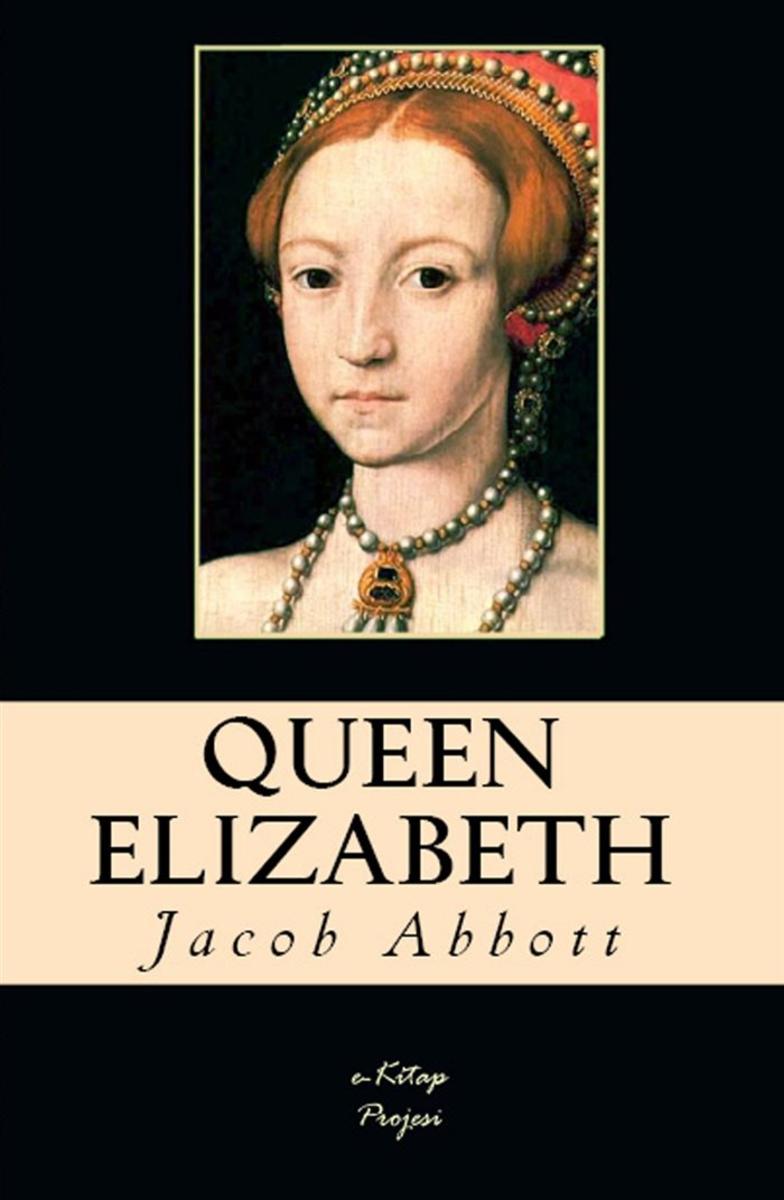
Queen Elizabeth
¥27.88
ELIZABETH was about three years old at the death of her mother. She was a princess, but she was left in a very forlorn and desolate condition. She was not, however, entirely abandoned. Her claims to inherit the crown had been set aside, but then she was, as all admitted, the daughter of the king, and she must, of course, be the object of a certain degree of consideration and ceremony. It would be entirely inconsistent with the notions of royal dignity which then prevailed to have her treated like an ordinary child.??Next came Elizabeth, who was about fourteen years of age. She was the daughter of the king's second wife, Queen Anne Boleyn. She had been educated a Protestant. She was not pretty, but was a very lively and sprightly child, altogether different in her cast of character and in her manners from her sister Mary.??Then, lastly, there was Edward, the son of Jane Seymour, the third queen. He was about nine years of age at his father's death. He was boy of good character, mild and gentle in his position, fond of study and reflection, and a general favorite with all who knew him.
![The Romance of Spanish History: [Illustrated & Engraved & Mapped]](https://platform-permanent.ddimg.cn/pt-media-info-soa-resource/digital/product/53/97/1901165397_ii_cover.jpg?version=39bce93d-9102-4e7e-9ac3-85633a446f54)
The Romance of Spanish History: [Illustrated & Engraved & Mapped]
¥28.29
THE Spanish peninsula, separated from France on the north by the Pyrenees, and bounded on the three remaining sides by the Mediterranean Sea and the Atlantic Ocean, con-tains an area of 225,600 square miles, being a little larger than France. Nature has reared a very formidable barrier between Spain and France, for the Pyrenees, extending in a straight line 250 miles in length, from the Bay of Biscay to the Mediterranean, and often rising in peaks more than ten thou-sand feet in height, offer but three defiles which carriages can traverse, though there are more than a hundred passes which may be surmounted by pedestrians or the sure-footed mule. The soil is fertile; the climate genial and salubrious; and the face of the country, diversified with meadows and mountains, presents, in rare combination, the most attractive features both of loveliness and sublimity.?History does not inform us when and how this beautiful peninsula—called Hispania by the Romans—first became in-habited. Whether the earliest emigrants crossed the straits of Gibraltar from Africa, or came from Asia, coasting the shores of the Mediterranean, or descended from France through the defiles of the Pyrenees, can now never be known. The first glimpse we catch of Spain, through the haze of past ages, reveals to us the country inhabited by numerous barbaric tri-bes, fiercely hostile to each other, and constantly engaged in bloody wars. The mountain fastnesses were infested with robber bands, and rapine and violence everywhere reigned. The weapons grasped by these fierce warriors consisted of lances, clubs, and slings, with sabres and hatchets, of rude fashion but of keen edge. Their food was mainly nuts and ro-ots. Their clothing consisted of a single linen garment, girded around the waist; and a woollen tunic, surmounted by a cloth cap, descended to the feet. As in all barbarous nations, the hard work of life was performed by the women.??The names even of most of these tribes have long since perished; a few however have been transmitted to our day, such as the Celts, the Gallicians, the Lusitanians, and the Iberians. Several ages before the foundations of Rome or of Carthage were laid, it is said that the Phoenicians, exploring in their commercial tours the shores of the Mediterranean, established a mercantile colony at Cadiz. The colonists growing rich and strong, extended their dominions and founded the cities of Malaga and Cordova. About 800 years before Christ, a colony from Rhodes settled in the Spanish peninsula, and established the city of Rosas. Other expeditions, from various parts of Greece, also planted colonies and engaged in successful traffic with the Spanish natives.??Four hundred years before Christ, the Carthaginian republic was one of the leading powers, and Carthage was one of the most populous and influential cities on the globe. The Carthaginians crossed the narrow straits which separate Africa from Spain, landed in great strength upon the Spanish peninsula, and, after a short but severe conflict, subdued the foreign colonies there, brought the native Spaniards into subjection, and established their own supremacy over all the southern coast. Cadiz became the central point of Carthaginian power, from whence the invaders constantly extended their conquests. Though many of the interior tribes maintained for a time a sort of rude and ferocious independence, still Carthage gradually assumed dominion over the whole of Spain.??In the year 235 B.C., Hamilcar, the father of the illustrious Hannibal, compelled nearly all the tribes of Spain to ack-nowledge his sway. For eight years Hamilcar waged almost an incessant battle with the Spaniards. Still it was merely a military possession which he held of the country, and he erected Barcelona and several other fortresses, where his soldiers could bid defiance to assaults, and could overawe the surrounding inhabitants.
Világfa
¥28.53
A budapesti Lánchíd pesti hídf?jénél álló Gresham-palotát mindannyian jól ismerjük – legalábbis kívülr?l. De tudjuk-e, miféle titkokat rejtett egykor az impozáns épület? Szelke László izgalmas és olvasmányos nyomozása, A Gresham a nácik ellen a 19. századtól a második világháborúig kíséri nyomon a mai luxusszálloda fordulatos t?rténetét. A százarcú épület a kezdetekt?l a t?rténelem f?sodrában állt. El?dje, a Nákó-palota magánházként olyan hírességek lakhelye volt, mint a Lánchíd tervein dolgozó Clark ?dám vagy a Széchenyi István életnagyságú portréját fest? Barabás Miklós, a század végén pedig a Gresham életbiztosító társaság székhelyéül szolgált. Miután a 20. század elején szecessziós stílusban újjáépítették, a pezsg? kávéházi élet meghatározó színterévé, haladó értelmiségiek találkahelyévé avanzsált. Ahogy a Horthy-rendszer idején egyre fogyott a leveg?, úgy vált a Gresham-palota az ellenzéki politika, a szellemi ellenállás, a mind rendszerkritikusabb kabarék otthonává ? a második világháború idején pedig a titkos diplomácia és az embermentés megkerülhetetlen k?zpontjává. Náciellenes m?vészek, újságírók, tudósítók, attasék, hírszerz?k, kémelhárítók, kett?s, s?t hármas ügyn?k?k fordultak meg a falai k?zt, és itt m?k?d?tt t?bbek k?zt a liberális párt pesti klubja, illetve a szabadelv? Esti Kurir cím? napilap szerkeszt?sége. A k?nyv lapjain a kor olyan meghatározó figurái t?nnek fel, mint Szent-Gy?rgyi Albert és Herczeg Ferenc, Szekf? Gyula és Raoul Wallenberg, de megismerkedhetünk a budapesti k?nyvhét alapítójával, a bátor emberment? Supka Gézával, a zsidót?rvények kíméletlen kritikusával, Rassay Károllyal vagy a Pódium Kabarét vezet? Békeffi Lászlóval, aki az angol titkosszolgálattal is kapcsolatban állt. Tények és legendák, t?rvénytisztel?k és provokátorok, h?s?k és áldozatok – A Gresham a nácik ellen a t?rténelem legrejtettebb kulisszái m?gé kalauzolja olvasóját. Szelke László 1975-ben született. Egyetemi adjunktus, 2013-ban szerzett doktori fokozatot, jelenleg a piliscsabai M?vel?dési Információs K?zpont és K?nyvtár igazgatója. 19?20. századi magyar és egyetemes t?rténelmet tanít a Pázmány Péter Katolikus Egyetemen.
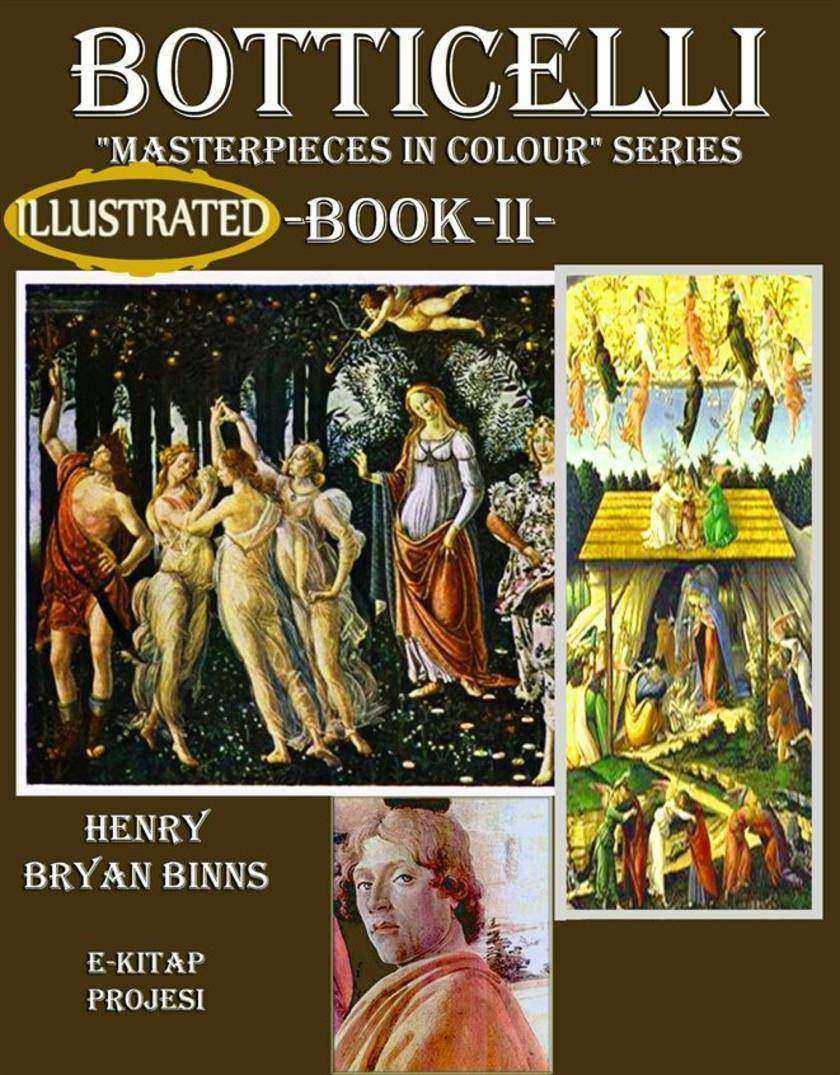
Botticelli: "Masterpieces In Colour" Series BOOK-II
¥32.62
As in the case of "The Bases of Design," to which this is intended to form a companion volume, the substance of the following chapters on Line and Form originally formed a series of lectures delivered to the students of the Manchester Municipal School of Art. There is no pretension to an exhaustive treatment of a subject it would be difficult enough to exhaust, and it is dealt with in a way intended to bear rather upon the practical work of an art school, and to be suggestive and helpful to those face to face with the current problems of drawing and design. These have been approached from a personal point of view, as the results of conclusions arrived at in the course of a busy working life which has left but few intervals for the elaboration of theories apart from practice, and such as they are, these papers are now offered to the wider circle of students and workers in the arts of design as from one of themselves. They were illustrated largely by means of rough sketching in line before my student audience, as well as by photographs and drawings. The rough diagrams have been re-drawn, and the other illustrations reproduced, so that both line and tone blocks are used, uniformity being sacrificed to fidelity.? ? ? ? ? ? ? ? ? ? ? ? ? ? ? ? ?WALTER CRANE. Outline, one might say, is the Alpha and Omega of Art. It is the earliest mode of expression among primitive peoples, as it is with the individual child, and it has been cultivated for its power of characterization and expression, and as an ultimate test of draughtsmanship, by the most accomplished artists of all time. The old fanciful story of its origin in the work of a lover who traced in charcoal the boundary of the shadow of the head of his sweetheart as cast upon the wall by the sun, and thus obtained the first profile portrait, is probably more true in substance than in fact, but it certainly illustrates the function of outline as the definition of the boundaries of form.Silhouette As children we probably perceive forms in nature defined as flat shapes of colour relieved upon other colours, or flat fields of light on dark, as a white horse is defined upon the green grass of a field, or a black figure upon a background of snow.Definition of BoundariesTo define the boundaries of such forms becomes the main object in early attempts at artistic expression. The attention is caught by the edges—the shape of the silhouette which remains the paramount means of distinction of form when details and secondary characteristics are lost; as the outlines of mountains remain, or are even more clearly seen, when distance subdues the details of their structure, and evening mists throw them into flat planes one behind the other, and leave nothing but the delicate lines of their edges to tell their character. We feel the beauty and simplicity of such effects in nature. We feel that the mind, through the eye resting upon these quiet planes and delicate lines, receives a sense of repose and poetic suggestion which is lost in the bright noontide, with all its wealth of glittering detail, sharp cut in light and shade. There is no doubt that this typical power of outline and the value of simplicity of mass were perceived by the ancients, notably the Ancient Egyptians and the Greeks, who both, in their own ways, in their art show a wonderful power of characterization by means of line and mass, and a delicate sense of the ornamental value and quality of line. Formation of LettersRegarding line—the use of outline from the point of view of its value as a means of definition of form and fact—its power is really only limited by the power of draughtsmanship at the command of the artist. From the archaic potters' primitive figures or the rudimentary attempts of children at human or animal forms up to the most refined outlines of a Greek vase-painter, or say the artist of the Dream of Poliphilus, the difference is one of degree.
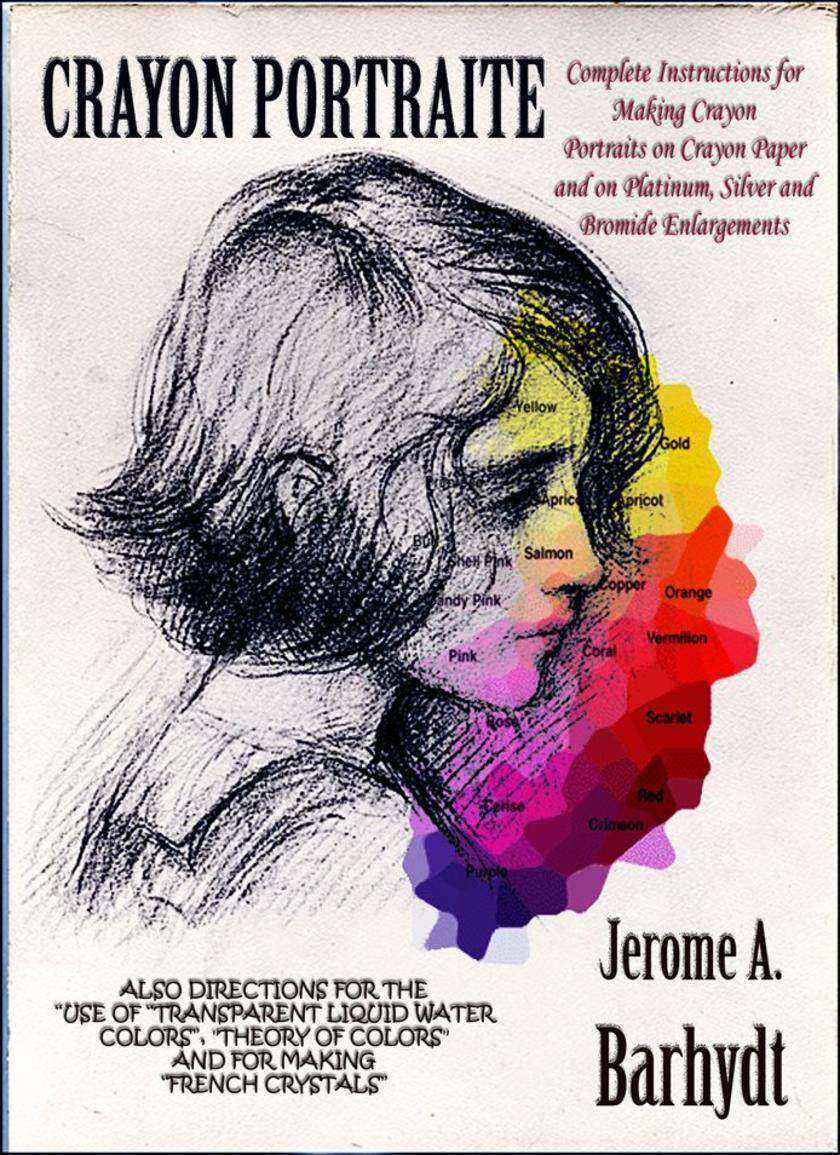
Crayon Portraiture
¥37.36
Macbeth (full title The Tragedy of Macbeth) is a tragedy written by William Shakespeare, and is considered one of his darkest and most powerful works. Set in Scotland, the play dramatizes the corrosive psychological and political effects produced when evil is chosen as a way to fulfil the ambition for power. The play is believed to have been written between 1599 and 1606, and is most commonly dated 1606. The earliest account of a performance of what was probably Shakespeare's play is the Summer of 1606, when Simon Forman recorded seeing such a play at the Globe Theatre. Macbeth is Shakespeare's shortest tragedy, and tells the story of a brave Scottish general named Macbeth who receives a prophecy from a trio of witches that one day he will become King of Scotland. Consumed by ambition and spurred to action by his wife, Macbeth murders King Duncan and takes the throne for himself. He is then wracked with guilt and paranoia, and he soon becomes a tyrannical ruler as he is forced to commit more and more murders to protect himself from enmity and suspicion. The bloodbath and consequent civil war swiftly take Macbeth and Lady Macbeth into the realms of arrogance, madness, and death. The play opens amidst thunder and lightning, and the Three Witches decide that their next meeting shall be with Macbeth. In the following scene, a wounded sergeant reports to King Duncan of Scotland that his generals—Macbeth, who is the Thane of Glamis, and Banquo—have just defeated the allied forces of Norway and Ireland, who were led by the traitorous Macdonwald and the Thane of Cawdor. Macbeth, the King's kinsman, is praised for his bravery and fighting prowess.In the following scene, Macbeth and Banquo discuss the weather and their victory. As they wander onto a heath, the Three Witches enter and greet them with prophecies. Though Banquo challenges them first, they address Macbeth, hailing him as "Thane of Glamis," "Thane of Cawdor," and that he shall "be King hereafter." Macbeth appears to be stunned to silence. When Banquo asks of his own fortunes, the witches inform him that he will father a line of kings, though he himself will not be one. While the two men wonder at these pronouncements, the witches vanish, and another thane, Ross, arrives and informs Macbeth of his newly bestowed title: Thane of Cawdor, as the previous Thane of Cawdor shall be put to death for his traitorous activities. The first prophecy is thus fulfilled, and Macbeth immediately begins to harbour ambitions of becoming king.King Duncan welcomes and praises Macbeth and Banquo, and declares that he will spend the night at Macbeth's castle at Inverness; he also names his son Malcolm as his heir. Macbeth sends a message ahead to his wife, Lady Macbeth, telling her about the witches' prophecies. Lady Macbeth suffers none of her husband's uncertainty, and wishes him to murder Duncan in order to obtain kingship. When Macbeth arrives at Inverness, she overrides all of her husband's objections by challenging his manhood, and successfully persuades him to kill the king that very night. He and Lady Macbeth plan to get Duncan's two chamberlains drunk so that they will black out; the next morning they will blame the chamberlains for the murder. They will be defenseless, as they will remember nothing.While Duncan is asleep, Macbeth stabs him, despite his doubts and a number of supernatural portents, including a hallucination of a bloody dagger. He is so shaken that Lady Macbeth has to take charge. In accordance with her plan, she frames Duncan's sleeping servants for the murder by placing bloody daggers on them. Early the next morning, Lennox, a Scottish nobleman, and Macduff, the loyal Thane of Fife, arrive. A porter opens the gate and Macbeth leads them to the king's chamber, where Macduff discovers Duncan's body. ABOUT AUTHOR: William Shakespeare ( 1564 (baptised) – 1616) was an English poet, playwright and actor, widely regarded as the greatest writer in the English language and the world's pre-eminent dramatist. He is often called England's national poet and the "Bard of Avon". His extant works, including some collaborations, consist of about 38 plays, 154 sonnets, two long narrative poems, and a few other verses, the authorship of some of which is uncertain. His plays have been translated into every major living language and are performed more often than those of any other playwright. Shakespeare was born and brought up in Stratford-upon-Avon. At the age of 18, he married Anne Hathaway, with whom he had three children: Susanna, and twins Hamnet and Judith. Between 1585 and 1592, he began a successful career in London as an actor, writer, and part-owner of a playing company called the Lord Chamberlain's Men, later known as the King's Men. He appears to have retired to Stratford around 1613 at age 49, where he died three years later. Few records of Shakespeare's private life survive, and there has been considerable speculation about such matters as his physic

Выращиваем лекарственные и пряные травы на участке
¥17.74
Дарону Аджемо?лу ? Джеймсу Роб?нсону вдалося, здавалося б, неможливе — в?дпов?сти на питання, яке до них безрезультатно вивчали стол?ттями: чому одн? кра?ни багат?, а ?нш? — б?дн?????рунтуючись на п’ятнадцятир?чних досл?дженнях у галузях ?стор??, пол?толог?? та економ?ки, автори легко ? доступно пояснюють, чому економ?чний усп?х держав не залежить в?д культури, кл?мату чи географ?чного положення.??Аджемо?лу та Роб?нсон переконан?: кра?ни стали найусп?шн?шими через те, що ?хн? громадяни повалили владну ел?ту ? створили сусп?льства, де головною ц?нн?стю стали р?вн? економ?чн? та пол?тичн? права кожного. На ?хню думку, саме свобода робить св?т багатшим.??Книга ?Чому нац?? занепадають? — сво?р?дний пос?бник, який допоможе краще зрозум?ти причини, що сприяють процв?танню держав та ?хньому занепаду.

Укра?нська легко! (Ukra?ns'ka legko!)
¥26.65
Н?л Фер?юсон зауважу?: ?Ще на початку XV стол?ття сама лише думка про те, що наступн? п’ять стол?ть Зах?д буде дом?нувати над рештою св?ту, здалася б дуже дивною. А вт?м, це сталося?. ? нин? могутн?сть Заходу вража? нав?ть найбагатшу уяву... То чому ж так трапилося? Чому ?вропа, що на 1500-й р?к поступалася Сходу за багатьма показниками — економ?чними, технолог?чними, демограф?чними, — зум?ла р?зко рвонути уперед ? досягти безперечного св?тового панування? Як? складов? усп?ху зах?дно? цив?л?зац??? Саме ц? дражлив? питання украй см?ливо, часом нав?ть зухвало, а проте надзвичайно захопливо висв?тлю? Н?л Фер?юсон.

Makinelerin Evrimi: 4. Sanayi Devrimi
¥37.11
Endu?stri 4.0 d?nemi ile fabrikadaki u?retim ekipmanlar? birbirleriyle konu?up anla?acak ve gelecekte insans?z fabrikalar yayg?nla?acak. ?? kazalar? azalacak ve teknolojik verimlilik sa?lanacak. Yeni endu?stri devrimi hem enerji tasarrufu sa?layacak hem de maliyetleri du??u?recek. Alman Hu?ku?metinin u?retim su?re?lerini bilgisayarla?ma y?nu?nde te?vik etme ve yu?ksek teknolojiyle donatmas? projesi olarak kabul edilen Endu?stri 4.0, ayn? zamanda d?rdu?ncu? sanayi devrimi anlam?na geliyor. Endu?stri 4.0 ile tu?m yaz?l?m ve networklerde u?ru?n geli?tirme, u?retim ve servis su?re?lerinin ileti?imi, makinalar?n ve u?ru?nlerin ger?ek zamanl? bilgi al??veri?i, otonom kontrol ve optimizasyonu mu?mku?n olacak. 1784’te ortaya ??kan ilk sanayi devriminde, su ve buhar gu?cu?nu?n kullan?m?yla u?retim yap?lmas? hakim iken, 1870’lerde elektrik enerjisinin kullan?m?, ikinci sanayi devriminin de kap?lar?n? a?t?. Dijital devrim olarak da adland?r?labilecek u??u?ncu? sanayi devrimi ise, 1969’da elektronik ve bili?im teknolojilerinin kullan?m? ile ortaya ??kt?. 2013 y?l?na geldi?imizde ise internet uygulamalar?, yatay-dikey entegrasyonlu ve ger?ek zamanl? yeni de?er zincirleri, siber-fiziksel sistemler ve ak?ll? fabrikalar hayatlar?m?zdaki varl???n? gu??lendirdi. Yazar Hakk?nda [Tarkan ?zhan, 1969-] ???REN?M DURUMU: Trakya üniversitesi B?lüm: Fen Fakultesi Kimyager MESLE??: Borsac?, Trader, Portfoy Y?netimi Aktif ?al??ma süresi; 25 y?l

Dubliners
¥28.04
We sailed from Peru, (where we had continued for the space of one whole year) for China and Japan, by the South Sea; taking with us victuals for twelve months; and had good winds from the east, though soft and weak, for five months space, and more. But the wind came about, and settled in the west for many days, so as we could make little or no way, and were sometime in purpose to turn back. But then again there arose strong and great winds from the south, with a point east, which carried us up (for all that we could do) towards the north; by which time our victuals failed us, though we had made good spare of them. So that finding ourselves, in the midst of the greatest wilderness of waters in the world, without victuals, we gave ourselves for lost men and prepared for death. Yet we did lift up our hearts and voices to God above, who showeth his wonders in the deep, beseeching him of his mercy, that as in the beginning he discovered the face of the deep, and brought forth dry land, so he would now discover land to us, that we might not perish. And it came to pass that the next day about evening we saw within a kenning before us, towards the north, as it were thick clouds, which did put us in some hope of land; knowing how that part of the South Sea was utterly unknown; and might have islands, or continents, that hitherto were not come to light. Wherefore we bent our course thither, where we saw the appearance of land, all that night; and in the dawning of the next day, we might plainly discern that it was a land; flat to our sight, and full of boscage; which made it show the more dark. And after an hour and a half's sailing, we entered into a good haven, being the port of a fair city; not great indeed, but well built, and that gave a pleasant view from the sea: and we thinking every minute long, till we were on land, came close to the shore, and offered to land. But straightways we saw divers of the people, with bastons in their hands (as it were) forbidding us to land; yet without any cries of fierceness, but only as warning us off, by signs that they made. Whereupon being not a little discomforted, we were advising with ourselves, what we should do. During which time, there made forth to us a small boat, with about eight persons in it; whereof one of them had in his hand a tipstaff of a yellow cane, tipped at both ends with blue, who came aboard our ship, without any show of distrust at all. And when he saw one of our number, present himself somewhat before the rest, he drew forth a little scroll of parchment (somewhat yellower than our parchment, and shining like the leaves of writing tables, but otherwise soft and flexible,) and delivered it to our foremost man. In which scroll were written in ancient Hebrew, and in ancient Greek, and in good Latin of the school, and in Spanish, these words: Land ye not, none of you; and provide to be gone from this coast, within sixteen days, except you have further time given you. Meanwhile, if you want fresh water or victuals, or help for your sick, or that your ship needeth repairs, write down your wants, and you shall have that, which belongeth to mercy. This scroll was signed with a stamp of cherubim: wings, not spread, but hanging downwards; and by them a cross. This being delivered, the officer returned, and left only a servant with us to receive our answer. F. BACON About Author: Francis Bacon, 1561 – 1626), was an English philosopher, statesman, scientist, jurist, orator, essayist, and author. He served both as Attorney General and Lord Chancellor of England. After his death, he remained extremely influential through his works, especially as philosophical advocate and practitioner of the scientific method during the scientific revolution.Bacon has been called the father of empiricism. His works established and popularised inductive methodologies for scientific inquiry, often called the Baconian method, or simply the scientific method. His demand for a planned procedure of investigating all things natural marked a new turn in the rhetorical and theoretical framework for science, much of which still surrounds conceptions of proper methodology today.Bacon was knighted in 1603, and created Baron Verulam in 1618 and Viscount St. Alban in 1621; as he died without heirs, both peerages became extinct upon his death. He famously died of pneumonia, contracted while studying the effects of freezing on the preservation of meat. The succession of James I brought Bacon into greater favour. He was knighted in 1603. In another shrewd move, Bacon wrote his Apologies in defence of his proceedings in the case of Essex, as Essex had favoured James to succeed to the throne. The following year, during the course of the uneventful first parliament session, Bacon married Alice Barnham. In June 1607 he was at last rewarded with the office of solicitor general. The following year, he began working as the Clerkship of the Star Chamber. Despite a generous income, old debts still co
Last Entry
¥18.74
A NEW AND FACETIOUS INTRODUCTION TO THE ENGLISH TONGUEBy Percival LeighEmbellished with upwards of forty-five Characteristic IllustrationsBy JOHN LEECH. Fashion requires, and like the rest of her sex, requires because she requires, that before a writer begins the business of his book, he should give an account to the world of his reasons for producing it; and therefore, to avoid singularity, we shall proceed with the statement of our own, excepting only a few private ones, which are neither here nor there. To advance the interests of mankind by promoting the cause of Education; to ameliorate the conversation of the masses; to cultivate Taste, and diffuse Refinement; these are the objects we have in view in submitting a Comic English Grammar to the patronage of a discerning Public. Few persons there are, whose ears are so extremely obtuse, as not to be frequently annoyed at the violations of Grammar by which they are so often assailed. It is really painful to be forced, in walking along the streets, to hear such phrases as, "That 'ere omnibus." "Where've you bin?" "Vot's the odds?" and the like. Very dreadful expressions are also used by cartmen and others in addressing their horses. What can possibly induce a human being to say "Gee woot!" "'Mather way!" or "Woa not to mention the atrocious "Kim aup!" of the barbarous butcher's boy. It is notorious that the above and greater enormities are perpetrated in spite of the number of Grammars already before the world. This fact sufficiently excuses the present addition to the stock; and as serious English Grammars have hitherto failed to effect the desired reformation, we are induced to attempt it by means of a Comic one. With regard to the moral tendency of our labors, we may be here permitted to remark, that they will tend, if successful, to the suppression of evil speaking ; and as the Spartans used to exhibit a tipsy slave to their children with a view to disgust them with drunkenness, and We will not allow a man to give an old woman a dose of rhubarb if he have not acquired at least half a dozen sciences; but we permit a quack to sell as much poison as he pleases. When one man runs away with another's wife, and, being on that account challenged to fight a duel, shoots the aggrieved party through the head, the latter is said to receive satisfaction. We never take a glass of wine at dinner without getting somebody else to do the same, as if we wanted encouragement; and then, before we venture to drink, we bow to each other across the table, preserving all the while a most wonderful gravity. This, however, it may be said, is the natural result of endeavoring to keep one another in countenance. The way in which we imitate foreign manners and customs is very amusing. Savages stick fish-bones through their noses; our fair countrywomen have hoops of metal poked through their ears. The Caribs flatten the forehead; the Chinese compress the foot; and we possess similar contrivances for reducing the figure of a young lady to a resemblance to an hour-glass or a devil-on-two-sticks. There being no other assignable motive for these and the like proceedings, it is reasonable to suppose that they are adopted, as schoolboys say, "for fun." We could go on, were it necessary, adducing facts to an almost unlimited extent; but we consider that enough has now been said in proof of the comic character of the national mind. And in conclusion, if any other than an English or American author can be produced, equal in point of wit, humor, and drollery, to Swift, Sterne, Dickens, or Paulding, we hereby engage to eat him; albeit we have no pretensions to the character of a "helluo librorum." "English Grammar," according to Lindley Murray, "is the art of speaking and writing the English language with propriety." The English language, written and spoken with propriety, is commonly called the King's English.


