


 购物车
购物车 个人中心
个人中心
Hamlet in French
¥8.09
Traduit par Fran?ois Pierre Guillaume Guizot (1787 - 1874), historien fran?ais et homme d'?tat. Publié en 1864. Selon Wikipedia: ?La tragédie de Hamlet, prince du Danemark, est une tragédie de William Shakespeare, qui se déroule au royaume du Danemark et qui dramatise la vengeance du prince Hamlet sur son oncle Claudius pour le meurtre du roi Hamlet, le frère de Claude et le père du prince Hamlet, puis succédant au tr?ne et prenant pour épouse Gertrude, la veuve du vieux roi et la mère du prince Hamlet.La pièce dépeint vivement la folie vraie et feinte - de la douleur accablante à la rage bouillonnante - et explore des thèmes de trahison, la vengeance, l'inceste et la corruption morale.
Julius Caesar, Bilingual Editon
¥8.09
The Shakespeare tragedy, in English with line numbers and translated to German by August Wilhelm von Schlegel. According to Wikipedia: "The ghost of Caesar taunts Brutus about his imminent defeat. (Copperplate engraving by Edward Scriven from a painting by Richard Westall: London, 1802.) The Tragedy of Julius Caesar, also known simply as Julius Caesar, is a tragedy by William Shakespeare, believed to have been written in 1599. It portrays the 44 BC conspiracy against the Roman dictator Julius Caesar, his assassination and the defeat of the conspirators at the Battle of Philippi. It is one of several Roman plays that Shakespeare wrote, based on true events from Roman history, which also include Coriolanus and Antony and Cleopatra."
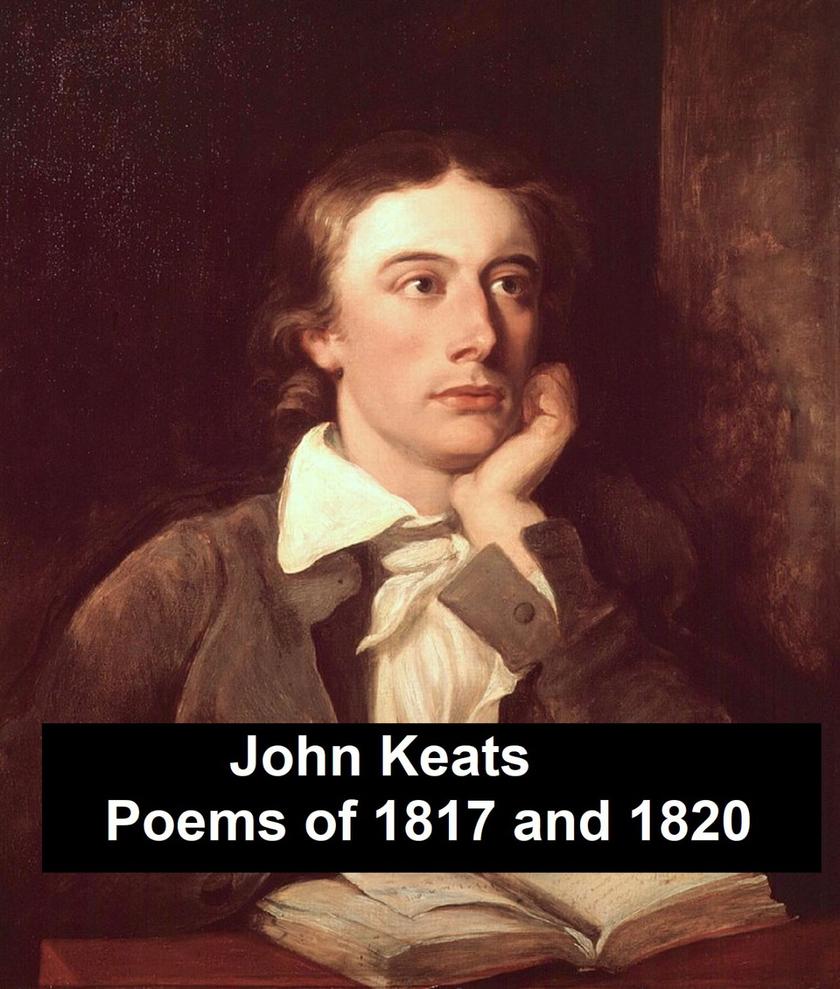
Poems of 1817 and 1820
¥8.09
This collection, with poems published in 1817, Endymion, and poems published in 1820, includes his best known works, such as: Ode to a Nightingale, Ode to a Grecian Ur, Ode to Psyche, Lamia, Eve of St. Agnes, Ode on Melancholy, To Autumn, and Hyperion. According to Wikipedia: "John Keats (1795 – 1821) was one of the principal poets of the English Romantic movement. During his short life, his work received constant critical attacks from periodicals of the day, but his posthumous influence on poets such as Alfred Tennyson has been immense. Elaborate word choice and sensual imagery characterize Keats's poetry, including a series of odes that were his masterpieces and which remain among the most popular poems in English literature. Keats's letters, which expound on his aesthetic theory of "negative capability"[1], are among the most celebrated by any writer."
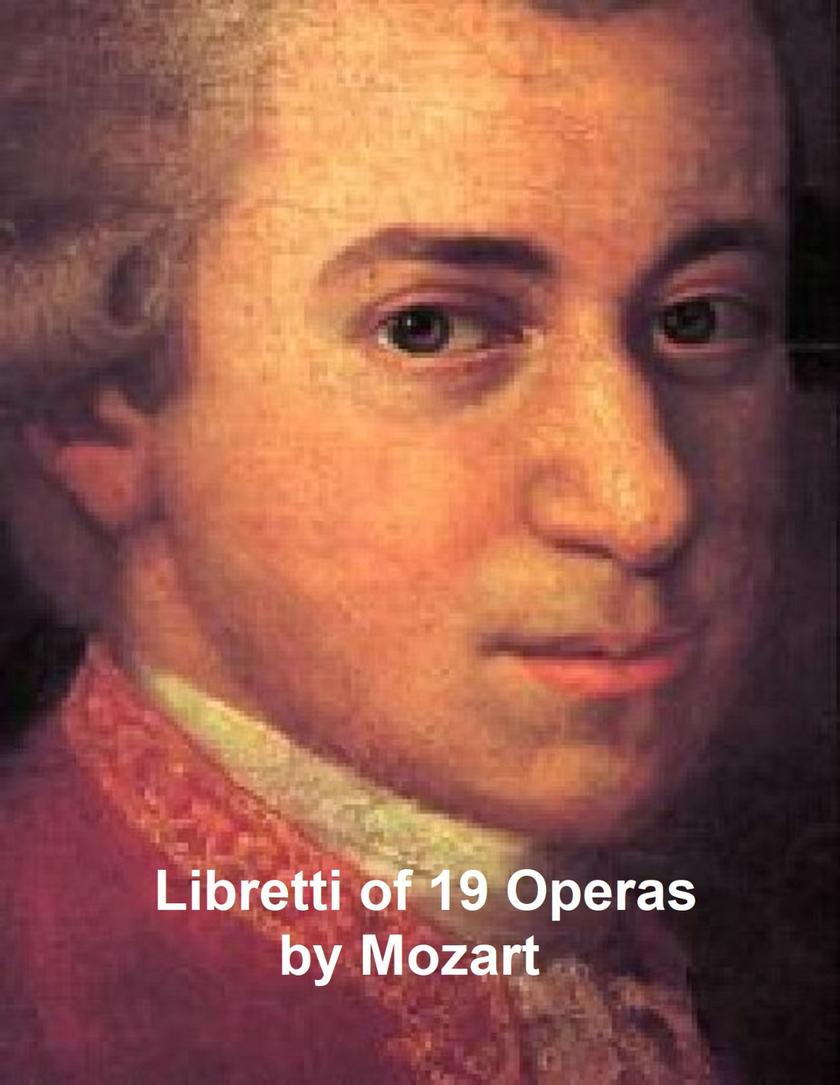
Libretti of 19 operas
¥8.09
This file includes: Apollo et Hyacinthus (in Latin); Ascanio in Alba (in Italian); Bastien und Bastienne (in German); Cosi fan tutte (in Italian); Die Entführung aus dem Serail (in German); Die G?rtnerin aus Liebe (in German); Die Zauberfloete (in German); Don Giovanni o l'empio punito (in Italian); Idomeneo Re di Creta (in Italian); Il re pastore (in Italian); Il sogno di Scipione (in Italian); La Clemenza di Tito (in Italian); La finta semplice (in Italian); Le Nozze di Figaro (in Italian); Lo sposo deluso (in Italian); L'oca del Cairo (in Italian); Lucio Silla (in Italian); Mitridate, re di Ponto (in Italian); and Zaide (in German). According to Wikipedia: "Wolfgang Amadeus Mozart (27 January 1756 – 5 December 1791), was a prolific and influential composer of the Classical era. He composed over 600 works, many acknowledged as pinnacles of symphonic, concertante, chamber, piano, operatic, and choral music. He is among the most enduringly popular of classical composers. Mozart showed prodigious ability from his earliest childhood in Salzburg. Already competent on keyboard and violin, he composed from the age of five and performed before European royalty; at 17 he was engaged as a court musician in Salzburg, but grew restless and traveled in search of a better position, always composing abundantly. While visiting Vienna in 1781, he was dismissed from his Salzburg position. He chose to stay in the capital, where he achieved fame but little financial security. During his final years in Vienna, he composed many of his best-known symphonies, concertos, and operas, and the Requiem... His influence on subsequent Western art music is profound. Beethoven wrote his own early compositions in the shadow of Mozart, of whom Joseph Haydn wrote that "posterity will not see such a talent again in 100 years."
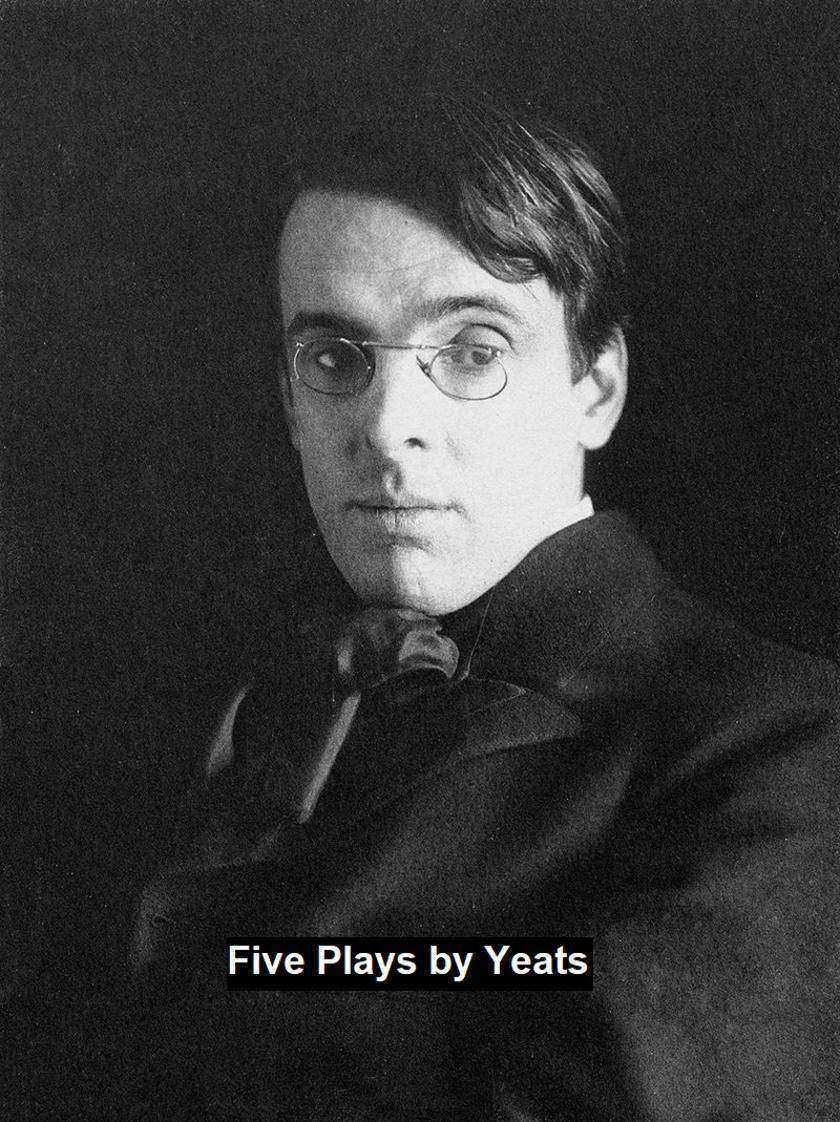
Five Plays
¥8.09
This file includes: The Land of Heart's Desire, The Countess Cathleen, The Unicorn and the Stars, Cathleen Ni Houlihan, and The Hour-Glass. According to Wikipedia: "William Butler Yeats (13 June 1865 - 28 January 1939) was an Irish poet, dramatist, and one of the foremost figures of 20th century literature. A pillar of both the Irish and British literary establishments, in his later years Yeats served as an Irish Senator for two terms. He was a driving force behind the Irish Literary Revival, and along with Lady Gregory and Edward Martyn founded the Abbey Theatre, serving as its chief during its early years. In 1923, he was awarded a Nobel Prize in Literature for what the Nobel Committee described as "inspired poetry, which in a highly artistic form gives expression to the spirit of a whole nation." He was the first Irishman so honored. Yeats is generally considered one of the few writers whose greatest works were completed after being awarded the Nobel Prize; such works include The Tower (1928) and The Winding Stair and Other Poems (1929). Yeats was born and educated in Dublin, but spent his childhood in County Sligo. He studied poetry in his youth, and from an early age was fascinated by both Irish legends and the occult. Those topics feature in the first phase of his work, which lasted roughly until the turn of the century. His earliest volume of verse was published in 1889, and those slowly paced and lyrical poems display debts to Edmund Spenser and Percy Bysshe Shelley, as well as to the lyricism of the Pre-Raphaelite poets. From 1900, Yeats' poetry grew more physical and realistic. He largely renounced the transcendental beliefs of his youth, though he remained preoccupied with physical and spiritual masks, as well as with cyclical theories of life."
Le Roi Lear (King Lear in French)
¥8.09
Traduit par Fran?ois Pierre Guillaume Guizot (1787 - 1874), historien fran?ais et homme d'?tat. Publié en 1864. Selon Wikipedia: "Le Roi Lear est une tragédie de William Shakespeare: le personnage titre descend dans la folie après avoir bêtement disposé de ses biens entre deux de ses trois filles en raison de leur flatterie, ce qui entra?ne des conséquences tragiques pour tous. basé sur la légende de Leir of Britain, un roi celtique pré-romain mythologique, il a été largement adapté à la scène et au cinéma, et le r?le de Lear a été convoité et joué par de nombreux acteurs parmi les plus accomplis au monde.
Le Roi Jean (King John in French)
¥8.09
L'histoire de Shakespeare joue King John, en traduction fran?aise. Selon Wikipedia: "La vie et la mort du roi John, une pièce d'histoire de William Shakespeare, dramatise le règne de John, roi d'Angleterre (gouverné 1199-1216), fils d'Henri II d'Angleterre et d'Aliénor d'Aquitaine et père de Henry III d'Angleterre On pense qu'il a été écrit au milieu des années 1590, mais il n'a pas été publié avant d'être publié dans le premier folio en 1623. "
Henry V in French
¥8.09
Pièce d'histoire de Shakespeare, Henry V, en traduction fran?aise. Selon Wikipédia: "Henry V est une pièce d'histoire de William Shakespeare, dont on pense qu'elle a été écrite vers 1599. Ses titres complets sont The Cronicle History of Henri Quint (dans le texte du premier quarto) et The Life of Henry the Fifth (dans le premier texte du Folio) raconte l'histoire du roi Henry V d'Angleterre, en se concentrant sur les événements qui ont précédé et suivi la bataille d'Azincourt (1415) pendant la guerre de Cent Ans.
Henri VI, Premiere Partie (Henry VI Part I in French)
¥8.09
Pièce d'histoire de Shakespeare, Henry VI Part One, en traduction fran?aise. Selon Wikipédia: "Henry VI, Part 1 ou la première partie de Henry le Sixt (souvent écrit comme 1 Henry VI) est une pièce d'histoire de William Shakespeare, et peut-être Thomas Nashe, qui aurait été écrit en 1591, et mis en La vie du roi Henry VI d'Angleterre Alors que 2 Henri VI traite de l'incapacité du roi à réprimer les querelles de ses nobles et de l'inévitabilité des conflits armés, 3 Henry VI traite des horreurs de ce conflit, 1 Henry VI traite de la perte des territoires fran?ais de l'Angleterre et les machinations politiques menant aux guerres des roses, comme le système politique anglais est déchiré par les querelles personnelles et la jalousie mesquine.
Henri VI, Seconde Partie (Henry VI Part II in French)
¥8.09
Pièce d'histoire de Shakespeare, Henry VI Deuxième partie, en traduction fran?aise. Selon Wikipédia: "Henry VI, Part 2 ou la deuxième partie de Henry le Sixt (souvent écrit comme 2 Henry VI) est une pièce d'histoire de William Shakespeare qui aurait été écrite en 1591, et placée pendant la vie du roi Henri VI Alors que 1 Henri VI traite principalement de la perte des territoires fran?ais de l'Angleterre et des machinations politiques menant aux guerres des Roses, et 3 Henry VI traite des horreurs de ce conflit, 2 Henri VI se concentre sur l'incapacité du roi à apaiser les querelles de ses nobles, la mort de son conseiller de confiance, le duc Humphrey de Gloucester, l'ascension du duc d'York et l'inévitabilité des conflits armés, ce qui aboutit à la première bataille de la guerre, la première bataille de St Albans. "
King John/ Leben und Tod des Konigs Johann: Bilingual edition
¥8.09
Bilingual, English and German. Shakespeare history play King John, in English with line numbers and in German translation. According to Wikipedia: "The Life and Death of King John, a history play by William Shakespeare, dramatises the reign of John, King of England (ruled 1199–1216), son of Henry II of England and Eleanor of Aquitaine and father of Henry III of England. It is believed to have been written in the mid-1590s but was not published until it appeared in the First Folio in 1623." Zweisprachig, Englisch und Deutsch. Shakespeare Geschichte spielen King John, in Englisch mit Zeilennummern und in deutscher ?bersetzung. Laut Wikipedia: "Das Leben und der Tod von K?nig John, ein Geschichtsstück von William Shakespeare, dramatisiert die Herrschaft von John, K?nig von England (regierte 1199-1216), Sohn von Heinrich II. Von England und Eleonore von Aquitanien und Vater von Henry Es wird angenommen, dass es in der Mitte der 1590er Jahre geschrieben wurde, aber nicht ver?ffentlicht wurde, bis es im Ersten Folio 1623 erschien.
The Old Debauchees
¥8.09
Play first published in 1732. According to Wikipedia: "Henry Fielding (22 April 1707 – 8 October 1754) was an English novelist and dramatist known for his rich earthy humour and satirical prowess, and as the author of the novel Tom Jones. Aside from his literary achievements, he has a significant place in the history of law-enforcement, having founded (with his half-brother John) what some have called London's first police force, the Bow Street Runners, using his authority as a magistrate. His younger sister, Sarah, also became a successful writer."

Dissertations on the English Language
¥8.09
According to Wikipedia: "Noah Webster, Jr. (October 16, 1758 – May 28, 1843), was an American lexicographer, textbook pioneer, English-language spelling reformer, political writer, editor, and prolific author. He has been called the "Father of American Scholarship and Education." His blue-backed speller books taught five generations of American children how to spell and read, secularizing their education. According to Ellis (1979) he gave Americans "a secular catechism to the nation-state." Webster's name has become synonymous with "dictionary" in the United States, especially the modern Merriam-Webster dictionary that was first published in 1828 as An American Dictionary of the English Language. He was one of the Founding Fathers of the nation."
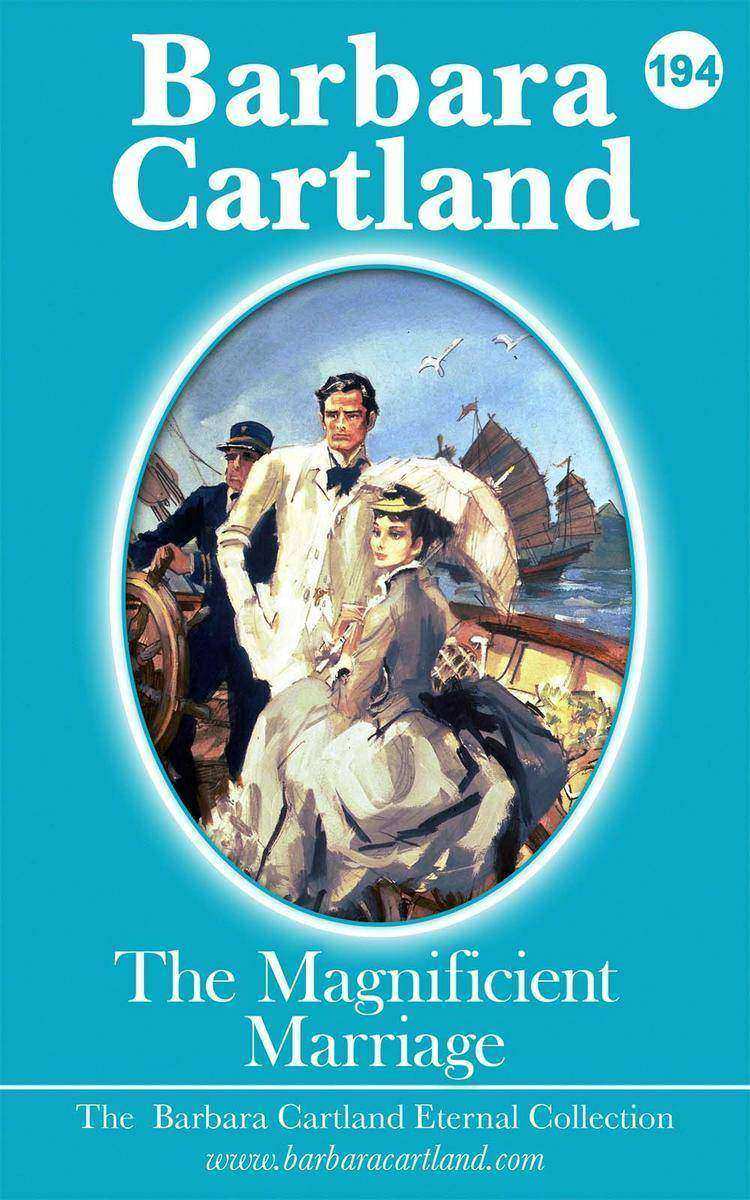
The Magnificent Marriage
¥52.32
Young Lady Lettice Burne is outstandingly beautiful with fair hair like sunshine and a flawless pink-and-white complexion. Yet her father, the Earl of Alderburne, desperate to find a wealthy suitor for her to pay off his mountain of accumulated debts, is resigned to the fact that she is immature and empty-headed and therefore unlikely to make the brilliant marriage that he had envisaged for her. So, when the handsome, dashing and rich Maximus Kirby expresses interest in her hand, the Earl is eager to send her to join him in Singapore. Maximus Kirby has been hugely successful in the Far East in trading and has started many profitable businesses that have brought unexpected prosperity to many poor communities. Lettice cannot possibly go to him in Singapore alone. So her sister Lady Dorinda goes, posing as her companion – albeit reluctantly, knowing that she is assuming her usual guise of ‘ugly sister’ thanks to the disfiguring eczema on her face and body that she has suffered from since childhood. To Dorinda’s delight and astonishment the tropical climate miraculously cures her skin complaint and now everybody can see that she is every bit as beautiful as Lettice, including Maximus Kirby. Once in Singapore Dorinda and Lettice face great dangers which Maximus Kirby and Dorinda have to defeat and Lettice becomes more and more determined that she will not marry Maximus Kirby. And will Lady Dorinda finally find the love and the ‘Magnificent Marriage’ that her disease has always denied her?

Matrimonio Fingido
¥41.86
Uno de los más apuestos y codiciados solteros de Londres, lord Melsonby se encuentra inesperadamente, atrapado en el problema de la hermosa fugitiva, Perlita Lyford, heredera de una fortuna inmensa, huérfana de madre y pierde por último, ?su progenitor, que la deja al cuidado? de una? prima hermana suya, lady Whitton. Lo que su padre no sabía, es que ella se había casado con sir Gerbold, un hombre mucho más joven que ella, y cuando lady Whitton, se murió… él vio la oportunidad de echar mano a su fortuna y de autoproclamarse su tutor. Es este hombreperverso y cruel, que Perlita huye, que solamente quiere casarse con ella, para quedarse con su dinero. Perlita, desesperada e infeliz con el destino que le esperaba, en uno de sus usuales viajes, consiguió escaparse del faetón y llegar a una modesta posada llamada La Cabeza del Rey y enseguida encuentra a lord Melsonby y le pide ayuda. Ahí, empieza un enredo fascinante, entre él y la misteriosa dama, donde se ven mezclados en una romántica aventura, ?que los conduce desde la resplandeciente sociedad victoriana, hasta una peligrosa intriga en Marruecos. Esta es una más, de las muchas obras magistrales, de la más famosa autora moderna del romanticismo, Barbara Cartland .
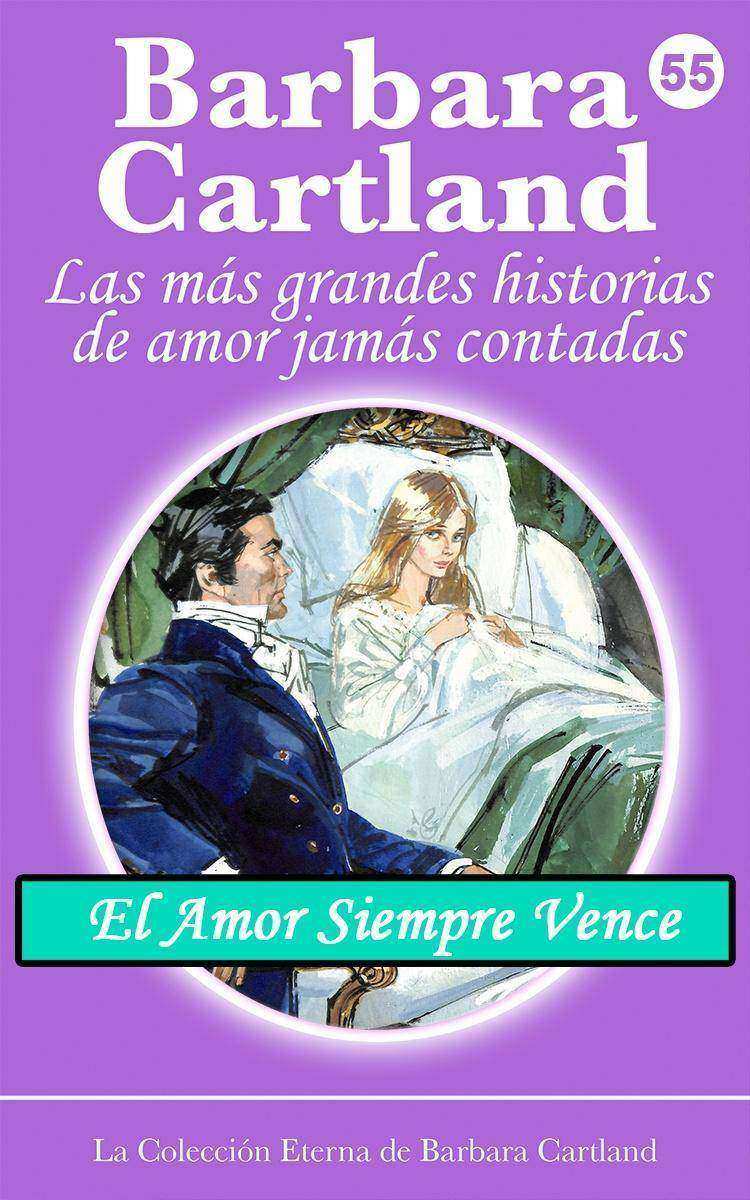
El Amor Siempre Vence
¥32.62
Lord Heywood regresa de las Guerras Napoleónicas para descubrir que ha heredado un patrimonio, pero no dinero. Cuando visita la propiedad, encuentra a una bella joven viviendo allí, huyendo de su hogar. Mientras está allí, está decidida a ayudarlo a encontrar un artículo valioso, que no forme parte de la propiedad para vender, ?pero por el camino, también encuentran el amor!? Instintivamente, Lord Heywood la apretó en sus brazos y la atrajo aún más cerca, y al hacerlo, se dio cuenta de que la amaba perdidamente. Cuando Miriam levantó la cara para hacer una pregunta, un rayo de luz hizo que Lord Heywood viera sus ojos asustados, su cara muy pálida y sus labios separados. Ella lo necesitaba. Nuestra heroína había estado viviendo en las habitaciones de su difunta madre y estaba decidida a descubrir quién era y por qué había vivido en una casa vacía.? A ella le gustaba el color turqués de la ropa de la cama y cuando de repente ve a lord Heywood, se queda mirándolo con recelo a su héroe. Estaba atrapada por el amor de su vida.? Una historia de intensa pasión y de incertidumbre, donde el amor al fin, siempre vence…???????????????????????
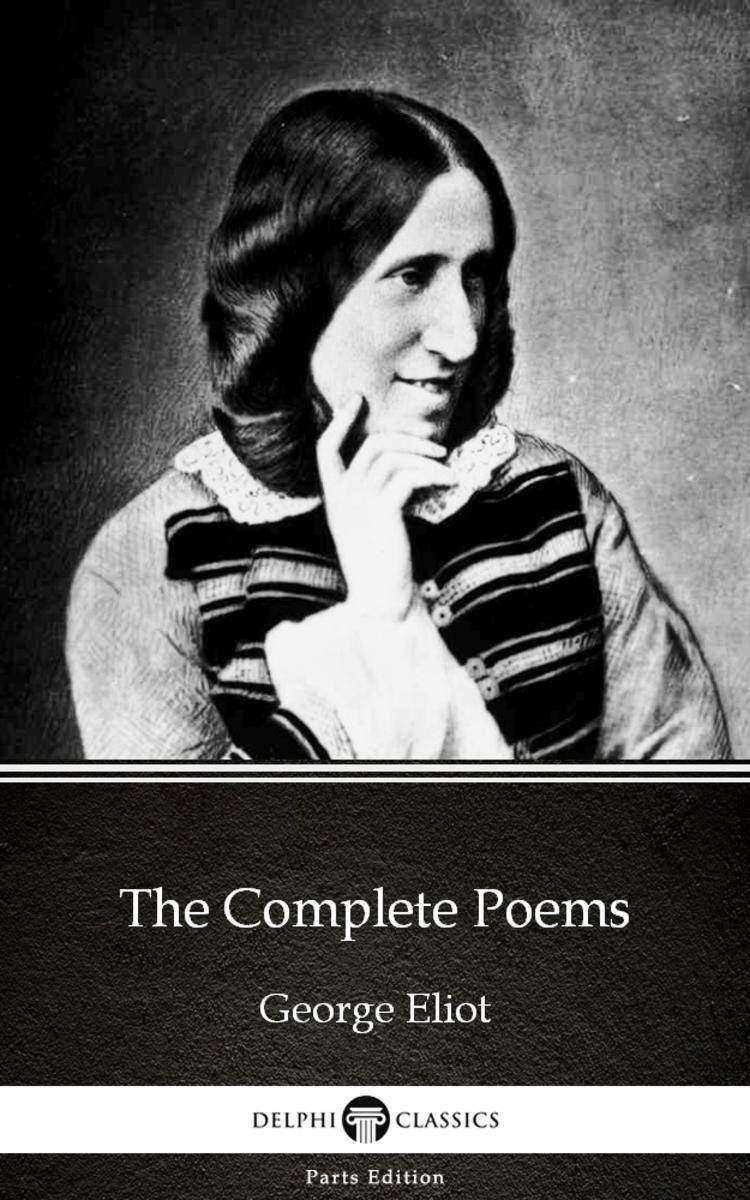
The Complete Poems by George Eliot - Delphi Classics (Illustrated)
¥8.09
This eBook features the unabridged text of ‘The Complete Poems by George Eliot - Delphi Classics (Illustrated)’ from the bestselling edition of ‘The Complete Works of George Eliot’. Having established their name as the leading publisher of classic literature and art, Delphi Classics produce publications that are individually crafted with superior formatting, while introducing many rare texts for the first time in digital print. The Delphi Classics edition of Eliot includes original annotations and illustrations relating to the life and works of the author, as well as individual tables of contents, allowing you to navigate eBooks quickly and easily. eBook features: * The complete unabridged text of ‘The Complete Poems by George Eliot - Delphi Classics (Illustrated)’ * Beautifully illustrated with images related to Eliot’s works * Individual contents table, allowing easy navigation around the eBook * Excellent formatting of the text Please visit www.delphiclassics.com to learn more about our wide range of titles
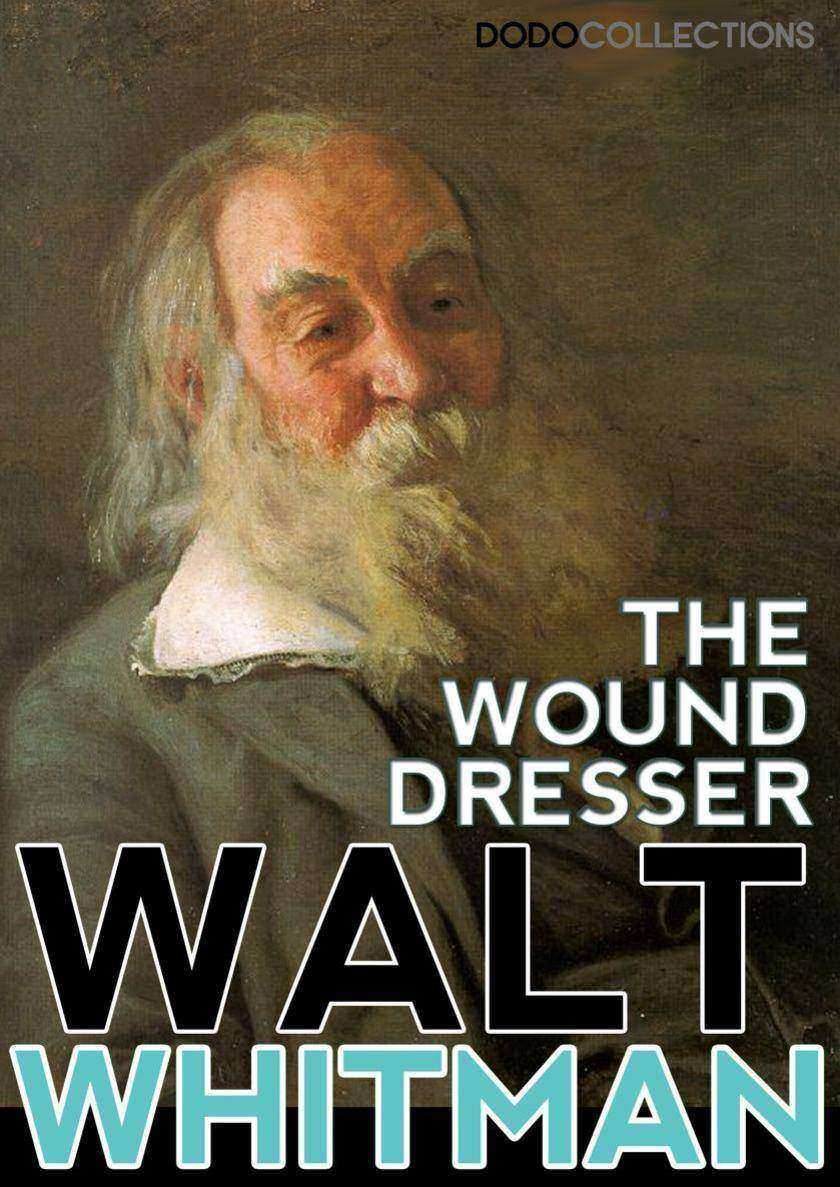
The Wound Dresser
¥8.09
Dodo Collections brings you another classic from Walt Whitman, ‘The Wound Dresser’. Walt Whitman’s “The Wound-Dresser” is a sixty-five-line free-verse poem in four sections describing the suffering in the Civil War hospitals and the poet’s suffering, faithfulness to duty, and developing compassion as he tended to soldiers’ physical wounds and gave comfort. Published at war’s end, the poem opens with an old veteran speaking, imaginatively suggesting some youths gathered about who have asked him to tell of his most powerful memories. The children request stories of battle glory, but the poet quickly dismisses these as ephemeral. He then narrates a journey through a military hospital such as Whitman experienced in Washington, D.C., during the second half of the war. Walter "Walt" Whitman (May 31, 1819 – March 26, 1892) was an American poet, essayist and journalist. A humanist, he was a part of the transition between transcendentalism and realism, incorporating both views in his works. Whitman is among the most influential poets in the American canon, often called the father of free verse. His work was very controversial in its time, particularly his poetry collection Leaves of Grass, which was described as obscene for its overt sexuality. Born in Huntington on Long Island, Whitman worked as a journalist, a teacher, a government clerk, and—in addition to publishing his poetry—was a volunteer nurse during the American Civil War. Early in his career, he also produced a temperance novel, Franklin Evans (1842). Whitman's major work, Leaves of Grass, was first published in 1855 with his own money. The work was an attempt at reaching out to the common person with an American epic. He continued expanding and revising it until his death in 1892. After a stroke towards the end of his life, he moved to Camden, New Jersey, where his health further declined. When he died at age 72, his funeral became a public spectacle. Whitman's sexuality is often discussed alongside his poetry. Though biographers continue to debate his sexuality, he is usually described as either homosexual or bisexual in his feelings and attractions. However, there is disagreement among biographers as to whether Whitman had actual sexual experiences with men. Whitman was concerned with politics throughout his life. He supported the Wilmot Proviso and opposed the extension of slavery generally. His poetry presented an egalitarian view of the races, though his attitude in life reflected many of the racial prejudices common to nineteenth-century America and his opposition to slavery was not necessarily based on belief in the equality of races per se. At one point he called for the abolition of slavery, but later he saw the abolitionist movement as a threat to democracy.
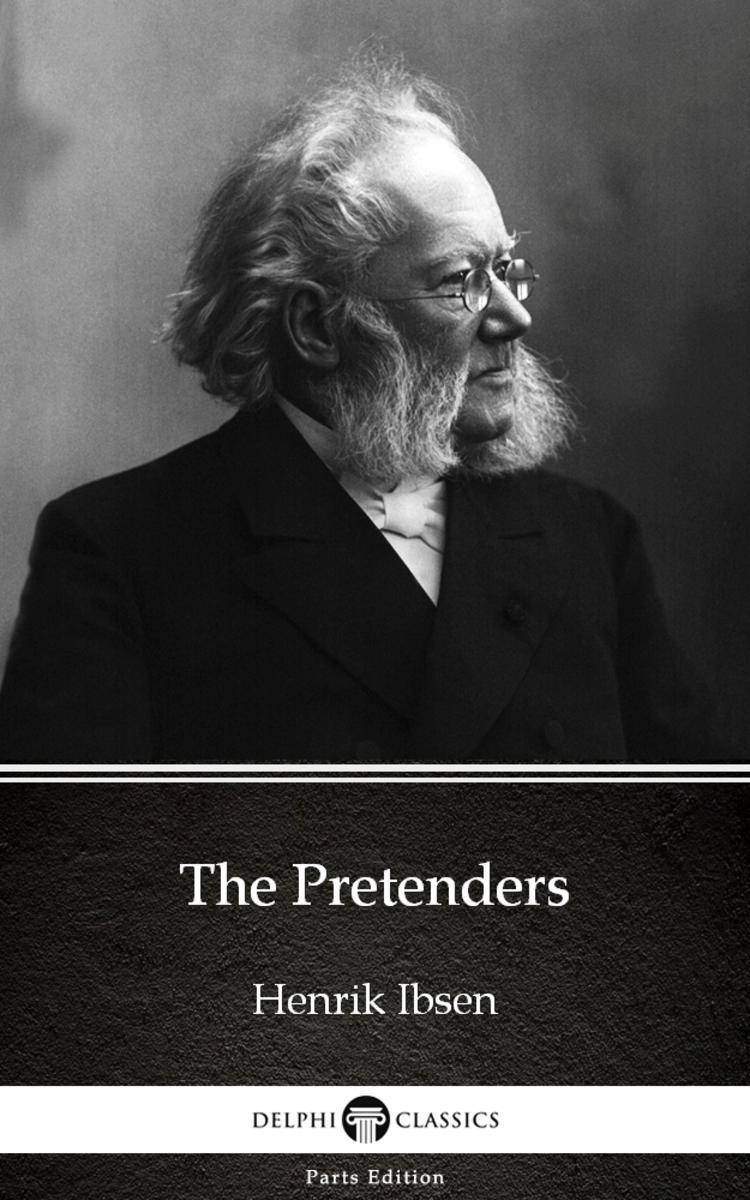
The Pretenders by Henrik Ibsen - Delphi Classics (Illustrated)
¥8.09
This eBook features the unabridged text of ‘The Pretenders by Henrik Ibsen - Delphi Classics (Illustrated)’ from the bestselling edition of ‘The Complete Works of Henrik Ibsen’. Having established their name as the leading publisher of classic literature and art, Delphi Classics produce publications that are individually crafted with superior formatting, while introducing many rare texts for the first time in digital print. The Delphi Classics edition of Ibsen includes original annotations and illustrations relating to the life and works of the author, as well as individual tables of contents, allowing you to navigate eBooks quickly and easily. eBook features: * The complete unabridged text of ‘The Pretenders by Henrik Ibsen - Delphi Classics (Illustrated)’ * Beautifully illustrated with images related to Ibsen’s works * Individual contents table, allowing easy navigation around the eBook * Excellent formatting of the text Please visit www.delphiclassics.com to learn more about our wide range of titles
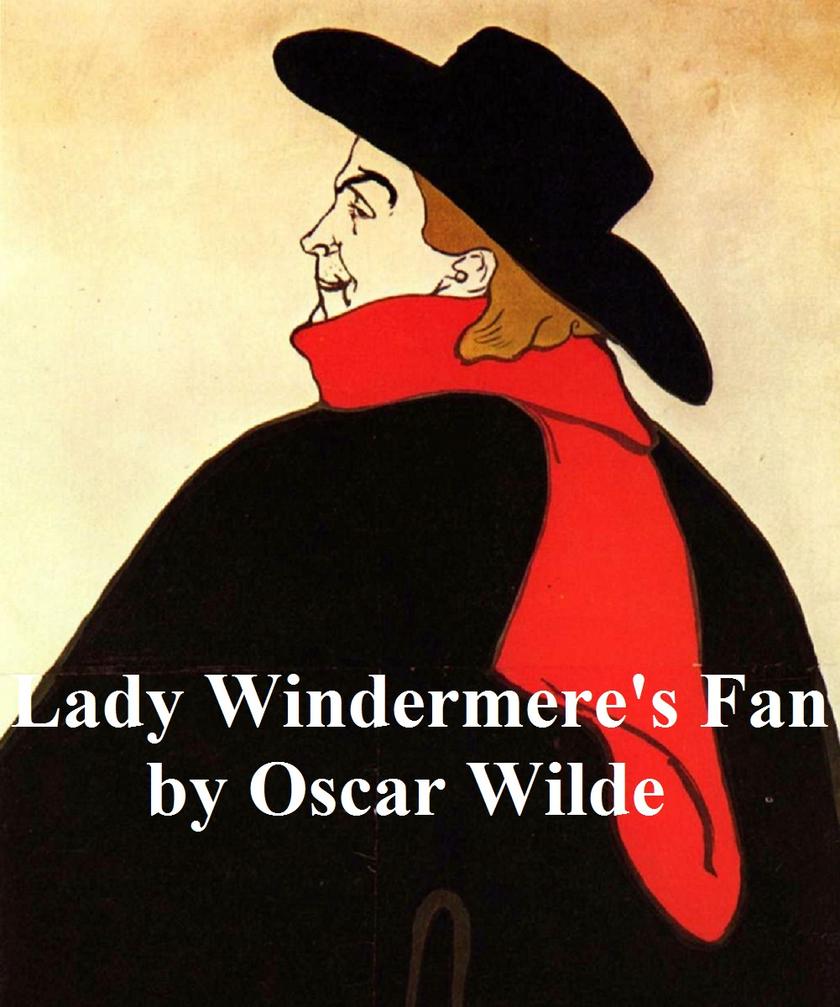
Lady Windermere's Fan
¥8.09
Classic play. According to Wikipedia: "Oscar Fingal O'Flahertie Wills Wilde (1854 - 1900) was an Irish playwright, novelist, poet, and author of short stories. Known for his barbed wit, he was one of the most successful playwrights of late Victorian London, and one of the greatest celebrities of his day. As the result of a famous trial, he suffered a dramatic downfall and was imprisoned for two years of hard labour after being convicted of the offence of 'gross indecency.'"
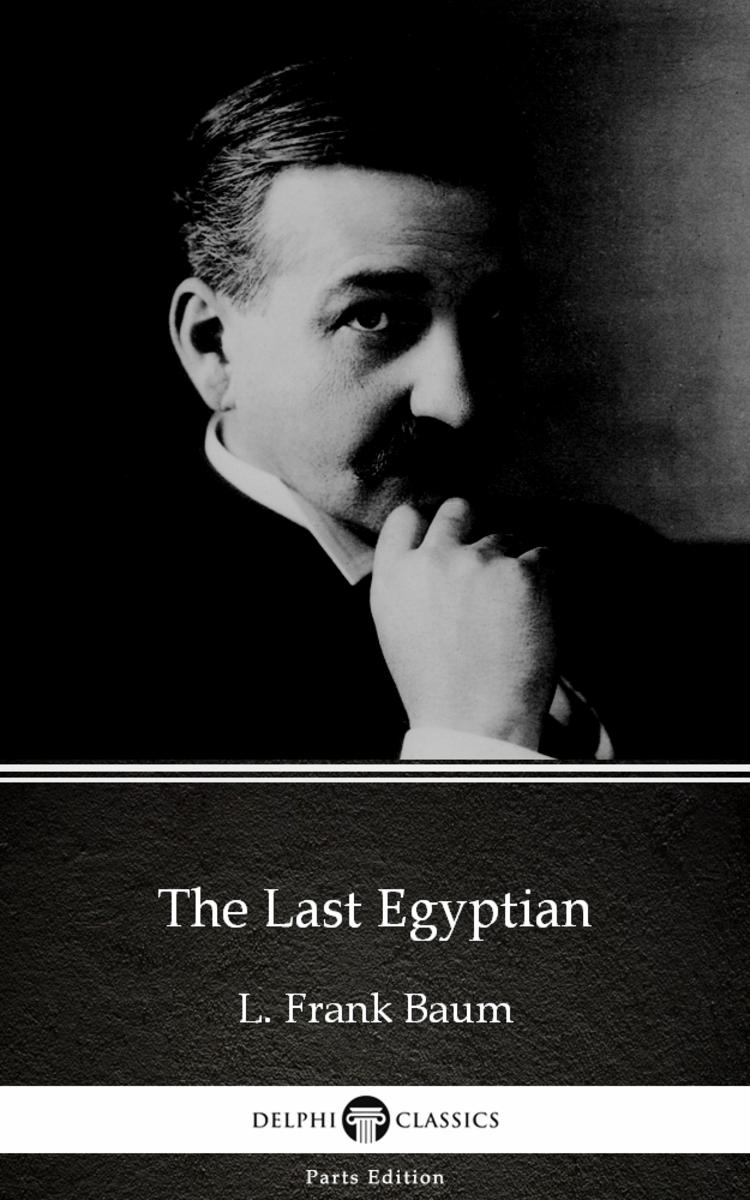
The Last Egyptian by L. Frank Baum - Delphi Classics (Illustrated)
¥8.09
This eBook features the unabridged text of ‘The Last Egyptian by L. Frank Baum - Delphi Classics (Illustrated)’ from the bestselling edition of ‘The Complete Works of L. Frank Baum’. Having established their name as the leading publisher of classic literature and art, Delphi Classics produce publications that are individually crafted with superior formatting, while introducing many rare texts for the first time in digital print. The Delphi Classics edition of Baum includes original annotations and illustrations relating to the life and works of the author, as well as individual tables of contents, allowing you to navigate eBooks quickly and easily. eBook features: * The complete unabridged text of ‘The Last Egyptian by L. Frank Baum - Delphi Classics (Illustrated)’ * Beautifully illustrated with images related to Baum’s works * Individual contents table, allowing easy navigation around the eBook * Excellent formatting of the text Please visit www.delphiclassics.com to learn more about our wide range of titles


