


 购物车
购物车 个人中心
个人中心
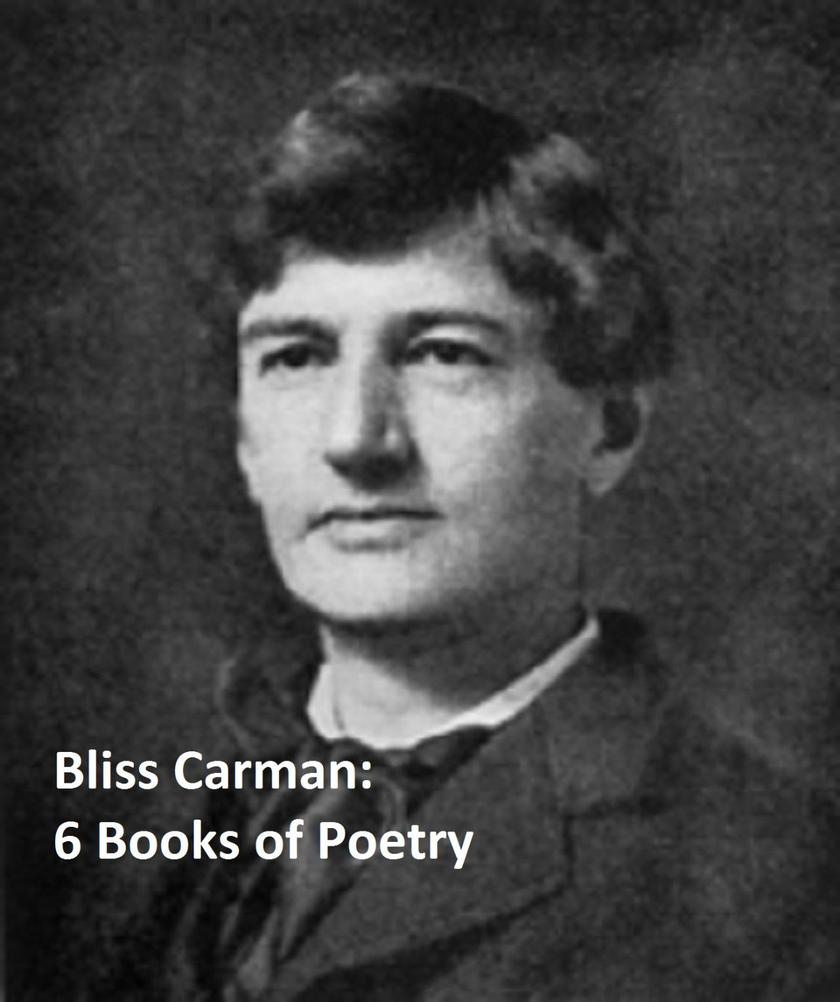
6 Books of Poetry
¥8.09
This collection includes the poetry books: Ballads of Lost Haven, Behind the Arras, Later Poems, More songs from Vagabondia, Sappho, and Songs from Vagabondia. According to Wikipedia: ""Bliss Carman (April 15, 1861 – June 8, 1929) was a Canadian poet who lived most of his life in the United States, where he achieved international fame. He was acclaimed as Canada's poet laureate during his later years. In Canada Carman is classed as one of the Confederation Poets, a group which also included Charles G.D. Roberts (his cousin), Archibald Lampman, and Duncan Campbell Scott. Of the group, Carman had the surest lyric touch and achieved the widest international recognition."
The Wild Duck
¥18.56
Should the truth be pursued whatever the cost? The idealistic son of a wealthy businessman seeks to expose his father's duplicity and to free his childhood friend from the lies on which his happy home life is based.
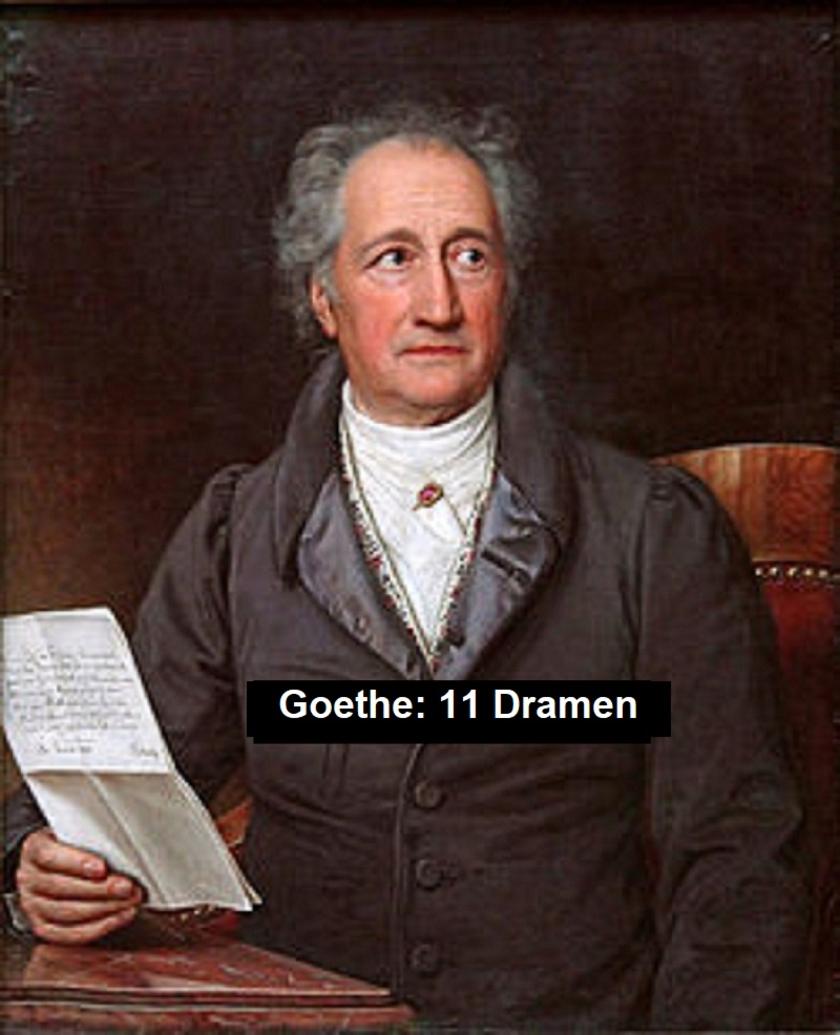
11 Dramen
¥8.09
Eleven plays in the original German: Die Aufgeregten, Egmont, Faust, Goetz von Berlichingen, Iphigenie, Die Mitschuldigen, Die Naturliche Tochter Torquato Tasso, Satyros, Die Geschwister, and Die Laune des Verliebten. Wikipedia: "Johann Wolfgang von Goethe (* 28. August 1749 in Frankfurt am Main; ? 22. M?rz 1832 in Weimar), geadelt 1782, war ein deutscher Dichter. Er forschte und publizierte au?erdem auf verschiedenen naturwissenschaftlichen Gebieten. Ab 1776 bekleidete er am Hof von Weimar unterschiedliche politische und administrative ?mter. Goethes literarische Produktion umfasst Gedichte, Dramen, erz?hlende Werke (in Vers und Prosa), autobiografische, ?sthetische, kunst- und literaturtheoretische sowie naturwissenschaftliche Schriften. Auch sein umfangreicher Briefwechsel ist von gro?er literarischer Bedeutung. Goethe war ein Vorreiter und der wichtigste Vertreter des Sturm und Drang. Sein Roman Die Leiden des jungen Werthers machte ihn 1774 in ganz Europa berühmt. Sp?ter wandte er sich inhaltlich und formal den Idealen der Antike zu und wurde ab den 1790er Jahren, gemeinsam mit Friedrich Schiller und im Austausch mit diesem, zum wichtigsten Vertreter der Weimarer Klassik. Im Alter galt Goethe auch im Ausland als Repr?sentant des geistigen Deutschland. W?hrend die Wertsch?tzung Goethes nach seinem Tode zun?chst abnahm, wurde er im Deutschen Kaiserreich ab 1871 ?zum Kronzeugen der nationalen Identit?t der Deutschen“ und als solcher für den deutschen Nationalismus vereinnahmt. Es setzte nun eine Verehrung nicht nur des Werks, sondern auch der Pers?nlichkeit des Dichters ein, dessen Lebensführung als vorbildlich empfunden wurde. Bis heute gilt Goethe als bedeutendster deutscher Dichter, sein Werk wird zu den H?hepunkten der Weltliteratur gez?hlt."
Romeo et Juliette (Romeo and Juliet in French)
¥8.09
Traduit par Fran?ois Pierre Guillaume Guizot (1787 - 1874), historien fran?ais et homme d'?tat. Publié en 1864. Selon Wikipedia: Roméo et Juliette est une tragédie écrite au début de la carrière du dramaturge William Shakespeare à propos de deux jeunes amants maudits dont les morts unissent finalement leurs familles en conflit. Il est parmi les histoires archétypales les plus populaires de Shakespeare de jeunes amants adolescents. Roméo et Juliette appartient à une tradition de romans tragiques qui remonte à l'antiquité. Son intrigue est basée sur un conte italien, traduit en vers comme l'histoire tragique de Romeus et Juliette par Arthur Brooke en 1562 et repris en prose dans le palais du plaisir par William Painter en 1582. Shakespeare emprunté lourdement des deux mais, pour élargir le complot , développé des personnages de soutien, notamment Mercutio et Paris. Crue écrite entre 1591 et 1595, la pièce fut d'abord publiée en version quarto en 1597. "
Judith, a Play in Three Acts: Founded on the Apocryphal Book of Judith
¥8.09
Dodo Collections brings you another classic from Arnold Bennett, ‘"Judith, a Play in Three Acts; Founded on the Apocryphal Book of Judith."’ ? Enoch Arnold Bennett (always known as Arnold Bennett) was one of the most remarkable literary figures of his time, a product of the English Potteries that he made famous as the Five Towns. Yet he could hardly wait to escape his home town, and he did so by the sheer force of his ambition to succeed as an author. In his time he turned his hand to every kind of writing, but he will be remembered for such novels as The Old Wives' Tale, the Clayhanger trilogy (Clayhanger, Hilda Lessways, and These Twain), and The Card. He also wrote such intriguing self-improvement books as Literary Taste, How To Live on 24 Hours a Day, The Human Machine, etc. ? After a local education Bennett finished his education at the University of London and for a time was editor of Woman magazine. After 1900 he devoted himself entirely to writing; dramatic criticism was one of his foremost interests. Bennett is best known, however, for his novels, several of which were written during his residence in France. ? Bennett's infancy was spent in genteel poverty, which gave way to prosperity as his father succeeded as a solicitor. From this provincial background he became a novelist. His enduring fame is as a Chronicler of the Potteries towns, the setting and inspiration of some of his most famous and enduring literary work and the place where he grew up.
Henri IV, Premiere Partie, (Henry IV Part I in French)
¥8.09
Pièce d'histoire de Shakespeare, Henry IV Part One, en traduction fran?aise. Selon Wikipédia: "Henry IV, Part 1 est une pièce d'histoire de William Shakespeare, qui aurait été écrite au plus tard en 1597. C'est la deuxième pièce de la tétralogie de Shakespeare traitant des règnes successifs de Richard II, Henri IV (deux pièces ), et Henry V. Henry IV, partie 1 dépeint une période de l'histoire qui commence avec la bataille de Hotspur à Homildon contre le Douglas à la fin de 1402 et se termine avec la défaite des rebelles à Shrewsbury au milieu de 1403. Dès le début il a été un jeu extrêmement populaire à la fois avec le public et les critiques. "
The Title: A Comedy in Three Acts
¥8.09
Dodo Collections brings you another classic from Arnold Bennett, ‘"The Title: A Comedy in Three Acts."’ ? Set against the backdrop of World War I, this play is a rollicking send-up of Britain's class system and its growing absurdity in the heady period of democratization that began to transpire in the early twentieth century. When mild-mannered protagonist Culver finds out that he is entitled to a formal honor (i.e., a title), he begins to reconsider the age-old hierarchy and all that it entails. ? Enoch Arnold Bennett (always known as Arnold Bennett) was one of the most remarkable literary figures of his time, a product of the English Potteries that he made famous as the Five Towns. Yet he could hardly wait to escape his home town, and he did so by the sheer force of his ambition to succeed as an author. In his time he turned his hand to every kind of writing, but he will be remembered for such novels as The Old Wives' Tale, the Clayhanger trilogy (Clayhanger, Hilda Lessways, and These Twain), and The Card. He also wrote such intriguing self-improvement books as Literary Taste, How To Live on 24 Hours a Day, The Human Machine, etc. ? After a local education Bennett finished his education at the University of London and for a time was editor of Woman magazine. After 1900 he devoted himself entirely to writing; dramatic criticism was one of his foremost interests. Bennett is best known, however, for his novels, several of which were written during his residence in France. ? Bennett's infancy was spent in genteel poverty, which gave way to prosperity as his father succeeded as a solicitor. From this provincial background he became a novelist. His enduring fame is as a Chronicler of the Potteries towns, the setting and inspiration of some of his most famous and enduring literary work and the place where he grew up.
Richard III in French
¥8.09
Lecture de l'histoire de Shakespeare, Richard III, en traduction fran?aise. Selon Wikipédia: "Richard III est une pièce d'histoire de William Shakespeare, qui aurait été écrite vers 1591. Elle décrit l'accession au pouvoir machiavélique et le court règne de Richard III d'Angleterre. Le premier folio est le plus souvent classé comme tel, mais de temps à autre, comme dans l'édition quarto, il s'agit d'une tragédie: Richard III conclut la première tétralogie de Shakespeare (qui contient aussi Henry VI, parties 1-3).
Shakespeare's Pericles in French
¥8.09
Le classique Shakespeare joue en traduction fran?aise. Selon Wikipédia: "Périclès, prince de Tyr est une pièce jacobéenne écrite au moins en partie par William Shakespeare et incluse dans les éditions modernes de ses ?uvres rassemblées malgré des questions sur sa paternité, car elle n'était pas incluse dans le premier folio. conviennent que Shakespeare est responsable de presque exactement la moitié du jeu - 827 lignes - la partie principale après la scène 9 qui suit l'histoire de Périclès et Marina.Les études textuelles modernes indiquent que les deux premiers actes de 835 lignes détaillant les nombreux voyages de Périclès ont été écrits par un collaborateur médiocre, qui suggère fortement d'avoir été l'aviateur, pander, dramaturge et pamphlétaire George Wilkins.
The Thirty-Nine Steps by John Buchan - Delphi Classics (Illustrated)
¥8.09
This eBook features the unabridged text of ‘The Thirty-Nine Steps by John Buchan - Delphi Classics (Illustrated)’ from the bestselling edition of ‘The Complete Works of John Buchan’. Having established their name as the leading publisher of classic literature and art, Delphi Classics produce publications that are individually crafted with superior formatting, while introducing many rare texts for the first time in digital print. The Delphi Classics edition of Buchan includes original annotations and illustrations relating to the life and works of the author, as well as individual tables of contents, allowing you to navigate eBooks quickly and easily. eBook features: * The complete unabridged text of ‘The Thirty-Nine Steps by John Buchan - Delphi Classics (Illustrated)’ * Beautifully illustrated with images related to Buchan’s works * Individual contents table, allowing easy navigation around the eBook * Excellent formatting of the text Please visit www.delphiclassics.com to learn more about our wide range of titles

Portr?t Eines Engels
¥52.32
Astara kehrt mit ihrem Vormund Sir Roderick, der sie als seine Erbin eingesetzt hat, nach einer langen Reise nach Hause zurück. Als sie zusammen ihre zusammengetragenen Gem?lde betrachten, schl?gt Sir Roderick zum Spaβ vor, seine drei Neffen einzuladen, unter denen sie sich, ganz ihrem Lieblingsgem?lde des Parisurteils gleich, einen zum Mann aussuchen soll. Zuerst z?gert Astara, doch schlieβlich willigt sie in den Plan ein. Zwei von Sir Rodericks Neffen kommen der Einladung freudig nach, doch vom dritten fehlt jede Spur. Je mehr sie über ihn nachdenkt, desto mehr ger?t Astara in den Bann des abwesenden Vulcan Worfield. W?hrenddessen verfolgen die beiden anderen ihre eigenen Pl?ne – wir wird der Spaβ wohl enden?
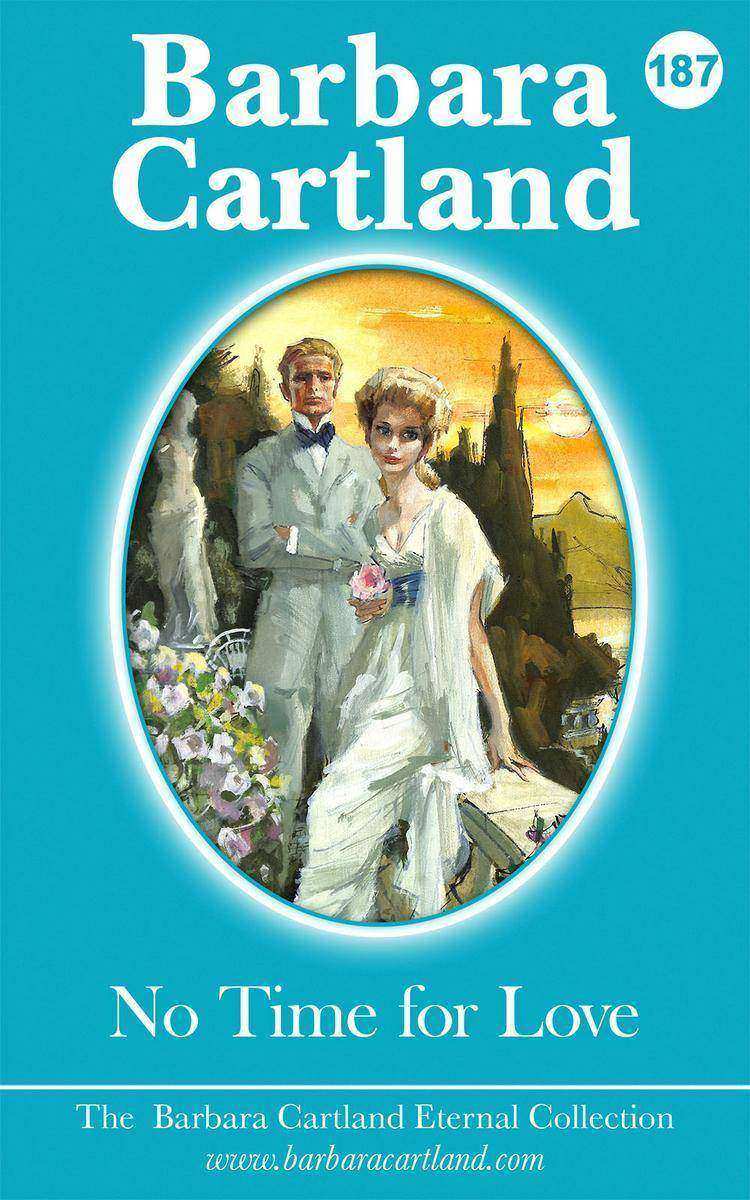
No Time for Love
¥52.48
Alone in the world after her mother dies of consumption in a Swiss sanatorium, the beautiful young Larina Milton’s only comfort was a mortally ill American, Elvin Farren, who befriends her and they have fascinating conversations about the next world and the meaning of life.. But now he has gone back to his home in New York – perhaps forever. Larina’s relief to find that she has not caught her mother’s consumption is short-lived – her doctor delivers the terrible news to her that she has a rare heart disease, which will kill her in just twenty-one days! Desperate, she writes to Elvin, who had promised that alive or dead he would be at her side the moment she called out for him. Larina vows to do the same for him and they form a spiritual pact between them. Little does she know that her friend. Elvin, is one of the four sons of the immensely rich and famous Vanderfeld family of New York City and is abroad under his assumed name of ‘Farren’ Suspecting that she is a gold-digger and could blackmail the family, as his other brother Harvey is running for President of the United States, Wynstan Vanderfeld lures Larina to the family Villa in Sorrento. And there mysteries unfold amid incomparable beauty and both the lovely Larina and the worldly millionaire despite endless problems eventually find time for love.
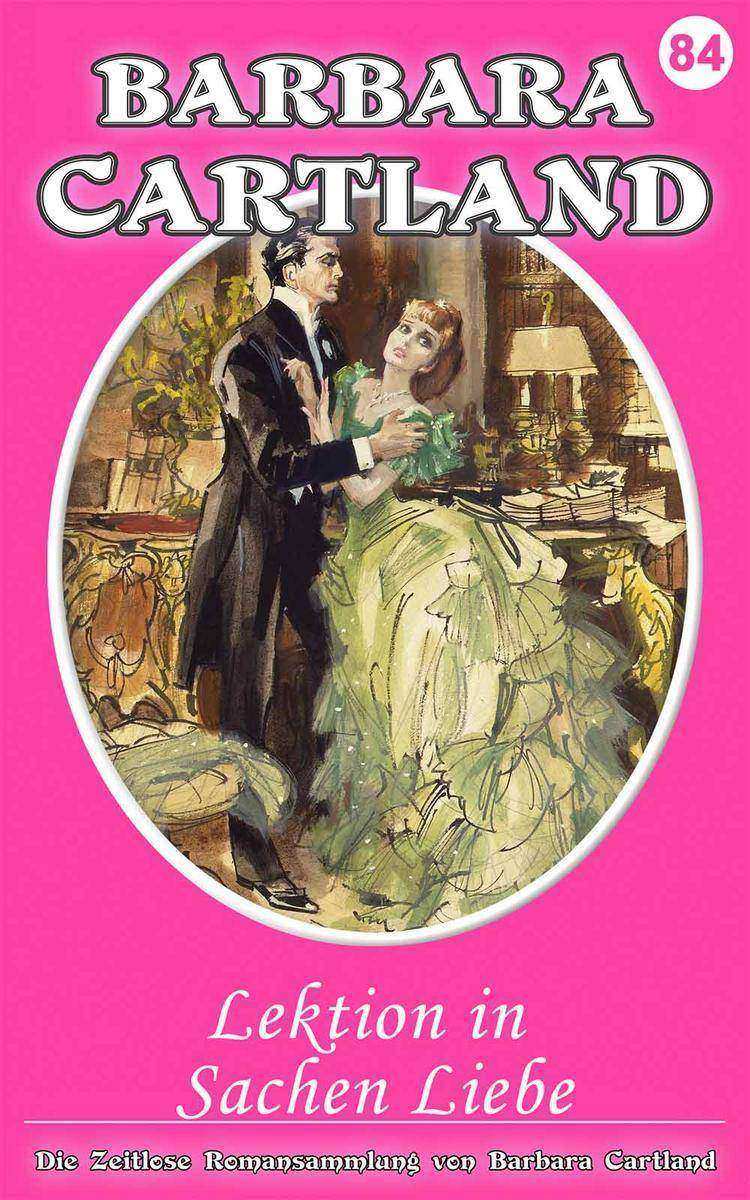
Lektion in Sachen Liebe
¥52.32
Marisa Mitton ist keinesfalls das, was sie vorgibt zu sein: eine gew?hnliche Gouvernante. Auch ihr flammendrotes Haar pa?t so gar nicht zu der Rolle, die sie sich zu spielen bemüht. In ihrer Maskerade als Angestellte im Haushalt des Herzogs von Milverley hofft sie Material sammeln zu k?nnen, das die Korruptheit und Oberfl?chlichkeit der nur scheinbar ?guten“ Gesellschaft aufzeigen soll. Doch ihr Plan ist schwieriger zu realisieren, als sie geglaubt hat. Da ist zum einen ihr Verantwortungsgefühl für ein einsames, liebes Kind, das als unkontrollierbar, ungezogen und verstockt gilt. Und da ist zum anderen der Herzog: ein arroganter, skrupelloser Schürzenj?ger.
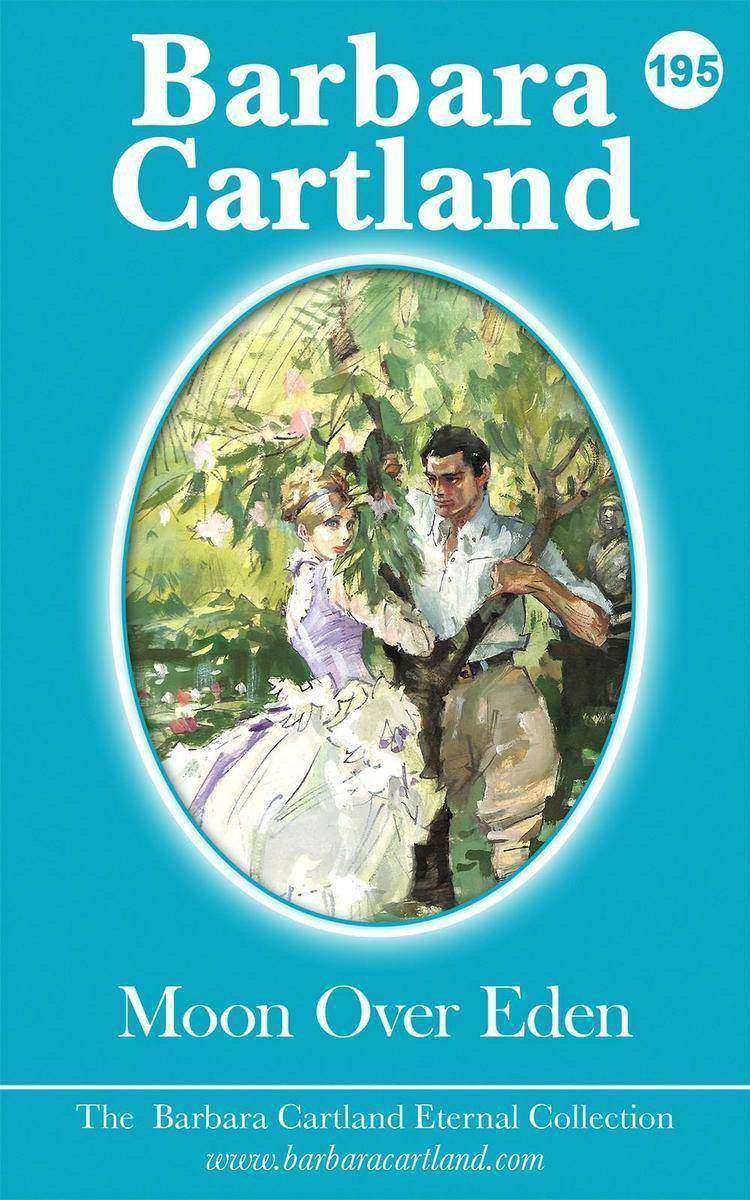
Moon over Eden
¥52.32
Ceylon born and bred, yet English through and though thanks to their stern father, who is the local Vicar, beautiful young Dominica Radford and her five sisters are excited when one Sunday a very handsome English gentleman comes calling on their father in their rundown Vicarage in Colombo. But excitement turns to shock when Lord Hawkston out of the blue asks for Dominica’s hand in marriage for his twenty-four year old nephew Gerald Warren, who is running Lord Hawkston’s estate in Northern Ceylon. Having discovered that Gerald, recently spurned by a previous fiancée, is drinking heavily, letting the Hawkston tea estate go to wrack and ruin and treating his native lover cruelly, Lord Hawkston is desperate to see him married and settled and so sees the intelligent and sensible Dominica as the perfect bride for him. Overwhelmed by his Lordship’s generosity in giving her a glorious trousseau of pretty clothes, Dominica initially agrees, but soon she realises not only that she does not love Gerald she is repelled by him and the ugliness and coarseness he brings to the new Garden of Eden where she now finds herself. Nevertheless the lovely Dominica is happier than she has ever been in her entire life. And the reason suddenly comes to her in a blinding light. She is in love with Lord Hawkston!
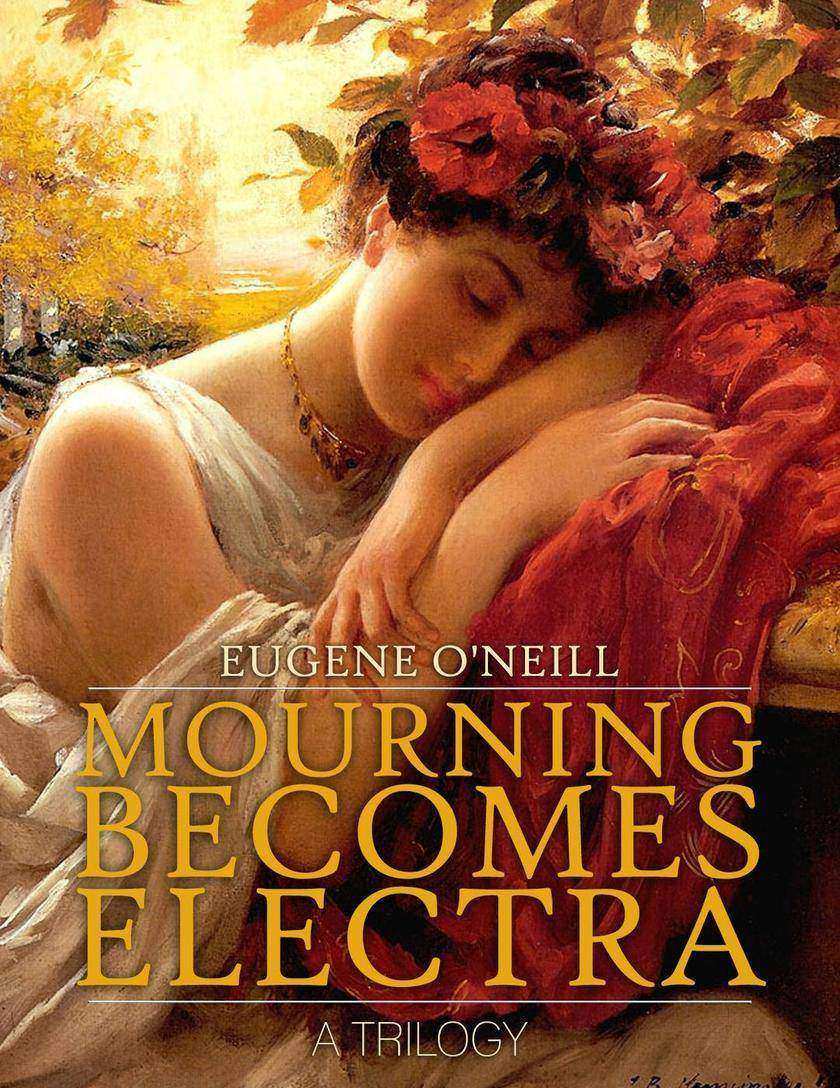
Mourning Becomes Electra
¥18.56
Mourning becomes Electra is a play cycle written by American playwright Eugene O'Neill. The play premiered on Broadway at the Guild Theatre on 26 October 1931 where it ran for 150 performances before closing in March 1932. In May 1932, it was revived at the Alvin Theatre, and in 1972 at the Circle in the Square Theatre.
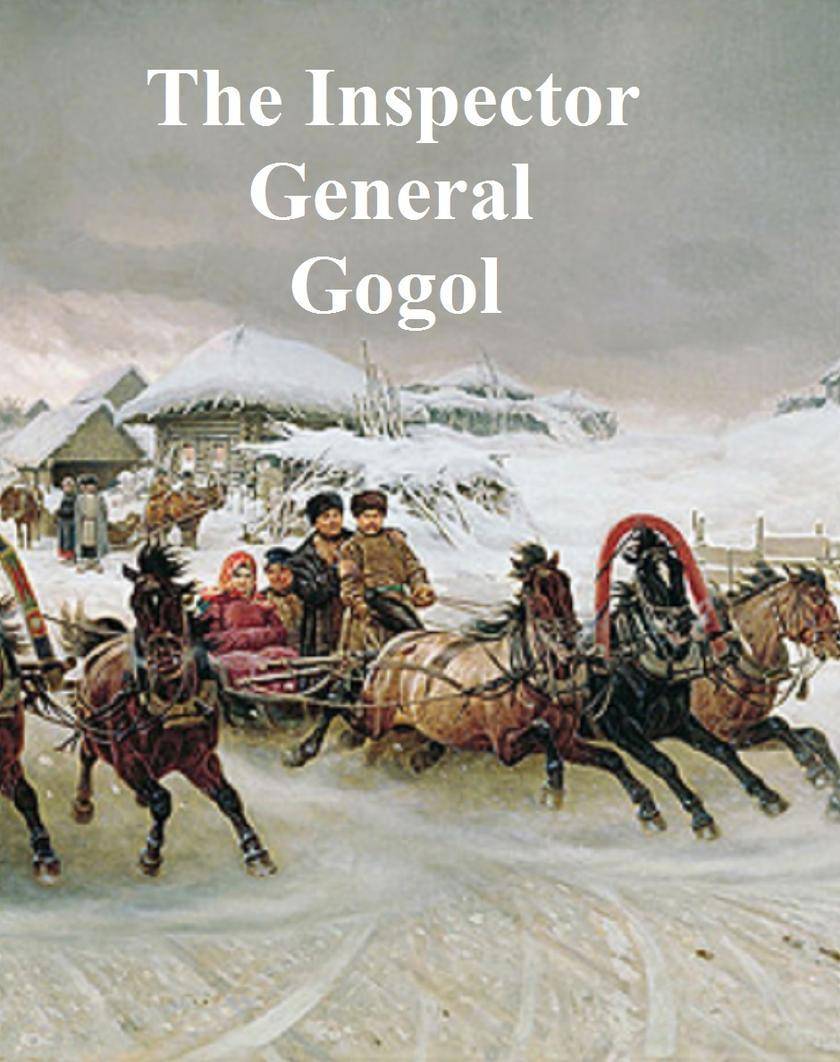
The Inspector General
¥8.09
Classic satiric play. According to Wikipedia: "Nikolai Vasilievich Gogol ( 1809 - 1852) was a Russian writer of Ukrainian ethnicity. Although his early works were heavily influenced by his Ukrainian upbringing and identity, he wrote in Russian and his works belong to the tradition of Russian literature; often called the "father of modern Russian realism," he was one of the first Russian authors to criticize his country's way of life. The novels Taras Bul'ba (1835; 1842 [revised edition]), Dead Souls (1842), the play The Inspector-General (1836, 1842), and the short story The Overcoat (1842) are among his masterpieces."
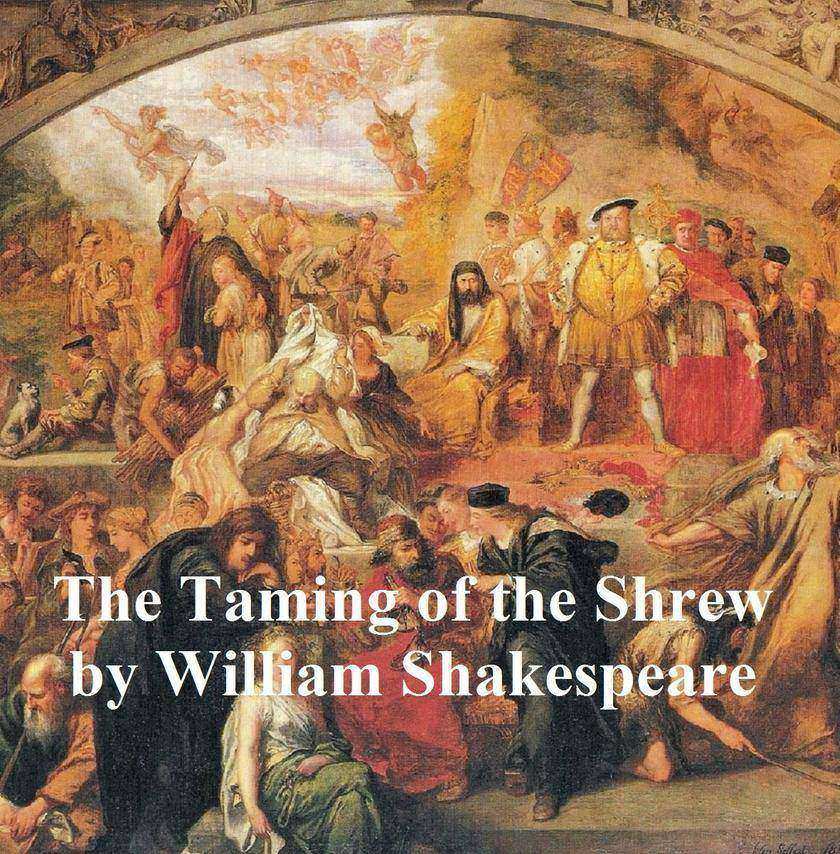
The Taming of the Shrew, with line numbers
¥8.09
Classic Shakespearean comedy, with line numbers. According to Wikipedia: "The Taming of the Shrew is an early comedy by William Shakespeare believed to have been written between 1590 and 1594. The play begins with a framing device, often referred to as the Induction, in which a drunken tinker named Sly is tricked into thinking he is a nobleman by a mischievous Lord. The Lord has a play performed for Sly's amusement with a primary and sub-plot. The main plot depicts the courting of Petruchio, a gentleman of Verona, and Katherina, the headstrong, obdurate, and eponymous shrew. Katherina is at first an unwilling participant in the relationship but Petruchio tempers her with various psychological torments - the "taming" - until she is an obedient bride. The sub-plot features a competition between the suitors of Katherina's less intractable sister, Bianca."
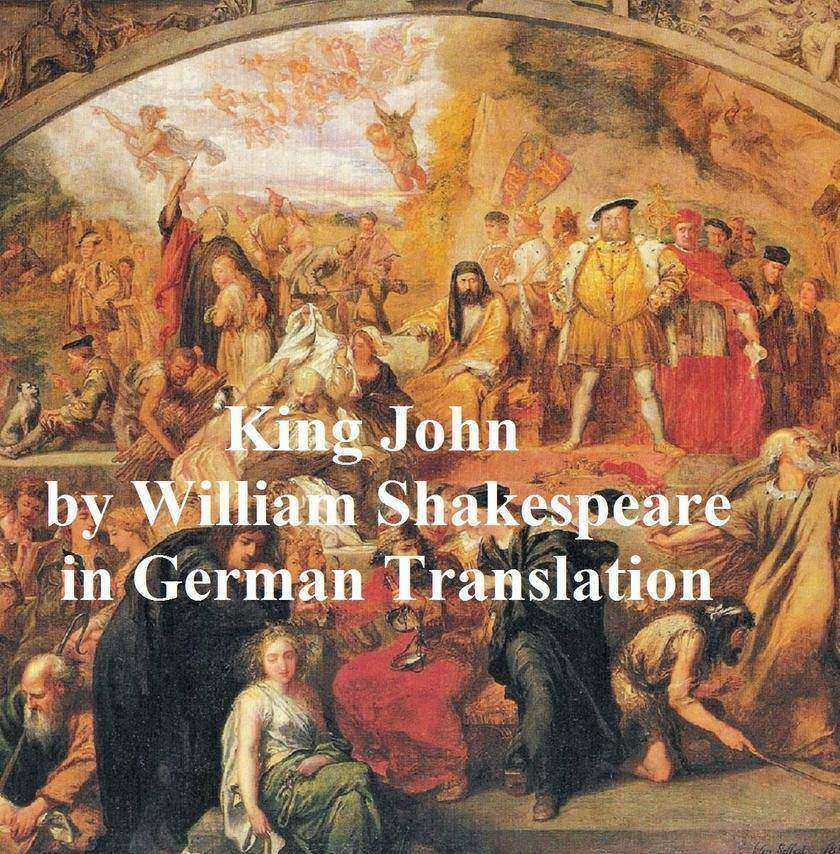
Leben und Tod des Koenigs Johann
¥8.09
Die Shakespeare-Geschichte spielt K?nig John, in deutscher ?bersetzung. Laut Wikipedia: "Das Leben und der Tod von K?nig John, ein Geschichtsstück von William Shakespeare, dramatisiert die Herrschaft von John, K?nig von England (regierte 1199-1216), Sohn von Heinrich II. Von England und Eleonore von Aquitanien und Vater von Henry Es wird angenommen, dass es in der Mitte der 1590er Jahre geschrieben wurde, aber nicht ver?ffentlicht wurde, bis es im Ersten Folio 1623 erschien.
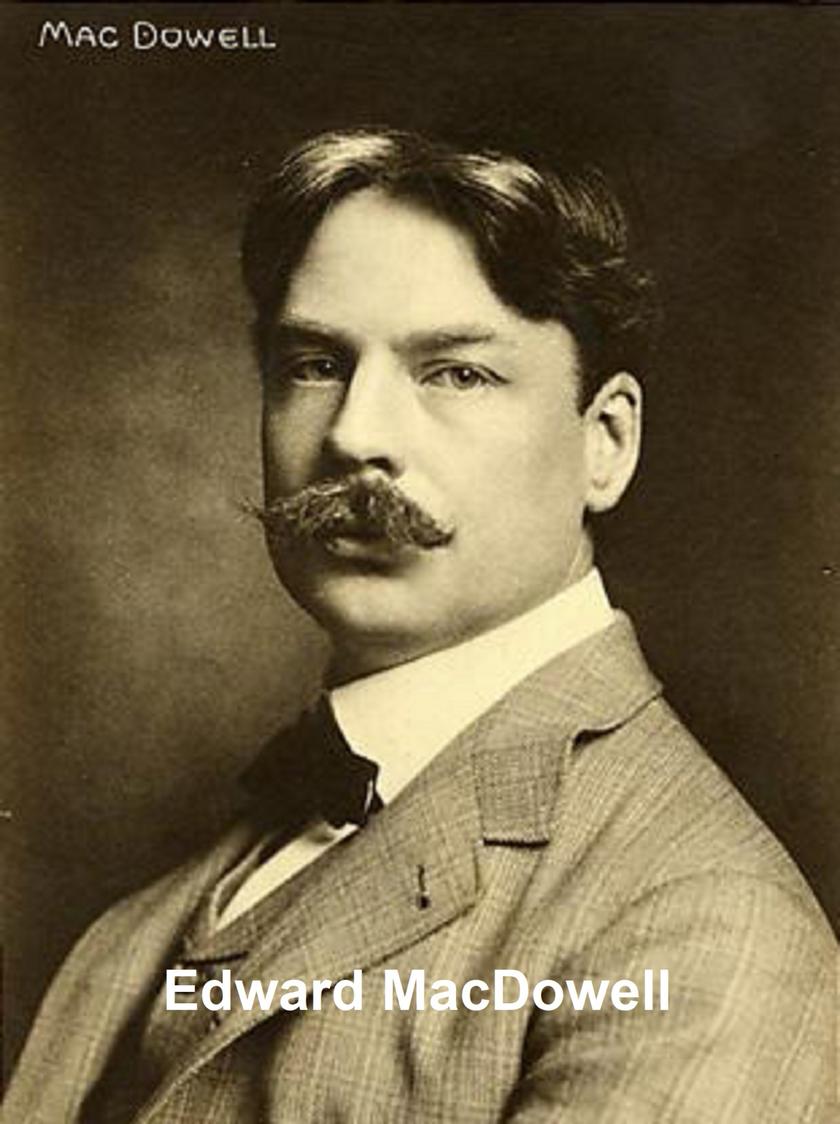
Edward MacDowell
¥8.09
Edward MacDowell
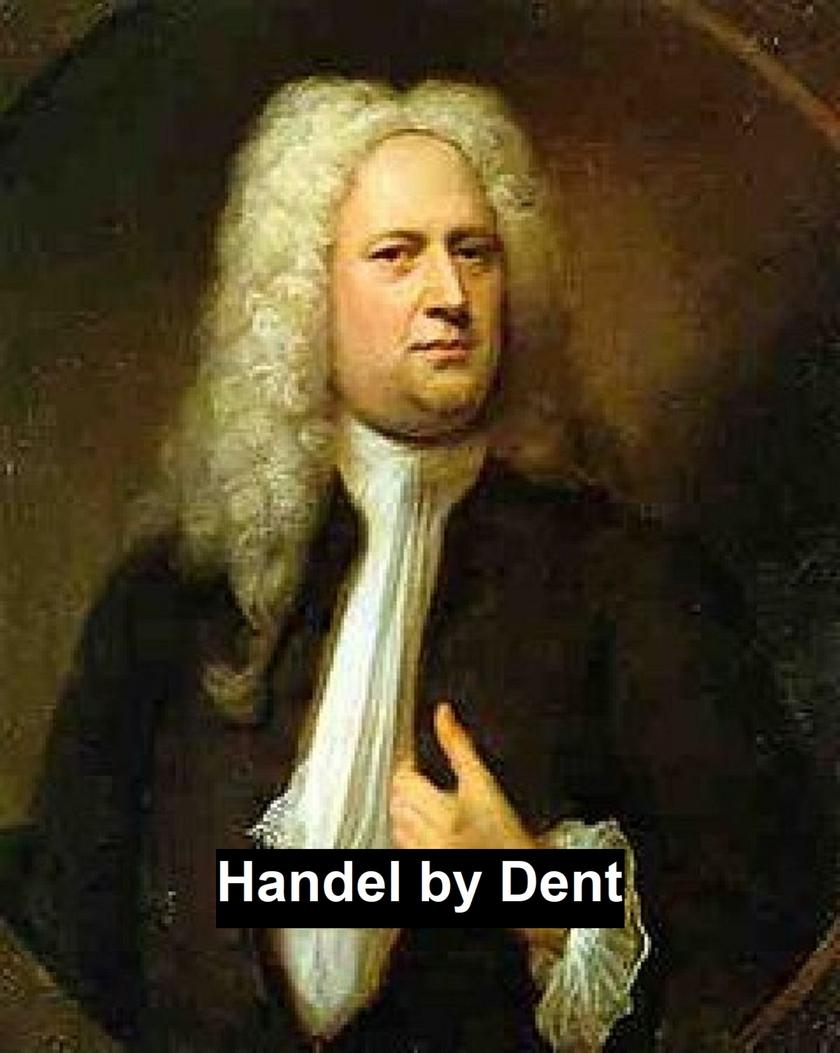
Handel
¥8.09
Handel

Battle-Pieces and Aspects of the War
¥8.09
Poems by the author of Moby Dick. He explains, "With few exceptions, the Pieces in this volume originated in an impulse imparted by the fall of Richmond. They were composed without reference to collective arrangement, but being brought together in review, naturally fall into the order assumed. The events and incidents of the conflict--making up a whole, in varied amplitude, corresponding with the geographical area covered by the war--from these but a few themes have been taken, such as for any cause chanced to imprint themselves upon the mind. The aspects which the strife as a memory assumes are as manifold as are the moods of involuntary meditation--moods variable, and at times widely at variance. Yielding instinctively, one after another, to feelings not inspired from any one source exclusively, and unmindful, without purposing to be, of consistency..."


