


 购物车
购物车 个人中心
个人中心
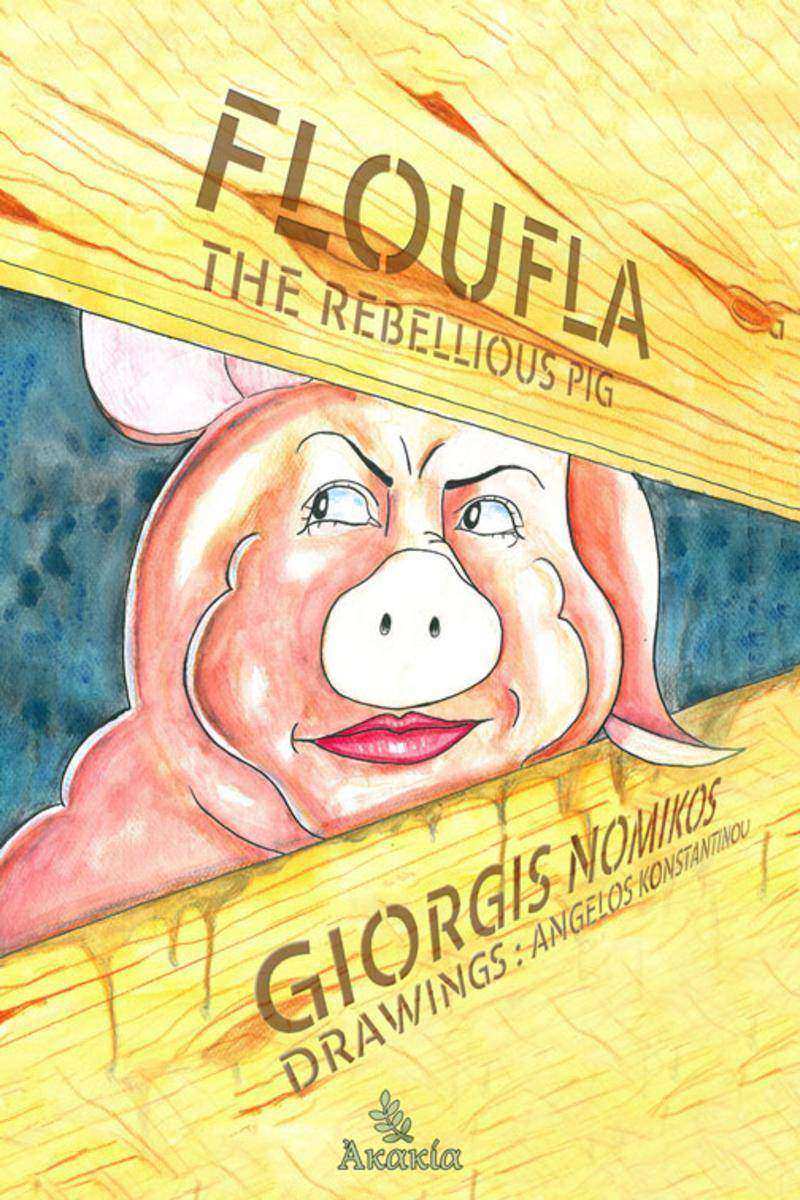
Floufla the Rebellious Pig
¥52.65
Once upon a time, pig had friends in a pig farm. She was liked to talk about politics with other animals about their future. The day came in which a butcher and his son took her to a slaughterhouse. She was taken to the garden while the family went to the supermarket, thinking of how to prepare our little pig as a dish. In the meanwhile, the pig seeks for the help of various insects, such as a ladybug, a grasshopper, and the ants nearby, but all refuse to help her. The butterfly wanted to help, but she was in a hurry, as she was afraid of being captured by the kids. It seemed the rebellious pig was done for. A very caring bee, however, came near the garden. Floufla told the bee she would turn into roasted pork for dinner. Fearing for Floufla’s future, the bee ran to her beehive to inform the Queen about the incident. The queen decided to stop the operations of the beehive and organize an Extraordinary Council, and the board decided to help Floufla under the directions of the Queen. The working bees, disciplined and obedient, stung the family and sacrificed themselves for Floufla’s freedom. While the family was busy trying to relieve themselves with ointments, Floufla escapes to the meadow, and before Floufla departs, the Queen gives her a final piece of advice that Floufla should observe those around her and respect their diversity.
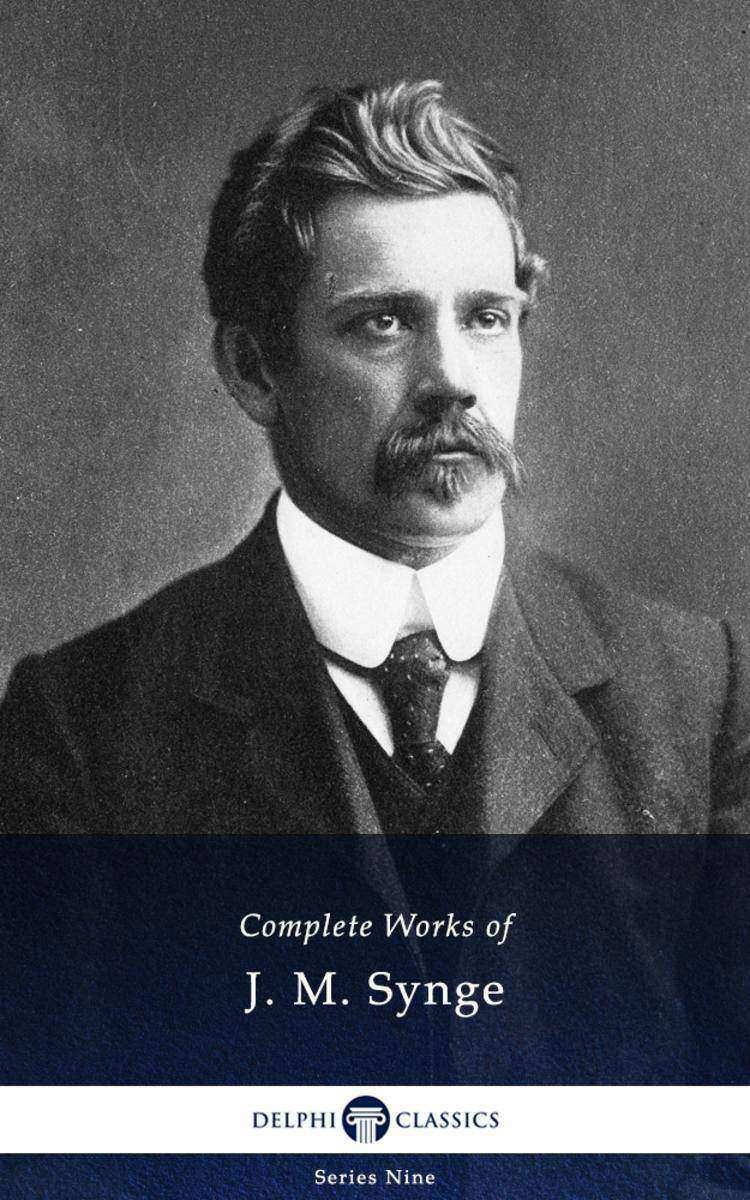
Delphi Complete Works of J. M. Synge (Illustrated)
¥24.44
The playwright J. M. Synge was a key figure in the Irish Literary Revival and was one of the co-founders of the Abbey Theatre. Today he is best known for his controversial play ‘The Playboy of the Western World’, which caused riots in Dublin during its opening run. Synge's writings are chiefly concerned with the world of the Roman Catholic peasants of rural Ireland and with what he saw as the essential paganism of their world view. He was a poetic dramatist of great power, whose modern plays are celebrated for their sophisticated craftsmanship. For the first time in digital publishing, this eBook presents Synge’s complete works, with numerous illustrations, rare texts, informative introductions and the usual Delphi bonus material. (Version 1) * Beautifully illustrated with images relating to Synge’s life and works* Concise introductions to the plays* All 6 plays, with individual contents tables* Images of how the books were first published, giving your eReader a taste of the original texts* Excellent formatting of the texts* Rare poetry available in no other collection* Includes Synge’s prose, featuring many essays and reviews– available in no other collection* Features two biographies, including Yeats’ seminal work ‘Synge and the Ireland of His Time’ – discover Synge’s literary life* Scholarly ordering of texts into chronological order and literary genres Please visit www.delphiclassics.com to browse through our range of exciting titles CONTENTS: The PlaysIn the Shadow of the GlenRiders to the SeaThe Well of the SaintsThe Playboy of the Western WorldThe Tinker’s WeddingDeirdre of the Sorrows The Poetry CollectionsCollected Poems The ProseThe Aran IslandsIn Wicklow and West KerryMiscellaneous Essays and Reviews The BiographiesSynge and the Ireland of His Time by W. B. YeatsBrief Biography of John Millington Synge by William Kirkpatrick Magee Please visit www.delphiclassics.com to browse through our range of exciting titles or to purchase this eBook as a Parts Edition of individual eBooks

Οδηγ?? Μηχανογραφικο? 2014
¥84.20
Στο βιβλ?ο αυτ? περιλαμβ?νονται χρηστικ?? πληροφορ?ε? για την συμπλ?ρωση μηχανογραφικο? δελτ?ου των πανελλην?ων εξετ?σεων. Πρακτικ?? οδηγ?ε? για γονε?? και μαθητ??, αν?λυση των πιο συνηθισμ?νων λαθ?ν που γ?νονται απ? του? μαθητ?? στην συμπλ?ρωση του μηχανογραφικο?, τη? σημασ?α? των β?σεων, στρατηγικ?? για την συμπλ?ρωση ?σο και πλ?θο? πληροφορι?ν για σχολ??, επαγγελματικ? δικαι?ματα και προτ?σει? σχολ?ν και επιλογ?ν με διευρυμ?νε? προοπτικ?? επαγγελματικ?? αποκατ?σταση?.
Intuitive Vision and Dreams
¥52.65
You have dreams all your life some of which you never forgot because you believe or feel that they have been somehow important in your life. You are right. The same is the case with all people, across this planet and throughout all of its history, regardless of whether they confess to it or not, and that is the reason dreams have always been the focus of scientific research. It is not surprising that as we speak top scientists are studying the function of dreams and try to decode their messages. Researcher Aggil Loupescou did just that. This book will guide you into an exploration of the non-conscious part of your being and help you to understand who you really are. You will have a double gain: psychological balance and concordant development of the conscious and unconscious parts of yourselves, as well as positive energy to improve your life on a daily basis. It is worth reading it carefully.
Jacob's Room
¥40.79
One of the best examples of Woolf's modernist innovation, the story starts in Jacob's childhood and follows him through college at Cambridge, and then into adulthood. The narrative is told mainly through the perspectives of the women in Jacob's life, including the repressed Clara Durrant and the uninhibited young art student Florinda, with whom he has an affair. His time in London forms a large part of the story, though towards the end of the novel he travels to Italy, then Greece.
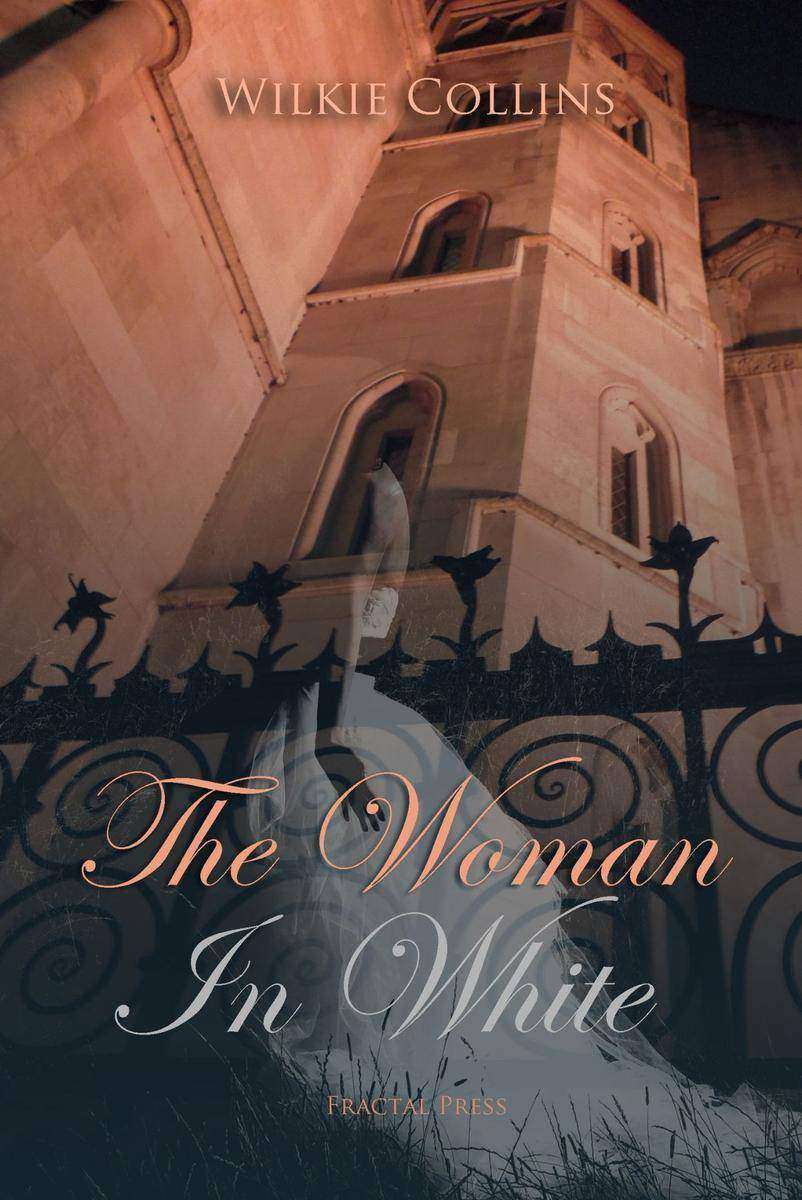
The Woman in White
¥40.79
Walter Hartright, a young art teacher, meets a mysterious and distressed woman dressed in white. He helps her on her way, but later learns that she has escaped from an asylum. Next day, he travels to Limmeridge House in Cumberland, having been hired as a drawing master on the recommendation of his friend, Pesca, an Italian language master.

The Queen of Hearts
¥40.79
We were three quiet, lonely old men, and she was a lively, handsome young woman, and we were at our wits’ end what to do with her.
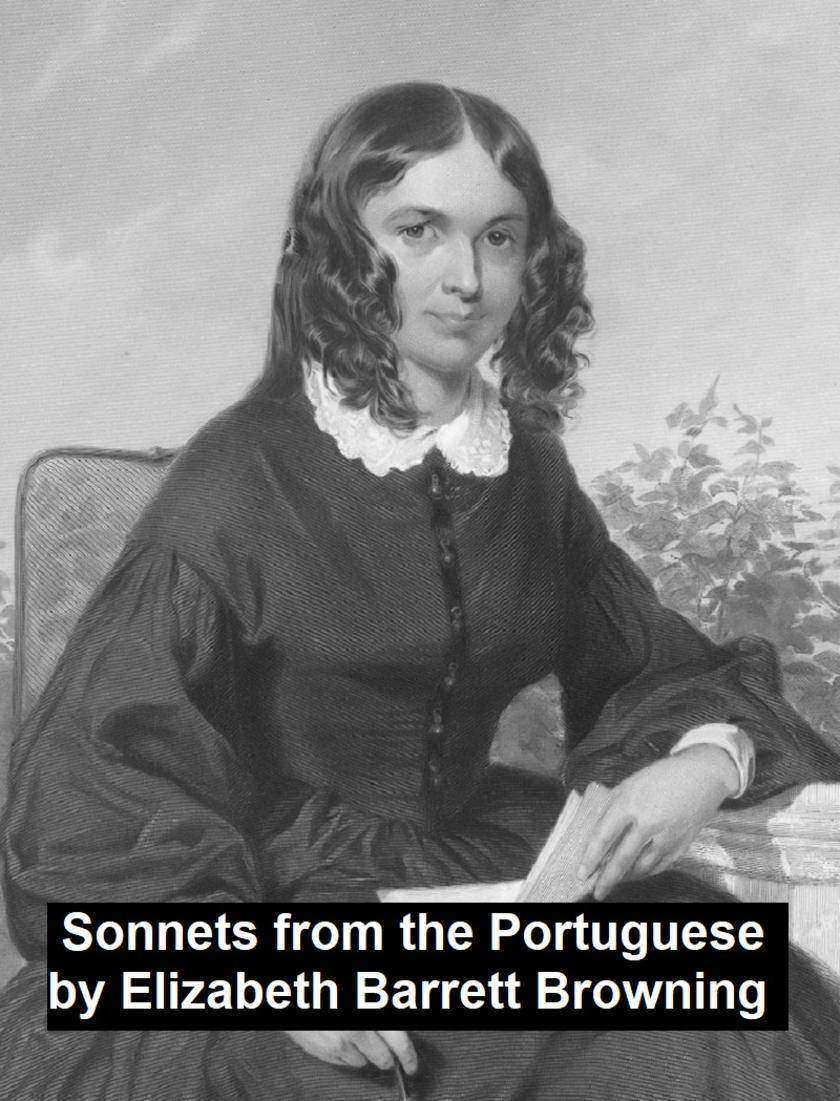
Sonnets from the Portuguese
¥8.09
Very short collection of love poems. According to Wikipedia: "Elizabeth Barrett Browning (1806 – 1861) was one of the most respected poets of the Victorian era."
Le Roi Lear (King Lear in French)
¥8.09
Traduit par Fran?ois Pierre Guillaume Guizot (1787 - 1874), historien fran?ais et homme d'?tat. Publié en 1864. Selon Wikipedia: "Le Roi Lear est une tragédie de William Shakespeare: le personnage titre descend dans la folie après avoir bêtement disposé de ses biens entre deux de ses trois filles en raison de leur flatterie, ce qui entra?ne des conséquences tragiques pour tous. basé sur la légende de Leir of Britain, un roi celtique pré-romain mythologique, il a été largement adapté à la scène et au cinéma, et le r?le de Lear a été convoité et joué par de nombreux acteurs parmi les plus accomplis au monde.
Le Roi Jean (King John in French)
¥8.09
L'histoire de Shakespeare joue King John, en traduction fran?aise. Selon Wikipedia: "La vie et la mort du roi John, une pièce d'histoire de William Shakespeare, dramatise le règne de John, roi d'Angleterre (gouverné 1199-1216), fils d'Henri II d'Angleterre et d'Aliénor d'Aquitaine et père de Henry III d'Angleterre On pense qu'il a été écrit au milieu des années 1590, mais il n'a pas été publié avant d'être publié dans le premier folio en 1623. "
King John/ Leben und Tod des Konigs Johann: Bilingual edition
¥8.09
Bilingual, English and German. Shakespeare history play King John, in English with line numbers and in German translation. According to Wikipedia: "The Life and Death of King John, a history play by William Shakespeare, dramatises the reign of John, King of England (ruled 1199–1216), son of Henry II of England and Eleanor of Aquitaine and father of Henry III of England. It is believed to have been written in the mid-1590s but was not published until it appeared in the First Folio in 1623." Zweisprachig, Englisch und Deutsch. Shakespeare Geschichte spielen King John, in Englisch mit Zeilennummern und in deutscher ?bersetzung. Laut Wikipedia: "Das Leben und der Tod von K?nig John, ein Geschichtsstück von William Shakespeare, dramatisiert die Herrschaft von John, K?nig von England (regierte 1199-1216), Sohn von Heinrich II. Von England und Eleonore von Aquitanien und Vater von Henry Es wird angenommen, dass es in der Mitte der 1590er Jahre geschrieben wurde, aber nicht ver?ffentlicht wurde, bis es im Ersten Folio 1623 erschien.
Barrack Room Ballads
¥8.09
Dodo Collections brings you another classic from Rudyard Kipling, ‘Barrack Room Ballads.’ ? The Barrack-Room Ballads is a series of songs and poems by Rudyard Kipling, dealing with the late-Victorian British Army and mostly written in a vernacular dialect. ? The series contains some of Kipling's most well-known work, including the poems "Gunga Din", "Tommy" and "Danny Deever", and helped consolidate his early fame as a poet. ? Joseph Rudyard Kipling was an English short-story writer, poet, and novelist. He wrote tales and poems of British soldiers in India and stories for children. He was born in Bombay, in the Bombay Presidency of British India, and was taken by his family to England when he was five years old. ? Kipling's works of fiction include The Jungle Book (1894), Kim (1901), and many short stories, including "The Man Who Would Be King" (1888). His poems include "Mandalay" (1890), "Gunga Din" (1890), "The Gods of the Copybook Headings" (1919), "The White Man's Burden" (1899), and "If—" (1910). He is regarded as a major innovator in the art of the short story; his children's books are classics of children's literature; and one critic described his work as exhibiting "a versatile and luminous narrative gift". ? Kipling was one of the most popular writers in England, in both prose and verse, in the late 19th and early 20th centuries. Henry James said: "Kipling strikes me personally as the most complete man of genius (as distinct from fine intelligence) that I have ever known." In 1907, he was awarded the Nobel Prize in Literature, making him the first English-language writer to receive the prize, and its youngest recipient to date Among other honours, he was sounded out for the British Poet Laureateship and on several occasions for a knighthood, all of which he declined.
The Old Debauchees
¥8.09
Play first published in 1732. According to Wikipedia: "Henry Fielding (22 April 1707 – 8 October 1754) was an English novelist and dramatist known for his rich earthy humour and satirical prowess, and as the author of the novel Tom Jones. Aside from his literary achievements, he has a significant place in the history of law-enforcement, having founded (with his half-brother John) what some have called London's first police force, the Bow Street Runners, using his authority as a magistrate. His younger sister, Sarah, also became a successful writer."
Lady Windermere's Fan
¥8.09
This Tribeca Press edition includes the full original text as well as exclusive images exclusive to this edition and an easy to use interactive table of contents.
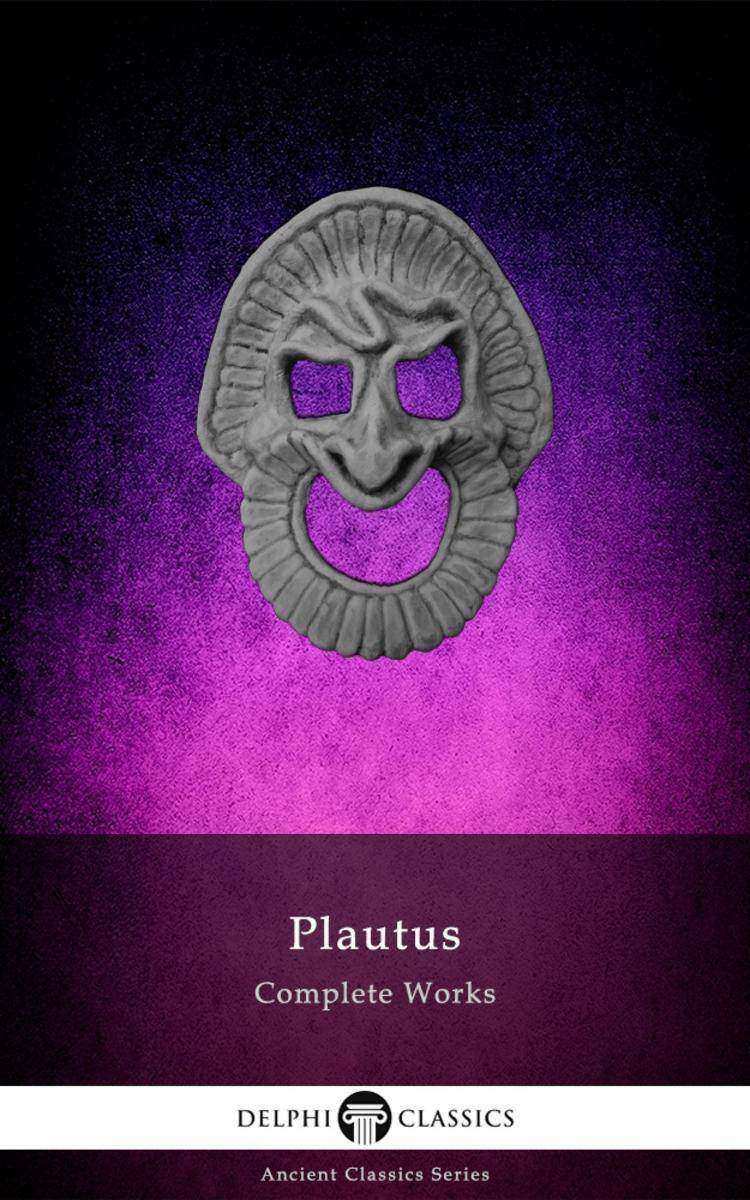
Delphi Complete Works of Plautus (Illustrated)
¥24.44
The Roman playwright Plautus wrote comedies that are the earliest Latin literary texts to have survived in their entirety. Loosely adapted from lost Greek plays, the works of Plautus helped establish a truly Roman drama in the Latin language for the first time. Delphi’s Ancient Classics series provides eReaders with the wisdom of the Classical world, with both English translations and the original Latin texts. This comprehensive eBook presents Plautus’ complete extant works, with relevant illustrations, informative introductions and the usual Delphi bonus material. (Version 1) * Beautifully illustrated with images relating to Plautus’ life and works* Features the complete extant works of Plautus, in both English translation and the original Latin* All 20 extant plays* Concise introductions to the plays* Features translations by Henry Thomas Riley * Excellent formatting of the texts* Easily locate the acts you want to read with individual contents tables* Includes Plautus’ rare plays, first time in digital print* Features a bonus biography – discover Plautus’ ancient world* Scholarly ordering of texts into chronological order and literary genres Please visit www.delphiclassics.com to explore our range of Ancient Classics titles or buy the entire series as a Super Set CONTENTS: The TranslationsAMPHITRYONASINARIAAULULARIABACCHIDESCAPTIVICASINACISTELLARIACURCULIOEPIDICUSMENAECHMIMERCATORMILES GLORIOSUSMOSTELLARIAPERSAPOENULUSPSEUDOLUSRUDENSSTICHUSTRINUMMUSTRUCULENTUS The Latin TextsLIST OF LATIN TEXTS The BiographyINTRODUCTION TO PLAUTUS by Paul Nixon Please visit www.delphiclassics.com to browse through our range of exciting titles
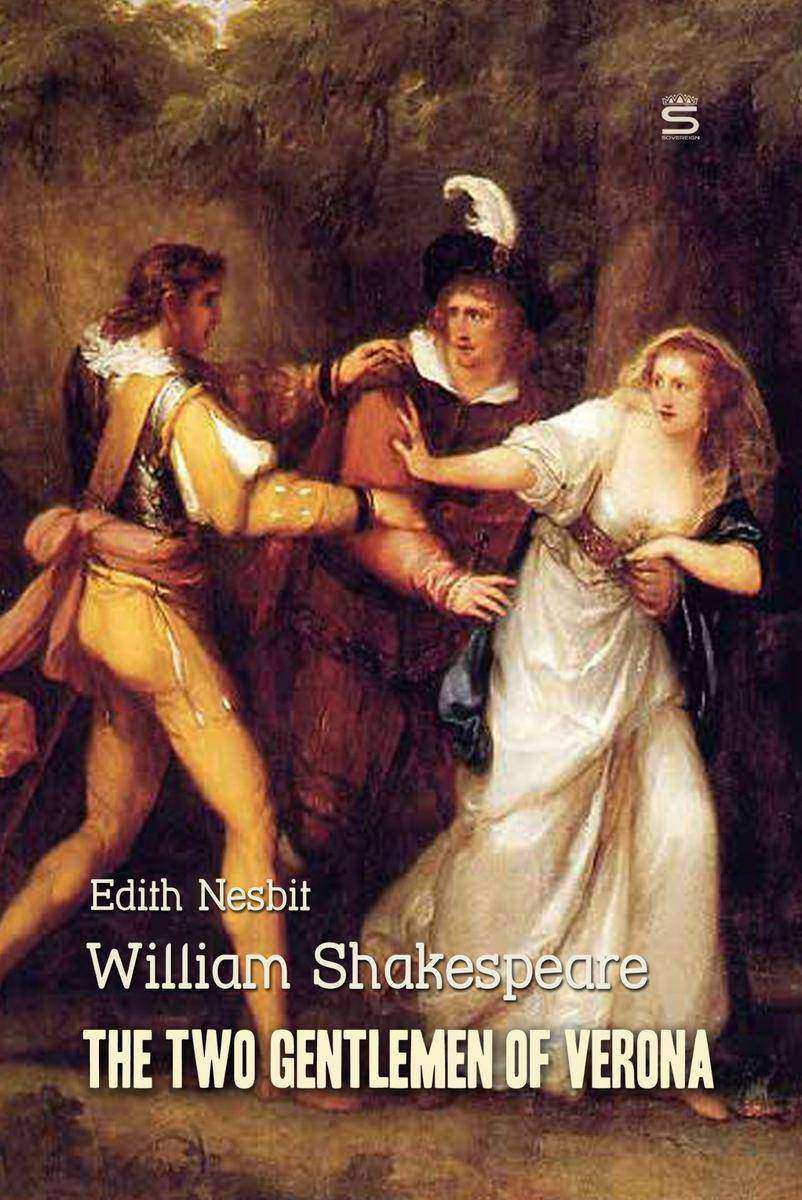
The Two Gentlemen of Verona
¥40.79
Valentine is preparing to leave Verona for Milan so as to broaden his horizons. He begs his best friend, Proteus, to come with him, but Proteus is in love with Julia, and refuses to leave. The play deals with the themes of friendship and infidelity, the conflict between friendship and love, and the foolish behaviour of people in love. This edition of 'The Two Gentlemen of Verona' is an adaptation of Shakespeare's eponymous drama, narrated in plain modern English, capturing the very essence and key elements of the original Shakespeare's work.
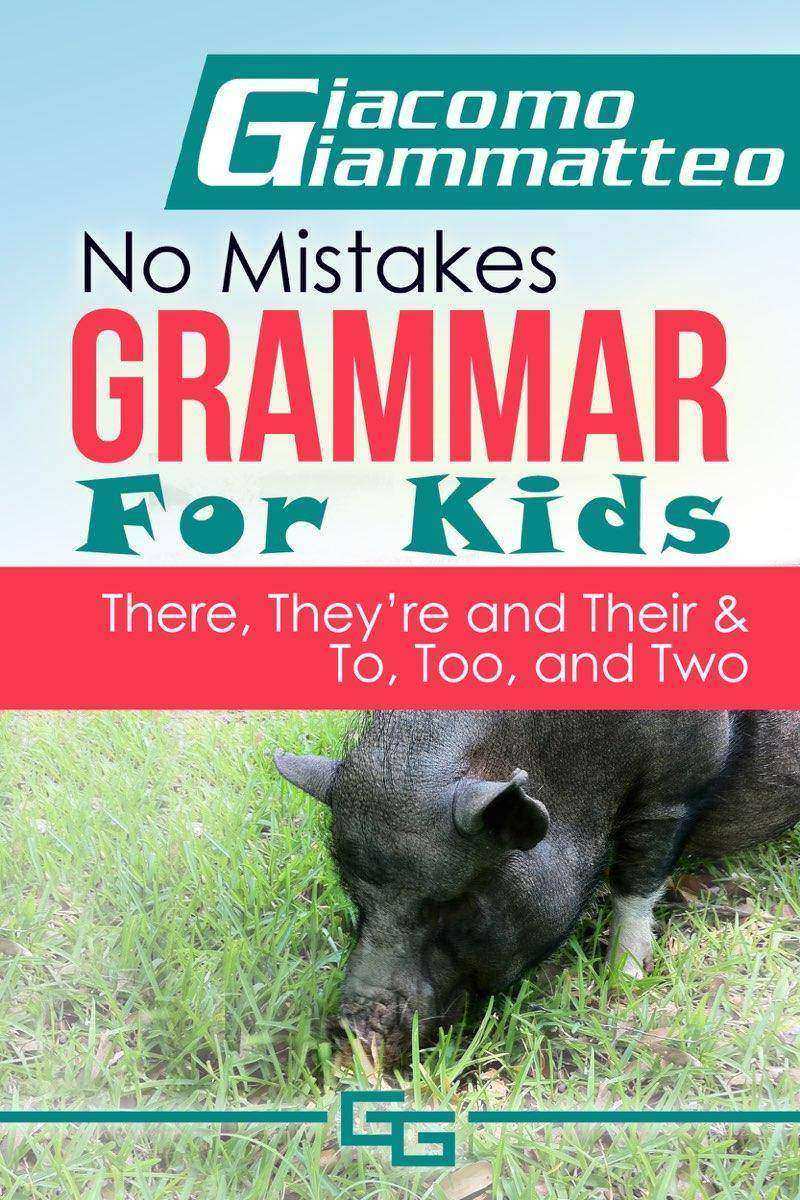
No Mistakes Grammar for Kids, Volume V: No Mistakes Grammar for Kids, Volume V
¥24.44
I know you've witnessed your child use their or there when they meant they're. Or the other way around. The same goes for to, too and two. I've even see adults mix it up. Heck, I've even seen it in published books. But that's understandable because they are some of the most misused words in the English language. Don't let your child suffer those mistakes. Let Queen Shinobi teach your child how to use those words properly. ?
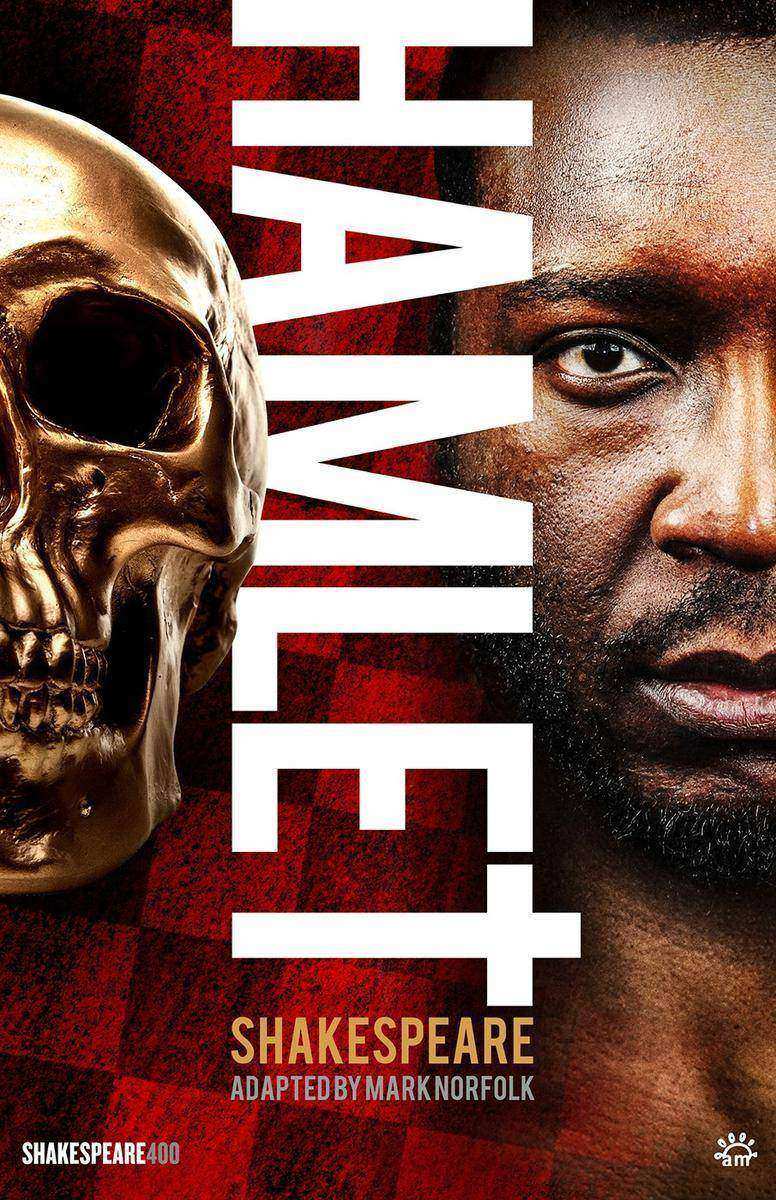
Hamlet
¥40.79
New adaptation of 'Hamlet' for a modern black theatrical production. Remember me… Denmark, a Black Empire of modern England, where an intelligent young student discovers the world he once knew has crumbled. Implored to defend what is left of his father’s decaying legacy, Hamlet now faces the greatest moral challenge – to kill or not to kill. Directed by Jeffery Kissoon (RSC, National Theatre, Robert Lepage, Peter Hall and in Peter Brook’s seminal production of The Mahabharata) and adapted with Shakespeare’s text by award-winning playwright Mark Norfolk, this fast-moving version gets straight to the heart of a young man’s dilemma. This first all-black production of Hamlet in Britain makes a striking contribution to the Shakespeare 400 anniversary celebration. For ages 12+
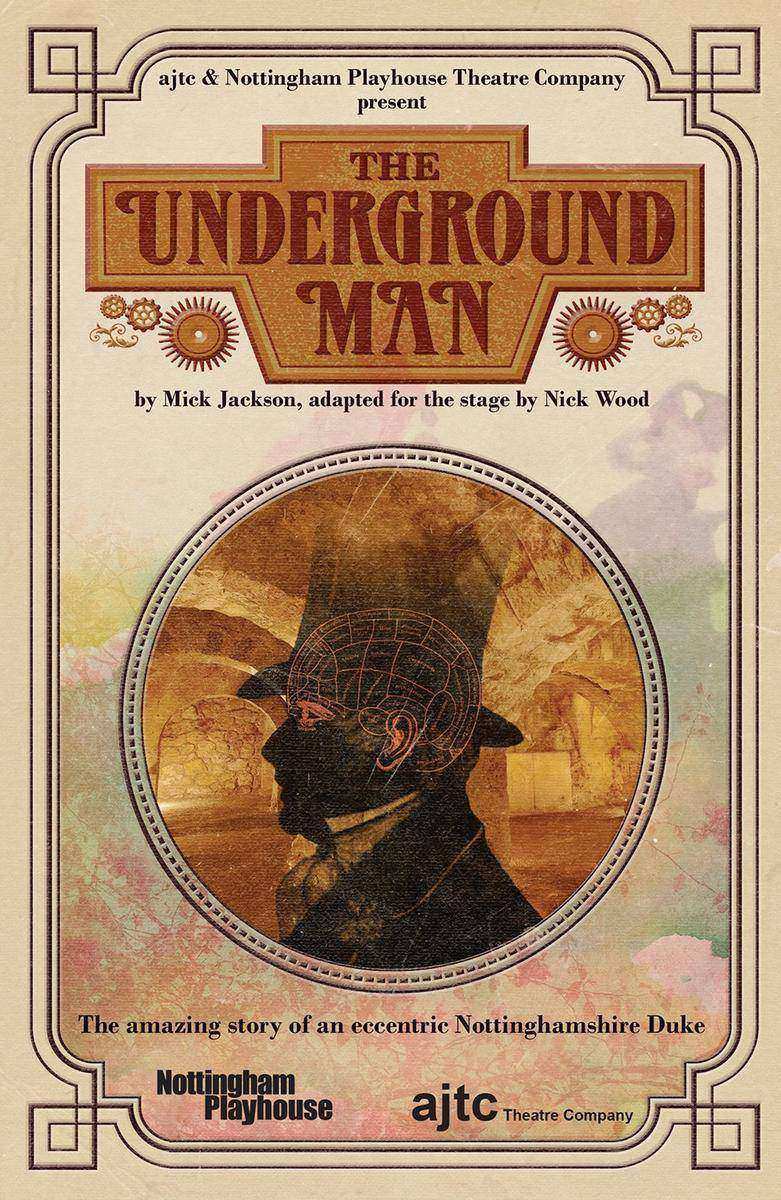
The Underground Man: adapted for the stage
¥40.79
A life of fascination, obsession and deep scientific curiosity. William Cavendish-Scott-Bentinck is an eccentric Nottinghamshire aristocrat whose imagination and curiosity know no bounds. This deceptively simple man struggles to come to terms with a world that is teeming with new knowledge, ill-founded opinion and?gossip. Why does he hide himself away? What is his fascination with tunnels? Will he ever unearth the secrets hidden in his memory? In a sequence of events that are often curious and frequently hilarious he reveals moments of surprising perception and wisdom. Nottingham Playhouse and ajtc have combined their talents to co-produce Nick Wood’s stage adaptation of Mick Jackson’s Booker Prize shortlisted novel. The result is a free-flowing, innovative performance which features live music and a specially commissioned score. The Underground Man is a delectable blend of fact and fiction in which the intriguing details of a complex life are richly explored through the vibrant imagination of a gentle soul.
The Metamorphoses
¥40.79
The Metamorphoses, or The Golden Ass, is the only Ancient Roman novel to survive in its entirety. The protagonist of the novel is called Lucius. At the end of the novel, he is revealed to be from Madaurus, in ancient Algeria, the hometown of Apuleius himself. The plot revolves around the protagonist's curiosity and insatiable desire to see and practice magic. While trying to perform a spell to transform into a bird, he is accidentally transformed into an ass. This leads to a long journey, literal and metaphorical, filled with in-set tales. He finally finds salvation through the intervention of the goddess Isis, whose cult he joins.
The Women's Festival
¥40.79
Today the women at the festival are going to kill me for insulting them!' This bold statement by Euripides is the absurd premise upon which the whole play depends. The women are incensed by his plays' portrayal of the female sex as mad, murderous, and sexually depraved, and they are using the festival of the Thesmophoria (an annual fertility celebration dedicated to Demeter) as an opportunity to debate a suitable choice of revenge.


