


 购物车
购物车 个人中心
个人中心

O istorie dramatic? a prezentului
¥80.93
Demersul Antoanetei Olteanu, reputat? traduc?toare de limba rus? ?iexpert? ?n istoria cultural? a Rusiei, se distinge at?t prin calitatea informa?iilor, adesea inedite, c?t ?i prin compozi?ia complex?, care ?mbin? viziunea sintetic? cu o perspectiv? transcultural? exersat?. Cartea se recomand? de la sine at?t cititorului profesionist, care g?se?te aici o serie de date altfel greu accesibile, c?t ?i celui interesat de istoria ?i cultura Europei ?n ansamblu. Dup? cum anun?? ?i subtitlul, lucrarea reconstituie o istorie cultural? a secolului al XIX-lea, realiz?nd, ?n fapt, o fresc? a uneia dintre cele mai captivante perioade din istoria Rusiei, cea imperial?. Datele prezentate acoper? practic toate Aspectele vie?ii politice, sociale, economice ?i culturale ale acestui interval de timp, marcat at?t de aura ?arilor, c?t ?i de nenum?ratele revolte populare. Tabloul evenimentelor majore este ?ntregit cu minu?ioase inventare de titluri nobiliare, cu date economice consemnate cu acribie, cu o expunere vie a panoramei cutumelor sociale, familiale ?i religioase, merg?nd de la modalit??ile de confec?ionare a juc?riilor sau a bijuteriilor p?n? la istorii ale ceaiului sau vodcii. Atmosfera epocii cap?t? un contur des?v?r?it prin citarea unor fragmente din lucr?ri ?tiin?ifice de referin??, din jurnalele de c?l?torie ?i din publicistica vremii, dar ?i din operele marilor scriitori ai vremii, ca Dostoievski, Gogol ?i Tolstoi. Se contureaz?, astfel, o imagine neconven?ional? a Rusiei, o na?iune confruntat? permanent cu tensiunea unei alegeri fundamentale, care pune ?n opozi?ie modelul str?in ?i inegalabila for?? intern?. Autoarei ?i revine meritul de a fi surprins aspectele esen?iale ale acestei tensiuni, cu ample ecouri ?n perioadamodern? ?i cu evidente efecte asupra mentalit??ii contemporane.
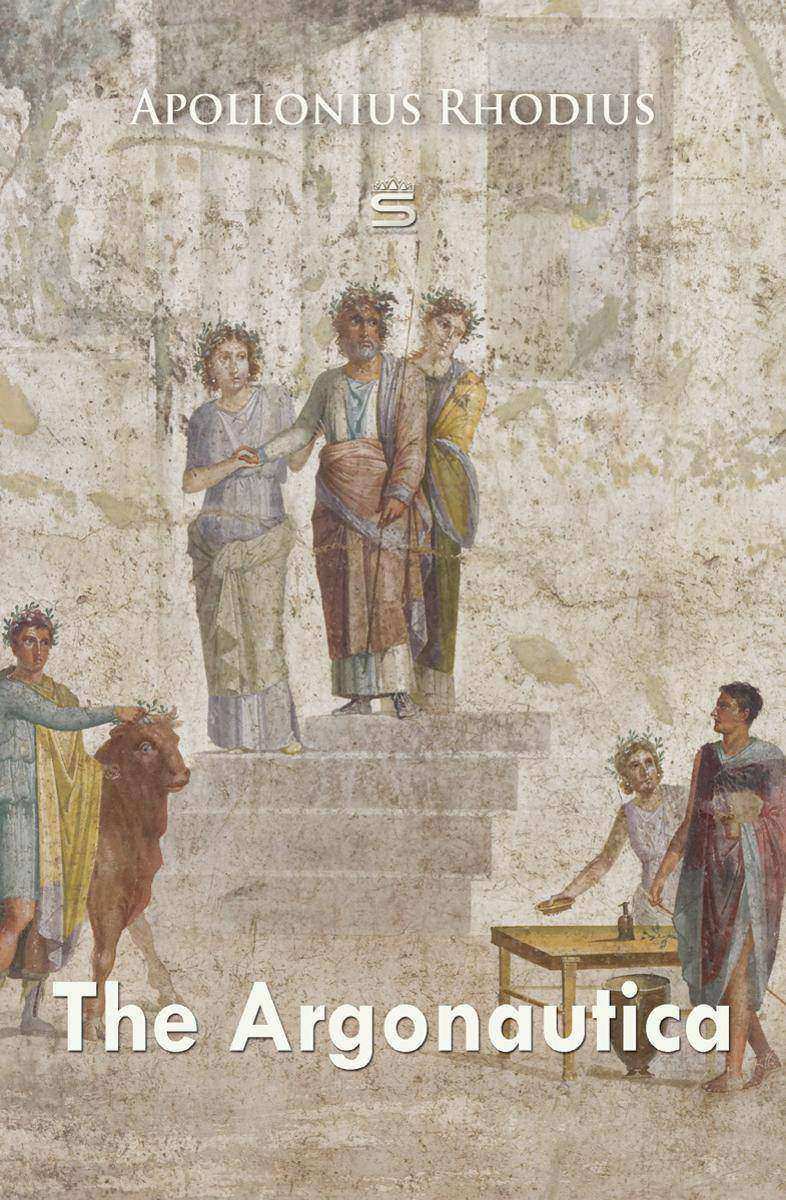
The Argonautica
¥40.79
The Argonautica is a Greek epic poem written by Apollonius Rhodius in the 3rd century BC. The only surviving Hellenistic epic, the Argonautica tells the myth of the voyage of Jason and the Argonauts to retrieve the Golden Fleece from remote Colchis. Their heroic adventures and Jason's relationship with the dangerous Colchian princess/sorceress Medea were already well known to Hellenistic audiences, which enabled Apollonius to go beyond a simple narrative, giving it a scholarly emphasis suitable to the times.
Plutus
¥40.79
Chremylus, a poor but just man, accompanied by his servant Cario consults the Delphic Oracle concerning his son, whether he ought not to be instructed in injustice and knavery and the other arts whereby worldly men acquire riches. By way of answer the god only tells him that he is to follow whomsoever he first meets upon leaving the temple, who proves to be a blind and ragged old man. But this turns out to be no other than Plutus himself, the god of riches, whom Zeus has robbed of his eyesight, so that he may be unable henceforth to distinguish between the just and the unjust.
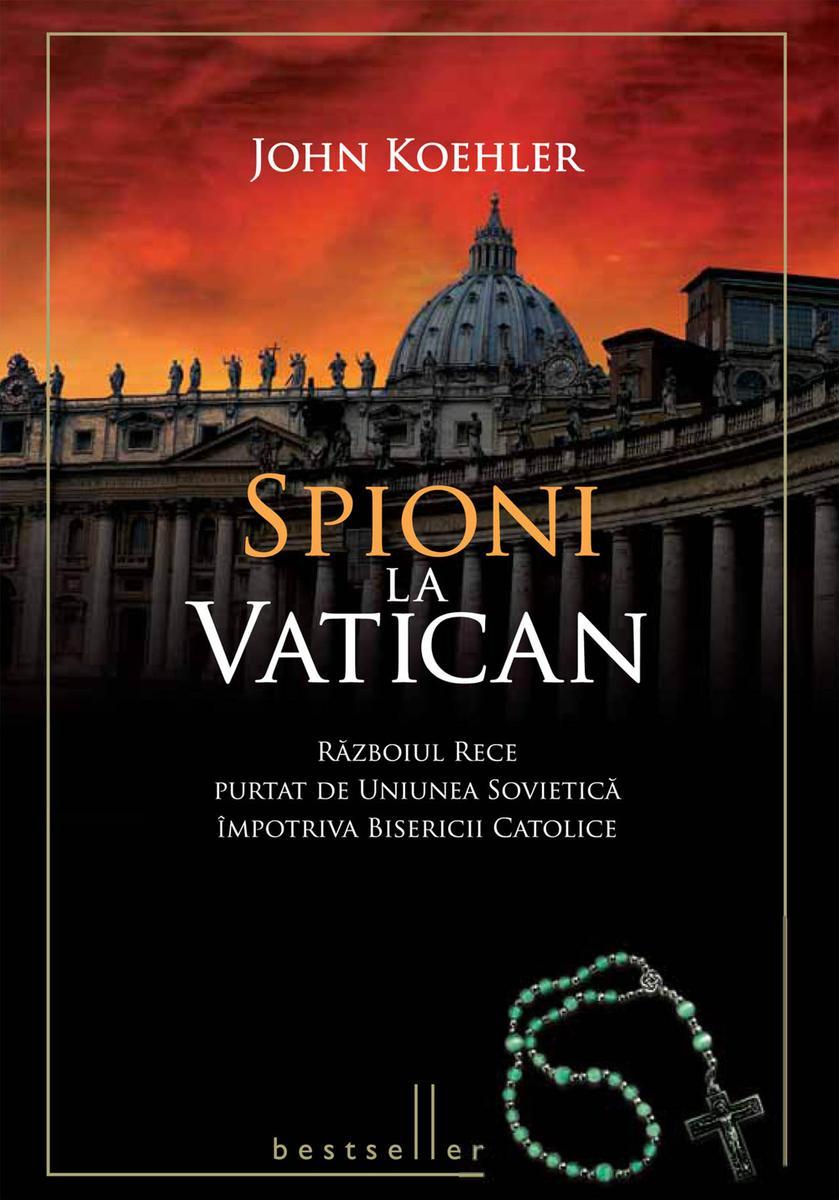
Spioni la Vatican
¥66.22
Non abbiate paura! Nu v? fie team?!Cuvintele rostite de papa Ioan Paul al II-lea ?n octombrie 1978, la inaugurarea pontificatului s?u, aveau s? trezeasc? ?n sufletele polonezilor ?i ale tuturor celor oprima?i de comunism dorin?a de a fi liberi ?i curajul de a lupta pentru libertate. ?n urm?torii ani, papa a devenit cel mai puternic simbol al luptei anticomuniste. Uniunea Sovietic? ?l considera pe Ioan Paul al II-lea (?i, implicit, Biserica Catolic?) o amenin?are la adresa stabilit??ii ?n Europa de Est ?i inamicul num?rul unu al statului. Deloc surprinz?tor, KGB-ul a pus la punct o re?ea impresionant? de spioni ?i agen?i dubli ?i chiar a ?ncercat s?-l asasineze pe pap?.Paradoxal ?ns?, cu c?t erau mai persecuta?i pentru credin?a lor, cu at?t oamenii erau dispu?i s?-?i ri?te via?a pentru libertate. Dovezile lor de curaj sunt impresionante, a?a cum impresionante sunt, dar ?n sens negativ, cazurile preo?ilor care ?i-au tr?dat biserica, trec?nd de partea celui mai mare du?man al acesteia, regimul comunist.Jurnalist ?i ofi?er ?n rezerv? al serviciului de informa?ii al Armatei SUA, John Koehler prezint? cititorilor documente ?i transcrieri ale unor stenograme necunoscute p?n? acum, realiz?nd o cronic? f?r? precedent a R?zboiului Rece dus de URSS ?mpotriva Bisericii Catolice ?i contribuind, astfel, decisiv la cunoa?terea istoriei secolului XX.

Ortopedie ?i traumatologie pentru asisten?i medicali
¥57.14
Lucrarea inedit? a lui Nathan Belofsky se concentreaz? asupra ideilor ?i practicilor medicale acceptate de-a lungul veacurilor, pe scar? larg?, ale doctorilor reali, nu ale vracilor ?i aproape to?i doctorii men?iona?i erau figuri medicale importante ale acelor vremuri. Autorul prezint? c?teva dintre cele mai r?sp?ndite practici ?ocante sau ?ndoielnice din fiecare epoc?, ?ncep?nd cu Antichitatea ?i continu?nd cu Evul Mediu, Rena?terea, perioada modern? ?i secolul al XX-lea. Cartea se afl? sub semnul insolitului ?i readuce la via?a, ?ntr-o manier? narativ? ?i deseori umoristic?, momente mai pu?in cunoscute din istoria medicinei. ,,Cartea este o comoar? de fapte uluitoare.“Los Angeles Examiner
Dic?ionar de vise. Cartea de vise ?i destine
¥46.36
O analiz? metodic? ?i patima?? a cumplitei dictaturi ro?ii de care a avut parte Rom?nia. Atitudinea elitelor fa?? de tiran ?i fa?? de clica sa. ?n ce masur? suntem vinova?i? La?itatea este oare una dintre caracteristicile definitorii ale c?rturarului rom?n? La aceste ?i multe alte ?ntreb?ri r?spunde profesorul de filosofie, Ion Iano?i – un veritabil model european. Cartea e destinat? studen?ilor, elevilor, profesorilor, precum ?i publicului larg de cititori.
The Code of Hammurabi
¥8.82
The Code of Hammurabi (Codex Hammurabi) is a well-preserved ancient law code, created ca. 1790 BC (middle chronology) in ancient Babylon. It was enacted by the sixth Babylonian king, Hammurabi. One nearly complete example of the Code survives today, inscribed on a seven foot, four inch tall basalt stele in the Akkadian language in the cuneiform script. One of the first written codes of law in recorded history. These laws were written on a stone tablet standing over eight feet tall (2.4 meters) that was found in 1901.
![The Romance of Spanish History: [Illustrated & Engraved & Mapped]](https://platform-permanent.ddimg.cn/pt-media-info-soa-resource/digital/product/53/97/1901165397_ii_cover.jpg?version=39bce93d-9102-4e7e-9ac3-85633a446f54)
The Romance of Spanish History: [Illustrated & Engraved & Mapped]
¥28.29
THE Spanish peninsula, separated from France on the north by the Pyrenees, and bounded on the three remaining sides by the Mediterranean Sea and the Atlantic Ocean, con-tains an area of 225,600 square miles, being a little larger than France. Nature has reared a very formidable barrier between Spain and France, for the Pyrenees, extending in a straight line 250 miles in length, from the Bay of Biscay to the Mediterranean, and often rising in peaks more than ten thou-sand feet in height, offer but three defiles which carriages can traverse, though there are more than a hundred passes which may be surmounted by pedestrians or the sure-footed mule. The soil is fertile; the climate genial and salubrious; and the face of the country, diversified with meadows and mountains, presents, in rare combination, the most attractive features both of loveliness and sublimity.?History does not inform us when and how this beautiful peninsula—called Hispania by the Romans—first became in-habited. Whether the earliest emigrants crossed the straits of Gibraltar from Africa, or came from Asia, coasting the shores of the Mediterranean, or descended from France through the defiles of the Pyrenees, can now never be known. The first glimpse we catch of Spain, through the haze of past ages, reveals to us the country inhabited by numerous barbaric tri-bes, fiercely hostile to each other, and constantly engaged in bloody wars. The mountain fastnesses were infested with robber bands, and rapine and violence everywhere reigned. The weapons grasped by these fierce warriors consisted of lances, clubs, and slings, with sabres and hatchets, of rude fashion but of keen edge. Their food was mainly nuts and ro-ots. Their clothing consisted of a single linen garment, girded around the waist; and a woollen tunic, surmounted by a cloth cap, descended to the feet. As in all barbarous nations, the hard work of life was performed by the women.??The names even of most of these tribes have long since perished; a few however have been transmitted to our day, such as the Celts, the Gallicians, the Lusitanians, and the Iberians. Several ages before the foundations of Rome or of Carthage were laid, it is said that the Phoenicians, exploring in their commercial tours the shores of the Mediterranean, established a mercantile colony at Cadiz. The colonists growing rich and strong, extended their dominions and founded the cities of Malaga and Cordova. About 800 years before Christ, a colony from Rhodes settled in the Spanish peninsula, and established the city of Rosas. Other expeditions, from various parts of Greece, also planted colonies and engaged in successful traffic with the Spanish natives.??Four hundred years before Christ, the Carthaginian republic was one of the leading powers, and Carthage was one of the most populous and influential cities on the globe. The Carthaginians crossed the narrow straits which separate Africa from Spain, landed in great strength upon the Spanish peninsula, and, after a short but severe conflict, subdued the foreign colonies there, brought the native Spaniards into subjection, and established their own supremacy over all the southern coast. Cadiz became the central point of Carthaginian power, from whence the invaders constantly extended their conquests. Though many of the interior tribes maintained for a time a sort of rude and ferocious independence, still Carthage gradually assumed dominion over the whole of Spain.??In the year 235 B.C., Hamilcar, the father of the illustrious Hannibal, compelled nearly all the tribes of Spain to ack-nowledge his sway. For eight years Hamilcar waged almost an incessant battle with the Spaniards. Still it was merely a military possession which he held of the country, and he erected Barcelona and several other fortresses, where his soldiers could bid defiance to assaults, and could overawe the surrounding inhabitants.

Ruptura
¥40.79
Referindu-se la Pesc?ru?ul ?ntr-o scrisoare din octombrie 1895, Cehov nota, ?ntre altele: ?Scriu o pies? pe care probabil nu o voi termina p?n? la sf?r?itul lui noiembrie. O scriu nu f?r? pl?cere, de?i m? tem de conven?iile scenei. E o comedie, exist? trei roluri pentru femei, ?ase pentru b?rba?i, patru acte, peisaje (priveli?tea unui lac), o mul?ime de conversa?ii despre literatur?, pu?in? ac?iune, mult? iubire“. Premiera s-a dovedit dezastruoas?, editorul s?u aduc?ndu-i acuze ca, pild?, la?itatea evident?, caracterul din cale afar? de feminin. Con?tient de geniul s?u, Cehov riposteaz?: ?De ce aceast? calomnie? Dup? reprezenta?ie am luat cina la Romanovi. Pe cuv?ntul meu de onoare. Apoi m-am dus la culcare, am dormit s?n?tos ?i a doua zi am mers acas? f?r? a suspina vreo nemul?umire. Dac? a? fi fost un la?, a? fi alergat de la un editor la altul ?i de la un actor la altul, i-a? fi implorat s? fie ?ng?duitori ?i a? fi petrecut dou? trei s?pt?m?ni ?n Petersburg, agit?ndu-m? cu Pesc?ru?ul meu, cu emo?ie, cu o transpira?ie rece ?n lamenta?ii. Am ac?ionat at?t de rece ?i de responsabil precum un om care a f?cut o ofert? ?i apoi a fost ?nt?mpinat cu un refuz ?i nu mai are nimic altceva de f?cut dec?t s? plece. ?ntr-adev?r, vanitatea mea a fost n?ucit?, dar ?ti?i, nu a fost o lovitur? din senin. A?teptam un e?ec ?i m? preg?tisem pentru el precum te-am prevenit cu o absolut? sinceritate“.
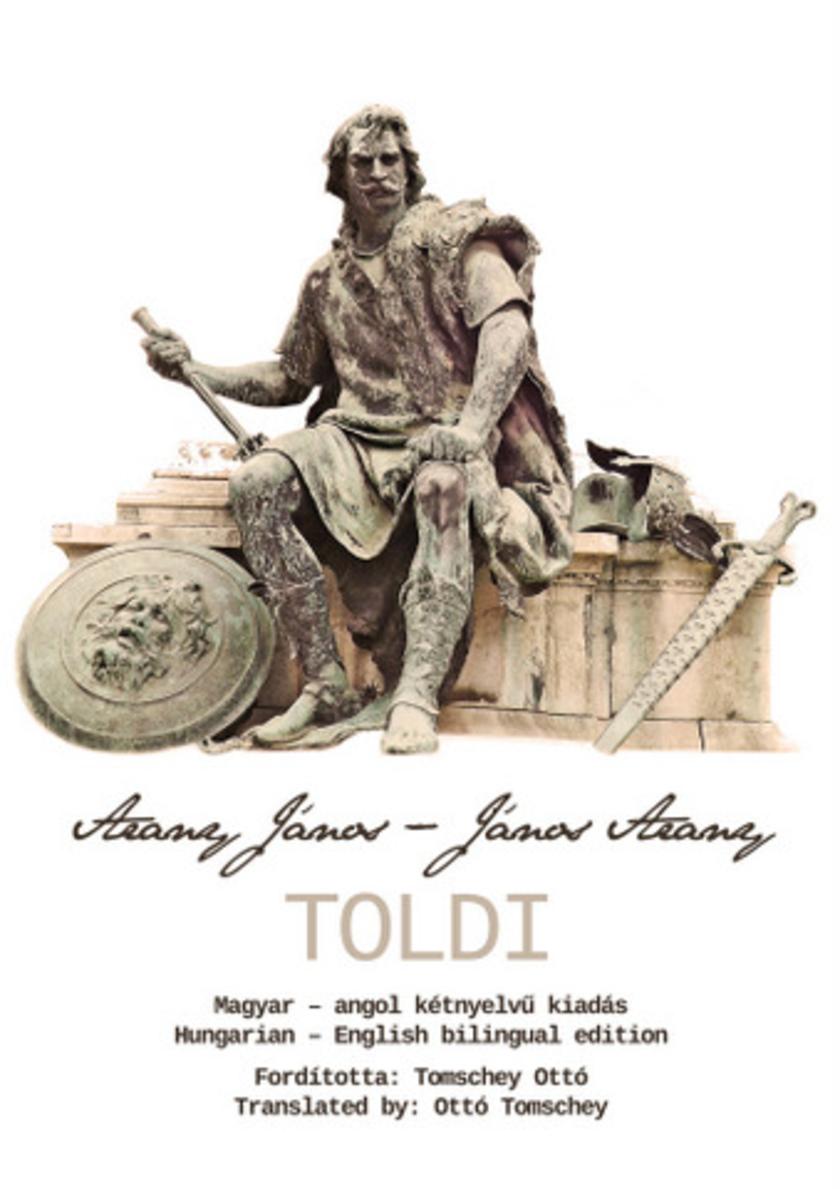
Arany János – TOLDI
¥90.42
"Reportajele din aceast? carte vorbesc despre aspecte din istoria recent?, cum ar fi migra?ia, corup?ia, via?a ?n penitenciare sau problemele minorit??ilor, ?nchiderea spitalelor sau stresul care schimb? vie?i, crizele din s?n?tate, pove?ti ale unor oameni obi?nui?i, care fac lucruri speciale. Reg?sim, ?ns?, ?i pove?ti de demult, cum e cazul reportajelor despre lupt?torii anticomuni?ti din mun?i, despre tezaurul de la Pietroasele sau istoriile din satele s?se?ti. Reportajele surprind realit??i dintr-o Rom?nie aflat? ?n continu? schimbare, cu enorme discrepan?e. Sunt ca o fotografie a realit??ii. Cine le cite?te afl? cum se tr?ia sau cum se tr?ie?te ?n anumite locuri. Cum se schimb? sau de ce nu se schimb? lucrurile ?i mentalit??ile. Cartea cuprinde 30 de reportaje publicate ?n revista Dilema veche, dar ?i adapt?ri dup? reportaje sau documentare radio difuzate la Europa FM ?i Radio Rom?nia Actualit??i. Reportajul e un gen mai rar ?nt?lnit ast?zi ?n presa din Rom?nia. Dar asta nu se ?nt?mpl? din cauza lipsei de interes a publicului, ci din pricina lipsei de bani ?i de investi?ii ?ntr-o pres? de calitate. De fiecare dat? c?nd totu?i apar reportaje bine f?cute, se constat? c? publicul le urm?re?te cu interes, tot a?a cum urm?re?te reportajele ?i documentarele oferite de televiziunile str?ine. Asta fiindc? oamenii au nevoie de pove?ti. Un reportaj bine f?cut este de fapt o poveste adev?rat?. P?n? la urm?, ?i aceast? carte este o carte cu pove?ti adev?rate." (Liliana Nicolae)
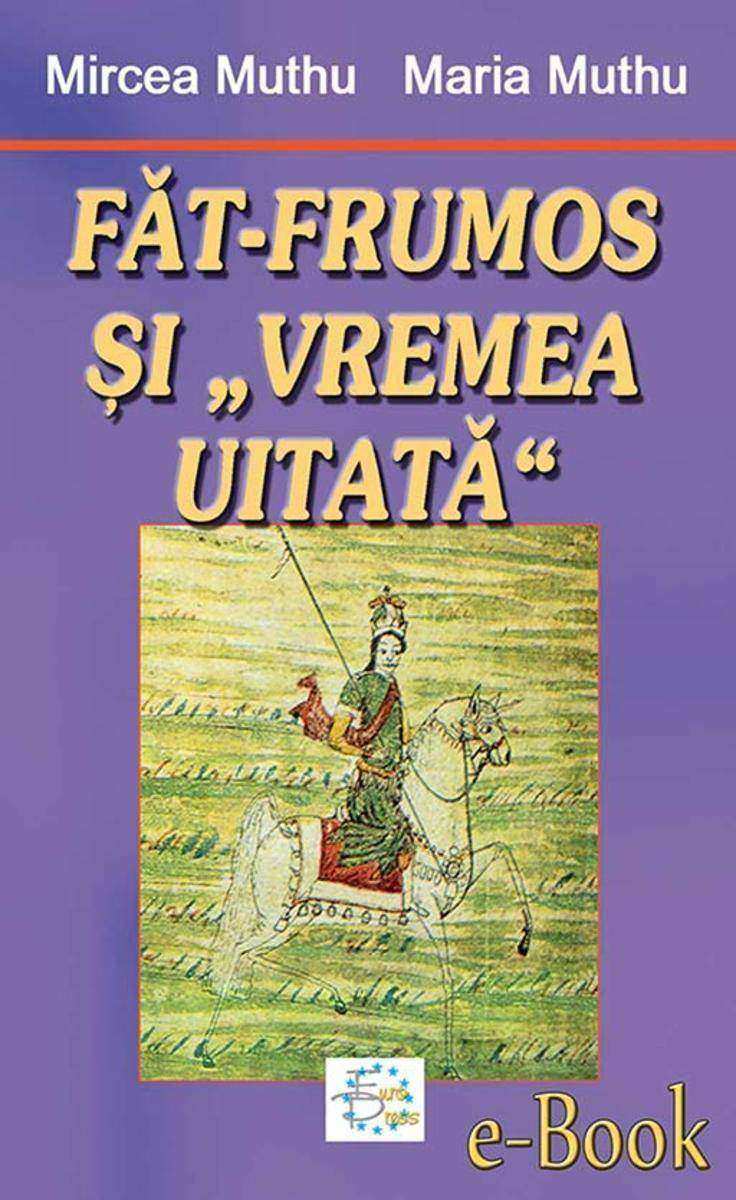
F?t-Frumos ?i ?Vremea Uitat?“
¥32.62
Marele romancier face o incursiune ?n trecutul nu foarte ?ndep?rtat al Rom?niei, trat?nd anii dictaturii ro?ii f?r? p?rtinire, ?ncerc?nd o radiografie crud?, impar?ial? ?i – lucru extrem de rar ?n Balcani – radical? a unei jum?t??i de secol de istorie.Cartea e destinat? studen?ilor, elevilor, profesorilor, precum ?i publicului larg de cititori.

Cum s?-?i cultivi memoria
¥73.49
Cred ?n sensibilitatea publicului fa?? de un teatru al ideilor, dar ?i fa?? de un teatru de ac?iune fidel formelor clasice. Cu riscul de a fi considerat un manierist, accept aceast? etichet?, dac? ?mi aleg drept modele nume ca Montherlant, Camus, Vallejo sau Camil Petrescu. Am ?ncercat s? tratez una dintre marile teme ale dramaturgiei universale, care ?ncepe cu vechii greci ?i se ?mpline?te ?n teatrul clasic francez: conflictul dintre datorie ?i pasiune. Drama apare atunci c?nd cele dou? imperative devin divergen?e ?i ea se poate reg?si ?i azi de la marii lideri politici la oamenii de r?nd. Dar pentru a o ilustra am ales varianta teatrului istoric, deoarece (pentru a-l cita pe Henri Rochefort ) ?viitorul, ?n momentul de fa??, pare at?t de sumbru, ?nc?t am sim?it s? m? hr?nesc o vreme cu trecutul". Drama personajelor mele, fie c? este vorba despre Ugo, fie c? este vorba despre printul Rudolf, este e?ecul ?nregistrat ?n ?ncercarea de a le g?si un liant, de a le ?mp?ca. Am v?zut ?n Rudolf de Habsburg un adev?rat profet al lumii moderne… care a prev?zut toate catastrofele secolului al XX-lea ?i a ?ncercat s? orienteze politica austriaca ?ntr-o alta direc?ie. Dar via?a sa privat?, departe de a fi un model, a dejucat acest plan. El dispare pentru c? nu-?i mai g?se?te locul ?n lumea lui, ?n timp ce Ugo d’Este ??i accept? sf?r?itul din acela?i motiv. (Corneliu ?enchea)
Uma superfície de gelo ancorada no riso: a atualidade do grotesco em Hilda Hilst
¥0.01
Imaginea Romaniei prin turism, targuri si expozitii universale, in perioada interbelica, este titlul unei noi carti extrem de interesante, adresata atat specialistilor cat si publicului larg. Lucrarea elaborata de dr. Claudiu-Alexandru Vitanos reprezinta bilantul unor eforturi sistematice ale autorului de cercetare a modului in care a fost elaborata politica nationala privind dezvoltarea turismului si, totodata, politica de promovare a Romaniei prin intermediul targurilor si expozitiilor universale de-a lungul deceniilor interbelice.
Marea familie
¥42.92
Cine-ar fi crezut c? lumea afacerilor poate fi at?t de fascinant? ?i plin? de dramatism? 350 de milioane de dolari investite ?ntr-un model de automobil plin de imperfec?iuni, f?r? s? fie g?sit m?car un responsabil pentru acest e?ec; ascensiunea spectaculoas? a unei mici companii produc?toare de h?rtie fotografic? p?n? la actualul gigant Xerox, ?nceput? de o m?n? de oameni care ?i-au riscat chiar ?i averea personal? pentru o inova?ie revolu?ionar?; b?t?lia titanic? dus? de Rezerva Federal? a Statelor Unite pentru ap?rarea lirei sterline de atacurile speculatorilor; sunt doar c?teva dintre exemplele ce arat? c?, ?n lumea afacerilor ?i a Wall Streetului, oamenii pot da dovad? fie de geniu, spirit de cooperare ?i ?n?elepciune, fie de ?nc?p???nare ?i lips? de ra?iune, indiferent de miza aflat? ?n joc. Un avertisment c? istoria se poate oric?nd repeta.
El Arte de la Guerra
¥8.82
El arte de la guerra es un libro sobre tácticas y estrategias militares, inspirado por Sun Tzu, un famoso autor militar.
Alexander the Great
¥18.56
ALEXANDER the Great died when he was quite young. He was but thirty-two years of age when he ended his career, and as he was about twenty when he commenced it, it was only for a period of twelve years that he was actually engaged in performing the work of his life. Napoleon was nearly three times as long on the great field of human action.??Notwithstanding the briefness of Alexander's career, he ran through, during that short period, a very brilliant series of exploits, which were so bold, so romantic, and which led him into such adventures in scenes of the greatest magnificence and splendor, that all the world looked on with astonishment then, and mankind have continued to read the story since, from age to age, with the greatest interest and attention.??The secret of Alexander's success was his character. He possessed a certain combination of mental and per-sonal attractions, which in every age gives to those who exhibit it a mysterious and almost unbounded ascendency over all within their influence. Alexander was characterized by these qualities in a very remarkable degree. He was finely formed in person, and very prepossessing in his manners. He was active, athletic, and full of ardor and enthusiasm in all that he did.
Alfred the Great
¥18.56
ALFRED THE GREAT figures in history as the founder, in some sense, of the British monarchy. Of that long succession of sovereigns who have held the scepter of that monarchy, and whose government has exerted so vast an influence on the condition and welfare of mankind, he was not, indeed, actually the first. ??There were several lines of insignificant princes before him, who governed such portions of the kingdom as they individually possessed, more like semi-savage chieftains than English kings. Alfred followed these by the principle of hereditary right, and spent his life in laying broad and deep the foundations on which the enormous superstructure of the British empire has since been reared. If the tales respecting his character and deeds which have come down to us are at all worthy of belief, he was an honest, conscientious, disinterested, and farseeing statesman. ??If the system of hereditary succession would always furnish such sovereigns for mankind, the principle of loyalty would have held its place much longer in the world than it is now likely to do, and great nations, now republican, would have been saved a vast deal of trouble and toil expended in the election of their rulers.
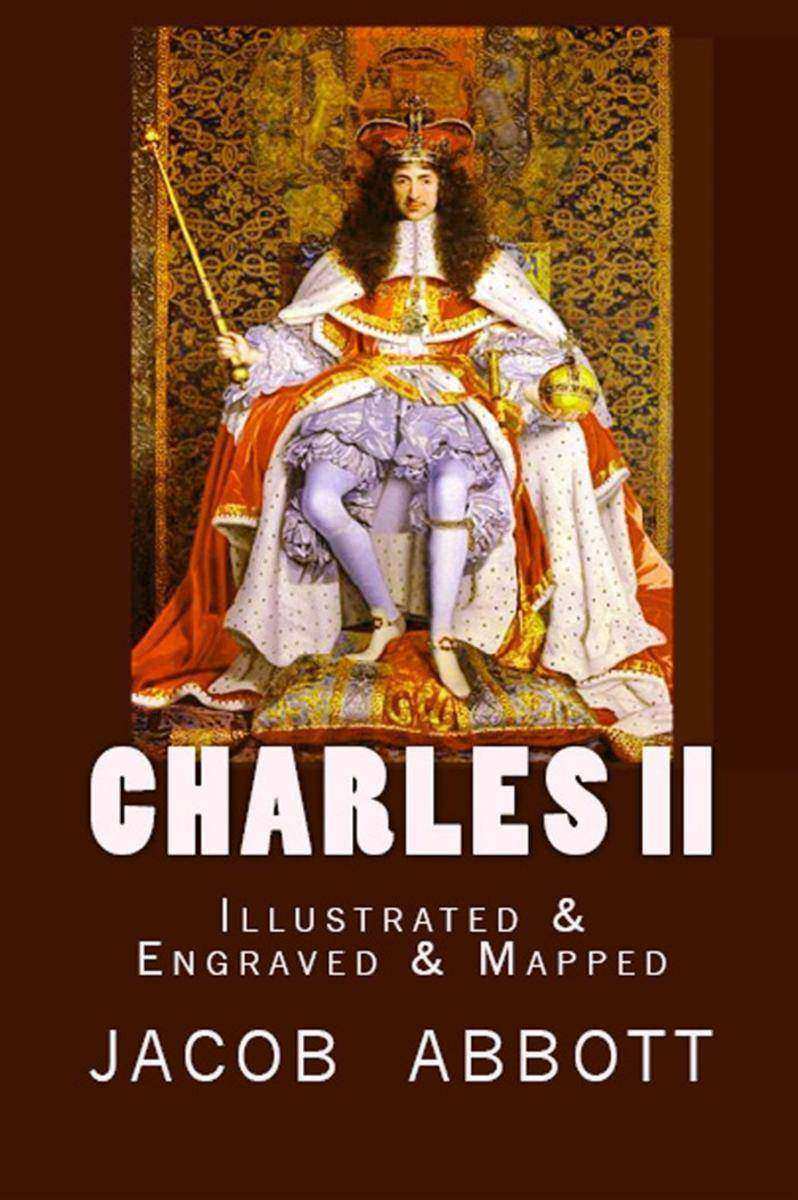
Charles II
¥18.56
KING CHARLES THE SECOND was the son and successor of King Charles the First. These two are the only kings of the name of Charles that have appea-red, thus far, in the line of English sovereigns. Nor is it very probable that there will soon be another. The reigns of both these monarchs were stained and tarnished with many vices and crimes, and darkened by national disasters of every kind, and the name is thus connected with so many painful associations in the minds of men, that it seems to have been dropped, by common consent, in all branches of the royal family.??The reign of Charles the First, as will be seen by the history of his life in this series, was characterized by a long and obstinate contest between the king and the people, which brought on, at last, a civil war, in which the king was defeated and taken prisoner, and in the end beheaded on a block, before one of his own pala-ces. During the last stages of this terrible contest, and before Charles was himself taken prisoner, he was, as it were, a fugitive and an outlaw in his own dominions. His wife and family were scattered in various foreign lands, his cities and castles were in the hands of his enemies, and his oldest son, the prince Charles, was the object of special hostility. The prince incurred, therefore, a great many dangers, and suffered many heavy calamities in his early years. He lived to see these calamities pass away, and, after they were gone, he enjoyed, so far as his own personal safety and welfare were concerned, a tranquil and prosperous life. The storm, however, of trial and suffering which enveloped the evening of his father's days, darkened the morning of his own. ??The life of Charles the First was a river rising gently, from quiet springs, in a scene of verdure and sunshine, and flowing gradually into rugged and gloomy regions, where at last it falls into a terrific abyss, enveloped in darkness and storms. That of Charles the Second, on the other hand, rising in the wild and rugged mountains where the parent stream was engulfed, commences its course by leaping frightfully from precipice to precipice, with turbid and foaming waters, but emerges at last into a smooth and smiling land, and flows through it prosperously to the sea.

Sl?bim f?r? diete ?i suplimente alimentare
¥48.97
Conservatorismul pragmatic, conservatorismul lui David Hume, Edmund Burke i, n secolul XX, al lui Michael Oakeshott, se deosebete profund de reacionarism i de ultraconservatorismul virulent. Un conservator pragmatic este un om care gndete fr mituri caluzitoare i fr adevruri absolute, ce confisc i paralizeaz inteligena; este un adversar, i nu un adept, al utopiilor inverse, care aspir la restaurarea trecutului. El este un adept al moderaiei i al gradualismului – nu pentru ca ar avea oroare de schimbrile profunde, ci pentru ca tie c nimic important, nrdcinat ntr-o form de via omeneasc, nu poate fi schimbat brusc. Se comite adesea o confuzie ntre conservatorismul pragmatic i radicalismul de dreapta. Dar este vorba de o eroare de neiertat, cci cele doua forme ale Dreptei se opun diametral: Ostilitatea fa de radicalism, ostilitatea nencetat, implacabil, este definiia esenial a conservatorismului (Robert Cecil, Marchiz de Salisbury). Au existat i n Romania figuri celebre apropiate conservatorismului pragmatic, spre exemplu P. P. Carp. ns, din pcate, tradiia autohton este dominat de radicalismul de dreapta, ilustrat (virulent) de Eminescu i (seren) de Maiorescu, iar ulterior de generaia rtcit: Nae Ionescu, Mircea Eliade, Cioran i Noica.“ (Adrian-Paul Iliescu)
10 plus 10 prozatori exemplari nominaliza?i la Nobel
¥40.79
Candide is characterised by its sarcastic tone, as well as by its erratic, fantastical and fast-moving plot. A picaresque novel with a story similar to that of a more serious bildungsroman, it parodies many adventure and romance clichés, the struggles of which are caricatured in a tone that is mordantly matter-of-fact. Still, the events discussed are often based on historical happenings, such as the Seven Years' War and the 1755 Lisbon earthquake. As philosophers of Voltaire's day contended with the problem of evil, so too does Candide in this short novel, albeit more directly and humorously. Voltaire ridicules religion, theologians, governments, armies, philosophies, and philosophers through allegory; most conspicuously, he assaults Leibniz and his optimism. Voltaire's men and women point his case against optimism by starting high and falling low. A modern could not go about it after this fashion.?He would not plunge his people into an unfamiliar misery. He would just keep them in the misery they were born to. But such an account of Voltaire's procedure is as misleading as the plaster cast of a dance. Look at his procedure again. Mademoiselle Cunégonde, the illustrious Westphalian, sprung from a family that could prove seventy-one quarterings, descends and descends until we find her earning her keep by washing dishes in the Propontis. The aged faithful attendant, victim of a hundred acts of rape by negro pirates, remembers that she is the daughter of a pope, and that in honor of her approaching marriage with a Prince of Massa-Carrara all Italy wrote sonnets of which not one was passable. We do not need to know French literature before Voltaire in order to feel, although the lurking parody may escape us, that he is poking fun at us and at himself. His laughter at his own methods grows more unmistakable at the last, when he caricatures them by casually assembling six fallen monarchs in an inn at Venice. A modern assailant of optimism would arm himself with social pity. There is no social pity in "Candide." Voltaire, whose light touch on familiar institutions opens them and reveals their absurdity, likes to remind us that the slaughter and pillage and murder which Candide?witnessed among the Bulgarians was perfectly regular, having been conducted according to the laws and usages of war. Had Voltaire lived today he would have done to poverty what he did to war. Pitying the poor, he would have shown us poverty as a ridiculous anachronism, and both the ridicule and the pity would have expressed his indignation. About Author: VOLTAIREFran?ois-Marie Arouet (1694 – 1778), known by his nom de plume Voltaire, was a French Enlightenment writer, historian and philosopher famous for his wit, his attacks on the established Catholic Church, and his advocacy of freedom of religion, freedom of expression, and separation of church and state. Voltaire was a versatile writer, producing works in almost every literary form, including plays, poems, novels, essays, and historical and scientific works. He wrote more than 20,000 letters and more than 2,000 books and pamphlets. He was an outspoken advocate, despite the risk this placed him in under the strict censorship laws of the time. As a satirical polemicist, he frequently made use of his works to criticize intolerance, religious dogma, and the French institutions of his day.
![Arizona's Yesterday: [Illustrated]](https://platform-permanent.ddimg.cn/pt-media-info-soa-resource/digital/product/73/24/1901167324_ii_cover.jpg?version=c64b4722-1085-4db6-b41f-ac670a5886a7)
Arizona's Yesterday: [Illustrated]
¥8.09
This story belongs to the year 1837, and was regarded by the generations of that and a succeeding time as the most miraculous of all the recorded deliverances from death at sea. It may be told thus: Mr. Montagu Vanderholt sat at breakfast with his daughter Violet one morning in September. Vanderholt's house was one of a fine terrace close to Hyde Park. He was a rich man, a retired Cape merchant, and his life had been as chequered as Trelawney's, with nothing of romance and nothing of imagination in it. He was the son of honest parents, of Dutch extraction, and had run away to sea when about twelve years old. Nothing under the serious heavens was harsher, more charged with misery, suffering, dirt, and wretchedness, than seafaring in the days when young Vanderholt, with an idiot's cunning, fled to it from his father's comfortable little home. He got a ship, was three years absent, and on his return found both his father and mother dead. He went again to sea, and, fortunately for him, was shipwrecked in the neighbourhood of Simon's Bay. The survivors made their way to Cape Town, and presently young Vanderholt got a job, and afterwards a position. He then became a master, until, after some eight or ten years of heroic perseverance, attended by much good luck, behold Mr. Vanderholt full-blown into a colonial merchant prince. How much he was worth when he made up his mind to settle in England, after the death of his wife, and when he had disposed of his affairs so as to leave himself as free a man as ever he had been when he was a common Jack Swab, really signifies nothing. It is certain he had plenty, and plenty is enough, even for a merchant prince of Dutch extraction. Besides Violet, he had two sons, who will not make an appearance on this little brief stage. They are dismissed, therefore, with this brief reference—that both were in the army, and both, at the time of this tale, in India. Violet was Vanderholt's only daughter, and he loved her exceedingly. She was not beautiful, but she was fair to see, with a pretty figure, and an arch, gay smile. You saw the Dutch blood in her eyes, as you saw it in her father's, whose orbs of vision, indeed, were ridiculously small—scarcely visible in their bed of socket and lash. An English mother had come to Violet's help in this matter. Taking her from top to toe, with her surprising quantity of brown hair, soft complexion, good mouth, teeth, and figure, Violet Vanderholt was undoubtedly a fine girl. THE LAST ENTRY "OPINIONS OF THE PRESS ON THE LAST ENTRY": '"The Last Entry" is a rattling good salt-water yarn, told in the author's usual breezy, exhilarating style.'-”Daily Mail. 'In this new novel Mr. Russell has cleverly thrown its events into the year 1837, and there are one or two ingenious passages which add to the Diamond Jubilee interest which that date suggests.... "The Last Entry" is as certain of general popularity as any of Mr. Russell's former tales of the marvels of the sea.'-”Glasgow Herald. 'We do not think it possible for anyone to dip into this novel without desiring to finish it, and it adds another to the long list of successes of our best sea author.'-”Librarian. 'In addition to mutiny and murder, "The Last Entry" contains many of those good things which have made Mr. Russell's pages a joy to so many lovers of the sea during the last twenty years.... "The Last Entry" is a welcome addition to Mr. Clark Russell's library.'-”Speaker. 'The writer is as realistic and picturesque as usual in his vivid descriptions of the stagnant life on board the homeward-bound Indiaman.'-”Times. 'It is full of pleasant vigour.... As is always the case in Mr. Clark Russell's books, the elements are treated with the pen of an artist.'-”Standard. 'We expected plenty of go, of fresh and vigorous description of sea-faring life, coupled with a story which would not be wanting in interest. All this we have here.'”-Tablet.


