


 购物车
购物车 个人中心
个人中心
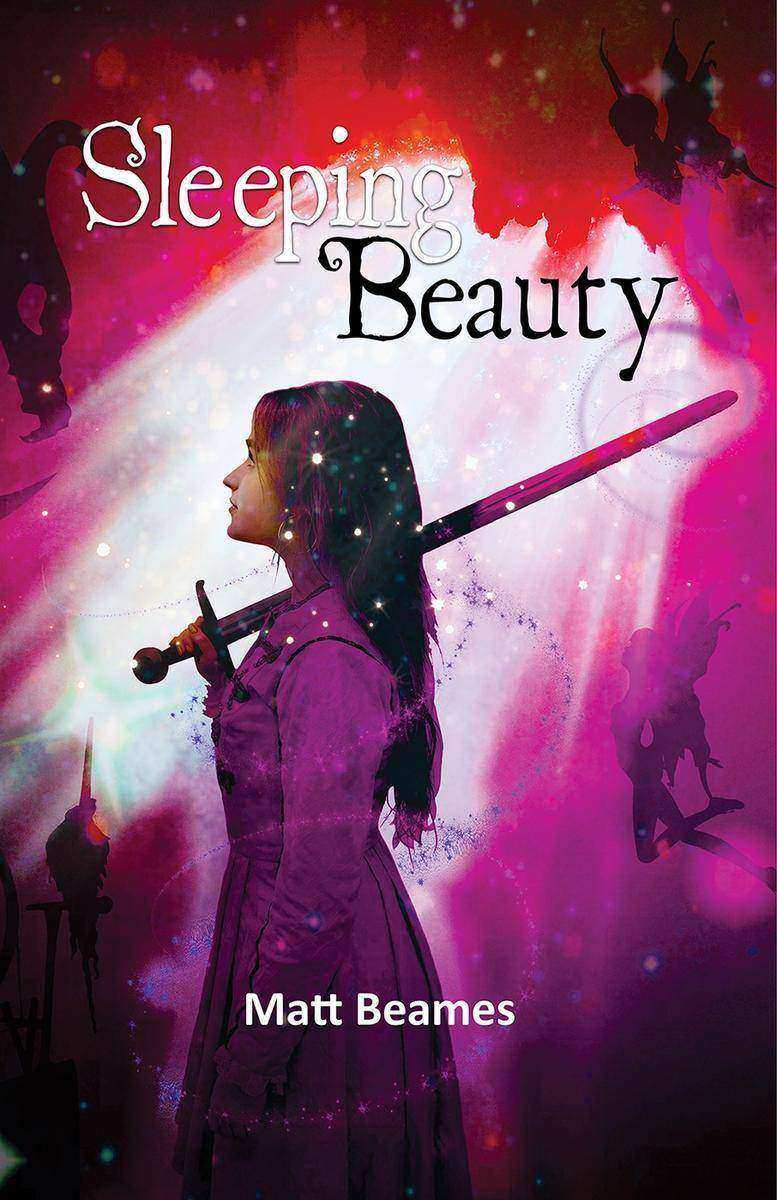
Sleeping Beauty
¥38.62
The world spins and the cycle of seasons turns as the Guardians of the Year gather to tell each other stories. As a new Winter begins it is time to tell another tale… A kingdom is in peril, its people driven to flee their homes as a dark forest covers the land. The King and Queen are missing and Prince Roland, only heir to the kingdom, lies sleeping, cursed never to awaken… All seems lost, and it falls to one young woman with a strong heart, aided by strange companions, to find her way to the castle at the heart of the enchanted forest. Once there, it will take a genuine act of love to break the curse and free the kingdom. A story about friendship, drawing on myth and folklore, Sleeping Beauty is an exciting and enchanting new adaptation of the well-loved story.
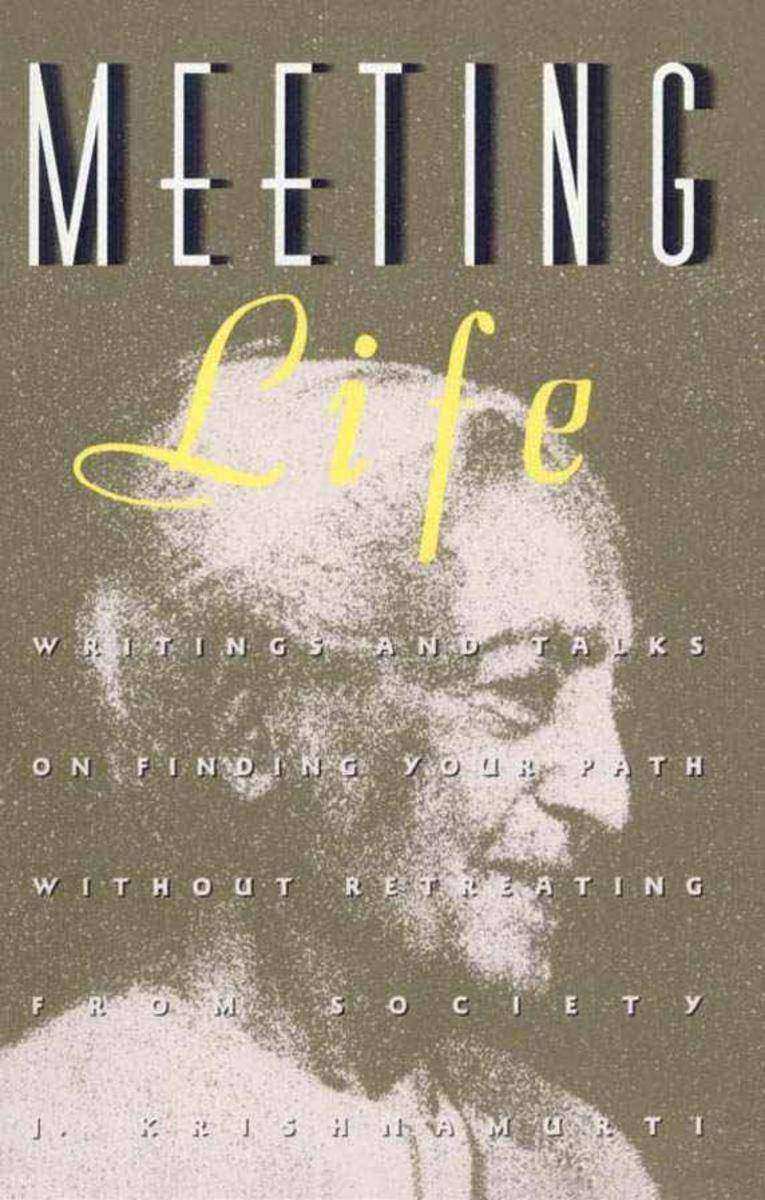
Meeting Life: Writings and Talks on Finding Your Path Without Retreating from So
¥73.49
In this fascinating collection culled from teachings never before brought together in book form, Krishnamurti offers wise reflections and fresh perceptions on love, politics, society, death, self-censorship, relationships, solitude, meditation, spiritual growth, and much more. Thought provocative meditations and in-depth answers, Krishnamurti answers such timeless questions as: What is meditation? What are love and loneliness? What should our relationship to authority really be? Meeting Life also features a number of Krishnamurti’s talks, delivered in Switzerland, India, England, and California. Here is the profound wisdom of a beloved teacher who moved millions with his words. This thought-provoking and inspirational volume will provide strength and encouragement to anyone searching for insight.
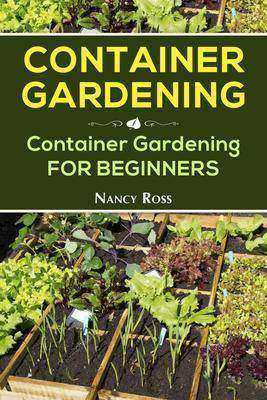
Container Gardening:Container Gardening for Beginners
¥38.62
WANT TO LEARN THE INS AND OUTS OF CONTAINER GARDENING? Here Is A Preview Of What You'll Learn... ? Getting the Containers for Your Garden ? Creating a Good Environment for the Container Plants ? Choosing the Right Time to Plant ? The Best Plants to Grow in Your Container Garden ? Tips for Helping Your Plants to Thrive ? Much, Much, More! Here Is A Preview Of Some Of The Vegetables You'll Learn To Grow... ? Lettuce ? Onions ? Tomatoes ? Carrots ? Radishes ? Cucumbers ? Beans ? Beets ? Cole Crops ? Eggplant ? Peppers ? Much, Much, More!
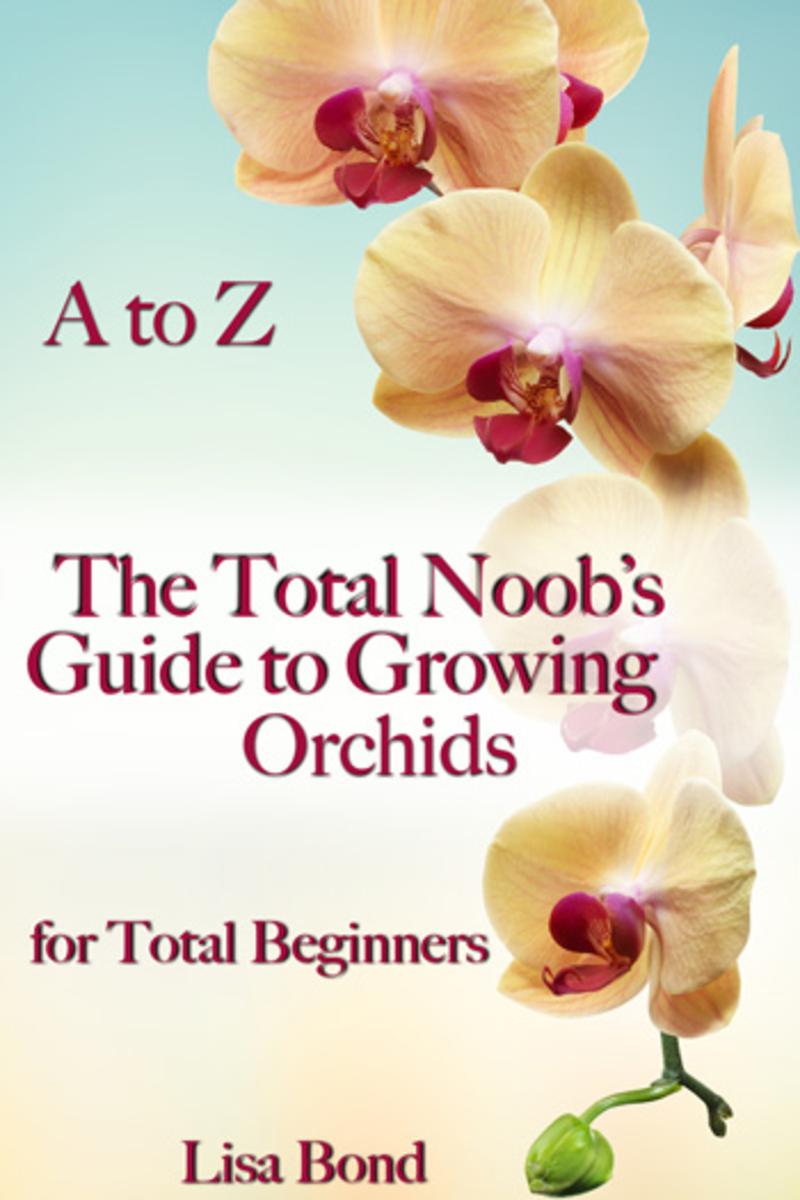
A to Z The Total Noob's Guide to Growing Orchids for Total Beginners
¥32.62
You Can Grow Your Own Orchids, Yes You Can! You're probably already thinking to yourself If I have to read a book to grow a flower in a pot, why should I bother?! Yeah, I know –but to be honest, there are a lot of excellent things that come with being able to master at least growing one successful pot of orchids. For one thing, they're gorgeous! Who wouldn't want to say, "Yeah, I grew those…"? Damn right you would! Being a badass indoor gardener is one thing, but tackling tropical plants like orchids is a feat unto itself. It's an artform. Think about it for a second. Most of us do not live in the climate conducive to these beauties just thriving on their own in the wild. Anyone who already actively grows and nurtures any species of orchid knows that you've got to climate control that environment like you wouldn't believe. It's not just about that, but you also must watch other factors too. It's an extremely rewarding yet very challenging experience. In addition, there are so many different species of orchid out there that you can safely assume that each plant you grow is going to be unique to itself. You can get some that you know will definitely be the same color, size or general shape, but we all know that there are so many things unique to each plant. How many flower spikes you end up with after the first blooms dissipate, how many leaves you have, how tall it grows and so many other things are all going to be different. The cool thing is that with the right know-how, you can nurture one potted orchid for years before you have to kiss it goodbye. In fact, you might keep them growing for almost a decade without even realizing it if you can take care them properly. It will also bolster your confidence when it comes to indoor gardening. You might have never planted anything outside, but you can throw these puppies in a pot and watch them go for forever if you follow a few key pointers and stay on top of their care. You just need to lovingly embrace the hobby and be patient with the process. Heck, you could have a whole atrium or sunroom full of tropical flowers by the time you're finished fooling around with different kinds –and there are a lot of them! Just imagine the possibilities… In this book, you're going to learn all about how to start off on the right foot with one of the cantankerous ones: orchids. So get out your gloves, grab a bag of potting mix, start jotting down supplies on a notepad, and get growing!
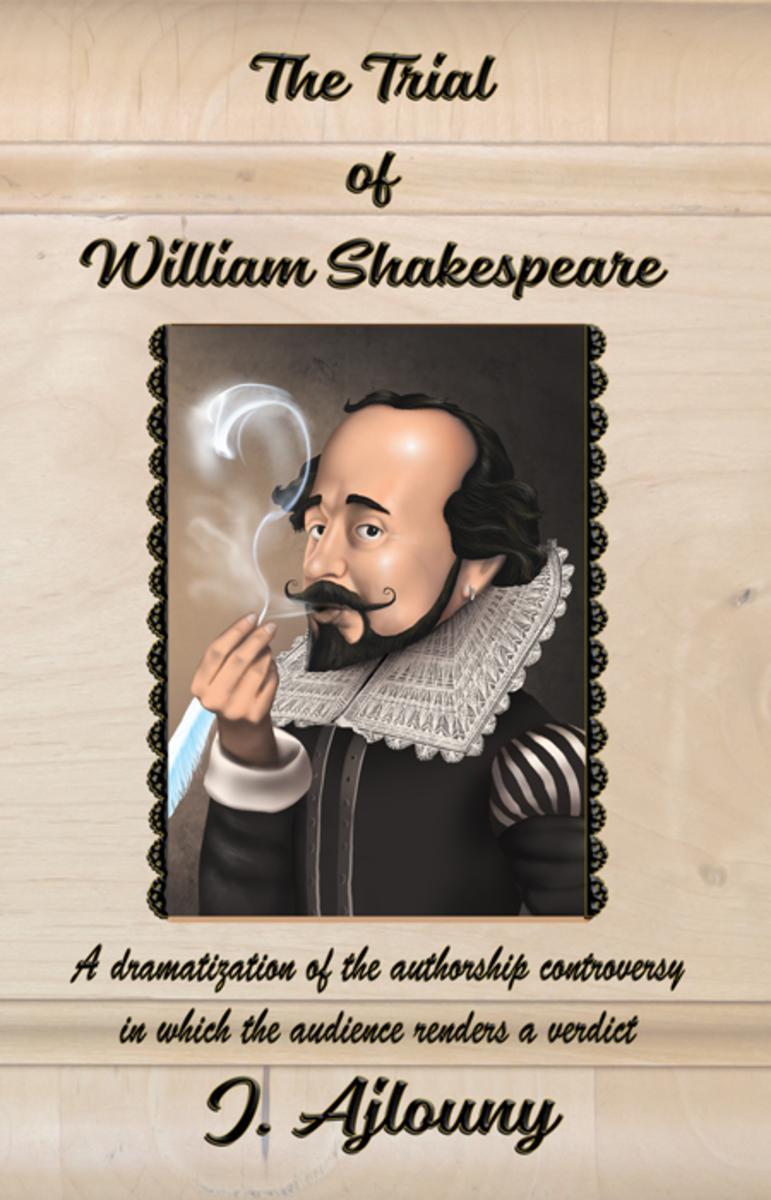
The Trial of William Shakespeare
¥24.44
Few men have endured the indignity of having their very existence challenged as thoroughly as William Shakespeare, late of Stratford-upon-Avon. From scholars to amateur enthusiasts, many cannot bring themselves to believe he wrote his own body of work. Playwright J. Ajlouny presents the arguments for and against, all statements and proofs drawn from the historical record. Everybody must decide for himself, but The Trial of William Shakespeare makes the controversy both intriguing and fun.
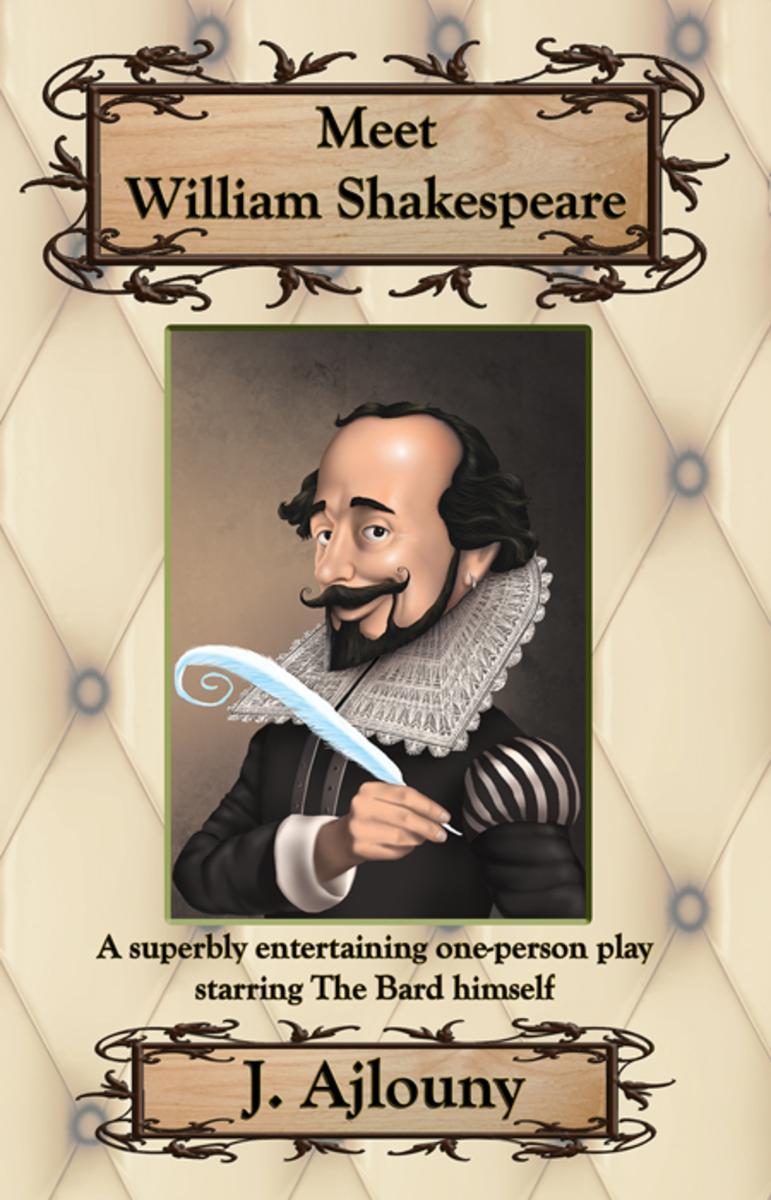
Meet William Shakespeare: A superbly entertaining one-person play starring The B
¥24.44
Much has been explored about Shakespeare and his life, but little is known about how this small-town boy with a grammar-school education came to pen masterworks like Hamlet and King Lear. In Meet William Shakespeare, playwright J. Ajlouny creates authentic and plausible explanations that answer centuries-old questions about the man and his work. The result is an educational and fun portrait of Shakespeare, as told by The Bard himself.

The Curious Lives of Shakespeare & Cervantes
¥24.44
It is the 400th anniversary of the deaths of two of the world’s most famous authors: William Shakespeare and Miguel de Cervantes. This comic romp charts the influences of these literary giants on the modern world and contrasts the vastly different fortunes of two contemporaries whose countries – England and Spain – went from alliance to enmity in a short space of time.

Durban Dialogues, Then and Now
¥38.62
With a foreword by director Ralph Lawson and introduction by Pranav Joshipura, Associate Professor of English, Mahila College, Gandhinagar, India. A follow-up anthology of three hard-hitting plays to Singh’s successful drama anthology Durban Dialogues, Indian Voice (2013) which is now studied internationally. The plays selected, namely Into the Grey, Shooting and Swing cover topics such as social activism, the death of a friend and discrimination in sport. Described through Singh’s satirical lens, these thought-provoking plays bring us up to date with the challenges of life in post-Apartheid South Africa. They focus particularly on people of Indian origin and their relationships with other South African communities and chart the loss of ideals in the dream of the Rainbow nation. Into the Grey: A harrowing drama depicting the twenty-nine year association between two Durban activists who battle a variety of challenges as their country stumbles towards a bleak future. Shooting: A one-man play about the unchanging paradigm in Durban’s small town communities in the early years of democracy as a football prodigy’s dream is brutally shattered. Swing: A two-hander about the relationship between a mixed-race Durban tennis player and her father/coach as they confront many obstacles in a society which undervalues the girl-child.
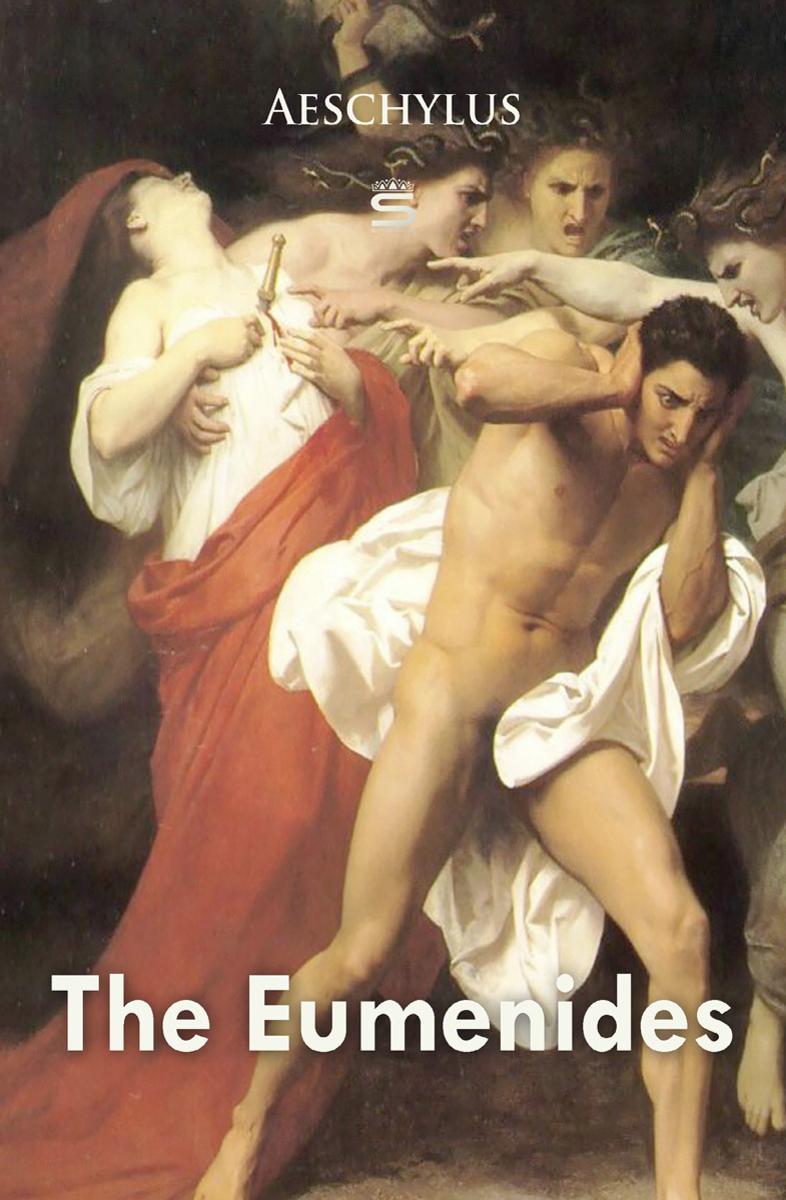
The Eumenides
¥40.79
Orestes, Apollo, and the Erinyes go before Athena and eleven other judges chosen by her from the Athenian citizenry at the Areopagus (Rock of Ares, a flat rocky hill by the Athenian agora where the homicide court of Athens later held its sessions), to decide whether Orestes's killing of his mother, Clytemnestra, makes him guilty of the crime of murder.
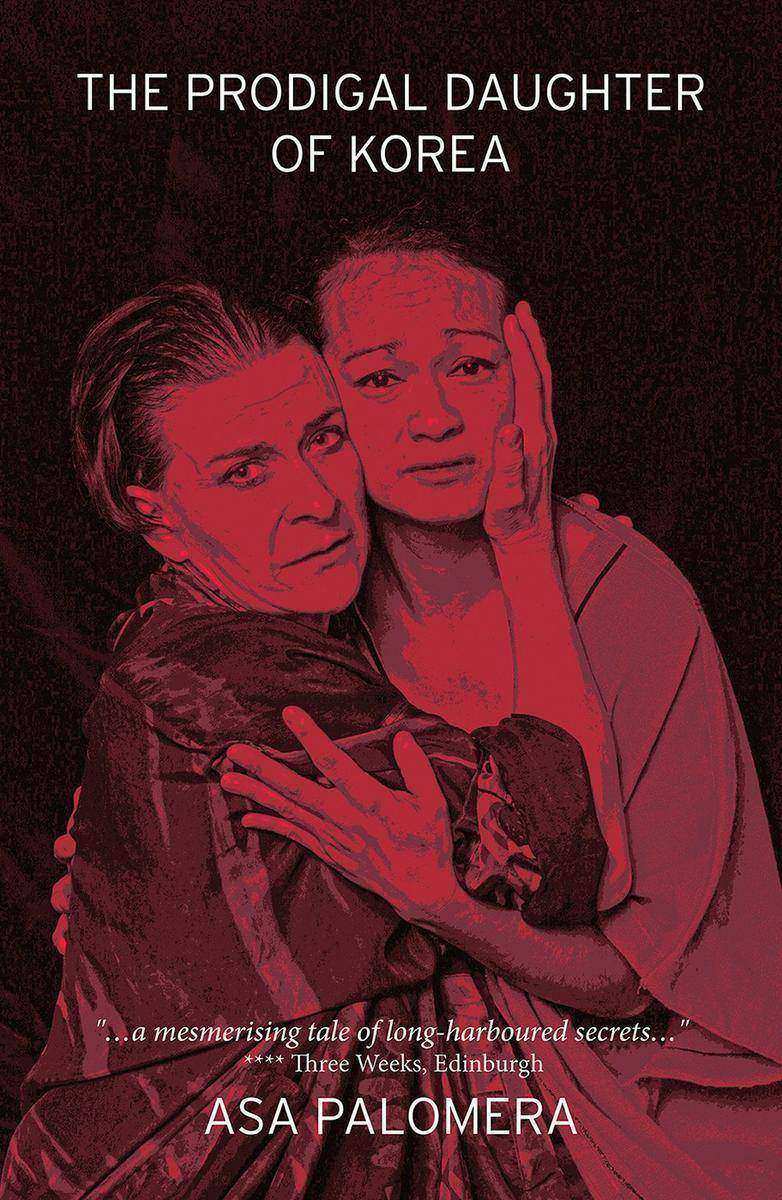
The Prodigal Daughter of Korea
¥38.62
When Mina’s father dies, she returns to Korea to visit a family she barely knows, desperately looking for some answers. But her mother is reluctant to discuss the past, especially the war, or the reasons that Mina was sent so far away as a child, to America. Her younger sister seems unable to grow up and it doesn’t help that their nosy neighbour is always on their doorstep. Secrets and lies divide them all irrevocably. When the truth is finally revealed, it is both shocking and redemptive, allowing Mina and those around her to see themselves anew and break free from years of pain and guilt.
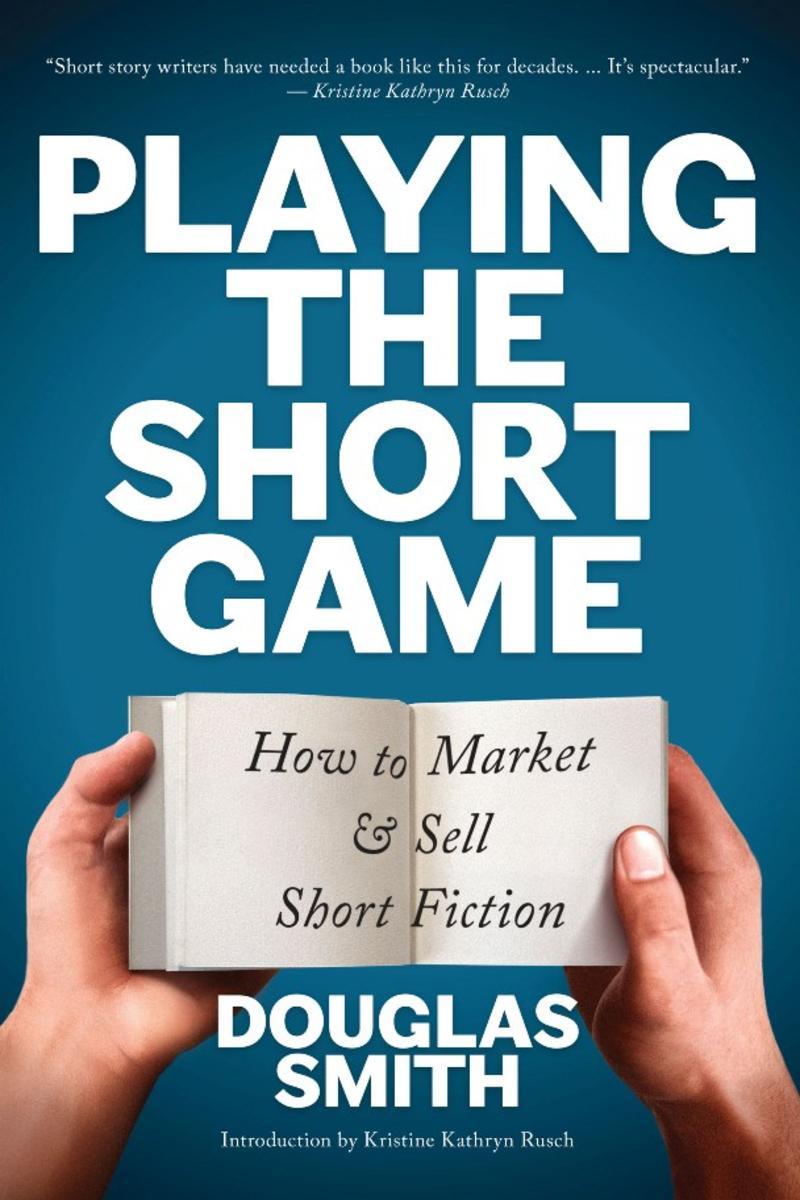
Playing the Short Game: How to Market and Sell Short Fiction
¥40.79
Take your first step to becoming a professional short fiction writer—Buy this book! In an engaging and conversational style, award-winning author Douglas Smith teaches you how to market and sell short stories—and much, much more. Even experienced writers will find value here as Smith takes you from your first sale to using your stories to build a writing career. CONTENTS: The Fundamentals: The different types of writers. The benefits of short fiction. Rights and licensing. Selling Your Stories: Knowing when it's ready. Choosing markets. Submitting stories. Avoiding mistakes. How editors select stories. Dealing with rejections. When to give up on a story. After a Sale: Contracts. Working with editors. What your first sale means. Dealing with reviews. A Writer's Magic Bakery: Selling reprints. Foreign markets. Audio markets. Selling a collection. The indie option. Becoming Established: Leveraging your stories. Discoverability and promotion. Career progression in short fiction. With an introduction by multi-award winning writer and editor, Kristine Kathryn Rusch. "We short story writers have needed a book like this for decades. ... It’s spectacular." —Kristine Kathryn Rusch, Award-winning Author & Editor “If you are the least bit interested in having a career as a fiction writer then I can tell you what to read: Douglas Smith’s Playing the Short Game: How to Market & Sell Short Fiction. From now on this is my go-to book for all things related to starting and maintaining my fiction writing career.” —Filip Wiltgren, The Guide to a Professional Writing Career
Niciodat? ?nduplecate. Al doilea volum al trilogiei Min?i primejdioase
¥106.19
Fascinant – cea mai bun lucrare de istorie militar din ultimii ani i o analiz edificatoare a disputelor care continu s mocneasc amenintor i azi. O carte extraordinar sub toate aspectele." – The New York Times O relatare palpitant i revelatoare a uneia dintre cele mai zbuciumate i legendare perioade din istoria secolului al XX-lea – Revolta Arab i marele joc" secret de a controla Orientul Mijlociu. CARTE INCLUS PE LISTA CELOR MAI BUNE TITLURI ALE ANULUI DE New York Times Christian Science Monitor NPR Seattle Times St. Louis Dispatch Chicago Tribune American Library Association Bazat pe cercetri extinse i intense, munc asidu n arhive, Lawrence n Arabia aduce o nou perspectiv asupra modului n care s-a configurat lumea Orientului Mijlociu. Cu o aciune de proporii epice, portretizri expresive, accente critice n condamnarea distrugerilor provocate de comploturile coloniale europene, volumul surprinde strlucit felul n care nesbuina trecutului declaneaz suferina prezentului. Printre numeroasele istorii individuale din Primul Rzboi Mondial care vor fi povestite i repovestite n cadrul centenarelor commemorate ntre 2014 i 2018, cea a lui T.E. Lawrence iese n eviden… Cartea lui Anderson nu putea fi mai oportun. Acum, cnd atenia ntregii lumi se concentreaz asupra Siriei i Egiptului, este uluitor s priveti n urm cu o sut de ani i s vezi un tablou asemntor…. Apelnd la o distribuie bogat, Anderson reuete s exploreze haosul din Orientul Mijlociu de la nceputul secolului al XX-lea dintr-o varietate de perspective distincte i revelatoare totodat. O mrturie captivant, de o mare complexitate i profunzime. – The New York Times Book Review Vast, hipnotic i – s ndrznim s o spunem – cinematografic n detaliu, Lawrence n Arabia ilustreaz modul n care biografia i istoria se poteneaz reciproc. – The Wall Street Journal Absorbii de mcelul ce avea loc n traneele Europei n Primul Rzboi Mondial, combatanii occidentali acordau prea puin importan teatrului de lupt din Orientul Mijlociu. Ca urmare, conflictul de aici a fost influenat surprinztor de mult de o mn de aventurieri i ofieri de rang mrunt aflai departe de marile coridoare ale puterii: Curt Prüfer – universitar tern, ataat pe lng Ambasada German din Cairo, Aaron Aaronsohn – renumit agronom provenit din Romnia i sionist nflcrat. William Yale – descendent scptat al unei familii aristocratice americane. n centrul acestui cerc se afla Lawrence – la nceputul lui 1914, doar un arheolog care lucre la spturi prin deerturile Siriei. n 1917 ajunsese deja cea mai romantic figur din Primul Rzboi Mondial, luptndu-se att cu inamicii Marii Britanii, ct i cu propriul guvern pentru a-i transforma n realitate viziunea sa asupra destinului poporului arab. Drumurile ncruciate ale acestor patru personaje – intrigile pe care le-au pus la cale, btliile pe care le-au purtat, trdrile pe care le-au suferit sau le-au uneltit ei nii – oglindesc grandoarea, complexitatea i tragedia rzboiului din deert.

The Prince (Hackett Classics)
¥8.82
Il Principe (The Prince) is a political treatise by the Florentine public servant and political theorist Niccolò Machiavelli. Originally called De Principatibus (About Principalities), it was written in 1513, but not published until 1532, five years after Machiavelli's death. The treatise is not representative of the work published during his lifetime, but it is the most remembered, and the work responsible for bringing "Machiavellian" into wide usage as a pejorative term. It has also been suggested by some critics that the piece is, in fact, a satire.

On Liberty
¥8.82
On Liberty is a philosophical work by 19th century English philosopher John Stuart Mill, first published in 1859. To the Victorian readers of the time it was a radical work, advocating moral and economic freedom of individuals from the state.
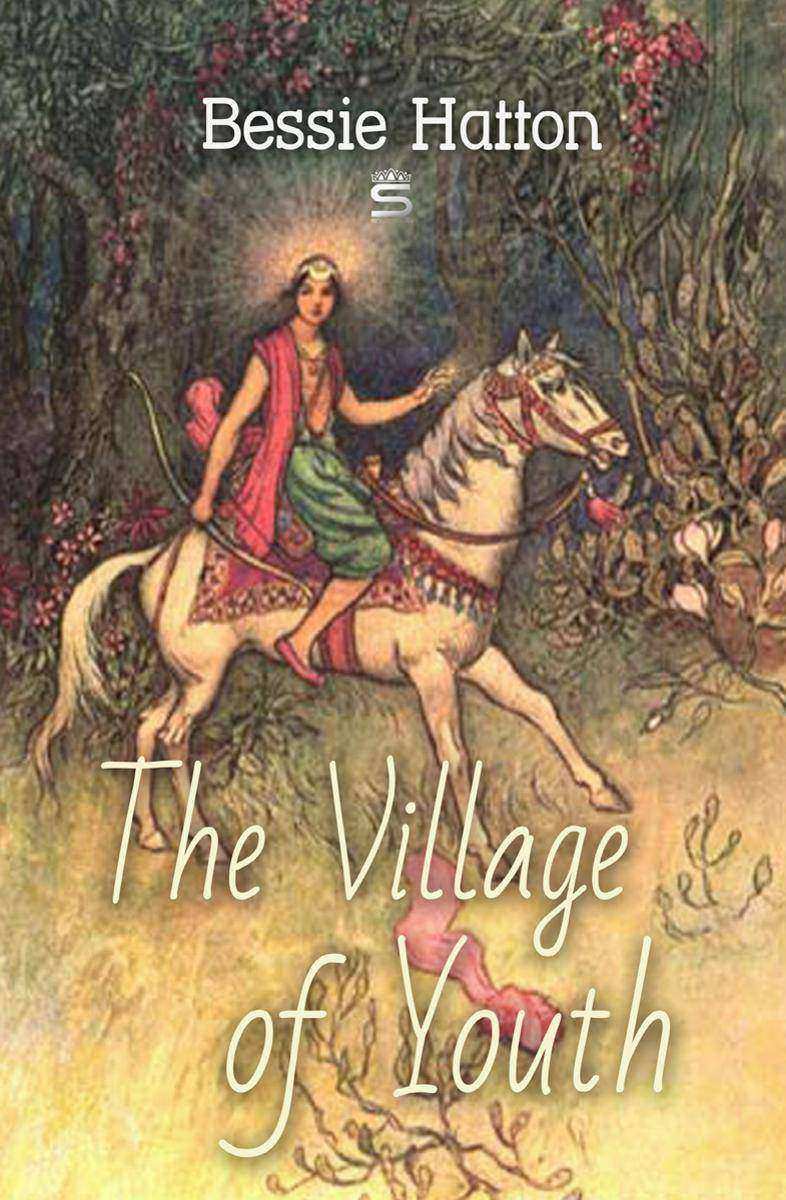
The Village of Youth
¥40.79
There was a young King who ought to have been the happiest monarch in the world. He was blessed with everything a mortal could desire. His palace might have been designed by the Divine architect Himself, so perfect was it in all its parts; and it stood amidst gardens with its dependent village at its gates, like a dream of feudal beauty in a story of romance. Notwithstanding his good fortune, the King was oppressed with what he conceived to be a great trouble.
The Complete William Shakespeare Collection (Illustrated)
¥17.57
The present ebook comprises the complete writings of William Shakespeare (37 plays, 160 sonnets, 5 poetry books). It comes with 150 original illustrations which are the engravings John Boydell commissioned for his Boydell Shakespeare Gallery.------------Contents:COMEDIES:The Comedy of ErrorsThe Taming of the ShrewThe Two Gentlemen of VeronaLove’s Labor’s LostA Midsummer Night’s DreamThe Merchant of VeniceThe Merry Wives of WindsorMuch Ado about NothingAs You Like ItTwelfth Night, or What You WillThe History of Troilus and CressidaAll’s Well That Ends WellMeasure for MeasureHISTORIES:The First Part of Henry the SixthThe Second Part of Henry the SixthThe Third Part of Henry the SixthThe Tragedy of Richard the ThirdThe Life and Death of King JohnThe Tragedy of King Richard the SecondThe First Part of Henry the FourthThe Second Part of Henry the FourthThe Life of Henry the FifthThe Famous History of the Life of King Henry the EighthTRAGEDIES:The Tragedy of Titus AndronicusThe Tragedy of Romeo and JulietThe Tragedy of Julius CaesarThe Tragedy of Hamlet, Prince of DenmarkThe Tragedy of Othello, the Moor of VeniceThe Tragedy of King LearThe Tragedy of MacbethThe Tragedy of Antony and CleopatraThe Tragedy of CoriolanusThe Life of Timon of AthensROMANCES:Pericles, Prince of TyreCymbelineThe Winter’s TaleThe TempestThe Two Noble KinsmenPOEMS:Venus and AdonisThe Rape of LucreceSonnetsA Lover’s ComplaintThe Passionate PilgrimThe Phoenix and Turtle
Nero
¥27.88
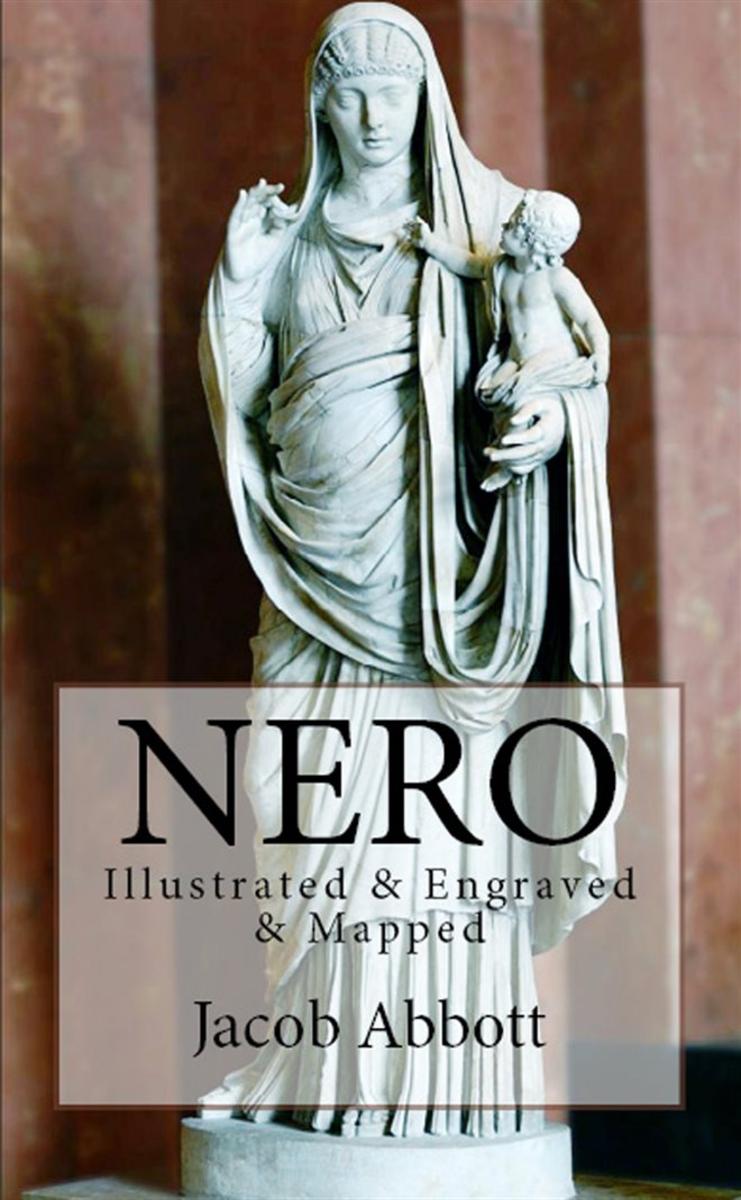
IN ancient times, when the city of Rome was at the height of its power and splendor, it was the custom, as it is in fact now with the inhabitants of wealthy capitals, for the principal families to possess, in addition to their city residences, rural villas for summer retreats, which they built in picturesque situations, at a little distance from the city, sometimes in the interior of the country, and sometimes upon the seashore. There were many attractive places of resort of this nature in the neighborhood of Rome. Among them was Antium.??The beauty and the salubrity of Antium made it a very attractive place of summer resort for the people of Rome; and in process of time, when the city attained to an advanced stage of opulence and luxury, the Roman noblemen built villas there, choosing situations, in some instances, upon the natural terraces and esplanades of the promontory, which looked off over the sea, and in others cool and secluded retreats in the valleys, on the land. It was in one of these villas that NERO was born.??NERO's father belonged to a family which had enjoyed for several generations a considerable degree of distinction among the Roman nobility, though known by a somewhat whimsical name. The family name was Brazenbeard, or, to speak more exactly, it was Aheno-barbus, which is the Latin equivalent for that word. ?
A Story of the Golden Age of Greek Heroes: Pictured & Illustrated
¥28.29
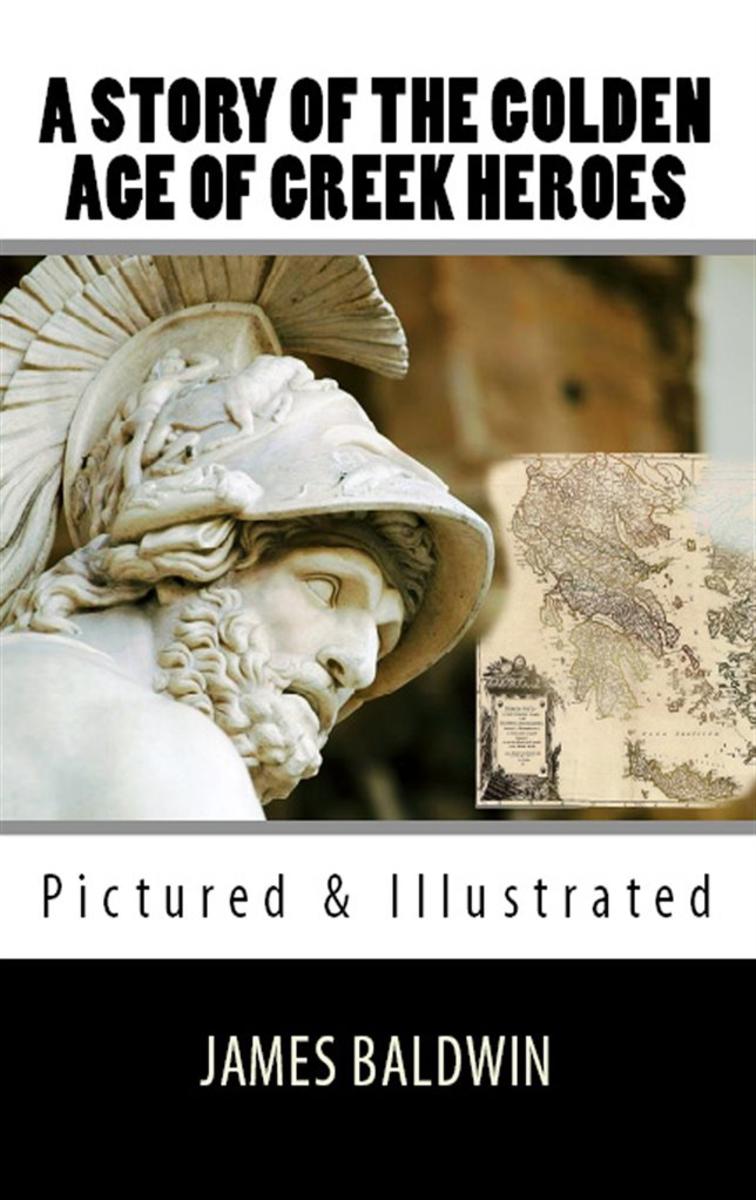
YOU have heard of Homer, and of the two wonderful poems, the Iliad and the Odyssey, which bear his name. No one knows whether these poems were composed by Homer, or whether they are the work of many different poets. And, in fact, it matters very little about their authorship. Everybody agrees that they are the grandest poems ever sung or written or read in this world; and yet, how few persons, comparatively, have read them, or know any thing about them except at second-hand! ? Homer commences his story, not at the beginning, but "in the midst of things;" hence, when one starts out to read the Iliad without having made some special preparation beforehand, he finds it hard to understand, and is tempted, in despair, to stop at the end of the first book. Many people are, therefore, content to admire the great masterpiece of poetry and story-telling simply because others admire it, and not because they have any personal acquaintance with it.? Now, it is not my purpose to give you a "simplified version" of the Iliad or the Odyssey. There are already many such versions; but the best way for you, or any one else, to read Homer, is to read Homer. If you do not understand Greek, you can read him in one of the many English translations. You will find much of the spirit of the original in the translations by Bryant, by Lord Derby, and by old George Chapman, as well as in the admirable prose rendering by Butcher and Lang; but you can get none of it in any so-called simplified version.??My object in writing this "Story of the Golden Age" has been to pave the way, if I dare say it, to an enjoyable reading of Homer, either in translations or in the original. I have ta-ken the various legends relating to the causes of the Trojan war, and, by assuming certain privileges never yet denied to story-tellers, have woven all into one continuous narrative, ending where Homer's story begins. The hero of the Odyssey—a character not always to be admired or commended—is my hero. And, in telling the story of his boyhood and youth, I have taken the opportunity to repeat, for your enjoyment, some of the most beautiful of the old Greek myths. If I have, now and then, given them a coloring slightly different from the original, you will remember that such is the right of the story-teller, the poet, and the artist. The essential features of the stories remain unchanged. I have, all along, drawn freely from the old tragedians, and now and then from Homer himself; nor have I thought it necessary in every instance to mention authorities, or to apologize for an occasional close imitation of some of the best translations. The pictures of old Greek life have, in the main, been derived from the Iliad and the Odyssey, and will, I hope, help you to a better understanding of those poems when you come to make acquaintance directly with them.??Should you become interested in the "Story of the Golden Age," as it is here related, do not be disappointed by its somewhat abrupt ending; for you will find it continued by the master-poet of all ages, in a manner both inimitable and unapproachable. If you are pleased with the discourse of the porter at the gate, how much greater shall be your delight when you stand in the palace of the king, and hearken to the song of the royal minstrel! ?
America First: —100 Stories from Our History—
¥23.54
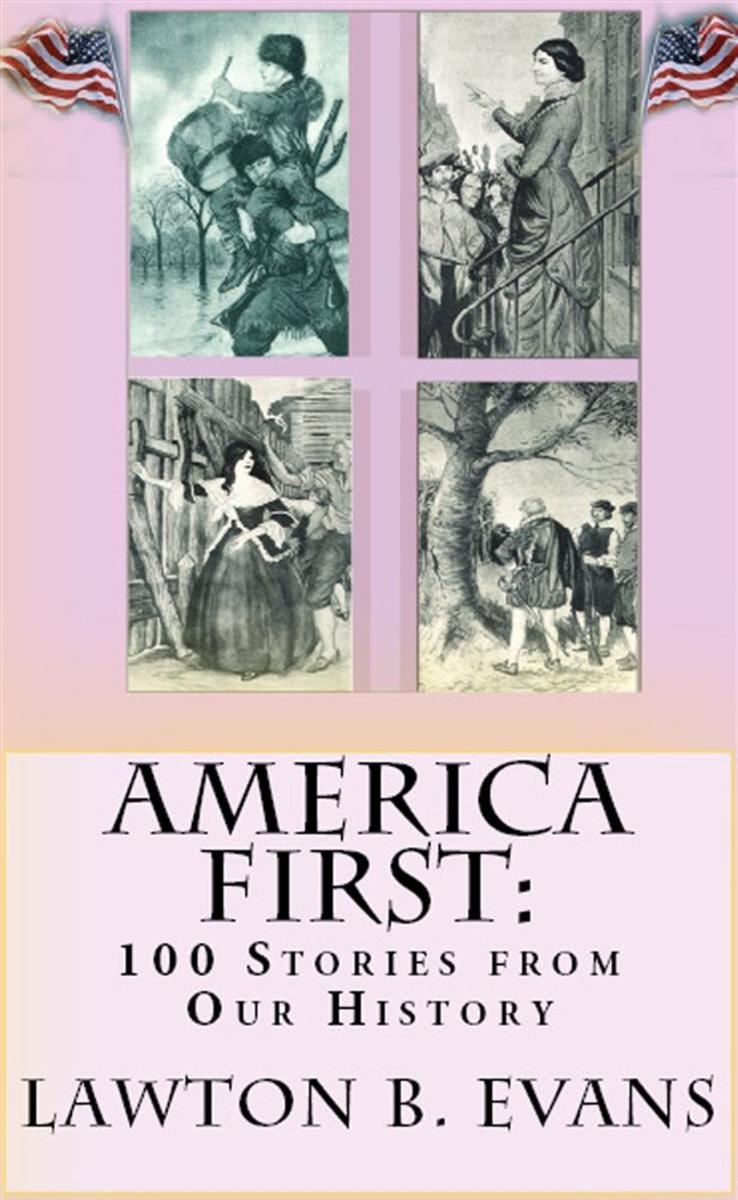
WHEN children advance beyond the nursery age, no story is so wonderful as a true story. Fiction to them is never as appealing as fact. I have often been faced with the inquiry: whether or not a story is a true one. The look of gratification, when told that "it actually happened," was most satisfying to me as a story-teller.??The nearer a story is to the life and traditions of the child, the more eagerly it is attended. True stories about our own people, about our neighbors and friends, and about our own country at large, are more interesting than true stories of remote places and people. We naturally are interested in our own affairs, and the nearer they are to us the greater the interest we feel.??That history is just a long, thrilling story of the trials and triumphs of pioneers and patriots is well known to those who have had to do with the teaching of history to youthful minds. That the dry recital of political and governmental history does not interest children is also well known. History should be made vital, vibrant, and personal if we expect children to be stirred by its study.?To gratify the love of children for the dramatic and picturesque, to satisfy them with stories that are true, and to make them familiar with the great characters in the history of their own country, is the purpose of this volume.??It is hoped that through appeal to youthful love of adventure, this collection of stories, covering the entire range of American history, will stimulate the ambition and strengthen the patriotism of those young citizens whose education has been the constant concern of the author for many years.
Makinelerin Evrimi: 4. Sanayi Devrimi
¥37.11
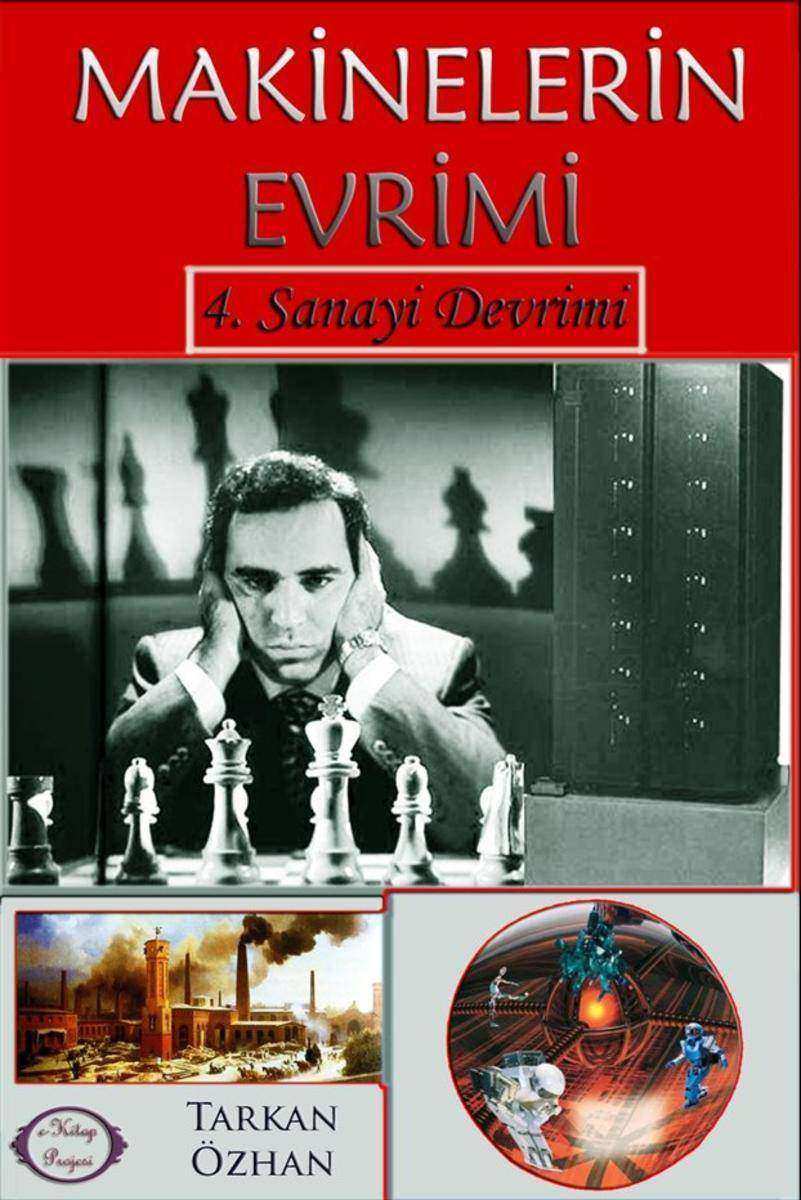
Endu?stri 4.0 d?nemi ile fabrikadaki u?retim ekipmanlar? birbirleriyle konu?up anla?acak ve gelecekte insans?z fabrikalar yayg?nla?acak. ?? kazalar? azalacak ve teknolojik verimlilik sa?lanacak. Yeni endu?stri devrimi hem enerji tasarrufu sa?layacak hem de maliyetleri du??u?recek. Alman Hu?ku?metinin u?retim su?re?lerini bilgisayarla?ma y?nu?nde te?vik etme ve yu?ksek teknolojiyle donatmas? projesi olarak kabul edilen Endu?stri 4.0, ayn? zamanda d?rdu?ncu? sanayi devrimi anlam?na geliyor. Endu?stri 4.0 ile tu?m yaz?l?m ve networklerde u?ru?n geli?tirme, u?retim ve servis su?re?lerinin ileti?imi, makinalar?n ve u?ru?nlerin ger?ek zamanl? bilgi al??veri?i, otonom kontrol ve optimizasyonu mu?mku?n olacak. 1784’te ortaya ??kan ilk sanayi devriminde, su ve buhar gu?cu?nu?n kullan?m?yla u?retim yap?lmas? hakim iken, 1870’lerde elektrik enerjisinin kullan?m?, ikinci sanayi devriminin de kap?lar?n? a?t?. Dijital devrim olarak da adland?r?labilecek u??u?ncu? sanayi devrimi ise, 1969’da elektronik ve bili?im teknolojilerinin kullan?m? ile ortaya ??kt?. 2013 y?l?na geldi?imizde ise internet uygulamalar?, yatay-dikey entegrasyonlu ve ger?ek zamanl? yeni de?er zincirleri, siber-fiziksel sistemler ve ak?ll? fabrikalar hayatlar?m?zdaki varl???n? gu??lendirdi. Yazar Hakk?nda [Tarkan ?zhan, 1969-] ???REN?M DURUMU: Trakya üniversitesi B?lüm: Fen Fakultesi Kimyager MESLE??: Borsac?, Trader, Portfoy Y?netimi Aktif ?al??ma süresi; 25 y?l
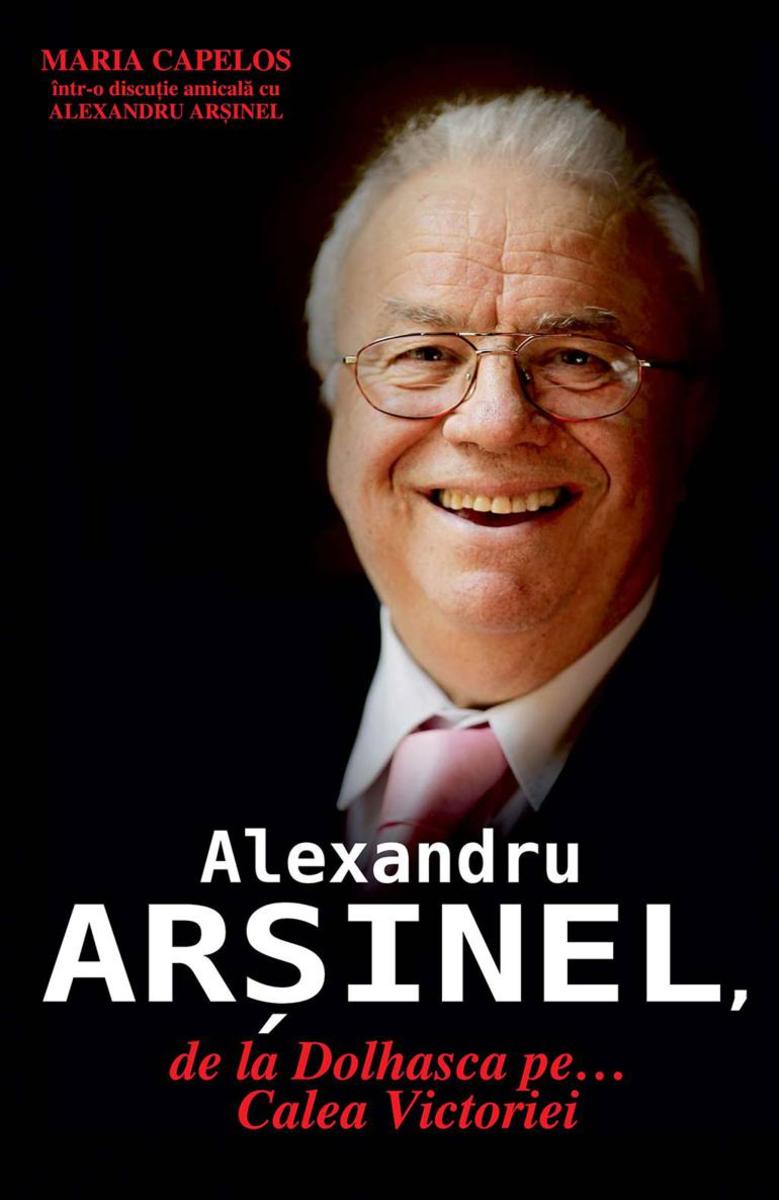
Alexandru Ar?inel, de la Dolhasca pe... Calea Victoriei
¥65.32
Volumul Dic?iunea ideilor, apar?in?nd profesorului Mircea Martin de la Facultateade Litere a Universit??ii Bucure?ti, este o contribu?ie valoroas? ?i original? la analiza unui raport extrem de important ?n teoriile socio-umane ale cunoa?terii, anume raportul dintre natural, artificial ?i autentic, aplicat asupra discursului metaliterar. Cartea se constituie ca o ?nsumare de analize a acestui raport ?n opera unor teoreticieni ai fenomenului literar rom?ni ?i str?ini: Tudor Vianu, G. C?linescu, B. Fondane, Matei C?linescu, Marcel Raymond, Roland Barthes, Carlos Bouso?o, Jaap Linnvelt. Departe de a fi o simpl? ?nsumare de analize aplicate, cartea este de fapt o critic? aconceptelor folosite deopotriv? de cercetarea antropologic?, cea estetic? ?i cea pur literar? ?i o contribu?ie esen?ial? la un proces de inserare ?nmodernitate a culturii rom?ne. Contribu?iile teoreticienilor rom?ni sunt v?zute ?n raportul lor de originalitate-sincronicitate cu cele ale cercet?torilor str?ini, ?nscriindu-se ?ntr-un proces de organicitate care implic? categorii culturale largi.


