


 购物车
购物车 个人中心
个人中心
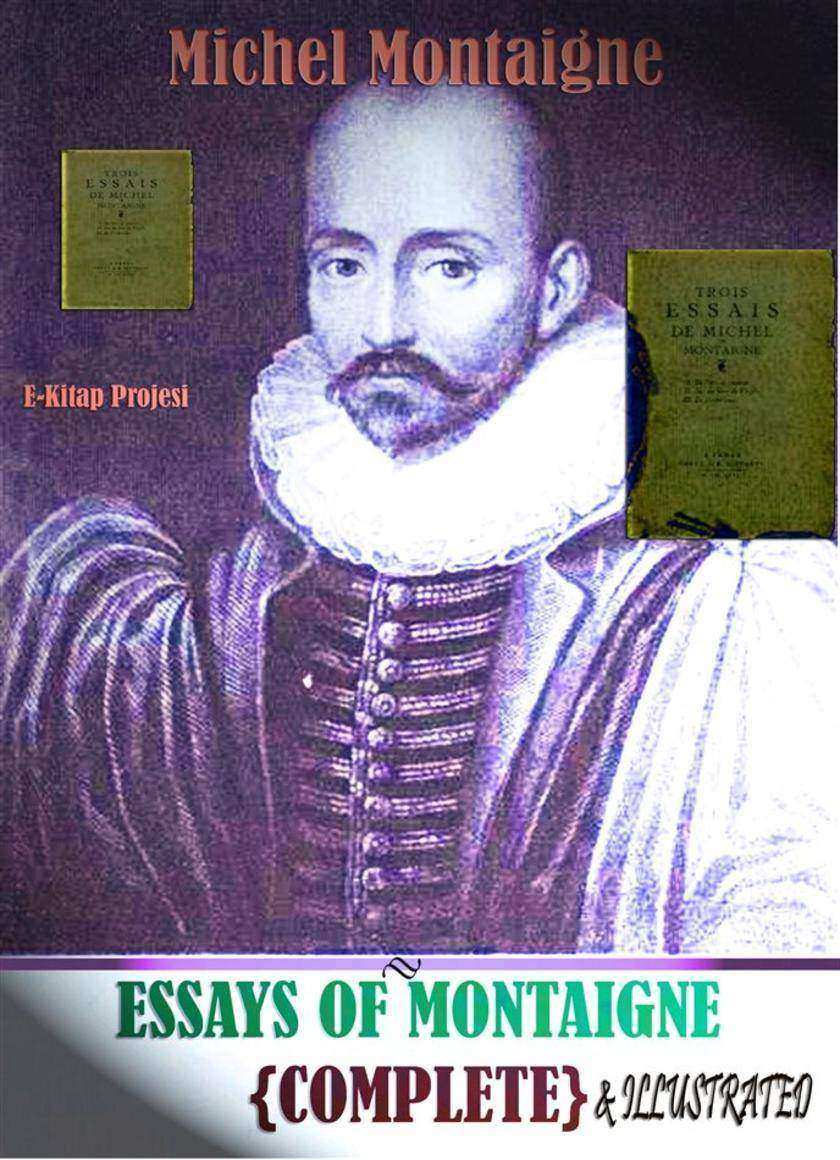
Essays of Montaigne: {Complete & Illustrated}
¥37.36
The Odyssey (Greek:Odysseia) is one of two major ancient Greek epic poems attributed to Homer. It is, in part, a sequel to the Iliad, the other work ascribed to Homer. The poem is fundamental to the modern Western canon, and is the second oldest extant work of Western literature, the Iliad being the oldest. It is believed to have been composed near the end of the 8th century BC, somewhere in Ionia, the Greek coastal region of Anatolia. The poem mainly centers on the Greek hero Odysseus (known as Ulysses in Roman myths) and his journey home after the fall of Troy. It takes Odysseus ten years to reach Ithaca after the ten-year Trojan War. In his absence, it is assumed he has died, and his wife Penelope and son Telemachus must deal with a group of unruly suitors, the Mnesteres or Proci, who compete for Penelope's hand in marriage. It continues to be read in the Homeric Greek and translated into modern languages around the world. Many scholars believe that the original poem was composed in an oral tradition by an aoidos (epic poet/singer), perhaps a rhapsode (professional performer), and was more likely intended to be heard than read. The details of the ancient oral performance, and the story's conversion to a written work inspire continual debate among scholars. The Odyssey was written in a poetic dialect of Greek—a literary amalgam of Aeolic Greek, Ionic Greek, and other Ancient Greek dialects—and comprises 12,110 lines of dactylic hexameter. Among the most noteworthy elements of the text are its non-linear plot, and the influence on events of choices made by women and serfs, besides the actions of fighting men. In the English language as well as many others, the word odyssey has come to refer to an epic voyage. The Odyssey has a lost sequel, the Telegony, which was not written by Homer. It was usually attributed in Antiquity to Cinaethon of Sparta, but in one source was said to have been stolen from Musaeus by Eugamon or Eugammon of Cyrene (see Cyclic poets). ABOUT AUTHOR: Homeros, In the Western classical tradition, Homer (Ancient Greek: Homeros) is the author of the Iliad and the Odyssey, and is revered as the greatest of ancient Greek epic poets. These epics lie at the beginning of the Western canon of literature, and have had an enormous influence on the history of literature. When he lived is unknown. Herodotus estimates that Homer lived 400 years before his own time, which would place him at around 850 BC, while other ancient sources claim that he lived much nearer to the supposed time of the Trojan War, in the early 12th century BC. Most modern researchers place Homer in the 7th or 8th centuries BC. The formative influence of the Homeric epics in shaping Greek culture was widely recognized, and Homer was described as the teacher of Greece. Homer's works, which are about fifty percent speeches, provided models in persuasive speaking and writing that were emulated throughout the ancient and medieval Greek worlds. Fragments of Homer account for nearly half of all identifiable Greek literary papyrus finds. PeriodFor modern scholars "the date of Homer" refers not to an individual, but to the period when the epics were created. The consensus is that "the Iliad and the Odyssey date from around the 8th century BC, the Iliad being composed before the Odyssey, perhaps by some decades," i.e. earlier than Hesiod, the Iliad being the oldest work of Western literature. Over the past few decades, some scholars have argued for a 7th-century BC date. Oliver Taplin believes that the conclusion of modern researchers is that Homer dates to between 750 to 650 BC. Some of those who argue that the Homeric poems developed gradually over a long period of time give an even later date for the composition of the poems; according to Gregory Nagy for example, they only became fixed texts in the 6th century BC. The question of the historicity of Homer the individual is known as the "Homeric question"; there is no reliable biographical information handed down from classical antiquity. The poems are generally seen as the culmination of many generations of oral story-telling, in a tradition with a well-developed formulaic system of poetic composition. Some scholars, such as Martin West, claim that "Homer" is "not the name of a historical poet, but a fictitious or constructed name."
Falling in Love
¥18.74
Art, with its finite means, cannot hope to record the infinite variety and com-plexity of Nature, and so contents itself with a partial statement, addressing this to the imagination for the full and perfect meaning. This inadequation, and the artificial ad-justments which it involves, are tolerated by right of what is known as artistic convention; and as each art has its own particular limitations, so each has its own particular conventions. Sculpture reproduces the forms of Nature, but discards the color without any shock to our ideas of verity; Painting gives us the color, but not the third dimension, and we are satisfied; and Architecture ispurely conventional, since it does not even aim at the imitation of natural form. The Conventions of Line Drawing,Of the kindred arts which group themselves under the head of Painting, none is based on such broad conventions as that with which we are immediately concerned—the art of Pen Drawing. In this medium, Nature's variety of color, when not positively ignored, is suggested by means of sharp black lines, of varying thickness, placed more or less closely together upon white paper; while natural form depends primarily for its representation upon arbitrary boundary lines. There is, of course, no authority in Na-ture for a positive outline: we see objects only by the difference in color of the other objects behind and around them. The technical capacity of the pen and ink medium, however, does not provide a value corresponding to every natural one, so that a broad interpretation has to be adopted which eliminates the less positive values; and, that form may not likewise be sacrificed, the outline becomes necessary, that light objects may stand relieved against light. This outline is the most characteristic, as it is the most indispensable, of the conventions of line drawing. To seek to abolish it only involves a resort to expedients no less artificial, and the results of all such attempts, dependent as they necessarily are upon elaboration of color, and a general indirectness of method, lack some of the best characteristics of pen drawing. More frequently, however, an elaborate color-scheme is merely a straining at the technical limitations of the pen in an effort to render the greatest possible number of values. It may be worth while to inquire whether excellence in pen drawing consists in thus dispensing with its recognized conventions, or in otherwise taxing the technical re-sources of the instrument. This involves the question of Style,—of what characteristic pen methods are,—a question which we will briefly consider...
Lumi paralele. O c?l?torie prin crea?ie, dimensiuni superioare ?i viitorul cosmo
¥90.84
Sir Peter Paul Rubens ( 28 June 1577 – 30 May 1640), was a Flemish Baroque painter, and a proponent of an extravagant Baroque style that emphasised movement, colour, and sensuality. He is well known for his Counter-Reformation altarpieces, portraits, landscapes, and history paintings of mythological and allegorical subjects.In addition to running a large studio in Antwerp that produced paintings popular with nobility and art collectors throughout Europe.. Early lifeRubens was born in the German city of Siegen, Westphalia to Jan Rubens and Maria Pypelincks. His father, a Calvinist, and mother fled Antwerp for Cologne in 1568, after increased religious turmoil and persecution of Protestants during the rule of the Spanish Netherlands by the Duke of Alba. Jan Rubens became the legal advisor (and lover) of Anna of Saxony, the second wife of William I of Orange, and settled at her court in Siegen in 1570; their daughter Christine was born in 1571. Following Jan Rubens's imprisonment for the affair, Peter Paul Rubens was born in 1577. The family returned to Cologne the next year. In 1589, two years after his father's death, Rubens moved with his mother Maria Pypelincks to Antwerp, where he was raised as a Catholic. Religion figured prominently in much of his work and Rubens later became one of the leading voices of the Catholic Counter-Reformation style of painting (he had said "My passion comes from the heavens, not from earthly musings").In Antwerp, Rubens received a humanist education, studying Latin and classical literature. By fourteen he began his artistic apprenticeship with Tobias Verhaeght. Subsequently, he studied under two of the city's leading painters of the time, the late Mannerist artists Adam van Noort and Otto van Veen. Much of his earliest training involved copying earlier artists' works, such as woodcuts by Hans Holbein the Younger and Marcantonio Raimondi's engravings after Raphael. Rubens completed his education in 1598, at which time he entered the Guild of St. Luke as an independent master. Italy (1600–1608)In 1600, Rubens travelled to Italy. He stopped first in Venice, where he saw paintings by Titian, Veronese, and Tintoretto, before settling in Mantua at the court of Duke Vincenzo I Gonzaga. The coloring and compositions of Veronese and Tintoretto had an immediate effect on Rubens's painting, and his later, mature style was profoundly influenced by Titian. With financial support from the Duke, Rubens travelled to Rome by way of Florence in 1601. Last decade (1630–1640)The Exchange of Princesses, from the Marie de' Medici Cycle. Louvre, ParisRubens's last decade was spent in and around Antwerp. Major works for foreign patrons still occupied him, such as the ceiling paintings for the Banqueting House at Inigo Jones's Palace of Whitehall, but he also explored more personal artistic directions.In 1630, four years after the death of his first wife, the 53-year-old painter married 16-year-old Hélène Fourment. Hélène inspired the voluptuous figures in many of his paintings from the 1630s, including The Feast of Venus (Kunsthistorisches Museum, Vienna), The Three Graces and The Judgment of Paris (both Prado, Madrid). In the latter painting, which was made for the Spanish court, the artist's young wife was recognized by viewers in the figure of Venus. In an intimate portrait of her, Hélène Fourment in a Fur Wrap, also known as Het Pelsken, Rubens's wife is even partially modelled after classical sculptures of the Venus Pudica, such as the Medici Venus. In 1635, Rubens bought an estate outside of Antwerp, the Steen, where he spent much of his time. Landscapes, such as his Ch?teau de Steen with Hunter (National Gallery, London) and Farmers Returning from the Fields (Pitti Gallery, Florence), reflect the more personal nature of many of his later works. He also drew upon the Netherlandish traditions of Pieter Bruegel the Elder for inspiration in later works like Flemish Kermis (c. 1630; Louvre, Paris).
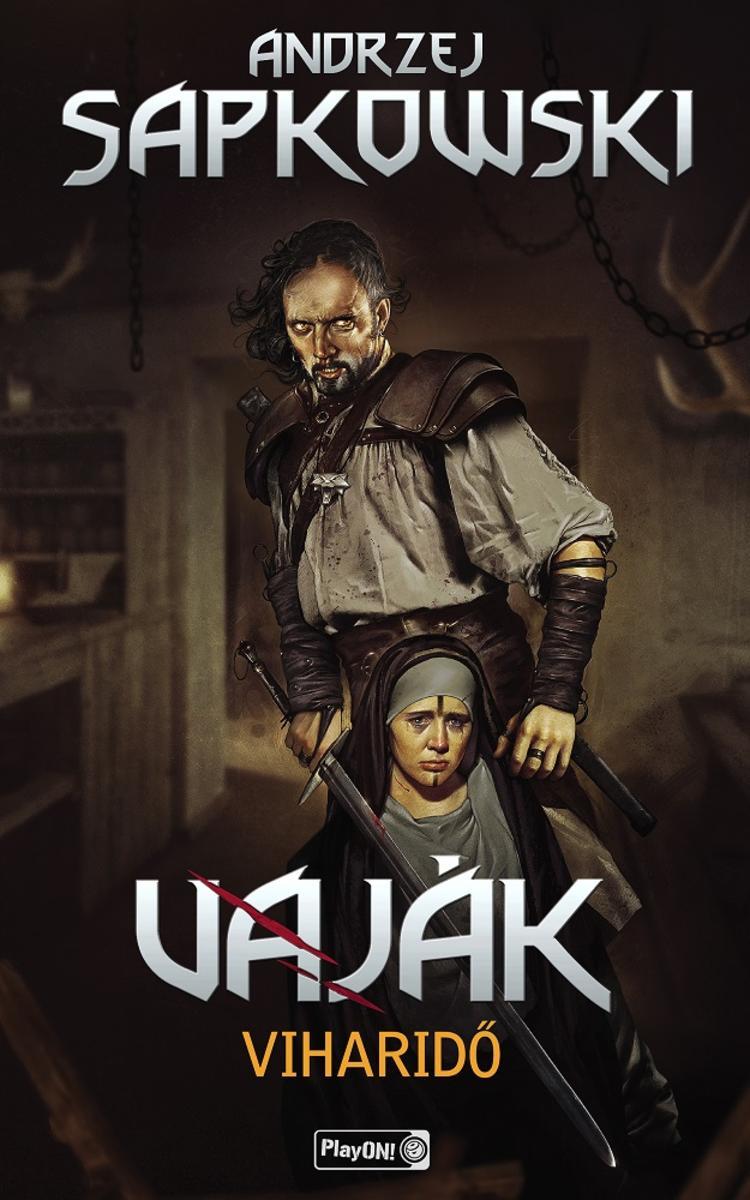
Viharid?
¥63.85
1. The architect should be equipped with knowledge of many branches of study and varied kinds of learning, for it is by his judgement that all work done by the other arts is put to test. This knowledge is the child of practice and theory. Practice is the continuous and regular exercise of employment where manual work is done with any necessary material according to the design of a drawing. Theory, on the other hand, is the ability to demonstrate and explain the productions of dexterity on the principles of proportion. 2. It follows, therefore, that architects who have aimed at acquiring manual skill without scholarship have never been able to reach a position of authority to correspond to their pains, while those who relied only upon theories and scholarship were obviously hunting the shadow, not the substance. But those who have a thorough knowledge of both, like men armed at all points, have the sooner attained their object and carried authority with them. 3. In all matters, but particularly in architecture, there are these two points:—the thing signified, and that which gives it its significance. That which is signified is the subject of which we may be speaking; and that which gives significance is a demonstration on scientific principles. It appears, then, that one who professes himself an architect should be well versed in both directions. He ought, therefore, to be both naturally gifted and amenable to instruction. Neither natural ability without instruction nor instruction without natural ability can make the perfect artist. Let him be educated, skilful with the pencil, instructed in geometry, know much history, have followed the philosophers with attention, understand music, have some knowledge of medicine, know the opinions of the jurists, and be acquainted with astronomy and the theory of the heavens. 4. The reasons for all this are as follows. An architect ought to be an educated man so as to leave a more lasting remembrance in his treatises. Secondly, he must have a knowledge of drawing so that he can readily make sketches to show the appearance of the work which he proposes. Geometry, also, is of much assistance in architecture, and in particular it teaches us the use of the rule and compasses, by which especially we acquire readiness in making plans for buildings in their grounds, and rightly apply the square, the level, and the plummet. By means of optics, again, the light in buildings can be drawn from fixed quarters of the sky. It is true that it is by arithmetic that the total cost of buildings is calculated and measurements are computed, but difficult questions involving symmetry are solved by means of geometrical theories and methods. 5. A wide knowledge of history is requisite because, among the ornamental parts of an architect's design for a work, there are many the underlying idea of whose employment he should be able to explain toGree inquirers. For instance, suppose him to set up the marble statues of women in long robes, called Caryatides, to take the place of columns, with the mutules and coronas placed directly above their heads, he will give the following explanation to his questioners. Caryae, a state in Peloponnesus, sided with the Persian enemies against Greece; later the Greeks, having gloriously won their freedom by victory in the war, made common cause and declared war against the people of Caryae. They took the town, killed the men, abandoned the State to desolation, and carried off their wives into slavery, without permitting them, however, to lay aside the long robes and other marks of their rank as married women, so that they might be obliged not only to march in the triumph but to appear forever after as a type of slavery, burdened with the weight of their shame and so making atonement for their State. Hence, the architects of the time designed for public buildings statues of these women, placed so as to carry a load..
Myths & Dreams
¥18.74
In writing upon any matter of experience, such as art, the possibilities of misunderstanding are enormous, and one shudders to think of the things that may be put down to one's credit, owing to such misunderstandings. It is like writing about the taste of sugar, you are only likely to be understood by those who have already experienced the flavour; by those who have not, the wildest interpretation will be put upon your words. The written word is necessarily confined to the things of the understanding because only the understanding has written language; whereas art deals with ideas of a different mental texture, which words can only vaguely suggest. However, there are a large number of people who, although they cannot viibe said to have experienced in a full sense any works of art, have undoubtedly the impelling desire which a little direction may lead on to a fuller appreciation. And it is to such that books on art are useful. So that although this book is primarily addressed to working students, it is hoped that it may be of interest to that increasing number of people who, tired with the rush and struggle of modern existence, seek refreshment in artistic things. To many such in this country modern art is still a closed book; its point of view is so different from that of the art they have been brought up with, that they refuse to have anything to do with it. Whereas, if they only took the trouble to find out something of the point of view of the modern artist, they would discover new beauties they little suspected. If anybody looks at a picture by Claude Monet from the point of view of a Raphael, he will see nothing but a meaningless jargon of wild paint-strokes. And if anybody looks at a Raphael from the point of view of a Claude Monet, he will, no doubt, only see hard, tinny figures in a setting devoid of any of the lovely atmosphere that always envelops form seen in nature. So wide apart are some of the points of view in painting. In the treatment of form these differences in point of view make for enormous variety in the work. Works showing much ingenuity and ability, but no artistic brains; pictures that are little more than school studies, exercises in the representation of carefully or carelessly arranged objects, but cold to any artistic intention. At this time particularly some principles, and a clear intellectual understanding of what it is you are trying to do, are needed. We have no set traditions to guide us. The times when the student accepted the style and traditions of his master and blindly followed them until he found himself, are gone. Such conditions belonged to an age when intercommunication was difficult, and when the artistic horizon was restricted to a single town or province. Science has altered all that, and we may regret the loss of local colour and singleness of aim this growth of art in separate compartments produced; but it is unlikely that such conditions will occur again. Quick means of transit and cheap methods of reproduction have brought the art of the whole world to our doors. Where formerly the artistic food at the disposal of the student was restricted to the few pictures in his vicinity and some prints of others, now there is scarcely a picture of note in the world that is not known to the average student, either from personal inspection at our museums and loan exhibitions, or from excellent photographic reproductions. Not only European art, but the art of the East, China and Japan, is part of the formative influence by which he is surrounded; not to mention the modern science of light and colour that has had such an influence on technique. It is no wonder that a period of artistic indigestion is upon us. Hence the student has need ixof sound principles and a clear understanding of the science of his art, if he would select from this mass of material those things which answer to his own inner need for artistic expression.

Manualul ?mbl?nzitorului de Cafele (psalm turcesc)
¥48.97
C eti un artist dramatic care se zbate s supravieuiasc sau c eti un om care nu se identific cu sexul cu care a fost nzestrat i ncearc disperat s remedieze aceast problem, c eti un geniu ajuns n zdrene, care cerete ansa de a-i spune povestea, c eti un ndrgostit iremediabil, care ncaseaz doar indiferen, c eti un nimeni urmrit venic de autoriti, de probleme i eecuri, c eti captiv n lumea ta, singurul loc n care nu eti perceput ca fiind nebun tocmai fiindc sfideaz noiunea unanim acceptat de normalitate, c eti un scriitor care i aterne realitatea bidimensional, pe foaie, n replici, n didascalii, n uniti de msur a emoiei – numite cuvinte –, i ridic n alii realiti tridimensionale, c eti o ntmplare care citete aceste rnduri, tii foarte bine c orice fapt consumat d singur startul la o continuare i c exist mereu o a doua ans, la fel cum Moartea tie cnd trebuie s lase ceva s continue, cnd s-i spun stop sau cnd s nchid ochii, fiindc intervenia ar descalifica-o. Totul poart eticheta cu va urma i depinde doar de noi s lsm eticheta acolo i s urmm indicaia.Teatrul prelungete viaa fiindc este o prelungire a vieii. Nu e att parte a ei, ct o extensie, ca o pereche de aripi cu care plonjm ntr-un bar supraaglomerat, ntr-un dormitor n care ncap fix dou persoane, ntr-un vis policrom cu iz de psihotrope, sau ntr-o scen care ne va marca fiindc urmeaz s se petreac n acel interval de timp pe care niciodat nu suntem n stare s-l dibuim, dar tim atunci cnd se ntmpl c nu putea fi altcndva.Trei piese care ne zguduie, ne las simurile bulversate, creierii bruscai, inima n aritmie, dar sufletul cumva ridicat. Trei piese de prelungit viaa, chiar i a celor care cred c aceasta urmeaz abia dup ce vor muri. Moartea strig: Bis!“ cnd se vede aplaudnd de una singur, fiindc nu are de ales dect s lase spectacolul s continue n momentul n care tocmai se dezintegreaz.ndrznete i citete!“ – Andrei Vornicu

Mackó úr utazásai
¥8.83
Maszumé hétk?znapi kamaszlány a 60-as évek Iránjában. Iskolába menet meglát egy fiatalembert, akivel egymásba szeretnek. Maszumé bátyjai megtalálják ártatlan levelezésüket, húgukat megverik, majd máshoz kényszerítik feleségül. A lánynak fel kell adnia álmait, és el kell indulnia egy g?r?ngy?s úton, melyet a sors rendelt neki. Az ?tven évet fel?lel? regény a hazáját jól ismer? szerz? szemével k?veti végig Irán viharos t?rténelmét: a 60-as évek a sah elnyomó uralma alatt, majd az iszlám forradalom, mely visszahozta Iránba a k?zépkort, az iraki–iráni háború. A regényt, mely az utóbbi évtized legnagyobb bestsellere lett Iránban, kétszer is betiltották, azonban nem politikai tartalma miatt, hanem mert egy olyan független és er?s n? sorsát állítja példaképül, aki a sorscsapások és nehézségek ellenére sosem adja fel a reményt, s bár csendesen, mégis határozottan tiltakozik társadalmának elnyomó hagyományai ellen. Parinoush Saniee szociológus és pszichológus, t?bb regény szerz?je. A sors k?nyve els? regénye, melyet t?bb nyelvre fordítottak le, Olaszországban elnyerte a Boccaccio-díjat, Németországban bestseller lett. Az iráni írón? 1949-ben született, férjnél van, két fia külf?ld?n él.

Maga itt a tánctanár?
¥52.40
A magyar k?nyvkiadás legnagyobb adósságainak egyike ez a k?nyv. A világ t?bb országában a holokausztirodalom egyik legjelent?sebb remekm?veként tartják számon, Magyarországon 1982-ben jelent meg utoljára.Zsolt Béla, nagyváradi író, újságíró, a zsidót?rvények után nem folytathatta a pályáját. Munkaszolgálatra Ukrajnába került, az út onnan haza, majd a váradi gettóba, kés?bb Bergen-Belsenbe vezetett, egészen a szabadulásig.Zsolt Béla regénye nem artisztikus memoár. Vad, olykor az elviselhet?ség határáig kegyetlen és ?szinte visszaemlékezés, felzaklató olvasmány.Az olykor egymás kínjának is ?rül? társairól. Az elmebajig kegyetlen, egyszersmind a megtorlástól retteg? csend?r?kr?l. ?rulásról, kétségbeesésr?l, az újra és újra feltámadó hamis reményr?l, és mindennek okáról és céljáról: a zsidók kifosztásáról.Aki elolvassa a Kilenc koffert, megérti, miért nem tud a rémálomból eszmélni sok európai ország azóta sem.Zsolt Béla feleségének egész családja odaveszett, k?ztük az a Heyman ?va, akinek gettónaplója megjelent már t?bb nyelven, magyarul Piros bicikli címen.
Kenoma
¥16.27
Documentele publicate sub egida Institutului de Istorie ?George Bari?iu“ al Academiei Rom?ne au fost structurate ?n dou? p?r?i: Emigra?ia albgardist? ?i Biserica Rus? din Bucure?ti. Prima parte cuprinde r?spunsul direc?iilor regionale la Ordinul Direc?iei Generale a Securit??ii Statului nr. 354/81558 privind albgardi?tii din raza acestora de competen??, iar cea de a doua – materiale ale Direc?iei Regionale a Securit??ii Bucure?ti despre personalul, emigran?ii ?i refugia?ii care frecventeaz? Biserica Rus?. Sursele relev? destinul, starea de spirit ?i material? a fo?tilor membri ai armatelor ruse ?i ucrainene stabili?i ?n Rom?nia, supravie?uitori ai celor dou? r?zboaie mondiale, liderii fiind deja aresta?i.Din sinteza informativ? a Direc?iei Regionale a Securit??ii Bac?u din 27 octombrie 1951:??n urma ac?iunilor contrarevolu?ionare desf??urate ?n t?n?rul Stat Sovietic de c?tre bandele conduse de Denikin, Kerenski ?i Vranghel, bande ce au fost distruse de c?tre t?n?ra Armat? Ro?ie Sovietic? ?i alungate peste grani?ele Statului Sovietic, ?i ?n ?ar? la noi au venit o serie de elemente ce au f?cut parte din aceste armate, care ?i-au stabilit domiciliul ?n diferite ora?e ale ??rii noastre, unde sub regimul burghezo-mo?ieresc ce se afla ?n acel timp la c?rma ??rii noastre au g?sit azil ?i ocrotire.Astfel ?i ?n regiunea Bac?u din aceste elemente identificate p?n? ?n prezent sunt ?n num?r de 6 persoane, ?i anume: Mateevski Konstantin, ?n prezent domiciliat ?n Piatra-Neam?, de profesie electrician ?i mecanic, angajat ?n aceast? func?ie la Sovromlemn Piatra-Neam?; Petrovski Vasile, fost colonel de artilerie ?i avia?ie ?n armata alb? a lui Vranghel, ?n prezent domiciliat ?n Piatra-Neam?, fiind angajat ca magazioner la fabrica Bistri?a din Piatra-Neam?; Galini?cenko Alexandru, domiciliat ?n Piatra-Neam?, f?r? ocupa?ie, ?n prezent fiind b?tr?n; Kazimirov Mark, de profesie ?ofer angajat ?n aceast? calitate la fabrica ?Reconstruc?ia“ Piatra-Neam?, fost ofi?er ?n Armata Alb? ucrainean?, ?n prezent lucreaz? ca t?mplar, ?i Babici Ifrim, fost ofi?er ?n armata lui Vranghel, actualmente domiciliat ?n comuna Tarc?u, raionul Piatra-Neam?, cu serviciul la Sovromlemn.?n leg?tur? cu susnumi?ii trebuie s? ar?t?m c? dac? ?n trecut existau unele rela?ii de prietenie ?ntre d?n?ii, ?nt?lniri ?n care ??i reaminteau cu pl?cere de trecutul lor, ast?zi, fiind elemente b?tr?ne, nu se mai observ? aceste leg?turi, mai ales c? majoritatea sunt c?s?tori?i cu cet??ence rom?ne ?i parte dintre d?n?ii au chiar ?i copii.De asemeni, din cele cunoscute de noi rezult? c? ace?tia nu ?ntre?in leg?turi prin coresponden?? cu str?in?tatea ?i nici cu elementele dubioase ?i du?m?noase din locurile unde tr?iesc ei. S-a putut constata c? aceste elemente sunt extrem de fricoase ca nu cumva s? vin? o dispozi?ie care s?-i pun? ?n situa?ia s? se ?ntoarc? ?n URSS, obliga?i. Comentarii ?n acest gen au fost extrem de multe ?n r?ndurile lor, ?n special ?ntre anii 1945-1946, c?nd ei credeau sigur c? vor fi evacua?i din ?ara noastr? ?i trimi?i ?n Uniunea Sovietic?. Totu?i ?i ?n prezent, de?i b?tr?ni, exist? ?i ?n r?ndurile lor unele comentarii ?i nemul?umiri, pe care ?ns? ?i le arat? ?n anturajul restr?ns pe care eventual ?l au.“

Hajnali beszélgetések Lukits Milossal
¥27.71
T?rténik Olivér házában, Frigyes herceg udvarában, valamint az Ardeni-erd?ben – vélhet?leg Franciaországban. Egy nagy erej? vitéz, miként nálunk majd Toldi, legy?z egy bajnokot. Bár testvére ármánya miatt meg kellett volna halnia a párviadalban, mégis az ? homlokára kerül a gy?ztesnek kijáró koszorú. ?s ezzel kezdetét veszi vessz?futása. El?bb csak bátyja, majd uralkodója haragja el?l, utóbb egyenest a szám?zetésbe. Vigaszul csupán egy mosoly, egy fehér lánykézb?l kapott amulett és ?reg szolgája sírig h? ragaszkodása szolgál. ?m az ardeni erd? mélyén további barátokra, igaz szerelemre, és el?z?tt hercegének birodalmára talál.

Playlist (pentru sf?r?itul lumii)
¥24.44
Ac?iunea informativ? Nichita Smochin? reprezint? rezultatul cercet?rii ?n Arhiva CNSAS.Documentele publicate sub egida Institutului de Istorie ?George Bari?iu“ al Academiei Rom?ne au ca subiect urm?rirea informativ? a lui Nichita Smochin? de c?tre Securitate ?n perioada 1952-1962. Dup? abandonarea Rom?niei ?n sfera de influen?? sovietic?, activitatea academic?, publicistic? ?i umanitar?, desf??urat? ?n perioada interbelic? ?i ?n timpul celui de al Doilea R?zboi Mondial, dar mai ales calitatea de consilier al mare?alului Ion Antonescu, l-au plasat pe cel mai important militant pentru afirmarea spiritului rom?nesc ?n Transnistria ?n fruntea listei du?manilor URSS.FragmentDin nota privind ?nt?lnirea agentului ?Speran?a“ cu Nichita Smochin?: ?n ziua de 17 octombrie 1952, informatorul ?Speran?a“, sub pretextul c? vrea s? primeasc? lec?ii de limba rus? ?n scris, s-a dus la Smochin? Nichita, din str. N. Golescu nr. 14. La intrare ?Speran?a“ a fost ?nt?mpinat? de fiica lui Smochin?, care nu prea vroia s? o primeasc? ?n?untru. Dup? ce a fost primit? ?n?untru, a venit ?i Smochin?, cu care a ?nceput discu?ia. Din discu?ii a rezultat c? Smochin? ?n prezent traduce din limba rus? ?n limba rom?n? diferite c?r?i, pe care le prime?te de la o redac?ie din apropiere de locuin?a sa. A mai rezultat c? el, p?n? ?n anul 1938, a locuit ?n Ia?i, dup? care s-a mutat ?n Bucure?ti. Este v?duv, locuie?te ?mpreun? cu fiica sa, ginerele s?u ?i un nepot. Este o fire ?nchis?, necomunicativ?, ?ns? fa?? de ?Speran?a“ s-a ar?tat foarte binevoitor, mai ales v?z?nd c? ?tie la perfec?ie s? vorbeasc? limba rus?. Toat? conversa?ia a fost dus? ?n limba rus?. Sursa: ?Speran?a“. Valoarea: serioas?. Nota biroului: S-au trasat instruc?iuni informatorului s? se mai duc? la Smochin? ?i s? primeasc? lec?ii ?n scris, iar deocamdat? s? nu deschid? discu?ia despre trecutul s?u, pentru a putea c?p?ta ?ncrederea lui Smochin?, iar la a treia vedere s? deschid? discu?ia. Nota superiorului: ?S? se urm?reasc? ?n continuare ac?iunea lui Smochin?, p?n? vom primi noi dispozi?iuni de la Cabinet. Informatorului s? i se dea bani pentru a pl?ti medita?ia pe care o prime?te de la Smochin? (ss)“.
Tales Of Humour, Gallantry and Romance: New from the Italian Tales (Illustrated)
¥9.24
THE history, the features, and the most famous examples of European architecture, during a period extending from the rise of the Gothic, or pointed, style in the twelfth century to the general depression which overtook the Renaissance style at the close of the eighteenth, form the subject of this little volume. I have endeavoured to adopt as free and simple a mode of treatment as is compatible with the accurate statement of at least the outlines of so very technical a subject. Though it is to be hoped that many professional students of architecture will find this hand-book serviceable to them in their elementary studies, it has been my principal endeavour to adapt it to the requirements of those who are preparing for the professional pursuit of the sister arts, and of that large and happily increasing number of students who pursue the fine arts as a necessary part of a complete liberal education, and who know that a solid and comprehensive acquaintance with art, especially if joined to some skill in the use of the pencil, the brush, the modelling tool, or the etching needle, will open sources of pleasure and interest of the most refined description. The broad facts of all art history; the principles which underlie each of the fine arts; and the most precious or most noteworthy examples of each, ought to be familiar to every art student, whatever special branch he may follow. Beyond these limits I have not attempted to carry this account of Gothic and Renaissance architecture; within them I have endeavoured to make the work as complete as the space at my disposal permitted. THE architecture generally known as Gothic, but often described as Christian Pointed, prevailed throughout Europe to the exclusion of every rival for upwards of three centuries; and it is to be met with, more or less, during two others. Speaking broadly, it may be said that its origin took place in the twelfth century, that the thirteenth was the period of its development, the fourteenth that of its perfection, and the fifteenth that of its decline; while many examples of its employment occur in the sixteenth. In the following chapters the principal changes in the features of buildings which occurred during the progress of the style in England will be described. Subsequently, the manner in which the different stages of development were reached in different countries will be given; for architecture passed through very nearly the same phases in all European nations, though not quite simultaneously. It must be understood that through the whole Gothic period, growth or at least change was going on; the transitions from one stage to another were only periods of more rapid change than usual. The whole process may be illustrated by the progress of a language. If, for instance, we compare round-arched architecture in the eleventh century to the Anglo-Saxon form of speech of the time of Alfred the Great, and the architecture of the twelfth century to the English of Chaucer, that of the thirteenth will correspond to the richer language of Shakespeare, that of the fourteenth to the highly polished language of Addison and Pope, and that of the fifteenth to the English of our own day. We can thus obtain an apt parallel to the gradual change and growth which went on in architecture; and we shall find that the oneness of the language in the former case, and of the architecture in the latter, was maintained throughout. For an account of the Christian round-arched architecture which preceded Gothic, the reader is referred to the companion volume in this series. Here it will be only necessary briefly to review the circumstances which went before the appearance of the pointed styles.
The Aeneid: "Illustrated"
¥18.74
"Where ocean bathes earth's footstool these sea-bowersBedeck its solid wavelets: wise was heWho blended shore with deep, with seaweed flowers,And Naiads' rivulets with Nereids' sea." Strictly speaking the peninsula on which the city stands is of the form of a trapezium. It juts out into the sea, beating back as it were the fierce waves of the Bosphorus, and forcing them to turn aside from their straight course and widen into the Sea of Marmora, which the ancients called the Propontis, narrowing again as it forces its way between the near banks of the Hellespont, which rise abrupt and arid from the European side, and slope gently away in Asia to the foot of Mount Ida. Northwards there is the little bay of the Golden Horn, an arm as it were of the Bosphorus, into which run the streams which the Turks call the Sweet Waters of Europe. The mouth of the harbour is no more than five hundred yards across. The Greeks of the Empire spanned it by a chain, supported here and there on wooden piles, fragments of which still remain in the Armoury that was once the church of S. Irene. Within is safe anchorage in one of the finest harbours of the world. South of the Golden Horn, on the narrow tongue of land—narrow it seems as seen from the hills of the northern shore—is the city of Constantine and his successors in empire, seated, like the old Rome, on seven hills, and surrounded on three sides by sea, on the fourth by the still splendid, though shattered, medi?val walls. Northwards are the two towns, now linked together, of Pera and Galata, that look back only to the trading settlements of the Middle Ages.The single spot united, as Gibbon puts it, the prospects of beauty, of safety, and of wealth: and in a masterly description that great historian has collected the features which made the position, "formed by Nature for the centre and capital of a great monarchy," attractive to the first colonists, and evident to Constantine as the centre where he could best combine and command the power of the Eastern half of his mighty Empire. Byzantium Before Constantine.It is impossible to approach Constantinople without seeing the beauty and the wonder of its site. Whether you pass rapidly down the Bosphorus, between banks crowned with towers and houses and mosques, that stretch away hither and thither to distant hills, now bleak, now crowned with dark cypress groves; or up from the Sea of Marmora, watching the dome of S. Sophia that glitters above the closely packed houses, till you turn the point which brings you to the Golden Horn, crowded with shipping and bright with the flags of many nations; or even if you come overland by the sandy wastes along the shore, looking across the deep blue of the sea to the islands and the snow-crowned mountains of Asia, till you break through the crumbling wall within sight of the Golden Gate, and find yourself at a step deep in the relics of the middle ages; you cannot fail to wonder at the splendour of the view which meets your eyes. Sea, sunlight, the quaint houses that stand close upon the water's edge, the white palaces, the crowded quays, and the crowning glory of the Eastern domes and the medi?val walls—these are the elements that combine to impress, and the impression is never lost. Often as you may see again the approach to the imperial city, its splendour and dignity and the exquisite beauty of colour and light will exert their old charm, and as you put foot in the New Rome you will feel all the glamour of the days that are gone by.
The Lost World
¥18.74
Leonardo's views of aesthetic are all important in his philosophy of life and art. The worker's thoughts on his craft are always of interest. They are doubly so when there is in them no trace of literary self-consciousness to blemish their expression. He recorded these thoughts at the instant of their birth, for a constant habit of observation and analysis had early developed with him into a second nature. His ideas were penned in the same fragmentary way as they presented themselves to his mind, perhaps with no intention of publishing them to the world. But his ideal of art depended intimately, none the less, on the system he had thrown out seemingly in so haphazard a manner. The long obscurity of the Dark Ages lifted over Italy, awakening to a national though a divided consciousness. Already two distinct tendencies were apparent. The practical and rational, on the one hand, was soon to be outwardly reflected in the burgher-life of Florence and the Lombard cities, while at Rome it had even then created the civil organization of the curia. The novella was its literary triumph. In art it expressed itself simply, directly and with vigour. Opposed to this was the other great undercurrent in Italian life, mystical, religious and speculative, which had run through the nation from the earliest times, and received fresh volume from mediaeval Christianity, encouraging ecstatic mysticism to drive to frenzy the population of its mountain cities. Umbrian painting is inspired by it, and the glowing words of Jacopone da Todi expressed in poetry the same religious fervour which the life of Florence and Perugia bore witness to in action. Italy developed out of the relation and conflict of these two forces the rational with the mystical. Their later union in the greater men was to form the art temperament of the Renaissance. The practical side gave it the firm foundation of rationalism and reality on which it rested; the mystical guided its endeavour to picture the unreal in terms of ideal beauty.The first offspring of this union was Leonardo. Since the decay of ancient art no painter had been able to fully express the human form, for imperfect mastery of technique still proved the barrier. Leonardo was the first completely to disengage his personality from its constraint, and make line express thought as none before him could do. Nor was this his only triumph, but rather the foundation on which further achievement rested. Remarkable as a thinker alone, he preferred to enlist thought in the service of art, and make art the handmaid of beauty. Leonardo saw the world not as it is, but as he himself was. He viewed it through the atmosphere of beauty which filled his mind, and tinged its shadows with the mystery of his nature. From his earliest years, the elements of greatness were present in Leonardo. But the maturity of his genius came unaffected from without. He barely noticed the great forces of the age which in life he encountered. After the first promise of his boyhood in the Tuscan hills, his youth at Florence had been spent under Verrocchio as a master, in company with those whose names were later to brighten the pages of Italian art. At one time he contemplated entering the service of an Oriental prince. Instead, he entered that of Caesar Borgia, as military engineer, and the greatest painter of the age became inspector of a despot's strongholds. But his restless nature did not leave him long at this. Returning to Florence he competed with Michelangelo; yet the service of even his native city could not retain him. His fame had attracted the attention of a new patron of the arts, prince of the state which had conquered his first master. In this his last venture, he forsook Italy, only to die three years later at Amboise, in the castle of the French king.
Bez ograniczeń
¥66.05
Milyen állambiztonsági kockázatokat rejtett magában egy futball-világbajnokság? Vajon miért volt olyan fontos a titkosszolgálat számára Puskás, hogy még a hatvanas évek végén is érkeztek róla jelentések? Valóban kiváltságos klubként kezelte a rendszer Kádár kedvenc csapatát, a Vasast? A politikai rend?rség szempontjából miért voltak kiemelten veszélyesek a Ferencváros mérk?zései? ?s vajon mi igaz abból, hogy a magyar válogatott nem nyerhetett a Szovjetunió ellen? ?s egyáltalán: miért érdekelte mindez az állambiztonságot? TAK?CS TIBOR k?nyvéb?l kiderül, hogy a sport, így a futball egyre fokozódó állambiztonsági ellen?rzését mindenekel?tt a kiszélesed? nemzetk?zi kapcsolatok indokolták, de egyes sportvezet?ket, játékosokat és szurkolókat is folyamatosan megfigyelés alatt tartottak. Ezzel együtt a kádári politikai rend?rség olykor maga sem tudta pontosan, mi dolga a labdarúgás k?rül – ilyenkor aztán m?k?désbe lépett az állambiztonsági paranoia, amely egy egyszer? szurkolói megnyilvánulásban is ?ellenséges tevékenységet” szimatolt. A t?rténész arra vállalkozik, hogy bemutassa: milyen tevékenységet végzett a Kádár-korszak állambiztonsága a legnagyobb t?megeket vonzó t?megsport, a labdarúgás k?rül. Futball és állambiztonság kapcsolatáról kül?nb?z?, néha párhuzamosan futó, olykor egymást metsz? t?rténeteken keresztül ad átfogó képet, mik?zben felvázolja az 1956 utáni állami sportirányítási rendszer és a politikai rend?rség m?k?désének f?bb vonásait és jellemz?it is. TAK?CS TIBOR Nyíregyházán született 1974-ben. A Kossuth Lajos Tudományegyetem B?lcsészettudományi Karán diplomázott 1997-ben. Ezt k?vet?en doktori ?szt?ndíjas volt, majd a nyíregyházi levéltárban dolgozott. 2002-t?l a T?rténeti Hivatal, illetve utódintézménye, az ?llambiztonsági Szolgálatok T?rténeti Levéltára munkatársa. 2005-ben a Debreceni Egyetemen doktori címet szerzett. F? kutatási területe az 1945 utáni magyar t?rténelem, kül?n?s tekintettel a politikai rend?rség m?k?désére
F?zzünk ?r?mmel!
¥43.57
K?ztudott, hogy a pártállami diktatúra idején minden jobboldali gondolat eredend?en üld?zend?nek számított. De vajon hogyan élték túl a hagyományos politikai felosztás szerint jobboldalinak tekintett személyek és mozgalmak a Rákosi-, majd a Kádár-rendszer üld?ztetéseit? Kik választották az évtizedekre szóló, csendes ?alámerülést”, és kik azok, akik továbbra is aktívan képviselték korábbi eszméiket? ?s vajon a rendelkezésünkre álló dokumentumok alapján meg lehet-e kül?nb?ztetni a jobboldalhoz k?thet? valós társadalmi jelenségeket az állambiztonság konstruált ügyeit?l? Az UNGV?RY KRISZTI?N által szerkesztett tanulmányk?tet a Kádár-rendszer állambiztonsága szempontjából ?jobboldalinak” tekintett hagyomány és gondolkodás, illetve az ezt képvisel? csoportok 1945 és 1990 k?z?tti t?rténetéb?l ad reprezentatív válogatást. Mivel e meglehet?sen széles – a progresszív konzervatív eszmét?l a kisgazdákon át az egyetemi szervezkedésekig és a radikális széls?jobboldali mozgalmakig terjed? – politikai paletta szerepl?i és nézetei a kommunista és államszocialista diktatúra idején egyként ?ellenségesnek” min?sültek, a k?tet tanulmányai mindenekel?tt az állambiztonsági iratok feldolgozására épülnek. Az ?sszeállítás áttekintést nyújt az olvasónak a belügyminisztérium ?jobboldali” ellenségképér?l, részletesen tárgyalja a prominens kisgazda és kereszténydemokrata politikusok sorsát, illetve nyomon k?veti a háború el?tti széls?jobboldalhoz k?thet? mozgalmak utóéletét is. E hiánypótló k?tet kit?n? írásai nem csupán arra világítanak rá, hogy a jobboldali hagyományok hogyan élték túl búvópatakszer?en a háborút k?vet? fél évszázadot, de a ma jobboldalinak tekintett attit?d?ket és mentalitásokat is jobban érthet?vé teszik.
Cercul s?lbatic
¥106.19
O carte pasionant i minuios documentat.“ – Le Figaro Littéraire Dac exist o dinastie care s ntrupeze Europa, aceea este Casa de Habsburg“, scrie Jean des Cars n debutul acestei cavalcade pasionante prin istoria zbuciumat a Europei. Destinul prodigios al Habsburgilor ncepe, n cheie minor, n secolul al XI-lea, ntr-o fortrea situat n cantonul elveian Aargau, prinde aripi n 1273, odat cu alegerea, cu totul neateptat, a contelui Rudolf de Habsburg ca mprat al Sfntului Imperiu German, i i ncheie epopeea monarhic la Schnbrunn, pe 11 noiembrie 1918, cnd Carol al IV-lea semneaz actul de renunare la coroana imperial a Austriei. Vreme de apte secole, Habsburgii au dominat o mare parte a Europei, a Orientului Apropiat i a Americii de Sud. Cuceritorul Carol Quintul, reformatoarea Maria Tereza, Franz Joseph i legendara sa soie Sisi, Zita, suverana datoriei, sunt doar cteva dintre figurile emblematice ale acestei familii excepionale, care a marcat istoria. Nendoielnic, dispariia lor semnaleaz prbuirea unei lumi, dar numele lor rmne venic sinonim cu nflorirea artelor, grandoarea politic i identitatea european. Pentru alctuirea acestui volum incitant, n care faptul istoric documentat se ntlnete fericit cu excursul jurnalistic profesionist i bine calibrat, dar i cu o anecdotic ncnttoare, Jean des Cars, talentat raconteur i recunoscut cronicar al marilor monarhii europene, a consultat arhive, a vizitat toate locurile-reper ale dinastiei, a realizat interviuri i a cules mrturiile inedite ale mprtesei Zita i ale arhiducelui Otto de Habsburg. Istoria este plin de maiesti individuale, ns Habsburgii ntruchipeaz maiestatea dinastic. [...] A ajunge s nu mai constitui doar o familie, s nu mai reprezini doar o ar, ci un agregat de naiuni, a stpni jumtate din Europa i o mare parte din America, a purta o coroan mai grea chiar dect coroana Imperiului Britanic, dar a te plimba, n acelai timp, prin Prater, cu o umbrel sub bra, iat un spectacol pe care omenirea nul va mai vedea vreodat.“ – Paul Morand n 1919, prbuirea imperiilor i, apoi, o redivizare geografic arbitrar elimin de la conducere familii vechi i puternice, cum ar fi Romanovii, Hohenzollernii i Habsburgii. Dup veacuri de prestigiu i influen, vechile case domnitoare sunt terse de pe hart, asasinate sau surghiunite. Dar, n timp ce familiile imperiale din Rusia i din Germania au fost nevoite, ulterior, s se mulumeasc, dup caz, cu nostalgii discrete, compromisuri regretabile sau reabilitri tardive, Habsburgii au luptat mpotriva anihilrii progresive la care erau supui, ripostnd chiar fa de ostracizarea care le era impus. Nu fr eforturi sau adversiti umilitoare, ei au reuit s triasc, s i refac imaginea, s existe din nou, s impun respect fa de numele lor nainte de anii ’40 i s redobndeasc un loc att n memoria vechii Europe, ct i n noua construcie european, ceea ce este un lucru excepional.“ – Jean des Cars
Tr?darea criticii
¥81.67
Habsburgi, Windsori, Romanovi, Hohenzollerni, familii regale ale Belgiei, Olandei, Italiei, Iugoslaviei, Bulgariei, Rom?niei sau Greciei – monarhiile europene s-au aflat ?n inima celor dou? R?zboaie Mondiale.?ntr-o incursiune istoric? fascinant?, punctat? de portrete, anecdote, momente-cheie, ?nt?lniri decisive, jocuri de alian?e, Jean des Cars ne introduce ?n culisele cur?ilor europene prinse ?n v?rtejul celor dou? conflagra?ii care au zguduit secolul al XX-lea.?Jean des Cars, eminent specialist al marilor dinastii europene, realizeaz? – ?ar? dup? ?ar?, deceniu dup? deceniu – un expozeu al faptelor istorice marcante, construind o lucrare plin? de vivacitate ?i bine documentata, o lectura cu at?t mai captivanta, cu c?t cele aproape 170 de subcapitole care o compun istorisesc, fiecare ?n parte, o adev?rat? poveste." - Le Figaro Magazine?Una dintre cele mai bune c?r?i ale autorului ?i un succes de libr?rie: urm?rim pe parcursul acestor conflicte comportamentele monarhilor, majoritatea ?nrudi?i ?ntre ei. Un secol de istorie a marilor familii, a destinelor europene, iar pentru Europa de Est, o memorie reg?sit?." - Valeurs Actuelles?n vara lui 1914, Europa este majoritar monarhic?: din dou?zeci ?i dou? de state, nou?sprezece sunt regate, imperii, principate sau mari ducate. Ast?zi, nu au mai r?mas dec?t zece. Primul R?zboi Mondial provoac? pr?bu?irea a patru imperii (Germania, Rusia, Austro-Ungaria, Imperiul Otoman), iar al Doilea spulber? patru regate (Italia, Iugoslavia, Rom?nia, Bulgaria).Cine erau ace?ti suverani? Dar femeile care le ?mp?rt??eau destinul?De la ambi?ie la orbire, de la curaj la sl?biciune, de la gelozie la abnega?ie, care au fost triumfurile ?i e?ecurile lor? Cum ?i-au tr?it gloria, dramele, cum s-au confruntat cu ascensiunea extremismelor interbelice, cu apari?ia totalitarismelor? Erau con?tien?i de consecin?ele gesturilor lor? Sau au fost incapabili s? stopeze avansul na?ionalismelor? Care au fost vie?ile lor personale, iubirile ?i pasiunile secrete? Ace?ti monarhi, care se vor alia, se vor ?nfrunta ?i uneori tr?da, sunt to?i ?nrudi?i, uni?i prin leg?turi de s?nge ?i matrimoniale. Astfel, ?r?zboiul regilor" va fi o incredibil? reglare de conturi familial? – la scar? continental?, apoi mondial?.
Сила звички
¥36.13
UNGV?RY KRISZTI?N és TABAJDI G?BOR rendhagyó útikalauza a 20. század politikai diktatúrái és legmegrázóbb t?rténelmi eseményei mentén veszi lajstromba Budapest emlékeit. A szerz?páros olyan f?városi helyszíneket mutat be olvasóinak, amelyek jobbára ismeretlenek a turisták el?tt, a városlakók számára pedig már a félmúlt homályába vesznek. A fiatal kutatók budapesti sétáin feltárulnak az 1919-es Tanácsk?ztársaság és az azt k?vet? fehérterror, a német megszállás, a nyilas rémuralom és a zsidóüld?zés, a világháborús f?város, a szovjet megszállás és a Rákosi-diktatúra, az 1956-os forradalom és szabadságharc, végül a Kádár-korszak elfeledett vagy épp szándékosan titokban tartott t?rténeti helyszínei és emlékhelyei. Az egyes t?rténelmi eseményekhez k?thet? szobrok és m?emlékek kapcsán a szerz?k múlt és jelen emlékezetpolitikai t?rekvéseit is áttekintik. A t?rténészpáros kíméletlen és fájdalmas ?szinteséggel mutat rá: a múlt századi véres diktatúrák emlékei jel?letlenül bár, de ma is ott kísértenek a f?város utcáin – ideje lenne hát mindenkinek megismerni ?ket. UNGV?RY KRISZTI?N 1969-ben született Budapesten. Tanulmányait az ELTE BTK t?rténelem-német szakán végezte. Budapest ostromát feldolgozó doktori disszertációja k?nyv formájában is megjelent, és számos hazai, illetve külf?ldi kiadást megélt. 2001-t?l az 1956-os Intézet tudományos munkatársa, t?bb nemzetk?zi tudományos testület tagja. Kutatási területe a 20. század politika- és hadt?rténete, a széls?jobb mozgalmak, valamint az állambiztonság t?rténete. TABAJDI G?BOR 1980-ban született Budapesten. Az ELTE B?lcsészettudományi Karán t?rténelmet, politikaelméletet és filozófiát tanult. Jelenleg az Országos Széchényi K?nyvtár 1956-os Intézetének munkatársa. Eddig f?ként a 20. századi Magyarország politikat?rténetével kapcsolatos publikációi jelentek meg. F? kutatási területei: a magyar állambiztonsági szervek, illetve a pártállami rendszer m?k?désének t?rténete. A fiatal kutatókat t?m?rít? ?Fehér Hollók” munkacsoport koordinátora.
Pursuit
¥4.58
"When all the gods had assembled in conference, Zeus arose among them and addressed them thus" . . . "it is with this line that Plato's story of Atlantis ends; and the words of Zeus remain unknown." -- Francis Bacon, New Atlantis Of all the writings of Plato the Timaeus is the most obscure and repulsive to the modern reader, and has nevertheless had the greatest influence over the ancient and mediaeval world. The obscurity arises in the infancy of physical science, out of the confusion of theological, mathematical, and physiological notions, out of the desire to conceive the whole of nature without any adequate knowledge of the parts, and from a greater perception of similarities which lie on the surface than of differences which are hidden from view. To bring sense under the control of reason; to find some way through the mist or labyrinth of appearances, either the highway of mathematics, or more devious paths suggested by the analogy of man with the world, and of the world with man; to see that all things have a cause and are tending towards an end—this is the spirit of the ancient physical philosopher. He has no notion of trying an experiment and is hardly capable of observing the curiosities of nature which are 'tumbling out at his feet,' or of interpreting even the most obvious of them. He is driven back from the nearer to the more distant, from particulars to generalities, from the earth to the stars. He lifts up his eyes to the heavens and seeks to guide by their motions his erring footsteps. But we neither appreciate the conditions of knowledge to which he was subjected, nor have the ideas which fastened upon his imagination the same hold upon us. For he is hanging between matter and mind; he is under the dominion at the same time both of sense and of abstractions; his impressions are taken almost at random from the outside of nature; he sees the light, but not the objects which are revealed by the light; and he brings into juxtaposition things which to us appear wide as the poles asunder, because he finds nothing between them. He passes abruptly from persons to ideas and numbers, and from ideas and numbers to persons,—from the heavens to man, from astronomy to physiology; he confuses, or rather does not distinguish, subject and object, first and final causes, and is dreaming of geometrical figures lost in a flux of sense. He contrasts the perfect movements of the heavenly bodies with the imperfect representation of them (Rep.), and he does not always require strict accuracy even in applications of number and figure (Rep.). His mind lingers around the forms of mythology, which he uses as symbols or translates into figures of speech. He has no implements of observation, such as the telescope or microscope; the great science of chemistry is a blank to him. It is only by an effort that the modern thinker can breathe the atmosphere of the ancient philosopher, or understand how, under such unequal conditions, he seems in many instances, by a sort of inspiration, to have anticipated the truth. The influence with the Timaeus has exercised upon posterity is due partly to a misunderstanding. In the supposed depths of this dialogue the Neo-Platonists found hidden meanings and connections with the Jewish and Christian Scriptures, and out of them they elicited doctrines quite at variance with the spirit of Plato. Believing that he was inspired by the Holy Ghost, or had received his wisdom from Moses, they seemed to find in his writings the Christian Trinity, the Word, the Church, the creation of the world in a Jewish sense, as they really found the personality of God or of mind..
Joaca. Solu?ii distractive pentru buna dezvoltare a copiilor ?n primii cinci ani
¥48.97
Materialele reunite in acest volum reprezinta o suma de contributii si studii publicate in ultimii ani. Toate materialele au fost selectate pentru a corespunde titlului stabilit: BATALIA PENTRU BASARABIA. Este explicabil de ce, in atare conditii, preocuparile colectivului de autori s-au concentrat asupra epocii celui de-al Doilea Razboi Mondial, cu predilectie tratand sfartecarea teritoriala a Romaniei Mari in 1940 sau rolul si locul Maresalului Ion Antonescu in reluarea luptei nationale pentru eliberarea Basarabiei de sub dominatia Imperiului Rosu stalinist, dupa 1941. Nu au fost neglijate nici anume fapte si consideratii din rastimpul 1945-1989, cand batalia s-a desfasurat indeosebi pe plan politico-diplomatic, dar si ideologic ori istoriografic.


