


 购物车
购物车 个人中心
个人中心
Twelfth Night, with line numbers
¥8.09
Classic Shakespearean comedy, with line numbers. According to Wikipedia: "Twelfth Night, Or What You Will is a comedy by William Shakespeare, based on the short story "Of Apollonius and Silla" by Barnabe Rich, which in turn was based on a story by Matteo Bandello. It is named after the Twelfth Night holiday of the Christmas season. It was written around 1601 and first published in the First Folio in 1623. The main title is believed to be an afterthought, created after John Marston premiered a play titled What You Will during the course of the writing."
King Richard III, with line numbers
¥8.09
Classic Shakespearean history play. According to Wikipedia: "Richard III is a history play by William Shakespeare, believed to have been written in approximately 1591, depicting the Machiavellian rise to power and subsequent short reign of Richard III of England.[1]The play is grouped among the histories in the First Folio and is most often classified as such. Occasionally, however, as in the quarto edition, it is termed a tragedy. Richard III concludes Shakespeare's first tetralogy (also containing Henry VI parts 1-3). After Hamlet, it is the longest play in the canon and is the longest of the First Folio, whose version of Hamlet is shorter than its Quarto counterpart. The play is rarely performed unabridged; often certain peripheral characters are removed entirely, most commonly Margaret. In such instances extra lines are often invented or added from elsewhere in the sequence in order to establish the nature of characters' relationships."
The Winter's Tale, with line numbers
¥8.09
Classic Shakespearean romance, with line numbers. According to Wikipedia: "The Winter's Tale is a play by William Shakespeare, first published in the First Folio in 1623. Although it was listed as a comedy when it first appeared, some modern editors have relabeled the play a romance. Some critics, among them W. W. Lawrence ... consider it to be one of Shakespeare's "problem plays", because the first three acts are filled with intense psychological drama, while the last two acts are comedic and supply a happy ending."
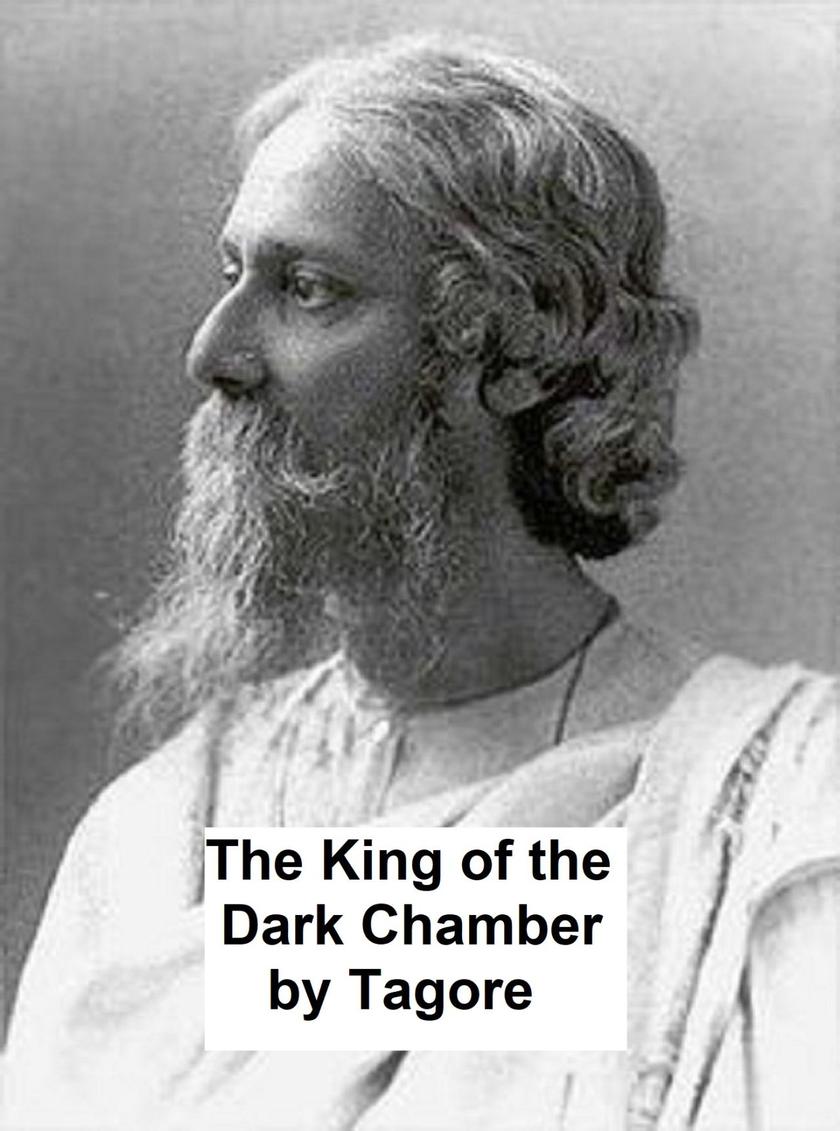
The King of the Dark Chamber
¥8.09
According to Wikipedia: "Rabindranath Tagore (7 May 1861 – 7 August 1941), sobriquet Gurudev, was a Bengali poet, novelist, musician, painter and playwright who reshaped Bengali literature and music. As author of Gitanjali and its "profoundly sensitive, fresh and beautiful verse", he was the first non-European who was awarded the Nobel Prize for Literature in 1913. His poetry in translation was viewed as spiritual, and this together with his mesmerizing persona gave him a prophet-like aura in the west. His "elegant prose and magical poetry" still remain largely unknown outside the confines of Bengal."
The Merchant of Venice, with line numbers
¥8.09
The classic play. According to Wikipedia: "The Merchant of Venice is a play by William Shakespeare, believed to have been written between 1596 and 1598. Although classified as a comedy in the First Folio, and while it shares certain aspects with Shakespeare's other romantic comedies, the play is perhaps more remembered for its dramatic scenes, and is best known for the character of Shylock. The title character is the merchant Antonio, not the Jewish moneylender Shylock, who is the play's most prominent and more famous character. Though Shylock is a tormented character, he is also a tormentor, so whether he is to be viewed with disdain or sympathy is up to the audience (as influenced by the interpretation of the play's director and lead actors). As a result, The Merchant of Venice is often classified as one of Shakespeare's problem plays."
King Henry V, with line numbers
¥8.09
The classic Shakespearean history, with line numbers. According to Wikipedia: "Henry V is a history play by William Shakespeare, believed to be written in 1599. It is based on the life of King Henry V of England, and focuses on events immediately before and after the Battle of Agincourt (1415) during the Hundred Years' War. The play is the final part of a tetralogy, preceded by Richard II, Henry IV, part 1 and Henry IV, part 2. The original audiences would thus have already been familiar with the title character, who was depicted in the Henry IV plays as a wild, undisciplined lad known as "Prince Hal." In Henry V, the young prince has become a mature man and embarks on an attempted conquest of France."
Coriolanus, with line numbers
¥8.09
The classic tragedy. According to Wikipedia: "Gaius Marcius Coriolanus was possibly a legendary Roman general who lived in the 5th century BC. He received his toponymic title "Coriolanus" because of his exceptional valor in a Roman siege of the Volscian city of Corioli. He was then promoted to a general. In later ancient times, it was generally accepted by historians that Coriolanus had lived, and a consensus narrative story of his life appeared, retold by leading historians such as Livy and Plutarch."
The Carmina of Catullus
¥8.09
Sir Richard Burton's racy English translation of Latin poetry. This edition includes the original Latin, plus Burton's verse translation, plus Leonard Smither's prose translation. According to Wikipedia: "Gaius Valerius Catullus (ca. 84 BC – ca. 54 BC) was a Roman poet of the 1st century BC. His surviving works are still read widely, and continue to influence poetry and other forms of art." "Captain Sir Richard Francis Burton KCMG FRGS (19 March 1821 – 20 October 1890) was an English explorer, translator, writer, soldier, orientalist, ethnologist, linguist, poet, hypnotist, fencer and diplomat. He was known for his travels and explorations within Asia and Africa as well as his extraordinary knowledge of languages and cultures. According to one count, he spoke 29 European, Asian, and African languages. Burton's best-known achievements include traveling in disguise to Mecca, making an unexpurgated translation of The Book of One Thousand Nights and A Night (the collection is more commonly called The Arabian Nights in English because of Andrew Lang's abridgement) and the Kama Sutra and journeying with John Hanning Speke as the first Europeans, guided by Omani merchants who traded in the region, to visit the Great Lakes of Africa in search of the source of the Nile. He was a prolific author and wrote numerous books and scholarly articles about subjects including travel, fencing and ethnography. He was a captain in the army of the East India Company serving in India (and later, briefly, in the Crimean War). Following this he was engaged by the Royal Geographical Society to explore the east coast of Africa and led an expedition guided by the locals which discovered Lake Tanganyika. In later life he served as British consul in Fernando Po, Damascus and, finally, Trieste. He was a Fellow of the Royal Geographical Society and was awarded a knighthood (KCMG) in 1886."
Renaissance in Italy: The Age of the Despots
¥8.09
According to Wikipedia: "John Addington Symonds (5 October 1840 - 19 April 1893) was an English poet and literary critic… Meanwhile he was occupied with his major work, Renaissance in Italy, which appeared in seven volumes at intervals between 1875 and 1886. The Renaissance had been the subject of Symonds' prize essay at Oxford, and this had aroused a desire to produce a more complete picture of the reawakening of art and literature in Europe... He practically made his home at Davos. A charming picture of his life there is drawn in Our Life in the Swiss Highlands (1891). Symonds became a citizen of the town; he took part in its municipal business, made friends with the peasants and shared their interests. There he wrote most of his books: biographies of Shelley (1878), Philip Sidney (1886), Ben Jonson (1886) and Michelangelo (1893), several volumes of poetry and essays, and a translation of the Autobiography of Benvenuto Cellini (1887). There, too, he completed his study of the Renaissance, the work for which he is mainly remembered."
Renaissance in Italy: The Fine Arts
¥8.09
According to Wikipedia: "John Addington Symonds (5 October 1840 - 19 April 1893) was an English poet and literary critic… Meanwhile he was occupied with his major work, Renaissance in Italy, which appeared in seven volumes at intervals between 1875 and 1886. The Renaissance had been the subject of Symonds' prize essay at Oxford, and this had aroused a desire to produce a more complete picture of the reawakening of art and literature in Europe... He practically made his home at Davos. A charming picture of his life there is drawn in Our Life in the Swiss Highlands (1891). Symonds became a citizen of the town; he took part in its municipal business, made friends with the peasants and shared their interests. There he wrote most of his books: biographies of Shelley (1878), Philip Sidney (1886), Ben Jonson (1886) and Michelangelo (1893), several volumes of poetry and essays, and a translation of the Autobiography of Benvenuto Cellini (1887). There, too, he completed his study of the Renaissance, the work for which he is mainly remembered."
Le Roi Henri VIII (Henry VIII in French)
¥8.09
La pièce d'histoire de Shakespeare, Henry VIII, dans la traduction fran?aise. Selon Wikipédia: "La célèbre histoire de la vie du roi Henry VIII est une pièce d'histoire de William Shakespeare et (prétendument) John Fletcher, basée sur la vie d'Henry VIII d'Angleterre. dans les documents contemporains, le titre Henry VIII n'apparaissait pas avant la publication de la pièce dans le premier folio de 1623. L'évidence stylistique indique que la pièce a été écrite par Shakespeare en collaboration avec son successeur, John Fletcher, ou révisée par lui. de la fin des romans dans sa structure.Il est noté pour avoir plus de directions de scène que l'un des autres jeux de Shakespeare. "
Shakespeare's Tempest in French
¥8.09
Romance Shakespearienne classique en traduction fran?aise. Selon Wikipedia: "The Tempest est une pièce écrite par William Shakespeare.Beaucoup de chercheurs croient qu'il a été écrit en 1610-11, bien que certains chercheurs ont plaidé pour une date plus t?t. Folio de 1623, de nombreux éditeurs modernes ont depuis ré-étiqueté le jeu. Il n'a pas attiré beaucoup d'attention avant la fermeture des thé?tres en 1642 et après la Restauration, il n'a atteint la popularité que dans des versions adaptées. rétablir le texte shakespearien original au milieu du XIXe siècle, et au XXe siècle, les critiques et les spécialistes ont entrepris une réévaluation significative de la valeur de la pièce, dans la mesure où elle est maintenant considérée comme l'une des plus grandes ?uvres de Shakespeare.
Hamlet in French
¥8.09
Traduit par Fran?ois Pierre Guillaume Guizot (1787 - 1874), historien fran?ais et homme d'?tat. Publié en 1864. Selon Wikipedia: ?La tragédie de Hamlet, prince du Danemark, est une tragédie de William Shakespeare, qui se déroule au royaume du Danemark et qui dramatise la vengeance du prince Hamlet sur son oncle Claudius pour le meurtre du roi Hamlet, le frère de Claude et le père du prince Hamlet, puis succédant au tr?ne et prenant pour épouse Gertrude, la veuve du vieux roi et la mère du prince Hamlet.La pièce dépeint vivement la folie vraie et feinte - de la douleur accablante à la rage bouillonnante - et explore des thèmes de trahison, la vengeance, l'inceste et la corruption morale.
Julius Caesar, Bilingual Editon
¥8.09
The Shakespeare tragedy, in English with line numbers and translated to German by August Wilhelm von Schlegel. According to Wikipedia: "The ghost of Caesar taunts Brutus about his imminent defeat. (Copperplate engraving by Edward Scriven from a painting by Richard Westall: London, 1802.) The Tragedy of Julius Caesar, also known simply as Julius Caesar, is a tragedy by William Shakespeare, believed to have been written in 1599. It portrays the 44 BC conspiracy against the Roman dictator Julius Caesar, his assassination and the defeat of the conspirators at the Battle of Philippi. It is one of several Roman plays that Shakespeare wrote, based on true events from Roman history, which also include Coriolanus and Antony and Cleopatra."
La Mechante Femme Mise a la Raison (The Taming of the Shrew in French)
¥8.09
Comédie de Shakespeare, traduite en fran?ais par Fran?ois Pierre Guillaume Guizot (1787 - 1874), historien fran?ais et homme d'?tat. Publié en 1862. Selon Wikipedia: "La Mégère apprivoisée est une comédie de William Shakespeare, qui aurait été écrite entre 1590 et 1591. La pièce commence par un dispositif d'encadrement, souvent appelé l'Induction, dans lequel un malicieux Nobleman trompe un bricoleur bourré du nom de Sly pour lui faire croire qu'il est lui-même un noble.Le noble a ensuite joué pour la diversion de Sly.Le complot principal dépeint la parade de Petruchio, un gentilhomme de Vérone, et Katherina, la musaraigne obstinée et opini?tre. Initialement, Katherina est une participante involontaire dans la relation, mais Petruchio la tempère avec divers tourments psychologiques - le ?domptage? - jusqu'à ce qu'elle devienne une épouse docile et obéissante.La sous-intrigue présente une compétition entre les prétendants de la s?ur plus désirable de Katherina, Bianca. "
Timon of Athens/ Timon von Athen, Bilingual edition
¥8.09
The Shakespeare tragedy, in English, with line numbers, and translated to German. According to Wikipedia: "The Life of Timon of Athens is a play by William Shakespeare about the fortunes of an Athenian named Timon (and probably influenced by the philosopher of the same name, as well), generally regarded as one of his most obscure and difficult works. Originally grouped with the tragedies, it is generally considered such, but some scholars group it with the problem plays."
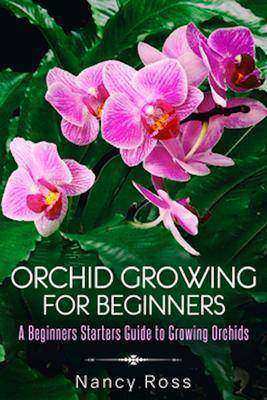
Orchid Growing for Beginners:A Beginners Starters Guide to Growing Orchids
¥38.62
WANT TO LEARN THE INS AND OUTS OF ORCHID GROWING FOR BEGINNERS? Here Is A Preview Of What You'll Learn... Why Should I Grow Orchids? What My Orchid Needs Important Growing Requirements for Your Orchids Re-potting Your Orchids Propagation to Help Grow More Orchids Much, Much, More!

Gardening for Beginners
¥38.62
WANT TO LEARN THE INS AND OUTS OF GARDENING FOR BEGINNERS? Here Is A Preview Of What You'll Learn About Container Gardening... Getting the Containers for Your Garden Creating a Good Environment for the Container Plants Choosing the Right Time to Plant The Best Plants to Grow in Your Container Garden Tips for Helping Your Plants to Thrive Much, Much, More! Here Is A Preview Of What You'll Learn About Greenhouse Gardening... Setting Up a Greenhouse Garden Growing Plants in Your Greenhouse Ways to Control the Climate in the Greenhouse Some of the Best Planting Methods in the Greenhouse How to Get Rid of the Pests Much, Much, More! Here Is A Preview Of What You'll Learn About Vertical Gardening... Setting Up the Base You Need in Your Garden Working on the Maintenance of Your Vertical Garden Making Room for the Plants Picking Out the Right Plants Some Tips for Your Vertical Garden Much, Much, More!

February:A Screenplay
¥8.09
In FEBRUARY, together, Sergeant Femi Kolawole and investigative journalist Chioma Okafor solves Emeka's Valentine-day murder, and on doing so, Chioma is exposed to Femi's heroic personality, which makes her eventually fall in love with him.The Plot:Chioma Okafor, a young investigative journalist, is pressured by her over-ambitious mother into an unwanted romantic relationship with Uche, a young sophisticated university lecturer. Chioma yields to her mother’s pressure, hoping she would eventually fall in love with Uche as her mother assured, but she never did. On a Valentine date with Uche, Chioma gets a glimpse of what her relationship has been missing, as she feels love for the first time with Emeka, a handsome stranger who’s unfortunately expecting a baby with Amara, a girl who Uche used to date in university. Uche turns a relationship that he intended to blow up into an engagement on Valentine's day, into a blood bath before midnight. Chioma who survives the near-death experience, narrates her Valentine dilemma to Femi, a clever Police Sergeant. The Twist:Everybody thinks Uche died that night, but a strange text message sent from Chioma’s phone to Emeka, triggers a series of twisted events, which proves that the jealous and malicious Uche is still alive and in the wind, and that the life of Chioma is hanging down by a thin thread. The ultimate question is: 'Since Uche is alive, then who is the man laying lifeless in the mortuary?' Chioma is certainly not pleased with the answer. Femi forcefully becomes Chioma’s personal bodyguard, while he hunts down Uche, an innocent-looking man who Femi had met a day ago and poorly judged. Follow Femi as he uncovers this intriguing murder mystery that nobody even knew happened.The Play:The screenplay starts with a scene of a couple whose faces aren’t revealed to the screen, laying MOTIONLESS in a wrecked car, covered in their own blood, and ends in a conference room, as Chioma calls Femi to tell him how she feels about him.FEBRUARY is a unique blend of romance, comedy, suspense, and adventure. A beautifully crafted story of love, jealousy, betrayal, conspiracy, and ambition.
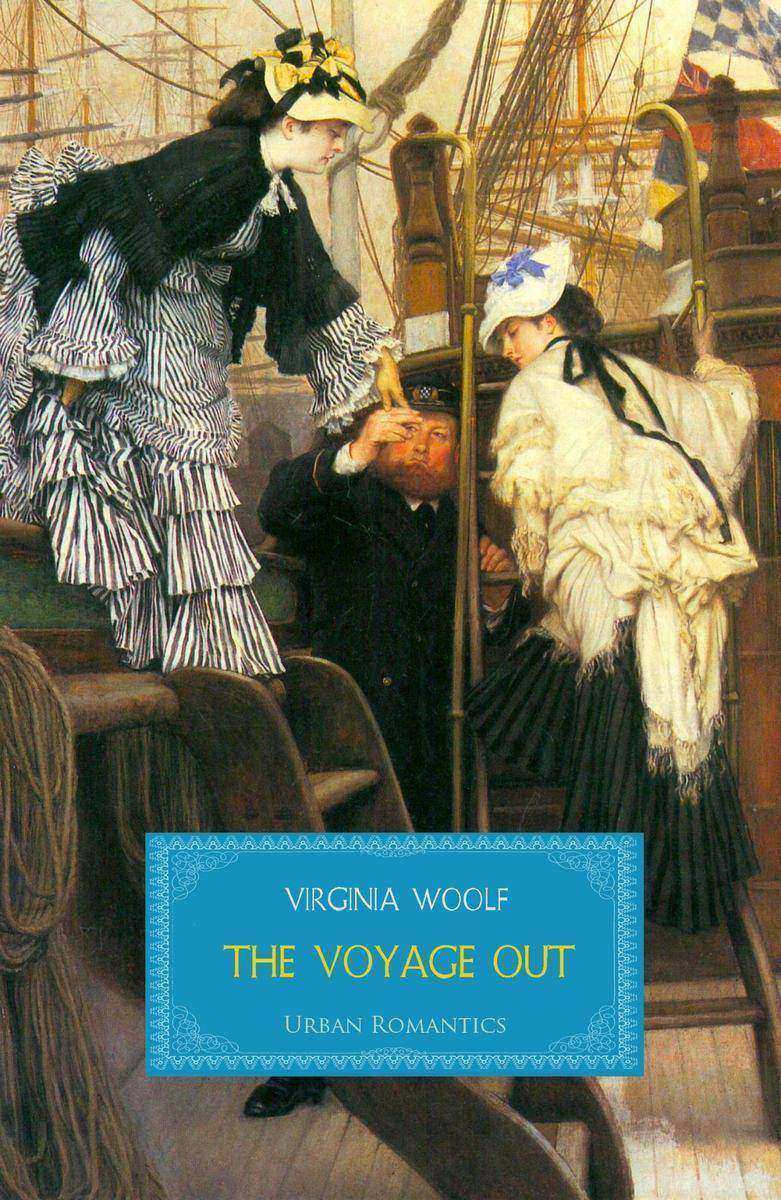
The Voyage Out
¥40.79
Rachel Vinrace embarks for South America on her father's ship and is launched on a course of self-discovery in a kind of modern mythical voyage. The mismatched jumble of passengers provide Woolf with an opportunity to satirise Edwardian life. The novel introduces Clarissa Dalloway, the central character of Woolf's later novel, Mrs. Dalloway. The work is distinguished by its innovative narrative style and the focus on feminine consciousness and sexuality.

Delphi Complete Works of Lewis Carroll (Illustrated)
¥24.44
Lewis Carroll was a prominent figure of the Victorian age, having not only written the Alice novels, but also varied works such as mathematical treatises, poetry and short stories. This eBook gives readers the unique opportunity of exploring Carroll’s work in a manner never before possible. This is the complete and fully illustrated literary works of Lewis Carroll, with a selection of mathematical works too. (Version 3) * illustrated with hundreds of images relating to Carroll’s life and works * annotated with concise introductions to the novels and other works * ALL the novels have their original Victorian illustrations – spend hours exploring the original Alice images and rarer images available nowhere else * the original version of ALICE’S ADVENTURES UNDER GROUND, with Carroll’s unique illustrations * includes Sir John Tenniel’s original illustrations for ALICE’S ADVENTURES IN WONDERLAND * includes rare poetry collections available in no other eBook * special alphabetical list of poems – find that special poem quickly and easily! * images of how the novels first appeared, giving your EReader a taste of the Victorian texts * includes a selection of Carroll’s mathematical works * SPECIAL BONUS section of three biographies on Carroll – explore his fascinating life in detail! * scholarly ordering of texts into chronological order and literary genres, allowing easy navigation around Carroll’s diverse oeuvre Please visit www.delphiclassics.com to browse through our range of exciting titles CONTENTS: The Novels ALICE’S ADVENTURES UNDER GROUND ALICE’S ADVENTURES IN WONDERLAND THROUGH THE LOOKING-GLASS SYLVIE AND BRUNO SYLVIE AND BRUNO CONCLUDED The Short Stories A TANGLED TALE BRUNO’S REVENGE AND OTHER STORIES WHAT THE TORTOISE SAID TO ACHILLES The Poetry Collections EARLY VERSE PROLOGUES TO PLAYS COLLEGE RHYMES AND NOTES PHANTASMAGORIA AND OTHER POEMS THE HUNTING OF THE SNARK THREE SUNSETS AND OTHER POEMS PUZZLES FROM WONDERLAND ACROSTICS, INSCRIPTIONS AND OTHER VERSES The Poems LIST OF POEMS IN ALPHABETICAL ORDER Selected Mathematical Works SYMBOLIC LOGIC THE GAME OF LOGIC THE ALPHABET CIPHER FEEDING THE MIND The Biographies LIFE AND LETTERS OF L.CARROLL BY S.D.COLLINGWOOD LEWIS CARROLL IN WONDERLAND BY BELLE MOSES THE STORY OF LEWIS CARROLL BY ISA BOWMAN Please visit www.delphiclassics.com to browse through our range of exciting titles


