


 购物车
购物车 个人中心
个人中心
The Complete William Shakespeare Collection (Illustrated)
¥17.57
The present ebook comprises the complete writings of William Shakespeare (37 plays, 160 sonnets, 5 poetry books). It comes with 150 original illustrations which are the engravings John Boydell commissioned for his Boydell Shakespeare Gallery.------------Contents:COMEDIES:The Comedy of ErrorsThe Taming of the ShrewThe Two Gentlemen of VeronaLove’s Labor’s LostA Midsummer Night’s DreamThe Merchant of VeniceThe Merry Wives of WindsorMuch Ado about NothingAs You Like ItTwelfth Night, or What You WillThe History of Troilus and CressidaAll’s Well That Ends WellMeasure for MeasureHISTORIES:The First Part of Henry the SixthThe Second Part of Henry the SixthThe Third Part of Henry the SixthThe Tragedy of Richard the ThirdThe Life and Death of King JohnThe Tragedy of King Richard the SecondThe First Part of Henry the FourthThe Second Part of Henry the FourthThe Life of Henry the FifthThe Famous History of the Life of King Henry the EighthTRAGEDIES:The Tragedy of Titus AndronicusThe Tragedy of Romeo and JulietThe Tragedy of Julius CaesarThe Tragedy of Hamlet, Prince of DenmarkThe Tragedy of Othello, the Moor of VeniceThe Tragedy of King LearThe Tragedy of MacbethThe Tragedy of Antony and CleopatraThe Tragedy of CoriolanusThe Life of Timon of AthensROMANCES:Pericles, Prince of TyreCymbelineThe Winter’s TaleThe TempestThe Two Noble KinsmenPOEMS:Venus and AdonisThe Rape of LucreceSonnetsA Lover’s ComplaintThe Passionate PilgrimThe Phoenix and Turtle
Botticelli: "Masterpieces In Colour" Series BOOK-II
¥32.62
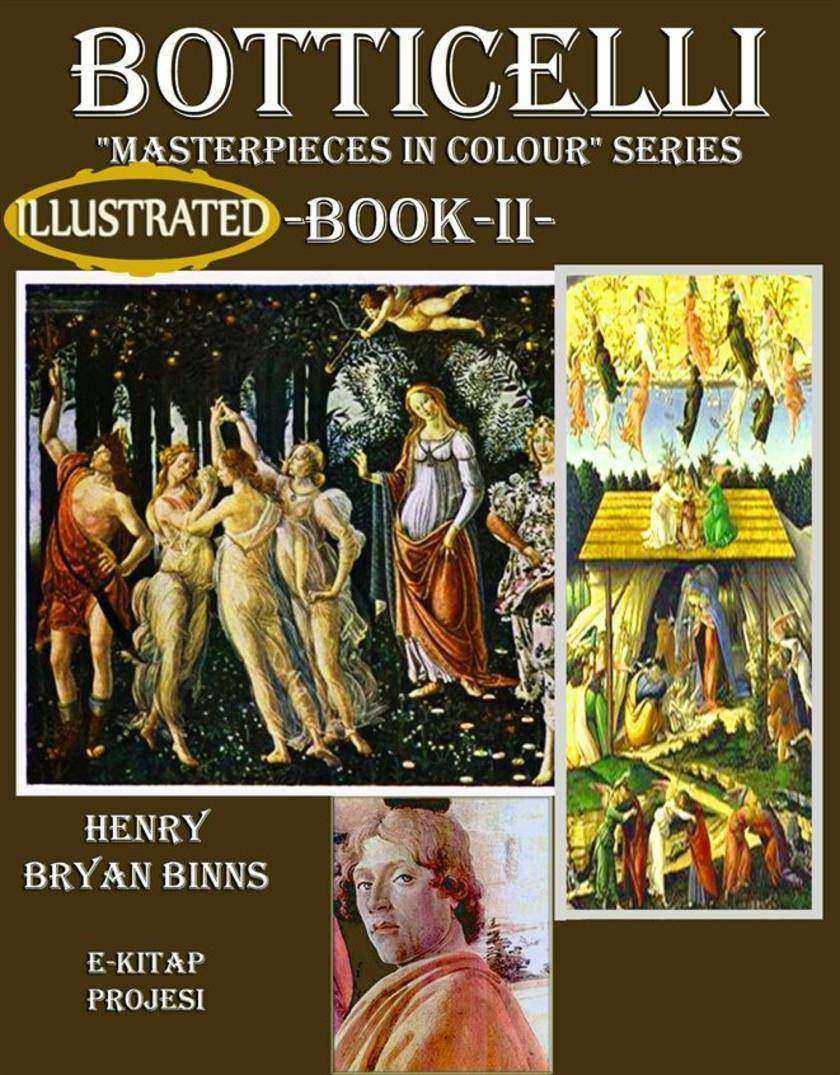
As in the case of "The Bases of Design," to which this is intended to form a companion volume, the substance of the following chapters on Line and Form originally formed a series of lectures delivered to the students of the Manchester Municipal School of Art. There is no pretension to an exhaustive treatment of a subject it would be difficult enough to exhaust, and it is dealt with in a way intended to bear rather upon the practical work of an art school, and to be suggestive and helpful to those face to face with the current problems of drawing and design. These have been approached from a personal point of view, as the results of conclusions arrived at in the course of a busy working life which has left but few intervals for the elaboration of theories apart from practice, and such as they are, these papers are now offered to the wider circle of students and workers in the arts of design as from one of themselves. They were illustrated largely by means of rough sketching in line before my student audience, as well as by photographs and drawings. The rough diagrams have been re-drawn, and the other illustrations reproduced, so that both line and tone blocks are used, uniformity being sacrificed to fidelity.? ? ? ? ? ? ? ? ? ? ? ? ? ? ? ? ?WALTER CRANE. Outline, one might say, is the Alpha and Omega of Art. It is the earliest mode of expression among primitive peoples, as it is with the individual child, and it has been cultivated for its power of characterization and expression, and as an ultimate test of draughtsmanship, by the most accomplished artists of all time. The old fanciful story of its origin in the work of a lover who traced in charcoal the boundary of the shadow of the head of his sweetheart as cast upon the wall by the sun, and thus obtained the first profile portrait, is probably more true in substance than in fact, but it certainly illustrates the function of outline as the definition of the boundaries of form.Silhouette As children we probably perceive forms in nature defined as flat shapes of colour relieved upon other colours, or flat fields of light on dark, as a white horse is defined upon the green grass of a field, or a black figure upon a background of snow.Definition of BoundariesTo define the boundaries of such forms becomes the main object in early attempts at artistic expression. The attention is caught by the edges—the shape of the silhouette which remains the paramount means of distinction of form when details and secondary characteristics are lost; as the outlines of mountains remain, or are even more clearly seen, when distance subdues the details of their structure, and evening mists throw them into flat planes one behind the other, and leave nothing but the delicate lines of their edges to tell their character. We feel the beauty and simplicity of such effects in nature. We feel that the mind, through the eye resting upon these quiet planes and delicate lines, receives a sense of repose and poetic suggestion which is lost in the bright noontide, with all its wealth of glittering detail, sharp cut in light and shade. There is no doubt that this typical power of outline and the value of simplicity of mass were perceived by the ancients, notably the Ancient Egyptians and the Greeks, who both, in their own ways, in their art show a wonderful power of characterization by means of line and mass, and a delicate sense of the ornamental value and quality of line. Formation of LettersRegarding line—the use of outline from the point of view of its value as a means of definition of form and fact—its power is really only limited by the power of draughtsmanship at the command of the artist. From the archaic potters' primitive figures or the rudimentary attempts of children at human or animal forms up to the most refined outlines of a Greek vase-painter, or say the artist of the Dream of Poliphilus, the difference is one of degree.
Crayon Portraiture
¥37.36
Macbeth (full title The Tragedy of Macbeth) is a tragedy written by William Shakespeare, and is considered one of his darkest and most powerful works. Set in Scotland, the play dramatizes the corrosive psychological and political effects produced when evil is chosen as a way to fulfil the ambition for power. The play is believed to have been written between 1599 and 1606, and is most commonly dated 1606. The earliest account of a performance of what was probably Shakespeare's play is the Summer of 1606, when Simon Forman recorded seeing such a play at the Globe Theatre. Macbeth is Shakespeare's shortest tragedy, and tells the story of a brave Scottish general named Macbeth who receives a prophecy from a trio of witches that one day he will become King of Scotland. Consumed by ambition and spurred to action by his wife, Macbeth murders King Duncan and takes the throne for himself. He is then wracked with guilt and paranoia, and he soon becomes a tyrannical ruler as he is forced to commit more and more murders to protect himself from enmity and suspicion. The bloodbath and consequent civil war swiftly take Macbeth and Lady Macbeth into the realms of arrogance, madness, and death. The play opens amidst thunder and lightning, and the Three Witches decide that their next meeting shall be with Macbeth. In the following scene, a wounded sergeant reports to King Duncan of Scotland that his generals—Macbeth, who is the Thane of Glamis, and Banquo—have just defeated the allied forces of Norway and Ireland, who were led by the traitorous Macdonwald and the Thane of Cawdor. Macbeth, the King's kinsman, is praised for his bravery and fighting prowess.In the following scene, Macbeth and Banquo discuss the weather and their victory. As they wander onto a heath, the Three Witches enter and greet them with prophecies. Though Banquo challenges them first, they address Macbeth, hailing him as "Thane of Glamis," "Thane of Cawdor," and that he shall "be King hereafter." Macbeth appears to be stunned to silence. When Banquo asks of his own fortunes, the witches inform him that he will father a line of kings, though he himself will not be one. While the two men wonder at these pronouncements, the witches vanish, and another thane, Ross, arrives and informs Macbeth of his newly bestowed title: Thane of Cawdor, as the previous Thane of Cawdor shall be put to death for his traitorous activities. The first prophecy is thus fulfilled, and Macbeth immediately begins to harbour ambitions of becoming king.King Duncan welcomes and praises Macbeth and Banquo, and declares that he will spend the night at Macbeth's castle at Inverness; he also names his son Malcolm as his heir. Macbeth sends a message ahead to his wife, Lady Macbeth, telling her about the witches' prophecies. Lady Macbeth suffers none of her husband's uncertainty, and wishes him to murder Duncan in order to obtain kingship. When Macbeth arrives at Inverness, she overrides all of her husband's objections by challenging his manhood, and successfully persuades him to kill the king that very night. He and Lady Macbeth plan to get Duncan's two chamberlains drunk so that they will black out; the next morning they will blame the chamberlains for the murder. They will be defenseless, as they will remember nothing.While Duncan is asleep, Macbeth stabs him, despite his doubts and a number of supernatural portents, including a hallucination of a bloody dagger. He is so shaken that Lady Macbeth has to take charge. In accordance with her plan, she frames Duncan's sleeping servants for the murder by placing bloody daggers on them. Early the next morning, Lennox, a Scottish nobleman, and Macduff, the loyal Thane of Fife, arrive. A porter opens the gate and Macbeth leads them to the king's chamber, where Macduff discovers Duncan's body. ABOUT AUTHOR: William Shakespeare ( 1564 (baptised) – 1616) was an English poet, playwright and actor, widely regarded as the greatest writer in the English language and the world's pre-eminent dramatist. He is often called England's national poet and the "Bard of Avon". His extant works, including some collaborations, consist of about 38 plays, 154 sonnets, two long narrative poems, and a few other verses, the authorship of some of which is uncertain. His plays have been translated into every major living language and are performed more often than those of any other playwright. Shakespeare was born and brought up in Stratford-upon-Avon. At the age of 18, he married Anne Hathaway, with whom he had three children: Susanna, and twins Hamnet and Judith. Between 1585 and 1592, he began a successful career in London as an actor, writer, and part-owner of a playing company called the Lord Chamberlain's Men, later known as the King's Men. He appears to have retired to Stratford around 1613 at age 49, where he died three years later. Few records of Shakespeare's private life survive, and there has been considerable speculation about such matters as his physic

Dubliners
¥28.04
We sailed from Peru, (where we had continued for the space of one whole year) for China and Japan, by the South Sea; taking with us victuals for twelve months; and had good winds from the east, though soft and weak, for five months space, and more. But the wind came about, and settled in the west for many days, so as we could make little or no way, and were sometime in purpose to turn back. But then again there arose strong and great winds from the south, with a point east, which carried us up (for all that we could do) towards the north; by which time our victuals failed us, though we had made good spare of them. So that finding ourselves, in the midst of the greatest wilderness of waters in the world, without victuals, we gave ourselves for lost men and prepared for death. Yet we did lift up our hearts and voices to God above, who showeth his wonders in the deep, beseeching him of his mercy, that as in the beginning he discovered the face of the deep, and brought forth dry land, so he would now discover land to us, that we might not perish. And it came to pass that the next day about evening we saw within a kenning before us, towards the north, as it were thick clouds, which did put us in some hope of land; knowing how that part of the South Sea was utterly unknown; and might have islands, or continents, that hitherto were not come to light. Wherefore we bent our course thither, where we saw the appearance of land, all that night; and in the dawning of the next day, we might plainly discern that it was a land; flat to our sight, and full of boscage; which made it show the more dark. And after an hour and a half's sailing, we entered into a good haven, being the port of a fair city; not great indeed, but well built, and that gave a pleasant view from the sea: and we thinking every minute long, till we were on land, came close to the shore, and offered to land. But straightways we saw divers of the people, with bastons in their hands (as it were) forbidding us to land; yet without any cries of fierceness, but only as warning us off, by signs that they made. Whereupon being not a little discomforted, we were advising with ourselves, what we should do. During which time, there made forth to us a small boat, with about eight persons in it; whereof one of them had in his hand a tipstaff of a yellow cane, tipped at both ends with blue, who came aboard our ship, without any show of distrust at all. And when he saw one of our number, present himself somewhat before the rest, he drew forth a little scroll of parchment (somewhat yellower than our parchment, and shining like the leaves of writing tables, but otherwise soft and flexible,) and delivered it to our foremost man. In which scroll were written in ancient Hebrew, and in ancient Greek, and in good Latin of the school, and in Spanish, these words: Land ye not, none of you; and provide to be gone from this coast, within sixteen days, except you have further time given you. Meanwhile, if you want fresh water or victuals, or help for your sick, or that your ship needeth repairs, write down your wants, and you shall have that, which belongeth to mercy. This scroll was signed with a stamp of cherubim: wings, not spread, but hanging downwards; and by them a cross. This being delivered, the officer returned, and left only a servant with us to receive our answer. F. BACON About Author: Francis Bacon, 1561 – 1626), was an English philosopher, statesman, scientist, jurist, orator, essayist, and author. He served both as Attorney General and Lord Chancellor of England. After his death, he remained extremely influential through his works, especially as philosophical advocate and practitioner of the scientific method during the scientific revolution.Bacon has been called the father of empiricism. His works established and popularised inductive methodologies for scientific inquiry, often called the Baconian method, or simply the scientific method. His demand for a planned procedure of investigating all things natural marked a new turn in the rhetorical and theoretical framework for science, much of which still surrounds conceptions of proper methodology today.Bacon was knighted in 1603, and created Baron Verulam in 1618 and Viscount St. Alban in 1621; as he died without heirs, both peerages became extinct upon his death. He famously died of pneumonia, contracted while studying the effects of freezing on the preservation of meat. The succession of James I brought Bacon into greater favour. He was knighted in 1603. In another shrewd move, Bacon wrote his Apologies in defence of his proceedings in the case of Essex, as Essex had favoured James to succeed to the throne. The following year, during the course of the uneventful first parliament session, Bacon married Alice Barnham. In June 1607 he was at last rewarded with the office of solicitor general. The following year, he began working as the Clerkship of the Star Chamber. Despite a generous income, old debts still co
Last Entry
¥18.74
A NEW AND FACETIOUS INTRODUCTION TO THE ENGLISH TONGUEBy Percival LeighEmbellished with upwards of forty-five Characteristic IllustrationsBy JOHN LEECH. Fashion requires, and like the rest of her sex, requires because she requires, that before a writer begins the business of his book, he should give an account to the world of his reasons for producing it; and therefore, to avoid singularity, we shall proceed with the statement of our own, excepting only a few private ones, which are neither here nor there. To advance the interests of mankind by promoting the cause of Education; to ameliorate the conversation of the masses; to cultivate Taste, and diffuse Refinement; these are the objects we have in view in submitting a Comic English Grammar to the patronage of a discerning Public. Few persons there are, whose ears are so extremely obtuse, as not to be frequently annoyed at the violations of Grammar by which they are so often assailed. It is really painful to be forced, in walking along the streets, to hear such phrases as, "That 'ere omnibus." "Where've you bin?" "Vot's the odds?" and the like. Very dreadful expressions are also used by cartmen and others in addressing their horses. What can possibly induce a human being to say "Gee woot!" "'Mather way!" or "Woa not to mention the atrocious "Kim aup!" of the barbarous butcher's boy. It is notorious that the above and greater enormities are perpetrated in spite of the number of Grammars already before the world. This fact sufficiently excuses the present addition to the stock; and as serious English Grammars have hitherto failed to effect the desired reformation, we are induced to attempt it by means of a Comic one. With regard to the moral tendency of our labors, we may be here permitted to remark, that they will tend, if successful, to the suppression of evil speaking ; and as the Spartans used to exhibit a tipsy slave to their children with a view to disgust them with drunkenness, and We will not allow a man to give an old woman a dose of rhubarb if he have not acquired at least half a dozen sciences; but we permit a quack to sell as much poison as he pleases. When one man runs away with another's wife, and, being on that account challenged to fight a duel, shoots the aggrieved party through the head, the latter is said to receive satisfaction. We never take a glass of wine at dinner without getting somebody else to do the same, as if we wanted encouragement; and then, before we venture to drink, we bow to each other across the table, preserving all the while a most wonderful gravity. This, however, it may be said, is the natural result of endeavoring to keep one another in countenance. The way in which we imitate foreign manners and customs is very amusing. Savages stick fish-bones through their noses; our fair countrywomen have hoops of metal poked through their ears. The Caribs flatten the forehead; the Chinese compress the foot; and we possess similar contrivances for reducing the figure of a young lady to a resemblance to an hour-glass or a devil-on-two-sticks. There being no other assignable motive for these and the like proceedings, it is reasonable to suppose that they are adopted, as schoolboys say, "for fun." We could go on, were it necessary, adducing facts to an almost unlimited extent; but we consider that enough has now been said in proof of the comic character of the national mind. And in conclusion, if any other than an English or American author can be produced, equal in point of wit, humor, and drollery, to Swift, Sterne, Dickens, or Paulding, we hereby engage to eat him; albeit we have no pretensions to the character of a "helluo librorum." "English Grammar," according to Lindley Murray, "is the art of speaking and writing the English language with propriety." The English language, written and spoken with propriety, is commonly called the King's English.

Life Is A Dream
¥18.74
To my thinking, all modern English books on the Devil and his works are unsatisfactory. They all run in the same groove, give the same cases of witchcraft, and, moreover, not one of them is illustrated. I have endeavoured to remedy this by localizing my facts, and by reproducing all the engravings I could find suitable to my purpose. I have also tried to give a succinct account of demonology and witchcraft in England and America, by adducing authorities not usually given, and by a painstaking research into old cases, carefully taking everything from original sources, and bringing to light very many cases never before republished. For the benefit of students, I have given—as an Appendix—a list of the books consulted in the preparation of this work, which, however, the student must remember is not an exhaustive bibliography on the subject, but only applies to this book, whose raison d’être is its localization. The frontispiece is supposed to be the only specimen of Satanic caligraphy in existence, and is[Pg vi] taken from the ‘Introductio in Chaldaicam Linguam,’ etc., by Albonesi (Pavia, 1532). The author says that by the conjuration of Ludovico Spoletano the Devil was called up, and adjured to write a legible and clear answer to a question asked him. Some invisible power took the pen, which seemed suspended in the air, and rapidly wrote what is facsimiled. The writing was given to Albonesi (who, however, confesses that no one can decipher it), and his chief printer reproduced it very accurately. I am told by experts that in some of the characters may be found a trace of Amharic, a language spoken in its purity in the province of Amhara (Ethiopia), and which, according to a legend, was the primeval language spoken in Eden. JOHN ASHTON. CHAPTER IUniversal Belief in the Personality of the Devil, as portrayed by the British Artist—Arguments in Favour of his Personality—Ballad—‘Terrible and Seasonable Warning to Young Men.’ The belief in a good and evil influence has existed from the earliest ages, in every nation having a religion. The Egyptians had their Typho, the Assyrians their Ti-a-mat (the Serpent), the Hebrews their Beelzebub, or Prince of Flies,[1] and the Scandinavians their Loki. And many religions teach that the evil influence has a stronger hold upon mankind than the good influence—so great, indeed, as to nullify it in a large degree. Christianity especially teaches this: ‘Enter ye by the narrow gate; for wide is the gate, and broad is the way, that leadeth to destruction, and many be they that enter in thereby. For narrow is the gate, and straitened the way, that leadeth unto life, and few be they that find it.’ This doctrine of the great power of the Devil, or evil influence over man, is preached from every pulpit, under every form of Christianity, throughout the world; and although at the present time it is only confined to the greater moral power of the Devil over man, at an earlier period it was an article of belief that he was able to exercise a greater physical power. This was coincident with a belief in his personality; and it is only in modern times that that personality takes an alluring form. In the olden days the Devil was always depicted as ugly and repulsive as the artist could represent him, and yet he could have learned a great deal from the modern Chinese and Japanese. The ‘great God Pan,’ although he was dead, was resuscitated in order to furnish a type for ‘the Prince of Darkness’; and, accordingly, he was portrayed with horns, tail and cloven feet, making him an animal, according to a mot attributed to Cuvier, ‘graminivorous, and decidedly ruminant’; while, to complete his classical ensemble, he was invested with the forked sceptre of Pluto, only supplemented with another tine.
Nero
¥27.88
IN ancient times, when the city of Rome was at the height of its power and splendor, it was the custom, as it is in fact now with the inhabitants of wealthy capitals, for the principal families to possess, in addition to their city residences, rural villas for summer retreats, which they built in picturesque situations, at a little distance from the city, sometimes in the interior of the country, and sometimes upon the seashore. There were many attractive places of resort of this nature in the neighborhood of Rome. Among them was Antium.??The beauty and the salubrity of Antium made it a very attractive place of summer resort for the people of Rome; and in process of time, when the city attained to an advanced stage of opulence and luxury, the Roman noblemen built villas there, choosing situations, in some instances, upon the natural terraces and esplanades of the promontory, which looked off over the sea, and in others cool and secluded retreats in the valleys, on the land. It was in one of these villas that NERO was born.??NERO's father belonged to a family which had enjoyed for several generations a considerable degree of distinction among the Roman nobility, though known by a somewhat whimsical name. The family name was Brazenbeard, or, to speak more exactly, it was Aheno-barbus, which is the Latin equivalent for that word. ?
A Story of the Golden Age of Greek Heroes: Pictured & Illustrated
¥28.29
YOU have heard of Homer, and of the two wonderful poems, the Iliad and the Odyssey, which bear his name. No one knows whether these poems were composed by Homer, or whether they are the work of many different poets. And, in fact, it matters very little about their authorship. Everybody agrees that they are the grandest poems ever sung or written or read in this world; and yet, how few persons, comparatively, have read them, or know any thing about them except at second-hand! ? Homer commences his story, not at the beginning, but "in the midst of things;" hence, when one starts out to read the Iliad without having made some special preparation beforehand, he finds it hard to understand, and is tempted, in despair, to stop at the end of the first book. Many people are, therefore, content to admire the great masterpiece of poetry and story-telling simply because others admire it, and not because they have any personal acquaintance with it.? Now, it is not my purpose to give you a "simplified version" of the Iliad or the Odyssey. There are already many such versions; but the best way for you, or any one else, to read Homer, is to read Homer. If you do not understand Greek, you can read him in one of the many English translations. You will find much of the spirit of the original in the translations by Bryant, by Lord Derby, and by old George Chapman, as well as in the admirable prose rendering by Butcher and Lang; but you can get none of it in any so-called simplified version.??My object in writing this "Story of the Golden Age" has been to pave the way, if I dare say it, to an enjoyable reading of Homer, either in translations or in the original. I have ta-ken the various legends relating to the causes of the Trojan war, and, by assuming certain privileges never yet denied to story-tellers, have woven all into one continuous narrative, ending where Homer's story begins. The hero of the Odyssey—a character not always to be admired or commended—is my hero. And, in telling the story of his boyhood and youth, I have taken the opportunity to repeat, for your enjoyment, some of the most beautiful of the old Greek myths. If I have, now and then, given them a coloring slightly different from the original, you will remember that such is the right of the story-teller, the poet, and the artist. The essential features of the stories remain unchanged. I have, all along, drawn freely from the old tragedians, and now and then from Homer himself; nor have I thought it necessary in every instance to mention authorities, or to apologize for an occasional close imitation of some of the best translations. The pictures of old Greek life have, in the main, been derived from the Iliad and the Odyssey, and will, I hope, help you to a better understanding of those poems when you come to make acquaintance directly with them.??Should you become interested in the "Story of the Golden Age," as it is here related, do not be disappointed by its somewhat abrupt ending; for you will find it continued by the master-poet of all ages, in a manner both inimitable and unapproachable. If you are pleased with the discourse of the porter at the gate, how much greater shall be your delight when you stand in the palace of the king, and hearken to the song of the royal minstrel! ?
Makinelerin Evrimi: 4. Sanayi Devrimi
¥37.11
Endu?stri 4.0 d?nemi ile fabrikadaki u?retim ekipmanlar? birbirleriyle konu?up anla?acak ve gelecekte insans?z fabrikalar yayg?nla?acak. ?? kazalar? azalacak ve teknolojik verimlilik sa?lanacak. Yeni endu?stri devrimi hem enerji tasarrufu sa?layacak hem de maliyetleri du??u?recek. Alman Hu?ku?metinin u?retim su?re?lerini bilgisayarla?ma y?nu?nde te?vik etme ve yu?ksek teknolojiyle donatmas? projesi olarak kabul edilen Endu?stri 4.0, ayn? zamanda d?rdu?ncu? sanayi devrimi anlam?na geliyor. Endu?stri 4.0 ile tu?m yaz?l?m ve networklerde u?ru?n geli?tirme, u?retim ve servis su?re?lerinin ileti?imi, makinalar?n ve u?ru?nlerin ger?ek zamanl? bilgi al??veri?i, otonom kontrol ve optimizasyonu mu?mku?n olacak. 1784’te ortaya ??kan ilk sanayi devriminde, su ve buhar gu?cu?nu?n kullan?m?yla u?retim yap?lmas? hakim iken, 1870’lerde elektrik enerjisinin kullan?m?, ikinci sanayi devriminin de kap?lar?n? a?t?. Dijital devrim olarak da adland?r?labilecek u??u?ncu? sanayi devrimi ise, 1969’da elektronik ve bili?im teknolojilerinin kullan?m? ile ortaya ??kt?. 2013 y?l?na geldi?imizde ise internet uygulamalar?, yatay-dikey entegrasyonlu ve ger?ek zamanl? yeni de?er zincirleri, siber-fiziksel sistemler ve ak?ll? fabrikalar hayatlar?m?zdaki varl???n? gu??lendirdi. Yazar Hakk?nda [Tarkan ?zhan, 1969-] ???REN?M DURUMU: Trakya üniversitesi B?lüm: Fen Fakultesi Kimyager MESLE??: Borsac?, Trader, Portfoy Y?netimi Aktif ?al??ma süresi; 25 y?l

Manualul ?mbl?nzitorului de Cafele (psalm turcesc)
¥48.97
C eti un artist dramatic care se zbate s supravieuiasc sau c eti un om care nu se identific cu sexul cu care a fost nzestrat i ncearc disperat s remedieze aceast problem, c eti un geniu ajuns n zdrene, care cerete ansa de a-i spune povestea, c eti un ndrgostit iremediabil, care ncaseaz doar indiferen, c eti un nimeni urmrit venic de autoriti, de probleme i eecuri, c eti captiv n lumea ta, singurul loc n care nu eti perceput ca fiind nebun tocmai fiindc sfideaz noiunea unanim acceptat de normalitate, c eti un scriitor care i aterne realitatea bidimensional, pe foaie, n replici, n didascalii, n uniti de msur a emoiei – numite cuvinte –, i ridic n alii realiti tridimensionale, c eti o ntmplare care citete aceste rnduri, tii foarte bine c orice fapt consumat d singur startul la o continuare i c exist mereu o a doua ans, la fel cum Moartea tie cnd trebuie s lase ceva s continue, cnd s-i spun stop sau cnd s nchid ochii, fiindc intervenia ar descalifica-o. Totul poart eticheta cu va urma i depinde doar de noi s lsm eticheta acolo i s urmm indicaia.Teatrul prelungete viaa fiindc este o prelungire a vieii. Nu e att parte a ei, ct o extensie, ca o pereche de aripi cu care plonjm ntr-un bar supraaglomerat, ntr-un dormitor n care ncap fix dou persoane, ntr-un vis policrom cu iz de psihotrope, sau ntr-o scen care ne va marca fiindc urmeaz s se petreac n acel interval de timp pe care niciodat nu suntem n stare s-l dibuim, dar tim atunci cnd se ntmpl c nu putea fi altcndva.Trei piese care ne zguduie, ne las simurile bulversate, creierii bruscai, inima n aritmie, dar sufletul cumva ridicat. Trei piese de prelungit viaa, chiar i a celor care cred c aceasta urmeaz abia dup ce vor muri. Moartea strig: Bis!“ cnd se vede aplaudnd de una singur, fiindc nu are de ales dect s lase spectacolul s continue n momentul n care tocmai se dezintegreaz.ndrznete i citete!“ – Andrei Vornicu

Mackó úr utazásai
¥8.83
Maszumé hétk?znapi kamaszlány a 60-as évek Iránjában. Iskolába menet meglát egy fiatalembert, akivel egymásba szeretnek. Maszumé bátyjai megtalálják ártatlan levelezésüket, húgukat megverik, majd máshoz kényszerítik feleségül. A lánynak fel kell adnia álmait, és el kell indulnia egy g?r?ngy?s úton, melyet a sors rendelt neki. Az ?tven évet fel?lel? regény a hazáját jól ismer? szerz? szemével k?veti végig Irán viharos t?rténelmét: a 60-as évek a sah elnyomó uralma alatt, majd az iszlám forradalom, mely visszahozta Iránba a k?zépkort, az iraki–iráni háború. A regényt, mely az utóbbi évtized legnagyobb bestsellere lett Iránban, kétszer is betiltották, azonban nem politikai tartalma miatt, hanem mert egy olyan független és er?s n? sorsát állítja példaképül, aki a sorscsapások és nehézségek ellenére sosem adja fel a reményt, s bár csendesen, mégis határozottan tiltakozik társadalmának elnyomó hagyományai ellen. Parinoush Saniee szociológus és pszichológus, t?bb regény szerz?je. A sors k?nyve els? regénye, melyet t?bb nyelvre fordítottak le, Olaszországban elnyerte a Boccaccio-díjat, Németországban bestseller lett. Az iráni írón? 1949-ben született, férjnél van, két fia külf?ld?n él.

Maga itt a tánctanár?
¥52.40
A magyar k?nyvkiadás legnagyobb adósságainak egyike ez a k?nyv. A világ t?bb országában a holokausztirodalom egyik legjelent?sebb remekm?veként tartják számon, Magyarországon 1982-ben jelent meg utoljára.Zsolt Béla, nagyváradi író, újságíró, a zsidót?rvények után nem folytathatta a pályáját. Munkaszolgálatra Ukrajnába került, az út onnan haza, majd a váradi gettóba, kés?bb Bergen-Belsenbe vezetett, egészen a szabadulásig.Zsolt Béla regénye nem artisztikus memoár. Vad, olykor az elviselhet?ség határáig kegyetlen és ?szinte visszaemlékezés, felzaklató olvasmány.Az olykor egymás kínjának is ?rül? társairól. Az elmebajig kegyetlen, egyszersmind a megtorlástól retteg? csend?r?kr?l. ?rulásról, kétségbeesésr?l, az újra és újra feltámadó hamis reményr?l, és mindennek okáról és céljáról: a zsidók kifosztásáról.Aki elolvassa a Kilenc koffert, megérti, miért nem tud a rémálomból eszmélni sok európai ország azóta sem.Zsolt Béla feleségének egész családja odaveszett, k?ztük az a Heyman ?va, akinek gettónaplója megjelent már t?bb nyelven, magyarul Piros bicikli címen.
Kenoma
¥16.27
Documentele publicate sub egida Institutului de Istorie ?George Bari?iu“ al Academiei Rom?ne au fost structurate ?n dou? p?r?i: Emigra?ia albgardist? ?i Biserica Rus? din Bucure?ti. Prima parte cuprinde r?spunsul direc?iilor regionale la Ordinul Direc?iei Generale a Securit??ii Statului nr. 354/81558 privind albgardi?tii din raza acestora de competen??, iar cea de a doua – materiale ale Direc?iei Regionale a Securit??ii Bucure?ti despre personalul, emigran?ii ?i refugia?ii care frecventeaz? Biserica Rus?. Sursele relev? destinul, starea de spirit ?i material? a fo?tilor membri ai armatelor ruse ?i ucrainene stabili?i ?n Rom?nia, supravie?uitori ai celor dou? r?zboaie mondiale, liderii fiind deja aresta?i.Din sinteza informativ? a Direc?iei Regionale a Securit??ii Bac?u din 27 octombrie 1951:??n urma ac?iunilor contrarevolu?ionare desf??urate ?n t?n?rul Stat Sovietic de c?tre bandele conduse de Denikin, Kerenski ?i Vranghel, bande ce au fost distruse de c?tre t?n?ra Armat? Ro?ie Sovietic? ?i alungate peste grani?ele Statului Sovietic, ?i ?n ?ar? la noi au venit o serie de elemente ce au f?cut parte din aceste armate, care ?i-au stabilit domiciliul ?n diferite ora?e ale ??rii noastre, unde sub regimul burghezo-mo?ieresc ce se afla ?n acel timp la c?rma ??rii noastre au g?sit azil ?i ocrotire.Astfel ?i ?n regiunea Bac?u din aceste elemente identificate p?n? ?n prezent sunt ?n num?r de 6 persoane, ?i anume: Mateevski Konstantin, ?n prezent domiciliat ?n Piatra-Neam?, de profesie electrician ?i mecanic, angajat ?n aceast? func?ie la Sovromlemn Piatra-Neam?; Petrovski Vasile, fost colonel de artilerie ?i avia?ie ?n armata alb? a lui Vranghel, ?n prezent domiciliat ?n Piatra-Neam?, fiind angajat ca magazioner la fabrica Bistri?a din Piatra-Neam?; Galini?cenko Alexandru, domiciliat ?n Piatra-Neam?, f?r? ocupa?ie, ?n prezent fiind b?tr?n; Kazimirov Mark, de profesie ?ofer angajat ?n aceast? calitate la fabrica ?Reconstruc?ia“ Piatra-Neam?, fost ofi?er ?n Armata Alb? ucrainean?, ?n prezent lucreaz? ca t?mplar, ?i Babici Ifrim, fost ofi?er ?n armata lui Vranghel, actualmente domiciliat ?n comuna Tarc?u, raionul Piatra-Neam?, cu serviciul la Sovromlemn.?n leg?tur? cu susnumi?ii trebuie s? ar?t?m c? dac? ?n trecut existau unele rela?ii de prietenie ?ntre d?n?ii, ?nt?lniri ?n care ??i reaminteau cu pl?cere de trecutul lor, ast?zi, fiind elemente b?tr?ne, nu se mai observ? aceste leg?turi, mai ales c? majoritatea sunt c?s?tori?i cu cet??ence rom?ne ?i parte dintre d?n?ii au chiar ?i copii.De asemeni, din cele cunoscute de noi rezult? c? ace?tia nu ?ntre?in leg?turi prin coresponden?? cu str?in?tatea ?i nici cu elementele dubioase ?i du?m?noase din locurile unde tr?iesc ei. S-a putut constata c? aceste elemente sunt extrem de fricoase ca nu cumva s? vin? o dispozi?ie care s?-i pun? ?n situa?ia s? se ?ntoarc? ?n URSS, obliga?i. Comentarii ?n acest gen au fost extrem de multe ?n r?ndurile lor, ?n special ?ntre anii 1945-1946, c?nd ei credeau sigur c? vor fi evacua?i din ?ara noastr? ?i trimi?i ?n Uniunea Sovietic?. Totu?i ?i ?n prezent, de?i b?tr?ni, exist? ?i ?n r?ndurile lor unele comentarii ?i nemul?umiri, pe care ?ns? ?i le arat? ?n anturajul restr?ns pe care eventual ?l au.“

Hajnali beszélgetések Lukits Milossal
¥27.71
T?rténik Olivér házában, Frigyes herceg udvarában, valamint az Ardeni-erd?ben – vélhet?leg Franciaországban. Egy nagy erej? vitéz, miként nálunk majd Toldi, legy?z egy bajnokot. Bár testvére ármánya miatt meg kellett volna halnia a párviadalban, mégis az ? homlokára kerül a gy?ztesnek kijáró koszorú. ?s ezzel kezdetét veszi vessz?futása. El?bb csak bátyja, majd uralkodója haragja el?l, utóbb egyenest a szám?zetésbe. Vigaszul csupán egy mosoly, egy fehér lánykézb?l kapott amulett és ?reg szolgája sírig h? ragaszkodása szolgál. ?m az ardeni erd? mélyén további barátokra, igaz szerelemre, és el?z?tt hercegének birodalmára talál.
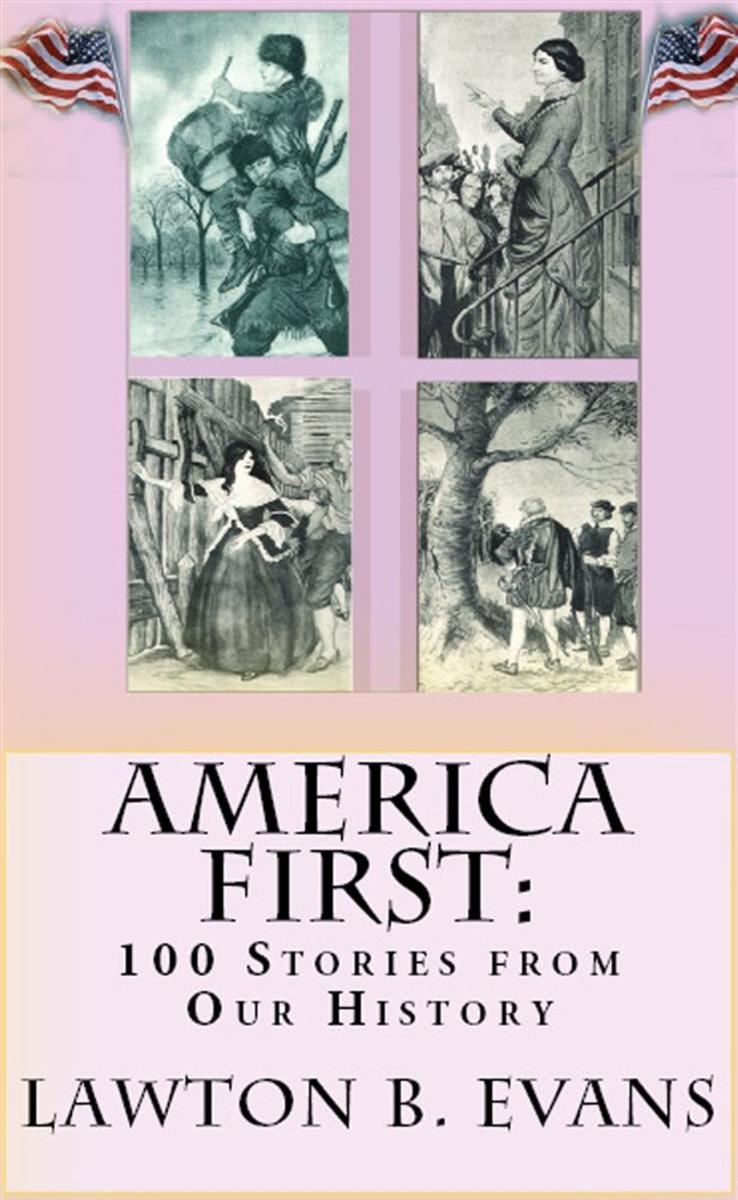
America First: —100 Stories from Our History—
¥23.54
WHEN children advance beyond the nursery age, no story is so wonderful as a true story. Fiction to them is never as appealing as fact. I have often been faced with the inquiry: whether or not a story is a true one. The look of gratification, when told that "it actually happened," was most satisfying to me as a story-teller.??The nearer a story is to the life and traditions of the child, the more eagerly it is attended. True stories about our own people, about our neighbors and friends, and about our own country at large, are more interesting than true stories of remote places and people. We naturally are interested in our own affairs, and the nearer they are to us the greater the interest we feel.??That history is just a long, thrilling story of the trials and triumphs of pioneers and patriots is well known to those who have had to do with the teaching of history to youthful minds. That the dry recital of political and governmental history does not interest children is also well known. History should be made vital, vibrant, and personal if we expect children to be stirred by its study.?To gratify the love of children for the dramatic and picturesque, to satisfy them with stories that are true, and to make them familiar with the great characters in the history of their own country, is the purpose of this volume.??It is hoped that through appeal to youthful love of adventure, this collection of stories, covering the entire range of American history, will stimulate the ambition and strengthen the patriotism of those young citizens whose education has been the constant concern of the author for many years.
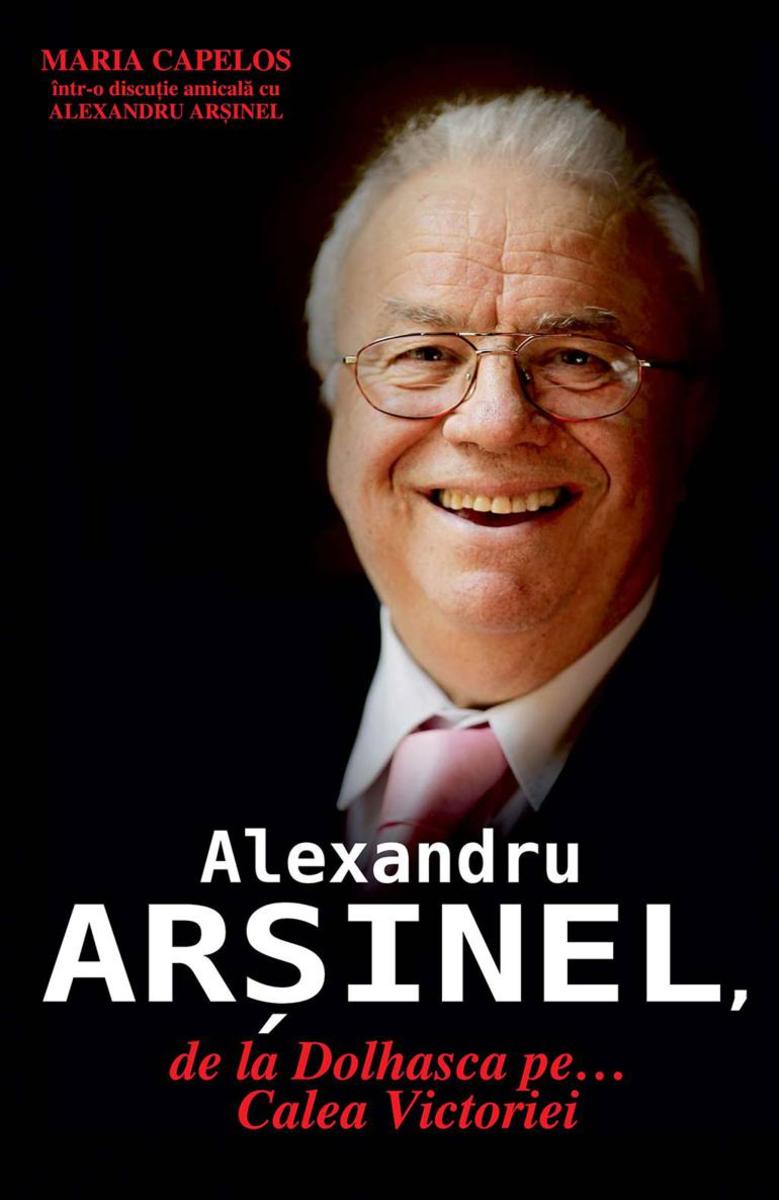
Alexandru Ar?inel, de la Dolhasca pe... Calea Victoriei
¥65.32
Volumul Dic?iunea ideilor, apar?in?nd profesorului Mircea Martin de la Facultateade Litere a Universit??ii Bucure?ti, este o contribu?ie valoroas? ?i original? la analiza unui raport extrem de important ?n teoriile socio-umane ale cunoa?terii, anume raportul dintre natural, artificial ?i autentic, aplicat asupra discursului metaliterar. Cartea se constituie ca o ?nsumare de analize a acestui raport ?n opera unor teoreticieni ai fenomenului literar rom?ni ?i str?ini: Tudor Vianu, G. C?linescu, B. Fondane, Matei C?linescu, Marcel Raymond, Roland Barthes, Carlos Bouso?o, Jaap Linnvelt. Departe de a fi o simpl? ?nsumare de analize aplicate, cartea este de fapt o critic? aconceptelor folosite deopotriv? de cercetarea antropologic?, cea estetic? ?i cea pur literar? ?i o contribu?ie esen?ial? la un proces de inserare ?nmodernitate a culturii rom?ne. Contribu?iile teoreticienilor rom?ni sunt v?zute ?n raportul lor de originalitate-sincronicitate cu cele ale cercet?torilor str?ini, ?nscriindu-se ?ntr-un proces de organicitate care implic? categorii culturale largi.
The Code of Hammurabi
¥8.82
The Code of Hammurabi (Codex Hammurabi) is a well-preserved ancient law code, created ca. 1790 BC (middle chronology) in ancient Babylon. It was enacted by the sixth Babylonian king, Hammurabi. One nearly complete example of the Code survives today, inscribed on a seven foot, four inch tall basalt stele in the Akkadian language in the cuneiform script. One of the first written codes of law in recorded history. These laws were written on a stone tablet standing over eight feet tall (2.4 meters) that was found in 1901.
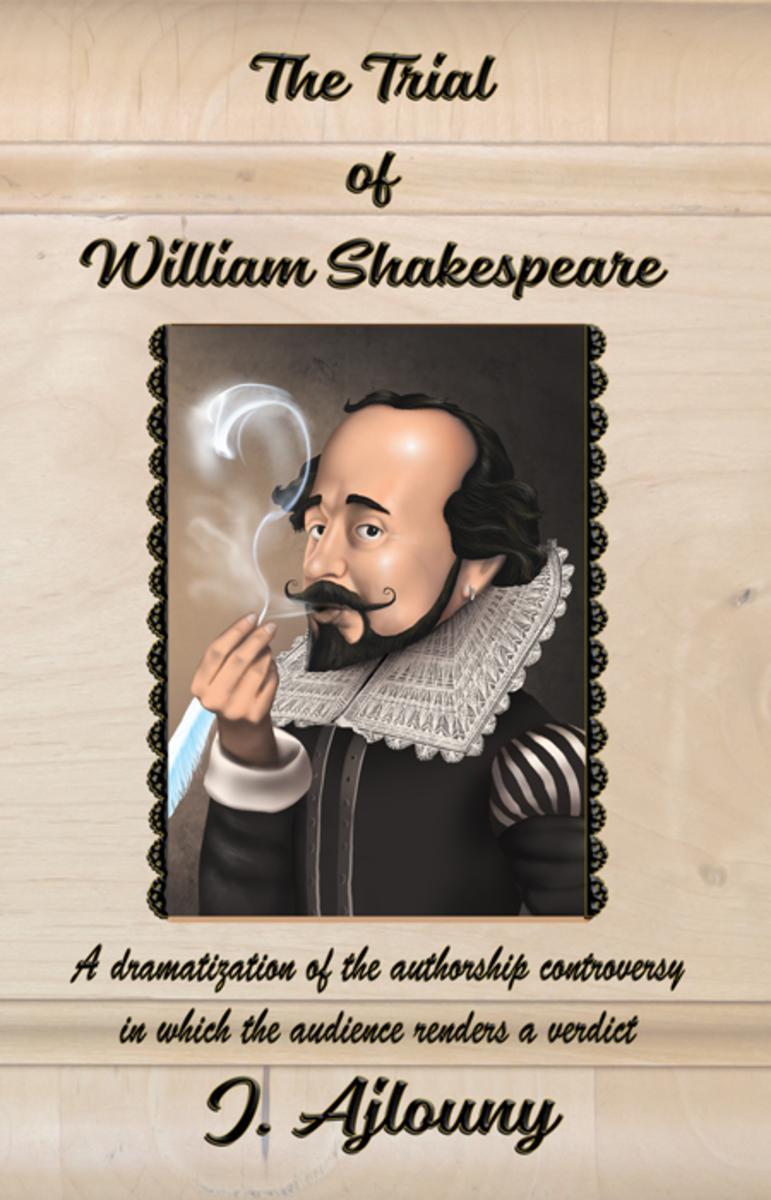
The Trial of William Shakespeare
¥24.44
Few men have endured the indignity of having their very existence challenged as thoroughly as William Shakespeare, late of Stratford-upon-Avon. From scholars to amateur enthusiasts, many cannot bring themselves to believe he wrote his own body of work. Playwright J. Ajlouny presents the arguments for and against, all statements and proofs drawn from the historical record. Everybody must decide for himself, but The Trial of William Shakespeare makes the controversy both intriguing and fun.

Hamlet
¥40.79
New adaptation of 'Hamlet' for a modern black theatrical production. Remember me… Denmark, a Black Empire of modern England, where an intelligent young student discovers the world he once knew has crumbled. Implored to defend what is left of his father’s decaying legacy, Hamlet now faces the greatest moral challenge – to kill or not to kill. Directed by Jeffery Kissoon (RSC, National Theatre, Robert Lepage, Peter Hall and in Peter Brook’s seminal production of The Mahabharata) and adapted with Shakespeare’s text by award-winning playwright Mark Norfolk, this fast-moving version gets straight to the heart of a young man’s dilemma. This first all-black production of Hamlet in Britain makes a striking contribution to the Shakespeare 400 anniversary celebration. For ages 12+
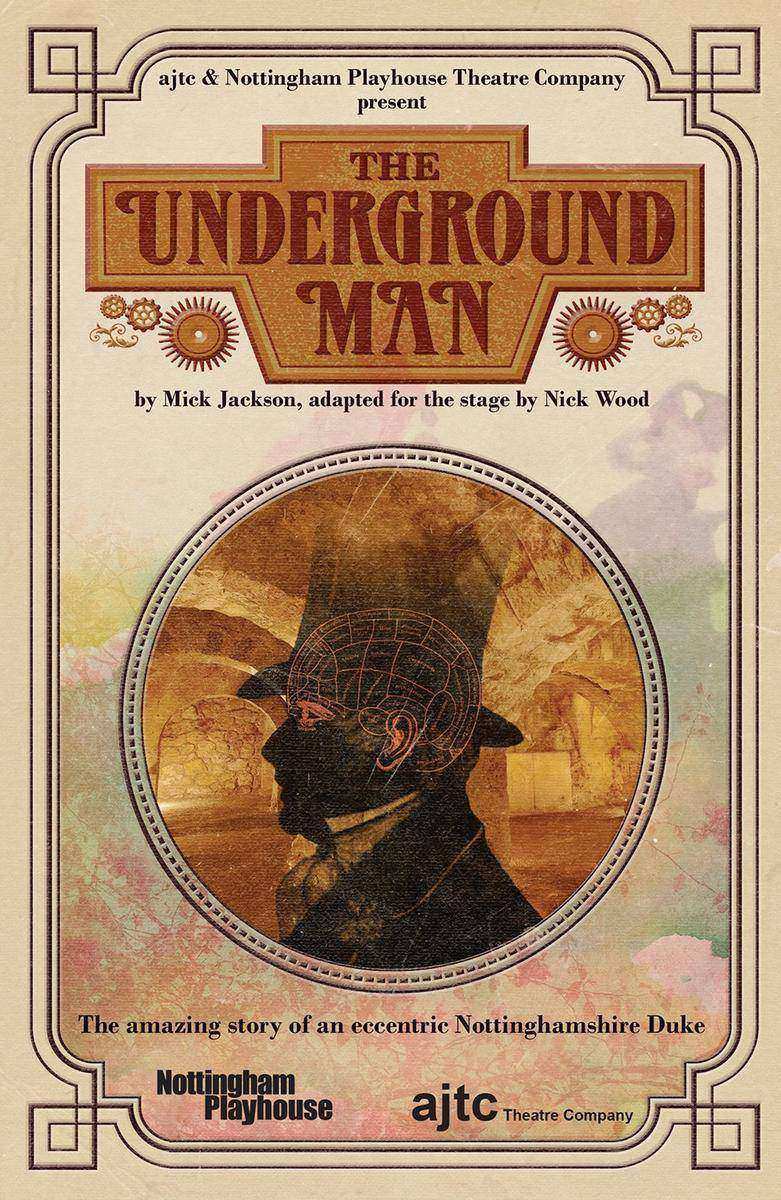
The Underground Man: adapted for the stage
¥40.79
A life of fascination, obsession and deep scientific curiosity. William Cavendish-Scott-Bentinck is an eccentric Nottinghamshire aristocrat whose imagination and curiosity know no bounds. This deceptively simple man struggles to come to terms with a world that is teeming with new knowledge, ill-founded opinion and?gossip. Why does he hide himself away? What is his fascination with tunnels? Will he ever unearth the secrets hidden in his memory? In a sequence of events that are often curious and frequently hilarious he reveals moments of surprising perception and wisdom. Nottingham Playhouse and ajtc have combined their talents to co-produce Nick Wood’s stage adaptation of Mick Jackson’s Booker Prize shortlisted novel. The result is a free-flowing, innovative performance which features live music and a specially commissioned score. The Underground Man is a delectable blend of fact and fiction in which the intriguing details of a complex life are richly explored through the vibrant imagination of a gentle soul.
The Metamorphoses
¥40.79
The Metamorphoses, or The Golden Ass, is the only Ancient Roman novel to survive in its entirety. The protagonist of the novel is called Lucius. At the end of the novel, he is revealed to be from Madaurus, in ancient Algeria, the hometown of Apuleius himself. The plot revolves around the protagonist's curiosity and insatiable desire to see and practice magic. While trying to perform a spell to transform into a bird, he is accidentally transformed into an ass. This leads to a long journey, literal and metaphorical, filled with in-set tales. He finally finds salvation through the intervention of the goddess Isis, whose cult he joins.


