


 购物车
购物车 个人中心
个人中心
The Home
¥18.74
What is the magic of pastoral Greece? What is it that gives to you a sensation of being gently released from the cares of life and the boredom of modern civilization, with its often unmeaning complications, its unnecessary luxuries, its noisy self-satisfactions? This is not the tremendous, the spectacular release of the desert, an almost savage tearing away of bonds. Nothing in the Greece I saw is savage; scarcely anything is spectacular. But, oh, the bright simplicity of the life and the country along the way to Marathon! It was like an early world. One looked, and longed to live in those happy woods like the Turkish Gipsies. Could life offer anything better? The pines are small, exquisitely shaped, with foliage that looks almost as if it had been deftly arranged by a consummate artist. They curl over the slopes with a lightness almost of foam cresting a wave. Their color is quite lovely. The ancient Egyptians had a love color: well, the little pine-trees of Greece are the color of happiness. You smile involuntarily when you see them. And when, descending among them, you are greeted by the shining of the brilliant-blue sea, which stretches along the edge of the plain of Marathon, you know radiance purged of fierceness.? The road winds down among the pines till, at right angles to it, appears another road, or rough track just wide enough for a carriage. This leads to a large mound which bars the way. Upon this mound a habitation was perched. It was raised high above the ground upon a sort of tripod of poles. It had yellow walls of wheat, and a roof and floor of brushwood and maize. A ladder gave access to it, and from it there was a wide outlook over the whole crescent-shaped plain of Marathon. This dwelling belonged to a guardian of the vineyards, and the mound is the tomb of those who died in the great battle. PICTURESQUE DALMATIA ? Chapter I: PICTURESQUE DALMATIA IN AND NEAR ATHENS ? Chapter II: IN AND NEAR ATHENS THE ENVIRONS OF ATHENS ? Chapter III: THE ENVIRONS OF ATHENS DELPHI AND OLYMPIA ? Chapter IV: DELPHI AND OLYMPIA IN CONSTANTINOPLE ? Chapter V: IN CONSTANTINOPLE STAMBOUL, THE CITY OF MOSQUES ? Chapter VI: STAMBOUL, THE CITY OF MOSQUE
Vikings: A History of the Norse People
¥81.67
“From the fury of the Northmen, good Lord deliver us.” – Anonymous monk, Noirmoutier, France, 9th century AD Beginning in 789AD, the Vikings raided monasteries, sacked cities and invaded western Europe. They looted and enslaved their enemies. But that is only part of their story. In long boats they discovered Iceland and America (both by accident) and also sailed up the Seine to Paris (which they sacked). They settled from Newfoundland to Russia, founded Dublin and fought battles as far afield as the Caspian Sea. A thousand years after their demise, traces of the Vikings remain all the way from North America to Istanbul. They traded walruses with Inuits, brought Russian furs to Western Europe and took European slaves to Constantinople. Their graves contain Arab silver, Byzantine silks and Frankish weapons. In this accessible book, the whole narrative of the Viking story is examined from the eighth to the eleventh centuries. Arranged thematically, Vikings: A History of the Norse People examines the Norsemen from exploration to religion to trade to settlement to weaponry to kingdoms to their demise and legacy. But today questions remain: what prompted the first Viking raids? What stopped their expansion? And how much of the tales of murder, rape and pillage is myth? Illustrated with more than 200 photographs, maps and artworks, Vikings: A History of the Norse People is an expertly written account of a people who have long captured the popular imagination.
Manhunt: The Art and Science of Tracking High Profile Enemy Targets
¥65.32
A manhunt can involve helicopters, hounds and hundreds of military or police personnel, but it can also turn on the evidence of one broken spider’s web. Manhunts today might involve the technology of infrared cameras and surveillance devices such as powerful satellite technology, but they may also rely on examining the width, depth, tread and intervals of footprints, or observing minute changes in the natural environment. From searching for high-value enemy targets such as Osama bin Laden and Saddam Hussein to finding soldiers caught behind enemy lines, from escaped prisoners and serial killers to a missing child, SAS and Elite Forces Guide: Manhunt explores just how the military and police forces track people down. Including many case studies of high-value targets, suspected criminals and fugitives from justice, and with extensive background on the different techniques in tracking used, from traditional Native American trackers’ skills to the latest high-tech methods, Manhunt brings together the history and science of tracking. Illustrated with 150 maps and photographs, SAS and Elite Forces Guide: Manhunt is an authoritative examination of tracking from footprints to forensics and a must for anyone interested in the latest military practices, true crime and survival skills.
The World's Greatest Small Arms: An Illustrated History
¥81.67
Small arms have developed hugely since the introduction of the machine gun in the 1870s. Magazine-fed rifles, submachine guns, automatic pistols and, later, assault rifles and personal defence weapons have changed the face of infantry warfare, offering a range of weaponry designed for both the specialist and novice. The World’s Greatest Small Arms features 52 weapons from the late 19th century to the present day. The book includes the best-known weapons from throughout the modern era, from the Gatling gun, SMLE rifle and Luger pistol, to the Uzi, FN MAG and the M110 sniper rifle. Great iconic weapons, such as the Colt M1911 pistol, Bren Gun, MP5 submachine gun, and Steyr AUG rifle are featured, as well as timeless classics still in use today: the M2 Browning 50 cal, AK-47 and M16 rifle. Each weapon is illustrated with a colour profile artwork and photographs, along with a description of the weapon’s development and history, key features and a full specifications box. Including more than 200 artworks and photographs, The World’s Greatest Small Arms is a colourful guide for the military historian.
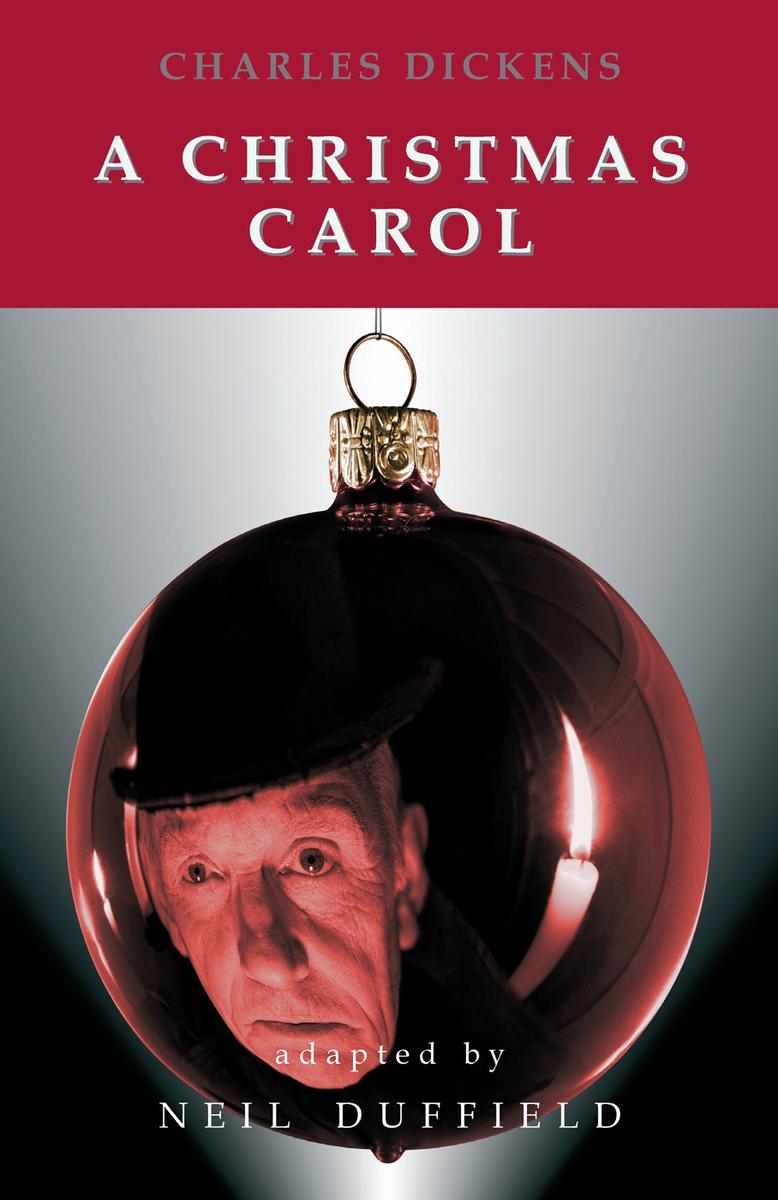
A Christmas Carol
¥40.79
Charles Dickens’ timeless story is brought to life in this vibrant new version by the award-winning playwright Neil Duffield. Christmas, the most wonderful time of the year! Well, it is for everyone except the miserable Scrooge. He prefers to spend Christmas all alone in his large house, instead of celebrating with mistletoe and merriment. Bah, humbug! But one cold, dark Christmas Eve Scrooge is surprised by the ghost of Marley, his former business partner. Marley warns Scrooge that he will be called upon by three spirits – each will take him on a mysterious and magical journey to show him the error of his ways… Can Scrooge discover the true wonder and meaning of Christmas before it’s too late?
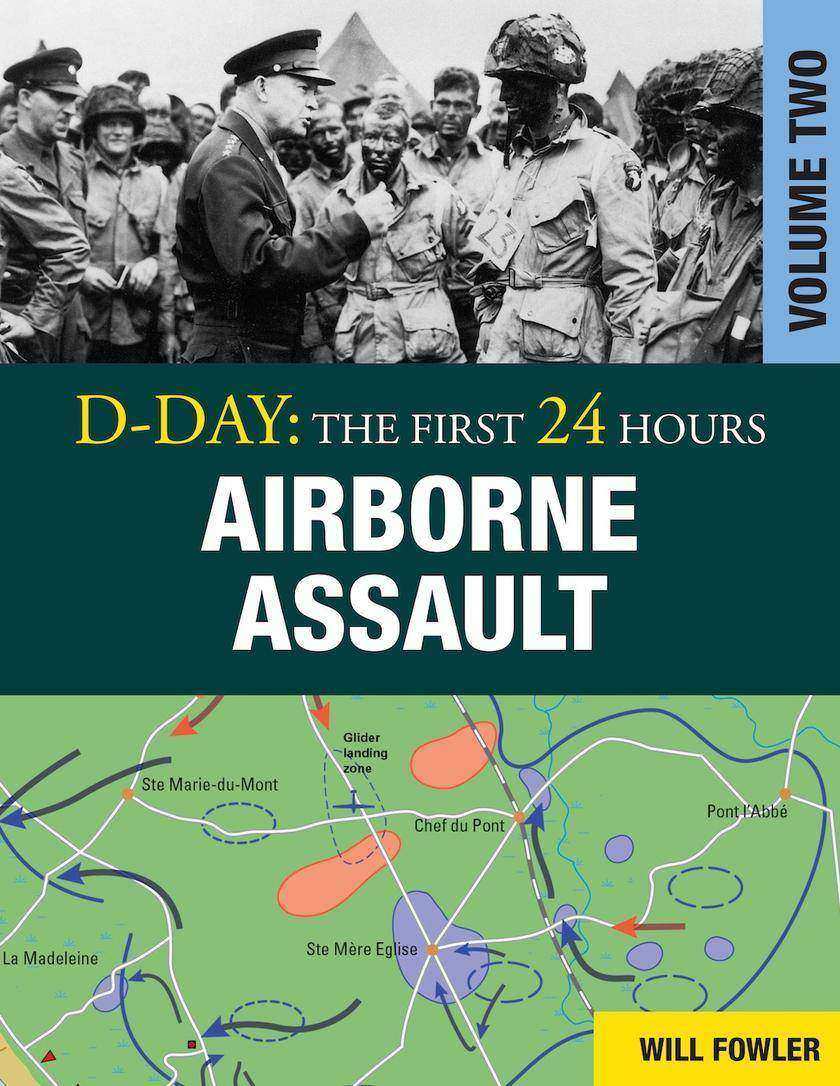
D-Day: Airborne Assault
¥40.79
In any military operation throughout history, few 24-hour periods have been as crucial as that of 6th June 1944. With the aid of specially commissioned maps, D-Day: The First 24 Hours series gives the dramatic history of the first 24 hours of the Normandy landings, and explains in detail the events that occurred in each landing zone. In this second volume of the series, the book describes the airborne landings by paratroopers and glider troops that secured the flanks of the Allied beachheads, including such famous encounters as Pegasus Bridge and Ste Mère Eglise, as well as the more secret operations carried out by the SAS, SOE and Maquis. With colour and black & white photographs and specially commissioned maps, the book is a guide to key events in the first 24 hours of the D-Day landings that saw the Allies successfully achieve a foothold in Northern Europe.

All Talk Monologues for Young People: 6 Solo Plays
¥40.79
A series of short, single voice plays by writers based in the North West of England. These powerful, contemporary monologues share the struggles, courage, conflicts and joys of different characters facing difficult decisions in their lives. Developed through consultation with young people, they offer a range of authentic, memorable voices to stimulate discussion and participatory drama work. ‘First Date’ by Anne-Marie O’Connor: Sometimes friendship comes with a heavy price tag. ‘Getting it Right’ by Peter Spafford: Luke can't choose between his shirts, let alone his parents. ‘Results Day’ by Aelish Michael: Karly’s mum thinks she’s an angel, but what if she flaps her wings? ‘Close to Home’ by Mary Cooper: Jay’s little sister is pregnant and he’s livid – who’s he going to punish? ‘Weighed Down’ by Carla Monvid-Jenkinson and Mary Cooper: When Claire’s dad left, she thought that he was all she would lose. ‘Giggsy’s Legs’ by Michael Harvey: Do you choose everything you are or does it choose you?
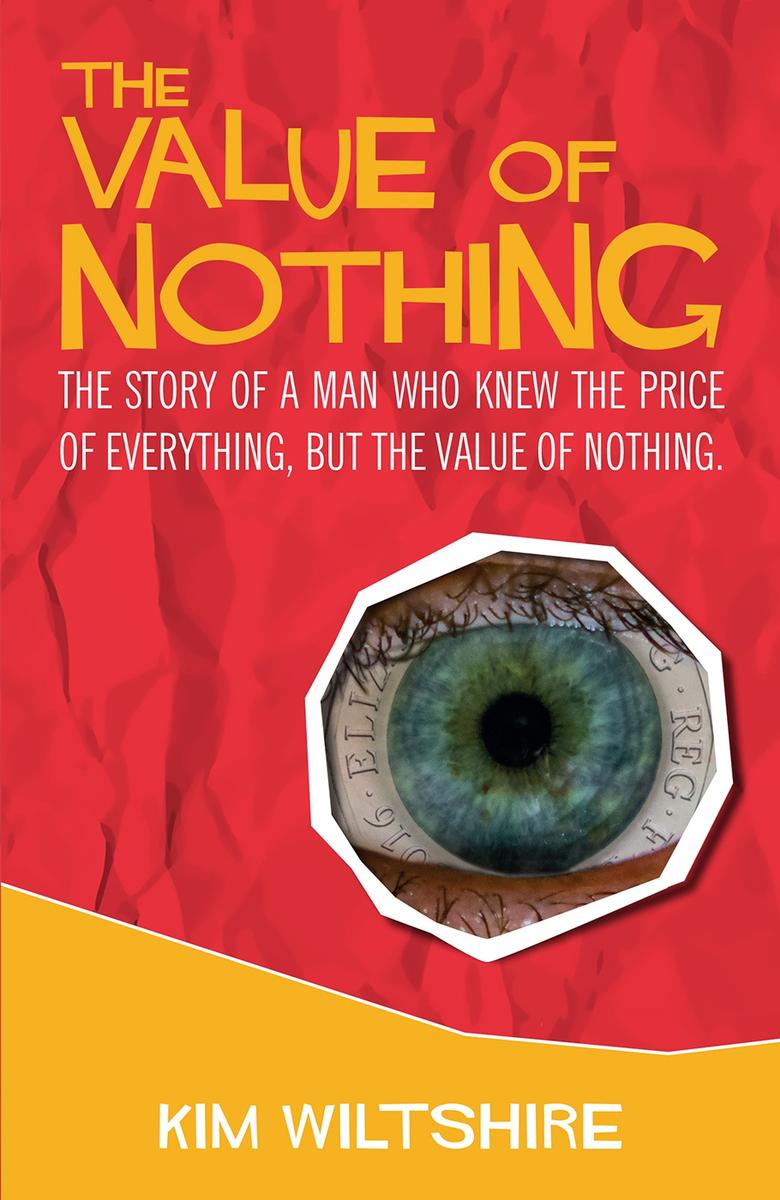
The Value of Nothing
¥24.44
Welcome! Come on in! Take part in the project launch of ArtWorks, the new back to work initiative created and run by your friend and ours, the one, the only, the most fantastic… Vince Fine! And so begins the project launch from hell… Exploring issues of how society views those living on benefits, the ‘creative industries’ and what we should value in life, this dark comedy (running in real time) charts the fall from grace of the central comedic hero, Vince Fine, as he watches everything he’s ever dreamed of slip from his fingers. Includes some audience participation and interaction.
Világfa
¥28.53
A budapesti Lánchíd pesti hídf?jénél álló Gresham-palotát mindannyian jól ismerjük – legalábbis kívülr?l. De tudjuk-e, miféle titkokat rejtett egykor az impozáns épület? Szelke László izgalmas és olvasmányos nyomozása, A Gresham a nácik ellen a 19. századtól a második világháborúig kíséri nyomon a mai luxusszálloda fordulatos t?rténetét. A százarcú épület a kezdetekt?l a t?rténelem f?sodrában állt. El?dje, a Nákó-palota magánházként olyan hírességek lakhelye volt, mint a Lánchíd tervein dolgozó Clark ?dám vagy a Széchenyi István életnagyságú portréját fest? Barabás Miklós, a század végén pedig a Gresham életbiztosító társaság székhelyéül szolgált. Miután a 20. század elején szecessziós stílusban újjáépítették, a pezsg? kávéházi élet meghatározó színterévé, haladó értelmiségiek találkahelyévé avanzsált. Ahogy a Horthy-rendszer idején egyre fogyott a leveg?, úgy vált a Gresham-palota az ellenzéki politika, a szellemi ellenállás, a mind rendszerkritikusabb kabarék otthonává ? a második világháború idején pedig a titkos diplomácia és az embermentés megkerülhetetlen k?zpontjává. Náciellenes m?vészek, újságírók, tudósítók, attasék, hírszerz?k, kémelhárítók, kett?s, s?t hármas ügyn?k?k fordultak meg a falai k?zt, és itt m?k?d?tt t?bbek k?zt a liberális párt pesti klubja, illetve a szabadelv? Esti Kurir cím? napilap szerkeszt?sége. A k?nyv lapjain a kor olyan meghatározó figurái t?nnek fel, mint Szent-Gy?rgyi Albert és Herczeg Ferenc, Szekf? Gyula és Raoul Wallenberg, de megismerkedhetünk a budapesti k?nyvhét alapítójával, a bátor emberment? Supka Gézával, a zsidót?rvények kíméletlen kritikusával, Rassay Károllyal vagy a Pódium Kabarét vezet? Békeffi Lászlóval, aki az angol titkosszolgálattal is kapcsolatban állt. Tények és legendák, t?rvénytisztel?k és provokátorok, h?s?k és áldozatok – A Gresham a nácik ellen a t?rténelem legrejtettebb kulisszái m?gé kalauzolja olvasóját. Szelke László 1975-ben született. Egyetemi adjunktus, 2013-ban szerzett doktori fokozatot, jelenleg a piliscsabai M?vel?dési Információs K?zpont és K?nyvtár igazgatója. 19?20. századi magyar és egyetemes t?rténelmet tanít a Pázmány Péter Katolikus Egyetemen.
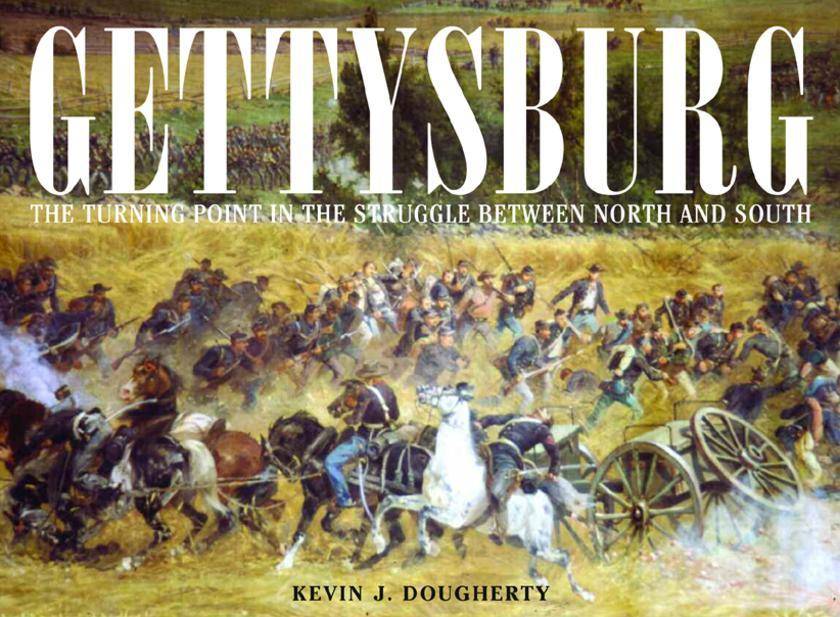
Gettysburg: The Turning Point in the Struggle between North and South
¥65.32
In June 1863, General Robert E. Lee and the 75,000-strong Army of Northern Virginia launched a second invasion of the North, crossing into Maryland and Pennsylvania to try to win a decisive victory over Federal forces. On July 1, Lee’s army encountered Major General Meade’s 90,000 strong Army of the Potamac at the small town of Gettysburg. After some initial success in dispersing the Federal advance guard, Lee launched attack after attack against the main army, but everywhere the Union line held. On July 3, Lee ordered a final assault of 12,500 Confederates at the center of the Union line on Cemetery Ridge, known as Pickett’s Charge. The charge was repulsed with huge loss of life, bringing the battle to an end. Today, Gettysburg is recognized as the turning point in the Civil War and one of the iconic battles of the great struggle between North and South. Lee’s gamble didn’t pay off, leaving the Army of Northern Virginia fatally weakened and unable to continue its invasion of the North. Gettysburg is divided into five chapters, outlining the campaign, the fighting on July 1, July 2, and July 3, as well as a chapter dealing with the aftermath; an extended appendices provides biographical background of the main Federal and Confederate leaders who fought in the battle. Through letters, journal entries, and official reports, the book includes numerous first-hand accounts from those who survived. Color maps show the battle as it unfolded over three days of fighting in places that have a place in Civil War legend: Seminary Ridge, Little Round Top, Cemetery Hill, Devil’s Den, the Wheat Field, Culp’s Hill, the Peach Orchard. Including more than 200 archival photographs, illustrations, paintings, and maps, Gettysburg is a colorful, accessible guide to the great battle that marked the turning point in the Civil War.

POW Escape And Evasion: Essential Military Skills To Avoid Being Caught By the E
¥65.32
POW Escape and Evasion covers everything you need to know about making a successful return to friendly territory. Beginning from the point where a combatant finds himself or herself trapped in enemy territory, the book offers useful tips and solid advice on how to evade capture and, if that fails, how to escape. Key topics include the will to survive; handling stress in captivity; escape techniques; survival in a variety of environments, including urban, rural, jungle and desert; how to forage for food; tracking and how to cover your tracks; navigation, with or without a map; and seeking recovery by friendly forces. The book also includes a number of real life accounts of POW escape from World War II (including The Great Escape story and Colditz), the Vietnam War (Dieter Dengler, with others, escaping from Laos), the Balkans, Iraq (Thomas Hamill in 2004) and Afghanistan. With more than 120 black-&-white artworks and with easy-to-follow text, POW Escape and Evasion is for anyone who wants to know how to survive in the most stressful of circumstances and emerge a winner. Presented in a handy, pocket-size format, this is a book you could take with you into the field. And it could save your life.

Выращиваем лекарственные и пряные травы на участке
¥17.74
Дарону Аджемо?лу ? Джеймсу Роб?нсону вдалося, здавалося б, неможливе — в?дпов?сти на питання, яке до них безрезультатно вивчали стол?ттями: чому одн? кра?ни багат?, а ?нш? — б?дн?????рунтуючись на п’ятнадцятир?чних досл?дженнях у галузях ?стор??, пол?толог?? та економ?ки, автори легко ? доступно пояснюють, чому економ?чний усп?х держав не залежить в?д культури, кл?мату чи географ?чного положення.??Аджемо?лу та Роб?нсон переконан?: кра?ни стали найусп?шн?шими через те, що ?хн? громадяни повалили владну ел?ту ? створили сусп?льства, де головною ц?нн?стю стали р?вн? економ?чн? та пол?тичн? права кожного. На ?хню думку, саме свобода робить св?т багатшим.??Книга ?Чому нац?? занепадають? — сво?р?дний пос?бник, який допоможе краще зрозум?ти причини, що сприяють процв?танню держав та ?хньому занепаду.
Укра?нська легко! (Ukra?ns'ka legko!)
¥26.65
Н?л Фер?юсон зауважу?: ?Ще на початку XV стол?ття сама лише думка про те, що наступн? п’ять стол?ть Зах?д буде дом?нувати над рештою св?ту, здалася б дуже дивною. А вт?м, це сталося?. ? нин? могутн?сть Заходу вража? нав?ть найбагатшу уяву... То чому ж так трапилося? Чому ?вропа, що на 1500-й р?к поступалася Сходу за багатьма показниками — економ?чними, технолог?чними, демограф?чними, — зум?ла р?зко рвонути уперед ? досягти безперечного св?тового панування? Як? складов? усп?ху зах?дно? цив?л?зац??? Саме ц? дражлив? питання украй см?ливо, часом нав?ть зухвало, а проте надзвичайно захопливо висв?тлю? Н?л Фер?юсон.
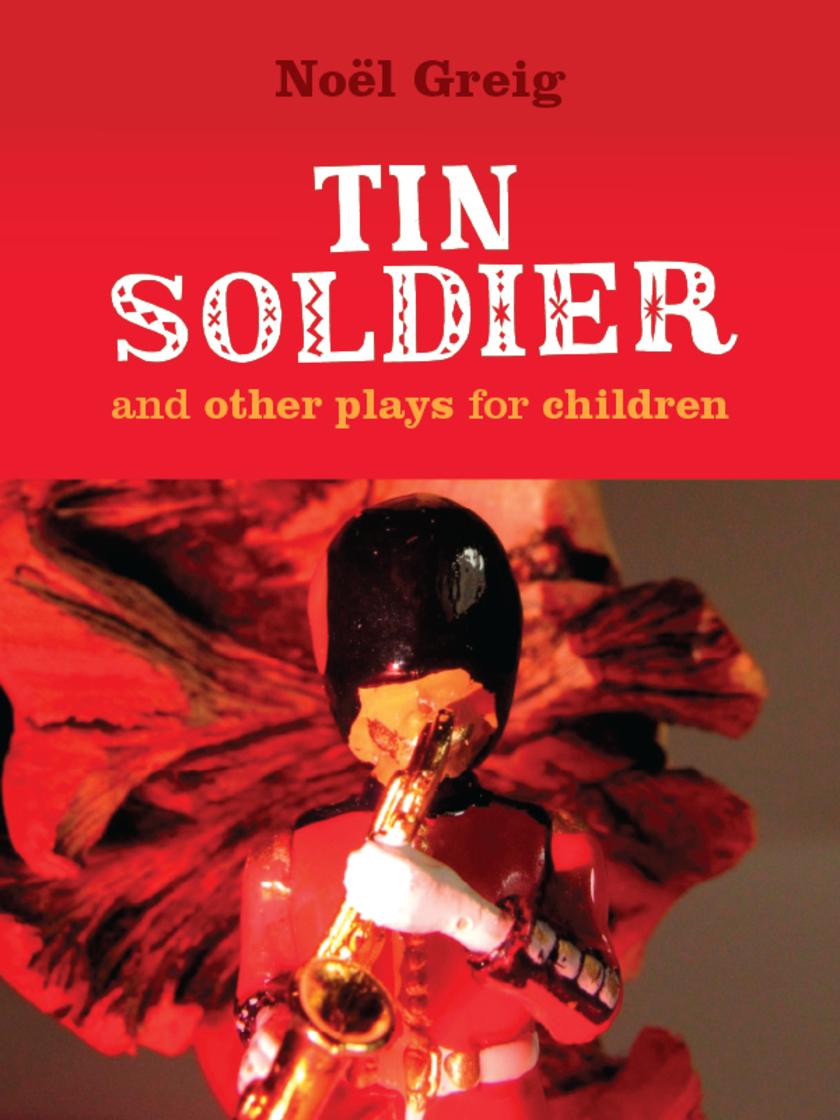
Tin Soldier and Other Plays for Children
¥40.79
A collection of three enchanting plays adapted from popular fairy tales and suitable for family audiences:?Tin Soldier (adapted from The Steadfast Tin Soldier by Hans Christian Andersen), A Tasty Tale (Hansel and Gretel), Hood in the Wood (Little Red Riding Hood). Acclaimed playwright Noel Greig, has recreated these well-known tales for the stage with wit and imagination. All three plays have been performed throughout the UK by Tangere Arts, winning a? Time Out Critics' Choice Award . Teachers, youth theatres and amateur groups working with young performers will use this collection time and again for productions, drama classes and workshops - whether for one performer or many. Suitable for children aged 7+ The simple form and language of the plays belie their theatrical and psychological sophistication. Tin Soldier ' a powerful poetic drama, an epic fable for our times.' **** ?Independent A Tasty Tale (Hansel and Gretel) ' Delicious moments... fashioned into a rhyming feast.' ****?Time Out Hood in the Wood (Little Red Riding Hood) ' a first-rate piece of storytelling that will make children squeal with terrified delight and parents shiver with recognition. ' **** ?Guardian
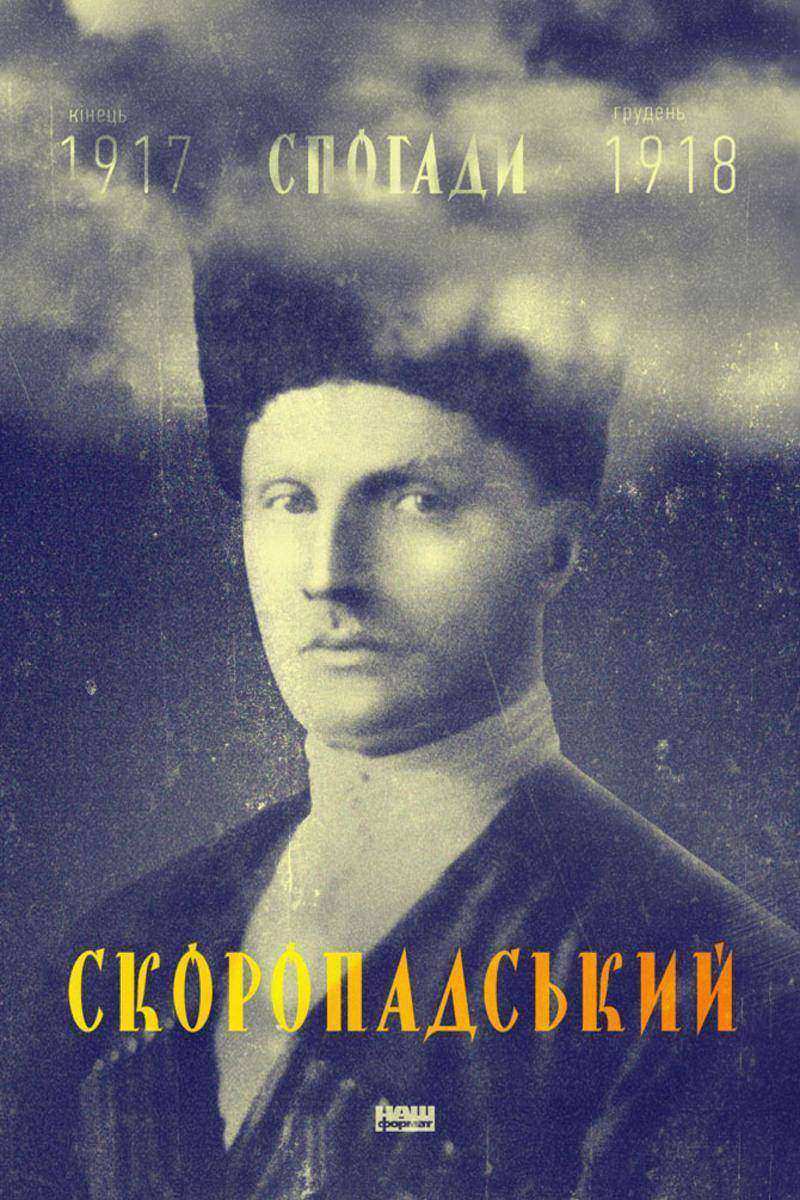
Спогади
¥24.53
Dvadeset godina nakon epohalne promjene 1989., koja je na postjugoslavenski prostor djelovala na posve druk?iji na?in nego na druge prija?nje realsocijalisti?ke europske zemlje, ova studija predstavlja poku?aj analiti?kog osvrta na dva desetlje?a razvoja civilnog dru?tva na zapadnom Balkanu. Njen autor Sr?an Dvornik iz Hrvatske, u to je dobro upu?en. Nije slu?ajno ?to se kroz cijeli sadr?aj i u strukturi ove knjige ispreple?u teorija i praksa te odnosi unutar i izvan “civilnodru?tvenog” razvoja. (...) Ova je studija va?an doprinos, dosad nedostatnim, razmatranjima o mogu?nostima i ograni?enjima akter? civilnog dru?tva u (post)autoritarnim dru?tvima. Istovremeno ona donosi i pouku da instrumenti zapadne politike demokratizacije imaju pred sobom jo? dug put razvoja do to?ke na kojoj ?e posve iscrpsti svoje dosada?nje organizacijske i politi?ke potencijale, da bi potom na nove me?unarodne izazove, koje nam novi svjetski (ne)red postavlja posljednja dva desetlje?a, mogli primjerenije reagirati. dr. Azra D?aji?-Weber
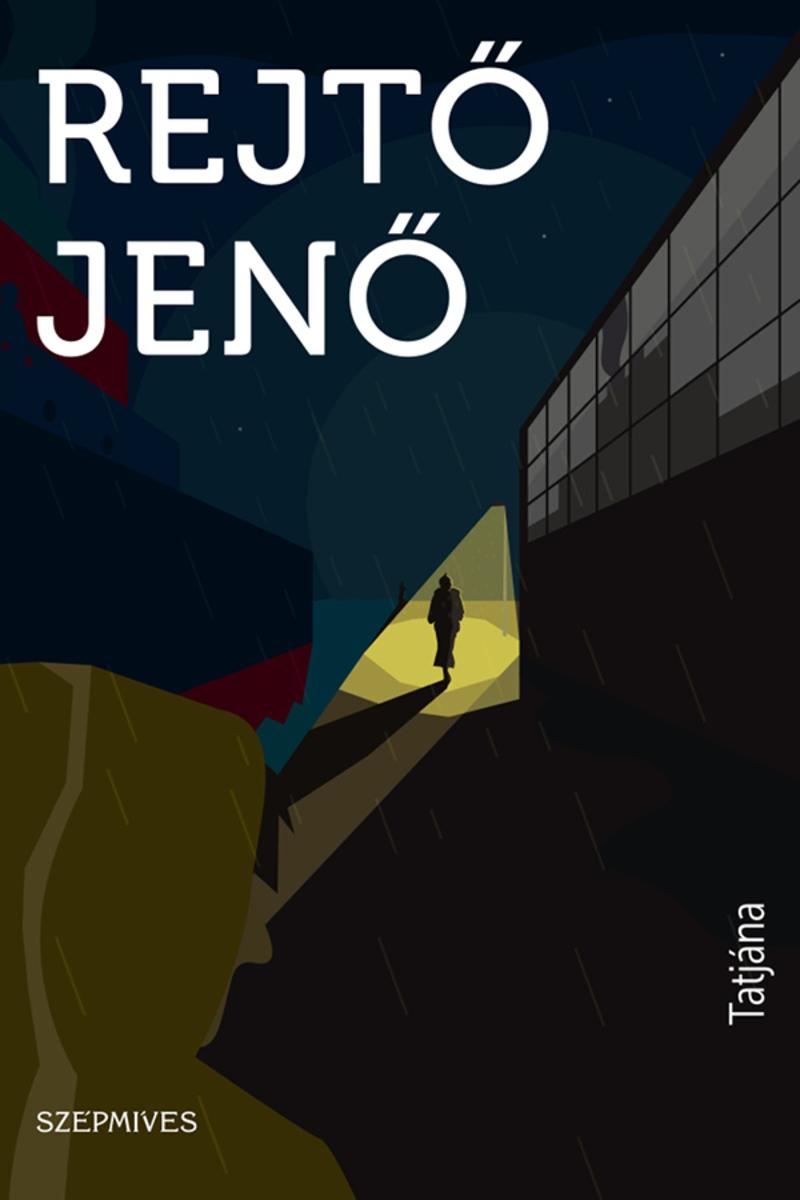
Tatjána
¥58.04
Vajon van esélye Hanna és Olivér szerelmének?Túlélheti a fiatal lány a végzetesnek hitt balesetet? ?s ha túl is éli, visszaállhat-e az élete a normális kerékvágásba?Mire képes a szerelem, mit bír el a szív? Elfogadni, megbocsátani, elengedni, újrakezdeni. A másik oldalról els? részében megismert szerepl?ké mellett új kapcsolatok alakulását is nyomon k?vethetjük. Együtt sírhatunk és nevethetünk a hétk?znapi h?s?kkel, akikkel végtelen természetességük miatt igazán k?nny? azonosulni. A korábbi k?tethez hasonlóan ezúttal is számtalan komoly téma vet?dik fel, a bonyodalmakkal dúsított, meglep?, néhol megd?bbent? fordulatokban gazdag t?rténet mégis k?nnyed, szórakoztató kikapcsolódást ígér. Papp Csilla legújabb k?nyvében, mely ott kezd?dik, ahol az els? regény véget ér, újra és újra rácsodálkozhatunk a szerelem erejére, mik?zben minden kétséget kizáróan el fogjuk hinni, hogy biztosan nincsenek véletlenek.
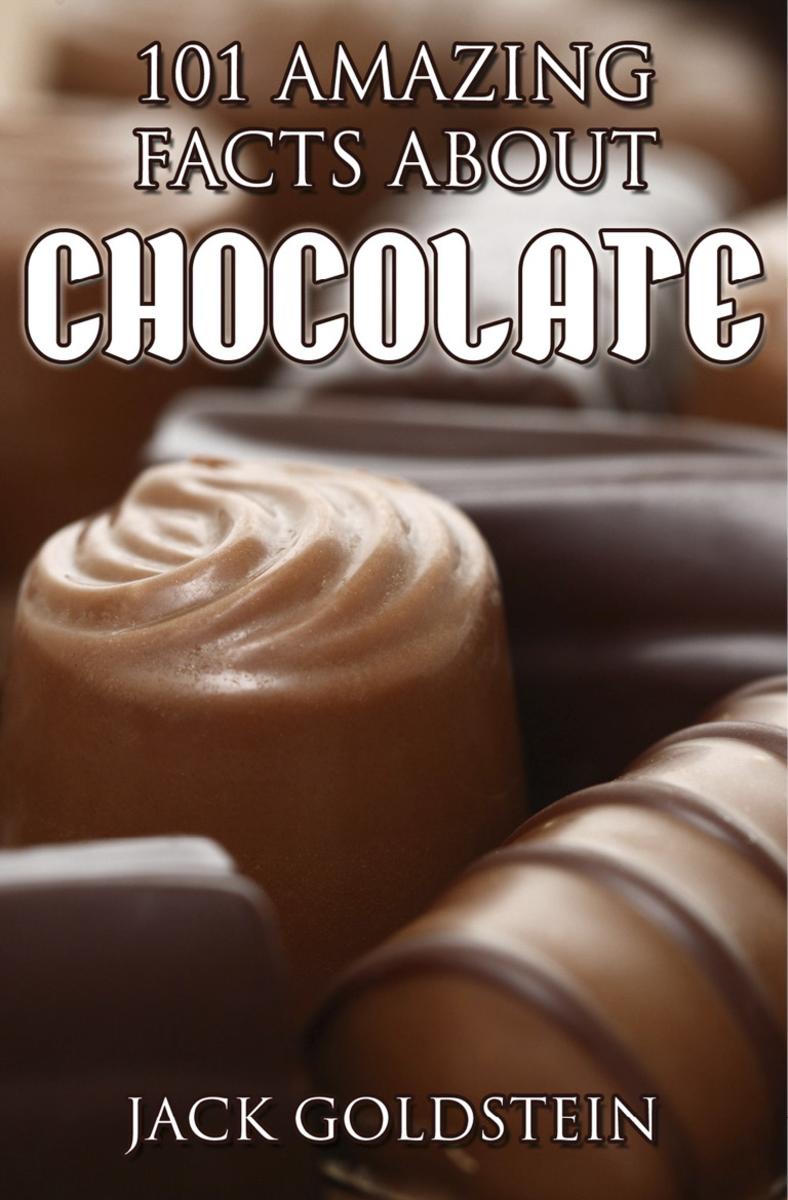
101 Amazing Facts about Chocolate
¥19.52
Did you know that the Latin name for the tree from which we get the seed that we turn into chocolate translates as 'Food of the Gods'? Or that eating chocolate can in fact help prevent tooth decay? Separated into sections such as chocolate through history, chocolate around the world, the production process and more, this interesting read contains over one hundred facts. Whether you are a complete chocoholic or you just want to learn more about a hugely fascinating subject then this is the book for you.
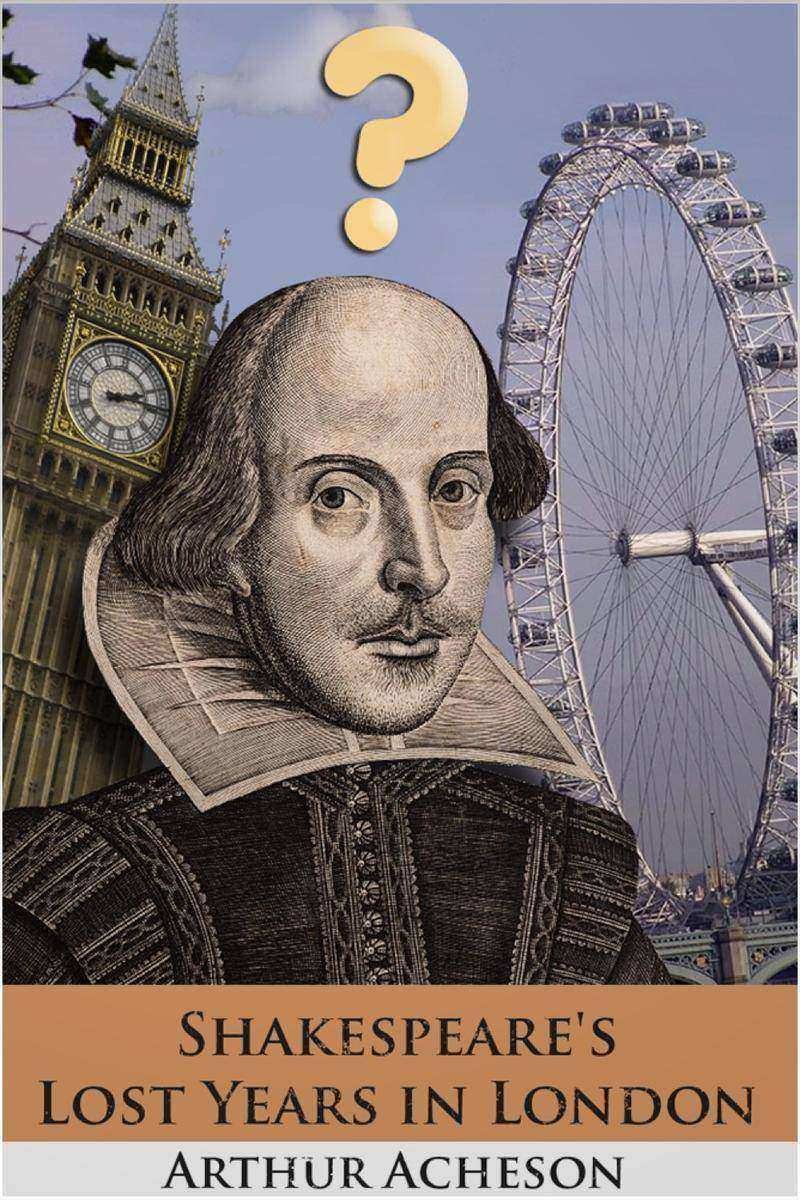
Shakespeare's Lost Years in London
¥19.52
Between the years of 1586 and 1592 there is very little historical information on the life of William Shakespeare. This work tries to fill in that gap, although it does, like many other works on the subject, delve quite a bit into invention and conjecture.
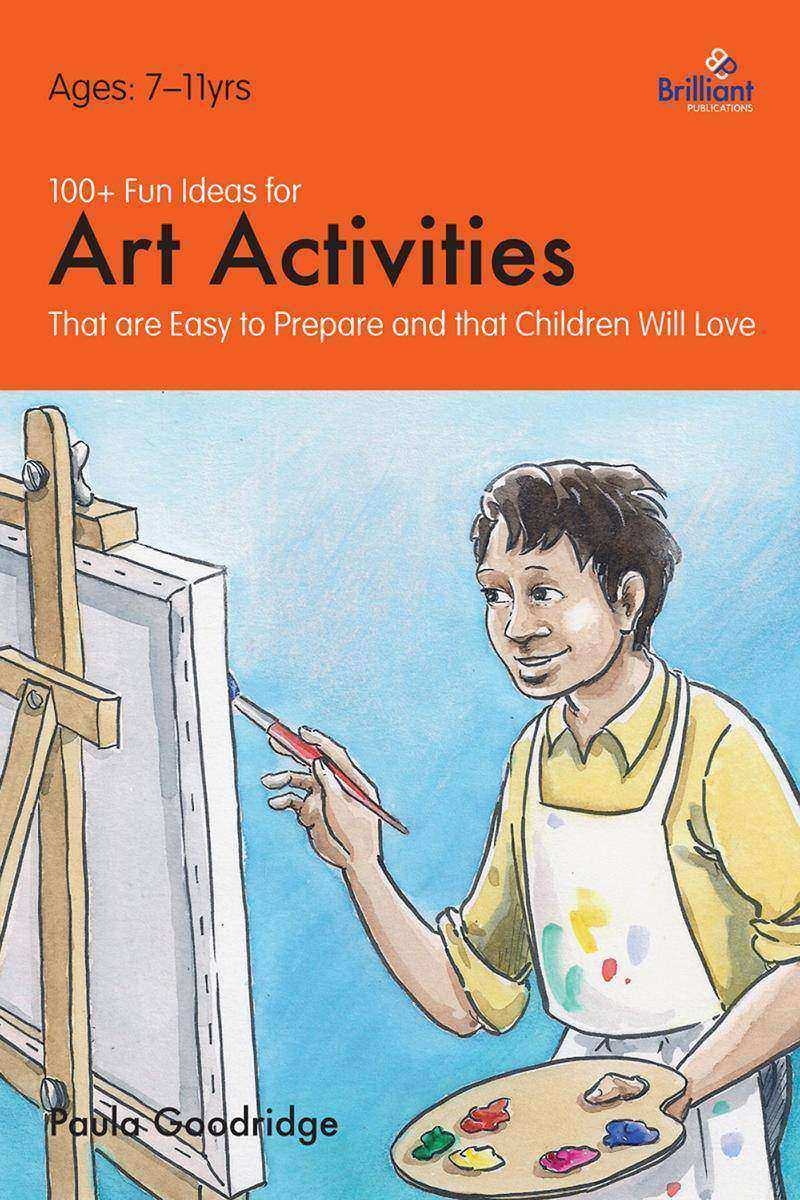
100+ Fun Ideas for Art Activities
¥102.91
Unleash your students' imaginations with this wonderful collection of tried and tested art activities that are easy to prepare, but children will love. The activities introduce a wide range of art skills and media and are suitable for use in the classroom, at home or in children's clubs. Activities range from designing a bank note and painting glass jars to printing on fabric and creating 3D robots.
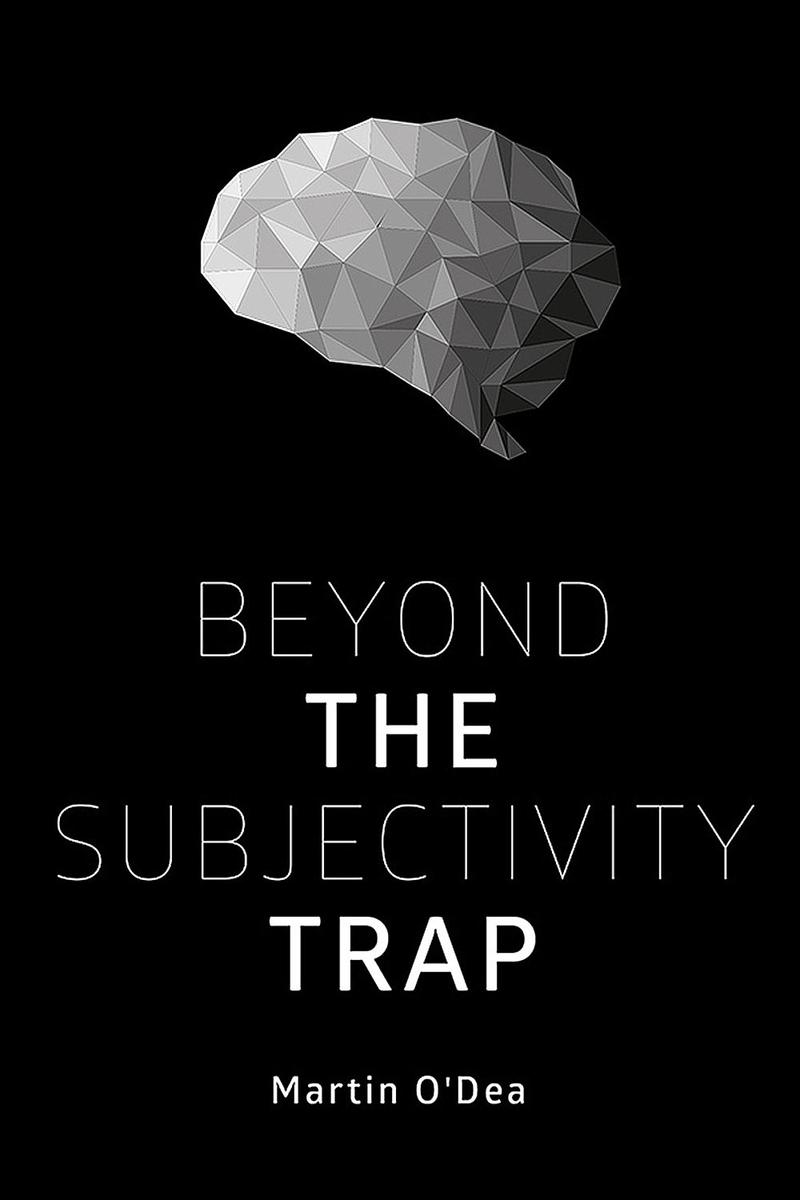
Beyond the Subjectivity Trap
¥107.81
Beyond the Subjectivity Trap challenges the paradigm of the hard problem of consciousness by contesting the relevance and primacy of human thought. By tracing the evolved egocentricity of the 'I' as an entrapping limitation on our thinking the book argues that once the Subjectivity Trap is understood and escaped we can appreciate the non-existence of the mind-body divide, the pure functionality of the brain, and the limitlessness of our potential.

Getting Off Escalators - Volume 2
¥29.33
Getting Off Escalators and surviving other embarrassing moments: Do you struggle to find the confidence to talk in public, without melting into a puddle of pathetic hopelessness? Are you having panic attacks when riding an escalator, or you don't feel manly enough to hold a pint with any authority of pride? Then you, sir, need this guide... or medical help... yes, medical help is probably a safer bet. But comics are funnier, so choose this. About the author: Scott Tierney is a nervous, awkward, confidence-lacking and stress-ridden writer, who produces self-help comics that provide very little guidance for those who read them. Luckily, these comics are extremely funny, so when the reader does loss their reason to live, they go out with a smile.


