


 购物车
购物车 个人中心
个人中心
Zece prozatori exemplari (perioada comunist?)
¥40.79
Vera Maria Rosenberg a fost, probabil, cea mai important? femeie spion din al Doilea R?zboi Mondial. N?scut? ?n 1908 la Gala?i, a emigrat ?n Marea Britanie ?n 1933, fiind recrutat? ?n tinere?e de serviciile de informa?ii britanice. Ulterior ?i-a schimbat numele, pentru a-?i ascunde originea evreiasc?, iar dup? stabilirea ?n Marea Britanie a participat la nenum?rate misiuni secrete, ajung?nd ?n fruntea SOE, serviciul de opera?iuni speciale creat de Winston Churchill. Agen?ii ei au participat la nenum?rate opera?iuni vitale, inclusiv la preg?tirea debarc?rii ?n Normandia. ?n 1987, Fran?ois Mitterand i-a acordat Legiunea de Onoare, pentru aportul ei la eliberarea Fran?ei. Dup? r?zboi, Vera Atkins s-a retras ?ntr-un sat din Anglia, unde a r?mas p?n? la moarte, ?n 2000. Via?a i-a fost ?nconjurat? de mister, ?i pu?ini au ?tiut cine este cu adev?rat. Biografia lui Sarah Helm dezv?luie secretele celei despre care Ian Fleming, creatorul celebrului James Bond, spunea ??n adev?rata lume a spionilor, Vera Atkins a fost ?eful.“
Arhive secrete, secretele arhivelor. Vol. 2
¥106.19
Lucrarea vizeaz? o tem? de actualitate – brandul de ora?, oferind un cadru teoretic al acestui nou concept de marketing, completat de o parte aplicativ? divers?, care ?i-a propus s? identifice ?i s? completeze eforturile autorit??ilor locale ?n aceast? direc?ie.

C?nd sufletul vorbe?te prin corp. S? ?n?elegem ?i s? trat?m tulbur?rile psihosom
¥65.32
Ilie Badescu, sociologul care a redeschis dezbaterea privind puterea si importanta pe care o are spiritul si desavarsirea fiintei si societatii, in lucrarea de fata ne vorbeste despre forta invataturilor precum si despre devierile prin care sunt propagate in lume falsele invataturi.
The Ship of Ishtar
¥7.93
Gustáv Murín? k?nyvében a vad és zabolátlan kilencvenes évekbe kalauzolja el az olvasót, abba az id?be, amikor a volt szocialista államoknak azzal kellett szembesülniük, hogy a demokratizálódás bizony t?rvényszer?en magával hozza a komolyabb szervezett b?n?z?i csoportok megjelenését is. Az államapparátus fenekén tojáshéj, a b?n?z?k zsebében pedig a fegyver és a pénz. Kicsoda valójában Jozef Rohá?, a profi, akihez a legvéresebb merényletek k?t?dnek Szlovákiában és Magyarországon egyaránt? Mi k?ze van a magyar b?rt?nbüntetését t?lt? Eva Reze?ovának a kassai gengszterekhez? Hogyan t?nt el 114 vagonnyi olaj Pozsony és Budapest k?z?tt? Mi k?ti ?ssze Magyarországot az újkori t?rténelem legvéresebb maffialeszámolásával? Ki szervezte meg a szlovák k?ztársasági eln?k fiának elrablását? Ki ne emlékezne a vadkeletre? Ezek a csoportok nem ismertek határokat, így a szlovák és a magyar alvilág számos ponton és ügyben kapcsolódhatott egymáshoz. Ezekb?l a t?rténetekb?l kiderül, hogyan. T?rténetek, amelyek egyszer véget érnek. A b?n azonban marad, itt jár k?ztünk továbbra is.

Lakodalom az állatkertben
¥35.99
A magyar turanizmus jellegzetesen magyar és teljességgel elhallgatott eszmeáramlat: akik benne voltak, igyekeztek még a nyomait is eltüntetni. Pedig a magyar k?zvéleményt a 19. század eleje óta izgatta a magyarság keleti eredete és nyugati mintak?vetése k?zti ellentmondás. Vissza kell-e fordulnunk keletre? Létrej?het-e a ?turáni népek” ?sszefogása? Van-e a magyaroknak küldetésük Keleten? Vagy éppen Nyugaton? Száz évvel ezel?tt magyar expedíciók rótták Anatólia, a Balkán és Dél-Oroszország útjait, a magyar kormány hatalmas ?sszegeket áldozott, hogy keleti ?szt?ndíjasokat hozzon Magyarországra, magyar üzletemberek próbáltak piacot találni a K?zel-Keleten, és a turanizmus divatjának k?sz?nhet? az els? külf?ldi magyar intézet megnyitása is. A két világháború k?z?tt az eszmeáramlat számos befolyásos értelmiségit kísértett meg, majd 1945 után elhallgattatták. Ennek ellenére túlélte az államszocializmus éveit, és újra teret nyert a rendszerváltozás után. Ez a k?nyv nemcsak a turanizmus, hanem a Keletr?l való gondolkodás és politikai konzekvenciáinak t?rténete is. Izgalmas, másfél évszázados utazás Tibett?l Argentínáig, Tartutól Isztambulig. Felbukkan benne a turáni egyistenhív? rádióm?szerész, a feministából lett vércsoportkutató f?ldbirtokosleány, a monoklis múzeumalapító, aki egyszerre találta ki a világbékét és a l?vészárokásó gépet, néhány pénzhamisító, illetve a mérn?k, aki megállapította a magyar–maori rokonságot. Turanista emlékek k?z?tt élünk – csak nem tudunk róluk. Ablonczy Balázs (1974) t?rténész, az ELTE BTK oktatója és az MTA BTK T?rténettudományi Intézetének tudományos f?munkatársa. Doktori címét 2004-ben szerezte, tanított és kutatott Londonban, Párizsban, Berlinben és az Egyesült ?llamokbeli Bloomingtonban. 2011 és 2015 k?z?tt a Párizsi Magyar Intézet igazgatója volt. Jelenleg az MTA Lendület-pályázatán támogatott Trianon 100 kutatócsoport vezet?je, Budapesten él.

Váratlan nyaralás
¥60.90
Kádár János és a nevével fémjelzett korszak megítélése napjainkig élesen megosztja a magyar k?zvéleményt. Ennek egyik ered?je az a hatvanas évek elején meghirdetett ?sz?vetségi politika”, amely egy újfajta kiegyezés reményében együttm?k?d?k, ?társutasok” megnyerésével igyekezett alkut k?tni a magyar társadalommal. Az ennek érdekében hozott politikai, gazdasági intézkedések a t?rténeti elemzések révén mára jól ismertek. Kádár hatalomtechnikai t?rekvéseinek mélyebb rétegei, személyes dimenziói azonban részben még ma is feltáratlanok. Kik voltak azok, akikkel a pártállami vezet?k a megújuló hatalomgyakorlási mód jegyében párbeszédet kezdtek? Milyen korábbi mintákat hasznosított az MSZMP ?sz?vetségi politikájának” kialakítása során? Milyen út vezetett addig, amíg az 1956-os forradalom leverése után ?t évvel elhangozhatott a kádárizmus jelszava, a bibliai mondást kifordító ?aki nincs ellenünk, az velünk van” mottó? TABAJDI G?BOR legújabb k?tete a ?kádárizmus” hatalomtechnikai módszereinek kialakulását mutatja be, és azt a hatalom birtokosai, a magyar kommunisták, illetve Kádár János politikája fel?l értelmezi. ?tfogó elemzéséhez a r?vid és hosszú távú, kül-, illetve belpolitikai folyamatok bemutatása mellett eddig nem publikált titkosszolgálati dokumentumokat is felhasznál.

Pokoli macskák
¥71.69
A Midsummer Night's Dream is a romantic comedy by William Shakespeare, suggested by "The Knight's Tale" from Geoffrey Chaucer's The Canterbury Tales, written around 1594 to 1596. It portrays the adventures of four young Athenian lovers and a group of amateur actors, their interactions with the Duke and Duchess of Athens, Theseus and Hippolyta, and with the fairies who inhabit a moonlit forest. The play is one of Shakespeare's most popular works for the stage and is widely performed across the world.

Az elvarázsoltak
¥44.15
This Illustrated version of the "A Short History of the world" contains about 300 Illustrated picture, and many historic objects.. THE story of our world is a story that is still very imperfectly known. A couple of hundred years ago men possessed the history of little more than the last three thousand years. What happened before that time was a matter of legend and speculation. Over a large part of the civilized world it was believed and taught that the world had been created suddenly in 4004 B.C., though authorities differed as to whether this had occurred in the spring or autumn of that year. This fantastically precise misconception was based upon a too literal interpretation of the Hebrew Bible, and upon rather arbitrary theological assumptions connected therewith. Such ideas have long since been abandoned by religious teachers, and it is universally recognized that the universe in which we live has to all appearances existed for an enormous period of time and possibly for endless time. Of course there may be deception in these appearances, as a room may be made to seem endless by putting mirrors facing each other at either end. But that the universe in which we live has existed only for six or seven thousand years may be regarded as an altogether exploded idea. "A Short History of the world" by E-Kitap projesi, Illustrated version by Murat Ukray.. Also added "IN the last fifty years there has been much very fine and interesting speculation on the part of scientific men upon the age and origin of our earth. Here we cannot pretend to give even a summary of such speculations because they involve the most subtle mathematical and physical considerations. The truth is that the physical and astronomical sciences are still too undeveloped as yet to make anything of the sort more than an illustrative guesswork. The general tendency has been to make the estimated age of our globe longer and longer. It now seems probable that the earth has had an independent existence as a spinning planet flying round and round the sun for a longer period than 2,000,000,000 years. It may have been much longer than that. This is a length of time that absolutely overpowers the imagination. "
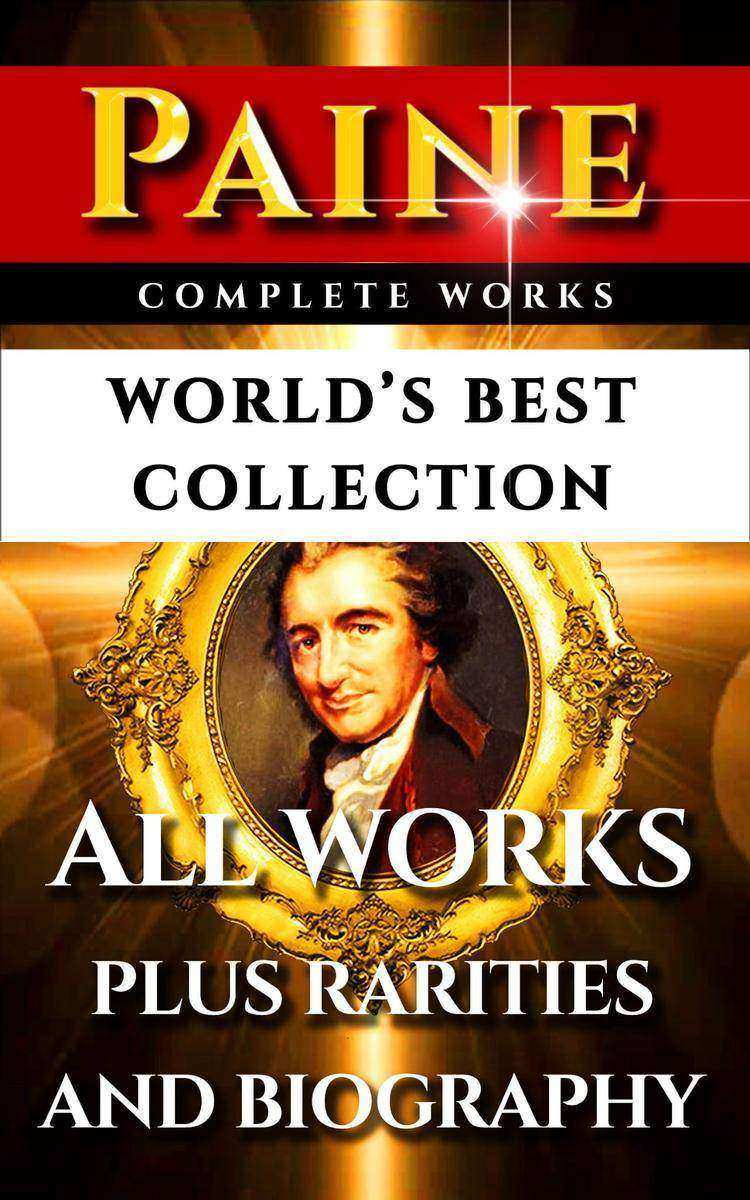
Thomas Paine Complete Works – World’s Best Collection: All Works
¥8.09
Thomas Paine Complete Works World's Best Collection This is the world’s best Thomas Paine collection, including the most complete set of Paine’s works available plus many free bonus materials. Thomas Paine Thomas Paine is known as one of the Fathers of the American Revolution. His landmark work, ‘Common Sense’, is known as the major inspiration for the ‘Declaration of Independence’, and his ‘Crisis’ pamphlet series was a favorite of George Washington to read out loud to inspire his troops at Valley Forge. Paine’s work is passionate, radical, yet accessible; covering his strong beliefs in Independence, Personal Liberty, Politics, Religion and Government. Hugely successful and inspiring strong polarization in their times, they are still must-reads today, still highly debated and revered The ‘Must-Have’ Complete Collection In this irresistible collection you get a full set of his amazing work, with All of his amazing works, All writings and All his letters, including hard to come by rarities. Plus a Bonus biography of Paine’s unbelievably intriguing life Works Included: Common Sense The famous work that inspired the American colonists with a demand and call for freedom from British rule. Also notable, that when adjusted for the population size of 1776, ‘Common Sense’ has the largest sales and circulation of any book in American history. The American Crisis A series of pamphlets published from 1776 to 1783 written to motivate the Troops during the revolution, to spur them to victory. The language is powerful and emotional, and reflects Paine’s liberal philosophies. The first lines are the famous: “These are times that try men’s souls.” The Rights Of Man (Part I and Part Ii) A radical set of books that argues that political revolution is required when a government does not safeguard its people. The Age Of Reason (Part I and Part Ii) A deistic work, about institutionalized religion, and Paine’s strong views concerning it. Letters and Miscellaneous Writings A Full Set of Paine’s must-read letters and assorted short works from Paine, Including his famous ‘Letter To George Washington’ and his last work ‘Agragian Justice’ Your Free Bonuses Thomas Paine, Biography – A fascinating biography, detailing Paine’s unbelievable, often sad, and often controversial life, written specially for this collection. Works presented as far as possible in original publication date order - So you can follow Paine’s growth as a writer and philosopher Get This Collection Right Now This is the best Thomas Paine collection you can get, so get it now and start enjoying and being intrigued by his world like never before!

Split/Mixed
¥38.62
A dual language edition in English and French. The genocide in Rwanda shocked the world. Back then, Ery Nzaramba was only a teenager and his family’s escape to Europe turned him into a “survivor”. How should he now respond to questions about who he is and where he comes from? In this autobiographical one-man play, performed to acclaim on the Edinburgh Festival Fringe, the author journeys back to his Rwandan childhood. With the help of a cassette player, he brings to life nearly a dozen characters, exploring memories of kinship, cultural attitudes and personal identity. Both funny and poignant, the play highlights not only the intolerance that can breed violence and war but also the importance of power and privilege in the struggle for survival. Le génocide au Rwanda a choqué le monde. ? l'époque, Ery Nzaramba était un adolescent. Après que sa famille se fut échappé en Europe, il est devenu un ?survivant?. Désormais, que doit-il répondre à des questions sur qui il est et d'où il vient? Dans ce one-man show autobiographique, salué par la critique lors de sa présentation au Festival d'?dimbourg, l'auteur retourne vers son enfance au Rwanda. Accompagné d'un lecteur cassette, il donne vie à une bonne douzaine de personnages, explorant souvenirs de famille et d'affinités, attitudes culturelles et identité. ? la fois poignante et pleine d'humour, la pièce met en lumière non seulement l'intolérance qui peut engendrer violence et guerre, mais aussi l'importance du privilège dans la lutte pour la survie.
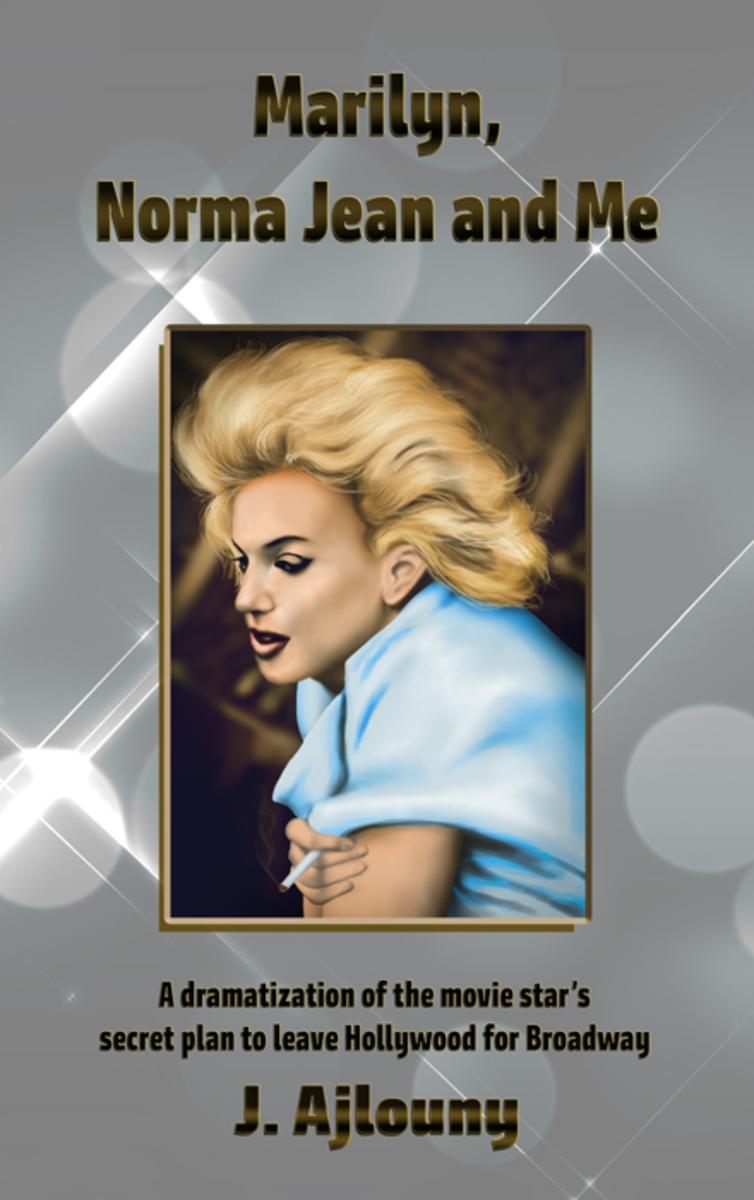
Marilyn, Norma Jean and Me
¥24.44
In this boisterous but sensitive drama, playwright J. Ajlouny looks beyond public image to find the heart of this young woman thrust wildly into fame as a sex symbol. Presented as a play-in-the-making within a play, Marilyn, Norma Jean and Me weaves biography with humor to explore the movie star’s widely speculated plan to leave Hollywood for Broadway. The author imagines her innocence and vulnerability, her friendliness and loyalty, even as the public image threatens to steal her humanity. This play is a must-see or -read for fans of film and stage, not just because it is so good, but for its powerful way of finding the real Norma Jean in the legend known as Marilyn Monroe.
The Seagull
¥24.44
The Seagull is one of the best ever dramas about the theatre, yet on the very first opening night it was a famous failure. The play triumphed later in Stanislavski's production and became one of the greatest events in the history of Russian theatre and one of the greatest new developments in the history of world drama.
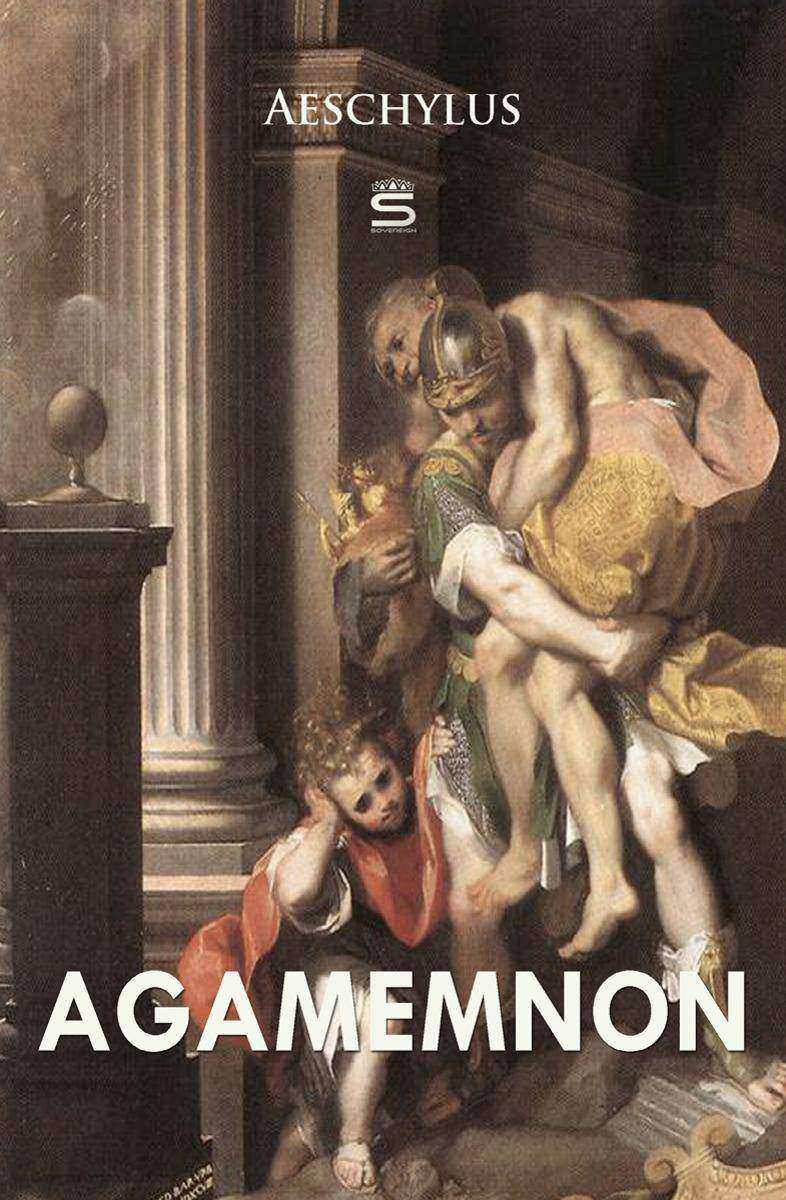
Agamemnon
¥40.79
A watchman on top of the house, reporting that he has been lying restless there like a dog for a year, for so rules the expectant manly-willed heart of a woman (that woman being Clytemnestra awaiting the return of her husband, who has arranged that mountaintop beacons give the signal when Troy has fallen). He laments the fortunes of the house, but promises to keep silent: 'A huge ox has stepped onto my tongue.' However, when Agamemnon returns, he brings with him Cassandra, the enslaved daughter of the Trojan king, Priam, and a priestess of Apollo, as his concubine, further angering Clytemnestra.
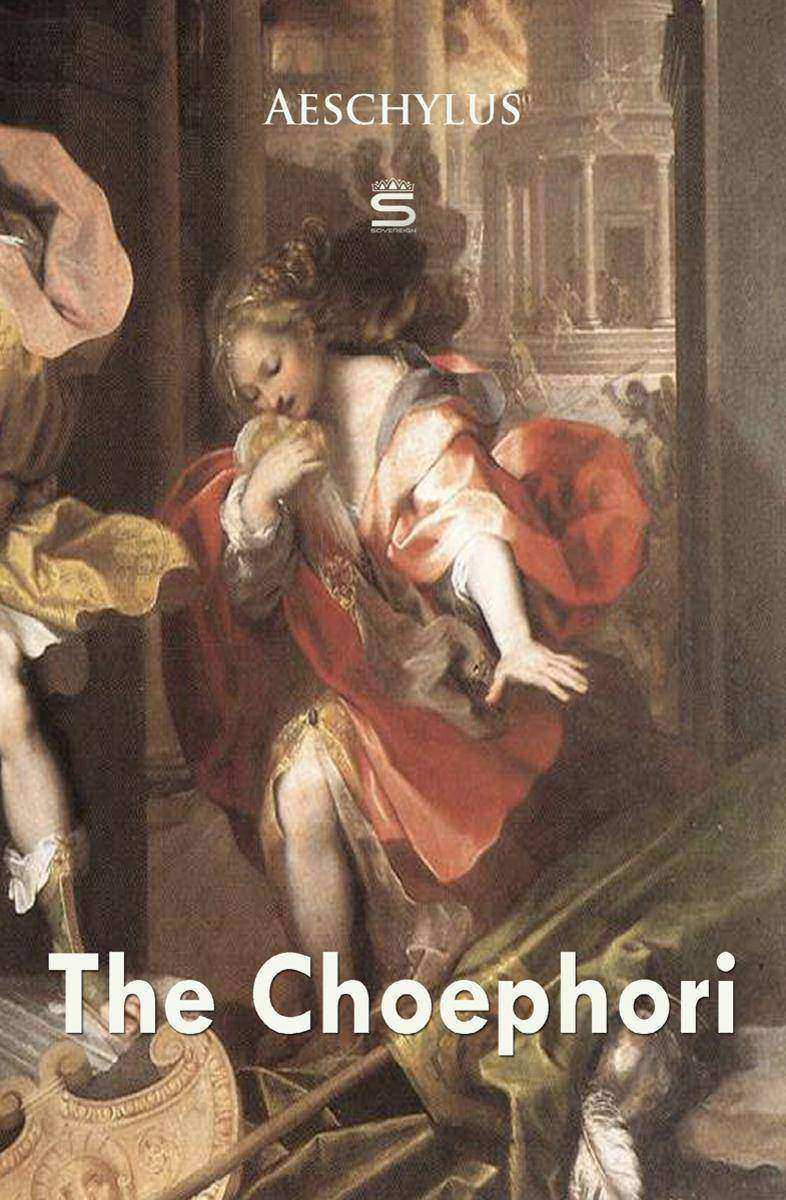
The Choephori
¥40.79
Orestes arrives at the grave of his father, accompanied by his cousin Pylades, the son of the king of Phocis, where he has grown up in exile; he places two locks of his hair on the tomb. Orestes and Pylades hide as Electra, Orestes' sister, arrives at the grave accompanied by a chorus of elderly slave women (the libation bearers of the title) to pour libations on Agamemnon's grave; they have been sent by Clytemnestra in an effort to ward off harm. Just as the ritual ends, Electra spots a lock of hair on the tomb which she recognizes as similar to her own; subsequently she sees two sets of footprints, one of which has proportions similar to hers. At this point Orestes and Pylades emerge from their hiding place and Orestes gradually convinces her of his identity.
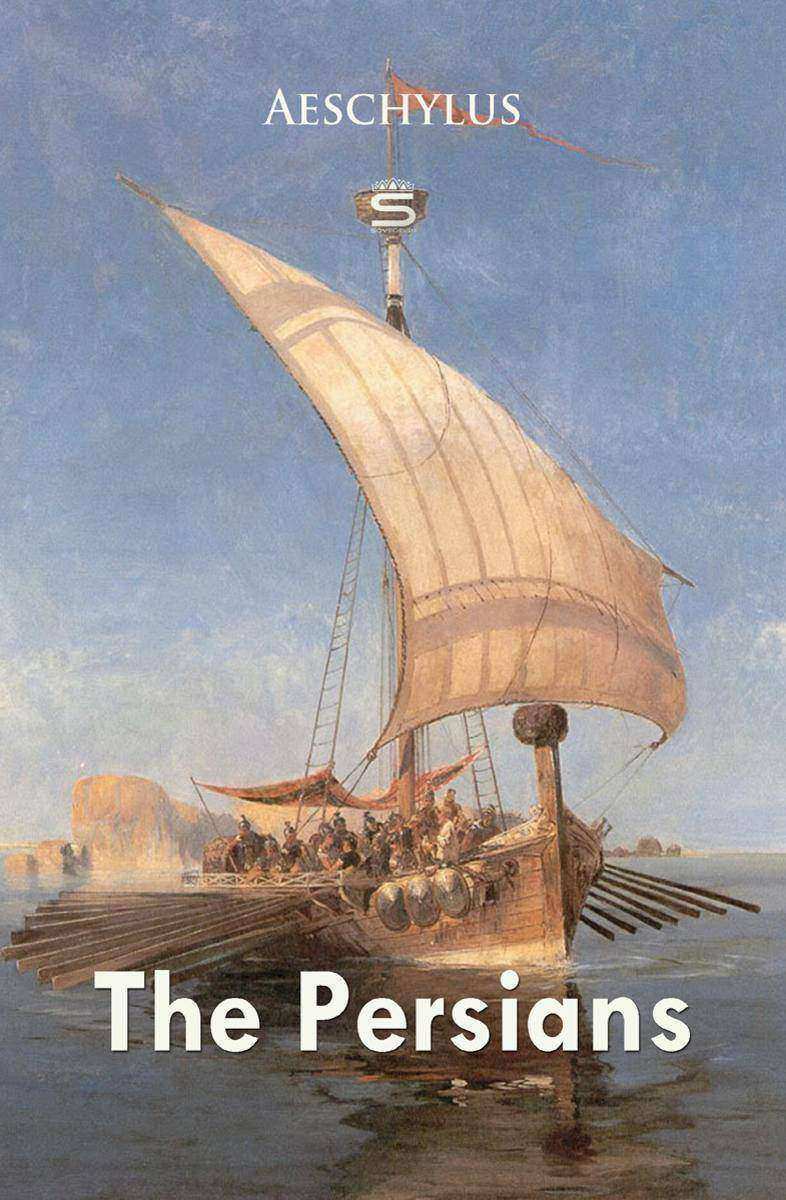
The Persians
¥40.79
The Persians takes place in Susa, which at the time was one of the capitals of the Persian Empire, and opens with a chorus of old men of Susa, who are soon joined by the Queen Mother, Atossa, as they await news of her son King Xerxes' expedition against the Greeks. Expressing her anxiety and unease, Atossa narrates what is probably the first dream sequence in European theatre.
The Knights
¥40.79
The Knights is a satire on political and social life in 5th-century BC Athens, the characters are drawn from real life and Cleon is clearly intended to be the villain. However it is also an allegory, the characters are figures of fantasy and the villain in this context is Paphlagonian, a comic monstrosity responsible for almost everything that's wrong with the world.
Women In Council
¥40.79
A group of women, led by the wise and redoubtable Praxagora, has decided that the women of Athens must convince the men to give them control of the city, as they are convinced they can do a better job. Disguised as men, the women sneak into the assembly and command the majority of votes needed to carry their series of revolutionary proposals, even convincing some of the men to vote for it on the grounds that it is the only thing they have not tried.

Big Foot: …And Tiny Little Heartstrings
¥38.62
With grime music and Guyanese folk stories, Joseph Barnes-Phillip's semi-autobiographical story is a comic, tragic and honest portrayal of becoming a man. The story follows Rayleigh as he negotiates the tensions of growing up and taking responsibility – to his pregnant girlfriend, to his sick mother, to his church, to the multi-cultural community he grew up in and somewhere in the mix to himself. When the euphoric highs of teenage life in south London collide with his mum's terminal illness, all Rayleigh wants to do it watch anime in his pants and eat indomie. Love, life and masculinity meet head-on as Rayleigh tries to find his feet, torn between the new girl in his life and being there for his mum, while trying not to make the same mistakes as his dad.
Antoine et Cleopatre, Antony and Cleopatra in French
¥8.09
Traduit par Fran?ois Pierre Guillaume Guizot (1787 - 1874), historien fran?ais et homme d'?tat. Publié en 1862. Selon Wikipeia: "Antony et" Cléop?tre est une tragédie par William Shakespeare, qui aurait été écrit entre 1603 et 1607. Il a d'abord été imprimé dans le premier folio de 1623. L'intrigue est basée sur la traduction de Thomas North de la vie de Plutarque et suit la relation entre Cléop?tre et Marc Antoine depuis l'époque de la guerre des Parthes jusqu'au suicide de Cléop?tre. L'antagoniste majeur est Octavius Caesar, l'un des compagnons de triumviri d'Antony et le futur premier empereur de Rome. La tragédie est une pièce romaine caractérisée par des changements rapides et panoramiques dans les lieux géographiques et dans les registres, alternant entre Alexandrie sensuelle et imaginative et la Rome plus austère et plus pragmatique. Beaucoup considèrent le r?le de Cléop?tre dans ce jeu l'un des r?les féminins les plus complexes dans le travail de Shakespeare. "
Macbeth in French
¥8.09
Traduit par Fran?ois Pierre Guillaume Guizot (1787 - 1874), historien fran?ais et homme d'?tat. Publié en 1864. Selon Wikipedia: ?La tragédie de Macbeth (communément appelée Macbeth) est une tragédie de William Shakespeare à propos d'un homme qui commet un régicide pour devenir roi et commet ensuite d'autres meurtres pour maintenir son pouvoir. effet corruptif de l'ambition, mais aussi traite de la relation entre la cruauté et la masculinité, la tyrannie et la royauté, la trahison, la violence, la culpabilité, la prophétie et la perturbation de l'ordre naturel.
Le Marchand de Venise (The Merchant of Venice in French)
¥8.09
Comédie Shakespeare, traduit en fran?ais. Selon Wikipedia: "Le Marchand de Venise est une comédie tragique de William Shakespeare, qui aurait été écrite entre 1596 et 1598. Bien que classifiée comme une comédie dans le Premier Folio et partageant certains aspects avec les autres comédies romantiques de Shakespeare, la pièce est peut-être On se souvient surtout de ses scènes dramatiques, et il est surtout connu pour Shylock et le fameux discours ?N'avez pas les yeux d'un juif.? Le discours de Portia sur la ?qualité de la miséricorde? est également remarquable.


