


 购物车
购物车 个人中心
个人中心
One Direction - The Unofficial Book of Everything
¥44.05
Do you want to become the ultimate Directioner? Do you want to know everything about Harry, Louis, Liam, Niall and Zayn? Want to prove your knowledge with not just one but TWO quizzes?If so, then this is the book for you! It contains all five of Jack Goldstein's 1D titles, including: 101 Amazing One Direction Facts, 101 More Amazing One Direction Facts, Harry Styles: The Story So Far, The Ultimate Quiz and finally The Ultimate Lyrics Quiz.With over 200 facts, 320 questions and a quick-read biography of Harry Styles, this is sure to keep any One Direction fan happy for hours!
Pointless Conversations - The Green Collection
¥19.52
Pointless conversations: a selection of daft, ridiculous and utterly pointless meanderings from the mind of Scott Tierney. If you've ever wanted to know the answers to why Superman is a coward; why Spiderman should technically be deformed; and if Superdog caused the death of Krypton, then these bite-sized comics will reveal all. The discussions may be inane, and most of what is said is rambling, but despite this, you may find yourself agreeing with most of what is said. In this collection of short (but still pointless) conversations, we learn about fonts, the best part of a chicken, eating alien eggs, bargain DVDs and much more...

101 Amazing Facts about Ariana Grande
¥19.52
Are you the world's biggest Ariana Grande fan? Or do you want to find out everything there is to know about the actress, singer and songwriter? If so, then this is the book for you! Contained within are over one hundred facts about Ariana, from her childhood and first acting roles through to her emergence as a world-renowned singer with a vocal range to rival Mariah Carey. The book is easily organised into sections so you can find the information you want fast... and is an unmissable addition to any fan's bookshelf!

101 Amazing Benedict Cumberbatch Facts
¥19.52
101 Amazing Benedict Cumberbatch Facts
101 Amazing Sherlock Holmes Facts
¥19.52
Are you a fan of Sherlock Holmes? Do you want to know some incredible trivia about the world's greatest detective? Whether it is Benedict Cumberbatch in the BBC's Sherlock that you enjoy, or Robert Downey Junior's portrayal in the film series that piques your interest, this fantastic book of facts from Jack Goldstein and Jimmy Russell is sure to be an excellent addition to your bookshelf. With sections covering adaptations of the stories, Sir Arthur Conan Doyle and of course the most amazing and unbelievable facts, this is the perfect way to find out more about the best-selling hero.
101 Amazing Facts about Sam Smith
¥19.52
Are you the world's biggest Sam Smith fan? Or do you want to find out everything there is to know about one of the world's greatest singer-songwriters of modern times? If so, then this is the book for you! Contained within are over one hundred facts about Sam, from his life before making it big in the music industry to his relationships, likes, dislikes plus much, much more. The book is easily organised into sections so you can find the information you want fast and is an unmissable addition to any fan's bookshelf.

101 Amazing Facts about Clowns
¥19.52
From ancient Egypt to the modern-day circus, the role of the clown can be traced throughout history. But how much do you really know about the profession that takes comedy very seriously? This fascinating book takes the reader on a journey through the ages, explaining how clowns such as the whiteface and auguste came to be. You'll read about history's best-loved performers such as Joseph Grimaldi, the father of modern clowning, and learn about the origin of terms used today such as the 'clown alley'. If you want to know why blue make-up is supposed to bring bad luck, and who the literary world's first ever killer clown was, then this is the book for you.

Study in Sherbet
¥19.52
In this humorous Sherlock Holmes spoof, our hero is once again joined by his friend and colleague, Dr. John H. Watson and together they set out to try and solve the mystery of the extraordinary sugar disappearances sweeping the United Kingdom. Sound boring? Well, yes it does actually, but things are not always what they seem and in this newly-discovered narrative discovered in a dispatch box from the vaults of Cox & Co., London, we find Holmes at his deductive best. Dr. Watson chips in every now and then and Mrs. Hudson displays her true colours. Along the way there are cameo appearances by Inspector Lestrade and Wiggins of the Irregulars and of course it would not be complete without Holmes' arch-nemesis, Professor James Moriarty showing up. A hardboiled, sugar-free detective tale of adventure and intrigue.
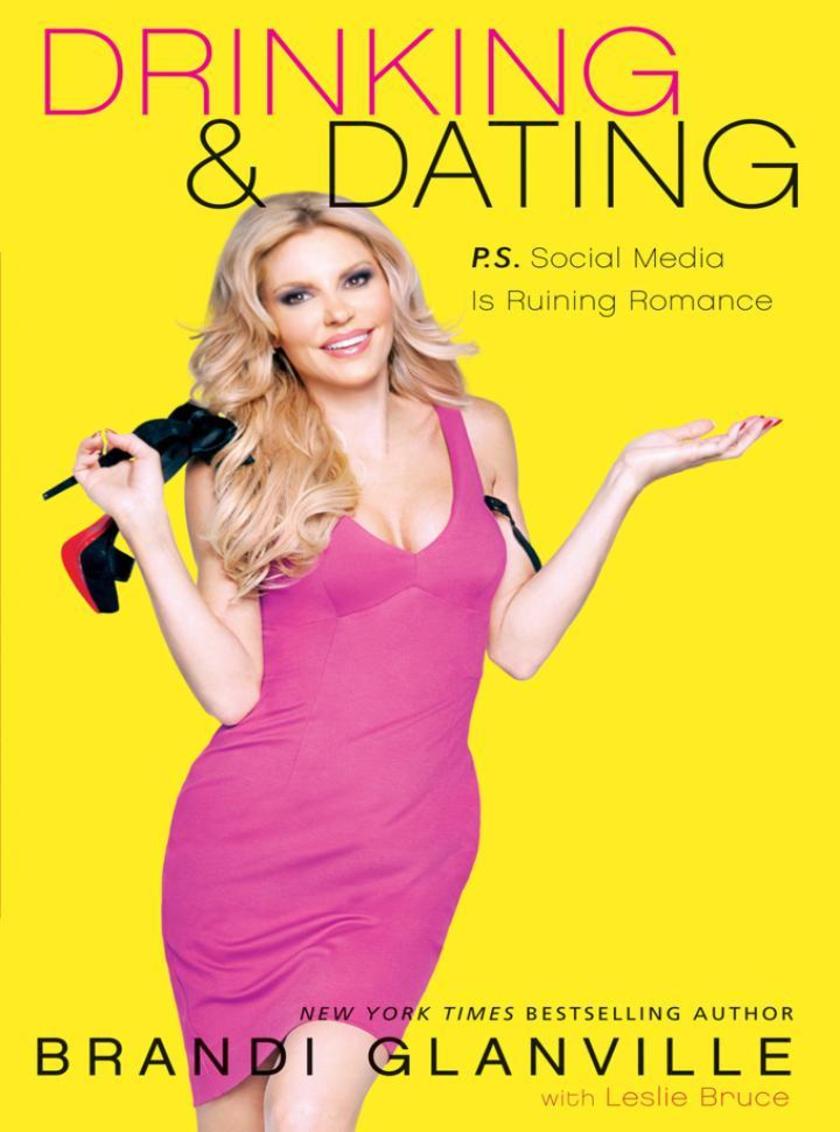
Drinking and Dating
¥83.03
Feisty, funny, and almost fabulous: A relationship guide and collection of outrageous dating mishaps from the unfiltered and often inappropriate Real Housewives of Beverly Hills star. Welcome to Drinking and Dating . . . and how social media is ruining us all. In this honest, hilarious, and wild tell-all, reality TV starlet and number one New York Times bestselling author Brandi Glanville chronicles her misadventures stumbling through today's dating world. From felons to social media blunders and bedroom esca-pades, Brandi withholds nothing as she writes about the perils of getting back . . . on her back. Despite Brandi's life in the public spotlight, she has the same difficulty meeting, trusting, and even dating new people as the rest of us—perhaps even more. She hopes to develop a lasting, loving relationship, but it's been a struggle. With her signature tell-it-like-it-is voice, the single mother of two brings you along on her journey as the controversial but charming former fashion model shows her all-too-human side, candidly sharing the humorous and unforeseen ups and downs—literally and figuratively—in her search for love. Brandi Glanville is surprising, vulnerable, and outspoken, and her take on dating after heartbreak—and life in general—is as unique as she is. Just like Brandi herself, Drinking and Dating is sexy, funny, and eyebrow-raising—not that she can raise hers. #Botox.
Dump 'Em
¥90.77
Everybody has that special someone in their life that they can't wait to get rid of. Whether it's a housekeeper, a therapist, or a personal trainer, the time comes when you have to pull the plug on the relationship.Featuring personal stories, useful *s, and interviews with experts such as Bob Harper from The Biggest Loser, funnyman Adam Carolla, and Michael Jackson's attorney, Thomas Mesereau, Dump 'Em is a practical guide for giving any bad relationship the boot. Jodyne L. Speyer provides a roadmap to finding your own way of saying "thanks, but no thanks." Written with honesty, empathy, and ruthless wit, Dump 'Em will teach you to conquer your fear of confrontation and master the art of the peaceful and permanent breakup. So what are you waiting forDump 'em!
How to Relax Without Getting the Axe
¥77.49
If business is a hamster wheel, what kind of hamster do you want to beThe one who runs all day long, huffing and puffing to keep things turningOr the sleek and happy rodent who works in the corner office down the hallStanley Bing has seen the way the big furballs operate in good times and bad.Core skills taught in this book:DelegationTelling people what to do and having them do it.AbsenceOperating from the digital vacuum.Abuse of statusIt can be done.DecisivenessEven when confused.EngagementBut only when necessary.Step off the wheel.Grab this book.And relax.

Cube Monkeys
¥78.10
You drag yourself to work wearing your office uniform, complete with khaki pants and sense of impending doom. After grabbing a cup of the office sludge, you settle in with your fellow cube dwellers and wonder: How will I last another day in this freaky corporate jungleCheaper than therapy, Cube Monkeys is your secret weapon to surviving the longest 40 hours of the week. Wanna get the overachieving intern firedDon't know how to tell the Stink Bomb down the hall he needs a scrub a dub dubAfraid you may have told off the boss after your fifth margarita at last night's happy hourNeed a handy list of excuses good for any occasionLook no further. The editors of CareerBuilder.com and Second City Communications have answers to your most pressing office survival questions, as well as advice, tips, and more to help you make it through the day without killing anyone. (Well, maybe the intern will take a hit. But that little snitch had it coming.)
In the Event of My Untimely Demise
¥78.55
When Brian Sack's mother passed away, he was left with a letter and a pink cardigan. The cardigan was promptly placed in a drawer, but the letter was pure gold. In just a few pages of fancy cursive, her posthumous dispatch offered the kind of guidance you would expect from a mother to her young son. And while he didn't necessarily follow all the advice, he never forgot how very important those words and that letter were to him. Decades later, on the verge of parenthood himself, Brian decided to write something for his own child, wanting a legacy, and not just a pink cardigan, to leave to his son. But far from the usual collection of advice, Brian has written a sharp, sage, warts-and-all survival guide to life.With quick wit and self-deprecating honesty, Sack draws from his experiences, tapping them for the humor within. Holding nothing back, he: Gives the skinny on relationships don't let the woman you love wander alone in France Commiserates about the death of the meritocracy wanting to sing doesn't mean you can Recounts his awkward entry into fatherhood you'll overcome your aversion to poo Offers firsthand advice avoid any bipolar lady with a drug-sniffing wonder-cat And argues that the Empire State Building is not a phallic symbol no matter what the professor said Every chapter takes on subjects ranging from the universal and mundane to the life changing and inevitable. With its funny and heartfelt musings from a father to a son, In the Event of My Untimely Demise is a delightful life primer for all of us.

Player HateHer
¥78.65
At last, a humorous, anecdote-filled exploration of the many ways in which women stab each other in the back and talk about each other behind closed doors If you exhibit any of these traits, you may be guilty of being a Player hateHER: You get upset when people don't notice how fabulous you are. You vow to get revenge on your boyfriend's mistress, instead of him. You become angry when you see someone wearing the same outfit you purchased, as if it were produced just for you. Player hateHER shows women why they hate on one another, and, most important, how they can stop! A much-needed lesson in respecting one another and respecting yourself.
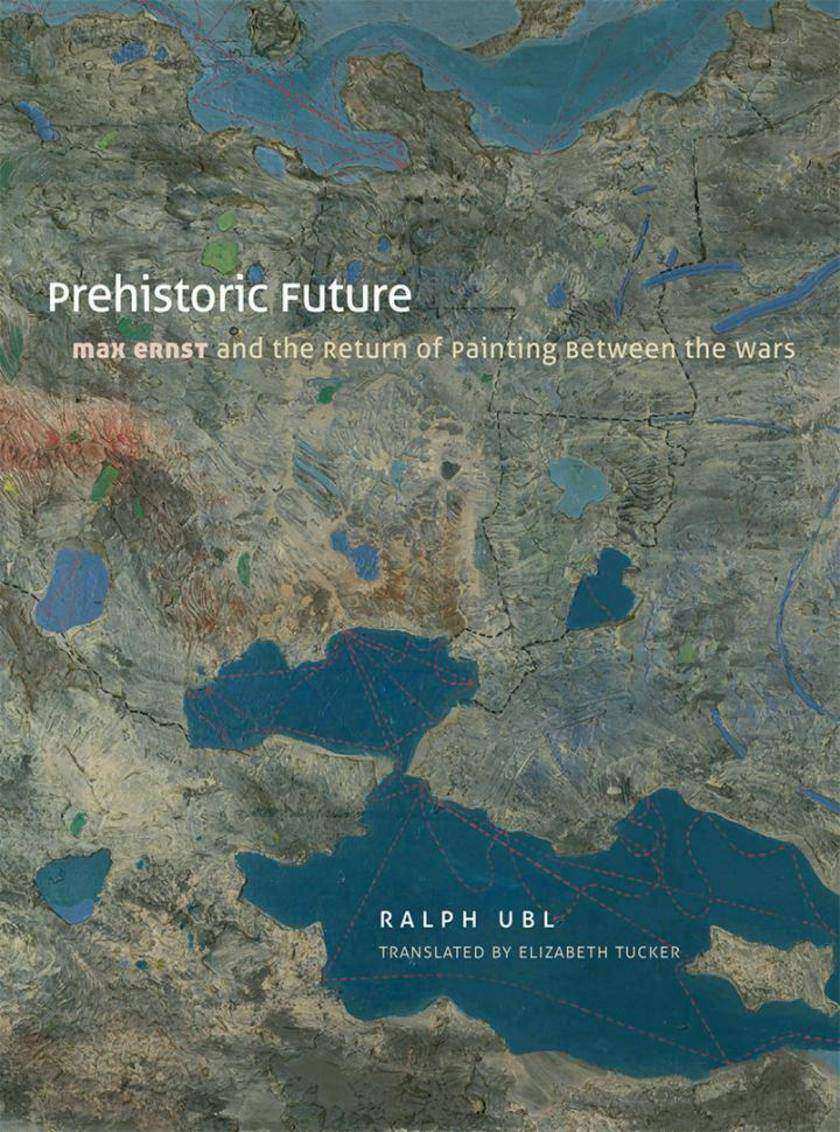
Prehistoric Future
¥370.82
One of the most admired artists of the twentieth century, Max Ernst was a proponent of Dada and founder of surrealism, known for his strange, evocative paintings and drawings. In Prehistoric Future, Ralph Ubl approaches Ernst like no one else has, using theories of the unconscious-surrealist automatism, Freudian psychoanalysis, the concept of history as trauma-to examine how Ernst's construction of collage departs from other modern artists. ?Ubl shows that while Picasso, Braque, and Man Ray used scissors and glue to create collages, Ernst employed techniques he himself had forged-rubbing and scraping to bring images forth onto a sheet of paper or canvas to simulate how a screen image or memory comes into the mind's view. In addition, Ernst scoured the past for obsolete scientific illustrations and odd advertisements to illustrate the rapidity with which time passes and to simulate the apprehension generated when rapid flows of knowledge turn living culture into artifact. Ultimately, Ubl reveals, Ernst was interested in the construction and phenomenology of both collective and individual modern history and memory. Shedding new light on Ernst's working methods and the reasons that his pieces continue to imprint themselves in viewers' memories, Prehistoric Future is an innovative work of critical writing on a key figure of surrealism.

Portraits of Conflict
¥484.91
A deeply divided border state, heir to the "Bleeding Kansas" era, Missouri became the third most fought-over state in the war, following Virginia and Tennessee. Rich in resources and manpower, critical politically to both the Union and the Confederacy, it was the scene of conventional battles, river warfare, and cavalry raids. It saw the first combat by organized units of Native Americans and African Americans. It was also marked by guerrilla warfare of unparalleled viciousness. This volume, the ninth in the series, includes hundreds of photographs, many of them never before published. The authors provide text and commentary, organizing the photographs into chapters covering the origins of the war, its conventional and guerrilla phases, the war on the rivers, medicine (Sweeny's medical knowledge adds a great deal to this chapter and expands our knowledge of its practice in the west), the experiences of Missourians who served out of state, and the process of reunion in the postwar years.

Portraits of Conflict
¥484.91
Portraits of Conflict: A Photographic History of Alabama in the Civil War is the tenth volume in this acclaimed series showing the human side of the country's great national conflict. Over 230 photographs of soldiers and civilians from Alabama, many never seen before, are accompanied by their personal stories and woven into the larger narrative of the war both on the battlefield and the home front. Alabama is unusual among the Rebel states in that, while its people saw little fighting inside its boundaries, nearly one hundred thousand Alabamians served with Confederate units throughout the South. This volume chronicles their experiences in almost every battle east of the Mississippi River--especially at Sharpsburg, Chancellorsville, and Gettysburg under the legendary Robert E. Lee; at Murfreesboro and Chickamauga as part of the ill-fated Army of Tennessee; and at the famous siege of Vicksburg. Ultimately Union soldiers did invade the state, and Alabamians defended their homeland against enemy cavalry raiders at Selma and against Federal warships in the fight for Mobile Bay. The volume also includes accounts of some of Alabama's leading politicians as well as several of its more ordinary citizens. This new volume contains the same quality of photography and storytelling that has attracted Civil War enthusiasts since the first volume was published in 1987, making it another welcome addition to the series Civil War History called "e;a sensibly priced, beautifully produced photographic history."e;

Arts of Wonder
¥353.16
"e;The fate of our times is characterized by rationalization and intellectualization and, above all, by 'the disenchantment of the world.'"e; Max Weber's statement remains a dominant interpretation of the modern condition: the increasing capabilities of knowledge and science have banished mysteries, leaving a world that can be mastered technically and intellectually. And though this idea seems empowering, many people have become disenchanted with modern disenchantment. Using intimate encounters with works of art to explore disenchantment and the possibilities of re-enchantment, Arts of Wonder addresses questions about the nature of humanity, the world, and God in the wake of Weber's diagnosis of modernity.?Jeffrey L. Kosky focuses on a handful of artists-Walter De Maria, Diller + Scofidio, James Turrell, and Andy Goldworthy-to show how they introduce spaces hospitable to mystery and wonder, redemption and revelation, and transcendence and creation. What might be thought of as religious longings, he argues, are crucial aspects of enchanting secularity when developed through encounters with these works of art. Developing a model of religion that might be significant to secular culture, Kosky shows how this model can be employed to deepen interpretation of the art we usually view as representing secular modernity. A thoughtful dialogue between philosophy and art, Arts of Wonder will catch the eye of readers of art and religion, philosophy of religion, and art criticism.
Cubicle Warfare
¥90.77
Get revenge on all your annoying coworkers with this guide to 101 awesome office pranks Are your eyes beginning to glaze over from the fluorescent lights in your tiny cubicleHave you had one too many burnt cups of coffeeDoes the guy in the cube next to you insist on pencil-drumming while cranking "Hells Bells" and five-finger discounting your paper clipsIf your answer to any of these questions is yes, then you're in need of some Cubicle Warfare.With Cubicle Warfare, you'll never be bored at the office again. Make your coworkers jump, squeal, and run for cover with hilarious pranks such as the Paper Clip Chain, Bottomless Box, and the Sticky Note Office, as well as the more advanced Freezer Bomb, Chair Chaos, and Textless Keyboard. Even if you're not a prankster yourself, you can still use this riotous guide to recognize the warning signs and defend your desk from conniving coworkers. Bad days at the office will be a thing of the past.
Power Moves
¥90.90
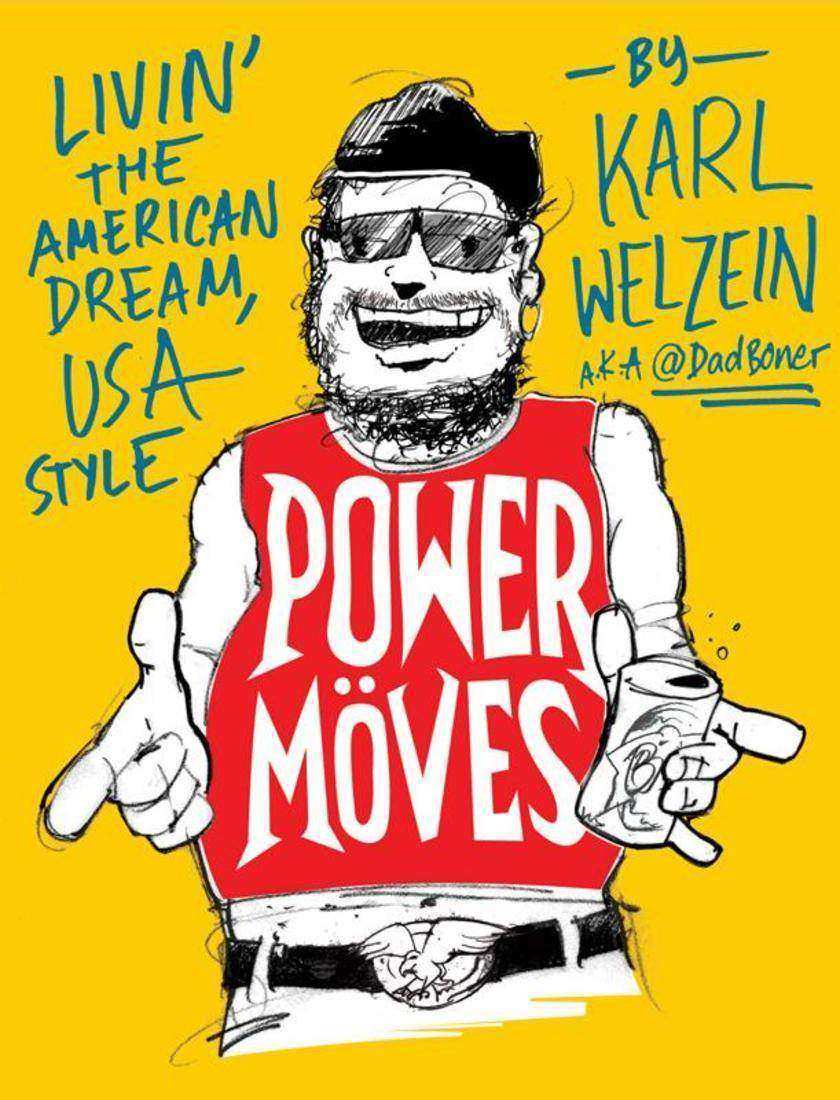
Meet Karl Welzein, aka Captain Karl, aka @DadBoner on Twitter—the Midwest's most beautiful loser Karl Welzein is really lookin' forward to the weekend, you guys. His job is a drag and his wife kicked him out, but that's okay. She wears granny panties and is constantly dropping wads of cash at Target, and his son cries all the time. Now his "temporary" roommate, Dave, ate all the Totino's pizza rolls. Again. Karl Welzein is sick of this. So sick of this. Power Moves chronicles the hilarious decline of Karl Welzein on his journey from life as a Dockers-and-golfshirt-wearing dad to a ponytailed party maniac who spits out his life philosophies like a modern-day Charles Bukowski (if he preferred to get drunk at Applebee's). A middle-aged Michigan native, Karl may be overweight, prone to questionable fashion and culinary choices, oblivious to his drinking problem, a poor excuse for an employee, obsessed with the restroom, and a terrible husband, father, and friend . . . but in his heart he means well. He's just like a lot of us—he loves the USA, Guy Fieri, bold flavors, Bob Seger, and thinking he looks jacked in a tight tee and Maui Jim sunglasses. Karl is an everyman and like no other man on the planet all at once. Inspired by the Twitter feed @DadBoner, Karl finally tells his full story. He shares his wisdom on fitness (1. Look at a pic of Stone Cold Steve Austin. 2. Do 'shups 'til you look like Stone Cold. 3. Cut off your sleeves), diet (Eat only the filling of the Taco Bell Beefy Melts for maximum flavor and low-carb health), fashion (Wearin' boots with jean shorts says "I like to keep cool, but I'm ready if the action gets hot"), work life (If you don't have a job that makes you want to kill yourself, you don't deserve to drink until you want to die), and the bliss of the perfect weekend (beers, brats, and babes' chest beefers). But above all, this is a story about America—the real red, white, and blue America of today. Welcome to Karl's world. Reading this book is the ultimate Power Move.

The Works of John Leguizamo
¥94.10
John Leguizamo's smash–hit one–man shows have been acclaimed by critics and fans alike. In this new Harper Paperback edition, all four shows are compiled into one phenomenally entertaining volume. Mambo Mouth (1991), Leguizamo's first show, was an off Broadway sensation. Leguizamo's portrayal of seven different Latino characters earned him both Obie and Outer Critics Circle awards. His follow up, Spic–O–Rama (1993), a "dysfunctional family comedy," presents 24–hours in the life of one family. It enjoyed a sold–out run in Chicago before relocating to New York where it won its creator a Drama Desk Award. Freak (1998), Leguizamo's Broadway debut, is his own coming–of–age story. A "demi–semi–quasi–pseudo–autobiography," the show was a critical and commercial success and won an Emmy when it was shown on TV. Sexaholix: A Love Story (2001), based on the sold–out national tour of John Leguizamo Live! was nominated for an Outer Critics Circle Award as well as a Tony Award. Alternately hilarious and poignant, always candid and searingly intelligent, The Works of John Leguizamo is a must–have for fans of this inimitable performer.


