


 购物车
 个人中心

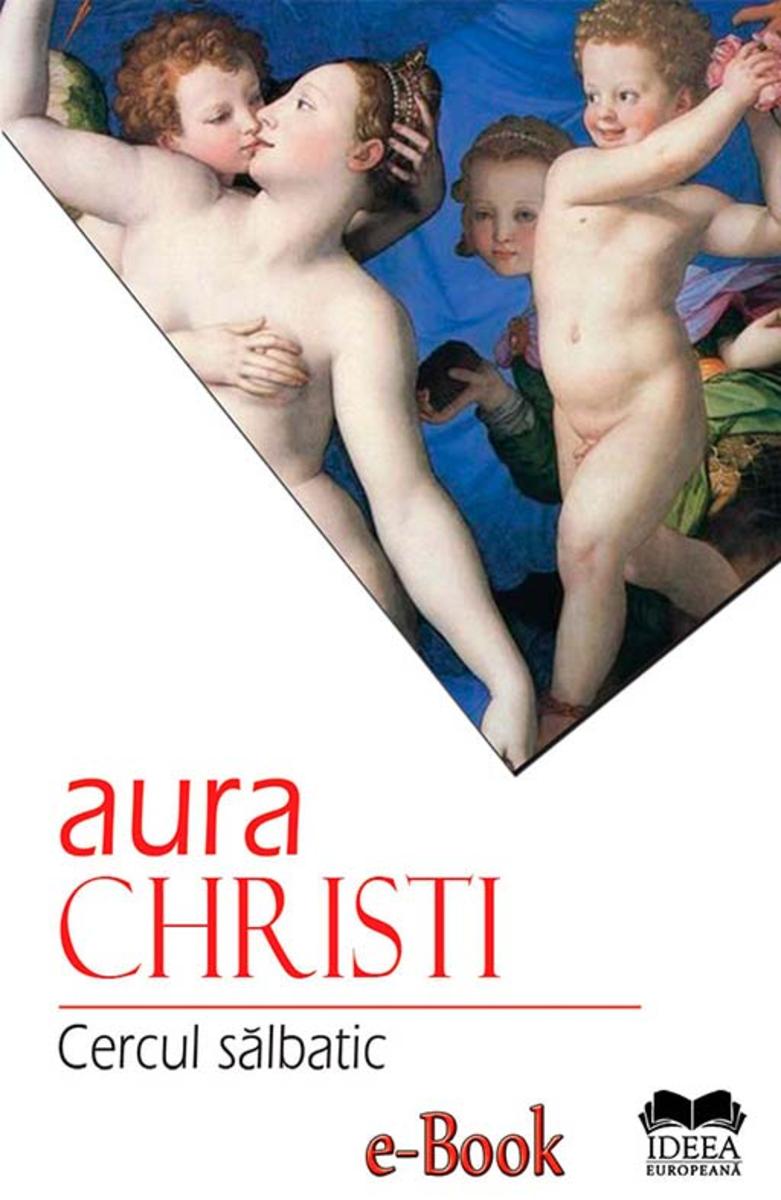
Cercul s?lbatic
¥106.19
O carte pasionant i minuios documentat.“ – Le Figaro Littéraire Dac exist o dinastie care s ntrupeze Europa, aceea este Casa de Habsburg“, scrie Jean des Cars n debutul acestei cavalcade pasionante prin istoria zbuciumat a Europei. Destinul prodigios al Habsburgilor ncepe, n cheie minor, n secolul al XI-lea, ntr-o fortrea situat n cantonul elveian Aargau, prinde aripi n 1273, odat cu alegerea, cu totul neateptat, a contelui Rudolf de Habsburg ca mprat al Sfntului Imperiu German, i i ncheie epopeea monarhic la Schnbrunn, pe 11 noiembrie 1918, cnd Carol al IV-lea semneaz actul de renunare la coroana imperial a Austriei. Vreme de apte secole, Habsburgii au dominat o mare parte a Europei, a Orientului Apropiat i a Americii de Sud. Cuceritorul Carol Quintul, reformatoarea Maria Tereza, Franz Joseph i legendara sa soie Sisi, Zita, suverana datoriei, sunt doar cteva dintre figurile emblematice ale acestei familii excepionale, care a marcat istoria. Nendoielnic, dispariia lor semnaleaz prbuirea unei lumi, dar numele lor rmne venic sinonim cu nflorirea artelor, grandoarea politic i identitatea european. Pentru alctuirea acestui volum incitant, n care faptul istoric documentat se ntlnete fericit cu excursul jurnalistic profesionist i bine calibrat, dar i cu o anecdotic ncnttoare, Jean des Cars, talentat raconteur i recunoscut cronicar al marilor monarhii europene, a consultat arhive, a vizitat toate locurile-reper ale dinastiei, a realizat interviuri i a cules mrturiile inedite ale mprtesei Zita i ale arhiducelui Otto de Habsburg. Istoria este plin de maiesti individuale, ns Habsburgii ntruchipeaz maiestatea dinastic. [...] A ajunge s nu mai constitui doar o familie, s nu mai reprezini doar o ar, ci un agregat de naiuni, a stpni jumtate din Europa i o mare parte din America, a purta o coroan mai grea chiar dect coroana Imperiului Britanic, dar a te plimba, n acelai timp, prin Prater, cu o umbrel sub bra, iat un spectacol pe care omenirea nul va mai vedea vreodat.“ – Paul Morand n 1919, prbuirea imperiilor i, apoi, o redivizare geografic arbitrar elimin de la conducere familii vechi i puternice, cum ar fi Romanovii, Hohenzollernii i Habsburgii. Dup veacuri de prestigiu i influen, vechile case domnitoare sunt terse de pe hart, asasinate sau surghiunite. Dar, n timp ce familiile imperiale din Rusia i din Germania au fost nevoite, ulterior, s se mulumeasc, dup caz, cu nostalgii discrete, compromisuri regretabile sau reabilitri tardive, Habsburgii au luptat mpotriva anihilrii progresive la care erau supui, ripostnd chiar fa de ostracizarea care le era impus. Nu fr eforturi sau adversiti umilitoare, ei au reuit s triasc, s i refac imaginea, s existe din nou, s impun respect fa de numele lor nainte de anii ’40 i s redobndeasc un loc att n memoria vechii Europe, ct i n noua construcie european, ceea ce este un lucru excepional.“ – Jean des Cars

Tr?darea criticii
¥81.67
Habsburgi, Windsori, Romanovi, Hohenzollerni, familii regale ale Belgiei, Olandei, Italiei, Iugoslaviei, Bulgariei, Rom?niei sau Greciei – monarhiile europene s-au aflat ?n inima celor dou? R?zboaie Mondiale.?ntr-o incursiune istoric? fascinant?, punctat? de portrete, anecdote, momente-cheie, ?nt?lniri decisive, jocuri de alian?e, Jean des Cars ne introduce ?n culisele cur?ilor europene prinse ?n v?rtejul celor dou? conflagra?ii care au zguduit secolul al XX-lea.?Jean des Cars, eminent specialist al marilor dinastii europene, realizeaz? – ?ar? dup? ?ar?, deceniu dup? deceniu – un expozeu al faptelor istorice marcante, construind o lucrare plin? de vivacitate ?i bine documentata, o lectura cu at?t mai captivanta, cu c?t cele aproape 170 de subcapitole care o compun istorisesc, fiecare ?n parte, o adev?rat? poveste." - Le Figaro Magazine?Una dintre cele mai bune c?r?i ale autorului ?i un succes de libr?rie: urm?rim pe parcursul acestor conflicte comportamentele monarhilor, majoritatea ?nrudi?i ?ntre ei. Un secol de istorie a marilor familii, a destinelor europene, iar pentru Europa de Est, o memorie reg?sit?." - Valeurs Actuelles?n vara lui 1914, Europa este majoritar monarhic?: din dou?zeci ?i dou? de state, nou?sprezece sunt regate, imperii, principate sau mari ducate. Ast?zi, nu au mai r?mas dec?t zece. Primul R?zboi Mondial provoac? pr?bu?irea a patru imperii (Germania, Rusia, Austro-Ungaria, Imperiul Otoman), iar al Doilea spulber? patru regate (Italia, Iugoslavia, Rom?nia, Bulgaria).Cine erau ace?ti suverani? Dar femeile care le ?mp?rt??eau destinul?De la ambi?ie la orbire, de la curaj la sl?biciune, de la gelozie la abnega?ie, care au fost triumfurile ?i e?ecurile lor? Cum ?i-au tr?it gloria, dramele, cum s-au confruntat cu ascensiunea extremismelor interbelice, cu apari?ia totalitarismelor? Erau con?tien?i de consecin?ele gesturilor lor? Sau au fost incapabili s? stopeze avansul na?ionalismelor? Care au fost vie?ile lor personale, iubirile ?i pasiunile secrete? Ace?ti monarhi, care se vor alia, se vor ?nfrunta ?i uneori tr?da, sunt to?i ?nrudi?i, uni?i prin leg?turi de s?nge ?i matrimoniale. Astfel, ?r?zboiul regilor" va fi o incredibil? reglare de conturi familial? – la scar? continental?, apoi mondial?.
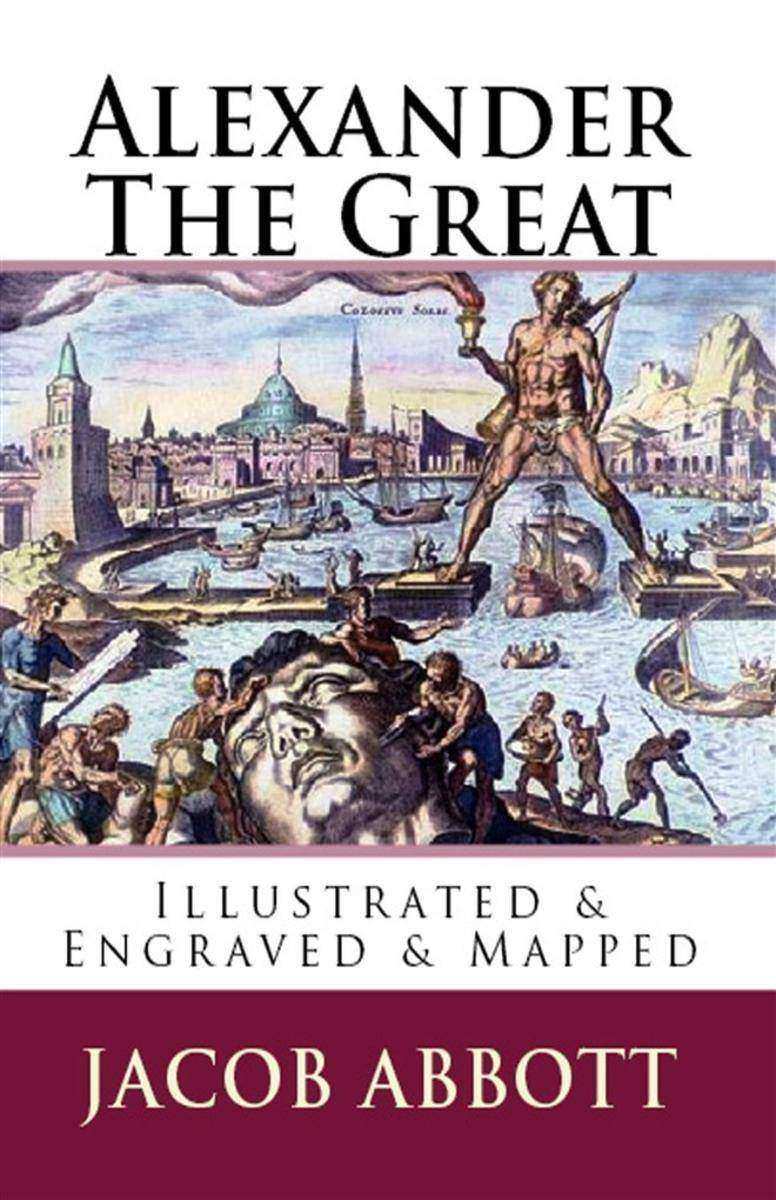
Alexander the Great
¥18.56
ALEXANDER the Great died when he was quite young. He was but thirty-two years of age when he ended his career, and as he was about twenty when he commenced it, it was only for a period of twelve years that he was actually engaged in performing the work of his life. Napoleon was nearly three times as long on the great field of human action.??Notwithstanding the briefness of Alexander's career, he ran through, during that short period, a very brilliant series of exploits, which were so bold, so romantic, and which led him into such adventures in scenes of the greatest magnificence and splendor, that all the world looked on with astonishment then, and mankind have continued to read the story since, from age to age, with the greatest interest and attention.??The secret of Alexander's success was his character. He possessed a certain combination of mental and per-sonal attractions, which in every age gives to those who exhibit it a mysterious and almost unbounded ascendency over all within their influence. Alexander was characterized by these qualities in a very remarkable degree. He was finely formed in person, and very prepossessing in his manners. He was active, athletic, and full of ardor and enthusiasm in all that he did.
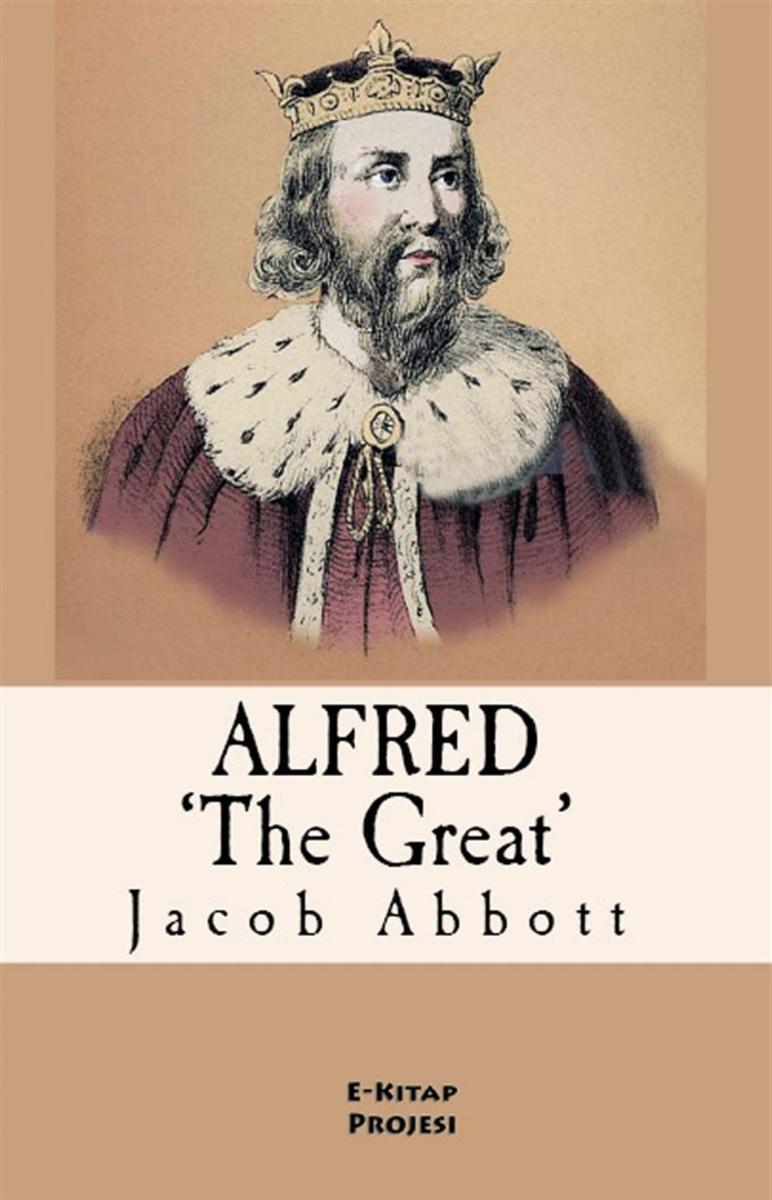
Alfred the Great
¥18.56
ALFRED THE GREAT figures in history as the founder, in some sense, of the British monarchy. Of that long succession of sovereigns who have held the scepter of that monarchy, and whose government has exerted so vast an influence on the condition and welfare of mankind, he was not, indeed, actually the first. ??There were several lines of insignificant princes before him, who governed such portions of the kingdom as they individually possessed, more like semi-savage chieftains than English kings. Alfred followed these by the principle of hereditary right, and spent his life in laying broad and deep the foundations on which the enormous superstructure of the British empire has since been reared. If the tales respecting his character and deeds which have come down to us are at all worthy of belief, he was an honest, conscientious, disinterested, and farseeing statesman. ??If the system of hereditary succession would always furnish such sovereigns for mankind, the principle of loyalty would have held its place much longer in the world than it is now likely to do, and great nations, now republican, would have been saved a vast deal of trouble and toil expended in the election of their rulers.
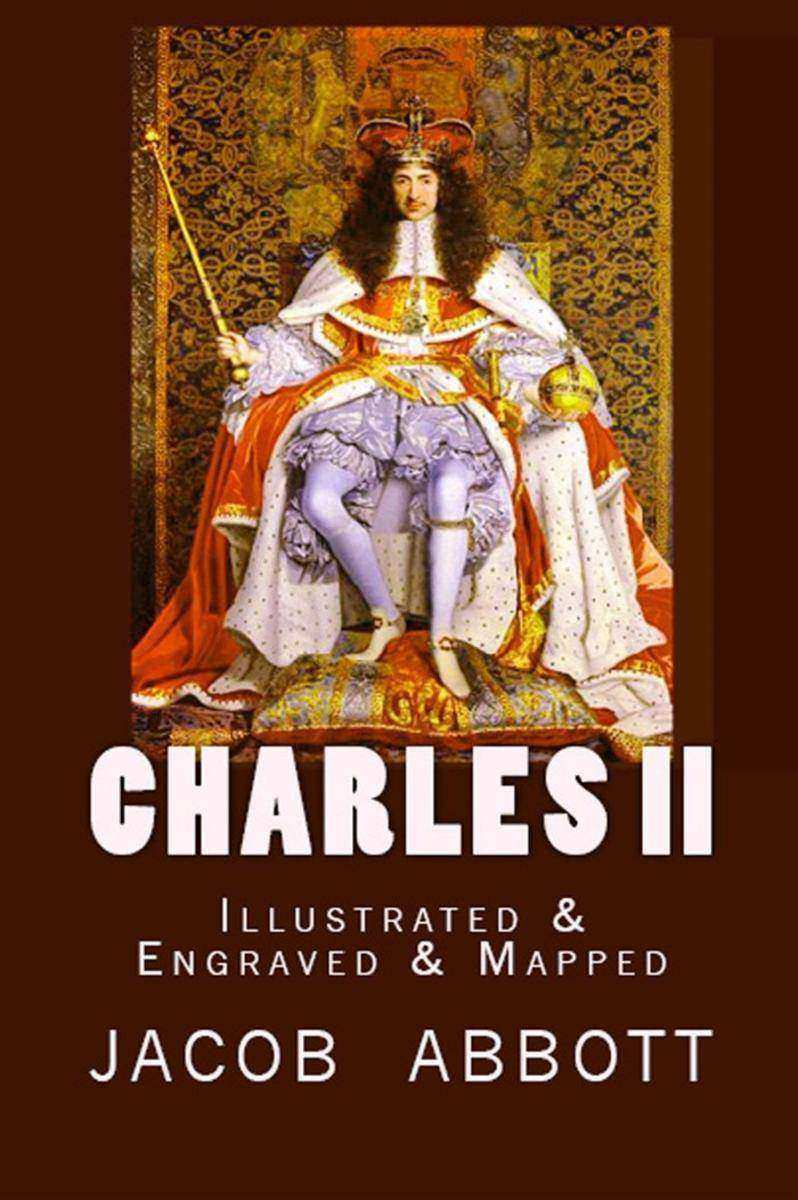
Charles II
¥18.56
KING CHARLES THE SECOND was the son and successor of King Charles the First. These two are the only kings of the name of Charles that have appea-red, thus far, in the line of English sovereigns. Nor is it very probable that there will soon be another. The reigns of both these monarchs were stained and tarnished with many vices and crimes, and darkened by national disasters of every kind, and the name is thus connected with so many painful associations in the minds of men, that it seems to have been dropped, by common consent, in all branches of the royal family.??The reign of Charles the First, as will be seen by the history of his life in this series, was characterized by a long and obstinate contest between the king and the people, which brought on, at last, a civil war, in which the king was defeated and taken prisoner, and in the end beheaded on a block, before one of his own pala-ces. During the last stages of this terrible contest, and before Charles was himself taken prisoner, he was, as it were, a fugitive and an outlaw in his own dominions. His wife and family were scattered in various foreign lands, his cities and castles were in the hands of his enemies, and his oldest son, the prince Charles, was the object of special hostility. The prince incurred, therefore, a great many dangers, and suffered many heavy calamities in his early years. He lived to see these calamities pass away, and, after they were gone, he enjoyed, so far as his own personal safety and welfare were concerned, a tranquil and prosperous life. The storm, however, of trial and suffering which enveloped the evening of his father's days, darkened the morning of his own. ??The life of Charles the First was a river rising gently, from quiet springs, in a scene of verdure and sunshine, and flowing gradually into rugged and gloomy regions, where at last it falls into a terrific abyss, enveloped in darkness and storms. That of Charles the Second, on the other hand, rising in the wild and rugged mountains where the parent stream was engulfed, commences its course by leaping frightfully from precipice to precipice, with turbid and foaming waters, but emerges at last into a smooth and smiling land, and flows through it prosperously to the sea.

Hannibal
¥27.88
HANNIBAL was a Carthaginian general. He acquired his great distinction as a warrior by his desperate contests with the Romans. Rome and Carthage grew up together on opposite sides of the Mediterranean Sea. For about a hundred years they waged against each other most dreadful wars. There were three of these wars. Rome was successful in the end, and Carthage was entirely destroyed.?There was no real cause for any disagreement between these two nations. Their hostility to each other was mere rivalry and spontaneous hate. They spoke a different language; they had a different origin; and they lived on opposite sides of the same sea. So they hated and devoured each other.?Those who have read the history of Alexander the Great, in this series, will recollect the difficulty he experienced in besieging and subduing Tyre, a great maritime city, situated about two miles from the shore, on the eastern coast of the Mediterranean Sea. Cart-hage was originally founded by a colony from this city of Tyre, and it soon became a great commercial and maritime power like its mother. The Carthaginians built ships, and with them explored all parts of the Mediterranean Sea.
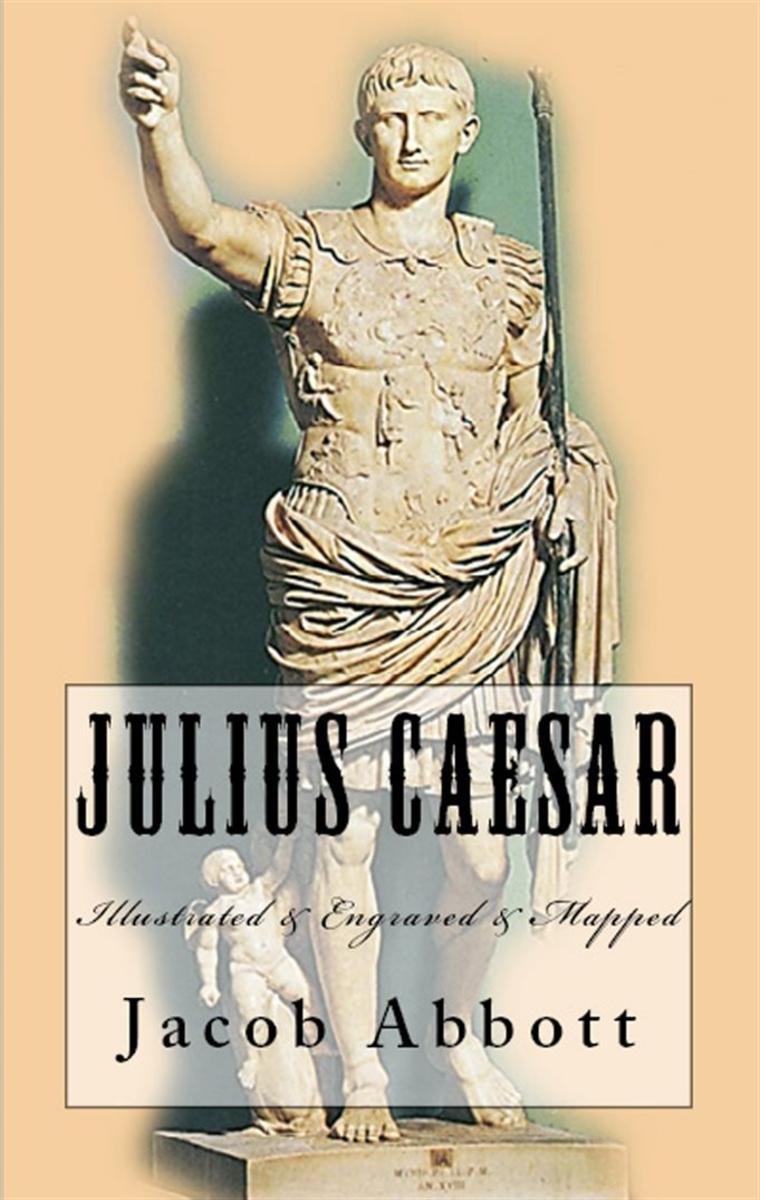
Julius Caesar
¥27.88
THERE were three great European nations in ancient days, each of which furnished history with a hero: the Greeks, the Carthaginians, and the Romans.??Alexander was the hero of the Greeks. He was King of Macedon, a country lying north of Greece proper. He headed an army of his countrymen, and made an excursion for conquest and glory into Asia. He made himself master of all that quarter of the globe, and reigned over it in Babylon, till he brought himself to an early grave by the excesses into which his boundless prosperity allured him. His fame rests on his triumphant success in building up for himself so vast an empire, and the admiration which his career has always excited among mankind is heightened by the consideration of his youth, and of the noble and generous impulses which strongly marked his character.??The ROMAN hero was CAESAR. He was born just one hundred years before the Christian era. His renown does not depend, like that of Alexander, on foreign conquests, nor, like that of Hannibal, on the terrible energy of his aggressions upon foreign foes, but upon his protracted and dreadful contests with, and ultimate triumphs over, his rivals and competitors at home.
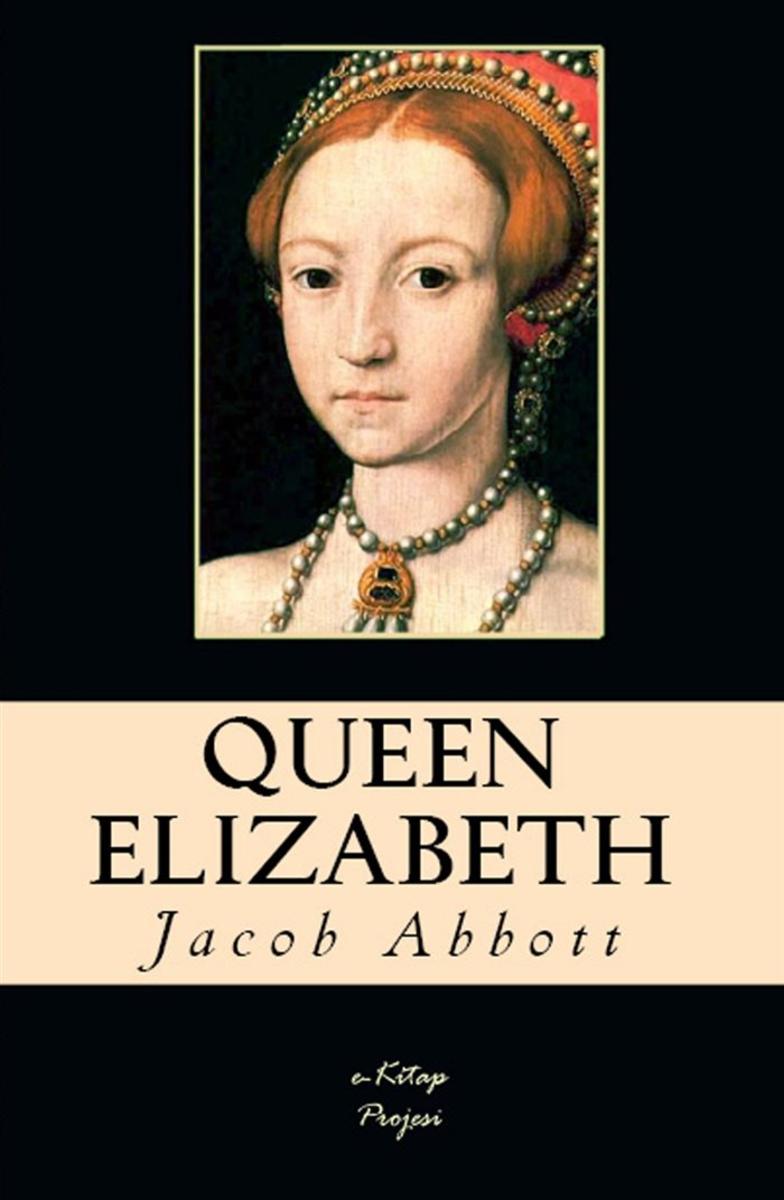
Queen Elizabeth
¥27.88
ELIZABETH was about three years old at the death of her mother. She was a princess, but she was left in a very forlorn and desolate condition. She was not, however, entirely abandoned. Her claims to inherit the crown had been set aside, but then she was, as all admitted, the daughter of the king, and she must, of course, be the object of a certain degree of consideration and ceremony. It would be entirely inconsistent with the notions of royal dignity which then prevailed to have her treated like an ordinary child.??Next came Elizabeth, who was about fourteen years of age. She was the daughter of the king's second wife, Queen Anne Boleyn. She had been educated a Protestant. She was not pretty, but was a very lively and sprightly child, altogether different in her cast of character and in her manners from her sister Mary.??Then, lastly, there was Edward, the son of Jane Seymour, the third queen. He was about nine years of age at his father's death. He was boy of good character, mild and gentle in his position, fond of study and reflection, and a general favorite with all who knew him.

The Romance of Spanish History: [Illustrated & Engraved & Mapped]
¥28.29
THE Spanish peninsula, separated from France on the north by the Pyrenees, and bounded on the three remaining sides by the Mediterranean Sea and the Atlantic Ocean, con-tains an area of 225,600 square miles, being a little larger than France. Nature has reared a very formidable barrier between Spain and France, for the Pyrenees, extending in a straight line 250 miles in length, from the Bay of Biscay to the Mediterranean, and often rising in peaks more than ten thou-sand feet in height, offer but three defiles which carriages can traverse, though there are more than a hundred passes which may be surmounted by pedestrians or the sure-footed mule. The soil is fertile; the climate genial and salubrious; and the face of the country, diversified with meadows and mountains, presents, in rare combination, the most attractive features both of loveliness and sublimity.?History does not inform us when and how this beautiful peninsula—called Hispania by the Romans—first became in-habited. Whether the earliest emigrants crossed the straits of Gibraltar from Africa, or came from Asia, coasting the shores of the Mediterranean, or descended from France through the defiles of the Pyrenees, can now never be known. The first glimpse we catch of Spain, through the haze of past ages, reveals to us the country inhabited by numerous barbaric tri-bes, fiercely hostile to each other, and constantly engaged in bloody wars. The mountain fastnesses were infested with robber bands, and rapine and violence everywhere reigned. The weapons grasped by these fierce warriors consisted of lances, clubs, and slings, with sabres and hatchets, of rude fashion but of keen edge. Their food was mainly nuts and ro-ots. Their clothing consisted of a single linen garment, girded around the waist; and a woollen tunic, surmounted by a cloth cap, descended to the feet. As in all barbarous nations, the hard work of life was performed by the women.??The names even of most of these tribes have long since perished; a few however have been transmitted to our day, such as the Celts, the Gallicians, the Lusitanians, and the Iberians. Several ages before the foundations of Rome or of Carthage were laid, it is said that the Phoenicians, exploring in their commercial tours the shores of the Mediterranean, established a mercantile colony at Cadiz. The colonists growing rich and strong, extended their dominions and founded the cities of Malaga and Cordova. About 800 years before Christ, a colony from Rhodes settled in the Spanish peninsula, and established the city of Rosas. Other expeditions, from various parts of Greece, also planted colonies and engaged in successful traffic with the Spanish natives.??Four hundred years before Christ, the Carthaginian republic was one of the leading powers, and Carthage was one of the most populous and influential cities on the globe. The Carthaginians crossed the narrow straits which separate Africa from Spain, landed in great strength upon the Spanish peninsula, and, after a short but severe conflict, subdued the foreign colonies there, brought the native Spaniards into subjection, and established their own supremacy over all the southern coast. Cadiz became the central point of Carthaginian power, from whence the invaders constantly extended their conquests. Though many of the interior tribes maintained for a time a sort of rude and ferocious independence, still Carthage gradually assumed dominion over the whole of Spain.??In the year 235 B.C., Hamilcar, the father of the illustrious Hannibal, compelled nearly all the tribes of Spain to ack-nowledge his sway. For eight years Hamilcar waged almost an incessant battle with the Spaniards. Still it was merely a military possession which he held of the country, and he erected Barcelona and several other fortresses, where his soldiers could bid defiance to assaults, and could overawe the surrounding inhabitants.

Ruptura
¥40.79
Referindu-se la Pesc?ru?ul ?ntr-o scrisoare din octombrie 1895, Cehov nota, ?ntre altele: ?Scriu o pies? pe care probabil nu o voi termina p?n? la sf?r?itul lui noiembrie. O scriu nu f?r? pl?cere, de?i m? tem de conven?iile scenei. E o comedie, exist? trei roluri pentru femei, ?ase pentru b?rba?i, patru acte, peisaje (priveli?tea unui lac), o mul?ime de conversa?ii despre literatur?, pu?in? ac?iune, mult? iubire“. Premiera s-a dovedit dezastruoas?, editorul s?u aduc?ndu-i acuze ca, pild?, la?itatea evident?, caracterul din cale afar? de feminin. Con?tient de geniul s?u, Cehov riposteaz?: ?De ce aceast? calomnie? Dup? reprezenta?ie am luat cina la Romanovi. Pe cuv?ntul meu de onoare. Apoi m-am dus la culcare, am dormit s?n?tos ?i a doua zi am mers acas? f?r? a suspina vreo nemul?umire. Dac? a? fi fost un la?, a? fi alergat de la un editor la altul ?i de la un actor la altul, i-a? fi implorat s? fie ?ng?duitori ?i a? fi petrecut dou? trei s?pt?m?ni ?n Petersburg, agit?ndu-m? cu Pesc?ru?ul meu, cu emo?ie, cu o transpira?ie rece ?n lamenta?ii. Am ac?ionat at?t de rece ?i de responsabil precum un om care a f?cut o ofert? ?i apoi a fost ?nt?mpinat cu un refuz ?i nu mai are nimic altceva de f?cut dec?t s? plece. ?ntr-adev?r, vanitatea mea a fost n?ucit?, dar ?ti?i, nu a fost o lovitur? din senin. A?teptam un e?ec ?i m? preg?tisem pentru el precum te-am prevenit cu o absolut? sinceritate“.

Ini?iere ?n fericire, dragoste, bog??ie ?i vis
¥45.78
Cartea de fa?? r?spunde unor ?ntreb?ri majore: ce este omul? Cine este omul? De ce este omul?Cartea cuprinde teme subiective de medita?ie, filosofie diletant? ?i analiz? psihologic?, ?n genul unor confesiuni, fiind structurat? pe trei p?r?i. Cuvintele abuzive reprezint? o g?ndire fraged?, haotic?, pueril?, prima descoperire a propriului g?nd ?n contradic?ie cu g?ndirea lumii ?i cu g?ndirea proprie ?n alt? faz? a ei, necesitatea dubl?rii g?ndirii ?n dezacordurile ei.Dialogurile sunt descoperirea min?ii personajului ?n proprie minte, descoperirea personajelor vie?ii ?i amintiri fugare ale unor ?nt?mpl?ri obi?nuite care primesc subiectivism paranoic.A treia parte prime?te obiectivitatea, a?a zis? universal?, a unui anumit Narator, care reinterpreteaz? ?i reintegreaz? g?ndurile unui anumit om, ales la ?nt?mplare, dar decis totu?i de circumstan?ele c?r?ii. Dovedirea c? omul ?i ?nsumeaz? pe to?i, lumea.

Pe contrasens cu favorita pre?edintelui. Cronica unei campanii
¥57.14
Lucrarea abordeaz? cele mai relevante manifest?ri ale modernismului literar interbelic, propun?nd spre analiz? reprezentan?i ai poeziei (George Bacovia, Ion Barbu, Lucian Blaga, Ion Vinea, Ilarie Voronca, Tudor Arghezi), ai prozei (Anton Holban, Camil Petrescu, Max Blecher, Mircea Eliade), tendin?ele ?i mi?c?rile coagulate ?n jurul marilor reviste interbelice (Sbur?torul, Contimporanul, 75 H.P., Integral). Volumul se adreseaz? elevilor de liceu care doresc s?-?i aprofundeze cuno?tin?ele referitoare la una dintre cele mai importante v?rste literare rom?ne?ti, miz?nd ?i pe redescoperirea cititorului avizat, dornic s?-?i sus?in? punctele de vedere, s?-?i modeleze gustul estetic ?i s? descopere modele, ierarhii, valori.

Οδηγ?? Μηχανογραφικο? 2014
¥84.20
Στο βιβλ?ο αυτ? περιλαμβ?νονται χρηστικ?? πληροφορ?ε? για την συμπλ?ρωση μηχανογραφικο? δελτ?ου των πανελλην?ων εξετ?σεων. Πρακτικ?? οδηγ?ε? για γονε?? και μαθητ??, αν?λυση των πιο συνηθισμ?νων λαθ?ν που γ?νονται απ? του? μαθητ?? στην συμπλ?ρωση του μηχανογραφικο?, τη? σημασ?α? των β?σεων, στρατηγικ?? για την συμπλ?ρωση ?σο και πλ?θο? πληροφορι?ν για σχολ??, επαγγελματικ? δικαι?ματα και προτ?σει? σχολ?ν και επιλογ?ν με διευρυμ?νε? προοπτικ?? επαγγελματικ?? αποκατ?σταση?.

Intuitive Vision and Dreams
¥52.65
You have dreams all your life some of which you never forgot because you believe or feel that they have been somehow important in your life. You are right. The same is the case with all people, across this planet and throughout all of its history, regardless of whether they confess to it or not, and that is the reason dreams have always been the focus of scientific research. It is not surprising that as we speak top scientists are studying the function of dreams and try to decode their messages. Researcher Aggil Loupescou did just that. This book will guide you into an exploration of the non-conscious part of your being and help you to understand who you really are. You will have a double gain: psychological balance and concordant development of the conscious and unconscious parts of yourselves, as well as positive energy to improve your life on a daily basis. It is worth reading it carefully.

Jacob's Room
¥40.79
One of the best examples of Woolf's modernist innovation, the story starts in Jacob's childhood and follows him through college at Cambridge, and then into adulthood. The narrative is told mainly through the perspectives of the women in Jacob's life, including the repressed Clara Durrant and the uninhibited young art student Florinda, with whom he has an affair. His time in London forms a large part of the story, though towards the end of the novel he travels to Italy, then Greece.

The Woman in White
¥40.79
Walter Hartright, a young art teacher, meets a mysterious and distressed woman dressed in white. He helps her on her way, but later learns that she has escaped from an asylum. Next day, he travels to Limmeridge House in Cumberland, having been hired as a drawing master on the recommendation of his friend, Pesca, an Italian language master.

The Queen of Hearts
¥40.79
We were three quiet, lonely old men, and she was a lively, handsome young woman, and we were at our wits’ end what to do with her.
Henry VI Part 1, with line numbers
¥8.09
The classic Shakespeare history play, with line numbers. According to Wikipedia: "William Shakespeare (baptised 26 April 1564 – died 23 April 1616) was an English poet and playwright, widely regarded as the greatest writer in the English language and the world's pre-eminent dramatist. He is often called England's national poet and the "Bard of Avon" (or simply "The Bard"). His surviving works consist of 38 plays, 154 sonnets, two long narrative poems, and several other poems. His plays have been translated into every major living language, and are performed more often than those of any other playwright."
Antony and Cleopatra, with line numbers
¥8.09
The classic tragedy. According to Wikipedia: "Antony and Cleopatra is a tragedy by William Shakespeare. It was first printed in the First Folio of 1623. The plot is based on Thomas North's translation of Plutarch's Life of Markus Antonius and follows the relationship between Cleopatra and Mark Antony from the time of the Parthian War to Cleopatra's suicide. The major antagonist is Octavius Caesar, one of Antony's fellow triumvirs and the future first emperor of Rome. The tragedy is a Roman play characterized by swift, panoramic shifts in geographical locations and in registers, alternating between sensual, imaginative Alexandria and the more pragmatic, austere Rome. Many consider the role of Cleopatra in this play one of the most complex female roles in Shakespeare's work. She is frequently vain and histrionic, provoking an audience almost to scorn; at the same time, Shakespeare's efforts invest both her and Antony with tragic grandeur. These contradictory features have led to famously divided critical responses.["
Othello, with line numbers
¥8.09
The classic tragedy. According to Wikipedia: "Othello, the Moor of Venice is a tragedy by William Shakespeare, believed to have been written in approximately 1603, based on the short story "Moor of Venice" by Cinthio. The work revolves around four central characters: Othello, his wife Desdemona, his lieutenant Cassio, and his trusted advisor Iago. Attesting to its enduring popularity, the play appeared in 7 editions between 1622 and 1705. Because of its varied themes — racism, love, jealousy and betrayal — it remains relevant to the present day and is often performed in professional and community theatres alike. The play has also been the basis for numerous operatic, film and literary adaptations."
Coriolanus, with line numbers
¥8.09
The classic tragedy. According to Wikipedia: "Gaius Marcius Coriolanus was possibly a legendary Roman general who lived in the 5th century BC. He received his toponymic title "Coriolanus" because of his exceptional valor in a Roman siege of the Volscian city of Corioli. He was then promoted to a general. In later ancient times, it was generally accepted by historians that Coriolanus had lived, and a consensus narrative story of his life appeared, retold by leading historians such as Livy and Plutarch."


