


 购物车
购物车 个人中心
个人中心
Dic?ionar de vise. Cartea de vise ?i destine
¥46.36
O analiz? metodic? ?i patima?? a cumplitei dictaturi ro?ii de care a avut parte Rom?nia. Atitudinea elitelor fa?? de tiran ?i fa?? de clica sa. ?n ce masur? suntem vinova?i? La?itatea este oare una dintre caracteristicile definitorii ale c?rturarului rom?n? La aceste ?i multe alte ?ntreb?ri r?spunde profesorul de filosofie, Ion Iano?i – un veritabil model european. Cartea e destinat? studen?ilor, elevilor, profesorilor, precum ?i publicului larg de cititori.
The Women's Festival
¥40.79
Today the women at the festival are going to kill me for insulting them!' This bold statement by Euripides is the absurd premise upon which the whole play depends. The women are incensed by his plays' portrayal of the female sex as mad, murderous, and sexually depraved, and they are using the festival of the Thesmophoria (an annual fertility celebration dedicated to Demeter) as an opportunity to debate a suitable choice of revenge.
Sleeping Beauty
¥38.62
The world spins and the cycle of seasons turns as the Guardians of the Year gather to tell each other stories. As a new Winter begins it is time to tell another tale… A kingdom is in peril, its people driven to flee their homes as a dark forest covers the land. The King and Queen are missing and Prince Roland, only heir to the kingdom, lies sleeping, cursed never to awaken… All seems lost, and it falls to one young woman with a strong heart, aided by strange companions, to find her way to the castle at the heart of the enchanted forest. Once there, it will take a genuine act of love to break the curse and free the kingdom. A story about friendship, drawing on myth and folklore, Sleeping Beauty is an exciting and enchanting new adaptation of the well-loved story.
Meeting Life: Writings and Talks on Finding Your Path Without Retreating from So
¥73.49
In this fascinating collection culled from teachings never before brought together in book form, Krishnamurti offers wise reflections and fresh perceptions on love, politics, society, death, self-censorship, relationships, solitude, meditation, spiritual growth, and much more. Thought provocative meditations and in-depth answers, Krishnamurti answers such timeless questions as: What is meditation? What are love and loneliness? What should our relationship to authority really be? Meeting Life also features a number of Krishnamurti’s talks, delivered in Switzerland, India, England, and California. Here is the profound wisdom of a beloved teacher who moved millions with his words. This thought-provoking and inspirational volume will provide strength and encouragement to anyone searching for insight.
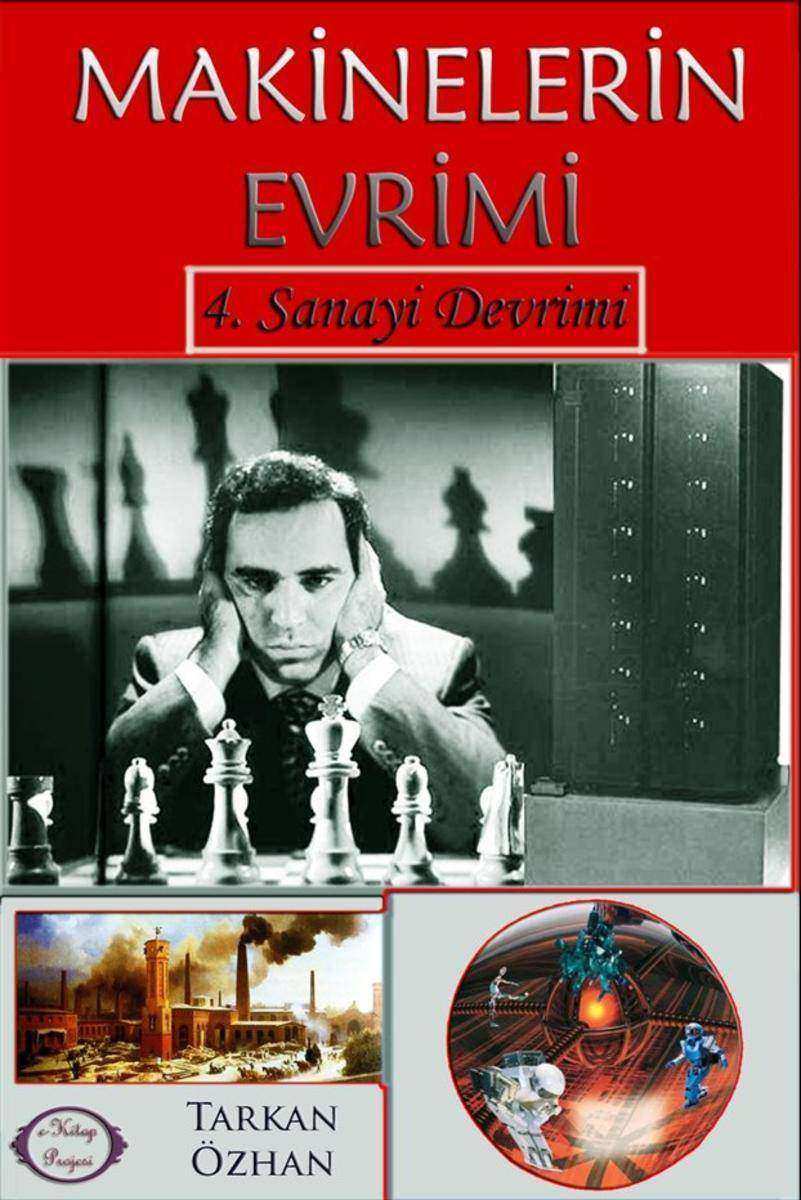
Makinelerin Evrimi: 4. Sanayi Devrimi
¥37.11
Endu?stri 4.0 d?nemi ile fabrikadaki u?retim ekipmanlar? birbirleriyle konu?up anla?acak ve gelecekte insans?z fabrikalar yayg?nla?acak. ?? kazalar? azalacak ve teknolojik verimlilik sa?lanacak. Yeni endu?stri devrimi hem enerji tasarrufu sa?layacak hem de maliyetleri du??u?recek. Alman Hu?ku?metinin u?retim su?re?lerini bilgisayarla?ma y?nu?nde te?vik etme ve yu?ksek teknolojiyle donatmas? projesi olarak kabul edilen Endu?stri 4.0, ayn? zamanda d?rdu?ncu? sanayi devrimi anlam?na geliyor. Endu?stri 4.0 ile tu?m yaz?l?m ve networklerde u?ru?n geli?tirme, u?retim ve servis su?re?lerinin ileti?imi, makinalar?n ve u?ru?nlerin ger?ek zamanl? bilgi al??veri?i, otonom kontrol ve optimizasyonu mu?mku?n olacak. 1784’te ortaya ??kan ilk sanayi devriminde, su ve buhar gu?cu?nu?n kullan?m?yla u?retim yap?lmas? hakim iken, 1870’lerde elektrik enerjisinin kullan?m?, ikinci sanayi devriminin de kap?lar?n? a?t?. Dijital devrim olarak da adland?r?labilecek u??u?ncu? sanayi devrimi ise, 1969’da elektronik ve bili?im teknolojilerinin kullan?m? ile ortaya ??kt?. 2013 y?l?na geldi?imizde ise internet uygulamalar?, yatay-dikey entegrasyonlu ve ger?ek zamanl? yeni de?er zincirleri, siber-fiziksel sistemler ve ak?ll? fabrikalar hayatlar?m?zdaki varl???n? gu??lendirdi. Yazar Hakk?nda [Tarkan ?zhan, 1969-] ???REN?M DURUMU: Trakya üniversitesi B?lüm: Fen Fakultesi Kimyager MESLE??: Borsac?, Trader, Portfoy Y?netimi Aktif ?al??ma süresi; 25 y?l

The Curious Lives of Shakespeare & Cervantes
¥24.44
It is the 400th anniversary of the deaths of two of the world’s most famous authors: William Shakespeare and Miguel de Cervantes. This comic romp charts the influences of these literary giants on the modern world and contrasts the vastly different fortunes of two contemporaries whose countries – England and Spain – went from alliance to enmity in a short space of time.

Durban Dialogues, Then and Now
¥38.62
With a foreword by director Ralph Lawson and introduction by Pranav Joshipura, Associate Professor of English, Mahila College, Gandhinagar, India. A follow-up anthology of three hard-hitting plays to Singh’s successful drama anthology Durban Dialogues, Indian Voice (2013) which is now studied internationally. The plays selected, namely Into the Grey, Shooting and Swing cover topics such as social activism, the death of a friend and discrimination in sport. Described through Singh’s satirical lens, these thought-provoking plays bring us up to date with the challenges of life in post-Apartheid South Africa. They focus particularly on people of Indian origin and their relationships with other South African communities and chart the loss of ideals in the dream of the Rainbow nation. Into the Grey: A harrowing drama depicting the twenty-nine year association between two Durban activists who battle a variety of challenges as their country stumbles towards a bleak future. Shooting: A one-man play about the unchanging paradigm in Durban’s small town communities in the early years of democracy as a football prodigy’s dream is brutally shattered. Swing: A two-hander about the relationship between a mixed-race Durban tennis player and her father/coach as they confront many obstacles in a society which undervalues the girl-child.
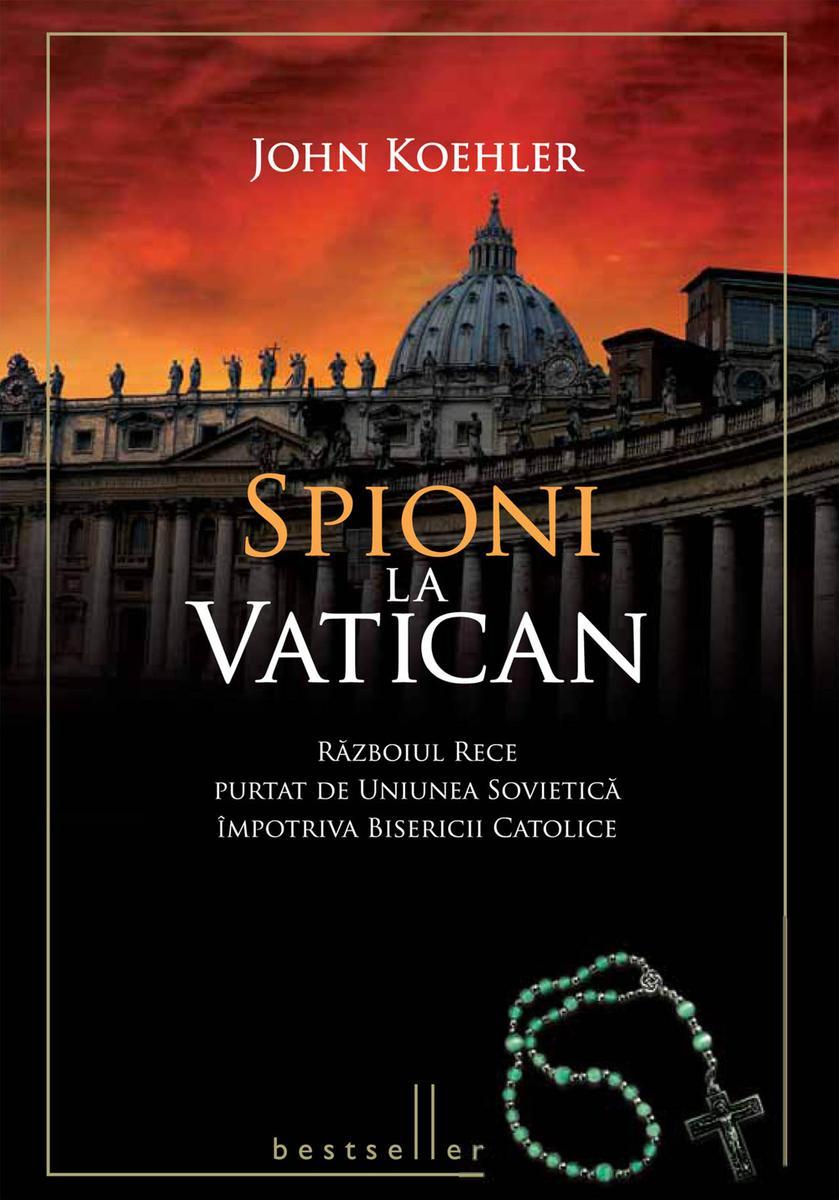
Spioni la Vatican
¥66.22
Non abbiate paura! Nu v? fie team?!Cuvintele rostite de papa Ioan Paul al II-lea ?n octombrie 1978, la inaugurarea pontificatului s?u, aveau s? trezeasc? ?n sufletele polonezilor ?i ale tuturor celor oprima?i de comunism dorin?a de a fi liberi ?i curajul de a lupta pentru libertate. ?n urm?torii ani, papa a devenit cel mai puternic simbol al luptei anticomuniste. Uniunea Sovietic? ?l considera pe Ioan Paul al II-lea (?i, implicit, Biserica Catolic?) o amenin?are la adresa stabilit??ii ?n Europa de Est ?i inamicul num?rul unu al statului. Deloc surprinz?tor, KGB-ul a pus la punct o re?ea impresionant? de spioni ?i agen?i dubli ?i chiar a ?ncercat s?-l asasineze pe pap?.Paradoxal ?ns?, cu c?t erau mai persecuta?i pentru credin?a lor, cu at?t oamenii erau dispu?i s?-?i ri?te via?a pentru libertate. Dovezile lor de curaj sunt impresionante, a?a cum impresionante sunt, dar ?n sens negativ, cazurile preo?ilor care ?i-au tr?dat biserica, trec?nd de partea celui mai mare du?man al acesteia, regimul comunist.Jurnalist ?i ofi?er ?n rezerv? al serviciului de informa?ii al Armatei SUA, John Koehler prezint? cititorilor documente ?i transcrieri ale unor stenograme necunoscute p?n? acum, realiz?nd o cronic? f?r? precedent a R?zboiului Rece dus de URSS ?mpotriva Bisericii Catolice ?i contribuind, astfel, decisiv la cunoa?terea istoriei secolului XX.
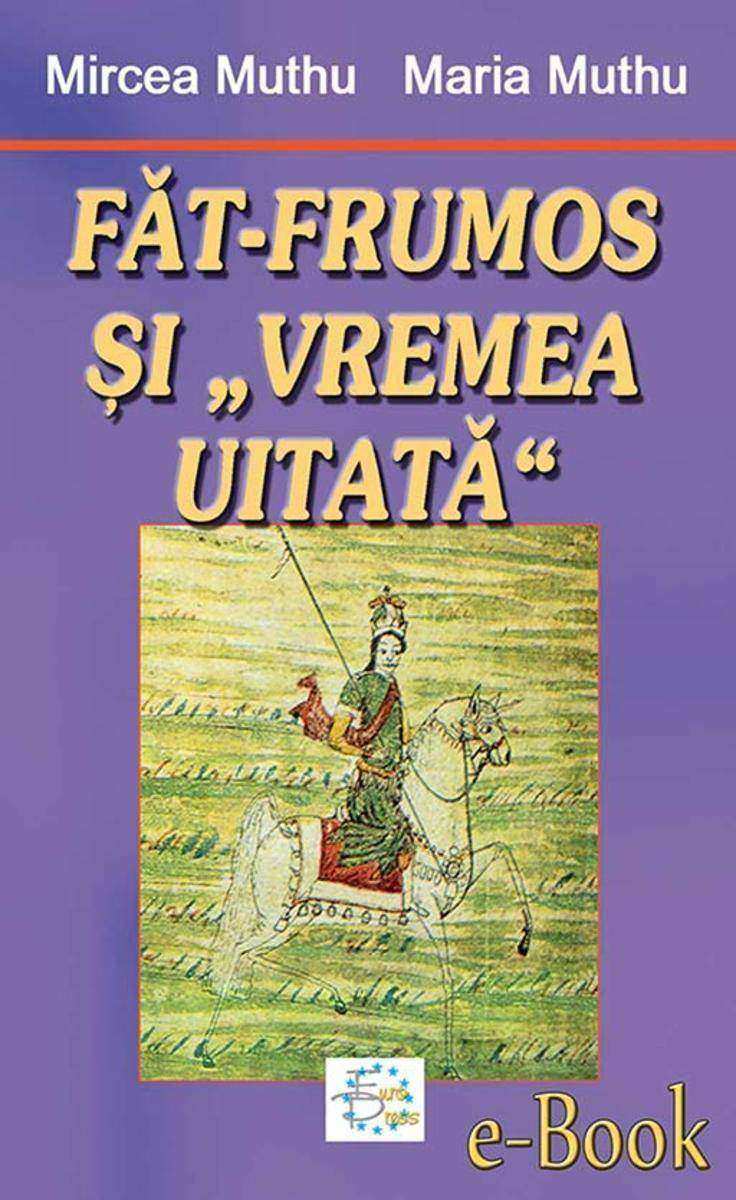
F?t-Frumos ?i ?Vremea Uitat?“
¥32.62
Marele romancier face o incursiune ?n trecutul nu foarte ?ndep?rtat al Rom?niei, trat?nd anii dictaturii ro?ii f?r? p?rtinire, ?ncerc?nd o radiografie crud?, impar?ial? ?i – lucru extrem de rar ?n Balcani – radical? a unei jum?t??i de secol de istorie.Cartea e destinat? studen?ilor, elevilor, profesorilor, precum ?i publicului larg de cititori.
The Code of Hammurabi
¥8.82
The Code of Hammurabi (Codex Hammurabi) is a well-preserved ancient law code, created ca. 1790 BC (middle chronology) in ancient Babylon. It was enacted by the sixth Babylonian king, Hammurabi. One nearly complete example of the Code survives today, inscribed on a seven foot, four inch tall basalt stele in the Akkadian language in the cuneiform script. One of the first written codes of law in recorded history. These laws were written on a stone tablet standing over eight feet tall (2.4 meters) that was found in 1901.
Don Quijote
¥8.09
Cartea pe care o ?ine?i ?n m?n? este periculoas?. Incomod?, scor?oas?, incendiar? fiind, ?n mod cert, va deranja unele personaje, nelipsite de importan??, din arena politicii rom?ne?ti, care confund? adeseori politica cu diletantismul, tr?d?nd interesele sus?inute cu at?ta patos ?n campaniile electorale. ?n mod sigur, Nu tr?da?i, v? rog! va alarma edilii capitalei ce se ?ntrec ?n a distruge ?micul Paris“ de pe vremuri. Aceast? carte, a?adar, va deranja nu pu?in? lume prin scenele din via?a social-politic? post-decembrist?, cu at?t mai mult, cu c?t umorul ?fichiuitor nu-i este str?in nici pe departe autorului. Nici deta?area…

Playlist (pentru sf?r?itul lumii)
¥24.44
Ac?iunea informativ? Nichita Smochin? reprezint? rezultatul cercet?rii ?n Arhiva CNSAS.Documentele publicate sub egida Institutului de Istorie ?George Bari?iu“ al Academiei Rom?ne au ca subiect urm?rirea informativ? a lui Nichita Smochin? de c?tre Securitate ?n perioada 1952-1962. Dup? abandonarea Rom?niei ?n sfera de influen?? sovietic?, activitatea academic?, publicistic? ?i umanitar?, desf??urat? ?n perioada interbelic? ?i ?n timpul celui de al Doilea R?zboi Mondial, dar mai ales calitatea de consilier al mare?alului Ion Antonescu, l-au plasat pe cel mai important militant pentru afirmarea spiritului rom?nesc ?n Transnistria ?n fruntea listei du?manilor URSS.FragmentDin nota privind ?nt?lnirea agentului ?Speran?a“ cu Nichita Smochin?: ?n ziua de 17 octombrie 1952, informatorul ?Speran?a“, sub pretextul c? vrea s? primeasc? lec?ii de limba rus? ?n scris, s-a dus la Smochin? Nichita, din str. N. Golescu nr. 14. La intrare ?Speran?a“ a fost ?nt?mpinat? de fiica lui Smochin?, care nu prea vroia s? o primeasc? ?n?untru. Dup? ce a fost primit? ?n?untru, a venit ?i Smochin?, cu care a ?nceput discu?ia. Din discu?ii a rezultat c? Smochin? ?n prezent traduce din limba rus? ?n limba rom?n? diferite c?r?i, pe care le prime?te de la o redac?ie din apropiere de locuin?a sa. A mai rezultat c? el, p?n? ?n anul 1938, a locuit ?n Ia?i, dup? care s-a mutat ?n Bucure?ti. Este v?duv, locuie?te ?mpreun? cu fiica sa, ginerele s?u ?i un nepot. Este o fire ?nchis?, necomunicativ?, ?ns? fa?? de ?Speran?a“ s-a ar?tat foarte binevoitor, mai ales v?z?nd c? ?tie la perfec?ie s? vorbeasc? limba rus?. Toat? conversa?ia a fost dus? ?n limba rus?. Sursa: ?Speran?a“. Valoarea: serioas?. Nota biroului: S-au trasat instruc?iuni informatorului s? se mai duc? la Smochin? ?i s? primeasc? lec?ii ?n scris, iar deocamdat? s? nu deschid? discu?ia despre trecutul s?u, pentru a putea c?p?ta ?ncrederea lui Smochin?, iar la a treia vedere s? deschid? discu?ia. Nota superiorului: ?S? se urm?reasc? ?n continuare ac?iunea lui Smochin?, p?n? vom primi noi dispozi?iuni de la Cabinet. Informatorului s? i se dea bani pentru a pl?ti medita?ia pe care o prime?te de la Smochin? (ss)“.

The Prince (Hackett Classics)
¥8.82
Il Principe (The Prince) is a political treatise by the Florentine public servant and political theorist Niccolò Machiavelli. Originally called De Principatibus (About Principalities), it was written in 1513, but not published until 1532, five years after Machiavelli's death. The treatise is not representative of the work published during his lifetime, but it is the most remembered, and the work responsible for bringing "Machiavellian" into wide usage as a pejorative term. It has also been suggested by some critics that the piece is, in fact, a satire.

On Liberty
¥8.82
On Liberty is a philosophical work by 19th century English philosopher John Stuart Mill, first published in 1859. To the Victorian readers of the time it was a radical work, advocating moral and economic freedom of individuals from the state.
The Underground Man: adapted for the stage
¥40.79
A life of fascination, obsession and deep scientific curiosity. William Cavendish-Scott-Bentinck is an eccentric Nottinghamshire aristocrat whose imagination and curiosity know no bounds. This deceptively simple man struggles to come to terms with a world that is teeming with new knowledge, ill-founded opinion and?gossip. Why does he hide himself away? What is his fascination with tunnels? Will he ever unearth the secrets hidden in his memory? In a sequence of events that are often curious and frequently hilarious he reveals moments of surprising perception and wisdom. Nottingham Playhouse and ajtc have combined their talents to co-produce Nick Wood’s stage adaptation of Mick Jackson’s Booker Prize shortlisted novel. The result is a free-flowing, innovative performance which features live music and a specially commissioned score. The Underground Man is a delectable blend of fact and fiction in which the intriguing details of a complex life are richly explored through the vibrant imagination of a gentle soul.

Hamlet
¥40.79
New adaptation of 'Hamlet' for a modern black theatrical production. Remember me… Denmark, a Black Empire of modern England, where an intelligent young student discovers the world he once knew has crumbled. Implored to defend what is left of his father’s decaying legacy, Hamlet now faces the greatest moral challenge – to kill or not to kill. Directed by Jeffery Kissoon (RSC, National Theatre, Robert Lepage, Peter Hall and in Peter Brook’s seminal production of The Mahabharata) and adapted with Shakespeare’s text by award-winning playwright Mark Norfolk, this fast-moving version gets straight to the heart of a young man’s dilemma. This first all-black production of Hamlet in Britain makes a striking contribution to the Shakespeare 400 anniversary celebration. For ages 12+
The Metamorphoses
¥40.79
The Metamorphoses, or The Golden Ass, is the only Ancient Roman novel to survive in its entirety. The protagonist of the novel is called Lucius. At the end of the novel, he is revealed to be from Madaurus, in ancient Algeria, the hometown of Apuleius himself. The plot revolves around the protagonist's curiosity and insatiable desire to see and practice magic. While trying to perform a spell to transform into a bird, he is accidentally transformed into an ass. This leads to a long journey, literal and metaphorical, filled with in-set tales. He finally finds salvation through the intervention of the goddess Isis, whose cult he joins.
Nero
¥27.88
IN ancient times, when the city of Rome was at the height of its power and splendor, it was the custom, as it is in fact now with the inhabitants of wealthy capitals, for the principal families to possess, in addition to their city residences, rural villas for summer retreats, which they built in picturesque situations, at a little distance from the city, sometimes in the interior of the country, and sometimes upon the seashore. There were many attractive places of resort of this nature in the neighborhood of Rome. Among them was Antium.??The beauty and the salubrity of Antium made it a very attractive place of summer resort for the people of Rome; and in process of time, when the city attained to an advanced stage of opulence and luxury, the Roman noblemen built villas there, choosing situations, in some instances, upon the natural terraces and esplanades of the promontory, which looked off over the sea, and in others cool and secluded retreats in the valleys, on the land. It was in one of these villas that NERO was born.??NERO's father belonged to a family which had enjoyed for several generations a considerable degree of distinction among the Roman nobility, though known by a somewhat whimsical name. The family name was Brazenbeard, or, to speak more exactly, it was Aheno-barbus, which is the Latin equivalent for that word. ?
A Story of the Golden Age of Greek Heroes: Pictured & Illustrated
¥28.29
YOU have heard of Homer, and of the two wonderful poems, the Iliad and the Odyssey, which bear his name. No one knows whether these poems were composed by Homer, or whether they are the work of many different poets. And, in fact, it matters very little about their authorship. Everybody agrees that they are the grandest poems ever sung or written or read in this world; and yet, how few persons, comparatively, have read them, or know any thing about them except at second-hand! ? Homer commences his story, not at the beginning, but "in the midst of things;" hence, when one starts out to read the Iliad without having made some special preparation beforehand, he finds it hard to understand, and is tempted, in despair, to stop at the end of the first book. Many people are, therefore, content to admire the great masterpiece of poetry and story-telling simply because others admire it, and not because they have any personal acquaintance with it.? Now, it is not my purpose to give you a "simplified version" of the Iliad or the Odyssey. There are already many such versions; but the best way for you, or any one else, to read Homer, is to read Homer. If you do not understand Greek, you can read him in one of the many English translations. You will find much of the spirit of the original in the translations by Bryant, by Lord Derby, and by old George Chapman, as well as in the admirable prose rendering by Butcher and Lang; but you can get none of it in any so-called simplified version.??My object in writing this "Story of the Golden Age" has been to pave the way, if I dare say it, to an enjoyable reading of Homer, either in translations or in the original. I have ta-ken the various legends relating to the causes of the Trojan war, and, by assuming certain privileges never yet denied to story-tellers, have woven all into one continuous narrative, ending where Homer's story begins. The hero of the Odyssey—a character not always to be admired or commended—is my hero. And, in telling the story of his boyhood and youth, I have taken the opportunity to repeat, for your enjoyment, some of the most beautiful of the old Greek myths. If I have, now and then, given them a coloring slightly different from the original, you will remember that such is the right of the story-teller, the poet, and the artist. The essential features of the stories remain unchanged. I have, all along, drawn freely from the old tragedians, and now and then from Homer himself; nor have I thought it necessary in every instance to mention authorities, or to apologize for an occasional close imitation of some of the best translations. The pictures of old Greek life have, in the main, been derived from the Iliad and the Odyssey, and will, I hope, help you to a better understanding of those poems when you come to make acquaintance directly with them.??Should you become interested in the "Story of the Golden Age," as it is here related, do not be disappointed by its somewhat abrupt ending; for you will find it continued by the master-poet of all ages, in a manner both inimitable and unapproachable. If you are pleased with the discourse of the porter at the gate, how much greater shall be your delight when you stand in the palace of the king, and hearken to the song of the royal minstrel! ?
America First: —100 Stories from Our History—
¥23.54
WHEN children advance beyond the nursery age, no story is so wonderful as a true story. Fiction to them is never as appealing as fact. I have often been faced with the inquiry: whether or not a story is a true one. The look of gratification, when told that "it actually happened," was most satisfying to me as a story-teller.??The nearer a story is to the life and traditions of the child, the more eagerly it is attended. True stories about our own people, about our neighbors and friends, and about our own country at large, are more interesting than true stories of remote places and people. We naturally are interested in our own affairs, and the nearer they are to us the greater the interest we feel.??That history is just a long, thrilling story of the trials and triumphs of pioneers and patriots is well known to those who have had to do with the teaching of history to youthful minds. That the dry recital of political and governmental history does not interest children is also well known. History should be made vital, vibrant, and personal if we expect children to be stirred by its study.?To gratify the love of children for the dramatic and picturesque, to satisfy them with stories that are true, and to make them familiar with the great characters in the history of their own country, is the purpose of this volume.??It is hoped that through appeal to youthful love of adventure, this collection of stories, covering the entire range of American history, will stimulate the ambition and strengthen the patriotism of those young citizens whose education has been the constant concern of the author for many years.
Alexander the Great
¥18.56
ALEXANDER the Great died when he was quite young. He was but thirty-two years of age when he ended his career, and as he was about twenty when he commenced it, it was only for a period of twelve years that he was actually engaged in performing the work of his life. Napoleon was nearly three times as long on the great field of human action.??Notwithstanding the briefness of Alexander's career, he ran through, during that short period, a very brilliant series of exploits, which were so bold, so romantic, and which led him into such adventures in scenes of the greatest magnificence and splendor, that all the world looked on with astonishment then, and mankind have continued to read the story since, from age to age, with the greatest interest and attention.??The secret of Alexander's success was his character. He possessed a certain combination of mental and per-sonal attractions, which in every age gives to those who exhibit it a mysterious and almost unbounded ascendency over all within their influence. Alexander was characterized by these qualities in a very remarkable degree. He was finely formed in person, and very prepossessing in his manners. He was active, athletic, and full of ardor and enthusiasm in all that he did.


