


 购物车
购物车 个人中心
个人中心

Architects of Little Rock
¥261.73
Architects of Little Rock provides biographical and historical sketches of the architects working in Little Rock from 1830 to 1950. Thirty-five architects are profiled, including George R. Mann, Thomas Harding, Charles L. Thompson, Max. F. Mayer, Edwin B. Cromwell, George H. Wittenberg, Lawson L. Delony, and others. Readers will learn who these influential professionals were, where they came from, where they were educated, how they lived, what their families were like, how they participated in the life of the city, and what their buildings contributed to the city. Famous buildings, including the Historic Arkansas Museum, the Old State House, the Arkansas State Capitol, St. Andrews Cathedral, Little Rock City Hall, the Pulaski County Court House, Little Rock Central High School, and Robinson Auditorium are showcased, bringing attention to and encouraging appreciation of the city's historic buildings.Published in collaboration with the Fay Jones School of Architecture.
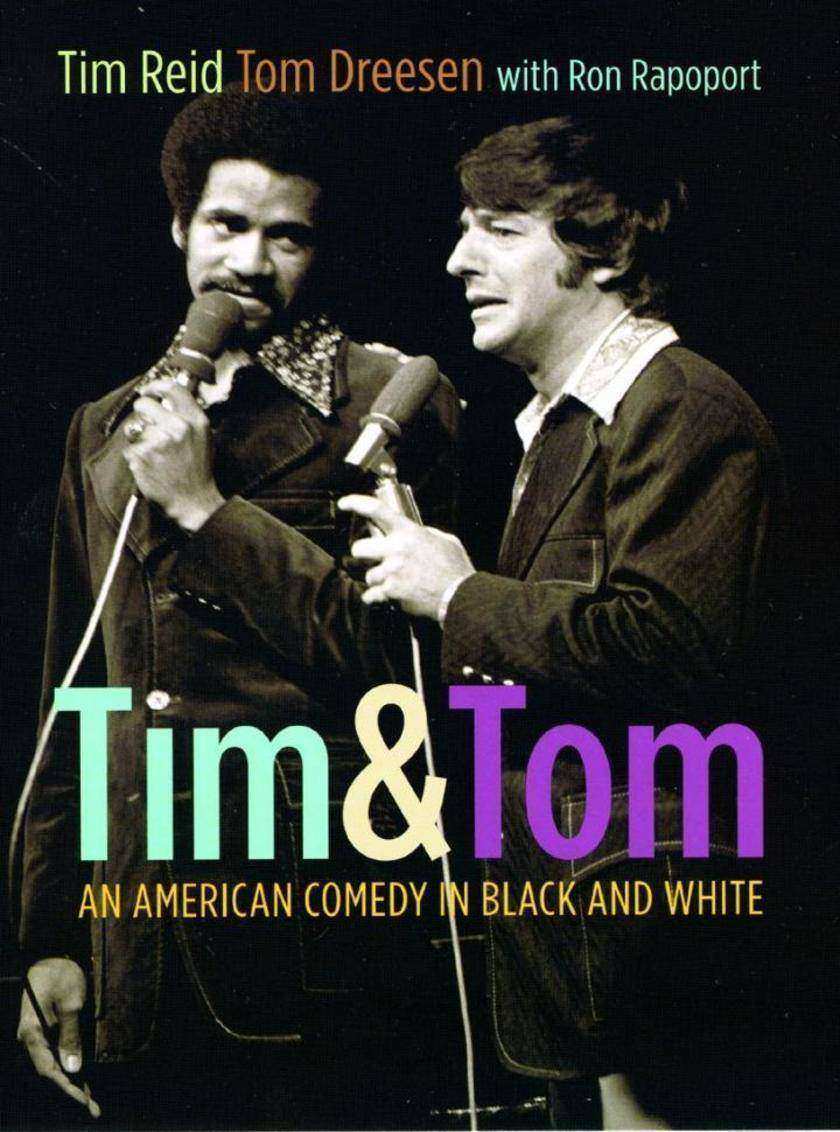
Tim and Tom
¥147.15
As the heady promise of the 1960s sagged under the weight of widespread violence, rioting, and racial unrest, two young men--one black and one white--took to stages across the nation to help Americans confront their racial divide: by laughing at it.Tim and Tom tells the story of that pioneering duo, the first interracial comedy team in the history of show business--and the last. Tim Reid and Tom Dreesen polished their act in the nightclubs of Chicago, then took it on the road, not only in the North, but in the still-simmering South as well, developing routines that even today remain surprisingly frank--and remarkably funny--about race. Most nights, the shock of seeing an integrated comedy team quickly dissipated in uproarious laughter, but on some occasions the audience's confusion and discomfort led to racist heckling, threats, and even violence. Though Tim and Tom perpetually seemed on the verge of making it big throughout their five years together, they grudgingly came to realize that they were ahead of their time: America was not yet ready to laugh at its own failed promise.Eventually, the grind of the road took its toll, as bitter arguments led to an acrimonious breakup. But the underlying bond of friendship Reid and Dreesen had forged with each groundbreaking joke has endured for decades, while their solo careers delivered the success that had eluded them as a team. By turns revealing, shocking, and riotously funny, Tim and Tom unearths a largely forgotten chapter in the history of comedy.?
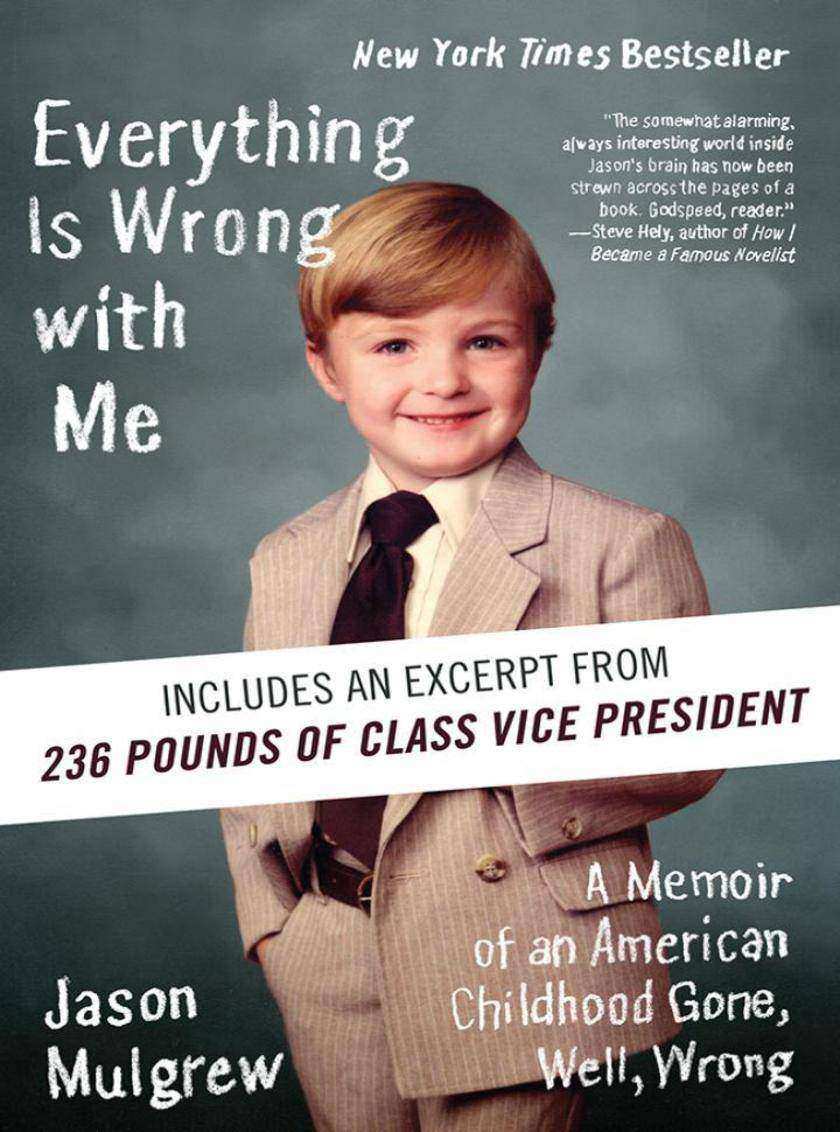
Everything Is Wrong with Me
¥78.55
Fans of Jason Mulgrew's wildly popular blog know that everything really is wrong with him. The product of a raucous, not-just-semi-but-fully-dysfunctional Philadelphia family, Jason has seen it all from Little League games of unspeakable horror to citywide parades ending in stab wounds; from hard-partying longshoremen fathers to feathered-hair, no-nonsense, kindhearted mothers; and from conscience-crippling Catholic dogmas to the equally confounding religion of women. With chapter titles like "My Bird: Inadequacy and Redemption" (no, he is not referring to a parakeet) and "On the Relationship Between Genetics and Hustling," Everything Is Wrong with Me proves that, as Jason puts it, "writing is a fantastical exercise in manic depression" but he never fails to ensure that laughter is part of the routine.Includes an excerpt from Jason Mulgrew's new book 236 Pounds of Class Vice President.

The Official Guide to Christmas in the South
¥94.10
No place celebrates Christmas like Dixie, and with this charming, humorous guide, anyone can learn how to deck the halls, Southern styleIt's the one time of the year when both the divine and debutantes take center stage in a perfect storm of hot glue and cheese grits: Christmas. But successfully navigating through the holiday season can be more complex than Santa's midnight journey. There are pitfalls hotter than any chimney -- and social situations more slippery than any roof! But now The Official Guide to Christmas in the South has arrived to reveal the finer and sometimes unspoken details of Dixie etiquette.Perfect for a true Southerner's coffee table or an imposter's survival guide, The Official Guide to Christmas in the South is the gift that will keep on regifting season after season.
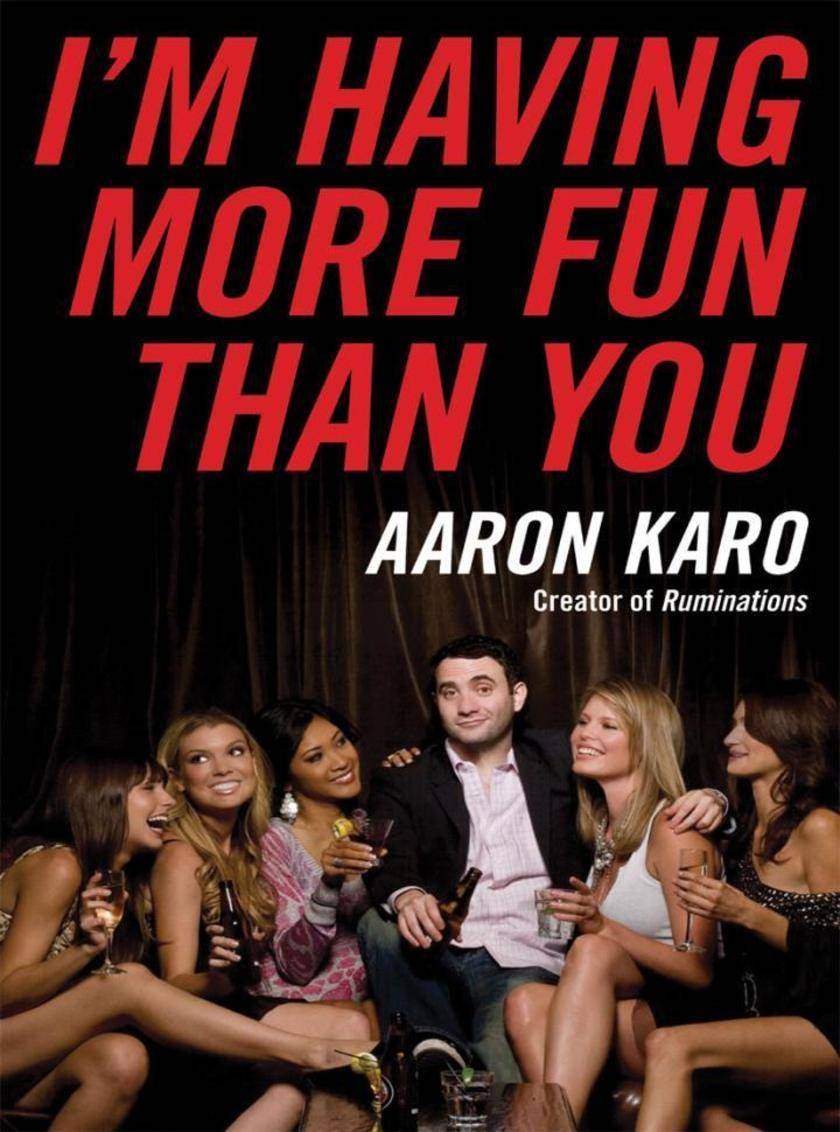
I'm Having More Fun Than You
¥78.65
Why settle down when you can hook up?"Happily married people and perpetually single people are similar: We've both given up on dating and have merely chosen different exit strategies."So begins Aaron Karo's hilarious exploration of bachelor life, from the alcohol-fueled pursuit of chicks in bars to sophisticated advances on defenseless bridesmaids. As his thirtieth birthday approaches, Karo observes the women around him growing increasingly desperate to tie the knot and finds himself equally determined to remain uncommitted. What follows is an outrageous account of one man's quest to party like a rock star, get laid with abandon, and silence his critics in relationships with the rebuke "I'm having more fun than you." Irreverent, insightful, and relentlessly funny, Karo offers a unique glimpse into the world of guys who defy convention, morality, and their moms in order to preserve their independence.
Passive Aggressive Notes
¥88.56
Part voyeuristic entertainment, part group therapy, Passive Aggressive Notes offers a fascinating look at the all-too-familiar frustrations of embattled office drones, apartment dwellers, parents, and pet owners everywhere. This curated collection combines dozens of outrageous, never-before-seen notes as well as favorites from Passive aggressivenotes.coma 2008 Webby Award Winner and the official "Best Blog" of the South by Southwest Interactive festival.
Scuse Me While I Whip This Out
¥90.77
Kinky Friedman is back, and with 'Scuse Me While I Whip This Out he gets it on with all manner of egos. In this collection of twisted takes on life, the Kinkster gives us funny, irreverent, and insightful looks at outsized personalities from people he's known, like Bill Clinton, George W., Willie Nelson, and Bob Dylan -- not to mention Joseph Heller and Don Imus -- to people he's known in spirit, such as Moses, Jesus, Jack Ruby, and Hank Williams. With his meditations on subjects ranging from sleeping at the White House, marriage, his pets, fishing in Borneo, country music, and cigars to the tribulations of possessing talent, Kinky doesn't deny us the "flashes of brilliance and laugh-out-loud observations" (Rocky Mountain News) that are present in all his other work. Hilarious, irreverent, and passionately twisted, 'Scuse Me While I Whip This Out reads as if it were written by a slightly ill modern-day Mark Twain.

Maybe Your Leg Will Grow Back!
¥56.17
Interventions are like little surprise parties!Plus a bonus Do-it-yourself crafts section brighten up anything with baby animals!
Waiting
¥83.03
A veteran waitress dishes up a spicy and robust account of life as it really exists behind kitchen doors.Part memoir, part social commentary, part guide to how to behave when dining out, Debra Ginsberg's book takes readers on her twentyyear journey as a waitress at a soap-operatic Italian restaurant, an exclusive five-star dining club, the dingiest of diners, and more. While chronicling her evolution as a writer, Ginsberg takes a behind-the-scenes look at restaurant life-revealing that yes, when pushed, a server will spit in food, and, no, that's not really decaf you're getting-and how most people in this business are in a constant state of waiting to do something else.
How to Booze
¥84.16
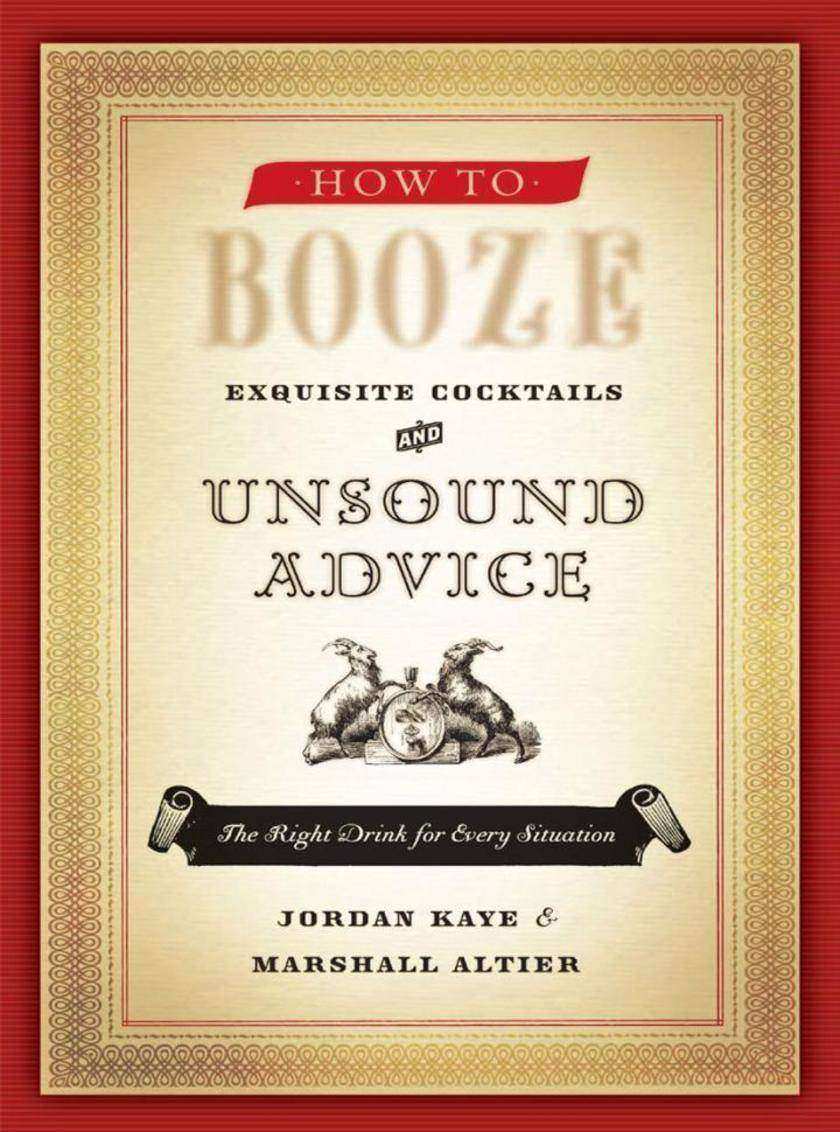
There is a perfect drink for every situation. So what should you drink tonightIt depends . . .Are you stalking your exTry a pisco sour.Drowning out the ticking of your biological clockA bee's knees will do.Spoiling for a vicious brawl with your dearest loved onesA tipperary helps you get there.Sinking into debauchery underneath the mistletoe at your boss's holiday partyA presbyterian, what else?How to Booze has all the answers on what to drink when. Armed with nearly one hundred iconic recipes, useful facts on technique and ingredients, and more than enough advice to get you into trouble, you will now know just the right drink for the occasion and how to prepare it likea professional.
My First Dictionary
¥84.16
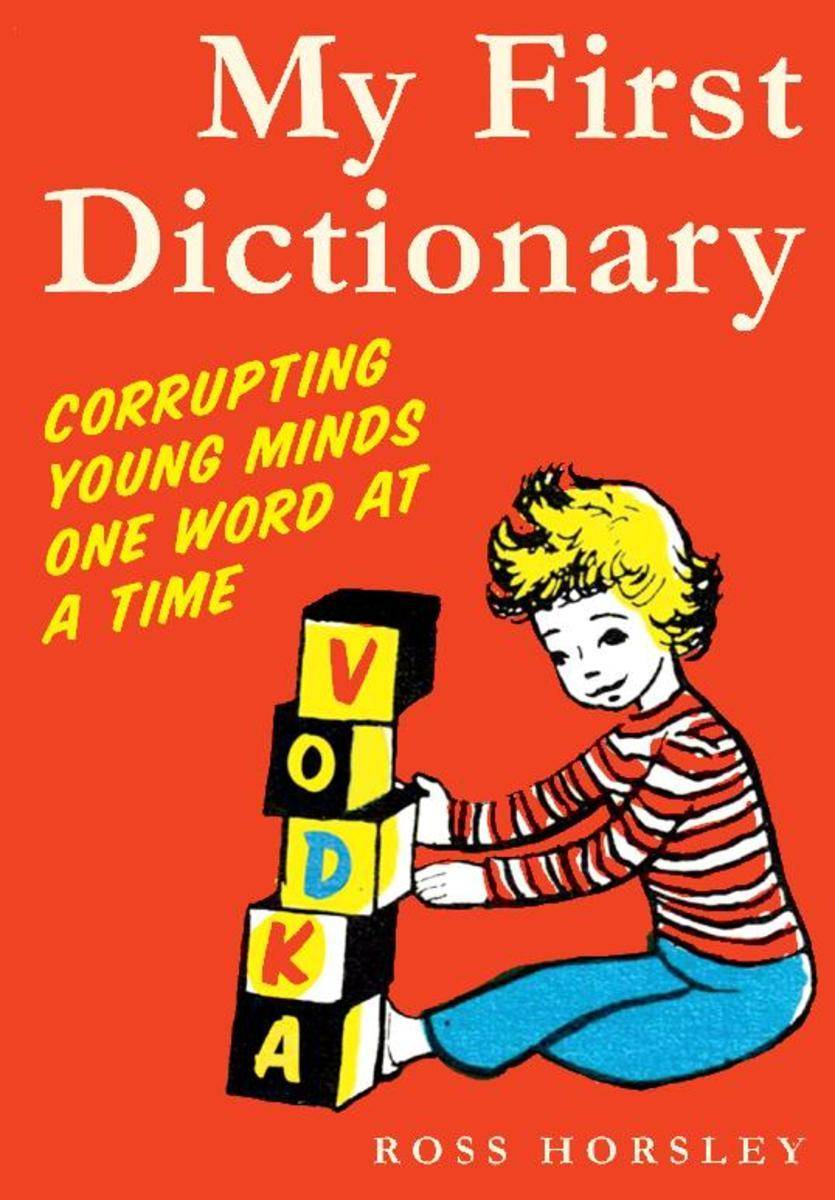
Hello, boys and girls, and welcome to the wonderful world of words! You've learned the basics from apple to zebra but what about all those mysterious new terms you've heard the grown-ups whispering when you were supposed to be tucked up snugly in bedWhat makes Mommy so bitterWhere does Daddy conceal the door to his secret S&M dungeon dungeonAnd why is everyone laughing about Grandma's latest delusionMy First Dictionary answers these questions, and includes many other useful definitions, such as:A burden is a source of worry or stress. Old people are usually burdens.Father is nostalgic. He is remembering the happier times before you were born.A puppy is a young dog. Connie gets a puppy every time she agrees not to tell. Daddy calls them hush puppies.A zigzag is a jagged line. We can tell that Mother has been drinking when she drives in a zigzag pattern. Carry a copy of My First Dictionary in your schoolbag and you'll never be at a loss for words again!
Lipshtick
¥83.92
Get comfy, pull up a pan of blondies, and settle in for some girlfriend talk. Get the lowdown on who's low and how's down, whose long-standing but unspoken conflict with her mother is contributing to her sexual repression, and whose boyfriend named his penis. A hysterical send-up of everyday life and love with lots of heart, Lipshtick is a quick fix, a good schmooze, a heartfelt sob or two.It will take you on a trip through things universal to all pairs of X chromosomes worth their salt: for coping with social dances in junior high (where the sexes meet like a hormonal high noon) to the joys of plucking out your chin hair like evil weeds; from the natural order of a girl's fantasies (like sweets that don't make you fat, spending that doesn't break the bank, a beautiful nap in the middle of a long day) to why flings with bad boys are the ultimate in dating pleasure (finding the right boy to lust after is a lifelong struggle--eventually you grow to be picky about who rejects you); from getting married (His best qualityHe was like family. His worst qualityHe was like family.) to the sad state of postnatal breasts. Gwen Macsai cover it all--with a shtick twist. You'll laugh, you'll cry, you'll thank God you're not her. No situation unaccounted for, no mole left unexamined, Macsai captures a woman's life from her first leg-shave to her last dose of hormone replacement therapy.When you finish Lipshtick you'll have added another great girlfriend to your already glittering array. And in this world you can't have enough girlfriends or laughter.
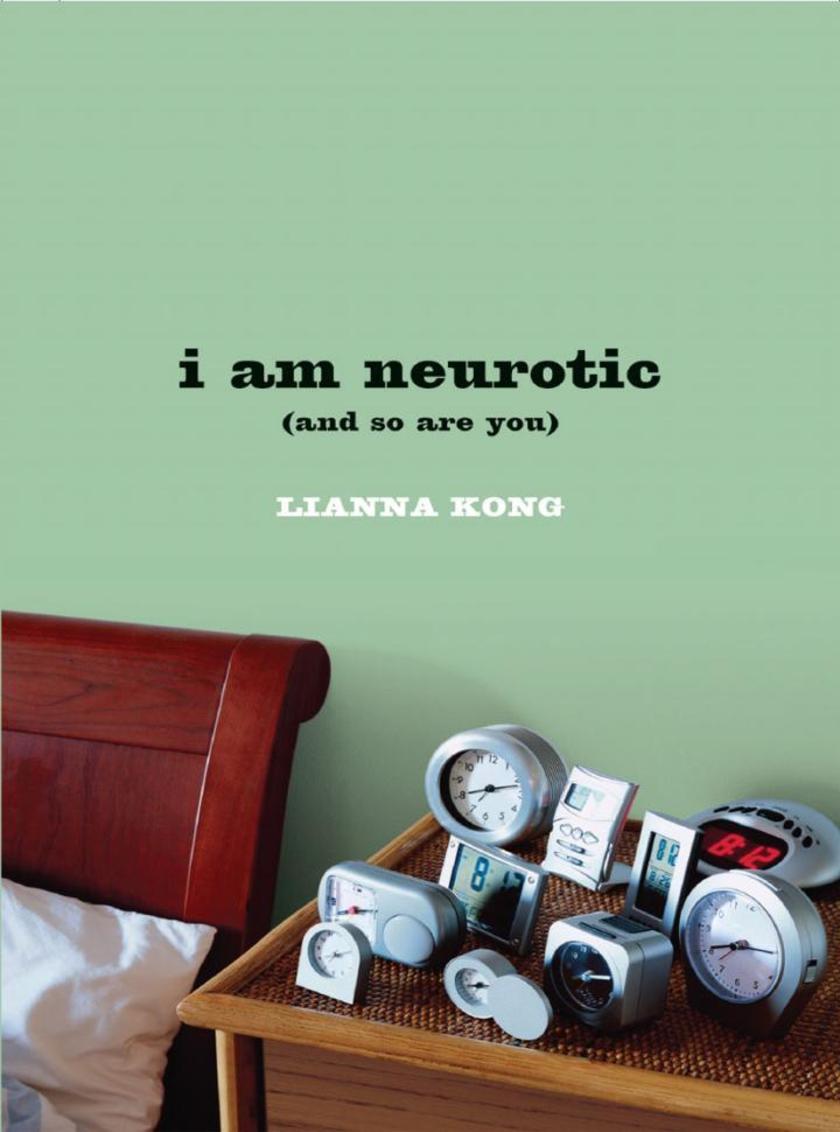
i am neurotic
¥106.61
Did you wash your handsSet the alarm clock?Lock the front doorBetter yet: Do you like even numbersDo you fold all of your trash neatly into squaresDo you count stepsDo you carry a bottle of hand sanitizer with you at all timesEveryone has his or her own neuroses. On a routine trip to the office bathroom, Lianna Kong discovered one of hers: "How could I possibly pee with my coworker sitting right next to me doing her business?" And, in that quiet moment of panic, iamneurotic.com was born.i am neurotic (and so are you) is a smorgasbord of anonymous confessions that reveal people's deepest, strangest, and funniest compulsions quirks that are triggered in the boardroom, the bedroom, and everywhere in between.
Babyhood
¥83.03
I'm going to be totally honest with you. This is not a "how-to," a "when-to," or a "what-to-expect" book. It's not even endorsed by anyone remotely connected to the medical profession. "But if I have only one book to buy," you ask, "shouldn't I go for the helpful one?"Let's compare:Those know-it-all books tell you how to care for a newborn child.My book describes how tired I am.Those books give you essential information you can use in a life-threatening emergency.My book has some very amusing anecdotes about poop.So really, it's up to you.
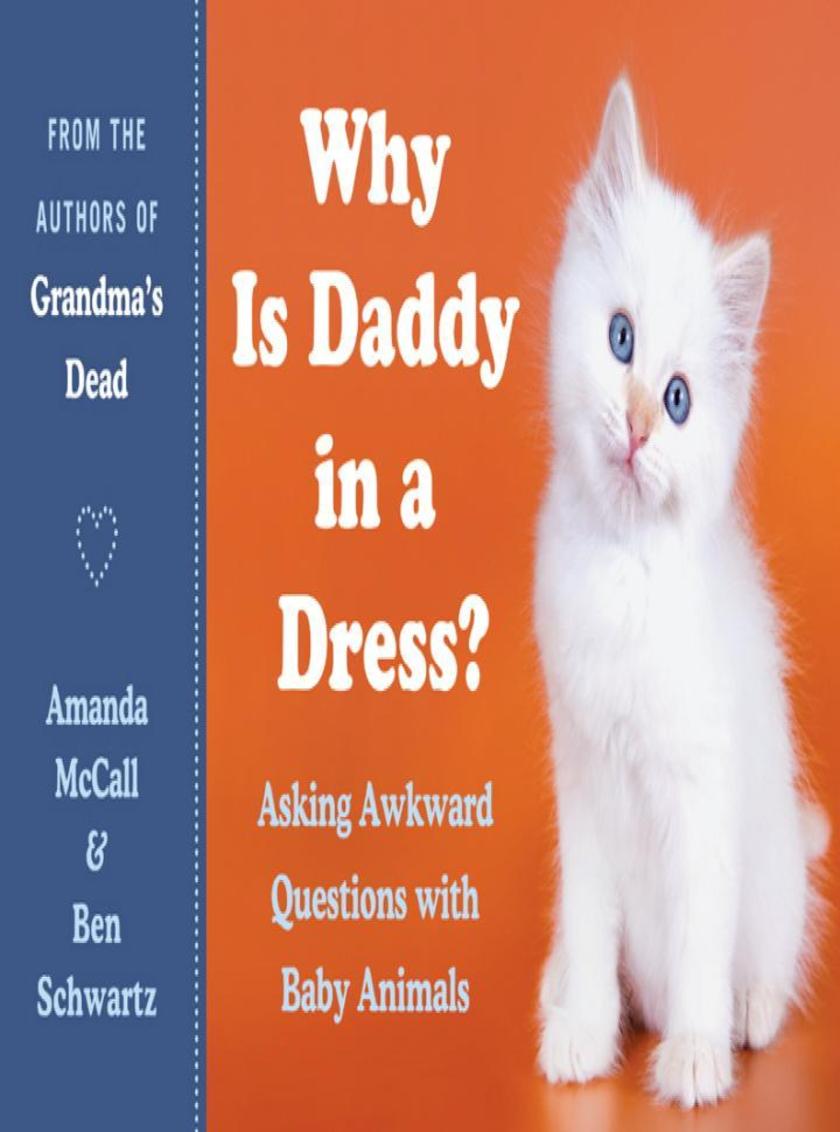
Why Is Daddy in a Dress?
¥73.03
Why face the embarrassment of dealing with life's most awkward questions when adorable baby animals can do it for youAmanda McCall and Ben Schwartz, the creators of the wickedly lovable Grandma's Dead, return with Why is Daddy in a Dress?, another invaluable aid to avoiding sticky situations. A book of postcards featuring cuddly kittens, playful puppies, fuzzy ducklings, and hoppity baby bunnies broaching sensitive subjects like "Are you a hooker?" or "Can we stop cuddling?," Why is Daddy in a Dressis the perfect cure for foot-in-mouth disease.

Grandma's Dead
¥56.17
Avoid the messy confrontations that accompany delivering bad news personally and let one of these cute baby animal postcards deliver the devastating message for you.Are you afraid to tell your girlfriend that her ass looks fatDo you need to explain to your nephew that dreams don't come trueWhy not let a cute, fuzzy bunny do it for you! We understand how hard it is to tell someone that you're sleeping with his wife, so let a photograph of a duckling sleeping on a teddy bear soften the blow. These perforated postcards answer all of your cowardly prayers you'll finally be able to tell the truth without ever conquering your fear of confrontation. Let these adorable baby animals supply a silver lining to any bad situation and avoid, a long, tearful afternoon explaining why daddy's never coming home.

101 Uses for a Bridesmaid Dress
¥112.44
Bridesmaid dresses -- what are they good forWe've got to pay for them, wear them, and then find a spot for them in the back of the closet. Our best women friends, suddenly transformed into tasteful-white-dress-wearing brides, tell us, "You'll be able to wear this bridesmaid dress again." But we know better.101 Uses for a Bridesmaid Dress, tongue firmly in cheek, pokes fun at the hopelessly horrible dress that a bride asks her "court" to don. These whimsical illustrations and silly suggestions, from cocktail napkins and shower curtains, to pony blankets and frilly jock straps, are a hilarious antidote to the bridesmaid dresses we'll never wear again.
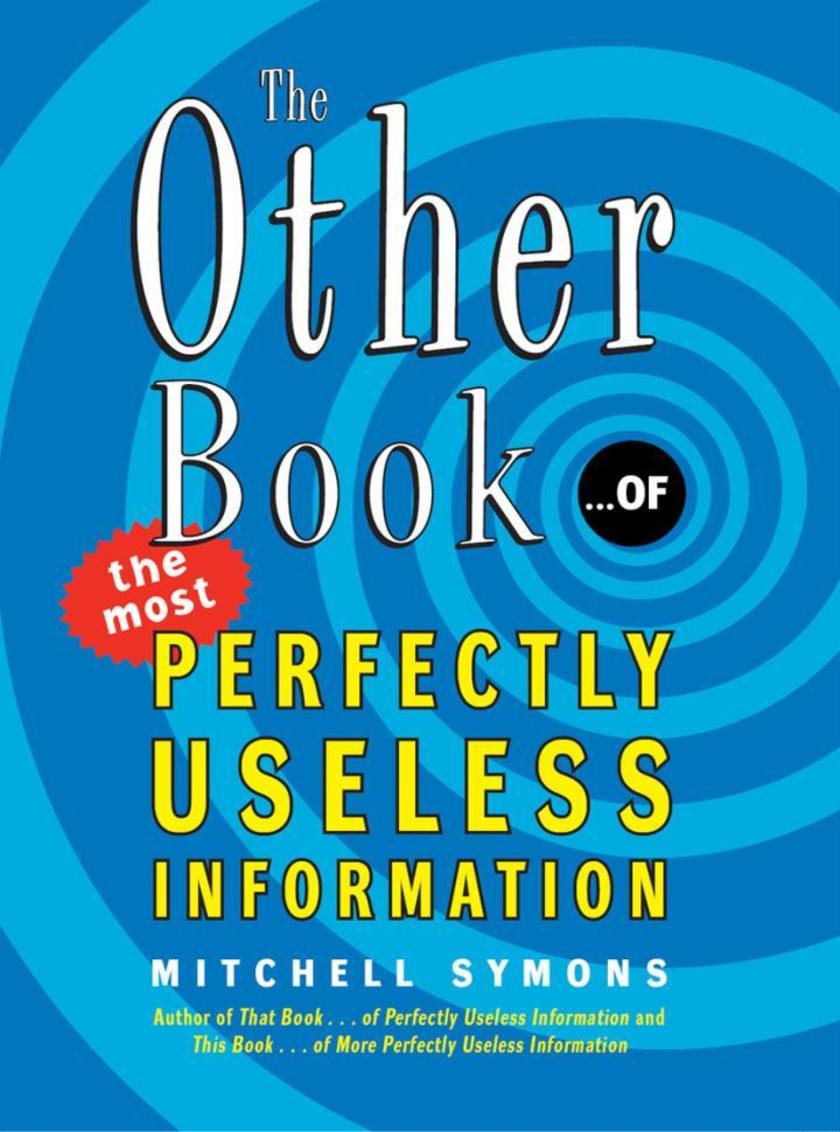
The Other Book... of the Most Perfectly Useless Information
¥84.05
The latest entry in Mitchell Symons's trivia trifecta is chock-full of more obscure scientific facts, sporting stats, celebrity gossip, and pure trivia than ever! Did you know that: Polar bears cover their black noses with their paws for better camouflageJohn Steinbeck had to rewrite Of Mice and Men because his dog ate the first draftWayne Newton is a descendant of PocahontasOscars given out during World War II were made of wood because metal was in short supplyBrooke Shields and Glenn Close are cousinsDiet Coke was invented in 1982. However, in 1379, a Mr. and Mrs. Coke of Yorkshire, England, named their daughter Diot(a diminutive of Dionisia, the predecessor of the modern-day name Denise)Male monkeys go bald in much the same way that men doJames Gandolfini was voted Best Looking by his high school classIf you are titillated by trivia or fascinated by facts, The Other Book . . . of the Most Perfectly Useless Information will keep you entertained for hours!
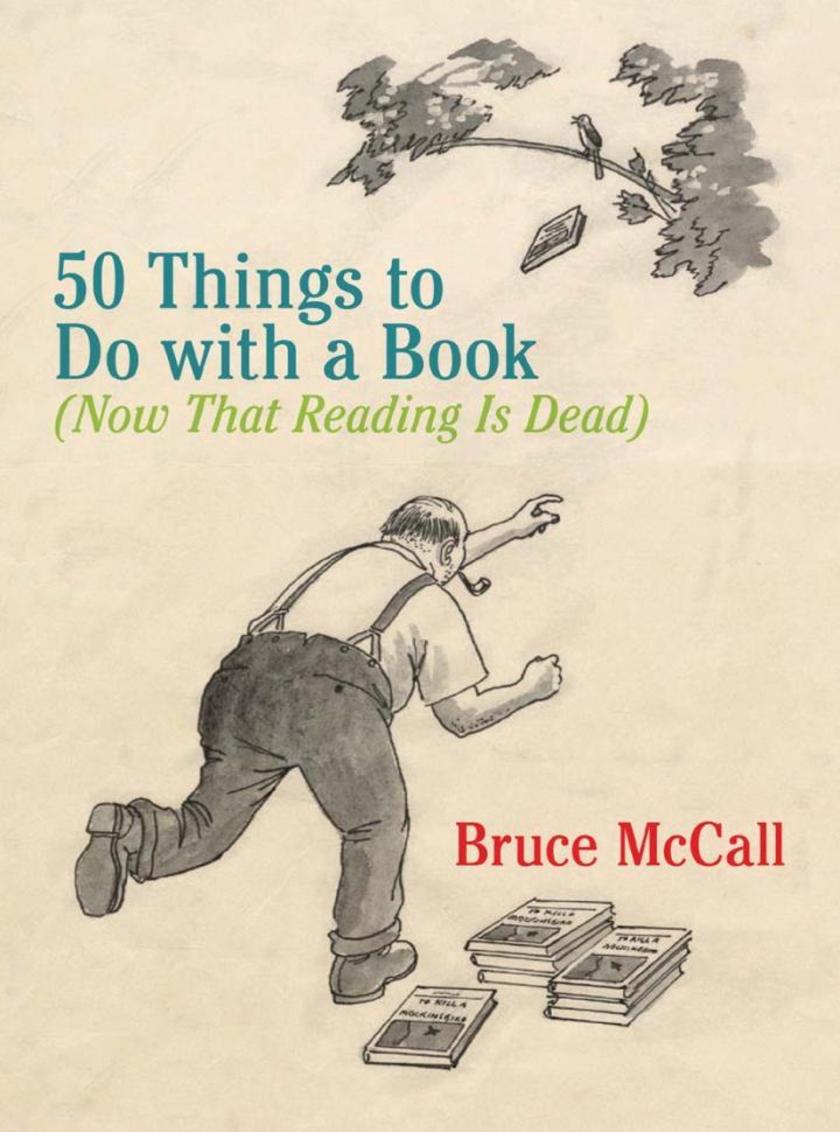
50 Things to Do with a Book
¥95.52
Reading may be dead, but books are alive and well What good are books, you may be wondering, if we're not going to read themWhat are we even doing in this bookstoreNot to worry! It turns out that there are literally thousands of things to do with these chunky stacks of bound tree pulp. Fun, exciting, adventurous, creative things. In fact, this familiar rectangular object suddenly offers enough dazzling new interactive possibilities to, yes, fill a book. This book. From re-creating world wonders to settling marital disputes, entertaining dinner guests to channeling your inner secret agent, here are fifty wonderfully zany things to do with all your favorite books.

Awesome Sh*t My Drill Sergeant Said
¥110.71
Welcome to basic training, soldier.Now meet your worst nightmare . . . your drill sergeant.Even if you've never served in the military, you know the drill sergeant. The mere sight of his fatigues and the iconic "Round Brown" campaign hat strikes fear into the bravest of hearts. Drill sergeants inflict pain, demand discipline, and aren't afraid of power, aggression, and using fear as a motivational tool. But unless you've witnessed one firsthand with your face in the mud doing pushups, you might not know one other fact . . . drill sergeants are some of the FUNNIEST people on the planet!After his deployment in Afghanistan, Dan Caddy began swapping great drill sergeant stories by e-mail and social media with other veterans. Now, in Awesome Sh*t My Drill Sergeant Said, Caddy shares the best-of-the-best quotes, one-liners, stories, and top-ten lists proving once and for all that drill sergeants are the world's most underrated comedians and philosophers. If you have ever suffered a hard-ass manager (in uniform or not), these often profane, sometimes profound, yet always entertaining rants from real life soldiers will add a much-needed dose of humor to your day. Now stop laughing and drop and give me fifty.
If the Gods Had Meant Us to Vote They Would Have Given Us Candidates
¥78.60
If anything, in this presidential election special, he's madder than ever!In his earlier bestseller, There's Nothing in the Middle of the Road but Yellow Stripes and Dead Armadillos, Hightower only began to tap into the deep yearning that Americans have for a new politics that speaks to them from a real-world, kitchen-table perspective. Now, with the year 2000 being an especially significant marker for contemplating our country's direction, not only for the new year but for the new century and the new millennium, it's time for citizens to reclaim their political, economic, and cultural heritage.Leading the way with his hilariously irreverent yet profoundly serious book is our name-naming, podium-pounding, point-them-in-the-right-direction populist, Hightower himself. He whacks conventional wisdom right upside the head,showing,with startling facts and compelling personal stories, that despite a so-called period of prosperity, America's middle class is getting mugged, and that far from being ordained by the gods,globalization is globaloney! Hightower rips the mass off of the candidates, the parties, the consultants, and especially the moneyed powers whoa re supporting all of the leading presidential hopefuls. he's mad about them all--but what he's maddest about, what really gets his goat,is that they are all the same! To paraphrase Jim, American politicians are alike because they don't come cheap. In fact, they're all very expansive. which is why only the rich can own them and why their allegiance is definitely not to regular,worka-day citizens.No one is spared in this insightful and engaging blend of horror and success stories, hard-hitting commentary, laugh-out-loud humor, useful facts, and sparkling language. An equal opportunity muckraker and conscientious agitator for "We the people," Hightower inspires us to take charge again, to build a new politics, and, together, to build a better tomorrow. Jim Hightower's If the Gods Had Meant Us to Vote They Would Have Given Us Candidates proves yet again that his is a uniquely wise and peerlessly singular voice in the maelstrom of political prattle.


