


 购物车
购物车 个人中心
个人中心

Scared of Santa
¥72.93
He's huge and hairy and hulking. He dresses in strange furry clothing. He sneaks into people's homes at night.Who wouldn't be afraid of . . . Santa Claus?!Nothing says Christmas quite like innocent children shrieking with terror as a stranger dressed in red drags them kicking and screaming onto his lap. Now this time-honored rite of passage is celebrated with a hilarious collection of more than two hundred and fifty priceless photos of kids' traumatic trips to Santa's workshop. Scared of Santa offers a cornucopia of photographic funnies from sixty-year-old family heirlooms to last year's howlers along with delightful commentary on those unforgettable childhood visits to scary ol' Saint Nick.
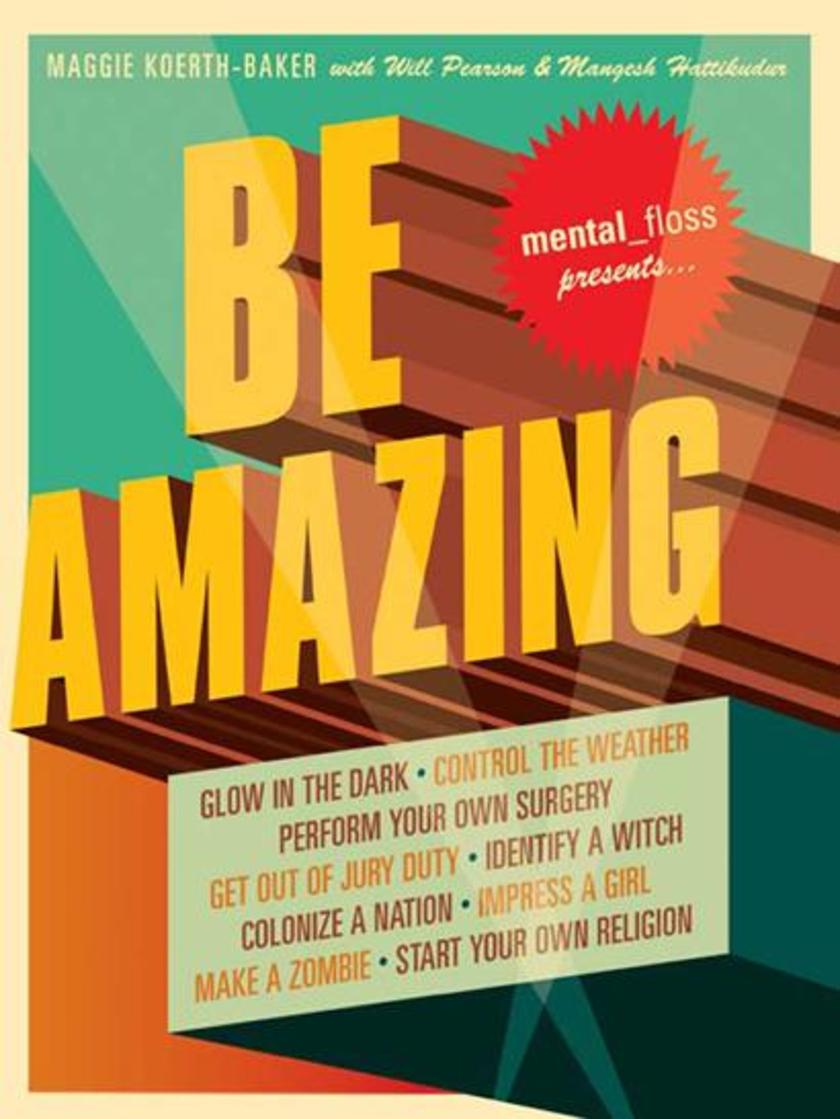
Mental Floss Presents Be Amazing
¥95.39
Be amazing Who says you can'tIt's time to get off the couch and take your life to the next level. Step one: stand on the shoulders of geniusesWhat good are the world's greatest geniuses if you can't muddy their shoulder pads and use their accomplishments as a step stoolmental_floss has combed through every success story in history to deliver this ultimate how-to guide for climbing your way to greatness.Step two: bask in the glow of admiring fansWhether you want to glow in the dark, swallow a sword, quit smoking, find Atlantis, live forever, get out of jury duty, buy the Moon, sink a battleship, stop global warming, become a ninja, or simply be the center of the universe, Be Amazing covers all the essential life skills. Just absorb a few pages, then let the hero worship begin!You will need: A hunger for greatness Some duct tape This book You may want: Sidekicks and/or minions An impressive nickname An amazing outfit
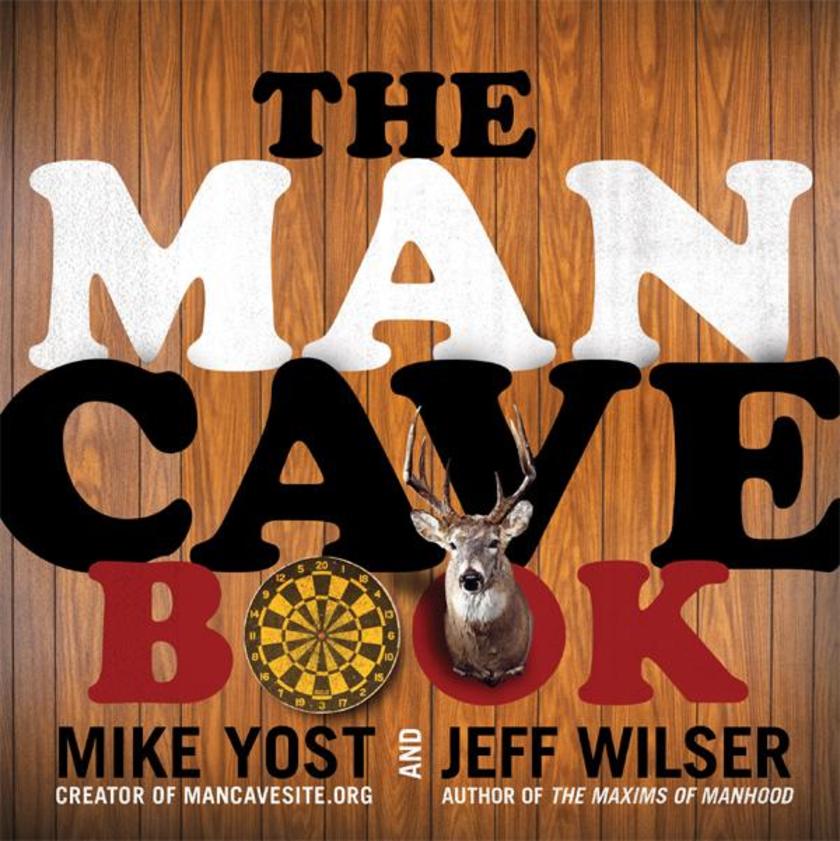
The Man Cave Book
¥84.16
What separates the men from the boysThe Man Cave. Boyhood Fort Man Cave Who's allowed Not girls—they have cooties Not women—they have authority Primary materials used in construction Wood, stuff your mom doesn't want Particleboard, stuff your wife doesn't want Key activities inside Goofing around, avoiding responsibility Goofing around, avoiding responsibility Peak periods of use After school, weekends After work, weekends Slumber parties with buddiesYes No Food and beverages consumed Soda and unhealthy snacks Beer and unhealthy snacks Spend the night insideNot as a habit, but it's been known to happen Not as a habit, but it's been known to happen Money spent on space As little as possible As much as possible Is this a phase you will outgrowYes No The Man Cave Book is a tribute to great and glorious man spaces and the craftsmen behind them. Complete with instructions and insights into creating your own unique refuge and shrine to beer, sports, and everything else that's right with the world, this is an essential manual for any man cave enthusiast.
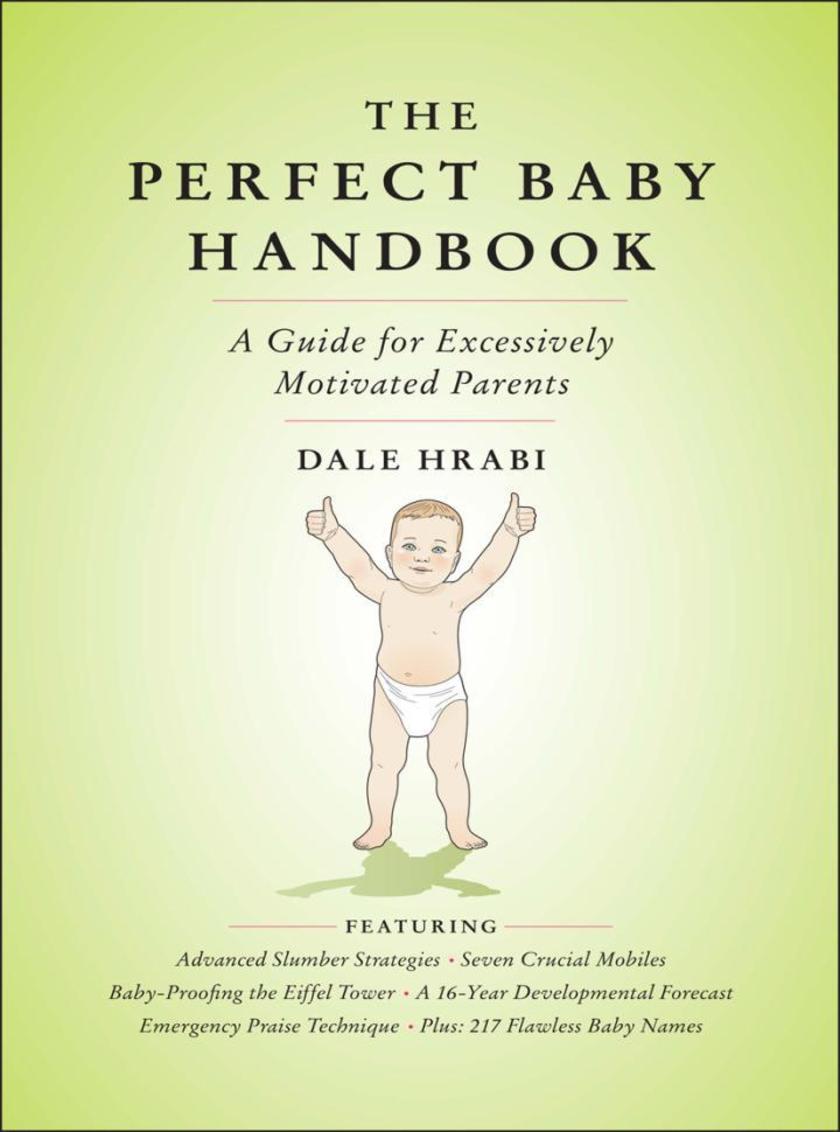
The Perfect Baby Handbook
¥95.39
New parents are hipper, more educated, and more sophisticated than ever, but they're also highly competitive--a lethal combination when turbocharged by the anxieties of raising a baby. And for many couples, it's not just any baby, but the perfect baby. These excessively motivated parents will not sabotage Junior's future by denying him Mandarin lessons, a nursery chandelier (just like the one Gwyneth's kids enjoy), or advanced infant yoga. A hilarious, highly visual satire of childrearing manuals, The Perfect Baby Handbook provides much-needed comic relief from the pressures of modern parenting, and gives comfort to moms and dads who can say with a sigh of relief, At least, we're not this bad.
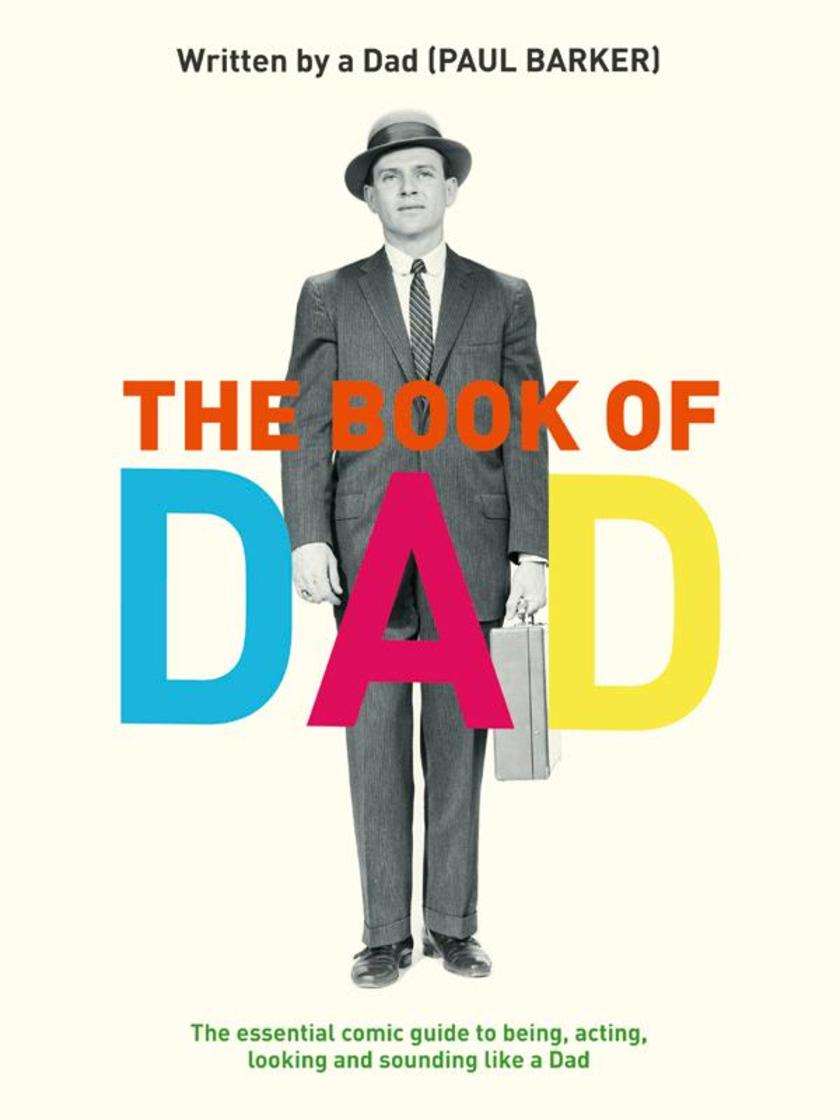
The Book of Dad
¥95.75
The Book that will forever define the essentially comic state of being, acting, looking, and sounding like a Dad. You think you know your Dad? You think he gets up to go to work every morning, does his job, eats his lunch, has an afternoon snack or three, then comes home and eats dinner in front of the TV? On the weekend, maybe he mows the lawn or fixes that broken shelf, or has a few jars down the pub with the lads? You think that’s what Dads do, don’t you? You think that’s all there is? Oh, how little you know. A hymn to all things paternal, ‘The Book of Dad’ will change the way you think about your Dad, my Dad, his Dad, their Dad, Everybody’s Dad. Including such marvellous chapters as Know Your Dad, The World According to Dad, Dads Through The Ages (from Caveman Dad up to Victorian Dad), How To Be A Dad, and The Dad-to-Be, ‘The Book of Dad’ is a highly illustrated, high-quality, highly anticipated romp through the pantheon of Dadness…and beyond…but not too far.
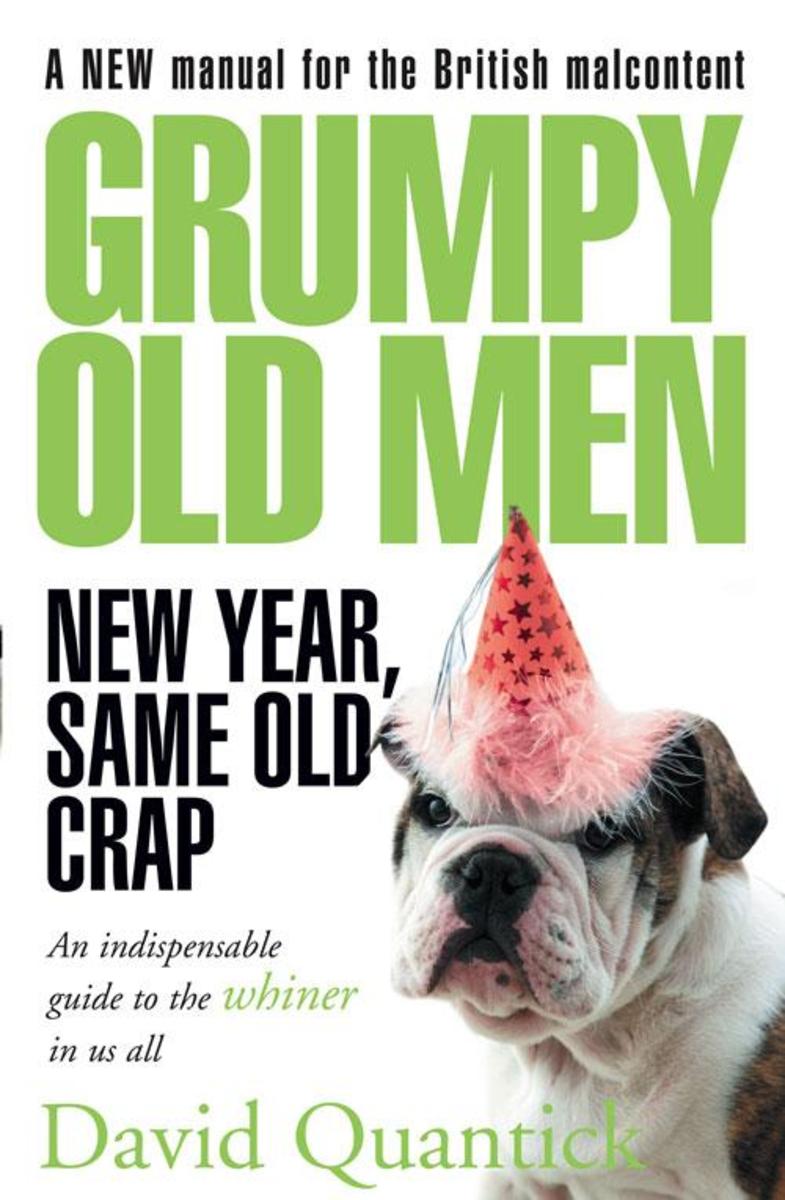
Grumpy Old Men: New Year, Same Old Crap
¥81.52
At last! A comprehensive, handy guide for the misery-guts in your life. Are you an irritable, crabby, cantankerous, malcontented old grump? Well relax, because you're not alone. Grumpy Old Men is an annotated, cross-referenced and fully illustrated manual for malcontents everywhere: the comprehensive Gripes of Wrath. A compilation of gripes and grumbles, illustrated with blood-boiling images such as derailed trains and traffic wardens throughout. The next time you find yourself enraged by pointless speed bumps, overcrowded trains, ill-mannered drivers, irritating adverts, inefficient customer help-lines, overbooked airlines, inconsiderate cyclists, slow-moving caravans, extortionate bank charges, persistent charity collectors, mindless hotel muzak, unfunny clowns or just plain miserable British weather, let this book take the strain. The ultimate in stress-relief for the 21st-Century Grouch.

And The Bride Wore Prada (Marrying Mr Darcy, Book 1)
¥39.24
She’s dated Mr Darcy… After being hounded by the paparazzi ever since news of their engagement got out, Gemma and Dominic are flying to Scotland for a much-needed romantic getaway. But they didn’t expect to find Dominic’s ex, Natalie, and her husband Rhys, on the very same flight! Landing in a torrential blizzard and with only one hire car (let alone a limo!) between them, the four share a lift….but as the snowdrifts move in, stranding them in an isolated castle, it seems they’ll be reunited for longer than planned! Now it’s time to say ‘I do!’ In the face of adversity, Gemma does what any self-respecting celebrity fiancée would do: starts planning a last-minute wedding while she has Dominic to herself! After all, where better for a discreetly decadent wedding than in the middle of nowhere, miles from the nearest celebrity news desk? But marrying an A-lister away from prying eyes was never going to be easy. Will Gemma make it up the aisle? And, more importantly, now she’s miles away from Vera Wang, what is this fashionista going to wear?! And the Bride Wore Prada is the sensational first book in Katie Oliver’s long-awaited ‘Marrying Mr Darcy’ series, the follow-up to her best-selling ‘Dating Mr Darcy’ trilogy. Also by Katie Oliver: Prada and Prejudice Love and Liability Mansfield Lark and, coming soon: Love, Lies and Louboutins Manolos in Manhattan
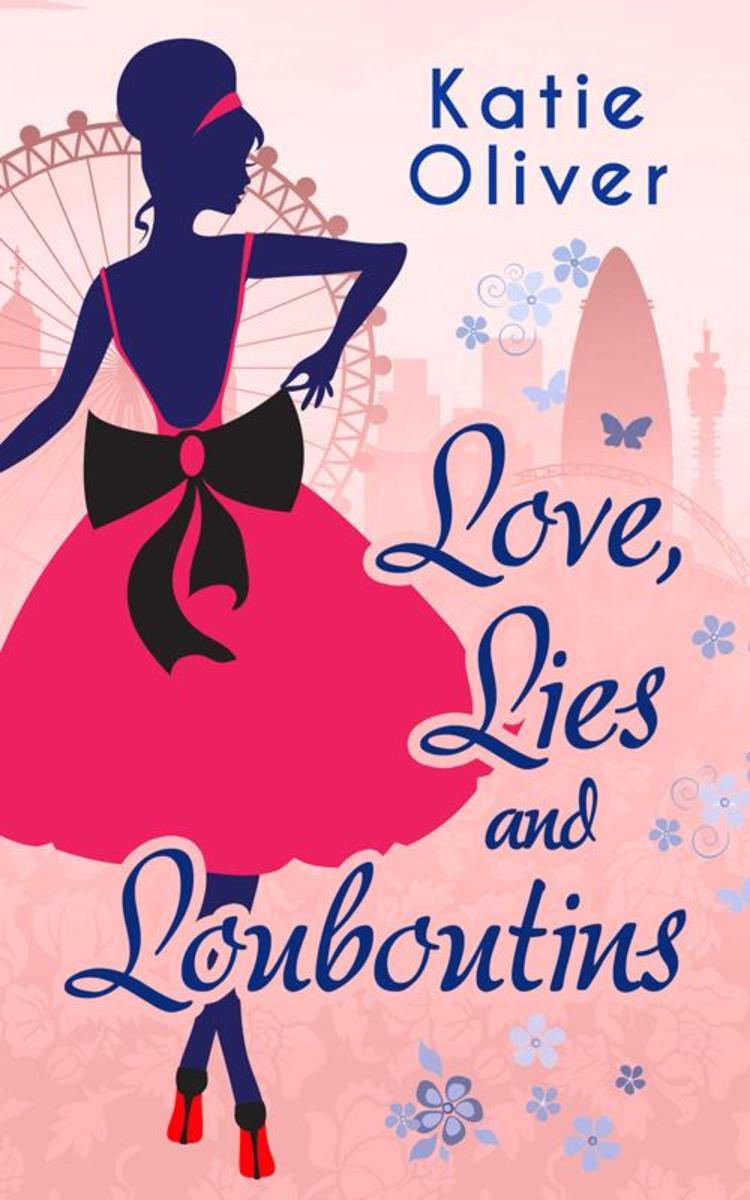
Love, Lies And Louboutins (Marrying Mr Darcy, Book 2)
¥39.24
The course of a celebrity marriage never did run smooth… Gemma Heath has finally managed to get her rock-star husband Dominic to settle down – and she has the ring to prove it! But when she sees photos of her brand-new husband escaping on his private jet with the latest pop sensation, Gemma can’t help but assume the worst: once a cheater, always a cheater… …but that doesn’t mean you can’t look fabulous! So when her old flame Jack Hawkins resurfaces, Gemma can’t resist engaging in some extra-marital flirtation of her own – purely for revenge purposes, of course. But she wasn’t prepared for her old attraction for bad-boy Jack to resurface! Gemma has a decision to make – and running away from her problems has never been her style. Especially not when she’s in sky-high stilettos! Love, Lies and Louboutins is the second book in Katie Oliver's fabulous 'Marrying Mr Darcy' series, to be followed in March by Manolos in Manhattan. Also by Katie Oliver: The Dating Mr Darcy series: Prada and Prejudice Love and Liability Mansfield Lark The Marrying Mr Darcy series: And the Bride Wore Prada and, coming soon, Manolos in Manhattan

Manolos In Manhattan (Marrying Mr Darcy, Book 3)
¥38.26
She’s a fiancée of good fortune… Strutting down Park Avenue in her new Manolos, Holly James looks like a woman who has it all. But beneath the Prada sunglasses, Holly has a mounting list of decidedly unfabulous problems. Right at the top? The fact that since her fiancé Jamie started spending all his time at his new restaurant (with his impossibly gorgeous sous-chef!), Holly has practically forgotten what he looks like…and started to feel a teensy bit paranoid. …but has Holly found the right Mr Darcy? So being kissed by film star Ciaran Duncan should have been a much-needed boost to Holly’s ego. But losing herself in the moment is impossible, since she’s still fuming after meeting English lawyer Hugh Darcy. He’s easily the most arrogant man in Manhattan and she’s engaged to be married…so why can’t Holly stop imagining kissing him? Suddenly, Holly finds herself torn between three eligible bachelors…and it’s proving more difficult than choosing between a Manolo Blanik and a Jimmy Choo – especially since men are non-refundable! What’s a New York fashionista to do? Don’t miss Manolos in Manhattan, book three in Katie Oliver’s Marrying Mr Darcy series. Also by Katie Oliver: Prada and Prejudice Love and Liability Mansfield Lark And the Bride Wore Prada Love, Lies and Louboutins
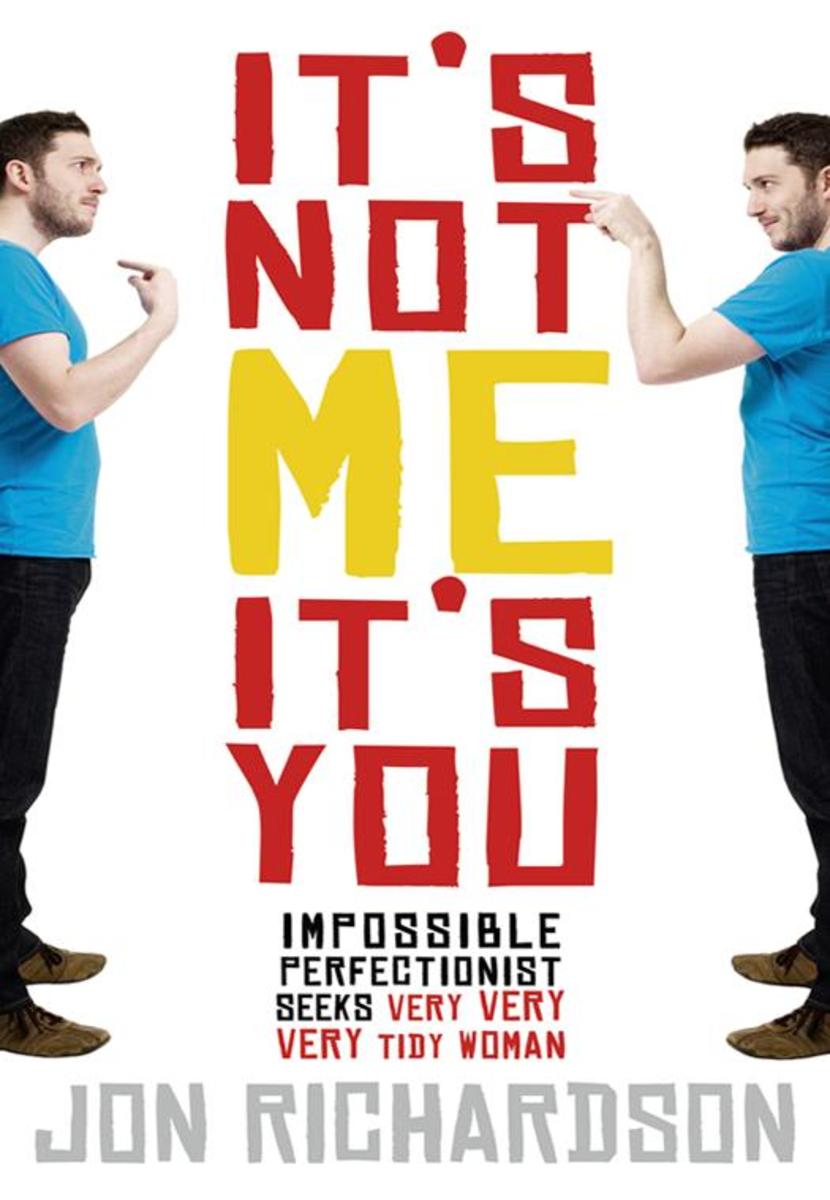
It’s Not Me, It’s You!: Impossible perfectionist, 27, seeks very very very tidy
¥69.26
‘I loved Jon’s book. It’s even better than the real thing because you can’t hear his voice.’ Michael McIntyre A control freak looks for love (women who leave wet teaspoons in sugar bowls need not apply). ‘I haven’t woken up with a cup of tea by the bed for seven years. It seems such a small thing but it’s one of a thousand things I miss about having someone around to take care of me. I have spent my entire adult life getting things the way I want them and all I want now is someone to give it all up for.’ Is your filing faultless? Your CDs, apostrophes, cutlery all in the right places? Can you eat a biscuit in the correct way? Then Jon Richardson (single for seven years and counting) could be your ideal man… Living alone in a one bedroom flat in Swindon, Jon has had far too much time on his hands to think. In fact to obsess. About almost everything. Jon’s obssessive compulsive personality disorder has seen him arrange the coins in his pockets in ascending size and colour code his bookshelves. It takes him less than 90 seconds to locate a receipt for a pair of shoes he bought in 1997. Over to the filing cabinet and R for receipts, S for shoes. But Jon doesn’t want to be like this, in fact he would quite like to share his life with someone. But who could that someone be? Someone like himself, a quarrelsome perfectionist only with breasts and less body hair? Absolutely not. But who exactly is Jon looking for and where will he find her? Faced with a loveless future filled with his own peculiar quirks and perfectionism, Jon sets about his search for The One. The question is, will he mind her keeping the knives to the left of the forks in the cutlery drawer or organising the CDs by genre and not alphabetically?

Betjeman’s Best British Churches
¥154.02
A beautiful and practical up-to-date guide to over two thousand of Britain’s best parish churches. Although now most famous for his poetry, Sir John Betjeman’s great passion was churches. For over fifty years his guide, regularly updated, has been the eminent authority and the most distinguished guide to the best churches to visit. This edition, in full colour throughout and illustrated with over 350 specially commissioned photographs, covers over 2,500 of the very best churches in England, Scotland and Wales. Fully updated by bestselling author Richard Surman, this is the most complete and up to date guide to Britain’s church heritage.
Sew and Save
¥63.27
An excellent, nostalgic gift from a bygone era when hard times were no excuse for shabby dressing. Contains practical tips to repair and improve clothes to save money. Travel back to the forties when a war-torn Europe was still no excuse to dress shabbily and the one thing you didn't ration was fashion. In this exclusive reproduction of a genuine archive copy, retro domestic goddess Joanna Chase prescribes ways to avoid fashion fauz pax in money-tight scenarios - whether the cause is a lack of coupons - or a credit crunch. In this book you will learn: o How to make the most out of every last inch of fabric o How to transform old skirts into brand spanking new outfits o How to make clothes out of old furnishings o How to turn your old dresses into ones that fit for your children o How to plan a whole families wardrobe in demand With this book, repackaged in a charming, nostalgic cover, as much a fashion accessory as a practical advice guide, you will learn all this and much much more. Uniform with this guide: Food Facts for the Kitchen Front o Make your Garden Feed You o The archive collection- because good advice never goes out of date.
Collins Complete Photography Course
¥110.46
A practical, affordable and accessible home photography tutor. This inspiring project-based course book covers everything from basic composition to the latest digital darkroom techniques. Learn at your own pace as this practical, comprehensive course helps you develop your key photographic techniques. Contents include: step-by-step projects on exposure, aperture, lenses, light, filters, colour, black and white and image enhancement; plus professional secrets and stunning shots from around the world. The fully interactive and project-based approach of Collins Complete Photography Course will help you to raise both your camera confidence and your level of photography.

The Organic Garden
¥100.06
The Organic Garden redefines what it means to be an organic gardener. This practical and thought-provoking handbook is both a manual of organic practice and a starting point for ethical living. The meaning of 'organic' is changing fast, becoming more and more an umbrella term for all things environmental: from ethical consumerism, waste recycling and self-sufficiency to new trends in wildlife-friendly, sustainable and forest gardening. The Organic Garden shows how these popular new areas of green living are relevant to the ordinary gardener and demonstrates simple, achievable ways in which you can use these ideas to transform your garden. Includes: ? Essentials of organic practice ? Gardening for wildlife and ornament ? Gardening for food ? Ethical choices at the garden centre ? Shed’s Dead – how to create an ecological shed and explore alternatives for outdoor living ? Gardening beyond the garden – allotments, conservation volunteering, community gardening ? Climate change and today’s gardener
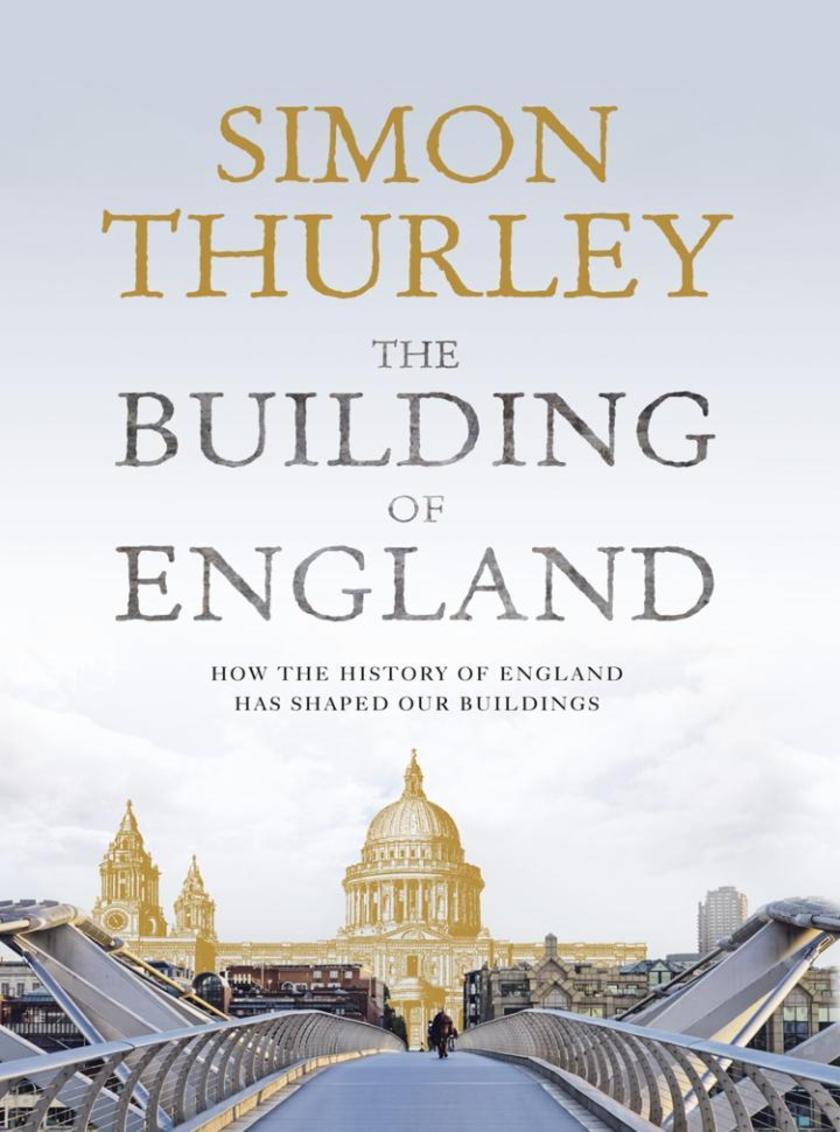
The Building of England: How the History of England Has Shaped Our Buildings
¥229.16
Dr Simon Thurley is one of the UK’s leading architectural historians. He is Chief Executive of English Heritage – the government’s principal advisor on the historic environment.
Acrylics (Collins You Can Paint)
¥44.24
A successful artist and art instructor, Melanie runs workshops and painting holidays both in the UK and abroad, teaching mainly in oils and acrylics. She is also a professional associate of the SAA and an exhibiting member of Guilford Art Society. Melanie has written several books, all published by Collins alongside a DVD with APV Films. Melanie's latest book, 30 minute Oils was published in February 2010. Melanie's website, www.melaniecambridge.com, gives details of her exhibitions and courses.
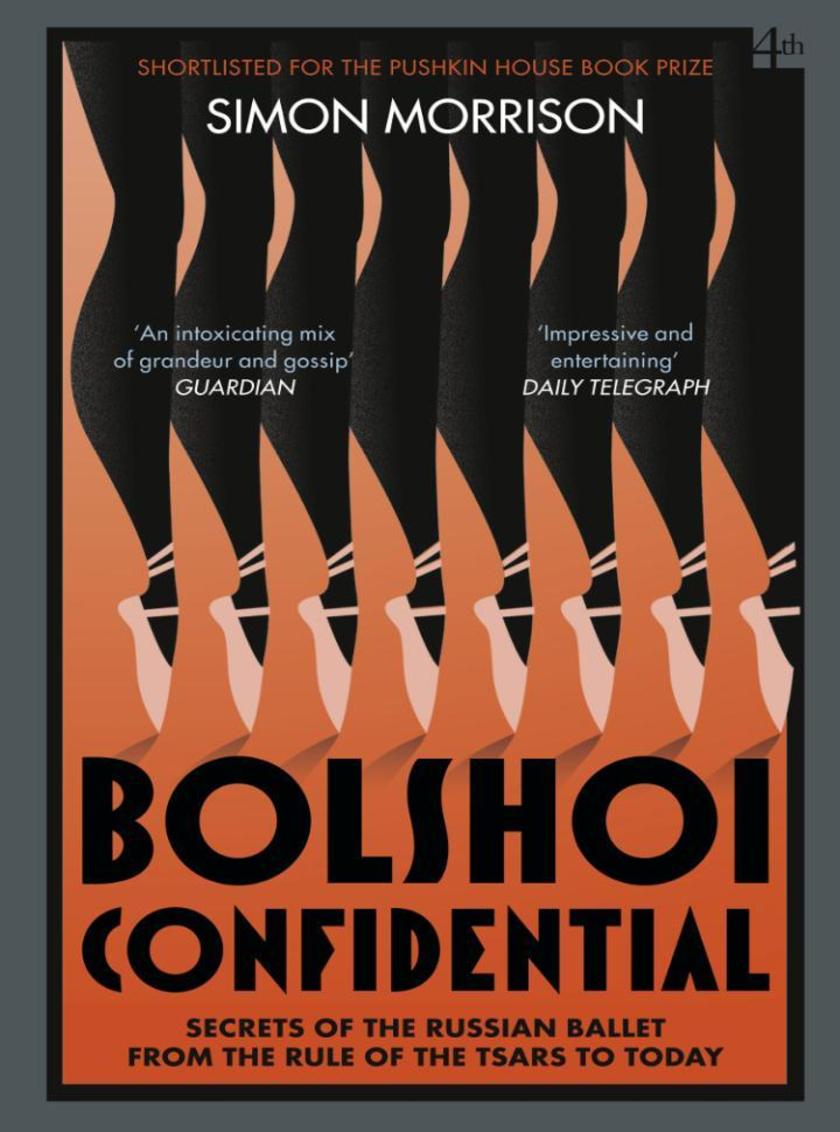
Bolshoi Confidential: Secrets of the Russian Ballet from the Rule of the Tsars t
¥73.58
Simon Morrison is a professor of music at Princeton University, a contributor to the New York Times and the New York Review of Books, and the author of, most recently, The Love and Wars of Lina Prokofiev. He lives in Princeton, New Jersey.

White Christmas: The Story of a Song
¥53.76
Jody Rosen lives in New York and is a regular contributor to Salon.com and The New York Times.

The Complete A–Z of Everything Carry On
¥142.93
Richard Webber is one of Britain's foremost show business journalists. He regularly contributes to various newspapers and magazines such as the Independent, the Mirror, Hello, Radio Times, My Weekly and Bella. He is also the author behind The Complete A-Z of Only Fools and Horses and Dad’s Army: The Complete Scripts.

Mashi, and Other Stories
¥18.74
L'art pour tous was written in the year 1862 by Stéphane Mallarmé. This book is one of the most popular novels of Stéphane Mallarmé, and has been translated into several other languages around the world.This book is published by Booklassic which brings young readers closer to classic literature globally.

Csongor és Tünde
¥8.67
Apokrif evangélium vagy egyszer? imak?nyv? Hamisítvány vagy hiteles t?rténeti emlék? Elfeledett írás vagy szuperbiztos kód, esetleg mesterséges nyelv? Magyar, román, szanszkrit, latin, netalán t?r?k? A Rohonci kódex hírnevét kül?n?s kett?sség jellemzi: helyet kapott a világt?rténelem megfejtetlen írásainak illusztris társaságában, mik?zben a legutóbbi id?kig komoly kísérlet nem t?rtént rejtélyes jeleinek elolvasására. L?NG BENEDEK k?nyve egy izgalmas nyomozás t?rténete, amelyet a szerz? e Budapesten ?rz?tt, titokzatos és gazdagon illusztrált kódex megfejtése érdekében folytatott. A fiatal tudományt?rténész minden részletre kiterjed?, alapos vizsgálata során az olvasó beavatást nyerhet a máig megfejtetlen, rejtélyes k?nyvek világába, a titkosírások és a kódok t?rténetébe, valamint a rejtjelfejtés hagyományos és modern módszereibe is. Láng Benedek 1974-ben született Budapesten. T?rténészként végzett az ELTE b?lcsészkarán, jelenleg a Budapesti M?szaki és Gazdaságtudományi Egyetemen oktat humán és társadalomtudományi tárgyakat. Kutatóként az elfogadott és elutasított tudomány határterületei érdeklik mind t?rténeti, mind elméleti szempontból. Ez utóbbi kérdésk?rr?l t?bb k?nyve is megjelent. Budapesten él, n?s, két gyermek apja.


