


 购物车
购物车 个人中心
个人中心
The Odes of Pindar
¥8.09
This translation first published in 1874. According to Wikipedia: "Pindar (c. 522–443 BC), was an Ancient Greek lyric poet from Thebes. Of the canonical nine lyric poets of ancient Greece, his work is the best preserved. Quintilian wrote, "Of the nine lyric poets, Pindar is by far the greatest, in virtue of his inspired magnificence, the beauty of his thoughts and figures, the rich exuberance of his language and matter, and his rolling flood of eloquence, characteristics which, as Horace rightly held, make him inimitable." His poems however can also seem difficult and even peculiar... his style still challenges the casual reader and he continues to be a much admired though largely unread poet."
Geliebt und Glücklich
¥52.32
Gilda Wyngate befindet sich nach dem Tod ihres Vaters in gro?en finanziellen Schwierigkeiten und ist v?llig verzweifelt. Zu allem Unglück erh?lt das junge M?dchen unverhofft Besuch von ihrer egoistischen und habgierigen Schwester Heloise, die ihr zum Verwechseln ?hnlich sieht. Heloise ist fest entschlossen, den begehrtesten Junggesellen Londons, den Marquis von Staverton, zu heiraten - doch bestimmt nicht aus Liebe. Diese Einstellung befremdet Gilda sehr. Doch sie ?ndert ihre Denkweise, als sie Heloise tot auffindet-gestorben an einer ?berdosis Laudanum. In ihrer bedrückenden Notlage entschlie?t sie sich, den Platz ihrer Schwester einzunehmen.
Fathers and Sons by Ivan Turgenev - Delphi Classics (Illustrated)
¥8.09
This eBook features the unabridged text of ‘Fathers and Sons by Ivan Turgenev - Delphi Classics (Illustrated)’ from the bestselling edition of ‘The Collected Works of Ivan Turgenev’. Having established their name as the leading publisher of classic literature and art, Delphi Classics produce publications that are individually crafted with superior formatting, while introducing many rare texts for the first time in digital print. The Delphi Classics edition of Turgenev includes original annotations and illustrations relating to the life and works of the author, as well as individual tables of contents, allowing you to navigate eBooks quickly and easily. eBook features: * The complete unabridged text of ‘Fathers and Sons by Ivan Turgenev - Delphi Classics (Illustrated)’ * Beautifully illustrated with images related to Turgenev’s works * Individual contents table, allowing easy navigation around the eBook * Excellent formatting of the text Please visit www.delphiclassics.com to learn more about our wide range of titles
Smoke by Ivan Turgenev - Delphi Classics (Illustrated)
¥8.09
This eBook features the unabridged text of ‘Smoke by Ivan Turgenev - Delphi Classics (Illustrated)’ from the bestselling edition of ‘The Collected Works of Ivan Turgenev’. Having established their name as the leading publisher of classic literature and art, Delphi Classics produce publications that are individually crafted with superior formatting, while introducing many rare texts for the first time in digital print. The Delphi Classics edition of Turgenev includes original annotations and illustrations relating to the life and works of the author, as well as individual tables of contents, allowing you to navigate eBooks quickly and easily. eBook features: * The complete unabridged text of ‘Smoke by Ivan Turgenev - Delphi Classics (Illustrated)’ * Beautifully illustrated with images related to Turgenev’s works * Individual contents table, allowing easy navigation around the eBook * Excellent formatting of the text Please visit www.delphiclassics.com to learn more about our wide range of titles
Le Roi Henri VIII (Henry VIII in French)
¥8.09
La pièce d'histoire de Shakespeare, Henry VIII, dans la traduction fran?aise. Selon Wikipédia: "La célèbre histoire de la vie du roi Henry VIII est une pièce d'histoire de William Shakespeare et (prétendument) John Fletcher, basée sur la vie d'Henry VIII d'Angleterre. dans les documents contemporains, le titre Henry VIII n'apparaissait pas avant la publication de la pièce dans le premier folio de 1623. L'évidence stylistique indique que la pièce a été écrite par Shakespeare en collaboration avec son successeur, John Fletcher, ou révisée par lui. de la fin des romans dans sa structure.Il est noté pour avoir plus de directions de scène que l'un des autres jeux de Shakespeare. "
The Tempest/ Der Sturm: Bilingual edition
¥8.09
Klassische Shakespeare-Romantik auf Englisch mit Zeilennummern und in deutscher ?bersetzung. Laut Wikipedia: "The Tempest ist ein Stück von William Shakespeare geschrieben. Viele Gelehrte glauben, dass es in 1610-11 geschrieben wurde, obwohl einige Forscher für eine frühere Datierung argumentiert haben. W?hrend als Kom?die aufgelistet, als es ursprünglich in der ersten ver?ffentlicht wurde Folio von 1623, viele moderne Redakteure haben seitdem das Spiel als eine Romanze bezeichnet, die vor der Schlie?ung der Theater im Jahre 1642 keine nennenswerte Aufmerksamkeit auf sich zog und nach der Restauration nur in adaptierten Versionen Popularit?t erlangte den originalen Shakespeare-Text in der Mitte des 19. Jahrhunderts wieder einzuführen, und im 20. Jahrhundert haben Kritiker und Gelehrte eine signifikante Neubewertung des Spielwerts vorgenommen, in dem Ma?e, als es jetzt als eines von Shakespeares gr??ten Werken gilt. "
Renaissance in Italy: The Age of the Despots
¥8.09
According to Wikipedia: "John Addington Symonds (5 October 1840 - 19 April 1893) was an English poet and literary critic… Meanwhile he was occupied with his major work, Renaissance in Italy, which appeared in seven volumes at intervals between 1875 and 1886. The Renaissance had been the subject of Symonds' prize essay at Oxford, and this had aroused a desire to produce a more complete picture of the reawakening of art and literature in Europe... He practically made his home at Davos. A charming picture of his life there is drawn in Our Life in the Swiss Highlands (1891). Symonds became a citizen of the town; he took part in its municipal business, made friends with the peasants and shared their interests. There he wrote most of his books: biographies of Shelley (1878), Philip Sidney (1886), Ben Jonson (1886) and Michelangelo (1893), several volumes of poetry and essays, and a translation of the Autobiography of Benvenuto Cellini (1887). There, too, he completed his study of the Renaissance, the work for which he is mainly remembered."
Renaissance in Italy: The Fine Arts
¥8.09
According to Wikipedia: "John Addington Symonds (5 October 1840 - 19 April 1893) was an English poet and literary critic… Meanwhile he was occupied with his major work, Renaissance in Italy, which appeared in seven volumes at intervals between 1875 and 1886. The Renaissance had been the subject of Symonds' prize essay at Oxford, and this had aroused a desire to produce a more complete picture of the reawakening of art and literature in Europe... He practically made his home at Davos. A charming picture of his life there is drawn in Our Life in the Swiss Highlands (1891). Symonds became a citizen of the town; he took part in its municipal business, made friends with the peasants and shared their interests. There he wrote most of his books: biographies of Shelley (1878), Philip Sidney (1886), Ben Jonson (1886) and Michelangelo (1893), several volumes of poetry and essays, and a translation of the Autobiography of Benvenuto Cellini (1887). There, too, he completed his study of the Renaissance, the work for which he is mainly remembered."
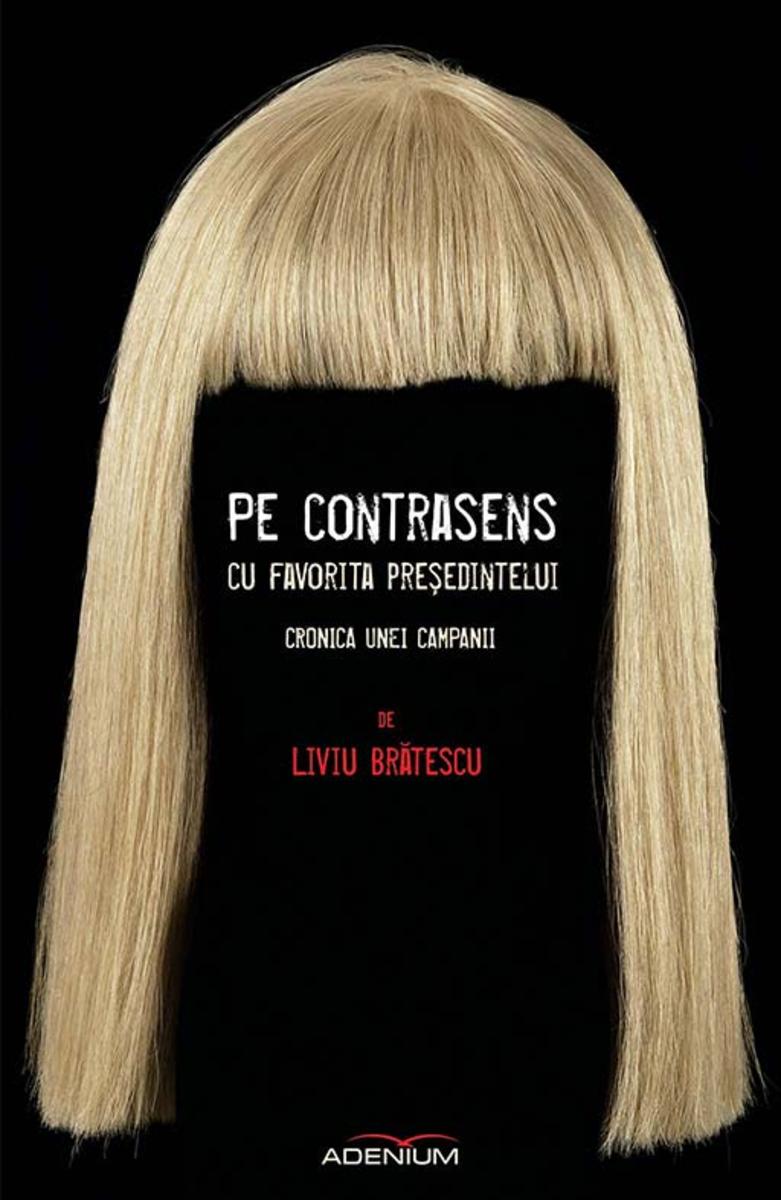
Pe contrasens cu favorita pre?edintelui. Cronica unei campanii
¥57.14
Lucrarea abordeaz? cele mai relevante manifest?ri ale modernismului literar interbelic, propun?nd spre analiz? reprezentan?i ai poeziei (George Bacovia, Ion Barbu, Lucian Blaga, Ion Vinea, Ilarie Voronca, Tudor Arghezi), ai prozei (Anton Holban, Camil Petrescu, Max Blecher, Mircea Eliade), tendin?ele ?i mi?c?rile coagulate ?n jurul marilor reviste interbelice (Sbur?torul, Contimporanul, 75 H.P., Integral). Volumul se adreseaz? elevilor de liceu care doresc s?-?i aprofundeze cuno?tin?ele referitoare la una dintre cele mai importante v?rste literare rom?ne?ti, miz?nd ?i pe redescoperirea cititorului avizat, dornic s?-?i sus?in? punctele de vedere, s?-?i modeleze gustul estetic ?i s? descopere modele, ierarhii, valori.
Le Roi Lear (King Lear in French)
¥8.09
Traduit par Fran?ois Pierre Guillaume Guizot (1787 - 1874), historien fran?ais et homme d'?tat. Publié en 1864. Selon Wikipedia: "Le Roi Lear est une tragédie de William Shakespeare: le personnage titre descend dans la folie après avoir bêtement disposé de ses biens entre deux de ses trois filles en raison de leur flatterie, ce qui entra?ne des conséquences tragiques pour tous. basé sur la légende de Leir of Britain, un roi celtique pré-romain mythologique, il a été largement adapté à la scène et au cinéma, et le r?le de Lear a été convoité et joué par de nombreux acteurs parmi les plus accomplis au monde.
Henry V in French
¥8.09
Pièce d'histoire de Shakespeare, Henry V, en traduction fran?aise. Selon Wikipédia: "Henry V est une pièce d'histoire de William Shakespeare, dont on pense qu'elle a été écrite vers 1599. Ses titres complets sont The Cronicle History of Henri Quint (dans le texte du premier quarto) et The Life of Henry the Fifth (dans le premier texte du Folio) raconte l'histoire du roi Henry V d'Angleterre, en se concentrant sur les événements qui ont précédé et suivi la bataille d'Azincourt (1415) pendant la guerre de Cent Ans.
Henri VI, Premiere Partie (Henry VI Part I in French)
¥8.09
Pièce d'histoire de Shakespeare, Henry VI Part One, en traduction fran?aise. Selon Wikipédia: "Henry VI, Part 1 ou la première partie de Henry le Sixt (souvent écrit comme 1 Henry VI) est une pièce d'histoire de William Shakespeare, et peut-être Thomas Nashe, qui aurait été écrit en 1591, et mis en La vie du roi Henry VI d'Angleterre Alors que 2 Henri VI traite de l'incapacité du roi à réprimer les querelles de ses nobles et de l'inévitabilité des conflits armés, 3 Henry VI traite des horreurs de ce conflit, 1 Henry VI traite de la perte des territoires fran?ais de l'Angleterre et les machinations politiques menant aux guerres des roses, comme le système politique anglais est déchiré par les querelles personnelles et la jalousie mesquine.
Henri VI, Seconde Partie (Henry VI Part II in French)
¥8.09
Pièce d'histoire de Shakespeare, Henry VI Deuxième partie, en traduction fran?aise. Selon Wikipédia: "Henry VI, Part 2 ou la deuxième partie de Henry le Sixt (souvent écrit comme 2 Henry VI) est une pièce d'histoire de William Shakespeare qui aurait été écrite en 1591, et placée pendant la vie du roi Henri VI Alors que 1 Henri VI traite principalement de la perte des territoires fran?ais de l'Angleterre et des machinations politiques menant aux guerres des Roses, et 3 Henry VI traite des horreurs de ce conflit, 2 Henri VI se concentre sur l'incapacité du roi à apaiser les querelles de ses nobles, la mort de son conseiller de confiance, le duc Humphrey de Gloucester, l'ascension du duc d'York et l'inévitabilité des conflits armés, ce qui aboutit à la première bataille de la guerre, la première bataille de St Albans. "
King John/ Leben und Tod des Konigs Johann: Bilingual edition
¥8.09
Bilingual, English and German. Shakespeare history play King John, in English with line numbers and in German translation. According to Wikipedia: "The Life and Death of King John, a history play by William Shakespeare, dramatises the reign of John, King of England (ruled 1199–1216), son of Henry II of England and Eleanor of Aquitaine and father of Henry III of England. It is believed to have been written in the mid-1590s but was not published until it appeared in the First Folio in 1623." Zweisprachig, Englisch und Deutsch. Shakespeare Geschichte spielen King John, in Englisch mit Zeilennummern und in deutscher ?bersetzung. Laut Wikipedia: "Das Leben und der Tod von K?nig John, ein Geschichtsstück von William Shakespeare, dramatisiert die Herrschaft von John, K?nig von England (regierte 1199-1216), Sohn von Heinrich II. Von England und Eleonore von Aquitanien und Vater von Henry Es wird angenommen, dass es in der Mitte der 1590er Jahre geschrieben wurde, aber nicht ver?ffentlicht wurde, bis es im Ersten Folio 1623 erschien.
The Old Debauchees
¥8.09
Play first published in 1732. According to Wikipedia: "Henry Fielding (22 April 1707 – 8 October 1754) was an English novelist and dramatist known for his rich earthy humour and satirical prowess, and as the author of the novel Tom Jones. Aside from his literary achievements, he has a significant place in the history of law-enforcement, having founded (with his half-brother John) what some have called London's first police force, the Bow Street Runners, using his authority as a magistrate. His younger sister, Sarah, also became a successful writer."

Dissertations on the English Language
¥8.09
According to Wikipedia: "Noah Webster, Jr. (October 16, 1758 – May 28, 1843), was an American lexicographer, textbook pioneer, English-language spelling reformer, political writer, editor, and prolific author. He has been called the "Father of American Scholarship and Education." His blue-backed speller books taught five generations of American children how to spell and read, secularizing their education. According to Ellis (1979) he gave Americans "a secular catechism to the nation-state." Webster's name has become synonymous with "dictionary" in the United States, especially the modern Merriam-Webster dictionary that was first published in 1828 as An American Dictionary of the English Language. He was one of the Founding Fathers of the nation."
Othello, with line numbers
¥8.09
The classic tragedy. According to Wikipedia: "Othello, the Moor of Venice is a tragedy by William Shakespeare, believed to have been written in approximately 1603, based on the short story "Moor of Venice" by Cinthio. The work revolves around four central characters: Othello, his wife Desdemona, his lieutenant Cassio, and his trusted advisor Iago. Attesting to its enduring popularity, the play appeared in 7 editions between 1622 and 1705. Because of its varied themes — racism, love, jealousy and betrayal — it remains relevant to the present day and is often performed in professional and community theatres alike. The play has also been the basis for numerous operatic, film and literary adaptations."
The True and Honorable History of the Life of Sir John Oldcastle, Shakespeare Ap
¥8.09
Elizabethan play, sometimes attributed in part to Shakespeare. According to Wikipedia: "William Shakespeare (baptised 26 April 1564 – died 23 April 1616) was an English poet and playwright, widely regarded as the greatest writer in the English language and the world's pre-eminent dramatist. He is often called England's national poet and the "Bard of Avon" (or simply "The Bard"). His surviving works consist of 38 plays, 154 sonnets, two long narrative poems, and several other poems. His plays have been translated into every major living language, and are performed more often than those of any other playwright."
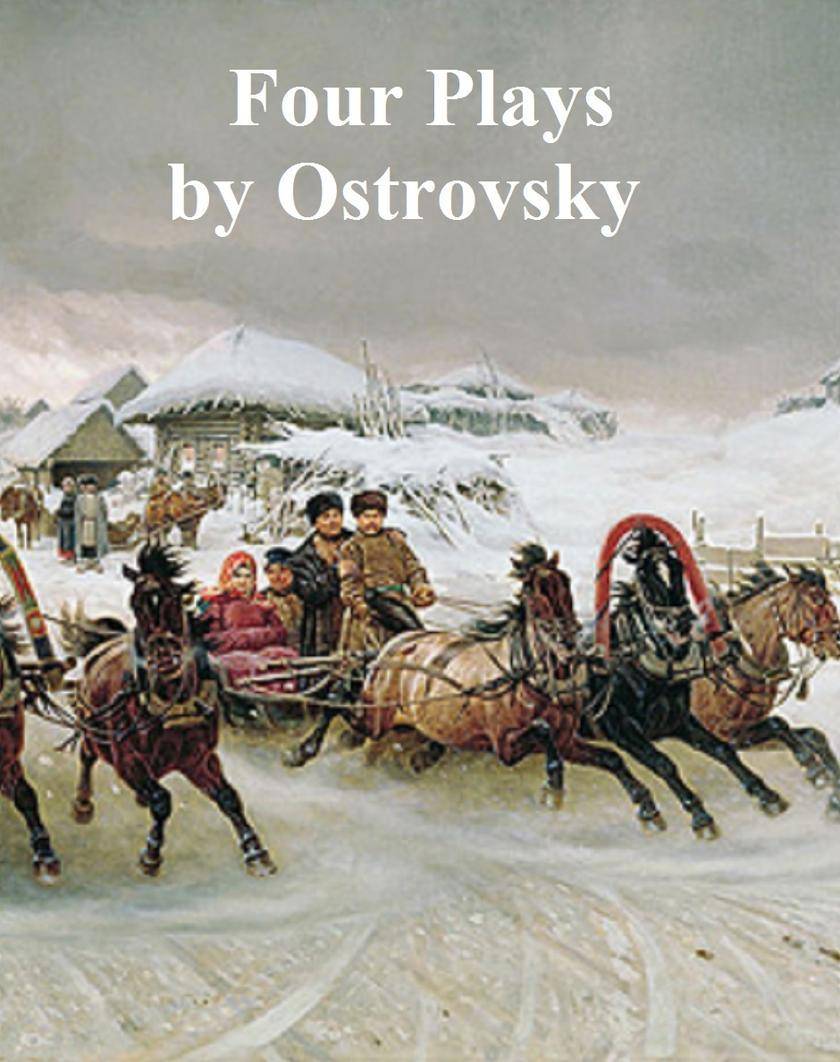
Four Plays
¥8.09
Four classic Russian plays. According to the introduction, "ALEXANDER NIKOLAYEVICH Ostrovsky (1823-86) is the great Russian dramatist of the central decades of the nineteenth century, of the years when the realistic school was all-powerful in Russian literature, of the period when Turgenev, Dostoyevsky, and Tolstoy created a literature of prose fiction that has had no superior in the world's history. His work in the drama takes its place beside theirs in the novel. Obviously inferior as it is in certain ways, it yet sheds light on an important side of Russian life that they left practically untouched."
Julius Caesar
¥8.09
Der Shakespeare-Klassiker, übersetzt von August Wilhelm von Schlegel. Laut Wikipedia: "Der Geist Caesars verspottet Brutus über seine bevorstehende Niederlage. (Kupferstich von Edward Scriven aus einem Gem?lde von Richard Westall: London, 1802.) Die Trag?die von Julius Caesar, auch einfach Julius C?sar genannt, ist eine Trag?die von William Shakespeare, von dem man annimmt, dass es im Jahr 1599 geschrieben wurde, und die Verschw?rung gegen den r?mischen Diktator Julius Caesar, seine Ermordung und die Niederlage der Verschw?rer in der Schlacht von Philippi darstellt. Es ist eines von mehreren r?mischen Theaterstücken, die Shakespeare schrieb. basierend auf wahren Ereignissen aus der r?mischen Geschichte, zu denen auch Coriolanus und Antonius und Kleopatra geh?ren. "
Maass fur Maas oder Wie Einer Misst so Wird Ihm Wider Gemessen
¥8.09
Shakespeare-Kom?die, ins Deutsche übersetzt. Laut Wikipedia ist "Measure for Measure" ein Stück von William Shakespeare, das 1603 oder 1604 geschrieben wurde. Es wurde (und wird weiterhin) als Kom?die klassifiziert, aber seine Stimmung widersetzt sich diesen Erwartungen Eine Vielzahl von Gründen wurde von einigen Kritikern als eines von Shakespeares Problemspielen bezeichnet.Erst im First Folio von 1623 ver?ffentlicht (wo es zuerst als Kom?die bezeichnet wurde), war die erste Aufnahme des Stücks 1604. Das Stück handelt von den Themen der Barmherzigkeit, der Gerechtigkeit und der Wahrheit und ihrer Beziehung zu Stolz und Demut: "Einige erheben sich aus der Sünde und einige aus der Tugend fallen."


