


 购物车
购物车 个人中心
个人中心
Hamlet, Prinz von Dannemark
¥8.09
Die Shakespeare-Trag?die, auf Deutsch übersetzt von Christoph Martin Wieland. Laut Wikipedia: "Die Trag?die von Hamlet, Prinz von D?nemark ist eine Trag?die von William Shakespeare. Im K?nigreich D?nemark dramatisiert das Stück die Rache, die Prinz Hamlet an seinen Onkel Claudius wegen Mordes an K?nig Hamlet, Claudius 'Bruder und Prinz Hamlets Vater richtet Danach tritt er als Thronfolger in Erscheinung und nimmt Gertrude, die Witwe des alten K?nigs und die Mutter von Prinz Hamlet, mit, die den wahren und vorget?uschten Wahnsinn - von überw?ltigender Trauer bis zu brodelndem Zorn - anschaulich darstellt und Themen wie Verrat, Rache, Inzest, und moralische Korruption.

Die Irrungen oder die Doppelten Zwillinge
¥8.09
Shakespeare-Kom?die in deutscher ?bersetzung. Laut Wikipedia: "The Comedy of Errors ist eines der frühesten Stücke William Shakespeares. Es ist seine kürzeste und eine seiner absurdesten Kom?dien, wobei ein Gro?teil des Humors aus Slapstick und falscher Identit?t stammt, zus?tzlich zu Wortspielen und Wortspielen Die Kom?die der Irrungen (zusammen mit The Tempest) ist eines von nur zwei von Shakespeares Stücken, um die klassischen Einheiten zu beobachten. "

Der Zweyte Theil von K?nig Heinrich dem Vierten
¥8.09
Shakespeare-Geschichte spielen Henry der vierte Teil Zwei, in deutscher ?bersetzung. Nach Wikipedia: "Heinrich IV., Teil 2 ist ein historisches Stück von William Shakespeare, das zwischen 1596 und 1599 geschrieben wurde. Es ist der dritte Teil einer Tetralogie, der Richard II. Und Heinrich IV., Teil 1 vorangingen und Heinrich V. folgte. "
The Eleven Comedies of Aristophanes
¥8.09
All 11 comedies, literally translated. Two volumes in one file. Includes: Knights, Acharnians, Peace, Lysistrata, The Clouds, The Wasps, The Birds, The Frogs, The Thesmophoriazusae, The Ecclesiazusae, and Plutus. According to Wikipedia: "Aristophanes (ca. 446 BCE – ca. 386 BCE), son of Philippus, of the deme Cydathenaus, was a prolific and much acclaimed, comic playwright of ancient Athens. Eleven of his forty plays have come down to us virtually complete. These, as well as fragments of some of his other plays, provide us with the only real example we have of a genre of comic drama known as Old Comedy and they are in fact used to define the genre. Also known as the Father of Comedy and the Prince of Ancient Comedy, Aristophanes has been said to recreate the life of ancient Athens more convincingly than any other author. His powers of ridicule were feared and acknowledged by influential contemporaries - although more than one contemporary, satirical playwright caricatured the philosopher Socrates, his student Plato singled out Aristophanes' play The Clouds as slander contributing to his old mentor's trial and execution."
The Love Affairs of Great Musicians
¥8.09
First published in 1903. Biographical chapters cover Liszt, Mozart, Bach, Haydn, Beethoven, Chopin, Purcell, Gluck, Wagner, Tschaikovski, Schumann, and others.
Childe Harold's Pilgrimage
¥8.09
Byron's classic narrative poem. According to Wikipedia: "George Gordon Byron, later Noel, 6th Baron Byron FRS (1788 – 1824) was a British poet and a leading figure in Romanticism. Amongst Byron's best-known works are the brief poems When We Two Parted, She Walks in Beauty, and So, we'll go no more a roving, in addition to the narrative poems Childe Harold's Pilgrimage and Don Juan. He is regarded as one of the greatest European poets and remains widely read and influential, both in the English-speaking world and beyond. Byron's fame rests not only on his writings but also on his life, which featured extravagant living, numerous love affairs, debts, separation, and marital exploits. He was famously described by Lady Caroline Lamb as "mad, bad, and dangerous to know". Byron served as a regional leader of Italy's revolutionary organization, the Carbonari, in its struggle against Austria. He later traveled to fight against the Ottoman Empire in the Greek War of Independence, for which Greeks revere him as a national hero. He died from a fever in Messolonghi in Greece."
Great German Composers
¥8.09
First published in 1878. Chapters cover: Bach, Handel, Gluck, Haydn, Mozart, Beethoven, Schubert, Schumann, Chopin, Web, Mendelssohn, and Wagner.
Great Italian and French Composers
¥8.09
Chapters cover: Palestrixa, Puccini, Paisiello, Cimarosa, Rossini, Donizetti, Bellini, Verdi, Cherubini, Meiuel, Spontini, Halevy, Boieldieu, Auber, Meyerbeer, Founod, Thomas, and Berlioz. First published in 1878
Le Roi S'Amuse
¥8.09
Drame classique dans le texte original, publié en 1832. Selon Wikipedia: "Victor-Marie Hugo (26 février 1802 - 22 mai 1885) était un poète, dramaturge, romancier, essayiste, artiste visuel, homme d'?tat, militant des droits de l'homme et En France, la renommée littéraire de Hugo vient en premier lieu de sa poésie, mais repose aussi sur ses romans et ses réalisations dramatiques Parmi les nombreux volumes de poésie, Les Contemplations et La Légende des siècles tiennent particulièrement haut dans l'estime critique, et Hugo est parfois identifié comme le plus grand poète fran?ais.A l'extérieur de la France, ses ?uvres les plus connues sont les romans Les Misérables et Notre-Dame de Paris (connu aussi en anglais sous le nom de Le Bossu de Notre Dame). était jeune, Hugo devint plus libéral au fil des décennies, il devint un partisan passionné du républicanisme et son travail touche à la plupart des questions politiques et sociales et aux tendances artistiques de son temps. Il est enterré au Panthéon. "
Die Mitschuldigen, Ein Lustspiel in drei Aufzugen
¥8.09
Klassisches Spiel im originalen Deutsch. Laut Wikipedia: "Johann Wolfgang von Goethe (28. August 1749 - 22. M?rz 1832) war ein deutscher Schriftsteller. George Eliot nannte ihn" Deutschlands gr??ten Literaten ... und der letzte wahre Universalgelehrte auf der Erde. "Goethes Werke die Gebiete der Poesie, des Dramas, der Literatur, der Theologie, des Humanismus und der Wissenschaft, Goethes Hauptwerk, das als einer der H?hepunkte der Weltliteratur gepriesen wird, ist das zweiteilige Drama Faust. Goethes andere bekannte literarische Werke sind seine zahlreichen Gedichte, der Bildungsroman Wilhelm Meister und der Briefroman Die Leiden des jungen Werther. "
The Fugitive
¥8.09
Poetry. According to Wikipedia: "Rabindranath Tagore (7 May 1861 – 7 August 1941), sobriquet Gurudev, was a Bengali poet, novelist, musician, painter and playwright who reshaped Bengali literature and music. As author of Gitanjali and its "profoundly sensitive, fresh and beautiful verse", he was the first non-European who was awarded the Nobel Prize for Literature in 1913. His poetry in translation was viewed as spiritual, and this together with his mesmerizing persona gave him a prophet-like aura in the west. His "elegant prose and magical poetry" still remain largely unknown outside the confines of Bengal."
The Duchess of Padua
¥8.09
Play. According to Wikipedia: "Oscar Fingal O'Flahertie Wills Wilde (1854 - 1900) was an Irish playwright, novelist, poet, and author of short stories. Known for his barbed wit, he was one of the most successful playwrights of late Victorian London, and one of the greatest celebrities of his day. As the result of a famous trial, he suffered a dramatic downfall and was imprisoned for two years of hard labour after being convicted of the offence of 'gross indecency.'"
King John, with line numbers
¥8.09
The classic Shakespeare history play, with line numbers. According to Wikipedia: "The Life and Death of King John, a history play by William Shakespeare, dramatises the reign of John, King of England (ruled 1199–1216), son of Henry II of England and Eleanor of Aquitaine and father of Henry III of England. It is believed to have been written in the mid-1590s but was not published until it appeared in the First Folio in 1623."
Titus Andronicus in French
¥8.09
Traduit par Fran?ois Pierre Guillaume Guizot (1787 - 1874), historien fran?ais et homme d'?tat. Publié en 1864. Selon Wikipedia: "Titus Andronicus est une tragédie par William Shakespeare, et peut-être George Peele, censé avoir été écrit entre 1588 et 1593. Il est considéré comme la première tragédie de Shakespeare, et est souvent considéré comme sa tentative de imiter les scènes de vengeance violentes et sanglantes de ses contemporains, qui étaient extrêmement populaires auprès du public tout au long du XVIe siècle.La pièce se déroule pendant les derniers jours de l'Empire romain et raconte l'histoire fictive de Titus, un général de l'armée romaine, qui est engagé dans un cycle de vengeance avec Tamora, reine des Goths, c'est l'?uvre la plus sanglante et la plus violente de Shakespeare et traditionnellement l'une de ses pièces les moins respectées. "
Macbeth
¥8.09
Die Shakespeare Trag?die, in Englisch, mit Zeilennummern, und übersetzt auf Deutsch von Dorothy Tieck. Laut Wikipedia: "Die Trag?die von Macbeth (allgemein Macbeth genannt) ist eine Trag?die von William Shakespeare über einen Mann, der K?nigsmord begeht und dann weitere Morde begeht, um seine Macht zu behalten. Das Spiel zeigt deutlich die korrumpierende Wirkung des Ehrgeizes Es geht aber auch um die Beziehung zwischen Grausamkeit und M?nnlichkeit, Tyrannei und K?nigtum, Verrat, Gewalt, Schuld, Prophetie und St?rung der natürlichen Ordnung.
Measure for Measure/ Maass fur Maass: Bilingual edition
¥8.09
Bilingual, English and German. Shakespeare comedy in English with line numbers and translated to German. According to Wikipedia: "Measure for Measure is a play by William Shakespeare, believed to have been written in 1603 or 1604. It was (and continues to be) classified as comedy, but its mood defies those expectations. As a result and for a variety of reasons, some critics have labelled it as one of Shakespeare's problem plays. Originally published in the First Folio of 1623 (where it was first labelled as a comedy), the play's first recorded performance was in 1604. The play deals with the issues of mercy, justice, and truth and their relationship to pride and humility: "Some rise by sin, and some by virtue fall". Zweisprachig, Englisch und Deutsch. Shakespeare-Kom?die in Englisch mit Zeilennummern und ins Deutsche übersetzt. Laut Wikipedia ist "Measure for Measure" ein Stück von William Shakespeare, das 1603 oder 1604 geschrieben wurde. Es wurde (und wird weiterhin) als Kom?die klassifiziert, aber seine Stimmung widersetzt sich diesen Erwartungen Eine Vielzahl von Gründen wurde von einigen Kritikern als eines von Shakespeares Problemspielen bezeichnet.Erst im First Folio von 1623 ver?ffentlicht (wo es zuerst als Kom?die bezeichnet wurde), war die erste Aufnahme des Stücks 1604. Das Stück handelt von den Themen von Barmherzigkeit, Gerechtigkeit und Wahrheit und ihrer Beziehung zu Stolz und Demut: "Einige erheben sich aus Sünde, und manche fallen durch Tugend".
Notes to Shakepeare's Tragedies
¥8.09
From the General Introduction: "Dr. Johnson's reaction to Shakespeare's tragedies is a curious one, compounded as it is of deep emotional involvement in a few scenes in some plays and a strange dispassionateness toward most of the others. I suspect that his emotional involvement took root when he read Shakespeare as a boy--one remembers the terror he experienced in reading of the Ghost in _Hamlet_, and it was probably also as a boy that he suffered that shock of horrified outrage and grief at the death of Cordelia that prevented him from rereading the scene until be came to edit the play. Johnson's deepest feelings and convictions, Professor Clifford has recently reminded us, can be traced back to his childhood and adolescence."
Julius Caesar, with line numbers
¥8.09
The classic tragedy. According to Wikipedia: "Julius Caesar is a tragedy by William Shakespeare, believed to have been written in 1599. It portrays the conspiracy against the Roman dictator of the same name, his assassination and its aftermath. It is one of several Roman plays that he wrote, based on true events from Roman history, which also include Coriolanus and Antony and Cleopatra. Although the title of the play is Julius Caesar, Caesar is not the main character in its action; he appears in only three scenes, and is killed at the beginning of the third act. The protagonist of the play is Marcus Brutus, and the central psychological drama is his struggle between the conflicting demands of honor, patriotism, and friendship. The play reflected the general anxiety of England over succession of leadership. At the time of its creation and first performance, Queen Elizabeth, a strong ruler, was elderly and had refused to name a successor, leading to worries that a civil war similar to that of Rome might break out after her death."
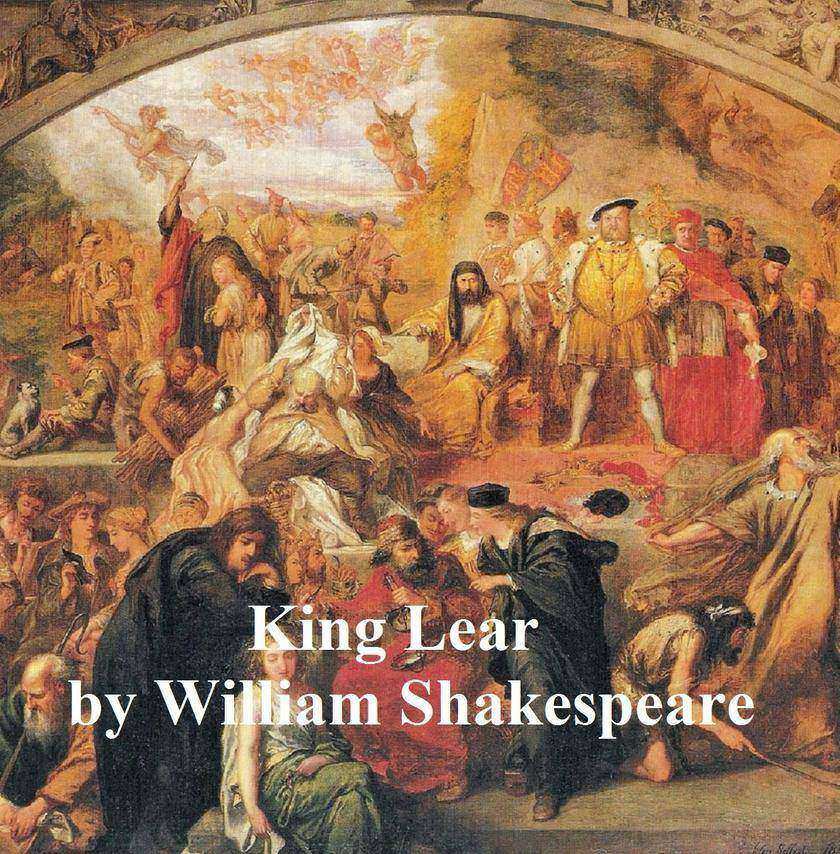
King Lear, with line numbers
¥8.09
The classic tragedy. According to Wikipedia: "King Lear is a tragedy by William Shakespeare, believed to have been written between 1603 and 1606, and is considered one of his greatest works. The play is based on the legend of Leir of Britain, a mythological pre-Roman king. It has been widely adapted for stage and screen, with the part of Lear being played by many of the world's most accomplished actors. There are two distinct versions of the play: The True Chronicle of the History of the Life and Death of King Lear and His Three Daughters, which appeared in quarto in 1608, and The Tragedy of King Lear, which appeared in the First Folio in 1623, a more theatrical version. The two texts are commonly printed in a conflated version, although many modern editors have argued that each version has its individual integrity. After the Restoration the play was often modified by theatre practitioners who disliked its dark and depressing tone. But since the 19th century, it has been regarded as one of Shakespeare's supreme achievements. The tragedy is particularly noted for its probing observations on the nature of human suffering and kinship.
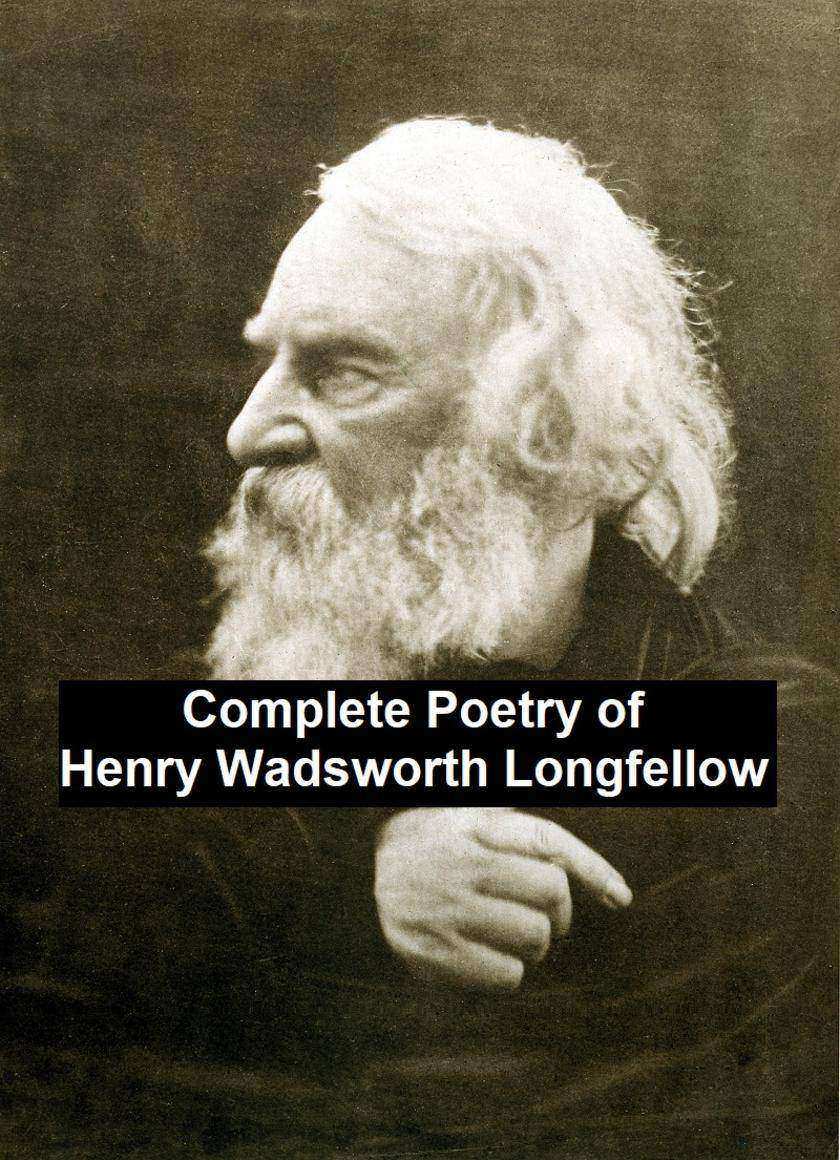
Complete Poetry of Henry Wadsworth Longfellow
¥8.09
The Household Edition of Longfellow's Poetical Writings contains all his original verse that he wished to preserve, and all his translations except the Divina Commedia. The poems are printed as nearly as possible in chronological order. Originally published in 1902. According to Wikipedia: "Henry Wadsworth Longfellow (February 27, 1807 – March 24, 1882) was an American educator and poet whose works include "Paul Revere's Ride", The Song of Hiawatha, and "Evangeline". He was also the first American to translate Dante Alighieri's The Divine Comedy and was one of the five members of the group known as the Fireside Poets."
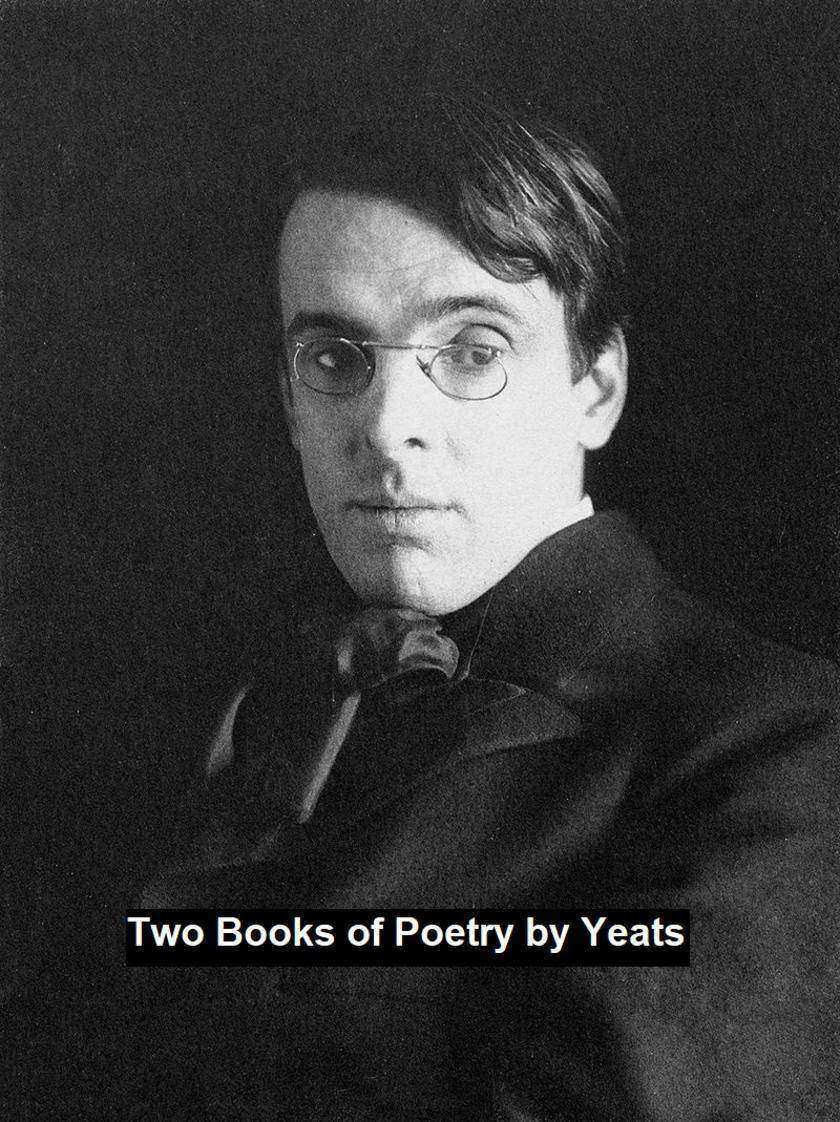
Two Books of Poetry
¥8.09
This file includes: "Green Helmet and Other Poems" (first published in 1911) and In the Seven Woods: being poems chiefly of the Irish heroic age" (first published in 1903). The active table of contents has links to each poem. The verse plays "The Green Helmet, a Heroic Farce" and "On Baile's Strand" are included in those collections. According to Wikipedia: "William Butler Yeats (13 June 1865 - 28 January 1939) was an Irish poet, dramatist, and one of the foremost figures of 20th century literature. A pillar of both the Irish and British literary establishments, in his later years Yeats served as an Irish Senator for two terms. He was a driving force behind the Irish Literary Revival, and along with Lady Gregory and Edward Martyn founded the Abbey Theatre, serving as its chief during its early years. In 1923, he was awarded a Nobel Prize in Literature for what the Nobel Committee described as "inspired poetry, which in a highly artistic form gives expression to the spirit of a whole nation." He was the first Irishman so honored. Yeats is generally considered one of the few writers whose greatest works were completed after being awarded the Nobel Prize; such works include The Tower (1928) and The Winding Stair and Other Poems (1929). Yeats was born and educated in Dublin, but spent his childhood in County Sligo. He studied poetry in his youth, and from an early age was fascinated by both Irish legends and the occult. Those topics feature in the first phase of his work, which lasted roughly until the turn of the century. His earliest volume of verse was published in 1889, and those slowly paced and lyrical poems display debts to Edmund Spenser and Percy Bysshe Shelley, as well as to the lyricism of the Pre-Raphaelite poets. From 1900, Yeats' poetry grew more physical and realistic. He largely renounced the transcendental beliefs of his youth, though he remained preoccupied with physical and spiritual masks, as well as with cyclical theories of life."


