


 购物车
购物车 个人中心
个人中心
Getting Things Done (Collins Business Secrets)
¥18.74
The secrets that experts and top professionals use to get things done. Get results fast with this quick, easy guide to the fundamentals of Getting Things Done. Includes how to: ? Get more done in less time ? Manage upwards, downwards and sideways ? Under-promise and over-deliver ? Overcome difficult people and issues ? Deliver projects on time and on budget

Mindpower (Collins Business Secrets)
¥44.24
The secrets that experts and top professionals use to stay at the top of their game. Get results fast with this quick, easy guide to the fundamentals of Mind Power Includes how to: ? Produce creative and innovative ideas ? Remember names, numbers and concepts ? Sharpen your mental reflexes, whatever your age ? Ask the right questions and understand other points of view ? Make good decisions and stick to them
Team Management (Collins Business Secrets)
¥18.74
The team management secrets that experts and top professionals use. Get results fast with this quick, easy guide to the fundamentals of Team Management Includes how to: ? Understand how different personalities interact in a team ? Set up clear structures and goals for your team ? Implement change effectively and as painlessly as possible ? Overcome personality clashes and team difficulties ? Manage your team so that it delivers fantastic results
Intro to GDPR: A Plain English Guide to Compliance
¥192.11
Intro to GDPR is written by experienced data protection professional Punit Bhatia. Bhatia has served as the Privacy and Protection Officer in an EU-based bank and lecturer at the Solvay Brussels School of Economics and Management. He is Certified Information Privacy Professional ? Europe (CIPP-E), Certified Information Privacy Manager (CIPM), and Certified Outsourcing Professional (COP). Bhatia will lead you through the complex journey to the GDPR compliance with the simple language and many practical examples. Whether you are a complete beginner or experienced data protection practitioner this book is the right resource for you. Intro to GDPR is a complete guide to compliance. Bhatia uses the simple language, understandable to everyone in order to lead you from the introduction all the way to getting your organization GDPR compliant. In this book you will learn: 1. Which organisations need to be compliant with the GDPR? 2. Key terms in the GDPR. You will get familiarized with key terms that form the basis of the GDPR. You will learn definitions of terms: “Personal data”, “Special categories of personal data”, “Processing” difference between terms “Controller” and “Processor” and others. 3. Myths about the GDPR like “the GDPR is only applicable in the EU”, “The GDPR is about fines” and others. 4. Transparency through the privacy notice. As written in the book, “transparency is one of the key principles in the EU GDPR” so it is important to understand what is transparency and privacy notice but also what are the key requirements and contents of a privacy notice. 5. Data breaches. “GDPR requirements on data breaches are different for controllers and for processors” – this chapter will make you aware of data breach requirements and key actions that are required once a breach is detected. 6. What is the first thing to do to become compliant and what are the key factors to remain compliant with the GDPR, and much more. Written in plain English, with many practical examples, Intro to GDPR is the only book you need on the subject of GDPR.

The Surprising Adventures of Puss in Boots
¥40.79
A beautifully illustrated story of a crafty, boots wearing cat named Puss, and how he made a fortune for his young, not very rich master, and made friends with a great Monarch, Marquis Carabas.
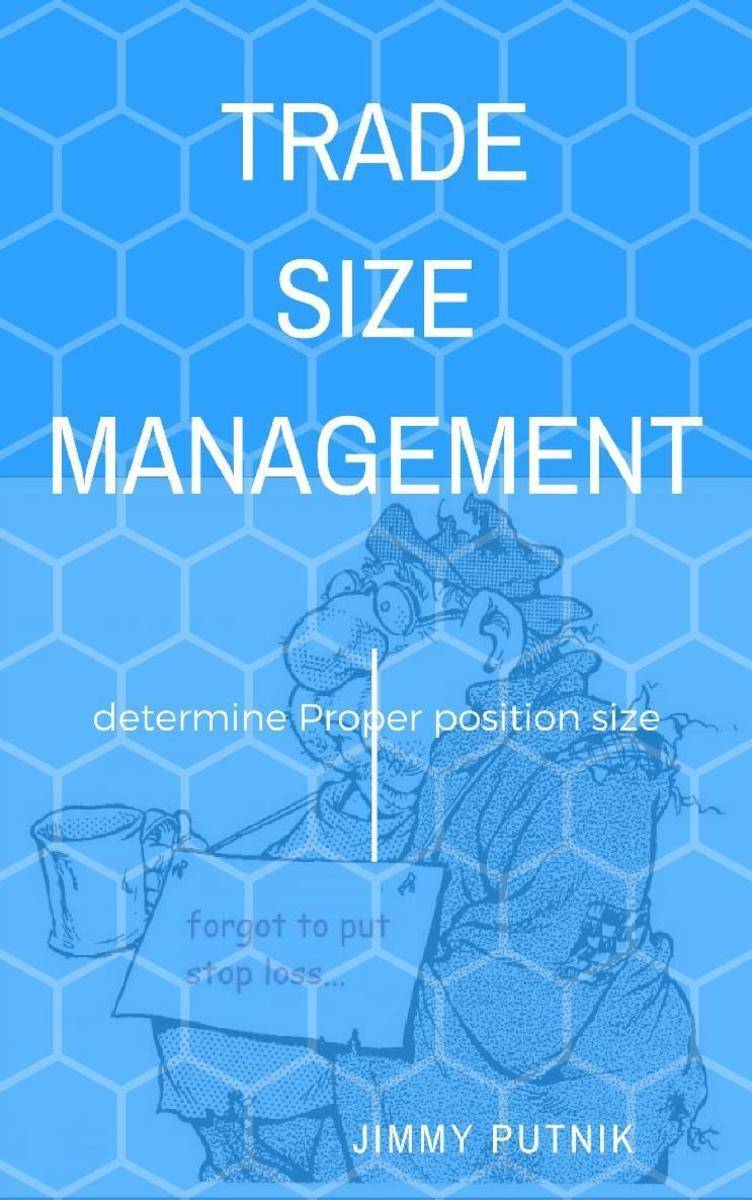
Trade Size Management
¥48.97
Your trading strategy is Great; But your money management is Failing you. We all know that 95% of traders lose money. The truth is that this has nothing to do with their strategy, Its all about money and trade size management. An avarage profitable trader has a win rate of only 50-55% . They have Mastered the skill of money management and so should you. In this course you will learn: - The difference between Profitable traders and Losers; The simple secret you should know Trading is a 50/50 chance game; How to make that work in your favor. Allign your trading to your goals; to eliminate guess work and panic trading. And of course, in all this we will handle the math of trade sizing and management. This is the Bridge to your future profitability.... get your copy now!

Evim Dolar Evim: “Evinden Para Kazan”
¥66.79
Evini kiraya veren ev sahipleri!!Art?k ayl?k sabit kira bedeline mahkum de?ilsiniz!Hem eviniz sürekli kontrolünüz alt?nda olacak, Hem de yeterli hizmeti vererek daha fazla para kazanabileceksiniz.Bu s?rada dünyan?n her yerinden bir?ok dostunuz tan?d???n?z insanlar olacak.Bu kitapta evinizi nas?l, nerde, ne ?ekilde, pazarlayarak daha fazla kazan? elde edebilece?inizin ipu?lar? verilmi?tir.Hem e?lenin Hem kazan?n!!! ?NS?Z / G?R??Uzun y?llar i? hayat?nda ini?li ??k??l?, yorucu ve stres dolu zamanlardan sonra. Ebru art?k kendi i?ini yapmal?s?n bu kadar ko?tur ko?tur nereye kadar seslerine 2 y?l sonra kulak verdim. ?e?itli i?ler yapt?m ?ok ?e?itli desem yeri var J s?ralayacak olursam siz bile ?a??racaks?n?z.?ngiltere’de telefon uygulamalar? haz?rlay?p Türkiye’ye pazarlayan bir firman?n home ofise online dan??manl???,Italyan Panorama Vitrin Dizayn firmas?n?n ?stanbul’daki markalar?n Vitrin Tasar?m projelerinin haz?rlanmas?,Ing?ltere’den Erkek Giyim üzerine Türkiye’den ithalat yapan firman?n mü?teri temsilcili?i,?ngiltere Assosia firmas?n?n Türkiye’de Marka denetimiTabii bunlar hep otelcili?in yan?nda ekstra gelir i?in yapt???m i?lerdi. Malum ?stanbul gibi bir yerde tek ba??na ayakta kalabilmek emek ister.As?l mesle?im otelcilik, 15 y?l boyunca Laleli ve Taksim b?lgesinde baz? otellerde muhasebe de daha sonra da y?netici olarak g?rev ald?m. Gelin siz dü?ünün nas?l deli gibi ?al??t???m?.Tatiller falan benim i?in lüks ?tesi bir ?eydi. Tatile ??kacak olsam vicdan azab? ?ekerdim J kald? ki hala tatil konseptine al??amad?m ama al???yorum art?k yava? yava?.Ger?? yapt???m en büyük tatil;yurt d???nda yasayan ablam Türkiye’ye geldiginde, a?lemle gec?rd?g?m 3 gunluk tat?l olmu?tu o da bilgisayar ve telefon ba??nda JNeyse uzun laf?n k?sas? art?k etraf?ma kulak verd?m ve ucundan ba?layal?m bakal?m ded?m. Otelc?l?k d?neminde zaten otel mü?terileri haricinde acentalar olsun, eski misafirlerimiz olsun sürekli konaklama ihtiya?lar? olurdu ve biz de bildi?imiz ?al??t???m?z yerlere y?nlendirirdik.Her ?ey bir tarafa, ?ncelikle sunu s?ylemek isterim ki ?ok merakli ve ara?t?rmac? bir ki?ili?im vard?r malum Basak burcuyum J Taksim’de bir otelde y?neticilik yaparken gitmedi?im online pazarlama e?itimi, okumad???m kitap, ara?t?rmad???m konu kalmad? desem abartm?? olmam. ?imdi meyvelerini topluyorum zaten. BU KITAP KIMLER ICIN HAZIRLANDI.Bu kitap 2 grup i?in haz?rland?1. Hali haz?rda dairesi olup bu sekt?rün i?inde olanlar ve geli?tirmek isteyenler.2. Bu sekt?rü duymu? ve dairesini de?erlendirmek isteyen ama nas?l yapaca??n? bilemeyenler i?in.Hali haz?rda ev sahibi olanlar bir ?ok konuya vak?f olabilirsiz ama bunun yan? sira nas?l daha da ilerleye bilir ve en iyi evsahibi olabilirsiniz. Bu geli?im size arama sonu?lar?nda bulundu?unuz b?lgedeki evler aras?nda daha ust s?ralarda ??kman?za yard?mc? olacakt?r.Ev sahipleri evlerini de?erlendirmek isteyenler ama bir turlu cesaret edemeyenler. Sizler i?in de her bir detay anlat?larak ad?m ad?m bu i?i nas?l yapabilece?inizi nas?l yard?mlar alabilece?iniz.
![Borsaya Teknik Bak??: [A??klamal? Terimler ve Diyagramlarla]](https://platform-permanent.ddimg.cn/pt-media-info-soa-resource/digital/product/53/19/1901165319_ii_cover.jpg?version=14b54572-54c5-4d0d-94e7-6a83bd5cd642)
Borsaya Teknik Bak??: [A??klamal? Terimler ve Diyagramlarla]
¥37.11
NSZ / GR Ekonomik Analiz Hisse fiyatlar genel ekonomik koullardan etkilendiinden dolay ekonomik analiz temel analizin ilk aamasn oluturur. Hisse senetlerine yaplan bir yatrmn krla sonulanma olaslnn, gülü ve büyüyen ekonomilerde daha yüksek olduu bilinmektedir. Dolaysyla bu aamada hisse senedi yatrm iin genel ekonomik konjonktürün uygun olup olmad belirlenmeye allr. Zira ekonomik konjonktürdeki canlanma beklentisi hisse senedi yatrm iin uygun bir ortam iken, ekonomik konjonktürdeki daralma (resesyon) beklentisi hisse senedi yatrmlarndan klmas iin uygun bir ortama iaret eder. Ekonomik konjonktürdeki canlanma veya daralma beklentisi gstergelerden hareketle ekillenir. Ancak bu gstergeleri okuyabilmek ya da a deerlendirebilmek iin, nce genel olarak ekonomi ve ekonominin dinamikleri noktasnda bilgi sahibi olmak gerekir. Basite ifade edilmeye allan genel ekonomideki gelimeler ve sorunlar yakndan takip edilerek gelecek hakknda yaplan tahminler, yatrmclar asndan büyük nem tar. Ekonomik analizde ilk olarak dünyadaki ekonomik, sosyal ve politik gelimeler deerlendirilir. Daha sonra ise bu gelimelerin ülke ekonomisine olas etkileri deerlendirilir. Daha nce de ifade edildii üzere, bu tür deerlendirmeler ekonomik gstergelerden hareketle yaplr. Dolaysyla ekonomik analizde hangi ekonomik gstergelerin kullanlabilecei ve bu gstergelerin nasl deerlendirilecei konusu en nemli aamadr. Bu gstergeler ekonomik konjonktür hakknda bir fikir verecektir. Yazar Hakknda [Tarkan zhan, 1969-] RENM DURUMU: Trakya üniversitesi Blüm: Fen Fakultesi Kimyager MESLE: Borsac, Trader, Portfoy Ynetimi Aktif alma süresi; 25 yl

Afl? cum: De ce modul ?n care facem ceva decide rezultatul ac?iunii
¥82.81
„Lectur? obligatorie pentru oricine vrea s? aib? succes în afaceri sau în via?a personal?.“ – Jim Skinner, CEO McDonald’s 2004–2012
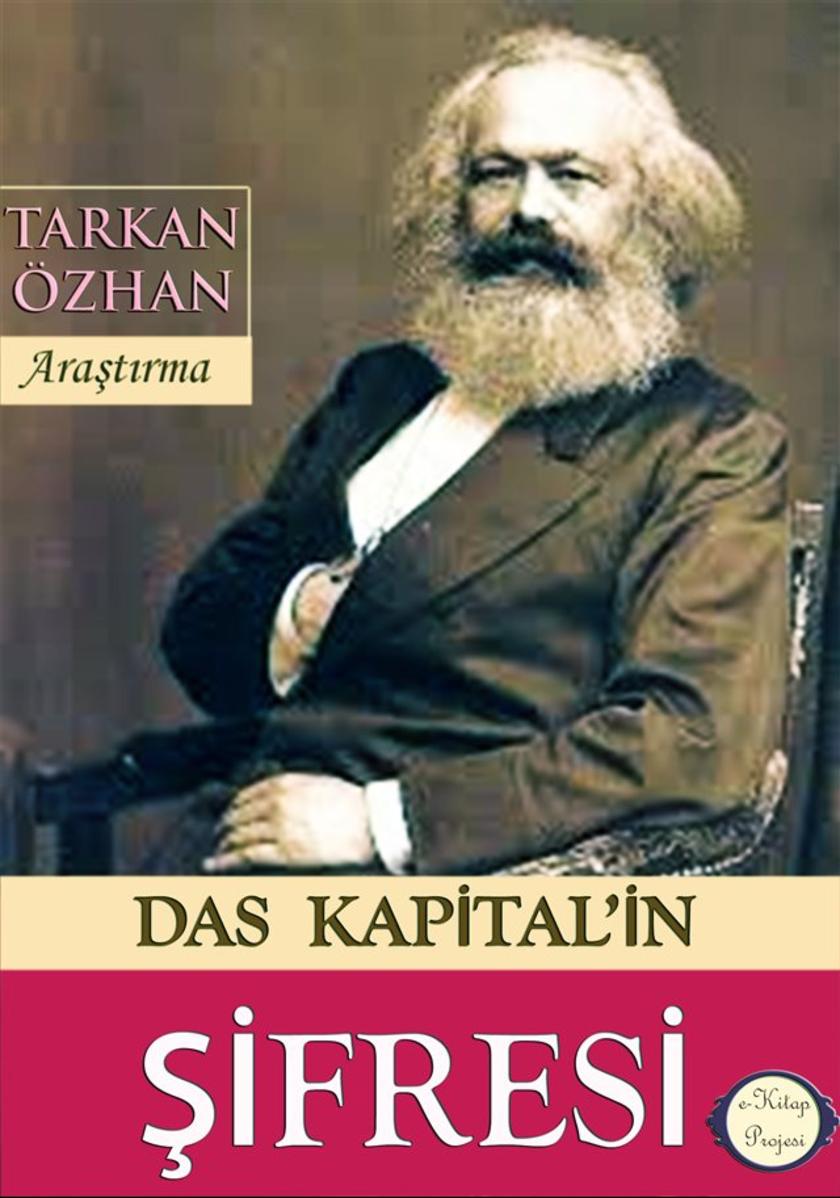
Das Kapital'in ?ifresi
¥37.20
Kapitalist üretim tarz?n?n egemen oldu?u toplumlar?n zenginli?i, "muazzam bir meta birikimi" olarak kendini g?sterir, bunun birimi tek bir metad?r. Ara?t?rmalar?m?z?n, bu nedenle, meta?n tahlili ile ba?lamas? gerekir. Meta, her ?eyden ?nce, bizim d???m?zda bir nesnedir ve, ta??d??? ?zellikleriyle, ?u ya da bu türden insan gereksinmelerini gideren bir ?eydir. Bu gereksinmelerin niteli?i, ?rne?in ister mideden, ister hayalden ??km?? olsun, bir ?ey de?i?tirmez. Burada nesnenin, bu gereksinmeleri, ge?im arac? olarak do?rudan do?ruya m?, yoksa üretim arac? olarak dolayl? yoldan m?, nas?l giderdi?i de bizi ilgilendirmemektedir. Demir, ka??t vb. gibi her yararl? ?eye, iki g?rü? a??s?ndan, nitelik ve nicelik a??s?ndan bak?labilir. Her yararl? ?ey, bir?ok ?zelliklerin bir bütünüdür ve bunun i?in ?e?itli y?nlerden yararl? olabilir. ?eylerin ?e?itli kullan?mlar?n? bulup ortaya ??karmak tarihin i?idir. Yararl? nesnelerin niceli?ini ?l?mek i?in toplumca benimsenen ?l?üleri saptamak da b?yledir. Bu ?l?ülerin farkl? olu?unun nedeni, k?smen ?l?ülecek nesnelerin niteliklerinin farkl? olu?u, k?smen de al??kanl?klard?r. Bir ?eyin yararl?l???, onu, bir kullan?m-de?eri haline getirir. Ama bu yararl?l?k, belirsiz bir ?ey de?ildir. Meta?n fiziksel ?zellikleriyle s?n?rl? oldu?u i?in, o, metadan ayr? bir varl??a sahip de?ildir. Demir olsun, bu?day olsun ya da elmas olsun, bir meta, bu nedenle, maddi bir ?ey oldu?u i?in, bir kullan?m-de?eridir, yararl? bir ?eydir. Meta?n bu ?zelli?i, o meta?n yararl? niteliklerinden yararlanmak i?in gerekli olan emek miktar?na ba??ml? de?ildir. Karl Marx, “Das Kapital’i bundan yakla??k 150 y?l ?nce yazd?. Bugüne kadar üzerinde yüzlerce yorum yap?l?p binlerce kitap yay?nland?. Peki ama, Karl Marx Das Kapital’de ger?ekte neyi ve hangi sistemi anlatmaya ?al???yordu? Yahudilikle ba?lant?lar? neydi? ??ddia edildi?i gibi baz? büyük bankerlerle ve bizatihi Kapitalizmin kendisiyle bir ili?kisi var m?yd?? Karl Marx’a ait oldu?u iddia edilen ünlü yahudi banker ailesi, Rothschild ailesinden geliyor oldu?unu iddia eden bir soy a?ac? ?izimi ger?ekte var m?yd?? Halihaz?rda “Komunizm“ ve paralelindeki “Marksizm” ve buna paralel olan “Sosyalizm”; tarihte Kapitalizm’e kar?? bir kar?? devrim hareketi olarak, bir Anti-Tez olarak, yine bu büyük bankerler ve tüm dünya genelinde ana kapital’i kontrol eden bu yahudi aileleri taraf?ndan m? ortaya ??kart?lm??t? ve Marx, bunun ger?ekle?mesinde ?ncü bir rol mü oynam??t?? Bu eseri yazarken, Bundan sonraki ü? d?rt y?l boyunca, büyük yap?t? bütünlü?ü i?inde be? alt? kez üst üste okudum. Marx'?n ba?vurdu?u geni? ekonomi literatürünün de i?ine dald?m. Marx'a y?neltilen burjuva, akademik ve sosyal demokrat ele?tirileri inceledim; Kautsky, Lenin, Hilferding, Luxemburg, Buharin ve ba?kalar?n?n Das Kapital'e ili?kin geli?tirdikleri yorumlarla da tan??t?m. Ba?lang?? noktam olan ?iir ve esteti?i gerilerde b?rakarak, tüm entellektüel tutkumu, ticari dola??m, toprak rant?, tar?mda sermayenin yo?unla?mas?, k?r oran?n?n dü?mesi ve i??i s?n?f?n?n yoksulla?mas?na ili?kin mali doktrinlere ve bu bahts?z bilimin di?er y?nlerine y?nelttim. Ricardo, Sismondi, Sombart, B?hm-Bawerk ve Keynes'in ilk zamanlar?ndaki ?al??malar?ndan, tekrar ve tekrar Das Kapital'e d?ndüm ve bu sistemleri ve bilimsel uzant?lar?n? bu eserde das kapital’e gore yeniden yorumlad?m. Tüm bu yorumlamalar ve bunlara ili?kin kafan?zdaki pek ?ok soru i?aretinin cevaplar?n? bu eserde bulacaks?n?z.. ?? K?saca Karl Marx [1818-1883] ?Karl Marx, 5 may?s 1818 do?umlu filozof, siyaset bilimci ve devrimci karakter. Tam ad?yla Karl Heinrich Marx, komünizmin fikri babas? ve teorideki kurucusu kabul edilir. Fikirleri Lenin gibi bir?ok devrimciyi etkilemi?tir. 14 mart 1883 tarihinde Londra'da ?lmü?tür. Karl Marx'?n herkes?e bilinen dev eseri 'Das Kapital'dir. Ekonomi Politi?in Ele?tirisi alt ba?l?kl? bu kitap, Karl Marx'?n en ?nemli yap?tlar?ndand?r. Toplam ü? cilttir. 2. ve 3. ciltler Marx'?n ?lümünden sonra, dostu ve ?al??ma arkada?? 'Friedrich Engels' taraf?ndan notlar?n?n düzenlenmesi sayesinde yay?nlanabilmi?tir. ? ?Karl Marx'?n di?er baz? eserleri: ?- 1844 Elyazmalar? (1844) ?- Kutsal Aile (1845) ?- Feuerbach ?zerine Tezler (1845) ?- Alman ?deolojisi (1845-1846) ?- Felsefenin Sefaleti (1847) ?- Komünist Manifesto (1847-1848) ?- ?cretli Emek ve Sermaye (1848-1849) ?- Fransa'da S?n?f Sava??mlar? (1850) ?- Louis Bonaparte'in 18 Brumaire'i (1852) ?- Grundrisse (1857-1858) ?- Ekonomi Politi?in Ele?tirisine Katk? (1859) ?- Art?-De?er Teorileri (1862-1863) ?- Fransa'da ?? Sava? (1871) ?- Gotha Program?'n?n Ele?tirisi (1875)

Creating Capital: Money-making as an aim in business
¥40.79
The object of this paper is to discuss money-making; to examine its prevalence as an aim among people generally and the moral standards which obtain among those who consciously seek to make money. The desire to make money is common to most men. Stronger or weaker, in some degree it is present in the mind of nearly every one. Now, how far does this desire grow to be an aim or object in our lives, and to what extent is such an aim a worthy one?

The Further Adventures of Mr Wallace
¥31.07
It was obvious at once that Mr. Wallace was no ordinary teddy bear. There was mystery behind his eyes. Mr. Wallace was first introduced in the short story 'The Life and Times of Mr. Wallace' from the short story book 'Serrated Skylines and Other Tales'. That first peep into his life was just not enough. Join him as the secrets in his extraordinary life are unlocked and gasp as the adventures continue and the further perils he has yet to face unfold. ?

Hookah Nights: Tales from Cairo
¥65.32
Anne-Marie Drosso's collection of fourteen short stories guides us through the turbulence of Egyptian modern history - from Gamal Abdel Nasser's early days of glory, to Abdel Fatah el-Sisi's recent assumption of power. Each story weaves a tapestry of hope, crisis and despair, illustrated through an array of characters trying to make sense of their lives in the face of social change and political turmoil. Drosso fictionalises potent segments of time from the mid-20th century onwards, revisiting illuminative figures from and affiliated with the 'Cradle of Civilisation'. The collection kicks off with 'Good Man', a story based on the life and death of writer and diplomat Herbert Norman (1909-1957), who was the Canadian Ambassador to Egypt (1955-1957) during the Suez Crisis. 'Lee is Coming' is loosely based on Lee Miller (1907-1977), the model, muse and photographer, following her divorce from an Egyptian businessman. These personal, often touching tales provide a seamless narrative to Egypt's tumultuous transitional phase.

A Princess Runs Away
¥41.86
The beautiful Princess Vasila, an orphan, who has been looked after by Baroness von Bergstein in a Grace and Favour house, is astonished when an Equerry arrives to take her to Windsor Castle to see the Queen. ??????????? She is not told until she arrives that Prince Gadelov of Saralovia, which is a small Balkan State, has appealed to Queen Victoria to give him a Royal British wife so that he can be protected from the grasping Russians. ??????????? When the Queen tells Vasila that she is to marry Prince Gadelov immediately, she is horrified and very frightened. ??????????? Without really thinking she runs away down a passage and out through a side door of The Castle. She then jumps into a parked van and its driver agrees to take her wherever she wants to go. ??????????? As they are leaving Windsor Castle, the van is stopped by Prince Gadelov arriving in an open carriage.? When she sees the man who is to marry her, she knows that she would rather die than allow him to touch her. ??????????? The van driver puts her down at a nearby circus, as she loves circuses, and here she goes to look at the Helter-skelter, which she has never seen before. ??????????? As she wants one thing to remember in case she is taken back and married before she can prevent it, she asks a stranger who is standing by her to take her on the Helter-skelter. ??????????? The man is Kelvin Ridge, who has just arrived from India.?? He is in disguise because, having discovered a dastardly Russian plot to murder the Viceroy, his life is in danger. ??????????? How the two of them, who are both running away from danger, ride on the Helter-skelter and how Kelvin Ridge finds it difficult, as Vasila clings desperately to him, to be rid of her as she has nowhere to go. ??????????? How she saves his life and he inevitably falls in love with her is all told in this exciting romance by BARBARA CARTLAND.
She by H. Rider Haggard - Delphi Classics (Illustrated)
¥8.09
This eBook features the unabridged text of ‘She by H. Rider Haggard - Delphi Classics (Illustrated)’ from the bestselling edition of ‘The Complete Works of H. Rider Haggard’. Having established their name as the leading publisher of classic literature and art, Delphi Classics produce publications that are individually crafted with superior formatting, while introducing many rare texts for the first time in digital print. The Delphi Classics edition of Haggard includes original annotations and illustrations relating to the life and works of the author, as well as individual tables of contents, allowing you to navigate eBooks quickly and easily. eBook features: * The complete unabridged text of ‘She by H. Rider Haggard - Delphi Classics (Illustrated)’ * Beautifully illustrated with images related to Haggard’s works * Individual contents table, allowing easy navigation around the eBook * Excellent formatting of the text Please visit www.delphiclassics.com to learn more about our wide range of titles
Mom Boss:Balancing Entrepreneurship, Kids & Success
¥77.31
Mom Boss — Super Mom, Great Business Woman Entrepreneurial Mom: Learn how to be a super mom and a great business woman in a step-by-step guide to developing, incubating, and marketing your business without taking the joy out of family life with kids—being an active parent while being an active business entrepreneur. Badass Business Woman: Where Sophia Amoruso’s #GirlBoss left off for young millennials breaking into the business world, Mom Boss picks up and continues the mission for all the entrepreneurial moms out there. Mom Boss proves that being successful isn’t about degrees or sacrifices, it’s about balance and power. It’s where instinct meets intelligence. Every mom has it in her to be a badass business woman. Nicole Feliciano charts the course for building a successful career without sacrificing being a great mom. Mom Boss: The first book by Nicole Feliciano the Founder & CEO of Momtrends Media. Momtrends Media provides busy women with a daily dose of style. Each day Nicole and her team of editors, interpret trends for moms, keeping in mind that modern women want to look and feel great, but they are working with less time and less energy than they had before the kids came along. Nicole and her team are there to help and inspire women to look and feel their best. Social media is her playground, and she's built a loyal following by making fashion fun and accessible. Successful Business Woman: Before launching Momtrends Media, Nicole graduated from Vanderbilt University with a degree in English Literature, and spent a decade working in fashion -- most notably as an executive with Polo Ralph Lauren. When she became a mom in 2005, the business woman and fashion maven embarked on her social media career and began contributing to Babble.com, Time Out New York Kids, and many more online publications. Seeing a void in the blogosphere, she launched Momtrends.com in 2007. Momtrends continues to be the cornerstone of her media empire. Mom Boss includes: ·tips on how to develop, incubate, and market your business without taking the joy out of family life ·valuable self assessment exercises ·step by step advise, inspiration, and tried and true business and personal tips ·insights into how to be a successful and happy business woman and mom
Money Never Enough:Learn to Unlearn to Relearn the New Economy
¥30.88
" The illiterate of the future are not those who can’t read or write but those who cannot learn, unlearn, and relearn."- quote by Alvin TofflerWhat clearly he meant is that we need to learn and unlearn as we continue to stay updated with what that works and those that no longer works Much has changed since the baby boomers days ,including the path of staying ahead in today's digital age.To succeed from now , one must learn to accept the constant change to adaptation – continually unlearning old ‘rules’ and relearning new ones.That requires continually questioning assumptions about how things has changed , un-valid old paradigms, and ‘relearning’ what is now relevant to pursue in acquiring your wealth.This book is filled with excellent ideas and concepts of daily struggle to understand money science.There is a lot here in this book that can help an individual move toward financial freedom through understanding money and the mindset required to become wealthy, of which means you need to know what it is that separates the wealthy from the Not-so wealthy. What you need to know and identify with is what principles and what behavior the rich have , and that you need to relearn . Some of which , You have not taken action to Unlearn yet ,to stay Current and Get Ahead " Happiness that Money brings cannot last " ,With Money ,People cannot necessarily materialize everything , However without money many things cannot be done Accumulation of wealth with the pleasure to have comfort , luxuries , reputable status , financial influence, freedom and popularity are what money usually can help to achieve , its provides a centralized role in our lives , at a general necessity stage level as it helps to clothe and feed us ,to put a nice accommodation for stay and pay the bills. Money may not be everything, they may not even guarantee a happy life, but they are a pretty good basis to learn how to build happiness on ... for now I highly recommend this book to anyone who'd like to ignore the fluff available on the Internet and take action now.Now that being said, this book assumes you know about the basics like Cash Flow, budgeting, etc.It doesn't talk about investment mediums like stock market, bond, etc.And the best part is that unlike many books, this book tells you not to lead a frugal life
The Warlord of Mars by Edgar Rice Burroughs - Delphi Classics (Illustrated)
¥8.09
This eBook features the unabridged text of ‘The Warlord of Mars by Edgar Rice Burroughs - Delphi Classics (Illustrated)’ from the bestselling edition of ‘The Complete Works of Edgar Rice Burroughs’. Having established their name as the leading publisher of classic literature and art, Delphi Classics produce publications that are individually crafted with superior formatting, while introducing many rare texts for the first time in digital print. The Delphi Classics edition of Burroughs includes original annotations and illustrations relating to the life and works of the author, as well as individual tables of contents, allowing you to navigate eBooks quickly and easily. eBook features: * The complete unabridged text of ‘The Warlord of Mars by Edgar Rice Burroughs - Delphi Classics (Illustrated)’ * Beautifully illustrated with images related to Burroughs’s works * Individual contents table, allowing easy navigation around the eBook * Excellent formatting of the text Please visit www.delphiclassics.com to learn more about our wide range of titles
Cryptocurrency 101
¥57.14
In 2010 the cryptocurrency known as bitcoin worth only ten cents, if you would have invested 1000 dollars into bitcoin in 2010, you would today be a multi-millionaire. Currency has ability to change the world and people believe we're at the very beginning of a revolution in the way the world operates because of the creation of the block chain which is the backbone of cryptocurrency. Can you imagine buying into a cryptocurrency that within a few months as value rises more than 2000%, sent this is a huge deal for investors because as time goes on and more and more people discover the power of cryptocurrency and the system it uses for security and all the other applications it has that can change the world, the value of cryptocurrency is going to skyrocket. In this course I will walk you through: - ? what cryptocurrency is. ? The Noteworthy digital currencies that currently exist. ? Why this has the potential to change the world. ? How to convert real money into cryptocurrency using the top most trusted platform online. ? How to transfer and trade various cryptocurrencies ? How to sell once you're ready... and more. ? Finally, will explore the two main strategies used when investing in concurrency. There is a lot to learn and a lot of potential to make money. Thanks for checking this course and I hope you will learn a lot.

D?? Ticarette Alternatif Para Kazanma Yollar?
¥47.17
D?? ticaret ?ok basit anlat?m? ile bir ülkede üretilen mal?n o malla ihtiya? duyulan bir ba?ka ülkeye sat?lmas?d?r. Mal?n bir ülkeden sat?lmak suretiyle bir ba?ka ülkeye g?nderilmesi süreci gerek ilgili ülke mevzuatlar? gerekse uluslararas? ticaret uygulamalar? nedeniyle bazen son derece karma??k bir hal alabilir. Hele bu sürece dahil olan al?c? ve sat?c?lar süre? hakk?nda yeterli bilgi ve beceriye sahip de?ilse o d?? ticaret i?lemi ne yaz?k ki hukuki baz? müdehaleler gerektirebilir. Baz? üretici ve mü?teriler d?? ticaret konusunda yeterli bilgi ve beceriye sahip olmamalar?na ra?men ?o?u zaman gerek zorunluluktan gerekse d?? ticaretin sa?layaca?? faydalar? bilerek ihracat ve ithalat yapmak isterler. B?yle durumlarda esas i?i al?m sat?m olmayan ancak üretici ve mü?terilerin bir d?? ticaret i?ini ger?ekle?tirebilmelerini sa?layan ki?i ve yap?lar devreye girer. ??te kitab?n konusu bu; d?? ticarette üretici ve son kullan?c?lar d???nda para kazanan bu di?er ki?i ve yap?lar?n tan?t?lmas?, i? planlar?n?n anlat?lmas?, risk ve kazan? oranlar?n?n incelenmesi, tavsiyeler, uyar?lar. Elinizde tuttu?unuz kitab?n dünyada bir e?i yok. Ge?mi?te olmad?. Belki gelecekte de olmayacak. Peki ben neden b?yle bir kitap yazd?m ve kitap neden 8 bask? yapt? ? E?itimlerimden mezun olan giri?imcilerin s?k s?k "hocam e?itimi ald?k, ?ok iyiydi ancak bu bilgileri biz ?imdi nerede ve nas?l kullanaca??z?" diye sorular geliyordu. Yani giri?imcilere olta ve yemi veriyordum ama yemi i?neye nas?l takacaklar?n?, nerede avlanacaklar?n? ve oltay? suya nas?l atacaklar?n? ??retmiyordum. ??te bu kitap bu eksikli?i gidermek i?in yaz?ld?; d?? ticaret bilgisinin sahada nas?l kullan?laca??n? ve nas?l para kazan?laca??n? anlatmak i?in. Umar?m size de faydal? olur...
Borsa ve Piyasalar Anatomisi
¥36.95
Sermaye piyasalar? do?an?n i?leyi?i gibi davran??lar sergiler.. Do?a gibi dinamik haldedir... sürekli evrilir ve geli?irler Bilgi üreterek ve üretilen bilgiyi kullanarak ilerlerler..Bilgi sadece ki?ilerle piyasalar?n etkile?iminden ortaya ??kar. Bu nedenle teorik de?il, pratiktir. Bilgiyi anlama gayreti belli bir bilin? yarat?r ve ki?ilerin dü?ünerek hareket etmesi neticesinde piyasalar kendi do?al d?ngüsünü olu?turur. ?nsanlar?n olu?turdu?u yap?n?n kendisi de zamanla dü?ünen bir organizmaya d?nü?ür... Ki?i kendini korumaya ve geli?tirmeye y?nelik oldu?u i?in piyasalar da kendilerini koruyucu ve geli?tirici sistemlerini olu?tururlar. Ekonomik sistem binlerce farkl? piyasaya sahiptir ve bu say? giderek artmaktad?r. Artan finansal enstrümanlar ve hisse senedi borsalar?, menkul k?ymetlerin ?e?itlili?i, ülke ekonomilerindeki büyümenin finansal piyasalara giderek daha fazla ba??ml? hale gelmesine neden olmu?tur. Yat?r?mc?lar?n piyasa enstrümanlar?na ba??ml?l??? finansal sistemi olduk?a ?nemli hale getirir... Sermaye piyasalar? yat?r?mc?lar?n problemleri ??zebilecek bilgiyi olu?turmakta ba?ar?l?d?r.. ??te bu problemi ??zme ?eklidir. Piyasalar?n karakteri, asla bir kurtar?c? kahraman?n gelmesini beklemek de?ildir Bu nedenle problemleri ??zmek i?in farkl? bir y?ntemi vard?r. Rassal yürüyü? fiyat hareketlerinin rastlant?sal ve ?nceden tahmin edilemez oldu?unu s?yler. Fiyat hareketlerinin seyrini de?i?tirecek ani yükseli? ve dü?ü?lerde mevcut pozisyonda kal?nmas?n? savunur. Bu davran?? kimi yat?r?mc?lara mant?kl? gelebilir. Fakat profesyoneller i?in rastlant?sall?k ?ok ?nem arz etmez. Fiyatlar?n zaman zaman rastlant?sal oldu?u kabul edilse de her zaman rastlant?sal oldu?una inanmak amat?rlük olacakt?r Gelece?in ?ng?rülmez olu?u temel varsay?md?r.. Akl?n s?n?rl? dü?ünce gücü gelece?in ?ng?rülebilir olmad???n? fiyatlar?n olu?umu i?in de ?o?u zaman kullan?r. Teorik olarak herkese mant?kl? gelecek bu dü?ünce acaba profesyonel bak?? a??s?yla de?erlendirildi?inde temelinde bir hata i?eriyor olamaz m?: Fiyatlar?n ne y?nde ger?ekle?ece?ini bilememek. Piyasalar yat?r?mc?lar olmad??? sürece varl???n? sürdüremez.. Yat?r?mc?lar piyasalar?n karma??k yap?s?n? ak?l ve duygular?n? sentezleyerek ??zümlemeye ?al??anlard?r. S?radan bir insan ya da piyasa profesyoneli. Ekonomi k?tü giderken finansal piyasalarda i?lem yapmaya neden devam ederler.? Kimsenin g?remedi?i bir ?eyi mi g?rmektedirler? [Tarkan ?zhan, 1969-] ??REN?M DURUMU: Trakya üniversitesi B?lüm: Fen Fakultesi Kimyager MESLE??: Borsac?, Trader, Portfoy Y?netimi Aktif ?al??ma süresi; 25 y?l


