


 购物车
购物车 个人中心
个人中心
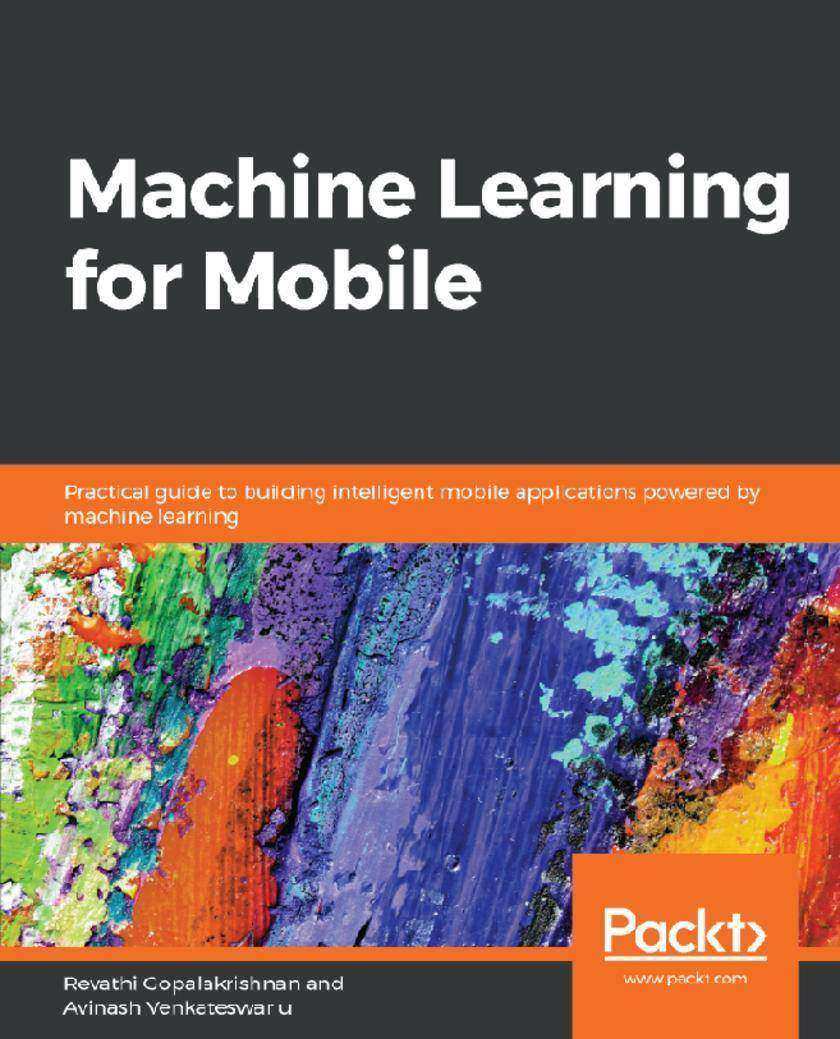
Machine Learning for Mobile
¥71.93
Leverage the power of machine learning on mobiles and build intelligent mobile applications with ease Key Features *Build smart mobile applications for Android and iOS devices *Use popular machine learning toolkits such as Core ML and TensorFlow Lite *Explore cloud services for machine learning that can be used in mobile apps Book Description Machine learning presents an entirely unique opportunity in software development. It allows smartphones to produce an enormous amount of useful data that can be mined, analyzed, and used to make predictions. This book will help you master machine learning for mobile devices with easy-to-follow, practical examples. You will begin with an introduction to machine learning on mobiles and grasp the fundamentals so you become well-acquainted with the subject. You will master supervised and unsupervised learning algorithms, and then learn how to build a machine learning model using mobile-based libraries such as Core ML, TensorFlow Lite, ML Kit, and Fritz on Android and iOS platforms. In doing so, you will also tackle some common and not-so-common machine learning problems with regard to Computer Vision and other real-world domains. By the end of this book, you will have explored machine learning in depth and implemented on-device machine learning with ease, thereby gaining a thorough understanding of how to run, create, and build real-time machine-learning applications on your mobile devices. What you will learn *Build intelligent machine learning models that run on Android and iOS *Use machine learning toolkits such as Core ML, TensorFlow Lite, and more *Learn how to use Google Mobile Vision in your mobile apps *Build a spam message detection system using Linear SVM *Using Core ML to implement a regression model for iOS devices *Build image classification systems using TensorFlow Lite and Core ML Who this book is for If you are a mobile app developer or a machine learning enthusiast keen to use machine learning to build smart mobile applications, this book is for you. Some experience with mobile application development is all you need to get started with this book. Prior experience with machine learning will be an added bonus
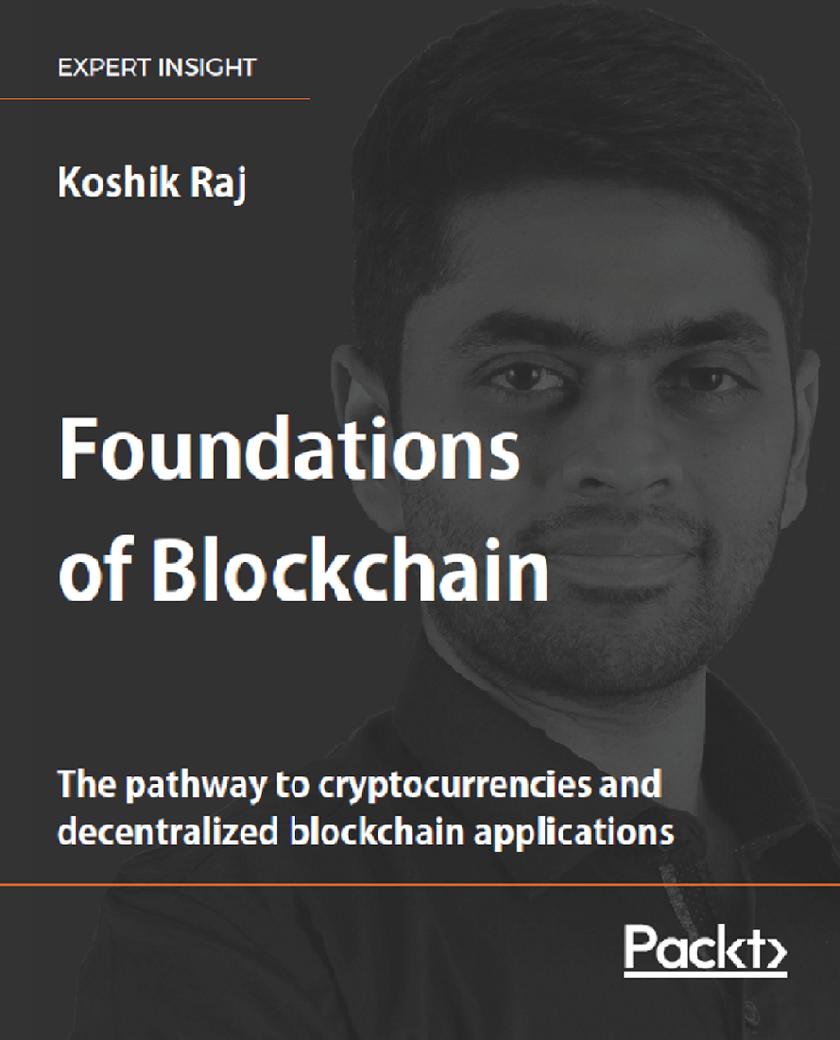
Foundations of Blockchain
¥73.02
Learn the foundations of blockchain technology - its core concepts and algorithmic solutions across cryptography, peer-to-peer technology, and game theory. Key Features * Learn the core concepts and foundations of the blockchain and cryptocurrencies * Understand the protocols and algorithms behind decentralized applications * Master how to architect, build, and optimize blockchain applications Book Description Blockchain technology is a combination of three popular concepts: cryptography, peer-to-peer networking, and game theory. This book is for anyone who wants to dive into blockchain from first principles and learn how decentralized applications and cryptocurrencies really work. This book begins with an overview of blockchain technology, including key definitions, its purposes and characteristics, so you can assess the full potential of blockchain. All essential aspects of cryptography are then presented, as the backbone of blockchain. For readers who want to study the underlying algorithms of blockchain, you’ll see Python implementations throughout. You’ll then learn how blockchain architecture can create decentralized applications. You’ll see how blockchain achieves decentralization through peer-to-peer networking, and how a simple blockchain can be built in a P2P network. You’ll learn how these elements can implement a cryptocurrency such as Bitcoin, and the wider applications of blockchain work through smart contracts. Blockchain optimization techniques, and blockchain security strategies are then presented. To complete this foundation, we consider blockchain applications in the financial and non-financial sectors, and also analyze the future of blockchain. A study of blockchain use cases includes supply chains, payment systems, crowdfunding, and DAOs, which rounds out your foundation in blockchain technology. What you will learn * The core concepts and technical foundations of blockchain * The algorithmic principles and solutions that make up blockchain and cryptocurrencies * Blockchain cryptography explained in detail * How to realize blockchain projects with hands-on Python code * How to architect the blockchain and blockchain applications * Decentralized application development with MultiChain, NEO, and Ethereum * Optimizing and enhancing blockchain performance and security * Classical blockchain use cases and how to implement them Who this book is for This book is for anyone who wants to dive into blockchain technology from first principles and build a foundational knowledge of blockchain. Familiarity with Python will be helpful if you want to follow how the blockchain protocols are implemented. For readers who are blockchain application developers, most of the applications used in this book can be executed on any platform.
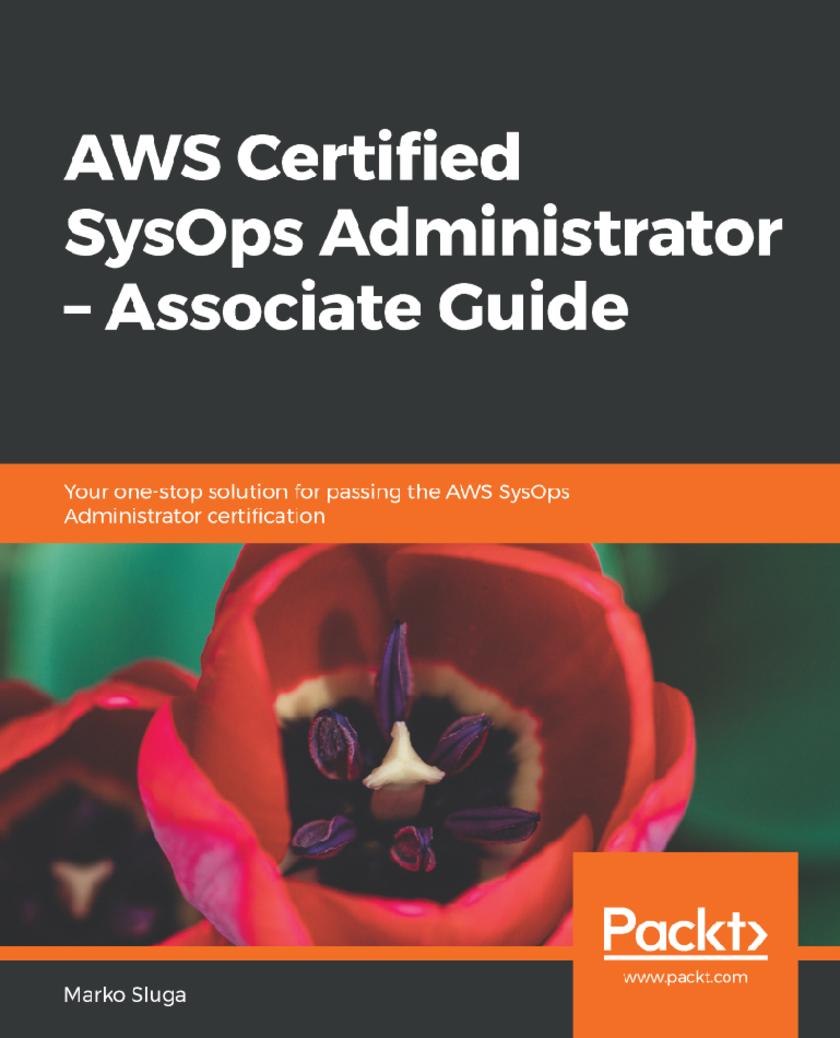
AWS Certified SysOps Administrator – Associate Guide
¥81.74
An effective guide to becoming an AWS Certified SysOps Administrator Key Features * Not only pass the certification with confidence but also enhance your skills to solving real-world scenarios. * A practical guide to getting you hands-on experience with application management, deployment, operation. * Enhance your AWS skills with practice questions and mock tests. Book Description AWS certifications are becoming one of the must have certifications for any IT professional working on an AWS Cloud platform. This book will act as your one stop preparation guide to validate your technical expertise in deployment, management, and operations on the AWS platform. Along with exam specific content this book will also deep dive into real world scenarios and hands-on instructions. This book will revolve around concepts like teaching you to deploy, manage, and operate scalable, highly available, and fault tolerant systems on AWS. You will also learn to migrate an existing on-premises application to AWS. You get hands-on experience in selecting the appropriate AWS service based on compute, data, or security requirements. This book will also get you well versed with estimating AWS usage costs and identifying operational cost control mechanisms. By the end of this book, you will be all prepared to implement and manage resources efficiently on the AWS cloud along with confidently passing the AWS Certified SysOps Administrator – Associate exam. What you will learn * Create and manage users, groups, and permissions using AWS IAM services * Create a secure VPC with public and private subnets, Network Access Control, and security groups * Get started with launching your first EC2 instance, and working with it * Handle application traffic with ELB and monitor AWS resources with CloudWatch * Work with S3, Glacier, and CloudFront * Work across distributed application components using SWF * Understand event-based processing with Lambda and messaging SQS and SNS in AWS * Get familiar with AWS deployment concepts and tools including Elastic Beanstalk, CloudFormation and AWS OpsWorks Who this book is for If you are a system administrator or a system engineer interested in leveraging the AWS platform to deploy applications then, this book is for you. IT professionals interested in passing the AWS Certified Sysops Administrator will also benefit from this book. Some basic understanding of working AWS components would do wonders.
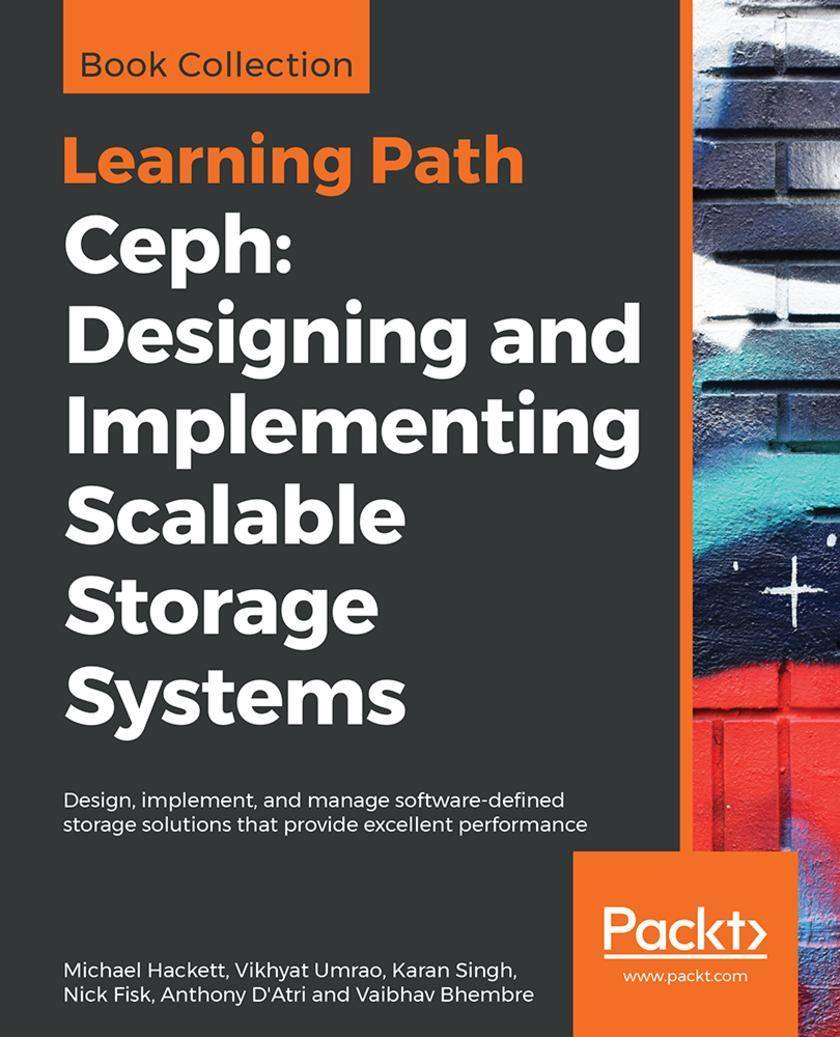
Ceph: Designing and Implementing Scalable Storage Systems
¥90.46
Get to grips with the unified, highly scalable distributed storage system and learn how to design and implement it. Key Features * Explore Ceph's architecture in detail * Implement a Ceph cluster successfully and gain deep insights into its best practices * Leverage the advanced features of Ceph, including erasure coding, tiering, and BlueStore Book Description This Learning Path takes you through the basics of Ceph all the way to gaining in-depth understanding of its advanced features. You’ll gather skills to plan, deploy, and manage your Ceph cluster. After an introduction to the Ceph architecture and its core projects, you’ll be able to set up a Ceph cluster and learn how to monitor its health, improve its performance, and troubleshoot any issues. By following the step-by-step approach of this Learning Path, you’ll learn how Ceph integrates with OpenStack, Glance, Manila, Swift, and Cinder. With knowledge of federated architecture and CephFS, you’ll use Calamari and VSM to monitor the Ceph environment. In the upcoming chapters, you’ll study the key areas of Ceph, including BlueStore, erasure coding, and cache tiering. More specifically, you’ll discover what they can do for your storage system. In the concluding chapters, you will develop applications that use Librados and distributed computations with shared object classes, and see how Ceph and its supporting infrastructure can be optimized. By the end of this Learning Path, you'll have the practical knowledge of operating Ceph in a production environment. This Learning Path includes content from the following Packt products: * Ceph Cookbook by Michael Hackett, Vikhyat Umrao and Karan Singh * Mastering Ceph by Nick Fisk * Learning Ceph, Second Edition by Anthony D'Atri, Vaibhav Bhembre and Karan Singh What you will learn * Understand the benefits of using Ceph as a storage solution * Combine Ceph with OpenStack, Cinder, Glance, and Nova components * Set up a test cluster with Ansible and virtual machine with VirtualBox * Develop solutions with Librados and shared object classes * Configure BlueStore and see its interaction with other configurations * Tune, monitor, and recover storage systems effectively * Build an erasure-coded pool by selecting intelligent parameters Who this book is for If you are a developer, system administrator, storage professional, or cloud engineer who wants to understand how to deploy a Ceph cluster, this Learning Path is ideal for you. It will help you discover ways in which Ceph features can solve your data storage problems. Basic knowledge of storage systems and GNU/Linux will be beneficial.

DevOps with Kubernetes
¥90.46
Leverage the power of Kubernetes to build an efficient software delivery pipeline. Key Features * Learn about DevOps, containers, and Kubernetes all within one handy book * A practical guide to container management and orchestration * Learn how to monitor, log, and troubleshoot your Kubernetes applications Book Description Kubernetes has been widely adopted across public clouds and on-premise data centers. As we're living in an era of microservices, knowing how to use and manage Kubernetes is an essential skill for everyone in the IT industry. This book is a guide to everything you need to know about Kubernetes—from simply deploying a container to administrating Kubernetes clusters wisely. You'll learn about DevOps fundamentals, as well as deploying a monolithic application as microservices and using Kubernetes to orchestrate them. You will then gain an insight into the Kubernetes network, extensions, authentication and authorization. With the DevOps spirit in mind, you'll learn how to allocate resources to your application and prepare to scale them efficiently. Knowing the status and activity of the application and clusters is crucial, so we’ll learn about monitoring and logging in Kubernetes. Having an improved ability to observe your services means that you will be able to build a continuous delivery pipeline with confidence. At the end of the book, you'll learn how to run managed Kubernetes services on three top cloud providers: Google Cloud Platform, Amazon Web Services, and Microsoft Azure. What you will learn * Learn fundamental and advanced DevOps skills and tools * Get a comprehensive understanding of containers * Dockerize an application * Administrate and manage Kubernetes cluster * Extend the cluster functionality with custom resources * Understand Kubernetes network and service mesh * Implement Kubernetes logging and monitoring * Manage Kubernetes services in Amazon Web Services, Google Cloud Platform,and Microsoft Azure Who this book is for This book is for anyone who wants to learn containerization and clustering in a practical way using Kubernetes. No prerequisite skills are required, however, essential DevOps skill and public/private Cloud knowledge will accelerate the reading speed. If you're advanced, you can get a deeper understanding of all the tools and technique described in the book.
Mastering Machine Learning with R
¥73.02
Stay updated with expert techniques for solving data analytics and machine learning challenges and gain insights from complex projects and power up your applications Key Features * Build independent machine learning (ML) systems leveraging the best features of R 3.5 * Understand and apply different machine learning techniques using real-world examples * Use methods such as multi-class classification, regression, and clustering Book Description Given the growing popularity of the R-zerocost statistical programming environment, there has never been a better time to start applying ML to your data. This book will teach you advanced techniques in ML ,using? the latest code in R 3.5. You will delve into various complex features of supervised learning, unsupervised learning, and reinforcement learning algorithms to design efficient and powerful ML models. This newly updated edition is packed with fresh examples covering a range of tasks from different domains. Mastering Machine Learning with R starts by showing you how to quickly manipulate data and prepare it for analysis. You will explore simple and complex models and understand how to compare them. You’ll also learn to use the latest library support, such as TensorFlow and Keras-R, for performing advanced computations. Additionally, you’ll explore complex topics, such as natural language processing (NLP), time series analysis, and clustering, which will further refine your skills in developing applications. Each chapter will help you implement advanced ML algorithms using real-world examples. You’ll even be introduced to reinforcement learning, along with its various use cases and models. In the concluding chapters, you’ll get a glimpse into how some of these blackbox models can be diagnosed and understood. By the end of this book, you’ll be equipped with the skills to deploy ML techniques in your own projects or at work. What you will learn * Prepare data for machine learning methods with ease * Understand how to write production-ready code and package it for use * Produce simple and effective data visualizations for improved insights * Master advanced methods, such as Boosted Trees and deep neural networks * Use natural language processing to extract insights in relation to text * Implement tree-based classifiers, including Random Forest and Boosted Tree Who this book is for This book is for data science professionals, machine learning engineers, or anyone who is looking for the ideal guide to help them implement advanced machine learning algorithms. The book will help you take your skills to the next level and advance further in this field. Working knowledge of machine learning with R is mandatory.
Serverless Programming Cookbook
¥81.74
Build, secure, and deploy real-world serverless applications in AWS and peek into the serverless cloud offerings from Azure, Google Cloud, and IBM Cloud Key Features * Build serverless applications with AWS Lambda, AWS CloudFormation and AWS CloudWatch * Perform data analytics and natural language processing(NLP)on the AWS serverless platform * Explore various design patterns and best practices involved in serverless computing Book Description Managing physical servers will be a thing of the past once you’re able to harness the power of serverless computing. If you’re already prepped with the basics of serverless computing, Serverless Programming Cookbook will help you take the next step ahead. This recipe-based guide provides solutions to problems you might face while building serverless applications. You'll begin by setting up Amazon Web Services (AWS), the primary cloud provider used for most recipes. The next set of recipes will cover various components to build a Serverless application including REST APIs, database, user management, authentication, web hosting, domain registration, DNS management, CDN, messaging, notifications and monitoring. The book also introduces you to the latest technology trends such as Data Streams, Machine Learning and NLP. You will also see patterns and practices for using various services in a real world application. Finally, to broaden your understanding of Serverless computing, you'll also cover getting started guides for other cloud providers such as Azure, Google Cloud Platform and IBM cloud. By the end of this book, you’ll have acquired the skills you need to build serverless applications efficiently using various cloud offerings. What you will learn * Serverless computing in AWS and explore services with other clouds * Develop full-stack apps with API Gateway, Cognito, Lambda and DynamoDB * Web hosting with S3, CloudFront, Route 53 and AWS Certificate Manager * SQS and SNS for effective communication between microservices * Monitoring and troubleshooting with CloudWatch logs and metrics * Explore Kinesis Streams, Amazon ML models and Alexa Skills Kit Who this book is for For developers looking for practical solutions to common problems while building a serverless application, this book provides helpful recipes. To get started with this intermediate-level book, knowledge of basic programming is a must.
Hands-On Full-Stack Web Development with GraphQL and React
¥81.74
Unearth the power of GraphQL, React, Apollo, Node, and Express to build a scalable, production ready application Key Features * Build full stack applications with modern APIs using GraphQL and Apollo * Integrate Apollo into React and build frontend components using GraphQL * Implement a self-updating notification pop-up with a unique GraphQL feature called Subscriptions Book Description React, one of the most widely used JavaScript frameworks, allows developers to build fast and scalable front end applications for any use case. GraphQL is the modern way of querying an API. It represents an alternative to REST and is the next evolution in web development. Combining these two revolutionary technologies will give you a future-proof and scalable stack you can start building your business around. This book will guide you in implementing applications by using React, Apollo, Node.js and SQL. We'll focus on solving complex problems with GraphQL, such as abstracting multi-table database architectures and handling image uploads. Our client, and server will be powered by Apollo. Finally we will go ahead and build a complete Graphbook. While building the app, we'll cover the tricky parts of connecting React to the back end, and maintaining and synchronizing state. We'll learn all about querying data and authenticating users. We'll write test cases to verify the front end and back end functionality for our application and cover deployment. By the end of the book, you will be proficient in using GraphQL and React for your full-stack development requirements. What you will learn * Resolve data from multi-table database and system architectures * Build a GraphQL API by implementing models and schemas with Apollo and Sequelize * Set up an Apollo Client and build front end components using React * Use Mocha to test your full-stack application * Write complex React components and share data across them * Deploy your application using Docker Who this book is for The book is for web developers who want to enhance their skills and build complete full stack applications using industry standards. Familiarity with JavaScript, React, and GraphQL is expected to get the most from this book.
Snapchat 101: An Easy Get Started Guide On Snapchatting
¥32.62
Snapchat 101: An Easy Get Started Guide On Snapchatting

Asphalt 8: Airborne - Strategy Guide
¥5.15
Asphalt 8: Airborne - Strategy Guide
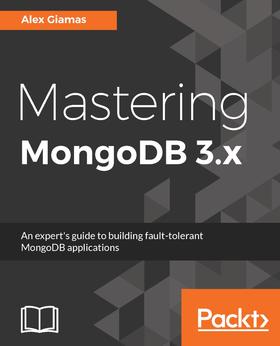
Mastering MongoDB 3.x:An expert's guide to building fault-tolerant MongoDB appli
¥259.95
An expert's guide to build fault tolerant MongoDB applicationAbout This Book·Master the advanced modeling, querying, and administration techniques in MongoDB and become a MongoDB expert·Covers the latest updates and Big Data features frequently used by professional MongoDB developers and administrators·If your goal is to become a certified MongoDB professional, this book is your perfect companionWho This Book Is ForMastering MongoDB is a book for database developers, architects, and administrators who want to learn how to use MongoDB more effectively and productively.If you have experience in, and are interested in working with, NoSQL databases to build apps and websites, then this book is for you.What You Will Learn·Get hands-on with advanced querying techniques such as indexing, expressions, arrays, and more.·Configure, monitor, and maintain highly scalable MongoDB environment like an expert.·Master replication and data sharding to optimize read/write performance.·Design secure and robust applications based on MongoDB.·Administer MongoDB-based applications on-premise or in the cloud·Scale MongoDB to achieve your design goals·Integrate MongoDB with big data sources to process huge amounts of dataIn DetailMongoDB has grown to become the de facto NoSQL database with millions of users—from small startups to Fortune 500 companies. Addressing the limitations of SQL schema-based databases, MongoDB pioneered a shift of focus for DevOps and offered sharding and replication maintainable by DevOps teams. The book is based on MongoDB 3.x and covers topics ranging from database querying using the shell, built in drivers, and popular ODM mappers to more advanced topics such as sharding, high availability, and integration with big data sources.You will get an overview of MongoDB and how to play to its strengths, with relevant use cases. After that, you will learn how to query MongoDB effectively and make use of indexes as much as possible. The next part deals with the administration of MongoDB installations on-premise or in the cloud. We deal with database internals in the next section, explaining storage systems and how they can affect performance. The last section of this book deals with replication and MongoDB scaling, along with integration with heterogeneous data sources. By the end this book, you will be equipped with all the required industry skills and knowledge to become a certified MongoDB developer and administrator.Style and approachThis book takes a practical, step-by-step approach to explain the concepts of MongoDB. Practical use-cases involving real-world examples are used throughout the book to clearly explain theoretical concepts.
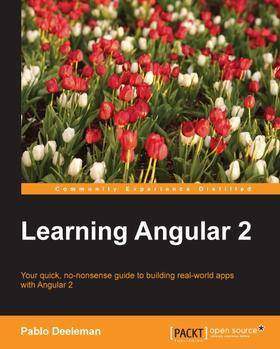
Learning Angular 2
¥297.10
Your quick, no-nonsense guide to building real-world apps with Angular 2About This Book·The first and best overview of Angular 2 on the market—this guide gathers together everything there is to know about Angular 2 and groups it into intuitive sections.·This book is your detailed map of every feature and its use cases.·The author has done all the hard work of fitting everything Angular 2 means for developers together for you, making this book the quickest way to learn Angular 2 from scratch.Who This Book Is ForThis book is targeted at web developers who want to build the next generation of state-of-the-art mobile and desktop web applications with Angular 2. This book does not require you to have prior exposure to either Angular 1.x or 2, although comprehensive knowledge of JavaScript is assumed. It's great for newcomers to Angular who learn best through clear explanations and definitions of concepts.What You Will Learn·Set up your working environment in order to have all the tools you need to start building Angular 2 components with minimum effort·Get up to speed with TypeScript, a powerful typed superset of JavaScript that compiles to plain JavaScript·Take full control of how your data is rendered and updated upon data changes·Build powerful web applications based on structured component hierarchies that emit and listen to events and data changes throughout the elements tree·Explore how to consume external APIs and data services and allow data editing by harnessing the power of web forms made with Angular 2·Deliver seamless web navigation experiences with application routing and state handling common features with ease·Discover how to bulletproof your applications by introducing smart unit testing techniques and debugging toolsIn DetailAngular 2 was conceived as a complete rewrite in order to fulfill the expectations of modern developers who demand blazing fast performance and responsiveness from their web applications.This book will help you learn the basics of how to design and build Angular 2 components right from the beginning, providing full coverage of the TypeScript syntax required to follow the examples included. From that point on, we will build upon our first components, interconnect them, and give shape to larger web applications. We will then move to implementing routing in Angular 2, analyzing how to handle application states, and navigating from one component to another in depth. After this, the book features full coverage of web forms and user input validation, later leveraging all of this information to go through the basics of implementing user authentication in Angular 2 and providing a bird's eye view of the different strategies at hand to secure pages and areas of your website. Animating components and DOM elements with Angular 2 is also covered in this book. The final part of this book provides broad insights into how to unit test components and other modules such as services, directives, routes or pipes.Style and approachThis book covers everything there is to know about getting well-acquainted with Angular without bogging you down. Everything is neatly laid out under clear headings for quick consultation, offering you the information required to understand a concept immediately, with short relevant examples of each feature.
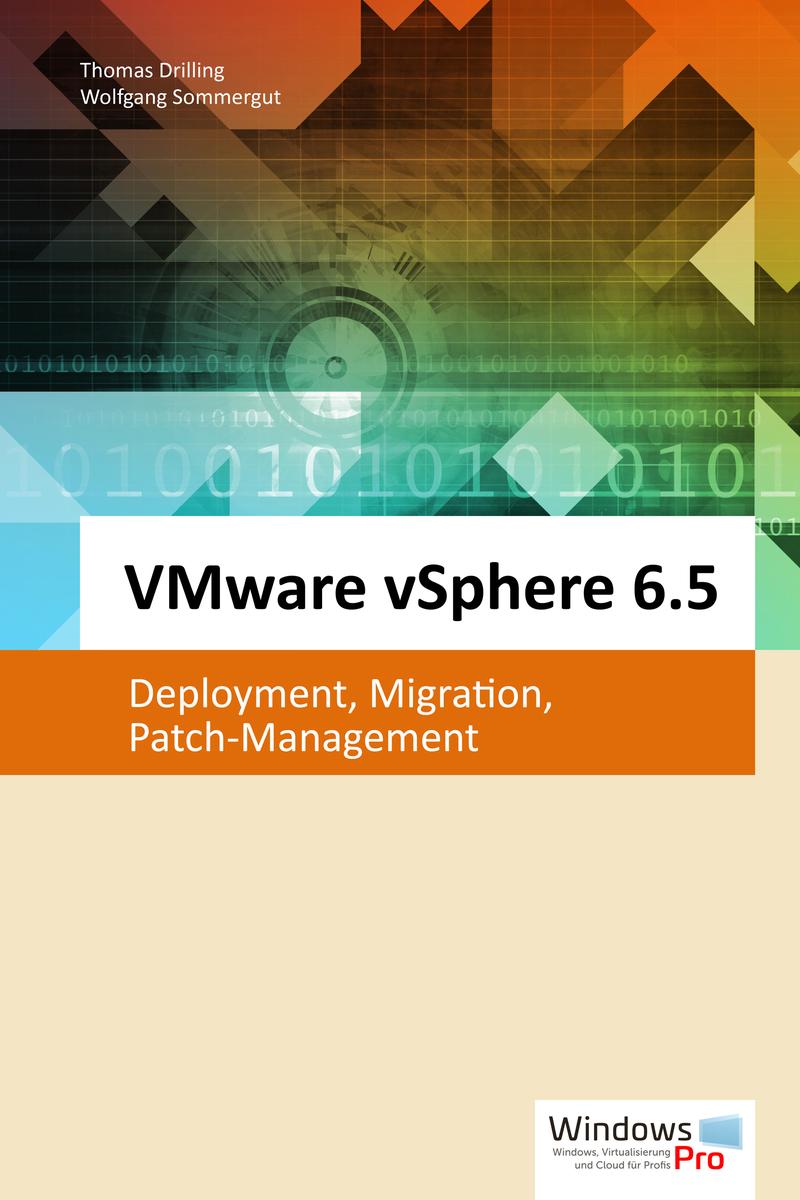
VMware vSphere 6.5: Deployment, Migration, Patch-Management
¥84.53
VMware vSphere 6.5: Deployment, Migration, Patch-Management
How to Develop Microsoft Office Word Skills For Keyboarding And Document/Word Pr
¥24.44
How to Develop Microsoft Office Word Skills For Keyboarding And Document/Word Processing!

How to Learn Microsoft Office Outlook Quickly!
¥24.44
How to Learn Microsoft Office Outlook Quickly!
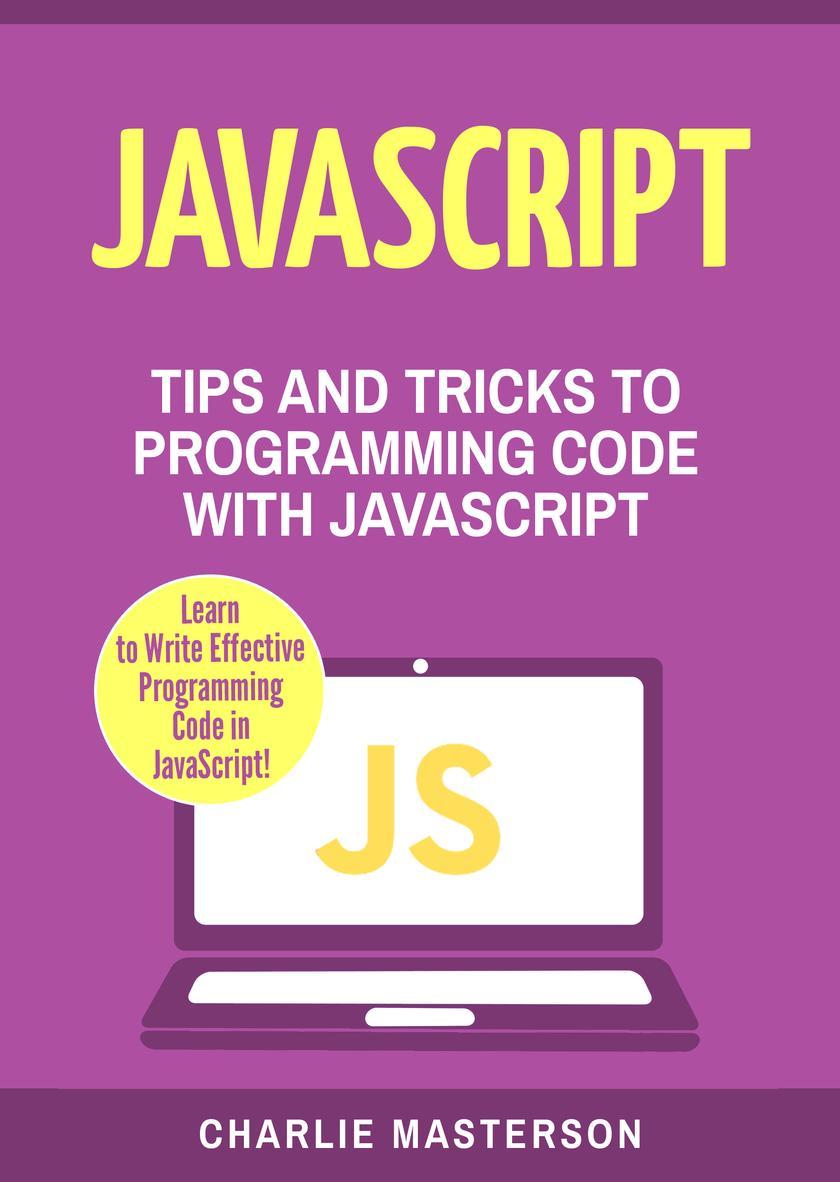
JavaScript: Tips and Tricks to Programming Code with Javascript
¥24.44
JavaScript: Tips and Tricks to Programming Code with Javascript
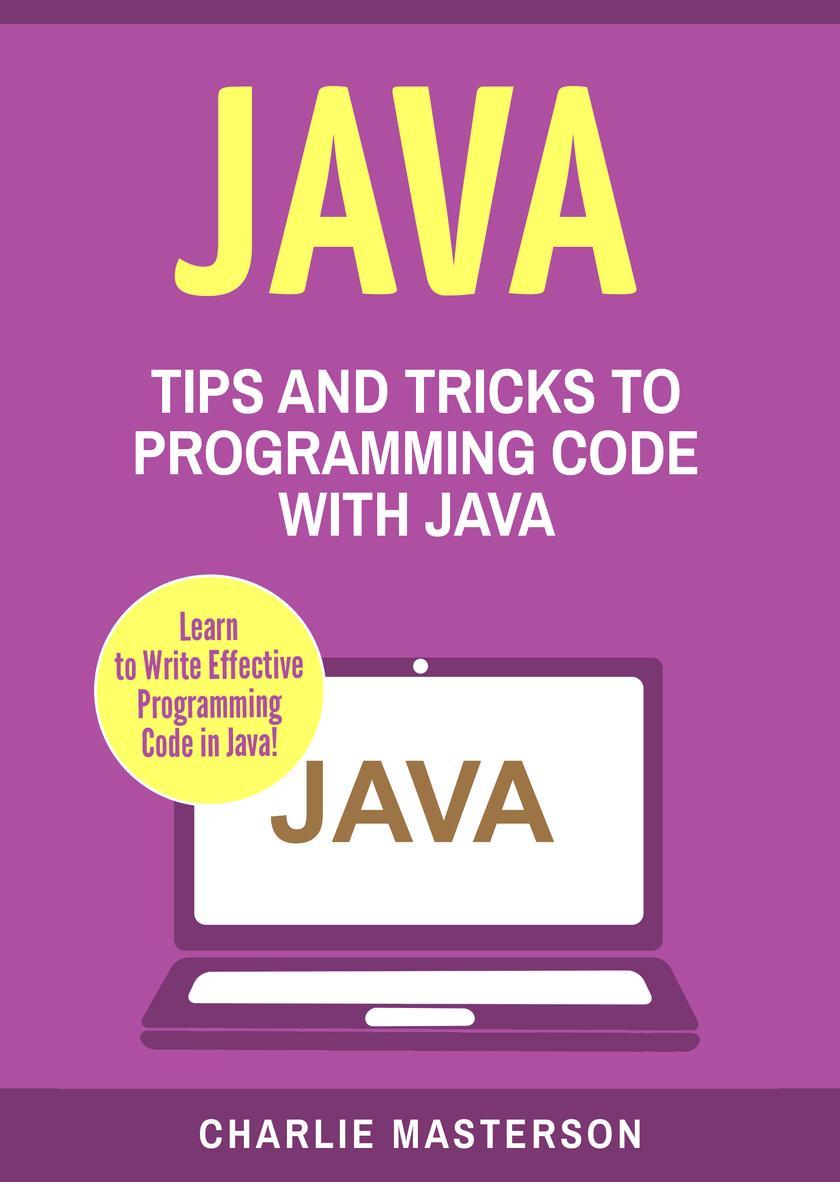
Java: Tips and Tricks to Programming Code with Java
¥24.44
Java: Tips and Tricks to Programming Code with Java
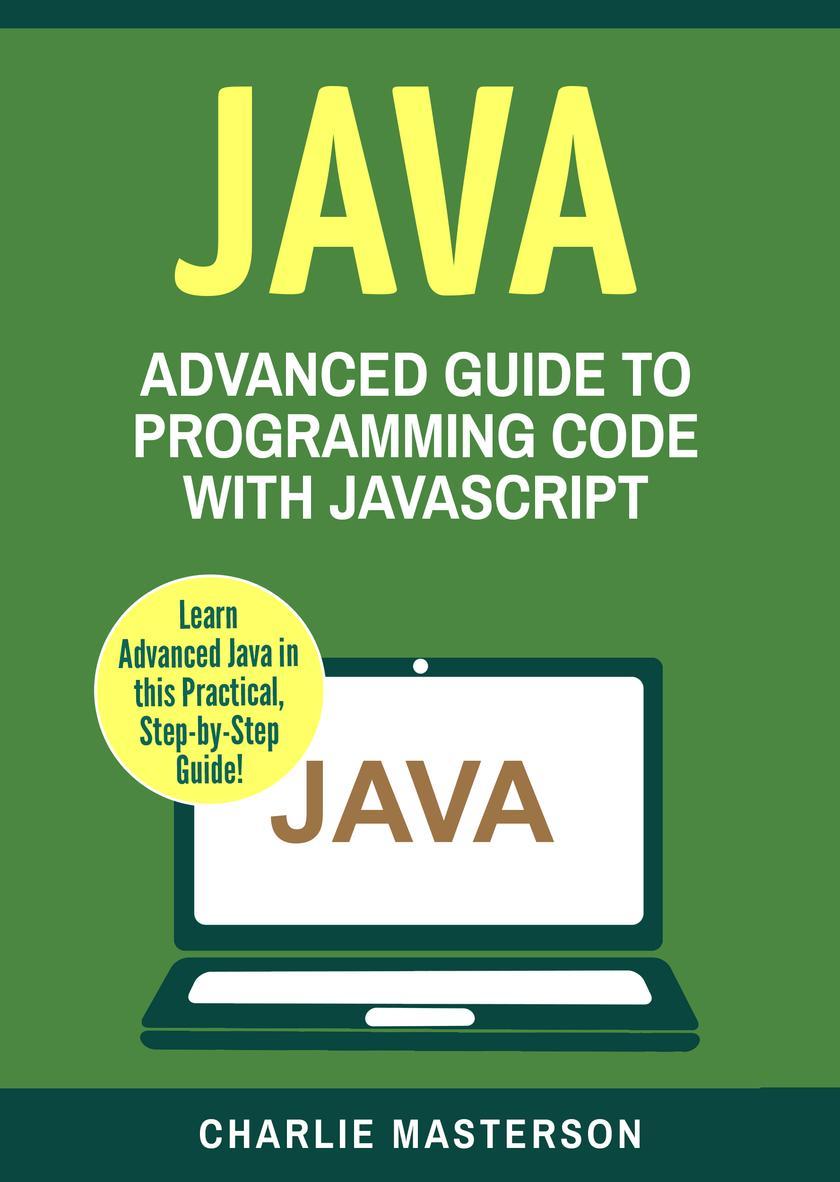
Java: Advanced Guide to Programming Code with Java
¥24.44
Java: Advanced Guide to Programming Code with Java
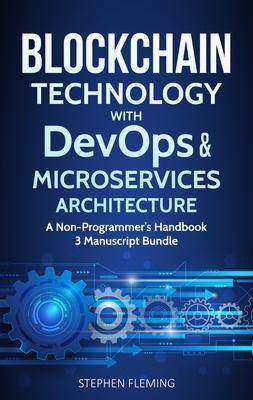
Blockchain Technology with DevOps and Microservices Architecture: A Non-Programm
¥27.82
Blockchain Technology with DevOps and Microservices Architecture: A Non-Programmer's Handbook

FB Pixel Secrets
¥23.30
FB Pixel Secrets
How To Learn Microsoft SQL Server Quickly!
¥24.44
How To Learn Microsoft SQL Server Quickly!


