


 购物车
购物车 个人中心
个人中心
Go Programming Blueprints
¥90.46
Intended for seasoned Go programmers who want to put their expertise in Go to use to solve big, real-world, modern problems. With a basic understanding of channels and goroutines, you will hone your skills to build tools and programs that are quick and simple. You need not be an expert in distributed systems or technologies in order to deliver solutions capable of great scale. It is assumed that you are familiar with the basic concepts of Go.
Mastering MariaDB
¥90.46
This book is intended for intermediate users who want to learn how to administrate a MariaDB server or a set of servers. It is aimed at MariaDB users, and hence working knowledge of MariaDB is a prerequisite.
Mastering Web Application Development with Express
¥90.46
If you are a Node.js developer who wants to take your Express skills to the next level and develop high performing, reliable web applications using best practices, this book is ideal for you. The only prerequisite is knowledge of Node.js.
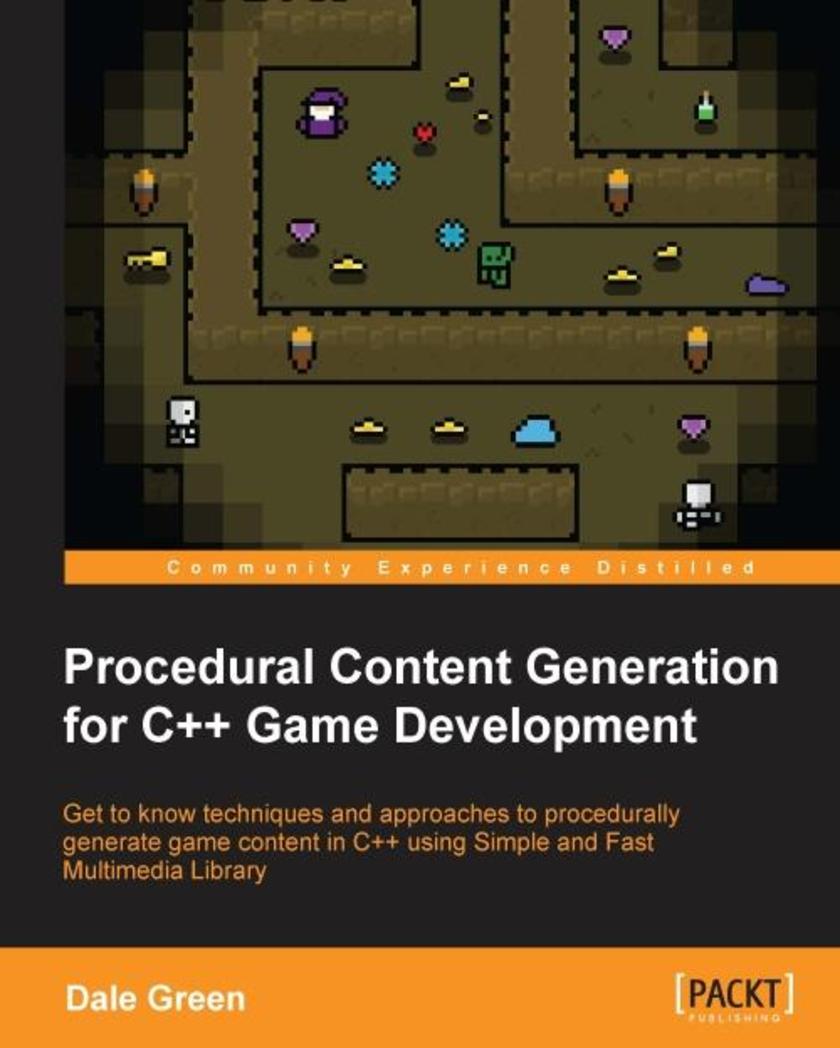
Procedural Content Generation for C++ Game Development
¥90.46
Get to know techniques and approaches to procedurally generate game content in C++ using Simple and Fast Multimedia LibraryAbout This BookThis book contains a bespoke Simple and Fast Multimedia Library (SFML) game engine with complete online documentationThrough this book, you’ll create games that are non-predictable and dynamic and have a high replayability factorGet a breakdown of the key techniques and approaches applied to a real game.Who This Book Is ForIf you are a game developer who is familiar with C++ and is looking to create bigger and more dynamic games, then this book is for you. The book assumes some prior experience with C++, but any intermediate concepts are clarified in detail. No prior experience with SFML is required.What You Will LearnDiscover the systems and ideology that lie at the heart of procedural systemsUse Random number generation (RNG) with C++ data types to create random but controlled resultsBuild levels procedurally with randomly located items and eventsCreate dynamic game objects at runtimeConstruct games using a component-based approachAssemble non-predictable game events and scenariosOperate procedural generation to create dynamic content fast and easilyGenerate game environments for endless replayabilityIn DetailProcedural generation is a growing trend in game development. It allows developers to create games that are bigger and more dynamic, giving the games a higher level of replayability. Procedural generation isn’t just one technique, it’s a collection of techniques and approaches that are used together to create dynamic systems and objects. C++ is the industry-standard programming language to write computer games. It’s at the heart of most engines, and is incredibly powerful. SFML is an easy-to-use, cross-platform, and open-source multimedia library. Access to computer hardware is broken into succinct modules, making it a great choice if you want to develop cross-platform games with ease.Using C++ and SFML technologies, this book will guide you through the techniques and approaches used to generate content procedurally within game development.Throughout the course of this book, we’ll look at examples of these technologies, starting with setting up a roguelike project using the C++ template. We’ll then move on to using RNG with C++ data types and randomly scattering objects within a game map. We will create simple console examples to implement in a real game by creating unique and randomised game items, dynamic sprites, and effects, and procedurally generating game events. Then we will walk you through generating random game maps. At the end, we will have a retrospective look at the project.By the end of the book, not only will you have a solid understanding of procedural generation, but you’ll also have a working roguelike game that you will have extended using the examples provided.Style and approachThis is an easy-to-follow guide where each topic is explained clearly and thoroughly through the use of a bespoke example, then implemented in a real game project.
Mastering OpenLayers 3
¥90.46
Create powerful applications with the most robust open source web mapping library using this advanced guideAbout This BookDevelop responsive and platform-independent web mapping applications with OpenLayers 3Learn the key points of creating great applications with native JavaScript through the step-by-step examplesMaster the use of the library, from compiling custom builds to developing a complete WebGIS applicationWho This Book Is ForThis book is intended for front-end developers with basic understanding of JavaScript and GIS concepts, and preferably for those who are familiar with the fundamentals of OpenLayers 3. You might have never used OpenLayers 3 as a seasoned JavaScript developer. If this is the case and you are eager to learn web mapping, this book will definitely set you on the right track.What You Will LearnUse the advanced functionality of the OpenLayers 3 library effectivelyImplement the library in your application, shaping it to your needsManage layers and the layer stack dynamicallyCreate not only stunning but also accurate thematic mapsExtend OpenLayers 3 with your own custom classesDevelop mobile-friendly web mapping applicationsMake stunning effects with canvas manipulation, or visualize point clouds with WebGLIntegrate third-party applications, and create custom builds that completely satisfy your needsIn DetailOpenLayers 3 allows you to create stunning web mapping and WebGIS applications. It uses modern, cutting edge browser technologies. It is written with Closure Library, enabling you to build browser-independent applications without painful debugging ceremonies, which even have some limited fallback options for older browsers.With this guide, you will be introduced to the world of advanced web mapping and WebGIS.First, you will be introduced to the advanced features and functionalities available in OpenLayers 3. Next, you will be taken through the key points of creating custom applications with OpenLayers 3. You will then learn how to create the web mapping application of yours (or your company's) dream with this open source, expense-free, yet very powerful library. We’ll also show you how to make amazing looking thematic maps and create great effects with canvas manipulation.By the end of this book, you will have a strong command of web mapping and will be well on your way to creating amazing applications using OpenLayers 3.Style and approachThis is an advanced guide packed with comprehensive examples, and it concentrates on the advanced parts of OpenLayers 3 and JavaScript. It intentionally skips the basic and well-known methodologies, but discusses the hard-to-understand ones in great detail.
Procedural Content Generation for Unity Game Development
¥90.46
Harness the power of procedural content generation to design unique games with UnityAbout This BookLearn the basics of PCG developmentDevelop a 2D game from start to finishExplore all the different ways PCG can be applied in gamesWho This Book Is ForThis book is for Unity game developers, especially those who work on indie games. You should be familiar with Unity and C# *ing but you'll be able to jump in and start learning PCG straightaway.What You Will LearnUnderstand the theory of Procedural Content GenerationLearn the uses of Pseudo Random NumbersCreate reusable algorithm designs for PCGEvaluate the data structures for PCGDevelop smaller games with larger amounts of contentGenerate content instead of spending time designing every minute detailLearn when and how to add PCG to your gameLearn the fundamental techniques of PCGIn DetailProcedural Content Generation is a process by which game content is developed using computer algorithms, rather than through the manual efforts of game developers. This book teaches readers how to develop algorithms for procedural generation that they can use in their own games. These concepts are put into practice using C# and Unity is used as the game development engine.This book provides the fundamentals of learning and continued learning using PCG. You'll discover the theory of PCG and the mighty Pseudo Random Number Generator. Random numbers such as die rolls and card drafting provide the chance factor that makes games fun and supplies spontaneity. This book also takes you through the full development of a 2D game.Starting with level generation, you'll learn how PCG can make the game environment for you. You'll move into item generation and learn the different techniques to procedurally create game items. Thereafter, you'll be guided through the more abstract PCG areas such as scaling difficulty to the player and even generating music! The book helps you set up systems within your games where algorithms create computationally generated levels, art assets, quests, stories, characters, and weapons; these can substantially reduce the burden of manually creating every aspect of the game.Finally, you'll get to try out your new PCG skills on 3D terrain generation.Style and approachAn easy-to-follow, project-based guide that will let you build a complete game by the end of the book using PCG.
Moodle as a Curriculum and Information Management System
¥90.46
This book is a beginner's guide in which the reader is led, step-by-step, to accomplish all the tasks right from installing Moodle to transforming into a CMS. Some more advanced steps and concepts are presented but always in a manner that allows beginners to follow along and learn through experience as they experiment on their own test site. By the time you finish the book, you will have your own fully-functional curriculum and information management system. If you are a teacher or head of department in an institution and are interested in how Moodle can be used to streamline curriculum delivery and information flow in your institution, this book is for you. This book is also useful for Moodle administrators. Prior experience with Moodle is not essential for this book.
Microsoft SQL Azure: Enterprise Application Development
¥90.46
Each chapter starts with a general overview reviewing the software architecture related information or the underpinning programming concepts followed by an example of working with specific examples. This is then followed by a de*ion of the specific software used in the chapter. The topics that require you to write code are fully explained using annotations and the code is presented in both VB and C# (in most cases). If you are a .Net developer, an architect, or a DBA who wants to develop enterprise applications and projects and extend your on-site skills with SQL Azure, then this book is for you. This book does not assume experience in Windows Azure or SQL Azure, nor is a high level of competency in SQL Server or the .NET Framework and associated technology required. However, a basic understanding of Visual Studio, C#, VB, SQL Servers, XML, web and WCF is required. If you decide to work with SQL Azure, then this book will provide you with the most up to date and practical information.
PostgreSQL 9.0 High Performance
¥90.46
Improving database performance requires an equal mix of understanding theoretical concepts and working through hands-on examples. You'll find both here. Many of the examples given will be immediately useful for monitoring and improving your PostgreSQL deployments, providing insight into hard-to-obtain information about your database. This book is aimed at intermediate to advanced database administrators using or planning to use PostgreSQL. Portions will also interest systems administrators looking to build or monitor a PostgreSQL installation, as well as developers interested in advanced database internals that impact application design.
Implementing SugarCRM 5.x
¥90.46
The book works from the SugarCRM basics right up to advanced features in a clear and friendly way. It follows a combination of theoretical discussions relating to varying business needs and the manner in which CRM technology can address them. By helping you clarify your business goals the book enables you to build a CRM system to support your business needs. If you are a small-medium business owner/manager with reasonable IT skills, a system implementer, or a system administrator who wants to implement SugarCRM for yourself either as a first CRM or as a replacement for existing solutions, this book is for you. Existing SugarCRM users who want to broaden their understanding of the topic will find this book valuable too. No programming knowledge is required to use this book to implement, customize, and use SugarCRM.
IBM Lotus Notes 8.5 User Guide
¥90.46
A compact Lotus Notes User Guide, this book covers best practices, hints, tips, and tricks of Lotus Notes 8.5. It draws on real-world examples and you will find this book to be an invaluable reference for Lotus Notes. There are significant changes from the earlier versions of Lotus Notes to the current version of 8.5 and this book covers the new features in detail so that you will be able to take advantage of them. However, this book also covers key features from earlier versions, which have stood the test of time. If you are a business user who wants to get the most out of Lotus Notes, then this book is for you. From beginners to seasoned professionals, this book aims to cover the features, best practices, tips, tricks, and tools that enable you to work smarter—almost effortlessly—in Lotus Notes 8.5.
Microsoft Visio 2010 Business Process Diagramming and Validation
¥90.46
A focused tutorial, this book provides a range of practical examples with downloadable code, showing you how to create business process diagramming templates with Visio and enabling you to effectively visualize business information. It draws on real business examples and needs, and covers all the new features of Visio 2010 Premium Edition. If you are a Microsoft Visio 2010 Premium Edition user or developer who wants to get to grips with both the basic features of Visio 2010 and the new Validation Rules in this edition, then this book is for you. A working knowledge of Microsoft Visio, and optionally .NET for the add-in code, is required, though previous knowledge of business process diagramming is not necessary. More experienced Visio users will gain valuable knowledge for building add-ins and creating and publishing rules. If you want to achieve results from Visio 2010 beyond the ordinary out-of-the-box features, then this book is ideal for you. Although this book covers the Premium Edition, much of the book is still useful if you are a Visio 2010 Standard Edition or Professional Edition user.

WCF 4.0 Multi-tier Services Development with LINQ to Entities
¥90.46
This book is a step-by-step tutorial to guide you through learning WCF and LINQ to Entities. You will be guided to create five WCF and LINQ solutions from scratch, of which three are multi-tiered real-world WCF service solutions, so you will not only be reading, but also be coding through the book, to gain practical experience of WCF and LINQ to Entities. Various test clients will be associated with each solution and these solutions can be built and run independently of other solutions. Clear step-by-step instructions and relevant screenshots will make sure you won't get lost in the new world of WCF and LINQ to Entities. Configuration files, host applications, test clients, and WCF services for each solution will also be available for download for you to examine, modify, and debug from the outside in. The book focuses on the essentials of using WCF and LINQ to Entities, rather than providing a reference to every single possibility. It leaves the reference material online where it belongs, and concentrates instead on practical examples, code, and advice. This book is for C# and C++ developers who are eager to get started with WCF and LINQ to Entities, and want a book that is practical and rich with examples from the very beginning. Developers and architects evaluating SOA implementation technologies for their company will find this book particularly useful because it gets you started with Microsoft's tools for SOA and shows you how to customize our examples for your prototypes. This book presumes basic knowledge of C# or C++. Previous experience with Visual Studio will be helpful but is not required, as detailed instructions are given throughout the book.
Moodle 1.9 Extension Development
¥90.46
The author’s experience as a Moodle developer enables him to combine a simple, de*ive how-to approach with enthusiastic insights into the rich potential of customizing Moodle according to your needs. The chapters gradually build up your skills and by the end of the book you will be confident enough to customize Moodle on your own. This book is written for technologists who are interested in expanding Moodle's functions through programming, either for their own organizations or to contribute to the open source project. You should be familiar with Moodle's basic technologies: PHP, MySQL ,and HTML/CSS.
JBoss AS 5 Development
¥90.46
This book follows a tutorial-based approach starting with simple examples, which are enriched in the following chapters as new topics are introduced. Each chapter provides clear instructions and detailed screenshots, as the user approaches a new facet of the development environment. Most complex topics have been explained using practical examples, which will help you to master JBoss AS development. If you are a Java architect or developer who wants to get the most out of the latest release of the JBoss application server or a JBoss administrator who wants a clear and simple reference for JBoss services, this book is for you. You are not expected to have accumulated experience on the application server though you must know the basic concepts of Java EE.
Microsoft Dynamics AX 2009 Development Cookbook
¥90.46
This book contains a list of useful Dynamics AX modifications – recipes – along with all required code and in-depth explanations. Most of the recipes are presented using real-world examples in a variety of Dynamics AX modules. The step-by-step instructions along with many useful screenshots make learning easier. This book is for Dynamics AX developers, and is primarily focused on delivering time-proven application modifications. Although new X++ developers could use this book along with their beginner guides, this book is focused more on people who are willing to raise their programming skills above the beginner level, and at the same time learn the functional aspects of Dynamics AX. So, some Dynamics AX coding experience is expected.
Ext JS 3.0 Cookbook
¥90.46
The Ext JS Cookbook contains step-by-step instructions for Ext JS users to build desktop-style interfaces in their own web applications. The book is designed so that you can refer to it chapter by chapter, or you can look at the list of recipes and read them in no particular order. The Ext JS Cookbook is for Ext JS users who want a book of useful techniques, with explanations, that they can refer to and adapt to their purposes. Developers who are already familiar with Ext JS will find practical guidance and numerous examples covering most of the library's features and components that can be used as a solid foundation to build upon when creating rich internet applications.
SAP Business ONE Implementation
¥90.46
With clear instructions and plenty of screenshots, this book will provide you all the support and guidance you need to implement SAP Business One in your business. We will work with a project plan in each chapter and implement new techniques in the related case study. Alongside this hands-on approach tips and tricks are provided that you can use for your own project. This book is written for technically savvy business owners, entrepreneurs, and departmental managers. If you are a departmental sales manager you can benefit from the advanced sales stages and workflow concept in this book. The seasoned inventory and warehouse manager can immediately utilize the inventory optimization and warehouse management concepts. Your web technicians will benefit from the e-commerce information and understand how your web strategy can be aligned with SAP B1. As a business owner your key players from sales to fulfillment gain back control and you can grow your business to the next level using modern franchising concepts. If you have SQL skills you can leverage your knowledge, connecting with SAP tools and features that are built on queries. No previous experience with SAP or ERP is assumed.
ASP.NET 3.5 Social Networking
¥90.46
Each chapter starts by showing the user experience we are going to create in the chapter. It then has a section discussing the major design decisions we face in building these features, and finally presents the 'solution' including the overall architecture and highlighting the most important code elements. The book presents a lot of real-world code, with comprehensive explanation and discussion. The full social network application is available for download from the Packt website, for you to examine, study, and modify. This book is written for ASP.NET and C# developers who want to build an enterprise-grade Social Network, either for their own business purposes or as a contract job for another company. The book assumes you have prior experience of developing web applications using ASP.NET 3.5, C# 3.0, SQL Server 2005/2008, and Visual Studio .NET 2008; it focuses on topics that will be of interest to existing developers not on providing step-by-step examples for each detail.
Geospatial Development By Example with Python
¥90.46
Build your first interactive map and build location-aware applications using cutting-edge examples in PythonAbout This BookLearn the full geo-processing workflow using Python with open source packagesCreate press-quality styled maps and data visualization with high-level and reusable codeProcess massive datasets efficiently using parallel processingWho This Book Is ForGeospatial Development By Example with Python is intended for beginners or advanced developers in Python who want to work with geographic data. The book is suitable for professional developers who are new to geospatial development, for hobbyists, or for data scientists who want to move into some simple development.What You Will LearnPrepare a development environment with all the tools needed for geo-processing with PythonImport point data and structure an application using Python’s resourcesCombine point data from multiple sources, creating intuitive and functional representations of geographic objectsFilter data by coordinates or attributes easily using pure PythonMake press-quality and replicable maps from any dataDownload, transform, and use remote sensing data in your mapsMake calculations to extract information from raster data and show the results on beautiful mapsHandle massive amounts of data with advanced processing techniquesProcess huge satellite images in an efficient wayOptimize geo-processing times with parallel processingIn DetailFrom Python programming good practices to the advanced use of analysis packages, this book teaches you how to write applications that will perform complex geoprocessing tasks that can be replicated and reused.Much more than simple *s, you will write functions to import data, create Python classes that represent your features, and learn how to combine and filter them.With pluggable mechanisms, you will learn how to visualize data and the results of analysis in beautiful maps that can be batch-generated and embedded into documents or web pages.Finally, you will learn how to consume and process an enormous amount of data very efficiently by using advanced tools and modern computers’ parallel processing capabilities.Style and approachThis easy-to-follow book is filled with hands-on examples that illustrate the construction of three sample applications of how to write reusable and interconnected Python code for geo-processing.

Visual Media Processing Using Matlab Beginner's Guide
¥90.46
Written in a friendly, Beginner's Guide format, showing the user how to use the digital media aspects of Matlab (image, video, sound) in a practical, tutorial-based style.This is great for novice programmers in any language who would like to use Matlab as a tool for their image and video processing needs, and also comes in handy for photographers or video editors with even less programming experience wanting to find an all-in-one tool for their tasks.


