


 购物车
购物车 个人中心
个人中心
Men Are from Mars, Women Are from Venus
¥70.44
The legendary relationships guide that mothers recommend to their daughters, friends give as gifts and brothers steal from their sisters, MEN ARE FROM MARS AND WOMEN ARE FROM VENUS is inarguably the definitive book on having a happy relationship. ‘A treasure’, ‘a bible’ and ‘an heirloom’ are some of the words used to describe the book that has saved countless relationships and improved innumerable others. Now repackaged to relate to a new generation of readers, this phenomenal book continues to carry its legacy of understanding and trust into the world. Since its first publication, over a staggering 15 million copies of MEN ARE FROM MARS, WOMEN ARE FROM VENUS have sold globally to single men and women looking for guidance on how to find the perfect partner, married couples seeking to strengthen their bond, and divorcees hoping to fathom where it all went wrong. Gray’s insights into how to allow your other half to “pull away” like an elastic band, prevent your emotional baggage from polluting your current relationship, and translate the phrases of the opposite sex are as relevant now as when they were first published. With straightforward, honest writing from that precious male perspective, Gray unlocks the secrets hidden in your partner’s words and actions to enable you both to reach true mutual understanding and a lifetime of love. Discover for yourself why thousands believe that MEN ARE FROM MARS, WOMEN ARE FROM VENUS should be mandatory reading for everyone.
It’s Just a Date: A Guide to a Sane Dating Life
¥69.26
A fabulous new guide to dating co-authored by Greg Behrendt, former writer on Sex and the City, who won women's hearts with his three million copy bestseller He's Just Not That Into You. What ever happened to dating? Used to be that a guy would ask a girl out. He'd pick her up at her house and take her out for dinner, a movie, or a cup of coffee and some conversation. Then both parties would decide if they wanted to do it again next week. There was protocol. A standard set of guidelines to follow for this age-old ritual. These days who even knows what dating is? It's Just a Date gives you tools, not rules that you can use, while also opening you up to new ideas about how to date and who might be right for you. The book shows us how things have changed on the dating scene and what we need to do to adapt, including – ? How the digital age has changed dating, from texting (the new not calling) to online dating. ? The compromise: hooking up, booty calls and quasi dates – was it or wasn't it a date? ? Exit strategies – how to pull the plug when the dating isn't working out. Dating doesn't have to be hard – in fact, if not taken so seriously, it can be seriously fun.

A Spoonful of Sugar
¥58.86
Timeless wisdom for modern mothers. It all began with a conversation with my grandmother… When Liz Fraser spent a month with her grandmother, she was at her wits' end as a parent, fed up with crop-tops, pester power and the pressure to consume. So she asked her grandmother - what works? What helps make a good childhood? The answers were surprisingly simple - and stunningly effective. From early bedtime to giving your child room to play, the old-fashioned common sense of her grandmother's generation changed Liz's family life for good. Liz reveals the traditional rules that allow you to give your children back their childhood, while adding her own experience as a modern mum, aware we have to work with the world we live in now. The result is a book that reminds us how precious and short childhood is, and delivers practical solutions that every parent can employ. Comforting, friendly and reassuringly traditional, this is all everyone needs for a happier, simpler family life.
Rough Diamond: Turning Disruption Into Advantage in Business and Life
¥81.34
In life you are most likely to regret that you didn’t do more of what you love...You will likely feel as though you spent your professional life getting up, going to the office and living the same day over and over, week after week, year after year, decade after decade. Ironically, it’s the same people who wind up regretting not doing more who spend their careers resisting change and shutting down creative ideas. I know, because I spent nearly two decades as a change agent in a large advertising agency.If you found your way to this book, chances are it’s because you have a fire in your belly, a hunger for change, and a belief in the transformative power of disruption. If you found this book, it’s probably because you know it’s time to shake things up but you’re not quite sure how.This book puts you on notice. You have it within your power to do more and be more, and I’m going to give you the tools to start. This is your opportunity to change your destiny, so you are the statistical anomaly - the Rough Diamond - who shines bright, even if unpolished, and savors each day for the opportunity it presents to innovate, connect and disrupt the status quo. "Ultimately, this book is about how to live a truthful life without regrets. It's about how to turn the inevitable disruptions into advantages - and in doing so - polish your own diamond."?(Nicole Yershon) Readers' reviews "A great insight into how to make things happen, nurture people in the workplace, and believe in yourself. Truly inspiring!" -?5 stars "This is not your typical business book and that's what makes it perfect" -?5 stars "Wonderfully inspiring!" -?5 stars About the AuthorNicole Yershon is a maverick, inspiration and the original rough diamond. She is, at once a consultant, speaker, judge, mentor and connector. She works on the front line of innovation - bringing organisations kicking and screaming into the 21st century. In that sense she properly defines disruption.Nicole is the founder of Lab For Hire? and before that the Ogilvy Labs – a dedicated Innovation unit of Ogilvy & Mather Group. Part of WPP Group plc.Just a few of the clients she has worked with over recent years. Amex, IBM, BP, Crimestoppers, Selfridges, Unilever, BA and Wetherspoons.
Imigra??o na Uni?o Europeia: uma leitura crítica a partir do nexo entre securiti
¥57.14
Ghidul tehnoredactorului. De la print la eBook, scris ?n colaborare de Vlad Puescu ?i Victor Jalb?-?oimaru, ??i propune s? fie ?un manual de utilizare“ pentru c?r?ile electronice, o specie editorial? ?nc? insuficient cunoscut? ?i agreat? pe pia?a editorial? din Rom?nia. Tocmai din dorin?a de a sublinia faptul c? eBookurile nu sunt ?bastarzii“ industriei editoriale, a?a cum poate le mai percep ?nc? unii, ci o etap? fireasc?, necesar? ?i, de ce nu, chiar superioar? ?n evolu?ia acesteia, ghidul propune, ?n primele sale capitole, o istorie a c?r?ii ?n diacronie, de la anticele t?bli?e de lut ?i suluri de papirus la forma contemporan? a c?r?ii. Trec?nd de la codexul primelor secole cre?tine ?i manuscrisele medievale la etapa presei tipografice cu caractere de plumb, pentru a ajunge la revolu?ia tiparului marcat? de contribu?ia lui Gutenberg ?i, implicit, la secularizarea ?i democratizarea cunoa?terii, cartea tip?rit? a fost, vreme de cinci secole, ?cea mai durabil? ?i mai eficient? form? prin care a fost depozitat? ?i transmis? cunoa?terea“, timp ?n care ?i nici industria de profil nu a mai cunoscut transform?ri dramatice. De?i varianta digital? a c?r?ii a fost ?i continu? ?nc? s? fie ?boicotat?“ de bibliofili ?i de unele voci din interiorul industriei editoriale, care au profe?it sumbru moartea c?r?ii fizice, apari?ia c?r?ii electronice nu constituie ?ns? dec?t un pas absolut firesc de evolu?ie av?nd ?n vedere schimb?rile majore de la nivelul stilului general de via?? impuse de c?tre dezvoltarea computerelor ?i de apari?ia internetului. Ghidul tehnoredactorului. De la print la eBook sus?ine ideea aceasta at?t prin multitudinea de informa?ii privind dezvoltarea pie?ei digitale (marcat? de apari?ia a tot mai multe eBook Readere, ca dispozitive de gen, introduse pe pia?? de lan?uri de libr?rii precum Amazon, Barnes & Noble, Kobo etc.), c?t ?i prin enumerarea avantajelor pe care le presupune lectura digital?, ?ntre care personalizarea experien?ei de lectur?, posibilitatea index?rii facile ?i a activ?rii cu u?urin?? a func?iilor de dic?ionar, ?mbog??irea con?inutului, crearea unei comunit??i globale de cititori ?i interactivitatea. Pentru ?n?elegerea ?n ansamblu a fenomenului sunt trecute ?n revist? ?i explicate ?i tipurile de c?r?i electronice, ?mbog??ite ?i interactive, de formate digitale ?i de dispozitive de lectur?.Partea a doua a ghidului, cu caracter tehnic ?i specializat, se ocup? de procesul de tehnoredactare ?n ansamblu at?t pentru edi?ia tip?rit? a unei c?r?i, c?t ?i pentru formatul s?u digital, ?ntr-un demers amplu, care pleac? de la discutarea problemelor de software aferent produc?iei, sisteme de operare, layouturi de tastatur?, utilitare, pluginuri, extensii ?i scripturi, p?n? la preg?tirea ?i importarea textului ?n formatul de paginare ?i aspectele legate de punerea ?n pagin? a unei c?r?i (formatul, corpul de liter?, stiluri, grafic?, pozi?ionarea notelor ilustra?iilor ?i tabelelor), dar ajung?nd s? abordeze ?i problemele pe care le presupune trecerea pe print ?n edi?ia digital? (metadate, introducerea copertei, op?iuni specifice de export c?tre ePub, op?iuni de validare).Ghidul tehnoredactorului… are meritul de a propune ?i o list? de referin?e bibliografice esen?iale, nu neap?rat ca o anex? la carte, c?t ?ntre?esute pe tot parcursul textului, ?n curgerea fireasc? a procesului de expunere, interpretare ?i explicitare a informa?iilor.
Sen Benimsin: "2015'te ge?en bir a?k hikayesi"
¥14.14
Los Angeles, New York ve ?stanbul'da ge?en bir a?k hikayesi..
M?n?c?, poste?te, sl?be?te.
¥49.62
V-a?i s?turat de numeroasele vizite la medic cu copilul ?i s? ?i da?i medicamente cu pumnul? Micu?ul dumneavoastr? are o alergie sau astm ?i vre?i s? v? asigura?i c? e ferit de factorii declan?atori, fie c? se afl? acas?, la ?coal? sau ?ntr-o c?l?torie? Pornind de la experien?a proprie, autoarea v? arat? cum s? v? hr?ni?i ?i ?ngriji?i copiii cu alergii sau astm, de la schimbarea dietei la ?detoxifierea“ casei, ce m?suri preventive pute?i lua la ?coal? ?i ?n c?l?torii, dar ?i cum. Cartea include sfaturi de la exper?i de top – medici ?i speciali?ti ?n diverse domenii –, oferind o abordare integrativ? ?n ce prive?te cre?terea unui copil s?n?tos at?t la minte, c?t ?i la trup.
Contele de Monte-Cristo. Vol. II
¥42.92
Aceasta este o carte despre p?rin?ii care sunt exagerat de implica?i ?n via?a copiilor lor. Vorbe?te despre dragostea ?i teama din spatele implic?rii prea mari. Vorbe?te despre r?ul pe care ?l facem atunci c?nd facem prea mult. ?i vorbe?te despre cum am putea realiza obiective pe termen lung mai bune – ?i despre cum i-am putea ajuta pe copiii no?tri s? ob?in? succese ?i mai mari, cresc?ndu-i altfel. ?mi iubesc copiii la fel de aprig ca orice alt p?rinte ?i ?tiu c? dragostea este temelia a tot ceea ce facem ca p?rin?i. Dar, ?n cursul anilor ?n care am f?cut cercet?ri pentru aceast? carte, am constatat c? multe dintre comportamentele noastre izvor?sc ?i din temeri; poate cea mai important? dintre acestea este teama c? ei ar putea s? nu aib? succes ?n lumea real?. Bine?n?eles, e firesc s? dorim s? reu?easc?, dar, pe baza cercet?rilor, a interviurilor cu peste o sut? de oameni ?i a experien?elor personale, am ajuns la concluzia c? d?m o defini?ie prea ?ngust? succesului. ?i, ceea ce este ?i mai grav, aceast? defini?ie ?ngust?, superficial? ne-a adus ?n situa?ia de a face r?u unei genera?ii de tineri adul?i – copiii no?tri.

Analfa visszatér
¥57.80
Dicionarul Luceafrului eminescian este prima lucrare de lexicografie consacrat unei singure opere poetice romneti, i anume unui “arhi-text“ (text poetic integral, concept i realizare n premier absolut), constituit din forma definitiv, versiuni i variante. Dicionarul ncearc prezentarea creaiei poetice din perspectiva lexicului, opiunile individualitii creatoare fa de mijloacele oferite de limb; totodat, cu limitele inerente, este o tentativ de incursiune ntr-un anume univers imaginar, construit prin limbajul poetic. Tulburtoarea problem a Luceafrului eminescian cuprinde i emoia descoperirii, n receptare, a genezei sale. Din punctul de vedere al cunoaterii etapelor creaiei, Luceafrul a avut un destin la fel de deosebit ca i evoluia frmntat a exegezei sale, care de 120 de ani asalteaz, din diverse perspective, taina acestui seductor poem. Cunoaterea i recuperarea n circuitul valoric a variantelor manuscrise ale poemului are, de asemenea, o istorie ce mbie nc.Adevratul laborator al lucrului asupra expresiei l vom putea urmri n avatarurile variantelor din cadrul unei versiuni, asa cum ediia noastr le prezint, pe coloane paralele. n aceast faz a lucrului, pentru fiecare versiune n parte, Eminescu nu a meditat neaprat asupra perfeciunii versului, ci s-a concentrat asupra ideii poetice“, care este sufletul“, cum zice poetul. Revenirile ulterioare, de la o versiune la alta, atest, pe lng continuitatea creaiei, cu meandrele, cu inovaiile unor idei poetice insolite, i un altfel de proces, cel al rafinrii stilistice. Intenia ediiei noastre este reflectarea travaliului eminescian la o versiune, nlesnind urmrirea variantelor cu transformrile, prefacerile spontane i revenirile lor la forme anterioare.“ (Rodica Marian)
Tales of Two People
¥18.56
COMMON opinion said that Lord Lynborough ought never to have had a peerage and forty thousand a year; he ought to have had a pound a week and a back bedroom in Bloomsbury. Then he would have become an eminent man; as it was, he turned out only a singularly erratic individual. So much for common opinion. Let no more be heard of its dull utilitarian judgments! There are plenty of eminent men—at the mo-ment, it is believed, no less than seventy Cabinet and ex-Cabinet Ministers (or thereabouts)—to say nothing of Bishops, Judges, and the British Academy—and all this in a nook of the world! (And the world too is a point!) Lynborough was something much more un-common; it is not, however, quite easy to say what. Let the question be postponed; perhaps the story itself will answer it. He started life—or was started in it—in a series of surroundings of unimpeachable orthodoxy—Eton, Christ Church, the Grenadier Guards. He left each of these schools of mental culture and bodily discipline, not under a cloud—that metaphor would be ludicrously inept—but in an explosion. That, having been thus shot out of the first, he managed to enter the second—that, having been shot out of the second, he walked placidly into the third—that, having been shot out of the third, he suffered no apparent damage from his repeated propulsions—these are matters explicable only by a secret knowledge of British institutions. His father was strong, his mother came of stock even stronger; he himself—Ambrose Caverly as he then was—was very popular, and extraordinarily handsome in his unusual outlandish style. His father being still alive—and, though devoted to him, by now apprehensive of his doings—his means were for the next few years limited. Yet he contrived to employ himself. He took a soup-kitchen and ran it; he took a yacht and sank it; he took a public-house, ruined it, and got himself severely fined for watering the beer in the Temperance interest. This injustice rankled in him deeply, and seems to have permanently influenced his development. For a time he forsook the world and joined a sect of persons who called themselves “Theophilanthropists”—and surely no man could call himself much more than that? Returning to mundane affairs, he refused to pay his rates, stood for Parliament in the Socialist interest, and, being defeated, declared himself a practical follower of Count Tolstoy. His father advising a short holiday, he went off and narrowly escaped being shot somewhere in the Balkans, owing to his having taken too keen an interest in local politics. (He ought to have been shot; he was clear—and even vehement—on that point in a letter which he wrote to The Times.) Then he sent for Leonard Stabb, disappeared in company with that gentleman, and was no more seen for some years.

Pedagogii alternative
¥57.14
O carte despre dezvoltarea copilului de la na?tere p?n? la adolescen??Genera?ii de p?rin?i au avut ?ncredere ?n cea mai v?ndut? carte a dr. Spock, care r?m?ne ?i ast?zi ghidul esen?ial pentru p?rin?i. Ca urmare a colabor?rii cu dr. Robert Needlman, cartea a fost ?mbun?t??it?, iar tematica abordat? a fost extins? pentru a ?nt?mpina modific?rile ?i provoc?rile lansate de noul secol. Toate sfaturile valoaroase testate ?n timp ale dr. Spock sunt prezentate ?n aceast? carte. Lor li se adaug? cele mai noi cuno?tin?e ?i practici medicale legate de ?ngrijirea copilului, al?turi de un glosar cu totul nou de termeni medicali. Foarte bine structurat, volumul permite o consultare rapid? ?i are sec?iuni noi care acoper? perioada adolescen?ei.Cartea ofer? ultimele nout??i referitoare la:- alimenta?ia la s?n: cele mai noi abord?ri ?i tehnici utile mamelor care al?pteaz?;- programe de vaccinare, recomand?ri cu privire la regimurile alimentare ?i administrare de vitamine;- probleme medicale curente ale copilului;- discu?ii cu copilul despre sex, contracep?ie, homosexualitate, fumat, alcool, droguri, SIDA;- ?coala ?i dificult??ile ?nv??atului;- p?rin?i homosexuali sau lesbiene;- adop?ia interna?ional?;- adaptarea la terorism ?i dezastre;- planificarea educa?iei (colegiu, facultate etc.);- autism etc.
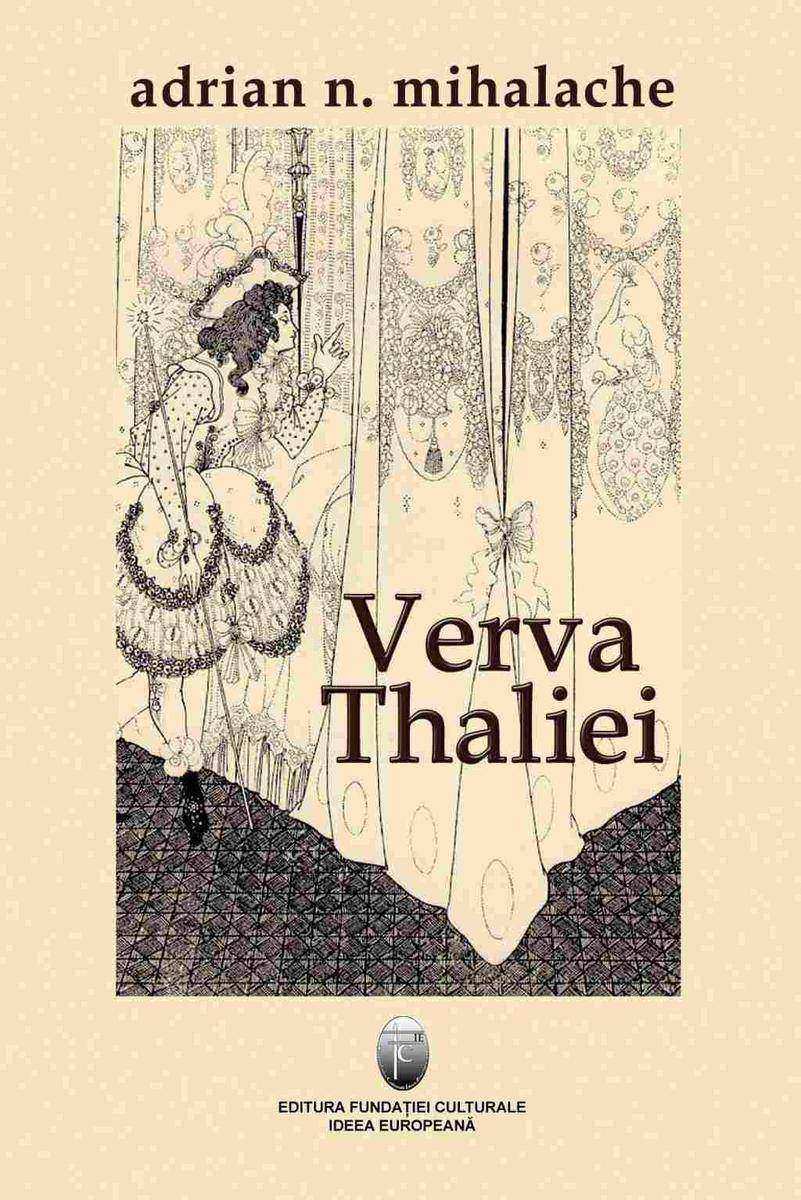
Verva Thaliei
¥48.97
Un loc important n miniatura vocal instrumental rahmaninovian l ocup romanele ce abordeaz tema dragostei. Ele prezint universul tririlor emoionale ale ndrgostitului, fac o subtil analiz psihologic a acestuia i exprim sentimente i triri profunde, ptimae, de la mrturisiri, la decepii i momente sentimentale generate de pierderea fiinei dragi. Strile sufleteti sunt asociate cu imagini din natur: primvara – bucuria, noaptea – dezndejdea, starea de ateptare chinuitoare, suferina, singurtatea, amurgul – stingerea speranei. Aceste romane pot fi mprite n dou categorii: cele care exprim fericirea i mplinirea prin iubire i cele care exprim suferina n dragoste din vina fiinei iubite. Lucrrile din prima categorie prezint sentimente luminoase, optimiste, nltoare, iar romanele care abordeaz tema dragostei nemprtite, a iubirii trdate sau a suferinei din dragoste au ca tem pierderea speranei, sentimente triste, dramatice, decepia, disperarea sau resemnarea. Intensitatea sentimentelor este sugerat prin sonoritile intense, sau dimpotriv, stinse, care trdeaz o puternic suferin interioar neexteriorizat, prin motive suspine, prin creterile i descreterile dinamice ce sugereaz acumularea tensiunii interioare.“ – Raluca Cimpoi-Iordachi
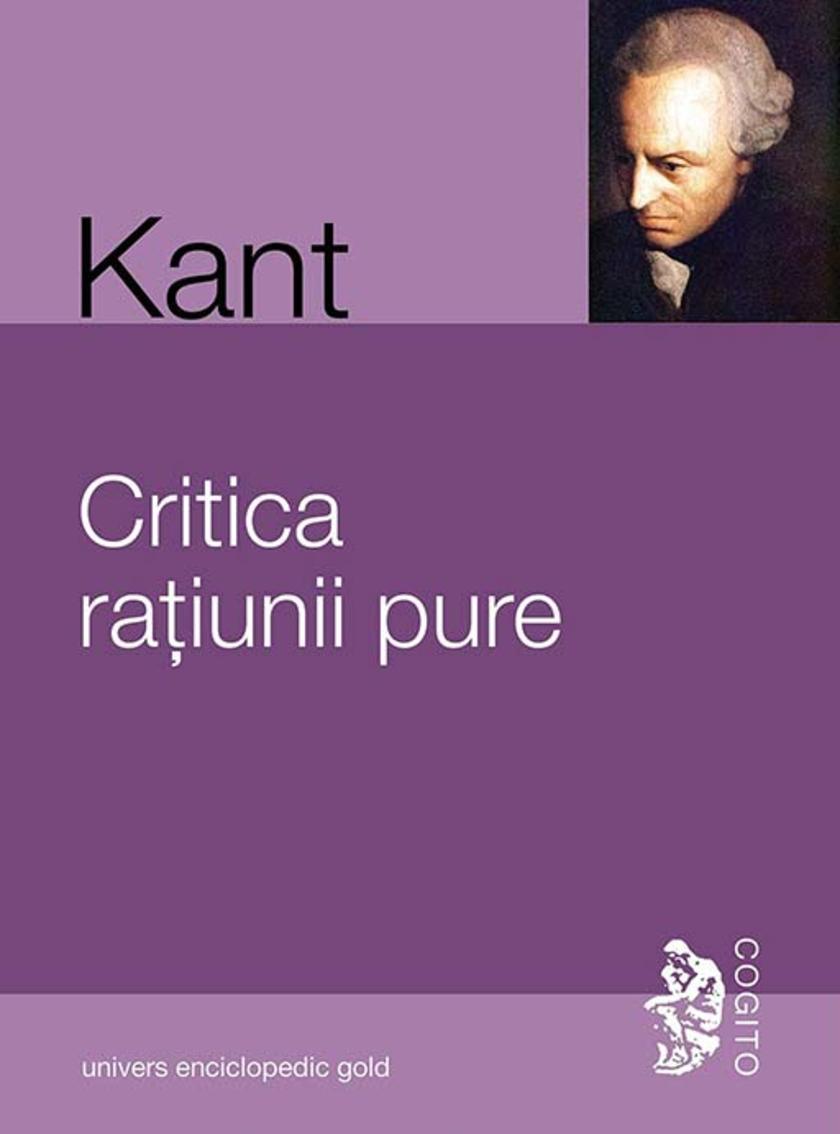
Critica ra?iunii pure
¥73.49
Irina Petrea a scris o carte pentru to?i cei care doresc s? ?n?eleag? mai bine rela?iile dintre p?rin?i ?i copii. Fie c? vrei s? ??i ?n?elegi mai bine propria copil?rie, fie c? te preg?te?ti s? ai un copil, fie c? e?ti deja p?rinte aceast? carte ??i ofer? strategii simple pentru probleme ce-?i par dificile. Plin de sfaturi, solu?ii ?i exemple, acest volum este rezultatul unei bogate experien?e de lucru cu copiii ?i p?rin?ii ?i a fost scris din dorin?a de a aduce mai mult? armonie ?n via?a tuturor.?Nu e o carte pentru minte, ci una pentru suflet. Cred cu toat? convingerea c? fiecare dintre noi este rezultatul propriei copil?rii...“ – Irina PetreaC?nd a acceptat s? devin? Supernanny ?– guvernanta ideal?, ?n reality show-ul omonim difuzat de Prima TV, pentru Irina Petrea cel mai mult a c?nt?rit dorin?a de a veni ?n sprijinul copiilor ?i al p?rin?ilor. Cu to?ii ?tim c? o rela?ie defectuoas? ?ntre p?rinte ?i copil, le am?r??te ?i, de multe ori, chiar otr?ve?te via?a, pe moment, dar ?i pe termen lung, ?n loc s? aduc?, de ambele p?r?i, bucurie, dragoste, ?mplinire ?i mul?umire, a?a cum ar trebui. De aceea, aceast? carte nu trebuie s? lipseasc? din casa nim?nui care crede c? educa?ia se face din inim?.
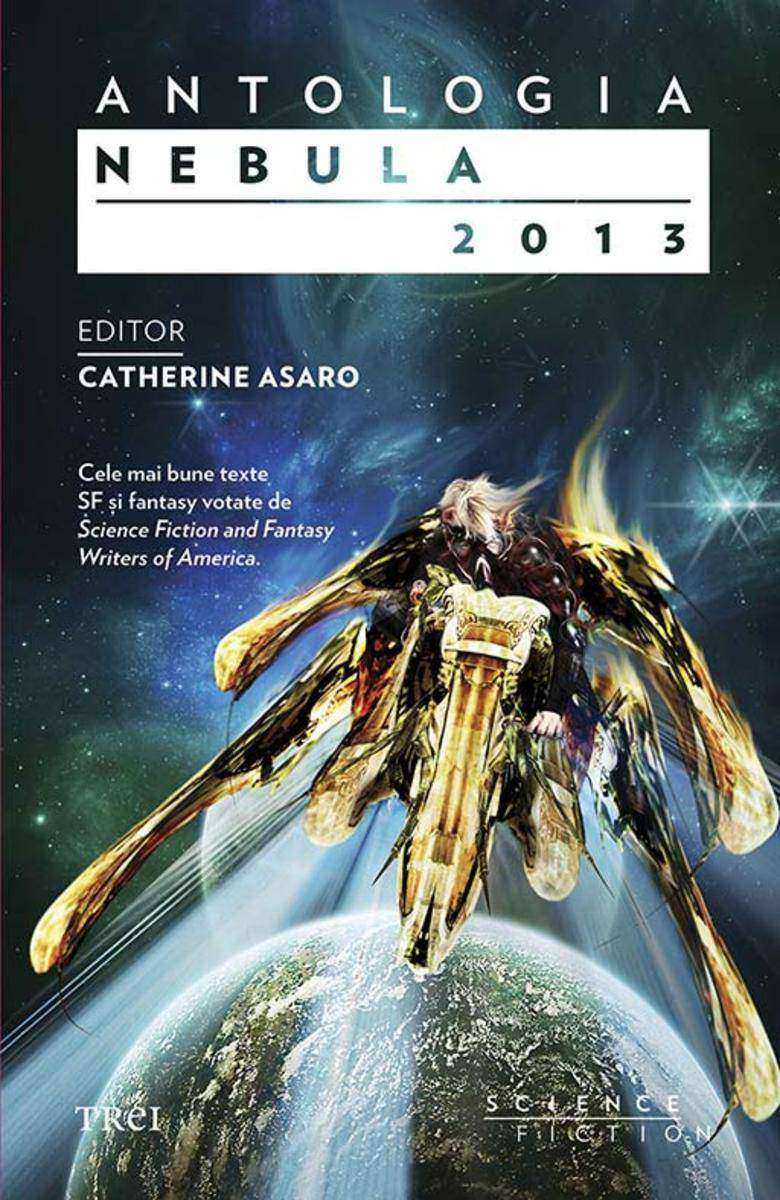
Antologia Nebula 2013
¥90.84
Care este tipul t?u? E?ti Activ, Colaborator, Conduc?tor sau Explorator? Analist, Asimilator, Intensificator sau Vizionar? E?ti Extravertit sau Introvertit? G?se?te-?i cariera perfect? pentru tipul t?u de personalitate ?i ob?ine succesul!Pentru a fi fericit ?i a avea succes ?n via?a profesional?, trebuie s? g?se?ti o carier? care se potrive?te nu numai cu interesele tale, ci ?i cu tipul t?u de personalitate. ?n aceast? carte, autoarea folose?te Indicatorul de Tipuri Myers-Briggs (MBTI) pentru a prezenta opt modalit??i distincte de a lucra ?i te ?ncurajeaz? s? reflectezi asupra preferin?elor tale naturale – propun?ndu-?i pentru aceasta liste de verificare, exerci?ii, strategii ?i sfaturi – ?i ??i ofer? toate instrumentele necesare pentru a-?i descoperi propriile preferin?e naturale ?i a ?i g?si cariera ideal?. Acest ghid pentru g?sirea unei cariere potrivite include detalii despre dezvoltarea diferen?elor dintre tipuri pe parcursul vie?ii, sfaturi pentru echilibrarea vie?ii personale cu via?a profesional? ?i foarte multe sugestii de posibile cariere, bazate pe preferin?ele personale. Autoarea face o analiz? minu?ioas? a fiec?rui tip, oferind sfaturi practice pentru cre?terea ?i dezvoltarea profesional?, precum ?i form?rile ?i profesiile potrivite fiec?ruia.

Pas cu pas
¥32.62
Marian Godin? merge la Poli?ie aproape ?n fiecare zi. Nu pentru c? s-ar afla sub control judiciar, ci fiindc? este poli?ist, ?ncep?nd cu luna decembrie a anului 2006, dup? ce a absolvit ?coala de Agen?i de Poli?ie ?Vasile Lasc?r“ din C?mpina. Pe l?ng? amenzi rutiere, Marian scrie ?i texte care abund? de umor ?i care reu?esc de fiecare dat? s? schimbe ?n bine dispozi?ia cititorului, duc?ndu-l p?n? ?ntr-acolo ?nc?t ?tergerea lacrimilor din ochi devine obligatorie pentru continuarea lecturii. Drept dovad? stau cei peste 140 000 de oameni care au ajuns s?-i urm?reasc? post?rile pe Facebook ?n mai pu?in de jum?tate de an de la apari?ia primului text, precum ?i miile de comentarii ?i de acces?ri. Flash-uri din sens opus reprezint? volumul s?u de debut.
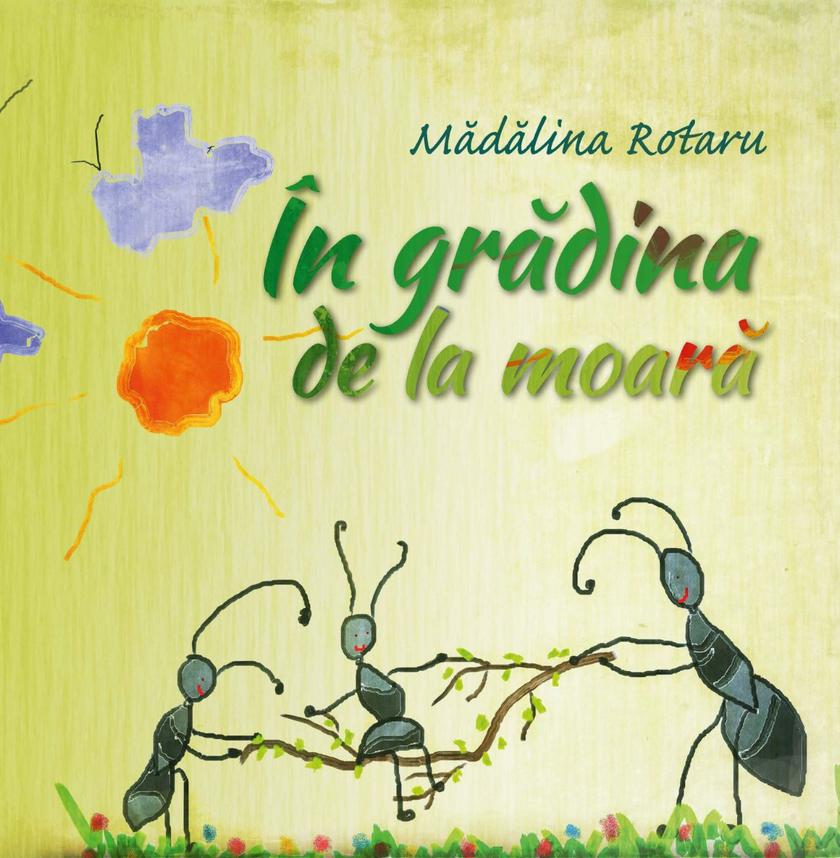
?n gr?dina de la moar?
¥65.32
Mi a kül?nbség a szabad játék és a játékosítás k?z?tt? Hogyan függ ?ssze a szabad játék, a szabad tanulás és a hivatásban való létezés, a szabad, alkotó munkavégzés? Milyen min?ségek jellemzik az életünket, amennyiben teret engedünk ezeknek? Miért nem érdemes játékosítani még akkor sem, ha ez r?videbb távon vonzó megoldásnak t?nik?
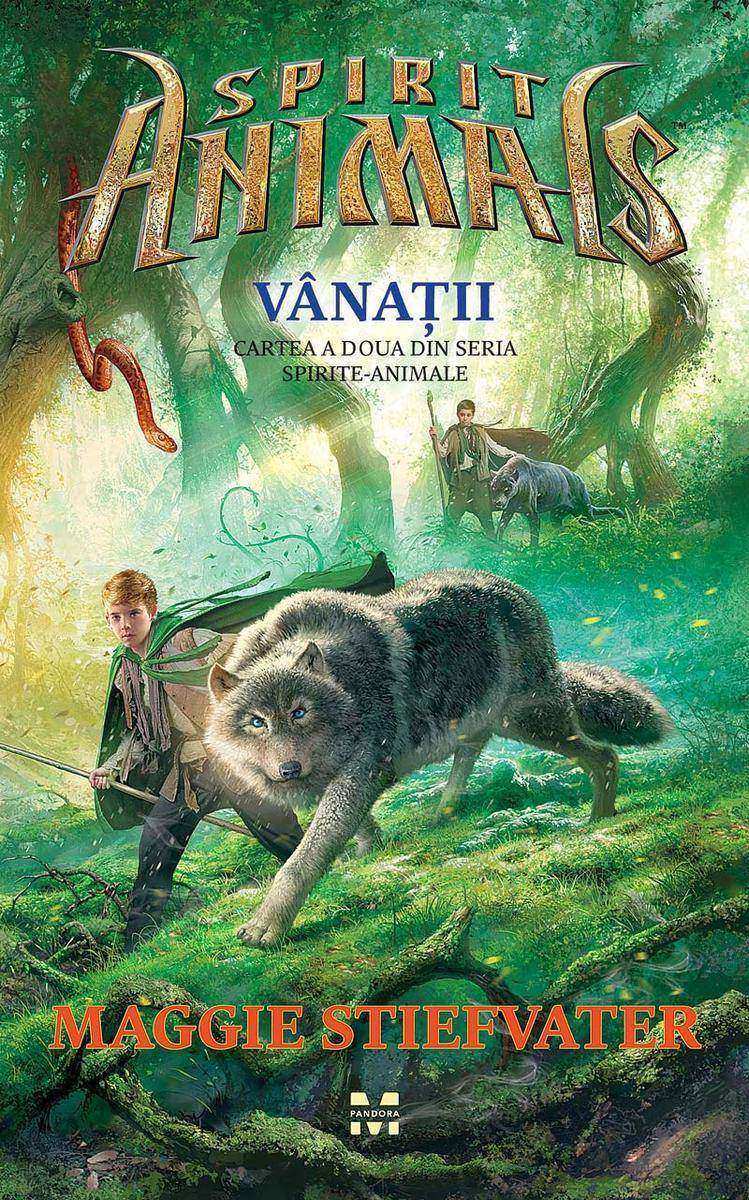
V?na?ii. Cartea a doua din seria Spirite-Animale
¥32.62
André Stern annak az új létezési formának az el?futára, amelyben újra kell értelmeznünk a gyermekekhez való hozzáállásunkat, elképzeléseinket a nevelésr?l, a tanulásról, az egymással való viselkedési formákról.

T?zkeresztség
¥57.80
In giving to the world the record of what, looked at as an adventure only, is I suppose one of the most wonderful and mysterious experiences ever undergone by mortal men, I feel it incumbent on me to explain what my exact connection with it is. And so I may as well say at once that I am not the narrator but only the editor of this extraordinary history, and then go on to tell how it found its way into my hands. Some years ago I, the editor, was stopping with a friend, "vir doctissimus et amicus neus," at a certain University, which for the purposes of this history we will call Cambridge, and was one day much struck with the appearance of two persons whom I saw going arm-in-arm down the street. One of these gentlemen was I think, without exception, the handsomest young fellow I have ever seen. He was very tall, very broad, and had a look of power and a grace of bearing that seemed as native to him as it is to a wild stag. In addition his face was almost without flaw—a good face as well as a beautiful one, and when he lifted his hat, which he did just then to a passing lady, I saw that his head was covered with little golden curls growing close to the scalp. "Good gracious!" I said to my friend, with whom I was walking, "why, that fellow looks like a statue of Apollo come to life. What a splendid man he is!" "Yes," he answered, "he is the handsomest man in the University, and one of the nicest too. They call him 'the Greek god'; but look at the other one, he's Vincey's (that's the god's name) guardian, and supposed to be full of every kind of information. They call him 'Charon.'" I looked, and found the older man quite as interesting in his way as the glorified specimen of humanity at his side. He appeared to be about forty years of age, and was I think as ugly as his companion was handsome. To begin with, he was shortish, rather bow-legged, very deep chested, and with unusually long arms. He had dark hair and small eyes, and the hair grew right down on his forehead, and his whiskers grew right up to his hair, so that there was uncommonly little of his countenance to be seen. Altogether he reminded me forcibly of a gorilla, and yet there was something very pleasing and genial about the man's eye. I remember saying that I should like to know him.

365 For Singles
¥32.62
365 For Singles

How to Seduce the Hottest Women in the World
¥24.44
How to Seduce the Hottest Women in the World
10 Maneiras de vencer uma discuss?o
¥8.18
10 Maneiras de vencer uma discuss?o


